




Recycling innovation on iPhone: Apple's new camera feature is no game changer

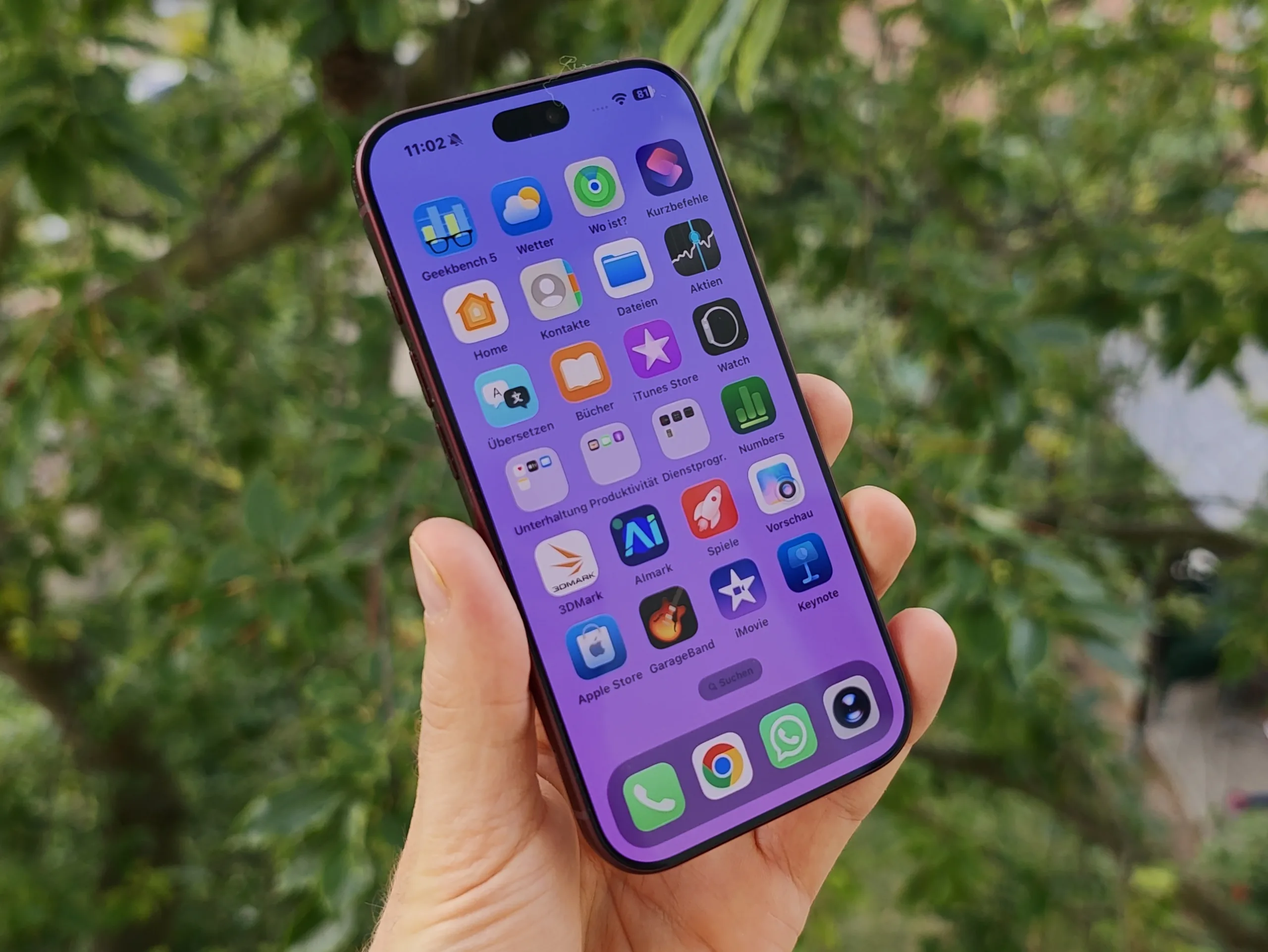
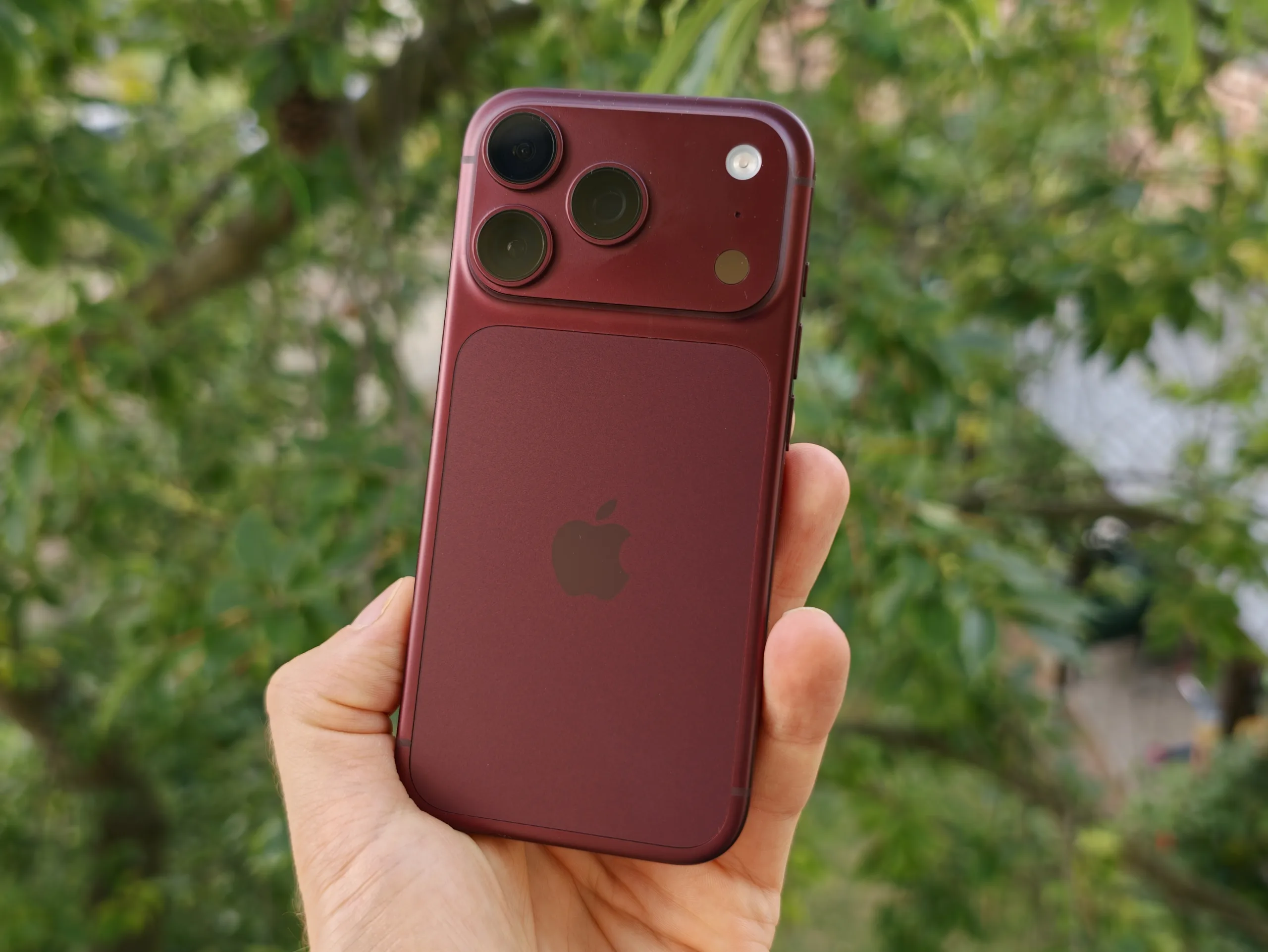
Our review of the Apple iPhone 18 Pro gives it an excellent rating. However, the changes compared with its predecessor (available on Amazon.com) are fairly minor, particularly in terms of the design. A variable aperture is now supposed to make the difference in the current Pro model's camera setup.
Beyond the marketing benefits, however, its added value in the daily life of the average consumer is highly debatable. There is a reason why the variable aperture has largely been abandoned again in the Android segment as a "technological dead end" after extensive real-world testing. Instead, Apple's new camera feature poses a greater risk for long-term users of an iPhone 18 Pro.
The iPhone 18 Pro's variable aperture has been familiar in the Android segment for years
While Xiaomi still equipped its 13 Ultra and 14 Ultra with an adjustable aperture, this camera feature was dropped entirely starting with the Xiaomi 15 Ultra (and its successors). Samsung also ended its experiment with a dynamic aperture with the Galaxy S20 series in 2020, and after the Pro-i, Sony returned to a fixed aperture for its Xperia phones.
The reason for removing this feature from Android flagships is probably that the mechanical complexity is disproportionate to the benefits. Accommodating moving aperture blades in the ultra-thin bodies of modern high-end smartphones always requires compromises. The system takes up valuable space and probably also adds weight. Mechanical components can also wear out and are more susceptible to damage from drops.


The main argument for a variable aperture is control over depth of field (bokeh) and image sharpness. The effect is visible on the iPhone 18 Pro, but limited by its relatively small sensor. Adjusting the aperture in steps from f/1.48 to f/4 produces a slight increase in background sharpness on Apple's phone.
This benefit comes at the cost of a delicate mechanism. Initial teardowns by iFixit show that the ultra-thin aperture blades in the iPhone 18 Pro are intricately constructed and probably essentially impossible to repair. Rather than further increasing the sensor size for better image quality, as seen in the Ultra models in the Android segment, Apple is now integrating a component that will probably result in high repair costs if it is damaged, because the entire camera module will have to be replaced.
Source(s)
Review: Apple iPhone 18 Pro
 Add as a preferred source on Google


