





Verdict on the Apple iPhone 18 Pro
The Apple iPhone 18 Pro proves to be an ambitious flagship smartphone in our review, packing maximum performance into a compact body. However, Apple runs up against physical limits, as the new cooling system is less efficient than last year's. The new Apple A20 Pro delivers immense performance that should be sufficient for years to come, especially for future AI applications.
The iPhone 18 Pro's display is not quite at the very top level. In particular, the low-frequency PWM dimming needs to be adjusted in the iPhone 19 Pro. We also do not consider the camera setup, due to the relatively small sensor sizes, to be on par with the very best Android phones, such as the Vivo X300 Ultra or Oppo Find X9 Ultra.
Pros
Cons
Price and availability of the Apple iPhone 18 Pro

The Apple iPhone 18 Pro with 256 GB of storage has an RRP of US$ 1,199 and is available directly from the manufacturer or from online retailers, including amazon.com.
The top-end version with 2 TB costs an outrageously expensive US$ 2,399.

Table of Contents
- Verdict on the Apple iPhone 18 Pro
- Specifications of the Apple iPhone 18 Pro
- Case - Waterproof Apple smartphone with a modern look
- Features - Compact iPhone 18 Pro with up to 2 TB of storage
- Software - The compact Pro model with a smaller Dynamic Island
- Communication and GNSS - Apple iPhone 18 Pro with new modem
- Phone features and call quality - Top smartphone with eSIM and dual SIM
- Cameras - iPhone 18 Pro has a variable aperture with optical image stabilization
- Accessories and warranty - Apple iPhone 18 Pro with USB cable only
- Input devices and operation - No fingerprint sensor in the Apple phone, but Face ID instead
- Display - Apple nails the OLED panel
- Performance - iPhone 18 Pro features A20 Pro with 12 GB RAM
- Emissions - iPhone 18 Pro with new cooling technology that makes little difference in everyday use
- Battery life - Compact flagship smartphone with a small battery
- Notebookcheck overall rating
- Possible alternatives compared
Specifications of the Apple iPhone 18 Pro
Case - Waterproof Apple smartphone with a modern look
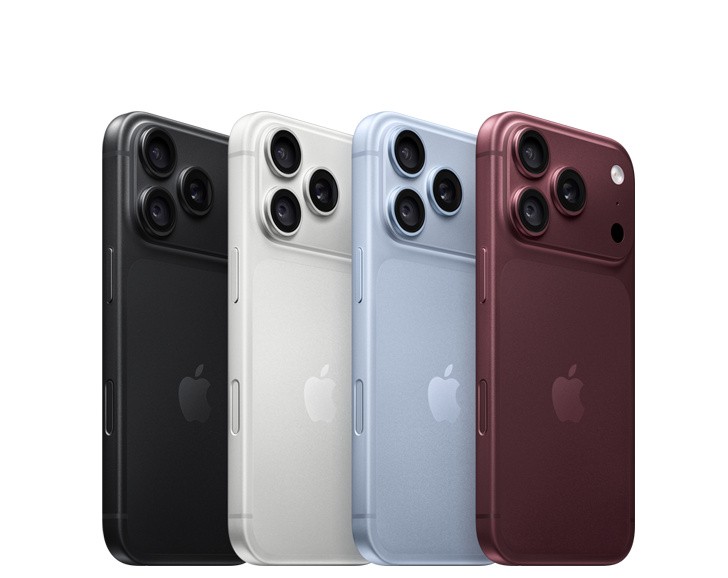
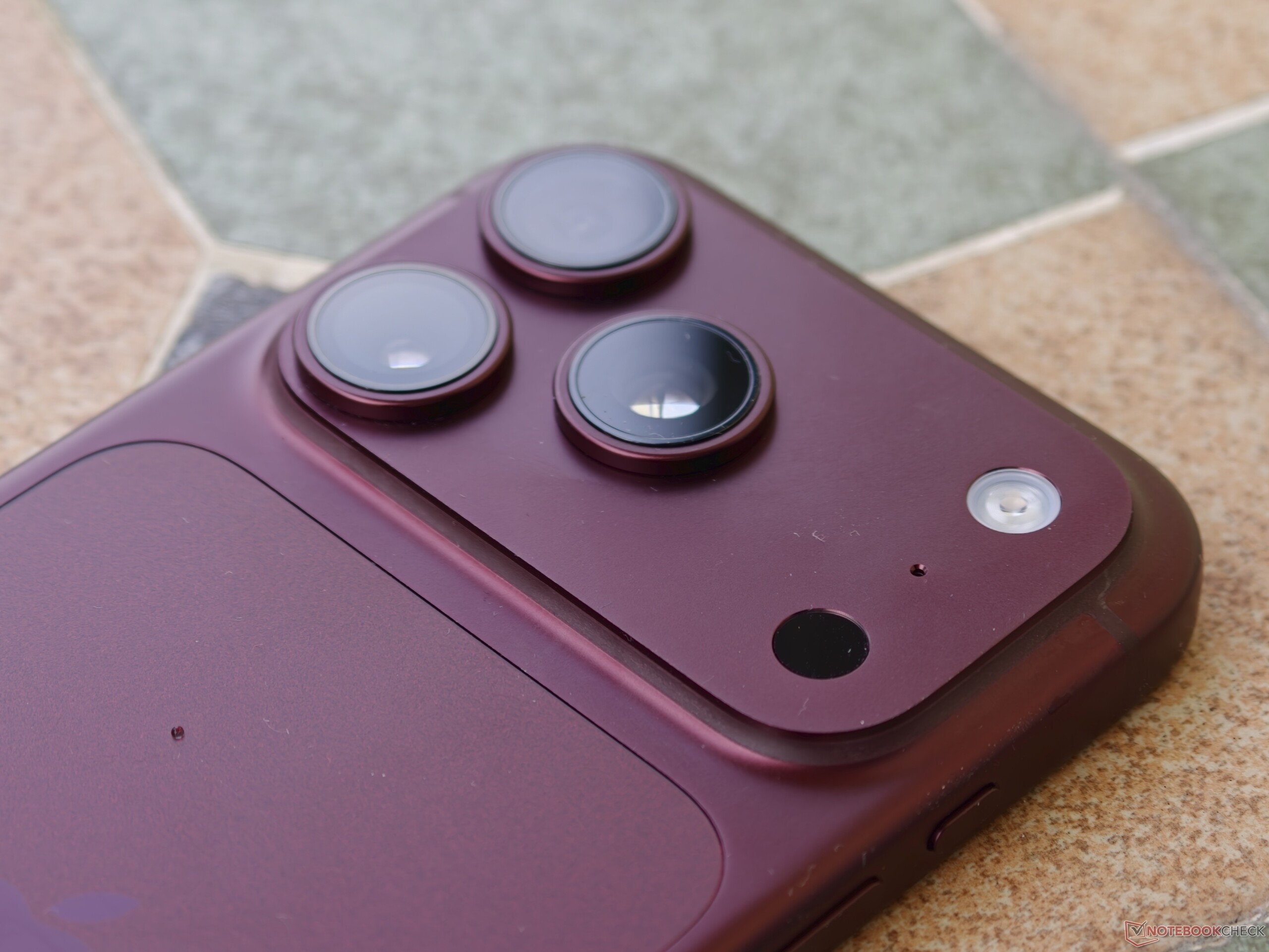
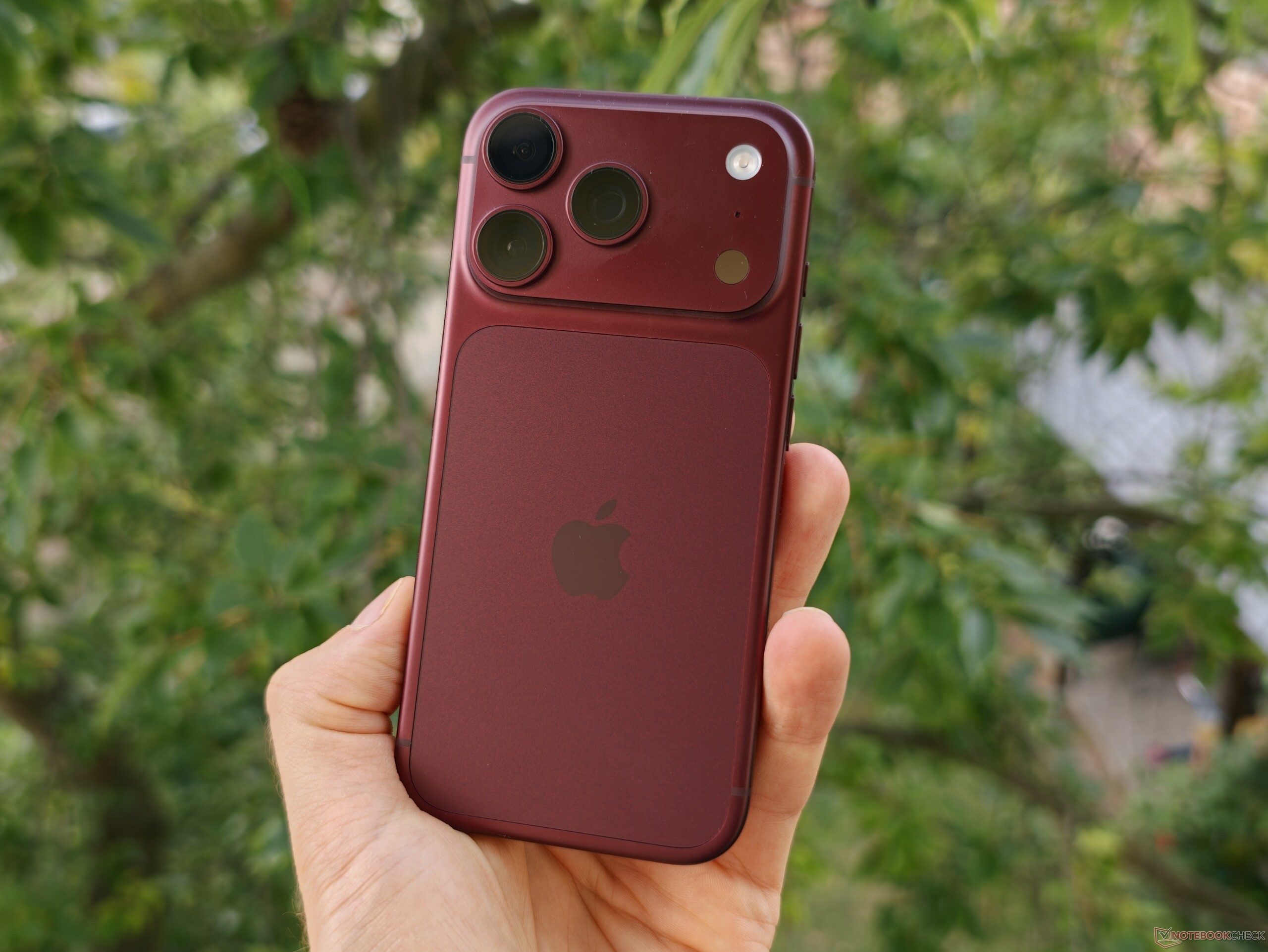
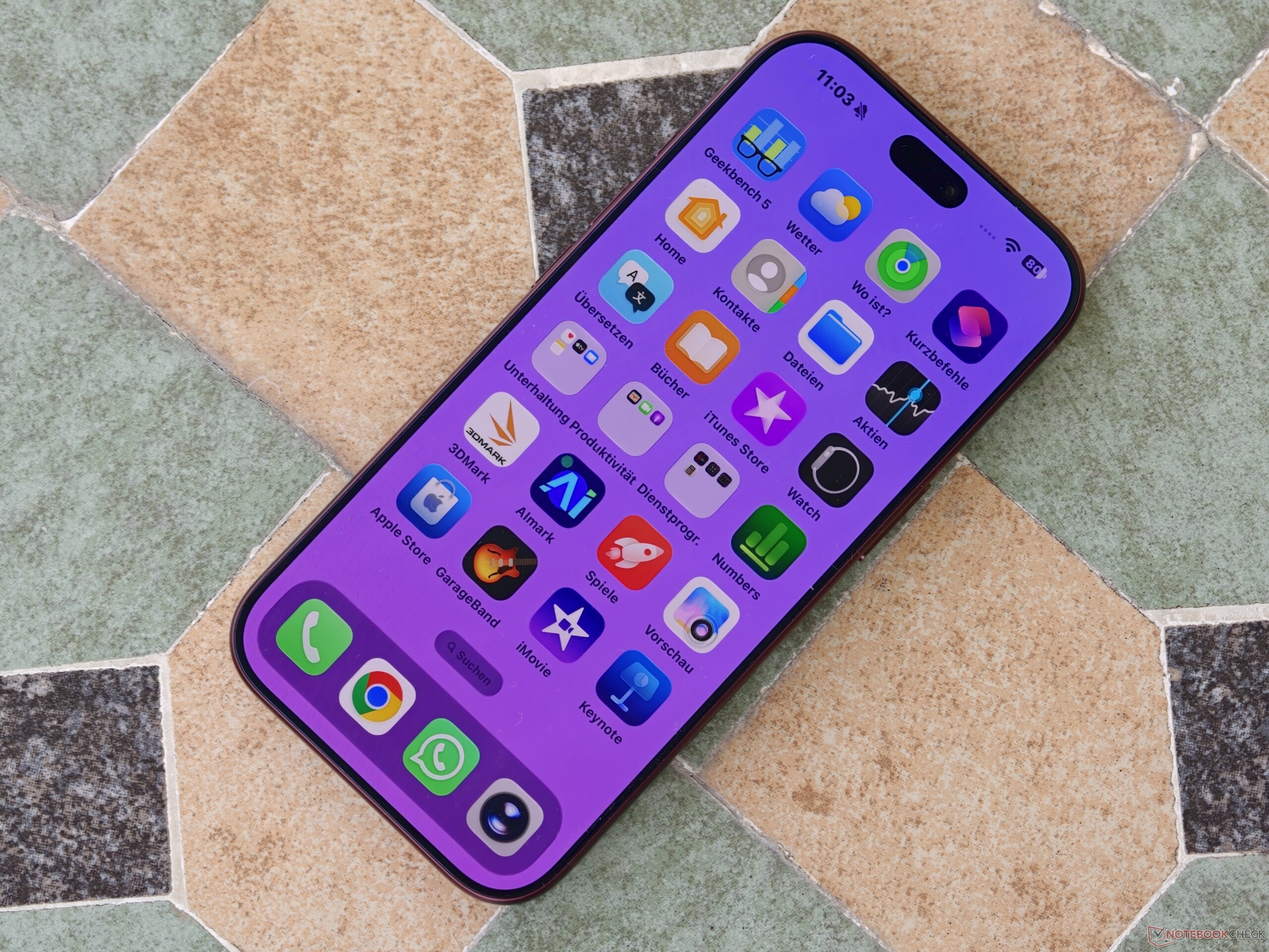
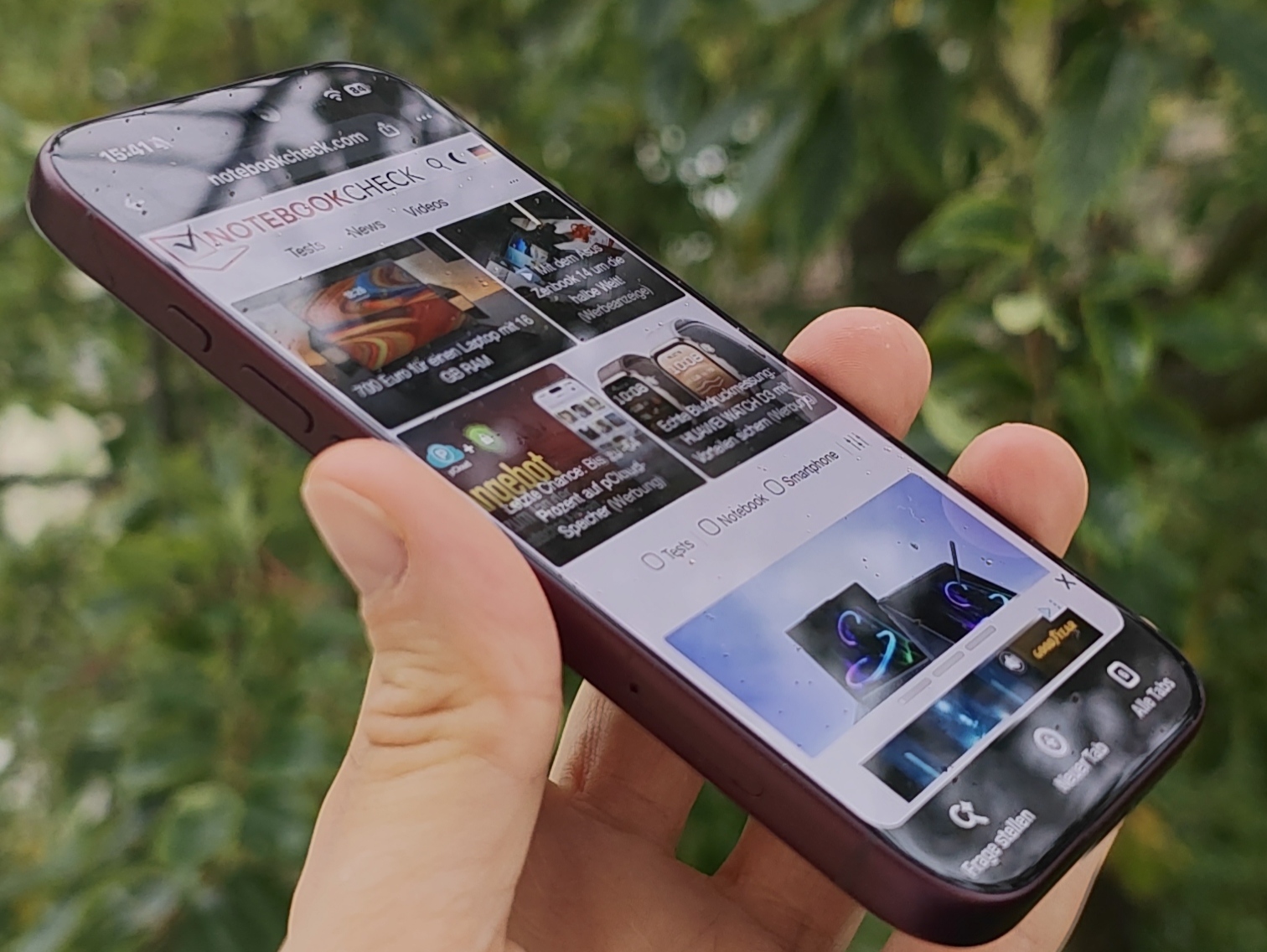
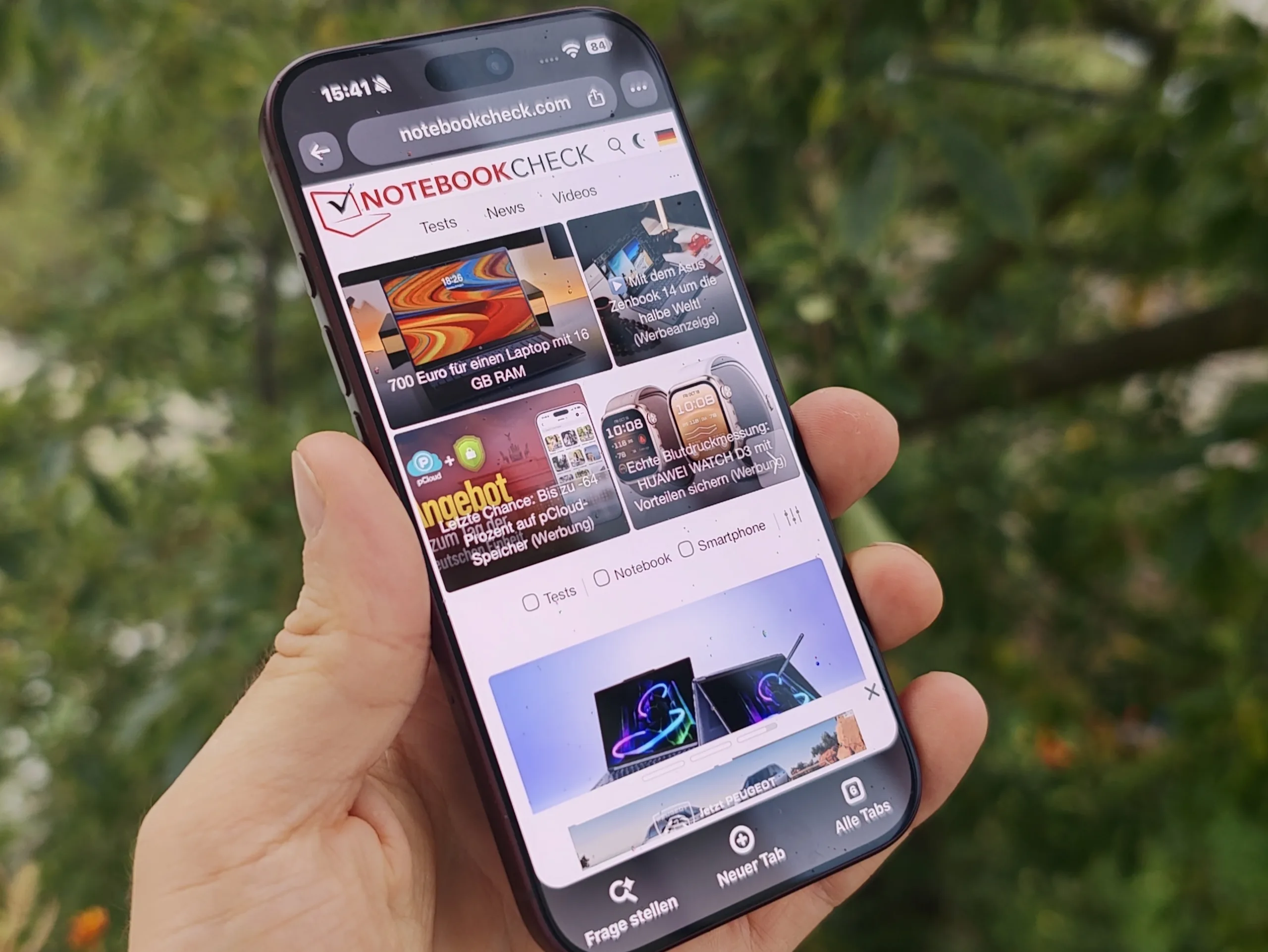
The iPhone 18 Pro looks almost identical to the iPhone 17 Pro, but Apple has made minor tweaks to the design. Anyone wanting to make it immediately apparent that they are using the new flagship smartphone will need to choose the exclusive Glacier (light blue) or Burgundy (dark red) colors when purchasing.
Apple's Pro model is once again IP68-rated for dust and water resistance. At 211 grams, the iPhone 18 Pro is comparatively heavy for a compact smartphone, but offers very good build quality. The chassis also feels premium and pleasantly “rounded” in the hands.
The front uses Ceramic Shield 2, introduced last year, while the back only uses first-generation Ceramic Shield. Like its predecessor, Apple's current Pro model features an Action button and a Camera button.
Features - Compact iPhone 18 Pro with up to 2 TB of storage
Apart from an IR blaster, Apple packs its compact flagship smartphone with every feature currently available. Satellite communication, which in Europe is limited to "Emergency SOS" and is not permanently free, a UWB and NFC chip, wireless charging with MagSafe or Qi2, and a fast USB 3.2 (Gen. 2) port.
Software - The compact Pro model with a smaller Dynamic Island
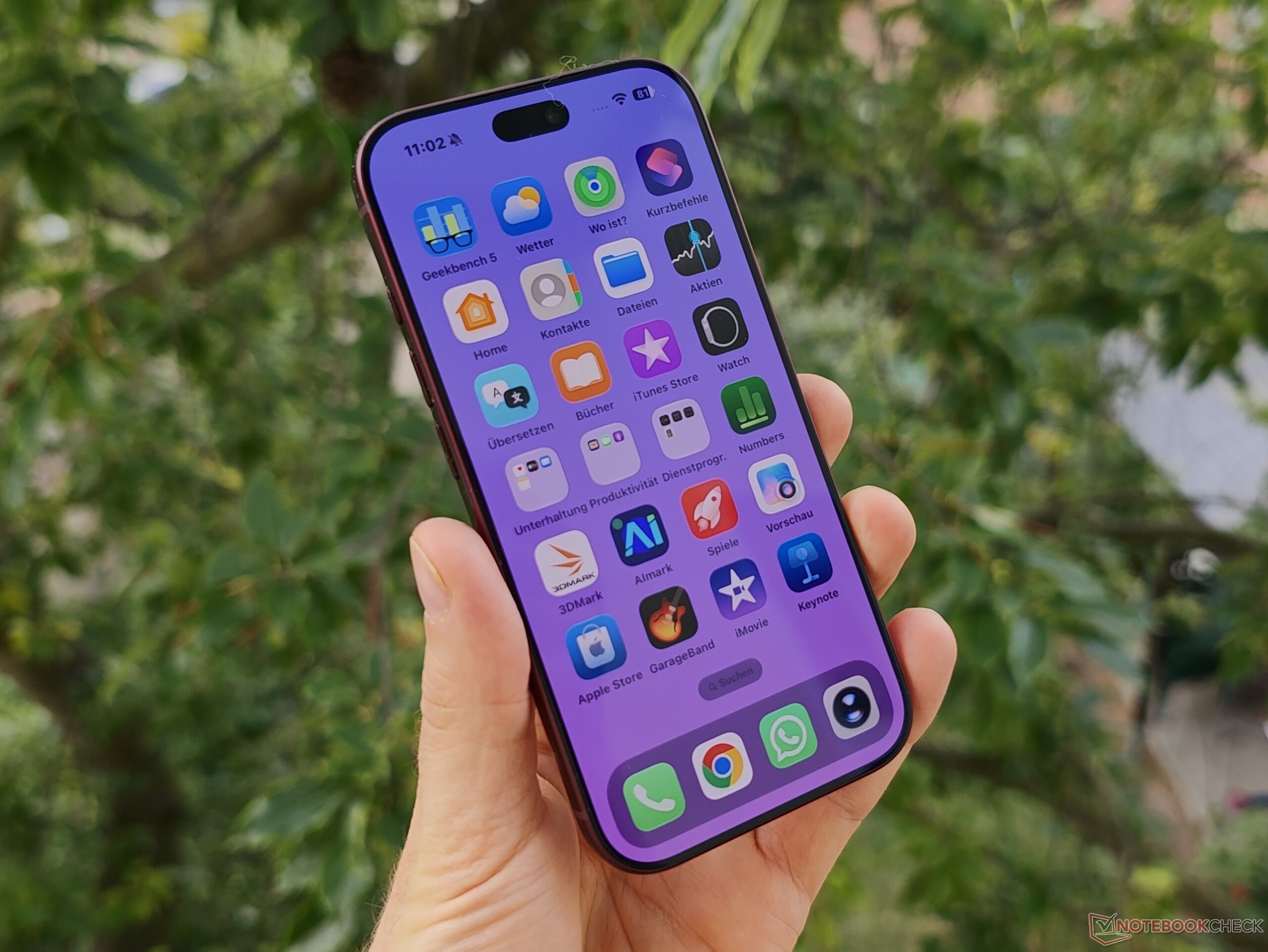
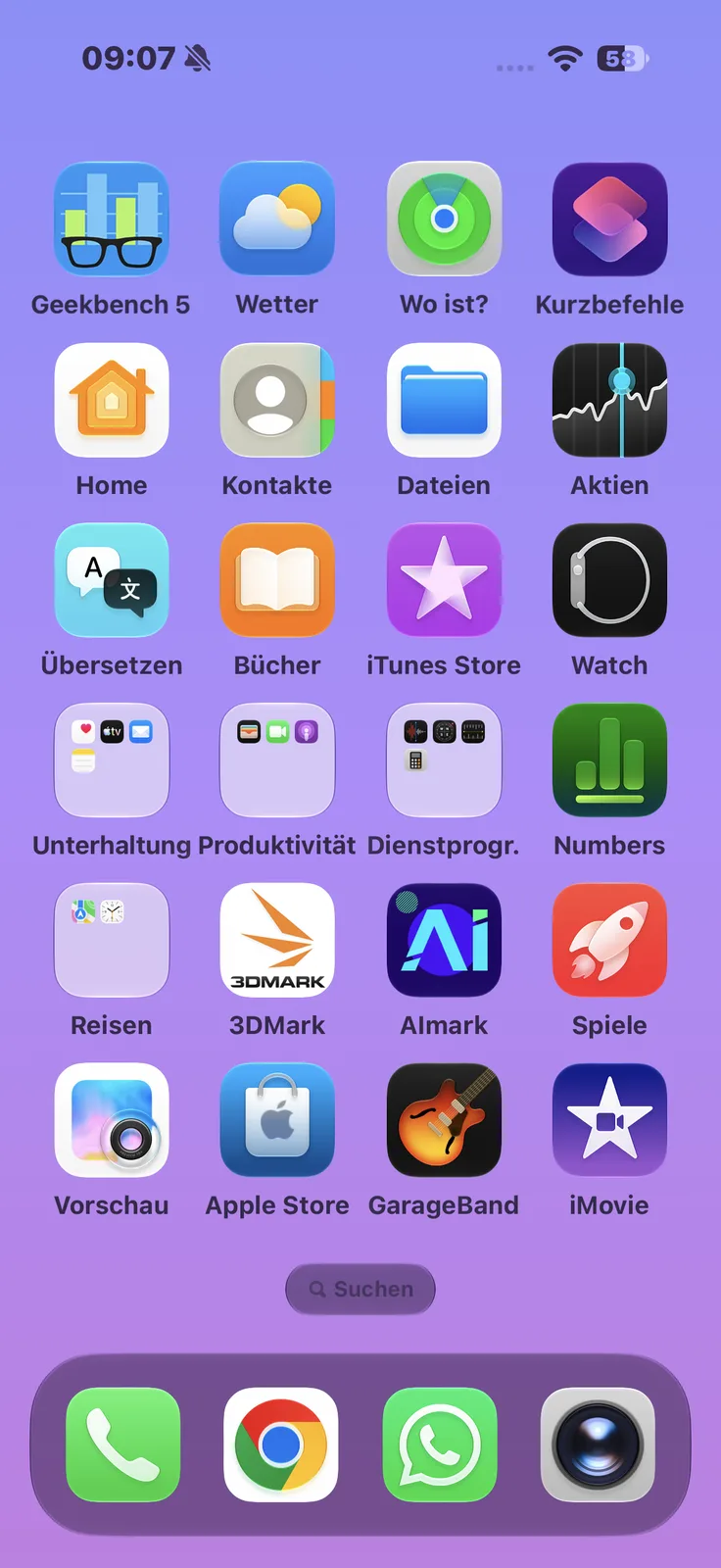
The iPhone 18 Pro comes with iOS 27; you can read about all the new features in this article . The punch-hole on the current generation is slightly smaller, but the Dynamic Island can now display three widgets. Some AI services now require a paid subscription (Apple One Premier).
Apple still does not make any specific statements about update support. Based on its track record, however, buyers can expect around five years of software support.
Sustainability
Apple ships its iPhone 18 Pro in apparently plastic-free outer packaging. In its sustainability report, Apple also provides information on the proportion of recycled materials and the recycling rates for rare earths and precious metals. A self-service repair program is also offered for iPhones.
Communication and GNSS - Apple iPhone 18 Pro with new modem
The iPhone 18 Pro supports modern Wi-Fi 7 and Bluetooth 6.0. When paired with our Asus reference router, high and stable data transfer rates are possible, although the data rate could be somewhat higher compared to a Find X9 Ultra or Xiaomi 17 Ultra.
Mobile frequency band coverage is very good. For the first time in Europe, the iPhone 18 Pro uses Apple's own cellular modem, called Apple C2. Apple is thus gradually moving away from Qualcomm as a supplier. Apple also claims to have improved efficiency and speed.
| Networking | |
| Apple iPhone 18 Pro | |
| iperf3 transmit Wi-Fi6/7 RT-BE96U | |
| iperf3 receive Wi-Fi6/7 RT-BE96U | |
| Google Pixel 10 Pro | |
| iperf3 transmit AXE11000 | |
| iperf3 receive AXE11000 | |
| iperf3 transmit AXE11000 6GHz | |
| iperf3 receive AXE11000 6GHz | |
| Samsung Galaxy S26 Ultra | |
| iperf3 transmit AXE11000 | |
| iperf3 receive AXE11000 | |
| iperf3 transmit AXE11000 6GHz | |
| iperf3 receive AXE11000 6GHz | |
| iperf3 transmit Wi-Fi6/7 RT-BE96U | |
| iperf3 receive Wi-Fi6/7 RT-BE96U | |
| Xiaomi 17 Pro | |
| iperf3 transmit AXE11000 | |
| iperf3 receive AXE11000 | |
| iperf3 transmit AXE11000 6GHz | |
| iperf3 receive AXE11000 6GHz | |
| Apple iPhone 17 Pro | |
| iperf3 transmit AXE11000 | |
| iperf3 receive AXE11000 | |
| iperf3 transmit AXE11000 6GHz | |
| iperf3 receive AXE11000 6GHz | |
| iperf3 receive RT-BE96U WiFi7 | |
| iperf3 transmit RT-BE96U WiFi7 | |
| Average 802.11 a/b/g/n/ac/ax/be | |
| iperf3 transmit AXE11000 | |
| iperf3 receive AXE11000 | |
| iperf3 transmit AXE11000 6GHz | |
| iperf3 receive AXE11000 6GHz | |
| iperf3 transmit Wi-Fi6/7 RT-BE96U | |
| iperf3 receive Wi-Fi6/7 RT-BE96U | |
| iperf3 receive RT-BE96U WiFi7 | |
| iperf3 transmit RT-BE96U WiFi7 | |
| Average of class Smartphone | |
| iperf3 transmit AXE11000 | |
| iperf3 receive AXE11000 | |
| iperf3 transmit AXE11000 6GHz | |
| iperf3 receive AXE11000 6GHz | |
| iperf3 transmit Wi-Fi6/7 RT-BE96U | |
| iperf3 receive Wi-Fi6/7 RT-BE96U | |
| iperf3 receive RT-BE96U WiFi7 | |
| iperf3 transmit RT-BE96U WiFi7 | |
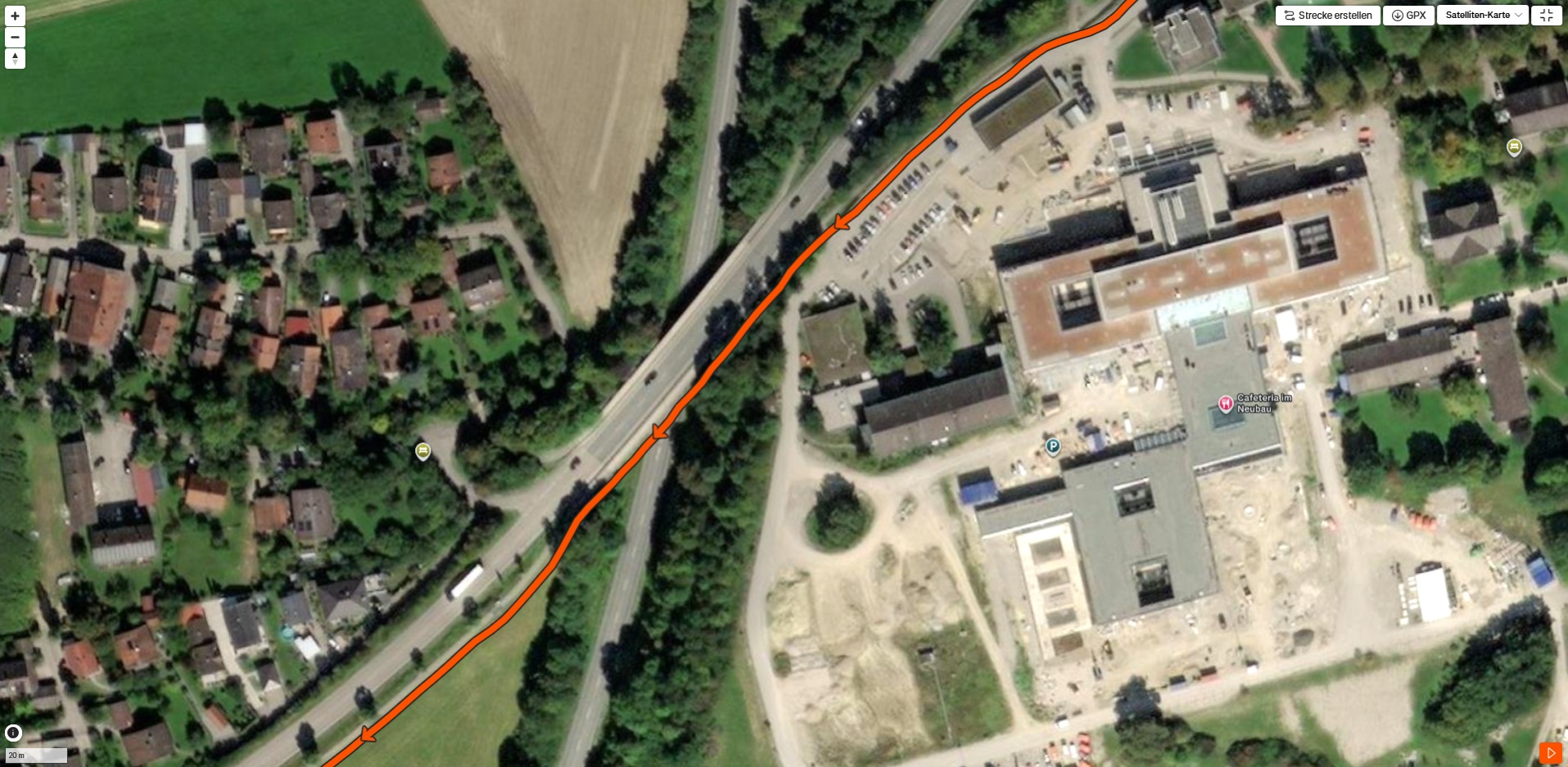
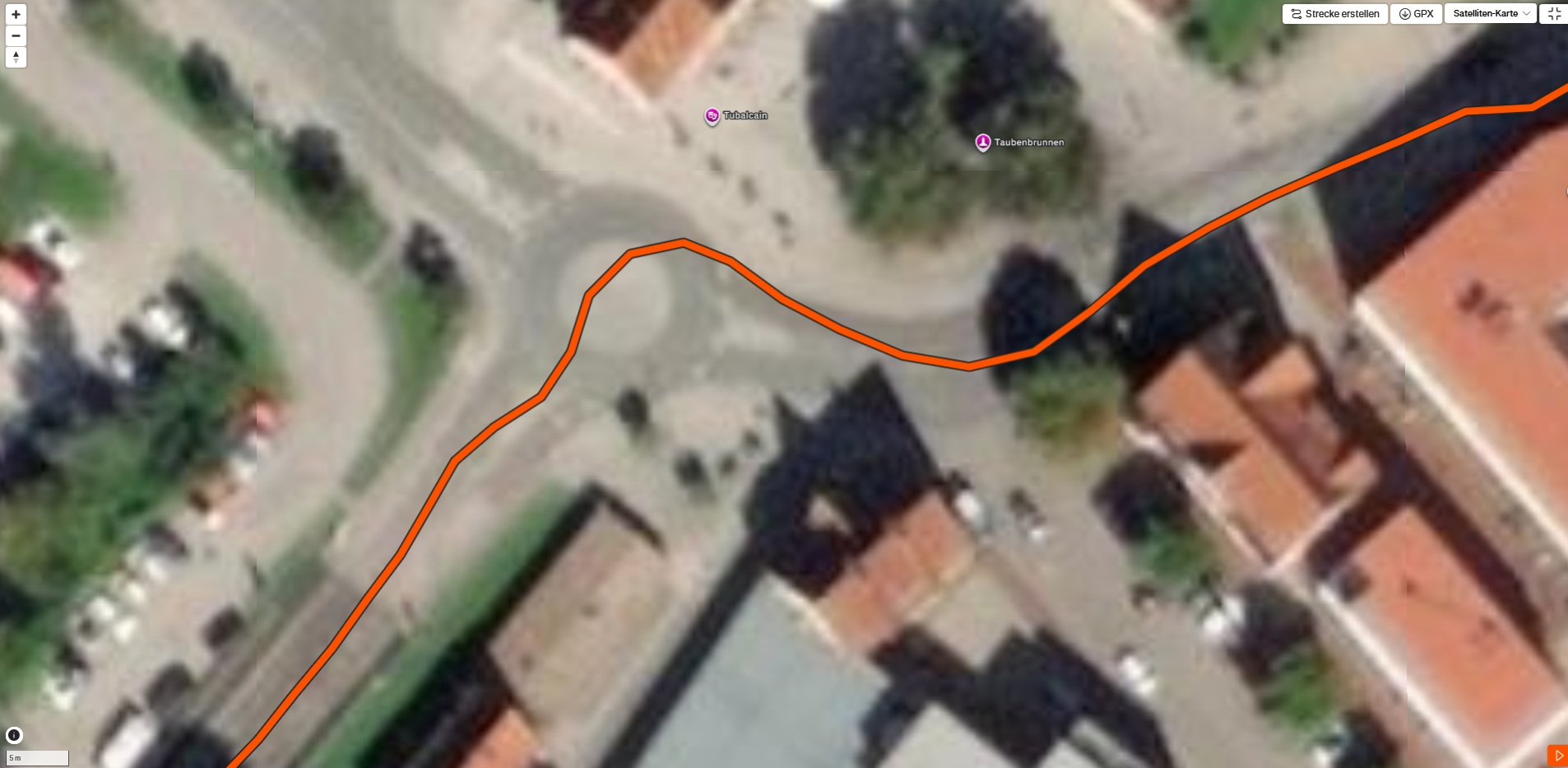
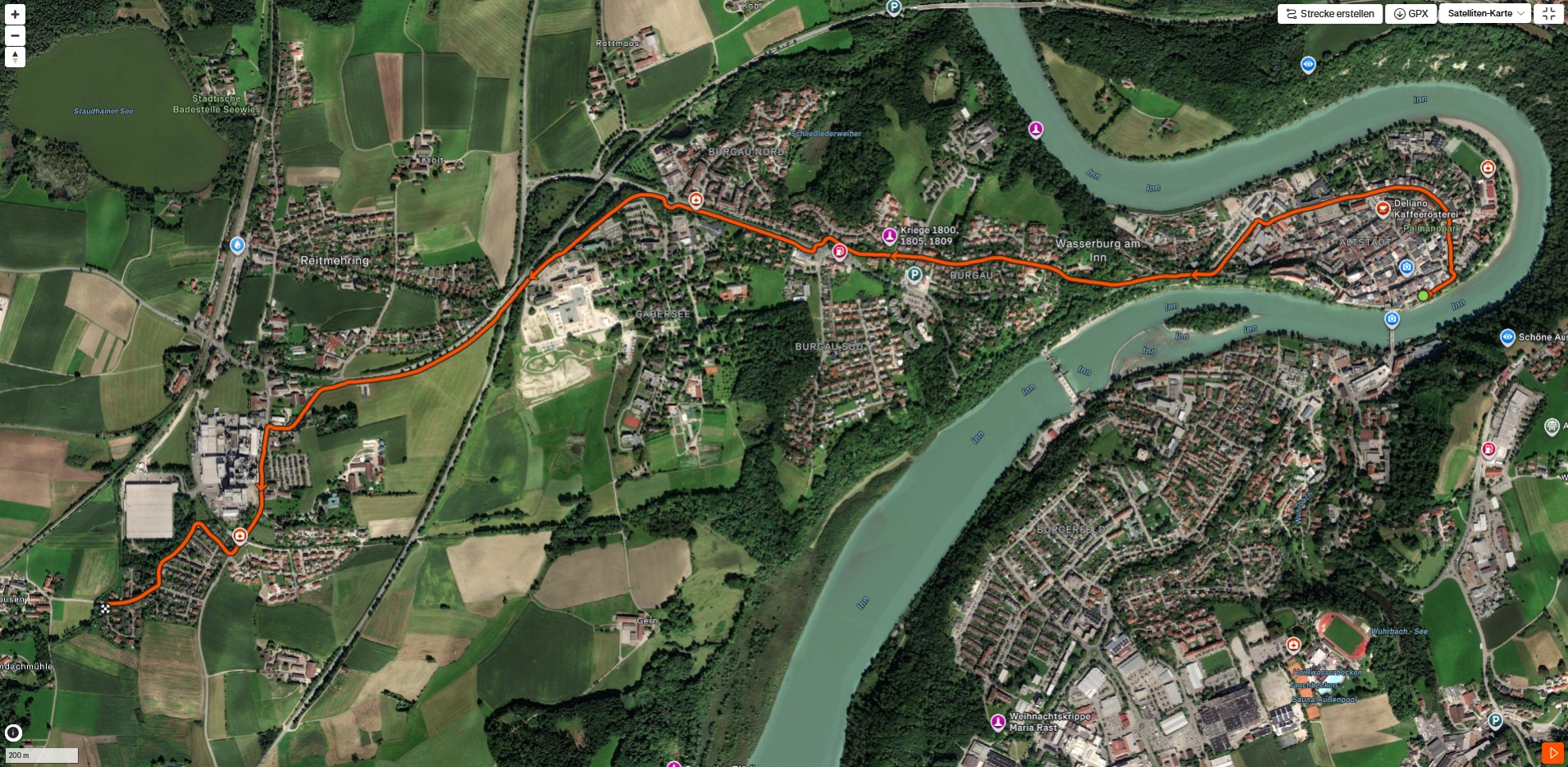
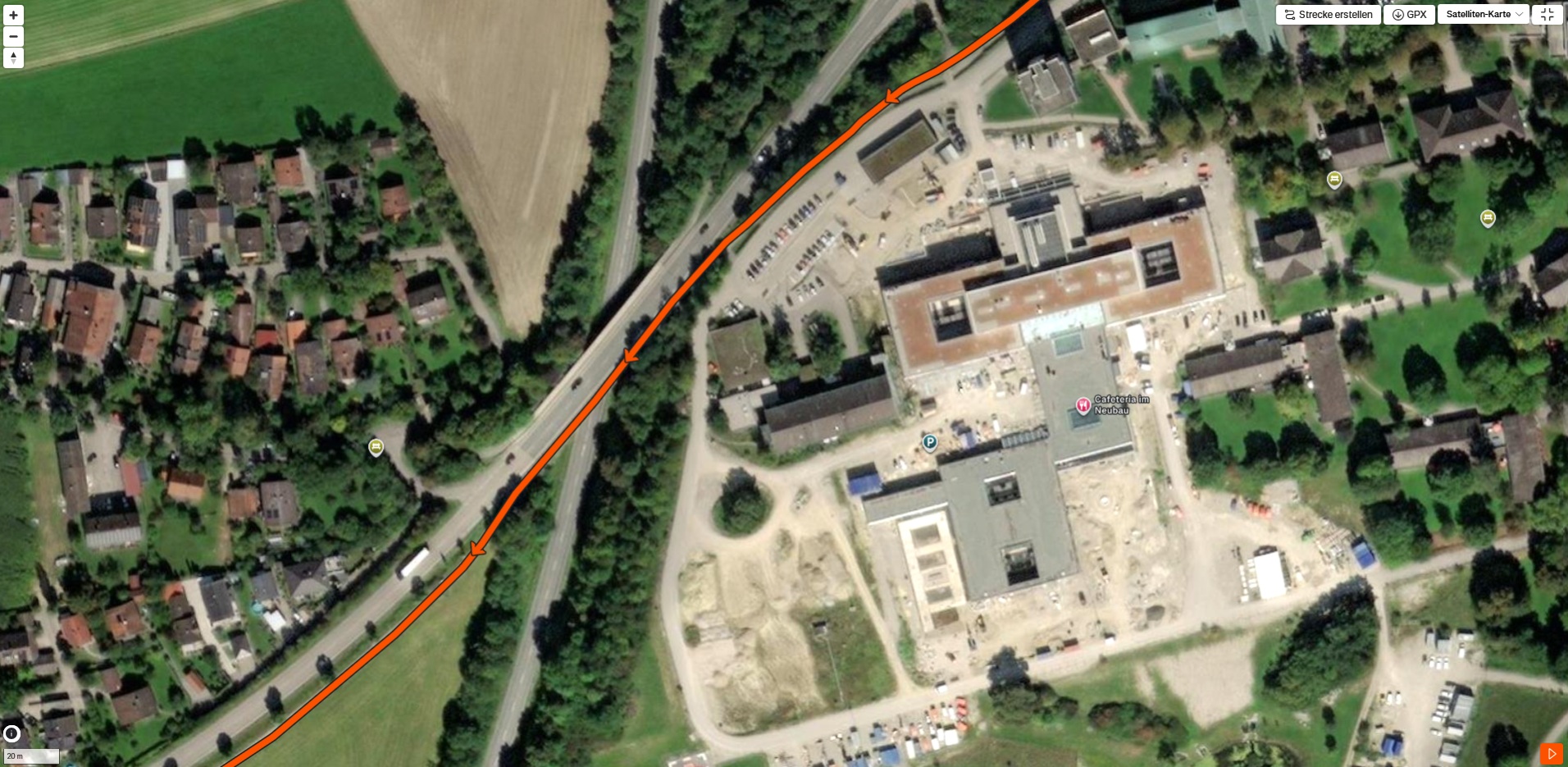
Dual-band GNSS with all global satellite networks is available for positioning. Positioning is fast and accurate. On a bike ride, the iPhone 18 Pro also records our route quite accurately, although minor deviations are clearly noticeable.

Phone features and call quality - Top smartphone with eSIM and dual SIM
In Europe, the iPhone 18 Pro can still be used with a nanoSIM and an additional eSIM. Two eSIMs can also be used for dual-SIM functionality. VoLTE and Wi-Fi calling are supported.
The voice quality is impressive, and low-frequency background noise is reliably filtered out.
Cameras - iPhone 18 Pro has a variable aperture with optical image stabilization

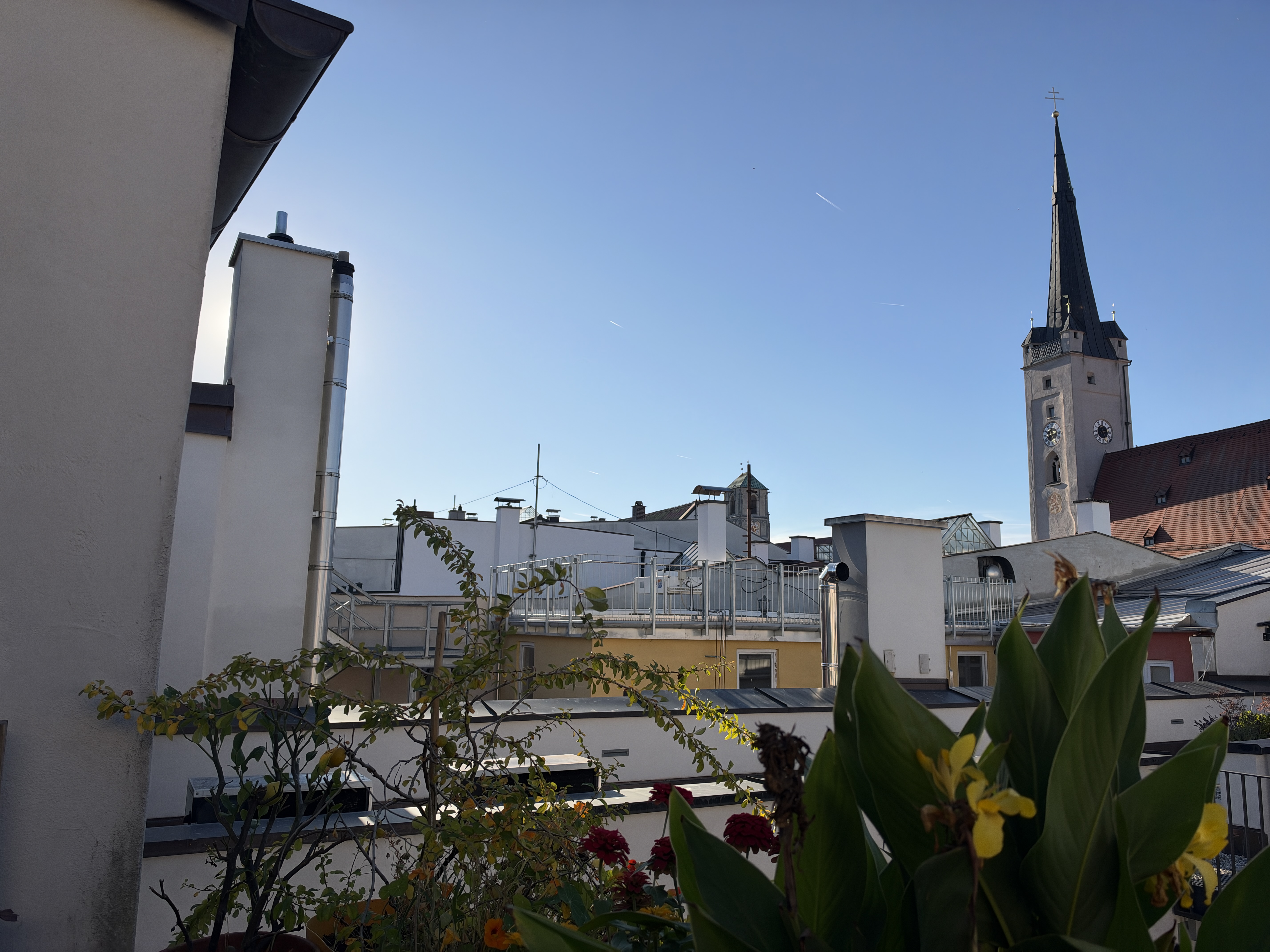
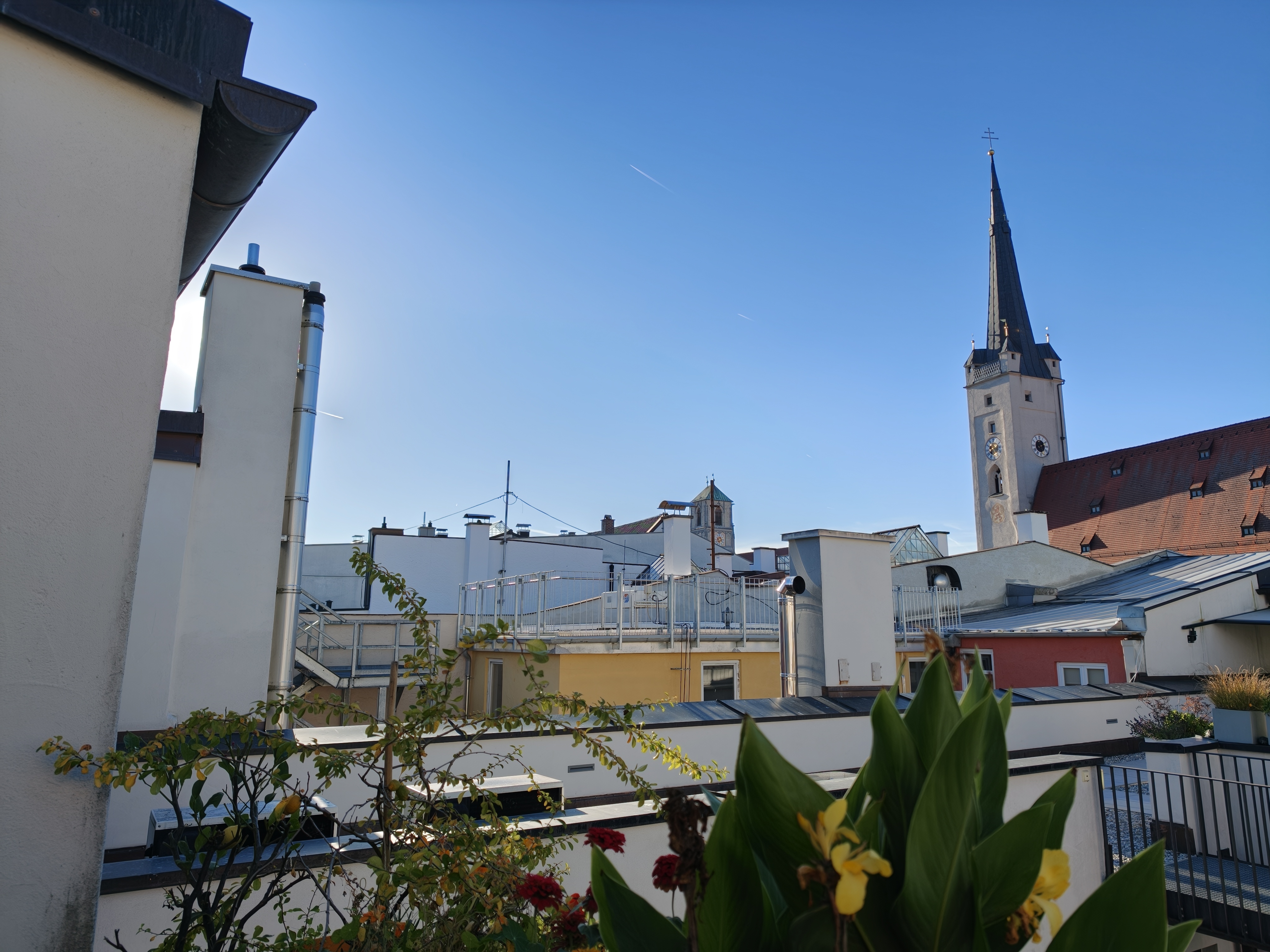
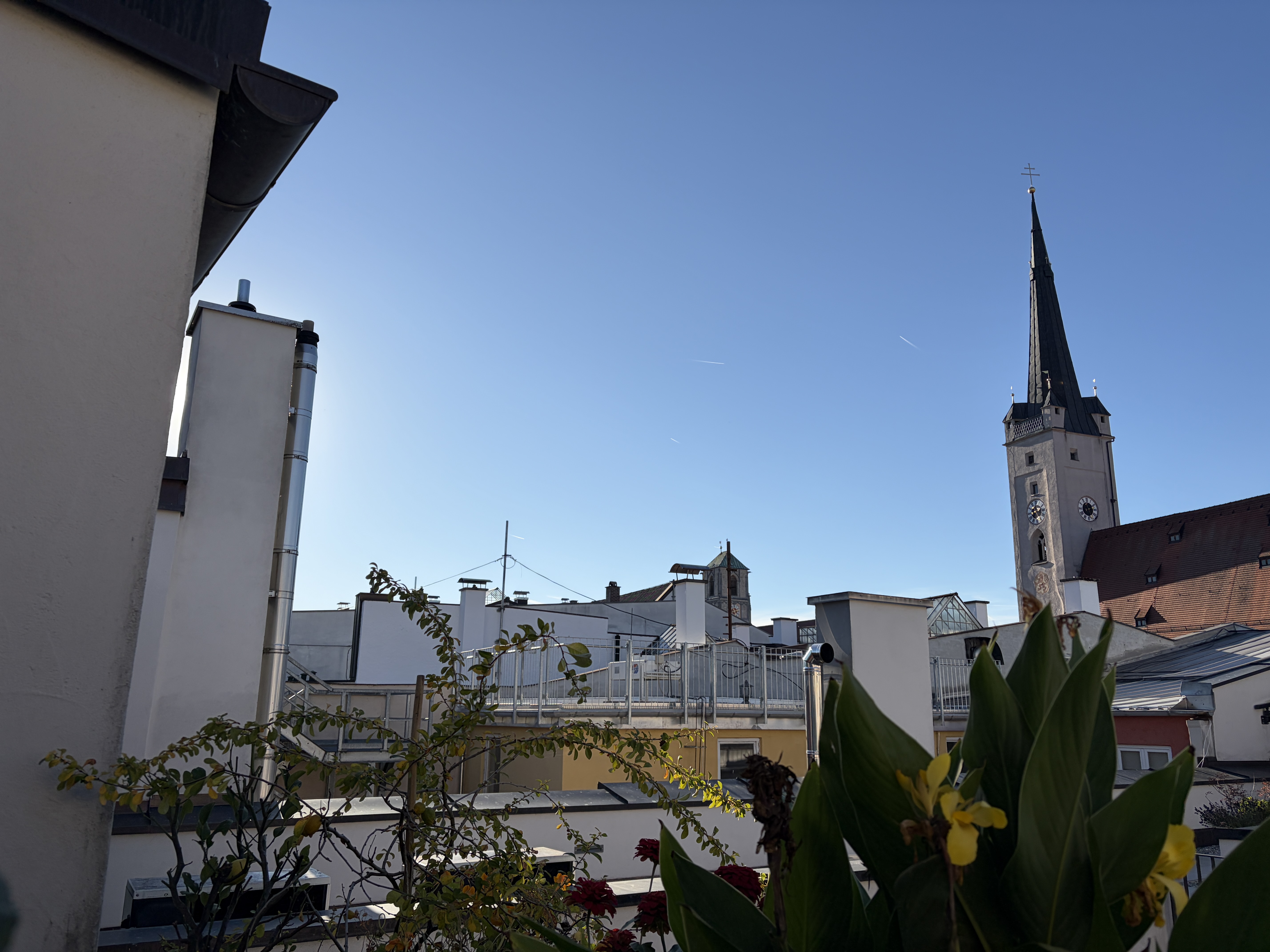
With its current Pro models, Apple is offering a main camera with a variable aperture for the first time, consisting of six plastic blades and a small motor. The maximum aperture of f/1.48 can be manually brought down to f/4 in three steps. This allows the background to be brought into focus or blurred. However, this is by no means a real game changer; there is a reason why this camera feature has been almost entirely abandoned in the Android segment.
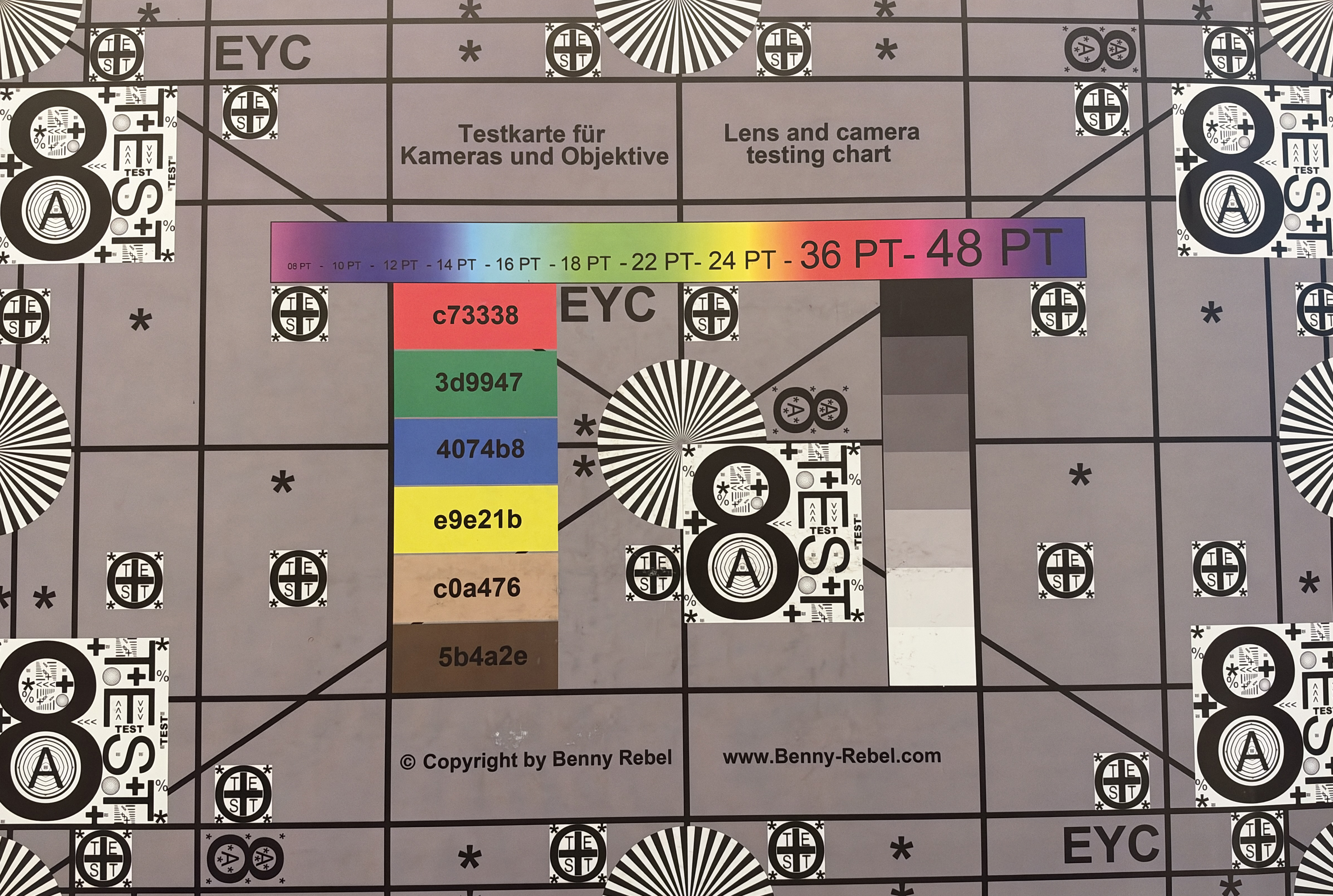
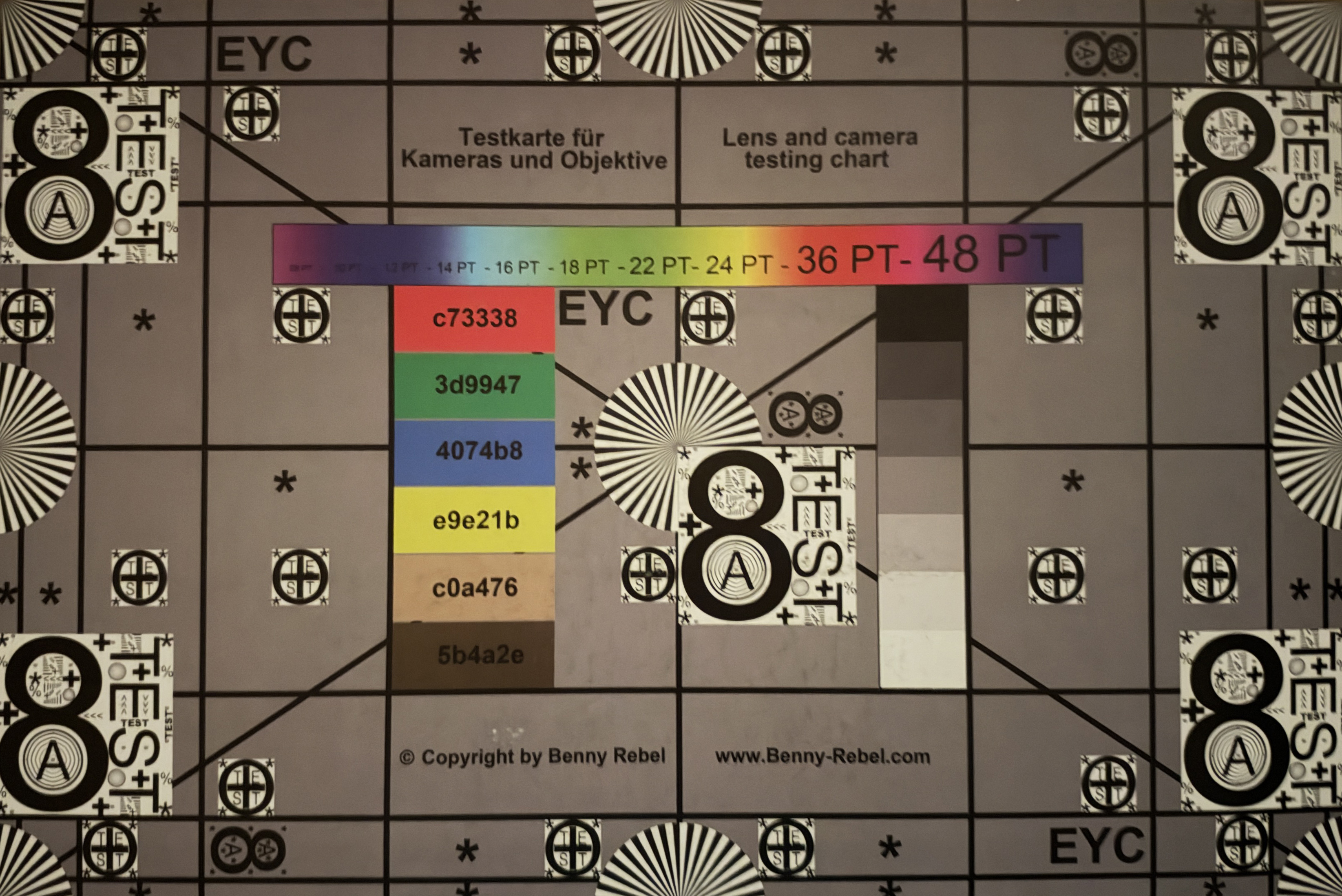
Beyond the variable aperture, Apple also offers many features, such as ProRes and ProRAW, as well as the new Apple Reference Image for unedited original photos and a comprehensive Pro mode. However, the photo quality of the 48 MP main camera sometimes leaves room for improvement. The iPhone 18 Pro lacks sharpness and detail, particularly in the depth of the scene. We like the shots taken in low light.
Our ColorChecker analysis reveals good color accuracy, but the DeltaE deviations are worse than those of the iPhone 17 Pro.
Hardly anything has changed with the ultra-wide-angle and telephoto lenses. They deliver good results in daylight, but the small sensors (1/2.55") show their limitations in the dark.
Image comparison
Choose a scene and navigate within the first image. One click changes the position on touchscreens. One click on the zoomed-in image opens the original in a new window. The first image shows the scaled photograph of the test device.
Main cameraMain cameraLow LightUltra wide angle

















Accessories and warranty - Apple iPhone 18 Pro with USB cable only
Apple doesn't include much with its iPhone 18 Pro. Out of the box, it comes with only a USB cable (Type-C at both ends) and a SIM tool. However, Apple offers a wide range of accessories in its own store, though they come at a price.
The warranty in many countries is limited to just 12 months. However, an optional insurance package can be purchased with Apple Care+.
Input devices and operation - No fingerprint sensor in the Apple phone, but Face ID instead
The iPhone 18 Pro's touchscreen responds quickly and precisely, and the familiar touch-sensitive tap input on the back is also available. Apple's Taptic Engine delivers excellent haptic feedback.
Face ID is available for biometric security. The 3D facial recognition system identifies the user very reliably and quickly. It's a shame that Apple doesn't also include a fingerprint sensor, as the two unlocking methods offer different levels of convenience in everyday use.


Display - Apple nails the OLED panel
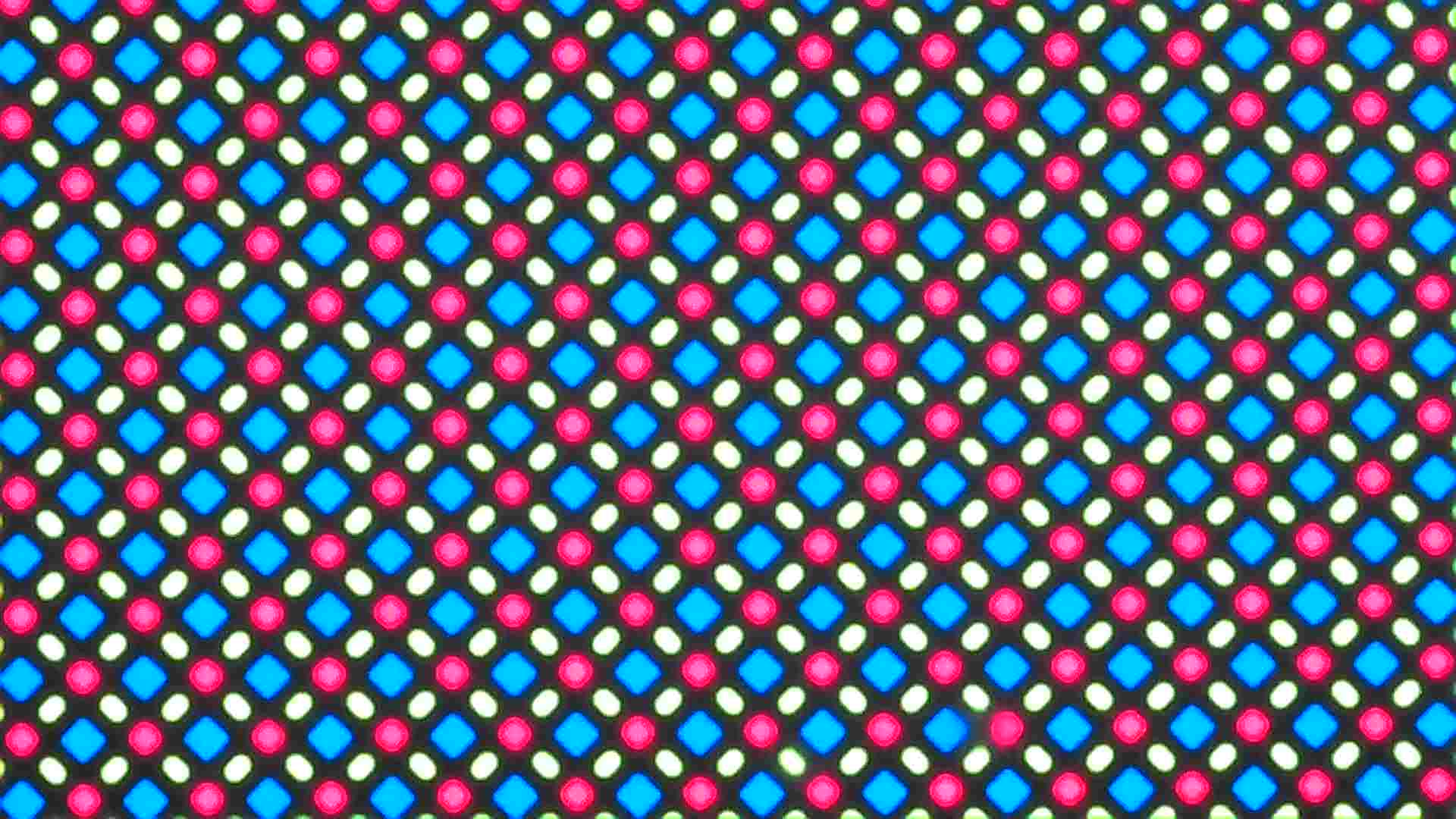
Nothing has changed with the OLED display on the smaller Pro model. The iPhone 18 Pro measures 6.3 inches and operates with a variable refresh rate of 1 to 120 Hz. The brightness is unchanged from last year. Our APL18 measurement comes in at around 3,000 cd/m², the value Apple also specifies for peak brightness.
The OLED display is therefore nice and bright and also quite color-accurate. When it comes to reducing reflections, however, Apple should take inspiration from Samsung's flagships as soon as possible.
While flagships from China in particular use an eye-friendly frequency of up to over 4,320 Hz for their PWM dimming, Apple continues to use a low frequency range of around 480 Hz on the iPhone 18 Pro. The base frequency we measured at minimum brightness is just 60 Hz. However, Display Pulse Smoothing comes into play here, resulting in a very shallow modulation depth of 12 percent in our measurement.
| |||||||||||||||||||||||||
Brightness Distribution: 96 %
Center on Battery: 1314 cd/m²
Contrast: ∞:1 (Black: 0 cd/m²)
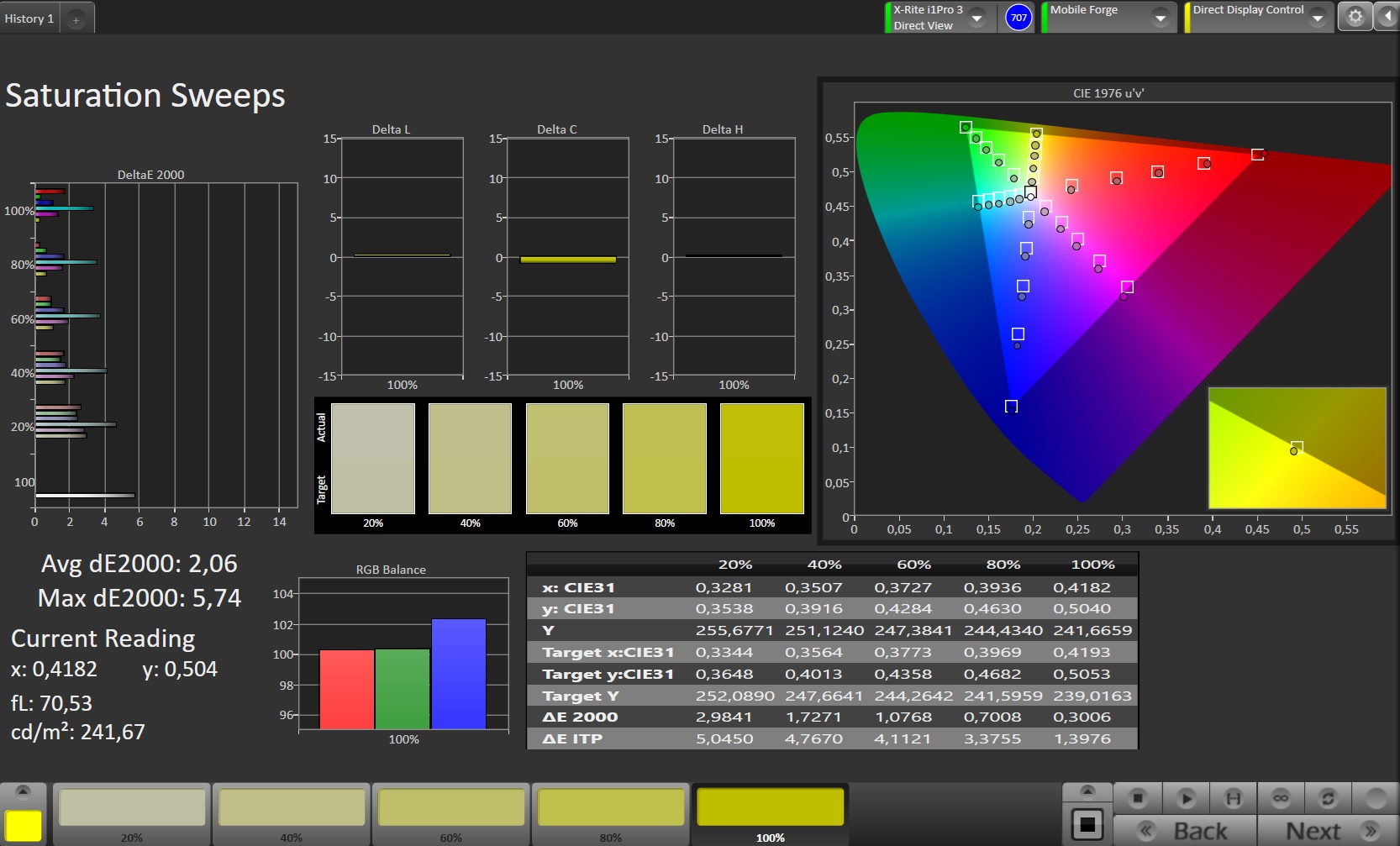
ΔE ColorChecker Calman: 2.07 | ∀{0.5-29.43 Ø4.69}
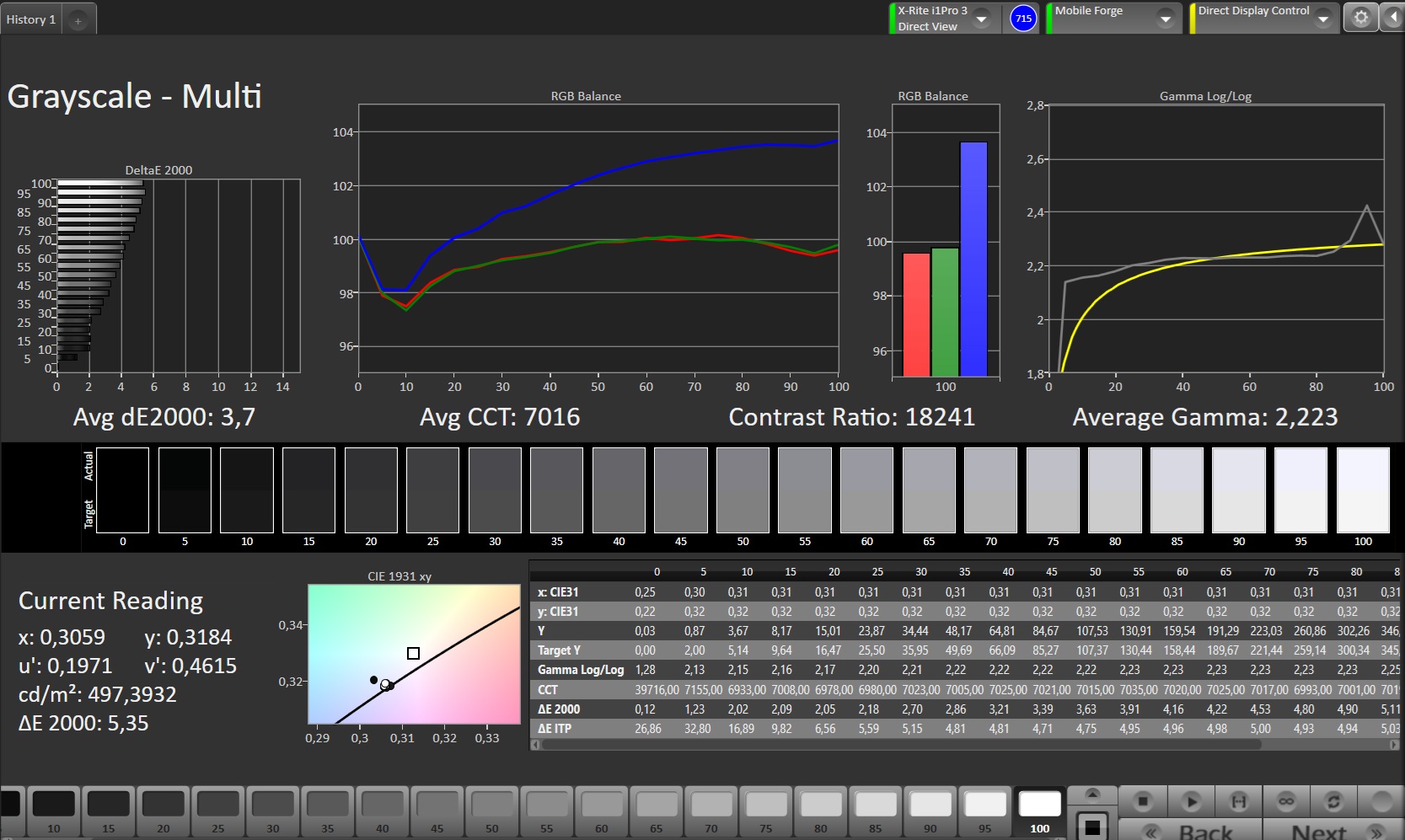
ΔE Greyscale Calman: 3.7 | ∀{0.09-98 Ø4.94}
99.7% sRGB (Calman 2D)
Gamma: 2.223
CCT: 7016 K
| Apple iPhone 18 Pro OLED, 2622x1206, 6.3" | Google Pixel 10 Pro OLED, 2856x1280, 6.3" | Samsung Galaxy S26 Ultra Dynamic AMOLED 2X, 3120x1440, 6.9" | Xiaomi 17 Pro LTPO AMOLED, 2656x1220, 6.3" | Apple iPhone 17 Pro OLED, 2622x1206, 6.3" | |
|---|---|---|---|---|---|
| Display | 7% | -6% | 1% | ||
| APL18 Peak Brightness (cd/m²) | 3012 | 3199 6% | 2713 -10% | 3044 1% | |
| HDR Peak Brightness (cd/m²) | 2998 | 3207 7% | 2975 -1% | 2997 0% | |
| Response Times | -83% | -74% | -29% | -70% | |
| Response Time Grey 50% / Grey 80% * (ms) | 0.9 ? | 1.31 ? -46% | 0.84 ? 7% | 0.7 ? 22% | 1.13 ? -26% |
| Response Time Black / White * (ms) | 0.4 ? | 1.04 ? -160% | 1.25 ? -213% | 0.6 ? -50% | 1.04 ? -160% |
| PWM Frequency (Hz) | 60 | 240 | 240 | 120 | 240 |
| PWM Amplitude * (%) | 12 | 17.24 -44% | 13.99 -17% | 19 -58% | 14.89 -24% |
| Screen | 58% | 12% | 23% | 14% | |
| Brightness middle (cd/m²) | 1314 | 2161 64% | 1339 2% | 1071 -18% | 1059 -19% |
| Brightness (cd/m²) | 1289 | 2198 71% | 1381 7% | 1048 -19% | 1060 -18% |
| Brightness Distribution (%) | 96 | 94 -2% | 94 -2% | 96 0% | 99 3% |
| Black Level * (cd/m²) | |||||
| Colorchecker dE 2000 * | 2.07 | 0.7 66% | 2.5 -21% | 0.98 53% | 1.3 37% |
| Colorchecker dE 2000 max. * | 5.68 | 1.8 68% | 3.8 33% | 2.58 55% | 3.6 37% |
| Greyscale dE 2000 * | 3.7 | 0.8 78% | 1.7 54% | 1.2 68% | 2.1 43% |
| Gamma | 2.223 99% | 2.19 100% | 2.05 107% | 2.221 99% | 2.2 100% |
| CCT | 7016 93% | 6646 98% | 6498 100% | 6703 97% | 6542 99% |
| Total Average (Program / Settings) | -6% /
10% | -23% /
-15% | -3% /
6% | -18% /
-11% |
* ... smaller is better
Screen Flickering / PWM (Pulse-Width Modulation)
| Screen flickering / PWM detected | 60 Hz Amplitude: 12 % | 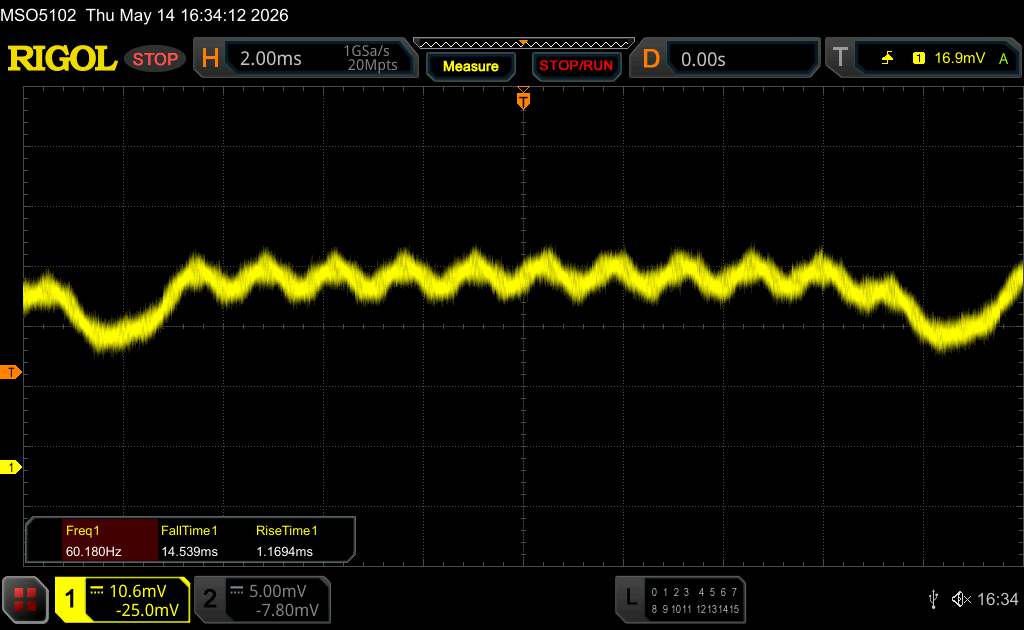 | |
The display backlight flickers at 60 Hz (worst case, e.g., utilizing PWM) . The frequency of 60 Hz is very low, so the flickering may cause eyestrain and headaches after extended use. In comparison: 52 % of all tested devices do not use PWM to dim the display. If PWM was detected, an average of 7605 (minimum: 5 - maximum: 343500) Hz was measured. | |||
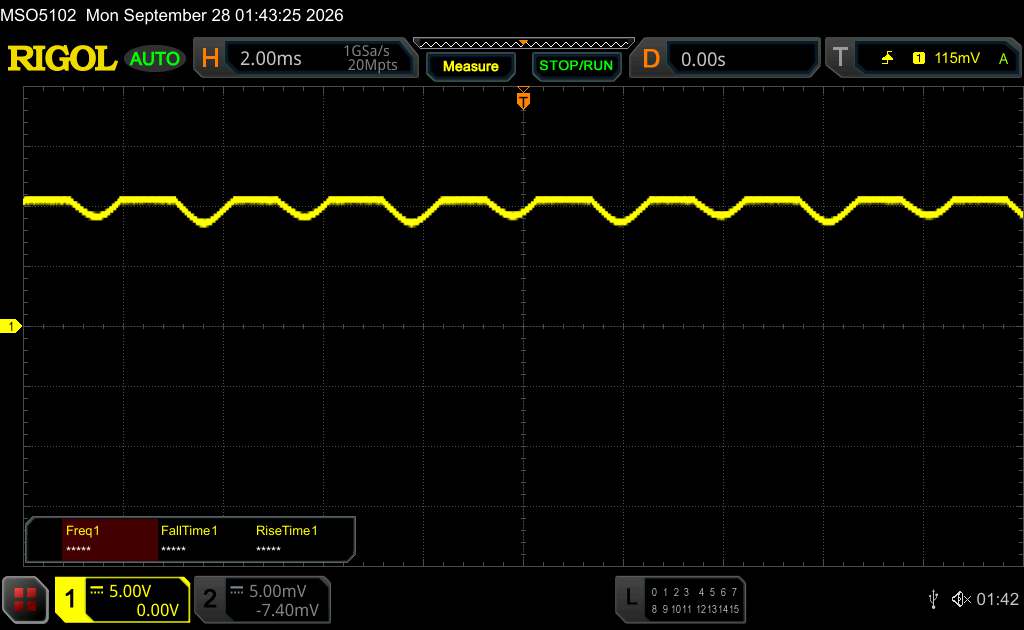
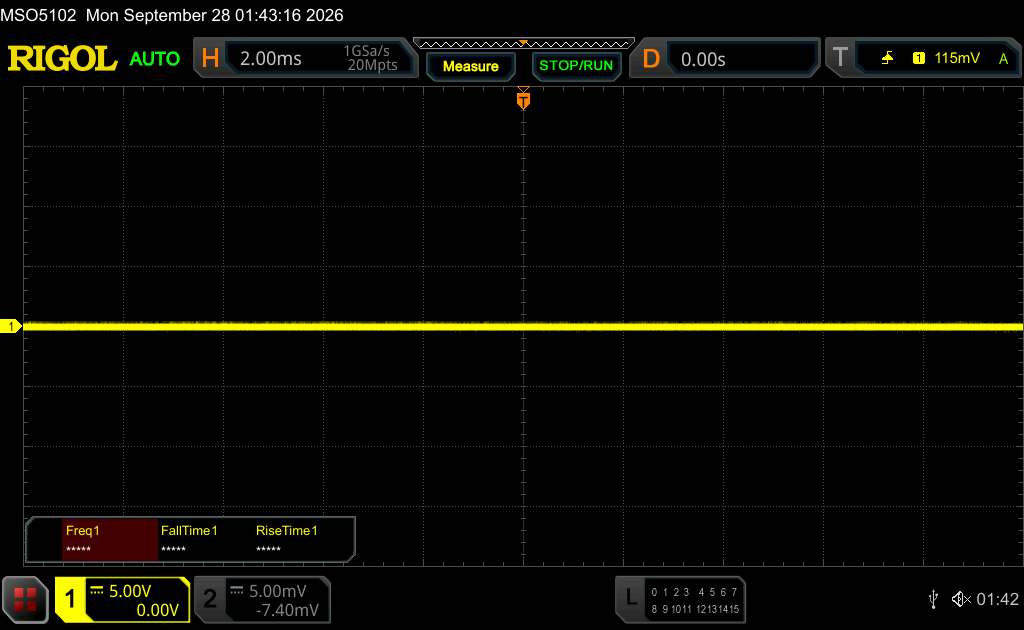
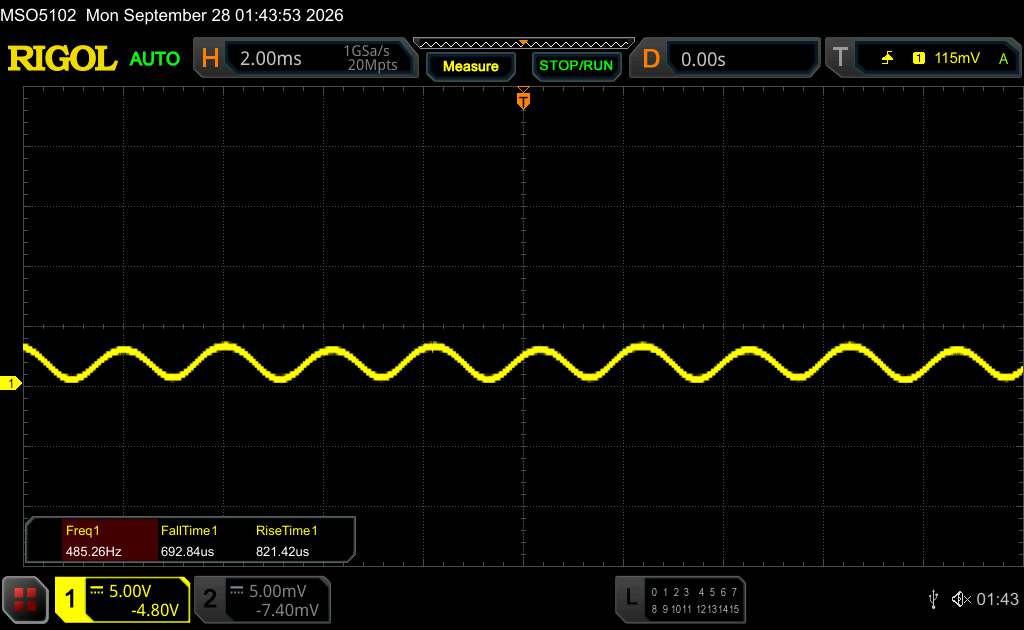
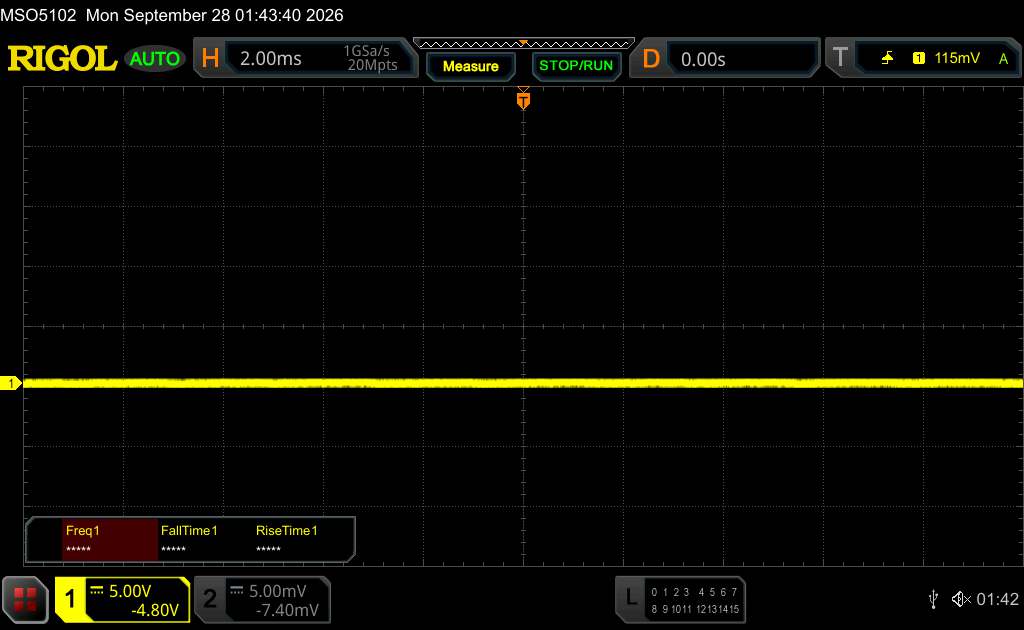
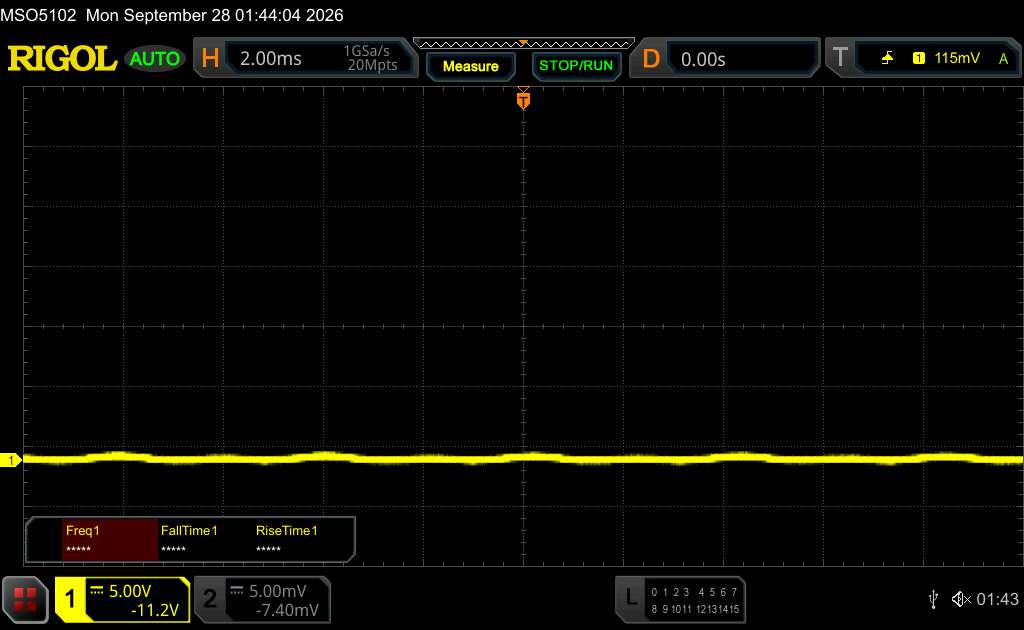
Measurement series with a fixed zoom level and different brightness settings (Although the amplitude curve at minimum brightness looks flat, this is due to the scaling. The enlarged version of the amplitude at minimum brightness can be seen in the info box.)
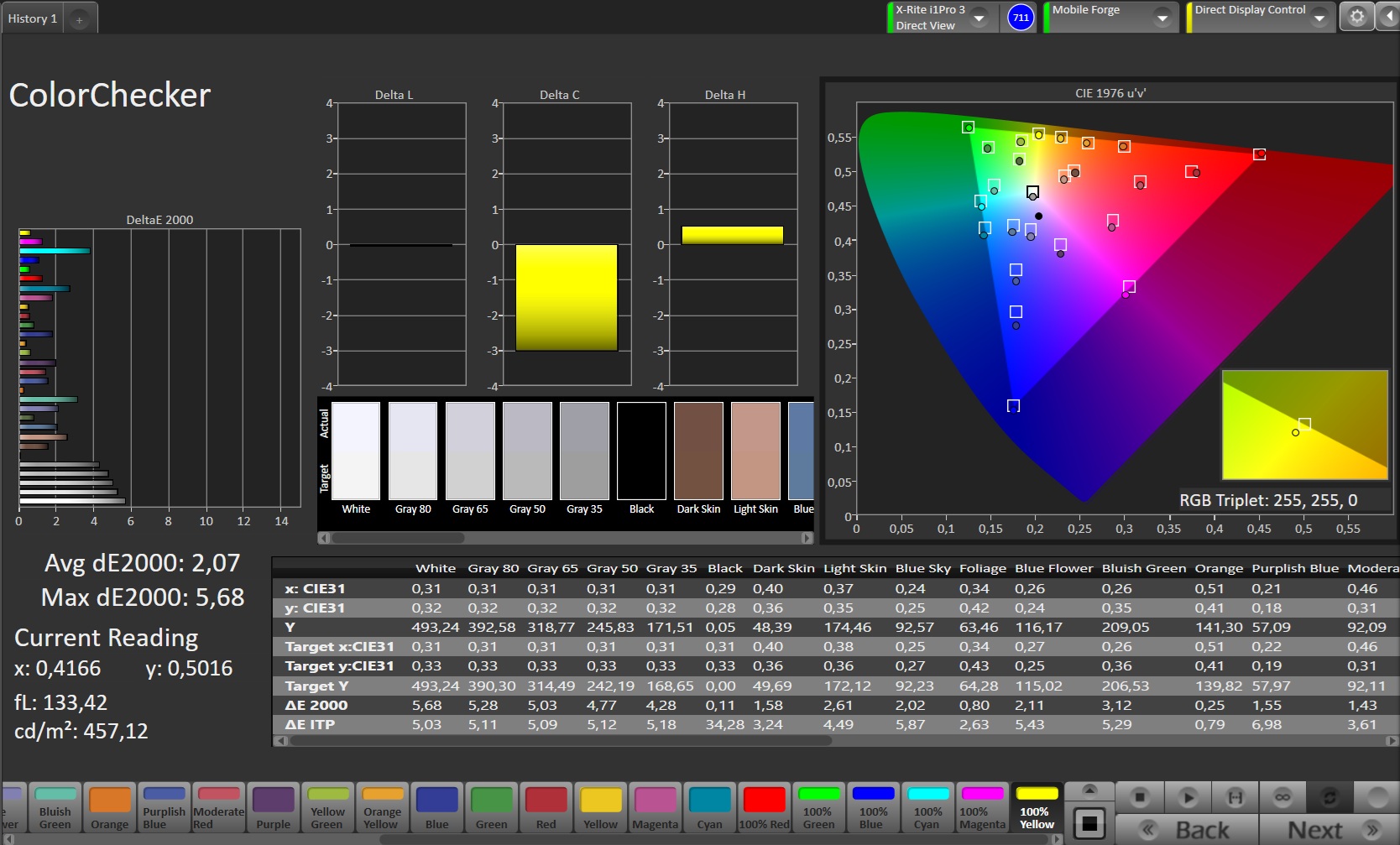
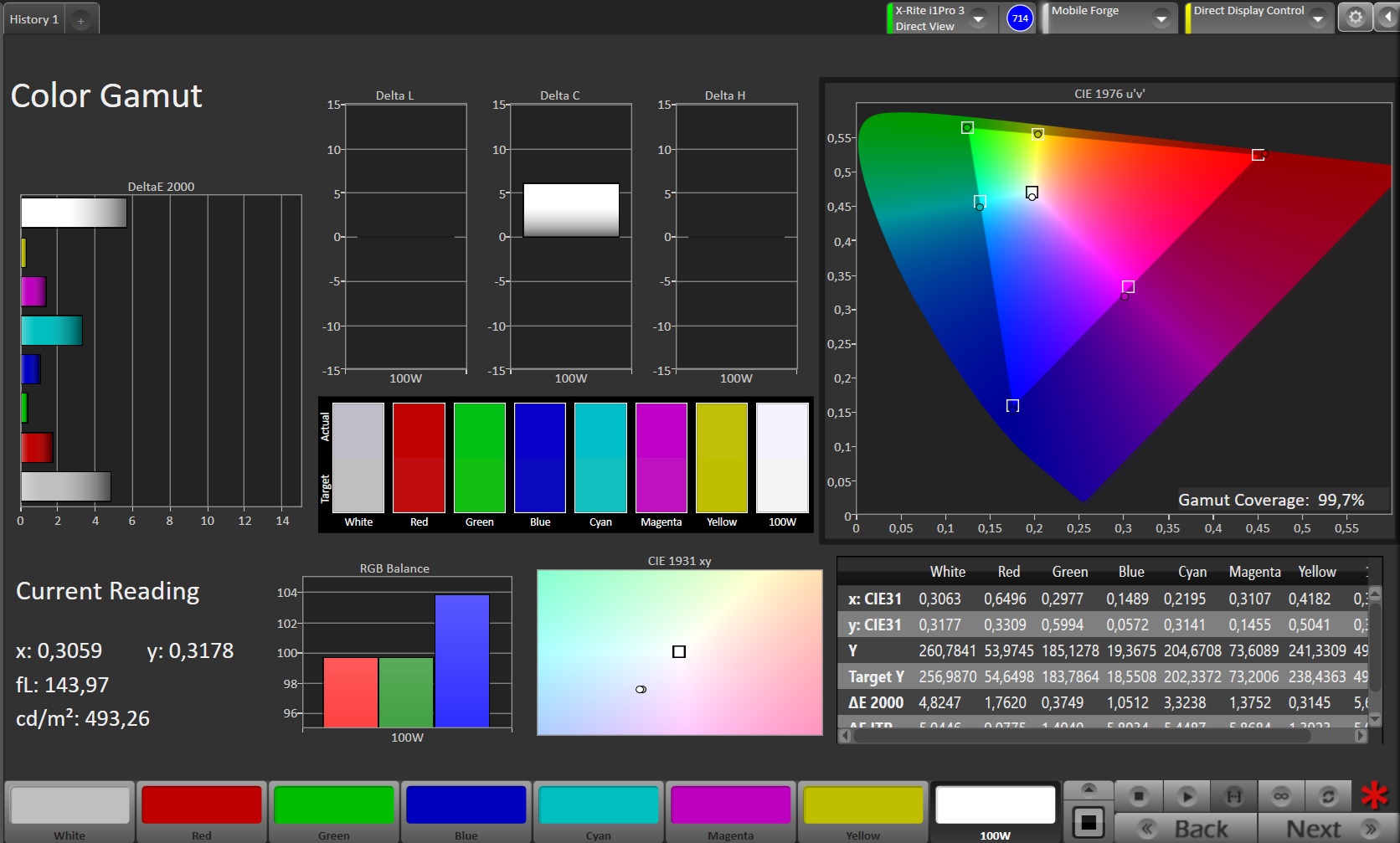
Display Response Times
| ↔ Response Time Black to White | ||
|---|---|---|
| 0.4 ms ... rise ↗ and fall ↘ combined | ↗ 0.2 ms rise | 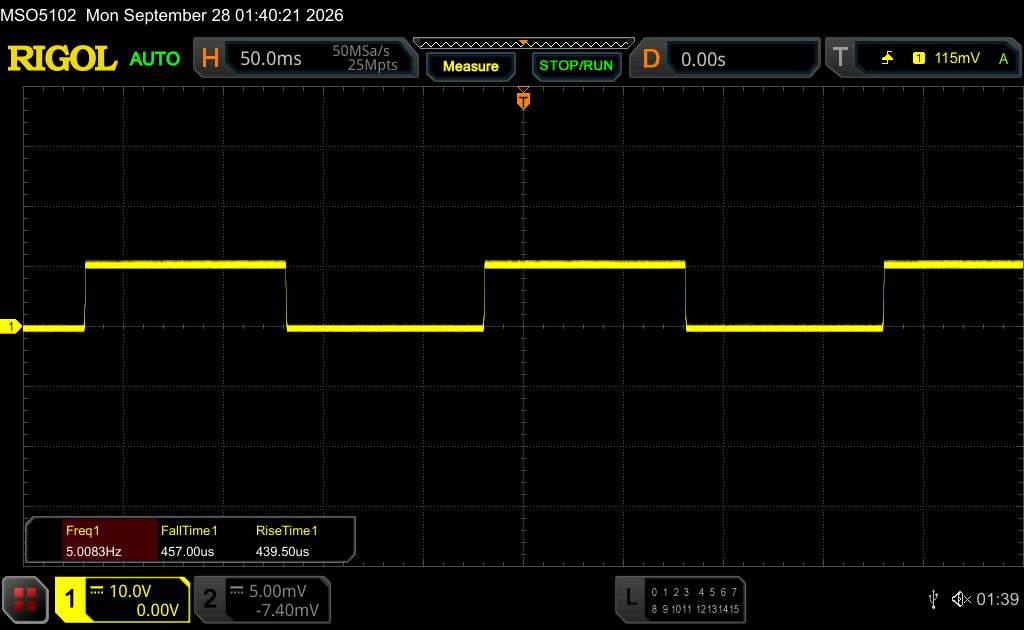 |
| ↘ 0.2 ms fall | ||
| The screen shows very fast response rates in our tests and should be very well suited for fast-paced gaming. In comparison, all tested devices range from 0.1 (minimum) to 240 (maximum) ms. » 0 % of all devices are better. This means that the measured response time is better than the average of all tested devices (19.7 ms). | ||
| ↔ Response Time 50% Grey to 80% Grey | ||
| 0.9 ms ... rise ↗ and fall ↘ combined | ↗ 0.5 ms rise | 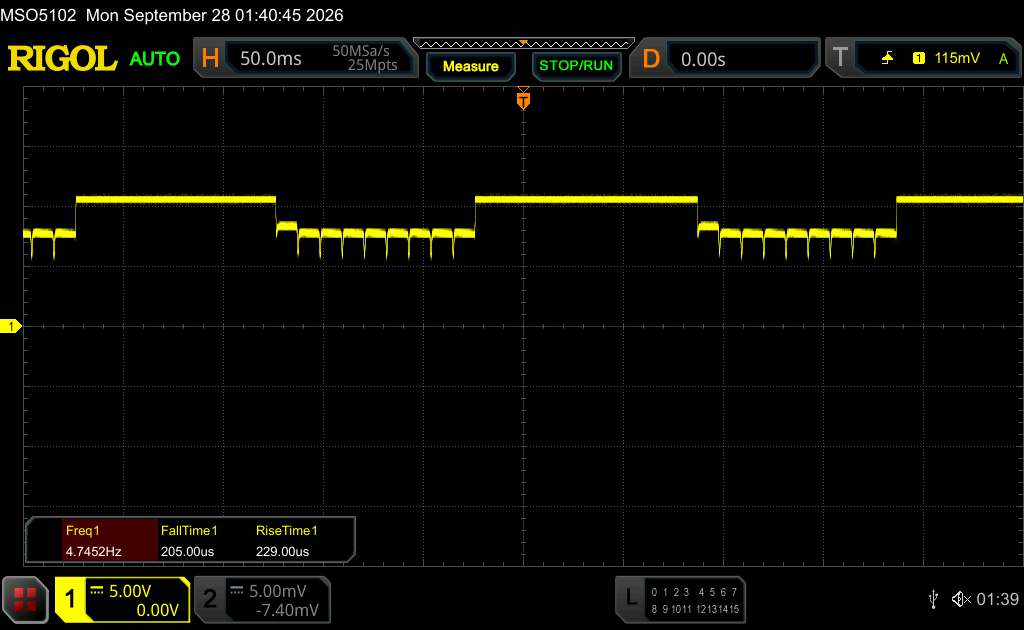 |
| ↘ 0.4 ms fall | ||
| The screen shows very fast response rates in our tests and should be very well suited for fast-paced gaming. In comparison, all tested devices range from 0.13 (minimum) to 636 (maximum) ms. » 4 % of all devices are better. This means that the measured response time is better than the average of all tested devices (30.7 ms). | ||
Performance - iPhone 18 Pro features A20 Pro with 12 GB RAM
At the heart of the iPhone 18 Pro is the new Apple A20 Pro, Apple's first 2 nm ARM processor. The chipset features two new "Super" cores and four efficiency cores, putting its Android rivals in their place in Geekbench, particularly in single-core performance. The NPU unit, with its 50 percent higher memory bandwidth for AI applications, also outclasses the Snapdragon 8 Elite Gen5 in benchmark tests.
| Antutu v11 - Score | |
| Samsung Galaxy S26 Ultra | |
| Apple iPhone 18 Pro | |
| Average Apple A20 Pro (n=1) | |
| Average of class Smartphone (519159 - 4450644, n=45, last 2 years) | |
| Apple iPhone 17 Pro | |
| AImark - Score v3.x | |
| Apple iPhone 17 Pro | |
| Apple iPhone 18 Pro | |
| Average Apple A20 Pro (n=1) | |
| Average of class Smartphone (293 - 307528, n=67, last 2 years) | |
| Samsung Galaxy S26 Ultra | |
| Google Pixel 10 Pro | |
The A20 Pro's graphics chip is equipped with seven cores. Its performance in the 3D benchmark is first-class.
| 3DMark / Wild Life Extreme Unlimited | |
| Apple iPhone 18 Pro | |
| Samsung Galaxy S26 Ultra | |
| Xiaomi 17 Pro | |
| Apple iPhone 17 Pro | |
| Google Pixel 10 Pro | |
| 3DMark / Wild Life Extreme | |
| Apple iPhone 18 Pro | |
| Samsung Galaxy S26 Ultra | |
| Xiaomi 17 Pro | |
| Apple iPhone 17 Pro | |
| Google Pixel 10 Pro | |
| 3DMark / Wild Life Unlimited Score | |
| Apple iPhone 18 Pro | |
| Samsung Galaxy S26 Ultra | |
| Apple iPhone 17 Pro | |
| Xiaomi 17 Pro | |
| Google Pixel 10 Pro | |
| 3DMark / Solar Bay Score | |
| Apple iPhone 18 Pro | |
| Samsung Galaxy S26 Ultra | |
| Xiaomi 17 Pro | |
| Apple iPhone 17 Pro | |
| 3DMark / Solar Bay Unlimited Score | |
| Apple iPhone 18 Pro | |
| Samsung Galaxy S26 Ultra | |
| Xiaomi 17 Pro | |
| Apple iPhone 17 Pro | |
| 3DMark / Solar Bay Extreme Score | |
| Apple iPhone 18 Pro | |
| Apple iPhone 17 Pro | |
| Samsung Galaxy S26 Ultra | |
| Xiaomi 17 Pro (1.0.2.1) | |
| 3DMark / Solar Bay Extreme Unlimited Score | |
| Apple iPhone 17 Pro | |
| Samsung Galaxy S26 Ultra | |
| 3DMark / Steel Nomad Light Unlimited Score | |
| Apple iPhone 18 Pro | |
| Samsung Galaxy S26 Ultra | |
| Xiaomi 17 Pro | |
| Apple iPhone 17 Pro | |
| Google Pixel 10 Pro | |
| 3DMark / Steel Nomad Light Score | |
| Apple iPhone 18 Pro | |
| Samsung Galaxy S26 Ultra | |
| Xiaomi 17 Pro (1.0.6.1) | |
| Apple iPhone 17 Pro | |
| Google Pixel 10 Pro | |
| Jetstream 2 | |
| 2.0 Total | |
| Samsung Galaxy S26 Ultra (Chrome 146) | |
| Apple iPhone 17 Pro (Safari Mobile 26.0) | |
| Google Pixel 10 Pro (Chrome 140) | |
| Average of class Smartphone (63.9 - 423, n=117, last 2 years) | |
| 2.2 Total | |
| Apple iPhone 17 Pro (Safari Mobile 26.0) | |
| Samsung Galaxy S26 Ultra (Chrome 146) | |
| Apple iPhone 18 Pro ((Safari Mobile 27) | |
| Average Apple A20 Pro (n=1) | |
| Google Pixel 10 Pro (Chrome 140) | |
| Xiaomi 17 Pro (Chrome 141) | |
| Average of class Smartphone (2 - 480, n=105, last 2 years) | |
| Speedometer 3 - Score 3.0 | |
| Apple iPhone 18 Pro ((Safari Mobile 27) | |
| Average Apple A20 Pro (n=1) | |
| Samsung Galaxy S26 Ultra (Chrome 146) | |
| Apple iPhone 17 Pro (Safari Mobile 26.0) | |
| Google Pixel 10 Pro (Chrome 140) | |
| Average of class Smartphone (3.06 - 56.5, n=82, last 2 years) | |
| Octane V2 - Total Score | |
| Apple iPhone 18 Pro ((Safari Mobile 27) | |
| Average Apple A20 Pro (n=1) | |
| Apple iPhone 17 Pro (Safari Mobile 26.0) | |
| Samsung Galaxy S26 Ultra (Chrome 146) | |
| Google Pixel 10 Pro (Chrome 140) | |
| Xiaomi 17 Pro (Chrome 141) | |
| Average of class Smartphone (6015 - 160221, n=134, last 2 years) | |
| Mozilla Kraken 1.1 - Total | |
| Average of class Smartphone (216 - 2718, n=121, last 2 years) | |
| Xiaomi 17 Pro (Chrome 141) | |
| Google Pixel 10 Pro (Chrome 140) | |
| Samsung Galaxy S26 Ultra (Chrome 146) | |
| Apple iPhone 17 Pro (Safari Mobile 26.0) | |
| Average Apple A20 Pro (n=1) | |
| Apple iPhone 18 Pro ((Safari Mobile 27) | |
| WebXPRT 5 - Overall | |
| Apple iPhone 18 Pro ((Safari Mobile 27) | |
| Average Apple A20 Pro (n=1) | |
| Apple iPhone 17 Pro (Safari 26.6.1) | |
| Average of class Smartphone (19 - 139, n=27, last 2 years) | |
* ... smaller is better
Emissions - iPhone 18 Pro with new cooling technology that makes little difference in everyday use
Temperature
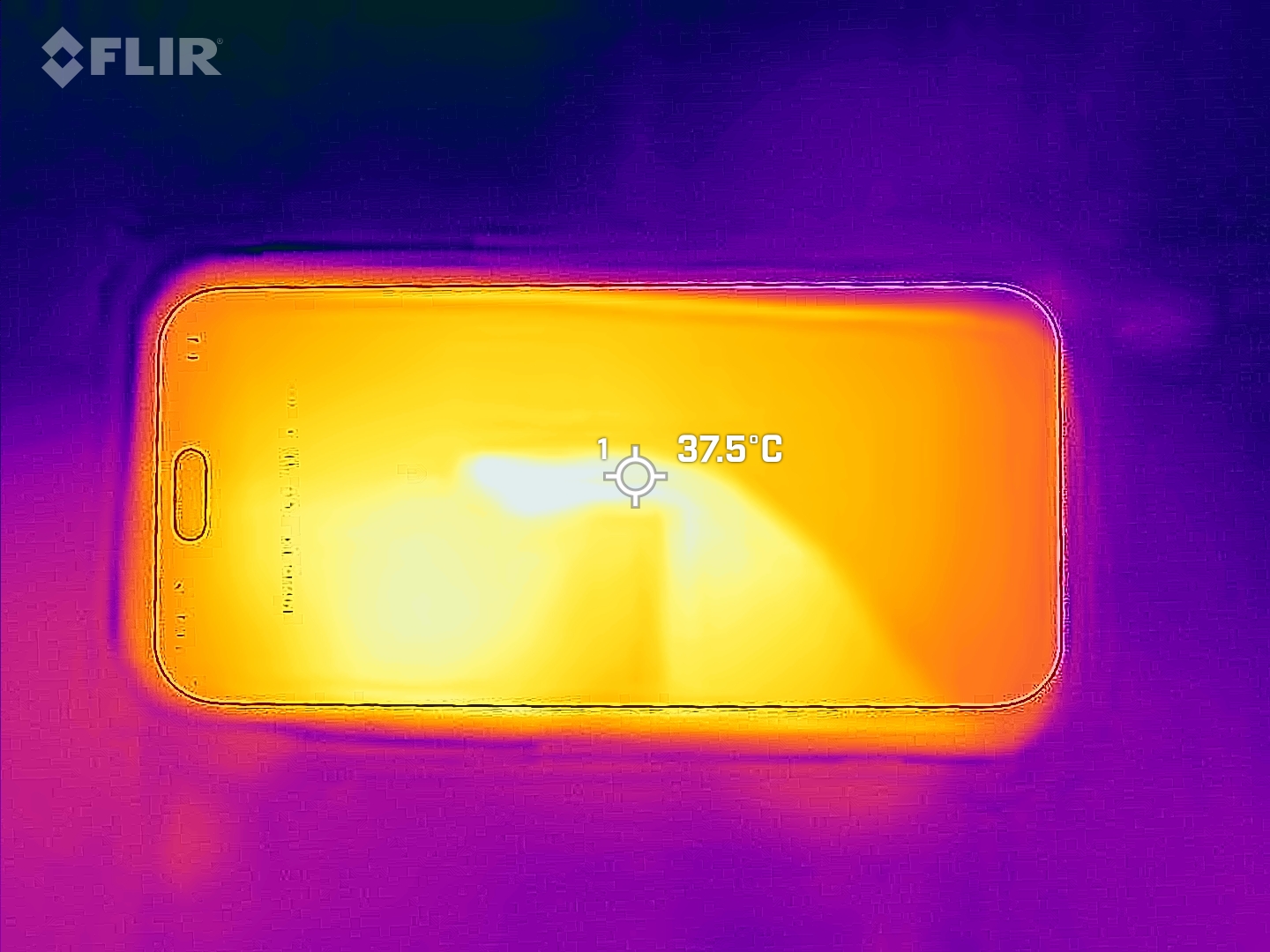
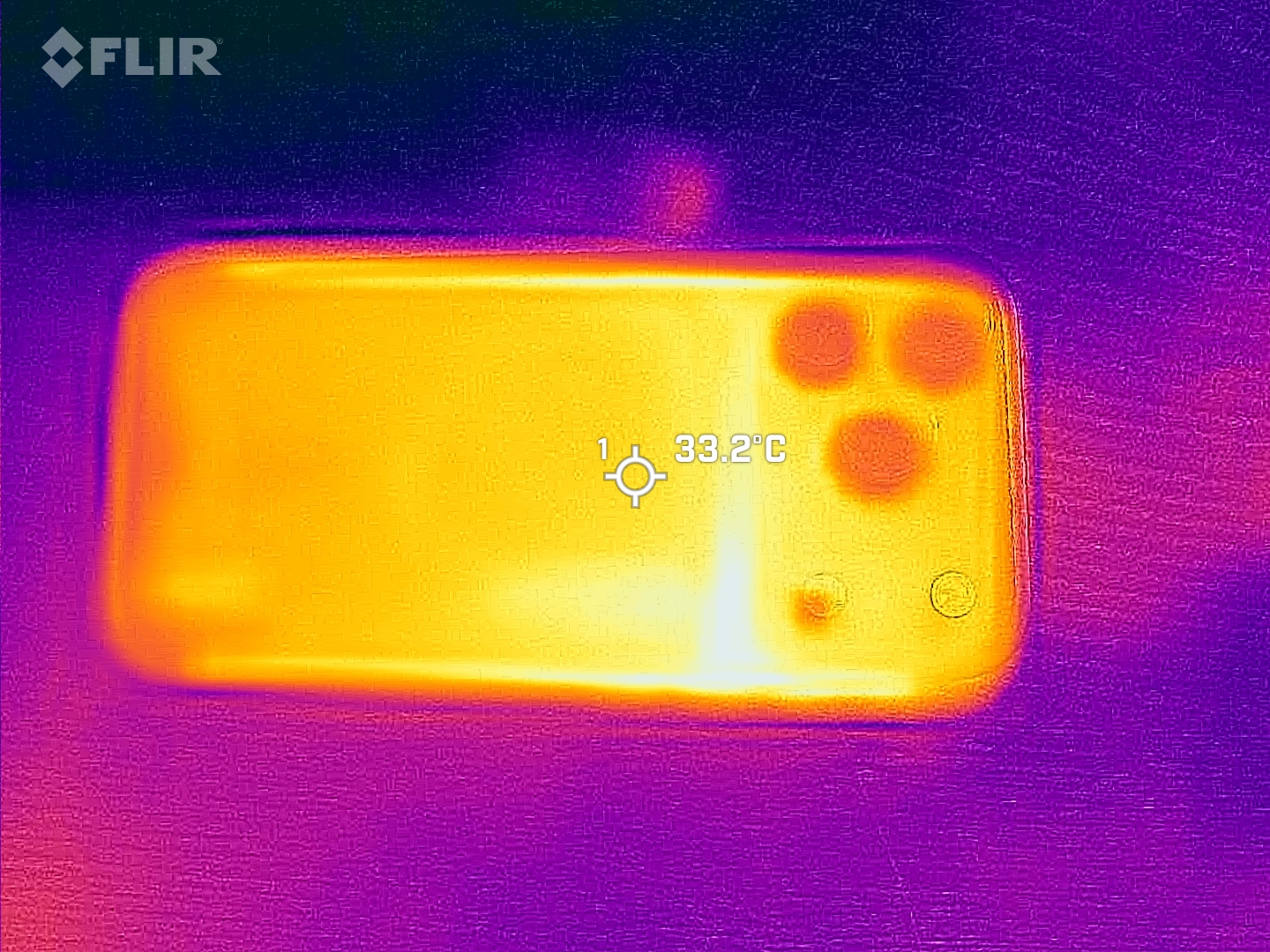
Apple claims to have improved passive cooling in the new Pro models with a more effective vapor chamber. However, our measurements and benchmark results tell a different story. The iPhone 18 Pro gets slightly hotter and throttles a little more on average than its predecessor. Compared to the Snapdragon 8 Elite Gen5 competition, however, these are good results overall.
(±) The maximum temperature on the upper side is 43 °C / 109 F, compared to the average of 35.4 °C / 96 F, ranging from 21.9 to 247 °C for the class Smartphone.
(±) The bottom heats up to a maximum of 42.8 °C / 109 F, compared to the average of 34.1 °C / 93 F
(+) In idle usage, the average temperature for the upper side is 24.2 °C / 76 F, compared to the device average of 33 °C / 91 F.
3DMark Stress Tests
| 3DMark | |
| Wild Life Stress Test Stability | |
| Apple iPhone 18 Pro | |
| Apple iPhone 17 Pro | |
| Google Pixel 10 Pro | |
| Xiaomi 17 Pro | |
| Samsung Galaxy S26 Ultra | |
| Solar Bay Stress Test Stability | |
| Apple iPhone 17 Pro | |
| Apple iPhone 18 Pro | |
| Xiaomi 17 Pro | |
| Samsung Galaxy S26 Ultra | |
| Solar Bay Extreme Stress Test Stability | |
| Samsung Galaxy S26 Ultra | |
| Apple iPhone 17 Pro | |
| Apple iPhone 18 Pro | |
| Steel Nomad Light Stress Test Stability | |
| Google Pixel 10 Pro | |
| Apple iPhone 18 Pro | |
| Apple iPhone 17 Pro | |
| Samsung Galaxy S26 Ultra | |
Loudspeakers
For a compact smartphone, the iPhone 18 Pro's speaker system is really good. Although the stereo sound could use a little more depth, the sound quality is still top-notch. However, we can't say the same about Bluetooth codec support.
For wired audio output, the USB port is available.
Apple iPhone 18 Pro audio analysis
(+) | speakers can play relatively loud (89.4 dB)
Bass 100 - 315 Hz
(-) | nearly no bass - on average 21.4% lower than median
(±) | linearity of bass is average (11% delta to prev. frequency)
Mids 400 - 2000 Hz
(+) | balanced mids - only 4.5% away from median
(+) | mids are linear (4.5% delta to prev. frequency)
Highs 2 - 16 kHz
(+) | balanced highs - only 2.9% away from median
(+) | highs are linear (4.2% delta to prev. frequency)
Overall 100 - 16.000 Hz
(±) | linearity of overall sound is average (17.5% difference to median)
Compared to same class
» 13% of all tested devices in this class were better, 9% similar, 78% worse
» The best had a delta of 11%, average was 34%, worst was 136%
Compared to all devices tested
» 34% of all tested devices were better, 8% similar, 57% worse
» The best had a delta of 4%, average was 23%, worst was 136%
Apple iPhone 17 Pro audio analysis
(+) | speakers can play relatively loud (88.4 dB)
Bass 100 - 315 Hz
(-) | nearly no bass - on average 18.4% lower than median
(±) | linearity of bass is average (7.8% delta to prev. frequency)
Mids 400 - 2000 Hz
(±) | reduced mids - on average 5.4% lower than median
(+) | mids are linear (4.5% delta to prev. frequency)
Highs 2 - 16 kHz
(+) | balanced highs - only 3.4% away from median
(+) | highs are linear (3% delta to prev. frequency)
Overall 100 - 16.000 Hz
(+) | overall sound is linear (13.9% difference to median)
Compared to same class
» 1% of all tested devices in this class were better, 1% similar, 98% worse
» The best had a delta of 11%, average was 34%, worst was 136%
Compared to all devices tested
» 16% of all tested devices were better, 4% similar, 80% worse
» The best had a delta of 4%, average was 23%, worst was 136%
Battery life - Compact flagship smartphone with a small battery
Energy intake
As always, Apple itself does not disclose official battery capacities. While system apps from the AppStore show a capacity of 4,288 mAh, reports indicate that the nanoSIM versions in Europe are equipped with only 4,056 mAh. Charging speeds are also rather conservative compared to the Android competition.
The iPhone 18 Pro only charges at a maximum of 40 watts with Apple's Dynamic Power Adapter. In our test with a Xiaomi Powerbank, we achieve a charging time of just over 60 minutes.
| Off / Standby |   0.1 / 0.2 Watt 0.1 / 0.2 Watt |
| Idle |  1.3 / 1.5 / 1.8 Watt 1.3 / 1.5 / 1.8 Watt |
| Load |
9.8 / 17.2 Watt |
    
| |
Key:
min: ,
med: ,
max: Metrahit Energy | |
| Apple iPhone 18 Pro 4056 mAh | Google Pixel 10 Pro 4870 mAh | Samsung Galaxy S26 Ultra 5000 mAh | Xiaomi 17 Pro 6300 mAh | Apple iPhone 17 Pro 3988 mAh | Average Apple A20 Pro | Average of class Smartphone | |
|---|---|---|---|---|---|---|---|
| Power Consumption | 2% | 11% | 30% | 1% | 0% | 21% | |
| Idle Minimum * (Watt) | 1.3 | 1.01 22% | 0.56 57% | 0.8 38% | 0.56 57% | 1.3 ? -0% | 0.901 ? 31% |
| Idle Average * (Watt) | 1.5 | 1.65 -10% | 1.18 21% | 1.4 7% | 1.78 -19% | 1.5 ? -0% | 1.483 ? 1% |
| Idle Maximum * (Watt) | 1.8 | 2.05 -14% | 1.33 26% | 1.8 -0% | 1.89 -5% | 1.8 ? -0% | 1.677 ? 7% |
| Load Average * (Watt) | 9.8 | 7.25 26% | 14.91 -52% | 4.2 57% | 12.36 -26% | 9.8 ? -0% | 6.82 ? 30% |
| Load Maximum * (Watt) | 17.2 | 19.78 -15% | 16.58 4% | 8.9 48% | 17.69 -3% | 17.2 ? -0% | 10.8 ? 37% |
* ... smaller is better
Power consumption: Geekbench (150 cd/m²)
Power consumption: 3DMark Steel Nomad Unlimited (150 cd/m²)
Battery life
The battery life of the iPhone 18 Pro is good for a compact phone, but compared to its predecessor, the 20 hours achieved is surprisingly short.
| Apple iPhone 18 Pro 4056 mAh | Google Pixel 10 Pro 4870 mAh | Samsung Galaxy S26 Ultra 5000 mAh | Xiaomi 17 Pro 6300 mAh | Apple iPhone 17 Pro 3988 mAh | |
|---|---|---|---|---|---|
| Battery runtime | |||||
| WiFi v1.3 (h) | 19.8 | 21.1 7% | 17.9 -10% | 29.7 50% | 24.2 22% |
Notebookcheck overall rating
Anyone looking for a compact flagship smartphone will find top-tier hardware in a handy form factor with the Apple iPhone 18 Pro. However, users should not be sensitive to OLED flicker.

Apple iPhone 18 Pro
- 10/08/2026 v8
Marcus Herbrich
 Total Sustainability Score:
 Possible alternatives compared
Image | Model / Review | Price | Weight | Drive | Display |
|---|---|---|---|---|---|
1. 89.5% 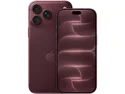 | Apple iPhone 18 Pro Apple A20 Pro ⎘ Apple A20 Pro 7-core GPU ⎘ 12 GB Memory, 256 GB NVMe | List Price: 1449€ | 211 g | 256 GB NVMe | 6.30" 2622x1206 458 PPI OLED |
2. 88.9%  | Google Pixel 10 Pro Google Tensor G5 ⎘ IMG DXT-48-1536 ⎘ 16 GB Memory, 256 GB UFS 4.x | List Price: 1199€ | 207 g | 256 GB UFS 4.0 Flash | 6.30" 2856x1280 497 PPI OLED |
3. 89.8%  | Samsung Galaxy S26 Ultra Qualcomm Snapdragon 8 Elite Gen 5 for Galaxy ⎘ Qualcomm Adreno 840 ⎘ 12 GB Memory, 256 GB UFS 4.x | List Price: 1449€ | 214 g | 256 GB UFS 4.0 Flash | 6.90" 3120x1440 498 PPI Dynamic AMOLED 2X |
4. 90.5%  | Xiaomi 17 Pro Qualcomm Snapdragon 8 Elite Gen 5 ⎘ Qualcomm Adreno 840 ⎘ 16 GB Memory, 1024 GB UFS 4.x | Amazon: 1. $779.50 XIAOMI 17T PRO Ai 5G (Compat... 2. $779.50 XIAOMI 17T PRO Ai 5G (Compat... 3. $699.50 XIAOMI 17T PRO Ai 5G (Compat... List Price: 650€ | 192 g | 1TB UFS 4.1 Flash | 6.30" 2656x1220 464 PPI LTPO AMOLED |
5. 89.9%  | Apple iPhone 17 Pro Apple A19 Pro ⎘ Apple A19 Pro 6-Core GPU ⎘ 12 GB Memory, 512 GB SSD | List Price: 1549€ | 206 g | Apple 512GB NVMe | 6.30" 2622x1206 458 PPI OLED |
Transparency
The selection of devices to be reviewed is made by our editorial team. The test sample was provided to the author as a loan by the manufacturer or retailer for the purpose of this review. The lender had no influence on this review, nor did the manufacturer receive a copy of this review before publication. There was no obligation to publish this review. As an independent media company, Notebookcheck is not subjected to the authority of manufacturers, retailers or publishers.
This is how Notebookcheck is testing
Every year, Notebookcheck independently reviews hundreds of laptops and smartphones using standardized procedures to ensure that all results are comparable. We have continuously developed our test methods for around 20 years and set industry standards in the process. In our test labs, high-quality measuring equipment is utilized by experienced technicians and editors. These tests involve a multi-stage validation process. Our complex rating system is based on hundreds of well-founded measurements and benchmarks, which maintains objectivity. Further information on our test methods can be found here.
 Add as a preferred source on Google


