




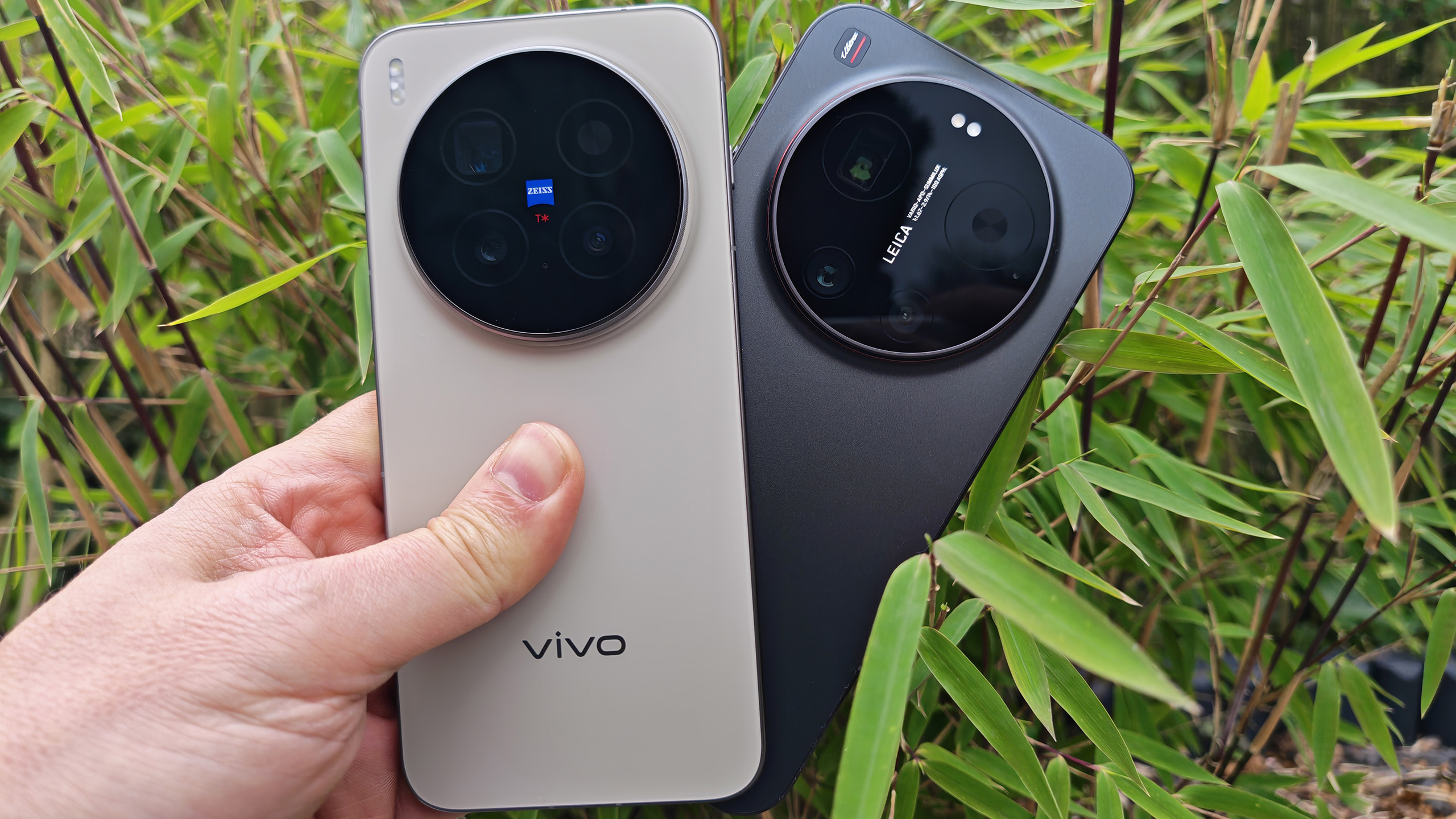
A showdown in China: Vivo X300 Pro vs. Xiaomi 17 Ultra in a camera comparison review
Daniel Schmidt 👁 (translated by Daniel Schmidt) Published 🇩🇪 🇳🇱 ...
Verdict – The Xiaomi 17 Ultra really stands out
The Xiaomi 17 Ultra boasts an impressive camera setup for a smartphone even on paper, and this is further underscored by its excellent results in our comparison test.
However, the Vivo X300 Pro also has a lot to offer, and although it cannot match the Xiaomi in every respect, it does produce a more balanced image composition in daylight. At least when using the default settings. Those who don’t mind taking the time to adjust the exposure on the 17 Ultra can visibly improve their results even further.
The areas where we see the X300 Pro clearly ahead are, above all, image quality in the digital zoom range and image stabilisation at long focal lengths. Furthermore, the Vivo X300 Ultra, a technically even better camera smartphone, is set to be unveiled soon.
Even before the global launch of the Xiaomi 17 Ultra, we were invited by Xiaomi to China to learn more about the technology behind this premium smartphone (see our report) and took the opportunity to carry out a camera comparison with the Vivo X300 Pro. We used the cities of Beijing and Chongqing as our subjects.
All photos were taken by the author and feature a watermark, which both manufacturers offer as an option in the settings. This provides a clearer overview and also offers additional information about the shots.
Camera specifications
| Xiaomi 17 Ultra | Vivo X300 Pro | |
|---|---|---|
| Main camera | 50 MP, OmniVision Light Fusion 1050L sensorSensor size: 1"Aperture: f/1.67Focal length: 23 mmOIS, Leica APO Summilux, LOFICAspect ratios: 4:3, 16:9, 1:1, Full, 21:9 | 50 MP, Sony LYT-828 sensorSensor size: 1/1.28"Aperture: f/1.57Focal length: 24 mmGimbal OIS, CIPA 5.5Aspect ratios: 4:3, 16:9, 1:1, Full |
| Ultra-wide angle | 50 MP, Samsung JN5 sensorMacro function (5 cm)Sensor size: 1/2.75"Aperture: f/2.2Focal length: 14 mm | 50 MP, Samsung JN1 sensor -Sensor size: 1/2.76"Aperture: f/2.0Focal length: 15 mm |
| Telephoto lens | 200 MP, Samsung HPE sensorMacro function (30 cm)Sensor size: 1/1.4"Aperture: f/2.39 - f/2.96Focal length: 75 - 100 mmOIS | 200 MPix, Samsung HPB sensorMacro functionSensor size: 1/1.4"Aperture: f/2.7Focal length: 85 mmOIS, CIPA 5.5 |
| Pro mode | Manually adjustable: metering mode, ISO, shutter speed, exposure compensation, focus (AF, MF), White balance, Autofocus lockOptional histogramShutter delay (3 / 5 / 10 sec)Formats: JPG, RAW, URAWTimed burst | Manually adjustable: Metering mode, ISO, shutter speed, exposure compensation, focus (AF, MF), white balance, autofocus lockOptional histogramShutter delay (2 / 5 / 10 sec)Formats: JPG, RAW, SuperRAWInterval shootingExposure bracketing |
| Front camera | 50 MP, OmniVision OV50M sensorAperture: f/2.2Focal length: 21 / 26 mmAutofocusPixel binning | 50 MP, Samsung JN1 sensorAperture: f/2.0Focal length: 20 / 24 mmAutofocusPixel binning |
Main camera – A larger sensor isn't always better
The Xiaomi 17 Ultra features a large 1-inch sensor, whilst the Vivo X300 Pro’s sensor is smaller but has a wider aperture and offers both gimbal image stabilisation and CIPA 5.5.
The focal length is slightly longer at 23 mm on the Xiaomi, whilst the Vivo uses 24 mm. Both allow other standard focal lengths for the main lens via in-sensor zoom, provided pixel binning is active. These can be easily switched to the standard zoom factor within the camera app by simply tapping, but on the Xiaomi they can also be fixed in the settings. The 17 Ultra offers a choice between 23, 28 and 35 mm, whilst the X300 Pro offers 24 or 36 mm.
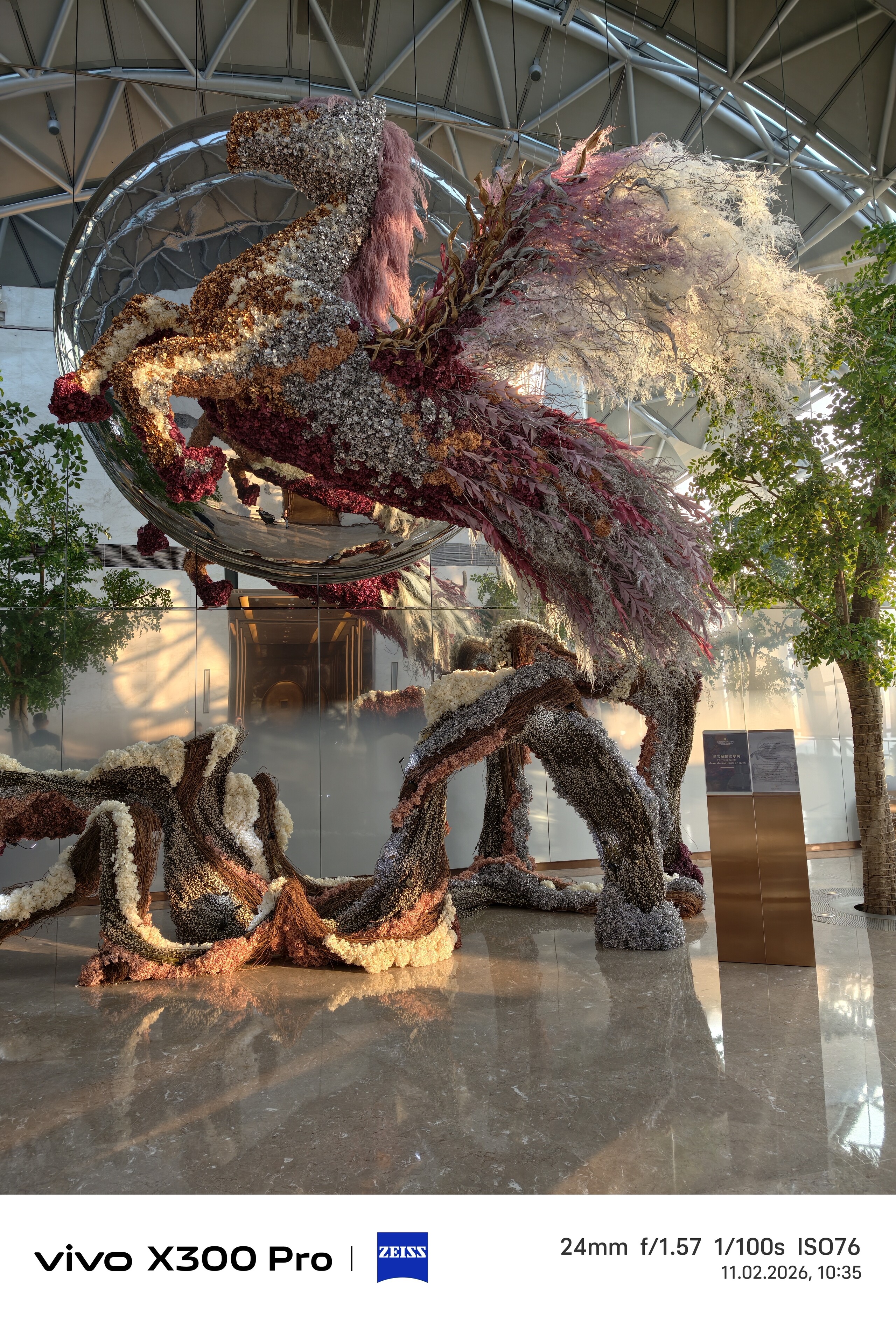
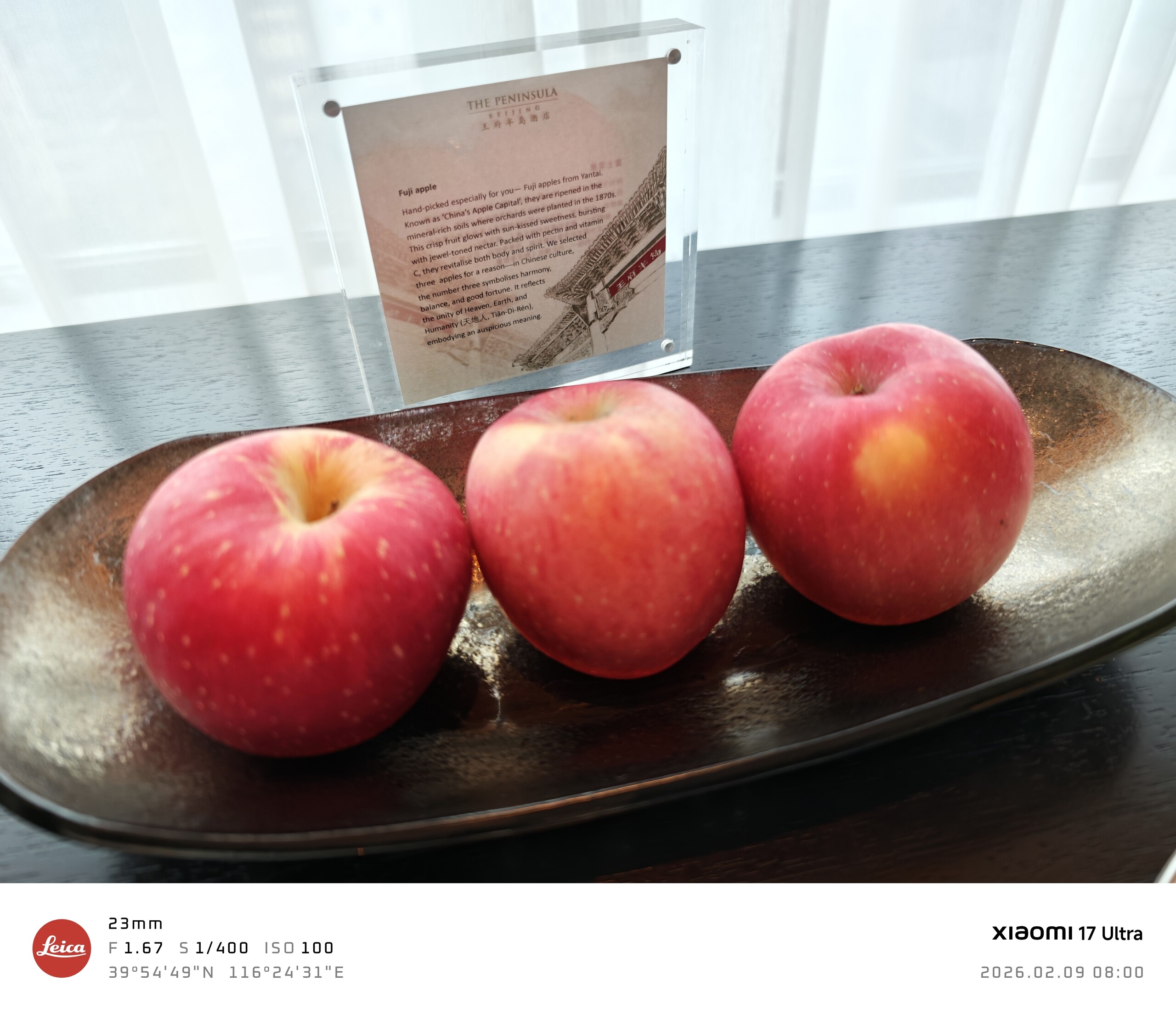
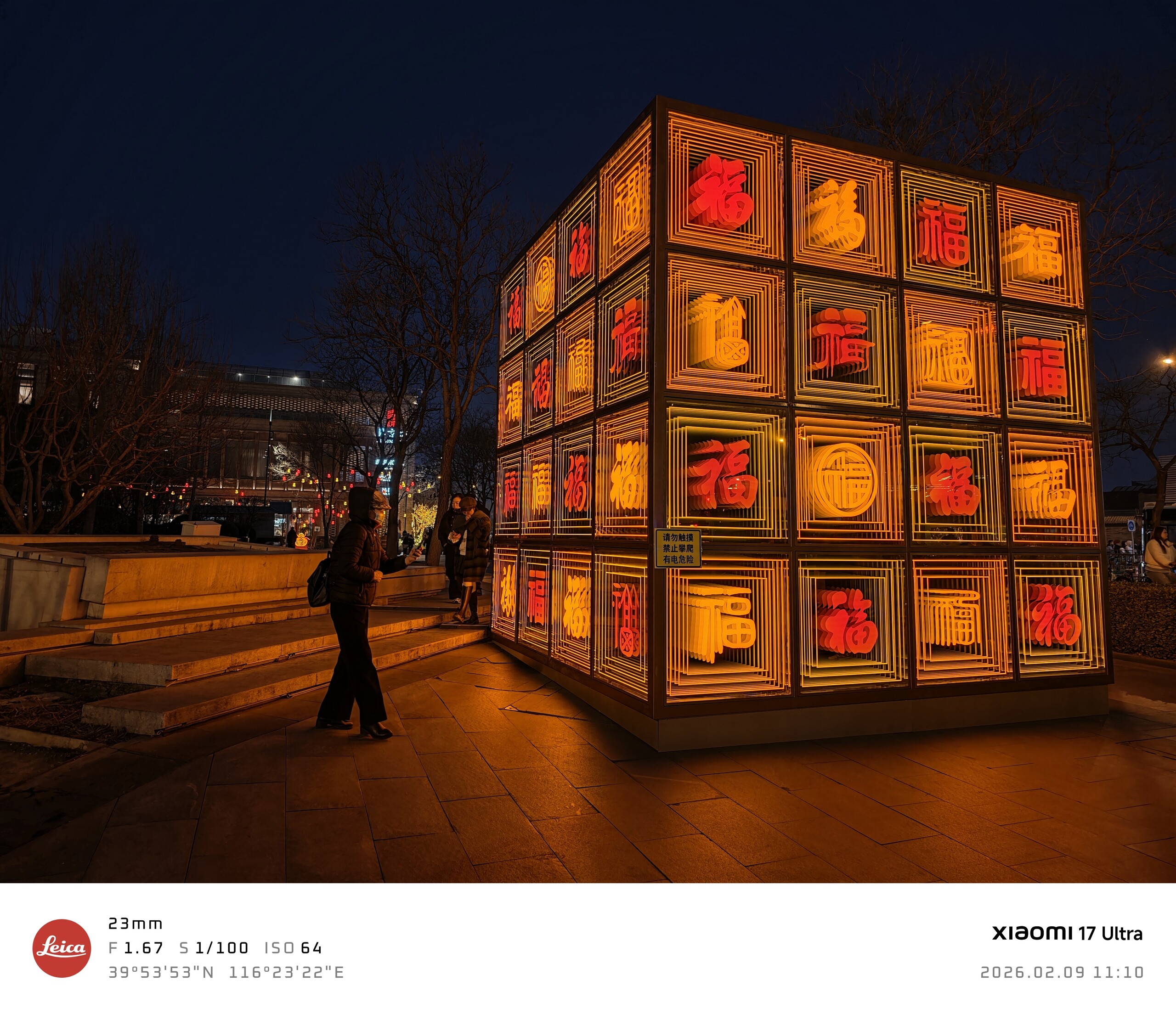
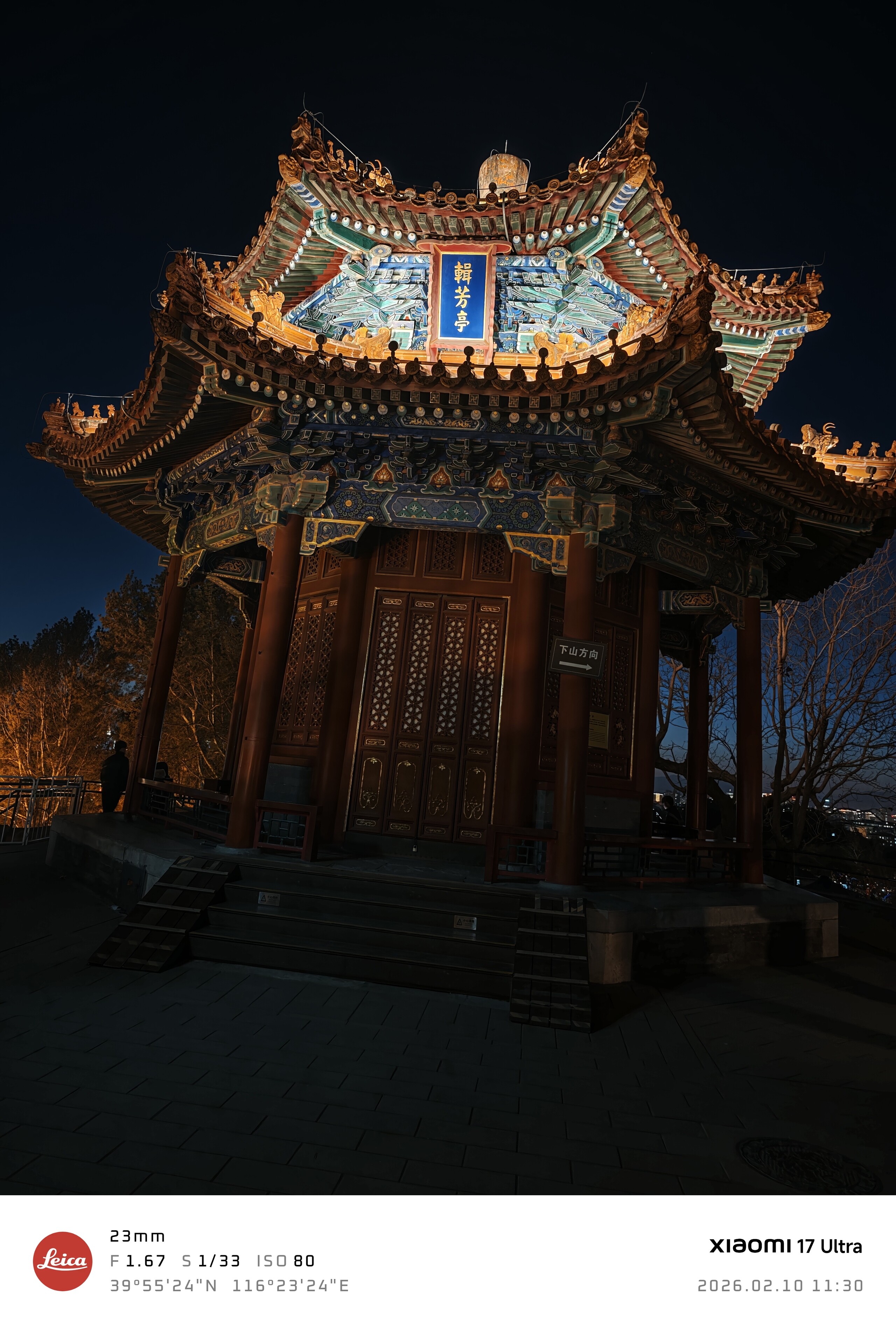
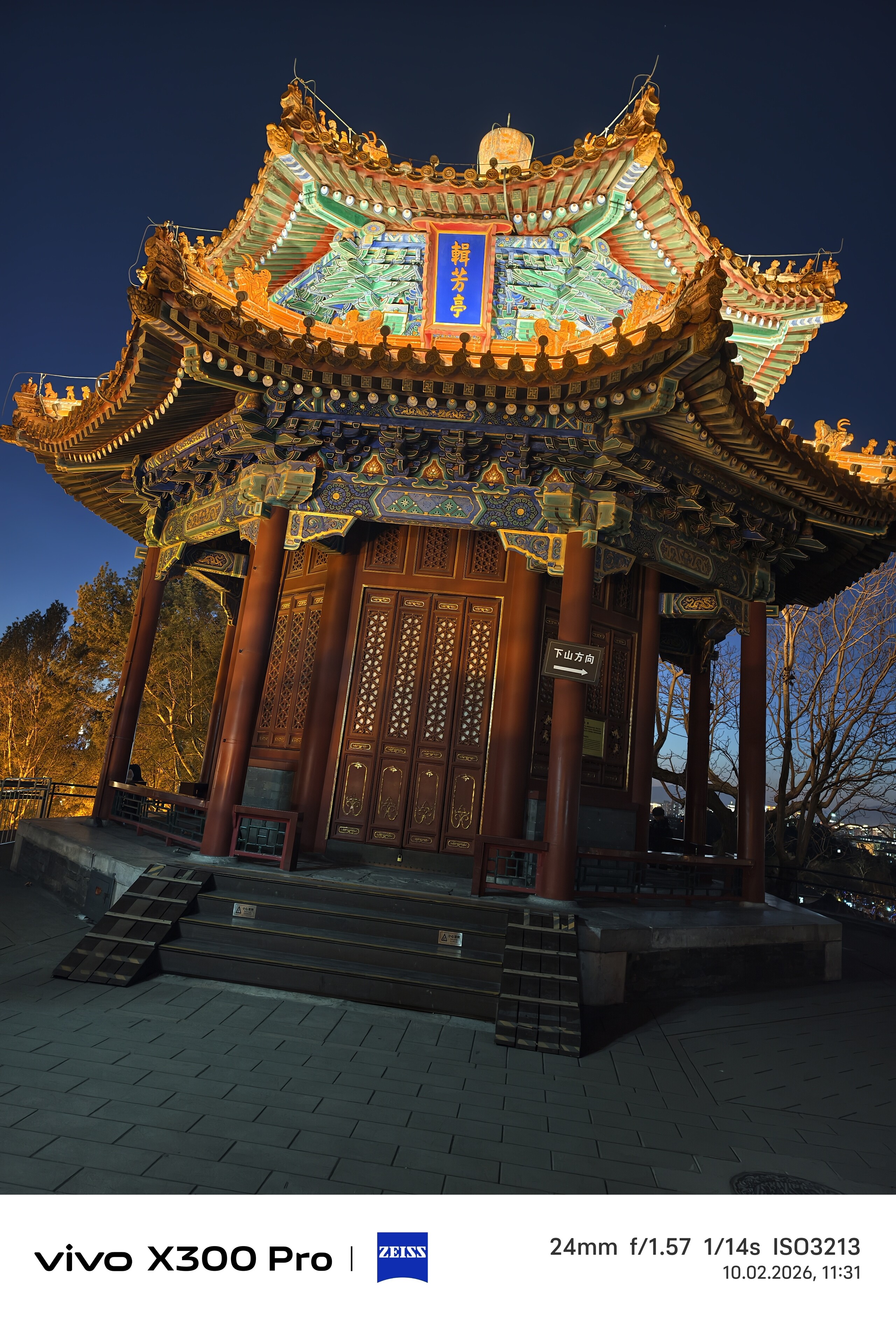
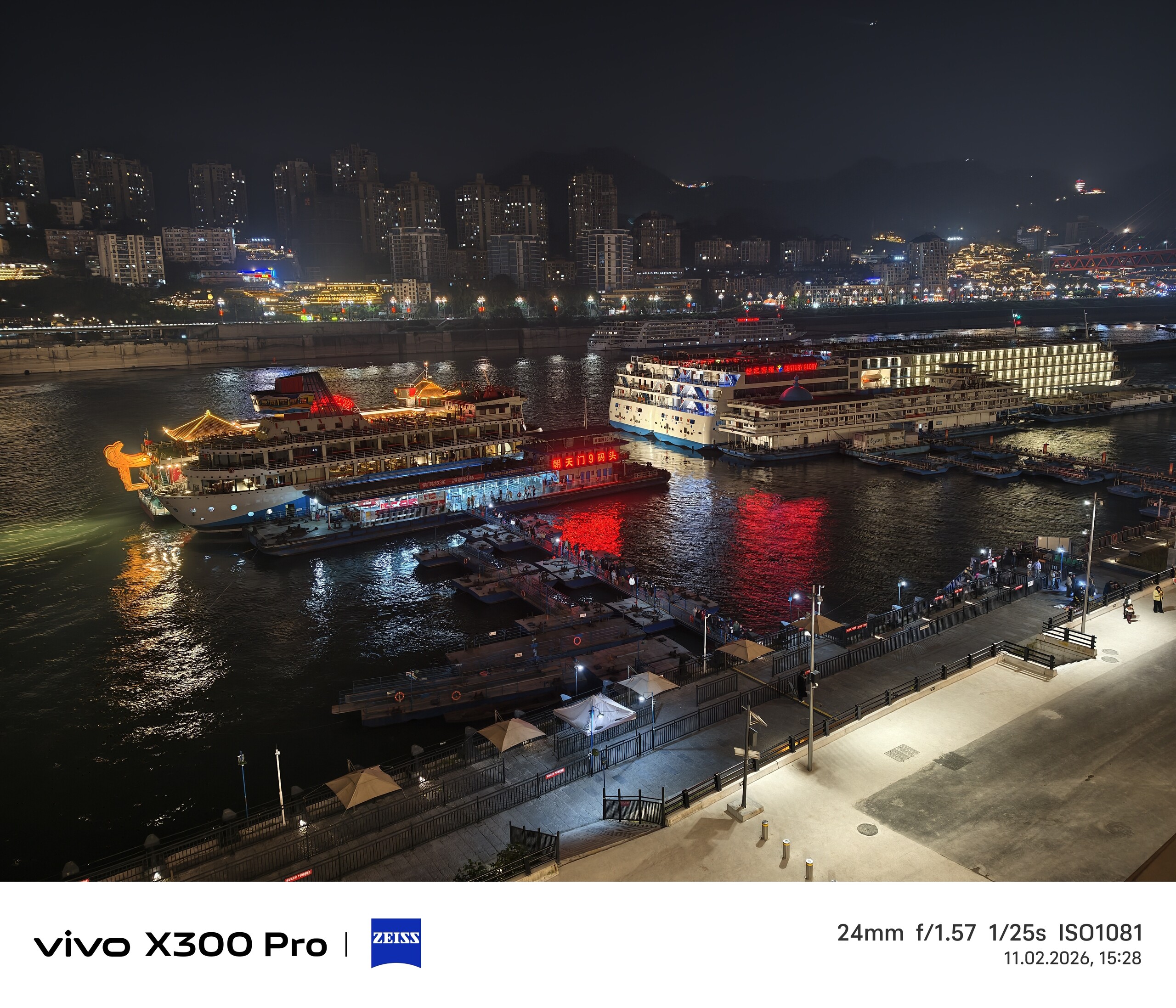
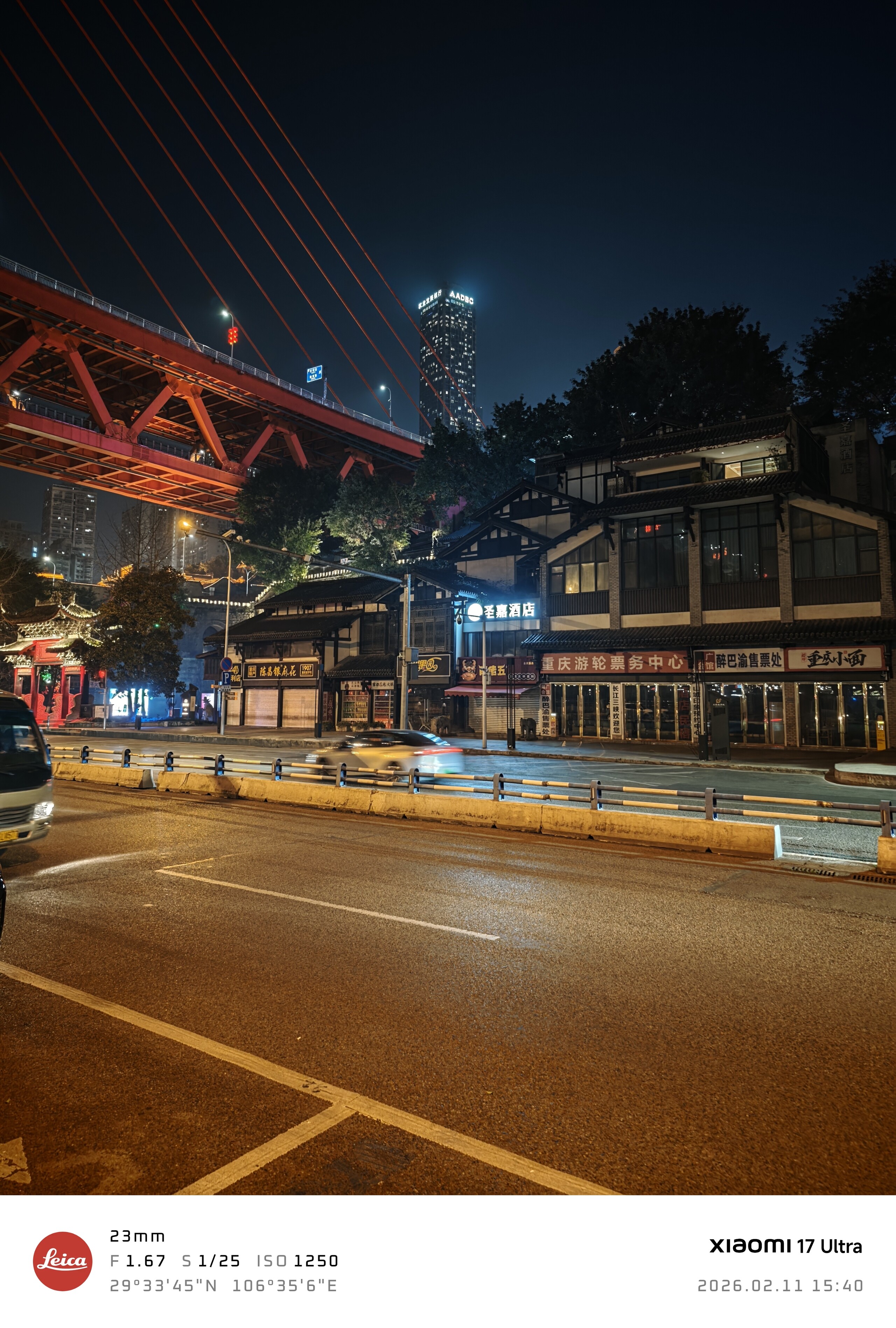
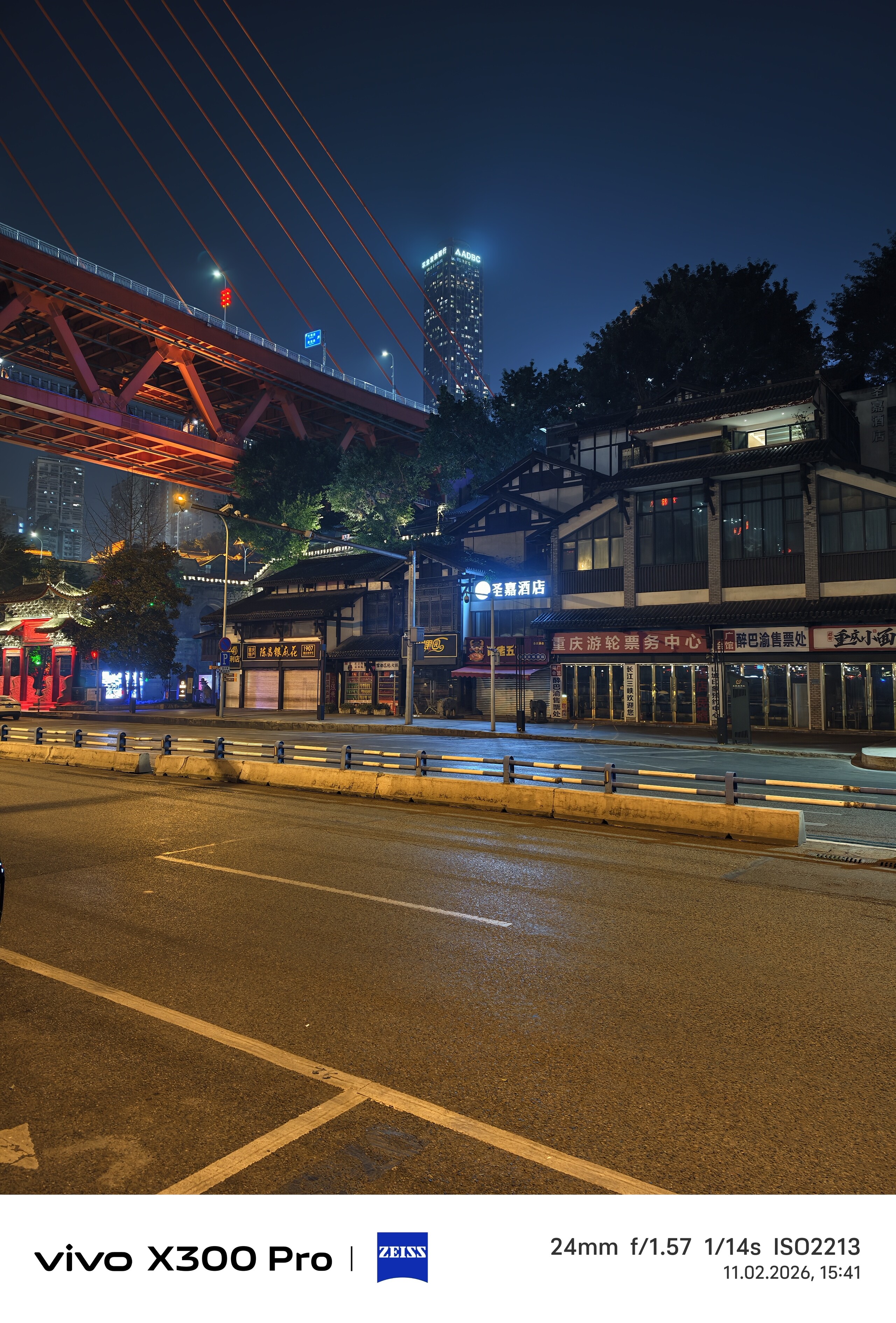
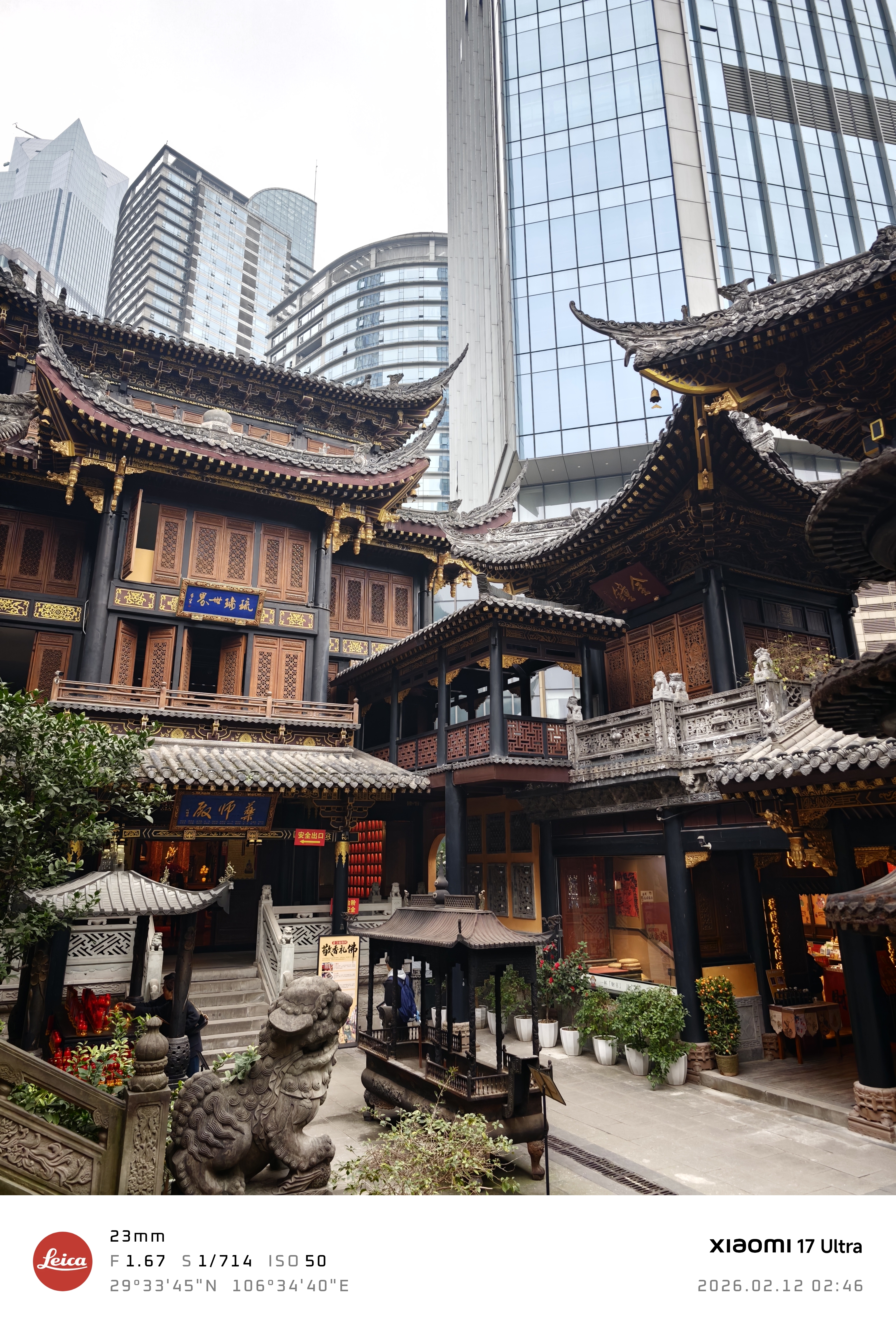
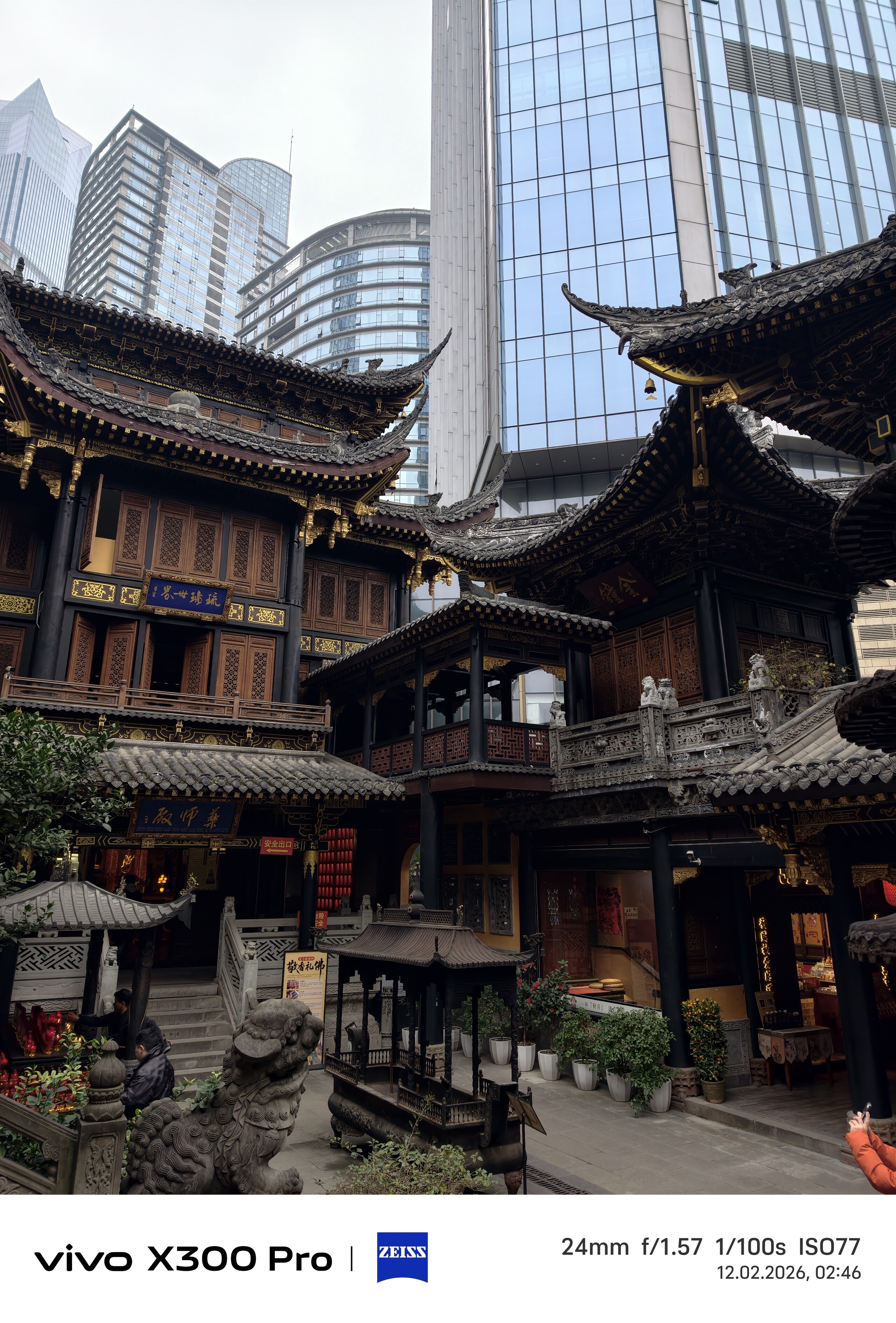
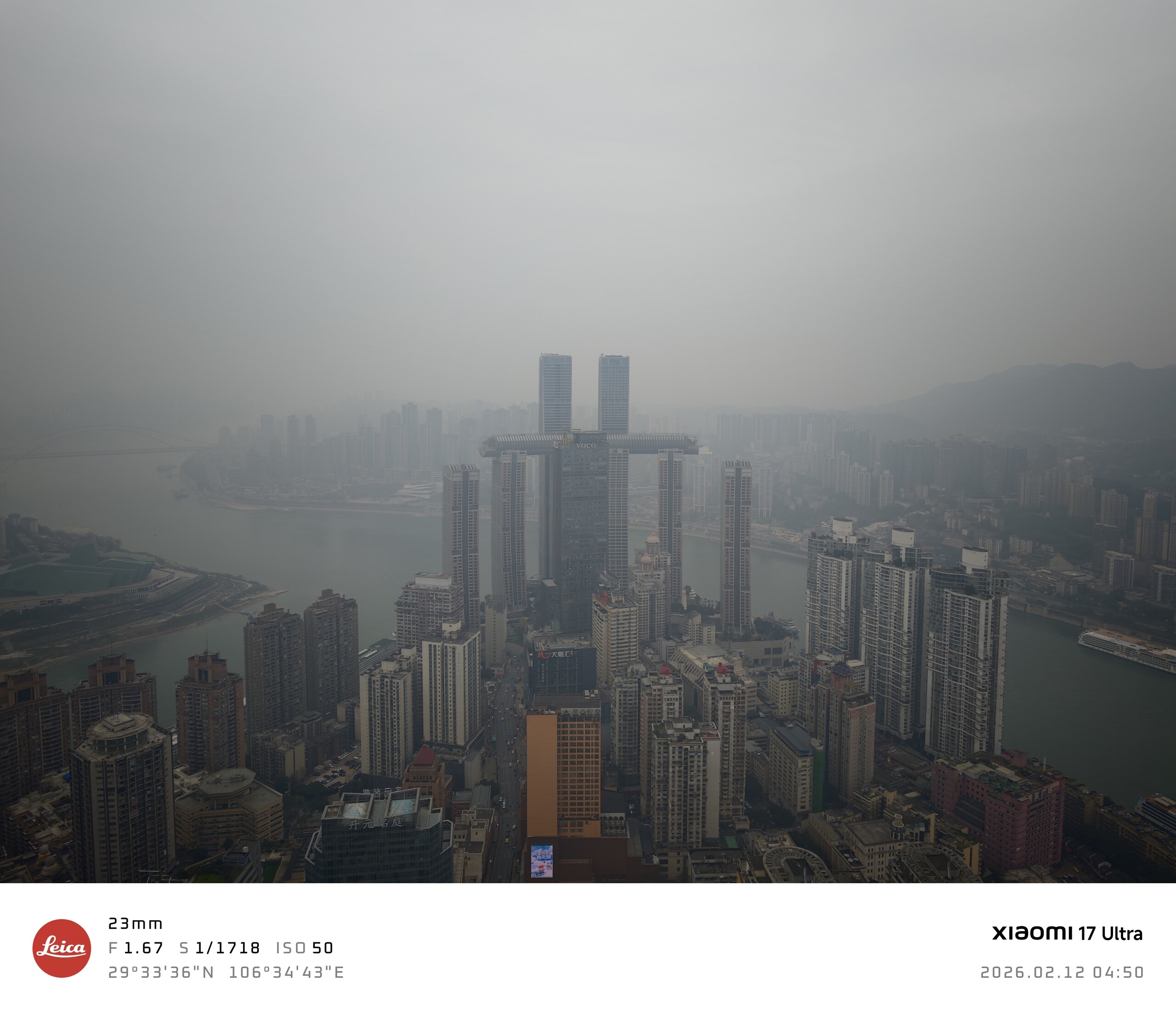
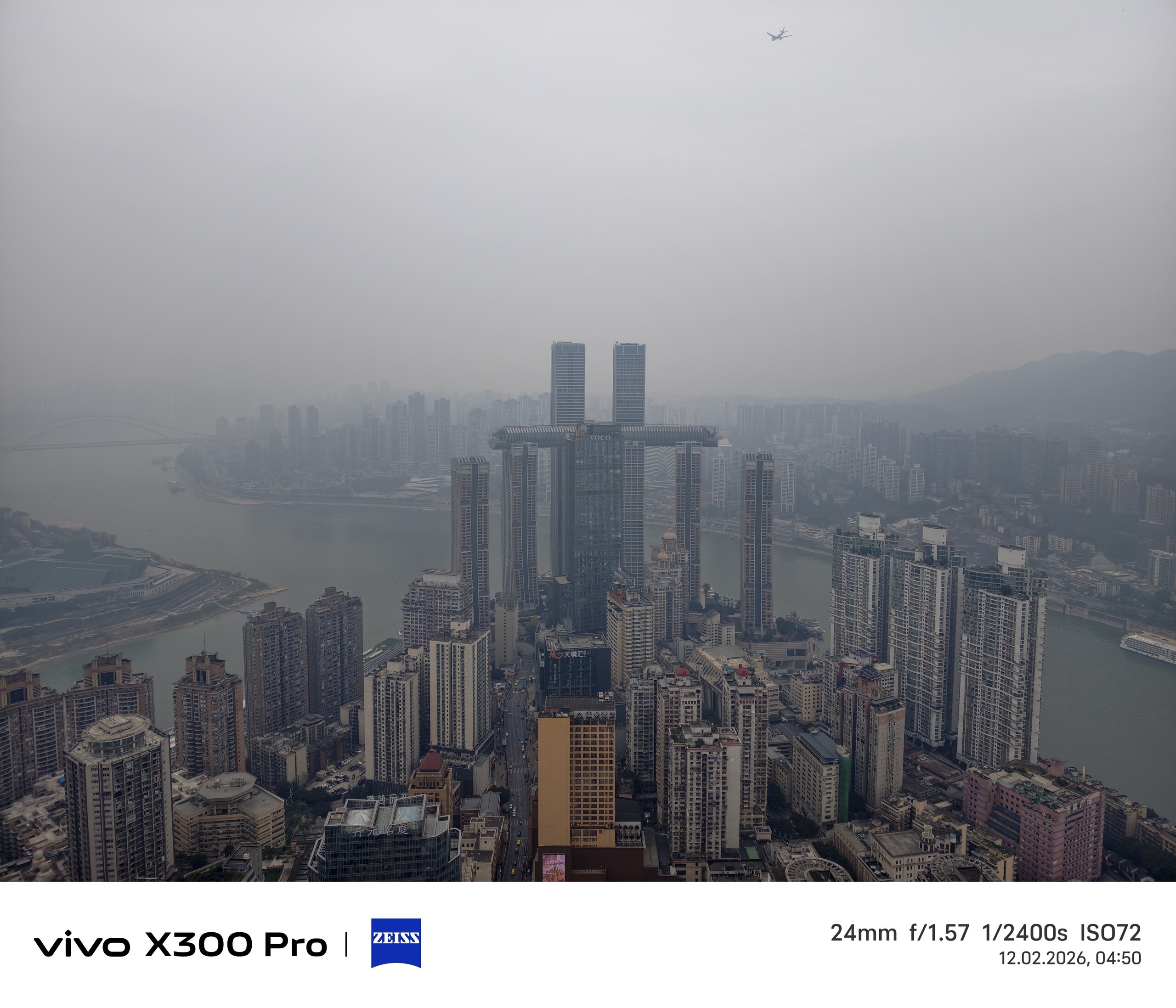
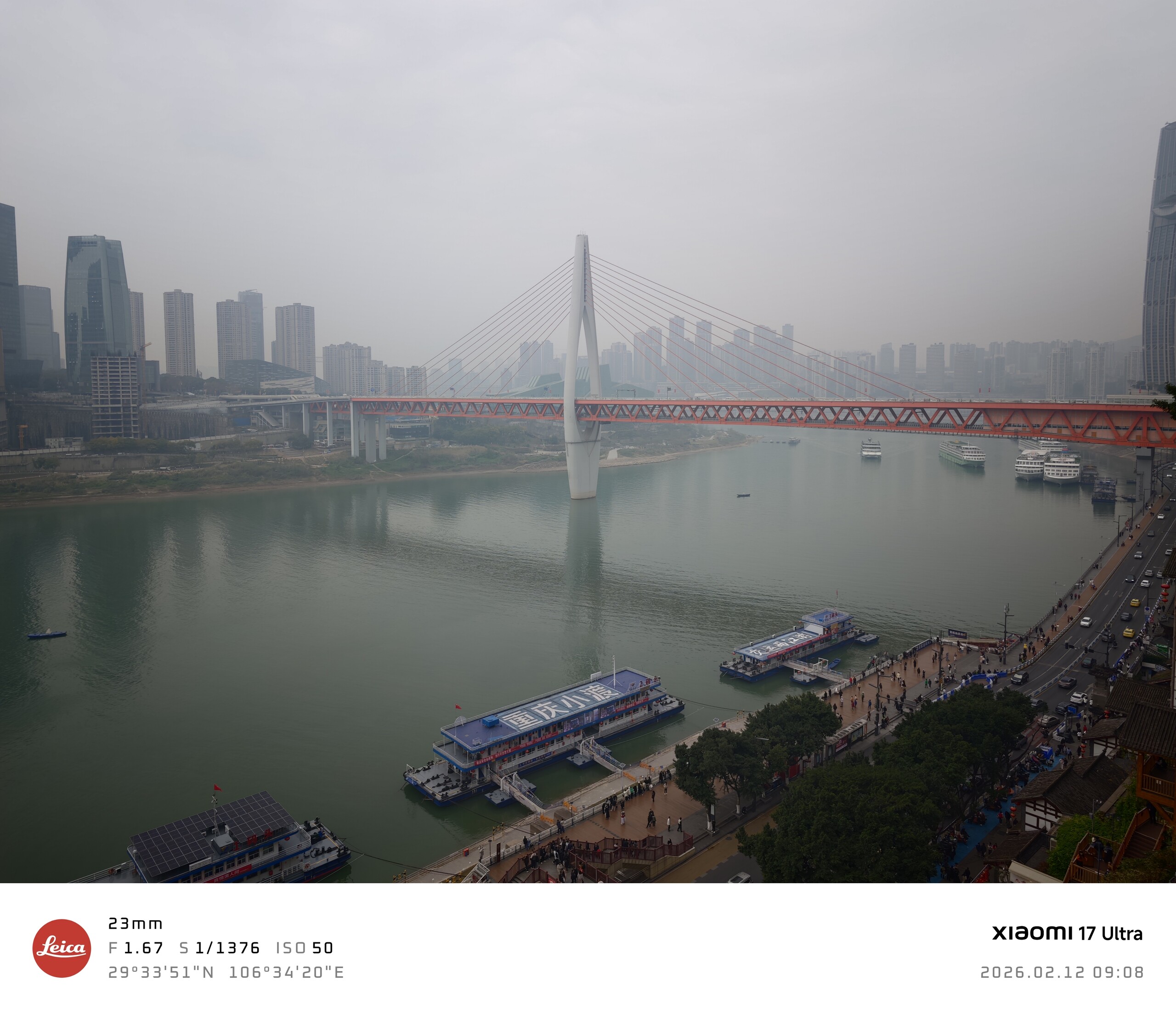
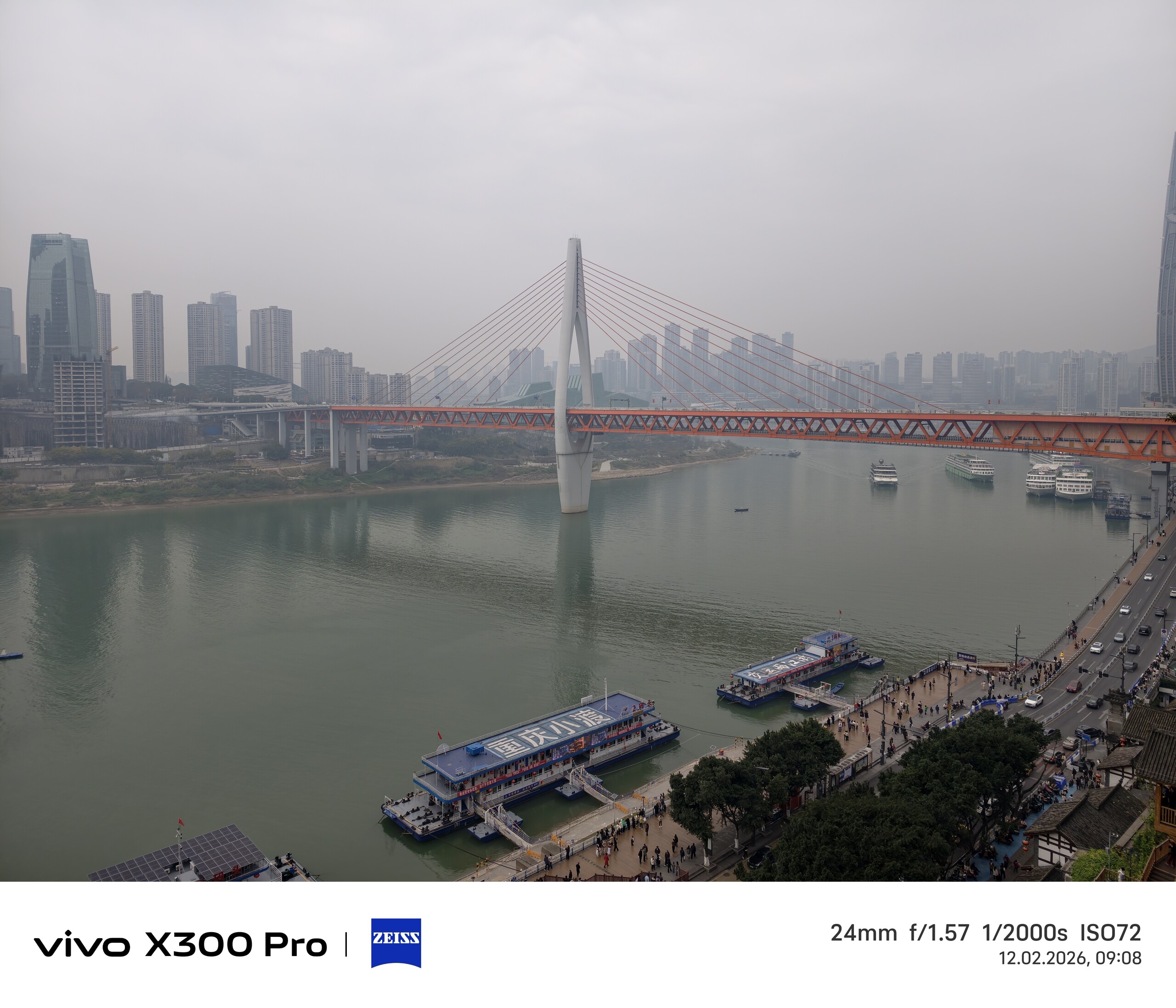
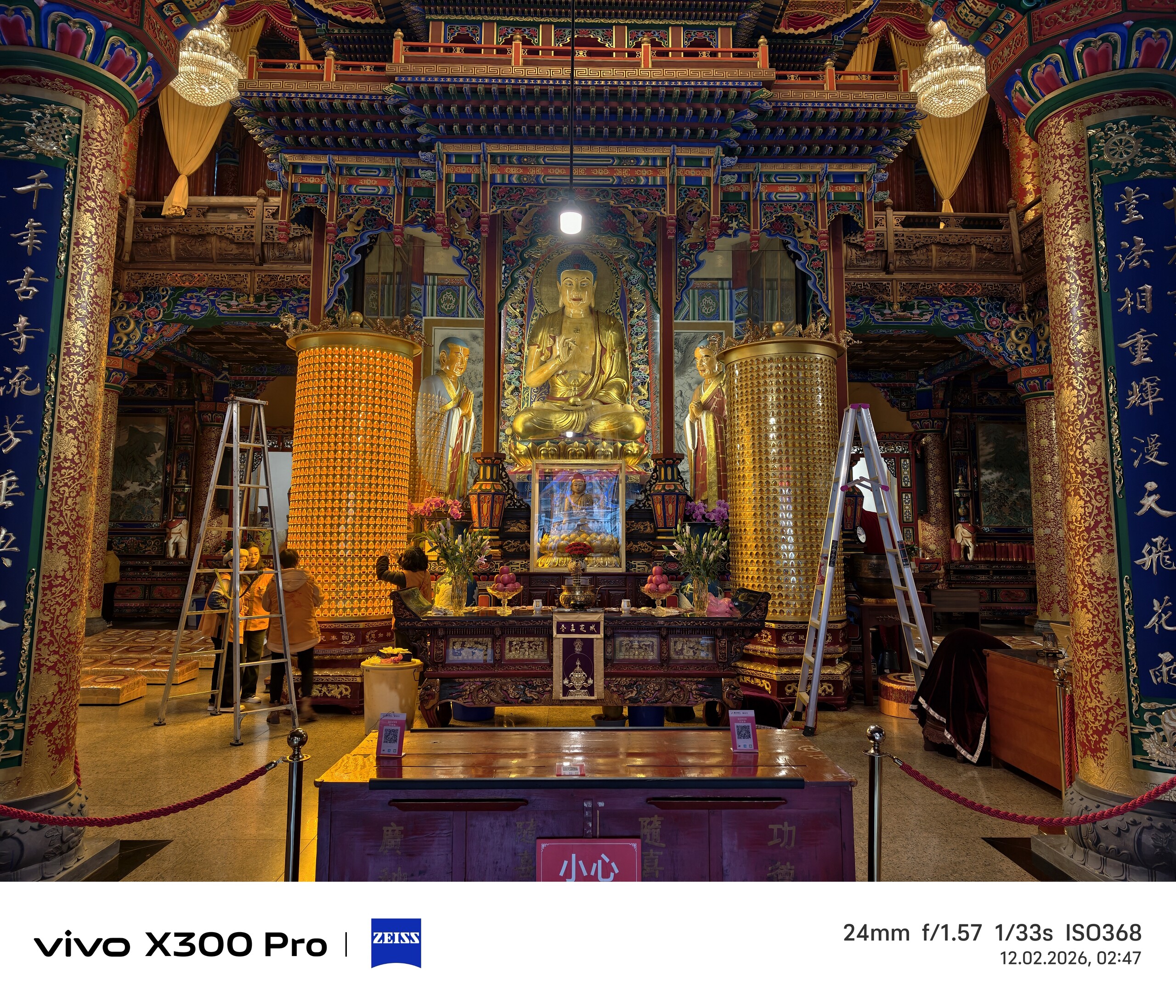
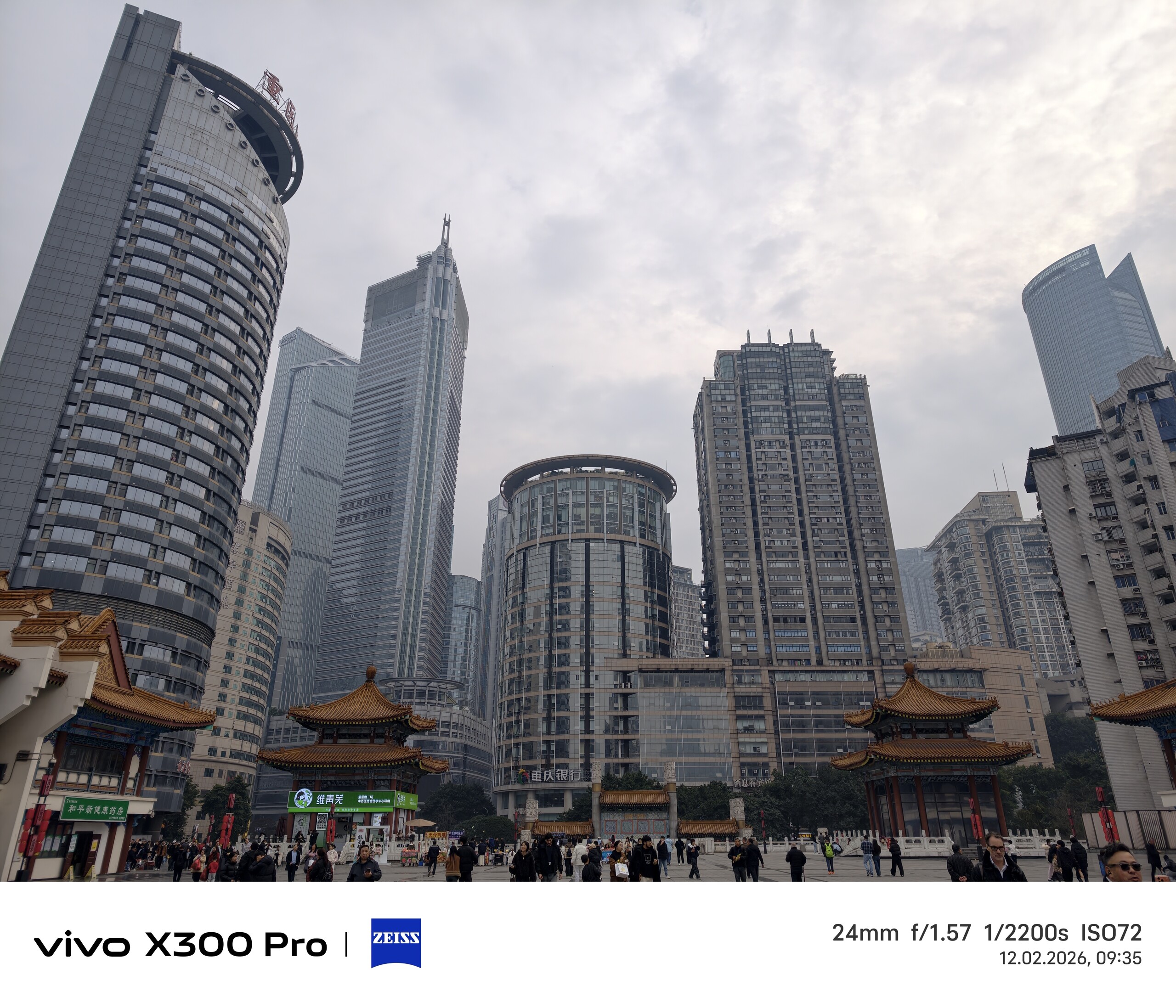
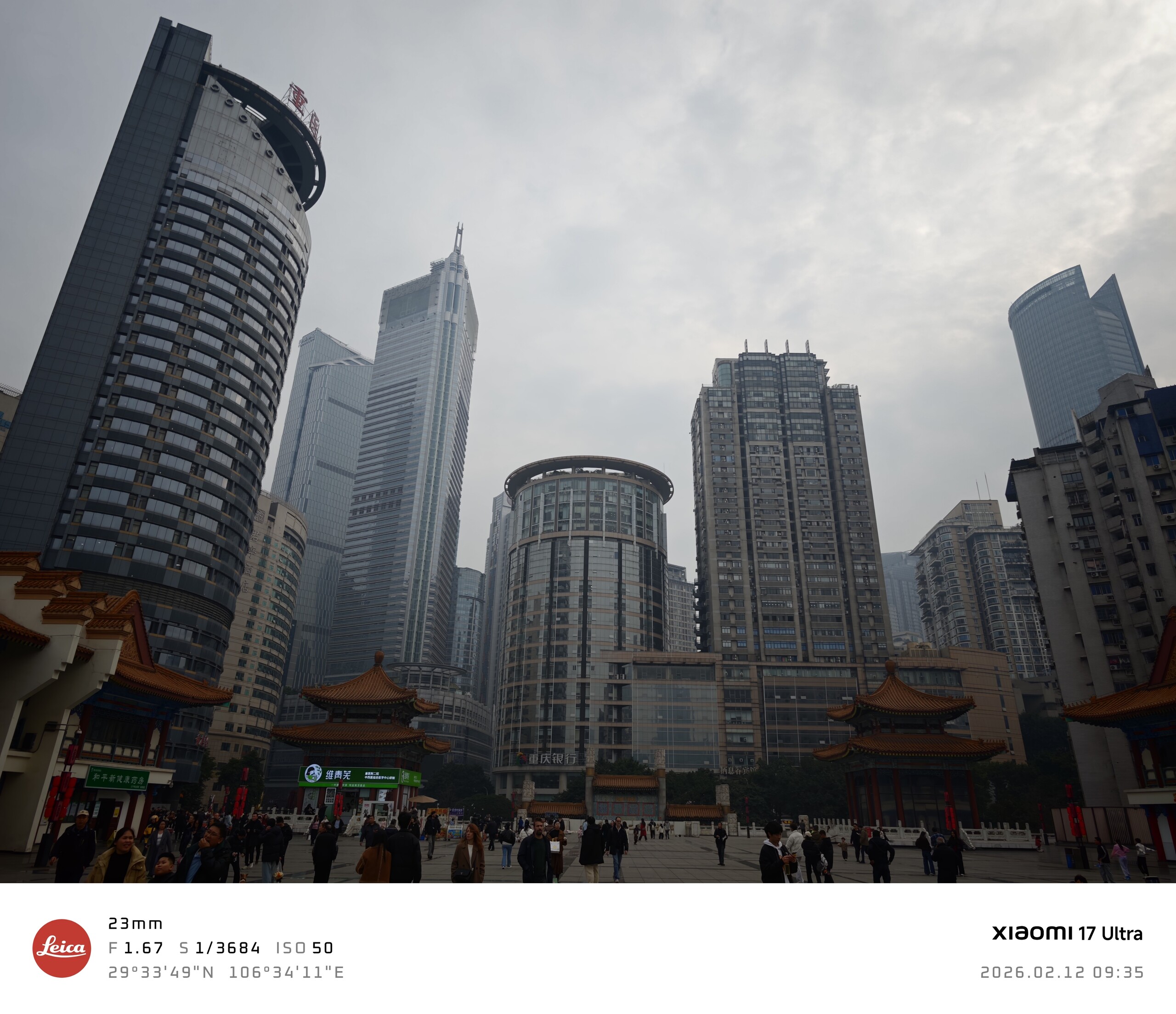
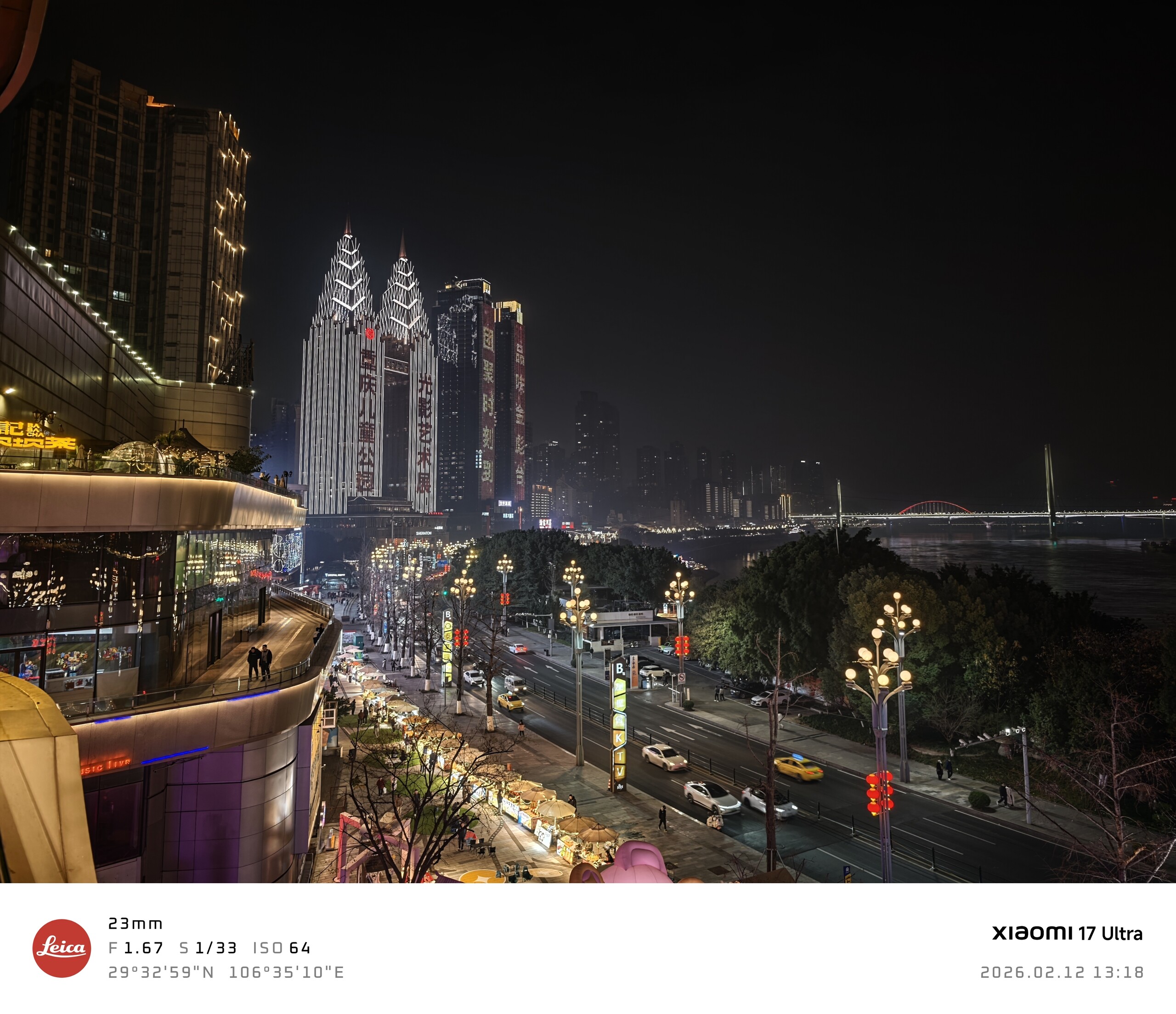
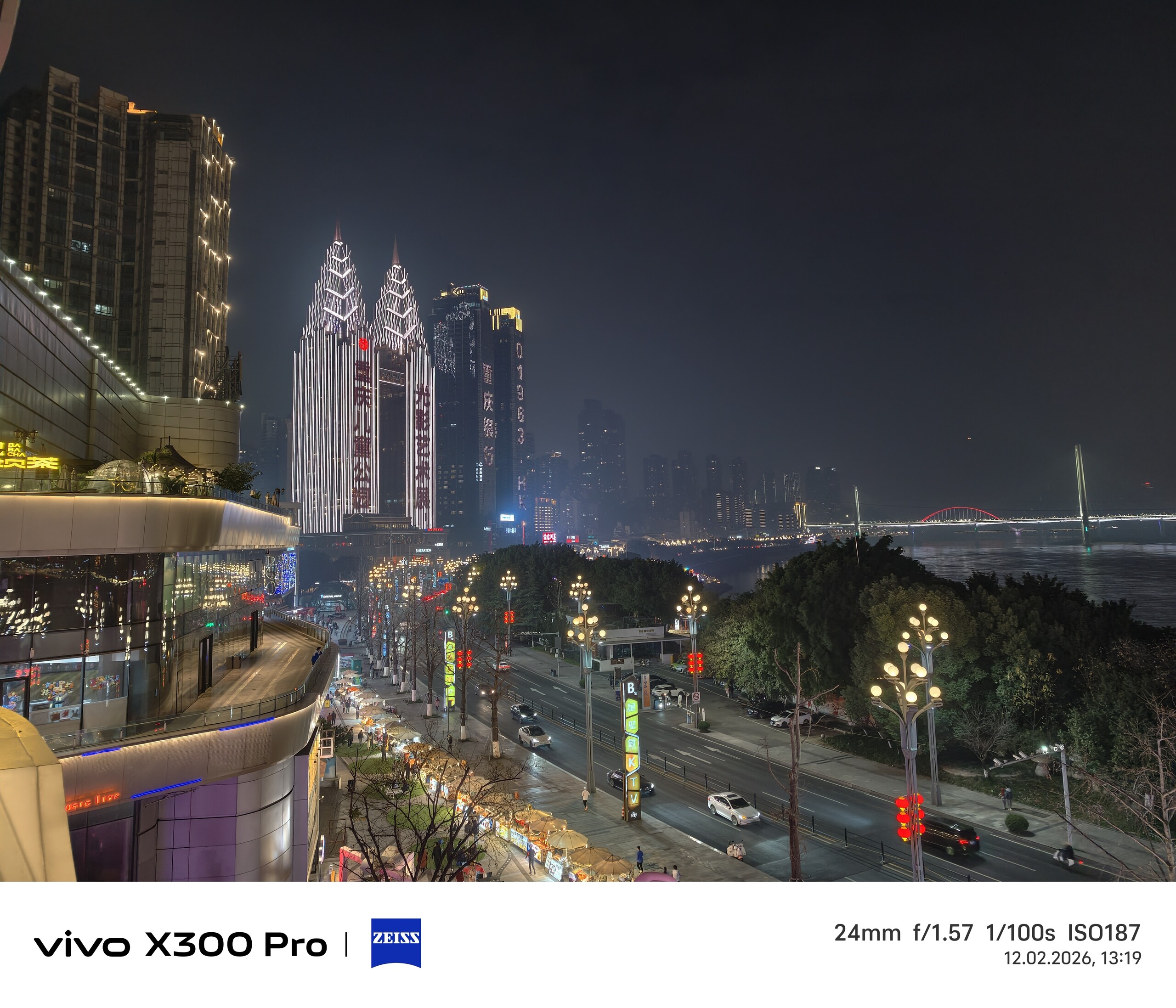
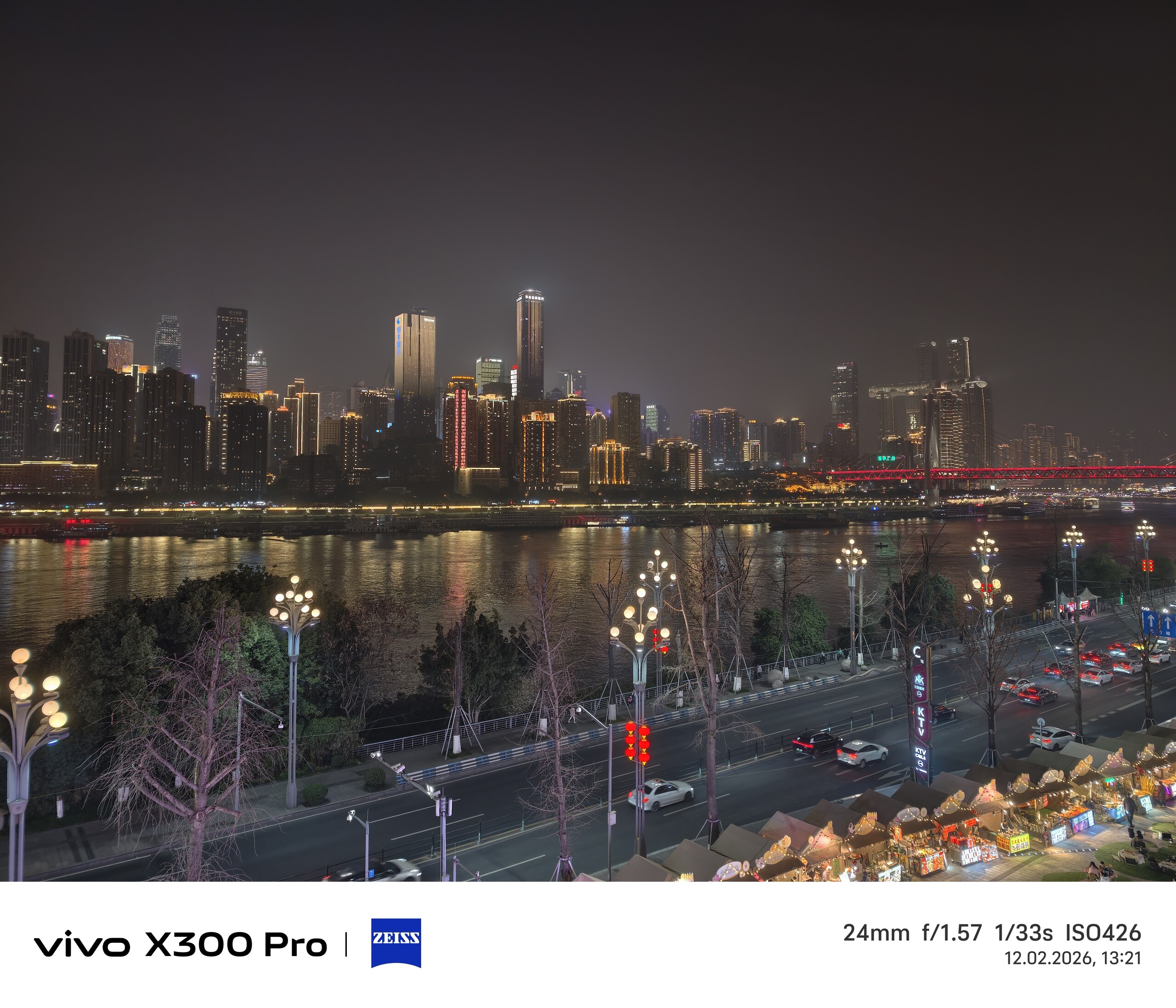
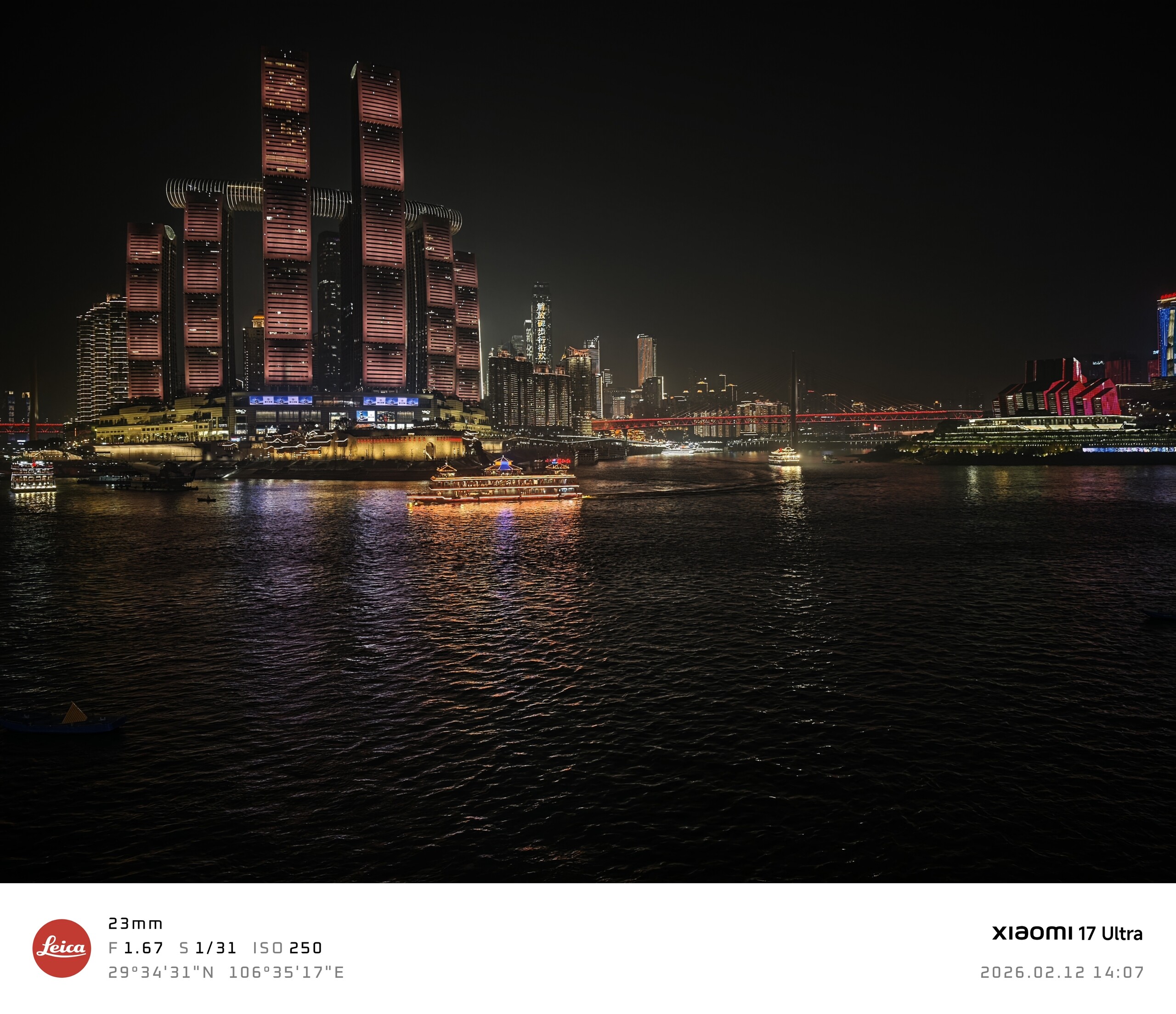
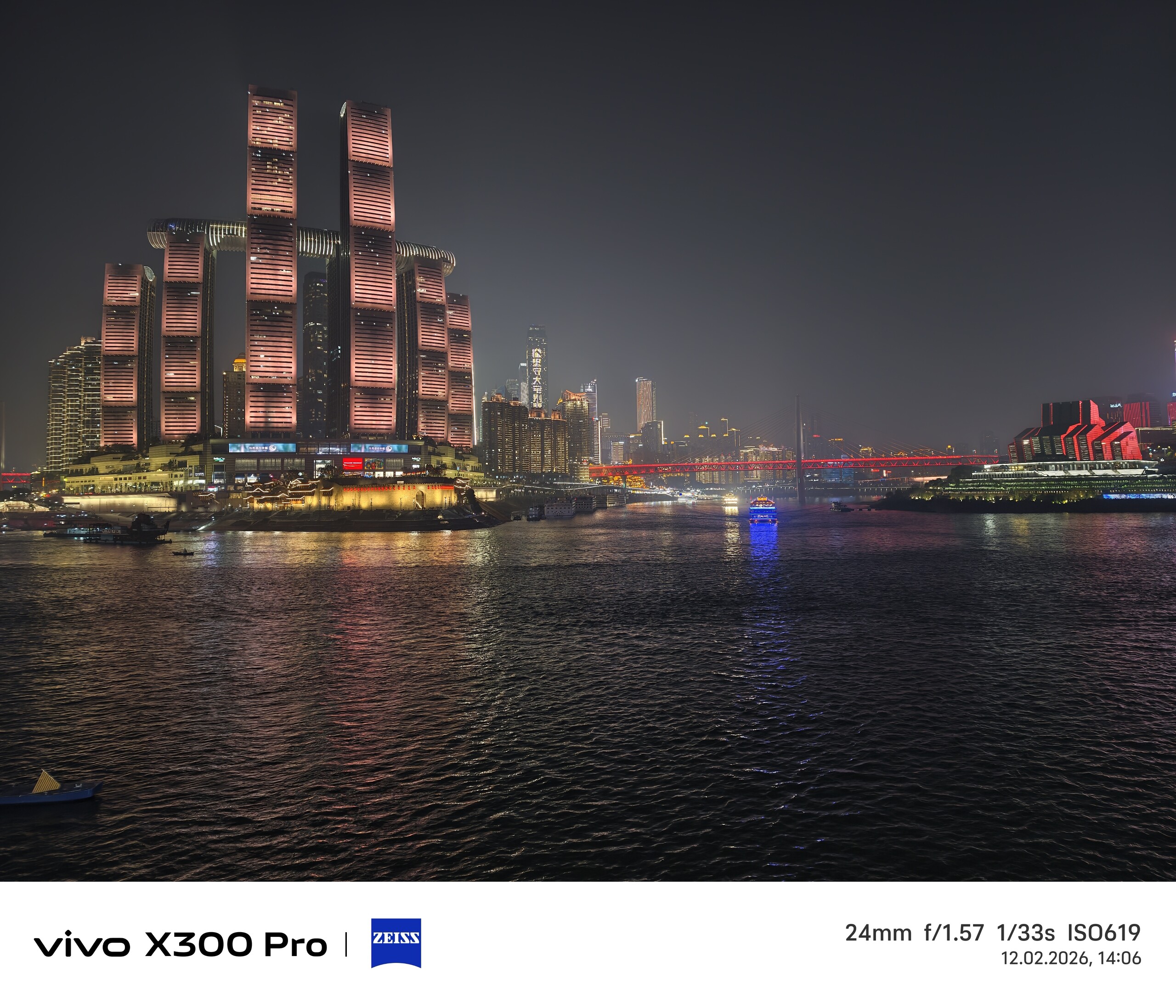
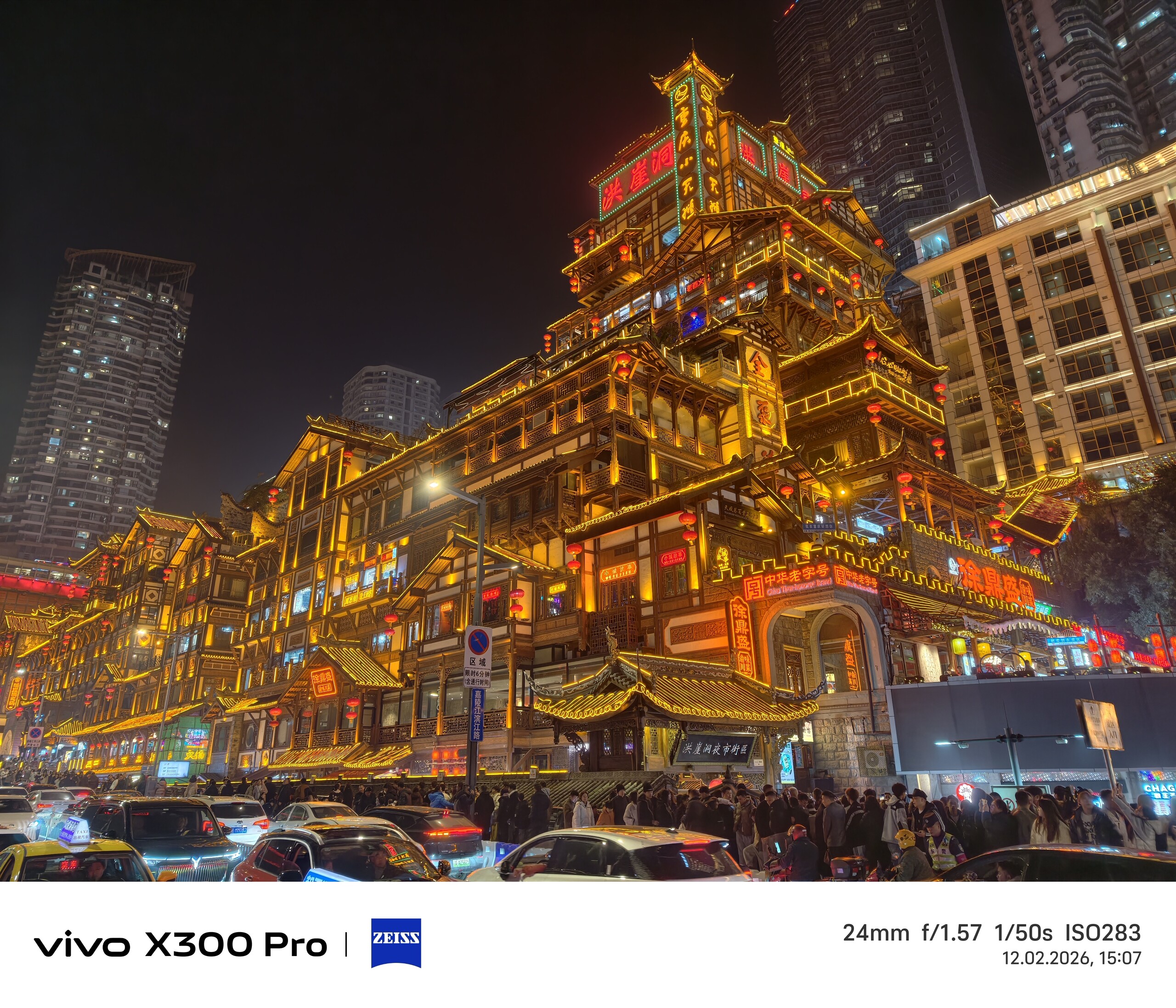
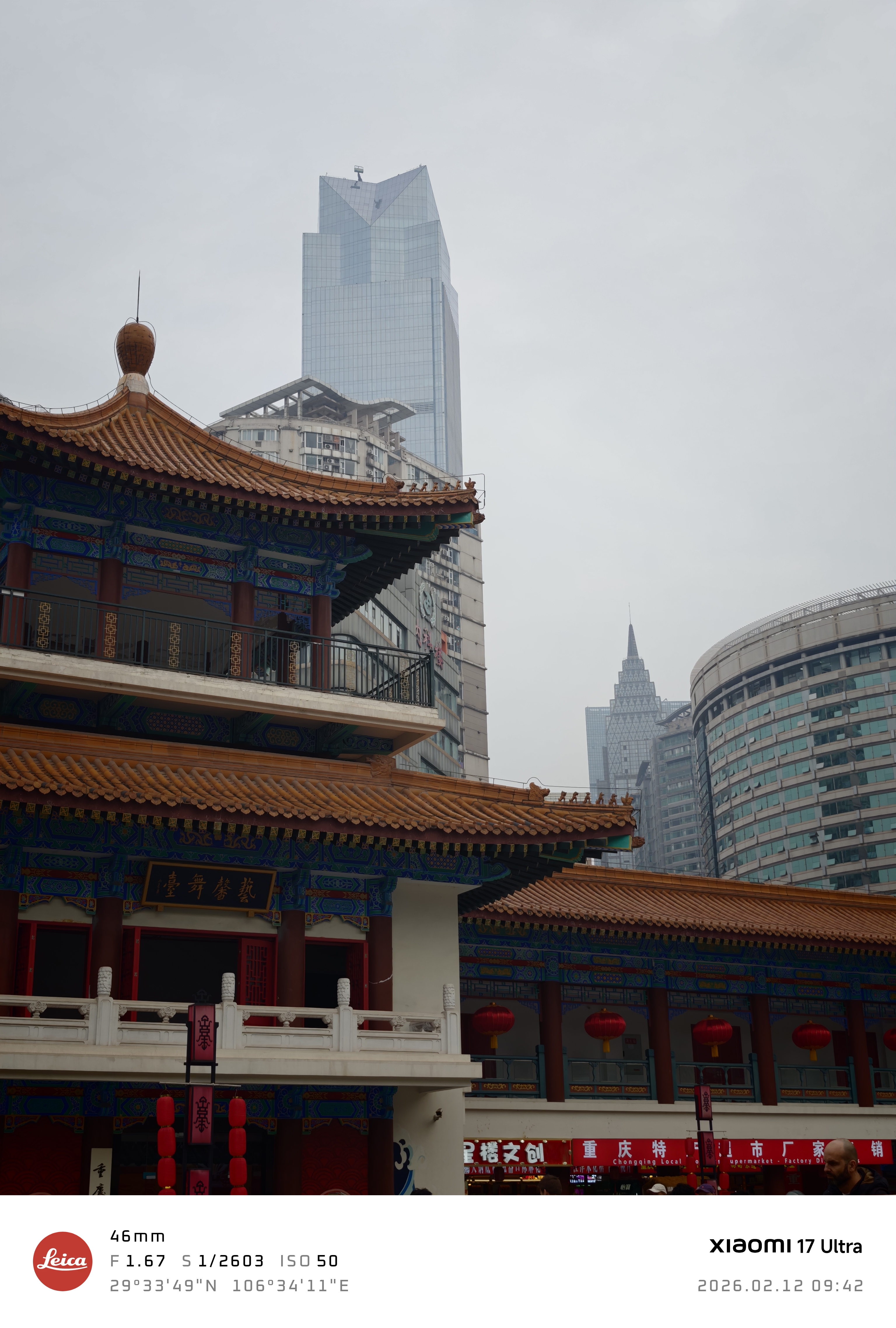
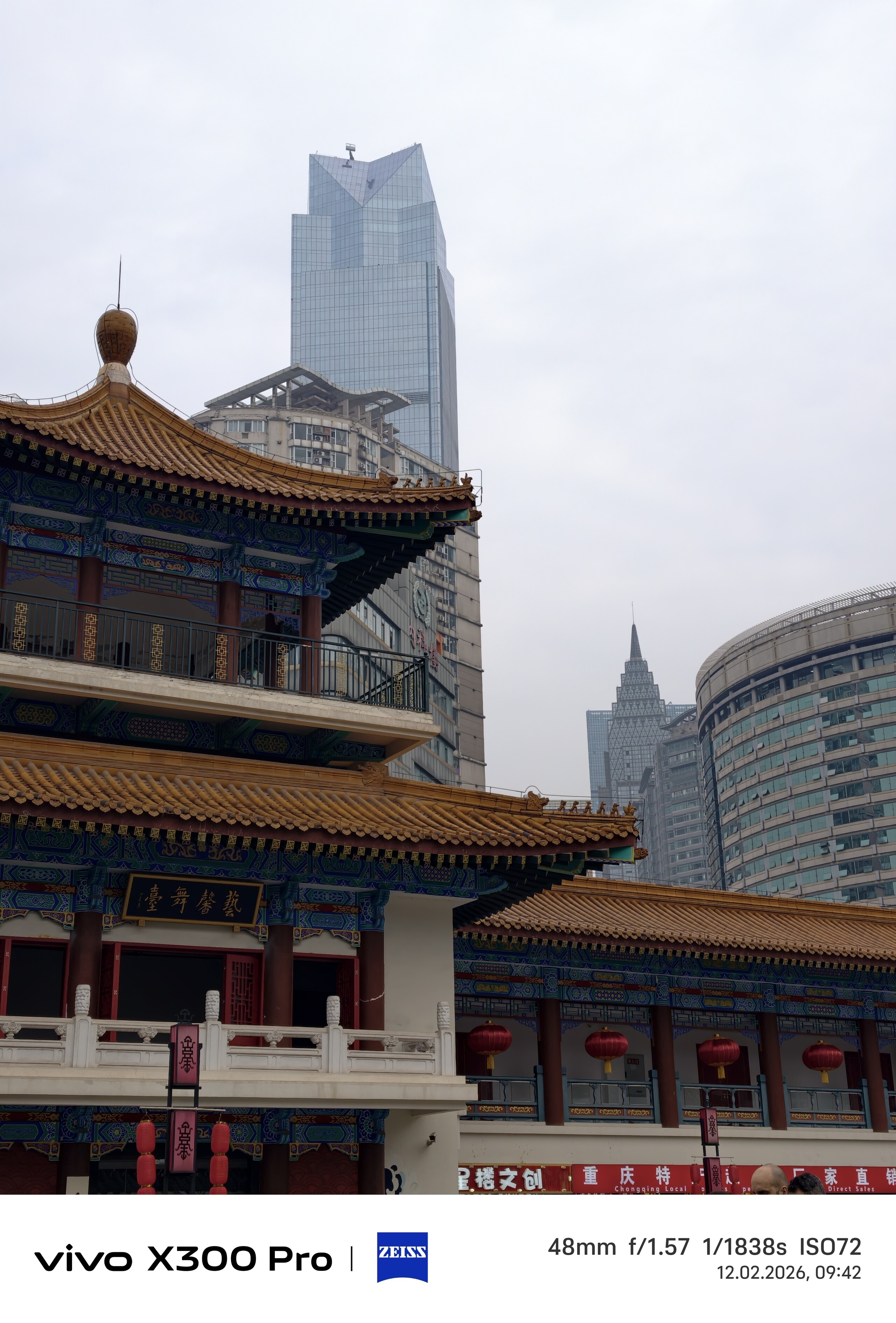
The results vary considerably. Particularly in daylight, we find the colour balance of the X300 Pro to be more successful, as the 17 Ultra often brightens the subject significantly. In the dark and in low light, however, the Xiaomi smartphone really comes into its own, delivering both a more balanced image and greater detail. The Vivo tends slightly towards overexposure here, attempting to artificially increase the dynamic range.
Whilst we would generally lower the exposure value slightly on the 17 Ultra (-0.3 to -0.6 EV), we recommend doing so on the Vivo smartphone mainly for dark environments. Both can save the settings permanently, though the Vivo can only do so in Pro mode.









Zoom – The Xiaomi 17 Ultra is a real powerhouse when it comes to visual performance
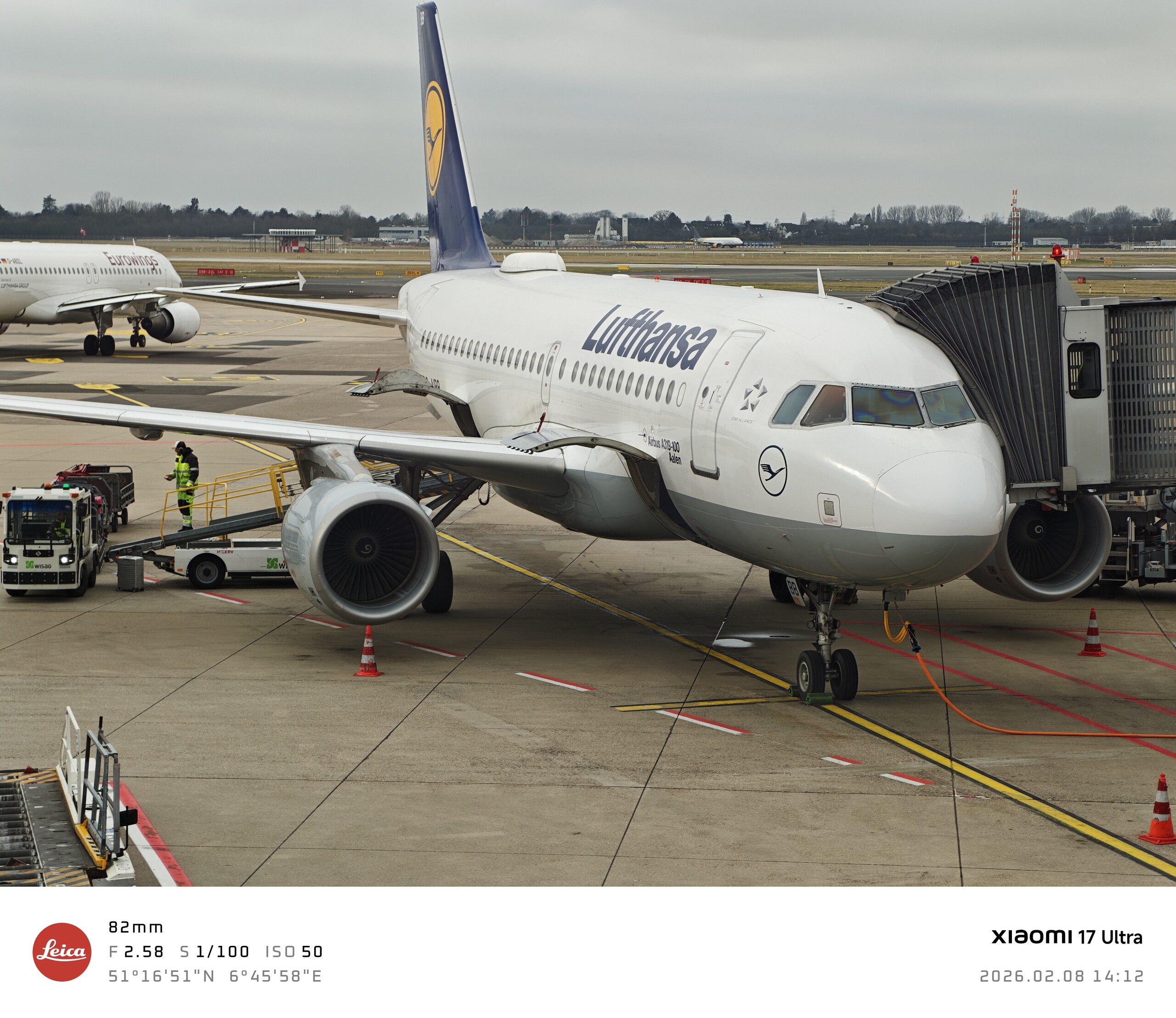
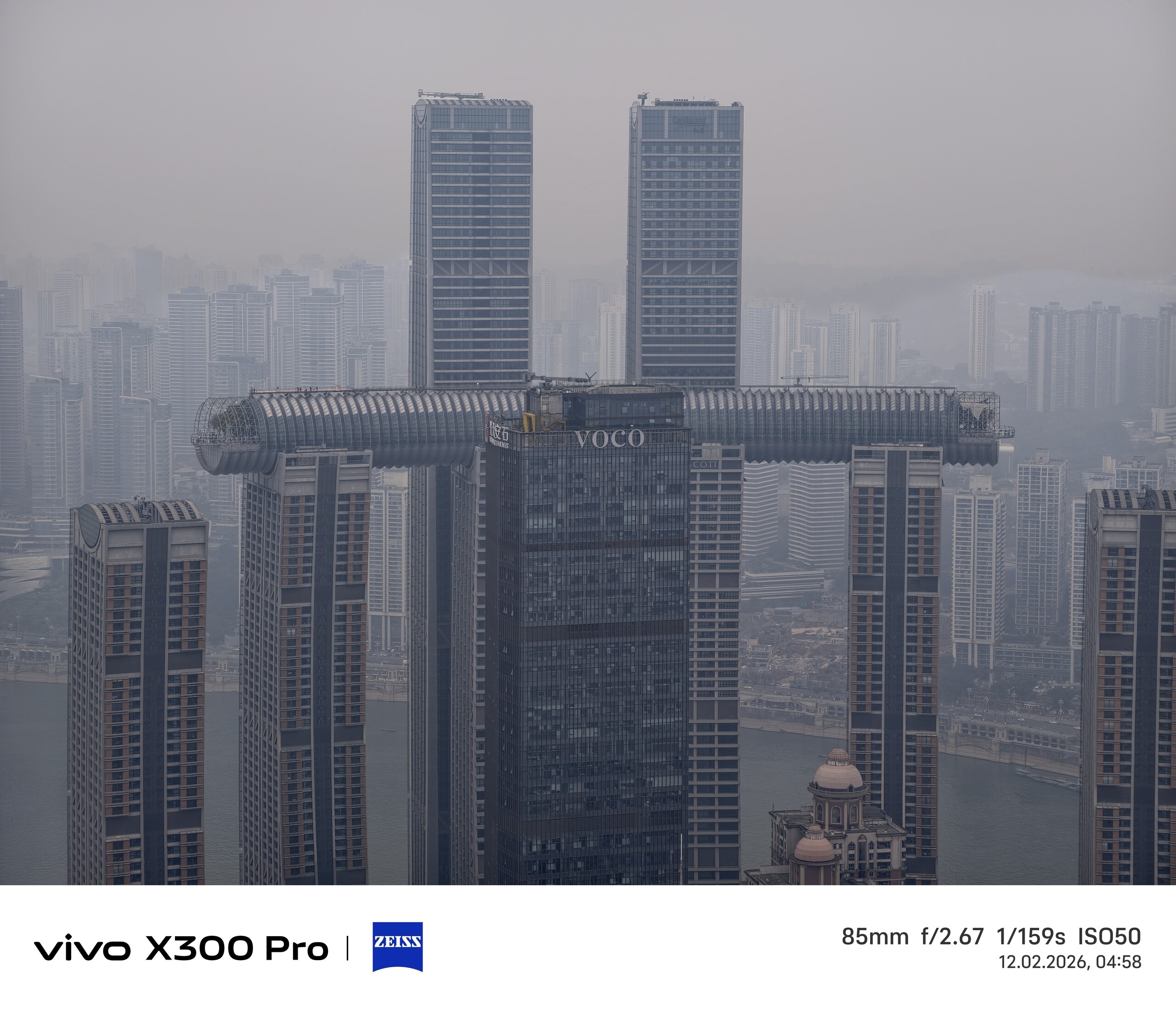
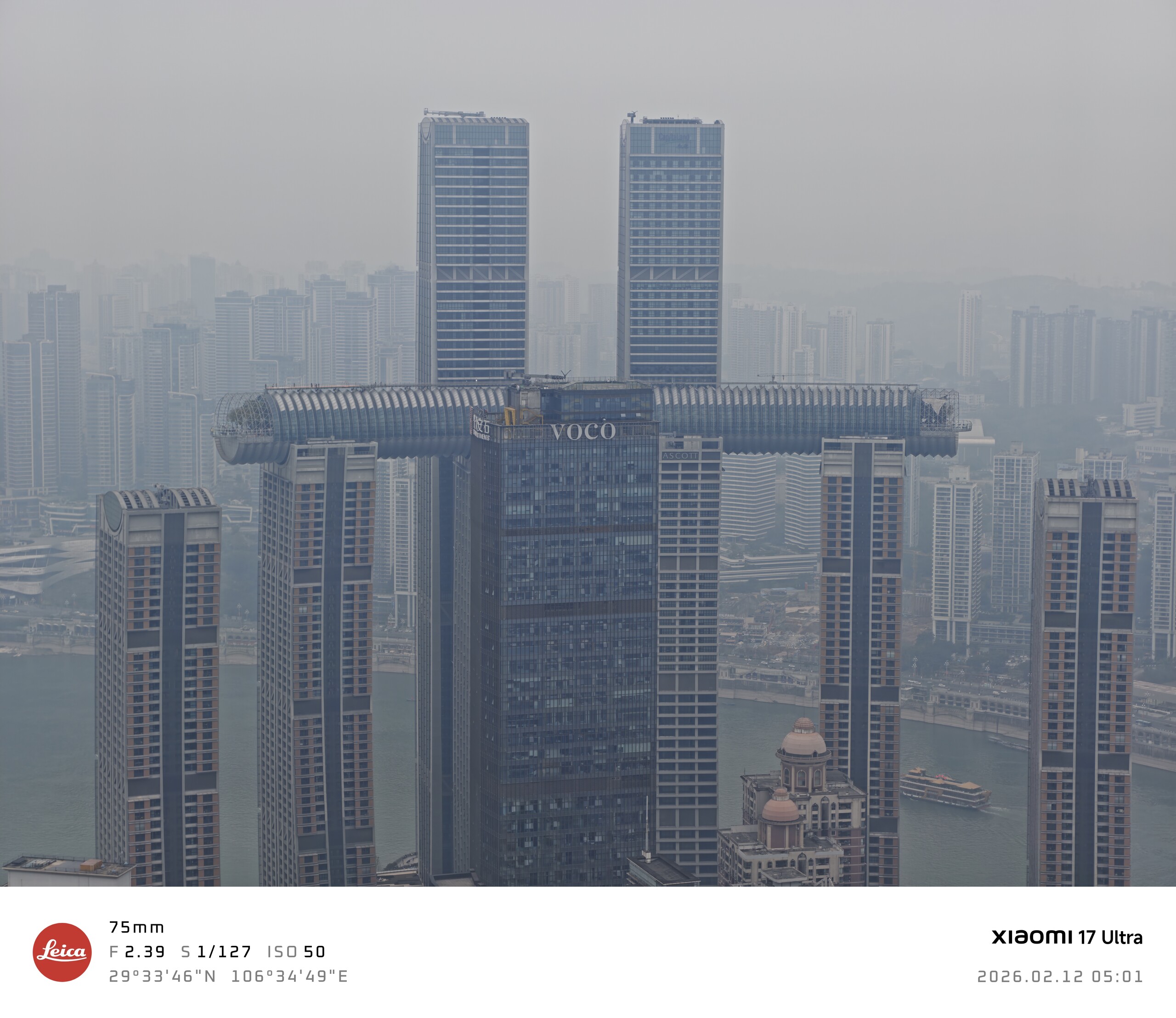
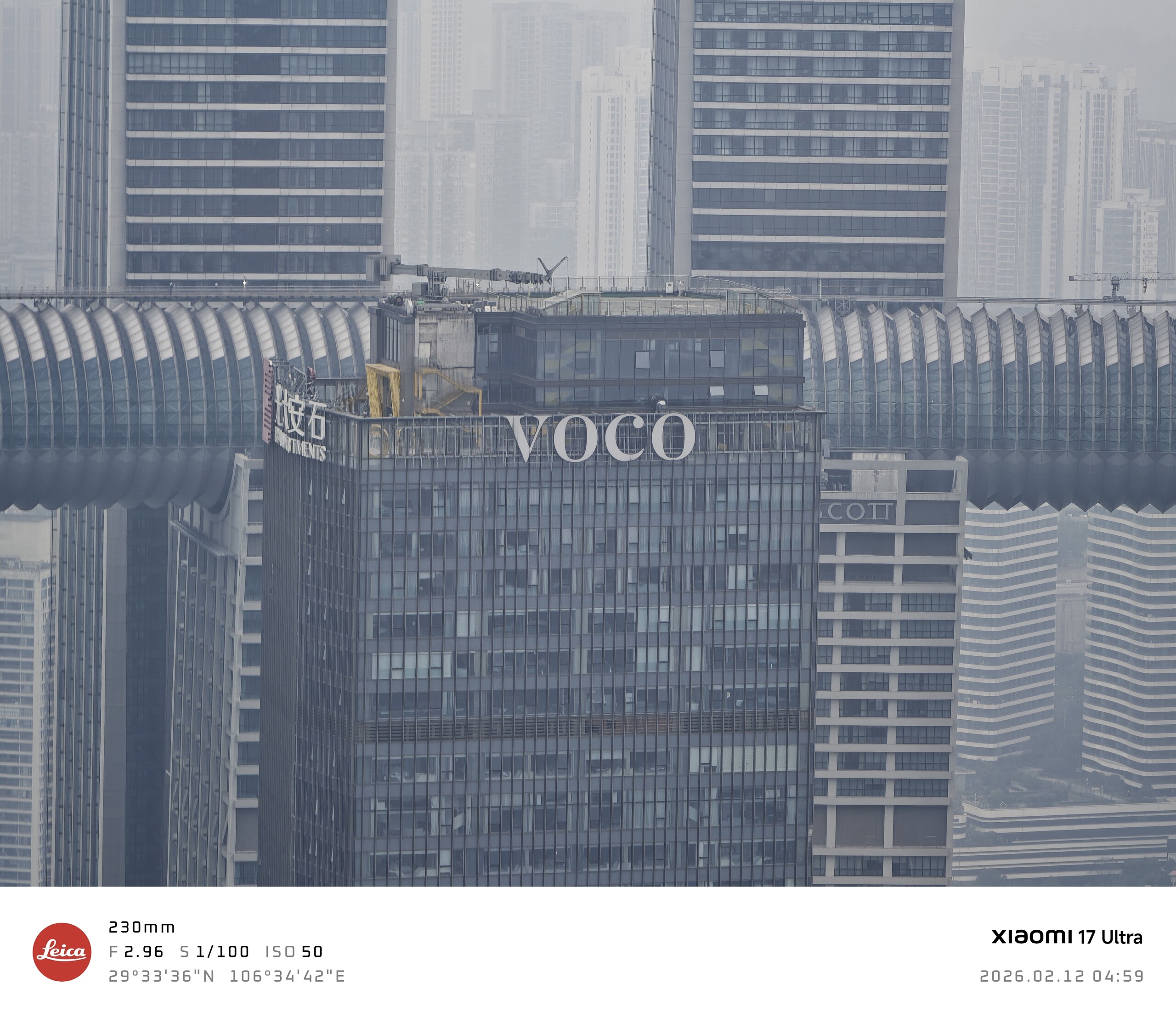
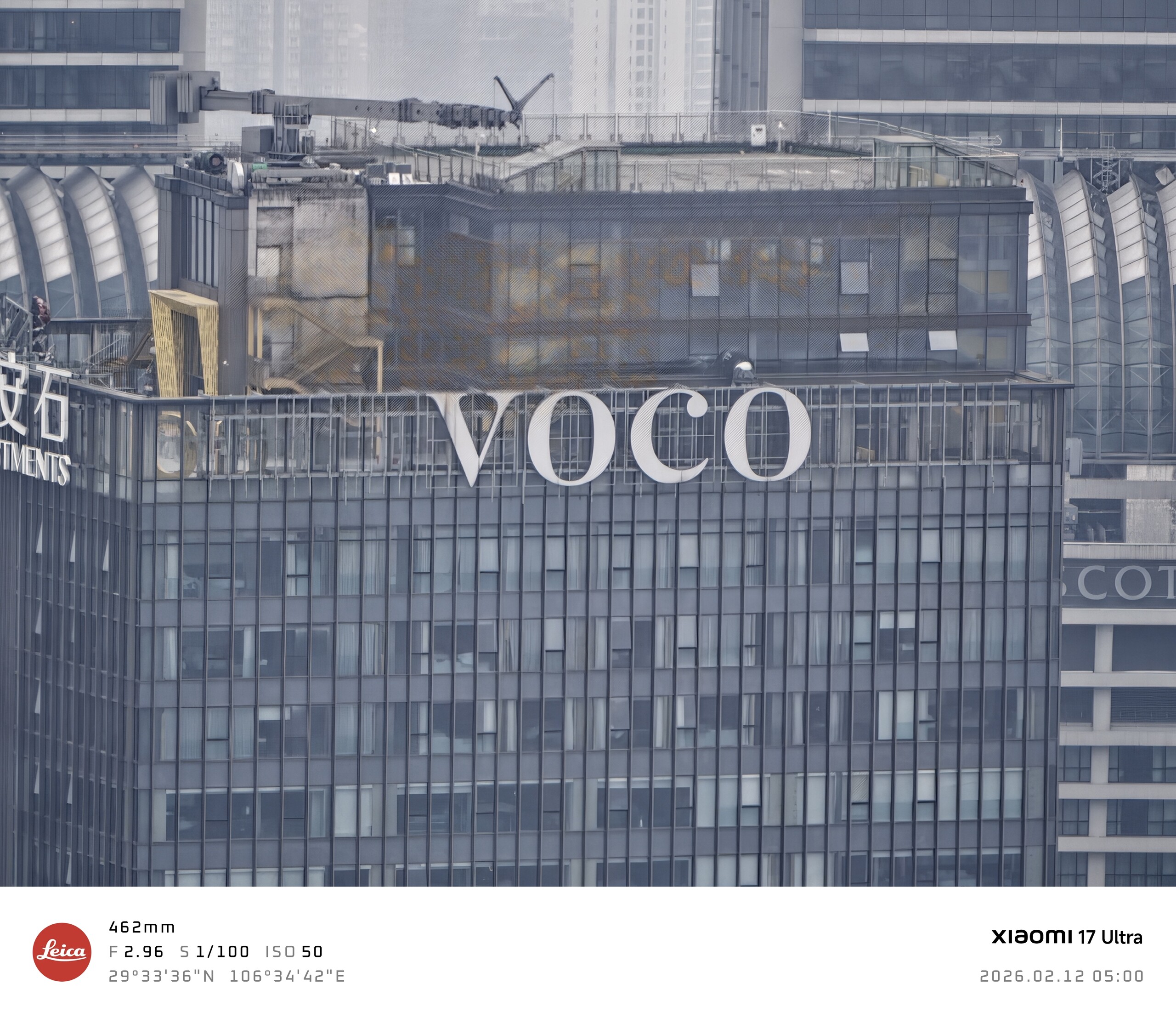
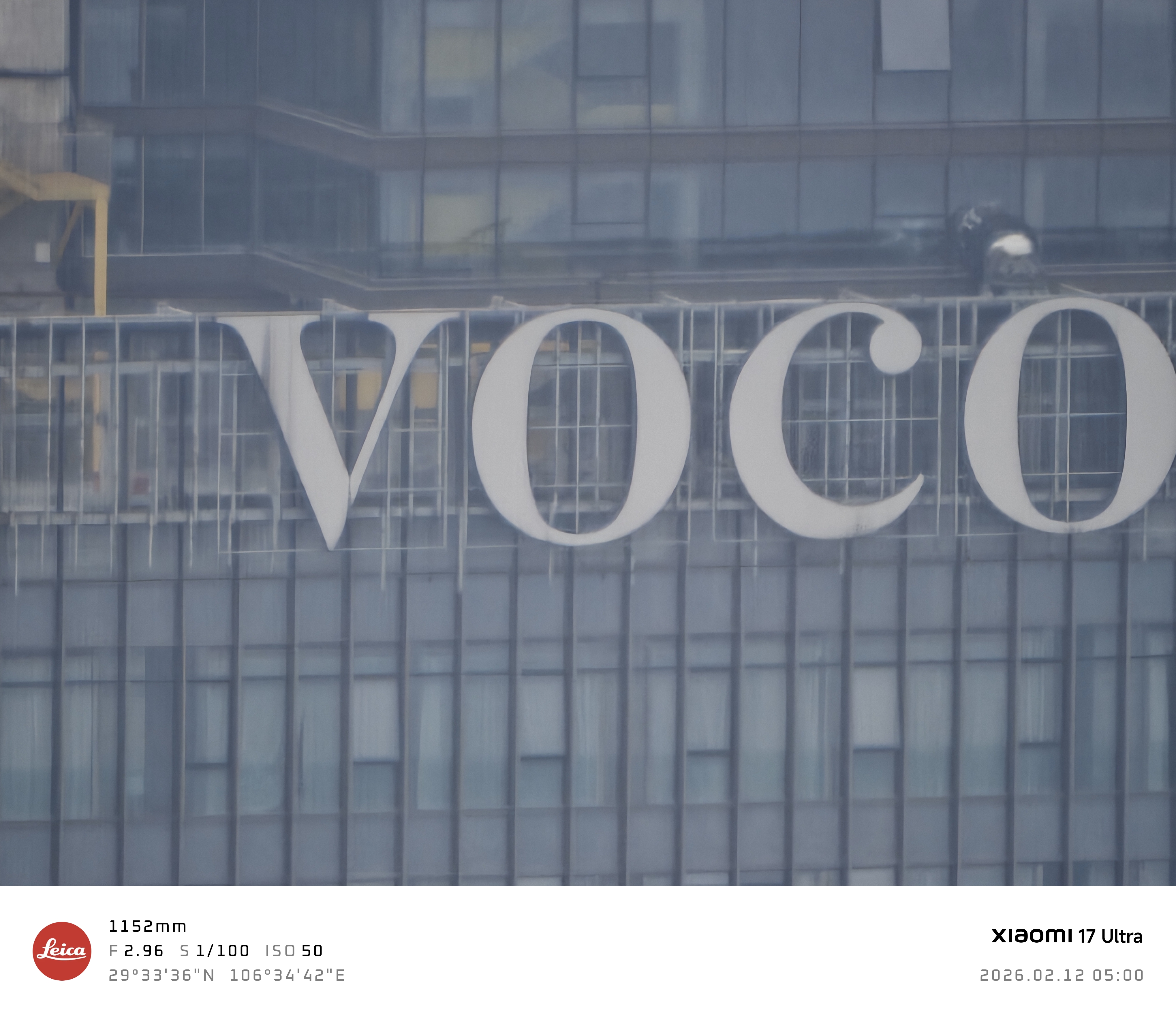
When it comes to zooming, both rely on comparatively fast periscope lenses. However, thanks to its mechanical zoom (read more about this here), the Xiaomi 17 Ultra offers a wider range of options in this regard.
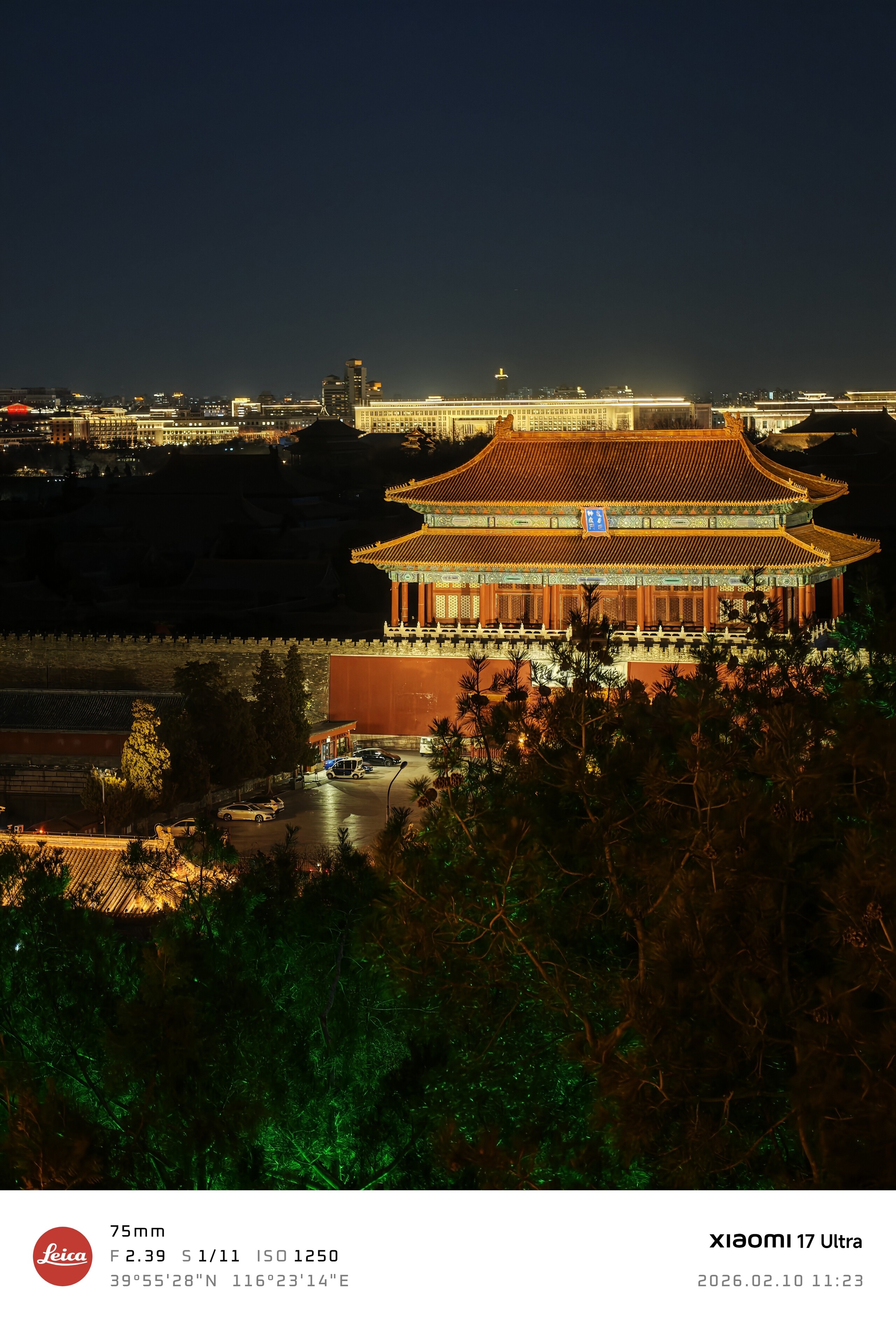
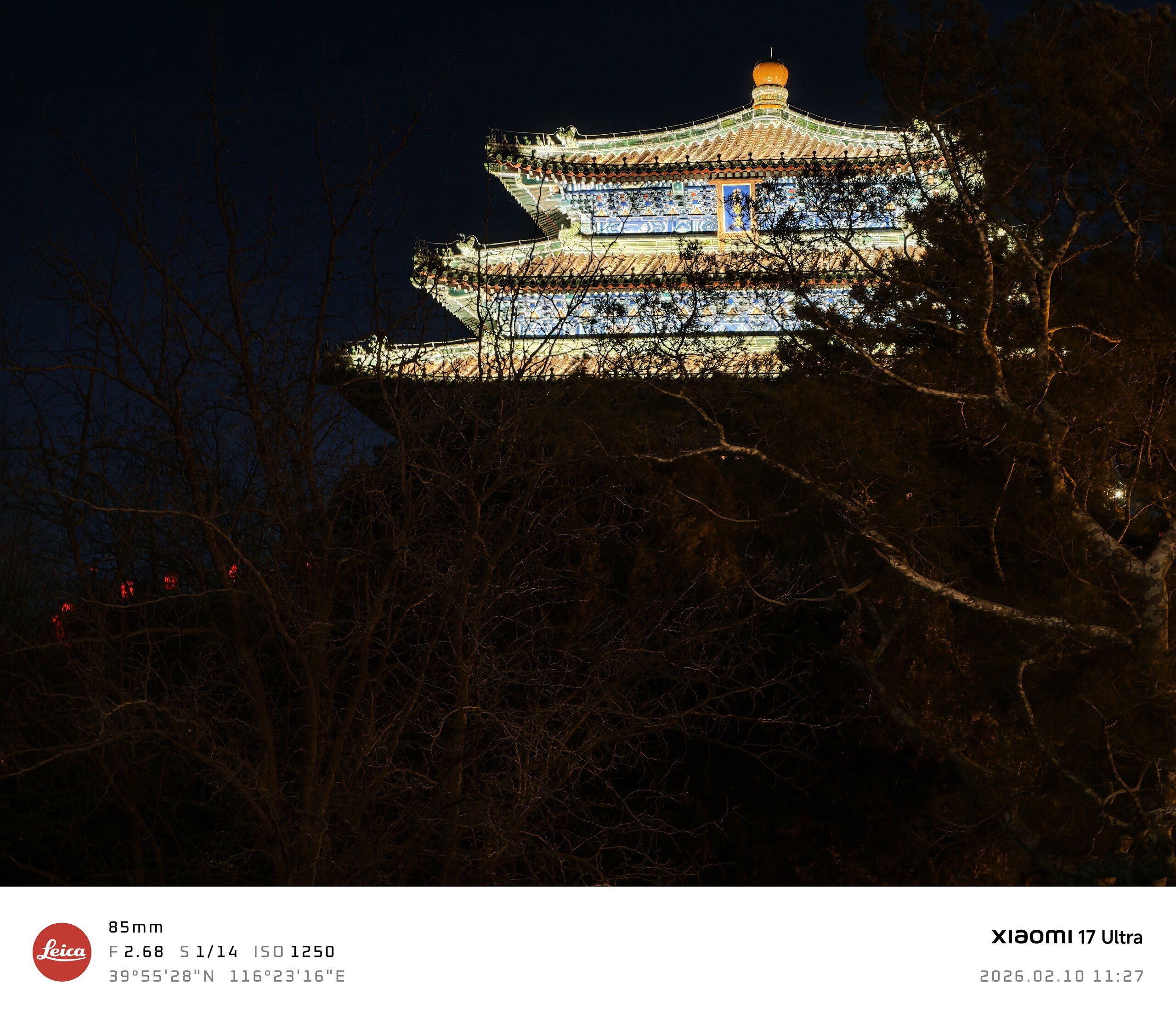
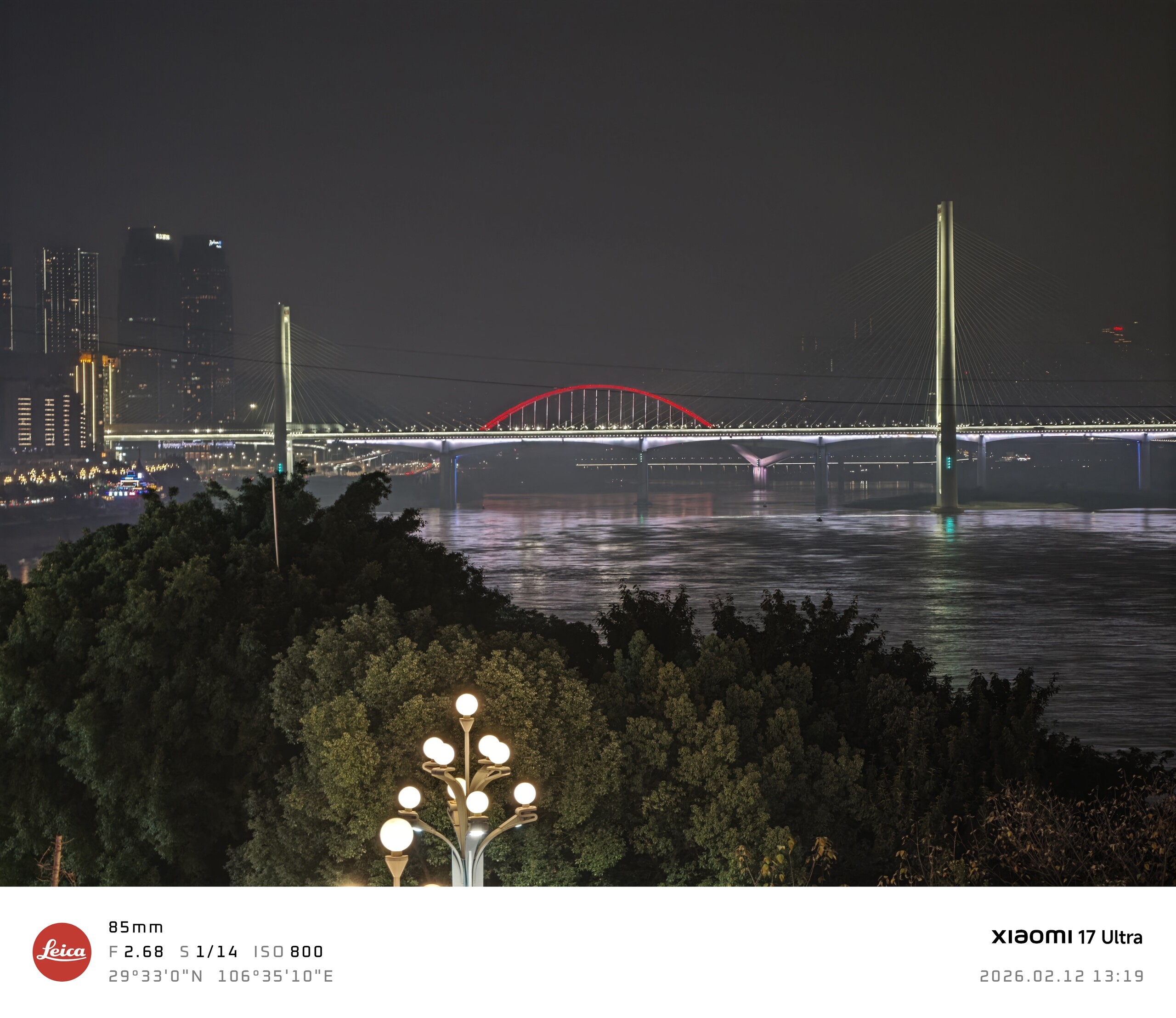
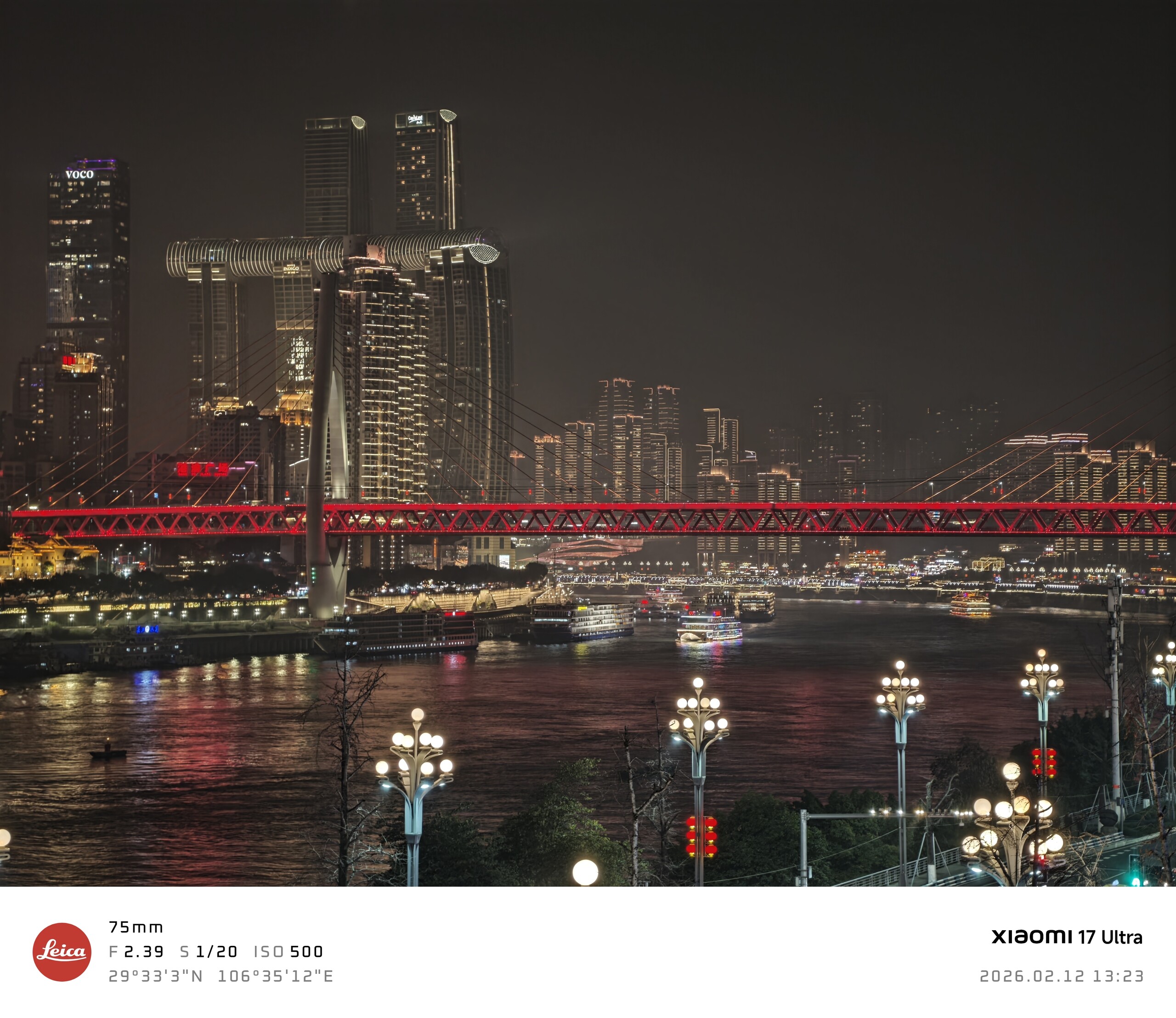
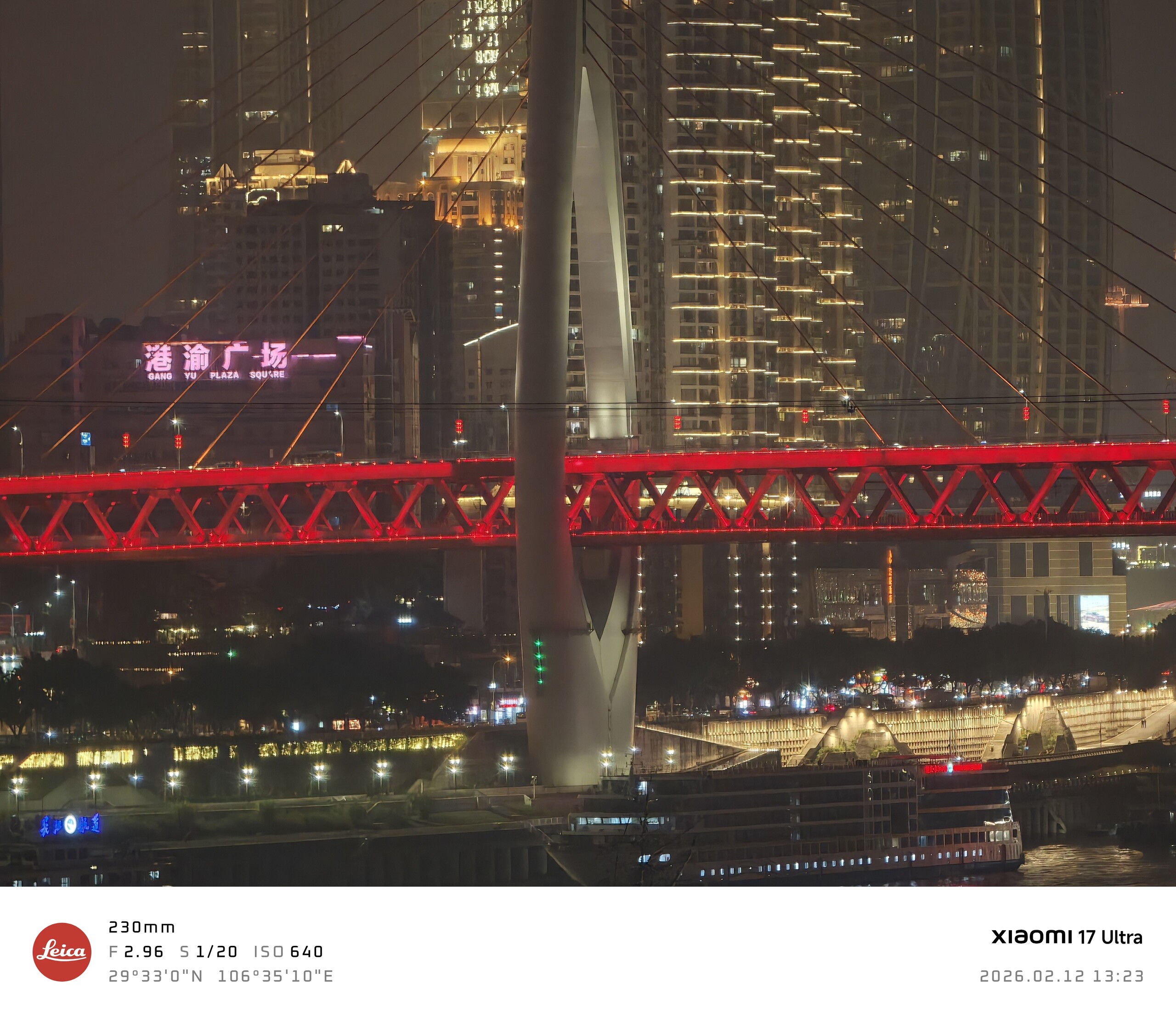
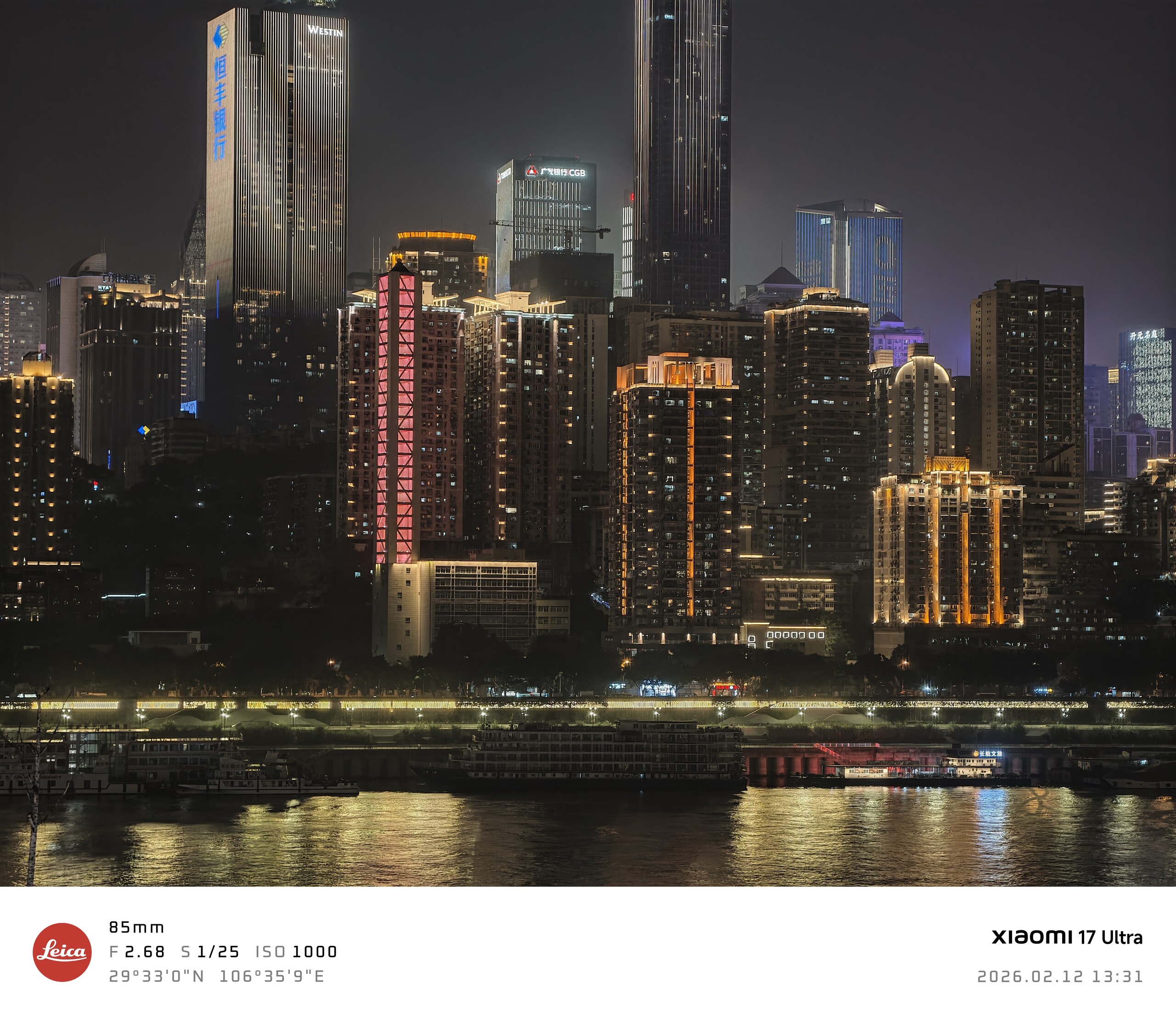
In daylight, the Vivo X300 Pro delivers more convincing colour reproduction; here too, we would again recommend reducing the exposure slightly on the Xiaomi smartphone. At night, however, the 17 Ultra impresses with excellent colour reproduction and, above all, can render different lighting conditions very naturally without individual areas of the image becoming overexposed or even burnt out. The Vivo, on the other hand, sometimes displays oversaturated colours when zooming in the dark, making the image appear less harmonious.
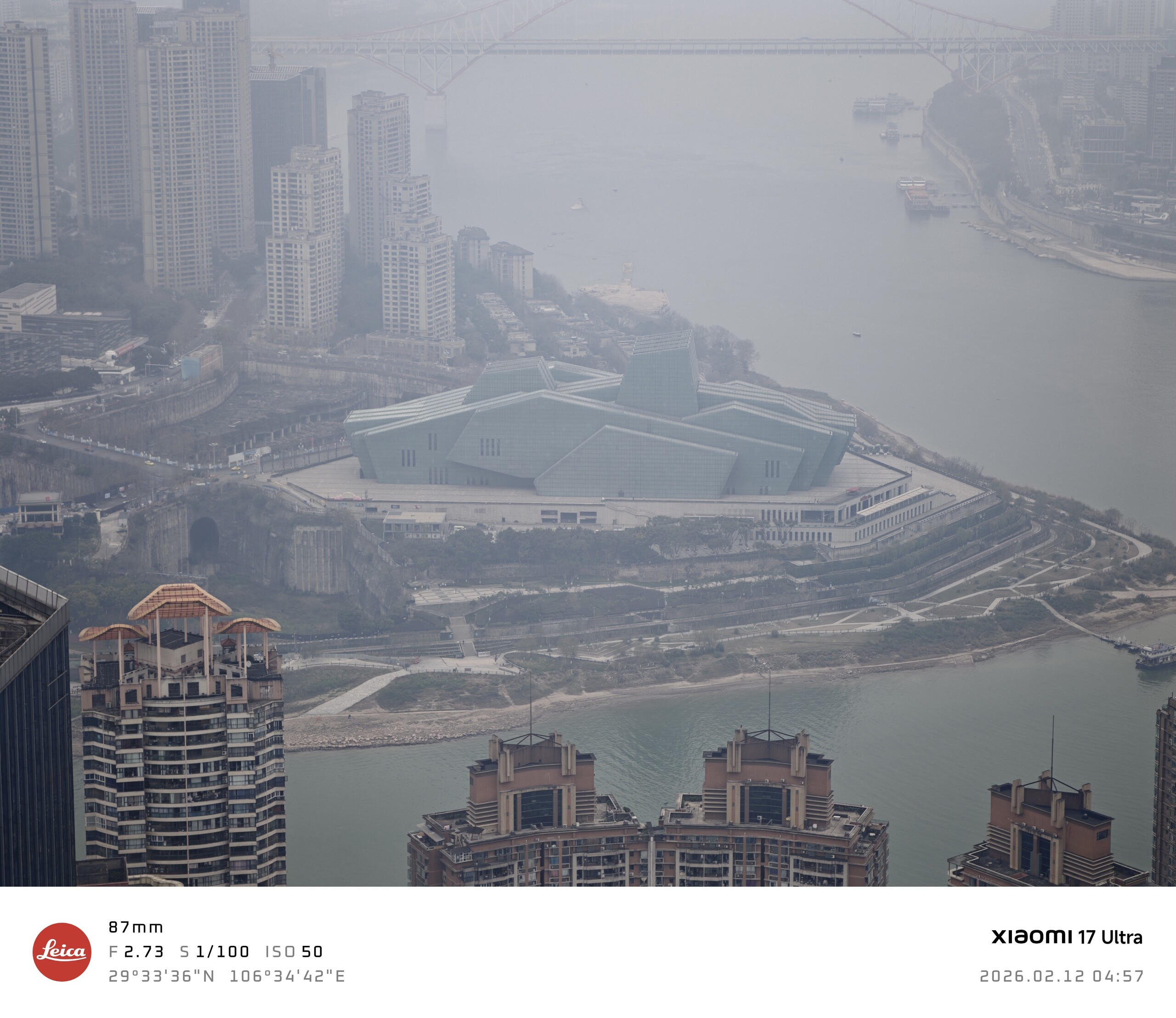
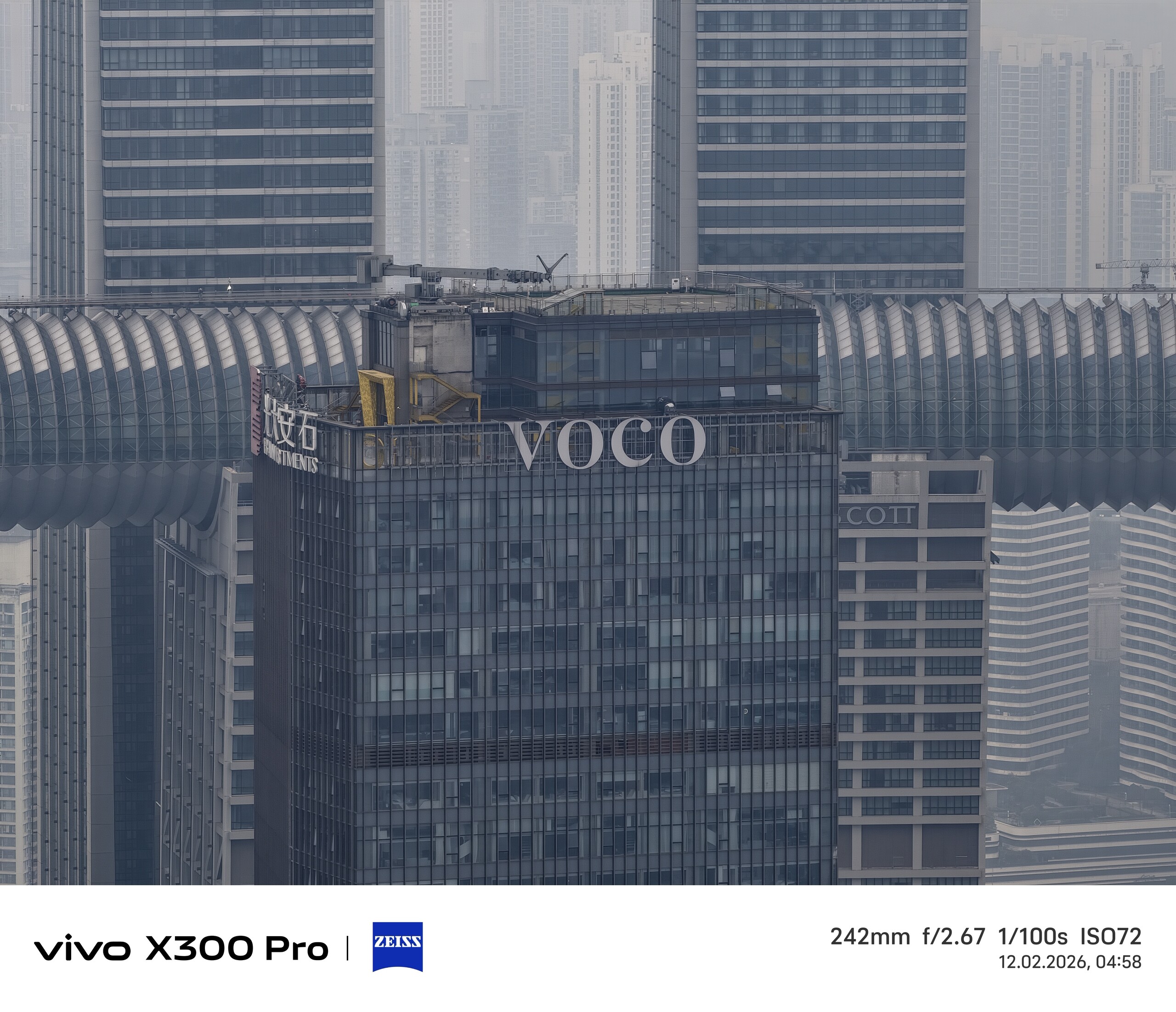
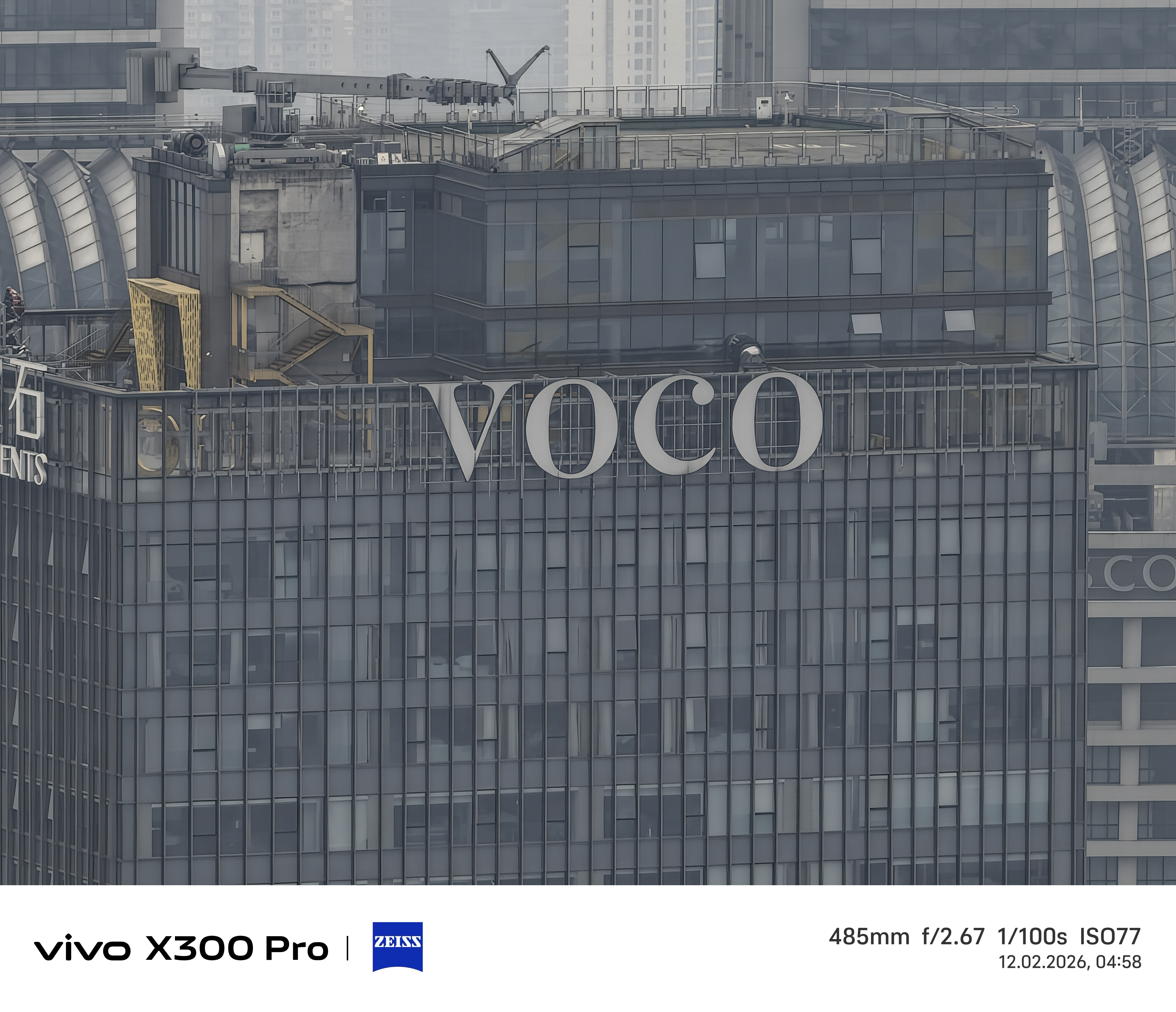
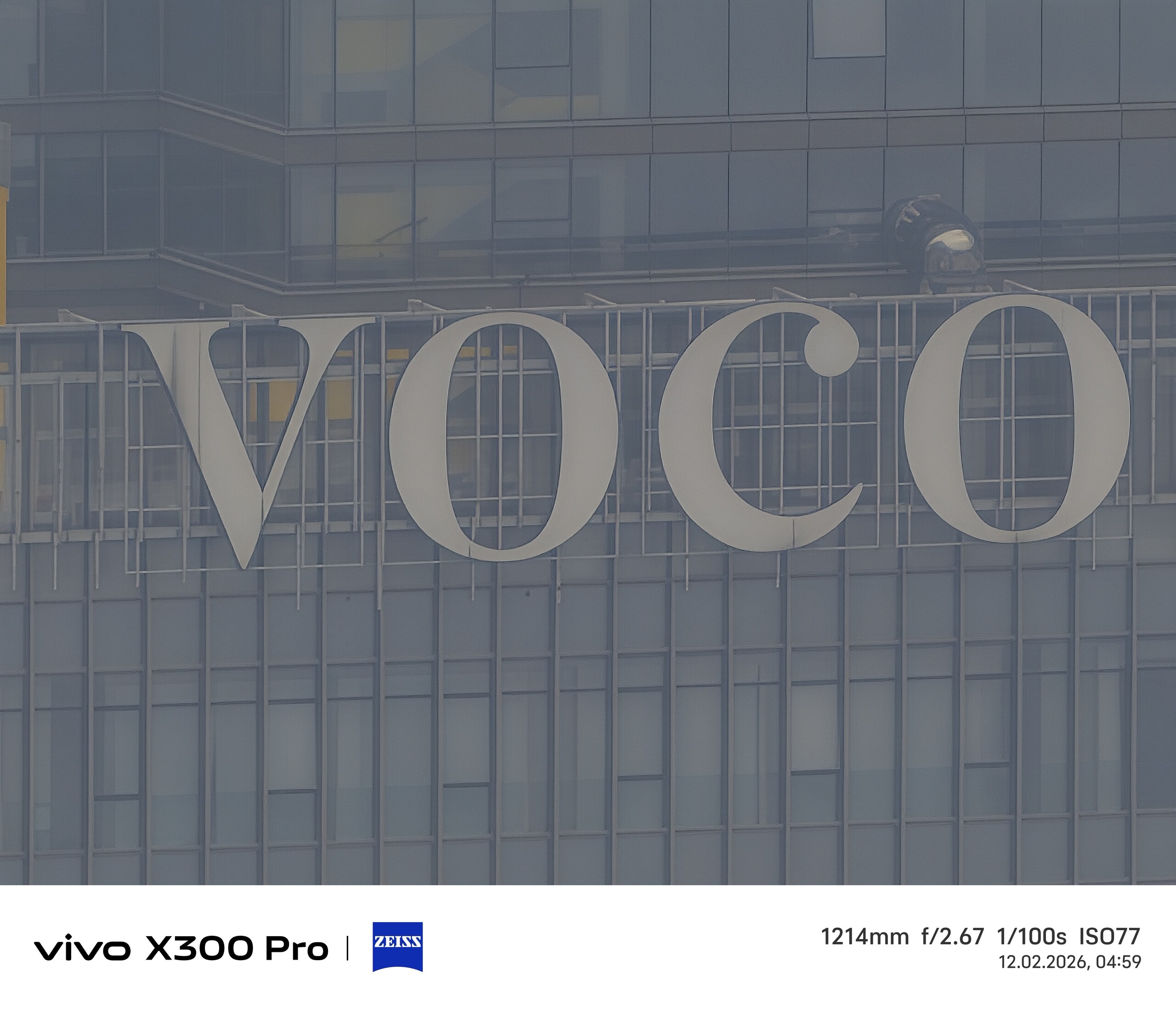
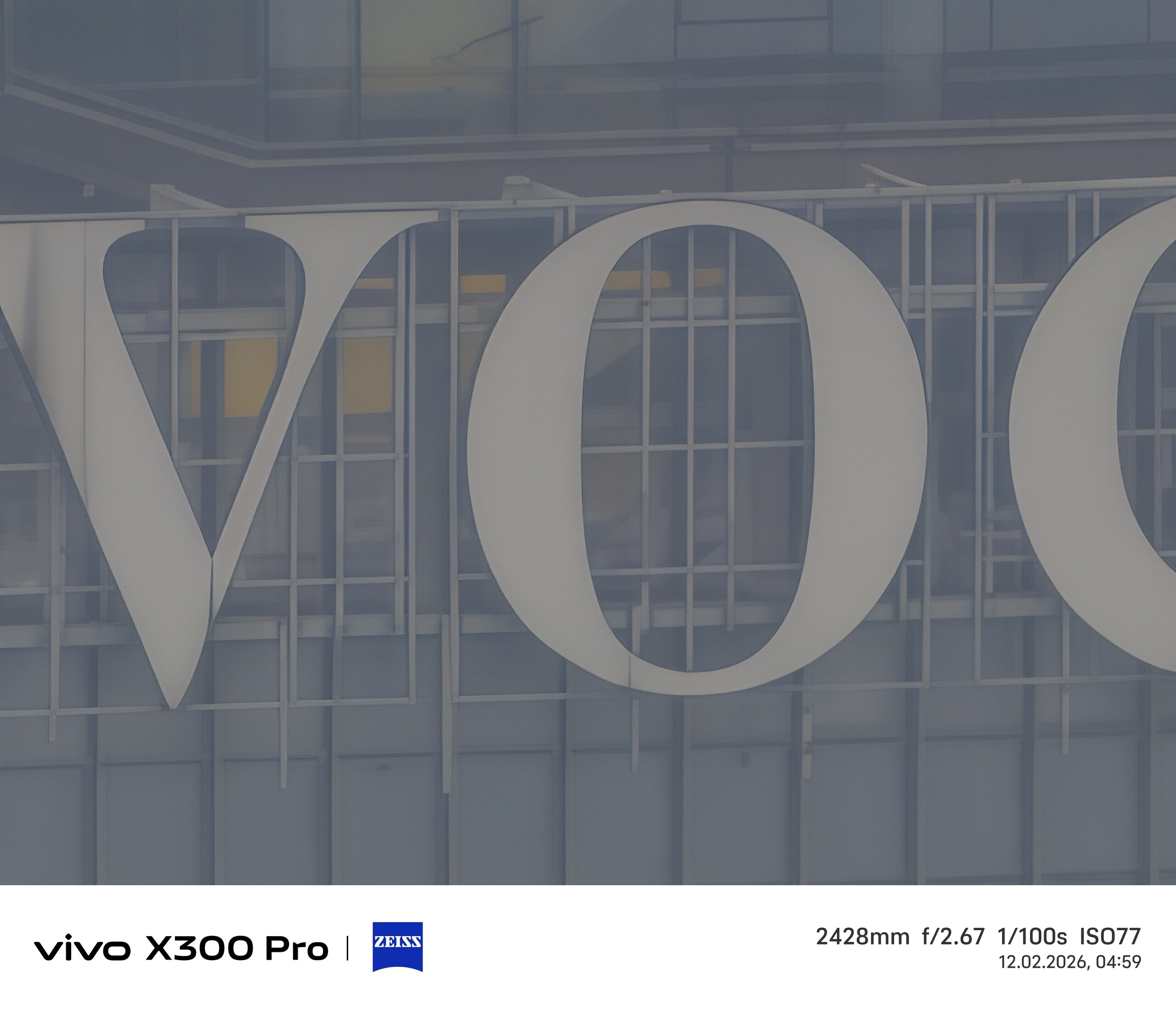
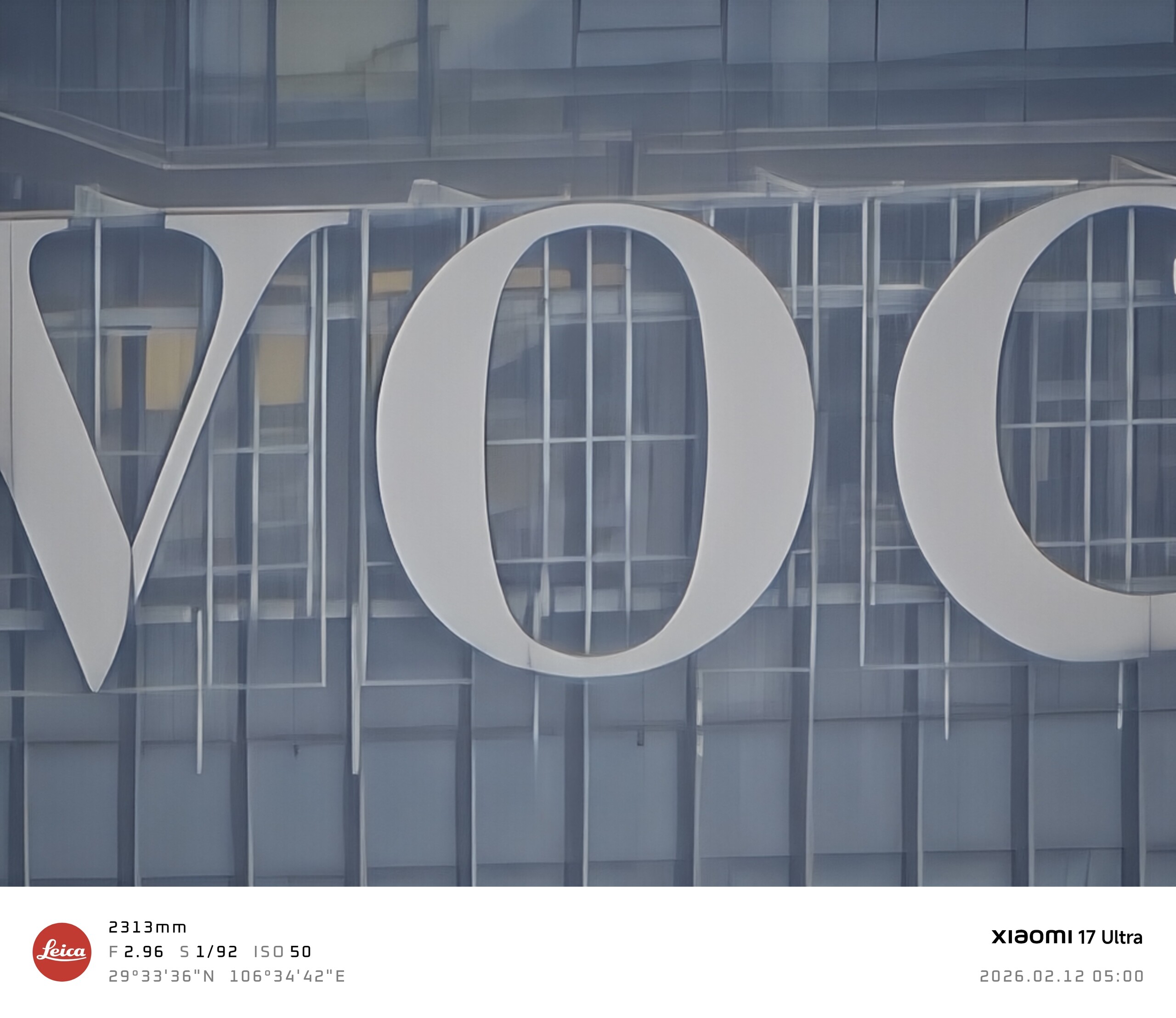
In the digital domain, however, the X300 Pro makes up ground, offering slightly sharper image quality, particularly at long focal lengths, and the stabilisation is noticeably smoother.

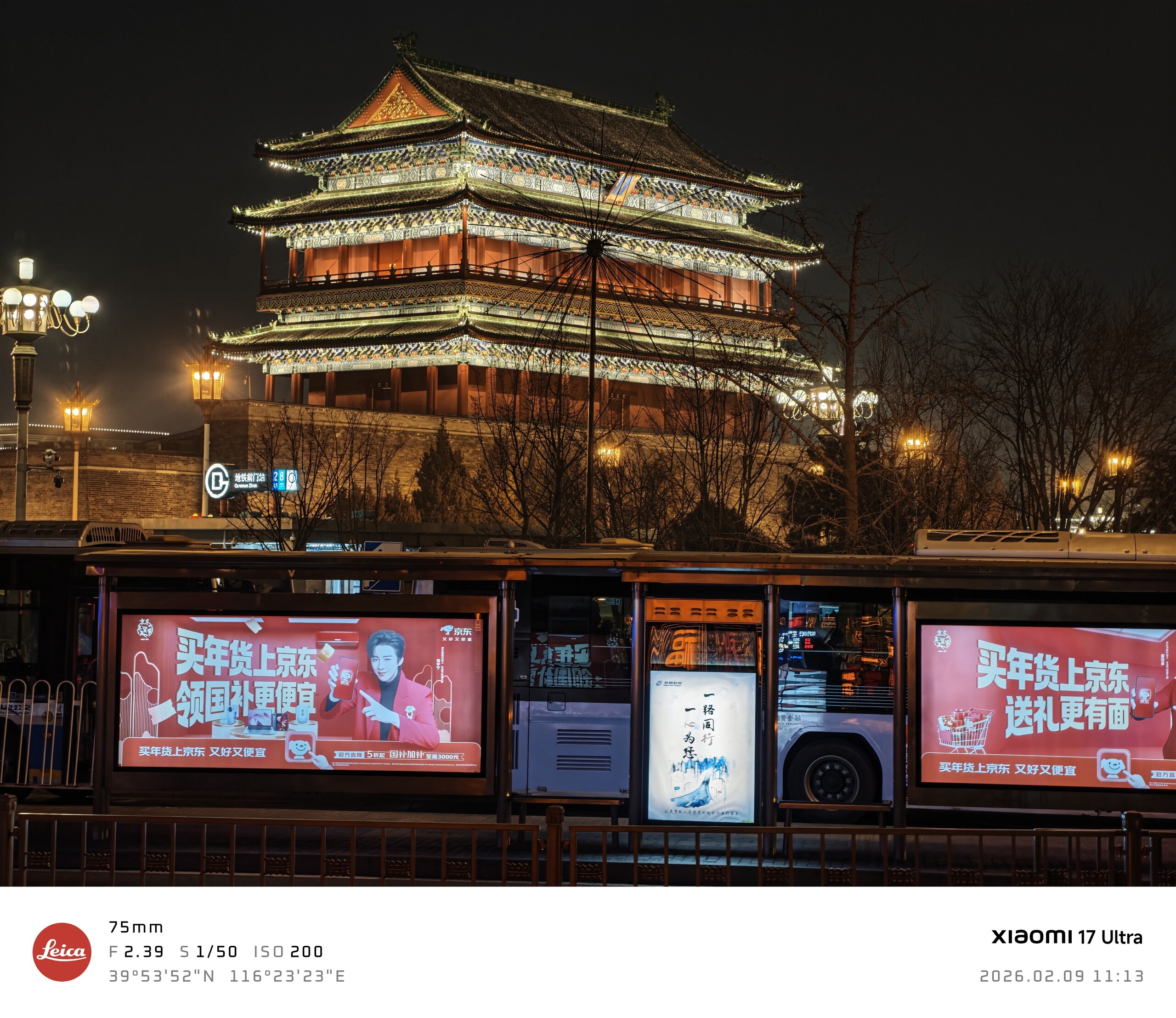

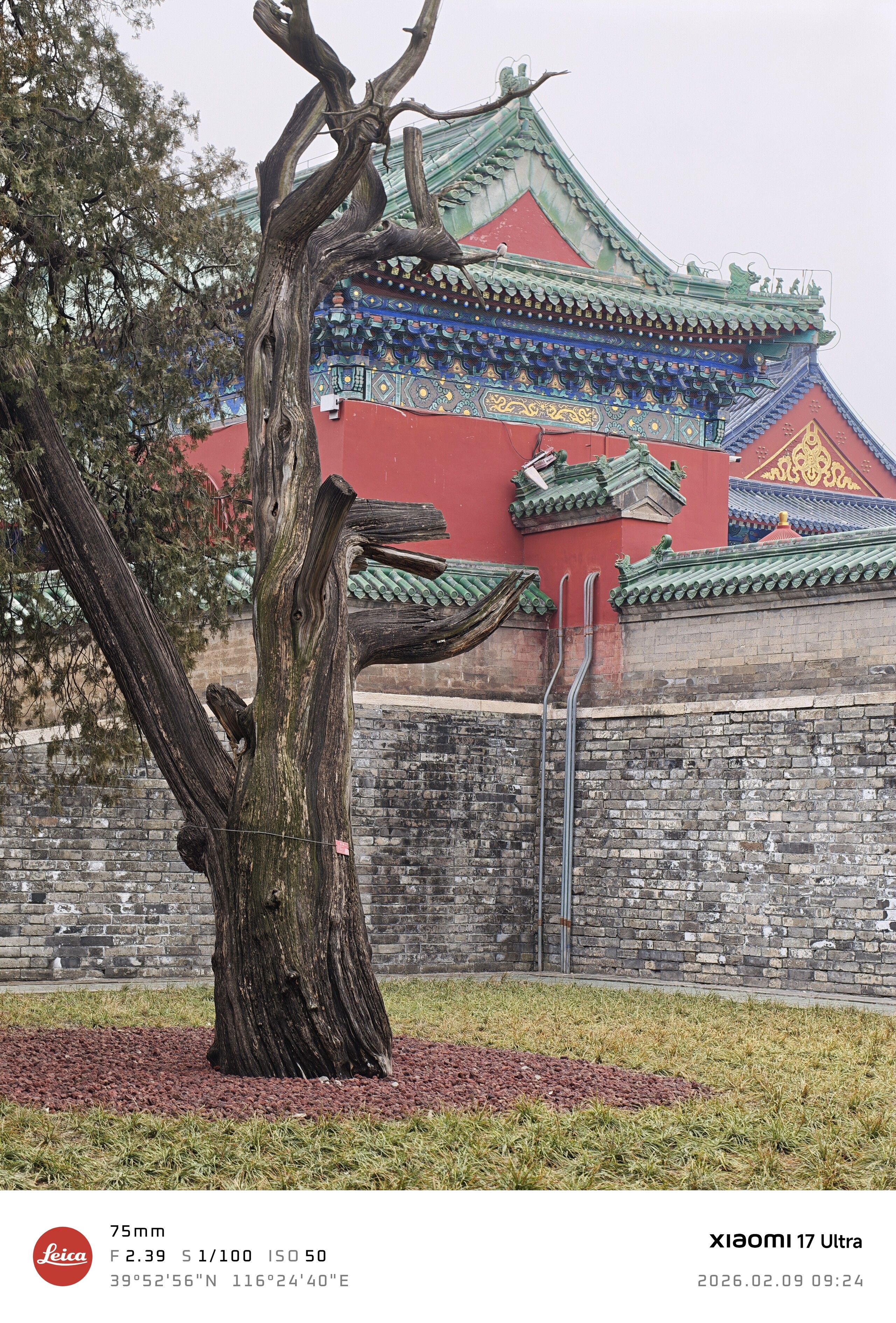
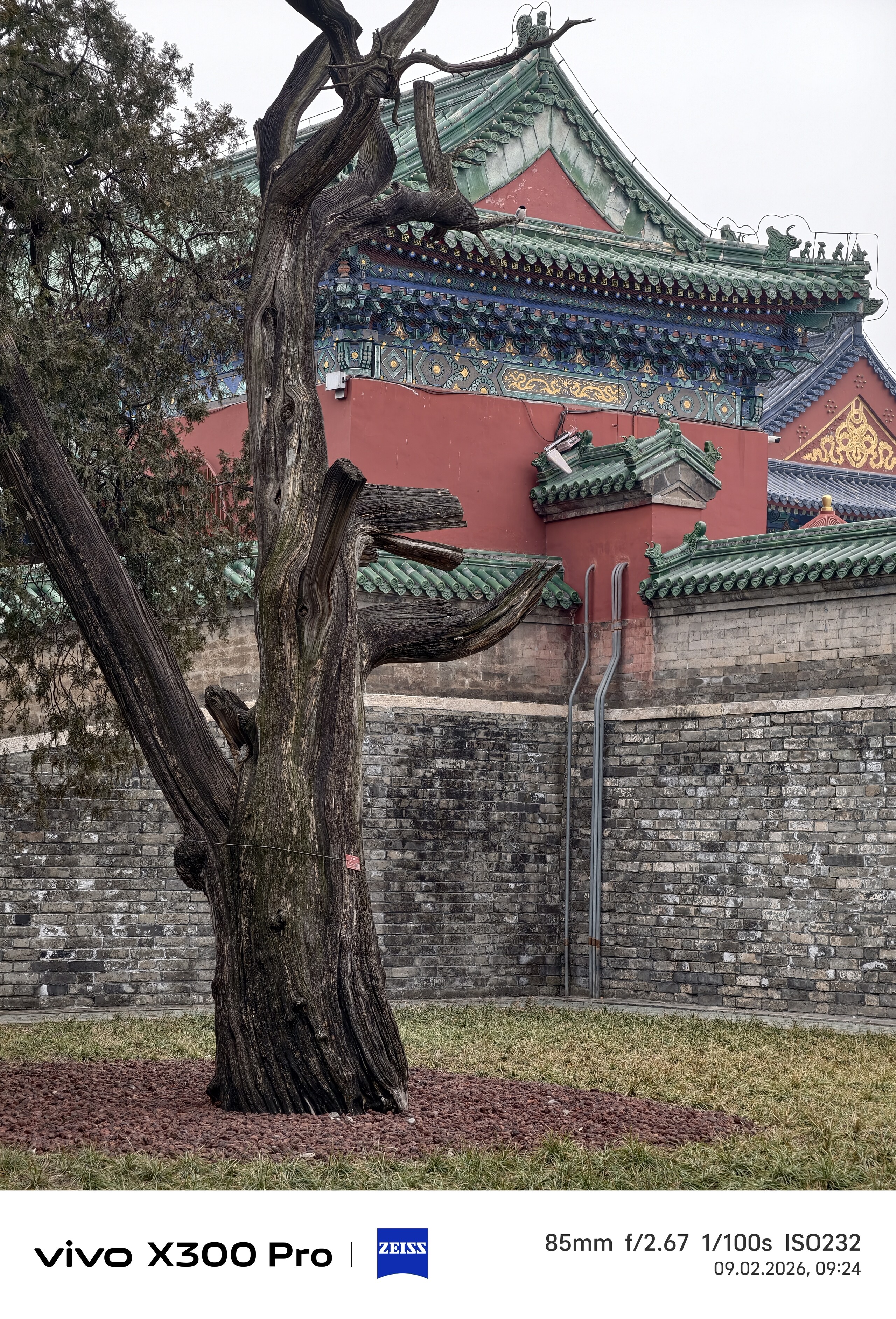
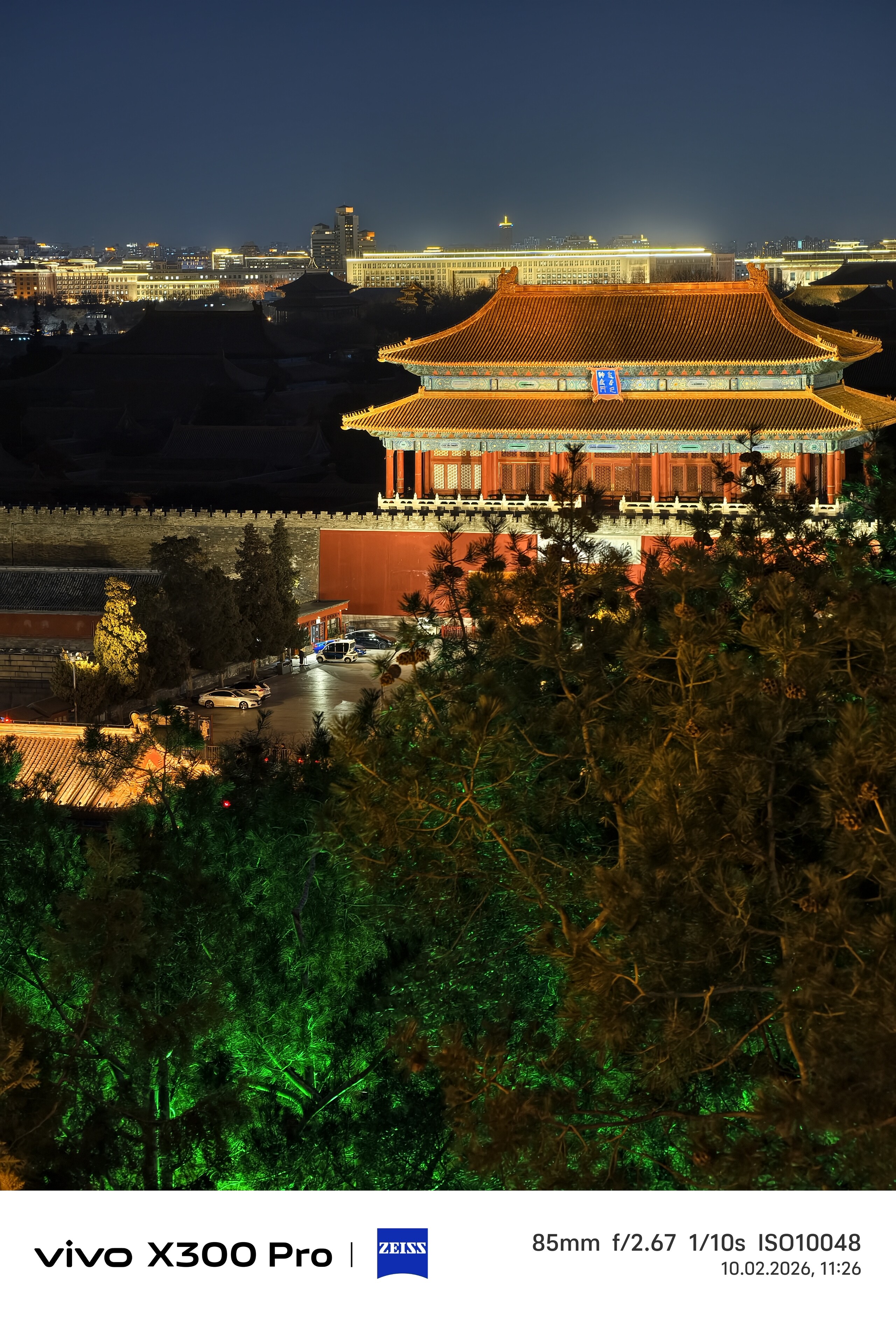
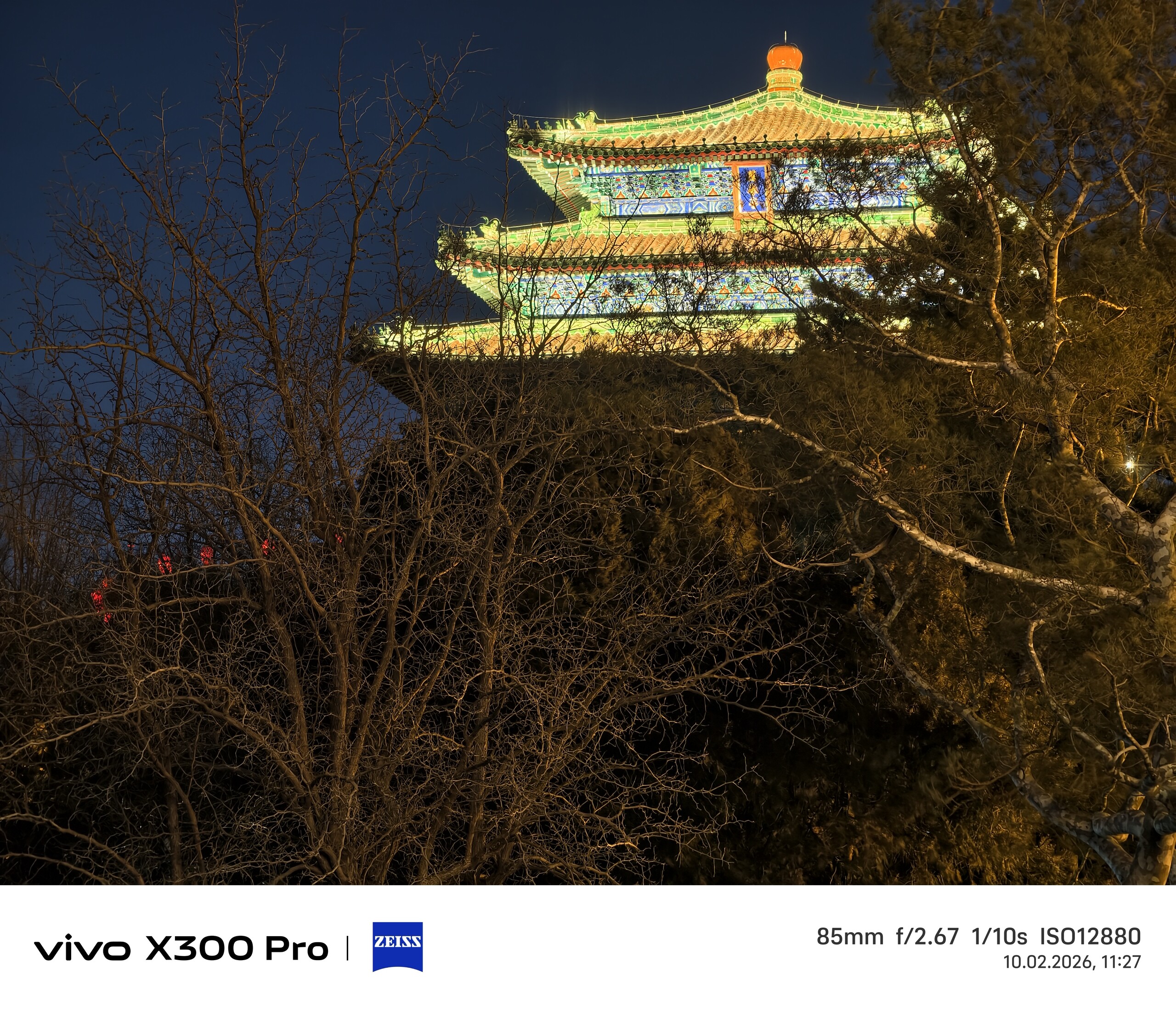
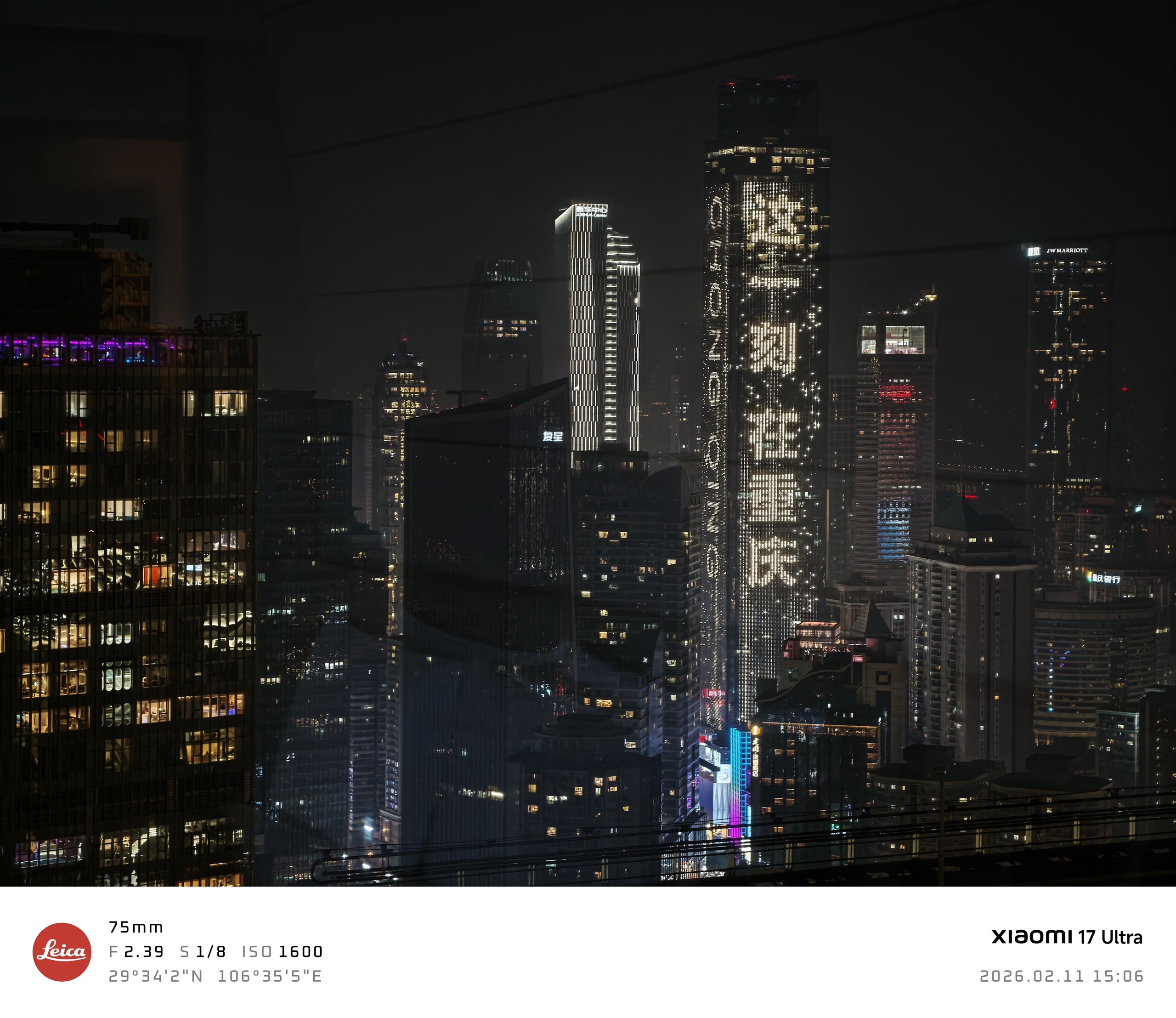
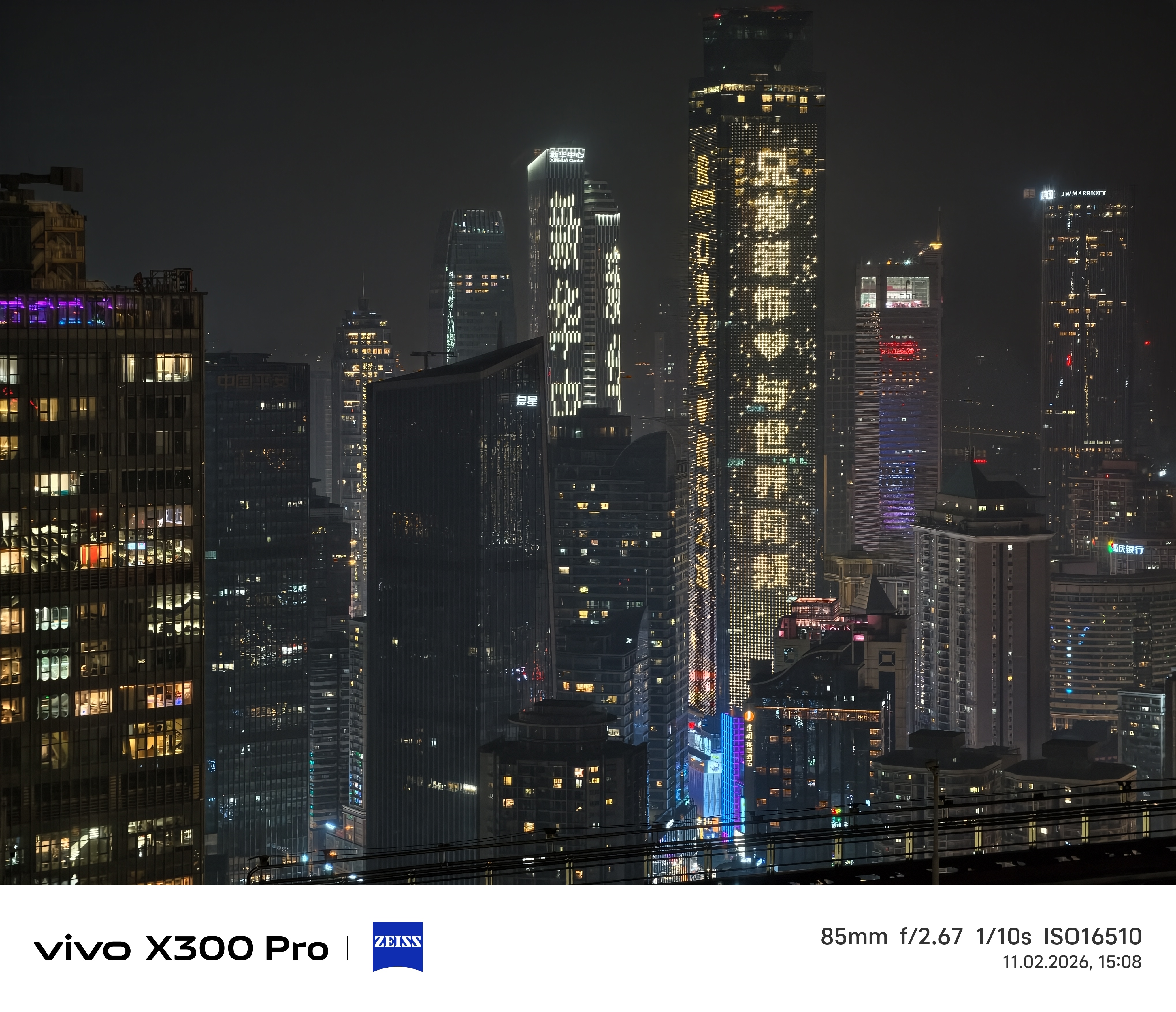

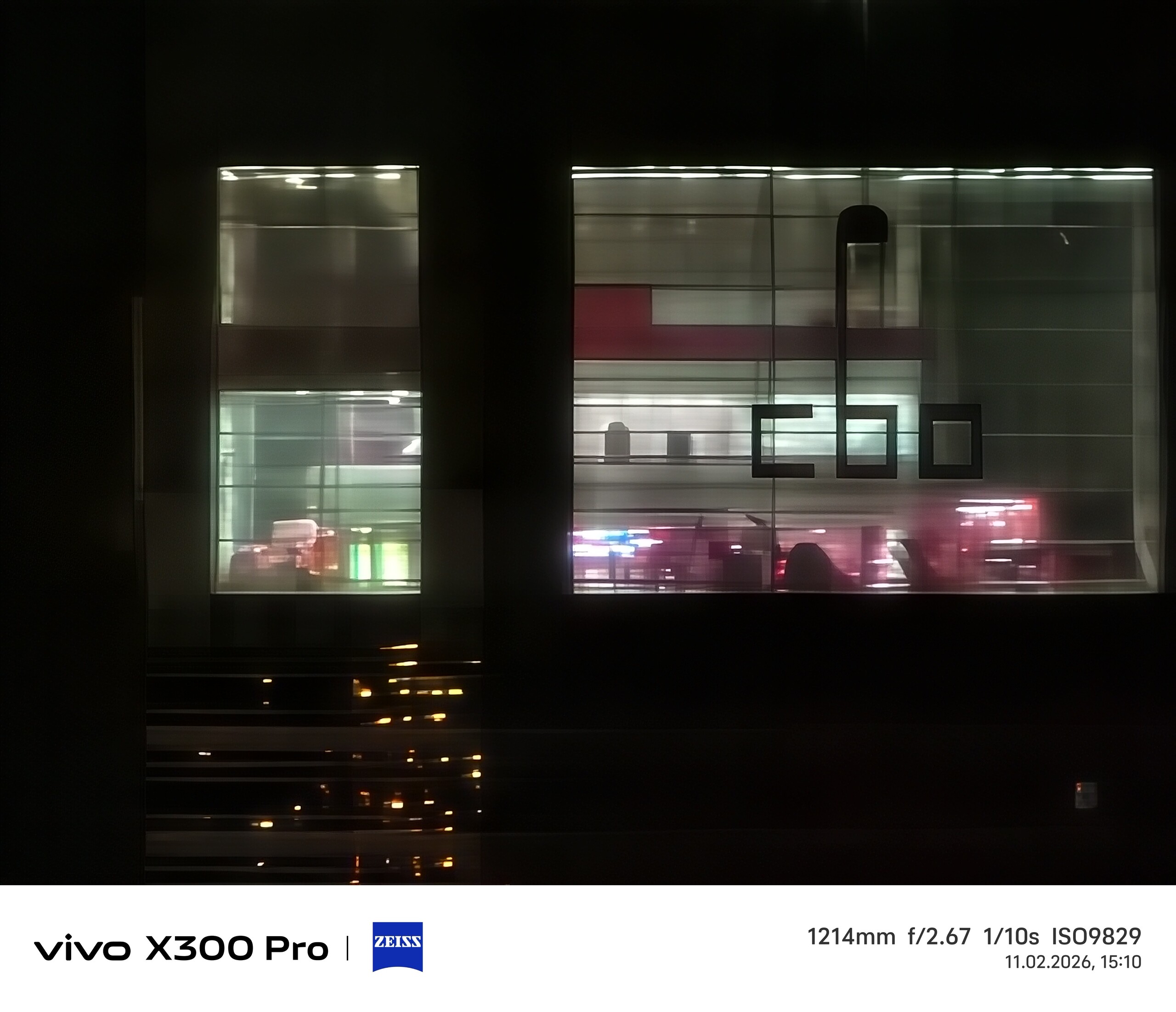

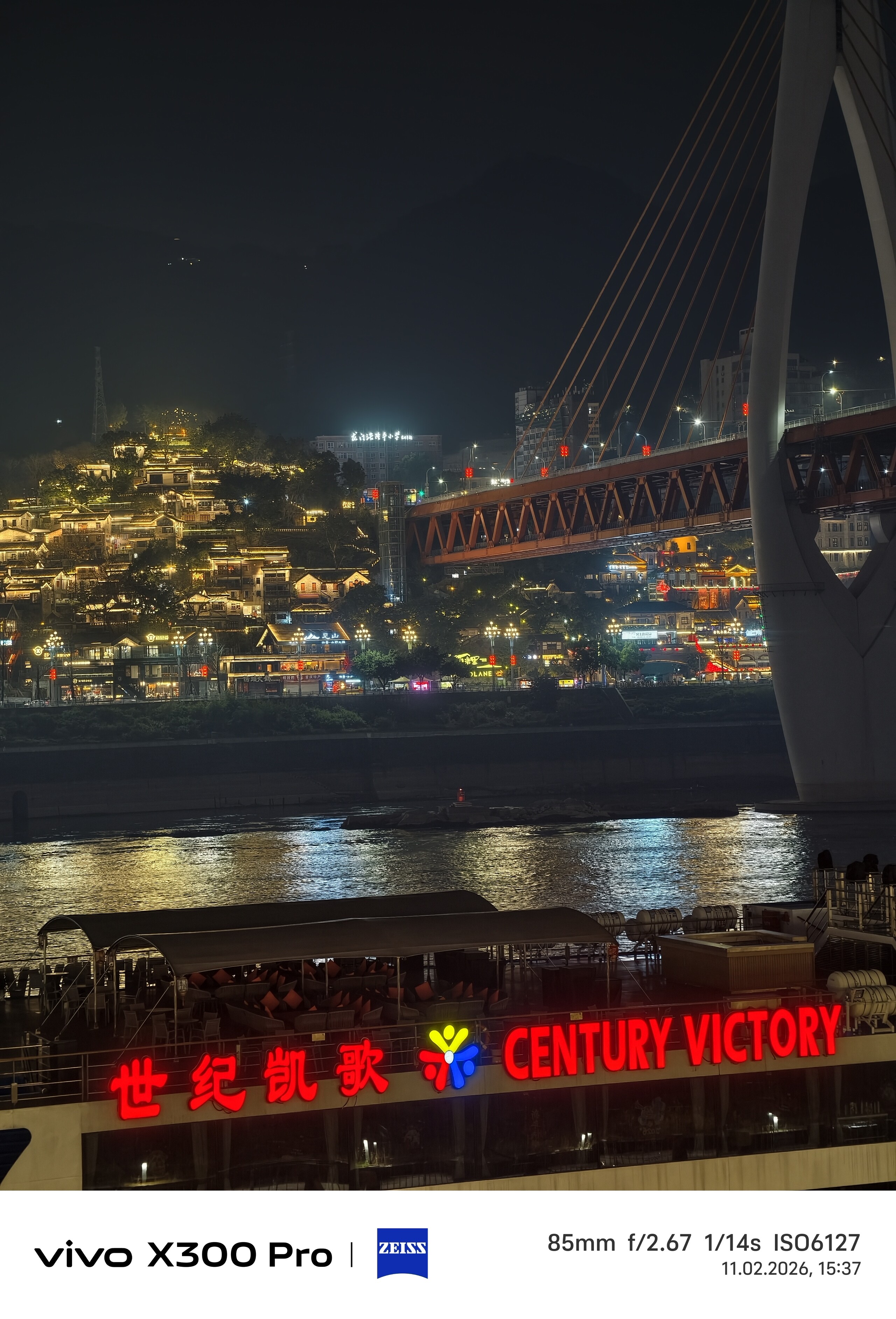

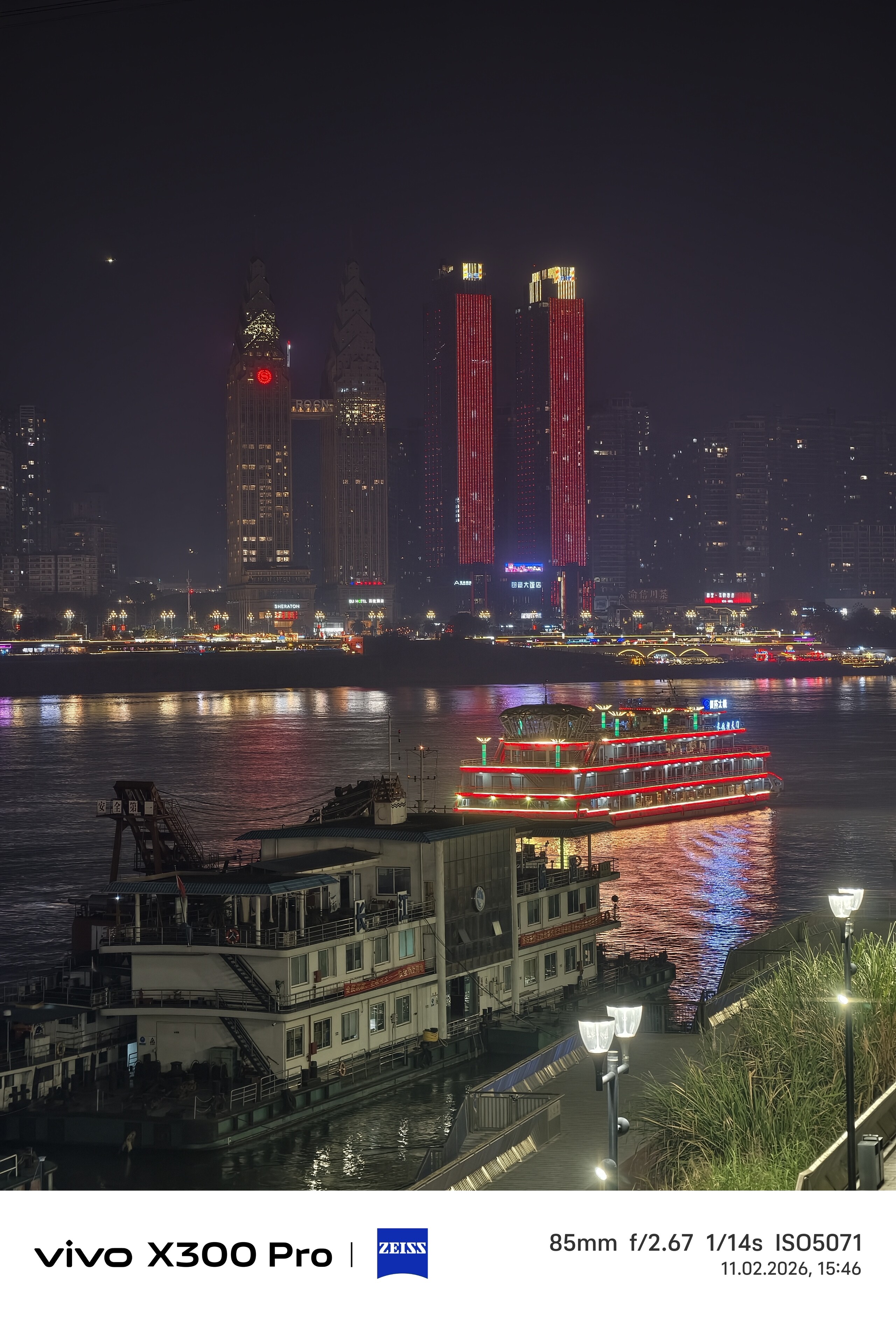
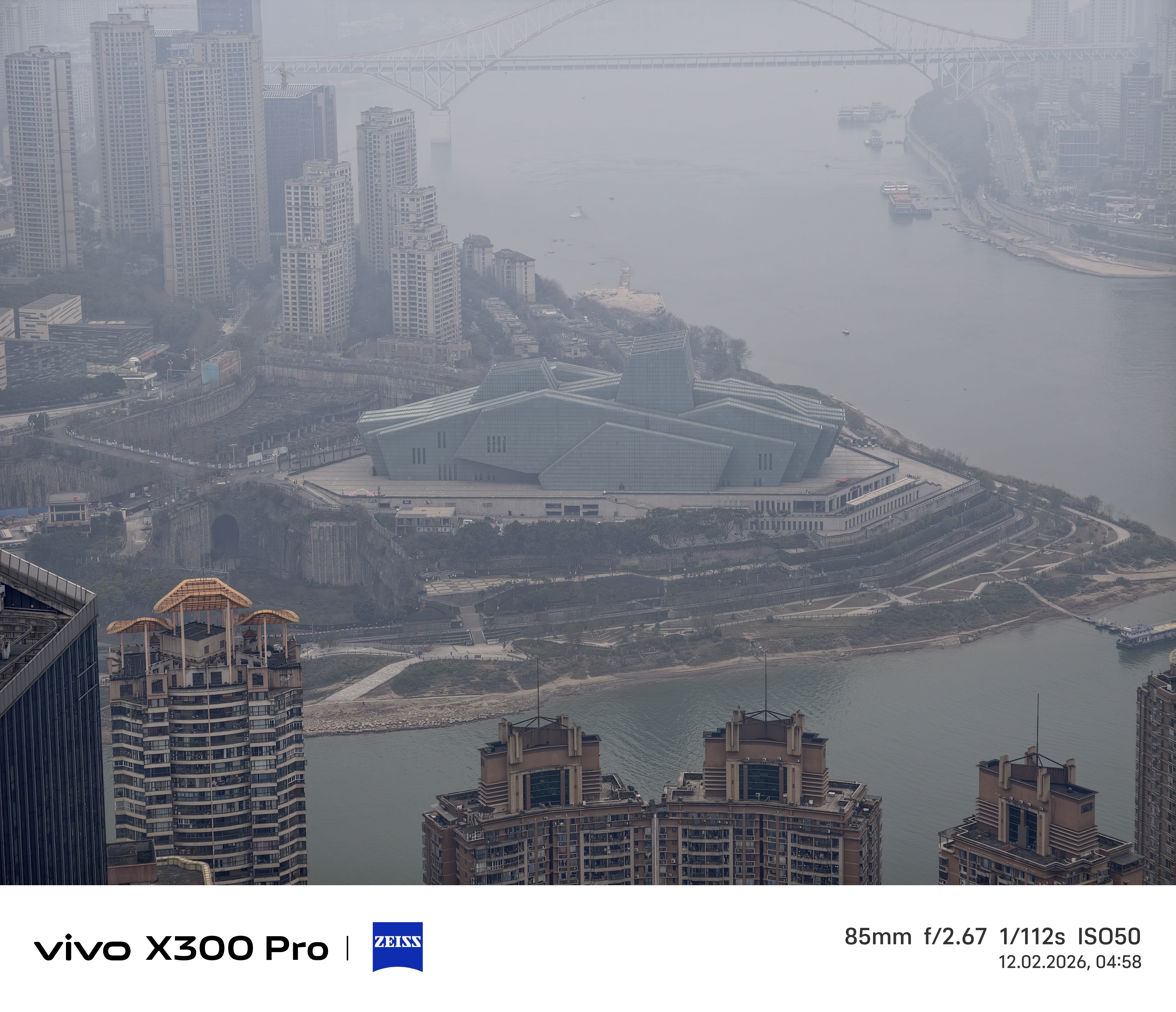

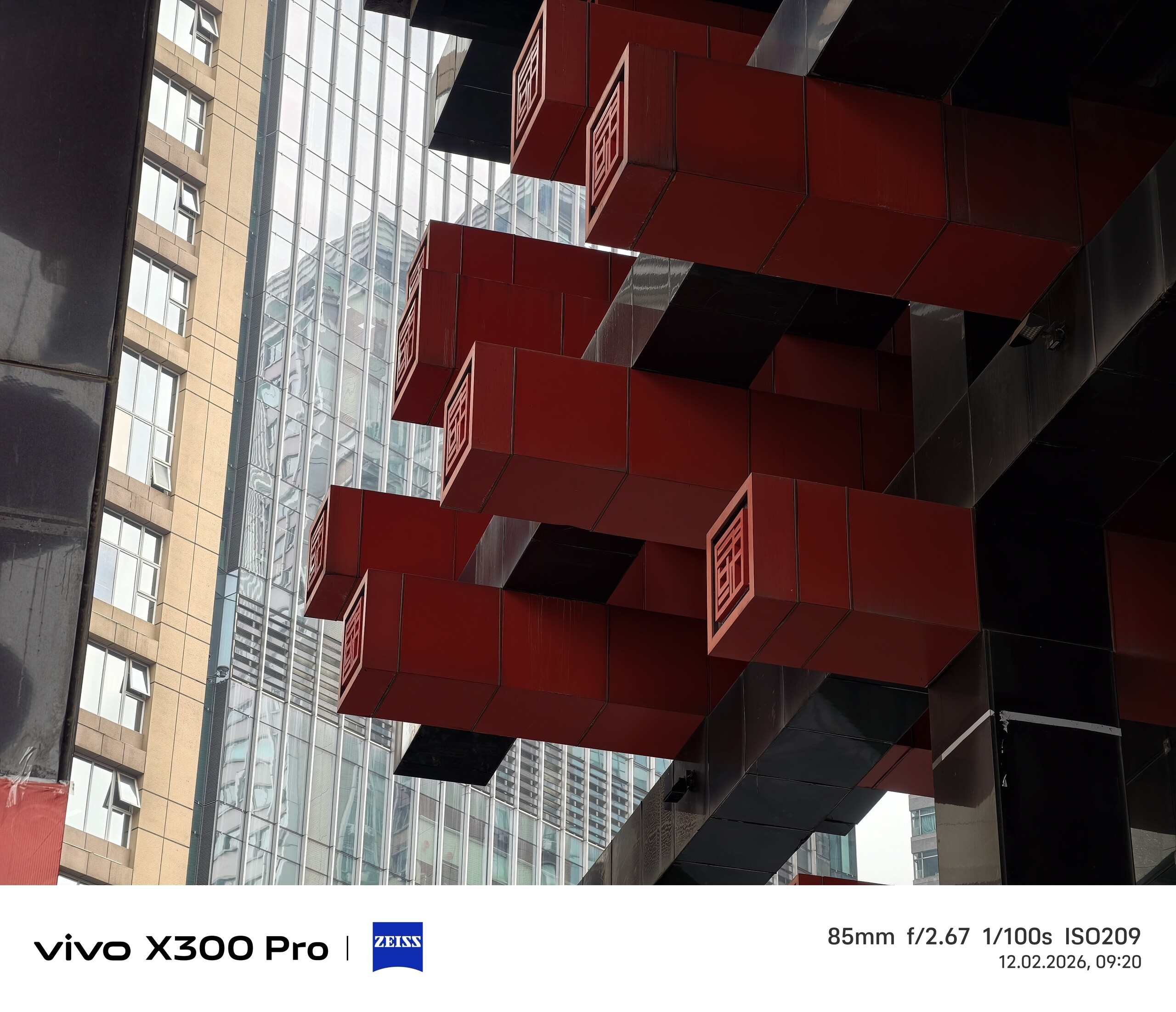
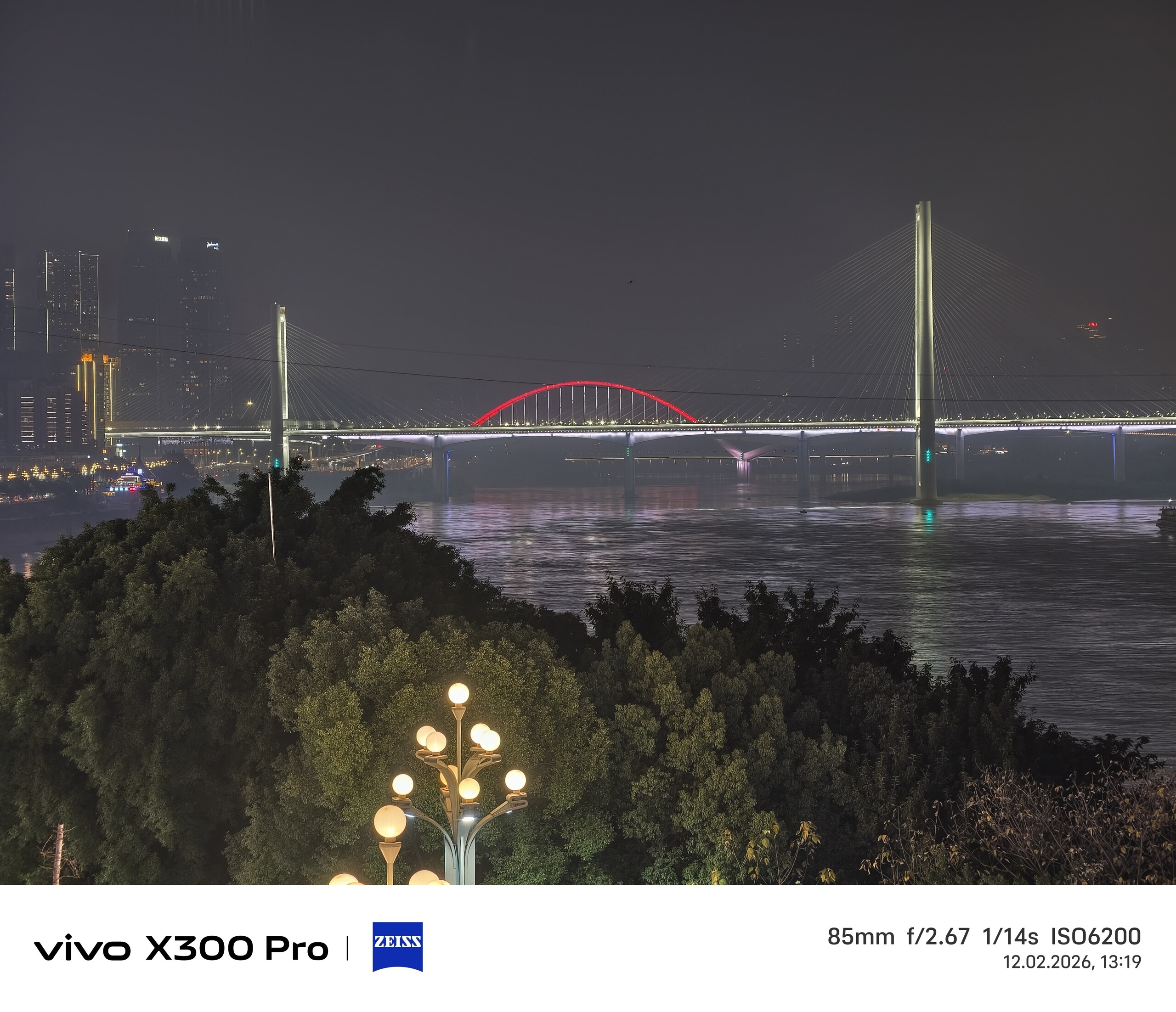
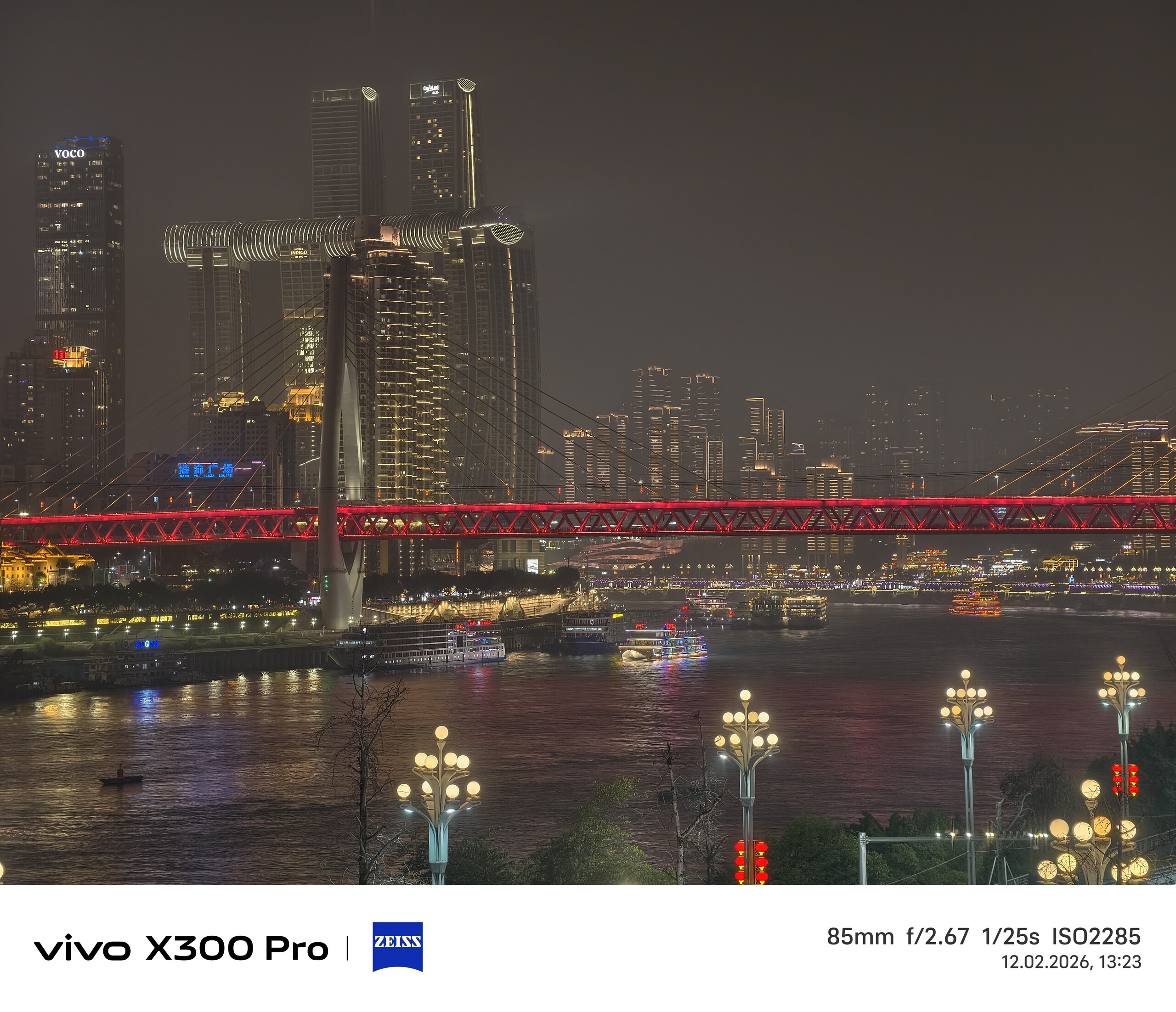
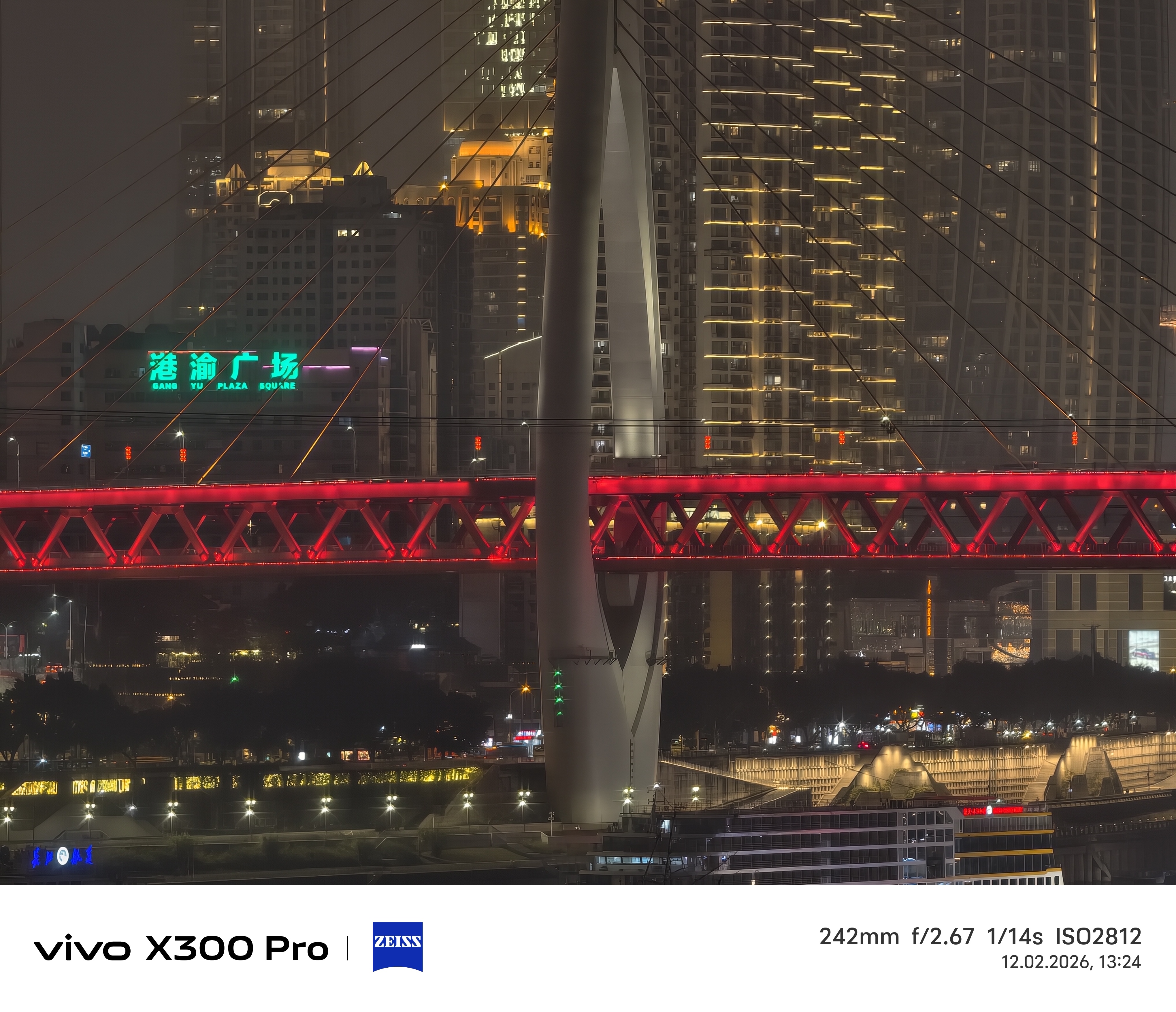
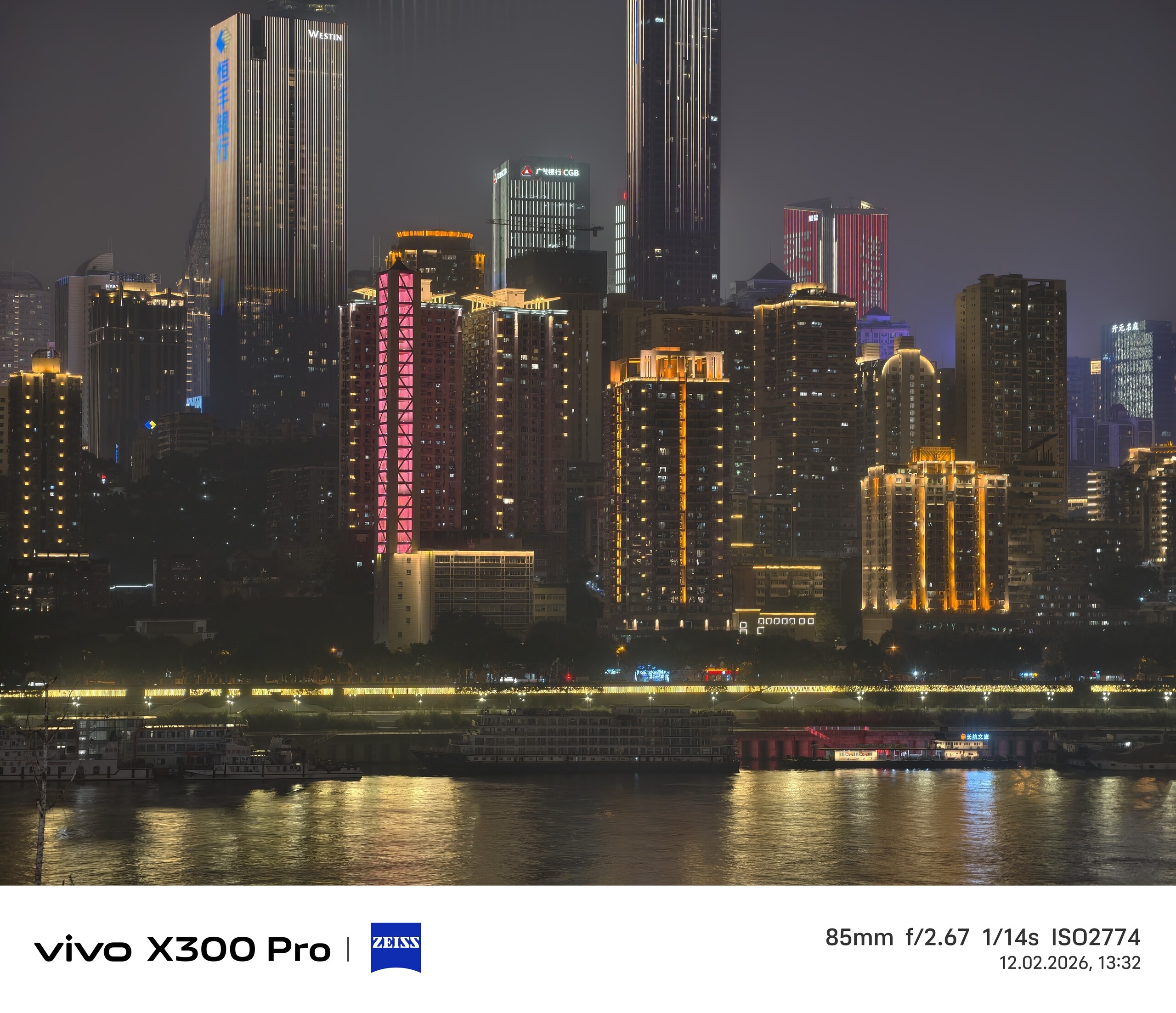
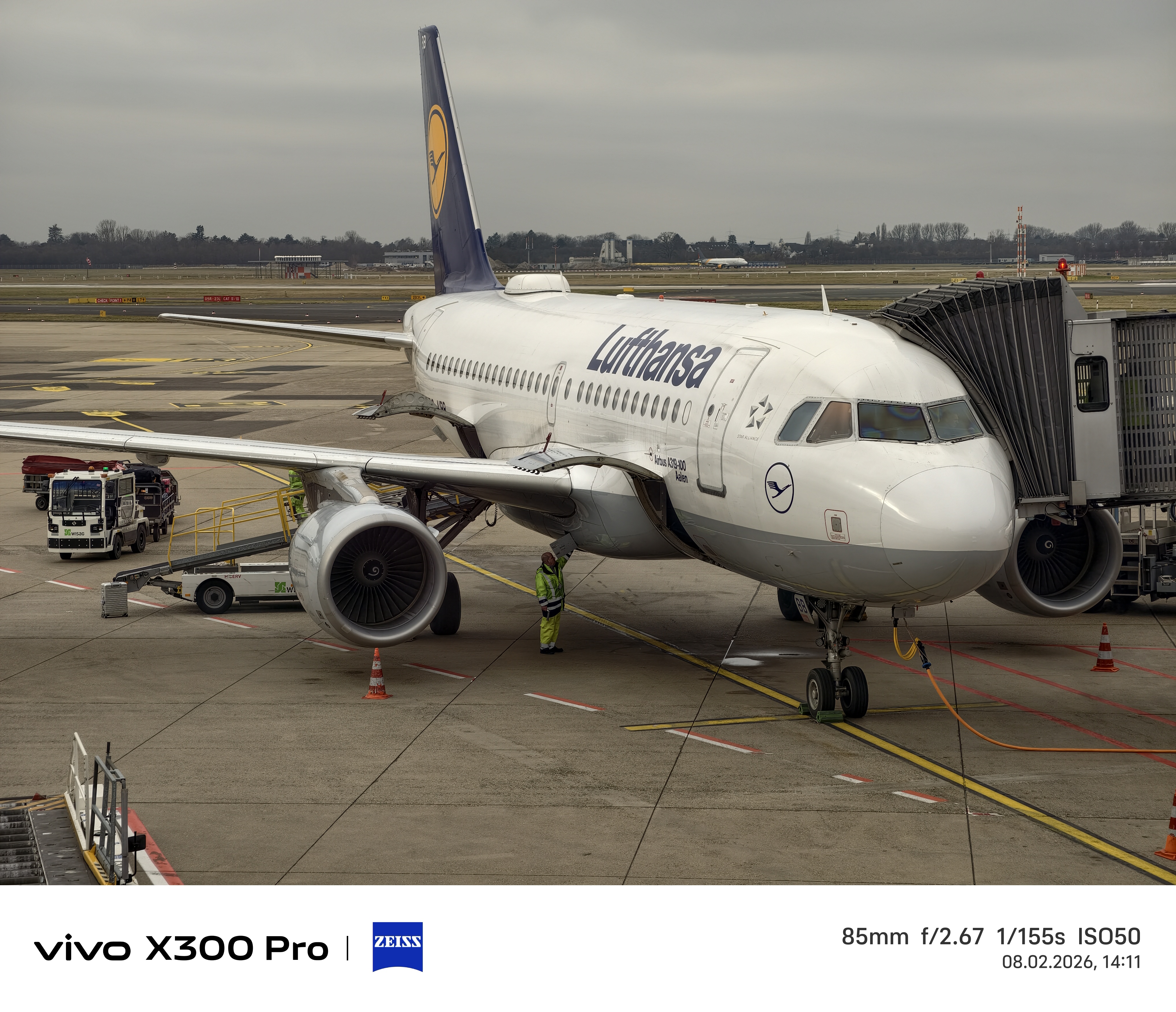
Zoomstrecke Vivo X300 Pro (85 - 2428 mm)
Zoomestrecke Xiaomi 17 Ultra (75 - 2313 mm)
Ultra-wide angle and macro – Xiaomi offers more options
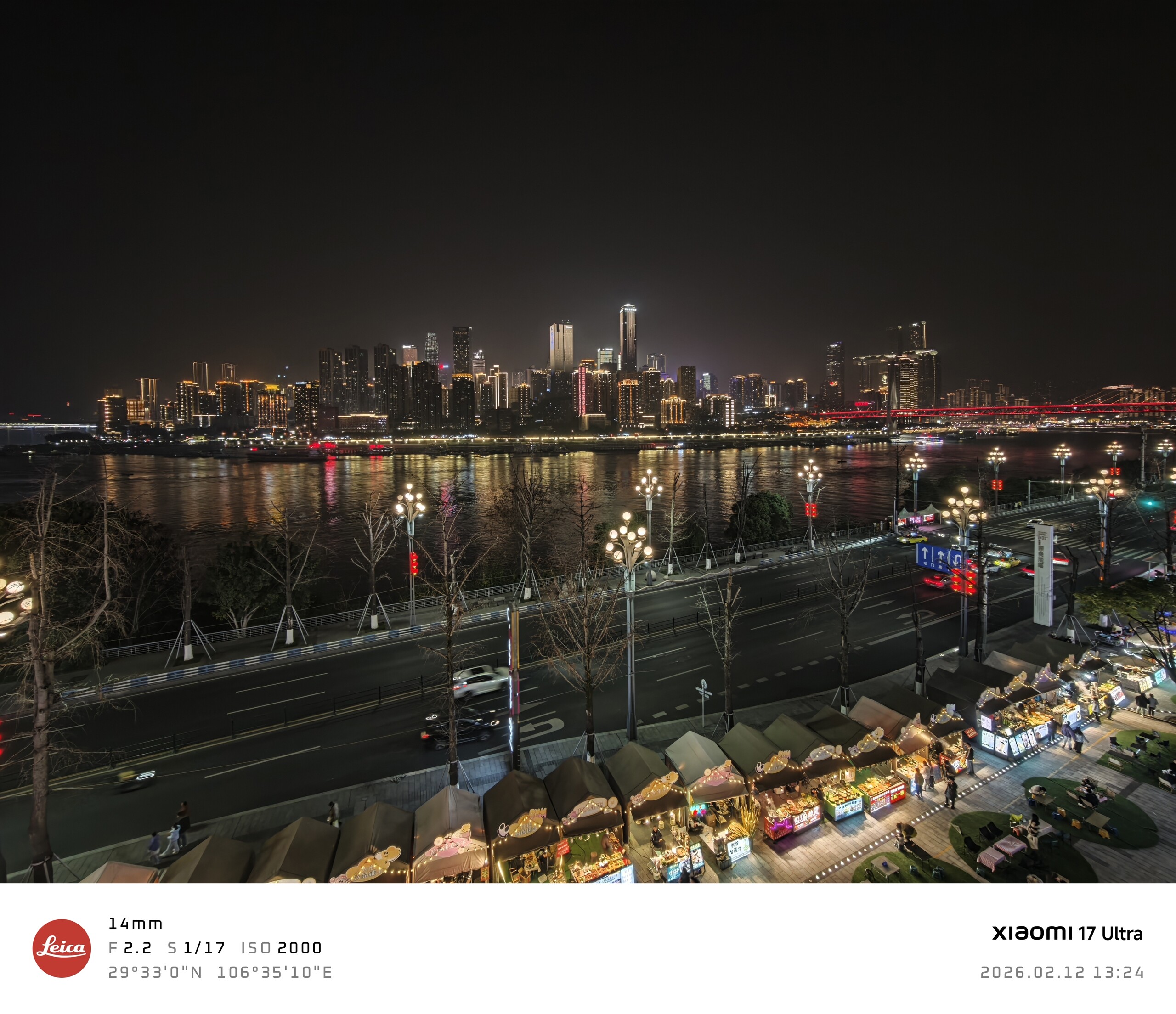
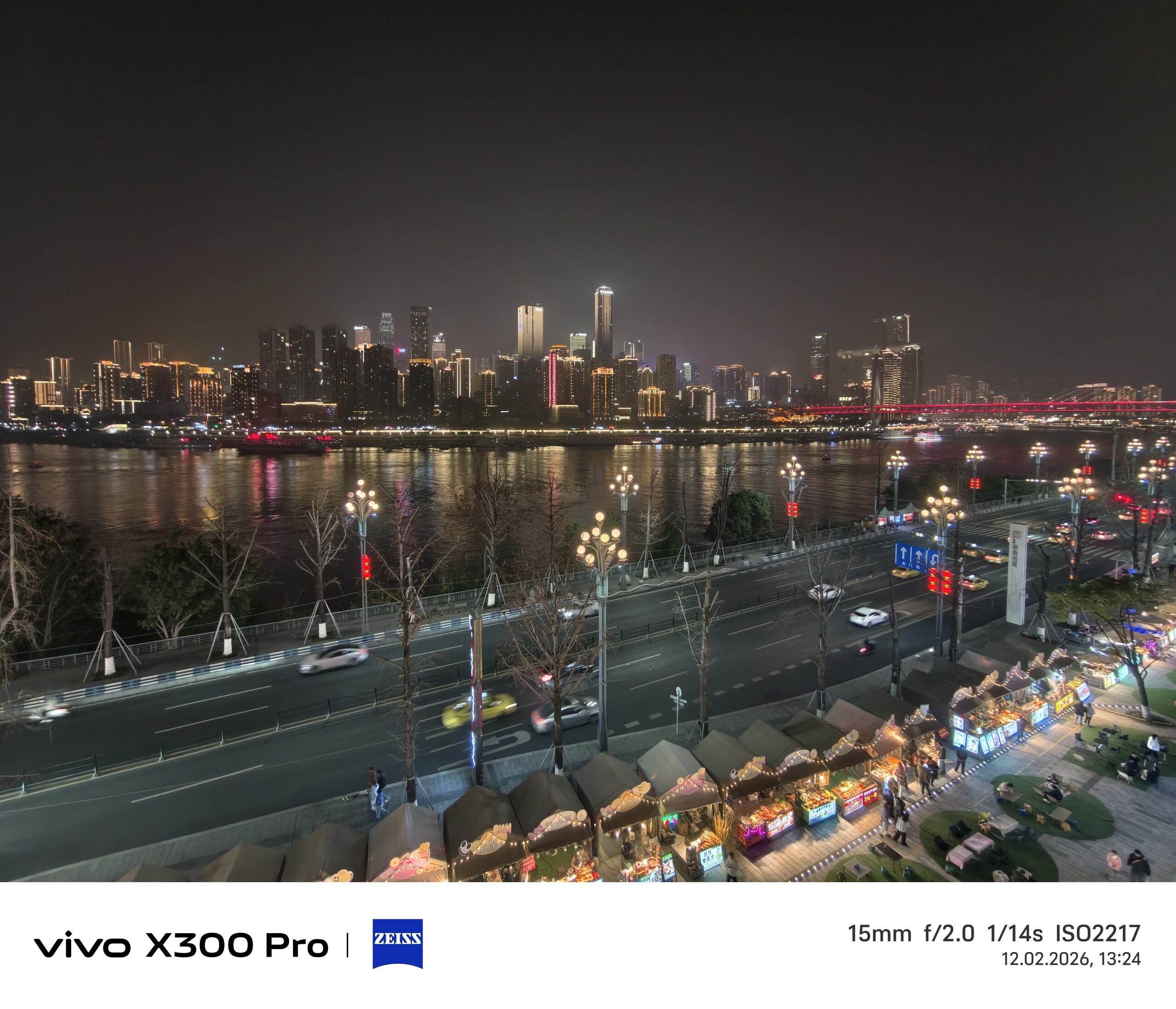
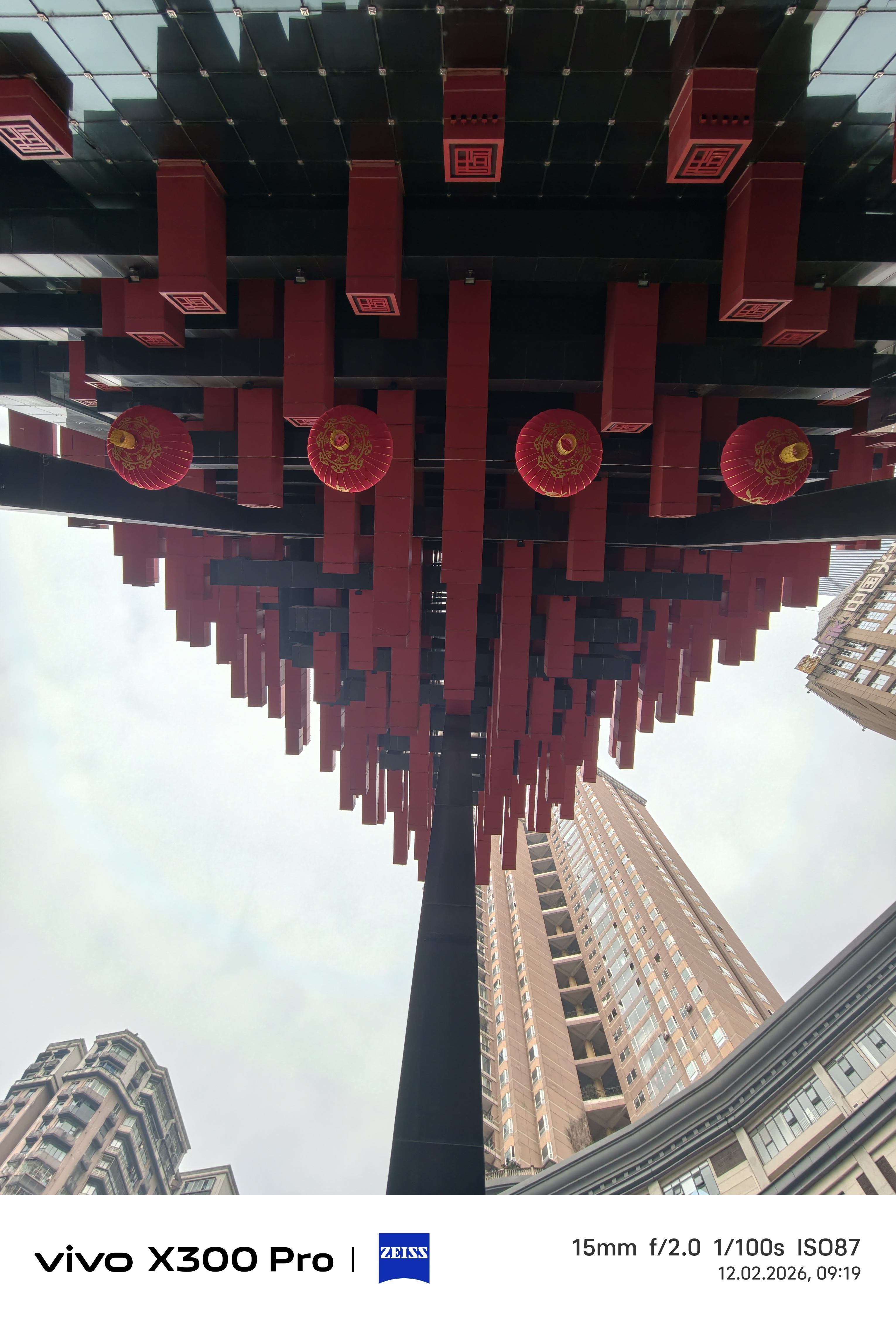
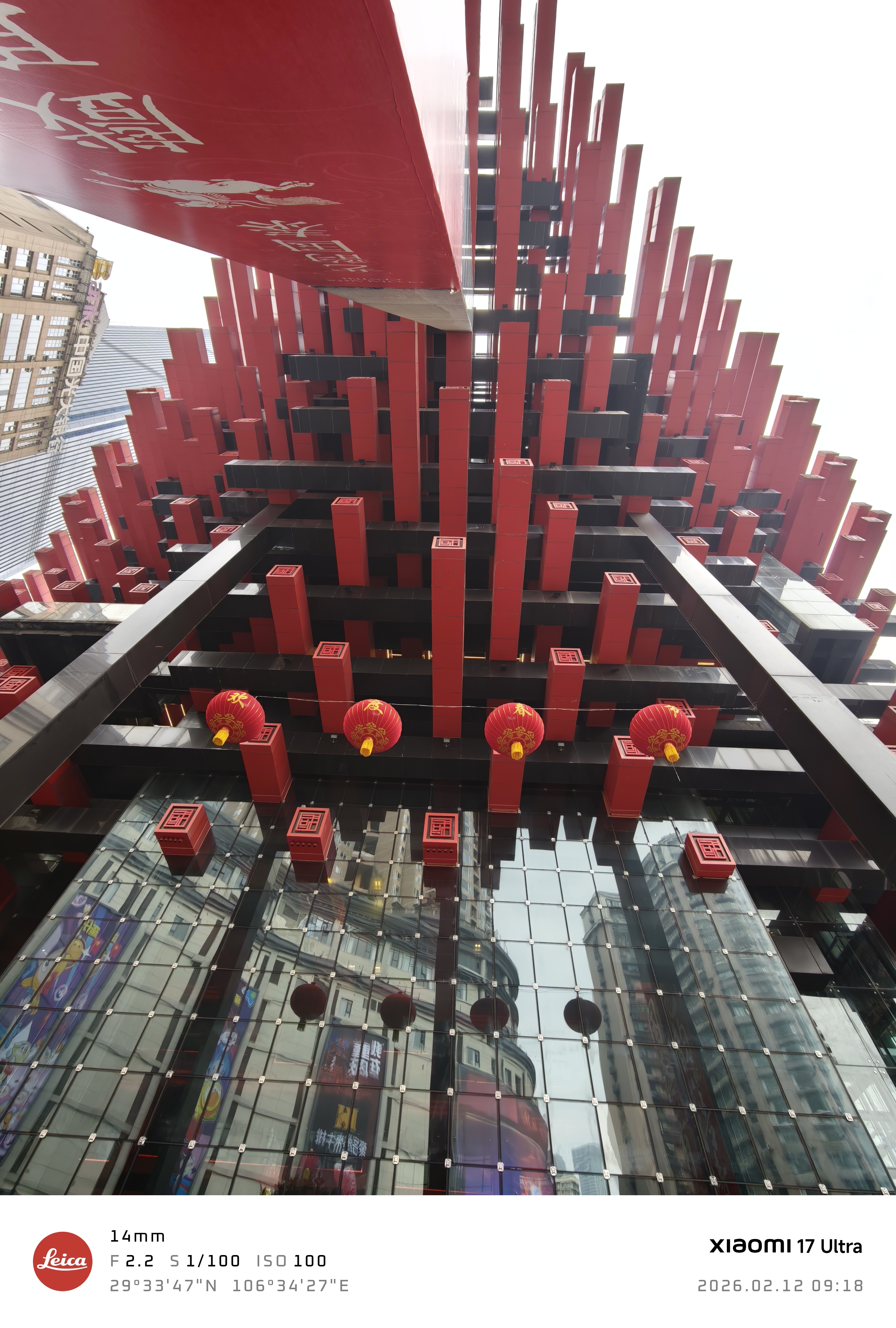
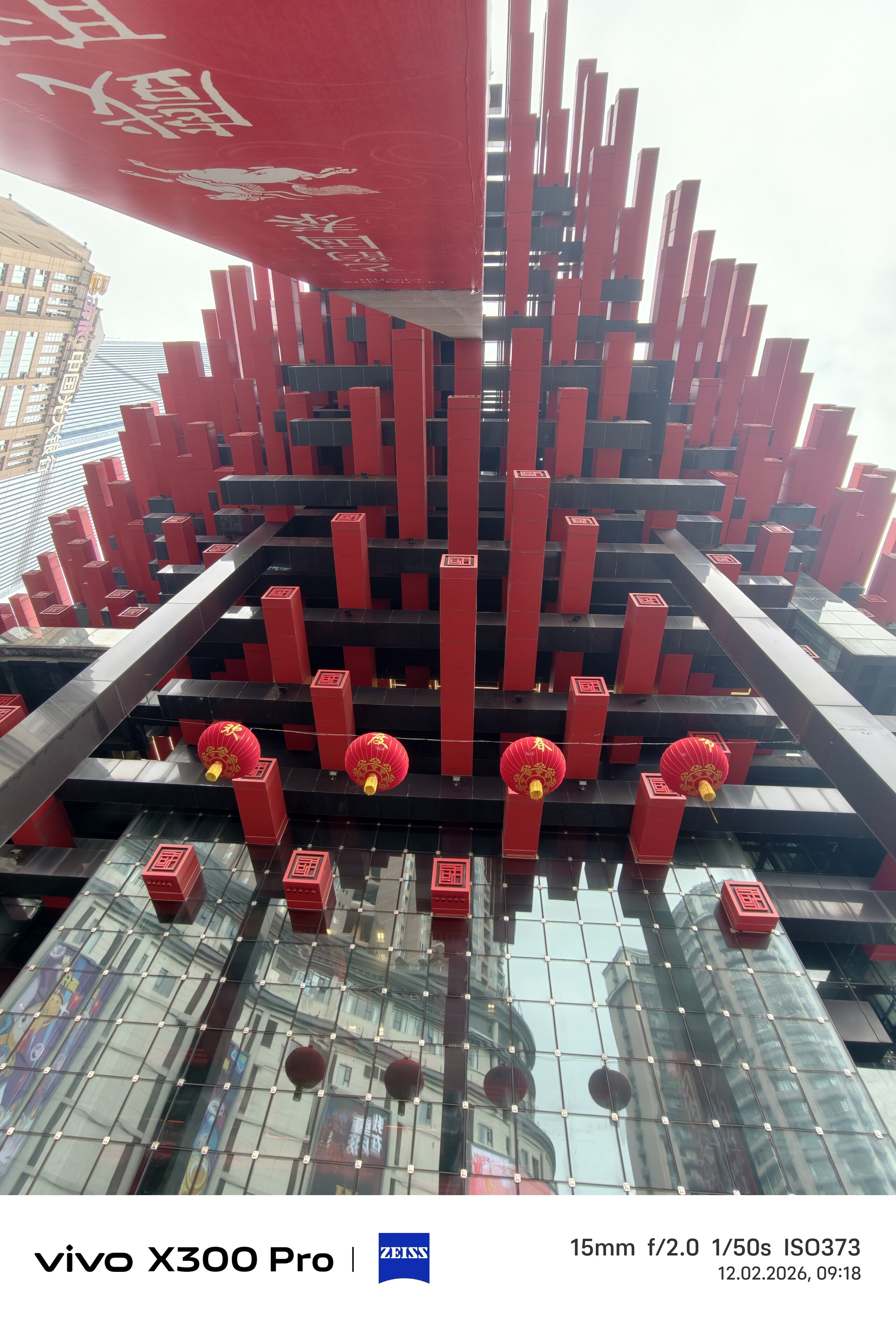
When it comes to ultra-wide-angle photography, the result is clear for the first time: the Xiaomi 17 Ultra is clearly superior here. In daylight, the shots reveal more detail, and at night in particular, the Xiaomi smartphone is in a league of its own.
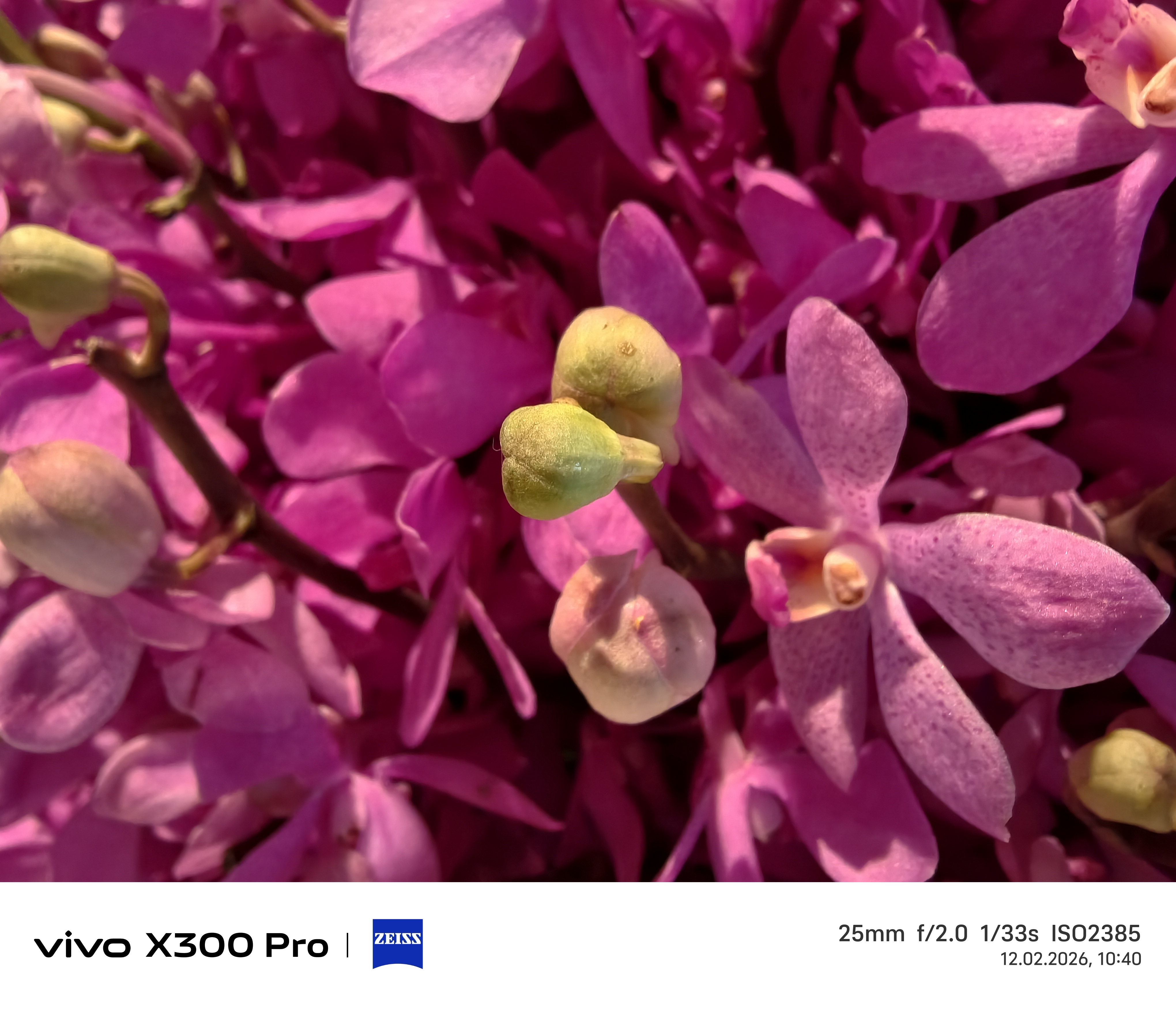
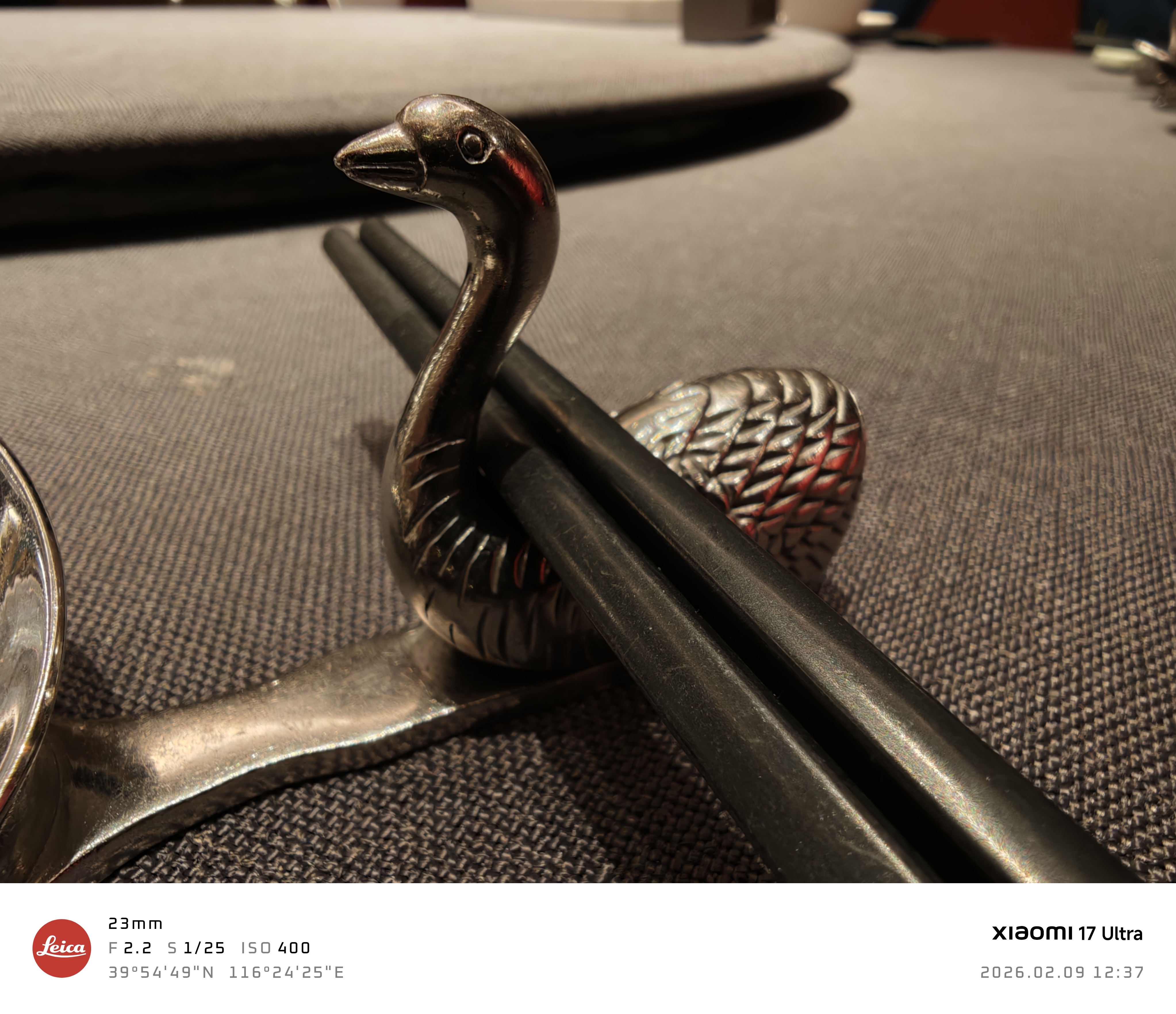
For macro photography, the 17 Ultra offers greater versatility with a dual-lens setup and can use both the telephoto and ultra-wide-angle lenses for close-ups. Here, too, we see the Xiaomi phone as having the edge.





 Add as a preferred source on Google


