




Xiaomi 17 Ultra camera review: LOFIC sensor and mechanical zoom explained
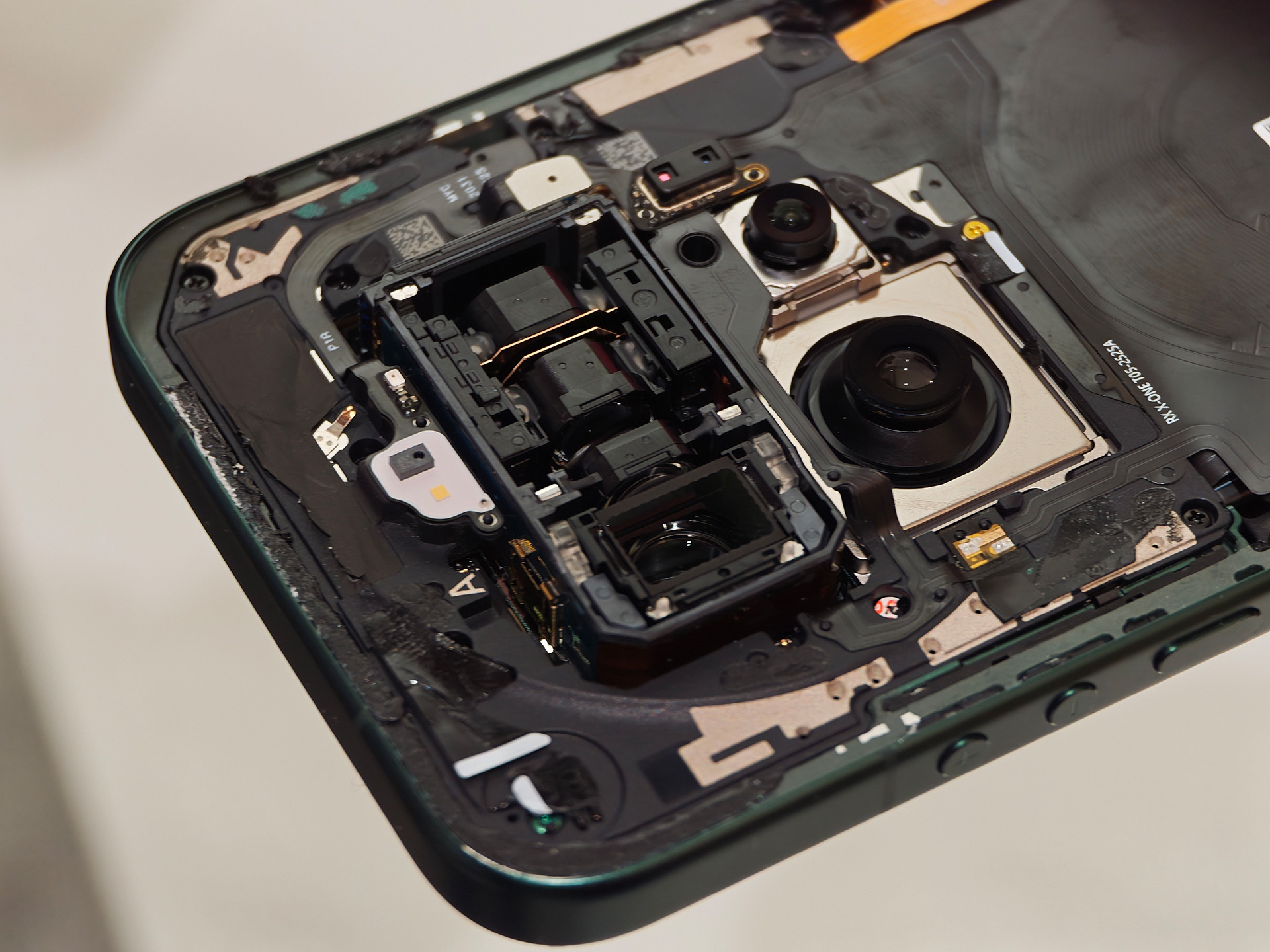
The Xiaomi 17 Ultra is clearly positioned as a camera smartphone for enthusiasts, as it combines two technologies that have not been seen in this form in the mobile sector before: a 1-inch LOFIC sensor in the main camera and a mechanical periscope system with continuous optical zoom. This combination is specifically designed to address two of the biggest weaknesses of classic smartphone photography – limited dynamic range and often inconsistent zoom imaging between multiple focal lengths.
At the heart of the device is the 1-inch sensor, which Xiaomi has equipped with a LOFIC (Lateral Overflow Integration Capacitor) design in collaboration with Leica. While conventional smartphone cameras rely on multi-frame HDR for high contrast, which combines several differently exposed images, LOFIC attempts to expand the dynamic range at the sensor level. To achieve this, the pixels consist of an actual photodiode and a laterally coupled “overflow” capacitor, into which excess charge can flow in very bright light. Both signals are read out separately and combined later. In practice, this means that the camera does not have to choose between detail in the highlights or in the shadows in extreme contrast situations, but can capture both within a single exposure.
The advantage over classic HDR is obvious. Since the scene is not broken down into multiple frames, the susceptibility to ghosting and artifacts is significantly reduced, a problem that is familiar from many night shots with moving people. In addition, the live preview is closer to the finished image because the sensor itself already reproduces a large part of the dynamic range. Those who shoot manually thus have a more reliable basis for exposure corrections, as the histogram better reflects the actual reserves of the sensor. In practice, the strength of the LOFIC sensor is particularly evident in night and backlight situations: neon signs burn out less quickly, street lights lose their harsh glare, and at the same time, structures in dark facades or in the shade under trees are surprisingly well preserved.
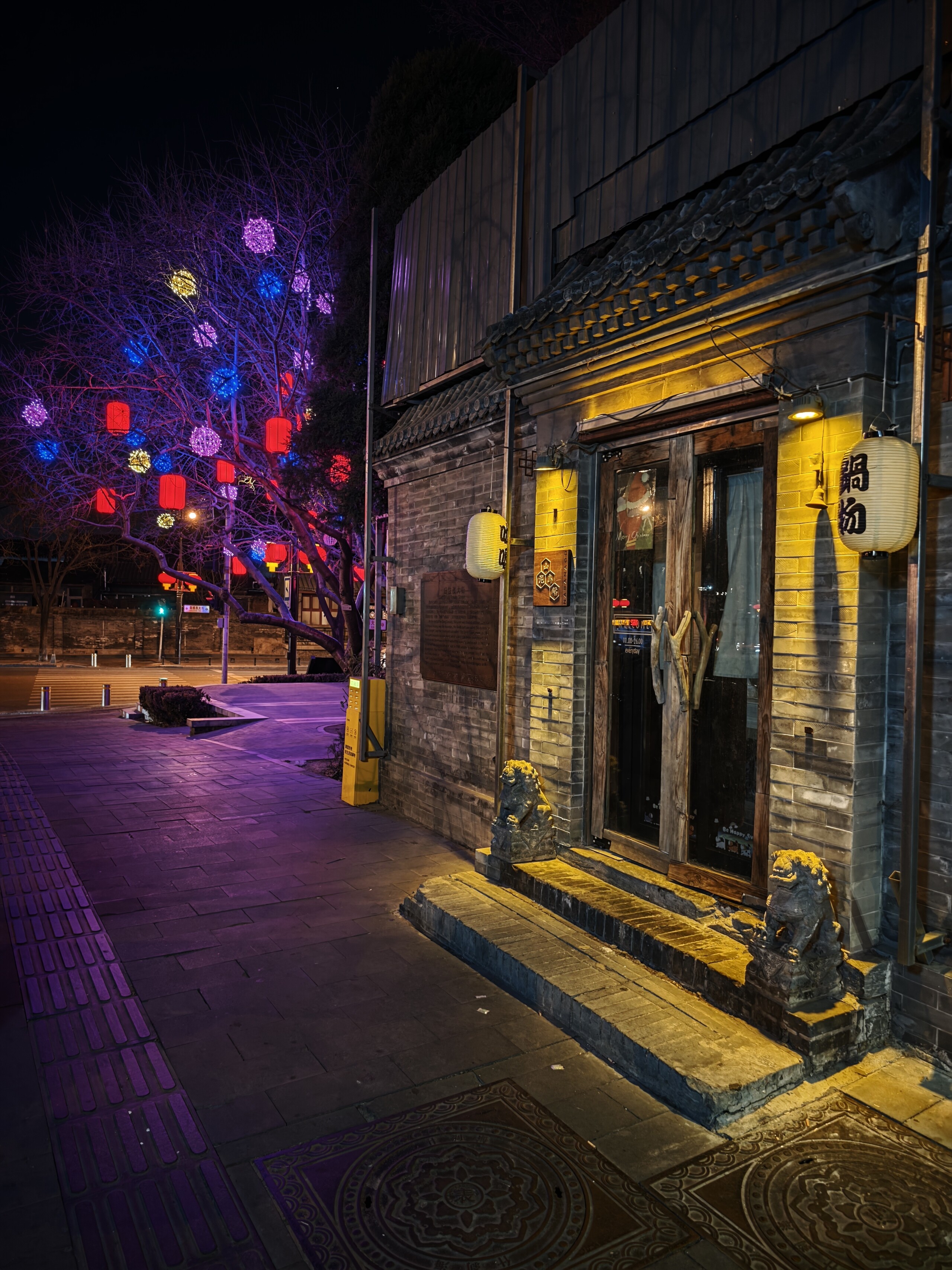




Xiaomi combines this sensor technology with a 1-inch form factor and aggressive pixel binning, which effectively creates very large “superpixels.” This reduces noise while maintaining high detail resolution. Together with the fast Leica optics, this results in an image look that, at its best, is closer to what you would expect from high-quality compact cameras or fast system cameras than to a typical smartphone photo with exaggerated HDR.
Xiaomi 17 Ultra with mechanical zoom and glass lenses
The second major feature is the telephoto module: instead of using several staggered telephoto cameras, Xiaomi has installed a 200-megapixel periscope with a variable mechanical design. Inside the module, lens groups shift to cover a continuous optical zoom range that corresponds approximately to classic 75 to 100 millimeters in 35 mm format. Unlike many competitors, which switch abruptly between 3x and 5x telephoto, the image section can be adjusted continuously without resorting to digital cropping. In everyday use, this ensures more consistent image quality when zooming in: between typical portrait focal lengths and a narrower 100 mm crop, the optical character of the images remains similar, rather than visibly jumping between two different modules. The zoom range is small, but when you look inside the Xiaomi smartphone, it quickly becomes clear why this is the case – a lot of space is needed.
The high output resolution of the telephoto sensor also opens up scope for moderate digital extensions without fine details immediately breaking down into watercolor structures. Especially in portrait photography, the focal length of 75 to 85 millimeters has a pleasant compressing effect, while 100 millimeters allows for a certain distance that is ideal for street and detail shots. All of this is supported by a sophisticated OIS system designed to limit the inevitable camera shake at long focal lengths.
The camera on the Xiaomi 17 Ultra doesn't just try to be a little better in existing disciplines, but also aims to change the fundamental image creation process in two critical areas: dynamic range directly in the sensor and zoom through genuine, variable optics. Whether this makes it the perfect tool ultimately depends on how important low-light dynamics and a “real” telephoto lens with continuous zoom are to you in everyday use.
 Add as a preferred source on Google


