




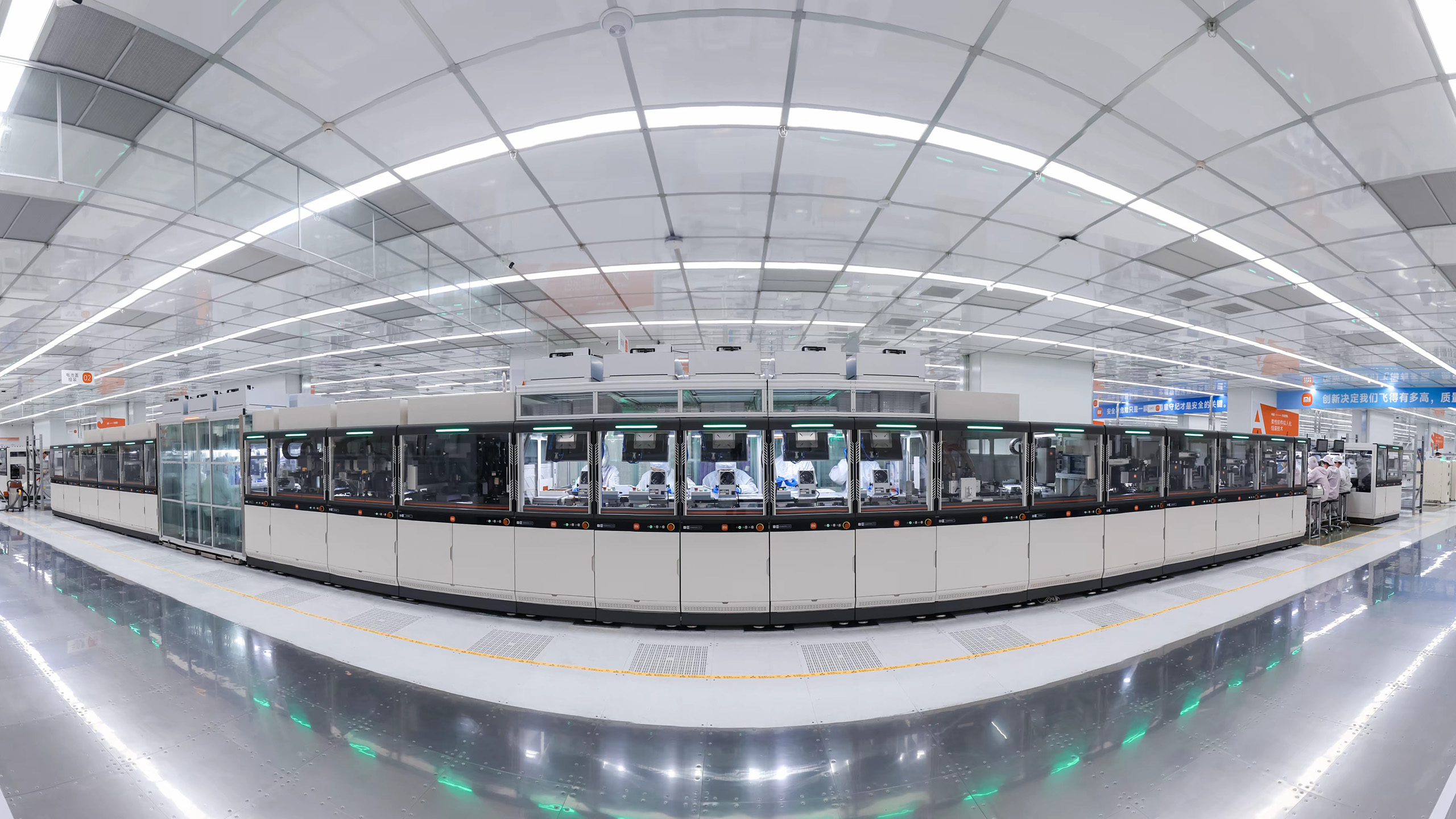
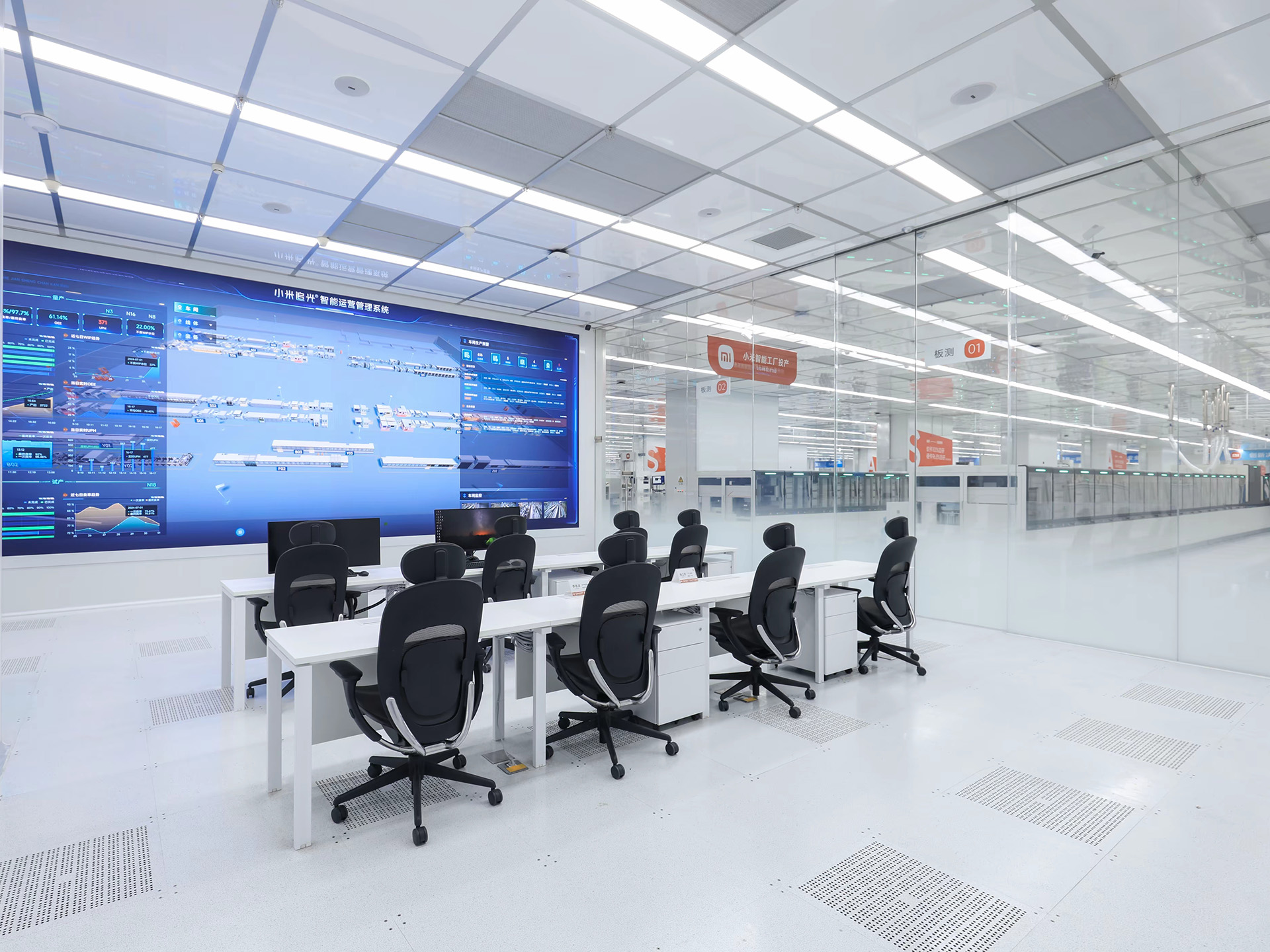
We were invited by Xiaomi to visit their facility in Beijing for a rare glimpse behind the scenes of Xiaomi's state-of-the-art smartphone production. What the manufacturer presents there is like a glimpse into the future of industrial manufacturing: with the Xiaomi Hyper Intelligent Manufacturing System (Hyper IMS for short), the company has created a platform developed entirely in-house that collects and controls all production and quality data in real time.

The system serves as the digital nerve center of the entire factory. Large displays show live data on daily output, yield, and efficiency. A 3D panoramic view shows the entire factory floor at a glance, from PCB production to final assembly. If deviations occur anywhere, the system automatically sounds an alarm and technicians intervene immediately. Intelligent early detection even notices potential equipment faults before they occur, saving time and reducing waste.
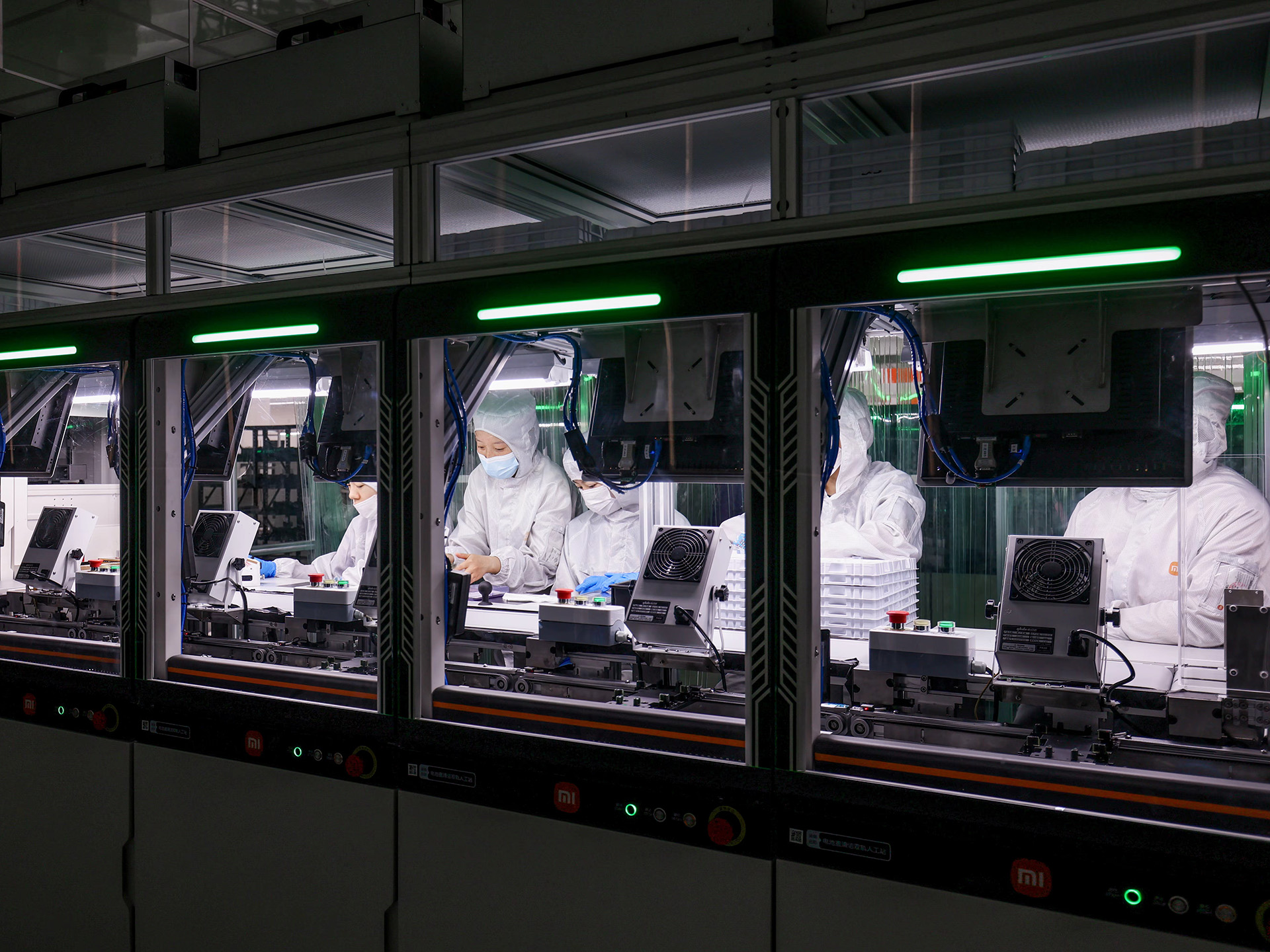
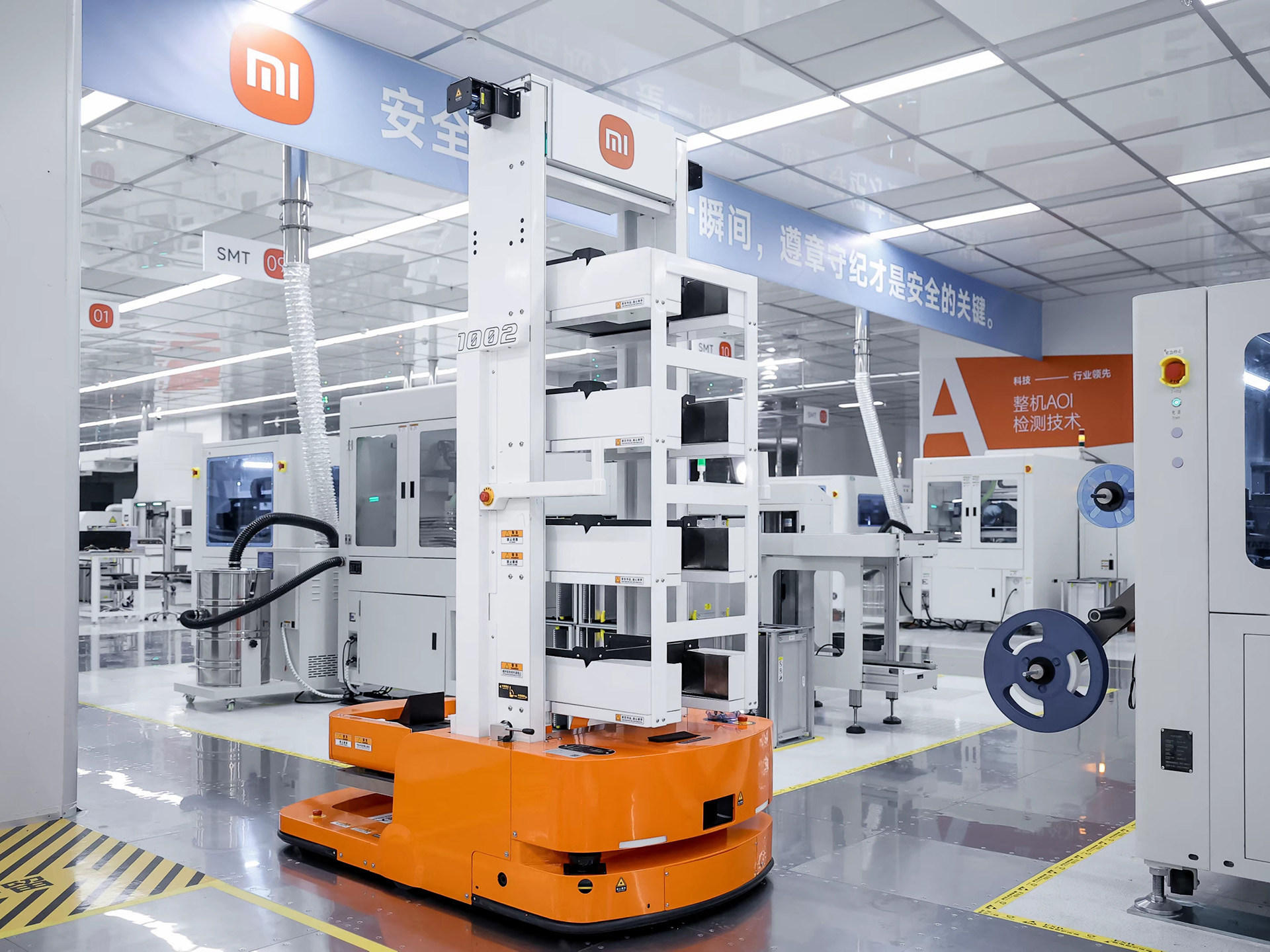
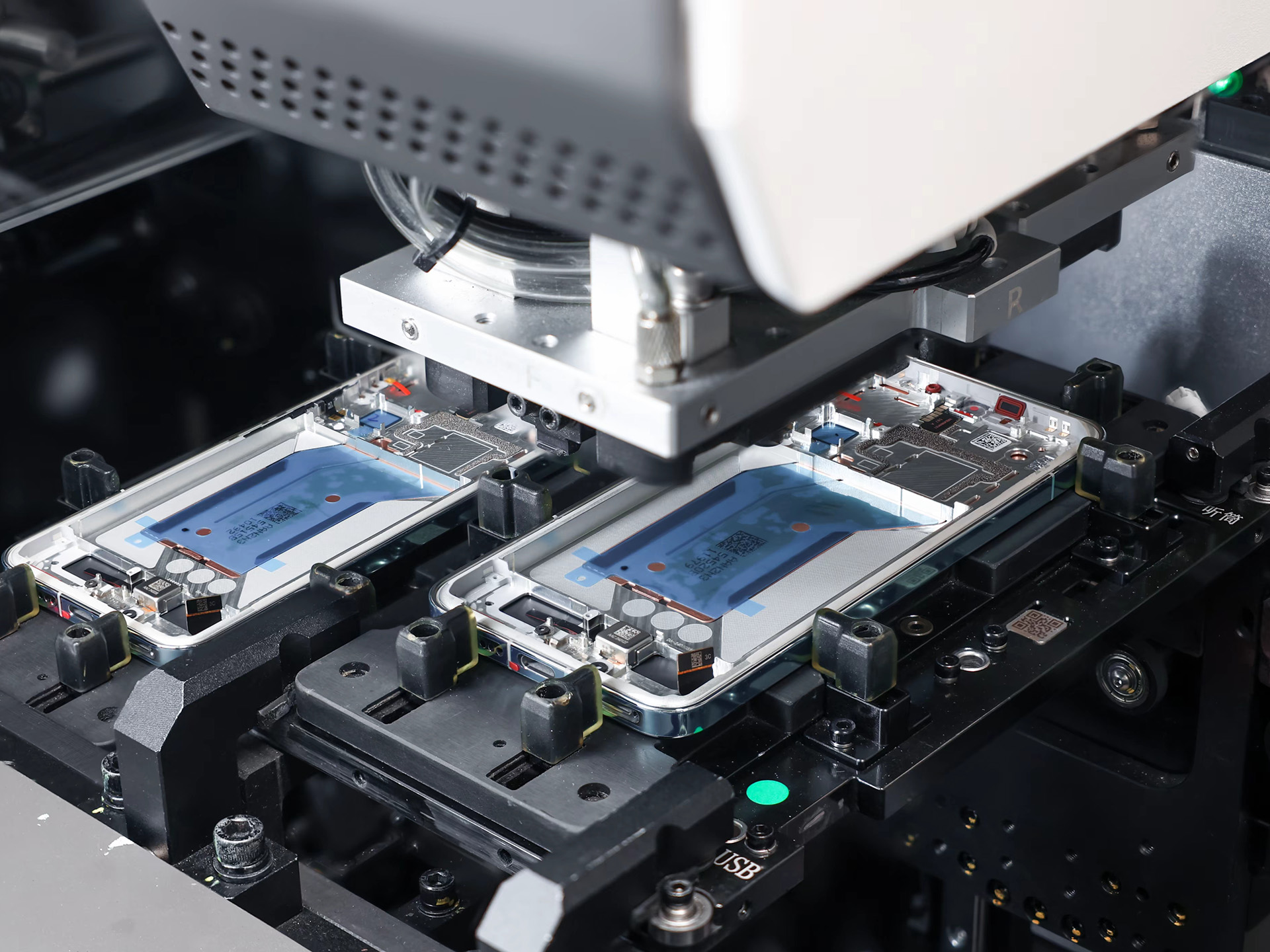
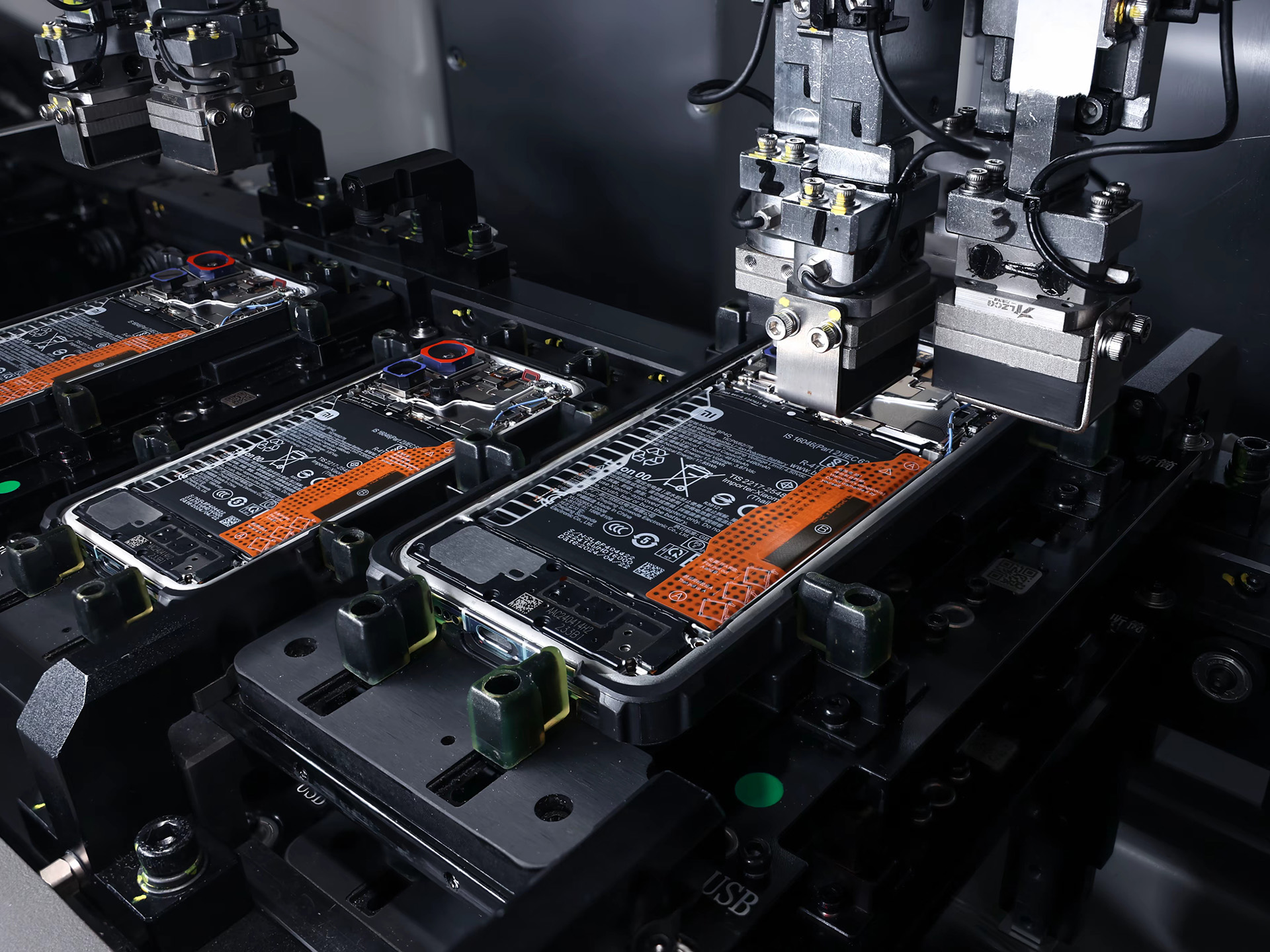
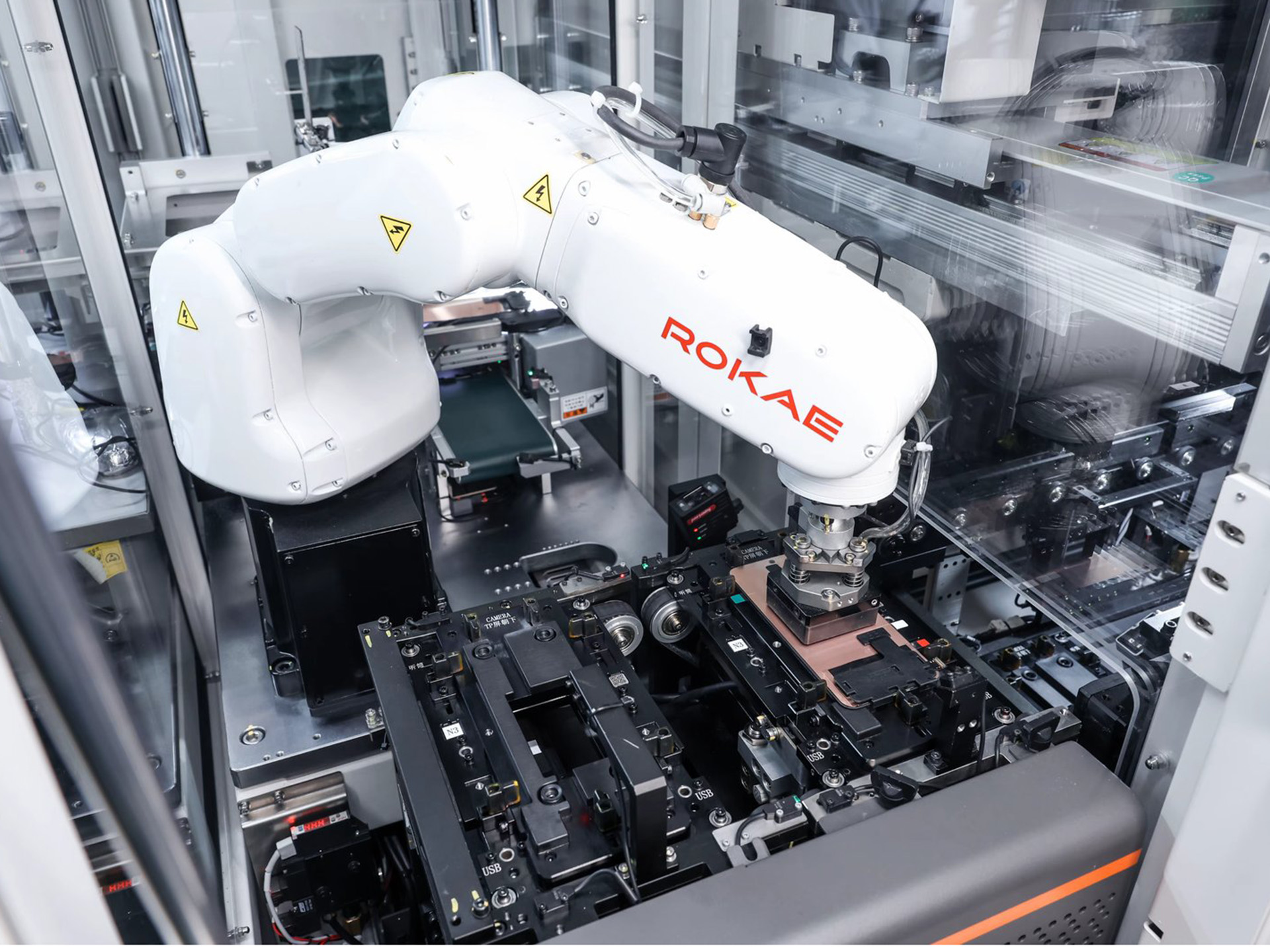
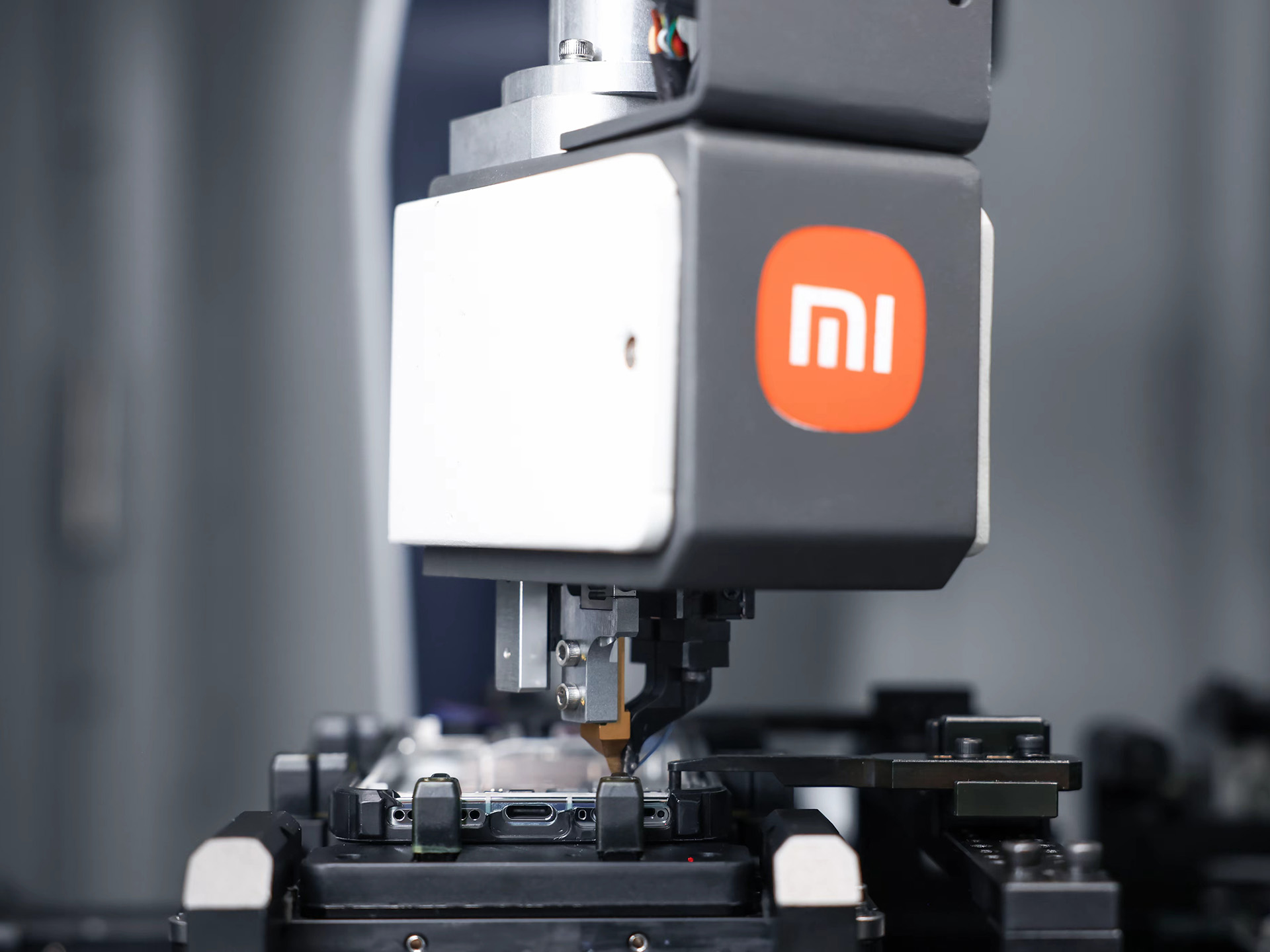
The production line that Xiaomi opened for the factory tour is around 100 meters long and covers all steps from circuit board testing and pre-processing to final inspection. The approximately 4,000 machines bearing the Mi logo were developed in-house. The degree of automation is 81 percent, and the software was developed entirely by Xiaomi.
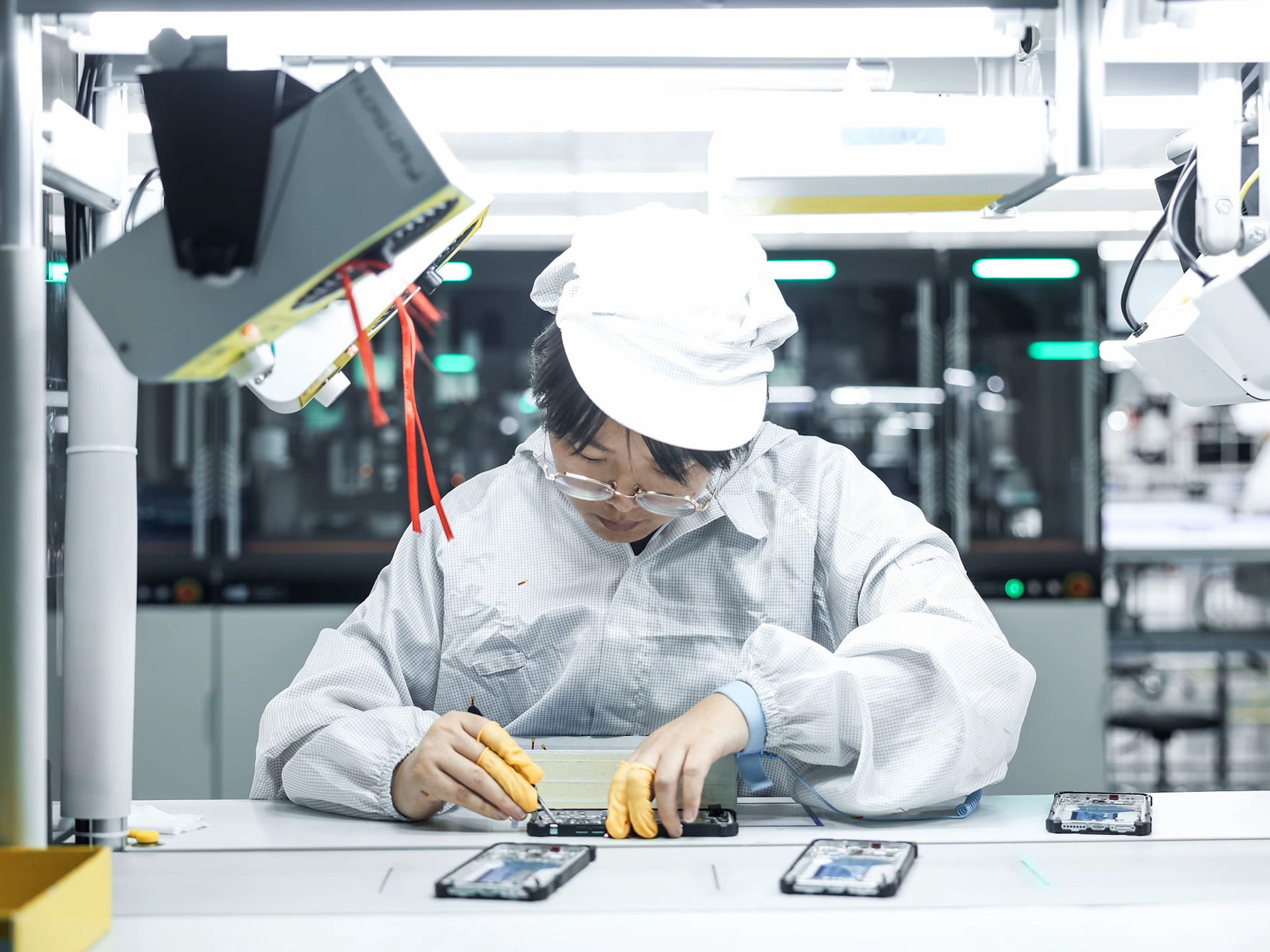
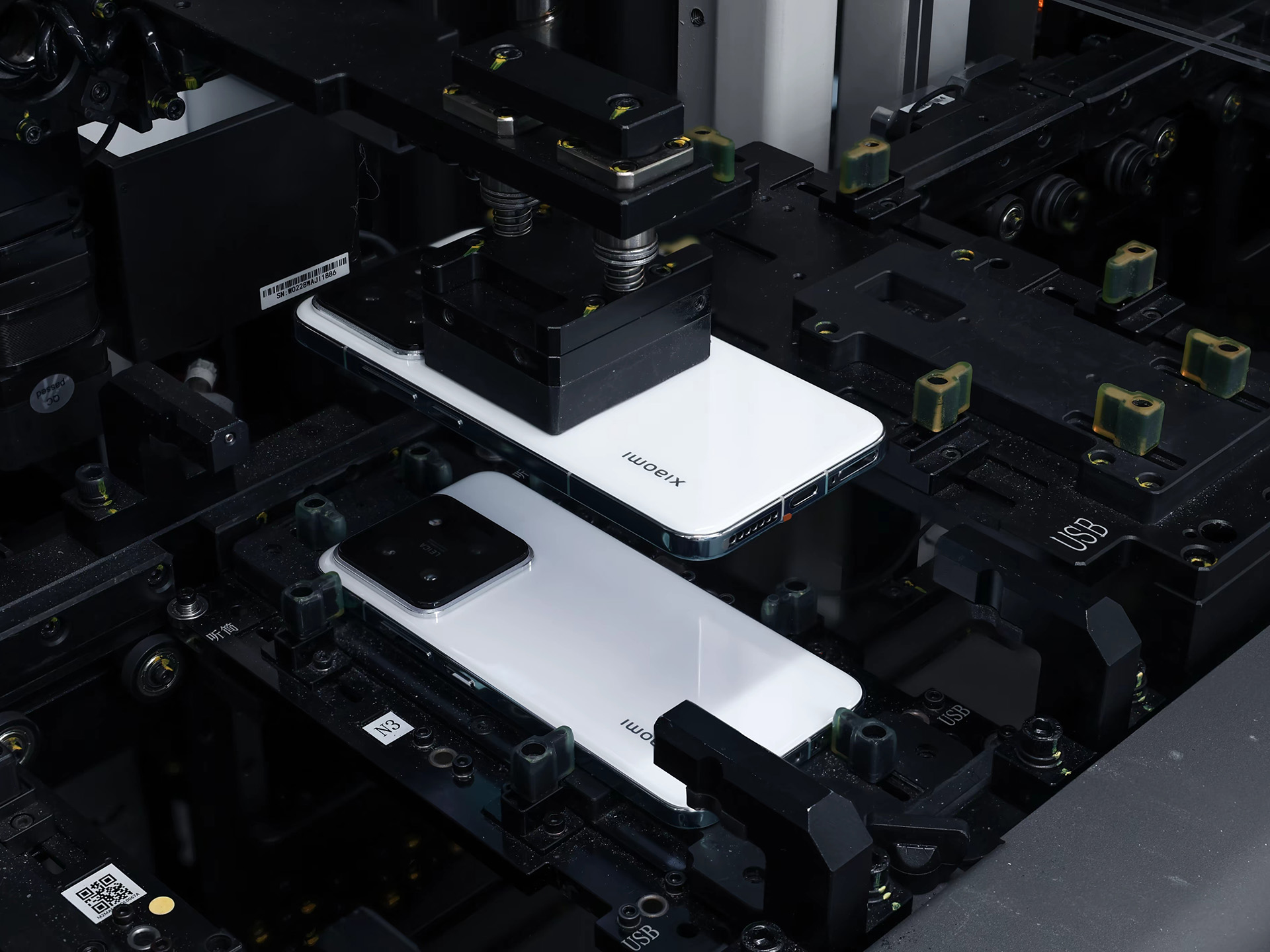
The comparison between old and new testing technology is particularly impressive: robot arms used to have limited capacity. Today, drawer systems are used that can test 40 circuit boards simultaneously – a 60 percent gain in efficiency. This is followed by assembly, where humans intervene primarily where precision is irreplaceable, such as when cleaning camera lenses under a microscope in a special clean room.
In total, smartphone production comprises over 200 individual steps. At the end, there is a three-stage testing process: a complete functional test, an aging test that simulates everyday use, and a final retest. Forty-nine test stations developed in-house check the antenna, camera, display, Bluetooth, audio, and more.
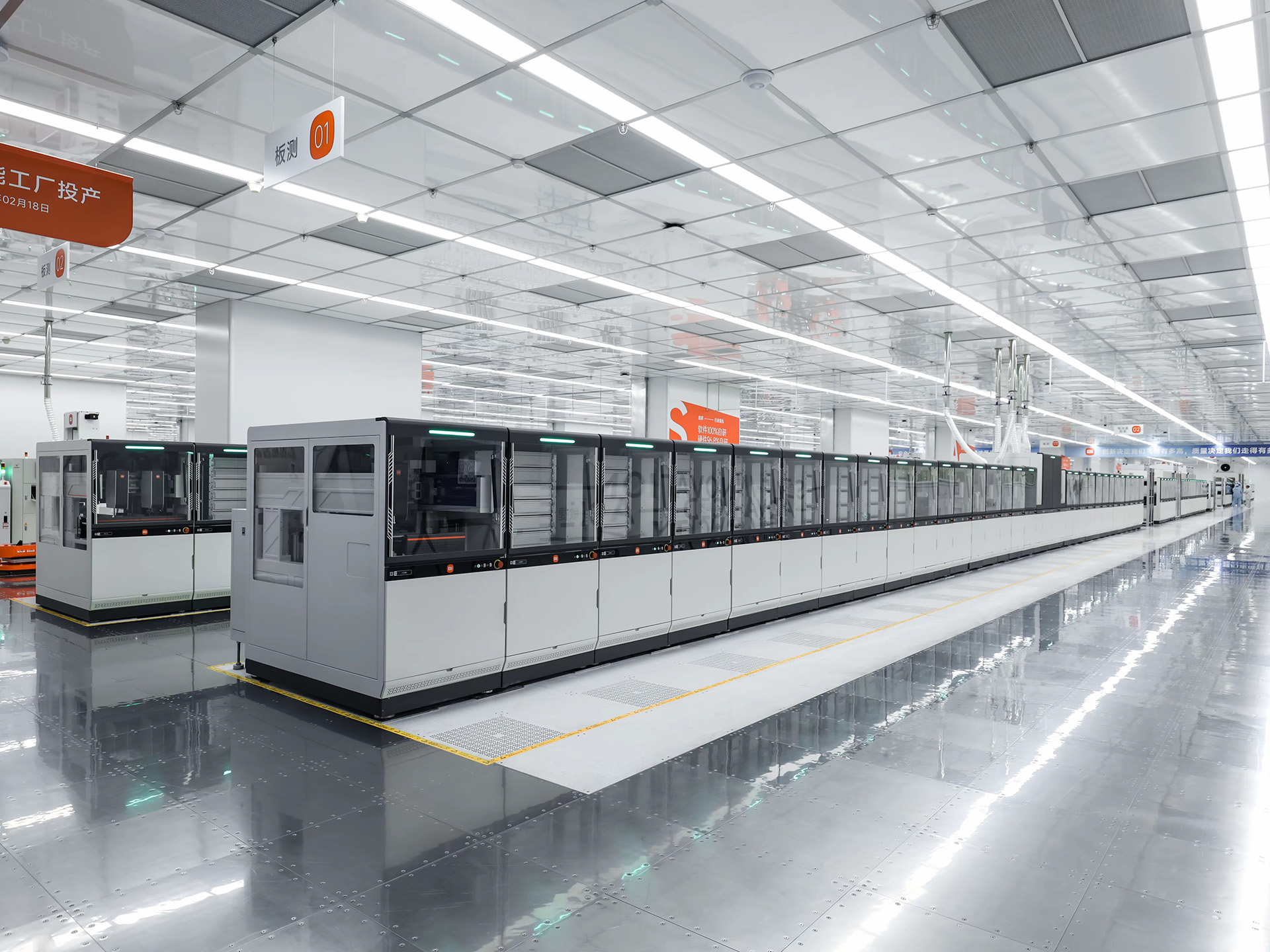
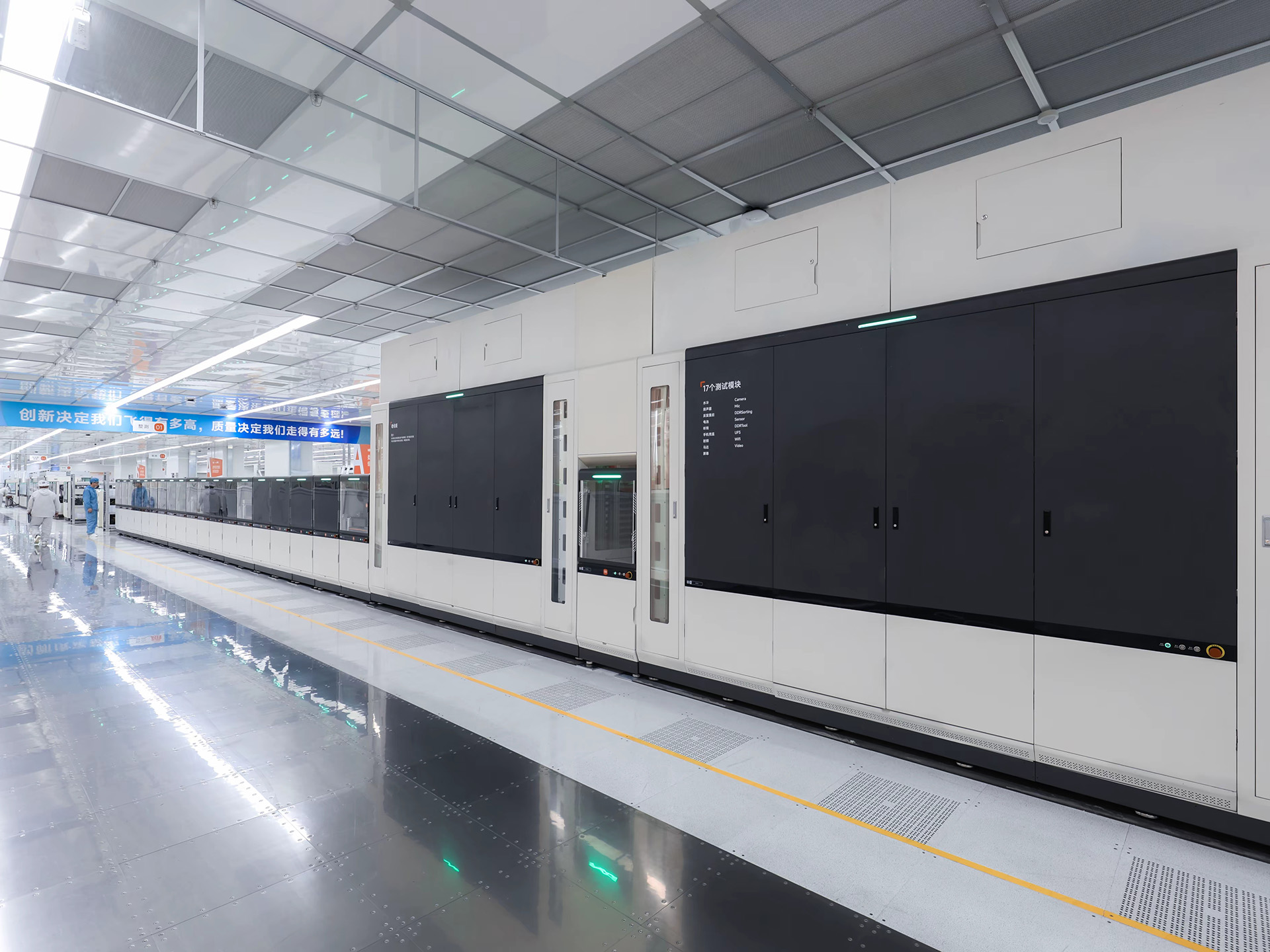
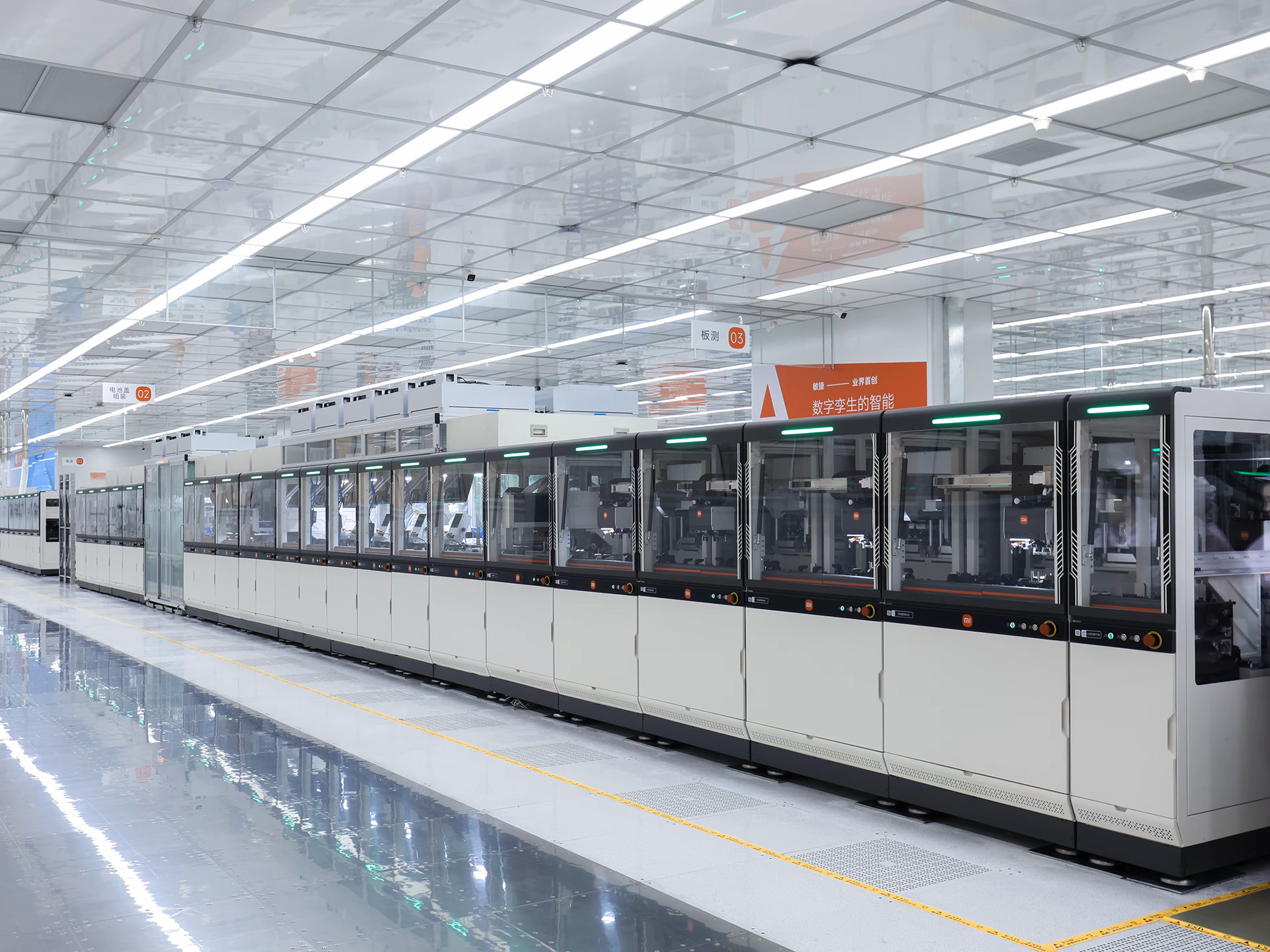
With its modular “platform + module” design, Xiaomi also offers exceptional flexibility: production lines can be converted for a new model in just ten hours, instead of a week as was previously the case. The use of labor is also significantly reduced: a conventional factory required around 450 employees for a 600-meter-long production line and 300 devices per hour. The AI-controlled Xiaomi line is only 310 meters long, produces 600 units per hour, and requires only 220 employees. This makes the vision of the factory of the future a reality.
Our visit to Beijing showed that Xiaomi is not only one of the innovation leaders in smartphones, but also in manufacturing technology. Every device that leaves the assembly line here stands for precision, automation, and a piece of the future that is already a reality today.
Sources
Own, Xiaomi
Note: Photography was strictly prohibited inside the factory, which is why we have used images provided to us by Xiaomi.
 Add as a preferred source on Google


