




Apple unveils iPhone 18 Pro (Max) with pro camera upgrades at higher price
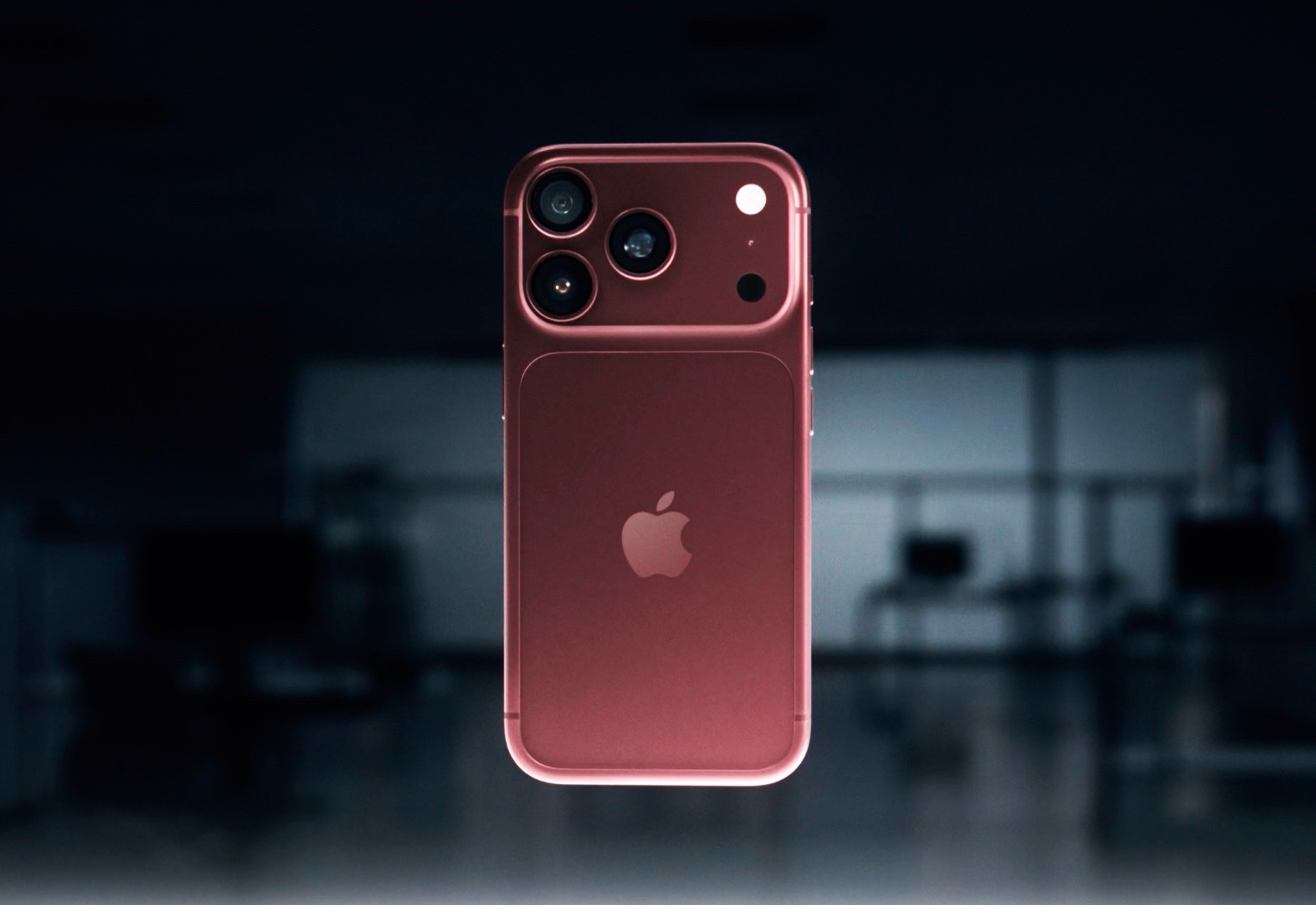
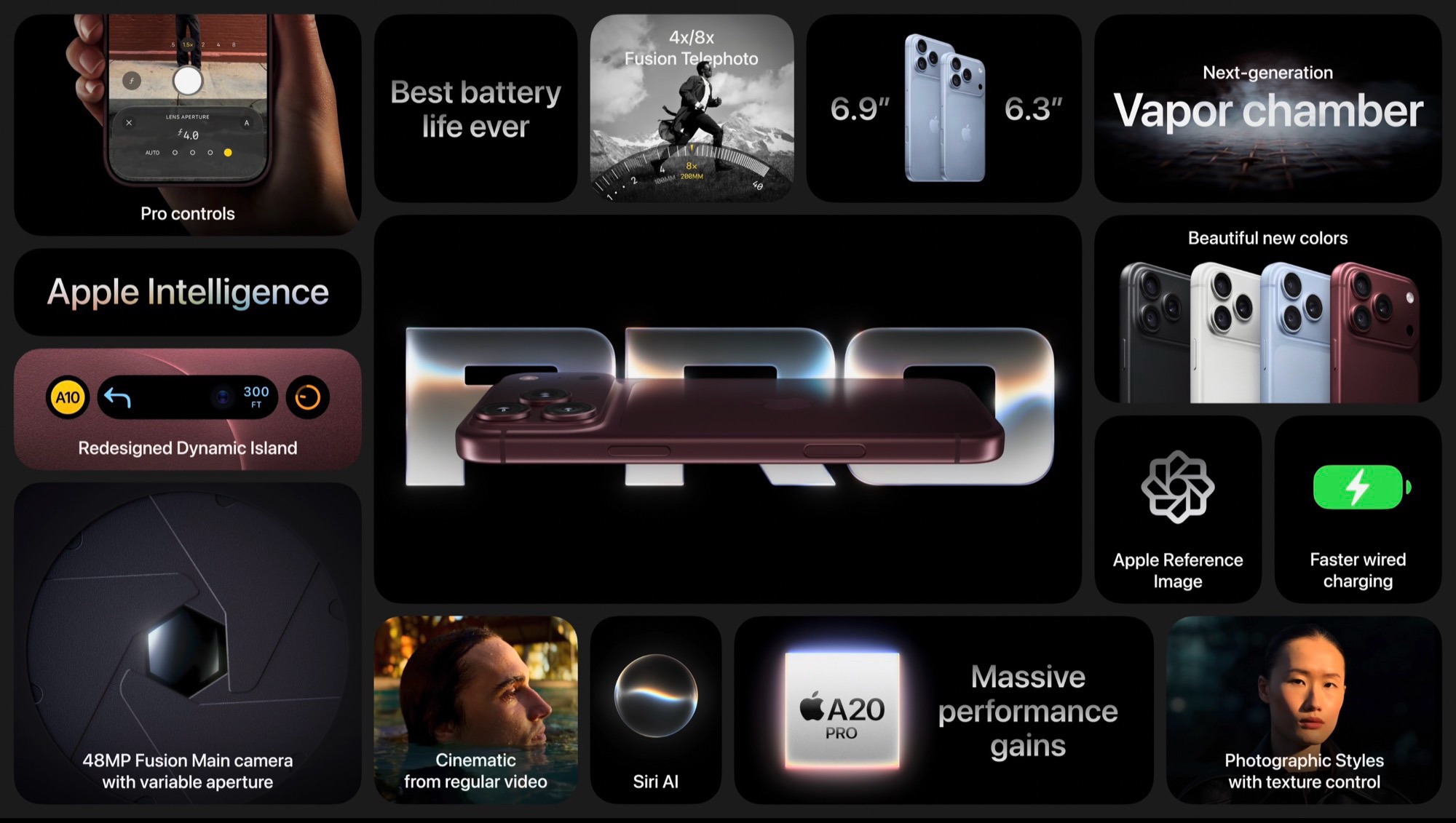
At first glance, the Apple iPhone 18 Pro (Max) looks almost indistinguishable from the iPhone 17 Pro (Max), but upon closer inspection, Apple has slightly revised the design. Most notably, the new flagship smartphones are also available in Glacier (light blue) and Burgundy (dark red), and the shade of the aluminum frame is matched to the color of the back panel. The punch-hole is slightly smaller, and the Dynamic Island can now display three widgets instead of just two.
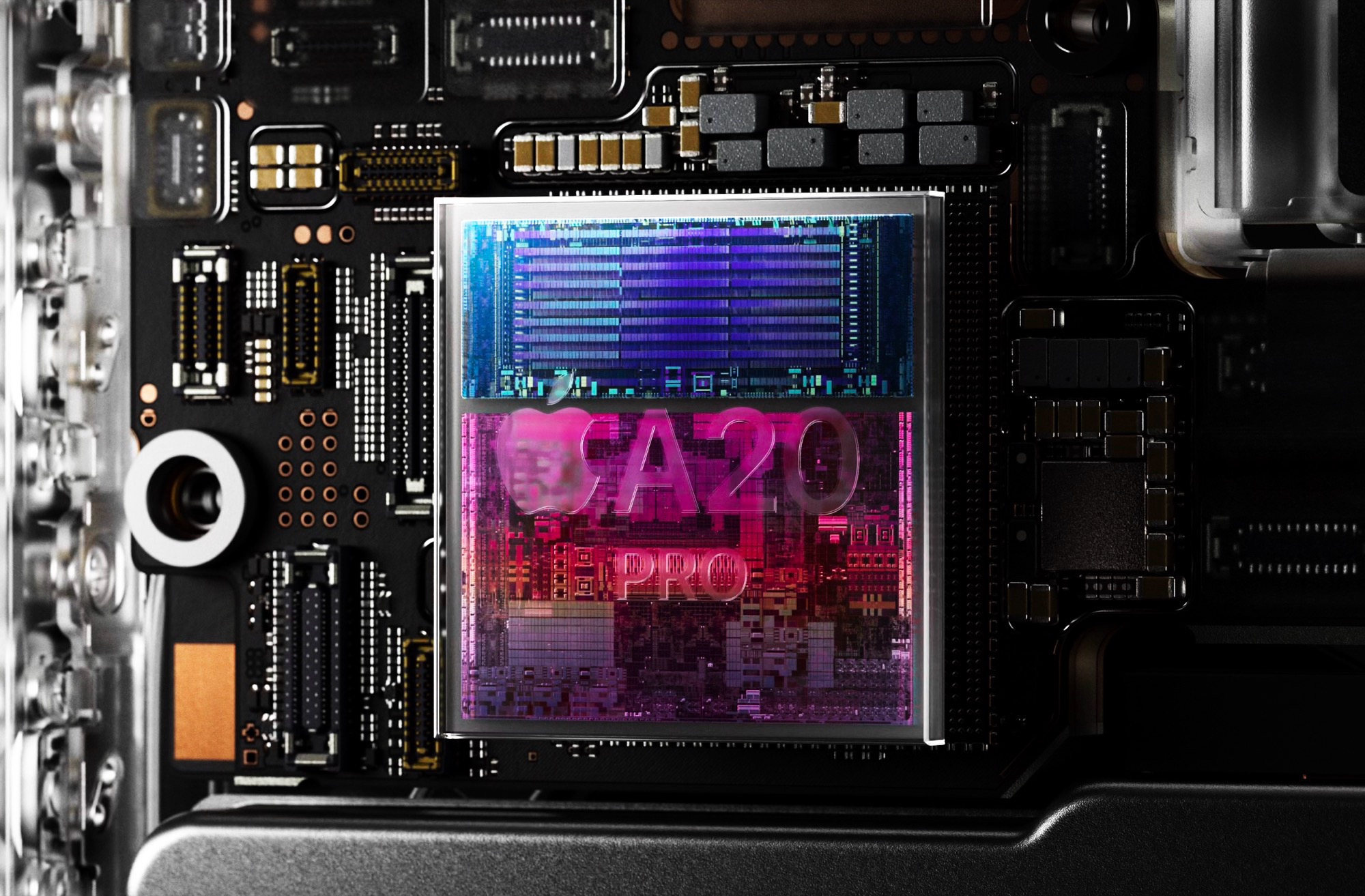
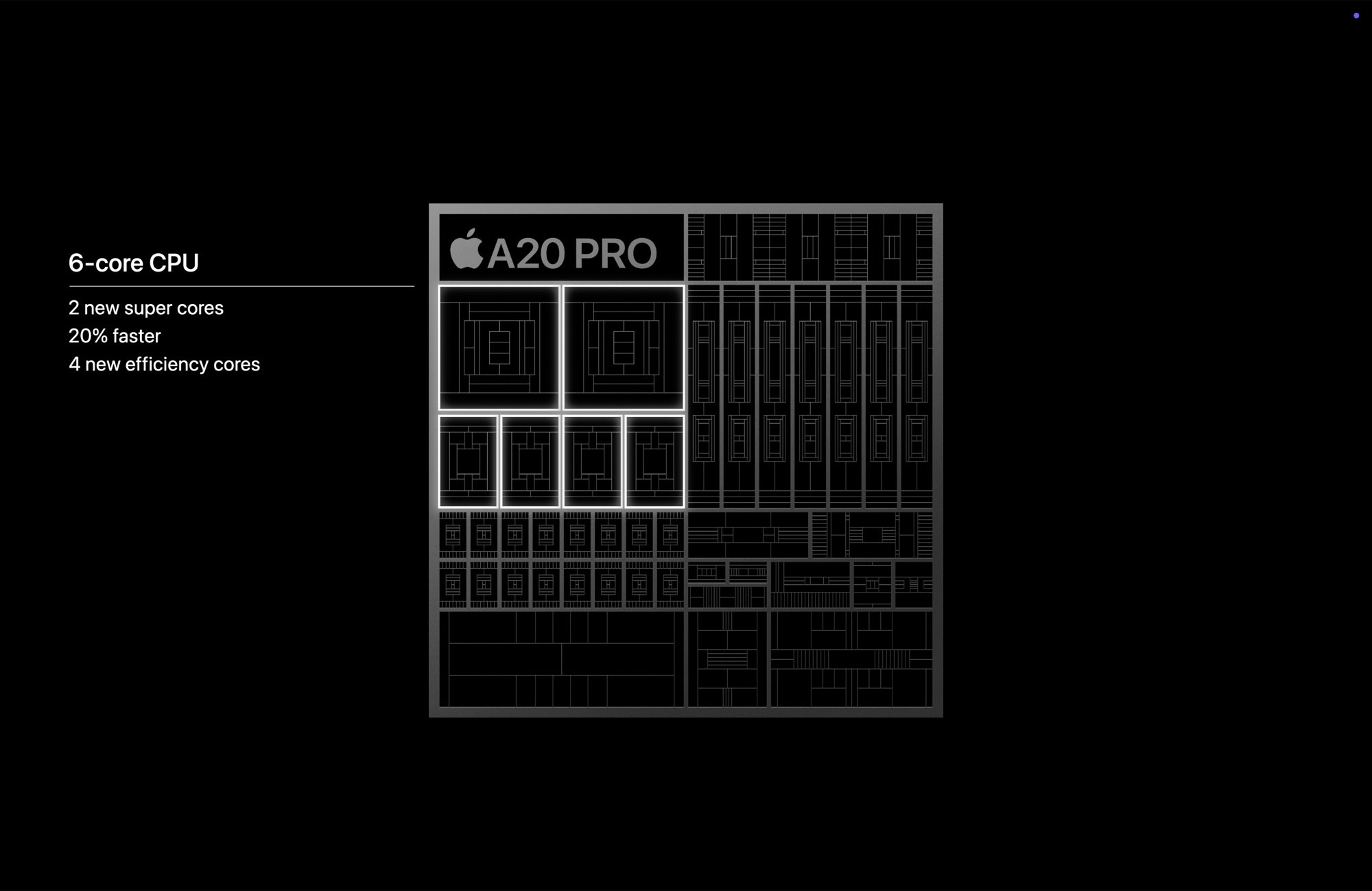
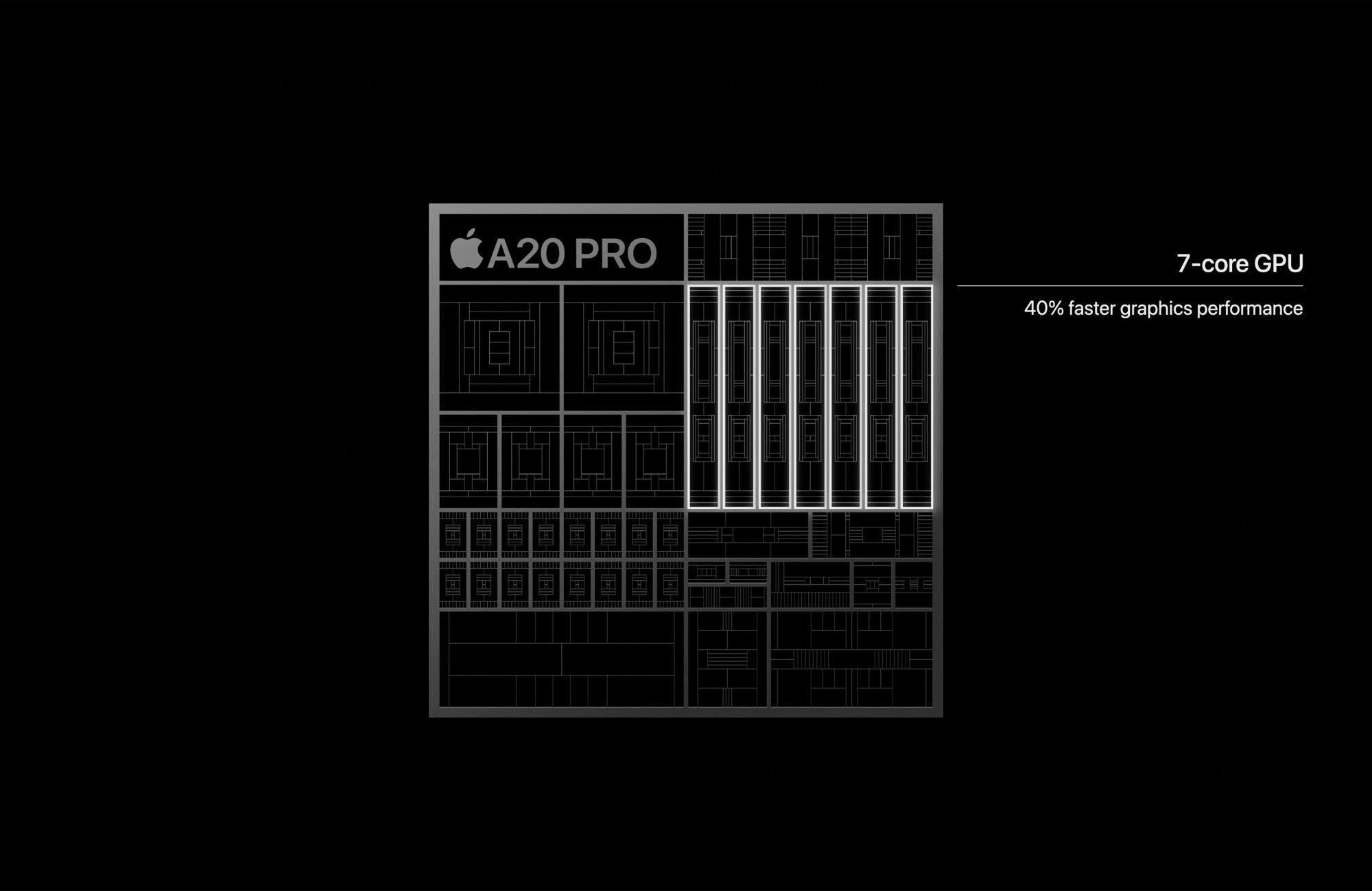
At the heart of the iPhone 18 Pro is the Apple A20 Pro, Apple’s first 2-nm ARM processor. The chip features two new "Super" cores and four efficiency cores, which are expected to deliver a 20 percent increase in CPU performance. The graphics chip is equipped with seven cores and is 40 percent faster than the Apple A19 Pro. It also features an NPU that’s twice as fast for AI applications, 50 percent higher memory bandwidth, and improved passive cooling thanks to a more effective vapor chamber.
Thanks to a more efficient chip and new batteries, the iPhone 18 Pro is expected to achieve the same battery life as the iPhone 17 Pro despite its slightly smaller case – Apple advertises 36 hours of video playback and 24 hours of mixed use for the smaller model, and 45 hours and 30 hours, respectively, for the Pro Max. Charging from 0 to 50 percent is said to take only 15 minutes.
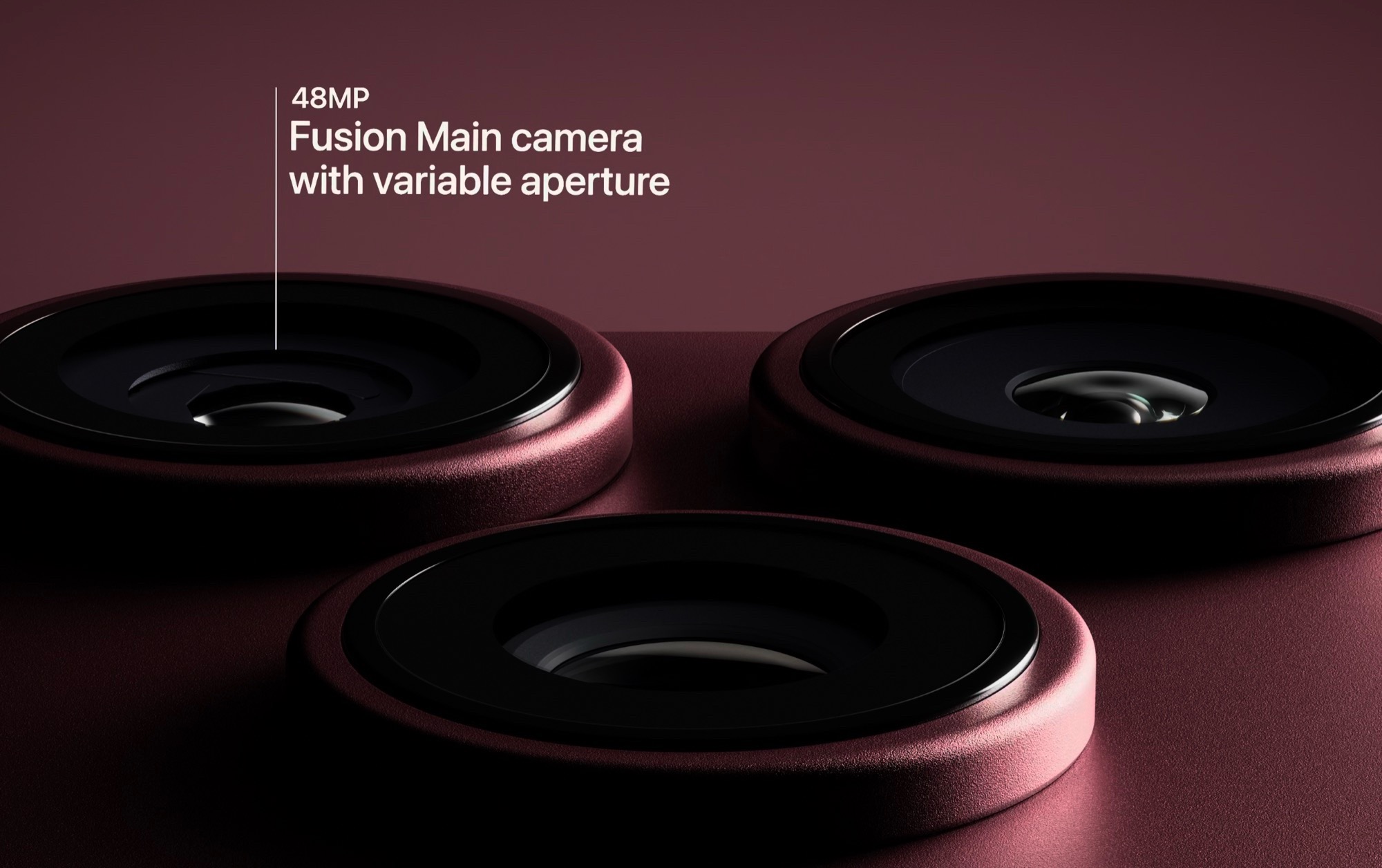
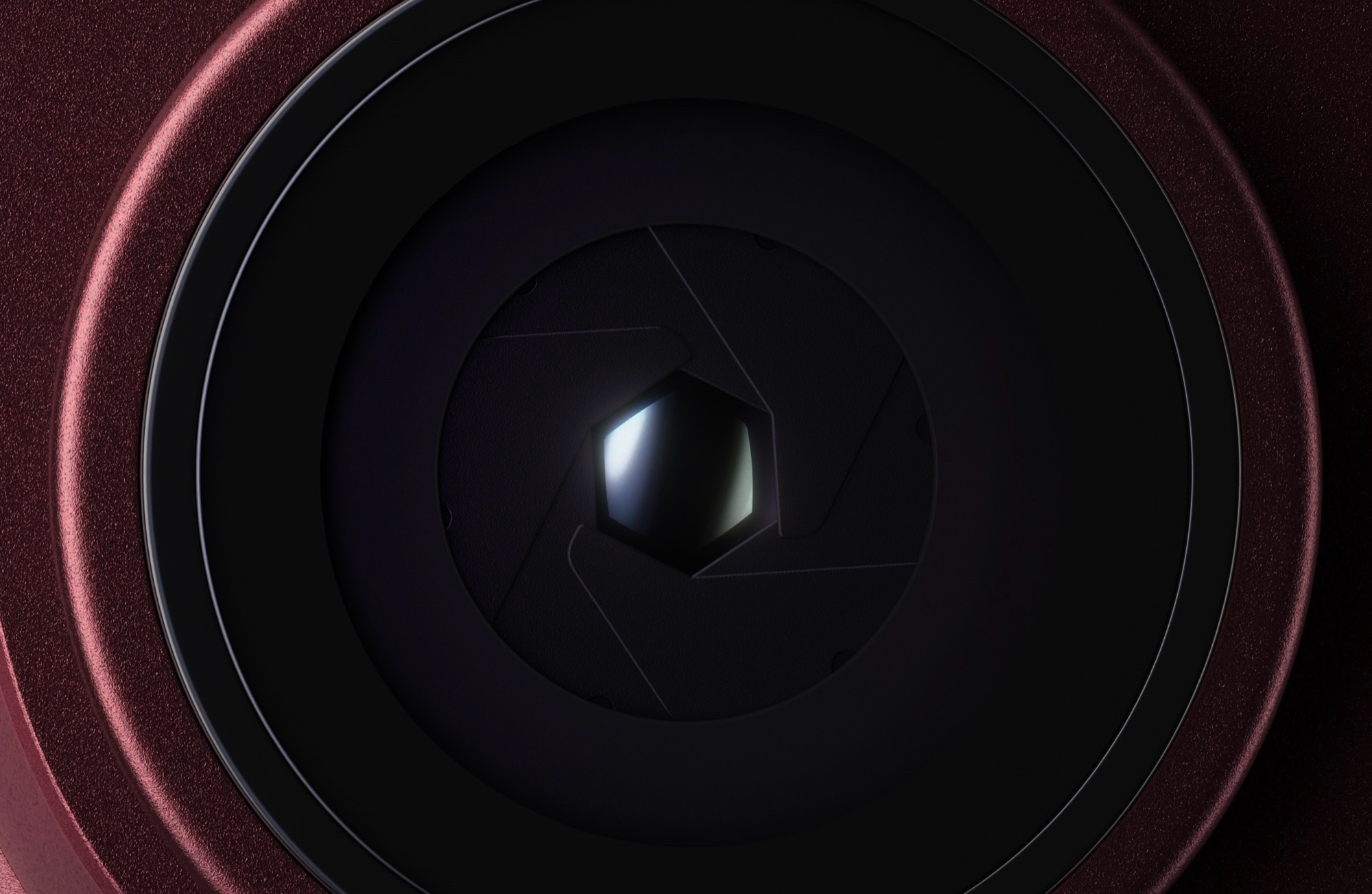
For the first time in the history of the iPhone, the Apple iPhone 18 Pro features a 48-megapixel main camera with a variable aperture. This aperture consists of six plastic blades and a small motor. The maximum aperture increases from f/1.8 to f/1.48, making the lens about 50 percent faster, which should enable significantly better photos and videos in low-light conditions.
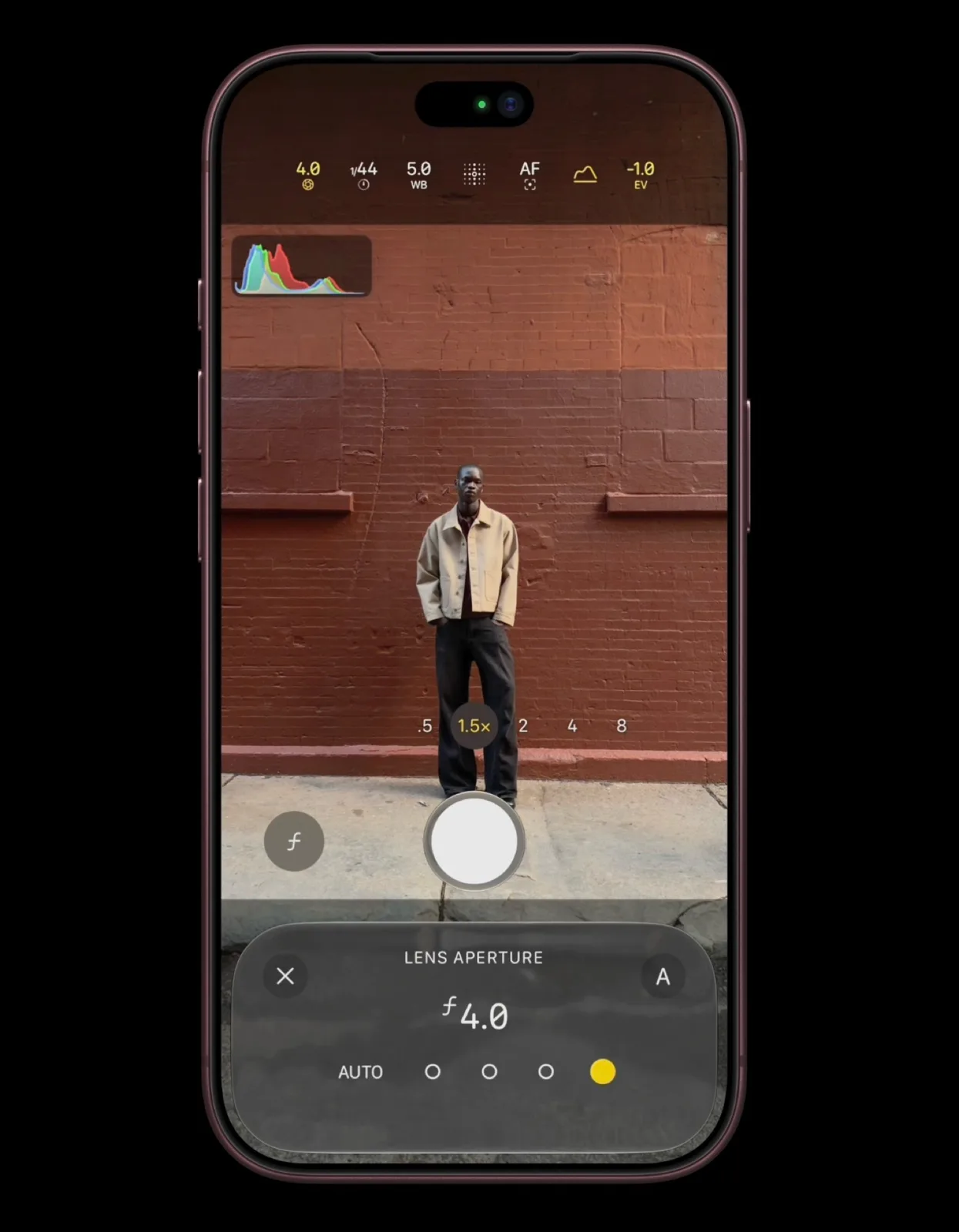
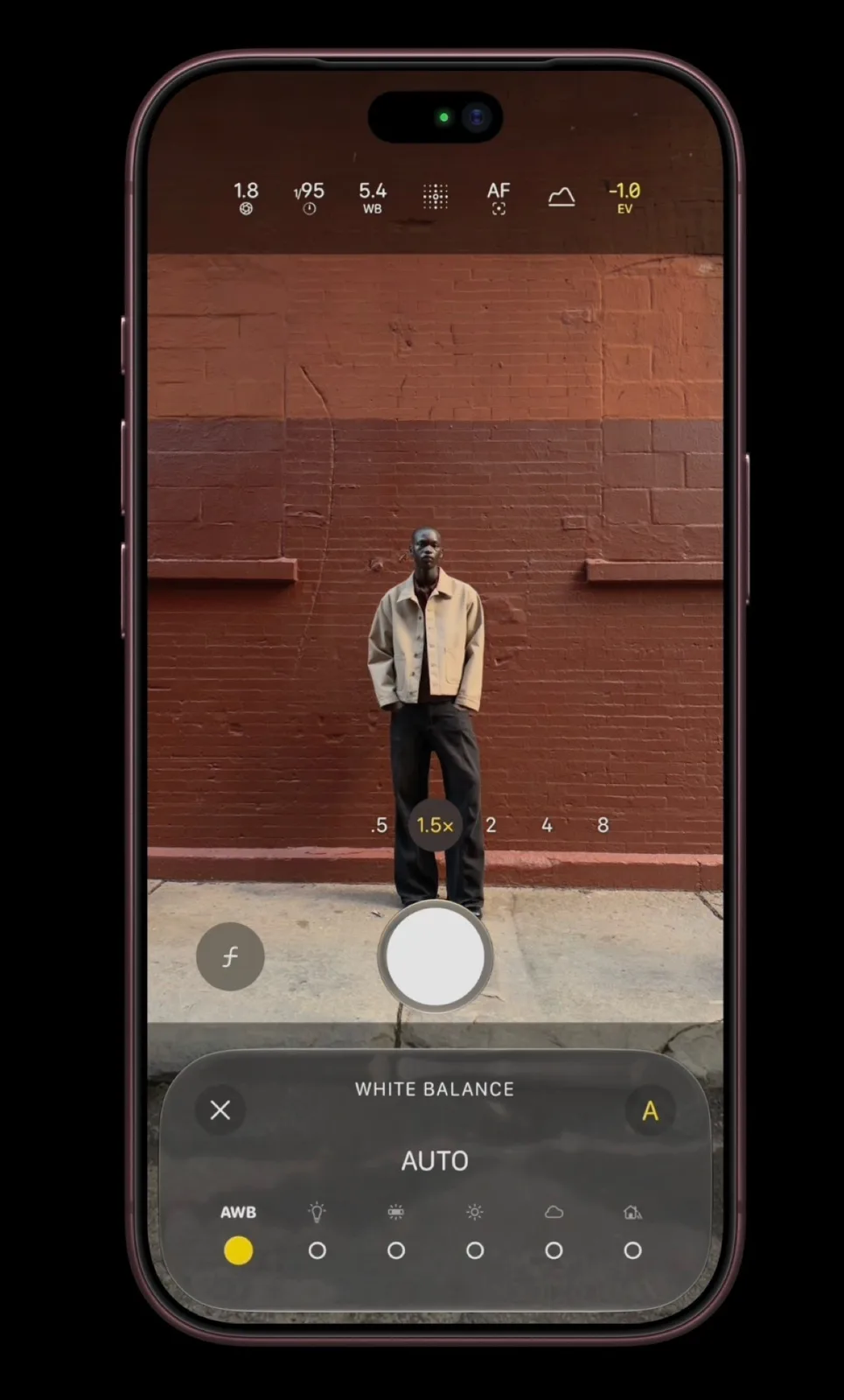
The Camera app will include a Pro mode that allows users to manually adjust the aperture and shutter speed, among other settings. A feature called "Apple Reference Image" is designed to let users view an unedited original version of a photo at any time, making it easier to verify that a photo was not generated or edited using AI.


Prices and availability
The Apple iPhone 18 Pro with 256 GB of storage costs $1,199 in the U.S., while the iPhone 18 Pro Max is priced starting at $1,299. This represents a $100 increase in price for each model. Shipping begins on September 18, and pre-orders open this Saturday.
Source(s)
Apple
 Add as a preferred source on Google


