




Probably the worst camera setup of 2026 in a mid‑range smartphone comes from Germany
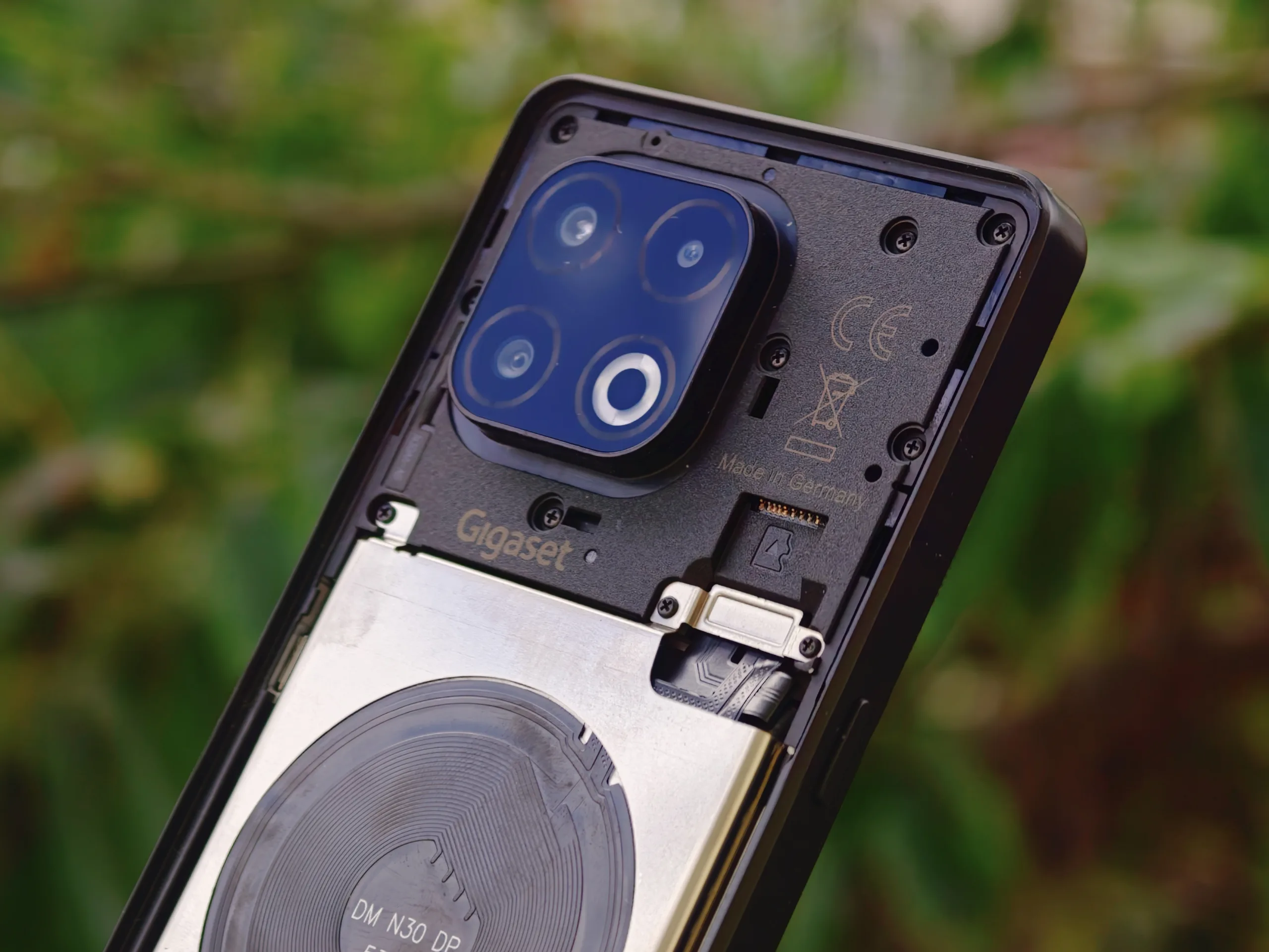
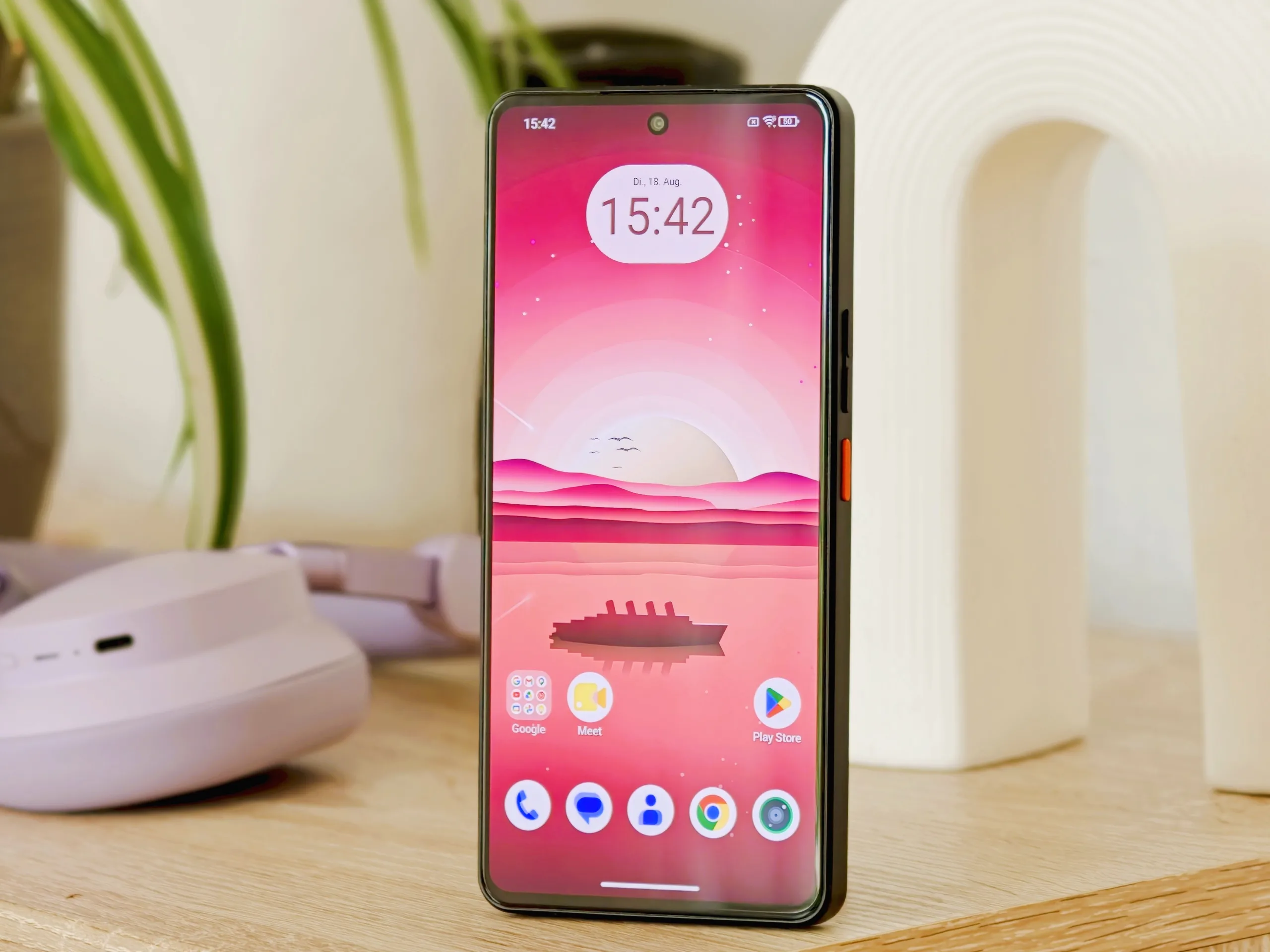
Thanks to a removable glass back panel, an IP68 rating, and a replaceable battery, the Gigaset GS6 Pro offers an exciting set of basic features and emerged as an interesting alternative to the Fairphone 6 (starting at $790 on amazon.com). However, this mid-range phone disappoints in our review when it comes to the cameras.
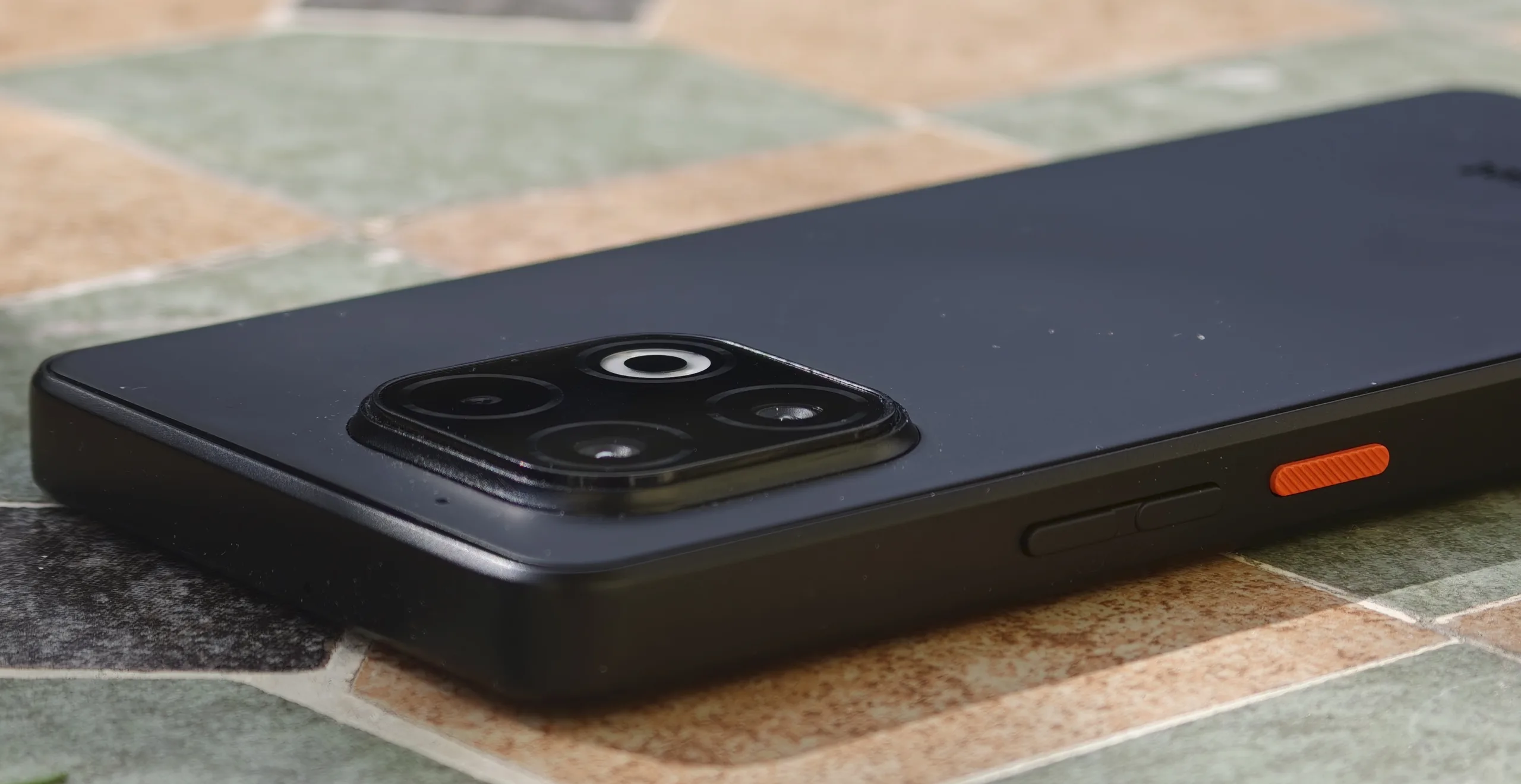
Since even the latest very affordable smartphones still “optimize” their camera setups for the spec sheet, we will not dwell on the ultra-wide-angle and macro lens of the Gigaset GS6 Pro, which are of limited use and have very low resolutions. Even after factoring in the production location, however, these lenses are disappointing; in the $400 price range, significantly better supplementary lenses are available.
Our biggest criticism of the Gigaset GS6 Pro concerns the main camera’s image sensor. The spec sheet does not reveal which sensor the German manufacturer uses, nor has this information been officially disclosed - likely for good reason.
Compared with the Galaxy A57 or Xiaomi 17T, the Gigaset phone’s photo quality is poor
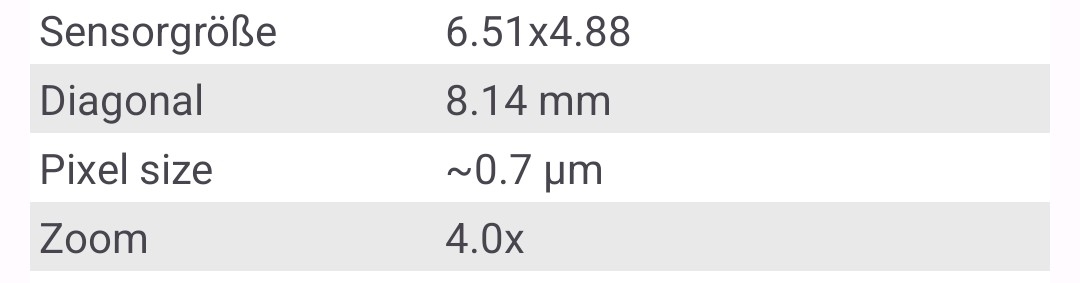
Android apps such as “Device Info HW” can retrieve technical data about the hardware. Although the exact camera sensors are not named, their sizes are specified. A sensor with 64 megapixels, a 1/1.97-inch optical format, and a native pixel size of 0.7 µm almost certainly points to the ISOCELL GW3.
This Samsung sensor was released back in 2020 and delivers image quality that is no longer competitive with today’s mid‑range standards. Additionally, the Gigaset lacks optical image stabilization for the main cam.
While snapshots taken during the day still look decent thanks to pixel binning, image quality plummets as soon as the light gets a little dimmer. The result is extremely noisy images in low-light conditions.


In addition to heavy image noise, the Gigaset GS6 Pro also produces an unattractive, grainy haze in photos. To suppress the noise, the software heavily processes the images, causing fine details and textures to be lost, even in shadows during daylight. The sensor also tends to overexpose bright areas. The slow signal processing is noticeable, and there’s a delay before capturing photos as well.
The apparent decision to rely on a camera sensor from 2020 in 2026 is hard to fathom, even given the GS6 Pro’s concept. To put this in perspective, the Galaxy A52 already used this image sensor.


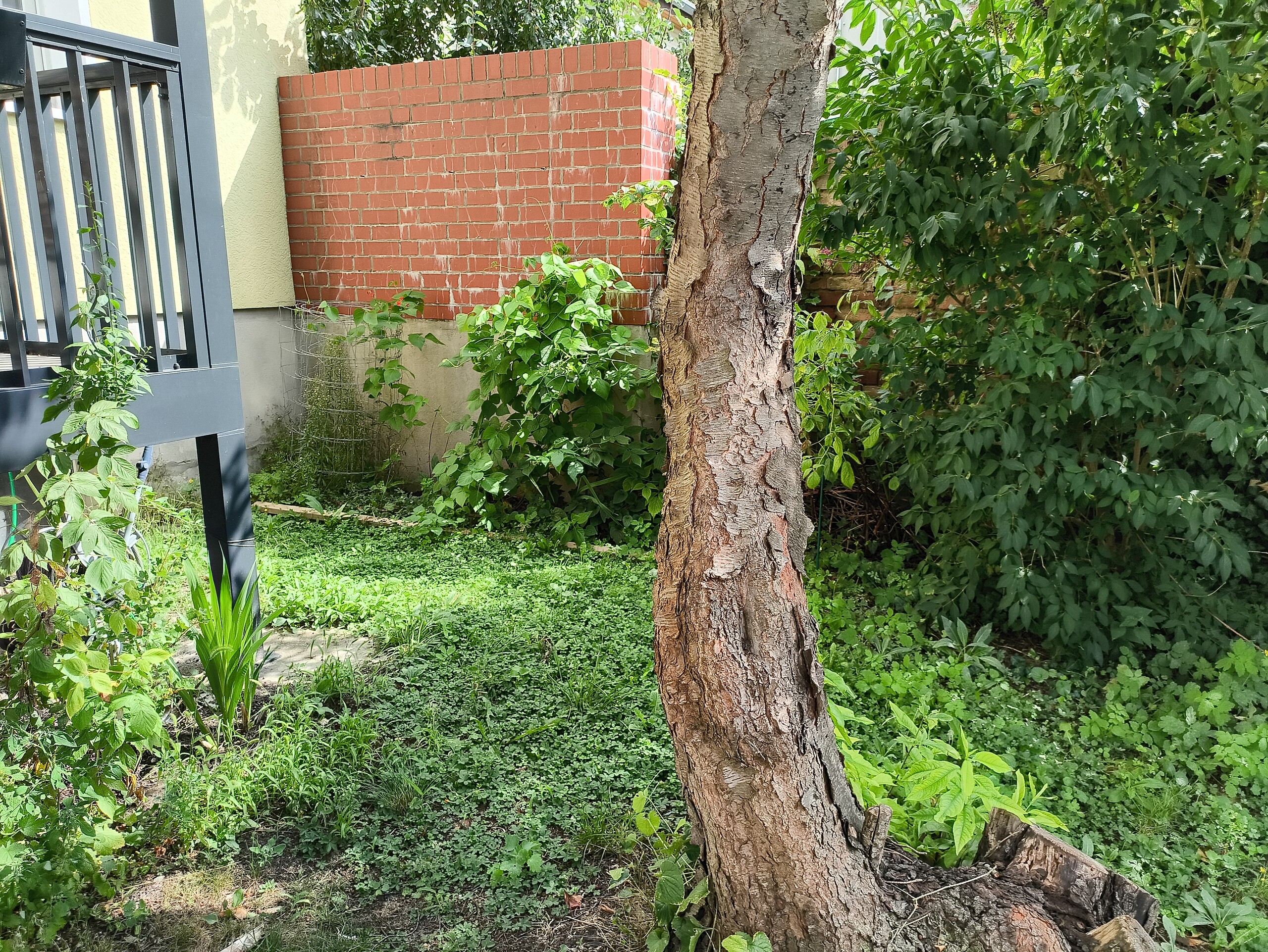
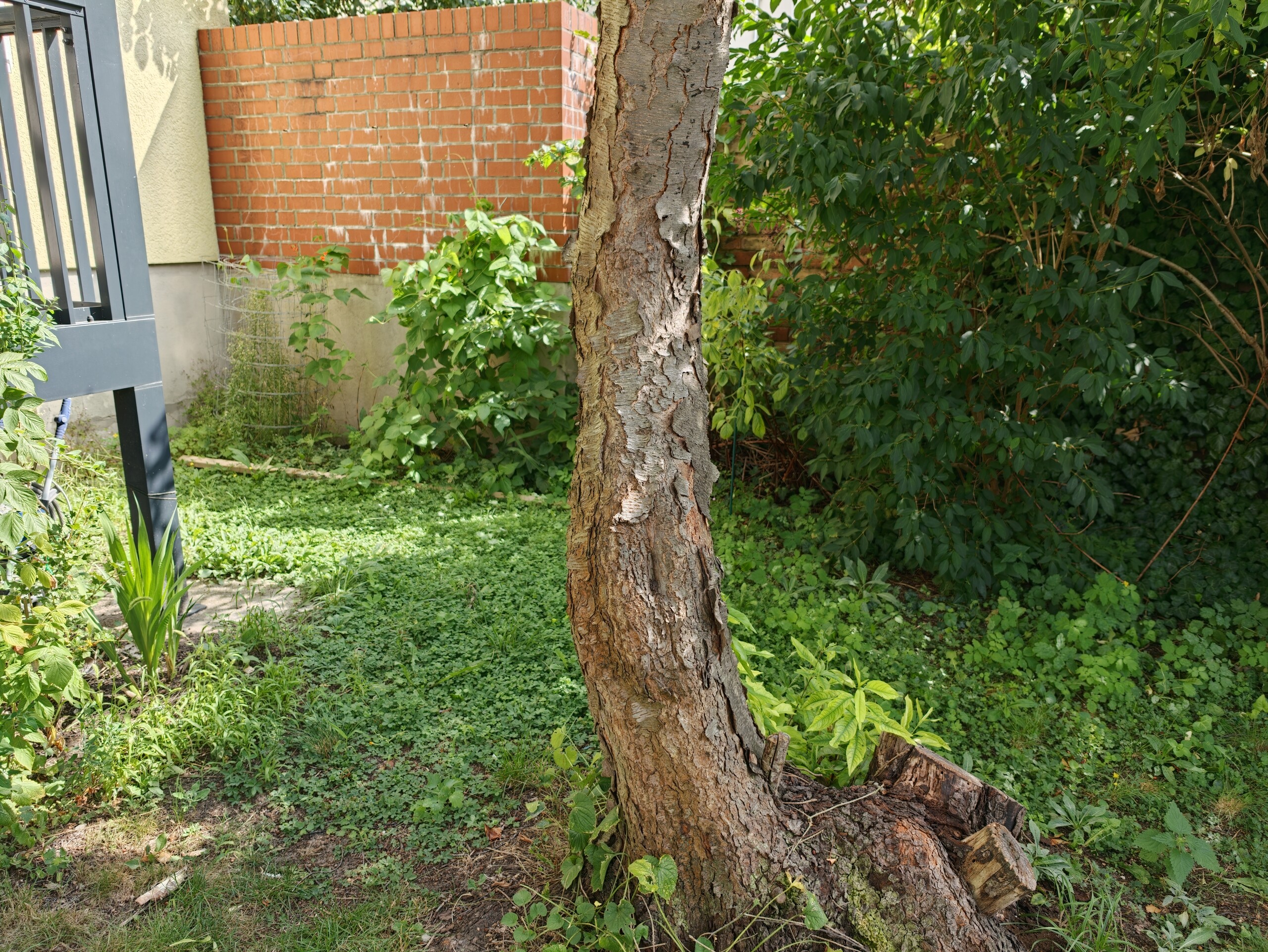
To find out whether this mid‑range smartphone manufactured in Germany still earns a recommendation beyond its weak cameras, thanks to its long update cycle and excellent repairability, read our review of the MediaTek Dimensity 7300 phone.
Source(s)
Review of the Gigaset GS6 Pro
 Add as a preferred source on Google


