




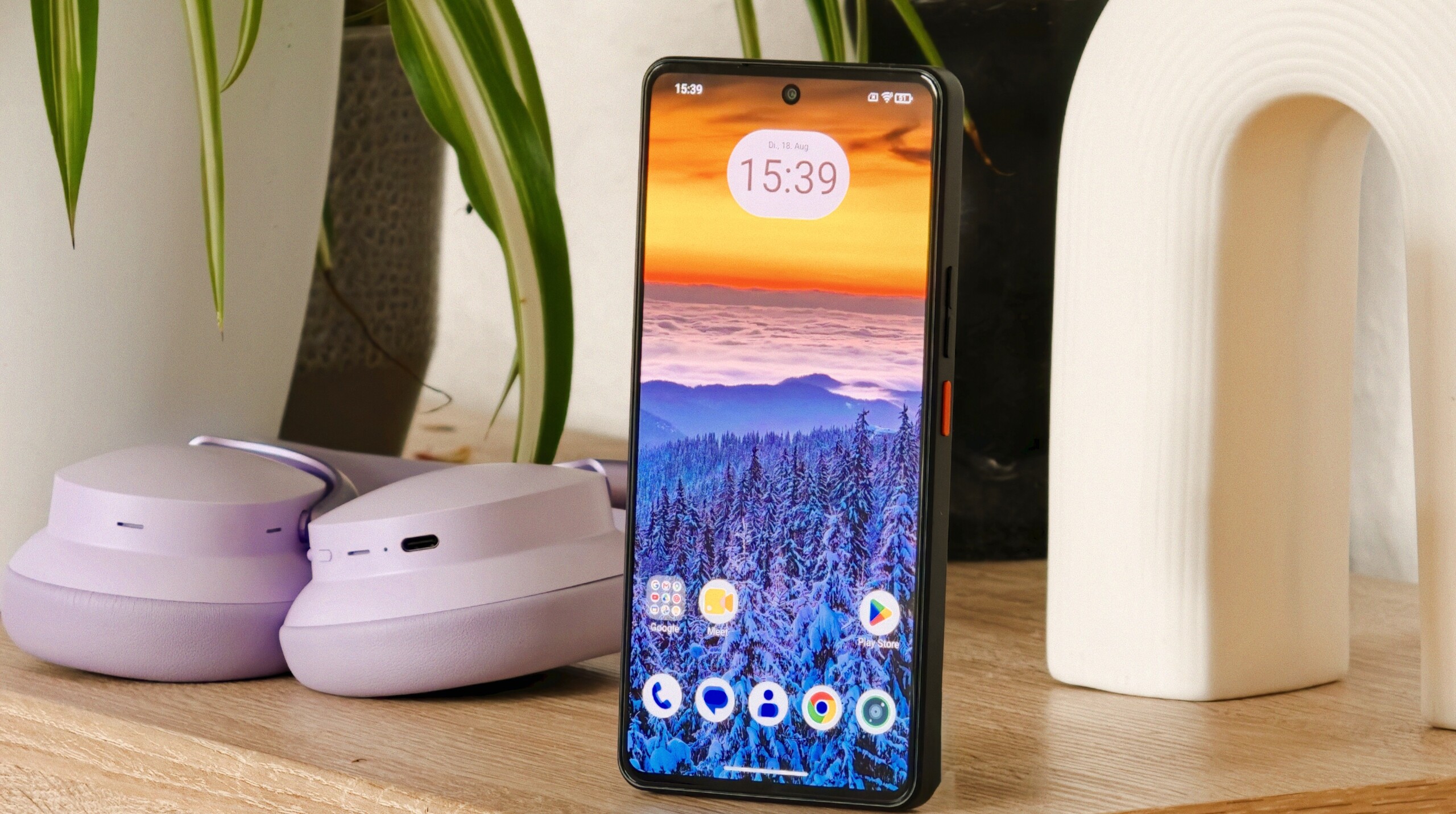
Verdict on the Gigaset GS6 Pro
For those who place a high priority on maximizing value creation in Europe when buying a smartphone, Gigaset’s flagship is an interesting alternative to the Fairphone 6. The option to use the GS6 Pro with the Google-free AphyOS could also be a genuine reason to buy for some users. Otherwise, Gigaset promises seven years of Android updates. However, the long-term security patches are accompanied by only two major Android upgrades, taking the phone up to Android 17. The outdated software version during our testing—Android 15 with security patches from May 2026—also does not quite fit the GS6 Pro’s concept.
However, the regional focus of Gigaset’s flagship has its limits when it comes to the individual system components. As with the Fairphone, the hardware used in the Gigaset phone does not come exclusively from Germany or Europe.
The GS6 Pro’s German development and production come with a number of compromises compared with mid-range models from Xiaomi or Samsung. Its cameras, for example, are not competitive, and the chipset is anything but fast, resulting in recurring stutters in everyday use. The vibration motor also feels rather low-quality in daily use.
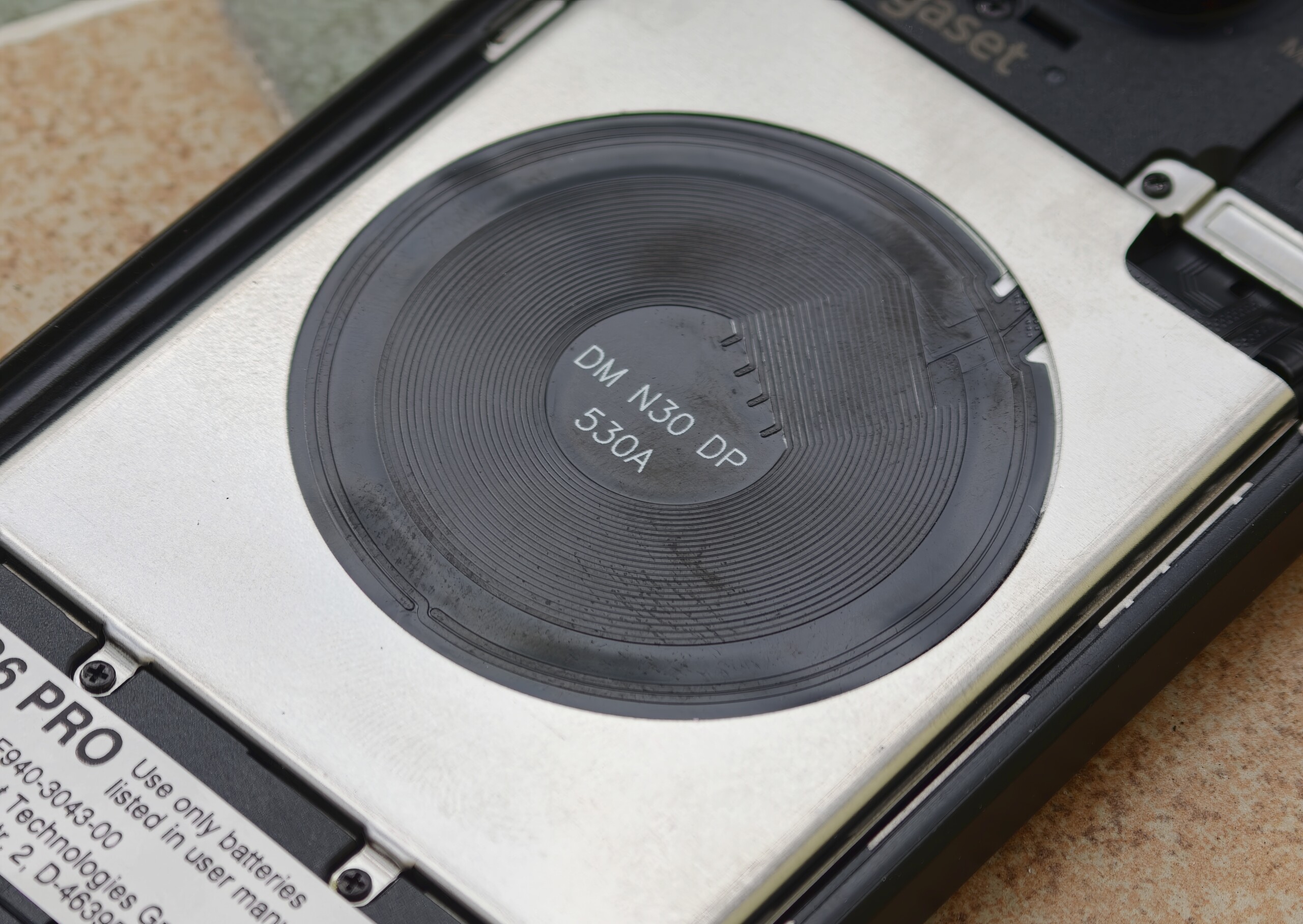
However, the combination of a replaceable battery, wireless charging, and a waterproof chassis is a genuine unique selling point in the mid-range segment.
Pros
Cons
Price and availability
The Gigaset GS6 Pro is available starting at around €380, including from Amazon Germany or directly from the manufacturer.
Table of Contents
- Verdict on the Gigaset GS6 Pro
- Specifications of the Gigaset GS6 Pro
- Case and features - Waterproof Android phone with microSD support
- Communication and usability - Android phone with 5G, but without Wi-Fi 7
- Cameras - Affordable mid-range smartphone with a 64-megapixel camera, but without OIS
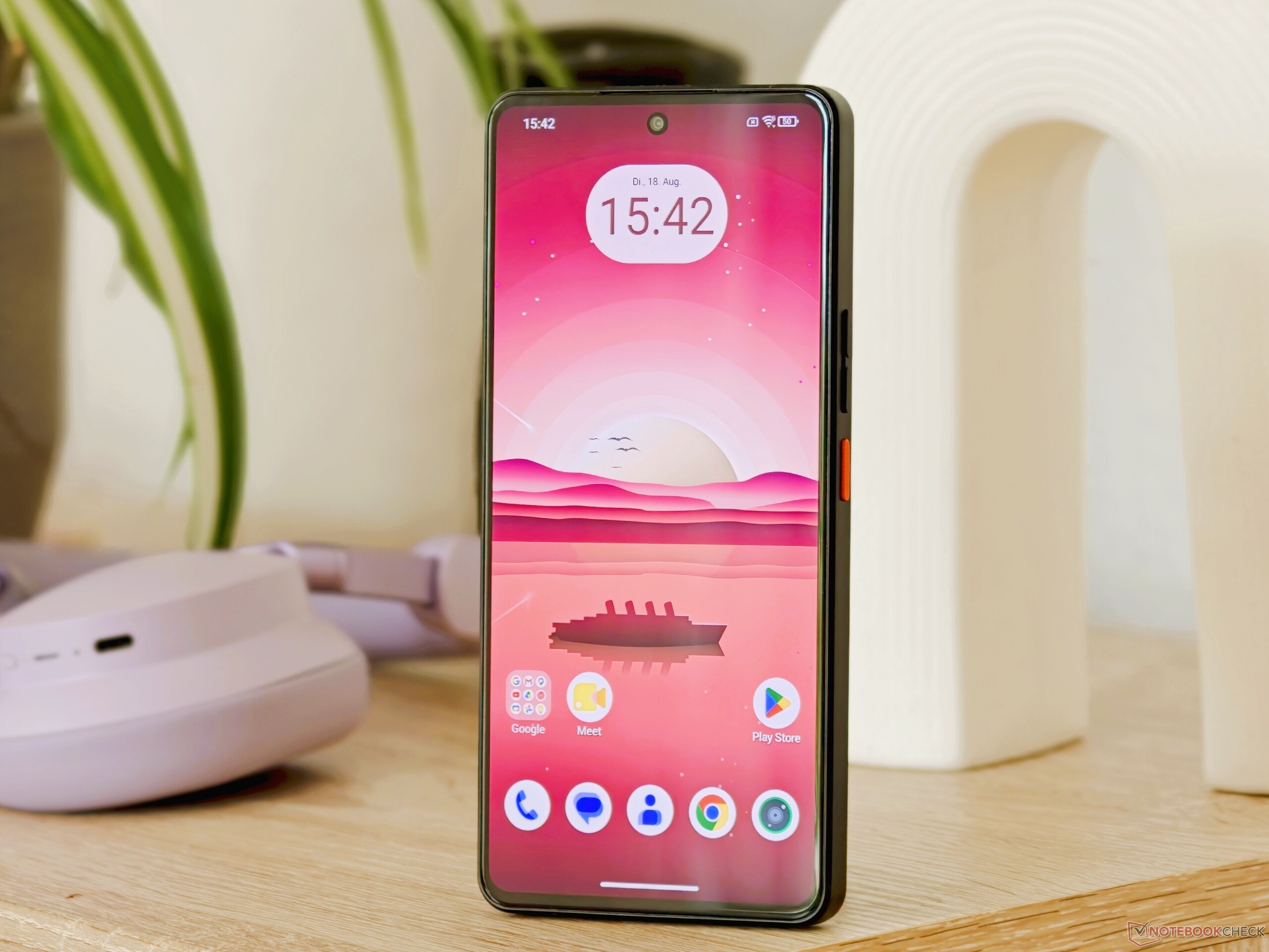
- Display - Large 120 Hz OLED screen without DC dimming
- Performance, emissions, and battery life - An Android phone with a weak chipset but a replaceable battery
- Notebookcheck Overall Rating
- Comparison of Possible Alternatives
Specifications of the Gigaset GS6 Pro
Case and features - Waterproof Android phone with microSD support
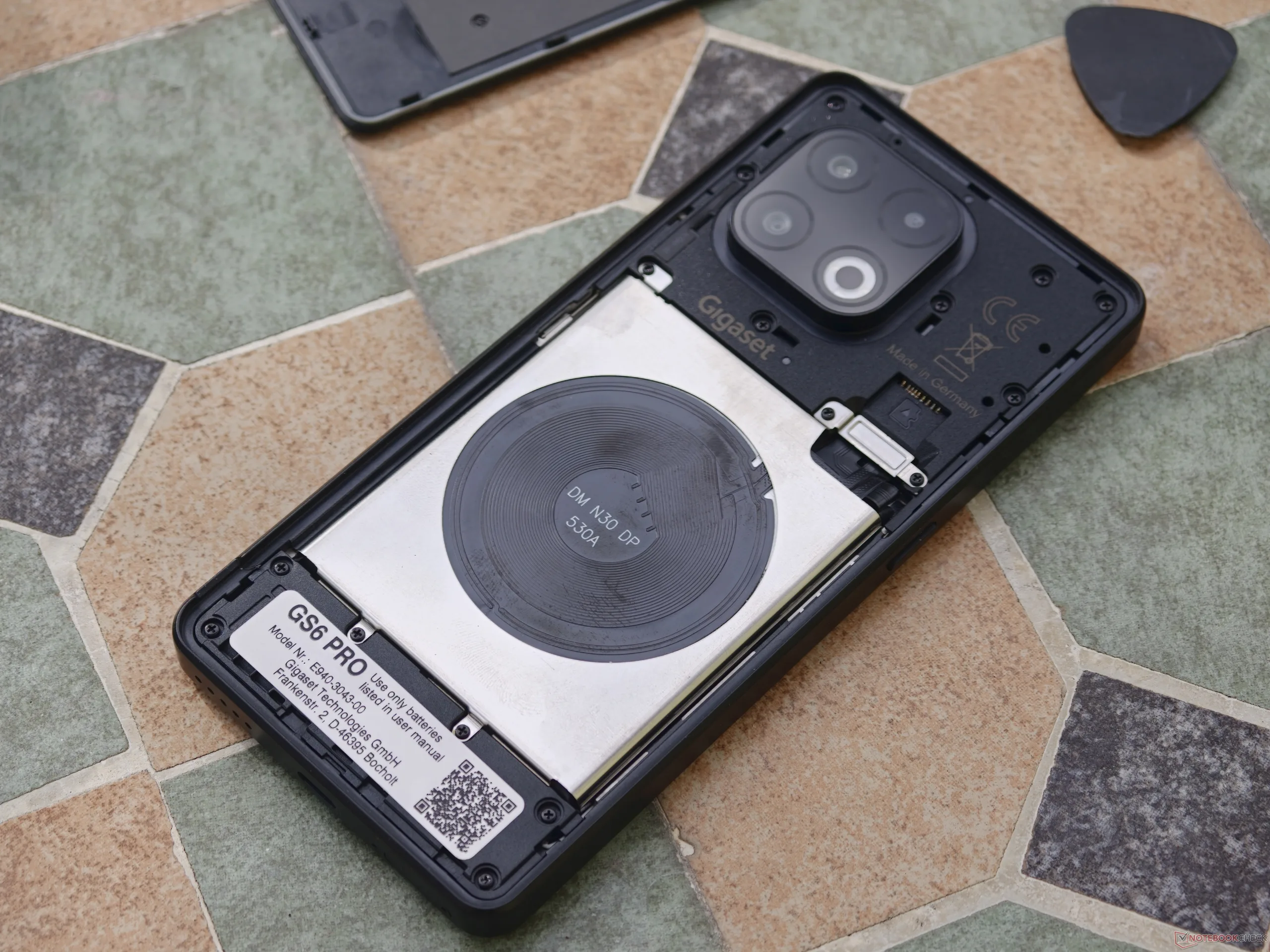
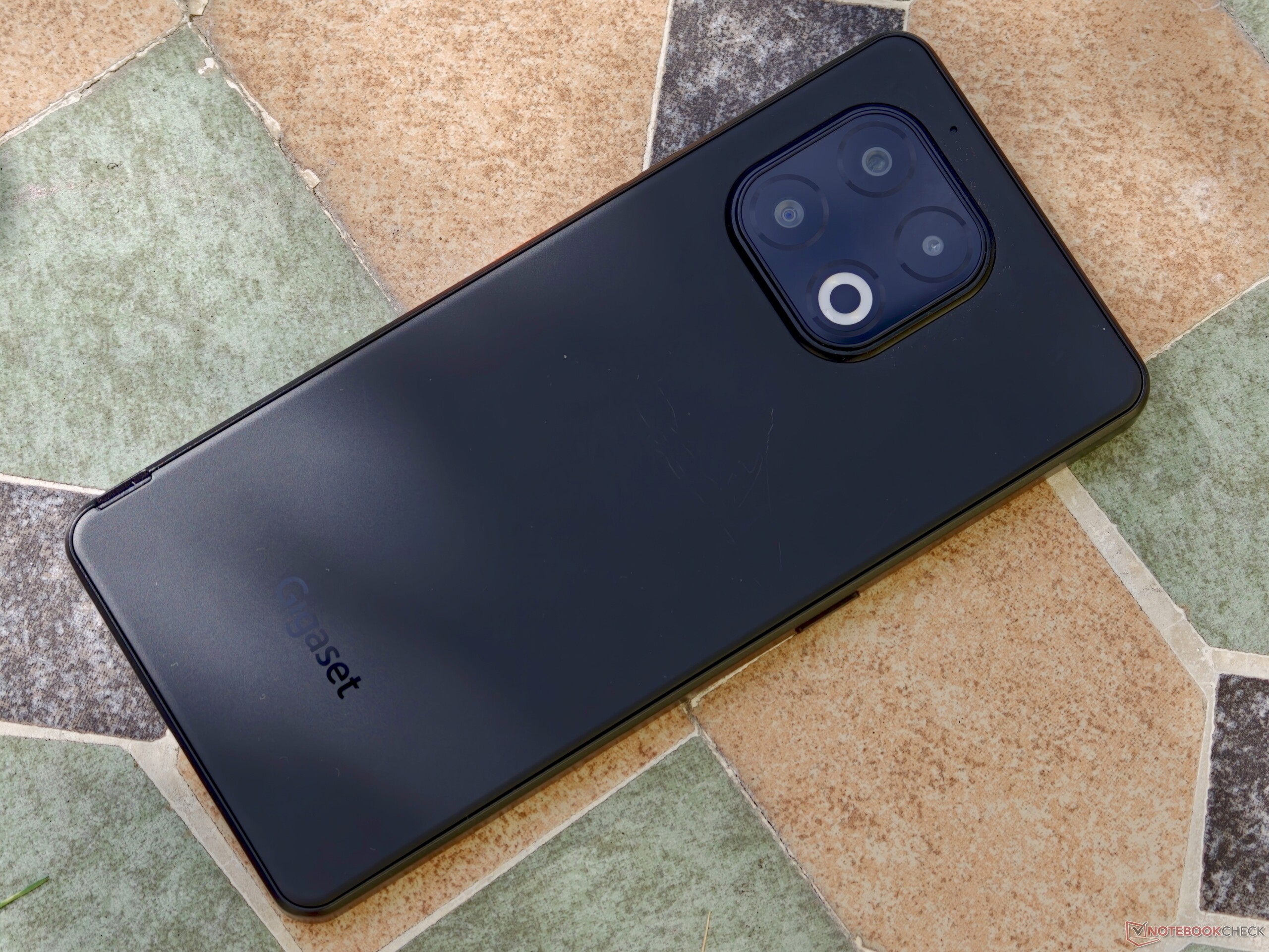
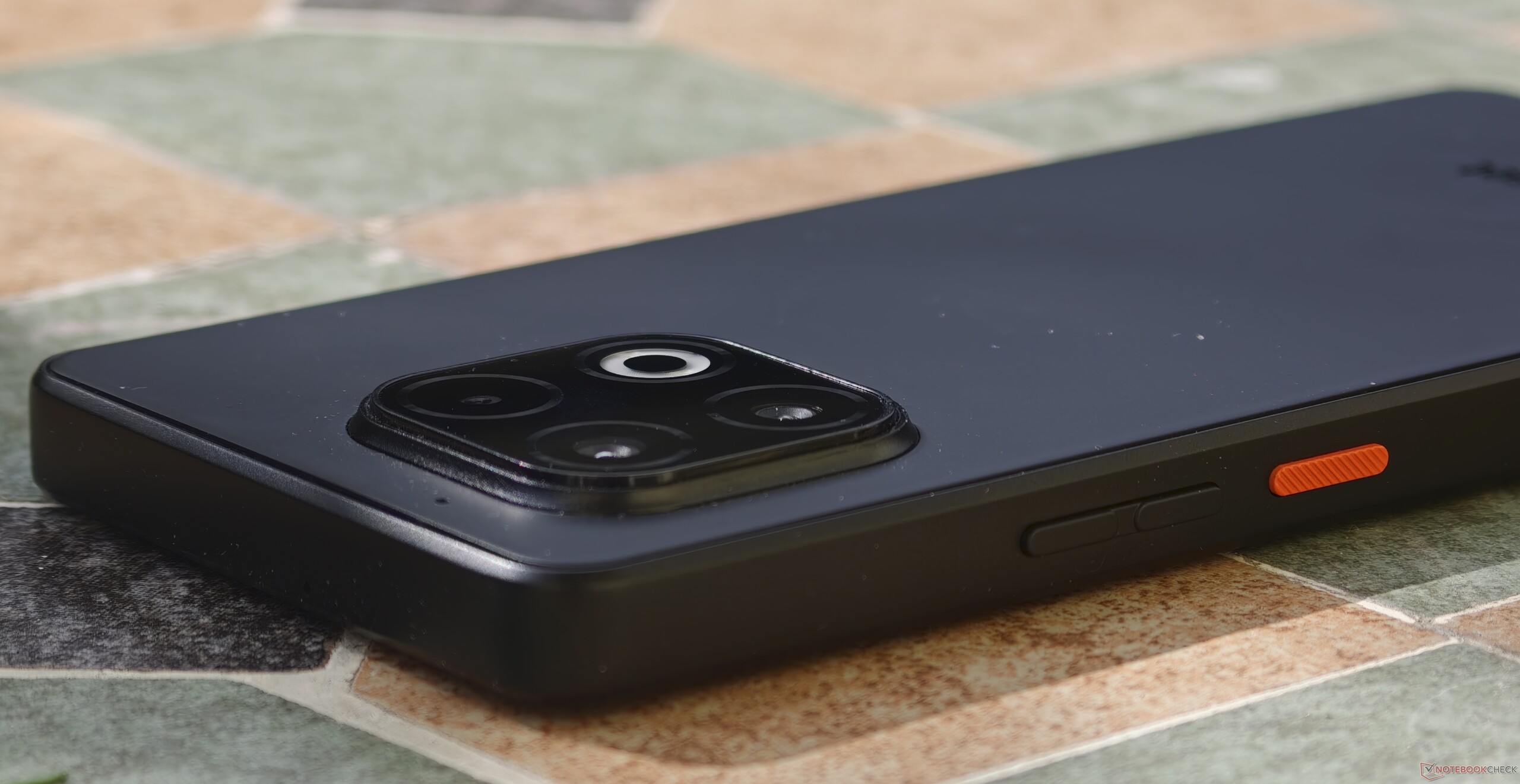
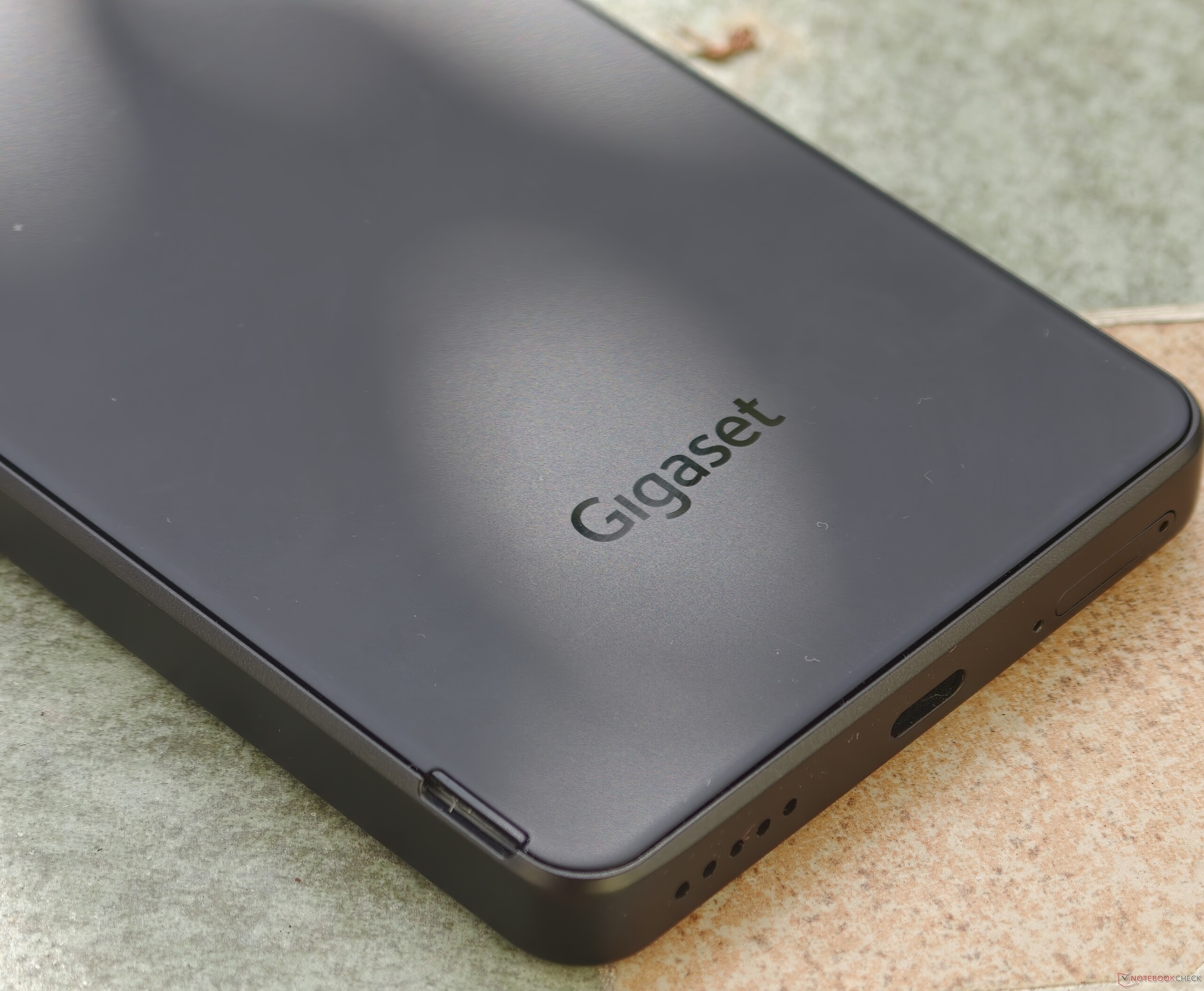
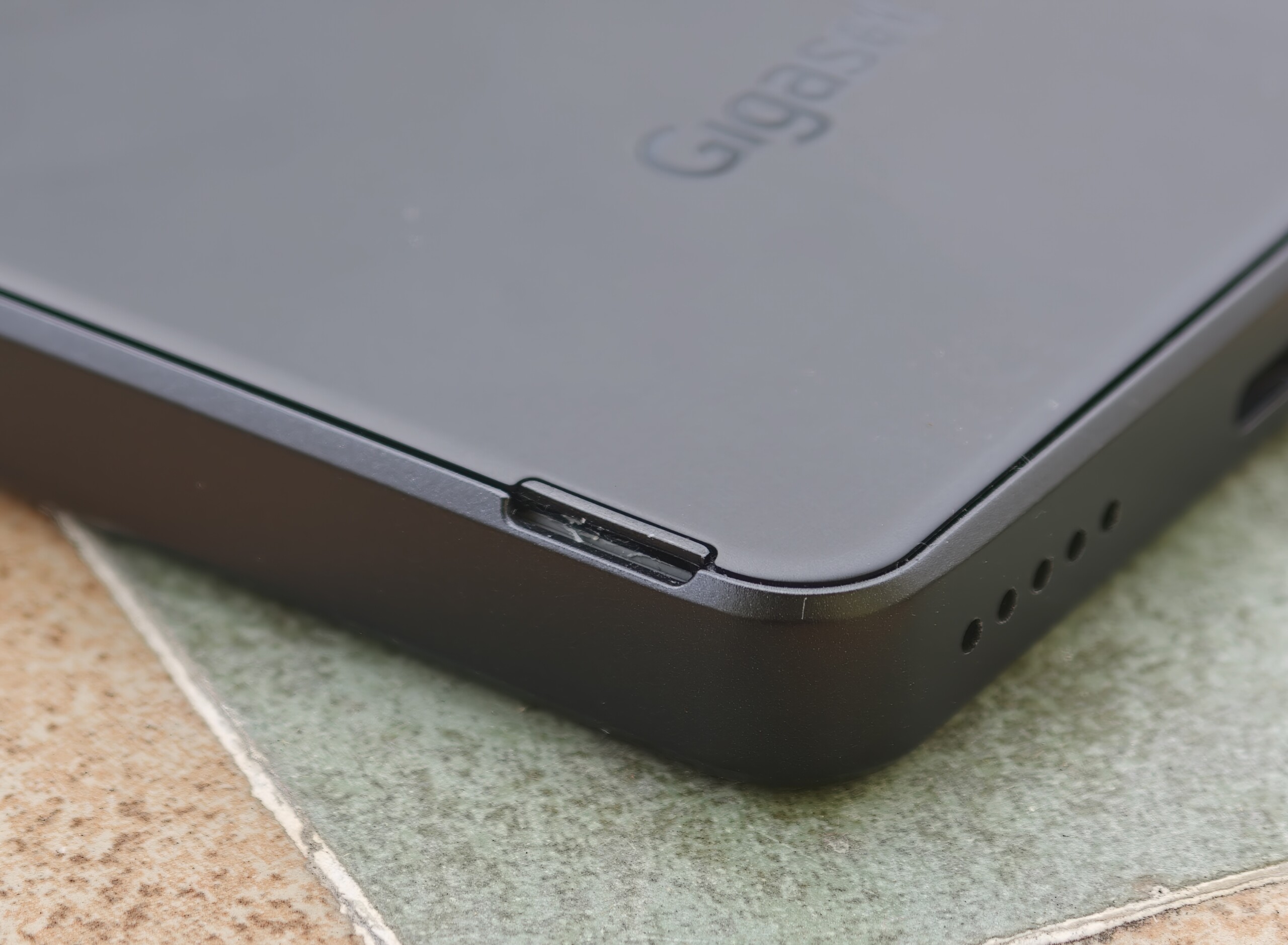
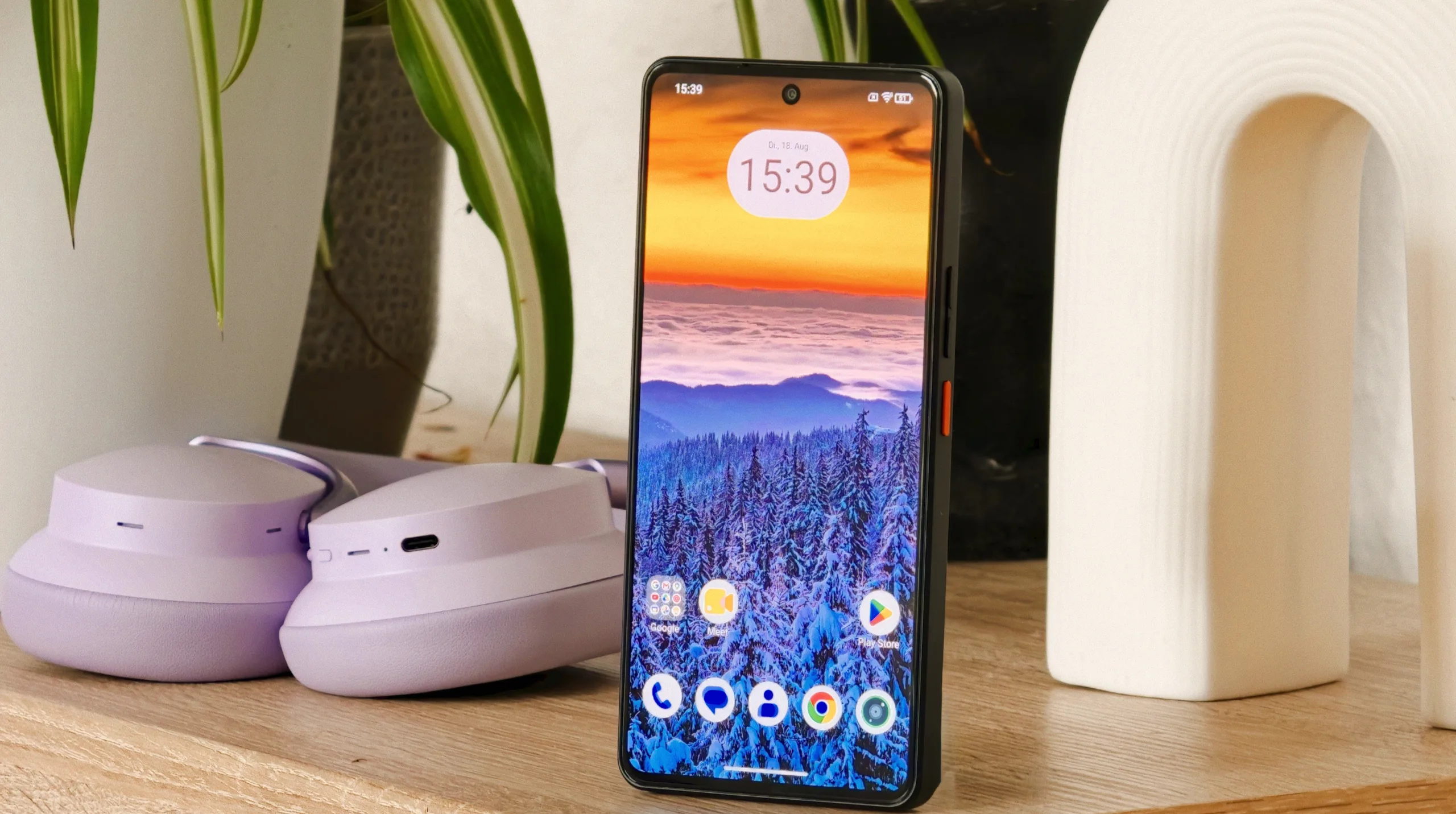
Gigaset’s mid-range phone offers IP68-rated dust and water resistance and a very good Class A repairability rating in the EPREL database. The GS6 Pro’s replaceable battery contributes positively to this rating. Despite being removable, the back cover is made of glass and feels quite high-quality. The frame, however, is made of plastic.
The build quality is good, but the screen-to-body ratio could be better. At around 86%, it does not quite reach top-tier levels. At nearly 230 g, the GS6 Pro is also noticeably heavier than the competition, while its thickness of more than 1 cm is another drawback in everyday use.
The GS6 Pro features a dedicated action button that can be assigned various functions, as well as microSD support. This allows the UFS 2.2 storage to be expanded relatively inexpensively by up to 1 TB. Less impressive is the slow USB 2.0 port.
| SD Card Reader - average JPG Copy Test (av. of 3 runs) | |
| Average of class Smartphone (5.72 - 58.9, n=56, last 2 years) | |
| Gigaset GS6 Pro (Angelbird AV Pro V60) | |
| Fairphone 6 (Angelbird AV Pro V60) | |
Communication and usability - Android phone with 5G, but without Wi-Fi 7
The Wi-Fi module supports Wi-Fi 6E, including the 6 GHz band, although the results in our measurements were relatively low. For mobile data, the Gigaset smartphone supports up to 5G. However, the number of supported frequency bands is limited, particularly for LTE. Dual-SIM operation and eSIM support are available, though.
The optical fingerprint sensor works well, but unlocking the screen takes quite a while. The ERM vibration motor is also unconvincing and feels somewhat cheap.
| Networking | |
| Gigaset GS6 Pro | |
| iperf3 transmit Wi-Fi6/7 RT-BE96U | |
| iperf3 receive Wi-Fi6/7 RT-BE96U | |
| Samsung Galaxy A57 | |
| iperf3 transmit AXE11000 6GHz | |
| iperf3 receive AXE11000 6GHz | |
| Xiaomi Poco X8 Pro | |
| iperf3 transmit AXE11000 | |
| iperf3 receive AXE11000 | |
| Fairphone 6 | |
| iperf3 transmit AXE11000 6GHz | |
| iperf3 receive AXE11000 6GHz | |
| Average Wi-Fi 6E | |
| iperf3 transmit AXE11000 | |
| iperf3 receive AXE11000 | |
| iperf3 transmit AXE11000 6GHz | |
| iperf3 receive AXE11000 6GHz | |
| iperf3 transmit Wi-Fi6/7 RT-BE96U | |
| iperf3 receive Wi-Fi6/7 RT-BE96U | |
| Average of class Smartphone | |
| iperf3 transmit AXE11000 | |
| iperf3 receive AXE11000 | |
| iperf3 transmit AXE11000 6GHz | |
| iperf3 receive AXE11000 6GHz | |
| iperf3 transmit Wi-Fi6/7 RT-BE96U | |
| iperf3 receive Wi-Fi6/7 RT-BE96U | |
Cameras - Affordable mid-range smartphone with a 64-megapixel camera, but without OIS

The GS6 Pro is not particularly versatile when it comes to its camera setup. Both the ultra-wide-angle and macro cameras are only of limited use in everyday situations. Photos taken with the 64-MP main camera, which lacks optical image stabilization, are reasonably sharp in good lighting conditions. However, upon closer inspection, fine details are barely discernible and textures look extremely artificial.
Due to the presumably rather small image sensor, low-light photos are anything but good and are not competitive for a 2026 mid-range smartphone. What impresses us most is the color accuracy of the GS6 Pro’s main camera.


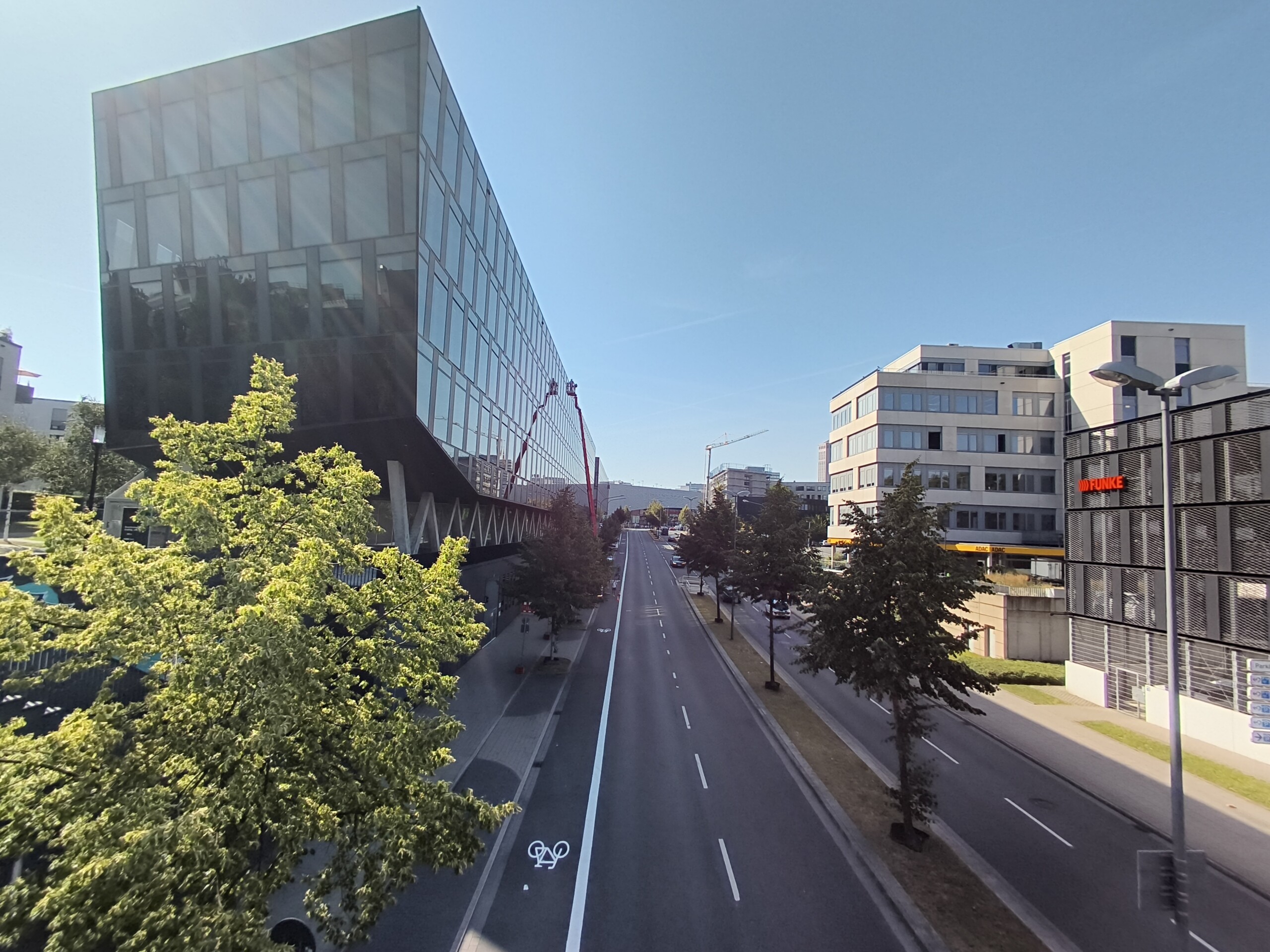



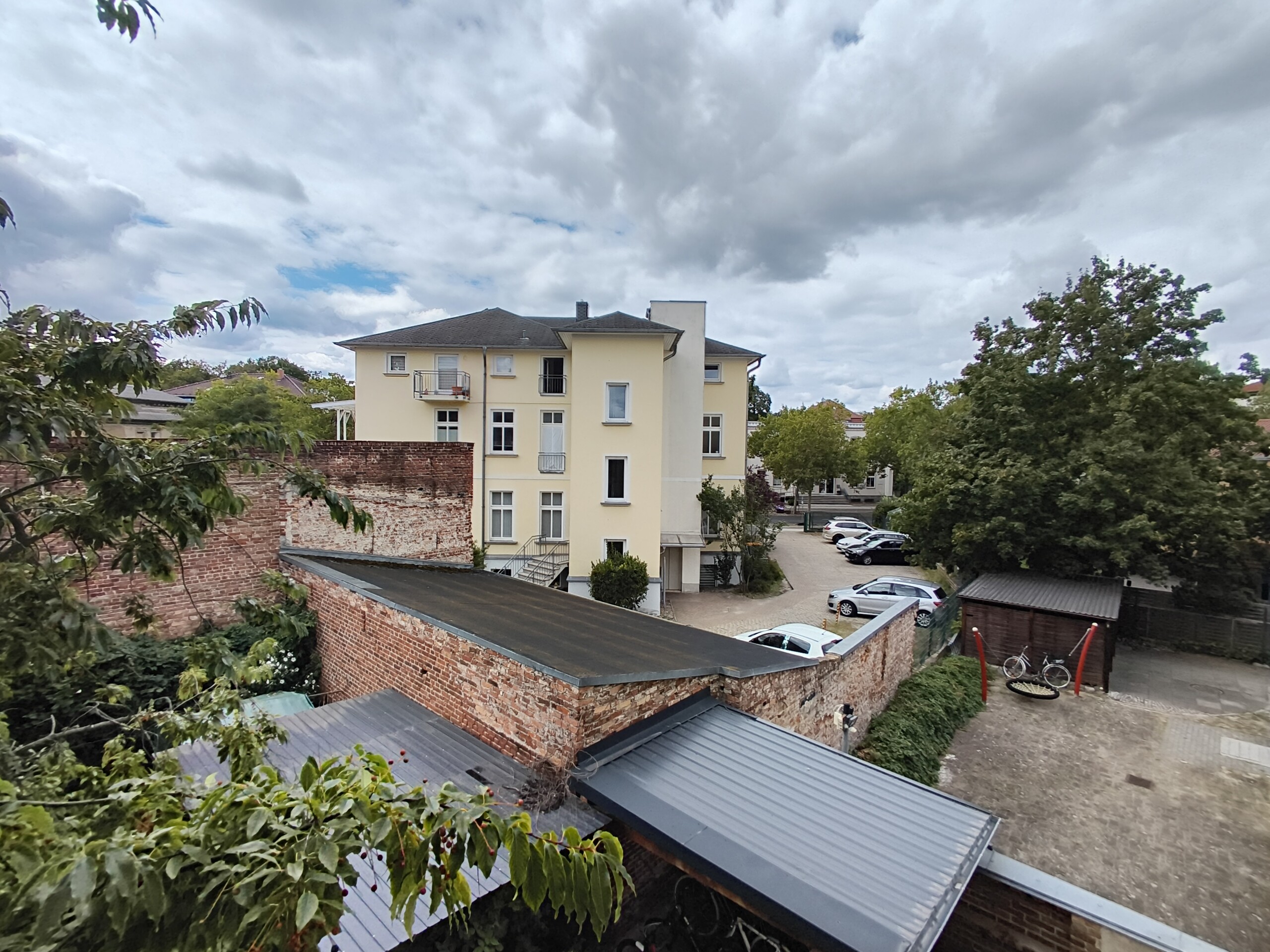
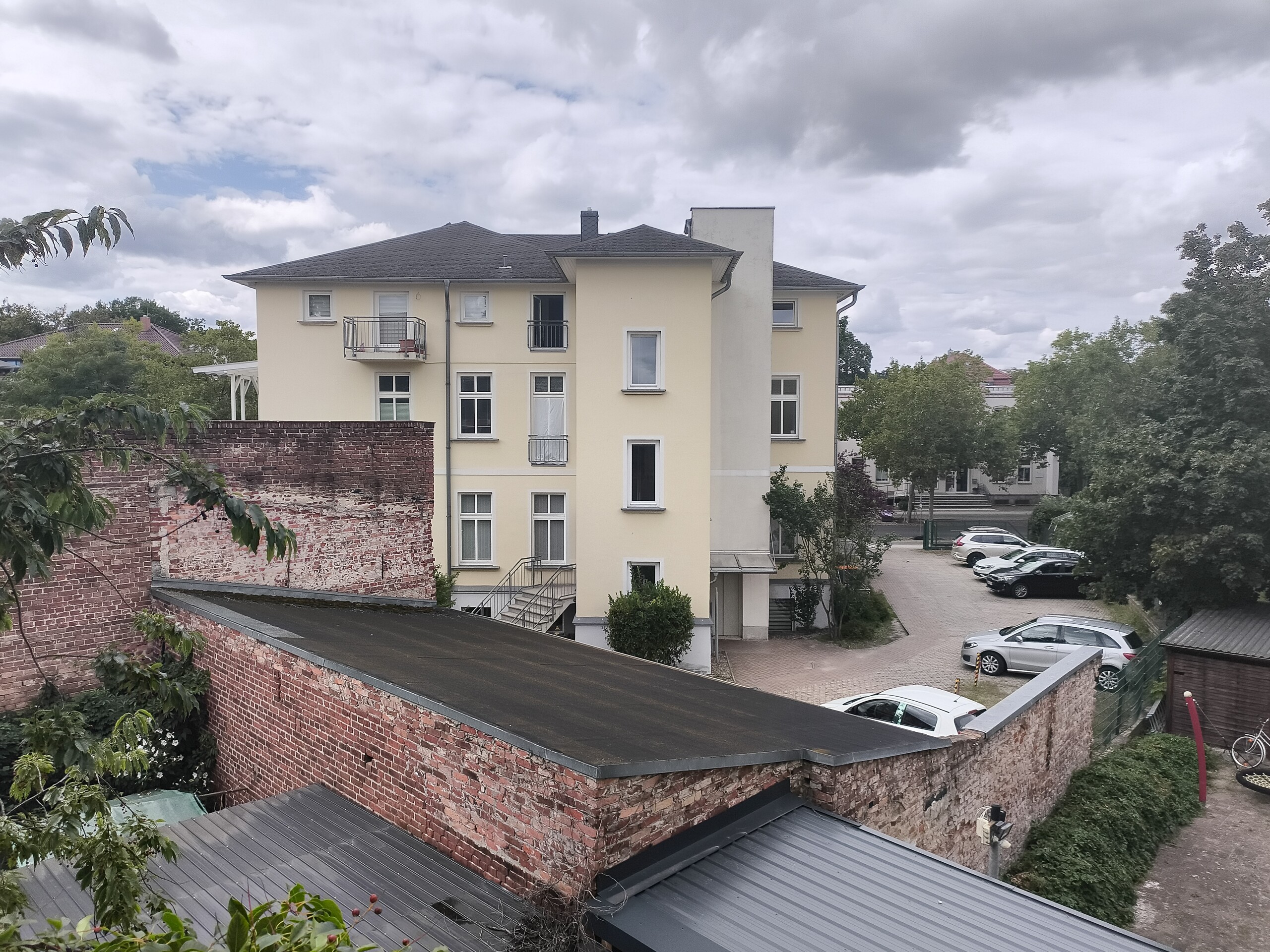
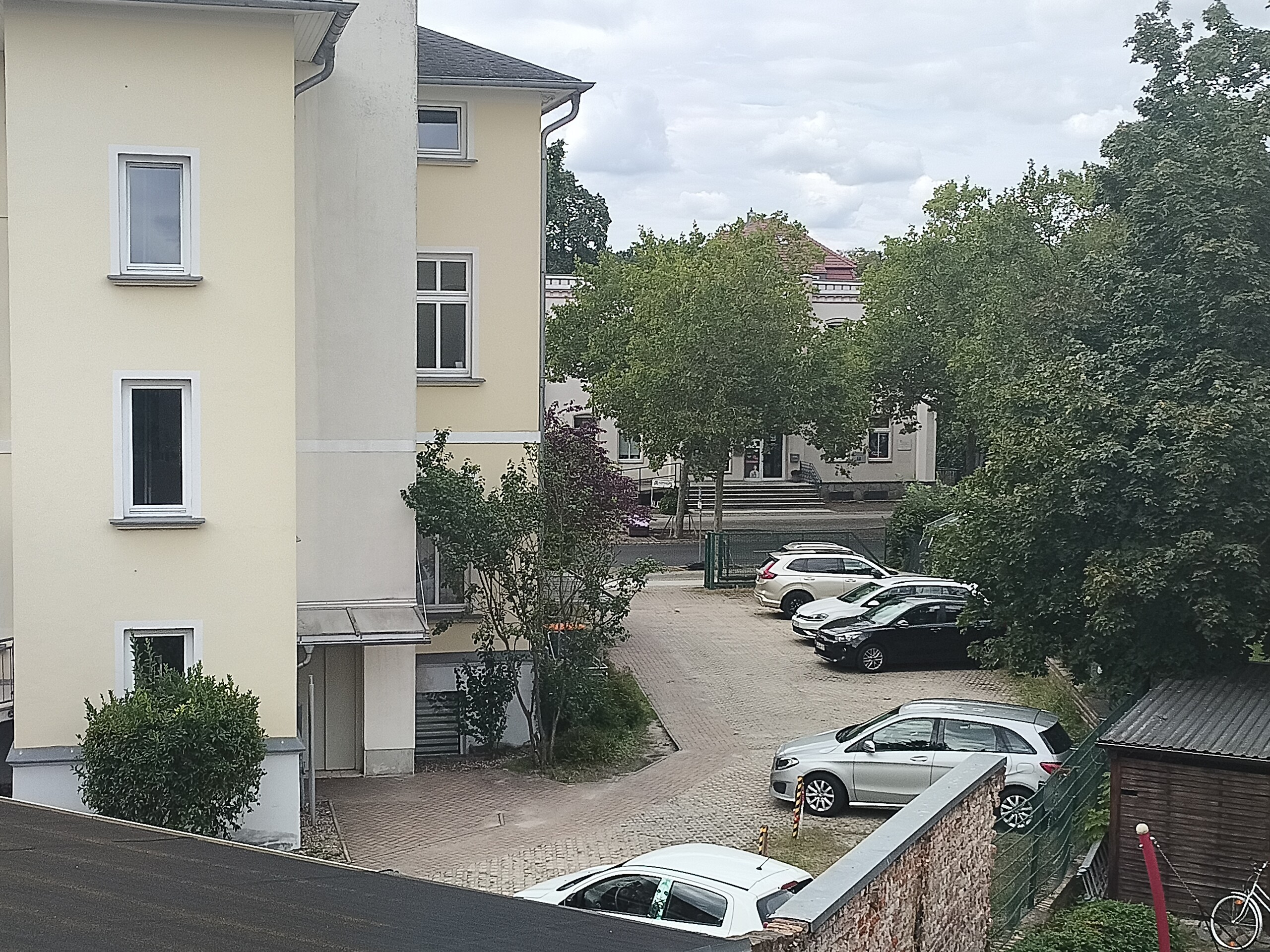
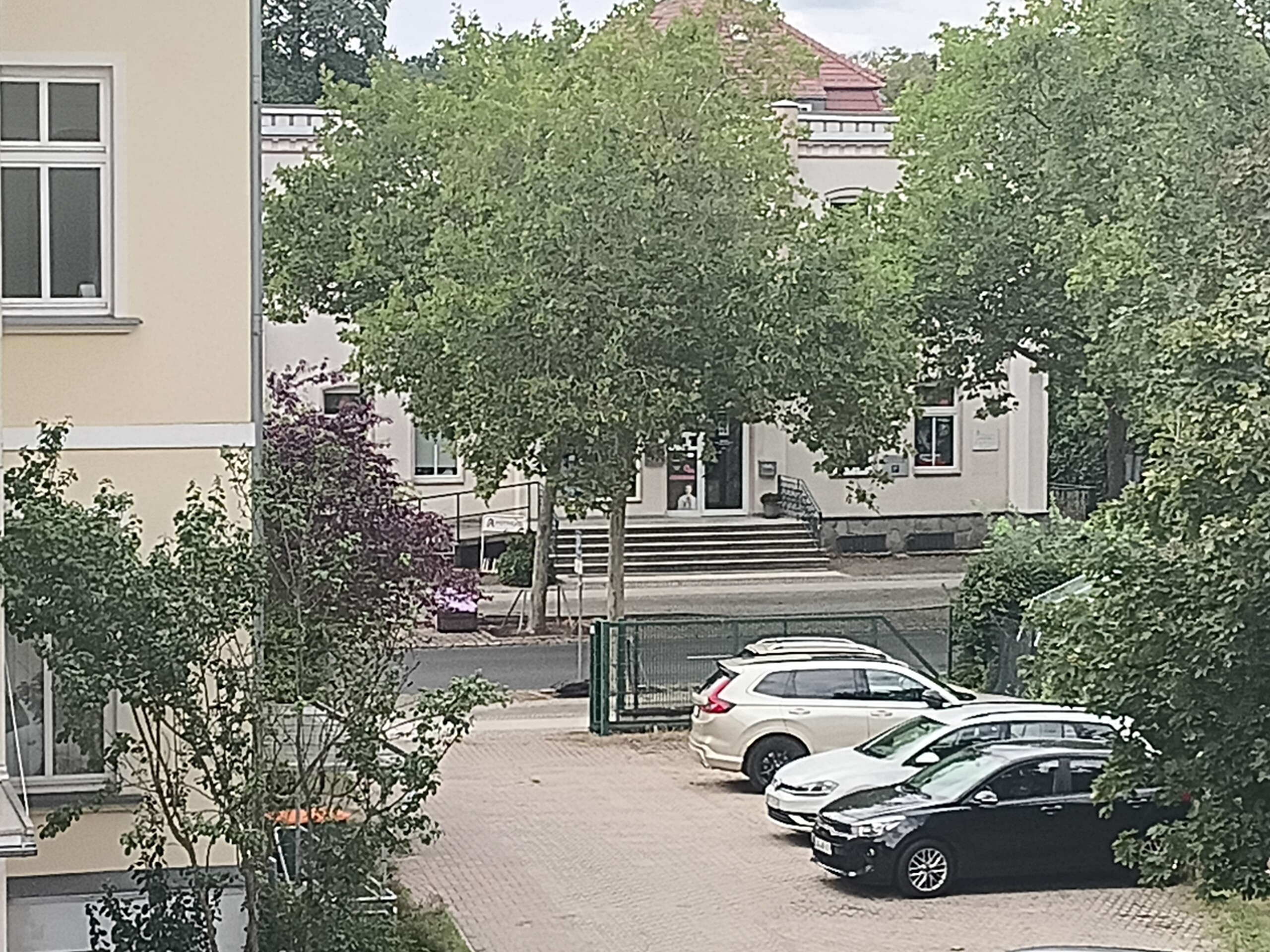
Image comparison
Choose a scene and navigate within the first image. One click changes the position on touchscreens. One click on the zoomed-in image opens the original in a new window. The first image shows the scaled photograph of the test device.










Display - Large 120 Hz OLED screen without DC dimming
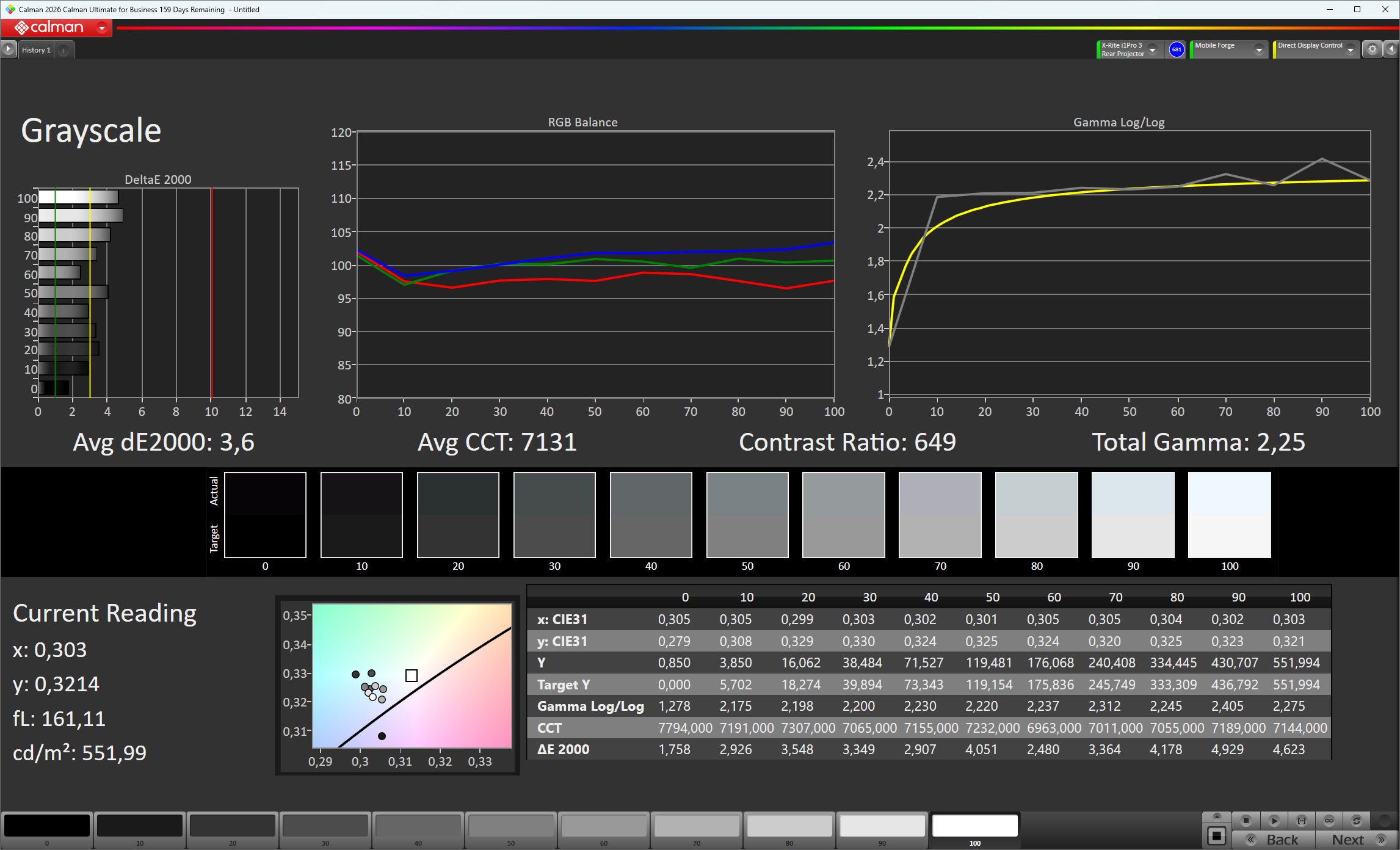
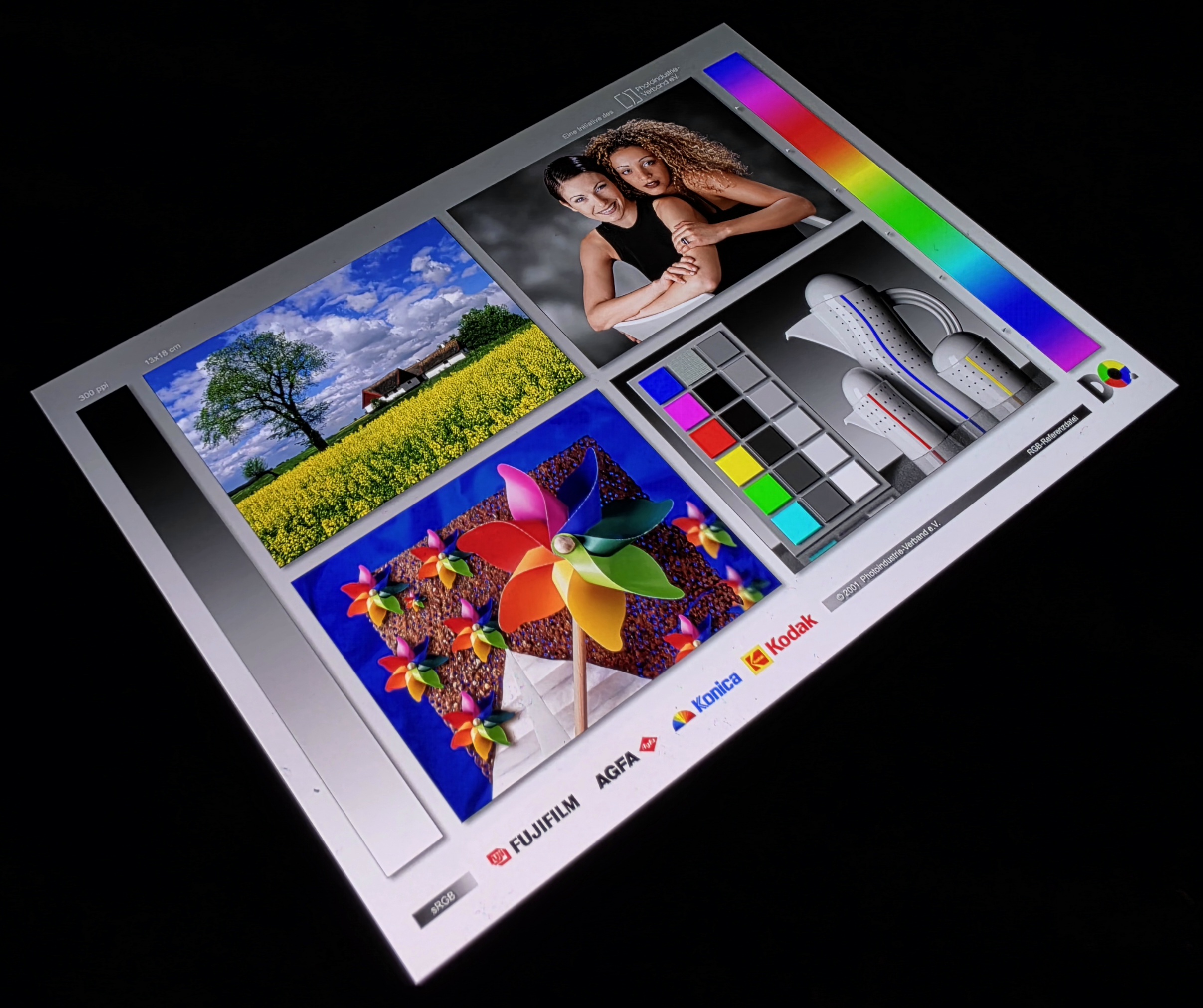
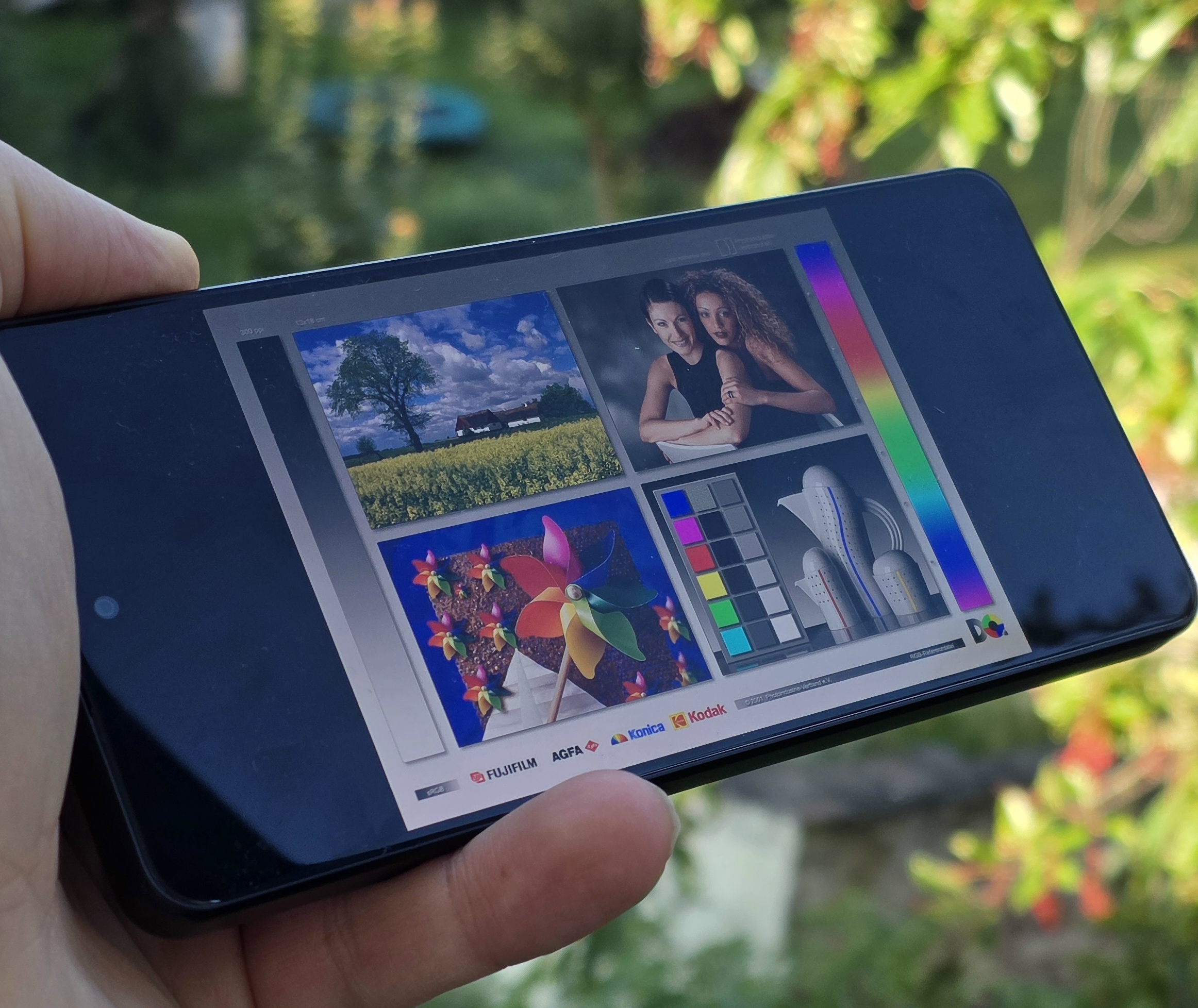
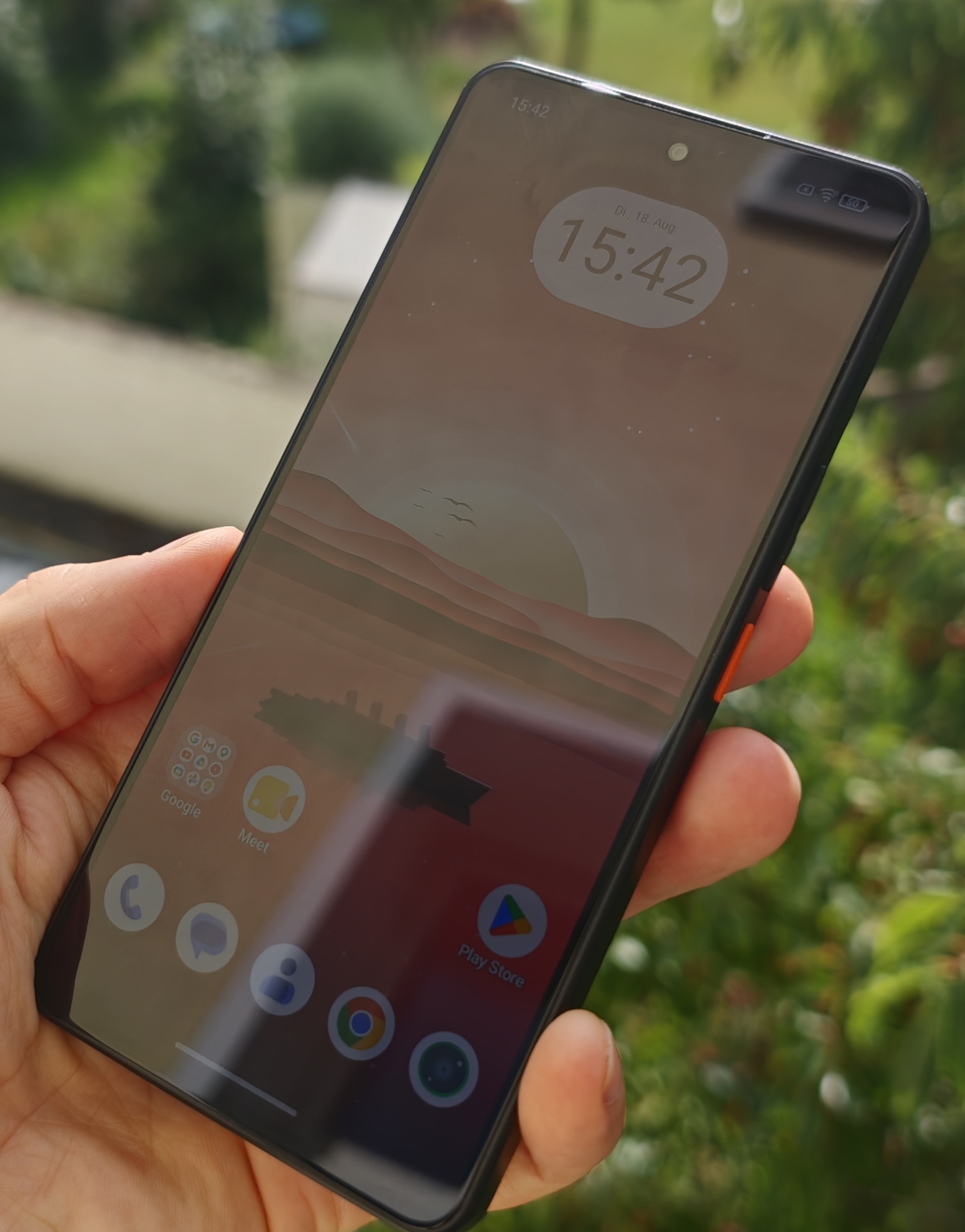
Despite its AMOLED panel, display enthusiasts are unlikely to be satisfied with the Gigaset flagship. In our measurements using the Calman analysis software, the 120 Hz panel showed very high color deviations. In our brightness test, we measured a respectable 922 cd/m², but significantly higher brightness levels are now common in this price range.
We detected screen flickering (PWM) on the GS6 Pro, although its base frequency of 485 Hz is relatively high. Unfortunately, neither high-frequency PWM dimming nor DC dimming is supported.
| |||||||||||||||||||||||||
Center on Battery: 810 cd/m²
Contrast: ∞:1 (Black: 0 cd/m²)
ΔE ColorChecker Calman: 4.5 | ∀{0.5-29.43 Ø4.69}
ΔE Greyscale Calman: 3.6 | ∀{0.09-98 Ø4.94}
100% sRGB (Calman 2D)
Gamma: 2.25
CCT: 7131 K
| Gigaset GS6 Pro AMOLED, 2400x1080, 6.7" | Samsung Galaxy A57 Super AMOLED, 2340x1080, 6.7" | Xiaomi Poco X8 Pro AMOLED, 2756x1268, 6.6" | Fairphone 6 pOLED, 2484x1116, 6.3" | |
|---|---|---|---|---|
| Display | 111% | 272% | 83% | |
| APL18 Peak Brightness (cd/m²) | 926 | 1920 107% | 3475 275% | 1458 57% |
| HDR Peak Brightness (cd/m²) | 922 | 1980 115% | 3406 269% | 1920 108% |
| Response Times | 0% | 6% | -60% | |
| Response Time Grey 50% / Grey 80% * (ms) | 1.2 ? | 1.21 ? -1% | 1.11 ? 7% | 3.44 ? -187% |
| Response Time Black / White * (ms) | 1.07 ? | 1.1 ? -3% | 1.05 ? 2% | 1.22 ? -14% |
| PWM Frequency (Hz) | 485 | 240 | 120 | 120 |
| PWM Amplitude * (%) | 17.65 | 16.72 5% | 16.04 9% | 14.02 21% |
| Screen | 57% | 54% | 29% | |
| Brightness middle (cd/m²) | 810 | 1135 40% | 1104 36% | 737 -9% |
| Black Level * (cd/m²) | ||||
| Colorchecker dE 2000 * | 4.5 | 1.7 62% | 1.2 73% | 1.6 64% |
| Colorchecker dE 2000 max. * | 6.8 | 2.5 63% | 2.4 65% | 3.9 43% |
| Greyscale dE 2000 * | 3.6 | 1.4 61% | 2.1 42% | 3 17% |
| Gamma | 2.25 98% | 2.08 106% | 2.22 99% | 2.24 98% |
| CCT | 7131 91% | 6578 99% | 6472 100% | 6706 97% |
| Brightness (cd/m²) | 1134 | 1102 | 736 | |
| Brightness Distribution (%) | 99 | 97 | 97 | |
| Total Average (Program / Settings) | 56% /
50% | 111% /
86% | 17% /
11% |
* ... smaller is better
Screen Flickering / PWM (Pulse-Width Modulation)
| Screen flickering / PWM detected | 485 Hz Amplitude: 17.65 % | 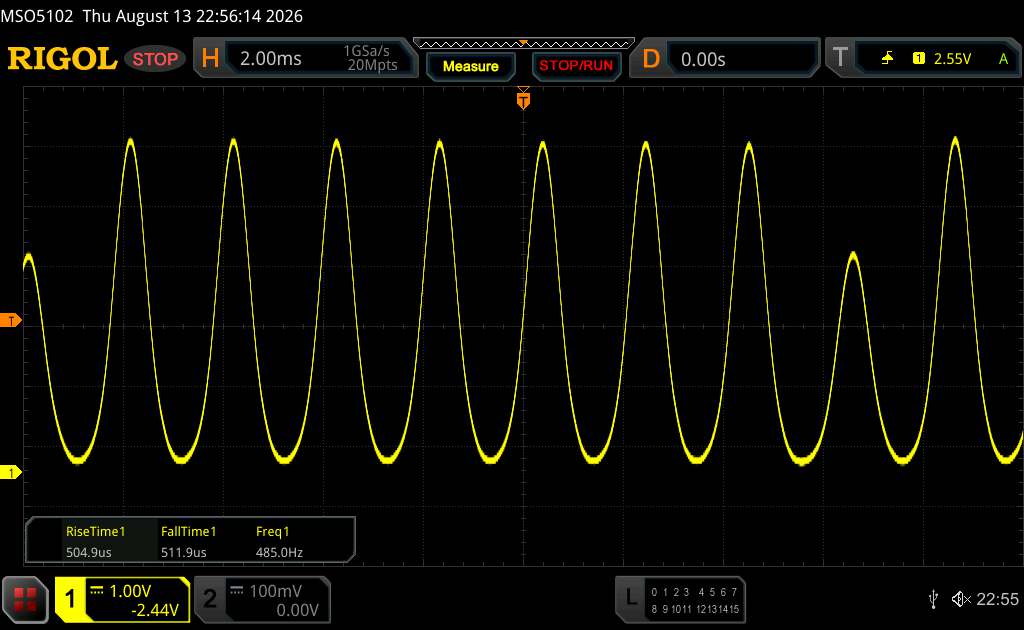 | |
The display backlight flickers at 485 Hz (worst case, e.g., utilizing PWM) . The frequency of 485 Hz is relatively high, so most users sensitive to PWM should not notice any flickering. However, there are reports that some users are still sensitive to PWM at 500 Hz and above, so be aware. In comparison: 52 % of all tested devices do not use PWM to dim the display. If PWM was detected, an average of 7611 (minimum: 5 - maximum: 343500) Hz was measured. | |||
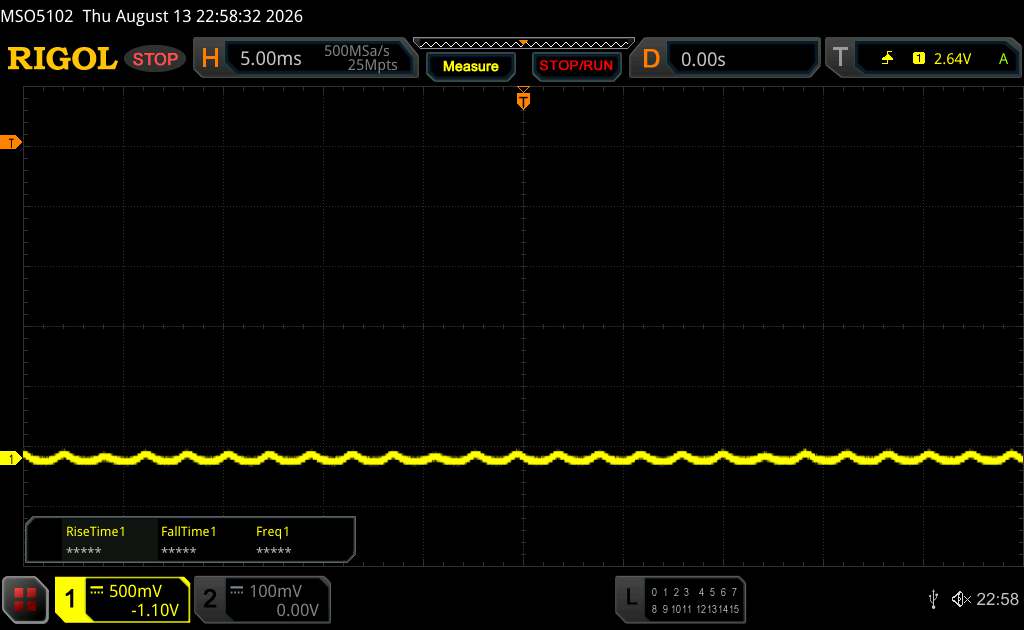
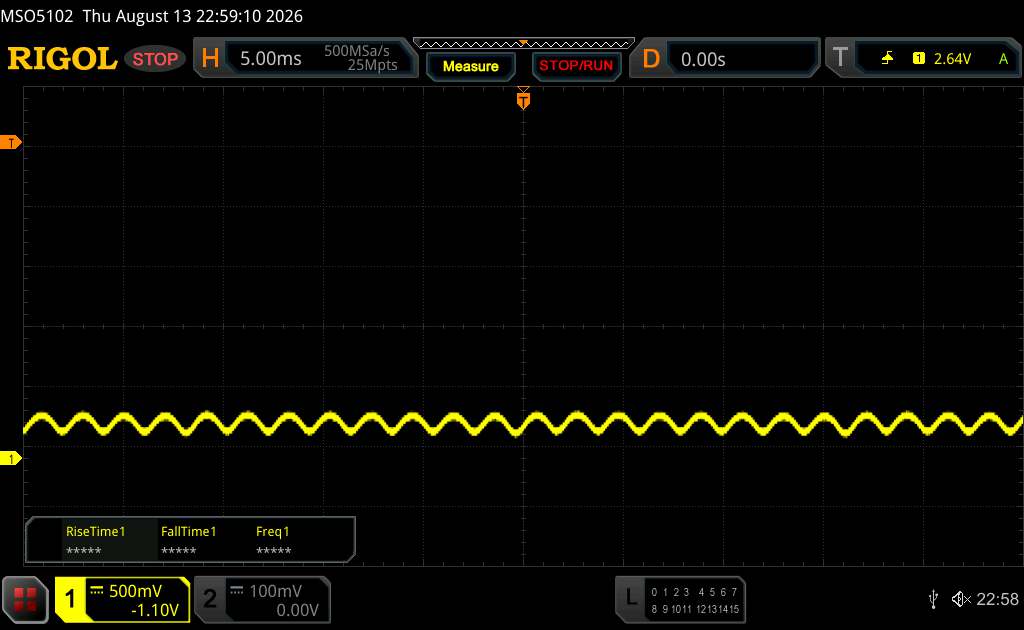
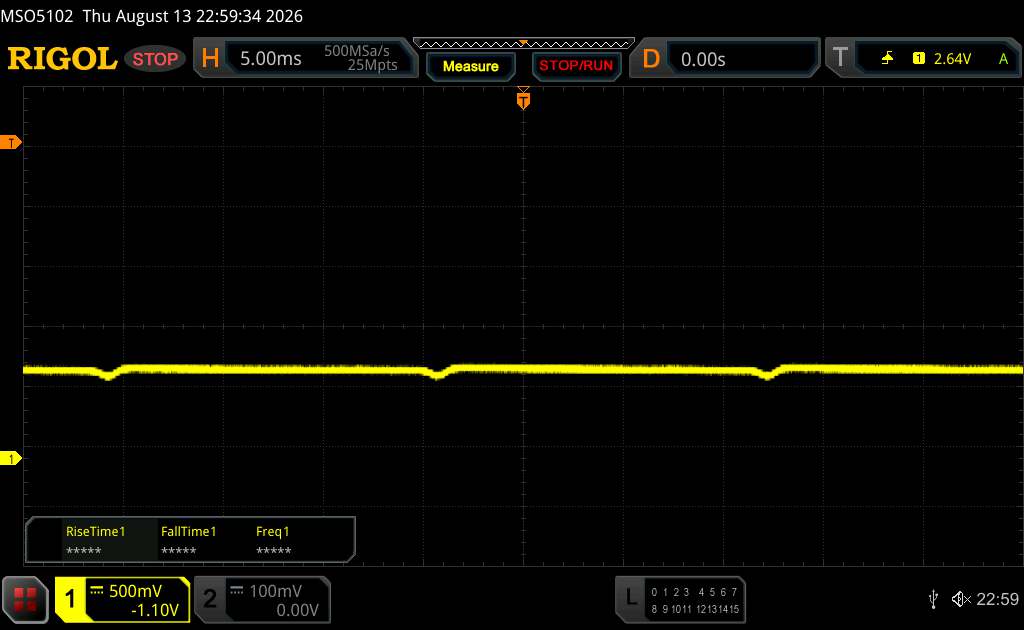
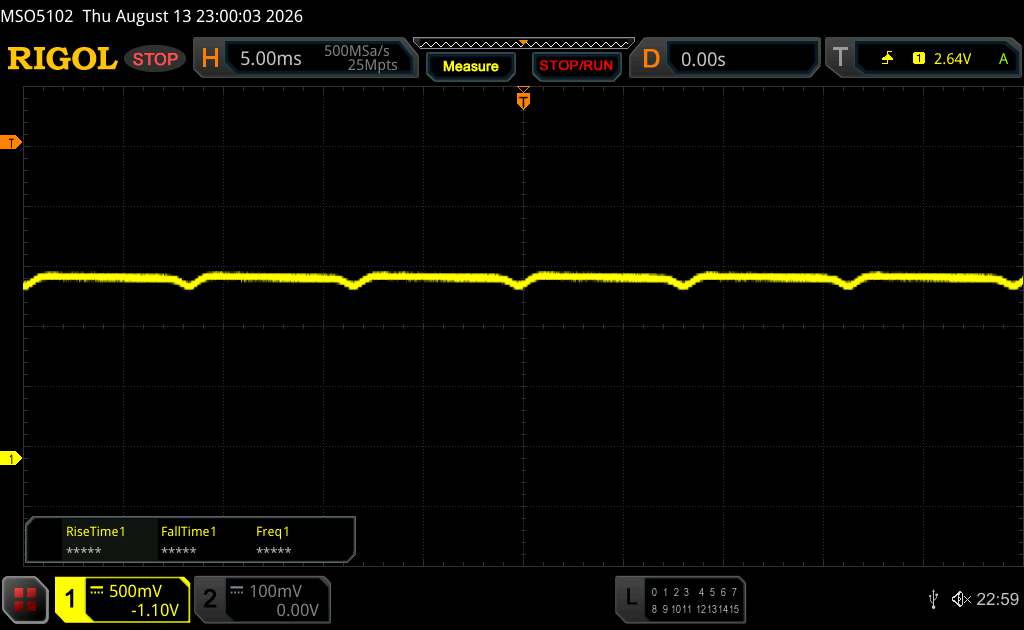
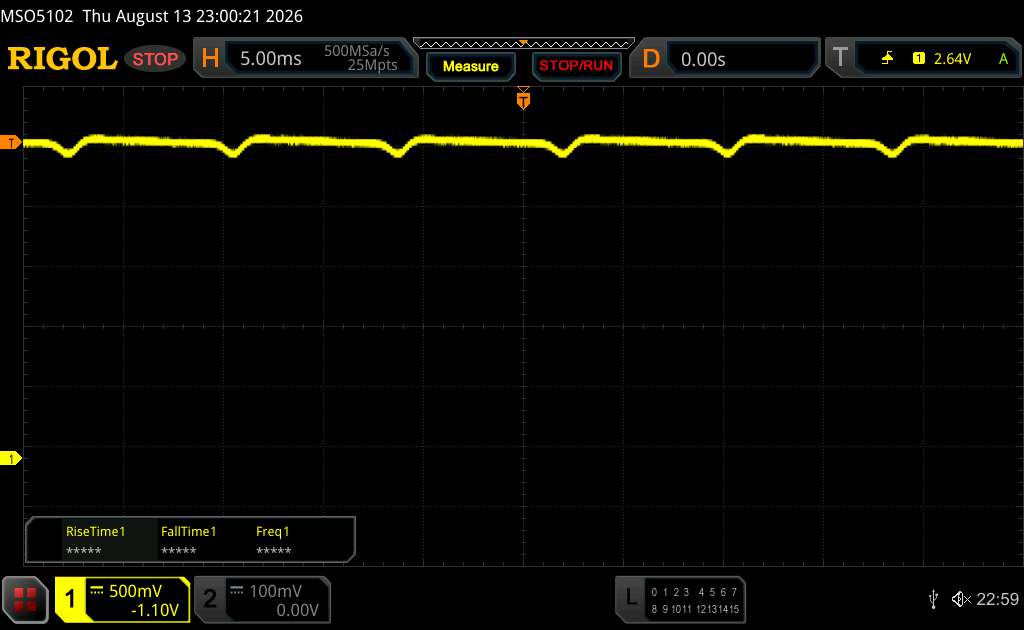
Series of measurements with a fixed zoom level and different brightness settings (Although the amplitude curve at minimum brightness appears flat, this is due to the scaling. The info box shows a magnified version of the amplitude at minimum brightness.)


Display Response Times
| ↔ Response Time Black to White | ||
|---|---|---|
| 1.07 ms ... rise ↗ and fall ↘ combined | ↗ 0.583 ms rise | 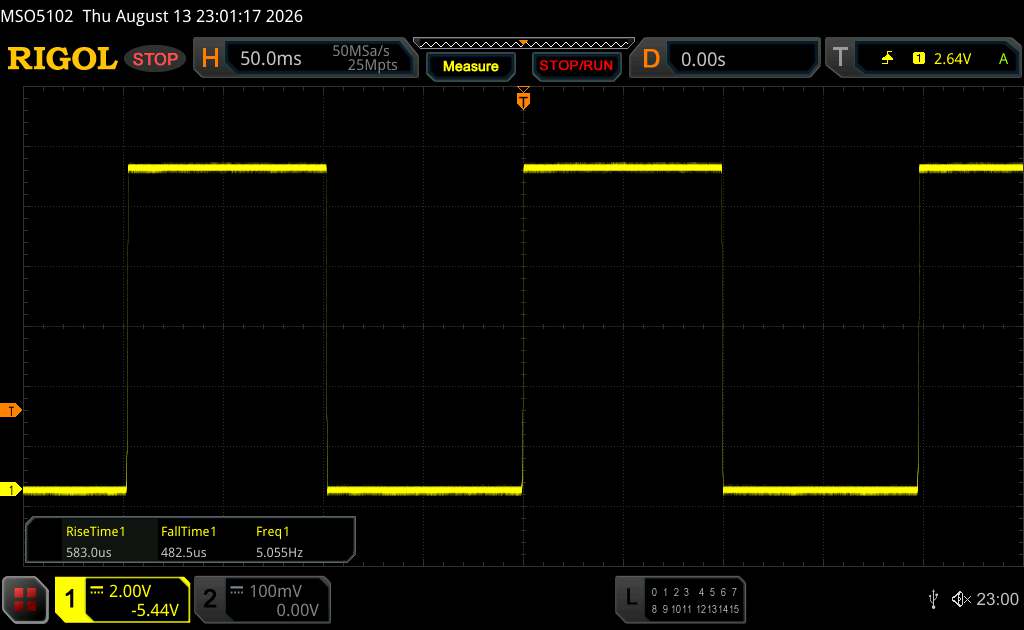 |
| ↘ 0.4825 ms fall | ||
| The screen shows very fast response rates in our tests and should be very well suited for fast-paced gaming. In comparison, all tested devices range from 0.1 (minimum) to 240 (maximum) ms. » 5 % of all devices are better. This means that the measured response time is better than the average of all tested devices (19.7 ms). | ||
| ↔ Response Time 50% Grey to 80% Grey | ||
| 1.2 ms ... rise ↗ and fall ↘ combined | ↗ 0.509 ms rise | 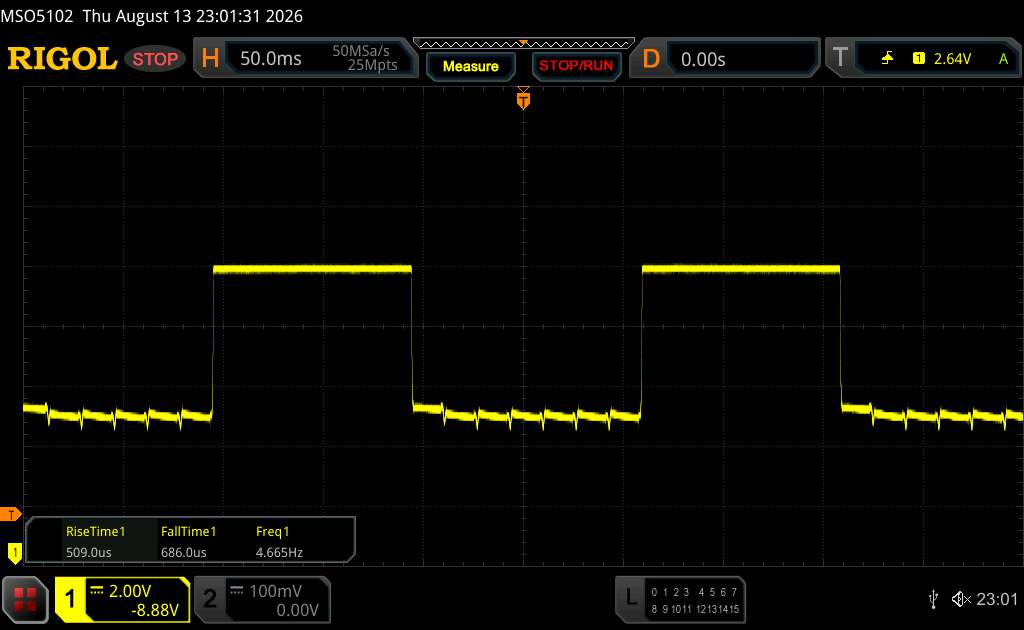 |
| ↘ 0.686 ms fall | ||
| The screen shows very fast response rates in our tests and should be very well suited for fast-paced gaming. In comparison, all tested devices range from 0.13 (minimum) to 636 (maximum) ms. » 6 % of all devices are better. This means that the measured response time is better than the average of all tested devices (30.7 ms). | ||
Performance, emissions, and battery life - An Android phone with a weak chipset but a replaceable battery
A major drawback of the Gigaset phone is its Dimensity 7300 paired with Mali-G57 MP2, a combination that is no longer particularly competitive in the mid-range segment in 2026. In our benchmarks, competing devices in this price range are sometimes more than twice as fast. The performance gap is even greater in the GPU benchmarks.
Given the underpowered hardware, we would at least have expected strong battery life from the Gigaset phone. However, at 16 hours in our test, the battery life is only average. In addition to 30-watt fast charging, the GS6 Pro at least supports wireless charging.
| Gigaset GS6 Pro | Samsung Galaxy A57 | Xiaomi Poco X8 Pro | Fairphone 6 | Average 256 GB UFS 2.2 Flash | Average of class Smartphone | |
|---|---|---|---|---|---|---|
| AndroBench 3-5 | 19% | 146% | 100% | -5% | 89% | |
| Sequential Read 256KB (MB/s) | 983.23 | 1683.07 71% | 3576.86 264% | 1973.22 101% | 905 ? -8% | 2278 ? 132% |
| Sequential Write 256KB (MB/s) | 823.09 | 1119.11 36% | 3565.14 333% | 2006.71 144% | 738 ? -10% | 1971 ? 139% |
| Random Read 4KB (MB/s) | 232.28 | 249.83 8% | 324.76 40% | 358.89 55% | 224 ? -4% | 317 ? 36% |
| Random Write 4KB (MB/s) | 243.83 | 149.04 -39% | 112.05 -54% | 487.48 100% | 248 ? 2% | 362 ? 48% |
(+) The maximum temperature on the upper side is 38.1 °C / 101 F, compared to the average of 35.4 °C / 96 F, ranging from 21.9 to 247 °C for the class Smartphone.
(+) The bottom heats up to a maximum of 36.9 °C / 98 F, compared to the average of 34.1 °C / 93 F
3DMark Stress Tests
| 3DMark | |
| Wild Life Stress Test Stability | |
| Gigaset GS6 Pro | |
| Fairphone 6 | |
| Samsung Galaxy A57 | |
| Xiaomi Poco X8 Pro | |
| Steel Nomad Light Stress Test Stability | |
| Samsung Galaxy A57 | |
| Fairphone 6 | |
| Gigaset GS6 Pro | |
| Xiaomi Poco X8 Pro | |
Gigaset GS6 Pro audio analysis
(+) | speakers can play relatively loud (89.1 dB)
Bass 100 - 315 Hz
(-) | nearly no bass - on average 25.7% lower than median
(±) | linearity of bass is average (8.5% delta to prev. frequency)
Mids 400 - 2000 Hz
(±) | higher mids - on average 7.1% higher than median
(±) | linearity of mids is average (7.5% delta to prev. frequency)
Highs 2 - 16 kHz
(±) | higher highs - on average 6.3% higher than median
(±) | linearity of highs is average (9.3% delta to prev. frequency)
Overall 100 - 16.000 Hz
(±) | linearity of overall sound is average (21.9% difference to median)
Compared to same class
» 46% of all tested devices in this class were better, 8% similar, 47% worse
» The best had a delta of 11%, average was 34%, worst was 136%
Compared to all devices tested
» 63% of all tested devices were better, 7% similar, 30% worse
» The best had a delta of 4%, average was 23%, worst was 136%
Xiaomi Poco X8 Pro audio analysis
(+) | speakers can play relatively loud (90.6 dB)
Bass 100 - 315 Hz
(-) | nearly no bass - on average 23.8% lower than median
(+) | bass is linear (5.8% delta to prev. frequency)
Mids 400 - 2000 Hz
(±) | reduced mids - on average 6.1% lower than median
(+) | mids are linear (5% delta to prev. frequency)
Highs 2 - 16 kHz
(+) | balanced highs - only 3.6% away from median
(+) | highs are linear (4.3% delta to prev. frequency)
Overall 100 - 16.000 Hz
(±) | linearity of overall sound is average (15.8% difference to median)
Compared to same class
» 5% of all tested devices in this class were better, 5% similar, 91% worse
» The best had a delta of 11%, average was 34%, worst was 136%
Compared to all devices tested
» 25% of all tested devices were better, 5% similar, 70% worse
» The best had a delta of 4%, average was 23%, worst was 136%
| Off / Standby |   0.03 / 0.2 Watt 0.03 / 0.2 Watt |
| Idle |  0.55 / 0.9 / 0.98 Watt 0.55 / 0.9 / 0.98 Watt |
    
| |
Key:
min: ,
med: ,
max: Metrahit Energy | |
| Gigaset GS6 Pro 5300 mAh | Samsung Galaxy A57 5000 mAh | Xiaomi Poco X8 Pro 6500 mAh | Fairphone 6 4415 mAh | Average MediaTek Dimensity 7300 | Average of class Smartphone | |
|---|---|---|---|---|---|---|
| Power Consumption | -84% | -46% | -9% | -83% | -67% | |
| Idle Minimum * (Watt) | 0.55 | 0.71 -29% | 0.97 -76% | 0.67 -22% | 1.061 ? -93% | 0.901 ? -64% |
| Idle Average * (Watt) | 0.9 | 1.94 -116% | 1.19 -32% | 0.94 -4% | 1.531 ? -70% | 1.483 ? -65% |
| Idle Maximum * (Watt) | 0.98 | 2.04 -108% | 1.28 -31% | 1 -2% | 1.812 ? -85% | 1.677 ? -71% |
| Load Average * (Watt) | 6.19 | 5.99 | 4.4 ? | 6.82 ? | ||
| Load Maximum * (Watt) | 13.67 | 10.53 | 7.95 ? | 10.8 ? |
* ... smaller is better
| Battery runtime - WiFi v1.3 | |
| Gigaset GS6 Pro | |
| Samsung Galaxy A57 | |
| Xiaomi Poco X8 Pro | |
| Fairphone 6 | |
Notebookcheck Overall Rating
Value for money is certainly not a strength of a smartphone “Made in Germany,” but the camera quality offered by the Gigaset GS6 Pro is borderline even for the entry-level price segment.
Gigaset GS6 Pro
- 08/21/2026 v8
Marcus Herbrich
 Total Sustainability Score:
 Comparison of Possible Alternatives
Image | Model / Review | Price | Weight | Drive | Display |
|---|---|---|---|---|---|
1. 76.3%  | Gigaset GS6 Pro MediaTek Dimensity 7300 ⎘ ARM Mali-G57 MP2 ⎘ 8 GB Memory, 256 GB UFS 2.2 | List Price: 449€ | 230 g | 256 GB UFS 2.2 Flash | 6.67" 2400x1080 395 PPI AMOLED |
2. 81.5%  | Samsung Galaxy A57 Samsung Exynos 1680 ⎘ Samsung Xclipse 550 ⎘ 8 GB Memory, 256 GB UFS 3.1 | List Price: 589€ | 179 g | 256 GB UFS 3.1 Flash | 6.70" 2340x1080 385 PPI Super AMOLED |
3. 83.8%  | Xiaomi Poco X8 Pro MediaTek Dimensity 8500 ⎘ ARM Mali-G720 MP8 ⎘ 12 GB Memory, 512 GB UFS 4.x | Amazon: $349.99 List Price: 400€ | 202 g | 512 GB UFS 4.1 Flash | 6.59" 2756x1268 460 PPI AMOLED |
4. 79.2%  | Fairphone 6 Qualcomm Snapdragon 7s Gen 3 ⎘ Qualcomm Adreno 810 ⎘ 8 GB Memory, 256 GB UFS 3.1 | List Price: 599€ | 191.4 g | 256 GB UFS 3.1 Flash | 6.31" 2484x1116 432 PPI pOLED |
Transparency
The selection of devices to be reviewed is made by our editorial team. The test sample was provided to the author as a loan by the manufacturer or retailer for the purpose of this review. The lender had no influence on this review, nor did the manufacturer receive a copy of this review before publication. There was no obligation to publish this review. As an independent media company, Notebookcheck is not subjected to the authority of manufacturers, retailers or publishers.
This is how Notebookcheck is testing
Every year, Notebookcheck independently reviews hundreds of laptops and smartphones using standardized procedures to ensure that all results are comparable. We have continuously developed our test methods for around 20 years and set industry standards in the process. In our test labs, high-quality measuring equipment is utilized by experienced technicians and editors. These tests involve a multi-stage validation process. Our complex rating system is based on hundreds of well-founded measurements and benchmarks, which maintains objectivity. Further information on our test methods can be found here.
 Add as a preferred source on Google


