




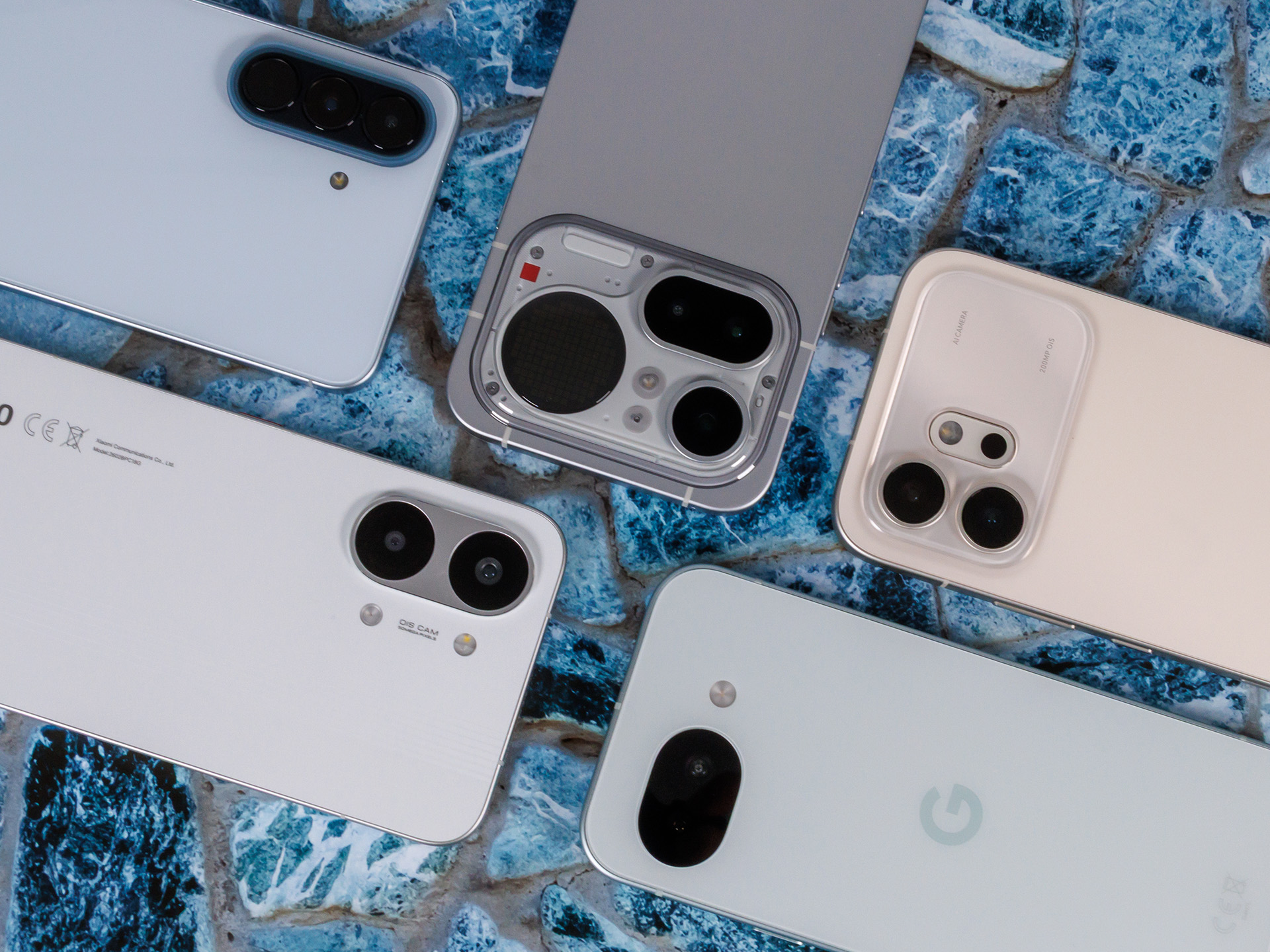
Ranking: Best smartphones for under 500 dollars/euros
August 2026 update.
A few years ago, high-end smartphones sold for under 600 dollars/euros. Now, most flagships cost way more than 1,000 euros, leaving the 500-euro range to mid-range models and aging flagships. Still, while not showcasing any exciting new technology, these products can be very strong options punching well above their weight.Daniel Schmidt (translated by DeepL) Published 🇩🇪 🇳🇱 ...
Positioned between affordable lower mid-range and premium high-end products, mid-range smartphones are meant for buyers who don’t want to spend a fortune on a flagship but still seek fast performance, quality cameras, and a premium build.
Previous-year high-end models are available at times in the sub-$500/€500 range, based on the latest prices. These can be compelling options with strong specifications and performance for the money.
Best mid-range smartphones to buy in August 2026
Image | Model / Review | Price | Weight | Drive | Display | Screen / Body |
|---|---|---|---|---|---|---|
1. 85.6%  | Xiaomi Poco X8 Pro Max Mediatek Dimensity 9500s ⎘ ARM Immortalis-G925 MC11 ⎘ 12 GB Memory, 512 GB UFS 4.x | Amazon: List Price: 470€ | 218 g | 512 GB UFS 4.1 Flash | 6.83" 2772x1280 447 PPI AMOLED | 89 % |
2. 85.4%  | Xiaomi Poco F8 Pro Qualcomm Snapdragon 8 Elite ⎘ Qualcomm Adreno 830 ⎘ 12 GB Memory, 512 GB UFS 4.x | Amazon: $639.92 List Price: 700€ | 199 g | 512 GB UFS 4.1 Flash | 6.59" 2510x1156 419 PPI AMOLED | 90 % |
3. 85.3%  | Google Pixel 10a Google Tensor G4 ⎘ ARM Mali-G715 MP7 ⎘ 8 GB Memory, 128 GB UFS 3.1 | List Price: 549€ | 183 g | 128 GB UFS 3.1 Flash | 6.30" 2424x1080 421 PPI pOLED | 85 % |
4. 83.8%  | Xiaomi Poco X8 Pro MediaTek Dimensity 8500 ⎘ ARM Mali-G720 MP8 ⎘ 12 GB Memory, 512 GB UFS 4.x | Amazon: $349.99 List Price: 400€ | 202 g | 512 GB UFS 4.1 Flash | 6.59" 2756x1268 460 PPI AMOLED | 89.8 % |
5. 83.7%  | Xiaomi 17T MediaTek Dimensity 8500 ⎘ ARM Mali-G720 MP8 ⎘ 12 GB Memory, 512 GB UFS 4.x | List Price: 750€ | 200 g | 512 GB UFS 4.1 Flash | 6.59" 2756x1268 460 PPI OLED | 89.8 % |
6. 83.2%  | Realme GT 7 Mediatek Dimensity 9400e ⎘ ARM Immortalis-G720 MP12 ⎘ 12 GB Memory, 512 GB UFS 4.x | 206 g | 512 GB UFS 4.0 Flash | 6.78" 2780x1264 450 PPI OLED | 90 % | |
7. 83%  | OnePlus Nord 6 Qualcomm Snapdragon 8s Gen 4 SM8735 ⎘ Qualcomm Adreno 825 ⎘ 12 GB Memory, 512 GB UFS 4.x | Amazon: 1. $649.99 OnePlus Nord CE6 Dual-SIM 25... 2. $749.00 OnePlus 15R, 12GB RAM + 256G... 3. $855.00 OnePlus 15R, 12GB RAM + 512G... List Price: 499€ | 210 g | 512 GB UFS 4.1 Flash | 6.78" 2772x1272 450 PPI AMOLED | 89.3 % |
8. 82.8%  | Honor 600 Qualcomm Snapdragon 7 Gen 4 SM7750-AB ⎘ Qualcomm Adreno 722 ⎘ 8 GB Memory, 512 GB UFS 3.1 | Amazon: $729.00 List Price: 650€ | 185 g | 512 GB UFS 3.1 Flash | 6.57" 2728x1264 458 PPI AMOLED | 91 % |
9. 82.5%  | Nothing Phone (4a) Pro Qualcomm Snapdragon 7 Gen 4 SM7750-AB ⎘ Qualcomm Adreno 722 ⎘ 12 GB Memory, 256 GB UFS 3.1 | List Price: 549€ | 210 g | 256 GB UFS 3.1 Flash | 6.83" 2800x1260 450 PPI AMOLED | 90 % |
10. 81.5%  | Samsung Galaxy A57 Samsung Exynos 1680 ⎘ Samsung Xclipse 550 ⎘ 8 GB Memory, 256 GB UFS 3.1 | List Price: 589€ | 179 g | 256 GB UFS 3.1 Flash | 6.70" 2340x1080 385 PPI Super AMOLED | 89 % |
Editorial comment
This month, the Xiaomi 17T is replacing its predecessor. With the Motorola Edge 70 Pro, a powerful smartphone is edging ever closer to the 500-euro mark.
1st place - Poco X8 Pro Max
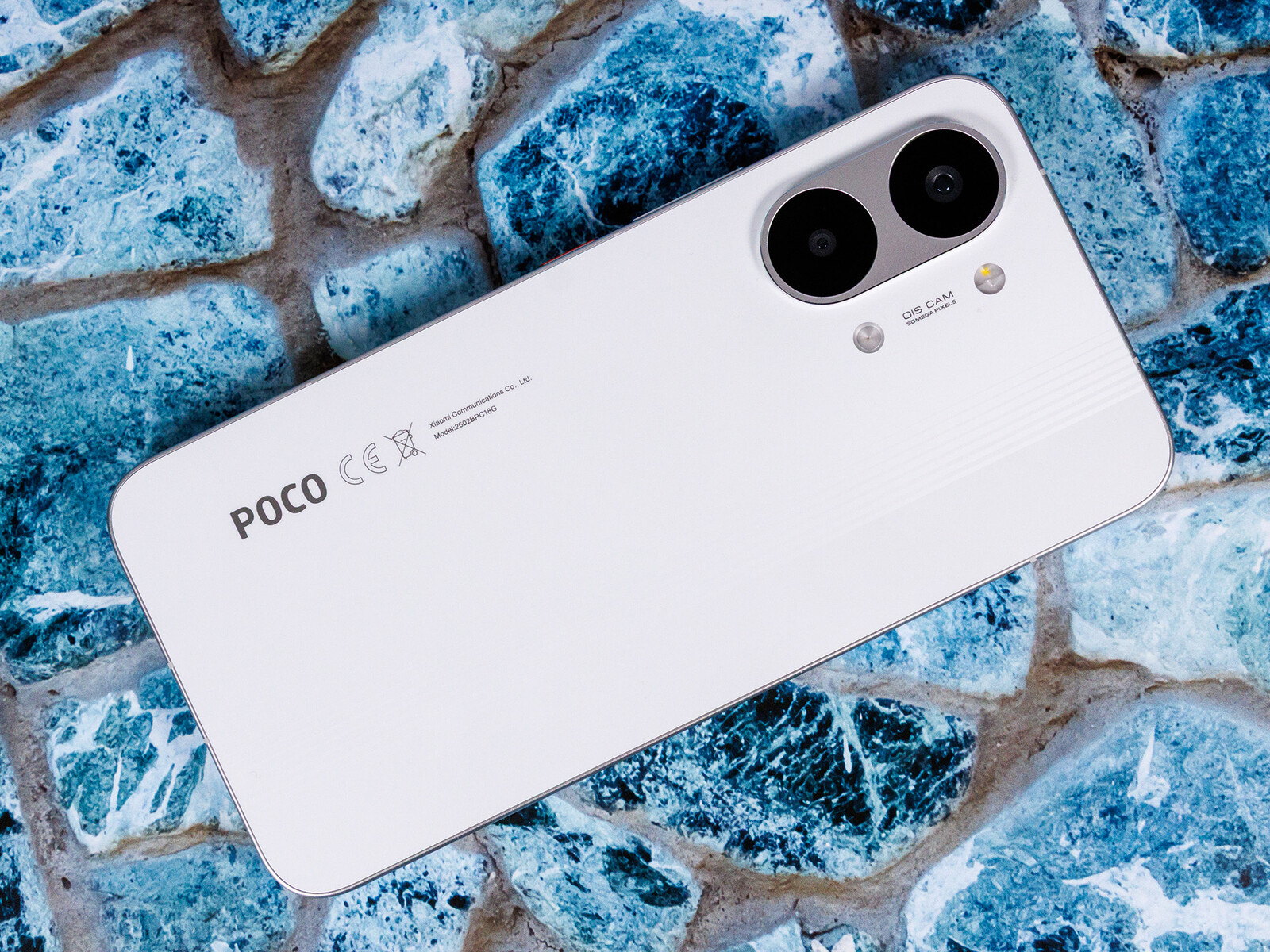
With the Poco X8 Pro Max, Xiaomi is consistently focusing on maximum battery life and high computing power. At the heart of the smartphone is the exceptionally large 8,500-mAh battery, which delivers very long battery life in tests and can be recharged relatively quickly thanks to 100-watt fast charging. Performance is driven by the MediaTek Dimensity 9500s, which delivers high performance in benchmarks and everyday use. The SoC is supported by fast memory and a 6.83-inch AMOLED display with a 120 Hz refresh rate and high brightness. Other features include IP68 protection, NFC, and an eye-catching LED lighting system on the back.
The Poco X8 Pro Max is a powerful smartphone with a focus on battery life, display, and performance.
Technical weaknesses become apparent especially under sustained load: In stress tests, the device significantly throttles its performance to control temperatures. The memory interface also cannot fully exploit the potential of the built-in UFS 4.1 storage. Added to this are USB 2.0 instead of more modern standards, as well as the lack of wireless charging.
2nd place - Xiaomi Poco F8 Pro
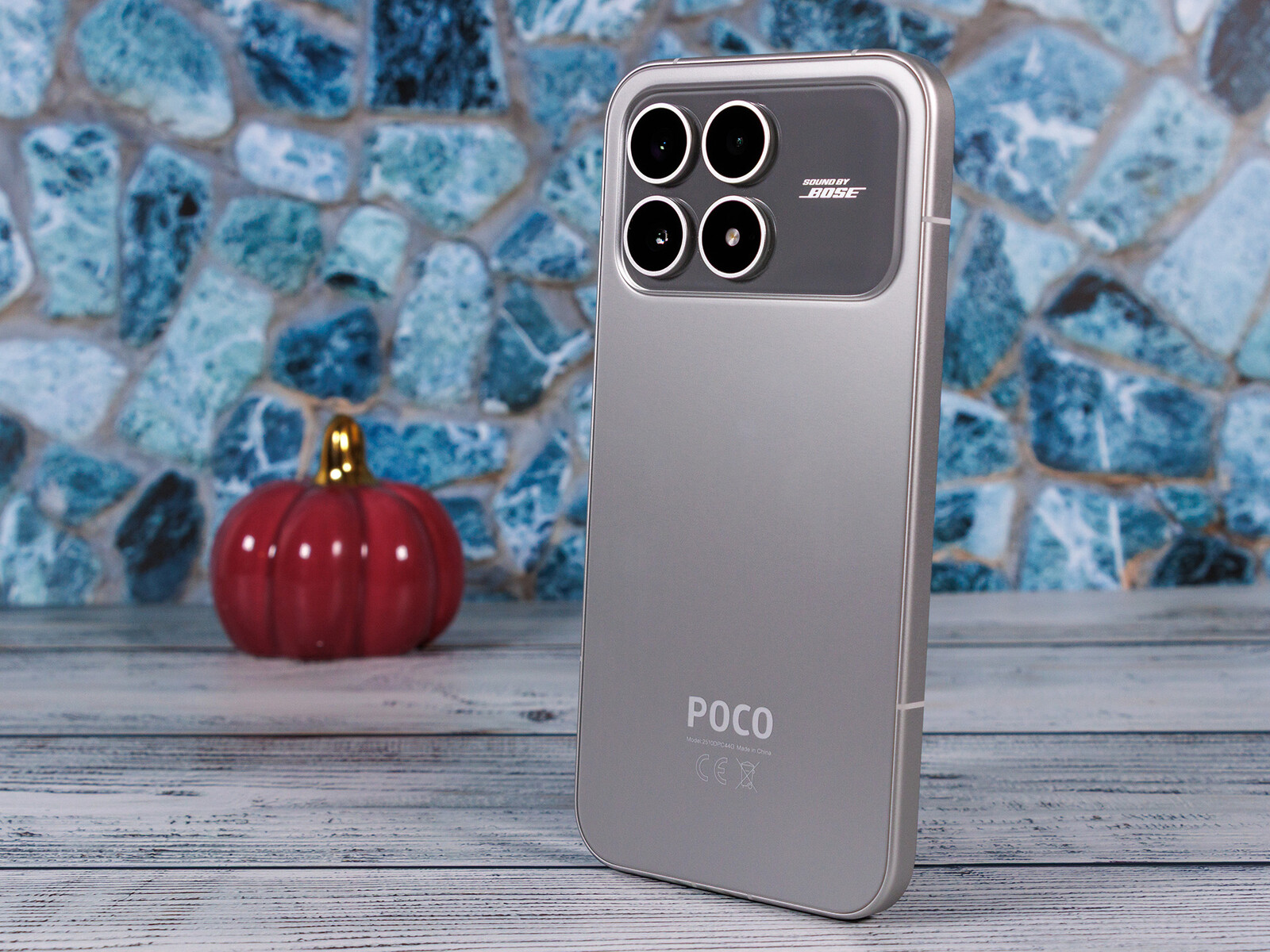
The Poco F8 Pro is a powerful mid-range smartphone with flagship ambitions at an attractive price. Its Snapdragon 8 Elite chip, mated to 12 GB of RAM and an Adreno 830 GPU, deliver top performance in benchmarks and gaming. The model's 6.59-inch AMOLED display with 120 Hz, peak brightness of up to 3,500 cd/m² and excellent color accuracy is one of the highlights.
Poco F8 Pro: Powerhouse for price-conscious users who value endurance and performance.
Its huge 6,210-mAh battery lasts for days thanks to HyperOS optimization, charging fully in under 40 minutes at up to 100 watts. Strengths include IP68 protection, high-quality Bose stereo sound, reliable ultrasonic fingerprint sensor and six years of software updates. The lack of wireless charging, the outdated USB 2.0 port, advertising in HyperOS and troubling thermals when under continuous load are to be criticized. The 50-MP primary camera with 2.5x zoom is solid for the price, but does not reach the premium level.
3rd place - Google Pixel 10a
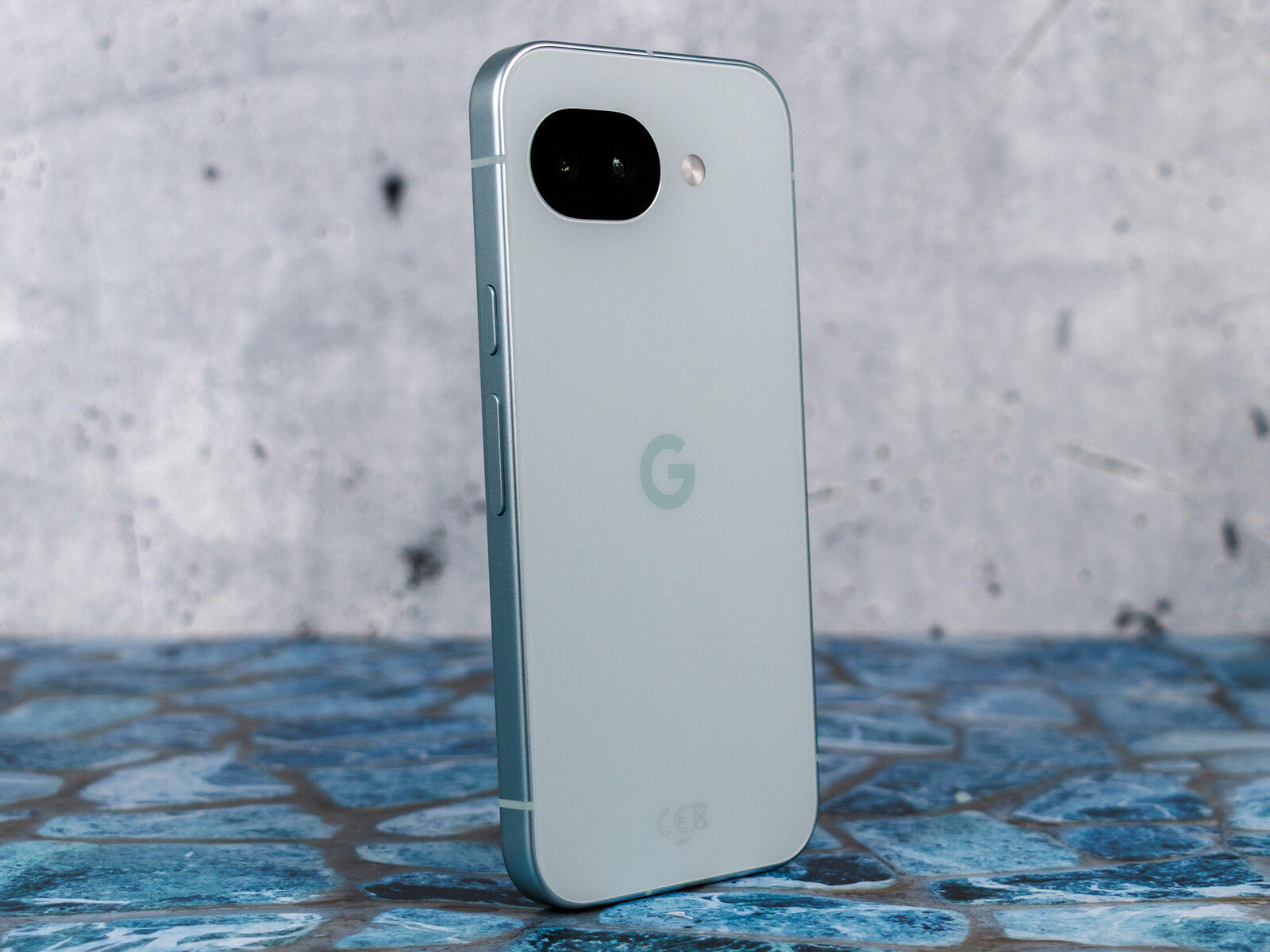
The Pixel 10a stays true to the tried-and-true Pixel formula and delivers a well-rounded overall package, without making any major leaps forward compared to its predecessor. Its strengths include the very bright and color-accurate 120-Hz pOLED display, the good main camera, the high-quality build—including IP68 certification—and seven years of update support. Also practical are USB 3.2 with display output and desktop mode, as well as the new satellite emergency call feature.
The Pixel 10a is a solid mid-range smartphone with few genuine innovations.
Less impressive are the unchanged Tensor G4 chip, the continued limitation to just 8 GB of RAM, and the base configuration with 128 GB of storage. The display’s low PWM frequency, the lack of dual eSIM support, and the omission of PixelSnap also detract from the overall impression. Battery life remains at a high level but is slightly shorter than that of its predecessor.
4th place - Xiaomi Poco X8 Pro

The Poco X8 Pro presents itself as one of the most powerful smartphones in the affordable mid-range and impresses above all with its excellent price-performance ratio. The powerful MediaTek Dimensity 8500 Ultra in particular ensures that even demanding applications and gaming run smoothly. The smartphone remains comparatively cool and efficient even under constant load.
The Poco X8 Pro is a real price-performance hit that puts significantly more expensive smartphones under pressure in many areas.
The 6.6-inch AMOLED display with 120 Hz receives high praise. It offers a very high peak brightness of up to 3,500 nits, strong colors and a sharp display. The battery life is also one of the device's strengths. The large battery gets the Poco X8 Pro through long days of use without any problems and supports fast charging with up to 100 watts. The stereo speakers also deliver a surprisingly good sound for this price range.
In terms of the camera, the 50 MPix main camera is particularly impressive with natural colors and good details. However, there are weaknesses in the zoom and the ultra-wide-angle camera. Premium functions such as wireless charging or eSIM are also missing.
5th lace - Xiaomi 17T
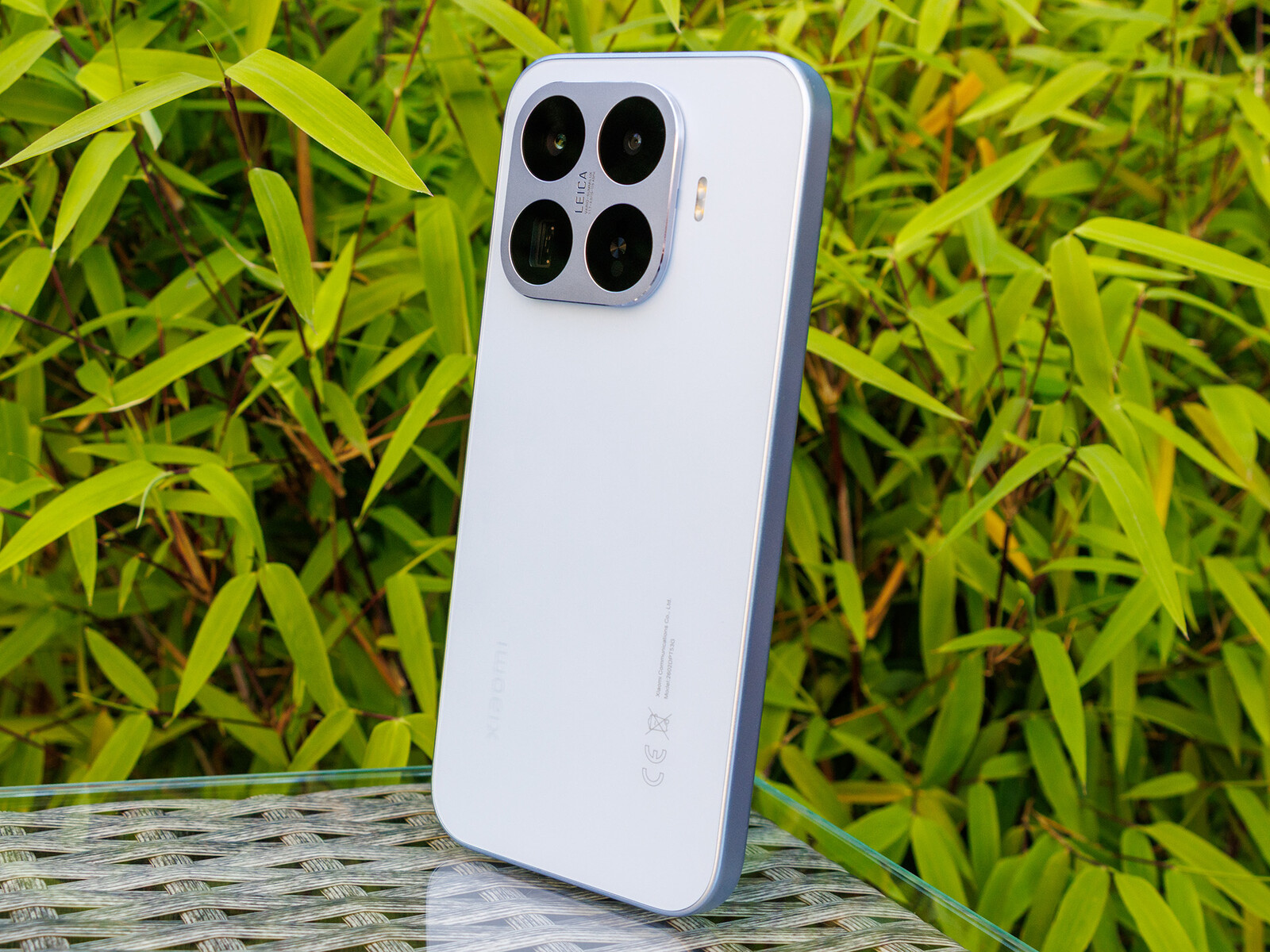
The 17T is a strong overall package that’s particularly appealing given the significant price drop. Instead of the original MSRP of around 750 euros, the smartphone is now available for under 500 euros, making it an attractive mid-range option. The 6.59-inch OLED display impresses with a 120 Hz refresh rate, high brightness, and both PWM and DC dimming. The IP68-certified body is solidly built, though it is primarily made of plastic. The speakers fall short of the device’s other strengths.
The Xiaomi 17T excels in display, camera, performance, battery life, and ample storage.
A standout feature is the Leica camera system. The 50-MP main camera delivers good photos, while the 5x periscope telephoto lens enables sharp and detailed zoom shots. The ultra-wide-angle lens, on the other hand, is less impressive. The MediaTek Dimensity 8500 ensures sufficient performance. Battery life is also very good thanks to the 6,500-mAh battery, while fast charging ensures quick recharge times. Android 16 and a long update cycle also make the device future-proof. There are some compromises in terms of features: wireless charging, Wi-Fi 7, and USB 3.x are missing. The USB 2.0 port seems particularly outdated, especially given the device’s original price range.
6th place - realme GT 7
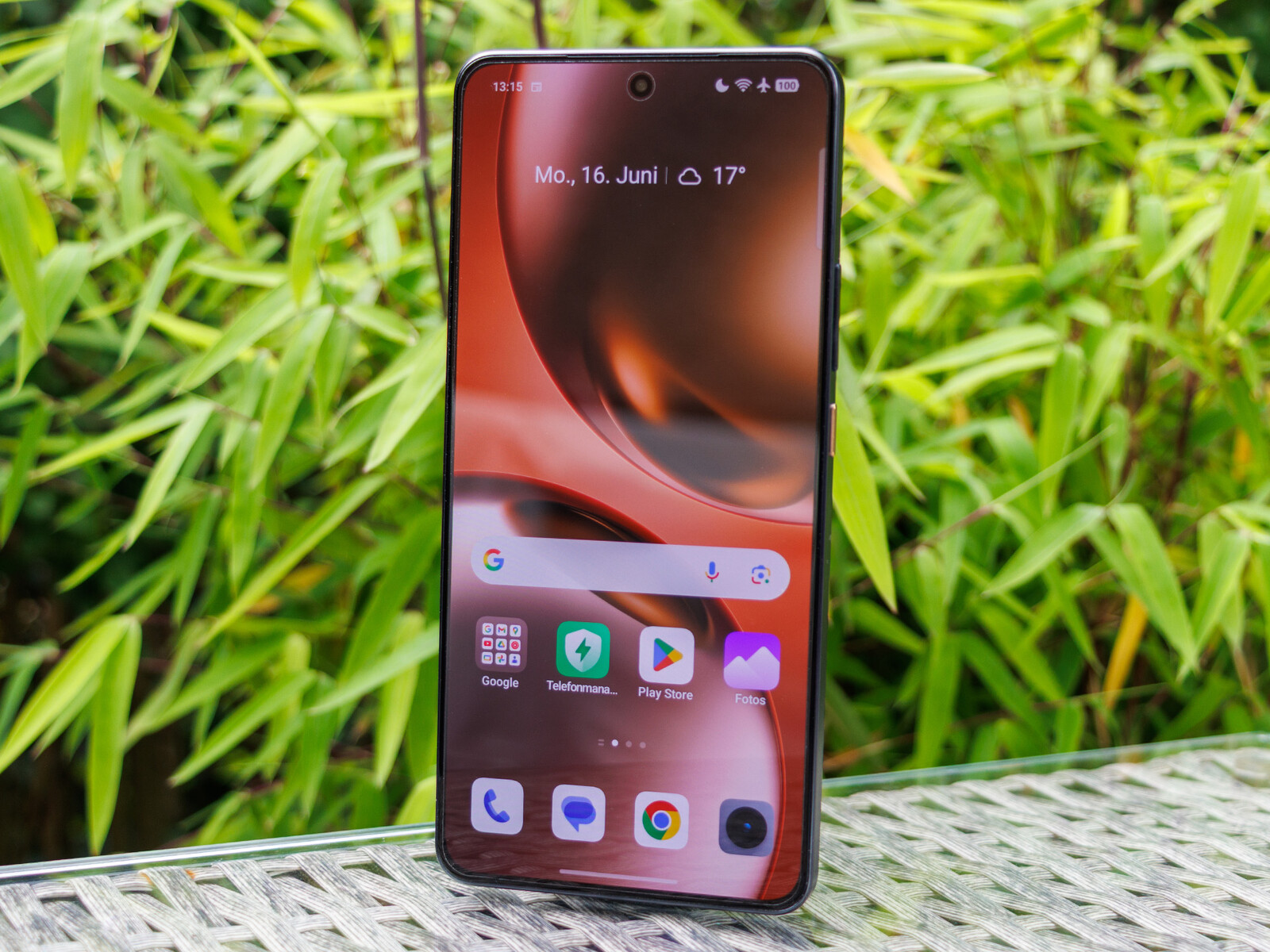
The GT 7 is as a strong contender with plenty of AI power at hand. We appreciate its high-quality casing with an aluminum frame, Gorilla Glass 7i and IP69 certification, even if certain gaps are a bit uneven. The phone's OLED display (6.78 inches, 120 Hz) offers vibrant colors and short response times, but does not achieve the promised peak brightness and has PWM flickering as well. The Dimensity 9400e SoC delivers high everyday and gaming performance, but gets warm under load.
The realme GT 7 impresses as a powerful mid-range smartphone with AI features, strong battery and a good price-performance ratio.
The 50-MP primary camera with OIS takes good photos in daylight, but is weaker in the dark. There are AI functions such as "AI Planner" complementing the Android 15-based realme UI 6.0, and the brand promises four years of OS updates as well as six years of security patches. The phone's 7,000-mAh battery with 120-W fast charging and the solid speaker performance are two more features worth highlighting.
7th place - OnePlus Nord 6
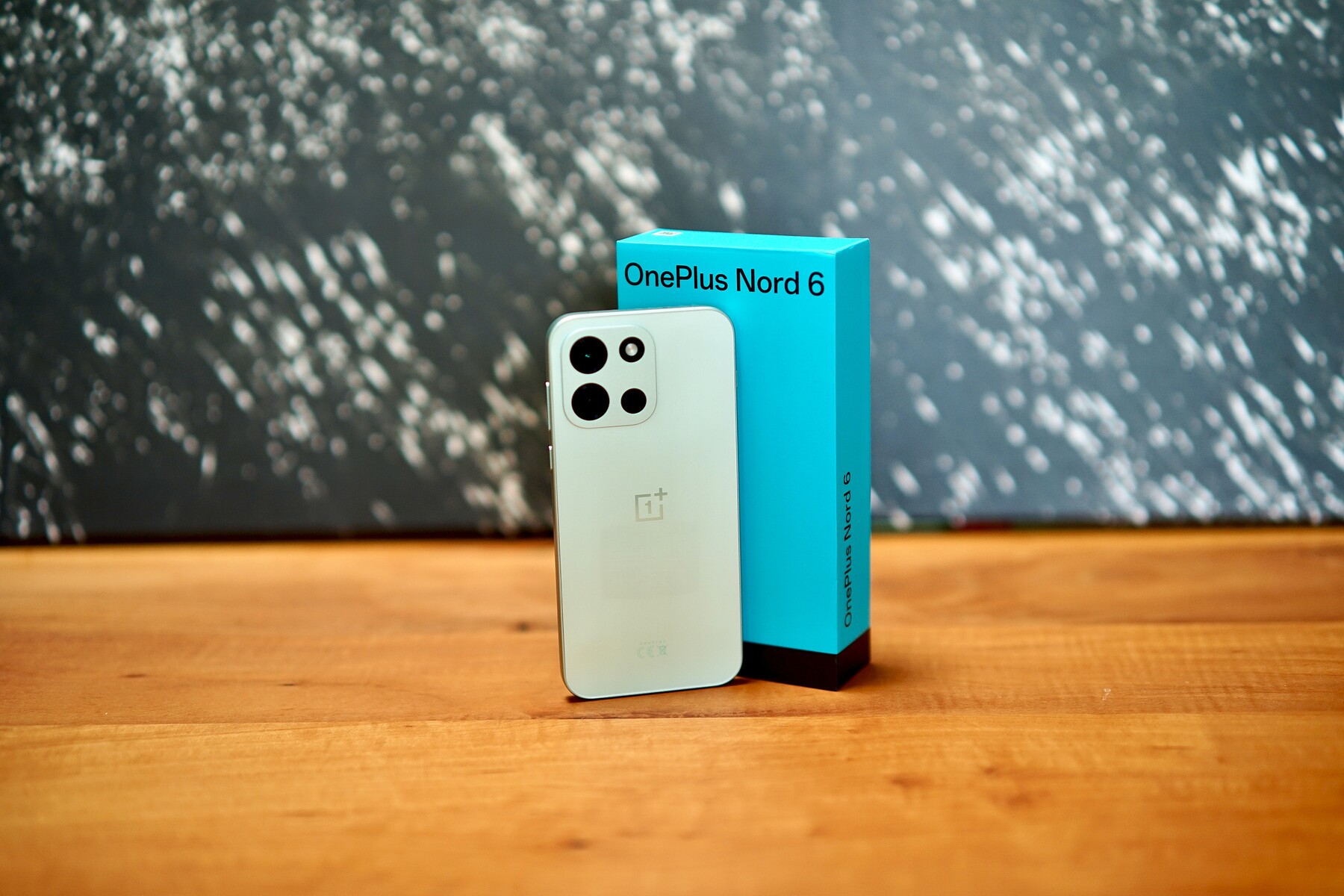
The Nord 6 positions itself as a performance-oriented mid-range smartphone and impresses in testing above all with its powerful hardware package. At its heart is the Qualcomm Snapdragon 8s Gen 4, which delivers above-average computing and graphics performance in benchmarks and everyday use, outperforming many competitors in the same price range. It’s complemented by fast UFS 4.1 storage, which enables quick app load times and high data transfer rates.
The OnePlus Nord 6 offers an exceptionally powerful combination of performance, storage speed, and battery life.
The 6.78-inch AMOLED display features a resolution of 2,772 x 1,272 pixels, a refresh rate of up to 165 Hz, and very accurate color reproduction. The battery life is particularly noteworthy: The large battery ensures excellent runtime and recharges quickly via fast charging. Other standout features include Wi-Fi 7, IP68/IP69K certification, and long-term software support. Weaknesses become apparent under sustained load, when the case gets noticeably warm and performance is throttled. Additionally, OnePlus relies solely on USB 2.0 and does not offer wireless charging.
8th place - Honor 600
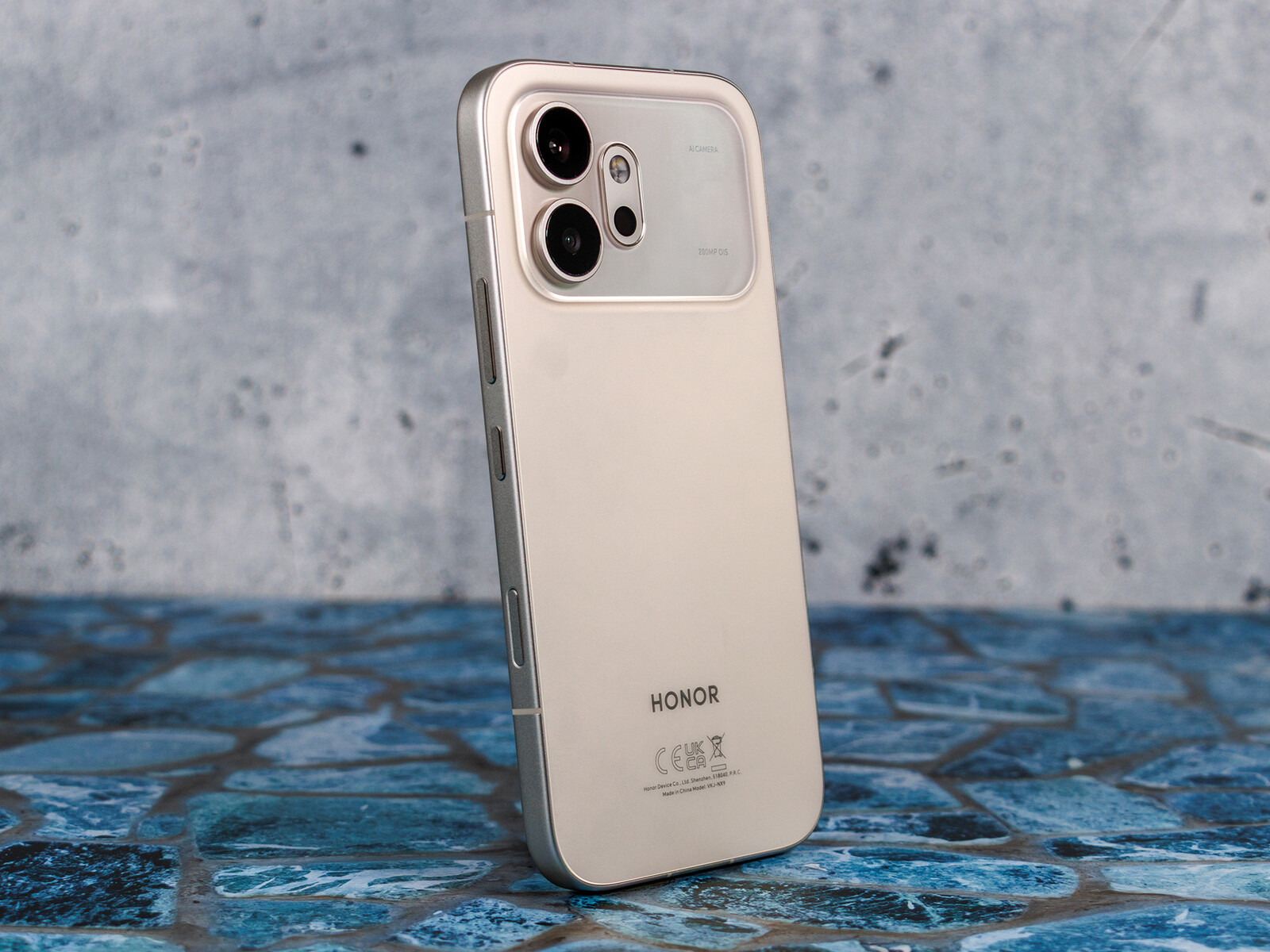
The 600 is a significant evolution of its previous-generation model, impressing with its very bright OLED display, a large 6,400-mAh battery, and a powerful 200-MP main camera. The display achieves impressive peak HDR brightness levels, offers a high PWM frequency, and delivers excellent picture quality even in everyday use. The Snapdragon 7 Gen 4 delivers sufficient performance for the mid-range segment, while the battery life easily lasts up to two days. Thanks to 80-watt fast charging, the smartphone is also quickly ready for use again.
The Honor 600 is a compelling mid-range smartphone with a very bright display, long battery life, and a good camera.
Honor also steps up its game when it comes to features: IP69 certification, eSIM, a long update cycle, and high-quality build speak in the device’s favor. Less impressive are the slow USB 2.0 speed, the comparatively weak Wi-Fi, and the lack of a telephoto camera and wireless charging. The ultra-wide-angle camera also falls short of the powerful main camera.
9th place - Nothing Phone (4a) Pro
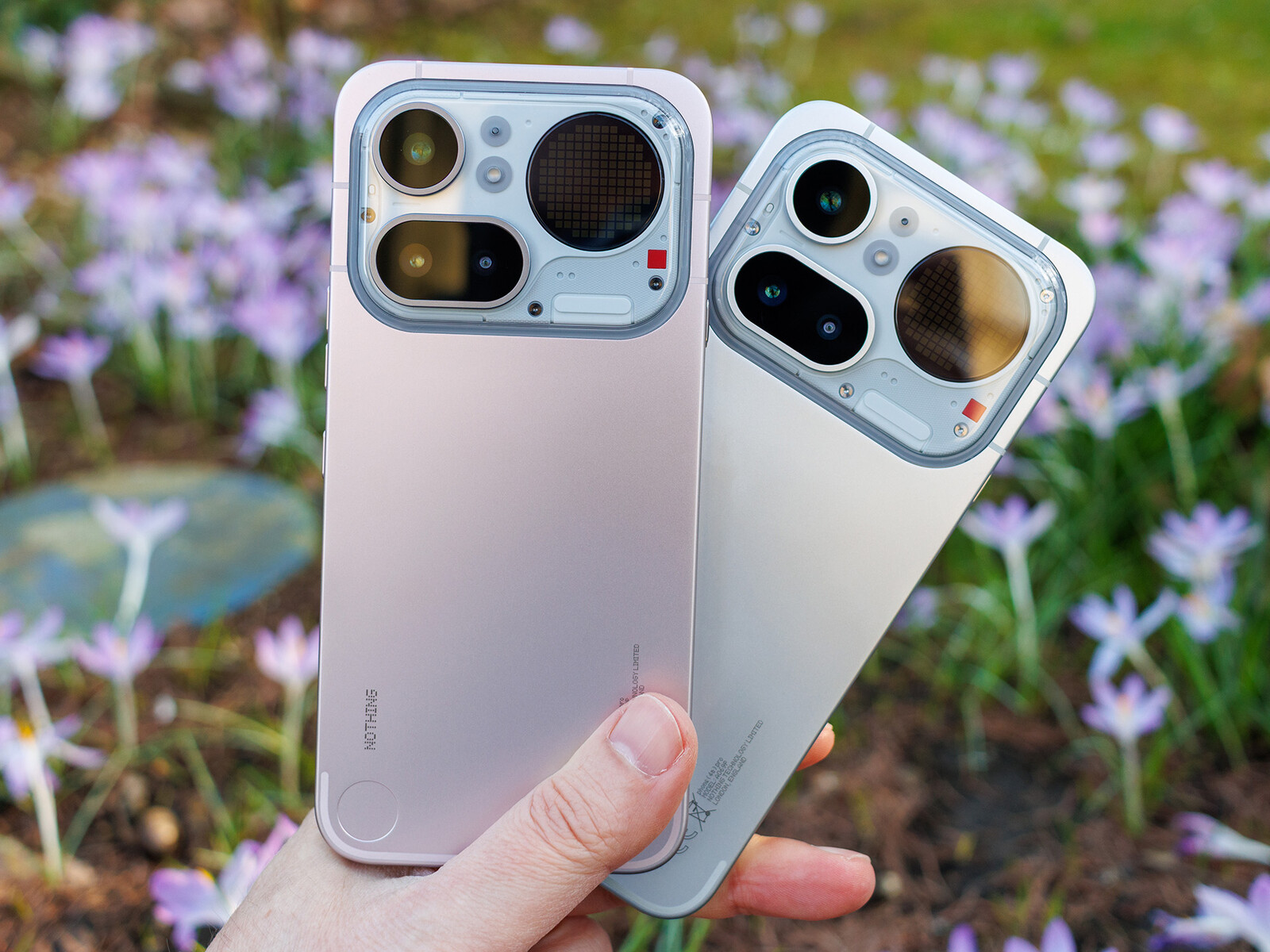
In our testing, the Phone (4a) Pro proved to be an unusual mid-range smartphone with a strong focus on design, display and user experience. The high-quality aluminum housing with the new glyph matrix system on the back, which visually displays notifications and functions, is particularly striking. Despite the playful look, the smartphone has a much more mature and high-quality appearance than previous models.
The Nothing Phone (4a) Pro combines an independent design, powerful features and clean software.
The 6.83-inch AMOLED display impresses with its high brightness, 144 Hz refresh rate and vibrant colors. The performance of the Snapdragon 7 Gen 4 is also sufficient for everyday use, multitasking and gaming. The good heat development and the long battery life of the 5,080 mAh battery are also positive features. Fast charging is supported, but wireless charging is missing. One highlight is the triple camera with a 50-megapixel main sensor and 3.5x telephoto zoom, which is rare in this price range. The image quality is good overall, but does not quite reach the level of real flagships.
10th place - Samsung Galaxy A57 5G
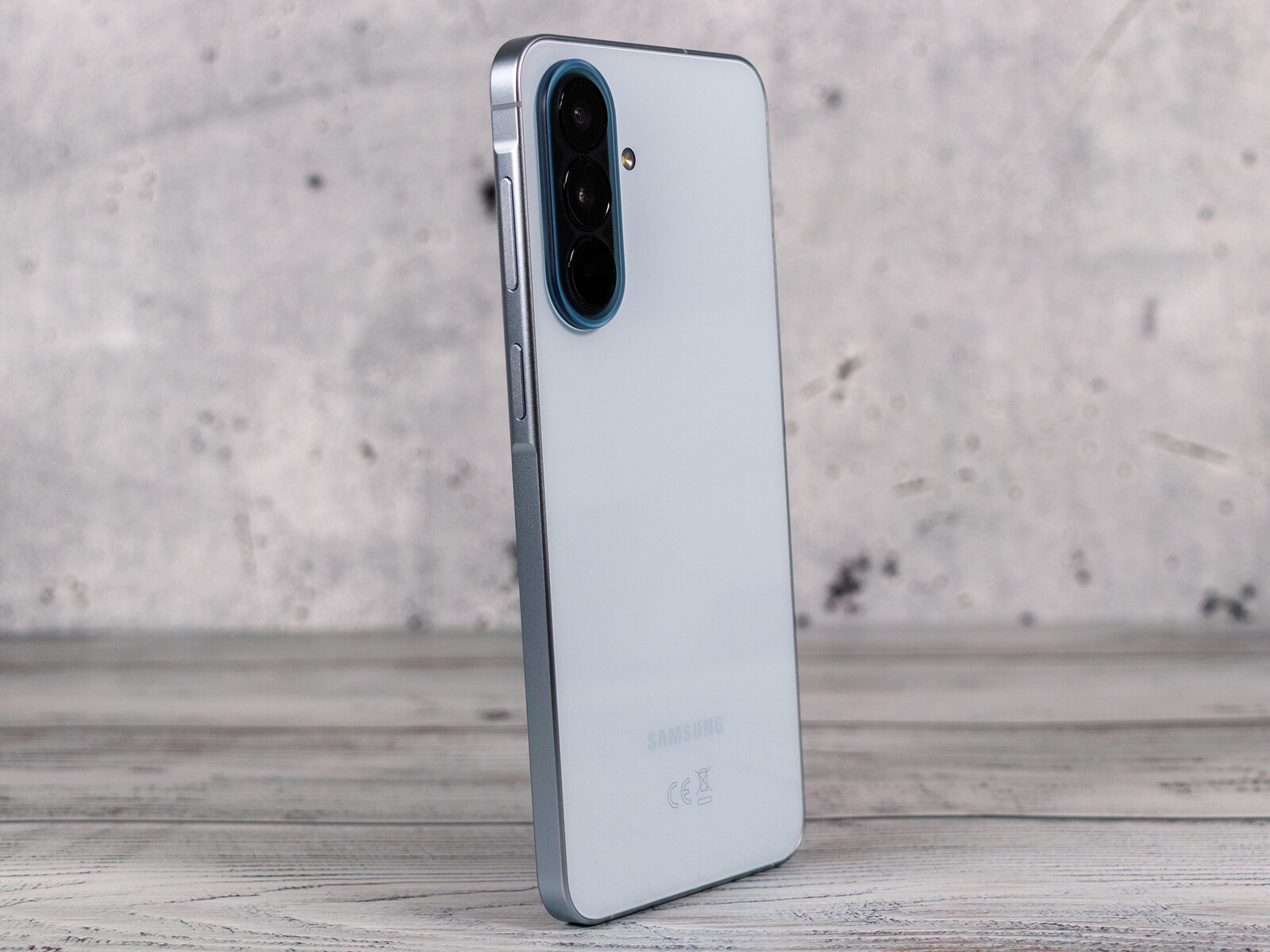
The Galaxy A57 5G is a well-rounded all-rounder that combines many strengths without excelling in any one area. The bright 120-Hz AMOLED display is just as impressive as the high-quality, sleek design with IP68 certification. The Exynos 1680 chip offers sufficient performance for everyday use, while the 5,000-mAh battery, combined with 45-watt fast charging, ensures long battery life. Other notable highlights include the excellent main camera, modern AI features, and six years of software update support.
The Galaxy A57 is a well-rounded mid-range smartphone with a high-quality overall package, long-term software support, and reliable everyday performance.
The Galaxy has some weaknesses in its secondary cameras, which lag behind the main camera in terms of quality. It also lacks wireless charging, a telephoto camera, and particularly high gaming performance. Compared to its predecessor, the improvements are generally rather moderate.
Best smartphones for less than 500 dollars/euros: Overview
Measurements
| Xiaomi Poco F8 Pro Adreno 830, SD 8 Elite, 512 GB UFS 4.1 Flash | Xiaomi Poco X8 Pro Max Immortalis-G925 MC11, Dimensity 9500s, 512 GB UFS 4.1 Flash | Google Pixel 10a Mali-G715 MP7, Tensor G4, 128 GB UFS 3.1 Flash | Xiaomi Poco X8 Pro Mali-G720 MP8, Dimensity 8500, 512 GB UFS 4.1 Flash | Xiaomi 17T Mali-G720 MP8, Dimensity 8500, 512 GB UFS 4.1 Flash | Realme GT 7 Immortalis-G720 MP12, Dimensity 9400e, 512 GB UFS 4.0 Flash | OnePlus Nord 6 Adreno 825, SD 8s Gen 4, 512 GB UFS 4.1 Flash | Honor 600 Adreno 722, SD 7 Gen 4, 512 GB UFS 3.1 Flash | Nothing Phone (4a) Pro Adreno 722, SD 7 Gen 4, 256 GB UFS 3.1 Flash | Samsung Galaxy A57 Xclipse 550, Exynos 1680, 256 GB UFS 3.1 Flash | |
|---|---|---|---|---|---|---|---|---|---|---|
| Display | ||||||||||
| APL18 Peak Brightness (cd/m²) | 3532 | 3582 | 3050 | 3475 | 3512 | 1523 | 2654 | 3102 | 1596 | 1920 |
| HDR Peak Brightness (cd/m²) | 3475 | 3538 | 2925 | 3406 | 3439 | 1485 | 2334 | 8192 | 1564 | 1980 |
| Response Times | ||||||||||
| Response Time Grey 50% / Grey 80% * (ms) | 1.35 ? | 0.8 ? | 1.42 ? | 1.11 ? | 1.17 ? | 0.96 ? | 2.2 ? | 1.06 ? | 0.64 ? | 1.21 ? |
| Response Time Black / White * (ms) | 1.09 ? | 0.952 ? | 1.07 ? | 1.05 ? | 1.09 ? | 1.23 ? | 18.9 ? | 1 ? | 0.84 ? | 1.1 ? |
| PWM Frequency (Hz) | 120 | 120 | 240 | 120 | 120 | 90 | 90.6 | 60 | 90 | 240 |
| PWM Amplitude * (%) | 13.61 | 13.45 | 14.71 | 16.04 | 14.74 | 16.76 | 17 | 13.86 | 13.58 | 16.72 |
| Screen | ||||||||||
| Brightness middle (cd/m²) | 1717 | 1107 | 2205 | 1104 | 1104 | 1519 | 1159 | 1787 | 1604 | 1135 |
| Brightness (cd/m²) | 1721 | 1110 | 1102 | 1102 | 1530 | 1131 | 1585 | 1134 | ||
| Brightness Distribution (%) | 98 | 97 | 97 | 97 | 97 | 95 | 95 | 99 | ||
| Black Level * (cd/m²) | ||||||||||
| Colorchecker dE 2000 * | 1 | 1 | 1.4 | 1.2 | 0.9 | 1 | 1.08 | 1.9 | 1.9 | 1.7 |
| Colorchecker dE 2000 max. * | 2.2 | 2.7 | 2.3 | 2.4 | 2 | 1.7 | 2.41 | 5.3 | 4.3 | 2.5 |
| Greyscale dE 2000 * | 1.7 | 1.7 | 1.6 | 2.1 | 1.4 | 1.1 | 1.9 | 3.4 | 2.9 | 1.4 |
| Gamma | 2.29 96% | 2.25 98% | 2.23 99% | 2.22 99% | 2.25 98% | 2.22 99% | 2.236 98% | 2.25 98% | 2.27 97% | 2.08 106% |
| CCT | 6574 99% | 6498 100% | 6715 97% | 6472 100% | 6480 100% | 6661 98% | 6708 97% | 6874 95% | 7083 92% | 6578 99% |
| Heat | ||||||||||
| Maximum Upper Side * (°C) | 48.7 | 42.9 | 42.8 | 42.5 | 45.9 | 47.3 | 52.9 | 46.3 | 48.2 | 47 |
| Maximum Bottom * (°C) | 47.2 | 43 | 41.8 | 40.3 | 45.6 | 48.3 | 51.6 | 43.8 | 45.3 | 47.8 |
| Idle Upper Side * (°C) | 29.3 | 26.9 | 26.9 | 30.5 | 26.4 | 31.2 | 31.8 | 31.6 | ||
| Idle Bottom * (°C) | 28 | 26.6 | 26.3 | 29 | 26.1 | 31.1 | 29.6 | 30.4 | ||
| Battery runtime | ||||||||||
| WiFi v1.3 (h) | 22.8 | 23.2 | 20 | 19.4 | 21.1 | 23.8 | 23.1 | 22.6 | 18 | 14.9 |
| Reader / Idle (h) | 35.2 | 40.2 | 39.8 | |||||||
| Load (h) | 4.2 | 5.2 | 3.6 |
* ... smaller is better
Benchmark scores
| GFXBench | |
| 1920x1080 Aztec Ruins Normal Tier Offscreen (sort by value) | |
| Xiaomi Poco F8 Pro | |
| Xiaomi Poco X8 Pro Max | |
| Google Pixel 10a | |
| Xiaomi Poco X8 Pro | |
| Xiaomi 17T | |
| Realme GT 7 | |
| OnePlus Nord 6 | |
| Honor 600 | |
| Nothing Phone (4a) Pro | |
| Samsung Galaxy A57 | |
| on screen Aztec Ruins Normal Tier Onscreen (sort by value) | |
| Xiaomi Poco F8 Pro | |
| Xiaomi Poco X8 Pro Max | |
| Google Pixel 10a | |
| Xiaomi Poco X8 Pro | |
| Xiaomi 17T | |
| Realme GT 7 | |
| OnePlus Nord 6 | |
| Honor 600 | |
| Nothing Phone (4a) Pro | |
| Samsung Galaxy A57 | |
| 2560x1440 Aztec Ruins High Tier Offscreen (sort by value) | |
| Xiaomi Poco F8 Pro | |
| Xiaomi Poco X8 Pro Max | |
| Google Pixel 10a | |
| Xiaomi Poco X8 Pro | |
| Xiaomi 17T | |
| Realme GT 7 | |
| OnePlus Nord 6 | |
| Honor 600 | |
| Nothing Phone (4a) Pro | |
| Samsung Galaxy A57 | |
| on screen Aztec Ruins High Tier Onscreen (sort by value) | |
| Xiaomi Poco F8 Pro | |
| Xiaomi Poco X8 Pro Max | |
| Google Pixel 10a | |
| Xiaomi Poco X8 Pro | |
| Xiaomi 17T | |
| Realme GT 7 | |
| OnePlus Nord 6 | |
| Honor 600 | |
| Nothing Phone (4a) Pro | |
| Samsung Galaxy A57 | |
| PCMark for Android - Work 3.x (sort by value) | |
| Xiaomi Poco F8 Pro | |
| Xiaomi Poco X8 Pro Max | |
| Xiaomi Poco X8 Pro | |
| Xiaomi 17T | |
| Realme GT 7 | |
| Nothing Phone (4a) Pro | |
| Samsung Galaxy A57 | |
| Antutu v10 - Total Score (sort by value) | |
| Xiaomi Poco F8 Pro | |
| Xiaomi Poco X8 Pro Max | |
| Realme GT 7 | |
| Antutu v11 - Score (sort by value) | |
| Xiaomi Poco F8 Pro | |
| Xiaomi Poco X8 Pro Max | |
| Xiaomi Poco X8 Pro | |
| Xiaomi 17T | |
| Samsung Galaxy A57 | |
| CrossMark - Overall (sort by value) | |
| Xiaomi Poco X8 Pro Max | |
| Google Pixel 10a | |
| Xiaomi Poco X8 Pro | |
| Xiaomi 17T | |
| Realme GT 7 | |
| OnePlus Nord 6 | |
| Honor 600 | |
| Nothing Phone (4a) Pro | |
| Samsung Galaxy A57 | |
| Octane V2 - Total Score (sort by value) | |
| Xiaomi Poco F8 Pro | |
| Xiaomi Poco X8 Pro Max | |
| Xiaomi Poco X8 Pro | |
| Xiaomi 17T | |
| Realme GT 7 | |
| Samsung Galaxy A57 | |
| Networking | |
| iperf3 receive AXE11000 (sort by value) | |
| Xiaomi Poco F8 Pro | |
| Xiaomi Poco X8 Pro Max | |
| Xiaomi Poco X8 Pro | |
| Realme GT 7 | |
| Honor 600 | |
| iperf3 transmit AXE11000 (sort by value) | |
| Xiaomi Poco F8 Pro | |
| Xiaomi Poco X8 Pro Max | |
| Xiaomi Poco X8 Pro | |
| Realme GT 7 | |
| Honor 600 | |
| iperf3 transmit Wi-Fi6/7 RT-BE96U (sort by value) | |
| Google Pixel 10a | |
| Xiaomi 17T | |
| iperf3 receive Wi-Fi6/7 RT-BE96U (sort by value) | |
| Google Pixel 10a | |
| Xiaomi 17T | |
| PUBG Mobile - HD (sort by value) | |
| Xiaomi Poco X8 Pro Max | |
| Xiaomi Poco X8 Pro | |
| Xiaomi 17T | |
| Samsung Galaxy A57 | |
 Add as a preferred source on Google


