




Ranking: Best compact smartphones reviewed by Notebookcheck
Q2 2026 update.
Smartphones with large displays are omnipresent now. Ubiquitous. It's small phones that are hard to find, which is why we came up with a list of the most compact smartphones currently available on the market that have been extensively tested by Notebookcheck and got a good to very good rating.Daniel Schmidt (translated by DeepL) Published 🇩🇪 🇹🇷 ...
Just what is a compact smartphone? This is a question that different consumers might have a different answer to. The width/length of the casing, as well as the display diagonal are the most obvious criteria but with display edges becoming ever narrower, the phone's display-to-surface ratio is certainly an important factor, too. Foldables bring another level of complexity into the picture. Although these are rather narrow (or short) when folded, they are considerably thicker than regular phones, too.
We decided to use smartphones' volume as the main criteria. To make the list, a smartphone can't have a volume large than 88,000 mm³ or a length of over 156 mm. Below are the best phones that meet the requirements and were reviewed by us over the last 18 months (with full reviews linked in the table).
Best pocket-friendly smartphones to buy in Q2 2026
Image | Model / Review | Price | Weight | Dimensions | Display | Screen / Body |
|---|---|---|---|---|---|---|
1. 89.9%  | Apple iPhone 17 Pro Apple A19 Pro ⎘ Apple A19 Pro 6-Core GPU ⎘ 12 GB Memory, 512 GB SSD | List Price: 1549€ | 206 g | 71.9 x 150 x 8.8 mm 94908 mm³ | 6.30" 2622x1206 458 PPI OLED | 90 % |
2. 89.2%  | Xiaomi 17 Qualcomm Snapdragon 8 Elite Gen 5 ⎘ Qualcomm Adreno 840 ⎘ 12 GB Memory, 512 GB UFS 4.x | List Price: 650€ | 191 g | 71.8 x 151.1 x 8.1 mm 87877 mm³ | 6.30" 2656x1220 464 PPI LTPO AMOLED | 89.5 % |
3. 88.9%  | Google Pixel 10 Pro Google Tensor G5 ⎘ IMG DXT-48-1536 ⎘ 16 GB Memory, 256 GB UFS 4.x | List Price: 1199€ | 207 g | 72 x 152.8 x 8.6 mm 94614 mm³ | 6.30" 2856x1280 497 PPI OLED | 87 % |
4. 88.3%  | Samsung Galaxy S26 Samsung Exynos 2600 ⎘ Samsung Xclipse 960 ⎘ 12 GB Memory, 256 GB UFS 4.x | List Price: 999€ | 167 g | 71.7 x 149.6 x 7.2 mm 77230 mm³ | 6.30" 2340x1080 409 PPI Dynamic AMOLED 2XDynamic AMOLED 2X, 8 Bit color depth | 91 % |
5. 88%  | Vivo X300 MediaTek Dimensity 9500 ⎘ Arm Mali G1- Ultra MC12 ⎘ 12 GB Memory, 256 GB UFS 4.x | List Price: 1049€ | 190 g | 71.92 x 150.57 x 7.95 mm 86091 mm³ | 6.31" 2640x1216 461 PPI AMOLED | 90 % |
6. 87.9%  | Apple iPhone 17 Apple A19 ⎘ Apple A19 GPU ⎘ 8 GB Memory, 256 GB NVMe | List Price: 949 Euro | 177 g | 71.5 x 149.6 x 7.95 mm | 6.30" 2622x1206 460 PPI OLED | 91 % |
7. 86.2%  | Samsung Galaxy Z Flip7 Samsung Exynos 2500 ⎘ Samsung Xclipse 950 ⎘ 12 GB Memory, 256 GB UFS 4.x | List Price: 1199€ | 188 g | 75.2 x 166.7 x 6.5 mm 81483 mm³ | 6.90" 2520x1080 397 PPI AMOLED | 88.7 % |
8. 86%  | Google Pixel 10 Google Tensor G5 ⎘ IMG DXT-48-1536 ⎘ 12 GB Memory, 256 GB UFS 4.x | List Price: 999€ | 204 g | 72 x 152.8 x 8.6 mm 63114 mm³ | 6.30" 2424x1080 421 PPI OLED | 86 % |
9. 84%  | Apple iPhone 17e Apple A19 ⎘ Apple A19 4-Core GPU ⎘ 8 GB Memory, 256 GB NVMe | List Price: 699 Euro | 170 g | 71.5 x 146.7 x 7.8 mm | 6.10" 2532x1170 460 PPI OLED | 87 % |
10. 82.6%  | Oppo Reno15 Pro 5G MediaTek Dimensity 8450 ⎘ ARM Mali-G720 MP7 ⎘ 12 GB Memory, 512 GB UFS 3.1 | List Price: 799€ | 188 g | 72.42 x 151.21 x 8.13 mm 89029 mm³ | 6.32" 2640x1216 460 PPI AMOLED | 89 % |
The table above is a list of the best compact smartphones tested by Notebookcheck in the last 18 months along with other models that are relevant and still available to buy. If multiple products have the same rating, the newer review is listed higher. Prices are updated daily and may change accordingly over time.
Link: all tested products in this class by volume or length
Editorial comment
As part of this quarter's update, we welcome the Galaxy S26, Pixel 10, iPhone 17e as well as the Reno15 Pro.
1st place - Apple iPhone 17 Pro
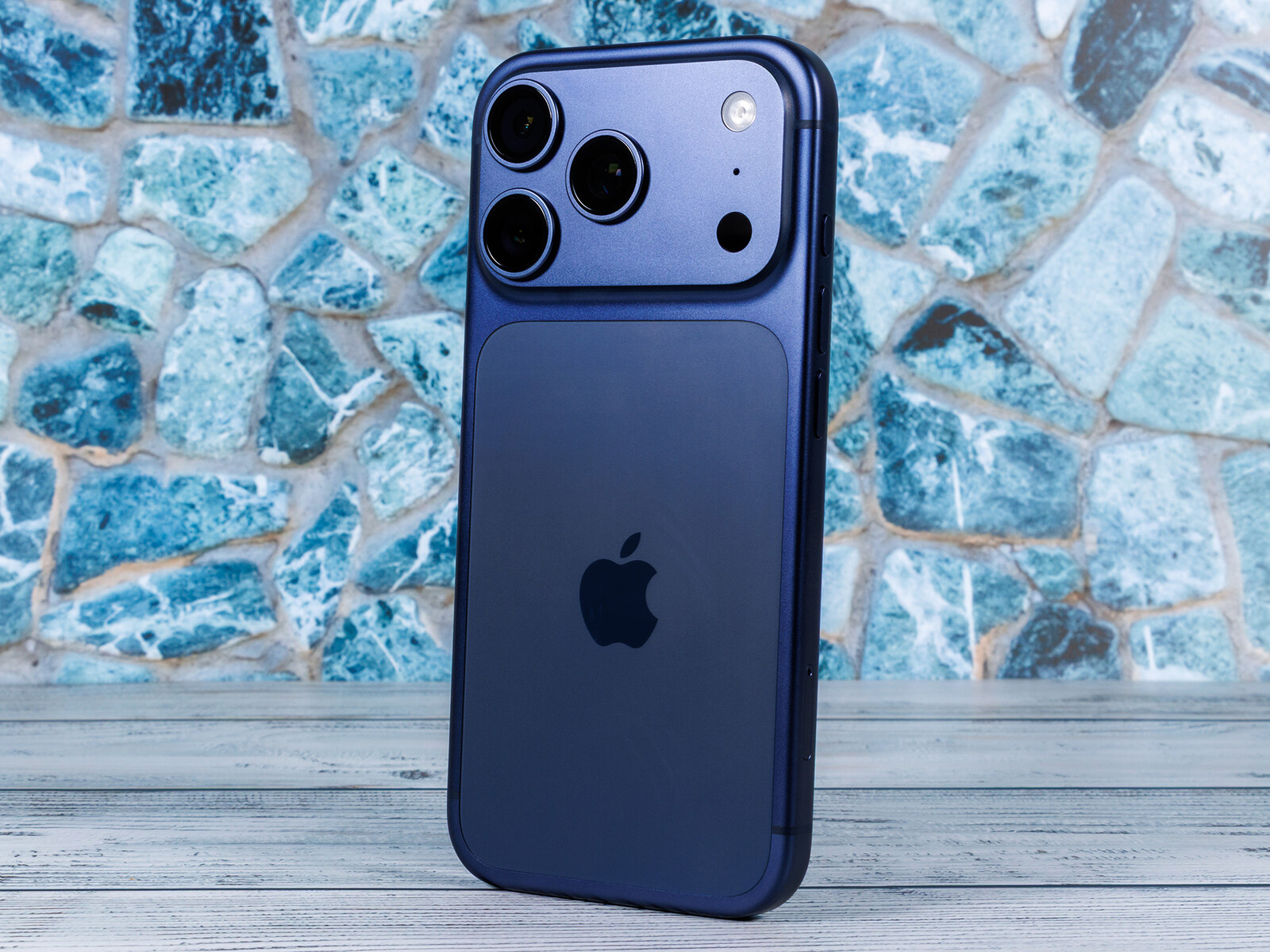
The iPhone 17 Pro comes with a variety of gen-to-gen improvements, scoring points with features such as its new, significantly brighter and more color-accurate OLED display, a larger and more enduring battery and the powerful A19 Pro chip with 12 GB of RAM. The latter ensure outstanding system performance; its battery life is great for the product category, too.
The iPhone 17 Pro is a powerful premium smartphone.
Its cameras have seen an improvement, too. In particular, the telephoto lens and the new "center stage" front camera are more versatile and deliver better quality in everyday life. Design-wise, the phone sports a sturdy, albeit more scratch-sensitive aluminum frame, and slim looks.
Wi-Fi 7, dual e-SIM and USB-C 3.2 are all onboard to round out the list of features nicely. No one is perfect; high-res Bluetooth codecs are missing and some new iOS 26 functionality is unavailable in the EU.
2nd place - Xiaomi 17
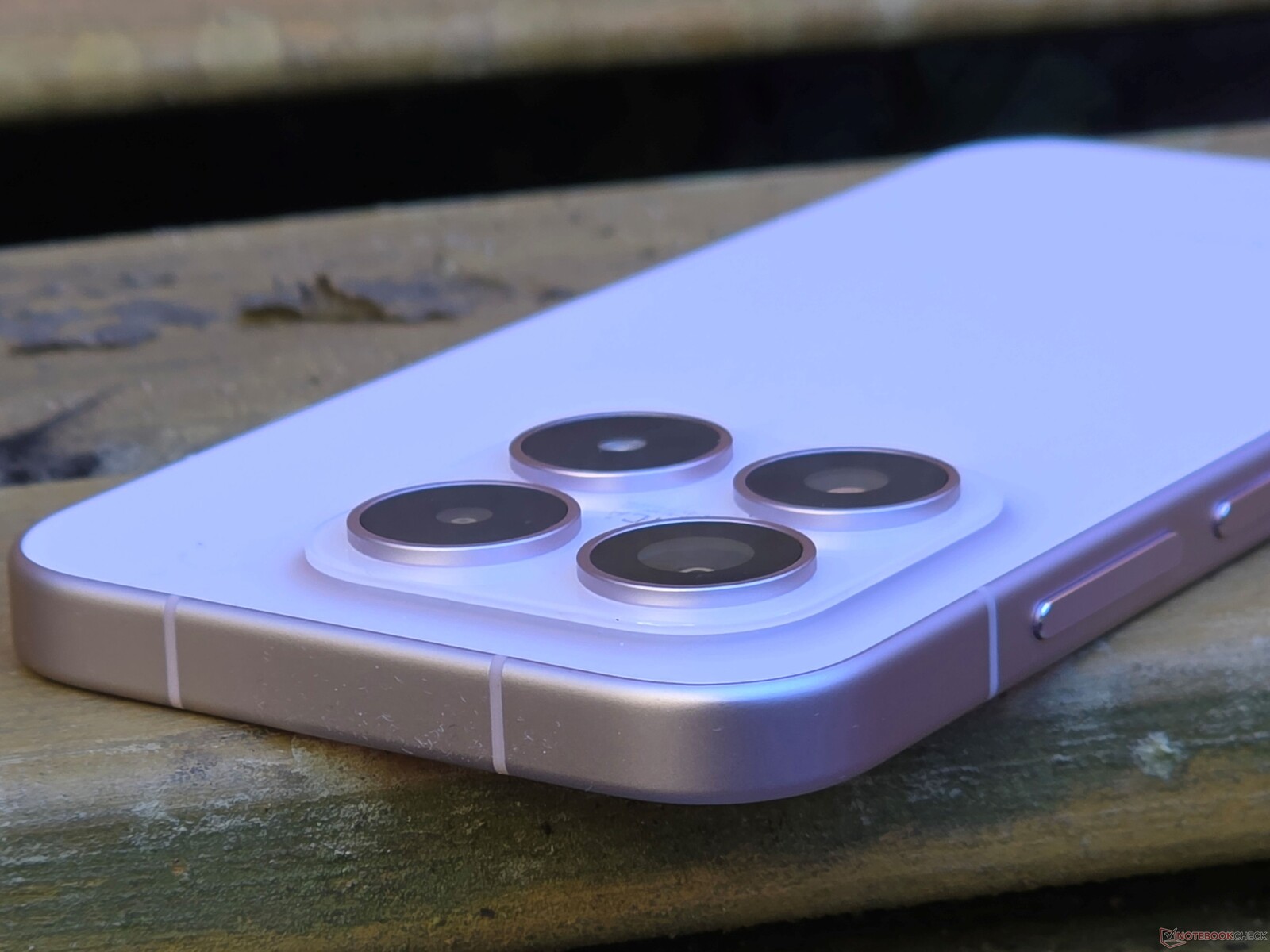
While the Xiaomi 17 does set new standards for compact smartphones with its huge 7,000 mAh battery and powerful Snapdragon 8 Elite Gen 5, the model is not without its weaknesses. The enormous battery ensures runtimes better than most rival phones at the cost of the casing's weight and size, both on the larger side. So much so that the Xiaomi might be unsuitable for users who really want a slim phone and nothing else.
Xiaomi's 17 rocks thanks in no small part to its gigantic battery - that also makes it heavier.
Although the performance of the new Snapdragon chip is very good, thermals can get in the way. In particular, it's graphics performance that suffers when under longer loads. The 17's primary camera impresses with Leica optics and good low-light capabilities, even if shots can sometimes appears oversaturated and oversharpened in daylight. In addition, HyperOS 3 bears a lot of similarities to iOS, which may not appeal to every Android fan, and the Chinese-market version of the phone comes with limitations such as weaker software support and the lack of e-SIM.
All things considered, the Xiaomi 17 is a flawed option that is only available from overseas shops for customers in the EU, for example TradingShenzhen.
3rd place - Google Pixel 10 Pro
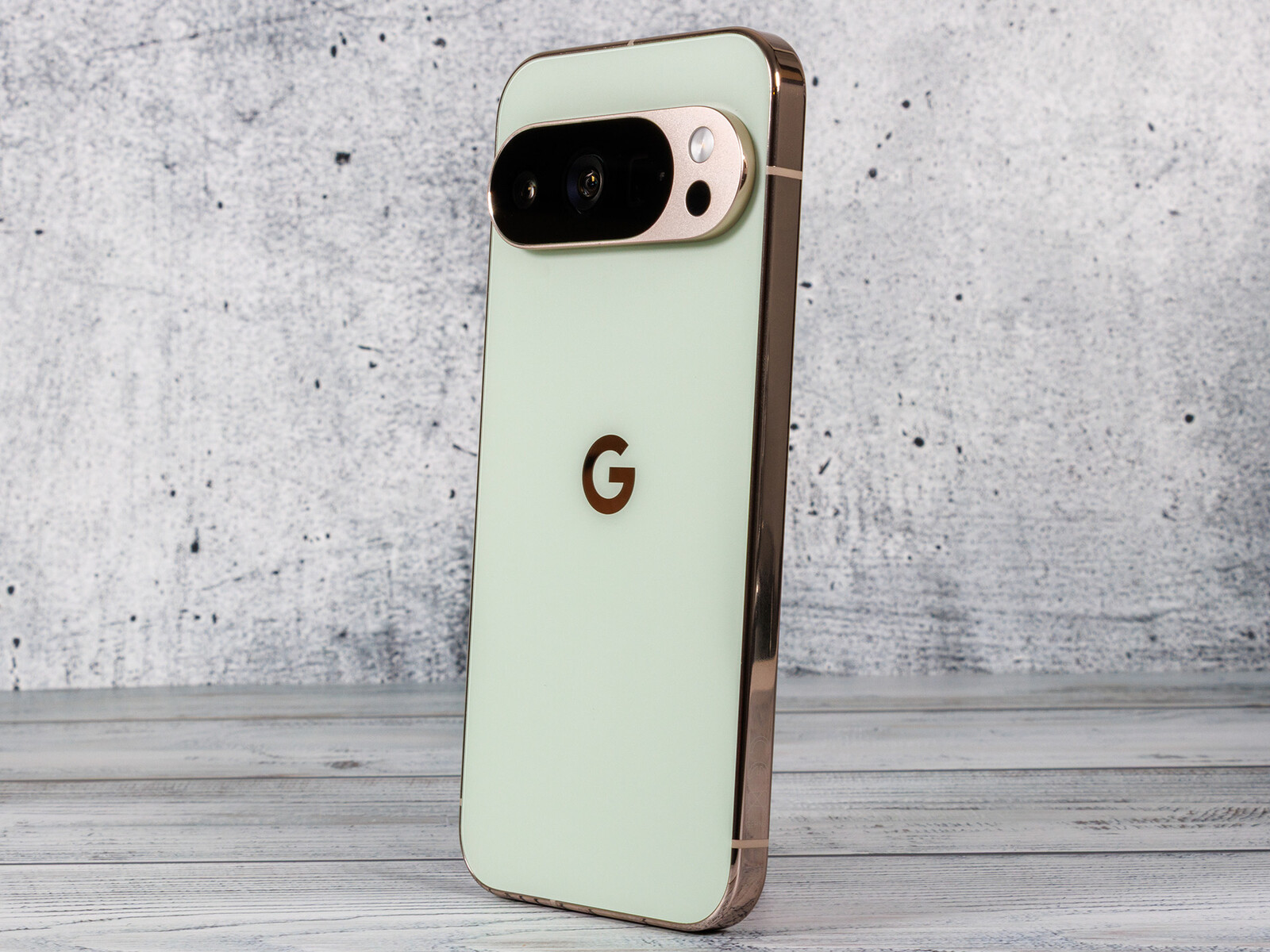
The Pixel 10 Pro has a high-quality glass and aluminum casing with IP68 certification. Powering it is the Tensor G5 processor with 16 GB of RAM, which runs smoothly in everyday use but lags behind the competition in benchmarks. Its internal storage can be as big as 1 TB, but is slower than expected despite being UFS 4.0-compliant.
Google's Pixel 10 Pro combines high-quality design and s bright OLED display with strong features, but falls short of expectations in terms of performance, storage and GPS accuracy.
Its 6.3-inch LTPO OLED display with 2,856 × 1,280 pixels achieves peak brightness of up to 3,200 cd/m² and a 120-Hz refresh rate, but also flickers at a low frequency. Features include Wi-Fi 7, Bluetooth 6.0, UWB, NFC and dual-band GNSS. The latter is not very precise indoors, though.
The Pixel's 4,870-mAh battery can be charged at 30 W wired and 15 W wirelessly. The triple rear camera system with 50, 48 and 48 MP delivers impressive photos. The ultrasonic fingerprint sensor is quick and the vibration motor provides precise feedback.
4th place - Samsung Galaxy S26
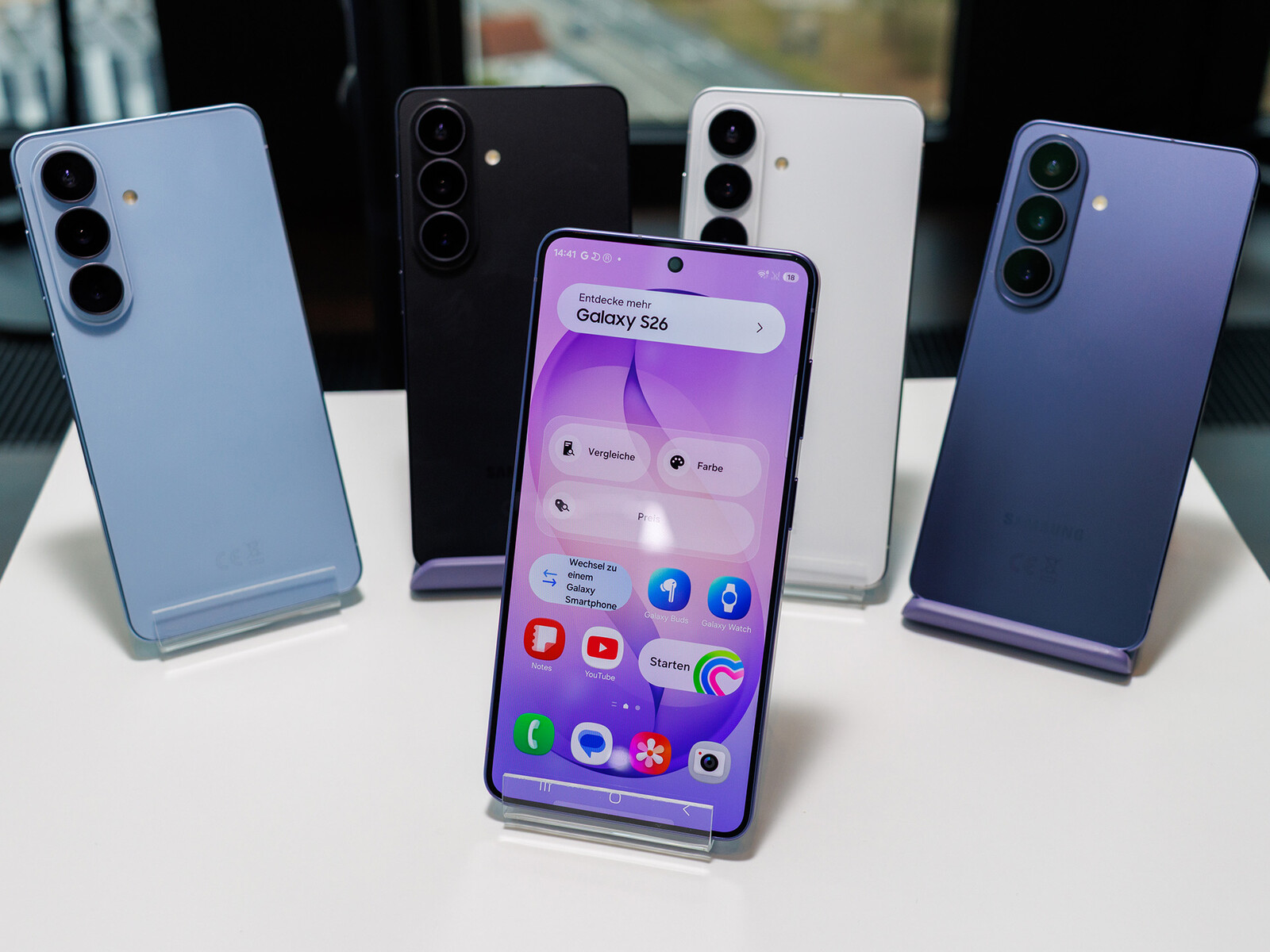
The S26 is not as much about spectacular innovation as it is about technical refinement. At its heart is Samsung's new Exynos 2600 processor, manufactured using the most modern 2-nanometer process. In everyday use, the chip ensures high speed, short loading times and smooth multitasking. Under prolonged workloads, however, a familiar problem becomes apparent: Performance is noticeably throttled so as to lower temperatures.
The S26 is a consistently optimized premium smartphone - strong in detail, but lacking major innovative leaps.
There are improvements to highlight on the power front. Battery capacity has risen to 4,300 mAh, delivering visibly longer runtimes than its predecessor, though not record-breakingly so. The 6.3-inch AMOLED display is once again a big bright feather in the phone's cap, or it would be if it had one. It is extremely bright, high-contrast and color-accurate.
Specs-wise, Samsung keeps things conservative in many areas. Camera hardware and charging performance have only seen limited progress, and modern standards such as Bluetooth 6.0 and UWB are also missing. On the other hand, the product scores points with high build quality, Android 16 slash One UI 8.5, and an exceptionally long claimed software update period of seven years.
5th place - Vivo X300
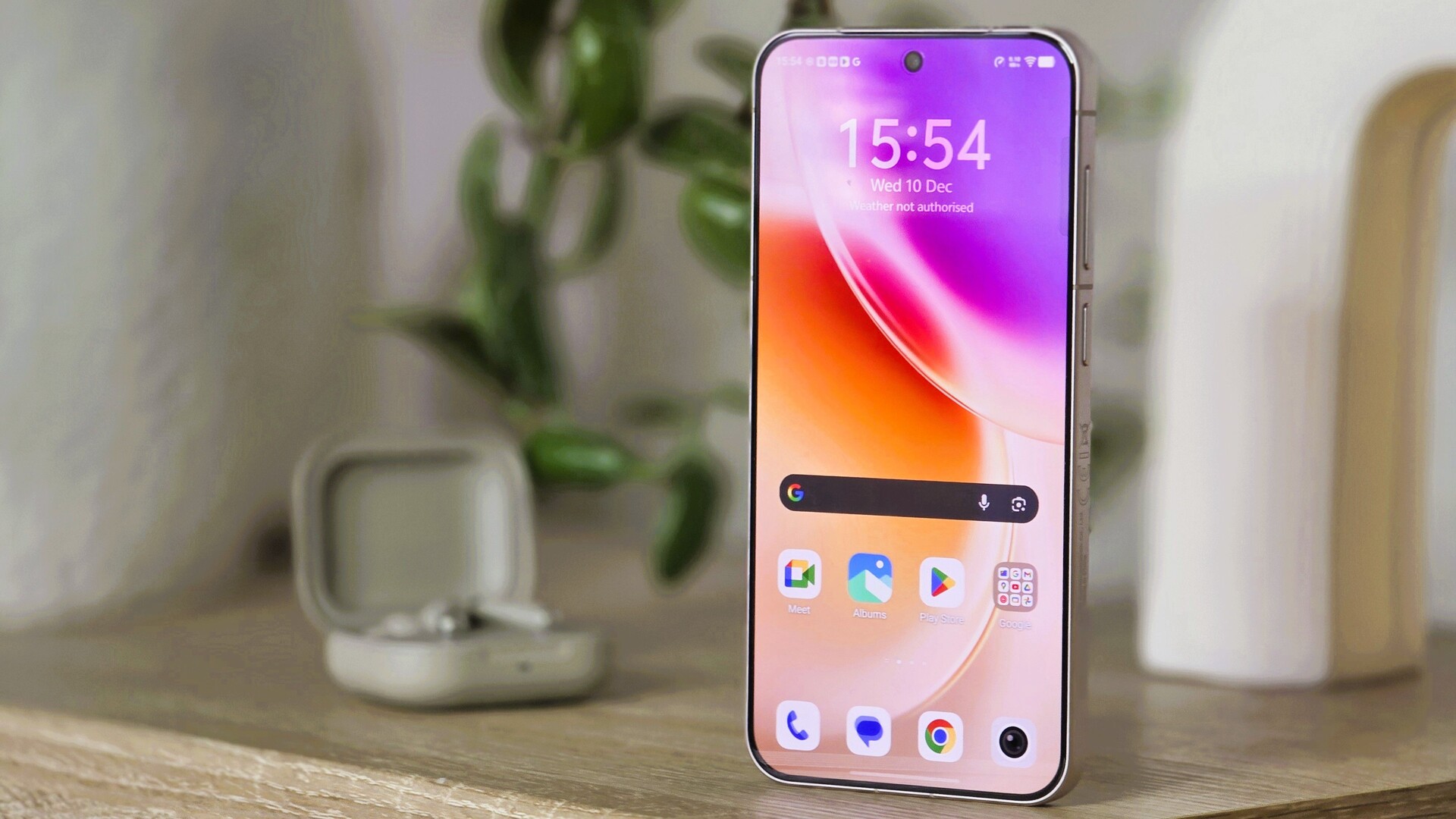
The X300 is a compact upper-class smartphone with a high-quality casing and IP68/69 certification that remains pleasantly handy despite its 6.31-inch display diagonal. The star of this show, a 200-MP primary camera delivers excellent photos, including good-looking low-light shots, while the phone's telephoto and ultra-wide-angle cams are weaker, but still strong enough for this product class.
The Vivo X300 is a compact but fully-fledged flagship with an excellent 200-MP Zeiss camera.
Its LTPO AMOLED display with a high resolution, very high HDR peak brightness, 2,160-Hz PWM dimming and precise colors are among its strengths as well. A Dimensity 9500 ensures true flagship performance and very high GPU performance, but is loses steam in stress tests quickly due to throttling. A 5,360-mAh internal battery offers good but not outstanding runtimes and charges at up to 90 watts, with 40 watts being the limit for wireless charging.
With Wi-Fi 7, fast ultrasonic fingerprint scanner, OriginOS with long updates and many premium features, the X300 is a first-class compact flagship.
6th place - Apple iPhone 17
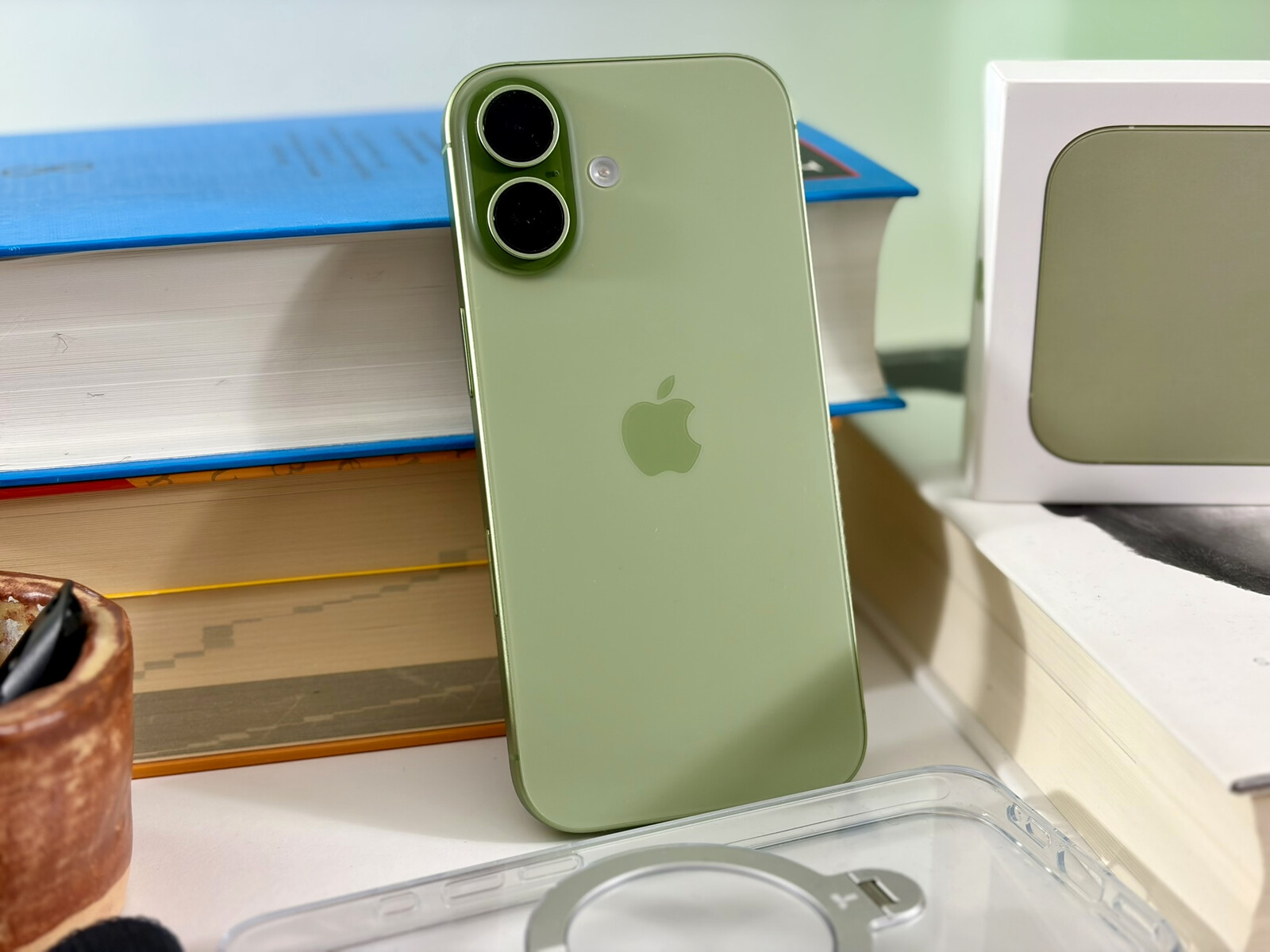
The iPhone 17 comes closer to the Pro models than ever before with its high-quality, largely familiar design, larger and significantly improved 6.3-inch ProMotion OLED panel (finally with 120 Hz), the powerful Apple A19 SoC and as much as 256 GB of storage in the base SKU.
The iPhone 17 is the iPhone to buy.
It offers powerful cameras with two 48-MP sensors and a new 18-MP selfie shooter, very high everyday and gaming performance, longer battery life and modern connectivity with the N1 radio chip and Wi-Fi 7. It has weaknesses. too such as its slow USB-C 2.0 port, limited Bluetooth audio codecs, Wi-Fi 7 implementation limited to 160-MHz channel width, a limited warranty (by the EU standards) of 12 months and fast charging that, at 40 watts, is clearly not as fast as some Android-based rivals.
7th place - Samsung Galaxy Z Flip7
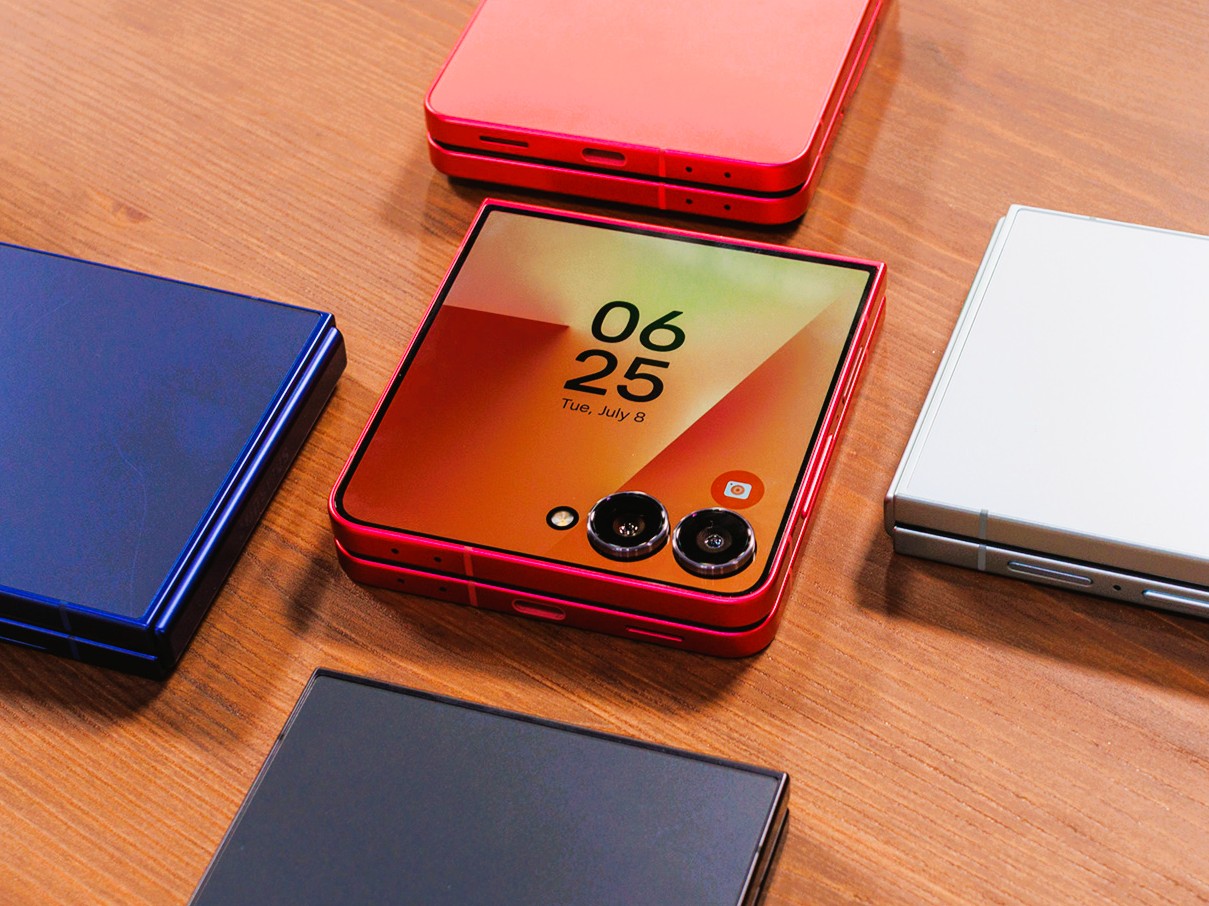
The Galaxy Z Flip7 is marketed as a high-quality foldable that has seen several gen-to-gen improvements. Thanks to Gorilla Glass Victus 2, a robust folding mechanism and IP48 certification, its casing is durable with a high-quality feel to it. With a 6.9-inch main OLED panel that is very bright and contrast-rich, as well as an upscale 4.1-inch external display, the product has no eye candy shortage and offers various usage options.
Samsung's Galaxy Z Flip7 is a high-quality flip smartphone with multi-year updates and good battery life. It loses some of its appeal due to limited outer display functions, slow charging and weaker performance.
The secondary panel is limited in its functionality and cannot fully replace the internal display. The update guarantee of seven years is long, the software is up-to-date with Android 16 and One UI 8, and the increased battery capacity of around 4,300 mAh delivers solid runtimes. Charging speeds aren't great, both wired and wirelessly, and neither is performance: in the EU, the smartphone comes with the Exynos 2500, which lags behind the Snapdragon version and noticeably throttles under load.
If you are interested in the cheaper entry-level model, the Galaxy Z Flip FE, you should also take a look at the Flip6 from the previous year, as the two devices are almost identical.
8th place - Google Pixel 10
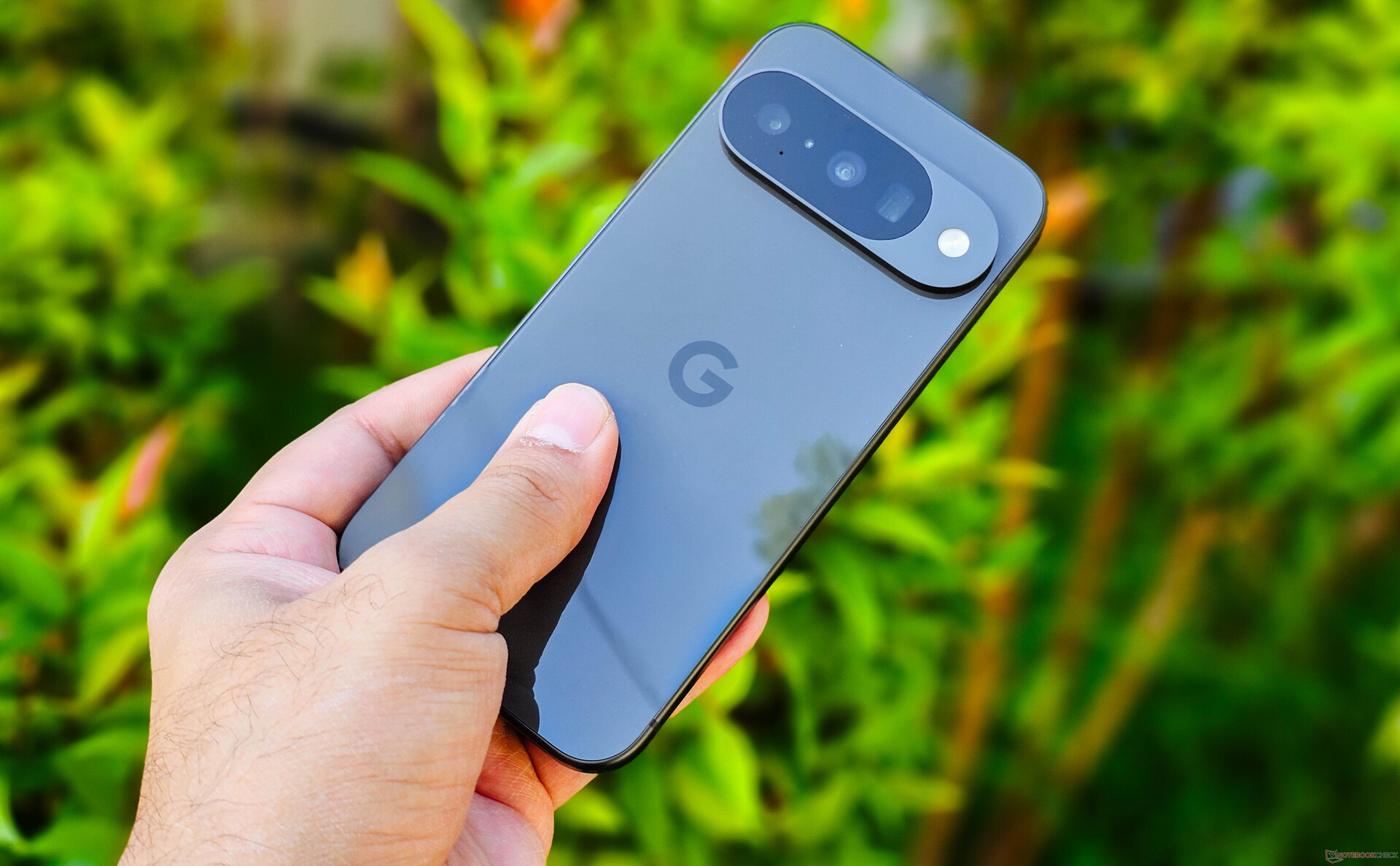
The Pixel 10 is an interesting Android smartphone, none the least because of its software. At its heart is Google's Tensor G5 chip, which enhances AI features such as Gemini, intelligent image processing and writing assistants. While the phone is fairly fast in everyday use, the Tensor lacks the efficiency and performance of top 2026 ARM chips, as especially noticeable under high continuous workloads.
Overall, the Pixel 10 is great, and it can also be had at a significantly lower price now. Raw hardware performance is not the priority here.
In terms of technology, the compact 6.3-inch device scores points with a very bright OLED display, lovely build quality, and IP68 certification. However, modern extras such as LTPO technology, Wi-Fi 7 or UWB did not make the cut. Wireless charging is supported, but only at a rather slow rate. Just like with previous Pixels, its rear camera setup continues to deliver strong everyday photos with typical Pixel image processing, although the primary and ultra-wide-angle cameras have been visibly slimmed down compared to the Pro models. Also worth a mention is the long software support of 7 years.
9th place - Apple iPhone 17e

The iPhone 17e shows how consistent Apple is with its more affordable model range. While the 17e does make use of the latest Apple SoC, it deliberately forgoes numerous premium functions. Powered by the A19 chip, it delivers great performance in everyday use and handles even demanding apps with ease while remaining energy-efficient and offering solid battery life.
The iPhone 17e therefore looks like a deliberately slimmed-down, entry-level iPhone, modern enough from a technical perspective to last many years, but clearly differentiated from the more expensive models.
The list of cost-cutting measures is neither short, nor easy to miss. Apple has eliminated 120-Hz ProMotion display refresh rate, a telephoto lens, MagSafe support, Wi-Fi 7 and some AI features as found on the more expensive models. The 17e's OLED display operates at 60 Hz, but thankfully still impresses with its high brightness and precise colors. Its single rear camera delivers surprisingly strong photos thanks to Apple's image processing, but reaches its limits quicker than Pro models when it comes to zoom and night shots. Build quality is high, software updates are set to come for many years, and all the benefits of Apple's extensive and tightly integrated ecosystem come included.
10th place - Oppo Reno15 Pro 5G
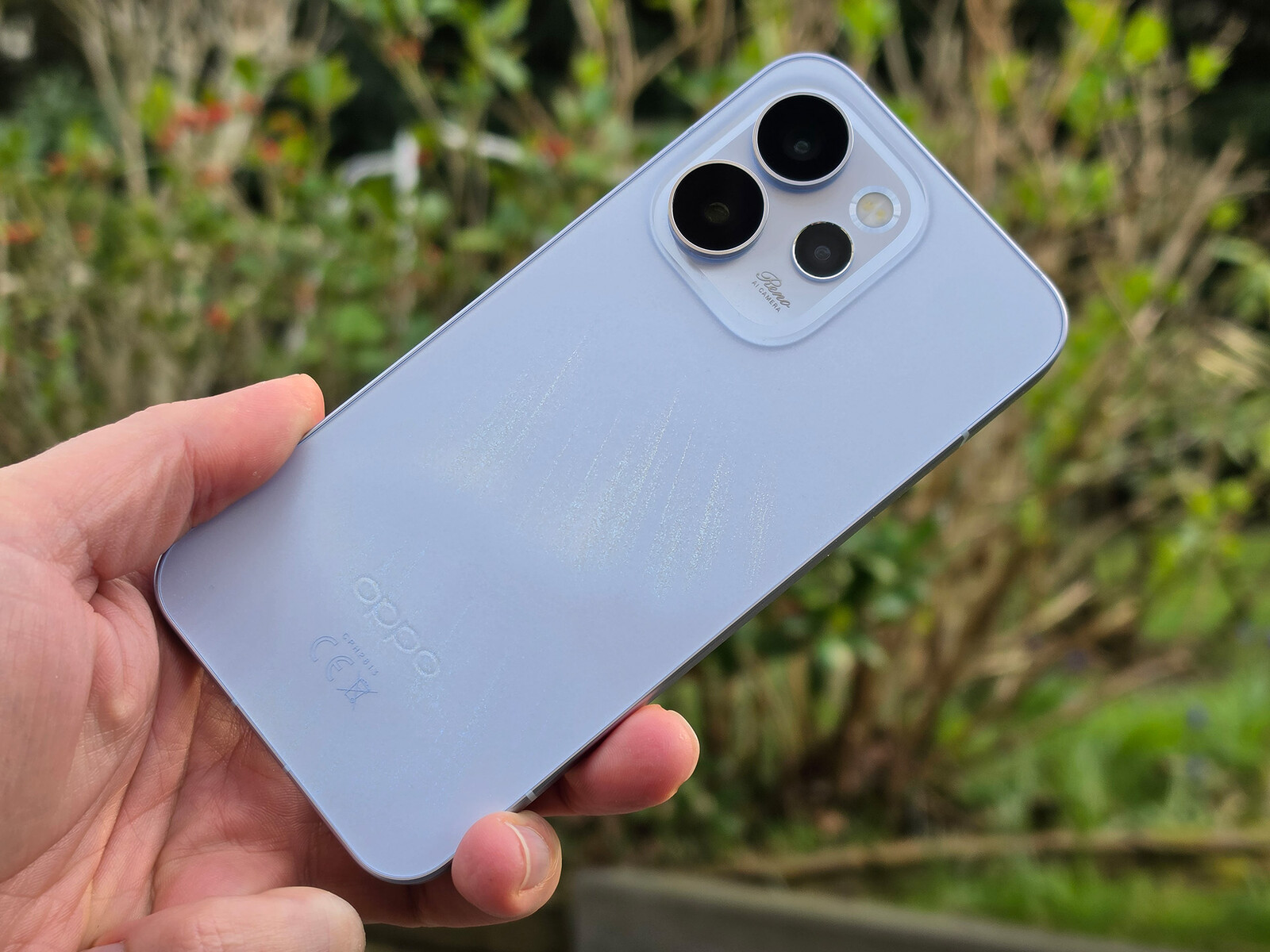
The Reno15 Pro 5G has plenty multimedia prowess, and endurance. Powering it is a large 6,500-mAh battery enabling very long runtimes in everyday use and making the product one of the longest-lasting smartphones in its class. Charging can be as fast as 80 watts, but there is no wireless charging support.
The Reno15 Pro 5G is a strong mid-range smartphone with a focus on battery life, display quality and balanced everyday performance.
Its 6.83-inch AMOLED display is impressive with its high brightness, 120-Hz refresh rate and vibrant colors. Build quality left us impressed, despite how comparatively slim the phone's casing is.
A MediaTek Dimensity 8450 delivers smooth performance in everyday use, but cannot keep up with higher-end chips. The Oppo's triple rear camera delivers good daylight shots and solid zoom results, but dynamics and details at night are poor. Other aspects unlikely to make customers happy are the slow USB 2.0 port, and some of the pre-installed apps.
Best pocket-friendly smartphones: Overview
Measurements
| Apple iPhone 17 Pro A19 Pro 6-Core GPU, A19 Pro, Apple 512GB NVMe | Xiaomi 17 Adreno 840, SD 8 Elite Gen 5, 512 GB UFS 4.1 Flash | Google Pixel 10 Pro DXT-48-1536, Tensor G5, 256 GB UFS 4.0 Flash | Samsung Galaxy S26 Xclipse 960, Exynos 2600, 256 GB UFS 4.0 Flash | Vivo X300 Mali-G1 Ultra MC12, Dimensity 9500, 256 GB UFS 4.1 Flash | Apple iPhone 17 A19 GPU, A19, 256 GB NVMe | Samsung Galaxy Z Flip7 Xclipse 950, Exynos 2500, 256 GB UFS 4.0 Flash | Google Pixel 10 DXT-48-1536, Tensor G5, 256 GB UFS 4.0 Flash | Apple iPhone 17e A19 4-Core GPU, A19, 256 GB NVMe | Oppo Reno15 Pro 5G Mali-G720 MP7, Dimensity 8450, 512 GB UFS 3.1 Flash | |
|---|---|---|---|---|---|---|---|---|---|---|
| Display | ||||||||||
| APL18 Peak Brightness (cd/m²) | 3044 | 3199 | 2645 | 2386 | 2635 | 1154 | 1297 | |||
| HDR Peak Brightness (cd/m²) | 2997 | 3207 | 2730 | 4072 | 2431 | 1692 | 1203 | 1967 | ||
| Response Times | ||||||||||
| Response Time Grey 50% / Grey 80% * (ms) | 1.13 ? | 0.4 ? | 1.31 ? | 0.62 ? | 0.75 ? | 3.1 ? | 0.64 ? | 0.89 ? | 4.3 ? | 1.05 ? |
| Response Time Black / White * (ms) | 1.04 ? | 0.6 ? | 1.04 ? | 1.32 ? | 0.77 ? | 1 ? | 1.05 ? | 11.2 ? | 3.4 ? | 1 ? |
| PWM Frequency (Hz) | 240 | 120 | 240 | 240 | 360 | 241 | 240 | 240.66 | 60 | 90 |
| PWM Amplitude * (%) | 14.89 | 18 | 17.24 | 13.6 | 12.85 | 15 | 13.64 | 83.3 | 14 | 17.24 |
| Screen | ||||||||||
| Brightness middle (cd/m²) | 1059 | 1030 | 2161 | 1341 | 1537 | 1138 | 1349 | 1850 | 837 | 1281 |
| Brightness (cd/m²) | 1060 | 1021 | 2198 | 1337 | 1523 | 1127 | 1354 | 1754 | 835 | 1280 |
| Brightness Distribution (%) | 99 | 98 | 94 | 96 | 96 | 96 | 98 | 86 | 99 | 98 |
| Black Level * (cd/m²) | ||||||||||
| Colorchecker dE 2000 * | 1.3 | 1.44 | 0.7 | 2.4 | 1.4 | 1.07 | 2.2 | 1.96 | 1.23 | 1 |
| Colorchecker dE 2000 max. * | 3.6 | 3.68 | 1.8 | 4 | 2.6 | 2.99 | 3.3 | 4.25 | 2.67 | 2.9 |
| Greyscale dE 2000 * | 2.1 | 2.5 | 0.8 | 1.9 | 2.1 | 1.8 | 1.6 | 3 | 2 | 1.3 |
| Gamma | 2.2 100% | 2.274 97% | 2.19 100% | 2.06 107% | 2.28 96% | 2.22 99% | 2.06 107% | 2.2 100% | 2.246 98% | 2.25 98% |
| CCT | 6542 99% | 6868 95% | 6646 98% | 6497 100% | 6754 96% | 6516 100% | 6484 100% | 6898 94% | 6486 100% | 6330 103% |
| Heat | ||||||||||
| Maximum Upper Side * (°C) | 41.2 | 48.7 | 41.2 | 45.5 | 46.6 | 43 | 51.5 | 40.6 | 40.2 | 45.1 |
| Maximum Bottom * (°C) | 40.8 | 50.1 | 39.7 | 43.9 | 45.8 | 45.3 | 49.7 | 39.8 | 42.1 | 44.5 |
| Idle Upper Side * (°C) | 27.5 | 24.8 | 27.1 | 25.2 | 28.9 | 28.1 | 25.8 | 30.6 | 25.3 | 27.7 |
| Idle Bottom * (°C) | 26.9 | 25 | 26.1 | 25.2 | 27.1 | 28.5 | 25.3 | 30.4 | 26.2 | 26.4 |
| Battery runtime | ||||||||||
| Reader / Idle (h) | 65.9 | 72.7 | 33.1 | 51 | 66.7 | 29 | ||||
| WiFi v1.3 (h) | 24.2 | 30.9 | 21.1 | 17.7 | 19.6 | 20.1 | 18.9 | 17.9 | 19.4 | 23.5 |
| Load (h) | 5.4 | 4.3 | 3.3 | 3.2 | 4.4 | 3.5 |
* ... smaller is better
Benchmark scores
| GFXBench | |
| 1920x1080 Aztec Ruins Normal Tier Offscreen (sort by value) | |
| Apple iPhone 17 Pro | |
| Xiaomi 17 | |
| Google Pixel 10 Pro | |
| Samsung Galaxy S26 | |
| Vivo X300 | |
| Apple iPhone 17 | |
| Samsung Galaxy Z Flip7 | |
| Google Pixel 10 | |
| Oppo Reno15 Pro 5G | |
| on screen Aztec Ruins Normal Tier Onscreen (sort by value) | |
| Apple iPhone 17 Pro | |
| Xiaomi 17 | |
| Google Pixel 10 Pro | |
| Samsung Galaxy S26 | |
| Vivo X300 | |
| Apple iPhone 17 | |
| Samsung Galaxy Z Flip7 | |
| Google Pixel 10 | |
| Oppo Reno15 Pro 5G | |
| 2560x1440 Aztec Ruins High Tier Offscreen (sort by value) | |
| Apple iPhone 17 Pro | |
| Xiaomi 17 | |
| Google Pixel 10 Pro | |
| Samsung Galaxy S26 | |
| Vivo X300 | |
| Apple iPhone 17 | |
| Samsung Galaxy Z Flip7 | |
| Google Pixel 10 | |
| Oppo Reno15 Pro 5G | |
| on screen Aztec Ruins High Tier Onscreen (sort by value) | |
| Apple iPhone 17 Pro | |
| Xiaomi 17 | |
| Google Pixel 10 Pro | |
| Samsung Galaxy S26 | |
| Vivo X300 | |
| Apple iPhone 17 | |
| Samsung Galaxy Z Flip7 | |
| Google Pixel 10 | |
| Oppo Reno15 Pro 5G | |
| PCMark for Android - Work 3.x (sort by value) | |
| Xiaomi 17 | |
| Google Pixel 10 Pro | |
| Samsung Galaxy S26 | |
| Samsung Galaxy Z Flip7 | |
| Google Pixel 10 | |
| Oppo Reno15 Pro 5G | |
| Antutu v11 - Score (sort by value) | |
| Apple iPhone 17 Pro | |
| Samsung Galaxy S26 | |
| Vivo X300 | |
| Apple iPhone 17e | |
| Oppo Reno15 Pro 5G | |
| PUBG Mobile - HD (sort by value) | |
| Apple iPhone 17 Pro | |
| Xiaomi 17 | |
| Google Pixel 10 Pro | |
| Samsung Galaxy S26 | |
| Apple iPhone 17 | |
| Samsung Galaxy Z Flip7 | |
| Google Pixel 10 | |
| Oppo Reno15 Pro 5G | |
 Add as a preferred source on Google


