




Final Fantasy 7 Revelation called a PS5 exclusive by PlayStation Japan, with Grok to blame
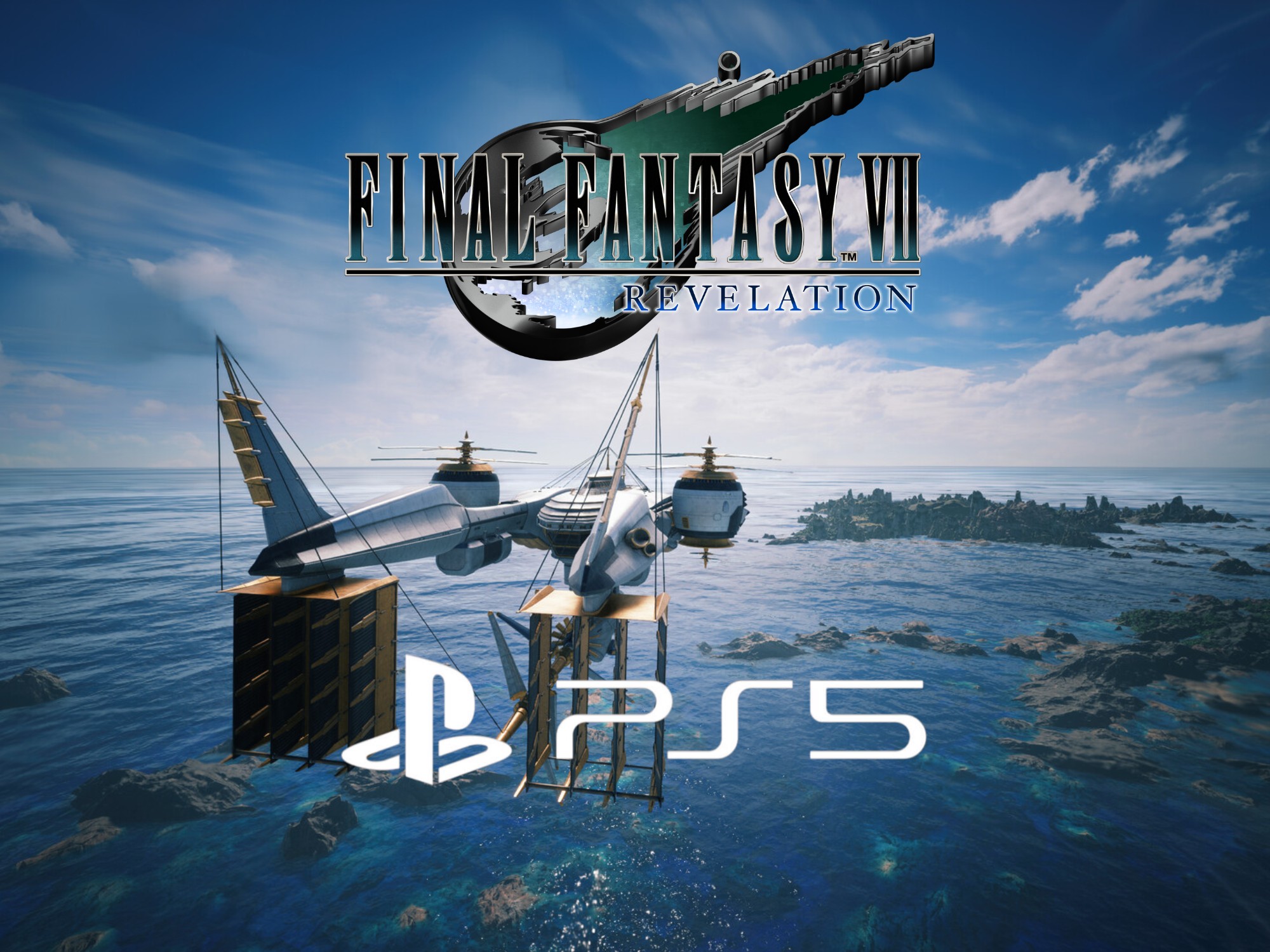
At Summer Game Fest, Square Enix revealed the first Final Fantasy 7 Revelation trailer. It confirmed that the remake would debut across multiple platforms on its Spring 2027 release date. However, a PlayStation Japan social media post claims it will actually be a PS5 exclusive game.
Lost in Grok translation?
The misunderstanding appears to have resulted from a questionable Grok translation. English-speaking X users who had the option enabled saw “Final Fantasy VII Revelation- Coming Spring 2027, exclusively for PS5.”
After spotting the post, confused players wondered if there had been a change of plans. PlayStation hasn’t issued a clarification, but competing translators yield different results. Instead of labeling the game as a PS5 exclusive, Google’s tool says it “will be released on PS5 in Spring 2027.” Further alleviating concerns, other Grok alternatives produce similar wording.
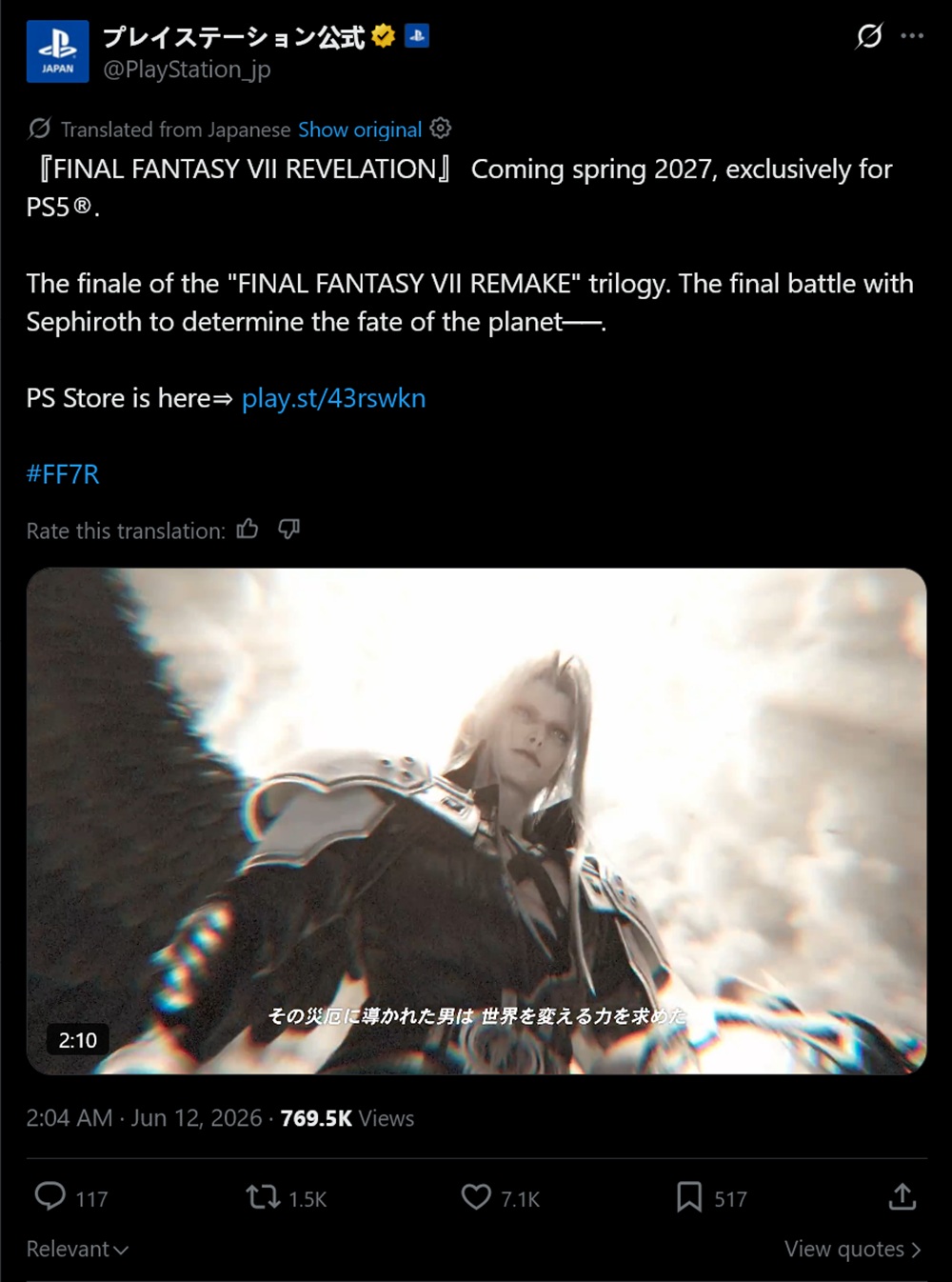
The mishap shows how incorrectly translating a single phrase or word can be disastrous. In reality, the news at the Summer Game Fest 2026 was difficult to misinterpret. Square Enix explained that, unlike Final Fantasy 7 Remake or Rebirth, part 3 would launch on the PS5, Xbox, Switch, and PC.
A gradual shift away from exclusivity
Remake and Rebirth remained confined to PlayStation consoles for a period before arriving on PC. Yet, starting in 2024, the publisher embraced a new strategy to boost revenue. Prior to the Revelation trailer premiere, rumors emerged that the RPG would ship for more platforms simultaneously.
Led by Game Director Naoki Hamaguchi, the company focused on bringing the first two entries in the trilogy remake to the Xbox and Switch 2. With a break ahead of the Final Fantasy 7 Revelation release date, it’s an opportunity for Square Enix to complete its multi-platform pivot.
Sony had also been more hesitant to keep first-party titles limited to its own hardware. Even so, reports hint at a reversal, at least for single-player narrative-driven projects. Likewise, Microsoft has satisfied fans who have called for a return to Xbox console-locked titles. Still, third-party publishers have less incentive to commit to Xbox or PS5 exclusives.
 Add as a preferred source on Google


