




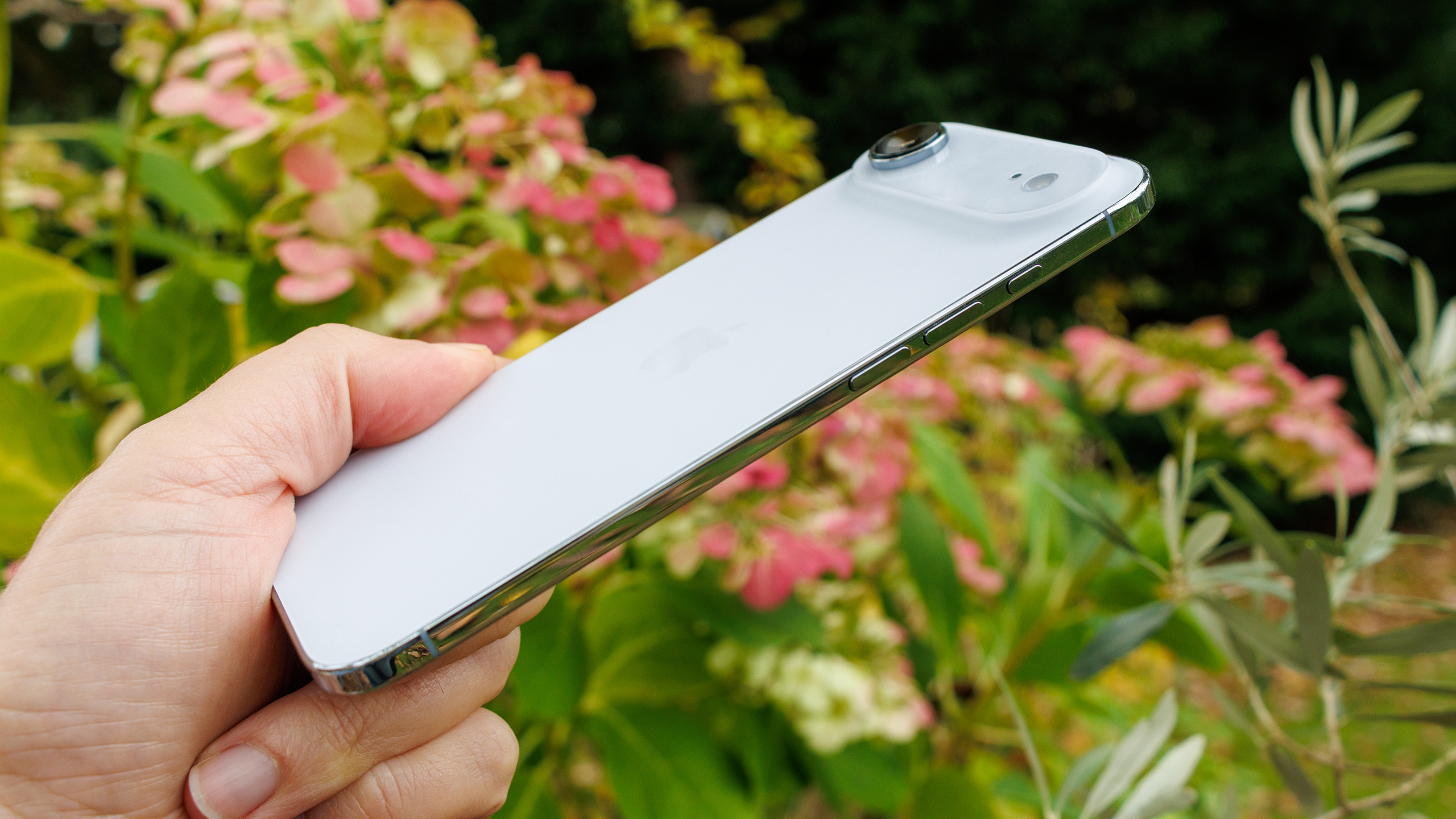
Verdict - iPhone Air
The iPhone Air impressed us with its ultra-thin design and premium build quality, but the slim design comes at a cost: the battery, camera and sound can only be described as mediocre, while the high price and the lack of features such as USB 3.2 and dual speakers spoil the overall impression.
Users for whom design and portability are of primary concern will find this a stylish lifestyle device, but power users and camera enthusiasts are better served by Pro models. Overall, the Air remains a bold design choice with noticeable compromises, impressing us more with its form than its function.
Pros
Cons
Price and availability
The iPhone Air comes in every color and storage variant from Apple, but is unavailable on Amazon at the time of this review.
Table of Contents
- Verdict - iPhone Air
- Specifications: Apple iPhone Air
- Case - The iPhone Air uses titanium and Ceramic Shield
- Features - Only USB 2.0 for the iPhone Air
- Software - Pared back Apple Intelligence for Europe
- Communication and GNSS - The iPhone has Wi-Fi 7
- Telephone functions and voice quality
- Cameras - The iPhone Air only offers two lenses
- Accessories and warranty - Care+ with Pro prices
- Input devices and operation - iPhone Air and Face ID
- Display - A bright new mid-size OLED panel
- Performance - The iPhone Air has a weaker GPU
- Emissions - The iPhone is home to a mono speaker
- Battery runtime - A slender 3,149 mAh
- Notebookcheck overall rating
- Possible alternatives compared
The Apple iPhone Air is the first of its kind and comes in three storage variants:
| Storage | Price |
|---|---|
| 256 GB | $999 |
| 512 GB | $1,199 |
| 1,024 GB | $1,399 |
With the RRP only $100 below that of the iPhone 17 Pro, our review highlights which compromises had to be made. The Air is also Apple's first iPhone in Europe to forgo nano-SIM support in favor of battery life.
Specifications: Apple iPhone Air
Case - The iPhone Air uses titanium and Ceramic Shield
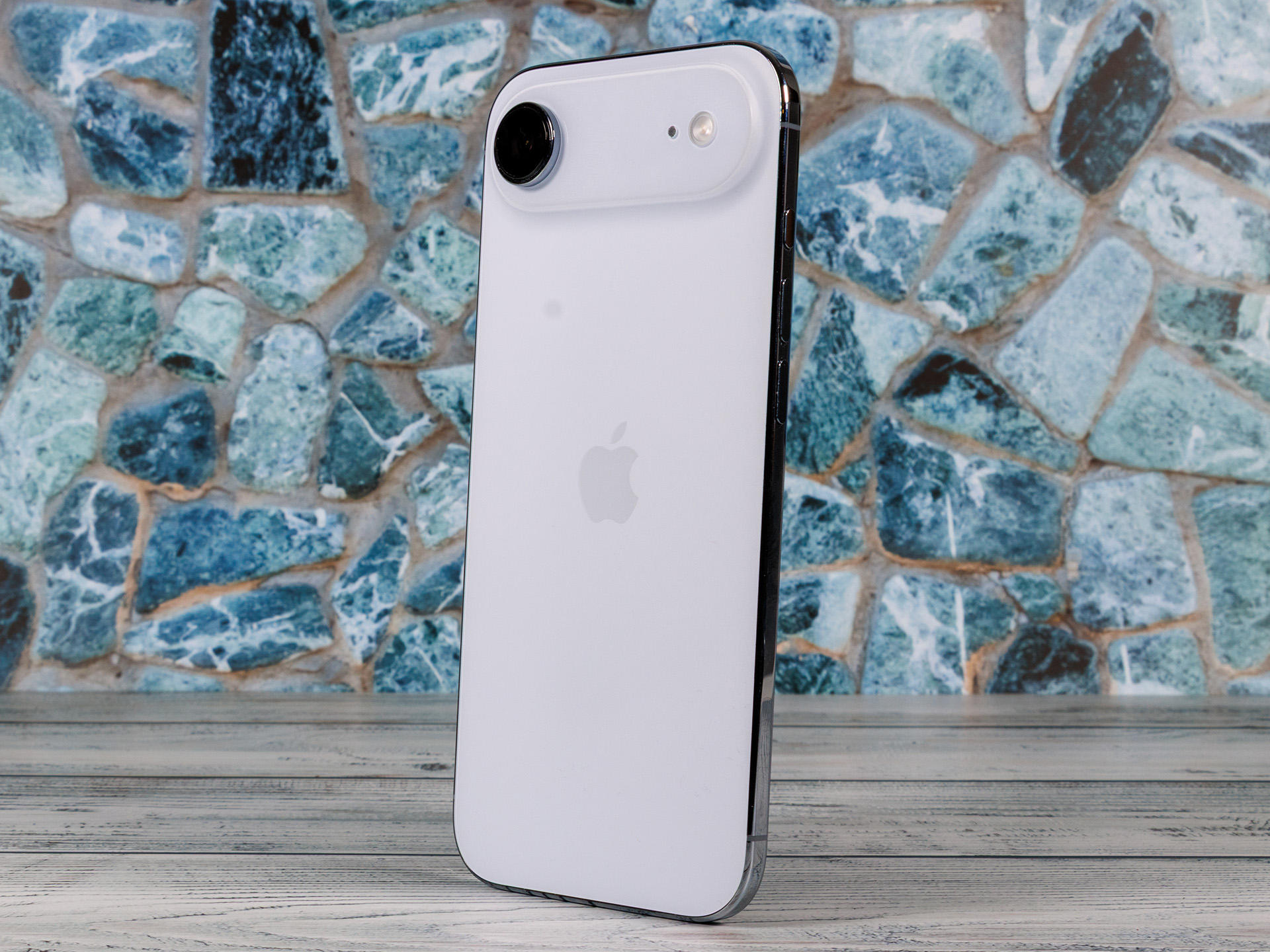
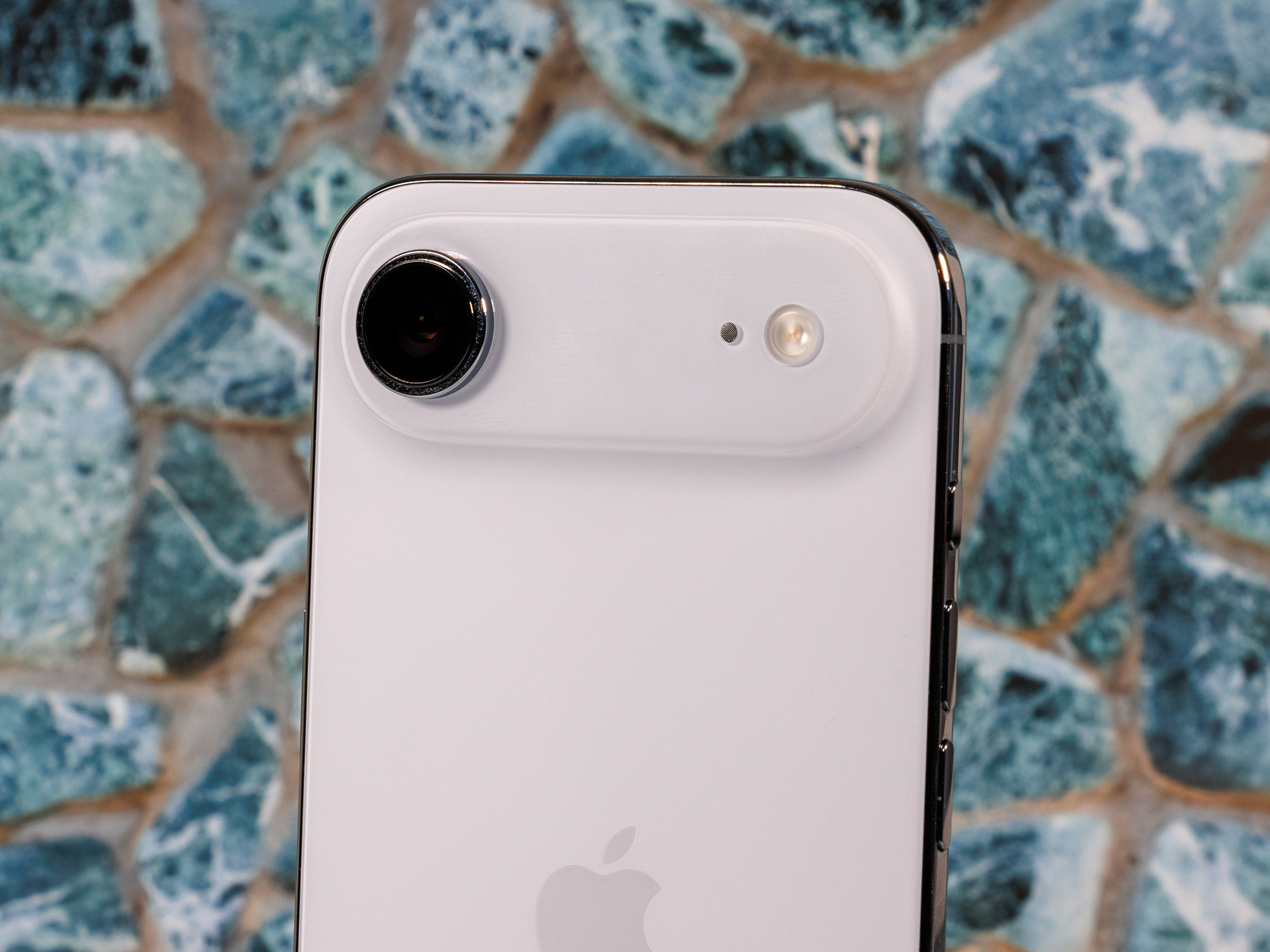
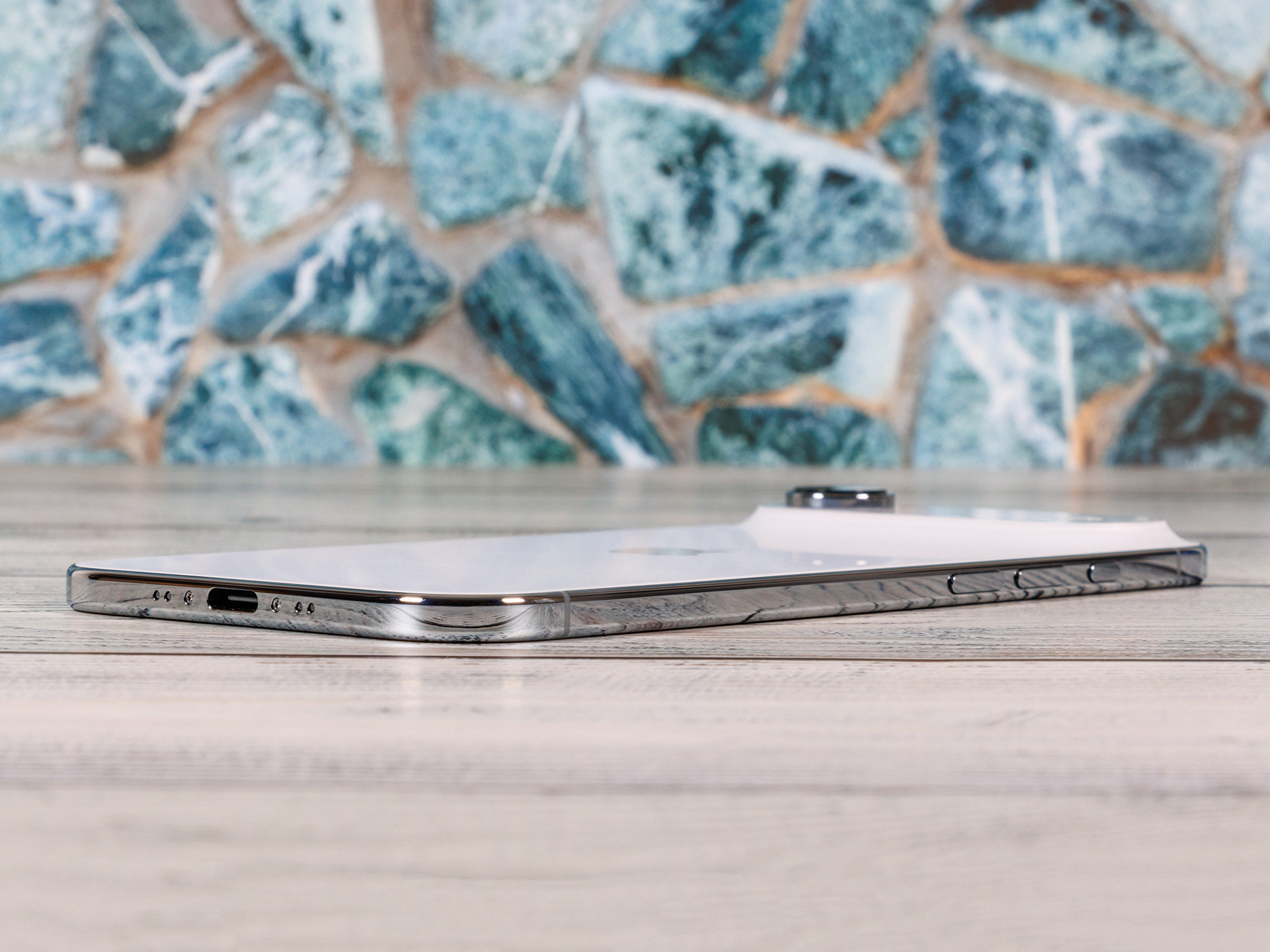
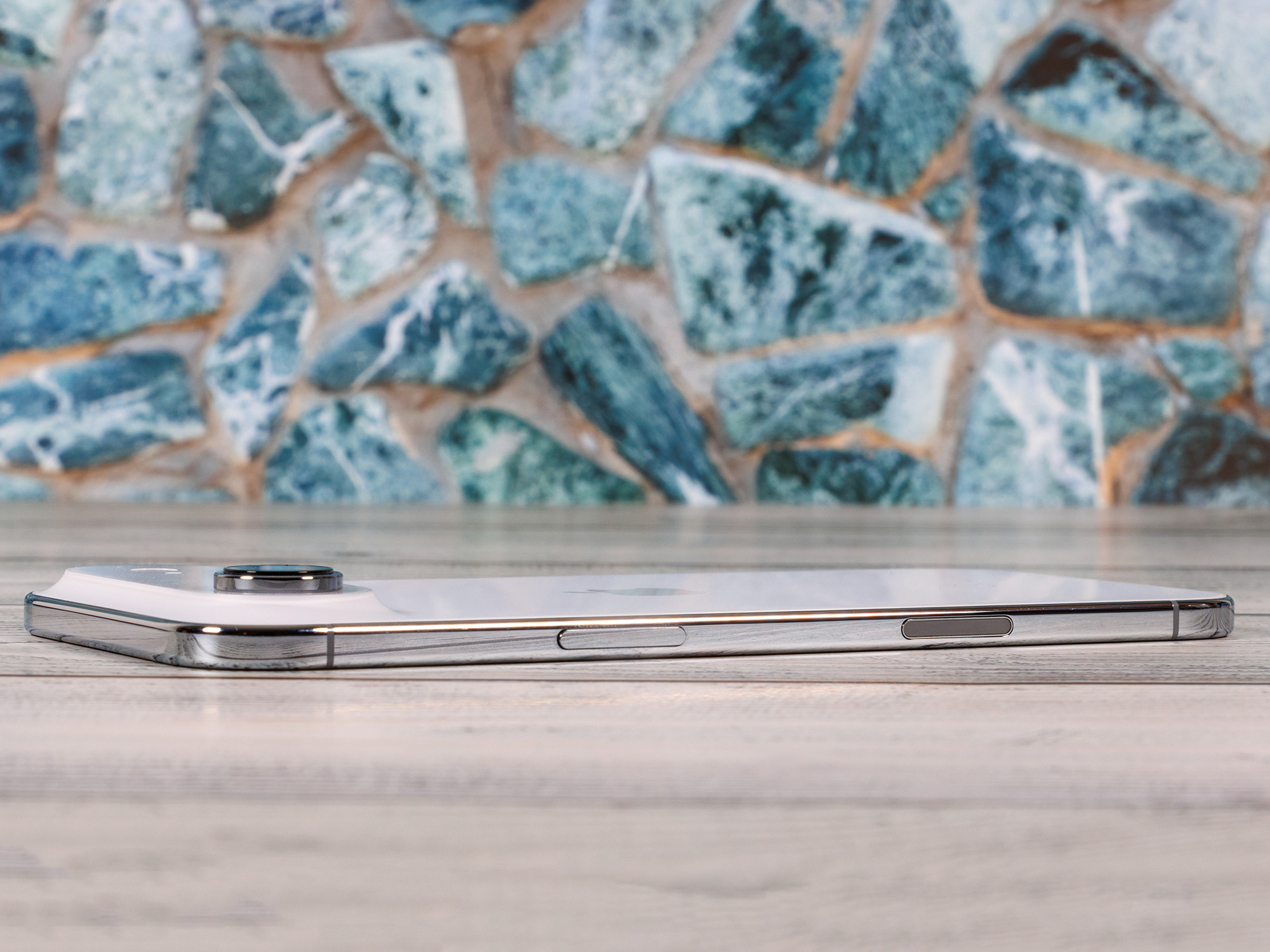
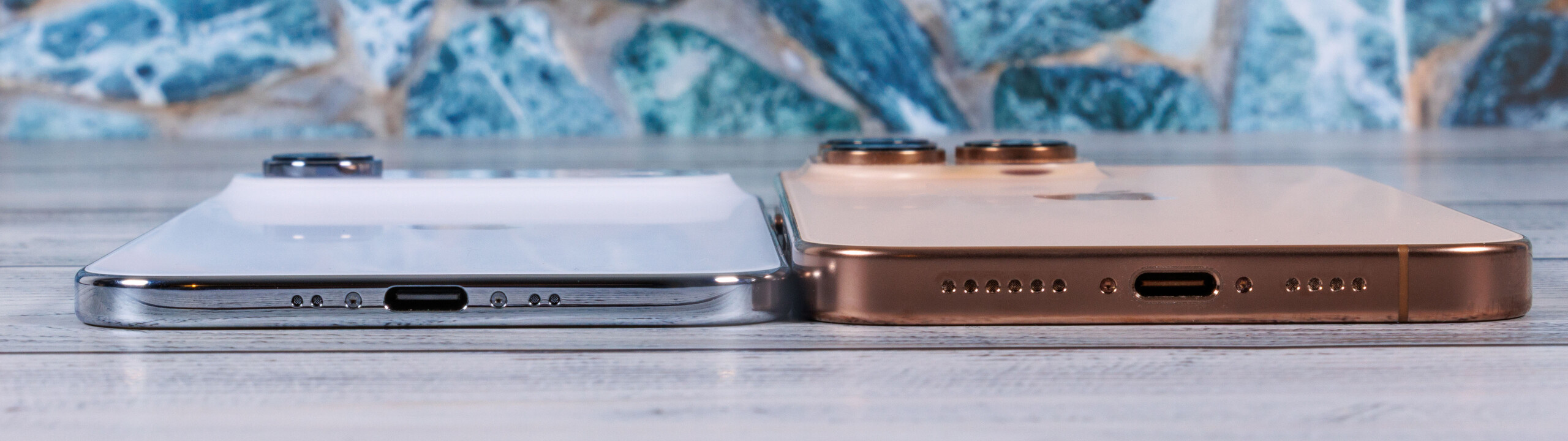
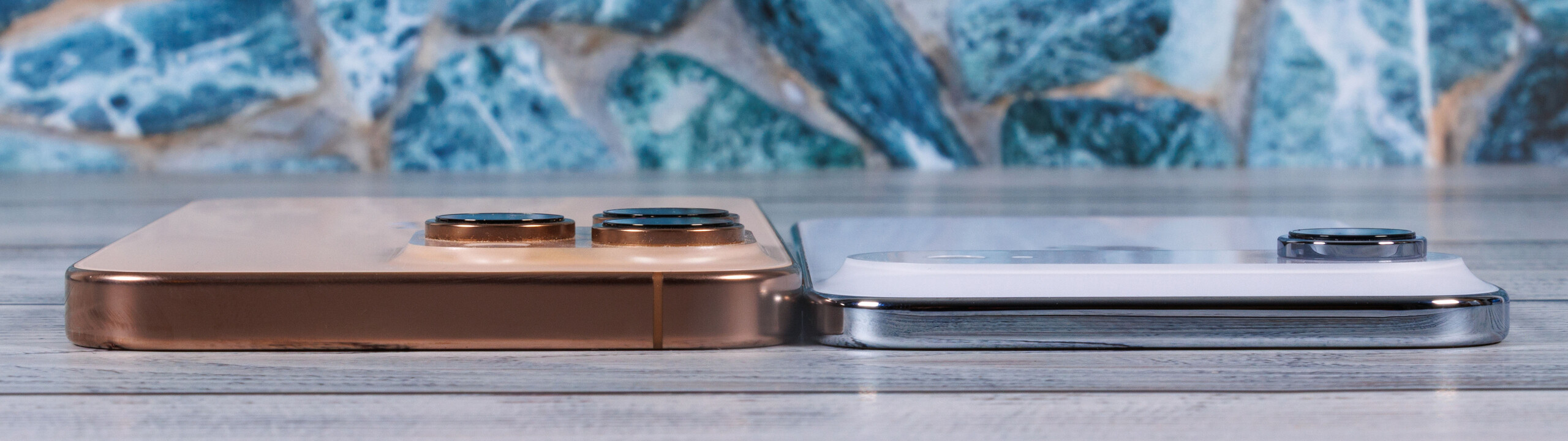
The iPhone Air is defined by its slim design, making it Apple's thinnest smartphone to date. It has a nominal thickness of 5.64 mm, and this is something we can confirm from our measurements. Add to that a substantial bump (+2.96 mm) and the camera mounted on top (an additional +2.7 mm), resulting in a thickness of 11.3 mm at its thickest point. However, at 165 g, the iPhone Air is comparatively light.
Apple has used a highly polished titanium alloy for the frame. It might look sleek, but it's correspondingly prone to fingerprints. The front uses Ceramic Shield 2 protective glass, while the back still uses the older, first-generation version. Despite its slim design, the Air is very robust and resists twisting attempts in a silent manner. The build quality is excellent, boasting tight and consistent gaps, and we were also impressed by its 89% screen-to-body ratio.
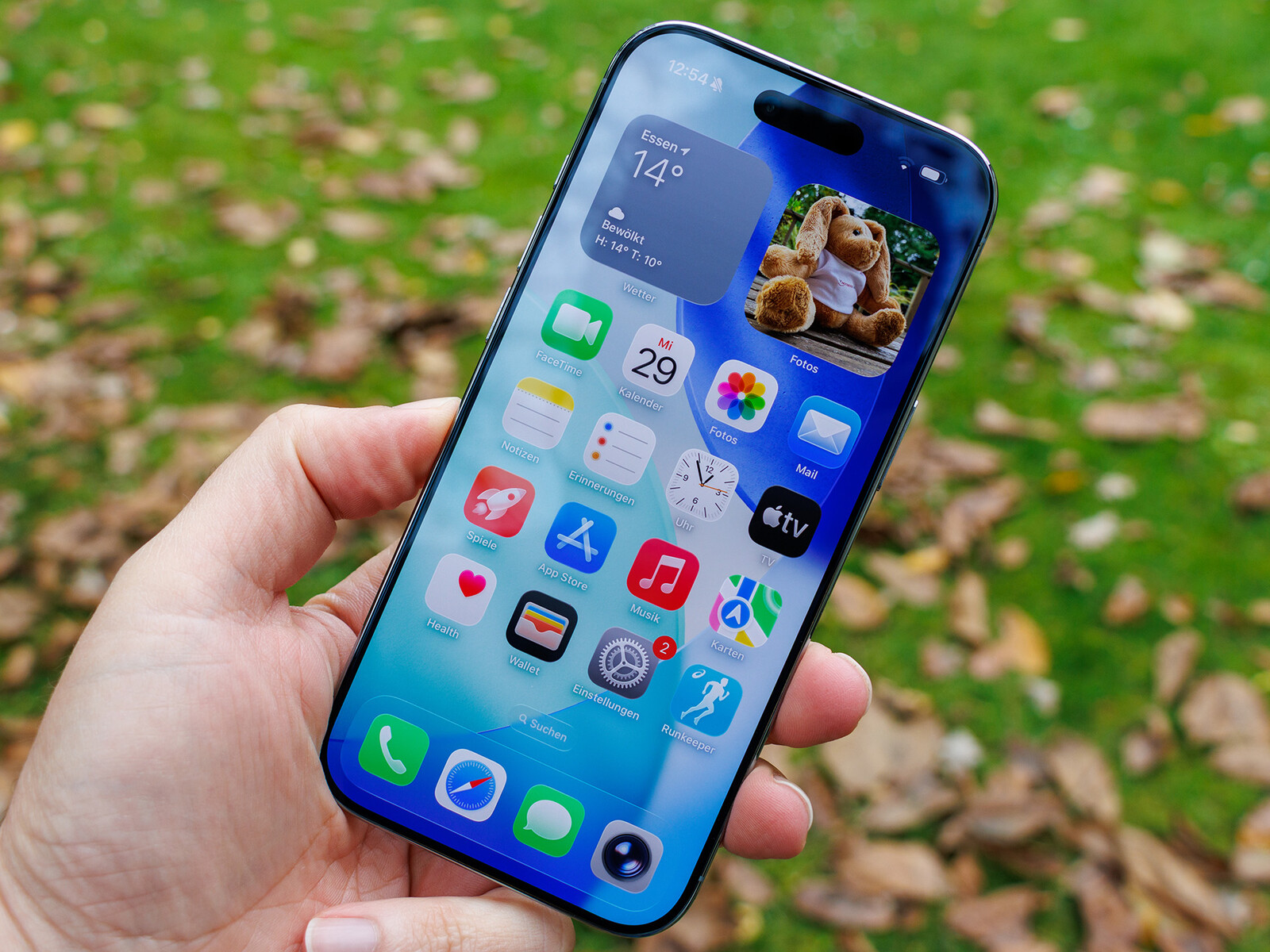
The iPhone Air is waterproof up to a depth of six meters in accordance with IP68, and comes in the following colors: Space Black, Cloud White, Light Gold and Sky Blue, with our review device sporting the latter color. However, depending on the angle of the light, it can also appear more white than blue.
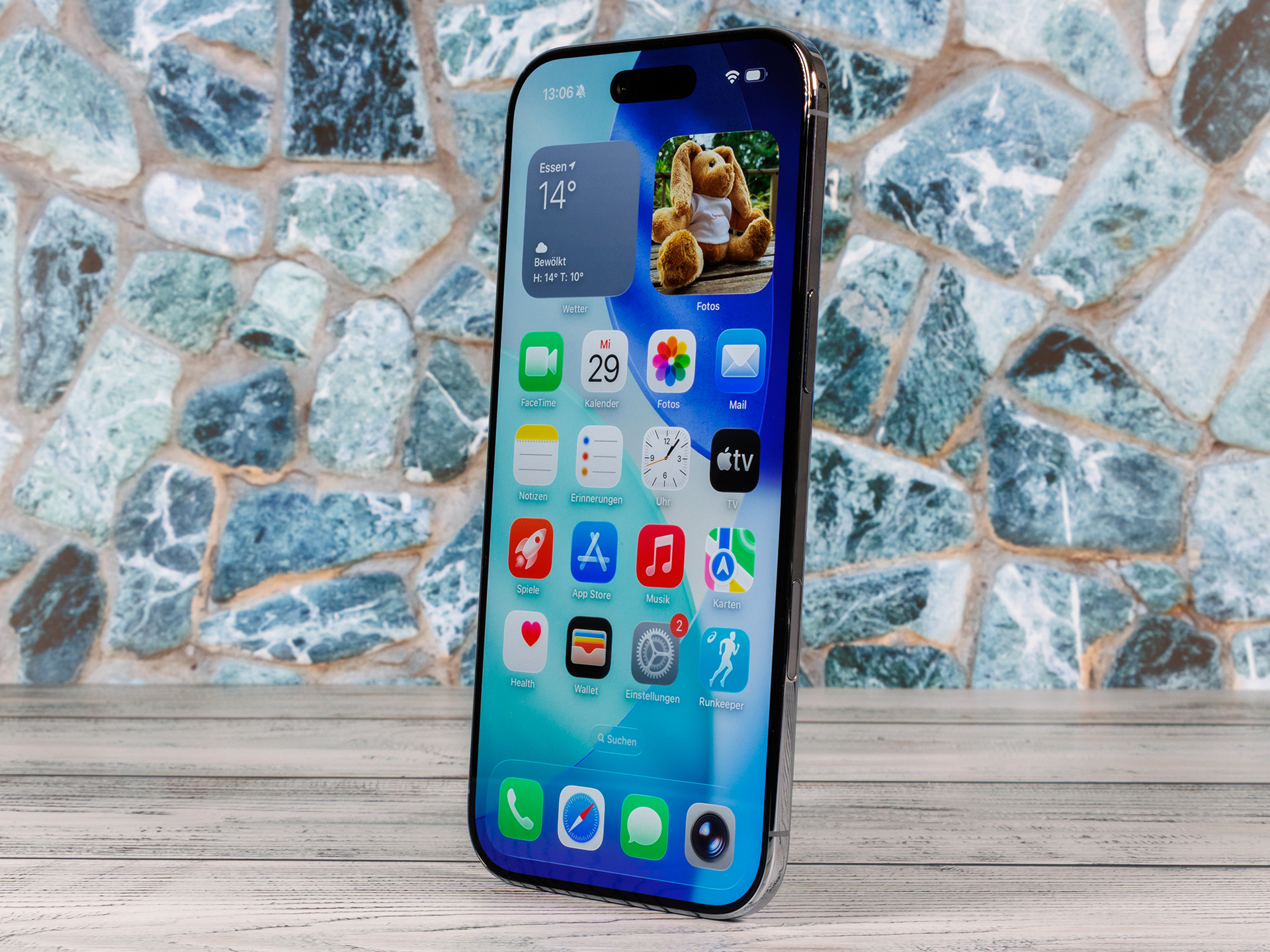
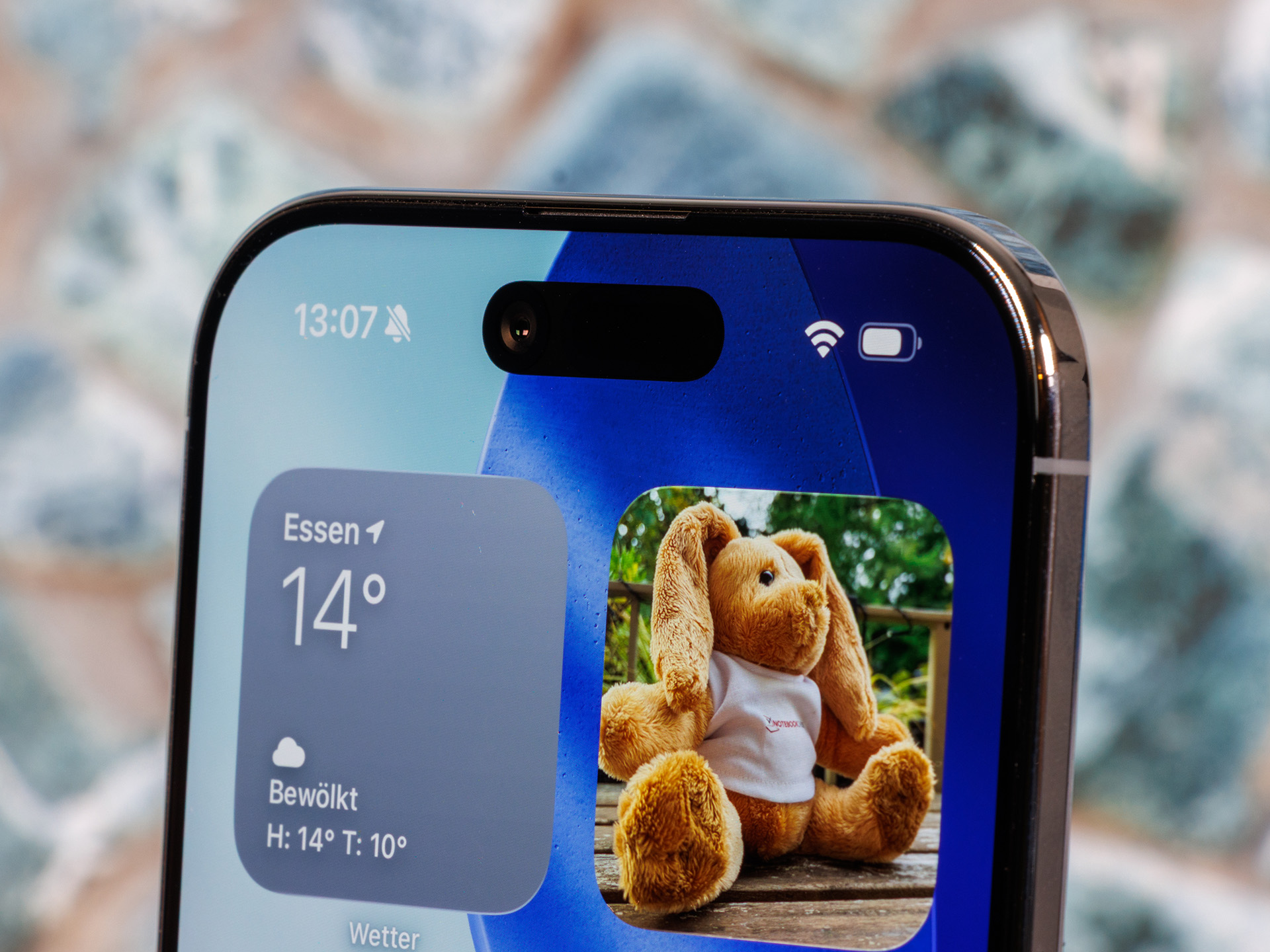
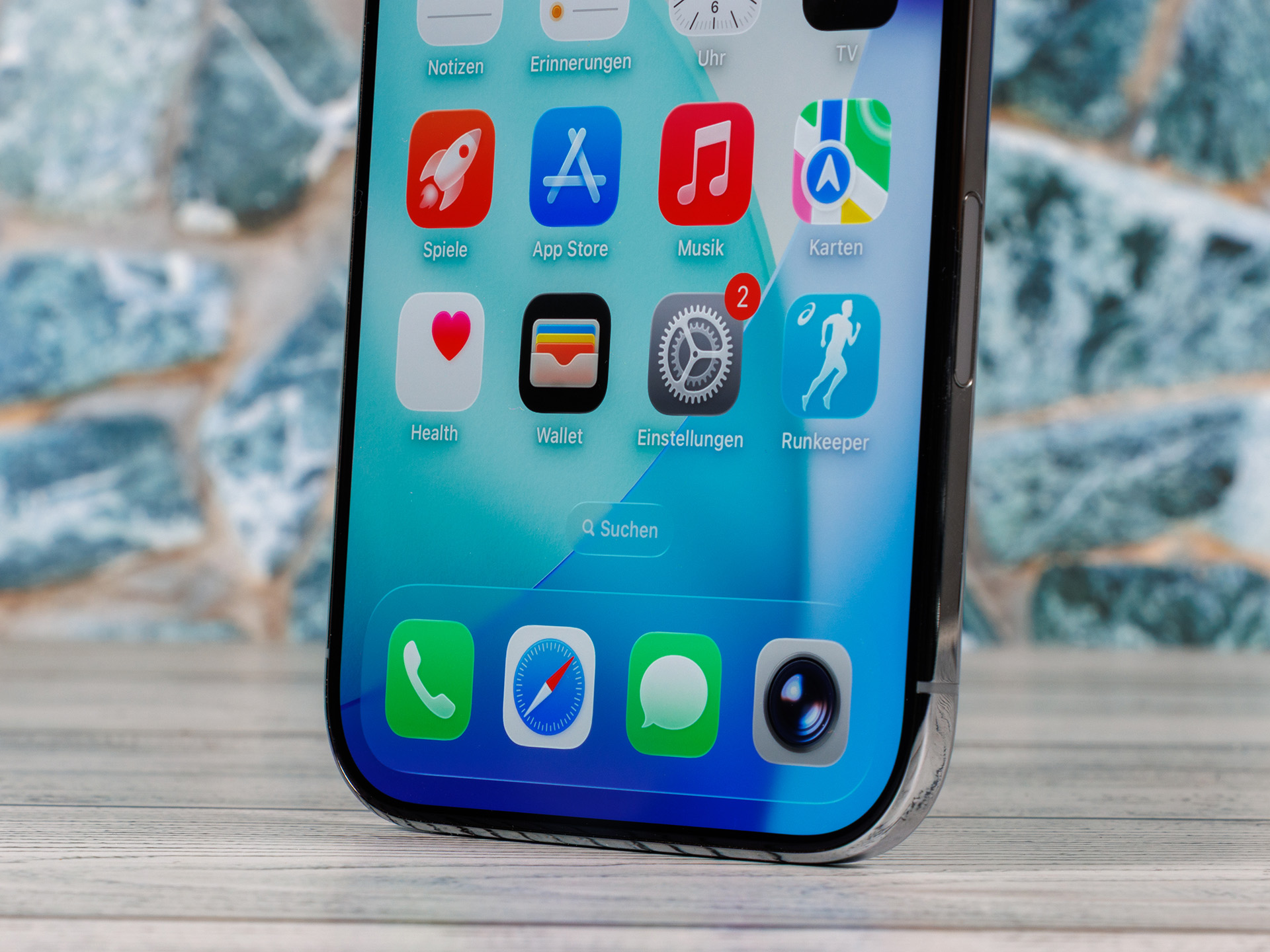
Features - Only USB 2.0 for the iPhone Air
Just like the iPhone 17, the Air also only supports USB 2.0, which doesn't allow for video output. Data transfer is therefore predictably slow.
Apart from that, the Air's Bluetooth 6.0, NFC, UWB, and Wi-Fi 7 make it on par with the Pro model.
Software - Pared back Apple Intelligence for Europe
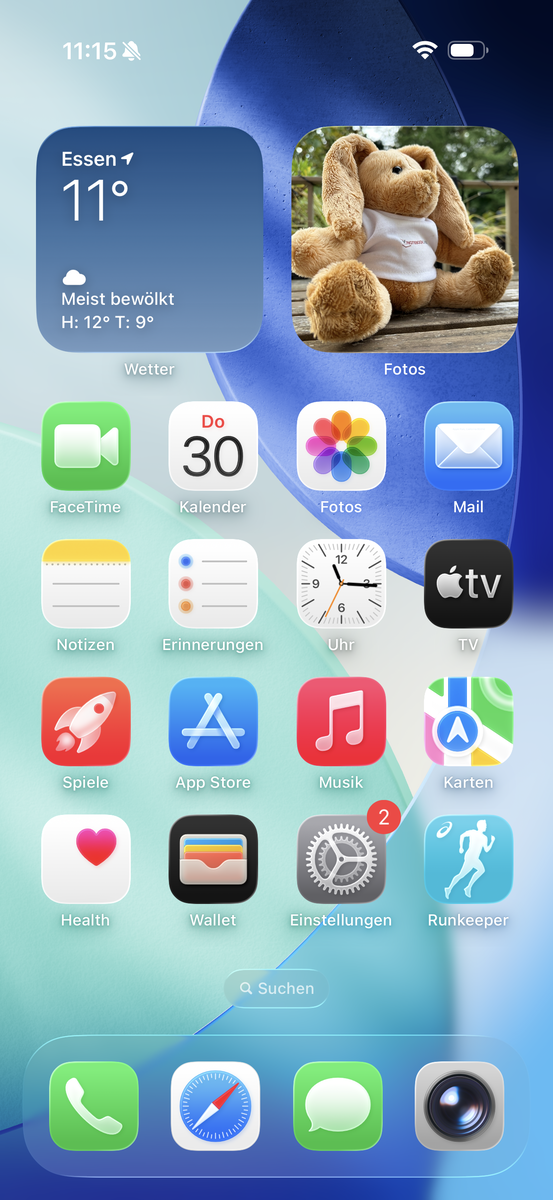
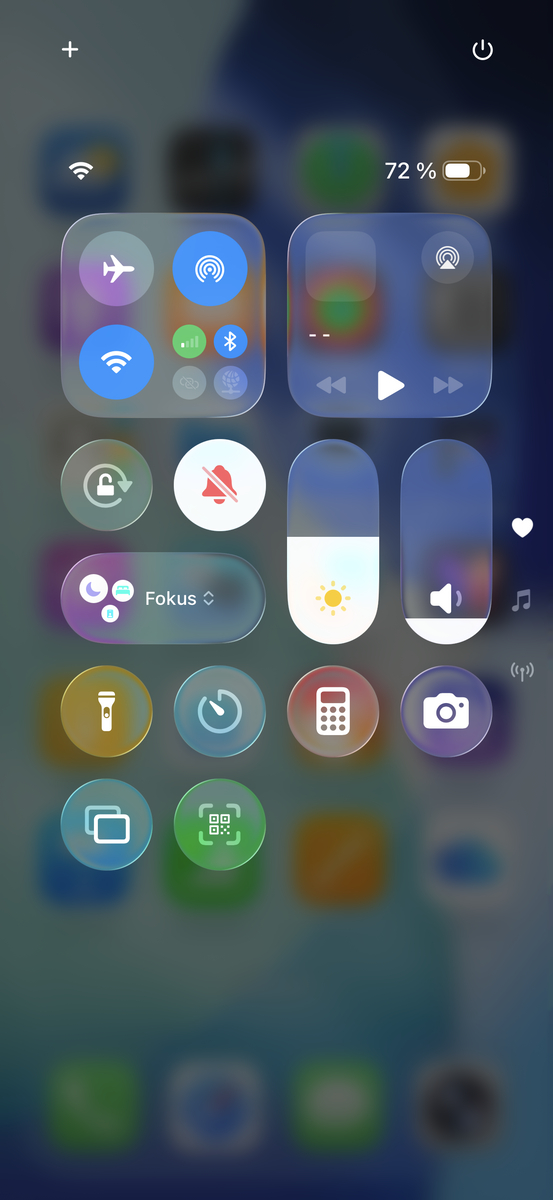
The iPhone Air ships with Apple iOS 26, which is identical to the version found on other 2025 iPhones.
Apple hasn't made any concrete statements regarding the provision of updates, but we can assume it to be for at least five years, and even a minimum of six years if you take the new EU guidelines into account.

Sustainability
Apple provides detailed information regarding the sustainability of its products, and this is no different with the Air model. It comes in plastic-free packaging and also participates in the self-repair program.
Communication and GNSS - The iPhone has Wi-Fi 7
The iPhone Air has broad frequency support for cellular networks and should be able to establish connections almost anywhere in the world. Reception is good in urban areas.
It features Wi-Fi 7, the latest Wi-Fi standard, which supports all three bands. Paired with our reference router, the Asus ROG Rapture GT-AXE11000, it delivered stable data speeds, although the 6 GHz band could be a touch faster when receiving data.
| Networking | |
| Apple iPhone Air | |
| iperf3 transmit AXE11000 | |
| iperf3 receive AXE11000 | |
| iperf3 transmit AXE11000 6GHz | |
| iperf3 receive AXE11000 6GHz | |
| Samsung Galaxy S25 Edge | |
| iperf3 transmit AXE11000 | |
| iperf3 receive AXE11000 | |
| iperf3 transmit AXE11000 6GHz | |
| iperf3 receive AXE11000 6GHz | |
| Apple iPhone 17 Pro | |
| iperf3 transmit AXE11000 | |
| iperf3 receive AXE11000 | |
| iperf3 transmit AXE11000 6GHz | |
| iperf3 receive AXE11000 6GHz | |
| Motorola Edge 60 Pro | |
| iperf3 transmit AXE11000 6GHz | |
| iperf3 receive AXE11000 6GHz | |
| Average 802.11 a/b/g/n/ac/ax/be | |
| iperf3 transmit AXE11000 | |
| iperf3 receive AXE11000 | |
| iperf3 transmit AXE11000 6GHz | |
| iperf3 receive AXE11000 6GHz | |
| Average of class Smartphone | |
| iperf3 transmit AXE11000 | |
| iperf3 receive AXE11000 | |
| iperf3 transmit AXE11000 6GHz | |
| iperf3 receive AXE11000 6GHz | |
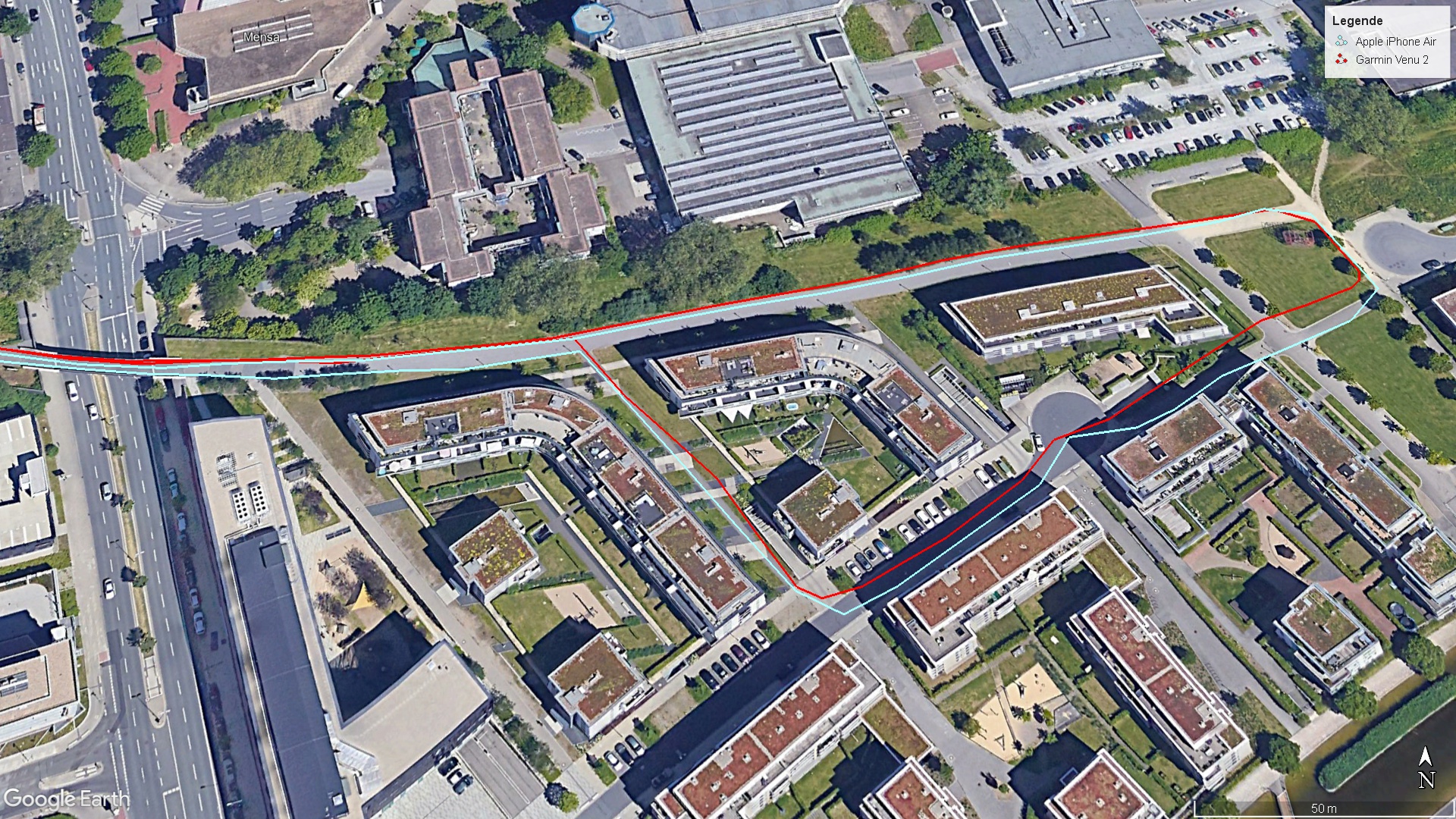
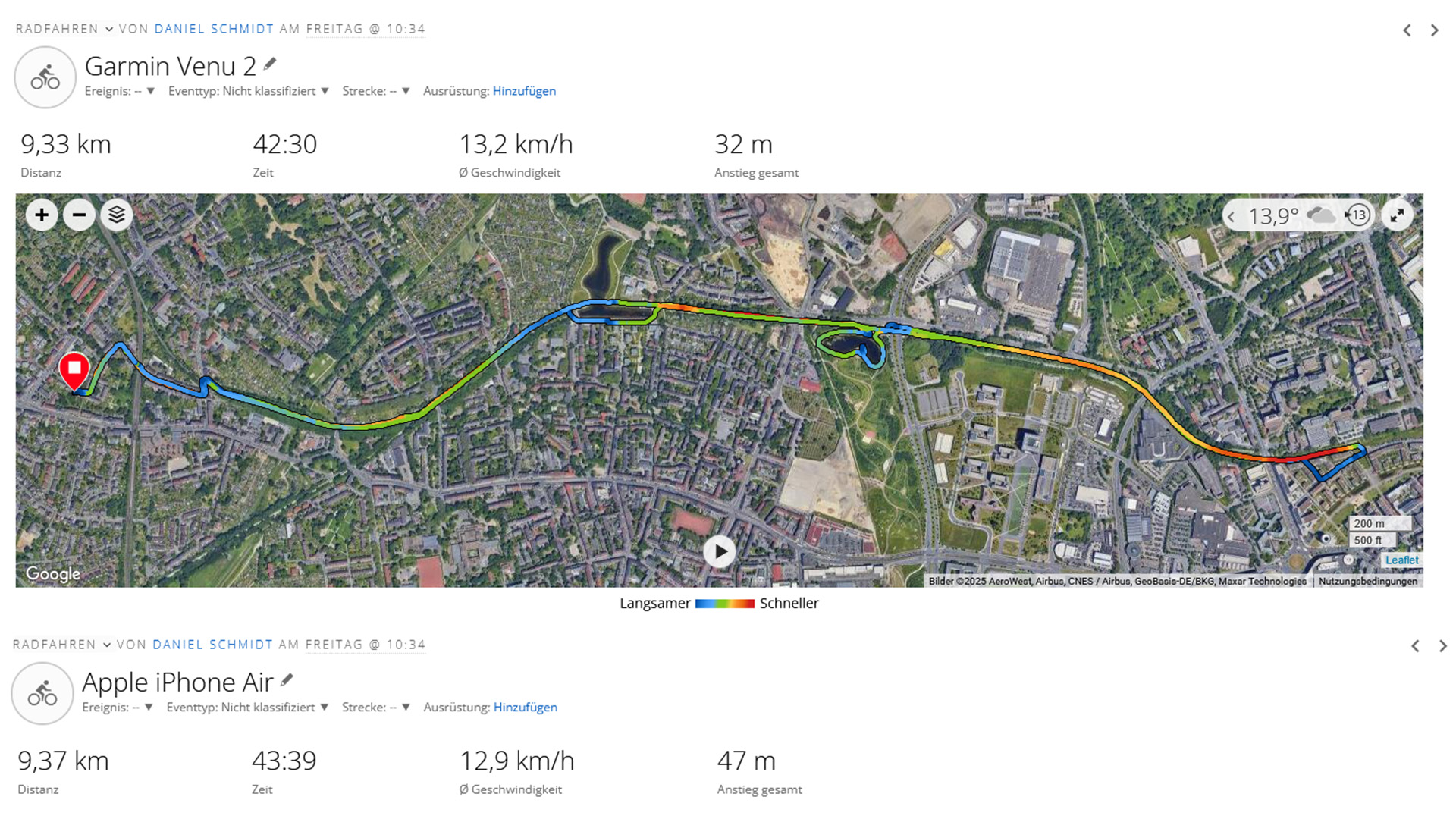
The iPhone Air determines its position using dual-band GNSS with all major satellite networks. Location tracking is quite fast, but in real-life testing on a bike ride, it became apparent that the smartphone retrieved its location at longer intervals, which meant the route tracking wasn't always accurate. It is still, however, perfectly adequate for navigation purposes.

Telephone functions and voice quality
The Apple iPhone Air supports dual eSIM, but no longer has a physical SIM card. Features such as VoLTE and Wi-Fi calling are still available.
Call quality is good when the device is held to the ear, but noise cancellation is only moderately effective.
Cameras - The iPhone Air only offers two lenses

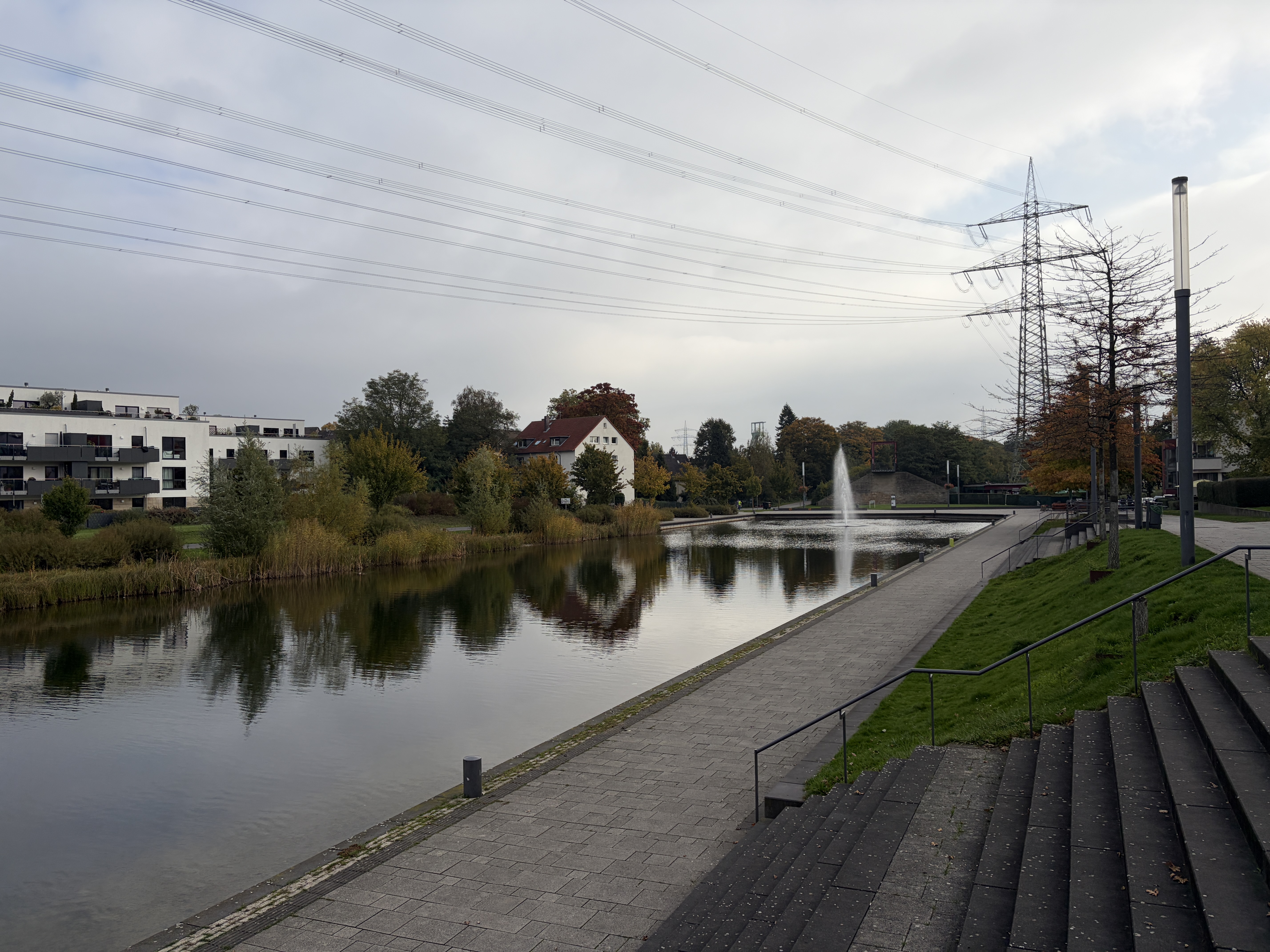
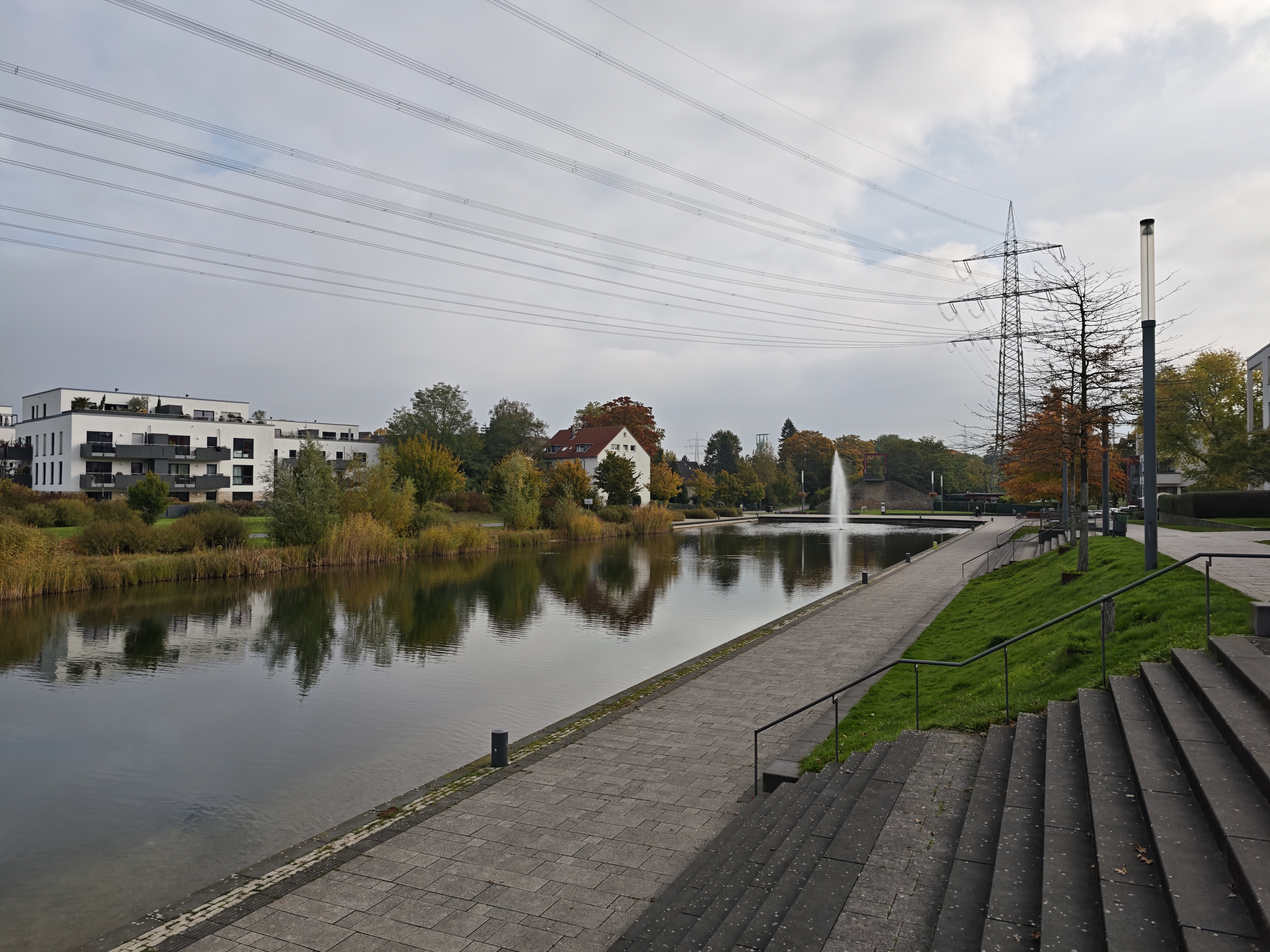
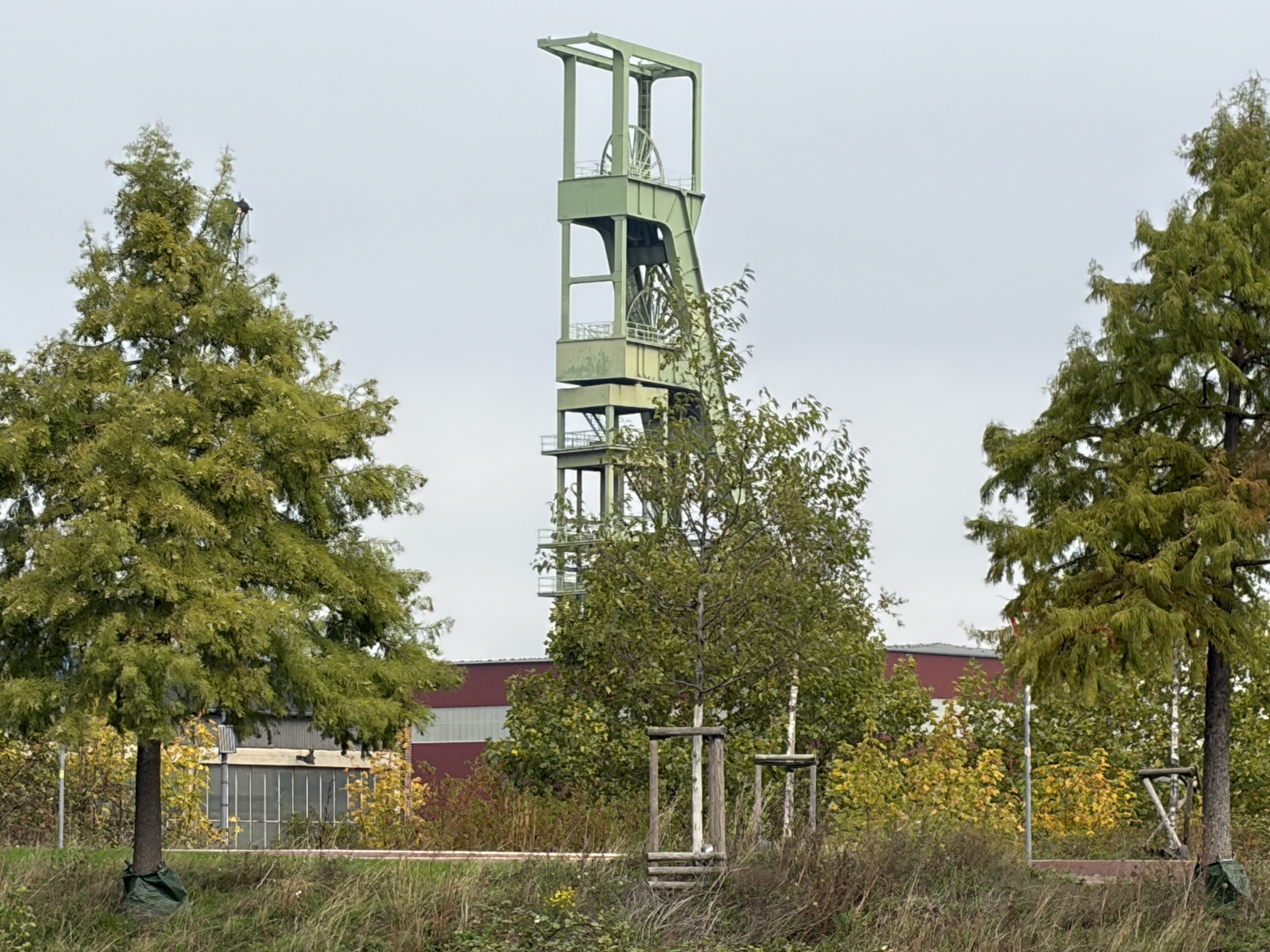
The iPhone Air shares the new Center Stage camera seen in the other 2025 models and delivers good results for photos and videos (up to 4K @ 60fps).
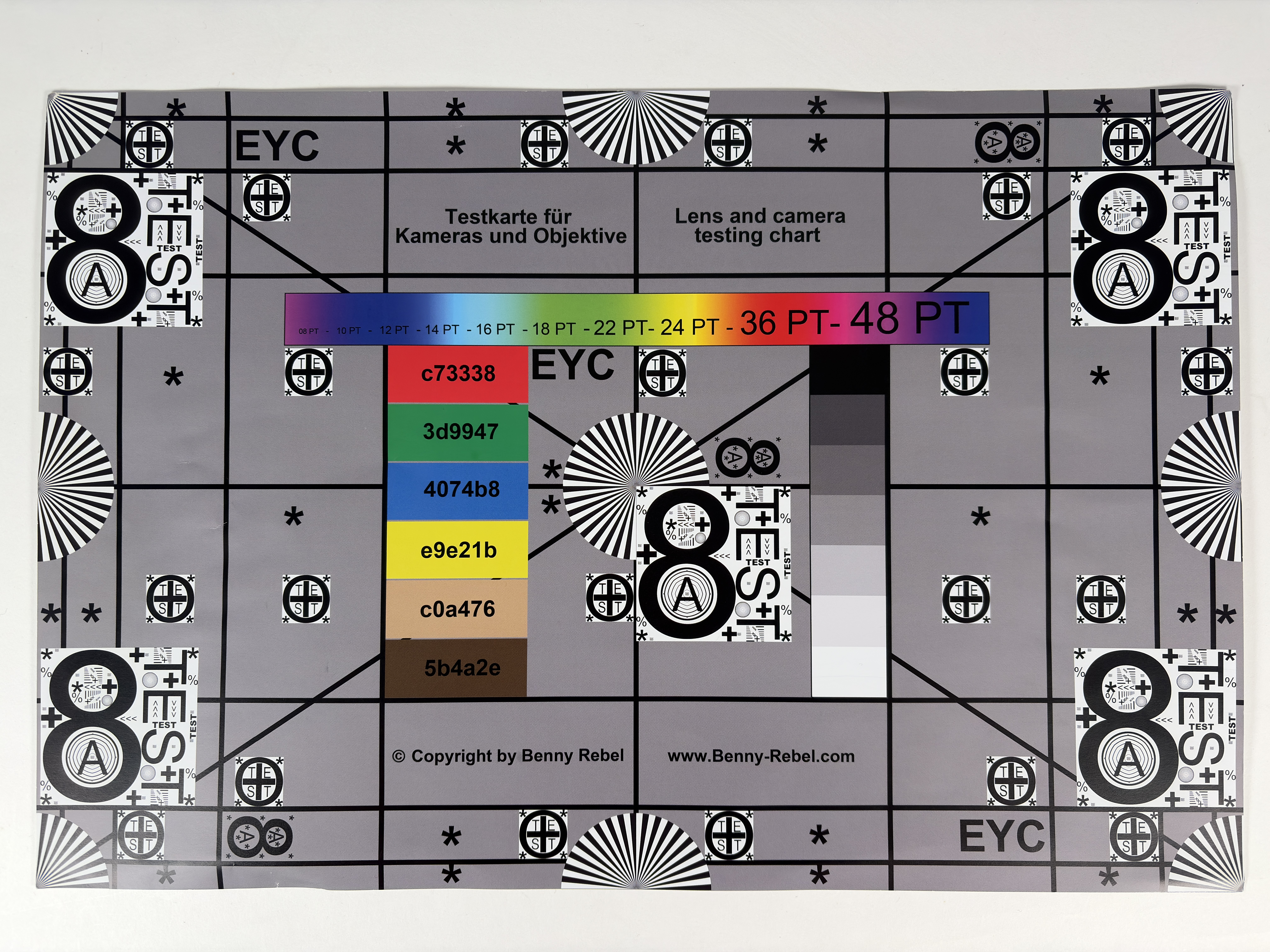
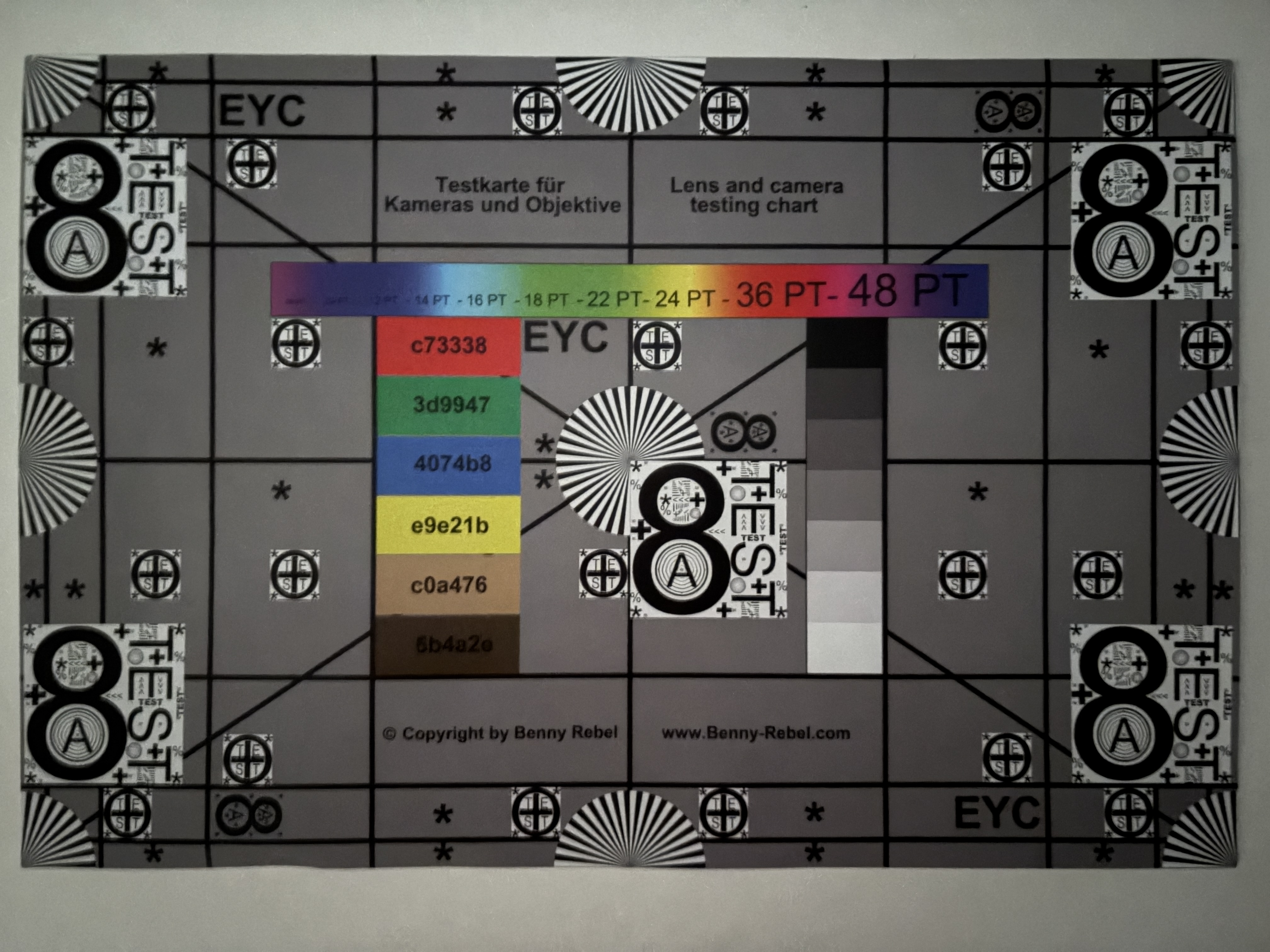
The rear of the handset only had room for one camera. Anyone expecting the same camera as the iPhone 17 Pro will be disappointed, since Apple has decided to integrate the slightly less powerful one housed in the iPhone 17. Although we could be accused of nitpicking, it's certainly justified given the price range. The iPhone takes good photos, but it reveals its shortcomings in dynamic range and depth of field. The zooming feature functions well up to 2x magnification, but beyond that, the images quickly become pixelated. Videos are best recorded in Ultra HD at 60fps with Dolby Vision.
Unlike the 17 Pro, slow-motion recording is limited to Full HD at 240fps, the cinematic video mode is completely absent, and ProRAW and ProRes video are also missing on the Air. The Fusion camera function can take advantage of 26, 28, and 35 mm lenses.
Image comparison
Choose a scene and navigate within the first image. One click changes the position on touchscreens. One click on the zoomed-in image opens the original in a new window. The first image shows the scaled photograph of the test device.
Main cameraMain camera5x zoomLow light

















Accessories and warranty - Care+ with Pro prices
The iPhone Air only comes with a USB-C cable (on both ends).
The warranty in Germany is 12 months, which does not affect the retailer's warranty. AppleCare+ is an insurance package whose prices vary depending on the coverage. A one-time fee of $139.99 is payable for one year, or a monthly payment of $13.99 is also possible.
Input devices and operation - iPhone Air and Face ID
When it comes to biometric security, the iPhone Air relies on 3D facial recognition via Face ID, which impressed us with its high-level security and success rate, as well as fast unlocking. The Taptic Engine provides tactile feedback and delivers precise and pleasantly direct feedback.
The capacitive touchscreen responds quickly and accurately to inputs. Additionally, touch-based input is available on the rear of the handset, but this must first be activated in the settings. The functionality of the action button and the camera button is identical to that seen in iPhones.
Display - A bright new mid-size OLED panel
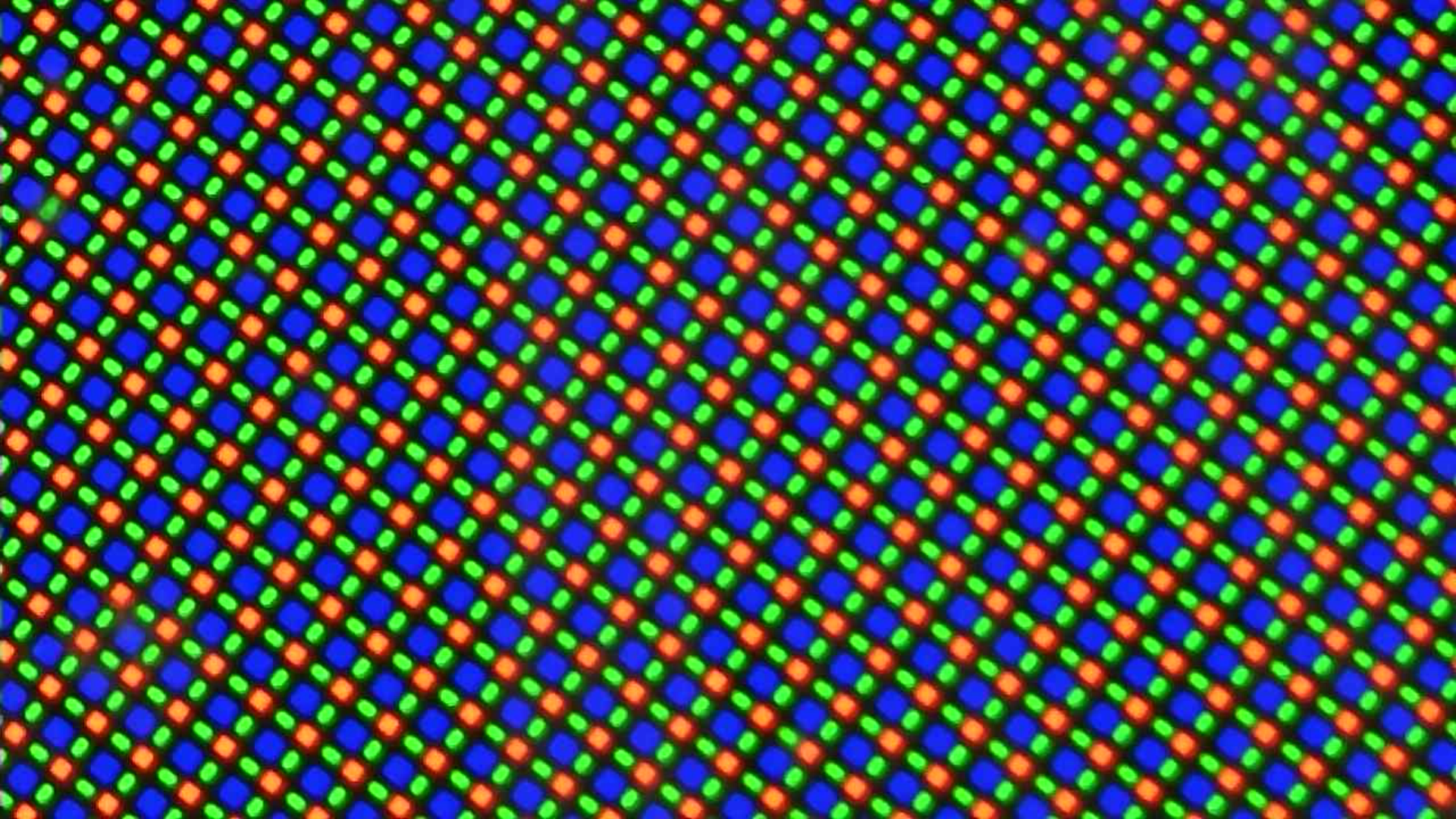
Technically, the iPhone Air's display is similar to the 17 Pro, but at 6.5 inches (16.51 cm), it's slightly larger. It possesses the same level of brightness and, on a reduced white area (APL18), it managed to reach a very bright 3,085 cd/m² in our tests.
The PWM frequency hits a maximum of 480 Hz, and optional pulse smoothing is also included. Similar to the 17 Pro, however, its effect is limited to a flatter amplitude at low brightness. This means individuals sensitive to such issues should still expect to experience some discomfort.
| |||||||||||||||||||||||||
Brightness Distribution: 98 %
Center on Battery: 1060 cd/m²
Contrast: ∞:1 (Black: 0 cd/m²)
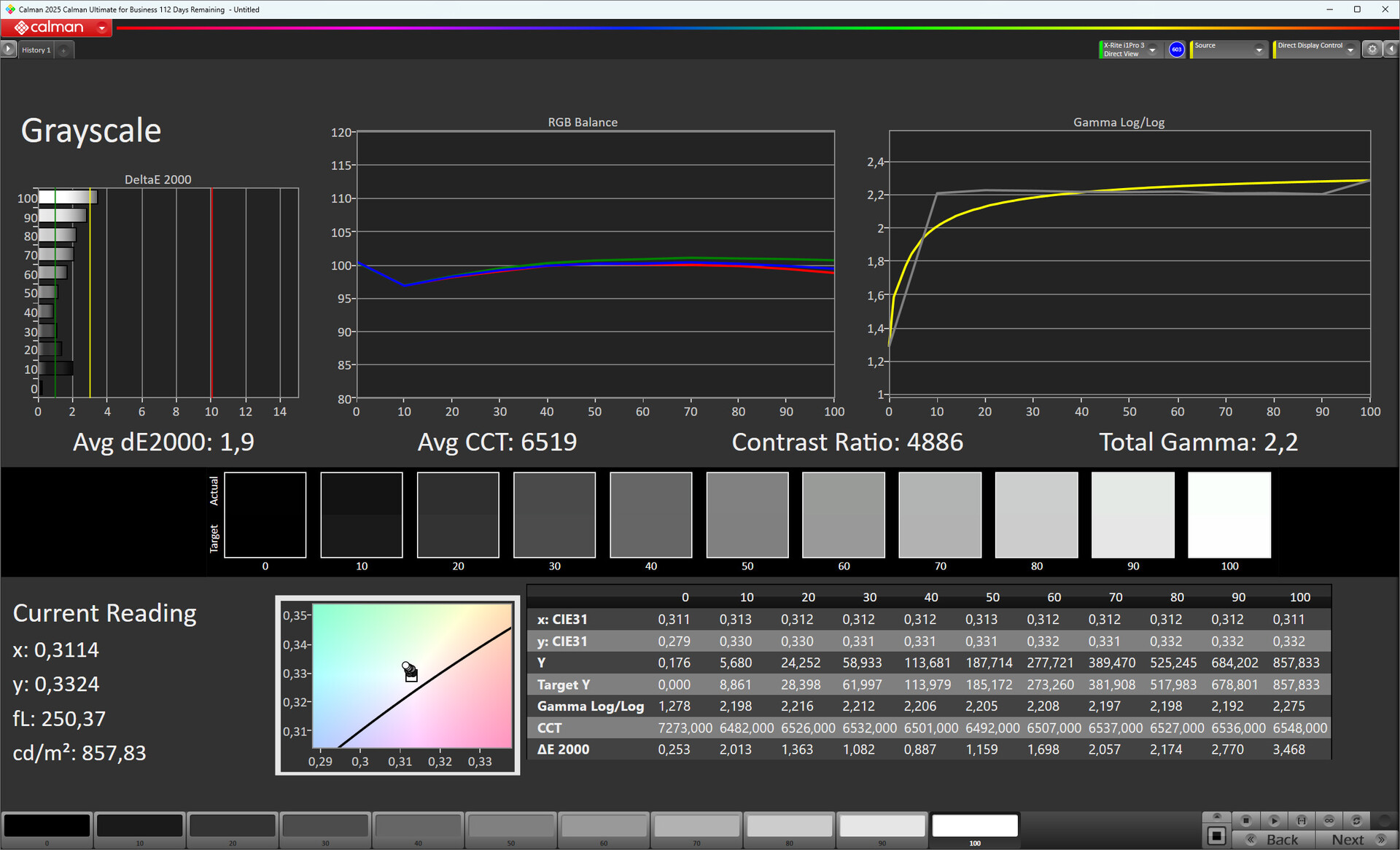
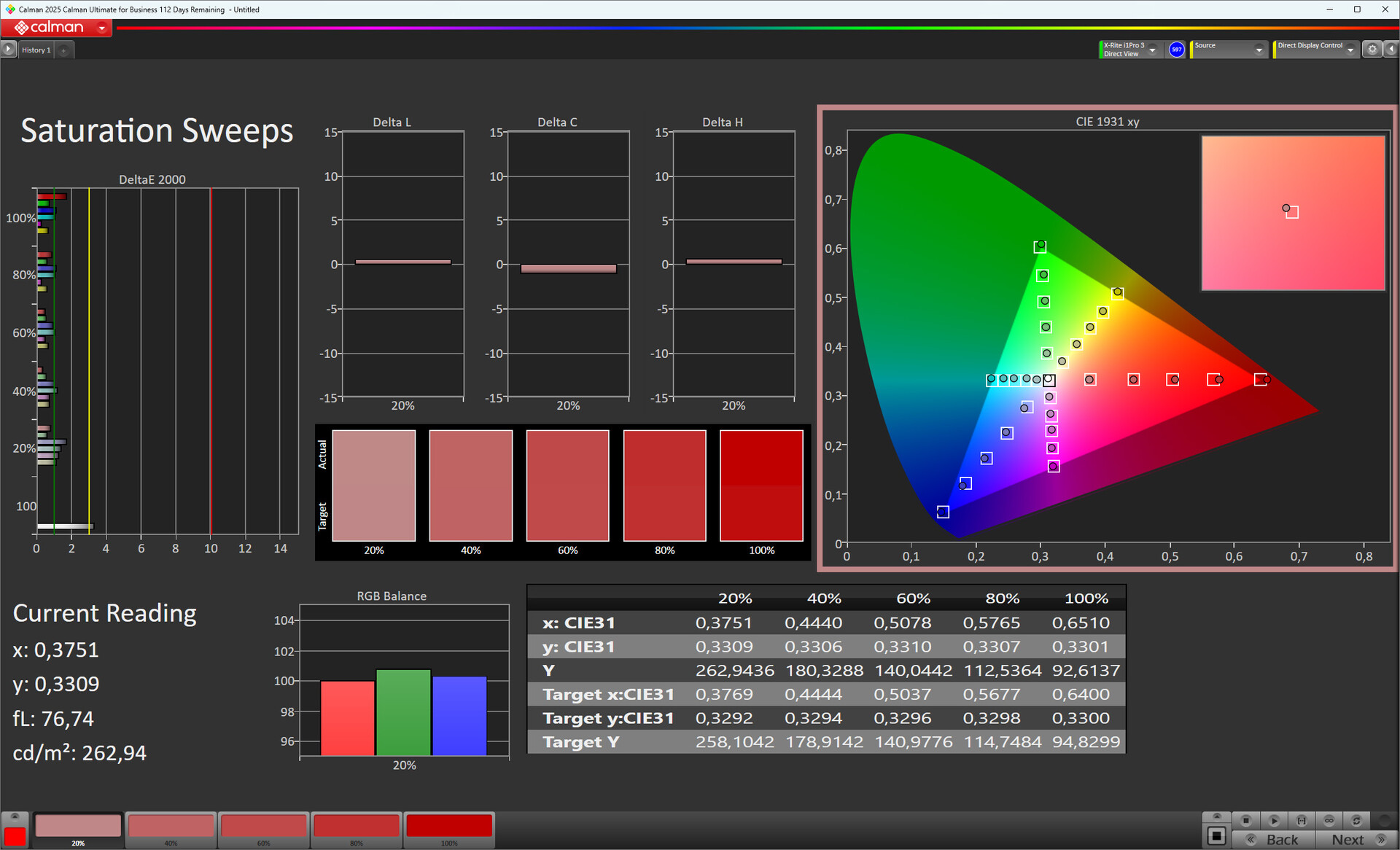
ΔE ColorChecker Calman: 1.3 | ∀{0.5-29.43 Ø4.73}
ΔE Greyscale Calman: 1.9 | ∀{0.09-98 Ø4.97}
99.8% sRGB (Calman 2D)
Gamma: 2.2
CCT: 6519 K
| Apple iPhone Air OLED, 2736x1260, 6.5" | Samsung Galaxy S25 Edge Dynamic AMOLED 2X, 3120x1440, 6.7" | Apple iPhone 17 Pro OLED, 2622x1206, 6.3" | Motorola Edge 60 Pro P-OLED, 2712x1220, 6.7" | |
|---|---|---|---|---|
| Screen | -44% | -5% | 12% | |
| Brightness middle (cd/m²) | 1060 | 1399 32% | 1059 0% | 1099 4% |
| Brightness (cd/m²) | 1064 | 1371 29% | 1060 0% | 1073 1% |
| Brightness Distribution (%) | 98 | 94 -4% | 99 1% | 91 -7% |
| Black Level * (cd/m²) | ||||
| Colorchecker dE 2000 * | 1.3 | 3.9 -200% | 1.3 -0% | 1.25 4% |
| Colorchecker dE 2000 max. * | 3 | 6.3 -110% | 3.6 -20% | 1.68 44% |
| Greyscale dE 2000 * | 1.9 | 2.1 -11% | 2.1 -11% | 1.4 26% |
| Gamma | 2.2 100% | 2.01 109% | 2.2 100% | 2.031 108% |
| CCT | 6519 100% | 6506 100% | 6542 99% | 6403 102% |
* ... smaller is better
| Display / APL18 Peak Brightness | |
| Apple iPhone Air | |
| Apple iPhone 17 Pro | |
| Samsung Galaxy S25 Edge | |
| Display / HDR Peak Brightness | |
| Apple iPhone Air | |
| Apple iPhone 17 Pro | |
| Samsung Galaxy S25 Edge | |
Screen Flickering / PWM (Pulse-Width Modulation)
| Screen flickering / PWM detected | 240 Hz Amplitude: 16.09 % Secondary Frequency: 480 Hz | 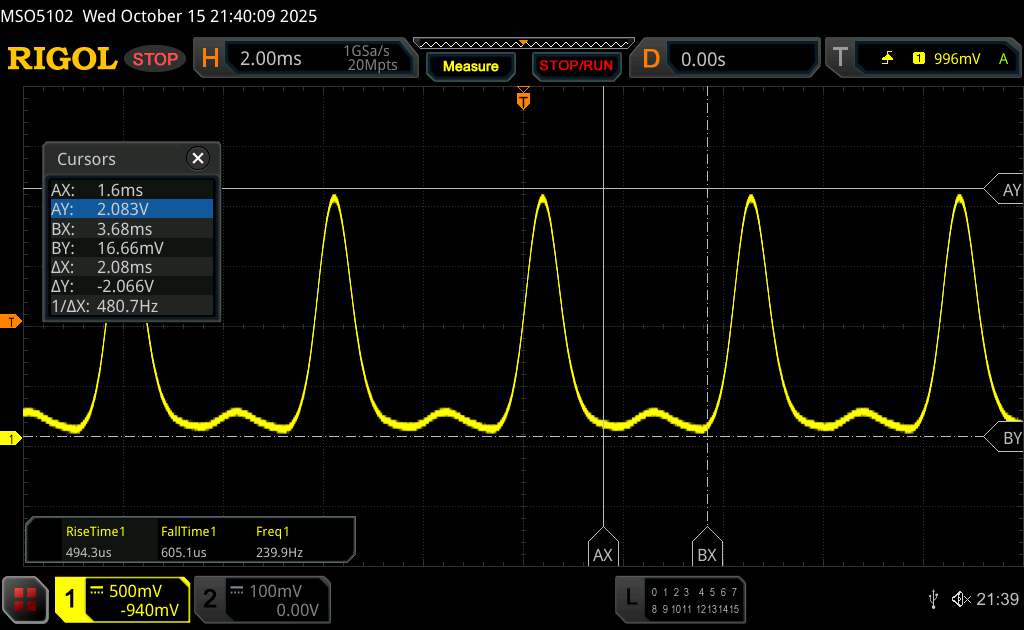 | |
The display backlight flickers at 240 Hz (worst case, e.g., utilizing PWM) . The frequency of 240 Hz is relatively low, so sensitive users will likely notice flickering and experience eyestrain at the stated brightness setting and below. In comparison: 52 % of all tested devices do not use PWM to dim the display. If PWM was detected, an average of 7810 (minimum: 5 - maximum: 343500) Hz was measured. | |||
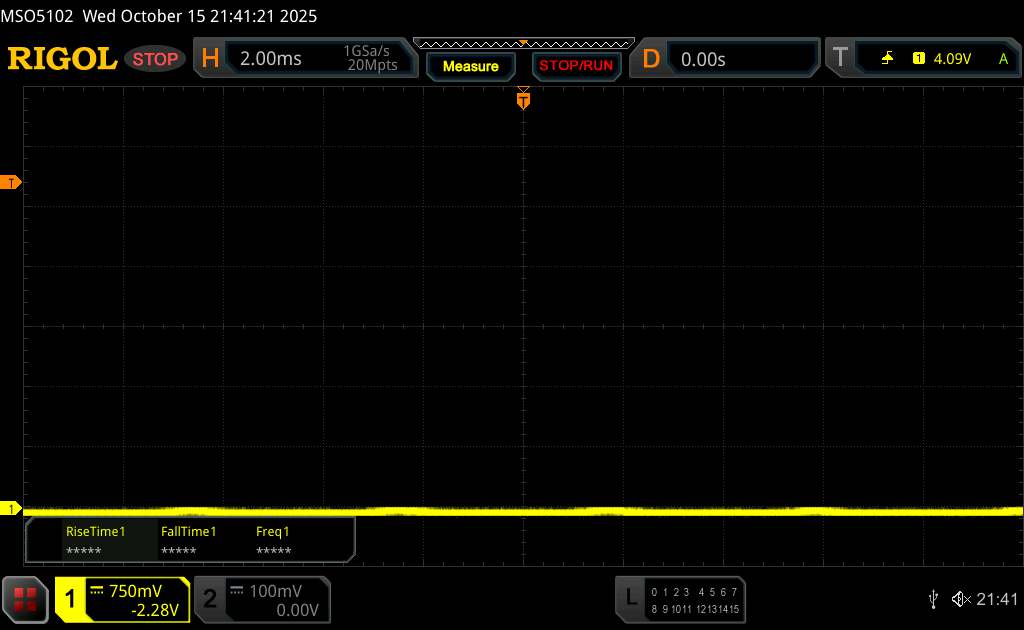
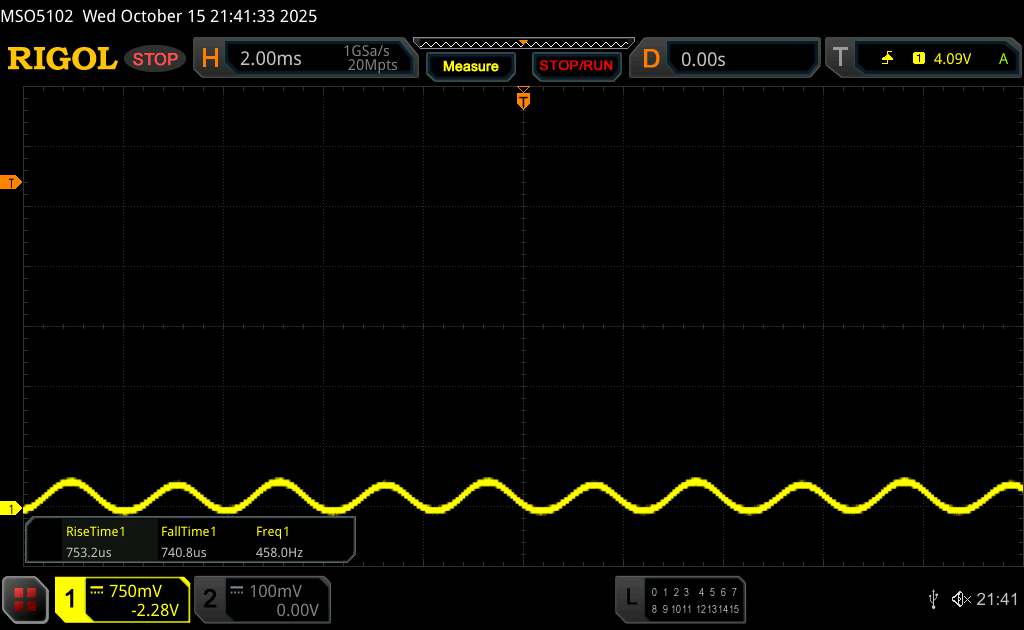
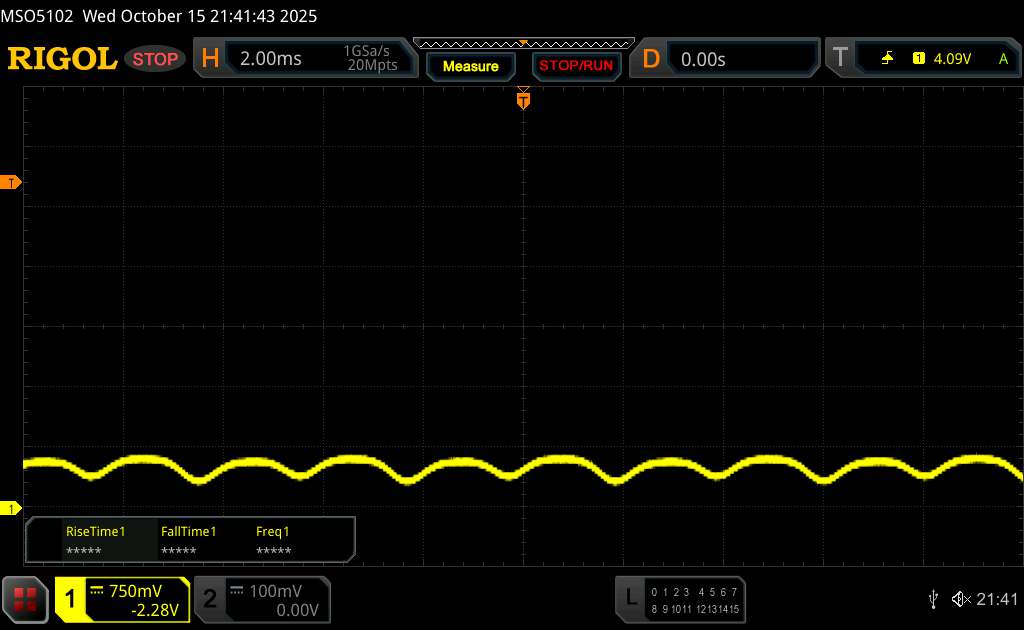
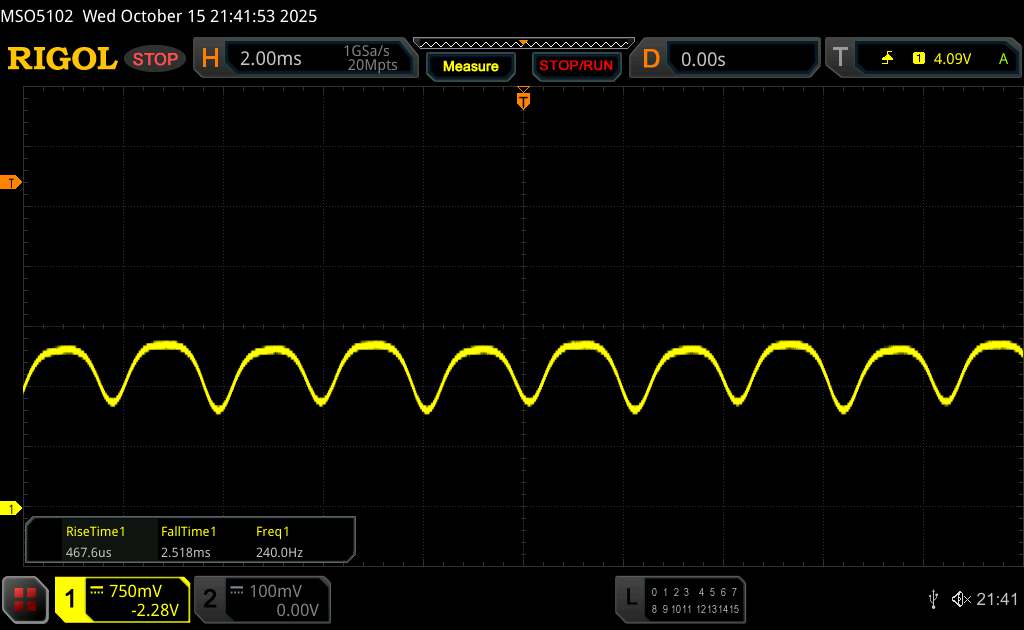
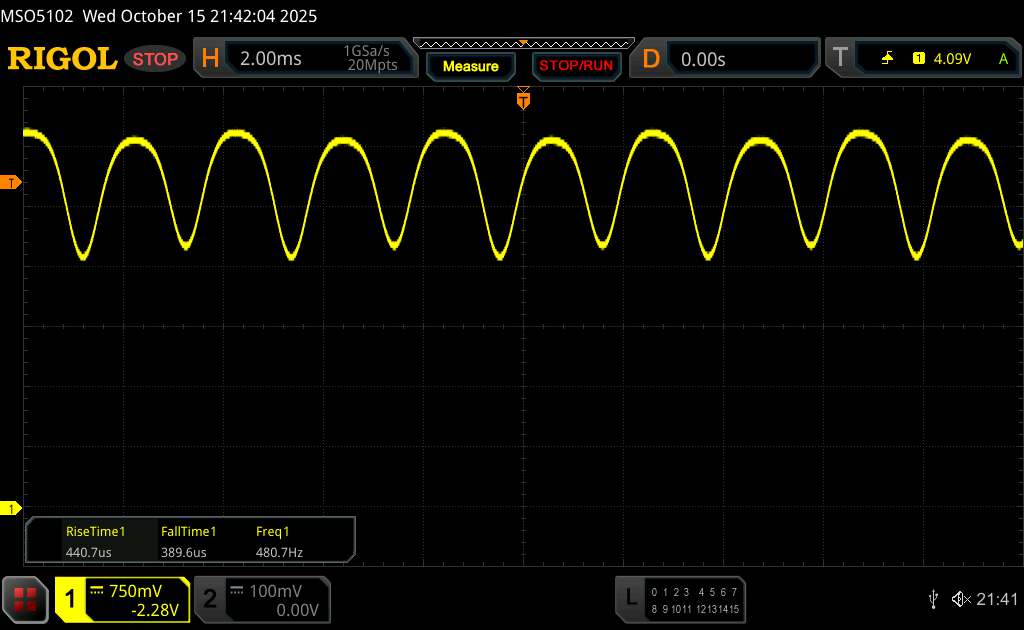
A series of measurements with a fixed zoom level and different brightness settings (The amplitude curve at minimum brightness appears flat, but this is due to the scaling. The enlarged version of the amplitude at minimum brightness can be seen in the info box.)
As the usual analysis using CalMAN reveals, iPhone Air's panel is well-calibrated out of the box with no oversaturated or undersaturated colors.


Display Response Times
| ↔ Response Time Black to White | ||
|---|---|---|
| 1.19 ms ... rise ↗ and fall ↘ combined | ↗ 0.563 ms rise | 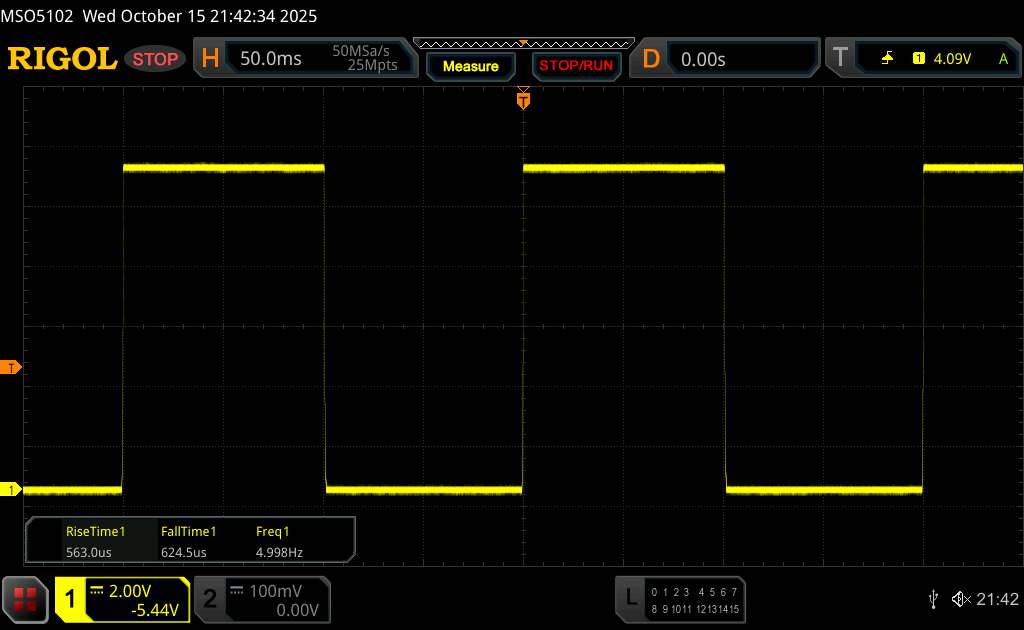 |
| ↘ 0.6245 ms fall | ||
| The screen shows very fast response rates in our tests and should be very well suited for fast-paced gaming. In comparison, all tested devices range from 0.1 (minimum) to 240 (maximum) ms. » 6 % of all devices are better. This means that the measured response time is better than the average of all tested devices (19.9 ms). | ||
| ↔ Response Time 50% Grey to 80% Grey | ||
| 1.16 ms ... rise ↗ and fall ↘ combined | ↗ 0.5315 ms rise | 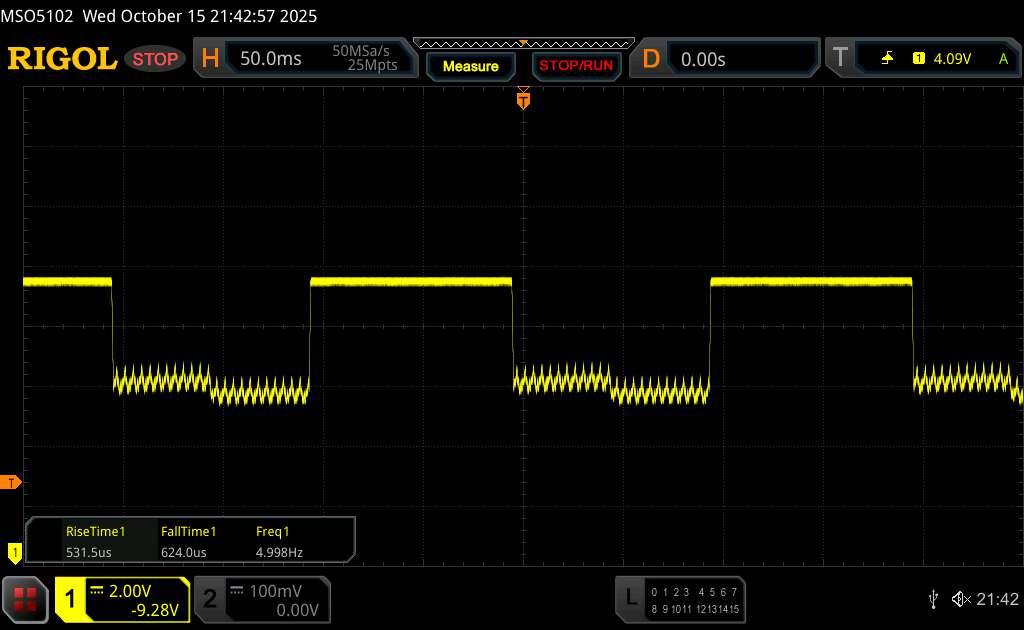 |
| ↘ 0.624 ms fall | ||
| The screen shows very fast response rates in our tests and should be very well suited for fast-paced gaming. In comparison, all tested devices range from 0.165 (minimum) to 636 (maximum) ms. » 5 % of all devices are better. This means that the measured response time is better than the average of all tested devices (31.1 ms). | ||
Outdoors, the iPhone Air remains very legible, provided the ambient light sensor is allowed to control the brightness. Without it, the panel reaches a maximum brightness of 851 cd/m².
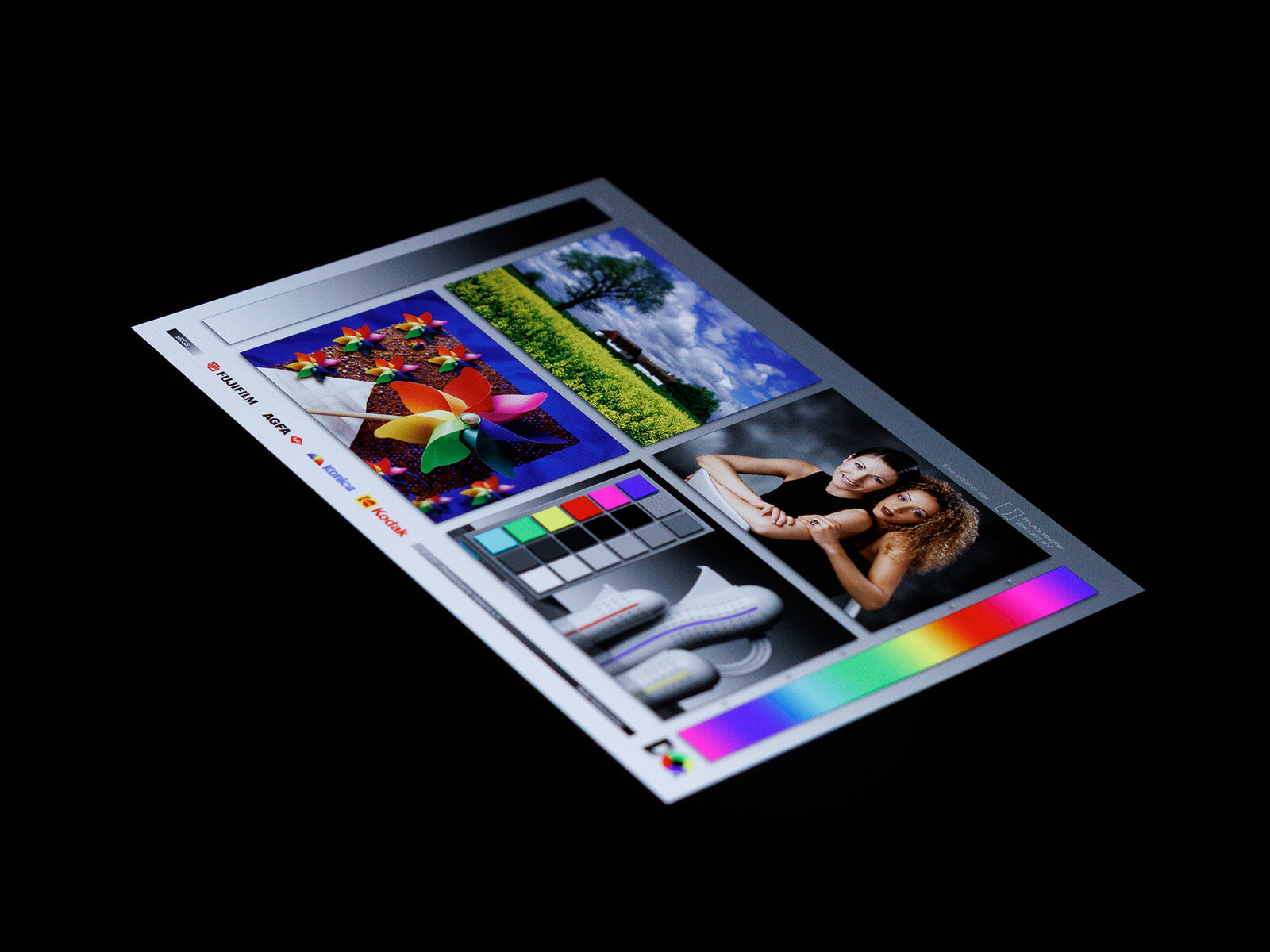
The viewing angle stability is excellent, and the brightness only decreases slightly at wide viewing angles.
Performance - The iPhone Air has a weaker GPU
Nominally, the Air uses the Apple A19 Pro, which is the same SoC found in the Pro models. The slightly lower Geekbench score is likely due to thermal reduction, which kicks in relatively early. This was even more noticeable in AnTuTu, where the Air finished behind the iPhone 17 with its less powerful A19 chipset.
In everyday situations, however, this will be barely noticeable, and the system will run smoothly.
| AImark - Score v3.x | |
| Apple iPhone 17 Pro | |
| Average Apple A19 Pro (35571 - 37611, n=3) | |
| Apple iPhone Air | |
| Average of class Smartphone (293 - 307528, n=91, last 2 years) | |
| Samsung Galaxy S25 Edge | |
The iPhone Air's A19 Pro GPU only uses five cores instead of the six used in the iPhone 17 Pro. Consequently, the performance is also poorer.
GFXBench (DX / GLBenchmark) 2.7: T-Rex Onscreen | 1920x1080 T-Rex Offscreen
GFXBench 3.0: on screen Manhattan Onscreen OGL | 1920x1080 1080p Manhattan Offscreen
GFXBench 3.1: on screen Manhattan ES 3.1 Onscreen | 1920x1080 Manhattan ES 3.1 Offscreen
GFXBench: on screen Car Chase Onscreen | 1920x1080 Car Chase Offscreen | on screen Aztec Ruins High Tier Onscreen | 2560x1440 Aztec Ruins High Tier Offscreen | on screen Aztec Ruins Normal Tier Onscreen | 1920x1080 Aztec Ruins Normal Tier Offscreen | 3840x2160 4K Aztec Ruins High Tier Offscreen
| 3DMark / Wild Life Extreme Unlimited | |
| Samsung Galaxy S25 Edge | |
| Apple iPhone 17 Pro | |
| Apple iPhone Air | |
| Motorola Edge 60 Pro | |
| 3DMark / Wild Life Extreme | |
| Samsung Galaxy S25 Edge | |
| Apple iPhone 17 Pro | |
| Apple iPhone Air | |
| Motorola Edge 60 Pro | |
| 3DMark / Wild Life Unlimited Score | |
| Samsung Galaxy S25 Edge | |
| Apple iPhone 17 Pro | |
| Apple iPhone Air | |
| Motorola Edge 60 Pro | |
| 3DMark / Solar Bay Score | |
| Samsung Galaxy S25 Edge | |
| Apple iPhone 17 Pro | |
| Apple iPhone Air | |
| Motorola Edge 60 Pro | |
| 3DMark / Solar Bay Unlimited Score | |
| Samsung Galaxy S25 Edge | |
| Apple iPhone 17 Pro | |
| Apple iPhone Air | |
| Motorola Edge 60 Pro | |
| 3DMark / Steel Nomad Light Unlimited Score | |
| Apple iPhone 17 Pro | |
| Samsung Galaxy S25 Edge | |
| Apple iPhone Air | |
| Motorola Edge 60 Pro | |
| 3DMark / Steel Nomad Light Score | |
| Apple iPhone 17 Pro | |
| Samsung Galaxy S25 Edge | |
| Apple iPhone Air | |
| Motorola Edge 60 Pro | |
| GFXBench (DX / GLBenchmark) 2.7 / T-Rex Onscreen | |
| Samsung Galaxy S25 Edge | |
| Motorola Edge 60 Pro | |
| Apple iPhone Air | |
| Apple iPhone 17 Pro | |
| GFXBench (DX / GLBenchmark) 2.7 / T-Rex Offscreen | |
| Apple iPhone 17 Pro | |
| Samsung Galaxy S25 Edge | |
| Apple iPhone Air | |
| Motorola Edge 60 Pro | |
| GFXBench 3.0 / Manhattan Onscreen OGL | |
| Samsung Galaxy S25 Edge | |
| Motorola Edge 60 Pro | |
| Apple iPhone Air | |
| Apple iPhone 17 Pro | |
| GFXBench 3.0 / 1080p Manhattan Offscreen | |
| Samsung Galaxy S25 Edge | |
| Apple iPhone 17 Pro | |
| Apple iPhone Air | |
| Motorola Edge 60 Pro | |
| GFXBench 3.1 / Manhattan ES 3.1 Onscreen | |
| Samsung Galaxy S25 Edge | |
| Motorola Edge 60 Pro | |
| Apple iPhone Air | |
| Apple iPhone 17 Pro | |
| GFXBench 3.1 / Manhattan ES 3.1 Offscreen | |
| Samsung Galaxy S25 Edge | |
| Apple iPhone 17 Pro | |
| Apple iPhone Air | |
| Motorola Edge 60 Pro | |
| GFXBench / Car Chase Onscreen | |
| Samsung Galaxy S25 Edge | |
| Motorola Edge 60 Pro | |
| Apple iPhone Air | |
| Apple iPhone 17 Pro | |
| GFXBench / Car Chase Offscreen | |
| Apple iPhone 17 Pro | |
| Samsung Galaxy S25 Edge | |
| Apple iPhone Air | |
| Motorola Edge 60 Pro | |
| GFXBench / Aztec Ruins High Tier Onscreen | |
| Samsung Galaxy S25 Edge | |
| Motorola Edge 60 Pro | |
| Apple iPhone Air | |
| Apple iPhone 17 Pro | |
| GFXBench / Aztec Ruins High Tier Offscreen | |
| Samsung Galaxy S25 Edge | |
| Apple iPhone 17 Pro | |
| Apple iPhone Air | |
| Motorola Edge 60 Pro | |
| GFXBench / Aztec Ruins Normal Tier Onscreen | |
| Samsung Galaxy S25 Edge | |
| Motorola Edge 60 Pro | |
| Apple iPhone Air | |
| Apple iPhone 17 Pro | |
| GFXBench / Aztec Ruins Normal Tier Offscreen | |
| Samsung Galaxy S25 Edge | |
| Apple iPhone 17 Pro | |
| Apple iPhone Air | |
| Motorola Edge 60 Pro | |
| GFXBench / 4K Aztec Ruins High Tier Offscreen | |
| Samsung Galaxy S25 Edge | |
| Apple iPhone 17 Pro | |
| Apple iPhone Air | |
| Motorola Edge 60 Pro | |
| Jetstream 2 - 2.0 Total | |
| Average Apple A19 Pro (327 - 358, n=3) | |
| Apple iPhone 17 Pro (Safari Mobile 26.0) | |
| Apple iPhone Air (Safari Mobile 26.0) | |
| Samsung Galaxy S25 Edge (Chrome 137.0.7151.72) | |
| Average of class Smartphone (59.7 - 423, n=130, last 2 years) | |
| Motorola Edge 60 Pro (Chrome 137.0.7151.115) | |
| Speedometer 2.0 - Result 2.0 | |
| Apple iPhone 17 Pro (Safari Mobile 26.0) | |
| Average Apple A19 Pro (598 - 643, n=3) | |
| Apple iPhone Air (Safari Mobile 26.0) | |
| Samsung Galaxy S25 Edge (Chrome 137.0.7151.72) | |
| Average of class Smartphone (49.3 - 733, n=93, last 2 years) | |
| Motorola Edge 60 Pro (Chrome 137.0.7151.115) | |
| Speedometer 3 - Score 3.0 | |
| Apple iPhone 17 Pro (Safari Mobile 26.0) | |
| Average Apple A19 Pro (40.7 - 42.8, n=3) | |
| Apple iPhone Air (Safari Mobile 26.0) | |
| Samsung Galaxy S25 Edge (Chrome 137.0.7151.72) | |
| Average of class Smartphone (3.06 - 45.5, n=105, last 2 years) | |
| WebXPRT 4 - Overall | |
| Apple iPhone 17 Pro (Safari Mobile 26.0) | |
| Average Apple A19 Pro (297 - 306, n=3) | |
| Apple iPhone Air (Safari Mobile 26.0) | |
| Samsung Galaxy S25 Edge (Chrome 137.0.7151.72) | |
| Average of class Smartphone (56 - 306, n=115, last 2 years) | |
| Motorola Edge 60 Pro (Chrome 137.0.7151.115) | |
| Octane V2 - Total Score | |
| Apple iPhone 17 Pro (Safari Mobile 26.0) | |
| Average Apple A19 Pro (115463 - 121337, n=3) | |
| Apple iPhone Air (Safari Mobile 26.0) | |
| Samsung Galaxy S25 Edge (Chrome 137.0.7151.72) | |
| Average of class Smartphone (2800 - 126661, n=160, last 2 years) | |
| Motorola Edge 60 Pro (Chrome 137.0.7151.115) | |
| Mozilla Kraken 1.1 - Total | |
| Motorola Edge 60 Pro (Chrome 137.0.7151.115) | |
| Average of class Smartphone (257 - 28190, n=138, last 2 years) | |
| Samsung Galaxy S25 Edge (Chrome 137.0.7151.72) | |
| Apple iPhone Air (Safari Mobile 26.0) | |
| Apple iPhone 17 Pro (Safari Mobile 26.0) | |
| Average Apple A19 Pro (257 - 280, n=3) | |
* ... smaller is better
Emissions - The iPhone is home to a mono speaker
Temperature
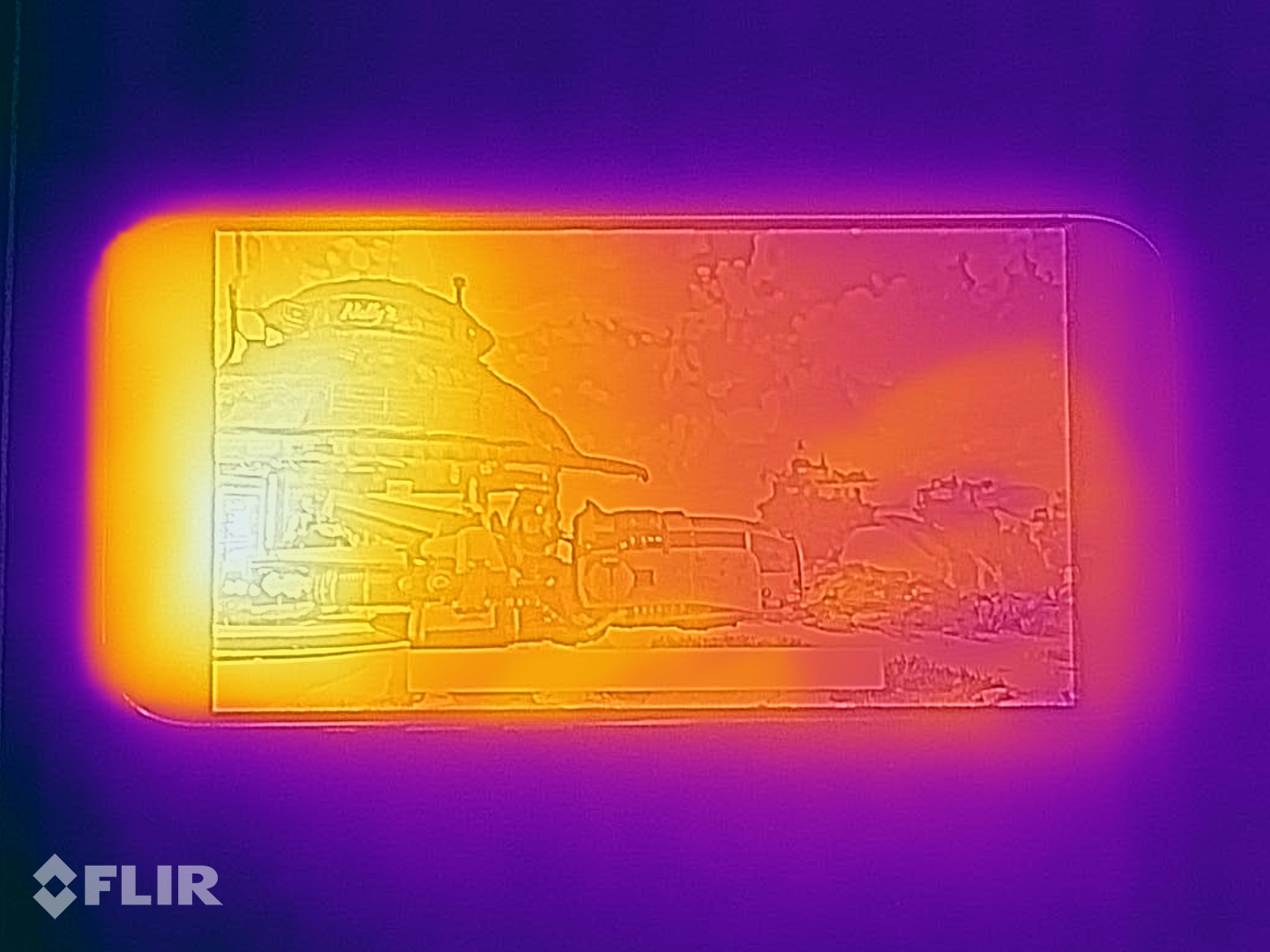
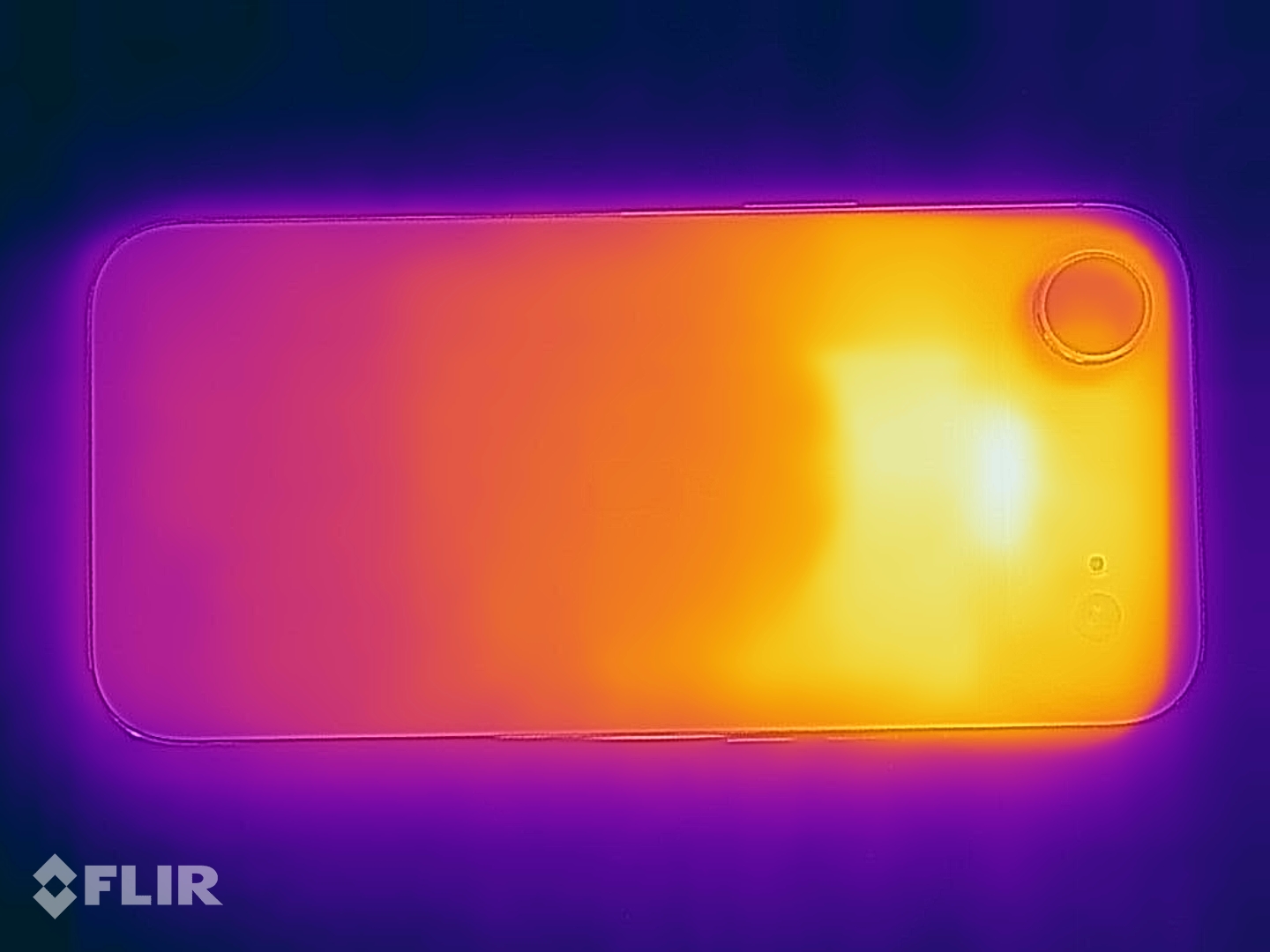
The iPhone Air's surface temperatures remained safe even under load, but the SoC throttled significantly in some stress tests.
(±) The maximum temperature on the upper side is 41.5 °C / 107 F, compared to the average of 35.3 °C / 96 F, ranging from 21.9 to 247 °C for the class Smartphone.
(±) The bottom heats up to a maximum of 43.6 °C / 110 F, compared to the average of 34 °C / 93 F
(+) In idle usage, the average temperature for the upper side is 27.6 °C / 82 F, compared to the device average of 32.9 °C / 91 F.
3DMark Stress Tests
| 3DMark | |
| Wild Life Stress Test Stability | |
| Apple iPhone Air | |
| Apple iPhone 17 Pro | |
| Samsung Galaxy S25 Edge | |
| Motorola Edge 60 Pro | |
| Wild Life Extreme Stress Test | |
| Apple iPhone 17 Pro | |
| Apple iPhone Air | |
| Samsung Galaxy S25 Edge | |
| Motorola Edge 60 Pro | |
| Solar Bay Stress Test Stability | |
| Apple iPhone Air | |
| Apple iPhone 17 Pro | |
| Samsung Galaxy S25 Edge | |
| Motorola Edge 60 Pro | |
| Steel Nomad Light Stress Test Stability | |
| Apple iPhone 17 Pro | |
| Apple iPhone Air | |
| Samsung Galaxy S25 Edge | |
| Motorola Edge 60 Pro | |
| Solar Bay Extreme Stress Test Stability | |
| Apple iPhone 17 Pro | |
| Apple iPhone Air | |
Speakers
The iPhone Air has only one speaker in its earpiece, and it isn't particularly loud. The sound quality is decent, but it leans very heavily on the treble.
Similar to other iPhones, the Air lacks a high-resolution codec for Bluetooth, and Auracast is also absent. The best sound quality can be achieved via a wired connection using USB-C.
Apple iPhone Air audio analysis
(+) | speakers can play relatively loud (84.3 dB)
Bass 100 - 315 Hz
(-) | nearly no bass - on average 18.9% lower than median
(±) | linearity of bass is average (9.7% delta to prev. frequency)
Mids 400 - 2000 Hz
(+) | balanced mids - only 4.3% away from median
(+) | mids are linear (5.5% delta to prev. frequency)
Highs 2 - 16 kHz
(±) | higher highs - on average 5.8% higher than median
(+) | highs are linear (2.3% delta to prev. frequency)
Overall 100 - 16.000 Hz
(±) | linearity of overall sound is average (16.7% difference to median)
Compared to same class
» 8% of all tested devices in this class were better, 6% similar, 85% worse
» The best had a delta of 11%, average was 34%, worst was 134%
Compared to all devices tested
» 29% of all tested devices were better, 7% similar, 64% worse
» The best had a delta of 4%, average was 24%, worst was 134%
Samsung Galaxy S25 Edge audio analysis
(+) | speakers can play relatively loud (90.5 dB)
Bass 100 - 315 Hz
(-) | nearly no bass - on average 23.3% lower than median
(+) | bass is linear (6.9% delta to prev. frequency)
Mids 400 - 2000 Hz
(±) | higher mids - on average 5.7% higher than median
(+) | mids are linear (4.8% delta to prev. frequency)
Highs 2 - 16 kHz
(±) | higher highs - on average 5.7% higher than median
(+) | highs are linear (4.1% delta to prev. frequency)
Overall 100 - 16.000 Hz
(±) | linearity of overall sound is average (18.7% difference to median)
Compared to same class
» 22% of all tested devices in this class were better, 9% similar, 69% worse
» The best had a delta of 11%, average was 34%, worst was 134%
Compared to all devices tested
» 43% of all tested devices were better, 8% similar, 50% worse
» The best had a delta of 4%, average was 24%, worst was 134%
Battery runtime - A slender 3,149 mAh
Power consumption
In tests, the iPhone Air's power consumption proved to be unremarkable. Charging at a maximum of 20 watts, a full charge takes approximately one and a half hours (50%: 29 minutes).
| Off / Standby |   0.13 / 0.24 Watt 0.13 / 0.24 Watt |
| Idle |  0.52 / 1.95 / 1.98 Watt 0.52 / 1.95 / 1.98 Watt |
| Load |
7.29 / 16.24 Watt |
    
| |
Key:
min: ,
med: ,
max: Metrahit Energy | |
| Apple iPhone Air 3149 mAh | Samsung Galaxy S25 Edge 3900 mAh | Apple iPhone 17 Pro 3988 mAh | Motorola Edge 60 Pro 6000 mAh | Average Apple A19 Pro | Average of class Smartphone | |
|---|---|---|---|---|---|---|
| Power Consumption | -7% | -15% | -36% | 2% | 2% | |
| Idle Minimum * (Watt) | 0.52 | 0.59 -13% | 0.56 -8% | 1.3 -150% | 0.56 ? -8% | 0.873 ? -68% |
| Idle Average * (Watt) | 1.95 | 1.12 43% | 1.78 9% | 1.9 3% | 1.677 ? 14% | 1.464 ? 25% |
| Idle Maximum * (Watt) | 1.98 | 1.19 40% | 1.89 5% | 2.4 -21% | 1.823 ? 8% | 1.652 ? 17% |
| Load Average * (Watt) | 7.29 | 14.72 -102% | 12.36 -70% | 8.6 -18% | 7.92 ? -9% | 6.78 ? 7% |
| Load Maximum * (Watt) | 16.24 | 16.57 -2% | 17.69 -9% | 14.9 8% | 15.1 ? 7% | 11.3 ? 30% |
* ... smaller is better
Power consumption: Geekbench (150 cd/m²)
Power consumption: GFXbench (150 cd/m²)
Battery life
Despite its very small battery, the iPhone Air keeps going for a surprisingly long time, which should be enough for a whole day of moderate use. If that's not the case, you shouldn't stray too far from the nearest power source.
| Battery runtime - WiFi v1.3 | |
| Apple iPhone Air | |
| Samsung Galaxy S25 Edge | |
| Apple iPhone 17 Pro | |
| Motorola Edge 60 Pro | |
Notebookcheck overall rating
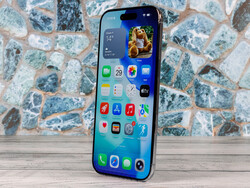
The iPhone Air presents itself as a dream slim design, complete with a titanium frame, but behind the chic facade hides sluggish USB 2.0, an average single camera and a battery that runs out of steam by midday for power users.
Apple iPhone Air
- 10/30/2025 v8
Daniel Schmidt
 Total Sustainability Score:
 Possible alternatives compared
Image | Model / Review | Price | Weight | Drive | Display |
|---|---|---|---|---|---|
1. 86.8%  | Apple iPhone Air Apple A19 Pro ⎘ Apple A19 Pro 5-Core GPU ⎘ 12 GB Memory, 512 GB SSD | Amazon: List Price: 1449€ | 165 g | Apple 512GB NVMe | 6.50" 2736x1260 463 PPI OLED |
2. 88.3%  | Samsung Galaxy S25 Edge Qualcomm Snapdragon 8 Elite for Galaxy ⎘ Qualcomm Adreno 830 ⎘ 12 GB Memory, 256 GB UFS 4.x | Amazon: List Price: 1249€ | 163 g | 256 GB UFS 4.0 Flash | 6.70" 3120x1440 395 PPI Dynamic AMOLED 2X |
3. 89.9%  | Apple iPhone 17 Pro Apple A19 Pro ⎘ Apple A19 Pro 6-Core GPU ⎘ 12 GB Memory, 512 GB SSD | Amazon: List Price: 1549€ | 206 g | Apple 512GB NVMe | 6.30" 2622x1206 458 PPI OLED |
4. 81.5%  | Motorola Edge 60 Pro MediaTek Dimensity 8350 ⎘ ARM Mali-G615 MP6 ⎘ 12 GB Memory, 512 GB UFS 4.x | Amazon: 1. $459.99 Motorola Moto Edge 60 Pro 5G... 2. $502.01 Motorola Moto Edge 60 Pro 5G... 3. $355.06 Motorola Moto Edge 60 Pro 5G... List Price: 600 Euro | 186 g | 512 GB UFS 4.0 Flash | 6.67" 2712x1220 446 PPI P-OLED |
Transparency
The selection of devices to be reviewed is made by our editorial team. The test sample was freely purchased by the author at his/her own expense. The lender had no influence on this review, nor did the manufacturer receive a copy of this review before publication. There was no obligation to publish this review. As an independent media company, Notebookcheck is not subjected to the authority of manufacturers, retailers or publishers.
This is how Notebookcheck is testing
Every year, Notebookcheck independently reviews hundreds of laptops and smartphones using standardized procedures to ensure that all results are comparable. We have continuously developed our test methods for around 20 years and set industry standards in the process. In our test labs, high-quality measuring equipment is utilized by experienced technicians and editors. These tests involve a multi-stage validation process. Our complex rating system is based on hundreds of well-founded measurements and benchmarks, which maintains objectivity. Further information on our test methods can be found here.
 Add as a preferred source on Google


