


Zelda: Tears of the Kingdom Mac port runs at 90 fps, topping Switch 2 and PC rival
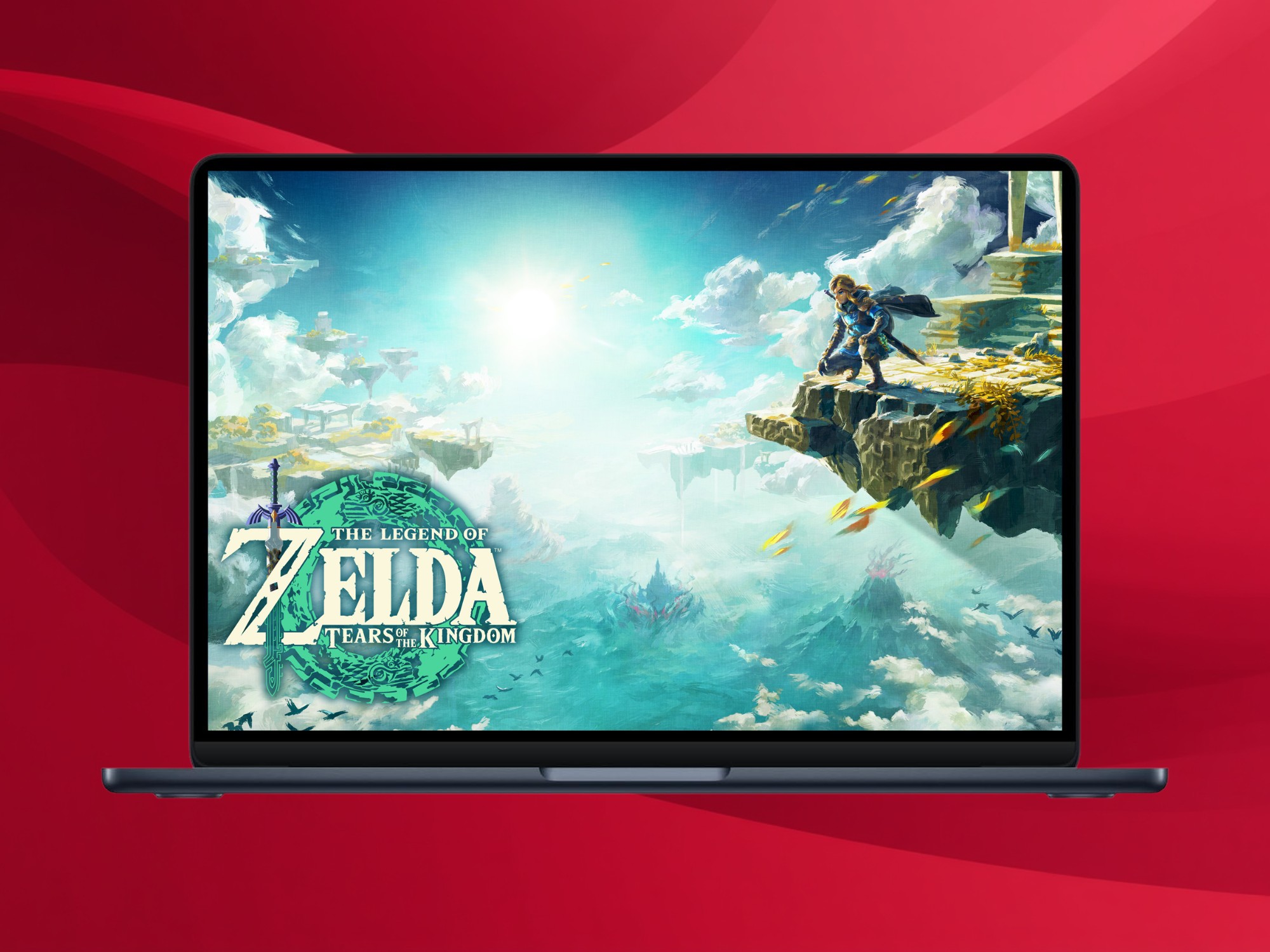
There are more ways than ever to play Zelda: Tears of the Kingdom without a Switch or Switch 2 console. While followers might think a PC would provide the best performance, a Mac port currently leads the way. The MacNativeGames project targets ARM64 processors and delivers impressive frame rates.
Developer liyong shared footage of progress made with the Zelda game on social media. If players are willing to complete a somewhat lengthy setup process, they can find the files on GitHub.
Emulation vs native port
Switch emulators have existed for years, and some are macOS-compatible. However, with lower CPU usage, a native Zelda: Tears of the Kingdom port has the potential for smoother graphics. Apple systems that share the Switch’s ARM64 architecture also have an edge over many PCs.
The MacNativeGames release exhibits formidable performance, even as optimization continues. On the MacBook Air M4 and Mac mini M4, frame rates reach 90 fps during gameplay and 120 fps in menus. Testers can expect a 1440p resolution and support for PlayStation and Xbox controllers.
By leveraging Apple’s Metal 4 API and MetalFX upscaling, the port minimizes stuttering. Still, despite automatic shader compilation, exploring new parts of open-world Hyrule could cause hitches.
Not very user-friendly
It may not deter a Nintendo lawsuit, but the GitHub download doesn’t include game files. Players must supply a Tears of the Kingdom Switch ROM in XCI or NSP format. Installation relies on Xcode development tools and requires entering a series of command lines.
Envious PC users lacking a Switch or Switch 2 may not have to wait long for a solution. NotRexed recently demoed a Tears of the Kingdom compilation that’s an alternative to emulators. Unfortunately, performance fails to match its Mac rival. On an Nvidia RTX 4060 Ti, visuals fluctuated between 32-59 fps as optimization work continues.
Other Zelda games are also playable on the MacBook Air M4, Mac mini M4, and even iPhones. BotWRecomp’s experimental Breath of the Wild project is based on Wii U code.
Source(s)
 Add as a preferred source on Google


