




YouTuber offers $15K to bypass PS5 hypervisor, amid outrage over end of PlayStation discs
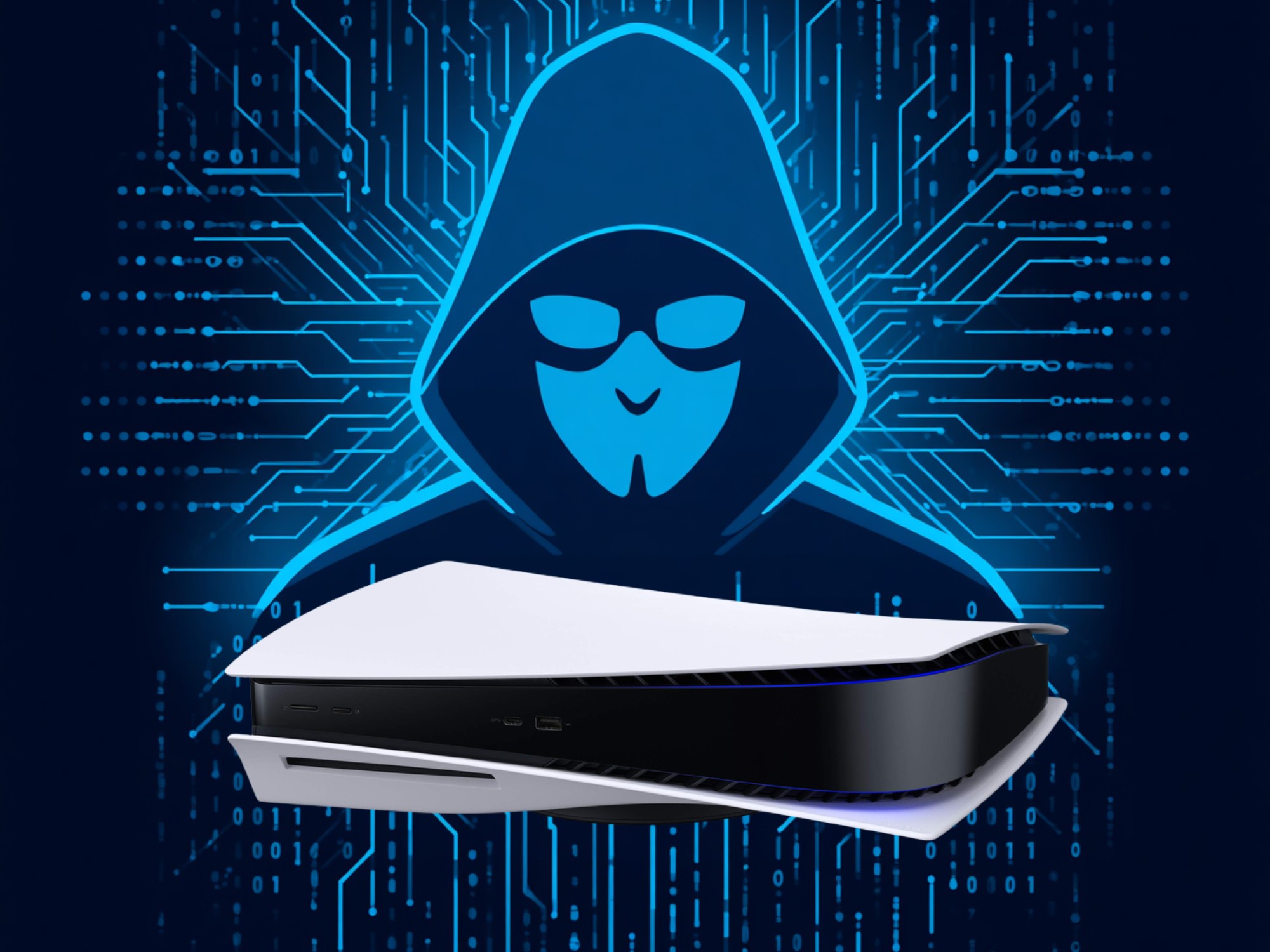
Sony has been under fire for leaving discs behind in early 2028. A proposal from a popular YouTuber and consumer advocate isn’t focused on saving physical games. However, Louis Rossmann’s organization is offering a $15,000 bounty to anyone who bypasses the PS5 hypervisor. The exploit would grant owners more control over their consoles.
Rossmann began his career in electronics repair. He amassed a large following for detailing self-fixes that manufacturers like Apple wouldn’t endorse. More recently, he has lobbied against companies including Sony that attempt to lock down hardware.
The reward keeps growing
The content creator co-founded FULU, the nonprofit site that is overseeing the PS5 hypervisor bounty. The goal is to install an alternative OS, enabling users to run a wider variety of software. If an individual is successful, they will earn at least $10,000. That amount has already grown to over $15,000 after community donations.
In a YouTube short, Rossmann notes that earlier systems were more inviting to modifications. With the PS2, Sony even supplied a DVD to set up Linux. The gaming giant then became much more restrictive on newer consoles. Piracy concerns are one explanation, but the company has sought more authority over the PlayStation ecosystem.
FULU recognizes that the Linux on PS5 hypervisor bypass already exists. By overcoming some security measures, enthusiasts can install the OS and run homebrew software. In a breakthrough, gamers can also play Linux titles on the console. The exploit does not support copies of digital PS5 games or physical discs, although hackers have made progress with other jailbreaks and emulators.
Rules of the bounty
Unfortunately, the current method requires older firmware, and rolling back versions is impossible. To qualify for the bounty, any bypass must work with firmware 13.42 or newer, which was released on July 1st. That could prove difficult, since PlayStation regularly patches vulnerabilities to prevent piracy.
Other conditions include developing an affordable solution with a straightforward installation process. The native OS must also remain accessible to preserve the ability to run purchased PlayStation games.
While it may be a tough ask, Sony’s attack on physical games will likely draw more attention to the challenge.
 Add as a preferred source on Google


