Dutch and Mexican lawyers retaliate against Sony's decision to end physical games
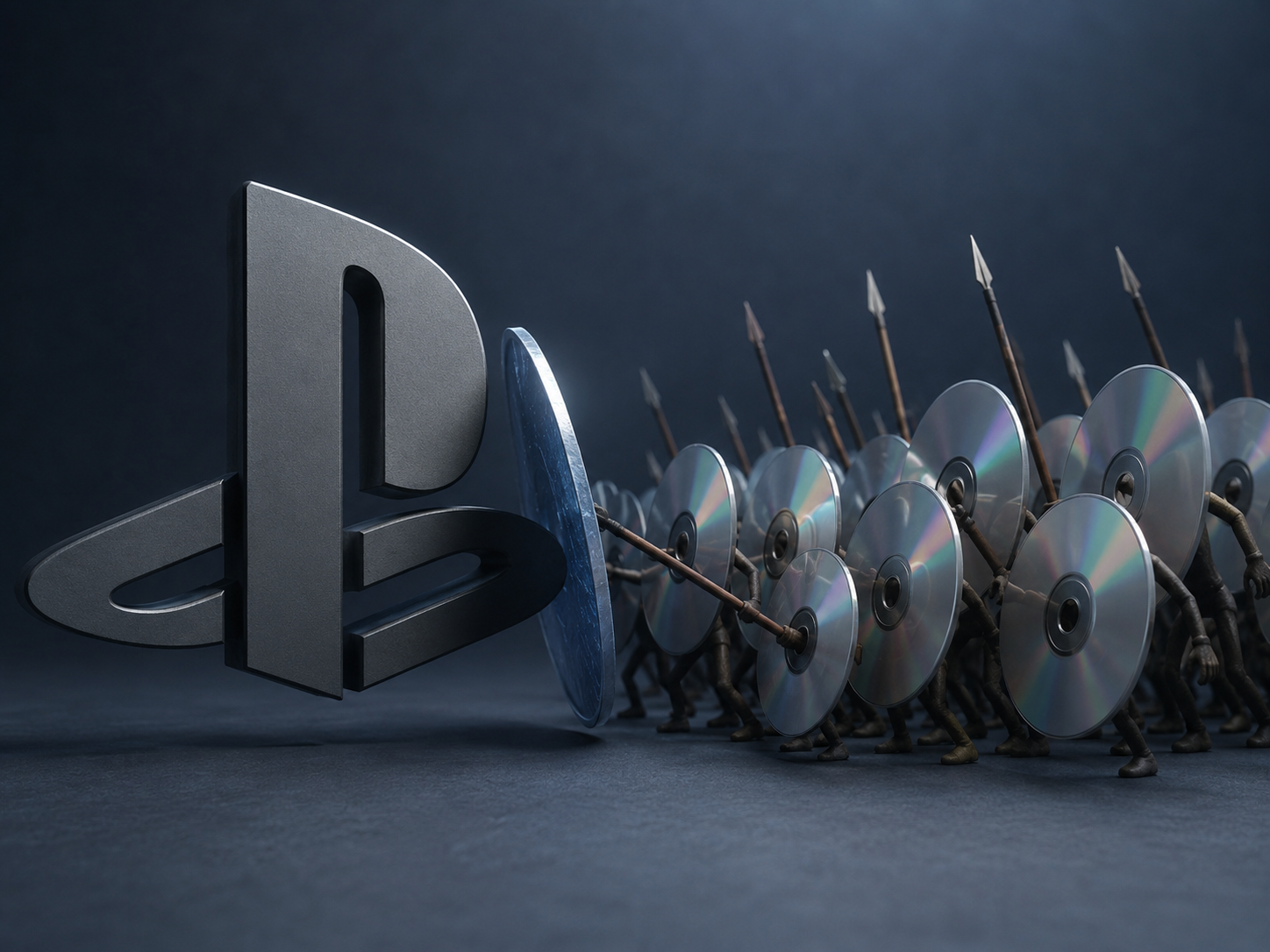
Sony is facing stiff resistance to its decision to end production of physical game discs for all new PlayStation releases from 2028. While older physical games will still work, future titles will only be available digitally. This decision has sparked widespread backlash and significant debate about game ownership and increasing monopoly over sales. In essence, the shift to an all-digital landscape means players will no longer be able to trade, resell or purchase used copies of new releases, centralizing pricing control directly with platform holders.
In this regard, Stichting Massaschade & Consument (SMC), a Dutch non-profit foundation that organizes class-action lawsuits on behalf of consumers and small businesses against large companies, has filed a lawsuit seeking over €400 million ($457 million) in damages over the "Sony tax", a 30% commission it charges on every game sold via the PlayStation Store. Representing 1.7 million Dutch players, SMC recently stated:
The end of physical discs removes the last place where a PlayStation game could still be bought and sold at a competitive price. No discs means no second-hand market and no alternative to the PlayStation Store, so from 2028, Sony alone decides what a game costs and even how long you are allowed to use it. That is exactly the harm our Fair PlayStation claim is about: a price can never be fair when the buyer is left with no ownership and no alternative.
Meanwhile, Mexican lawmakers are preparing to file an antitrust complaint against Sony for very much the same reasons, arguing that the company’s plan to phase out physical PlayStation games would give the PlayStation Store a monopoly over digital game sales, effectively squeezing out competition and allowing Sony to control pricing without retail alternatives. Whether these complaints or lawsuits are ultimately successful remains to be seen, especially in the case of the EU where an official recently stated that Sony or other developers cannot be prevented from ending physical games as long as it complies with existing consumer-protection laws.
Source(s)
Milberg, SMC via Wccftech, Levelup, Video Games Chronicle
 Add as a preferred source on Google