




Xiaomi Poco Pad M1: Almost no differences from the Redmi Pad 2 Pro
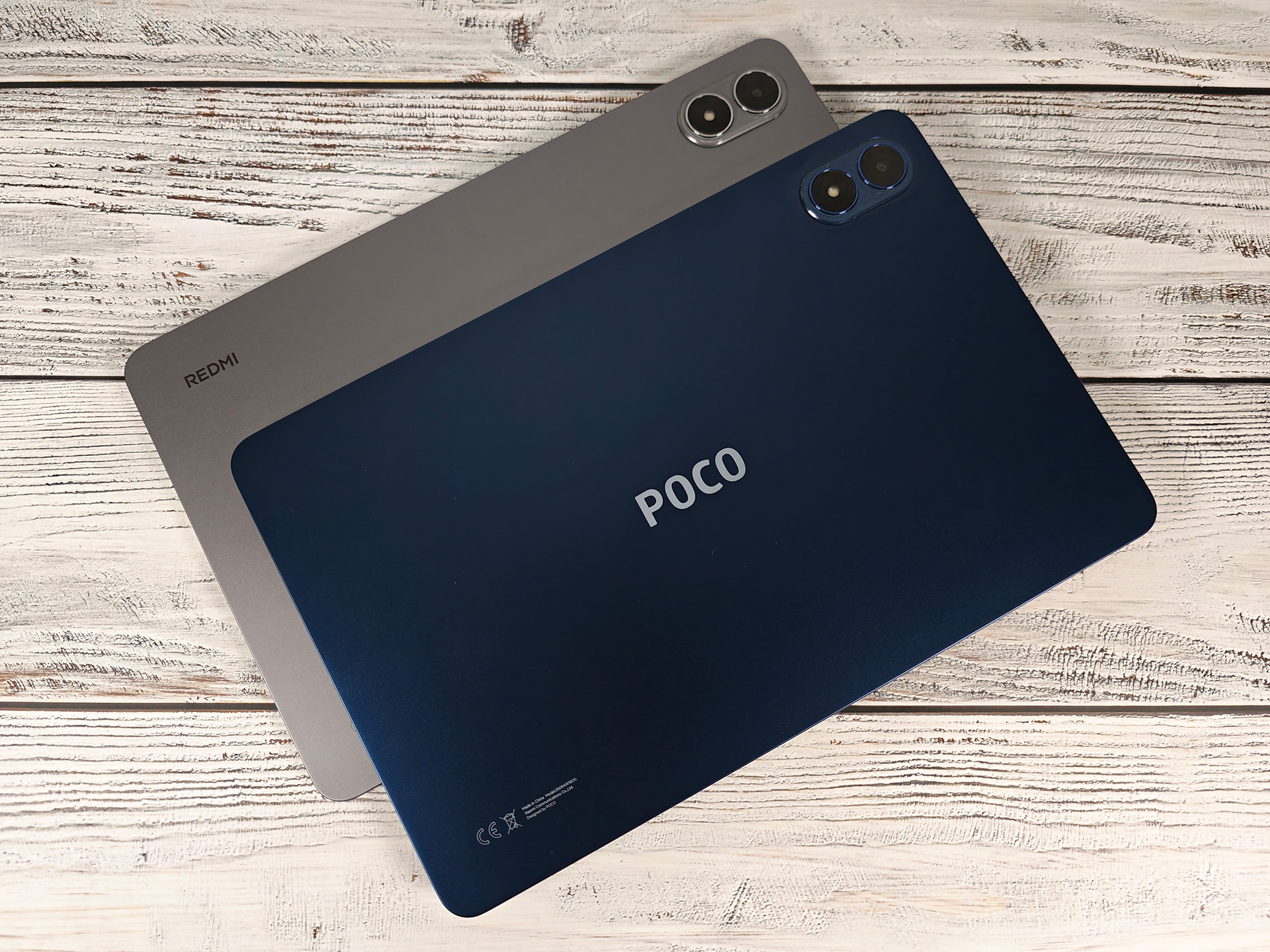
The Xiaomi Poco Pad M1 and Redmi Pad 2 Pro are mid-range tablets from the Xiaomi universe that are almost identical in almost every respect, but differ in details that can be decisive depending on user priorities. Both share a large 12.1-inch IPS display with 2.5K resolution, 120 Hz adaptive refresh rate, and Dolby Vision support, which also impressed in testing with accurate colors, flicker-free display, and good contrast, although outdoor brightness is limited. Technically, both rely on the Snapdragon 7s Gen 4, which delivers smooth everyday performance without any significant throttling issues, as well as 8 GB of RAM and 256 GB of UFS 2.2 storage. Batteries with 12,000 mAh ensure excellent runtimes for both, including 33-watt fast charging.
While both are practical for multimedia and expansion fans with a microSD slot, 3.5 mm jack, and stylus compatibility, the Redmi Pad 2 Pro scores points with optional 5G support. Audio is average on both (quad speakers with Dolby Atmos, but hollow at higher volumes), and cameras (8 MP front/rear) are adequate for calls. Both make effective use of Wi-Fi 6(E) with 6 GHz band, but NFC and vibration feedback are missing.
One difference is software support: for the Poco Pad M1, this is available until at least 2029, although Xiaomi's communication on this is not entirely clear, and for the Redmi Pad 2 Pro, it is seven years (until 10/2032).
The bottom line is that the Poco Pad M1 (buy here on AliExpress) is better suited for price-conscious users, as it is slightly cheaper. The Redmi Pad 2 Pro, on the other hand, offers optional 5G and a longer update cycle.
 Add as a preferred source on Google


