




Xiaomi Poco Pad M1
Pros
Cons
Specifications
Secondary Camera: 8 MPix (OmniVision OV08D10, 1/4", 1.12 µm, f/2.28)
Price comparison
Average of 6 scores (from 11 reviews)
Reviews for the Xiaomi Poco Pad M1
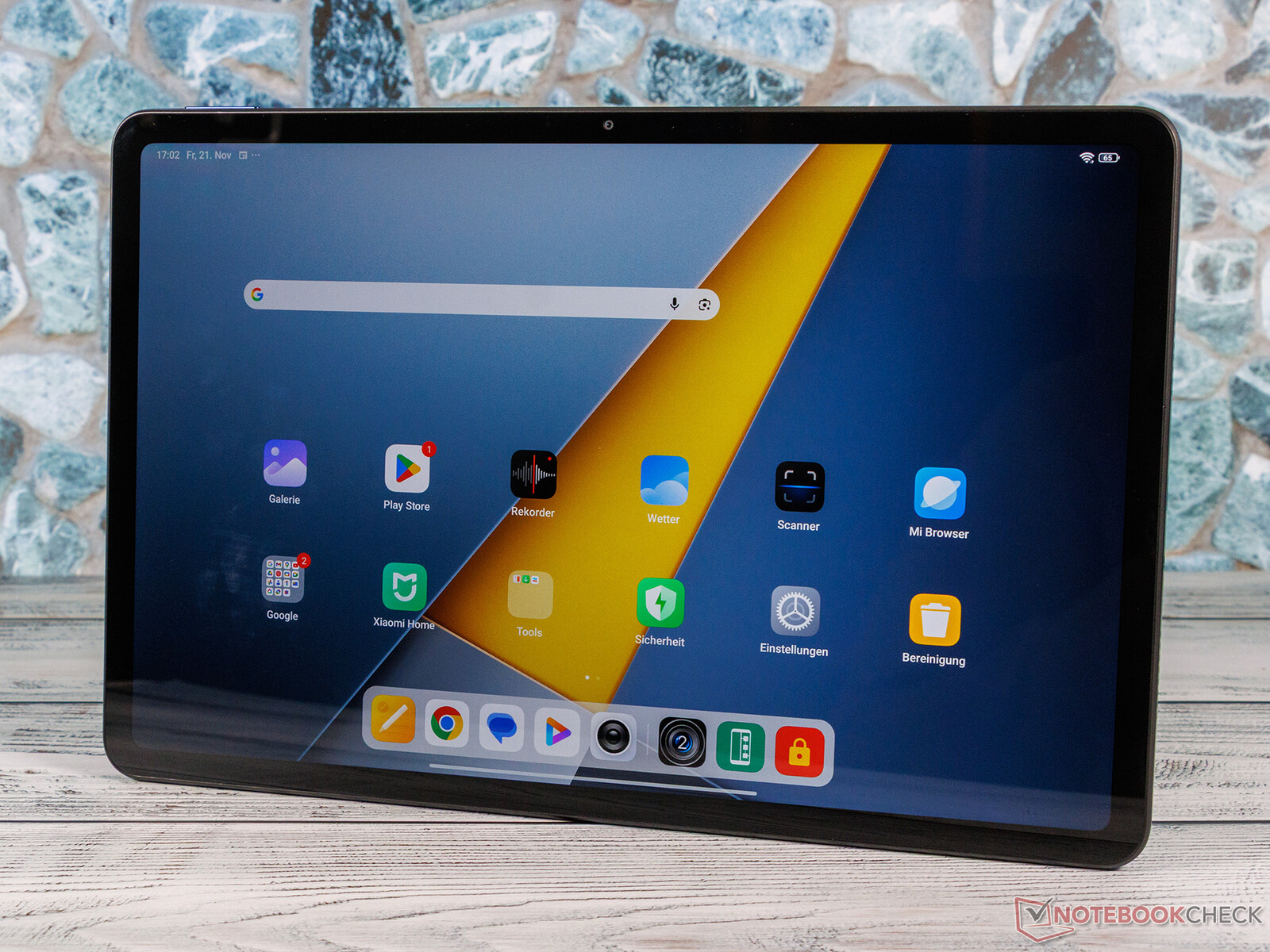
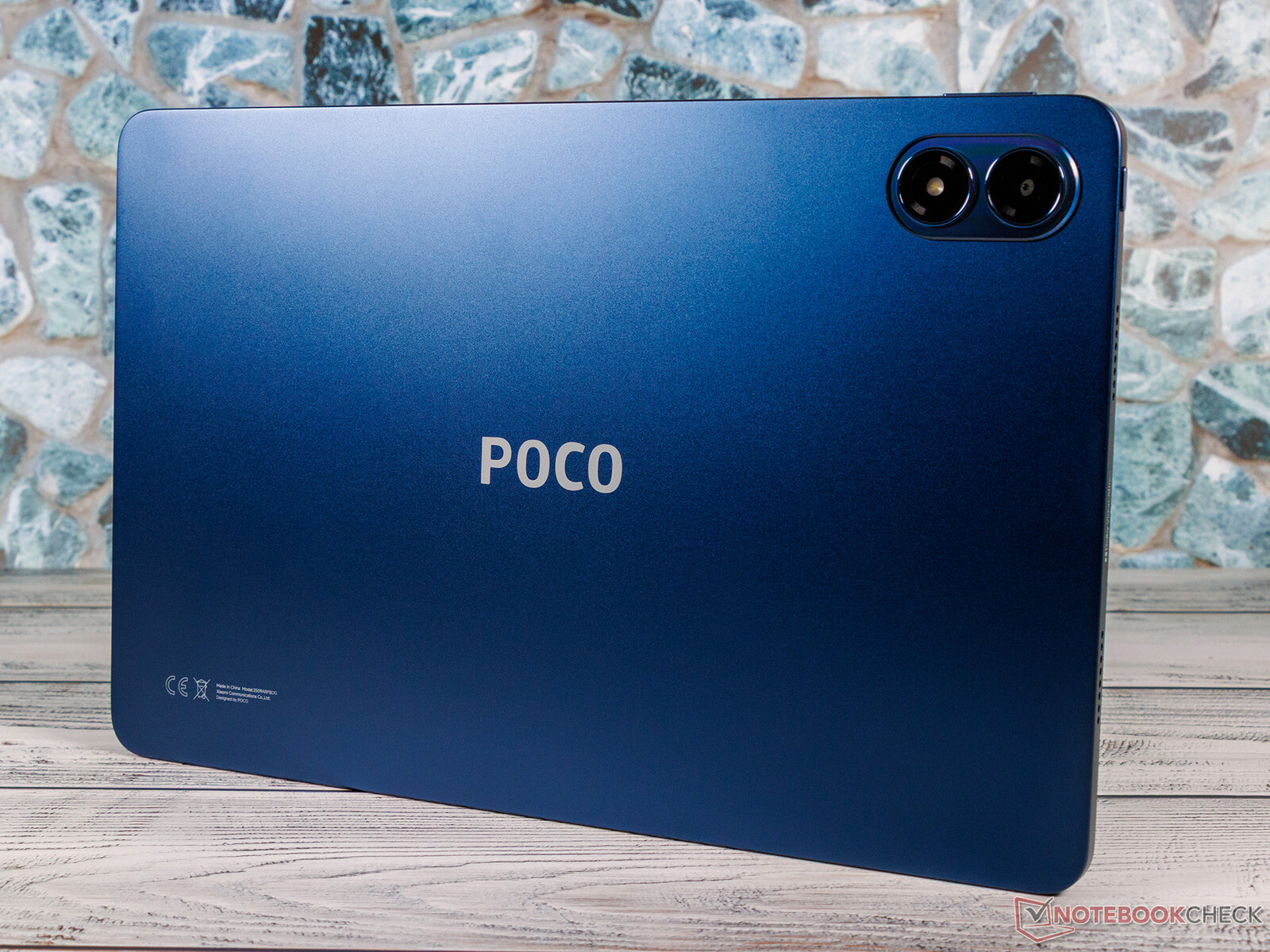
With its flicker-free 12.1-inch display, fast SoC, Dolby Atmos speakers, and large battery, the Poco Pad M1 offers impressive features at a relatively low cost. We evaluate the tablet's performance in our review.
Source: GSM Arena

The Poco Pad M1 gets an easy recommendation from us for its great display, battery life, speakers, and feature-rich software package. And we really appreciate Xiaomi's efforts to supply first-party accessories even for its budget tablets. The Poco Pad M1 has a large Dolby Vision display with a dynamic 120Hz refresh rate - ideal for streaming, gaming, or multitasking with office apps.
Single Review, online available, Very Long, Date: 02/19/2026
Rating: Total score: 78%
Source: Geek Culture
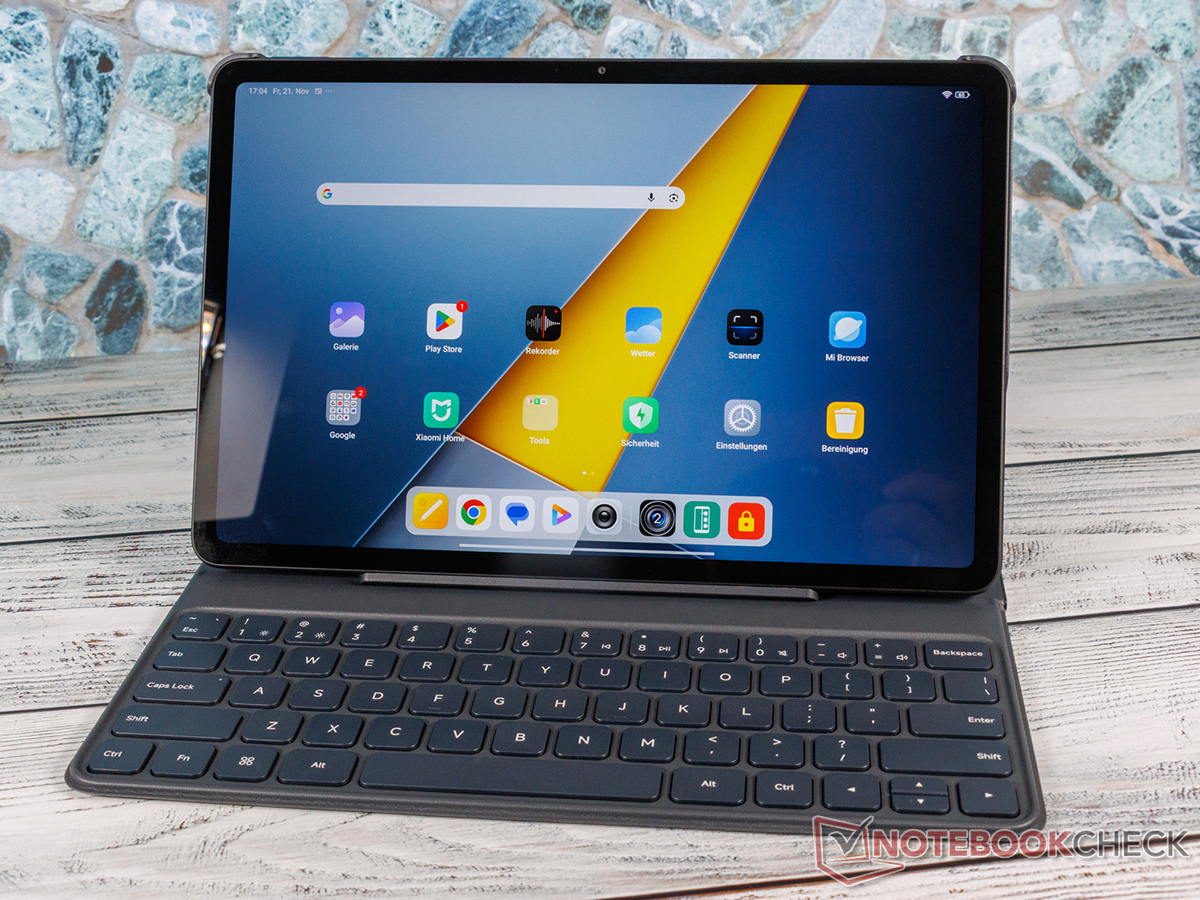
The Poco Pad M1 shows that you don’t need to pony up for performance. Even if you spend on the keyboard and pencil, the combined S$537 price tag means you’re getting performance and productivity in the form of a tablet, laptop and artist tool.
Single Review, online available, Very Short, Date: 01/31/2026
Rating: Total score: 80% price: 90% performance: 70% workmanship: 80%
Source: Tech X Reviews
The POCO Pad M1 delivers exceptional value, particularly given its entry price on AliExpress of roughly $200. You are getting a massive 12.1-inch 120Hz display and a 12,000 mAh battery that outlasts almost everything else in its class. It strikes a balance between performance and practicality that is hard to beat at this price point. Performance is stable and reliable, thanks to the Snapdragon 7S Gen 4 chipset, making it capable of handling everything from work documents to moderate gaming. The thermal management is excellent, ensuring the device stays cool and responsive even during extended use. It proves you do not need to spend a fortune to get a capable and comfortable tablet. This device is an easy recommendation for anyone prioritizing battery life and screen size above all else. It is not trying to be a flagship killer, but it dominates the budget segment by mastering the basics. For the price, it is a fantastic investment for students, families, and professionals alike.
Single Review, online available, Very Short, Date: 12/25/2025
Source: Yanko Design
The Poco Pad X1 and Poco Pad M1 end up serving two somewhat different roles. If you prioritize performance, the Poco Pad X1 is the clear choice. The Snapdragon 7+ Gen 3, 3.2K 144 Hz display, 512 GB storage, and excellent Floating Keyboard make it feel like a serious little work and gaming machine, even if the full setup gets expensive and you give up the headphone jack and SD slot. If you care more about big-screen comfort and value, the Poco Pad M1 quietly wins. The 12.1-inch 2.5K screen, quad speakers, 3.5 mm jack, microSD expansion, huge battery, and cheaper accessories make it a better fit for big-screen media and everyday productivity. Whichever way you lean, you are getting more tablet than the price suggests. For context, Apple’s base iPad costs $449 with only 64 GB of storage and a 60 Hz screen.
Comparison, online available, Long, Date: 12/13/2025
Rating: price: 90% performance: 80% ergonomy: 70%
Source: NLT
So as you might have already realize, I am speedrunning through this review. And that is actually because we have already reviewed this tablet before in the form of the Redmi Pad 2 Pro. Yes, they’re 99% identical to each other, with the exception that the POCO Pad M1 has a charger included, and also different default wallpapers. The specs on paper are identical. I’ll just repeat the same thing again – the tablet is actually fine. The only issue is that for demanding games like Genshin Impact, Zenless Zone Zero, and Wuthering Waves, the frame rate is going to be low because of the render resolution. The Snapdragon 7s Gen 4 just can’t handle it and there is no option in the settings menu to change that. If you’re playing less demanding titles like COD Mobile, then it’s actually not a problem. Otherwise, it’s a great tablet for the money.
Single Review, online available, Short, Date: 11/28/2025
Source: TechTablets
POCO Pad M1 Review & unboxing. Covering the design, screen, battery life, benchmarks, charge time, cameras, and gaming performance you can expect from this affordable POCO tablet! Pricing as follows of $329 but the early bird price is $279. The accessories are $99 keyboard, the $29 cover and $69 fro the Pen.
Single Review, online available, Very Long, Date: 11/26/2025
Source: Stuff TV
While being able to rifle through the parts bins of other Xiaomi sub-brands certainly helps, the Pad M1 is still a sterling effort on the level I’d expect from Poco. This doesn’t feel like a truly budget tablet, with styling, build quality and battery life that place it more towards the mid-range. While the screen, cameras and chipset give the game away, there’s still enough oomph here that it gets my recommendation over the similarly affordable OnePlus Pad Lite. Whether you should pick one over the equivalent Redmi – if it’s sold in your country – solely depends on which is cheaper when you head to the checkout.
Single Review, online available, Short, Date: 11/26/2025
Rating: Total score: 80%
Source: Stuff TV
While being able to rifle through the parts bins of other Xiaomi sub-brands certainly helps, the Pad M1 is still a sterling effort on the level I’d expect from Poco. This doesn’t feel like a truly budget tablet, with styling, build quality and battery life that place it more towards the mid-range. While the screen, cameras and chipset give the game away, there’s still enough oomph here that it gets my recommendation over the similarly affordable OnePlus Pad Lite. Whether you should pick one over the equivalent Redmi – if it’s sold in your country – solely depends on which is cheaper when you head to the checkout.
Single Review, online available, Short, Date: 11/26/2025
Rating: Total score: 80%
Foreign Reviews
Source: GSM Maniak
 PL→EN
PL→ENSingle Review, online available, Short, Date: 12/27/2025
Rating: Total score: 85% performance: 70% display: 80% mobility: 100%
Source: Genk
 VN→EN
VN→ENSingle Review, online available, Very Short, Date: 06/06/2026
Source: Genk
VN→ENSingle Review, online available, Short, Date: 12/12/2025
Comment
Qualcomm Adreno 810: Graphics chip for smartphones and tablets, integrated in the Qualcomm Snapdragon 7s Gen 3 SoC. According to Qualcomm, 40% faster than the predecessor generation (Adreno 710).
Non demanding games should be playable with these graphics cards.
» Further information can be found in our Comparison of Mobile Graphics Cards and the corresponding Benchmark List.
SD 7s Gen 4: Mid-range SoC with 8 Kryo cores (1x ARM Cortex-A720 2.57 GHz prime core, 3x ARM Cortex A720 2.4 GHz performance cluster, 4x ARM Cortex A520 with 1.8 efficiency cluster) and a 5G modem. The chip is manufactured in the 4nm process at TSMC.» Further information can be found in our Comparison of Mobile Processsors.
Similar devices with the Same Specs
Devices with the same GPU
Devices with Same Screen Size and/or Weight
Devices from the same Manufacturer
 Add as a preferred source on Google


