




Vivo X300 Ultra vs Sony Alpha A7 full-frame camera: Who wins?
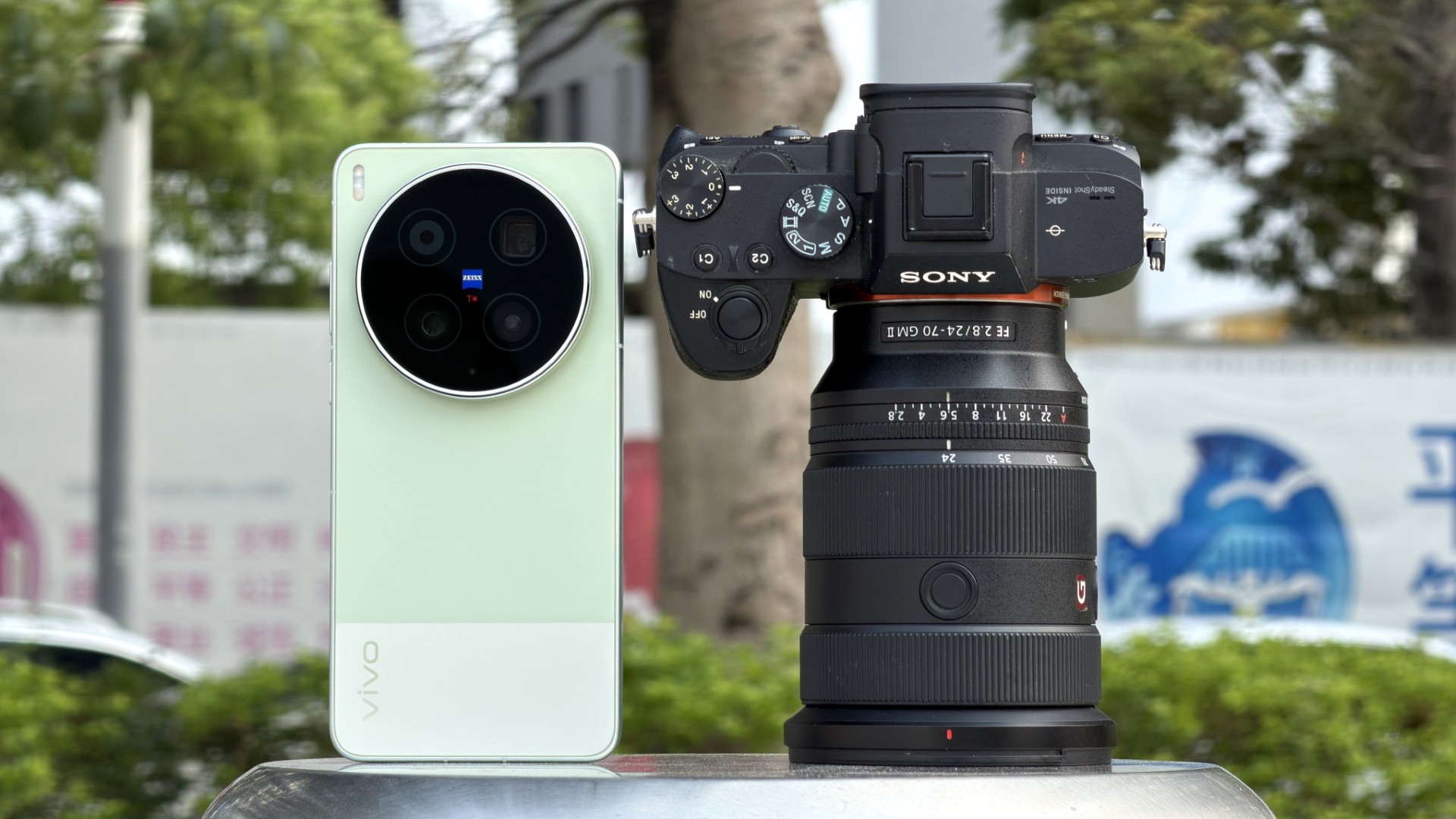
Anyone who gets bored this Easter weekend can not only watch an interesting video by the Chinese creator fenibook but also dig in personally. A Google Drive archive containing all the original files from an interesting photo face-off has been released, so anyone with the time and interest can see for themselves how Sony’s new 35mm 1/1.12-inch 200MP sensor in the Vivo X300 Ultra compares with a Sony Alpha A7 III setup using Sony’s 24-70mm GM2 zoom lens.
We took a brief look at how much this full-frame mirrorless camera with the Sony lens costs. The body alone is officially listed at $1,999 (currently on sale for $1,698 on Amazon), while the zoom lens costs considerably more at $2,449. Anyone arguing that the Vivo X300 Ultra, at presumably around $2,000, is especially overpriced should at least acknowledge that there are still much more expensive, heavier, and larger options in the camera segment. A colleague, however, prefers to point to more compact and more compellingly priced alternatives, such as a Panasonic Lumix S5D.
But back to the current Vivo X300 Ultra comparison test. The video is unfortunately in Chinese, and the subtitles also stop working after a short time, which means translated subtitles cannot be shown on YouTube either. Even so, the direct comparison makes one thing clear at first glance: in terms of sharpness, the 200 MP images from the Vivo X300 Ultra beat the 24MP shots from the Sony setup in almost every case. That may come as a surprise despite the MP difference, considering that Sony’s full-frame sensor is about nine times larger than the LYT-901 in the Vivo X300 Ultra.
35mm comparison only and no night shots
Vivo also seems to have a good handle on color, which in most cases looks very similar to that of the professional Sony camera. This is one of the areas Vivo has specifically claimed to improve with a multispectral sensor and new algorithms. Some commenters have criticized the lack of more challenging lighting situations, such as night scenes or moving subjects at night. There are also no 14mm or 85mm comparisons, although that can be explained by the zoom range of the Sony lens. Even so, the comparison shows that Vivo’s latest Zeiss camera flagship can already come fairly close in some respects to the performance of a still much more expensive full-frame camera, which of course continues to have its place in professional use.
Source(s)
 Add as a preferred source on Google


