



Verdict on the Motorola Edge 70 Max
Motorola now has its own flagship killer in its lineup with the Edge 70 Max: An affordable smartphone that can compete with much more expensive phones and even surpasses them in some areas, such as battery life.
The phone lasts almost 28 hours in our battery test, while also offering a bright screen, plenty of power and a stylish aluminum chassis with a sturdy build. However, the slightly less durable Gorilla Glass 7i may mean it is not quite as resistant to breakage if dropped.
Fast Wi-Fi, good satellite positioning, decent speakers and a reliable touchscreen round out the package.
Compromises have to be made when it comes to storage: The manufacturer offers just 256 GB of storage, which quickly becomes insufficient if you have lots of photos and videos. The promised update period is not particularly long either, a persistent issue with Motorola.
Overall, the Edge 70 Max is nevertheless a worthwhile investment if you are looking for a phone with plenty of power and long battery life at what is now a truly affordable price.
Pros
Cons
Price and availability
At the Motorola Edge 70 Max is available in Europe and India, e.g. via the website of Motorola India.
The suggested retail price is around US$ 900, although it is already available a lot cheaper in some online shops.

- $564.50Motorola Edge 70 Pro Dual-SIM 256GB ROM + 8GB RAM (GSM Only | No CDMA) Factory Unlocked 5G Smartphone (Pantone Titan) - International Version
- $519.50Motorola Moto Edge 70 5G Ai (Compatible with Tmobile Mint Tello & Global) (512GB+12GB) NFC 50MP 4K Triple Cam Dual Sim 6.67" Curved XT2601-3 Latino American Version (Gadget Gray)
- $380.00Motorola Moto Edge 70 Fusion 5G Ai (Compatible with Tmobile Mint Tello & Global) (256GB+8GB) NFC 50MP 4K Triple Cam Dual Sim 6.8" Curved XT2605-3 Latino American Version (Pantone Silhouette (Blue))
Table of Contents
- Verdict on the Motorola Edge 70 Max
- Specifications
- Case – Waterproof Motorola phone
- Features – Limited storage on the Edge 70 Max
- Software – Motorola with update uncertainty
- Communication and GNSS – The Edge 70 Max delivers fast internet
- Phone features and voice quality – Motorola phone with eSIM
- Cameras – Good camera phone from Motorola
- Accessories and warranty – Edge 70 with a 2-year warranty
- Input devices and operation – Fast fingerprint sensor
- Display – Very bright AMOLED in the Moto phone
- Performance – Phone with plenty of power
- Emissions – Motorola with a hot surface
- Battery life – Motorola phone with great battery life
- Notebookcheck Overall Rating
- Possible alternatives compared
Specifications
Case – Waterproof Motorola phone
The chassis of the Edge 70 Max is made of aluminum of the kind also used in aircraft construction. The body feels very premium and sturdy, and the design features a good mix of rounded edges and flat surfaces.
Three Pantone colors are available for the Edge 70 Max: Aqua Gray, a medium gray, Ice Melt, a very light blue, and Dark Shadow, a very dark gray, as seen on our review unit. All three variants look very elegant. The camera module is clearly set apart, including in terms of material.
The chassis is IP68- and IP69-certified, so it can also be used underwater for a while, as long as you do not dive too deep. Dust does not pose a problem for the phone either.


Features – Limited storage on the Edge 70 Max
In Europe, the only memory configuration available is 8 GB of RAM and 256 GB of storage; models with 12 GB of RAM are also available in other countries.
Motorola could certainly have offered a little more storage at this price point, especially since there is no option to insert a microSD card. However, those who use a lot of cloud services probably won't mind.
You also only get a relatively slow USB 2.0 port, with no option to output video to a display via cable. This is only possible wirelessly via Miracast.
Software – Motorola with update uncertainty
Android 16 is preinstalled on the phone. Motorola traditionally makes few changes to Google's operating system and provides its own features in separate apps.
Security patches are another area the manufacturer has traditionally struggled with. And there was some controversy with this device, too: Motorola initially stated that security patches would only be provided for three years. This is still what it says on Motorola's official website.
In response to an inquiry, however, the company now says there will be five years of updates and three major Android version upgrades after all. That is still nowhere near a record, but at least it offers security for some time.
Sustainability
Motorola reports CO2-equivalent emissions of 34.05 kg for the entire life cycle, with over 90% attributable to production.
There is also a self-repair program in collaboration with iFixit.
Communication and GNSS – The Edge 70 Max delivers fast internet
Thanks to the latest WiFi 7 and multiple antennas, high speeds of over 2,000 MBit/s are possible. This puts the phone on par with other flagship phones in our test with the Asus RT-BE96U reference router.
Comprehensive support for 4G and 5G frequency bands enables international use on mobile networks. Reception is good in spot checks during our test, even in challenging locations.
| Networking | |
| Motorola Edge 70 Max | |
| iperf3 transmit Wi-Fi6/7 RT-BE96U | |
| iperf3 receive Wi-Fi6/7 RT-BE96U | |
| Motorola Edge 70 Pro | |
| iperf3 transmit Wi-Fi6/7 RT-BE96U | |
| iperf3 receive Wi-Fi6/7 RT-BE96U | |
| Xiaomi 17T | |
| iperf3 transmit Wi-Fi6/7 RT-BE96U | |
| iperf3 receive Wi-Fi6/7 RT-BE96U | |
| Samsung Galaxy S26+ | |
| iperf3 transmit AXE11000 | |
| iperf3 receive AXE11000 | |
| iperf3 transmit AXE11000 6GHz | |
| iperf3 receive AXE11000 6GHz | |
| Apple iPhone 17 | |
| iperf3 transmit AXE11000 | |
| iperf3 receive AXE11000 | |
| iperf3 transmit AXE11000 6GHz | |
| iperf3 receive AXE11000 6GHz | |
| Average 802.11 a/b/g/n/ac/ax/be | |
| iperf3 transmit AXE11000 | |
| iperf3 receive AXE11000 | |
| iperf3 transmit AXE11000 6GHz | |
| iperf3 receive AXE11000 6GHz | |
| iperf3 transmit Wi-Fi6/7 RT-BE96U | |
| iperf3 receive Wi-Fi6/7 RT-BE96U | |
| Average of class Smartphone | |
| iperf3 transmit AXE11000 | |
| iperf3 receive AXE11000 | |
| iperf3 transmit AXE11000 6GHz | |
| iperf3 receive AXE11000 6GHz | |
| iperf3 transmit Wi-Fi6/7 RT-BE96U | |
| iperf3 receive Wi-Fi6/7 RT-BE96U | |
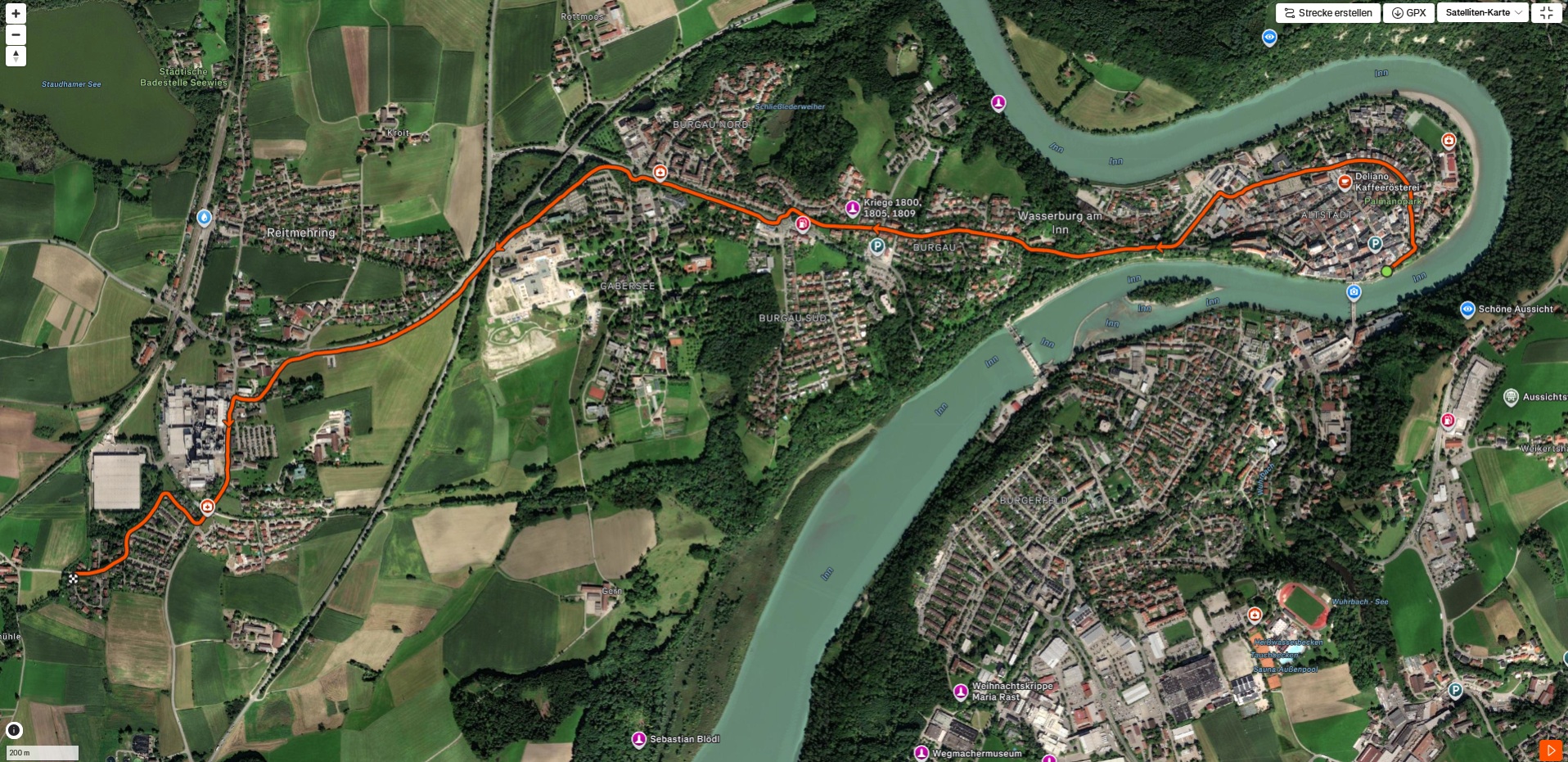
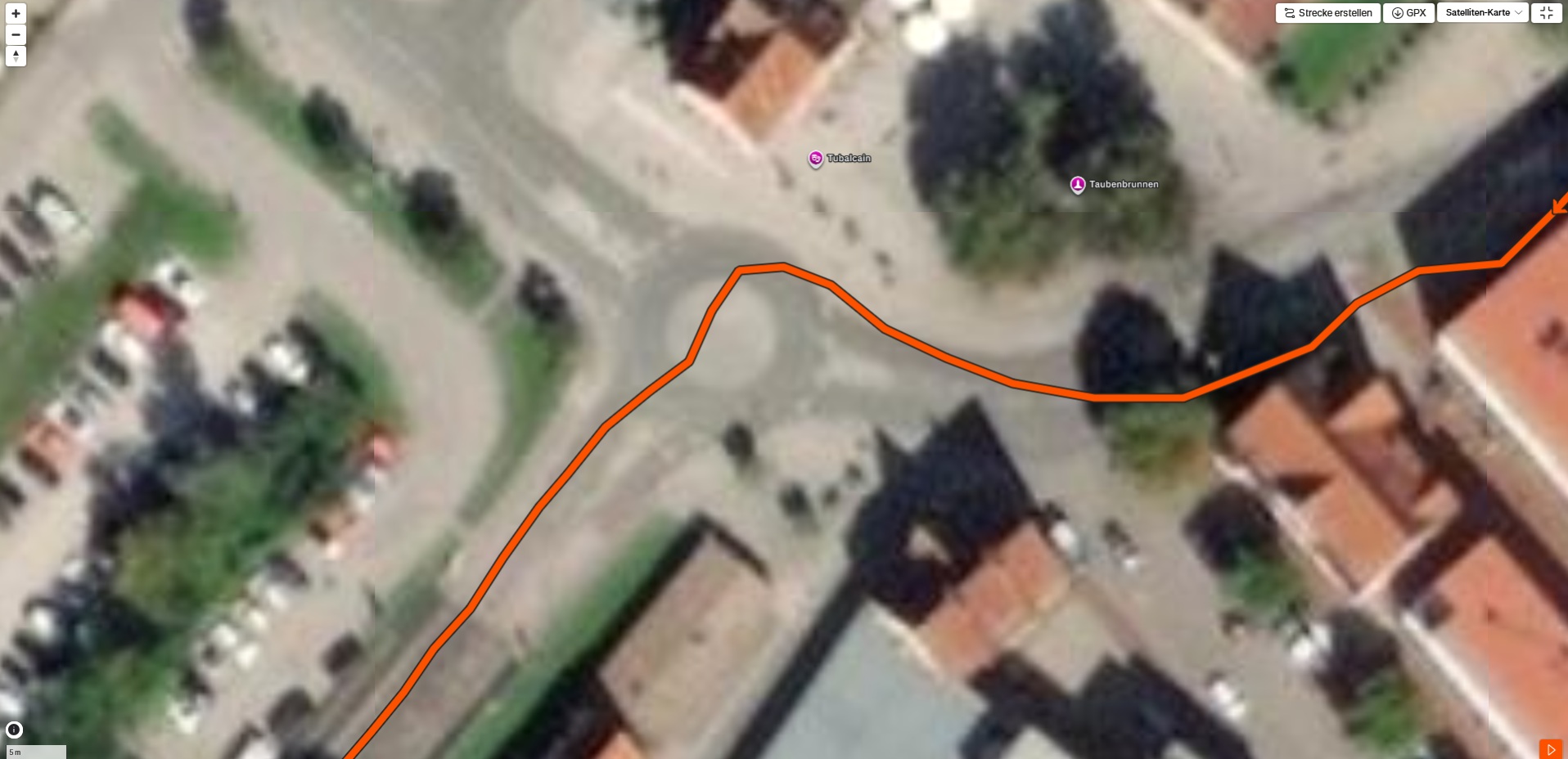
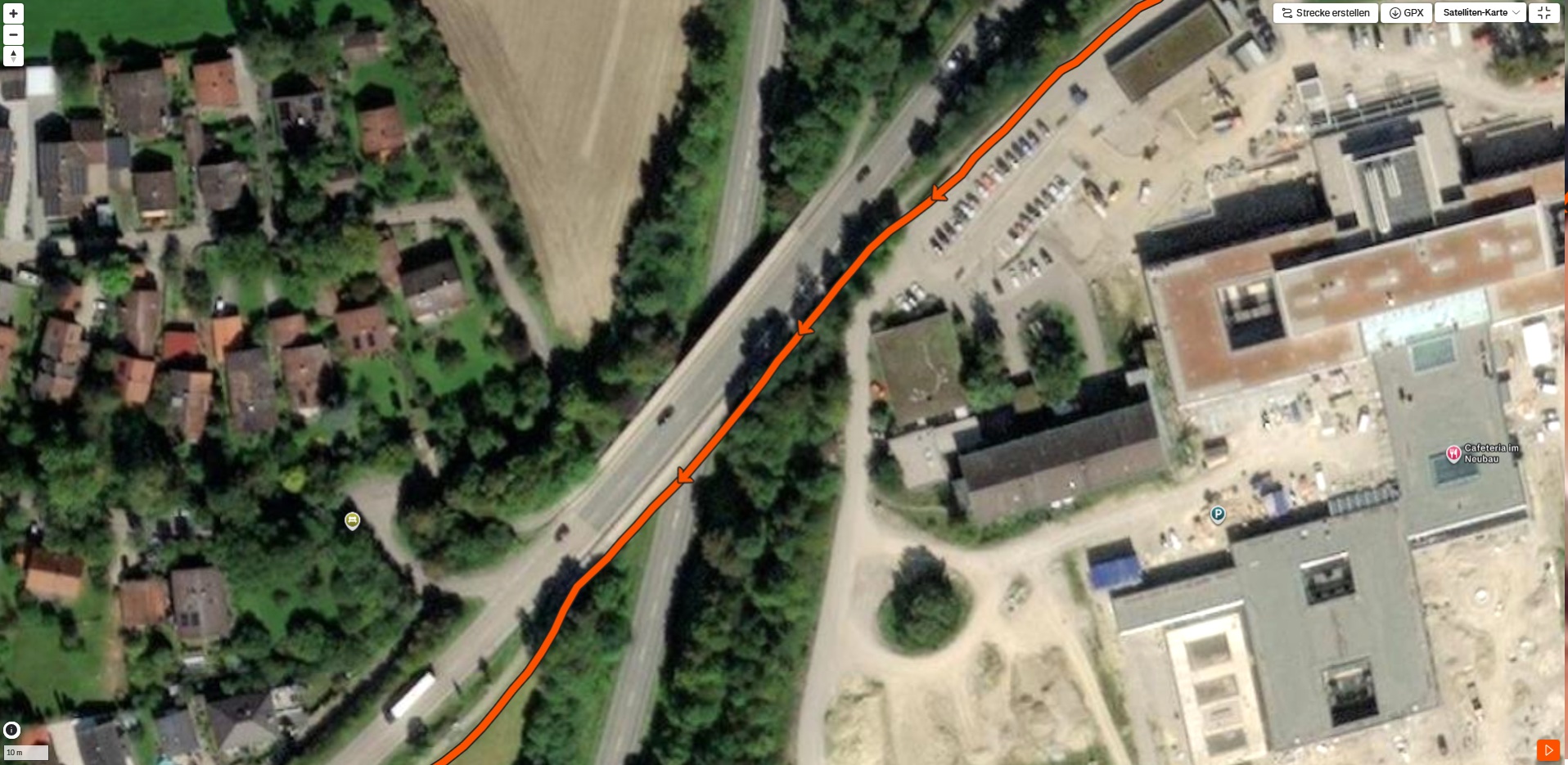
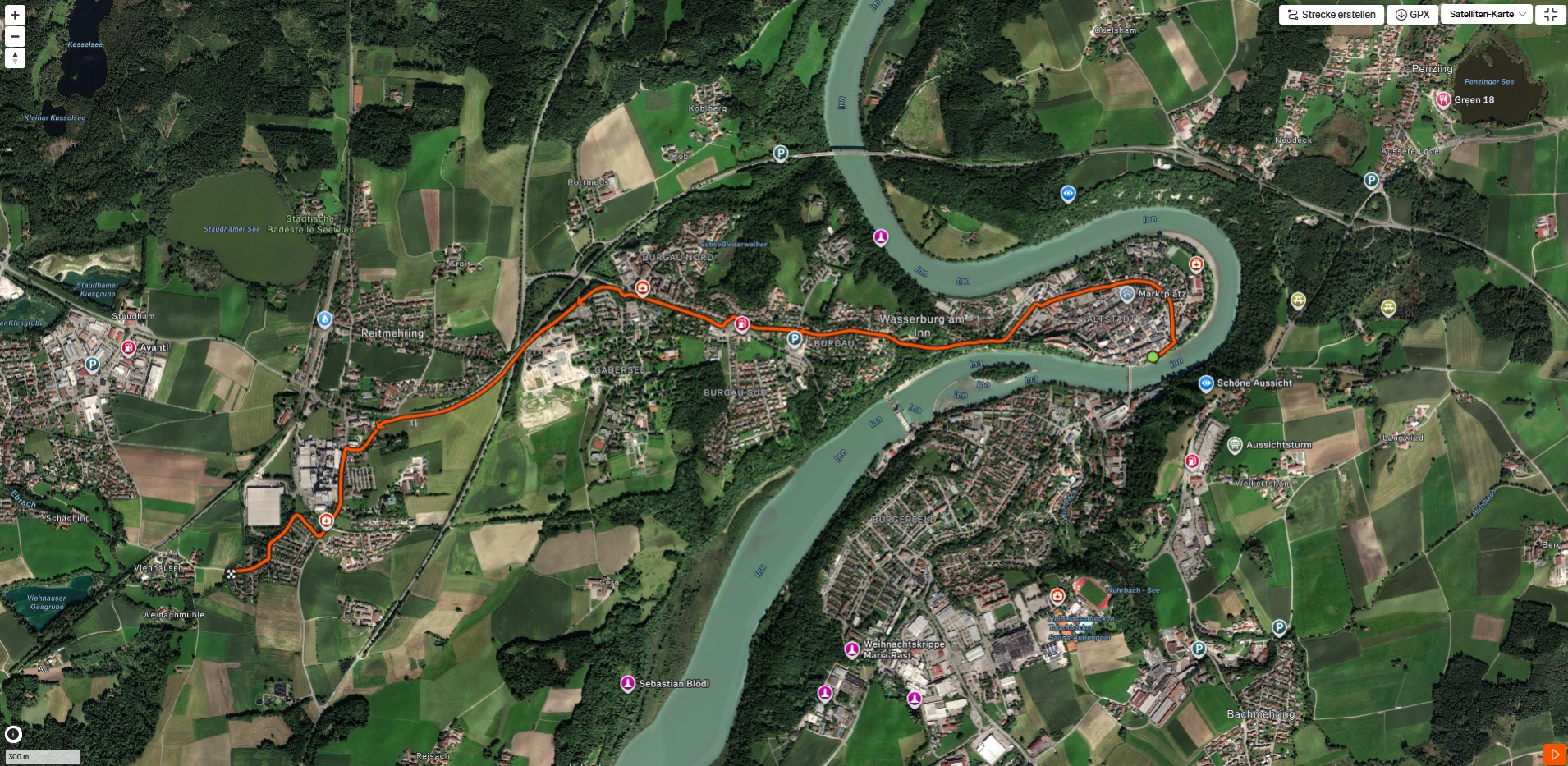
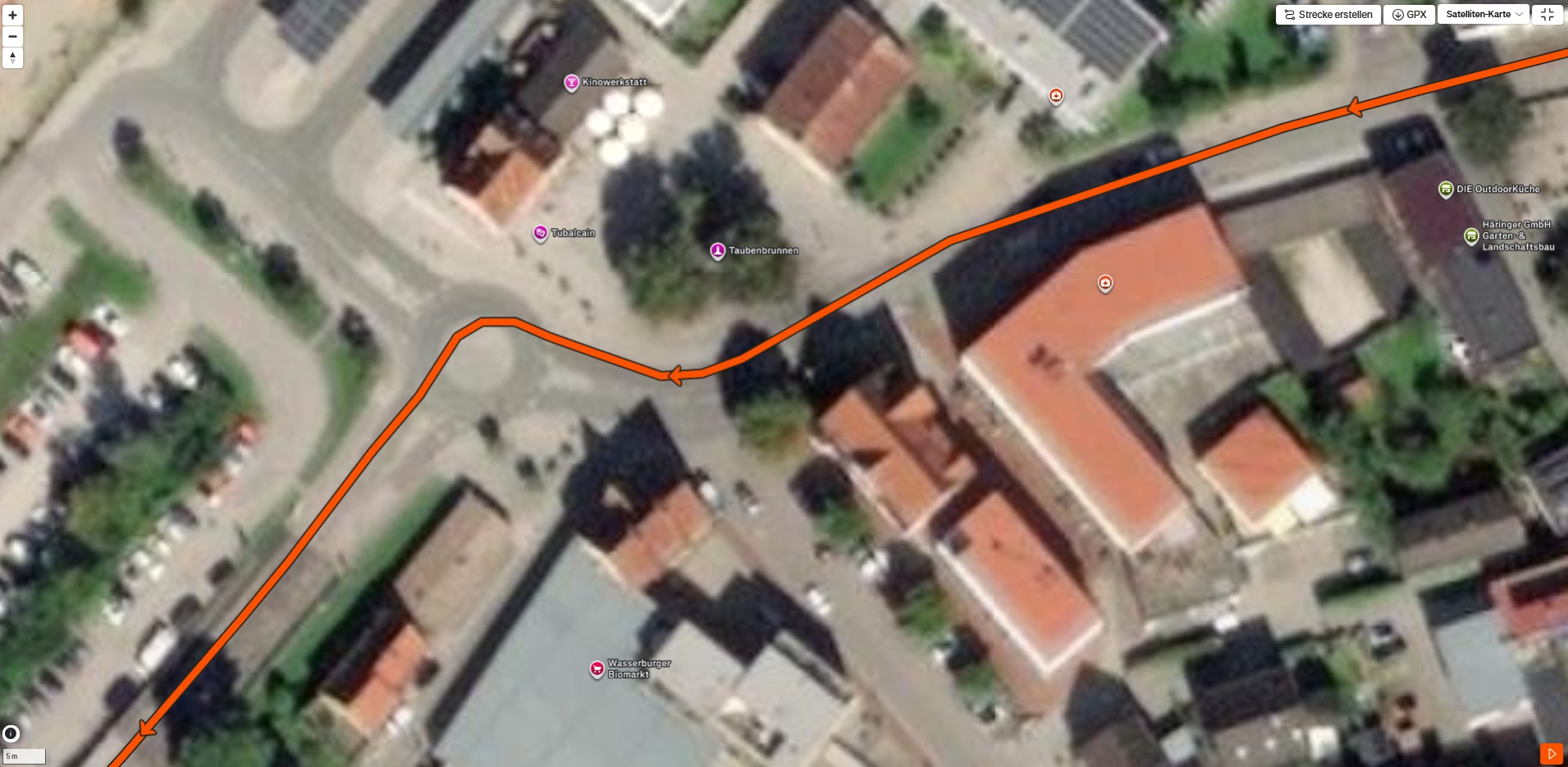
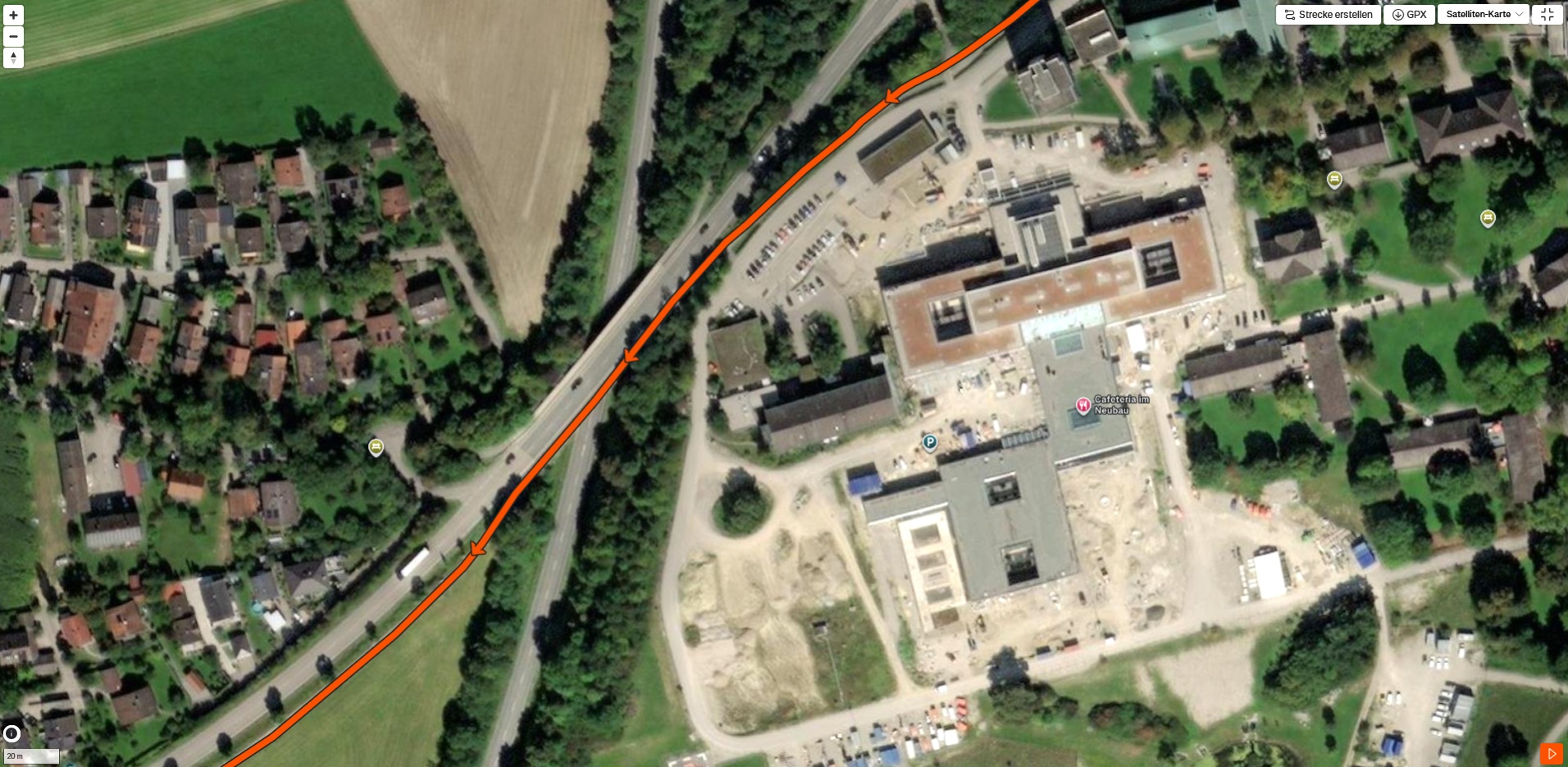
Outdoors, the smartphone locates us quickly and with an accuracy of up to 3 meters. The SBAS system is not supported.
Accuracy during our test ride is good, but occasionally the position is a few meters off the actual route taken. Nevertheless, the Edge 70 Max provides sufficiently accurate positioning for everyday navigation.
Phone features and voice quality – Motorola phone with eSIM
In addition to two nano-SIMs, an eSIM profile can also be stored.
We are pleased with the voice quality during a test call, and the person on the other end also confirms that we are easy to understand, even with somewhat louder background noise.
Cameras – Good camera phone from Motorola

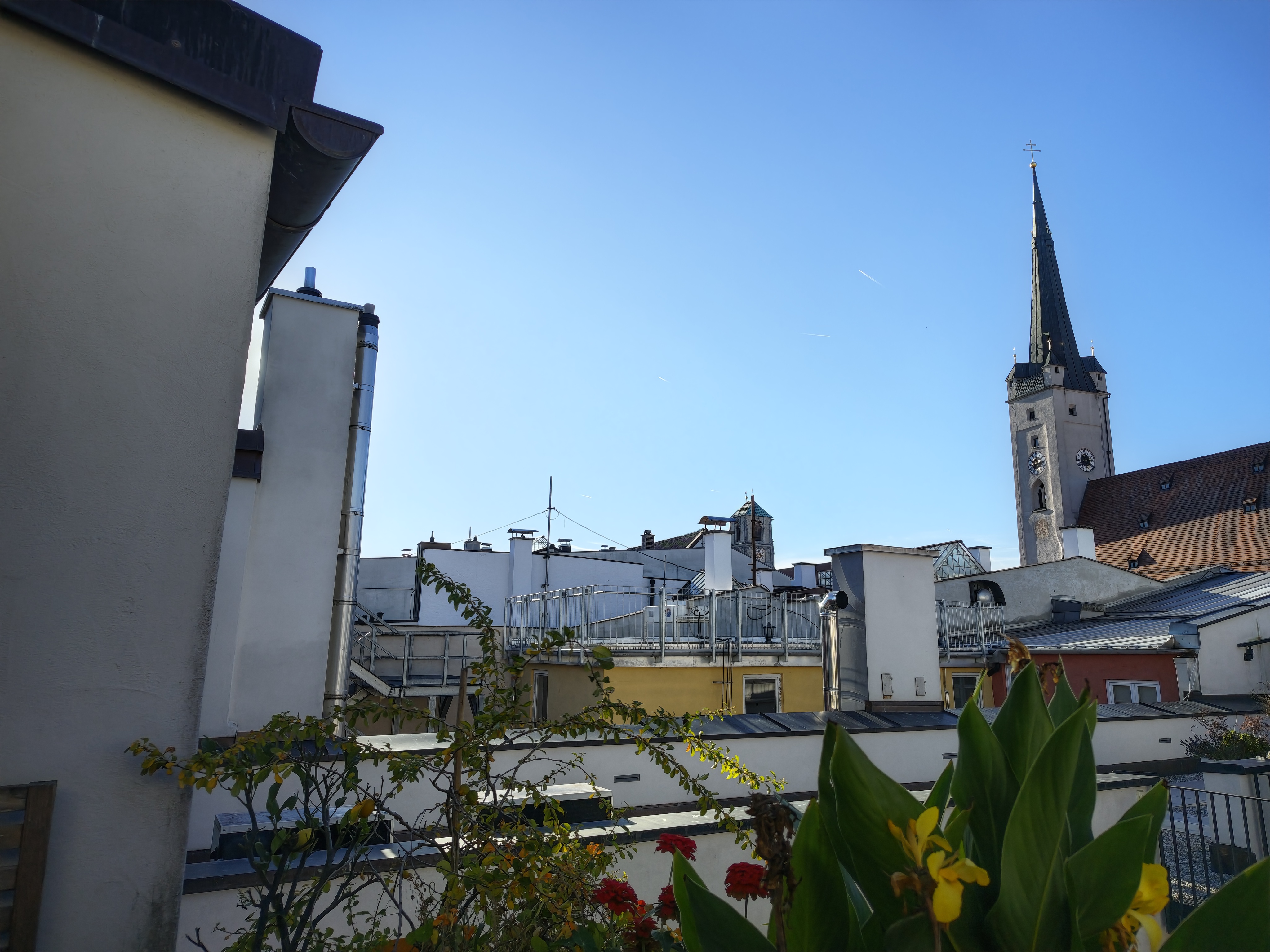
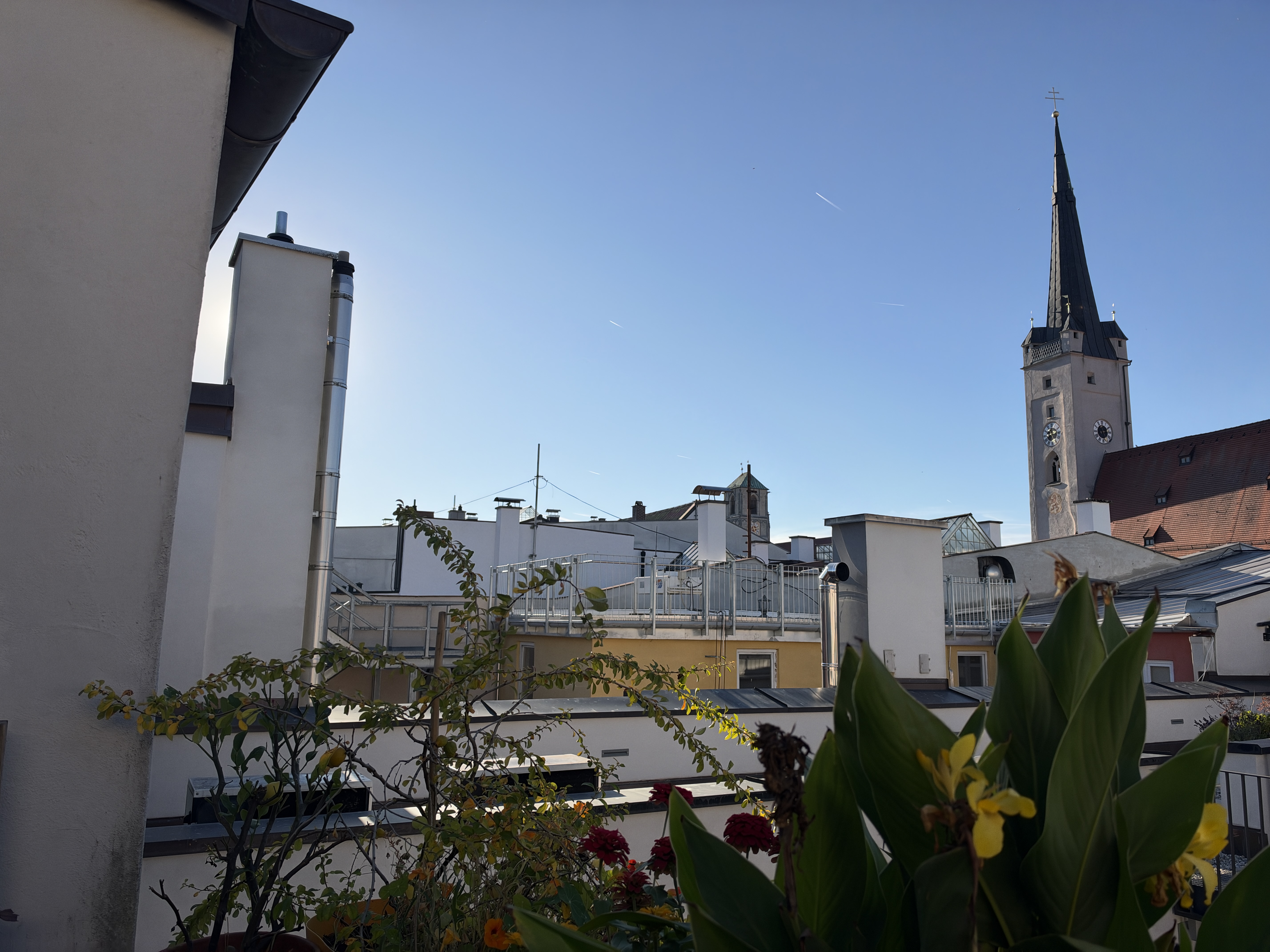
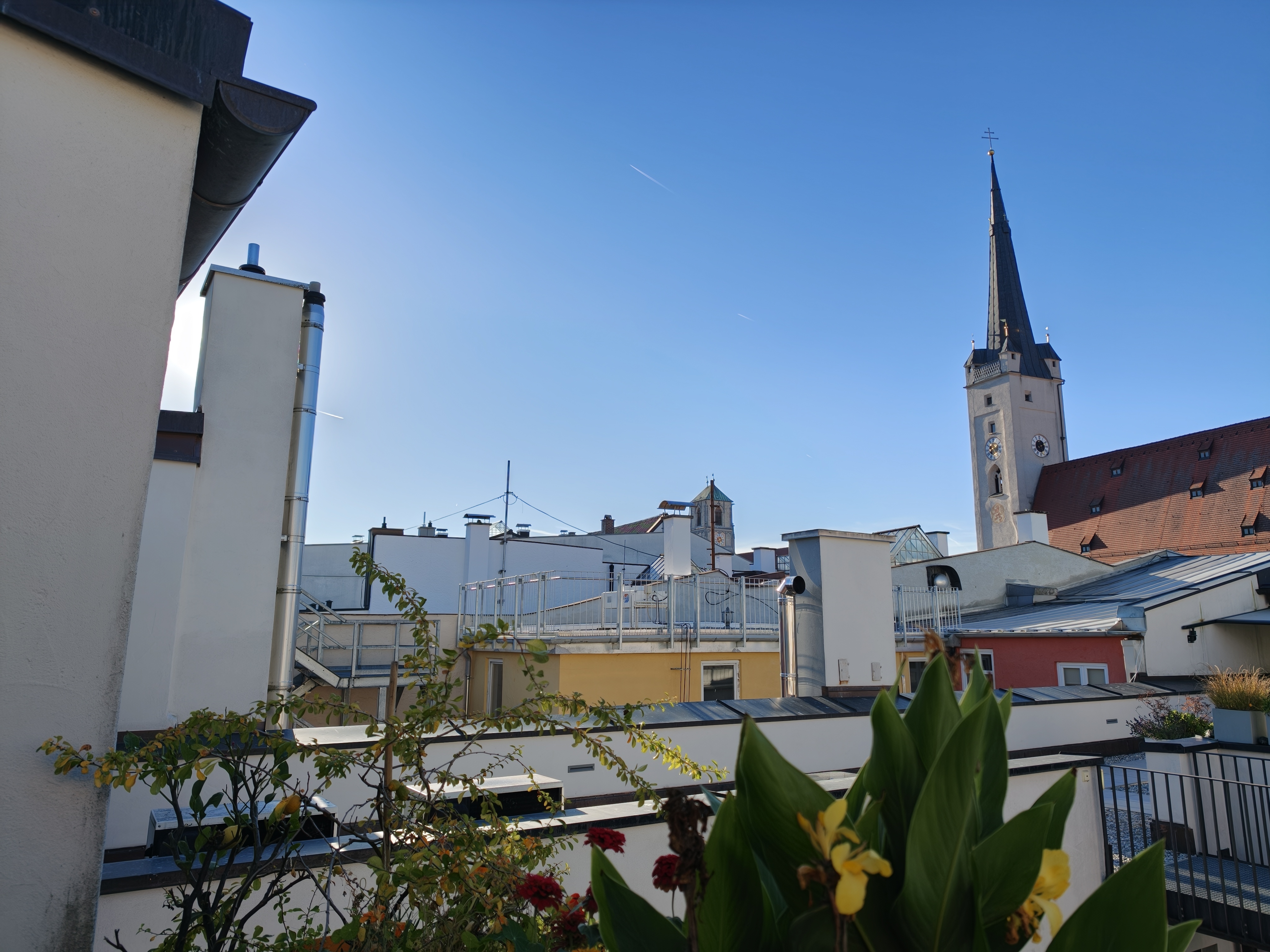
You won't find an optical or hybrid zoom camera on the Edge 70 Max, but it does have a 50-megapixel main camera with a Sony Lytia 710 sensor. The resulting photos are very sharp and well exposed in daylight. Here, our review unit can keep up with significantly more expensive phones.
Even in low light and high-contrast scenes, images have good dynamic range and high sharpness.
Videos can be recorded at up to 4K at 60 fps. For slow motion, up to 240 fps is possible in FullHD. The videos look sharp, and the audio is usable too.
The wide-angle camera produces punchy colors, but details are only roughly rendered.
The selfie camera on the front also takes fairly sharp photos, though slightly unnatural edges appear around objects against bright backgrounds.
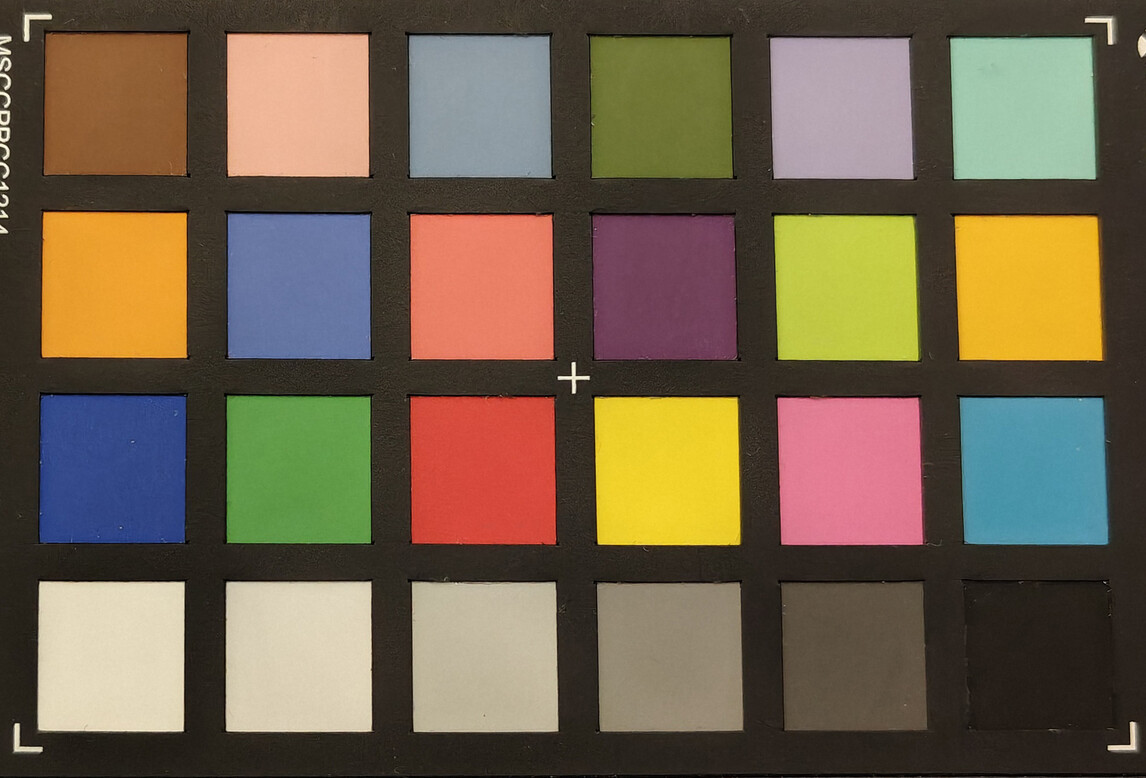
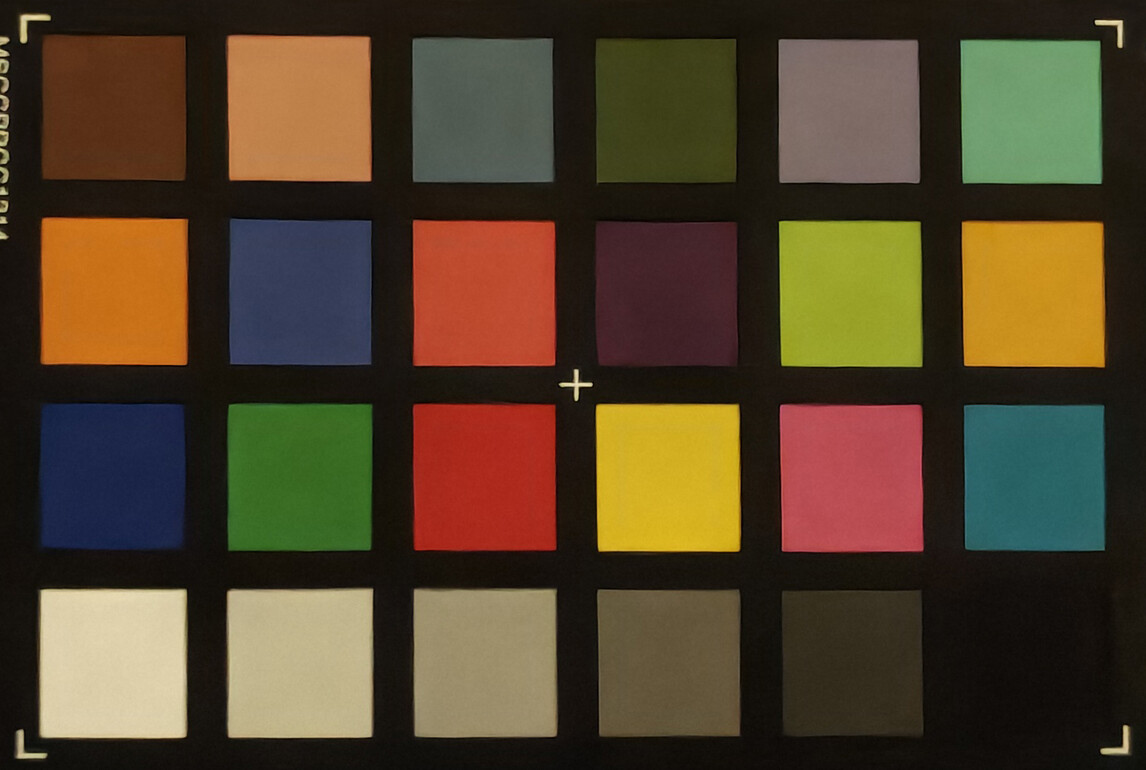
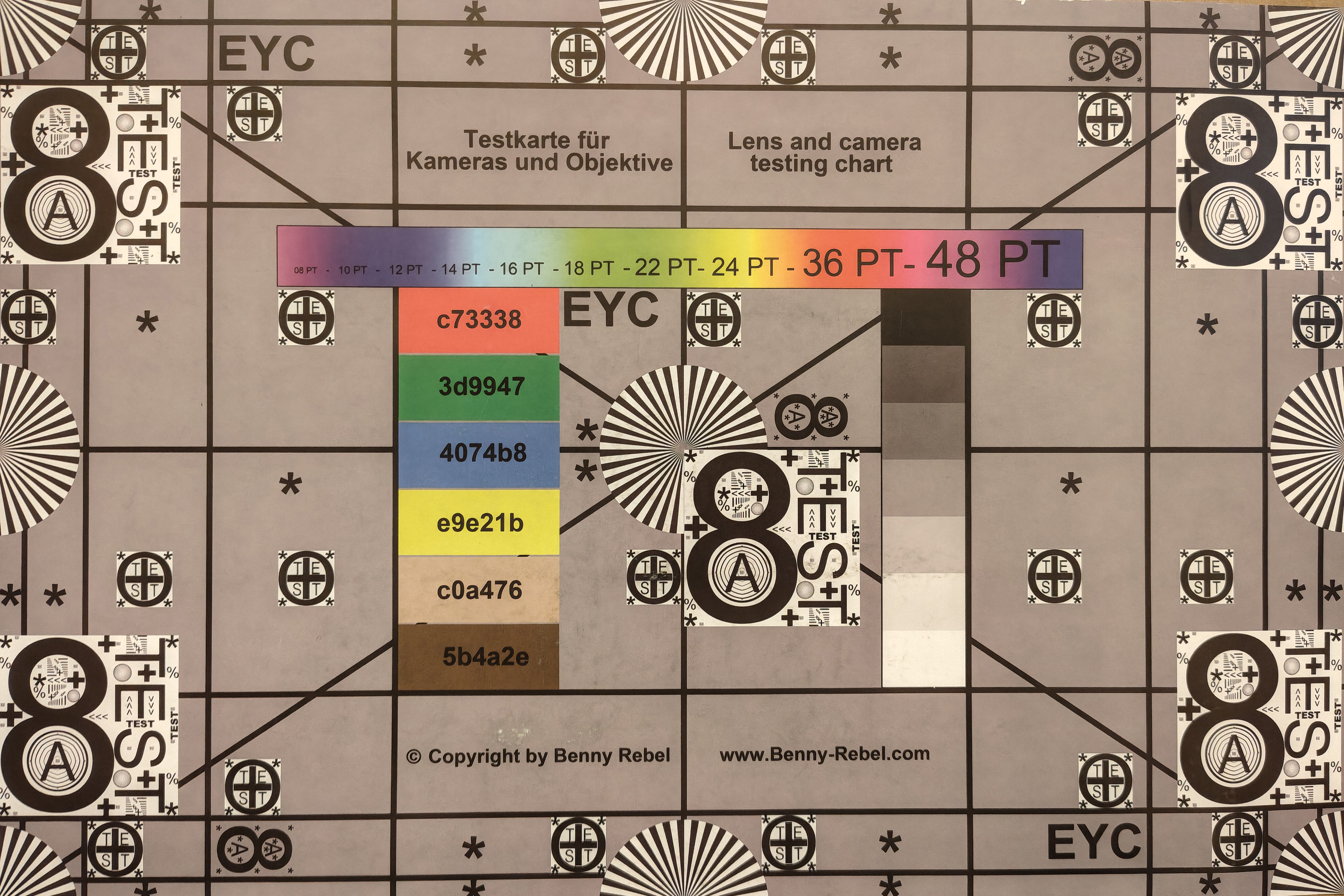
Image comparison
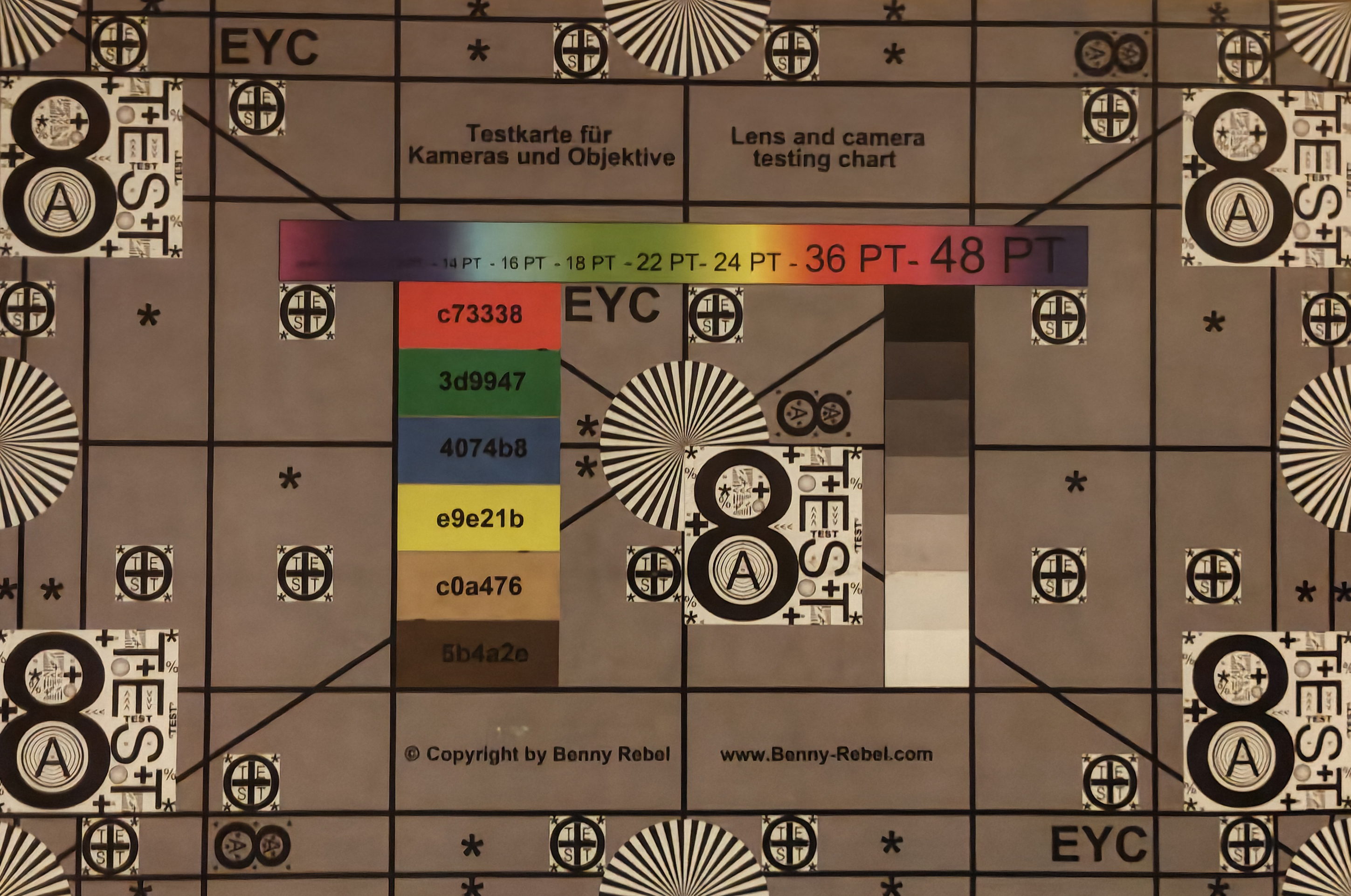
Choose a scene and navigate within the first image. One click changes the position on touchscreens. One click on the zoomed-in image opens the original in a new window. The first image shows the scaled photograph of the test device.
PlantSurroundingLow LightUltra wide angle















Accessories and warranty – Edge 70 with a 2-year warranty
The package contains a USB-C cable, a SIM tool, and a protective case.
The manufacturer offers a 24-month warranty for devices purchased in Europe.
Input devices and operation – Fast fingerprint sensor
The touchscreen checks for touch input up to 360 times per second. This makes the Edge 70 Max very smooth to use, and thanks to the screen's refresh rate of up to 144 Hz, it also responds very quickly.
The fingerprint sensor is hidden behind the screen. It is located quite far down on the device, and the phone unlocks quickly and reliably after initial setup.
Facial recognition is also available, using a 2D method via the front camera.
Display – Very bright AMOLED in the Moto phone
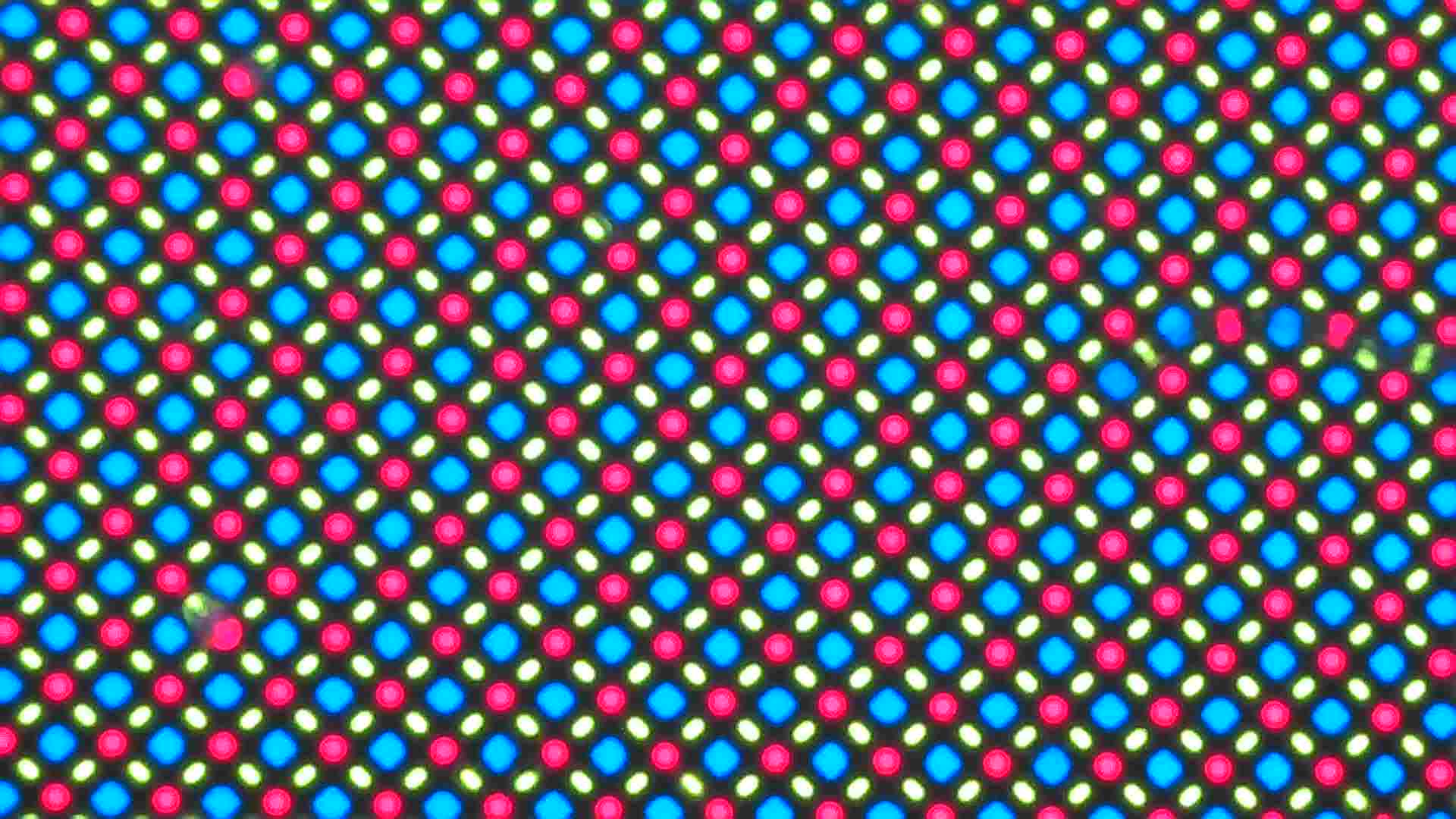
The screen gets very bright: Over 1,300 nits of brightness with a full-screen white image and an illuminated ambient light sensor is on par with most competitors.
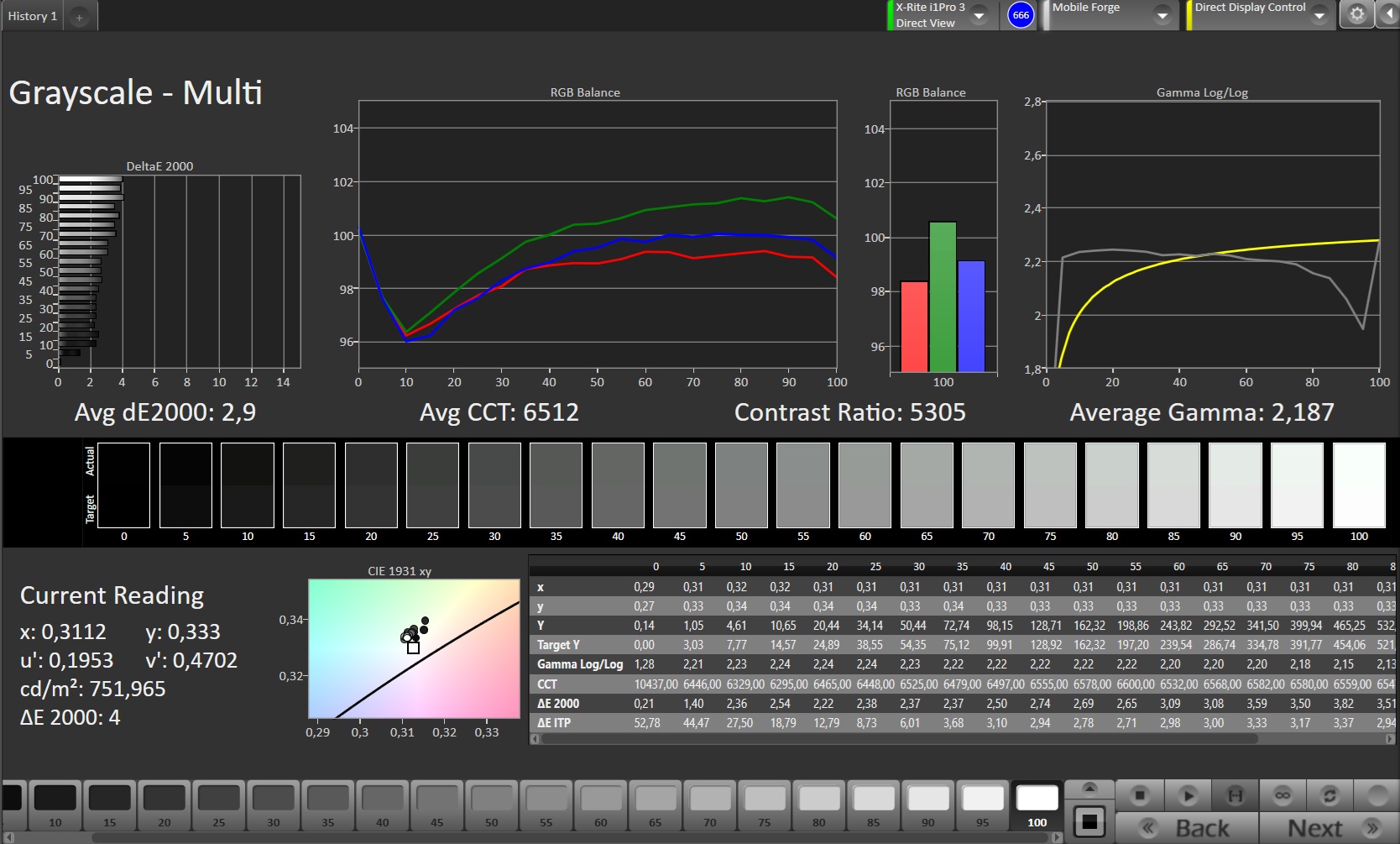
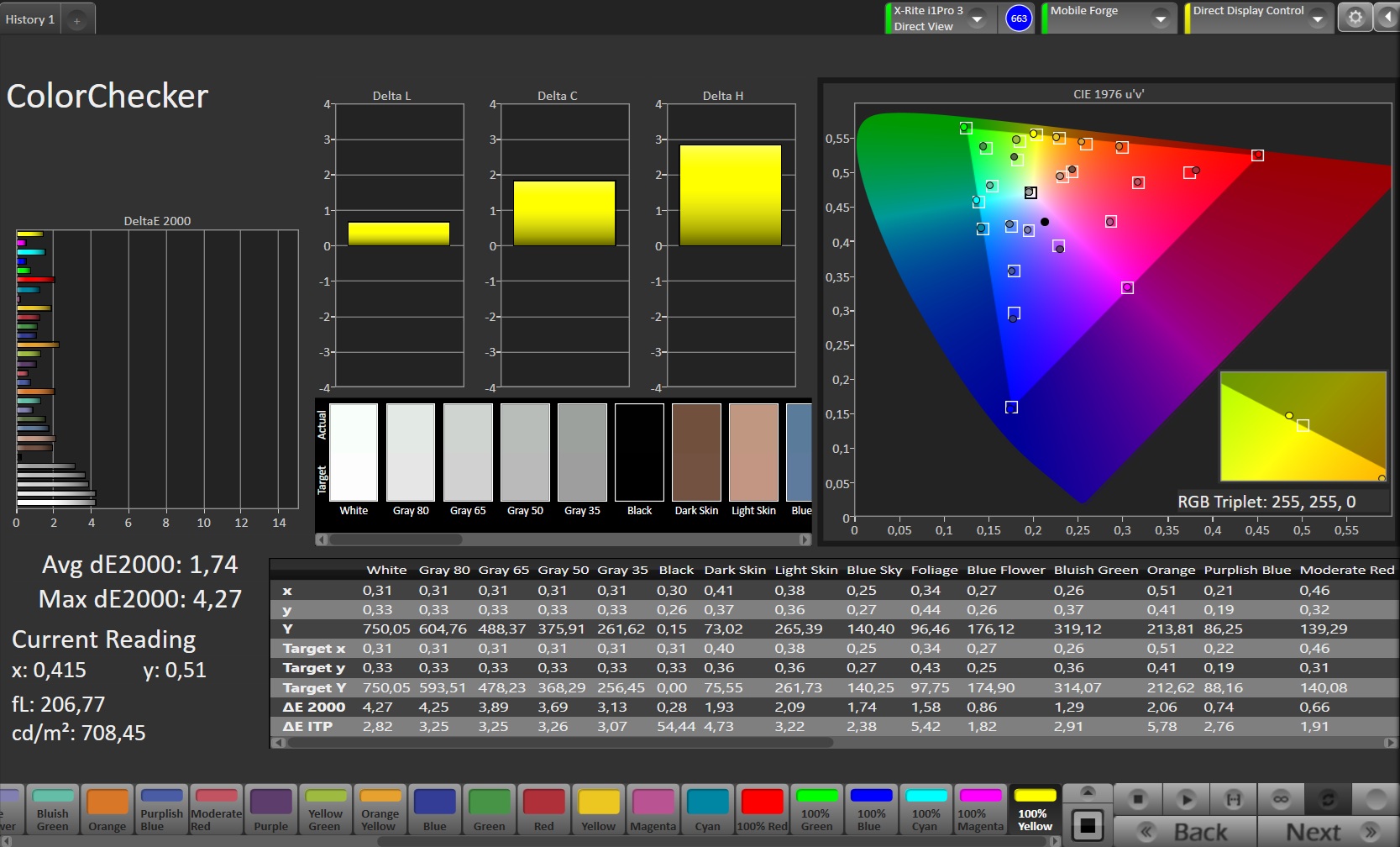
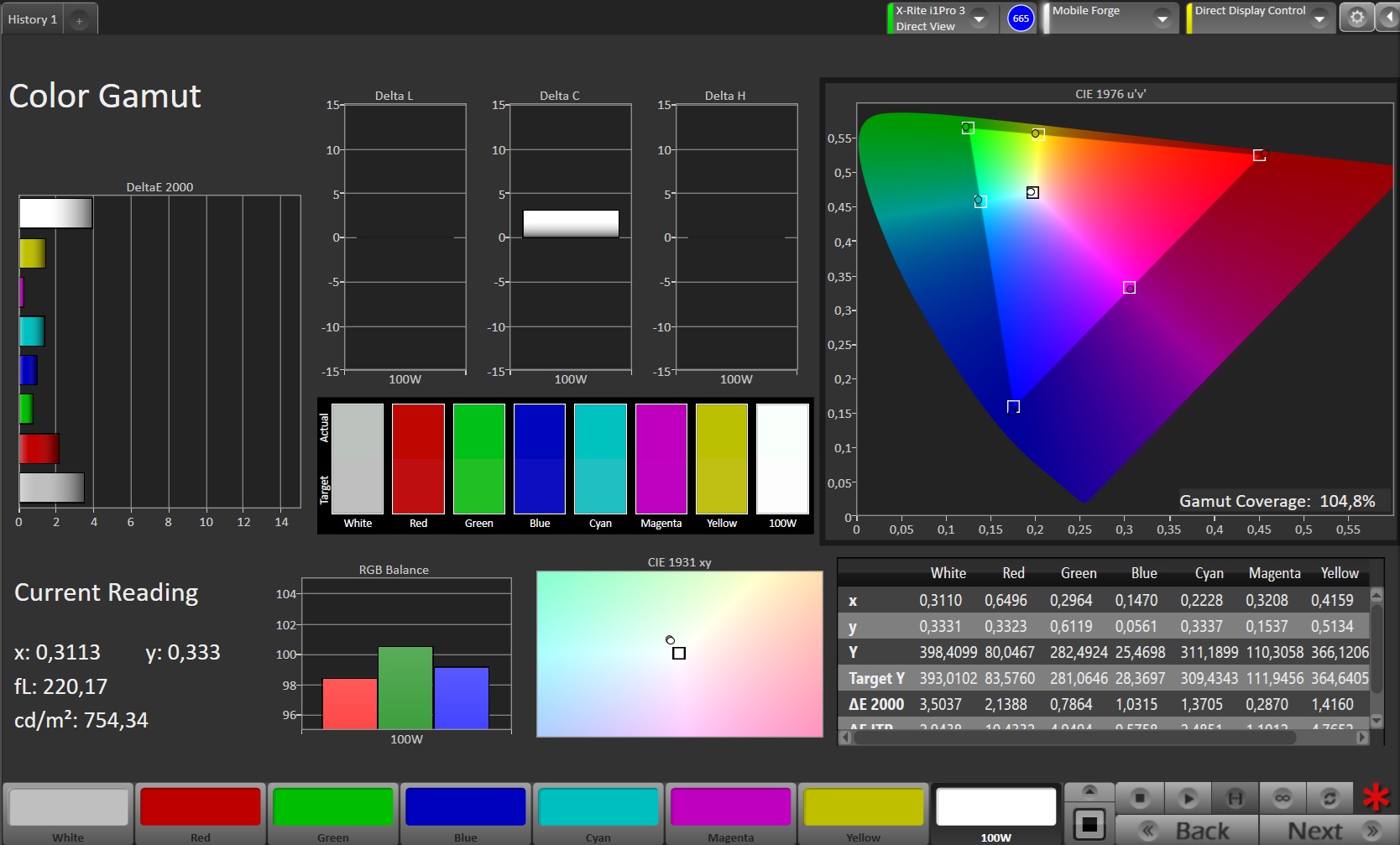
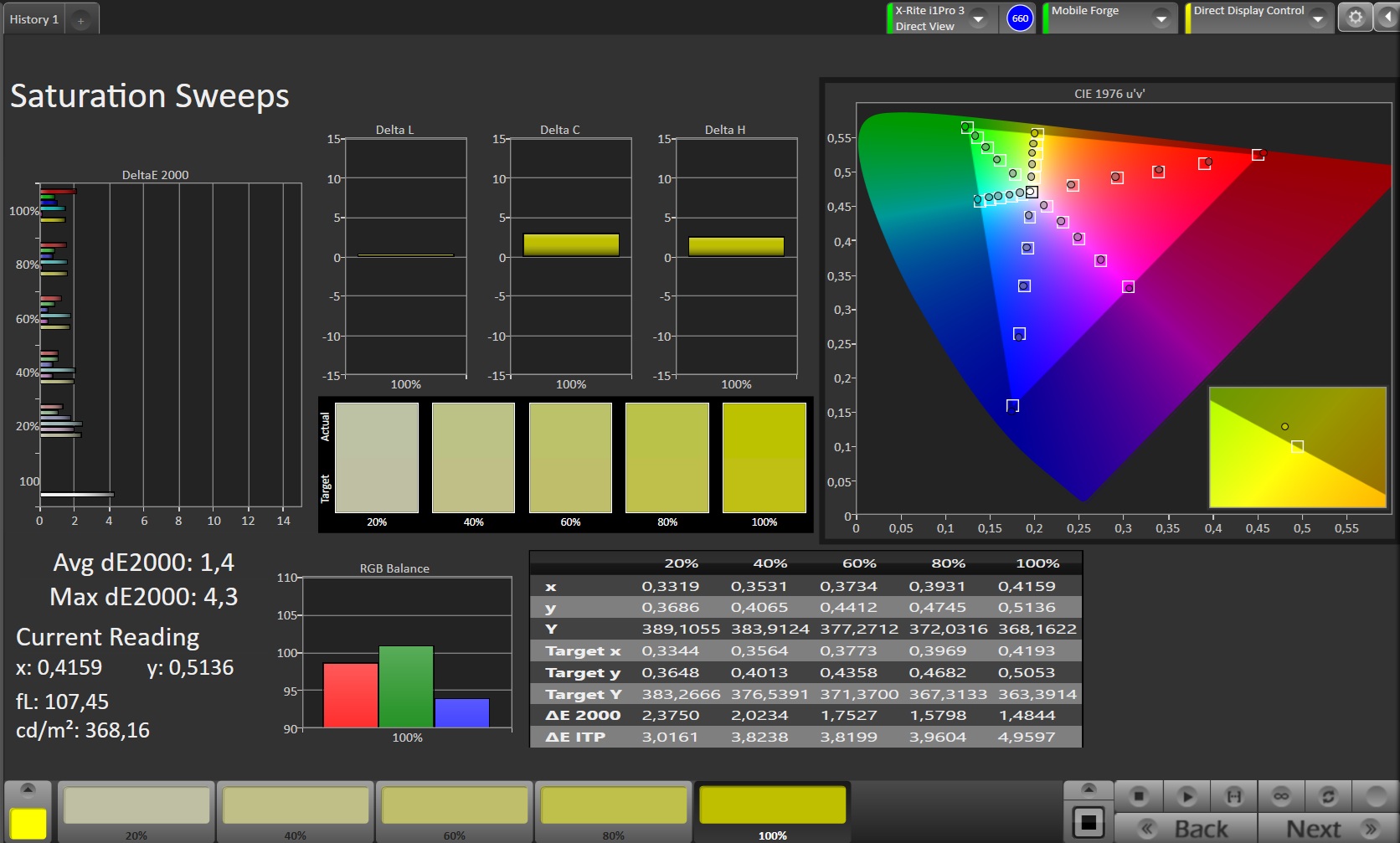
However, color reproduction in "Natural" mode is somewhat weak on average, with white tones in particular deviating from the reference. Other colors are reproduced well and are virtually indistinguishable from the reference values to the naked eye.
You should also be aware of the PWM flickering at 167 Hz. Flicker protection can be enabled in the settings. In any case, you should test the screen before buying if you have had problems with flickering screens in the past.
| |||||||||||||||||||||||||
Brightness Distribution: 93 %
Center on Battery: 1345 cd/m²
Contrast: ∞:1 (Black: 0 cd/m²)
ΔE ColorChecker Calman: 1.74 | ∀{0.5-29.43 Ø4.68}
ΔE Greyscale Calman: 2.9 | ∀{0.09-98 Ø4.93}
104.8% sRGB (Calman 2D)
Gamma: 2.187
CCT: 6512 K
| Motorola Edge 70 Max AMOLED, 3168x1440, 6.8" | Motorola Edge 70 Pro AMOLED, 2772x1272, 6.8" | Xiaomi 17T OLED, 2756x1268, 6.6" | Samsung Galaxy S26+ LTPO-AMOLED, 3120x1440, 6.7" | Apple iPhone 17 OLED, 2622x1206, 6.3" | |
|---|---|---|---|---|---|
| Display | -5% | 1% | -19% | ||
| APL18 Peak Brightness (cd/m²) | 3411 | 3326 -2% | 3512 3% | 2751 -19% | |
| HDR Peak Brightness (cd/m²) | 3526 | 3244 -8% | 3439 -2% | 2875 -18% | |
| Response Times | -35% | -19% | -112% | -81% | |
| Response Time Grey 50% / Grey 80% * (ms) | 1 ? | 1.6 ? -60% | 1.17 ? -17% | 3.79 ? -279% | 3.1 ? -210% |
| Response Time Black / White * (ms) | 0.8 ? | 1 ? -25% | 1.09 ? -36% | 1.18 ? -48% | 1 ? -25% |
| PWM Frequency (Hz) | 167 | 144 | 120 | 240 | 241 |
| PWM Amplitude * (%) | 14 | 17 -21% | 14.74 -5% | 15.27 -9% | 15 -7% |
| Screen | 36% | 21% | -5% | 14% | |
| Brightness middle (cd/m²) | 1345 | 1684 25% | 1104 -18% | 1384 3% | 1138 -15% |
| Brightness (cd/m²) | 1301 | 1626 25% | 1102 -15% | 1379 6% | 1127 -13% |
| Brightness Distribution (%) | 93 | 94 1% | 97 4% | 95 2% | 96 3% |
| Black Level * (cd/m²) | |||||
| Colorchecker dE 2000 * | 1.74 | 0.88 49% | 0.9 48% | 2.8 -61% | 1.07 39% |
| Colorchecker dE 2000 max. * | 4.27 | 1.89 56% | 2 53% | 4.5 -5% | 2.99 30% |
| Greyscale dE 2000 * | 2.9 | 1.2 59% | 1.4 52% | 2.2 24% | 1.8 38% |
| Gamma | 2.187 101% | 2.145 103% | 2.25 98% | 2.05 107% | 2.22 99% |
| CCT | 6512 100% | 6469 100% | 6480 100% | 6514 100% | 6516 100% |
| Total Average (Program / Settings) | -1% /
9% | 1% /
6% | -45% /
-37% | -34% /
-18% |
* ... smaller is better
Screen Flickering / PWM (Pulse-Width Modulation)
| Screen flickering / PWM detected | 167 Hz Amplitude: 14 % | 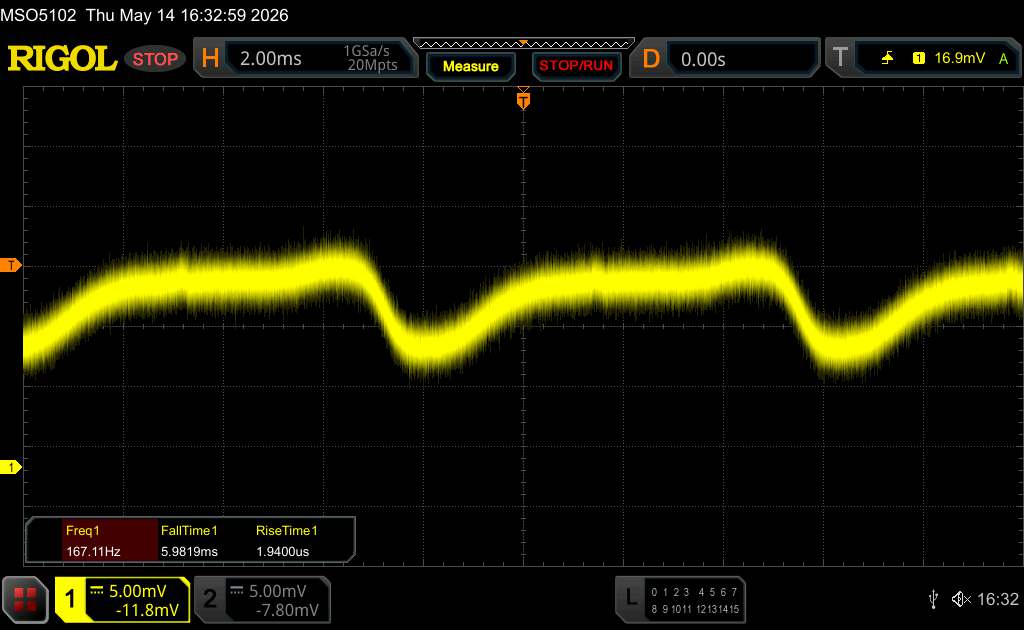 | |
The display backlight flickers at 167 Hz (worst case, e.g., utilizing PWM) . The frequency of 167 Hz is relatively low, so sensitive users will likely notice flickering and experience eyestrain at the stated brightness setting and below. In comparison: 52 % of all tested devices do not use PWM to dim the display. If PWM was detected, an average of 7575 (minimum: 5 - maximum: 343500) Hz was measured. | |||
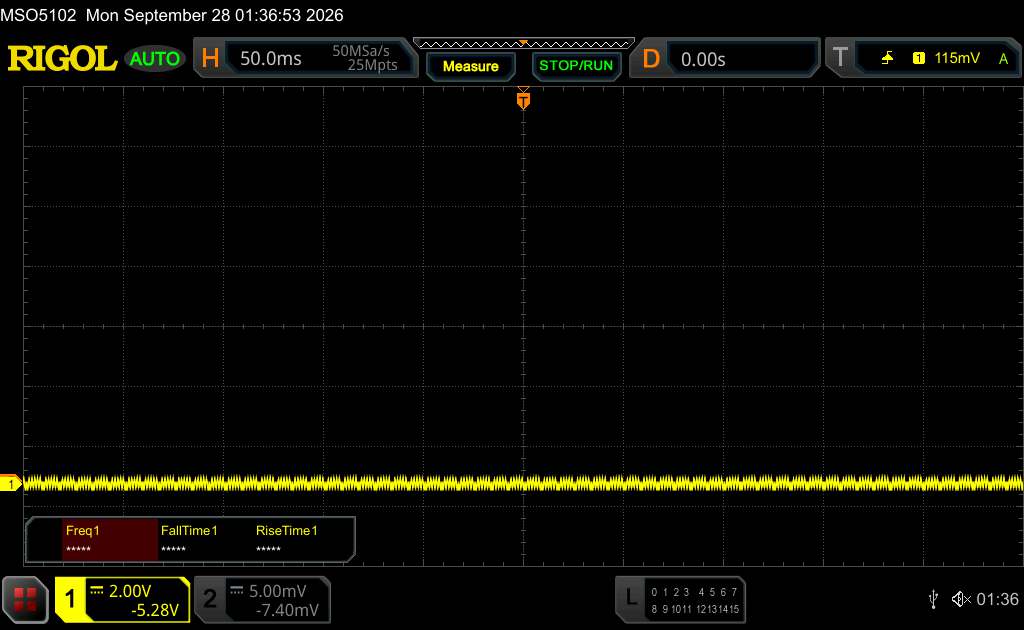
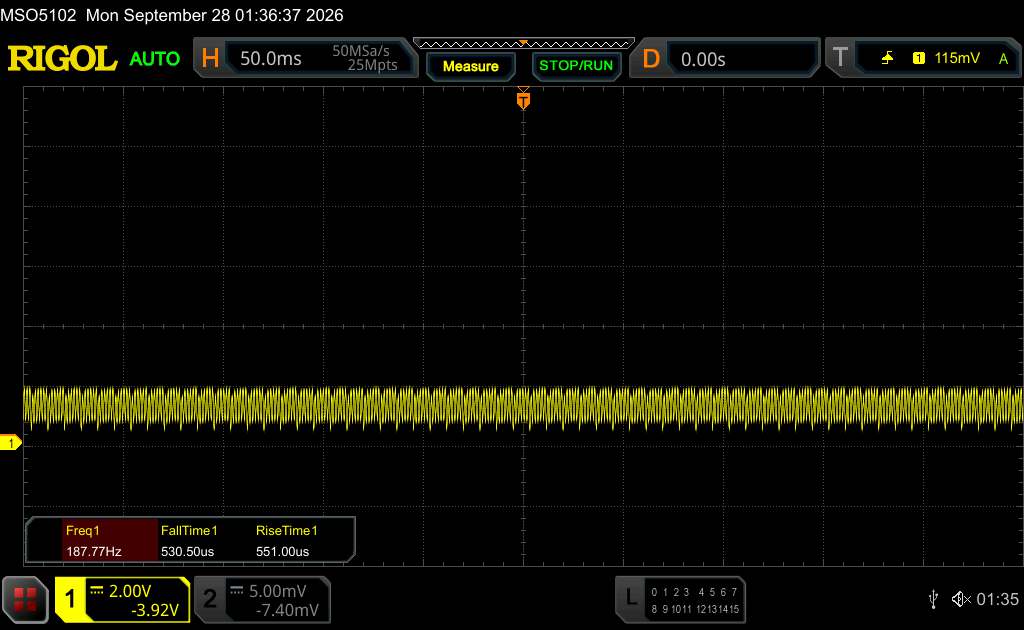
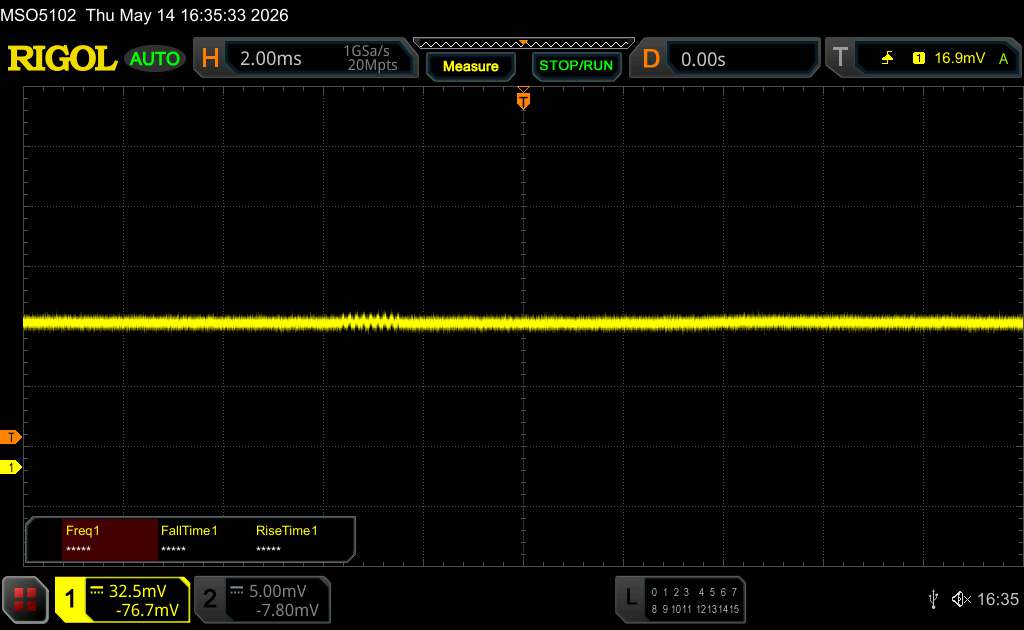
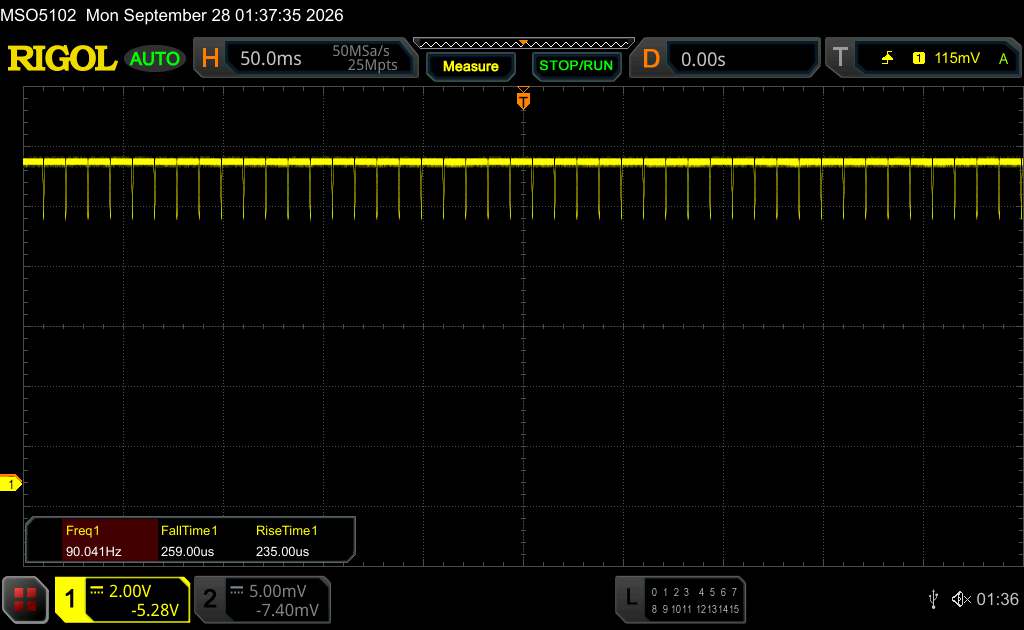
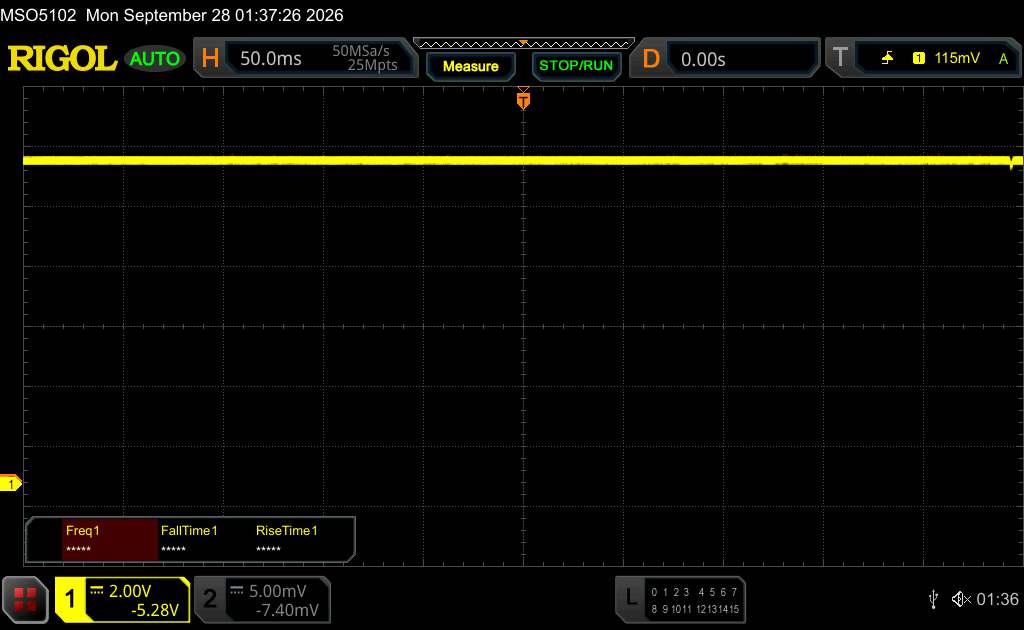
Measurement series with a fixed zoom level and different brightness settings (The amplitude curve at minimum brightness may look flat, but this is due to the scaling. The inset shows an enlarged version of the amplitude at minimum brightness.)
Display Response Times
| ↔ Response Time Black to White | ||
|---|---|---|
| 0.8 ms ... rise ↗ and fall ↘ combined | ↗ 0.4 ms rise | 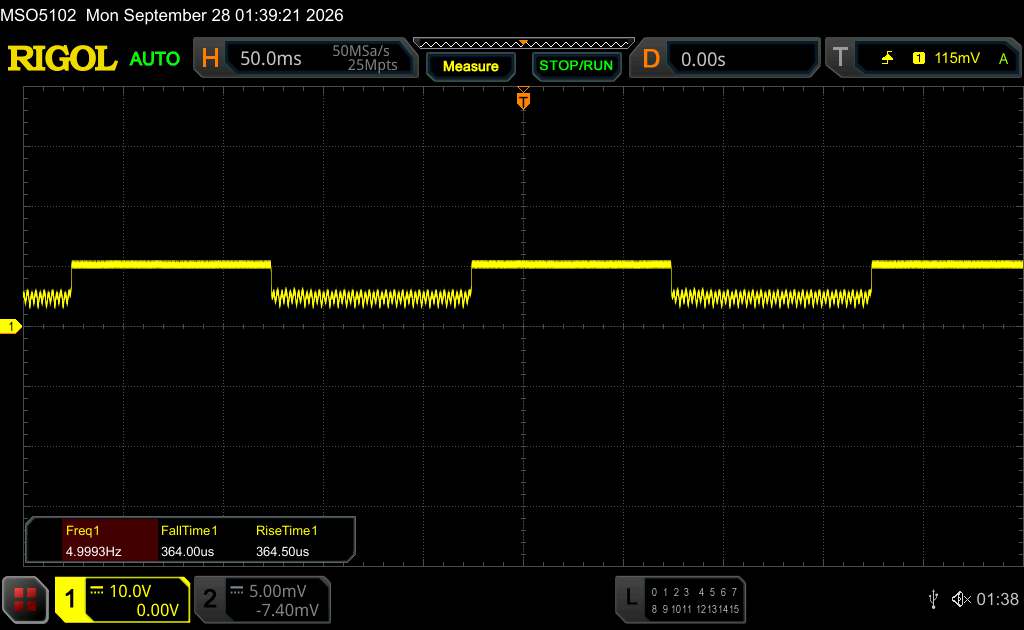 |
| ↘ 0.4 ms fall | ||
| The screen shows very fast response rates in our tests and should be very well suited for fast-paced gaming. In comparison, all tested devices range from 0.1 (minimum) to 240 (maximum) ms. » 3 % of all devices are better. This means that the measured response time is better than the average of all tested devices (19.6 ms). | ||
| ↔ Response Time 50% Grey to 80% Grey | ||
| 1 ms ... rise ↗ and fall ↘ combined | ↗ 0.5 ms rise | 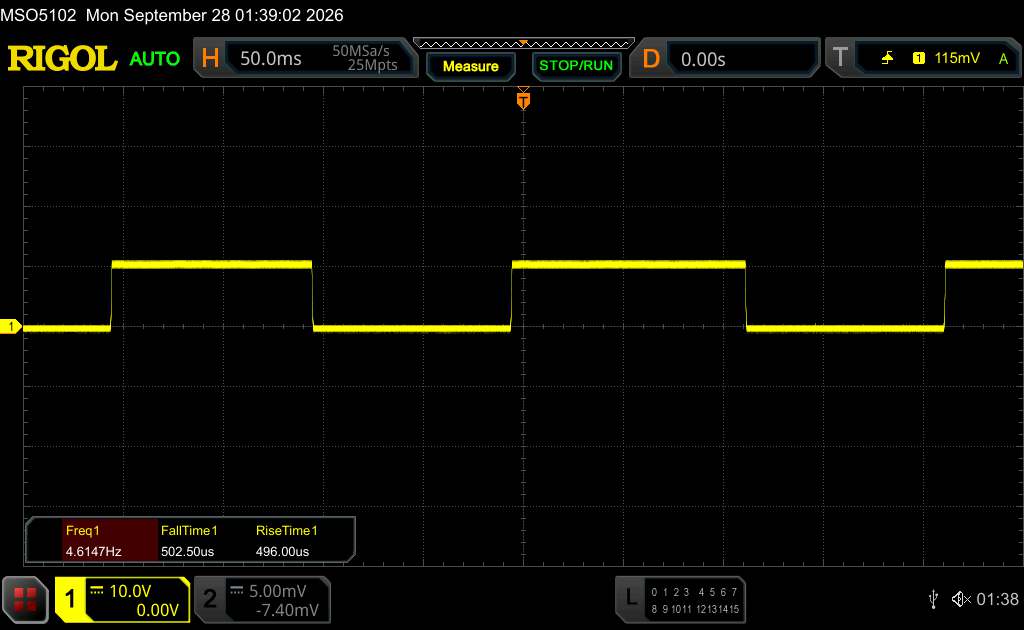 |
| ↘ 0.5 ms fall | ||
| The screen shows very fast response rates in our tests and should be very well suited for fast-paced gaming. In comparison, all tested devices range from 0.13 (minimum) to 636 (maximum) ms. » 4 % of all devices are better. This means that the measured response time is better than the average of all tested devices (30.7 ms). | ||
Performance – Phone with plenty of power
The Snapdragon 8 Gen 5 is no longer Qualcomm's top-tier SoC, but is based on the same chip with lower clock speeds and smaller caches. It is also well suited to demanding tasks.
The Edge 70 Max is slightly slower than current high-end phones in some benchmarks, but always runs smoothly in everyday use.
| Antutu v11 - Score | |
| Samsung Galaxy S26+ | |
| Average Qualcomm Snapdragon 8 Gen 5 (3047878 - 3282461, n=3) | |
| Motorola Edge 70 Max | |
| Average of class Smartphone (519159 - 4450644, n=47, last 2 years) | |
| Xiaomi 17T | |
| UL Procyon AI Inference for Android - Overall Score NNAPI | |
| Motorola Edge 70 Pro | |
| Xiaomi 17T | |
| Motorola Edge 70 Max | |
| Samsung Galaxy S26+ | |
| Average Qualcomm Snapdragon 8 Gen 5 (20683 - 22592, n=3) | |
| Average of class Smartphone (2895 - 66164, n=98, last 2 years) | |
| AImark - Score v3.x | |
| Apple iPhone 17 | |
| Motorola Edge 70 Pro | |
| Average of class Smartphone (293 - 307528, n=66, last 2 years) | |
| Samsung Galaxy S26+ | |
| Motorola Edge 70 Max | |
| Average Qualcomm Snapdragon 8 Gen 5 (n=1) | |
When gaming, you have to make minor compromises, but you can still expect a reasonably smooth 30 fps at a very high 4K resolution. Gaming fans who don't need the absolute best performance should therefore get their money's worth.
GFXBench (DX / GLBenchmark) 2.7: T-Rex Onscreen | 1920x1080 T-Rex Offscreen
GFXBench 3.0: on screen Manhattan Onscreen OGL | 1920x1080 1080p Manhattan Offscreen
GFXBench 3.1: on screen Manhattan ES 3.1 Onscreen | 1920x1080 Manhattan ES 3.1 Offscreen
GFXBench: on screen Car Chase Onscreen | 1920x1080 Car Chase Offscreen | on screen Aztec Ruins High Tier Onscreen | 2560x1440 Aztec Ruins High Tier Offscreen | on screen Aztec Ruins Normal Tier Onscreen | 1920x1080 Aztec Ruins Normal Tier Offscreen | 3840x2160 4K Aztec Ruins High Tier Offscreen
| 3DMark / Wild Life Extreme Unlimited | |
| Samsung Galaxy S26+ | |
| Apple iPhone 17 | |
| Motorola Edge 70 Max | |
| Xiaomi 17T | |
| Motorola Edge 70 Pro | |
| 3DMark / Wild Life Extreme | |
| Samsung Galaxy S26+ | |
| Motorola Edge 70 Max | |
| Apple iPhone 17 | |
| Xiaomi 17T | |
| Motorola Edge 70 Pro | |
| 3DMark / Wild Life Unlimited Score | |
| Samsung Galaxy S26+ | |
| Apple iPhone 17 | |
| Motorola Edge 70 Max | |
| Motorola Edge 70 Pro | |
| Xiaomi 17T | |
| 3DMark / Solar Bay Score | |
| Samsung Galaxy S26+ | |
| Apple iPhone 17 | |
| Motorola Edge 70 Max | |
| Xiaomi 17T | |
| Motorola Edge 70 Pro | |
| 3DMark / Solar Bay Unlimited Score | |
| Samsung Galaxy S26+ | |
| Apple iPhone 17 | |
| Motorola Edge 70 Max | |
| Xiaomi 17T | |
| Motorola Edge 70 Pro | |
| 3DMark / Steel Nomad Light Unlimited Score | |
| Samsung Galaxy S26+ | |
| Apple iPhone 17 | |
| Motorola Edge 70 Max | |
| Motorola Edge 70 Pro | |
| Xiaomi 17T | |
| 3DMark / Steel Nomad Light Score | |
| Samsung Galaxy S26+ | |
| Apple iPhone 17 | |
| Motorola Edge 70 Max | |
| Motorola Edge 70 Pro | |
| Xiaomi 17T | |
| GFXBench (DX / GLBenchmark) 2.7 / T-Rex Onscreen | |
| Samsung Galaxy S26+ | |
| Xiaomi 17T | |
| Motorola Edge 70 Max | |
| Apple iPhone 17 | |
| GFXBench (DX / GLBenchmark) 2.7 / T-Rex Offscreen | |
| Samsung Galaxy S26+ | |
| Xiaomi 17T | |
| Apple iPhone 17 | |
| Motorola Edge 70 Max | |
| GFXBench 3.0 / Manhattan Onscreen OGL | |
| Samsung Galaxy S26+ | |
| Xiaomi 17T | |
| Motorola Edge 70 Max | |
| Apple iPhone 17 | |
| GFXBench 3.0 / 1080p Manhattan Offscreen | |
| Samsung Galaxy S26+ | |
| Apple iPhone 17 | |
| Motorola Edge 70 Max | |
| Xiaomi 17T | |
| GFXBench 3.1 / Manhattan ES 3.1 Onscreen | |
| Samsung Galaxy S26+ | |
| Xiaomi 17T | |
| Motorola Edge 70 Max | |
| Apple iPhone 17 | |
| GFXBench 3.1 / Manhattan ES 3.1 Offscreen | |
| Samsung Galaxy S26+ | |
| Apple iPhone 17 | |
| Xiaomi 17T | |
| Motorola Edge 70 Max | |
| GFXBench / Car Chase Onscreen | |
| Samsung Galaxy S26+ | |
| Xiaomi 17T | |
| Motorola Edge 70 Pro | |
| Motorola Edge 70 Max | |
| Apple iPhone 17 | |
| GFXBench / Car Chase Offscreen | |
| Samsung Galaxy S26+ | |
| Apple iPhone 17 | |
| Motorola Edge 70 Max | |
| Xiaomi 17T | |
| Motorola Edge 70 Pro | |
| GFXBench / Aztec Ruins High Tier Onscreen | |
| Samsung Galaxy S26+ | |
| Xiaomi 17T | |
| Motorola Edge 70 Max | |
| Apple iPhone 17 | |
| GFXBench / Aztec Ruins High Tier Offscreen | |
| Samsung Galaxy S26+ | |
| Motorola Edge 70 Max | |
| Apple iPhone 17 | |
| Xiaomi 17T | |
| GFXBench / Aztec Ruins Normal Tier Onscreen | |
| Samsung Galaxy S26+ | |
| Xiaomi 17T | |
| Motorola Edge 70 Max | |
| Apple iPhone 17 | |
| GFXBench / Aztec Ruins Normal Tier Offscreen | |
| Samsung Galaxy S26+ | |
| Apple iPhone 17 | |
| Xiaomi 17T | |
| Motorola Edge 70 Max | |
| GFXBench / 4K Aztec Ruins High Tier Offscreen | |
| Samsung Galaxy S26+ | |
| Motorola Edge 70 Max | |
| Xiaomi 17T | |
| Apple iPhone 17 | |
| Jetstream 2 | |
| 2.0 Total | |
| Apple iPhone 17 (Safari Mobile 26) | |
| Samsung Galaxy S26+ (Chrome 146) | |
| Average Qualcomm Snapdragon 8 Gen 5 (180.6 - 322, n=4) | |
| Motorola Edge 70 Max (Chrome 155) | |
| Average of class Smartphone (63.9 - 423, n=115, last 2 years) | |
| Motorola Edge 70 Pro (Chrome 150) | |
| 2.2 Total | |
| Apple iPhone 17 (Safari Mobile 26) | |
| Samsung Galaxy S26+ (Chrome 146) | |
| Motorola Edge 70 Max (Chrome 155) | |
| Average Qualcomm Snapdragon 8 Gen 5 (165.4 - 338, n=5) | |
| Average of class Smartphone (2 - 480, n=105, last 2 years) | |
| Motorola Edge 70 Pro (Chrome 150) | |
| Xiaomi 17T (Chrome 150) | |
| Speedometer 2.0 - Result 2.0 | |
| Apple iPhone 17 (Safari Mobile 26) | |
| Samsung Galaxy S26+ (Chrome 146) | |
| Motorola Edge 70 Max (Chrome 155) | |
| Average Qualcomm Snapdragon 8 Gen 5 (321 - 344, n=2) | |
| Average of class Smartphone (49.3 - 733, n=72, last 2 years) | |
| Motorola Edge 70 Pro (Chrome 150) | |
| Speedometer 3 - Score 3.0 | |
| Apple iPhone 17 (Safari Mobile 26) | |
| Samsung Galaxy S26+ (Chrome 146) | |
| Motorola Edge 70 Max (Chrome 155) | |
| Average Qualcomm Snapdragon 8 Gen 5 (19.2 - 21.1, n=2) | |
| Average of class Smartphone (3.06 - 56.5, n=81, last 2 years) | |
| Motorola Edge 70 Pro (Chrome 150) | |
| WebXPRT 4 - Overall | |
| Apple iPhone 17 (Safari Mobile 26) | |
| Motorola Edge 70 Max (Chrome 155) | |
| Average Qualcomm Snapdragon 8 Gen 5 (153 - 159, n=2) | |
| Average of class Smartphone (56 - 278, n=89, last 2 years) | |
| Motorola Edge 70 Pro (Chrome 150) | |
| Octane V2 - Total Score | |
| Apple iPhone 17 (Safari Mobile 26) | |
| Samsung Galaxy S26+ (Chrome 146) | |
| Average Qualcomm Snapdragon 8 Gen 5 (39707 - 90273, n=3) | |
| Motorola Edge 70 Max (Chrome 155) | |
| Average of class Smartphone (6015 - 160221, n=130, last 2 years) | |
| Motorola Edge 70 Pro (Chrome 150) | |
| Xiaomi 17T (Chrome 150) | |
| Mozilla Kraken 1.1 - Total | |
| Motorola Edge 70 Pro (Chrome 150) | |
| Xiaomi 17T (Chrome 150) | |
| Average of class Smartphone (216 - 2718, n=119, last 2 years) | |
| Motorola Edge 70 Max (Chrome 155) | |
| Average Qualcomm Snapdragon 8 Gen 5 (371 - 817, n=4) | |
| Samsung Galaxy S26+ (Chrome 146) | |
| Apple iPhone 17 (Safari Mobile 26) | |
* ... smaller is better
The UFS 4.1 storage enables fast data transfers and short loading times on the Edge 70 Max.
| Motorola Edge 70 Max | Motorola Edge 70 Pro | Xiaomi 17T | Samsung Galaxy S26+ | Apple iPhone 17 | Average 256 GB UFS 4.1 Flash | Average of class Smartphone | |
|---|---|---|---|---|---|---|---|
| AndroBench 3-5 | -23% | -36% | -35% | -14% | -43% | ||
| Sequential Read 256KB (MB/s) | 3978.6 | 3765.9 -5% | 3178.43 -20% | 3574.74 -10% | 3445 ? -13% | 2286 ? -43% | |
| Sequential Write 256KB (MB/s) | 3546.6 | 3745.6 6% | 3639.03 3% | 2543.31 -28% | 3140 ? -11% | 1987 ? -44% | |
| Random Read 4KB (MB/s) | 526.5 | 399.6 -24% | 311.98 -41% | 419.84 -20% | 428 ? -19% | 320 ? -39% | |
| Random Write 4KB (MB/s) | 677.5 | 206.8 -69% | 98.65 -85% | 122.63 -82% | 593 ? -12% | 367 ? -46% |
Emissions – Motorola with a hot surface
Temperature
The maximum temperature under full load is very high at up to 54 °C at room temperature and can be uncomfortable in places. In hot environments, this can certainly cause the phone to overheat and shut down while gaming.
On the other hand, the phone's performance remains comparatively consistent even under prolonged load, as the 3DMark stress tests show.
(-) The maximum temperature on the upper side is 54 °C / 129 F, compared to the average of 35.4 °C / 96 F, ranging from 21.9 to 247 °C for the class Smartphone.
(-) The bottom heats up to a maximum of 53.7 °C / 129 F, compared to the average of 34.1 °C / 93 F
(-) In idle usage, the average temperature for the upper side is 48 °C / 118 F, compared to the device average of 33 °C / 91 F.
3DMark Stress Tests
| 3DMark | |
| Wild Life Stress Test Stability | |
| Apple iPhone 17 | |
| Xiaomi 17T | |
| Samsung Galaxy S26+ | |
| Wild Life Extreme Stress Test | |
| Motorola Edge 70 Max | |
| Apple iPhone 17 | |
| Xiaomi 17T | |
| Samsung Galaxy S26+ | |
| Motorola Edge 70 Pro | |
| Solar Bay Stress Test Stability | |
| Motorola Edge 70 Max | |
| Apple iPhone 17 | |
| Xiaomi 17T | |
| Samsung Galaxy S26+ | |
| Motorola Edge 70 Pro | |
| Solar Bay Extreme Stress Test Stability | |
| Motorola Edge 70 Max | |
| Samsung Galaxy S26+ | |
| Apple iPhone 17 | |
| Steel Nomad Light Stress Test Stability | |
| Motorola Edge 70 Max | |
| Apple iPhone 17 | |
| Samsung Galaxy S26+ | |
| Xiaomi 17T | |
| Motorola Edge 70 Pro | |
Speakers
The small speaker on the bottom edge is supported by the earpiece, allowing for slight stereo effects when holding the phone horizontally. The speakers get reasonably loud, sound quite decent, and are not overly treble-heavy.
However, those who really value good sound will probably prefer to connect headphones or a speaker via USB-C or Bluetooth. A wide selection of codecs is available for wireless connections.
Motorola Edge 70 Max audio analysis
(+) | speakers can play relatively loud (83.8 dB)
Bass 100 - 315 Hz
(-) | nearly no bass - on average 25.8% lower than median
(±) | linearity of bass is average (14.9% delta to prev. frequency)
Mids 400 - 2000 Hz
(±) | higher mids - on average 6.1% higher than median
(+) | mids are linear (6.2% delta to prev. frequency)
Highs 2 - 16 kHz
(+) | balanced highs - only 4.2% away from median
(+) | highs are linear (6.1% delta to prev. frequency)
Overall 100 - 16.000 Hz
(±) | linearity of overall sound is average (22.8% difference to median)
Compared to same class
» 51% of all tested devices in this class were better, 6% similar, 43% worse
» The best had a delta of 11%, average was 34%, worst was 136%
Compared to all devices tested
» 68% of all tested devices were better, 5% similar, 27% worse
» The best had a delta of 4%, average was 23%, worst was 136%
Samsung Galaxy S26+ audio analysis
(+) | speakers can play relatively loud (90.1 dB)
Bass 100 - 315 Hz
(-) | nearly no bass - on average 21.2% lower than median
(±) | linearity of bass is average (7.4% delta to prev. frequency)
Mids 400 - 2000 Hz
(±) | higher mids - on average 5.5% higher than median
(+) | mids are linear (5.5% delta to prev. frequency)
Highs 2 - 16 kHz
(+) | balanced highs - only 2.6% away from median
(+) | highs are linear (3.6% delta to prev. frequency)
Overall 100 - 16.000 Hz
(±) | linearity of overall sound is average (15% difference to median)
Compared to same class
» 2% of all tested devices in this class were better, 3% similar, 95% worse
» The best had a delta of 11%, average was 34%, worst was 136%
Compared to all devices tested
» 21% of all tested devices were better, 4% similar, 75% worse
» The best had a delta of 4%, average was 23%, worst was 136%
Battery life – Motorola phone with great battery life
Energy intake
The Motorola Edge 70 Max's power consumption proves to be average in our test.
The phone can be charged at up to 90 watts. Despite the large battery, a full charge takes barely more than two hours. The phone can be charged wirelessly using the Qi2 standard, but the maximum charging power is only 25 watts.
| Off / Standby |   0.1 / 0.2 Watt |
| Idle |  1 / 1.5 / 1.9 Watt |
| Load |
8.4 / 12.7 Watt |
    
| |
Key:
min: ,
med: ,
max: Metrahit Energy | |
| Motorola Edge 70 Max 7100 mAh | Motorola Edge 70 Pro 6500 mAh | Xiaomi 17T 6500 mAh | Samsung Galaxy S26+ 4900 mAh | Apple iPhone 17 3692 mAh | Average Qualcomm Snapdragon 8 Gen 5 | Average of class Smartphone | |
|---|---|---|---|---|---|---|---|
| Power Consumption | -13% | -1% | 2% | 8% | -36% | 12% | |
| Idle Minimum * (Watt) | 1 | 1.4 -40% | 1.25 -25% | 0.56 44% | 1.1 -10% | 1.608 ? -61% | 0.904 ? 10% |
| Idle Average * (Watt) | 1.5 | 1.6 -7% | 1.88 -25% | 1.28 15% | 1.3 13% | 2.22 ? -48% | 1.479 ? 1% |
| Idle Maximum * (Watt) | 1.9 | 1.9 -0% | 1.99 -5% | 1.31 31% | 1.5 21% | 2.54 ? -34% | 1.679 ? 12% |
| Load Average * (Watt) | 8.4 | 9.7 -15% | 5.77 31% | 12.38 -47% | 7.6 10% | 10.5 ? -25% | 6.68 ? 20% |
| Load Maximum * (Watt) | 12.7 | 13.2 -4% | 10.02 21% | 16.9 -33% | 12 6% | 14.4 ? -13% | 10.6 ? 17% |
* ... smaller is better
Power consumption: Geekbench (150 cd/m²)
Power consumption: GFXbench (150 cd/m²)
Battery life
The Edge 70 Max's large 7,100 mAh battery is surpassed by only a few phones. Battery life is correspondingly very good: The Edge 70 Max lasts nearly 28 hours without interruption in our real-world Wi-Fi test.
That should easily get you through two working days or more, as long as you avoid overly demanding tasks.
| Motorola Edge 70 Max 7100 mAh | Motorola Edge 70 Pro 6500 mAh | Xiaomi 17T 6500 mAh | Samsung Galaxy S26+ 4900 mAh | Apple iPhone 17 3692 mAh | |
|---|---|---|---|---|---|
| Battery runtime | -23% | -25% | -36% | -28% | |
| WiFi v1.3 (h) | 28 | 21.6 -23% | 21.1 -25% | 17.8 -36% | 20.1 -28% |
| Reader / Idle (h) | 36.2 | 66.7 | |||
| Load (h) | 5 | 4.4 | |||
| H.264 (h) | 29.4 |
Notebookcheck Overall Rating
With the Motorola Edge 70 Max, the manufacturer is launching a phone that can certainly compete with the best devices.
However, its very low price means accepting compromises in memory capacity and the camera.

Motorola Edge 70 Max
- 10/21/2026 v8
Florian Schmitt
 Total Sustainability Score:
Possible alternatives compared
Image | Model / Review | Price | Weight | Drive | Display |
|---|---|---|---|---|---|
1. 86.2%  | Motorola Edge 70 Max Qualcomm Snapdragon 8 Gen 5 ⎘ Qualcomm Adreno 829 ⎘ 8 GB Memory, 256 GB UFS 4.x | List Price: 799€ | 221 g | 256 GB UFS 4.1 Flash | 6.82" 3168x1440 510 PPI AMOLED |
2. 83.2%  | Motorola Edge 70 Pro MediaTek Dimensity 8500 ⎘ ARM Mali-G720 MP8 ⎘ 12 GB Memory, 512 GB UFS 4.x | Amazon: $564.50 List Price: 800€ | 183 g | 512 GB UFS 4.1 Flash | 6.78" 2772x1272 450 PPI AMOLED |
3. 83.7%  | Xiaomi 17T MediaTek Dimensity 8500 ⎘ ARM Mali-G720 MP8 ⎘ 12 GB Memory, 512 GB UFS 4.x | List Price: 750€ | 200 g | 512 GB UFS 4.1 Flash | 6.59" 2756x1268 460 PPI OLED |
4. 89%  | Samsung Galaxy S26+ Samsung Exynos 2600 ⎘ Samsung Xclipse 960 ⎘ 12 GB Memory, 256 GB UFS 4.x | List Price: 1249€ | 190 g | 256 GB UFS 4.0 Flash | 6.70" 3120x1440 513 PPI LTPO-AMOLED |
5. 87.9%  | Apple iPhone 17 Apple A19 ⎘ Apple A19 GPU ⎘ 8 GB Memory, 256 GB NVMe | List Price: 949 Euro | 177 g | 256 GB NVMe | 6.30" 2622x1206 460 PPI OLED |
Transparency
The selection of devices to be reviewed is made by our editorial team. The test sample was provided to the author as a loan by the manufacturer or retailer for the purpose of this review. The lender had no influence on this review, nor did the manufacturer receive a copy of this review before publication. There was no obligation to publish this review. As an independent media company, Notebookcheck is not subjected to the authority of manufacturers, retailers or publishers.
This is how Notebookcheck is testing
Every year, Notebookcheck independently reviews hundreds of laptops and smartphones using standardized procedures to ensure that all results are comparable. We have continuously developed our test methods for around 20 years and set industry standards in the process. In our test labs, high-quality measuring equipment is utilized by experienced technicians and editors. These tests involve a multi-stage validation process. Our complex rating system is based on hundreds of well-founded measurements and benchmarks, which maintains objectivity. Further information on our test methods can be found here.
 Add as a preferred source on Google


