




This cell phone has four 50-megapixel cameras—is that enough for good photos?

Motorola is equipping the Edge 70 Pro with three camera sensors, each with a resolution of 50 megapixels—for the main camera, ultra-wide-angle, and zoom. Together with an LED flash, this creates the visual impression of a four-lens system.
The fourth 50-megapixel lens, however, is located on the front, where it takes great selfies.
Squircle Module as an Optical Illusion
The Squircle-shaped camera module arranges the three rear lenses symmetrically alongside an LED. To the viewer, this creates the impression of a quad-camera setup.
While this is hardly a problem in everyday use, it demonstrates how design decisions can shape false expectations—Motorola uses this housing detail throughout the entire Edge 70 series.
Main camera with decent daylight performance
The primary 50-MP camera delivers detailed shots which are very bright during the day. Those who take landscape photos or photograph documents will get usable results.
The high resolution also allows for cropped enlargements that are sufficient for social media posts. In challenging lighting conditions—such as in the city at night—image quality remains good thanks to high light sensitivity.
Inconsistencies between the lenses
Differences in color and contrast reproduction between the main, ultra-wide, and zoom cameras are particularly noticeable.
Photos taken in succession with different lenses sometimes show significant color shifts. If you alternate between zooming and taking ultra-wide shots at a party, you’ll have to correct the colors later.
Zoom camera with limited consistency
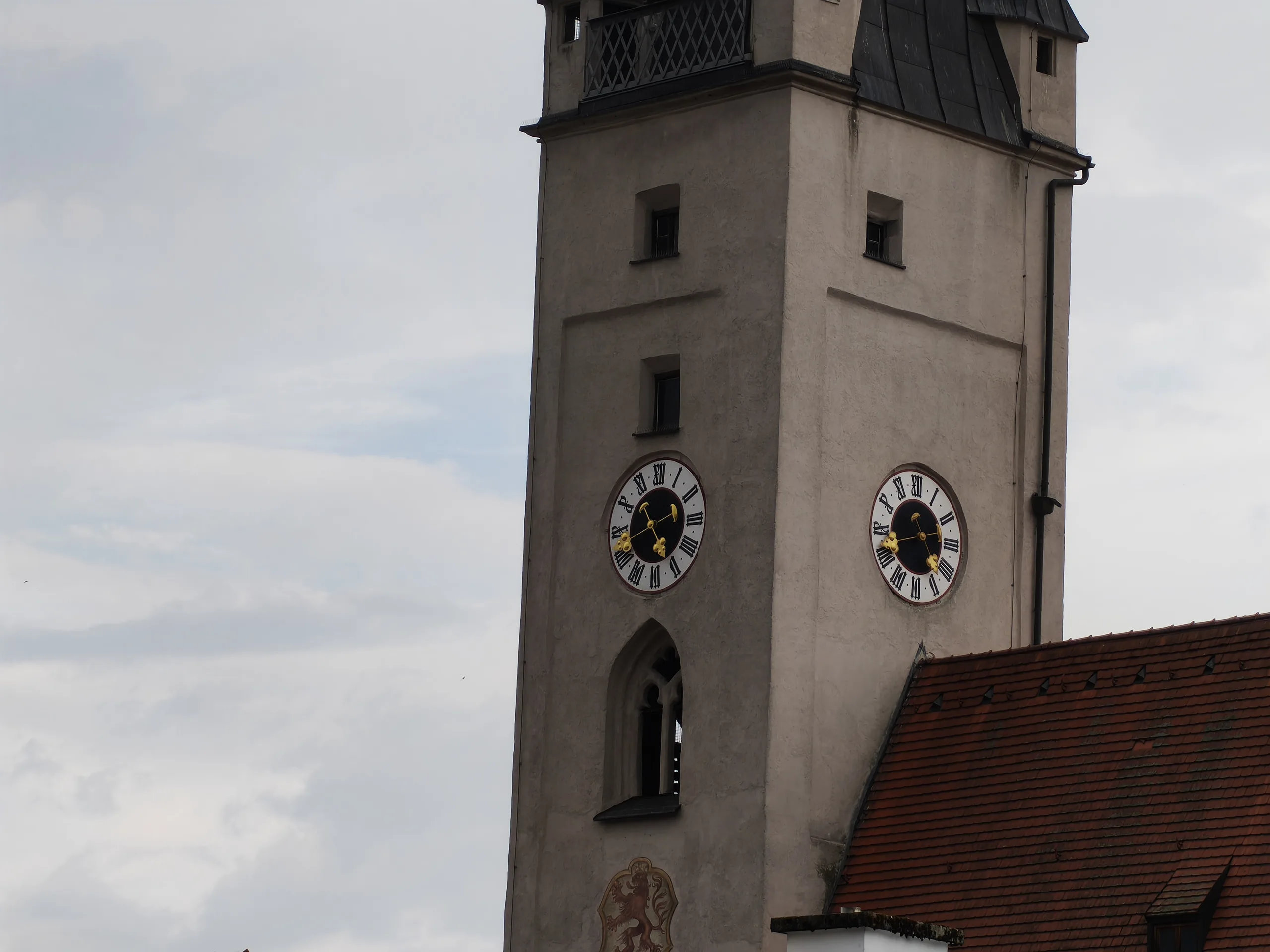
The third 50-MP sensor unit serves as a telephoto camera with a periscope zoom. It also takes very impressive photos, allowing you to bring objects closer with up to 50x magnification. However, the AI visibly intervenes at zoom levels above 10x.
The triple 50-MP camera setup performs well in practice and delivers good images, although you’ll need to be careful with color reproduction when switching between lenses.
More details and sample photos of the Motorola Edge 70 Pro and its cameras can be found in our in-depth review of the smartphone.







Source(s)
 Add as a preferred source on Google


