




Google removes digital Lord of the Rings movies in latest win for physical discs
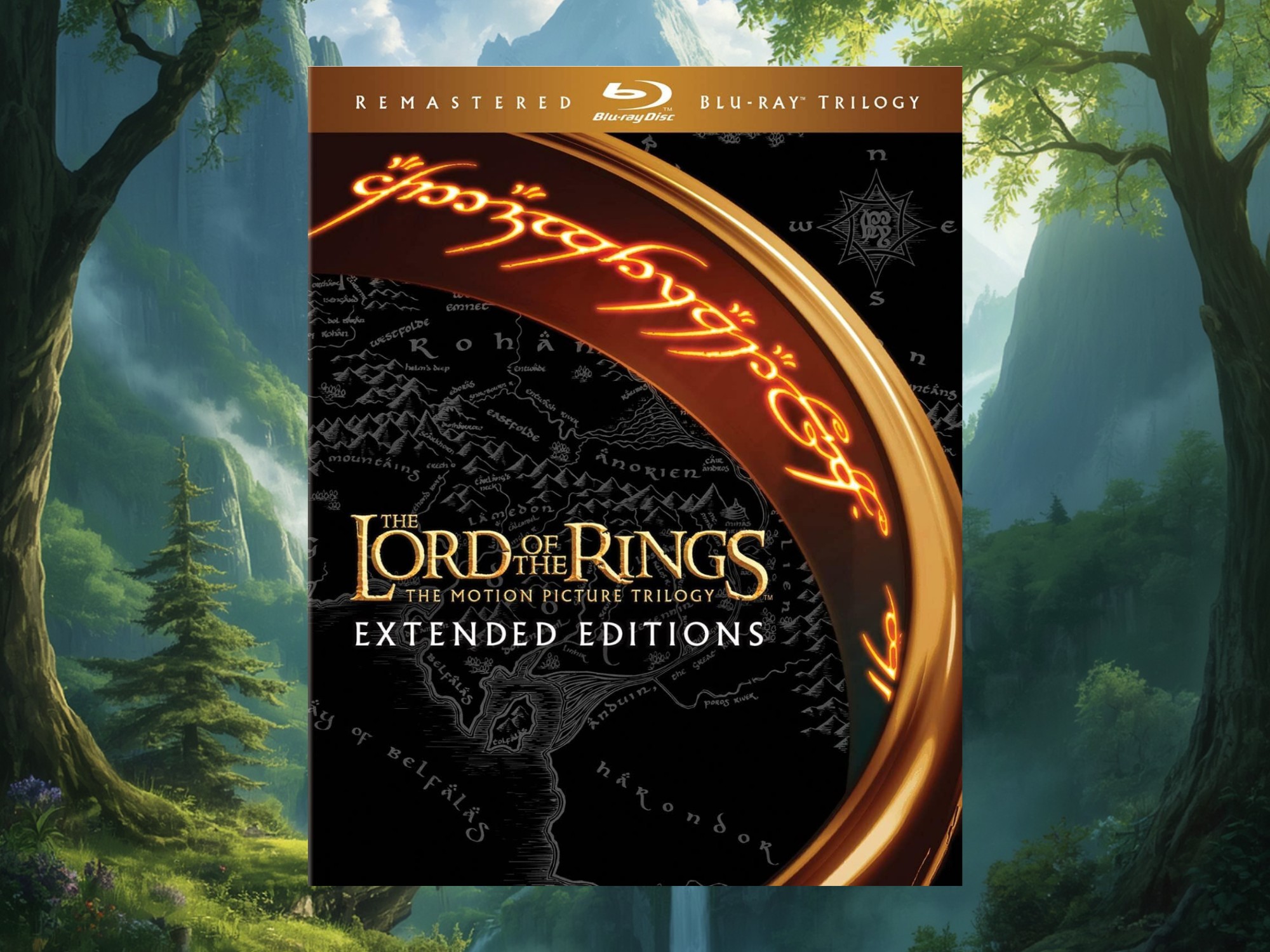
With PlayStation determined to end the era of physical games, movie buffs have also taken notice. For now, Blu-ray discs remain widely available, but that may not always be the case. Google has again exposed the limitations of digital purchases. An owner of The Lord of the Rings Extended Editions saw the trilogy vanish from his library.
Redditor ugoindownsaka1 shared how his purchase suddenly became inaccessible. The poster bought the digital movies from Google Play in 2022. When trying to stream them recently, the Peter Jackson productions were missing.
Refunds not guaranteed
A conversation with the company’s support proved fruitless. The agent confirmed the removal of The Lord of the Rings Extended Editions from the catalog. After requesting a refund, the representative explained the 120-day window had passed.
Ugoindownsaka1 was then referred to YouTube support, the platform that now hosts the trilogy. That confused the buyer since Google Movies & TV had processed the original order. As of the latest update, there was no resolution, giving defenders of physical discs more cause to dread the future.
Renting, not buying?
The Lord of the Rings releases with bonus content are still for sale in many regions. However, over the past several years, Google has delisted the selections in various countries. Meanwhile, the theatrical version generally has avoided the same issues. The most likely explanation is that a licensing agreement with Warner Bros. that only applies to the lengthier cut has expired.
Consumers often prefer Google Play over physical Blu-ray discs for its convenience. Once acquired, a digital movie can be streamed on multiple media players, smartphones, and tablets. Unfortunately, accessibility hinges on deals between marketplaces and distributors.
Services may allow users to download movies and shows for offline viewing. Even so, they are usually subject to DRM checks, which can block playback once removed from a catalog. This frustration has led some critics to recommend piracy as a way to protect digital ownership rights.
Source(s)
 Add as a preferred source on Google


