




Gears of War: E-Day on Xbox Series X shows how games can circumvent memory limitations
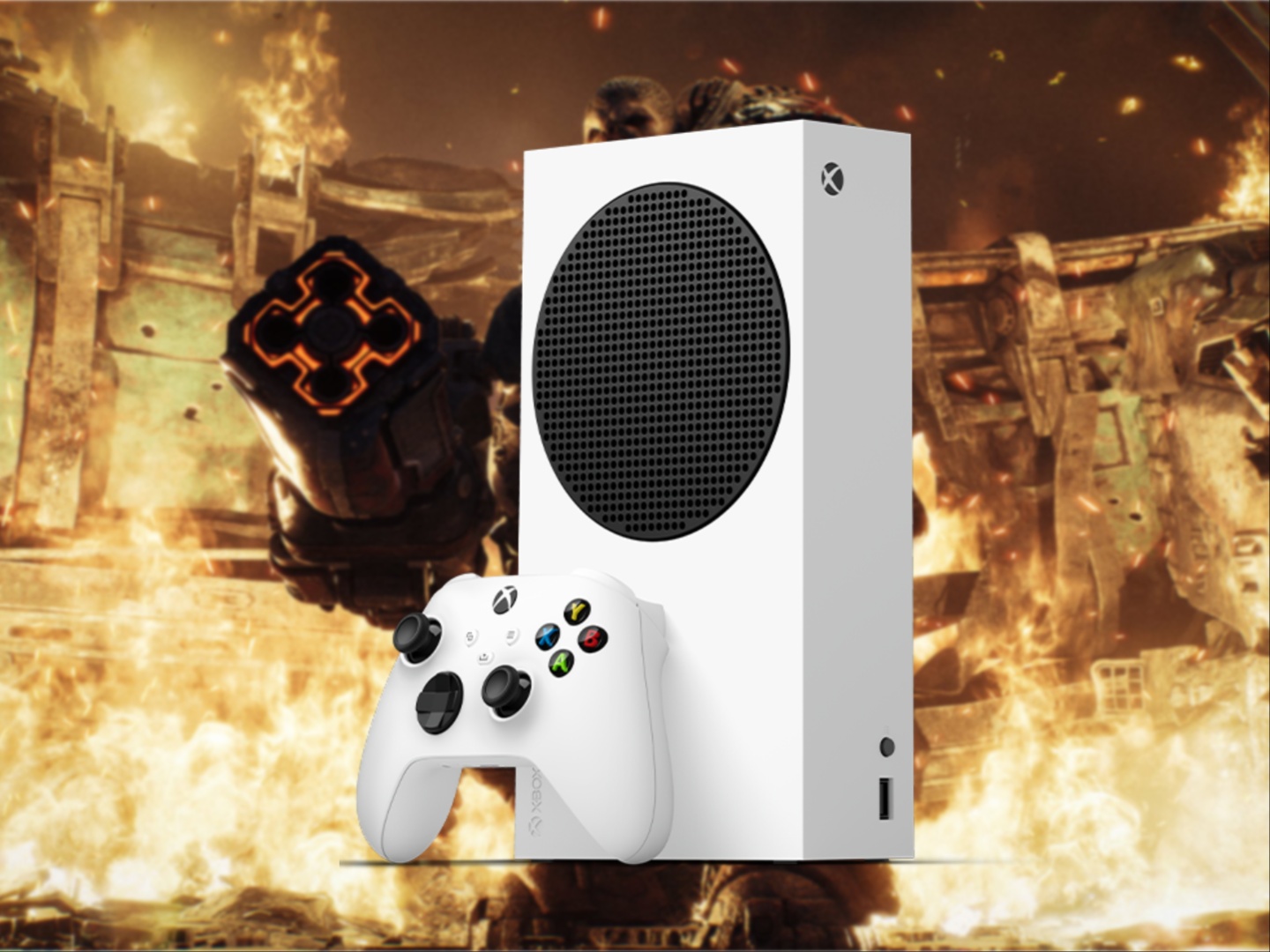
The official release of Gears of War: E-Day is just around the corner, but the game is already out in early access, and reviews have leaked as well. It is available on Xbox Series X, Series S, and PC, but bringing the game to these platforms brought different challenges for The Coalition. In particular, the Xbox Series S, since it has lower memory than the Series X. What the two consoles do have in common is the NVMe storage, which is what helped the developers squeeze more performance out of it.
Digital Foundry tested the game on the Xbox Series S and found that it did not compromise on the size and detail of the world presented. But avoiding scaling down was quite challenging, and the studio had to come up with a clever way of making the most of the available 10GB of shared GDDR6 memory. For this, they worked with Xbox's platform team and Advanced Technology Group to develop a bespoke system that uses the NVMe drive as random access memory.
The core concept of virtual memory and using fast storage as RAM isn’t new, but the implementation for Gears of War: E-Day and overcoming its side effects is what makes it unique. For context, when RAM fills up, inactive pages of memory are moved to storage — known as paging or swapping — to be recalled when needed. Thanks to faster NVMe speeds, this process is much quicker than standard SSDs or HDDs.
The system developed by The Coalition works similarly, with complex city data stored on the NVMe. However, only specific subsets of memory that the developers deemed necessary are moved to the RAM, making sure that transition doesn’t slow the game down. In theory, as Digital Foundry points out, a couple GBs of NVMe storage give about a GB of extra system memory. Locking down the specific subsets is what makes Gears of War: E-Day run without scaling the world down on the Xbox Series S.
The Coalition use advanced heuristics to make that call, with the system tracking access patterns and seeing which data was used most recently. Memory that isn't used in a frame, or over a run of frames, becomes a candidate for paging. Frequently used data stays in RAM, and anything idle can move to the SSD.

That said, the overall limitations, including the slower CPU, forced The Coalition to cut Lumen reflections to maintain the 60 FPS target on the Series S. This means the game doesn’t look as good as it does on the Series X or a similarly configured PC. Moreover, while the game’s performance on the Series S is impressive, there are dips below the targeted FPS in different performance modes.
According to studio technical director Kate Rayner, Gears of War: E-Day is one of the first games to use this tech, but other studios are already interested. Depending on how it's implemented, this custom virtual memory tuning could open up interesting possibilities for future games on low-memory hardware.
Source(s)
 Add as a preferred source on Google


