


Epson's first collaborative robot arrives in Japan with Python support and a 900 mm reach
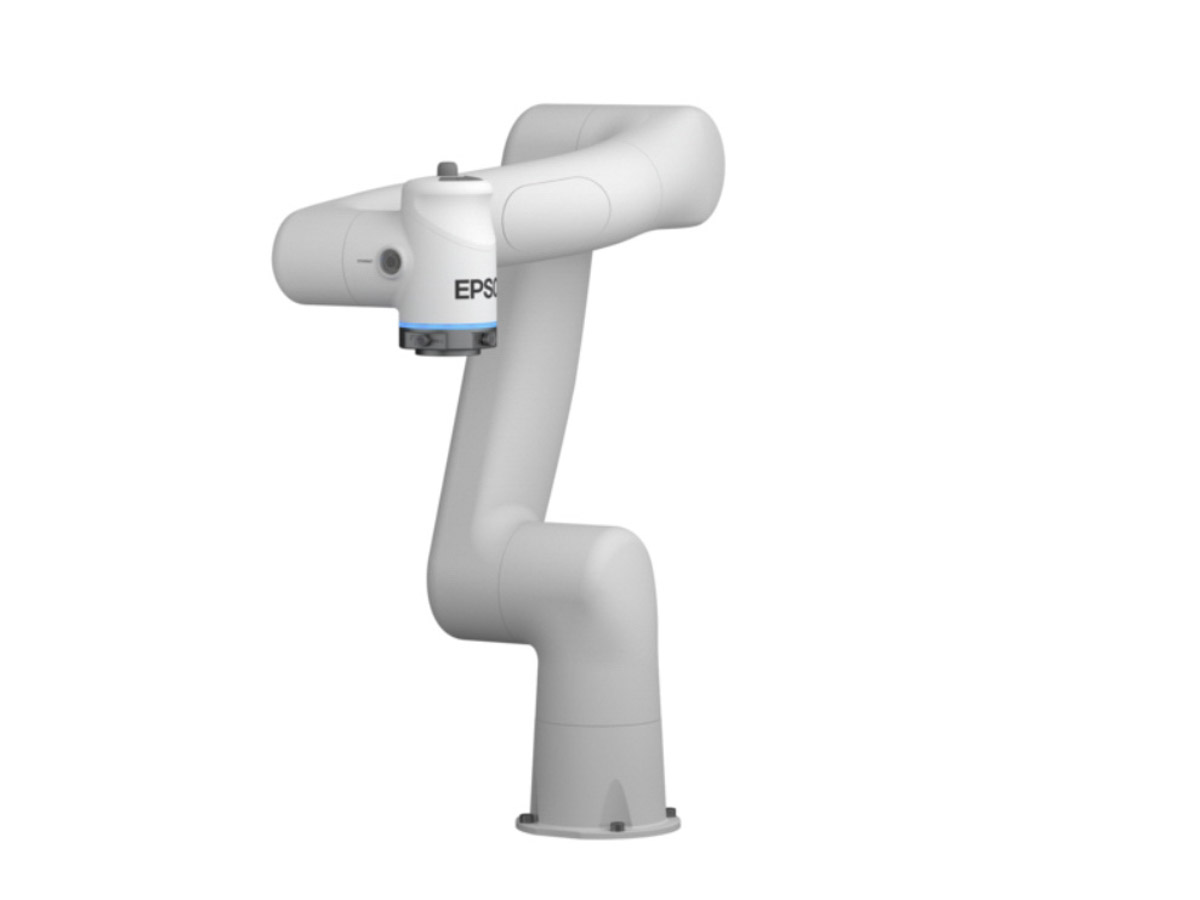
Epson might be best known for the printer sitting in the corner of the office, but the Japanese manufacturer has considerably bigger ambitions for moving things around. Its first collaborative robot, the AX6-A901S, is now available to order in Japan, complete with a carbon-fibre arm, Python programming and a compact controller that can be mounted on mobile robotic platforms.
According to Epson's Japanese announcement, orders opened on 29 October 2026. The robot originally made its debut in June 2025, so this is a commercial rollout rather than a brand-new unveiling.
The six-axis AX6-A901S offers a 900 mm reach and a maximum payload of 6 kg, with a repeatability rating of ±0.03 mm. Its carbon-fibre construction helps keep the robot's weight to approximately 18 kg. That is quite a lot of precision for a machine that weighs less than some suitcases.
As a collaborative robot, or cobot, the AX6-A901S is designed for applications where people and machines can work in closer proximity than in many traditional industrial installations. That doesn't give it an automatic invitation to join the workforce without supervision, however. Appropriate risk assessments and safety measures remain essential.
Programming the AX6-A901S needn't mean writing every instruction from scratch. Epson's AX Portal software supports Python alongside visual block-based programming, allowing users to build sequences through a graphical interface or work directly with code.
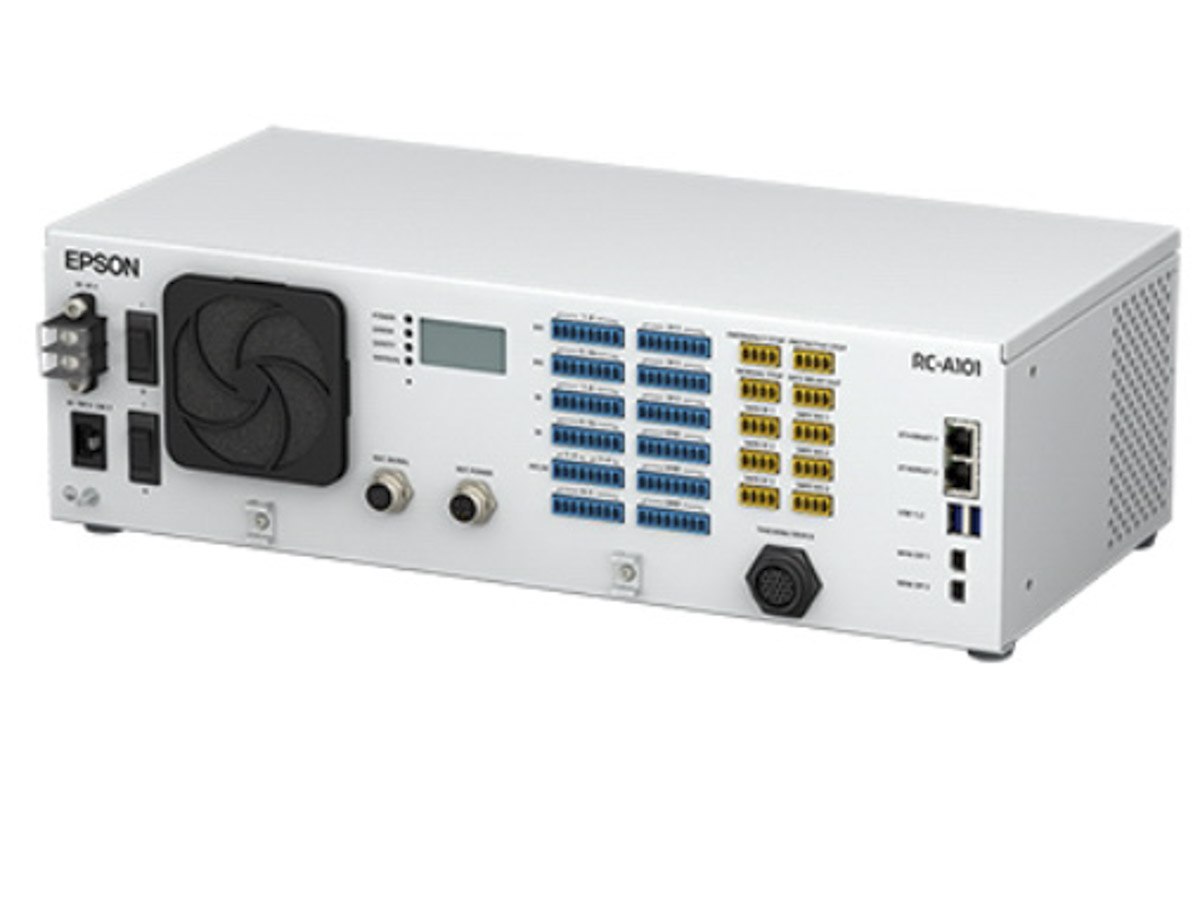
Epson's Japanese specifications put the RC-A101 controller at 5.5 kg, with support for both AC power and 48 V DC operation. That makes it suitable for integration with automated guided vehicles (AGVs) and autonomous mobile robots (AMRs). So, rather than spending its working life rooted to one spot, the robotic arm could potentially travel between workstations as part of a suitably configured mobile system.
Mobility is only part of the picture. Epson lists ISO Class 5 cleanroom compatibility and IP54 protection, although it notes that both ratings are based on design evaluations rather than guaranteed performance at shipment. Its smooth exterior is designed to make cleaning easier, a useful consideration in pharmaceutical and medical-device manufacturing or laboratory automation.
Epson is no stranger to industrial robotics, having spent decades developing automation equipment. The AX6-A901S is Epson's first collaborative robot, bringing the company into a category designed around more flexible installations and closer working arrangements between people and machines.
The company has not published a fixed retail price, with prospective buyers directed to its sales channels for a quotation.
For now, the AX6-A901S is unlikely to be making an appearance beside anyone's home printer. Epson has found its first cobot a rather more interesting job than feeding paper through a tray.
Source(s)
 Add as a preferred source on Google


