




Nvidia-backed AI robot installs solar panels twice as fast as humans
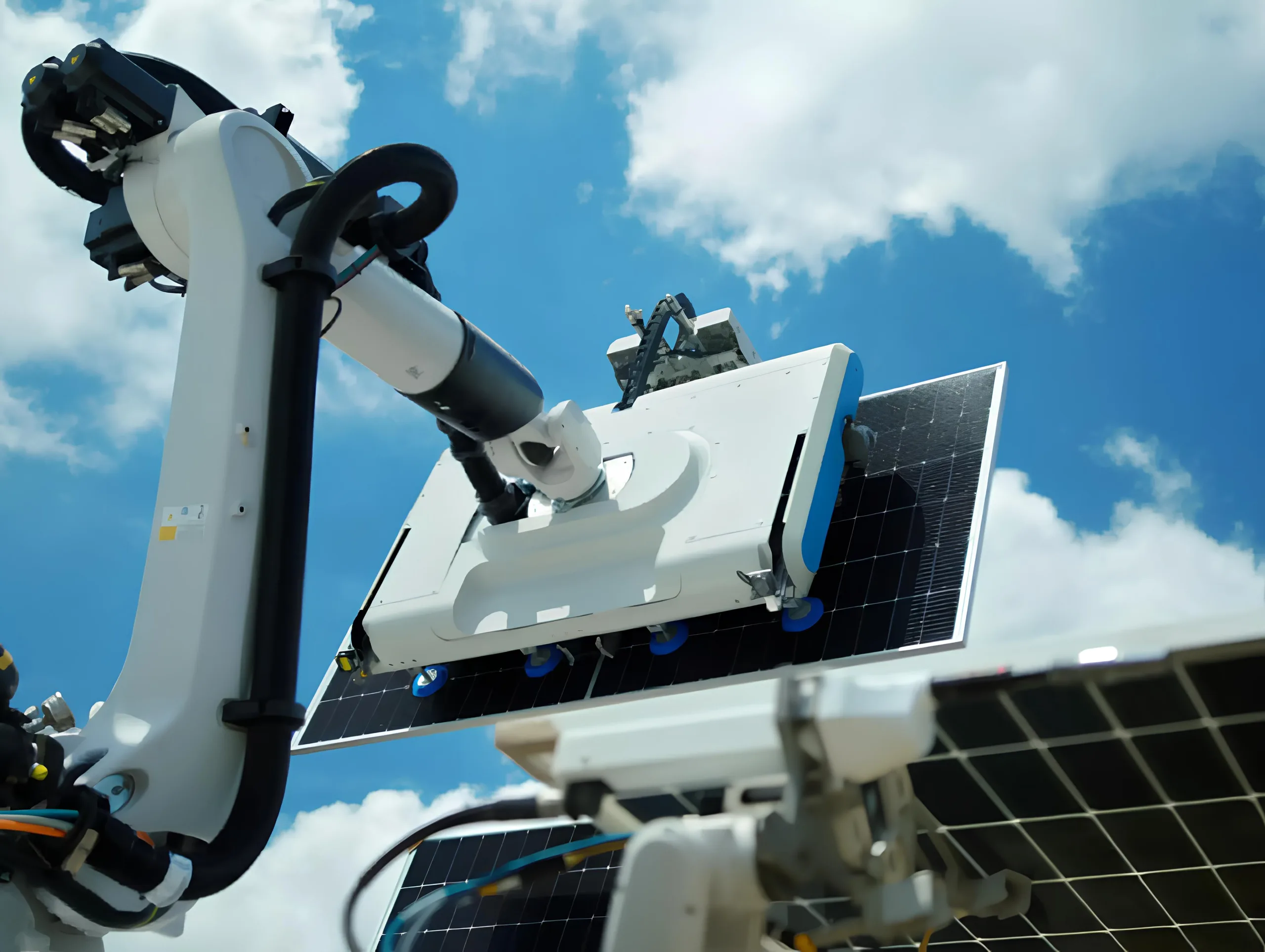
At the site, four Maximo units were recently deployed in parallel. According to the operator AES, version 3.0 of the solar robot consistently installed more than one module per minute. AES states that the robot is compatible with various module types.
To further broaden its range of applications, support for additional clips, rails, and trackers is expected to be added soon. However, the robot is not intended to fully replace human workers; instead, it works alongside them on-site. In this collaborative setup, Maximo reportedly reduces overall labor time by approximately 50 percent.
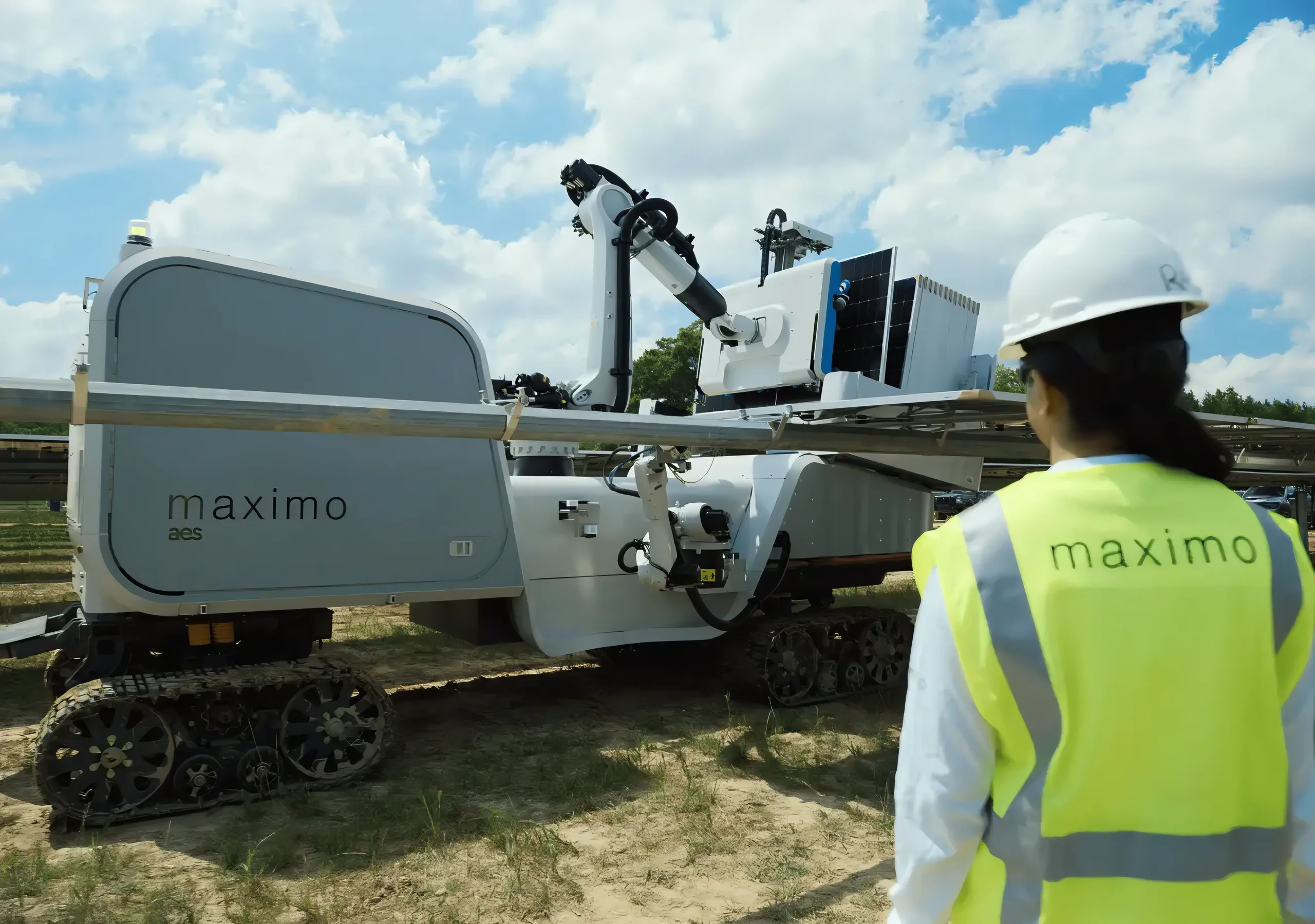
Only two people are required to operate the solar robot: one to move the system and another to oversee the installation process. AES explains that this significantly reduces the need for heavy lifting and frequent bending.
The company sees major advantages in terms of installation speed, safety, and consistent assembly quality on large-scale solar projects. It should be noted, however, that the robot itself has a relatively high energy demand, which is supplied via batteries.
Solar Robots: Nvidia and Amazon Support Development and Operations
Nvidia and Amazon Web Services (AWS) are serving as technical partners for Maximo. According to the company, Nvidia technologies such as Omniverse and Isaac Sim are utilized for the development, simulation, and preparation of the robot’s deployment. This allows the team to test new features in a physics-based environment, verify workflows virtually, and validate adjustments before they are implemented on the construction site.
AWS provides the cloud infrastructure for the AI, including computing power, software deployment, and data analysis from ongoing site operations. Looking ahead, AWS and Nvidia will provide the technical backbone to ensure that the robots operate consistently as the fleet continues to grow.
Source(s)
AES via PR Newswire
 Add as a preferred source on Google


