




Payback in 4 years? Tesvolt's new commercial battery aims to achieve what residential users can only dream of
Anyone reading about returns of 20 to 25 percent quickly takes notice. Tesvolt promises exactly this with its new energy storage system for commercial and industrial applications, the PowerCore G2. Even if it seems paradoxical (since private customers pay significantly higher electricity prices), such fast payback periods are usually not possible in residential use cases.
This is primarily due to economies of scale. Because industrial plants are many times larger than private systems, the costs per kWh of storage capacity drop significantly. Fixed costs (grid connection, scaffolding, planning, and similar expenses) are also distributed much better and carry less weight. Furthermore, companies can use energy storage systems for peak shaving. This can often be highly lucrative because, in the industrial sector, a demand charge (€/kW) is levied in addition to the energy charge (€/kWh). This charge can be reduced significantly with a battery that kicks in during periods of particularly high consumption.
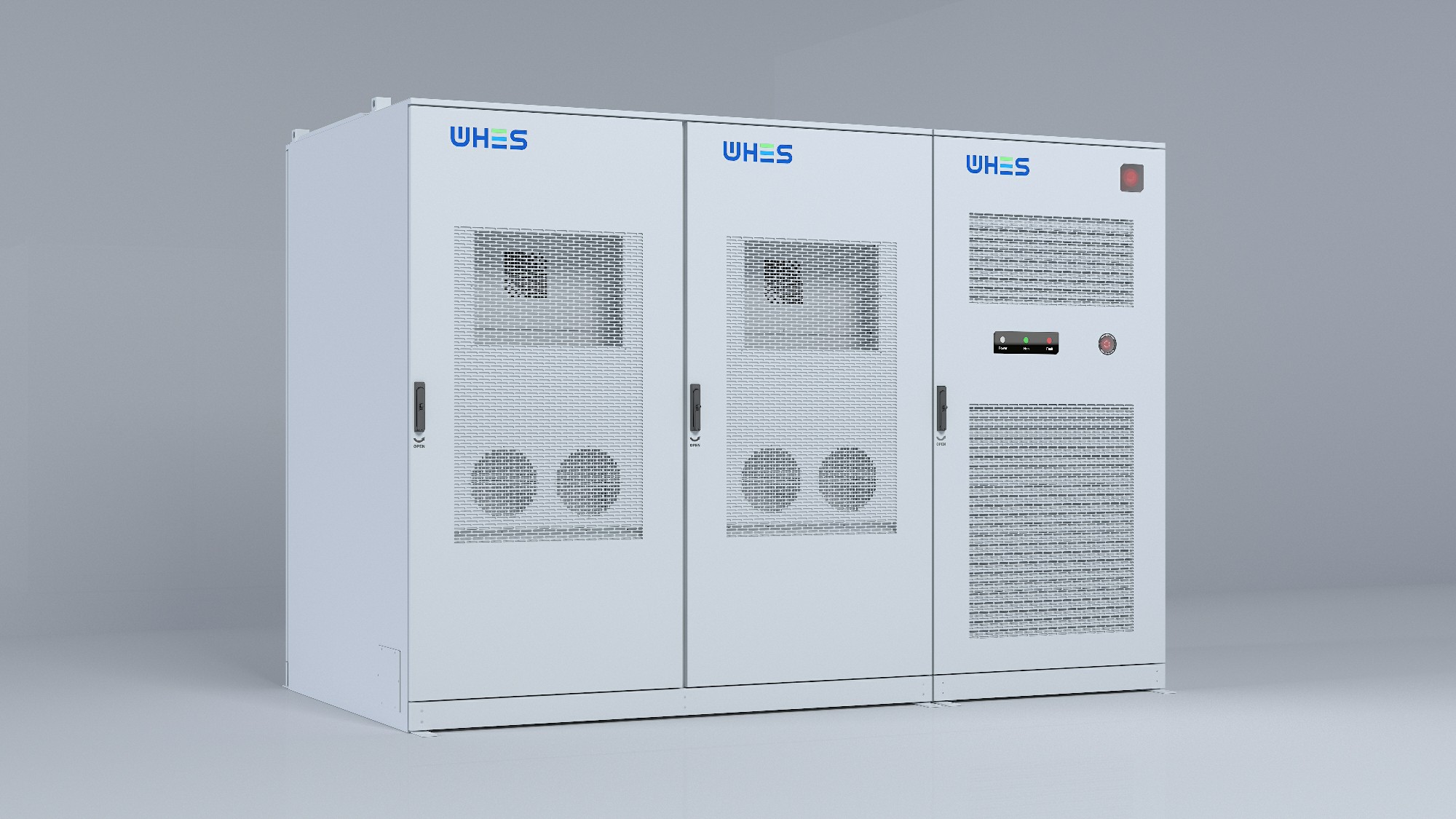
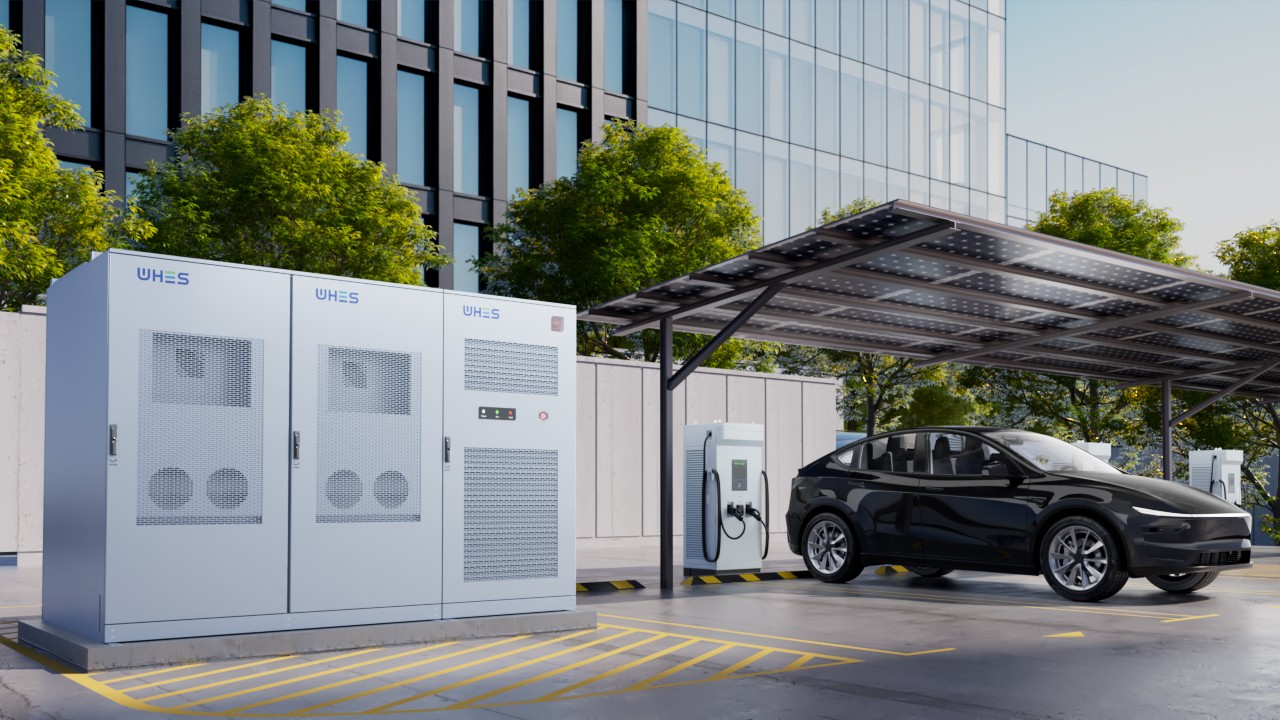
With dimensions of around 6.6 x 4.9 x 6.6 feet (W x D x H) and a projected cost of at least 100,000 euros (the exact price is not publicly known), the system is probably not suitable for your own backyard anyway. (Although: the system can be operated at temperatures ranging from -4 °F to 131 °F, making it perfectly suited for outdoor use.) Taking a look at the specs is quite interesting nonetheless:
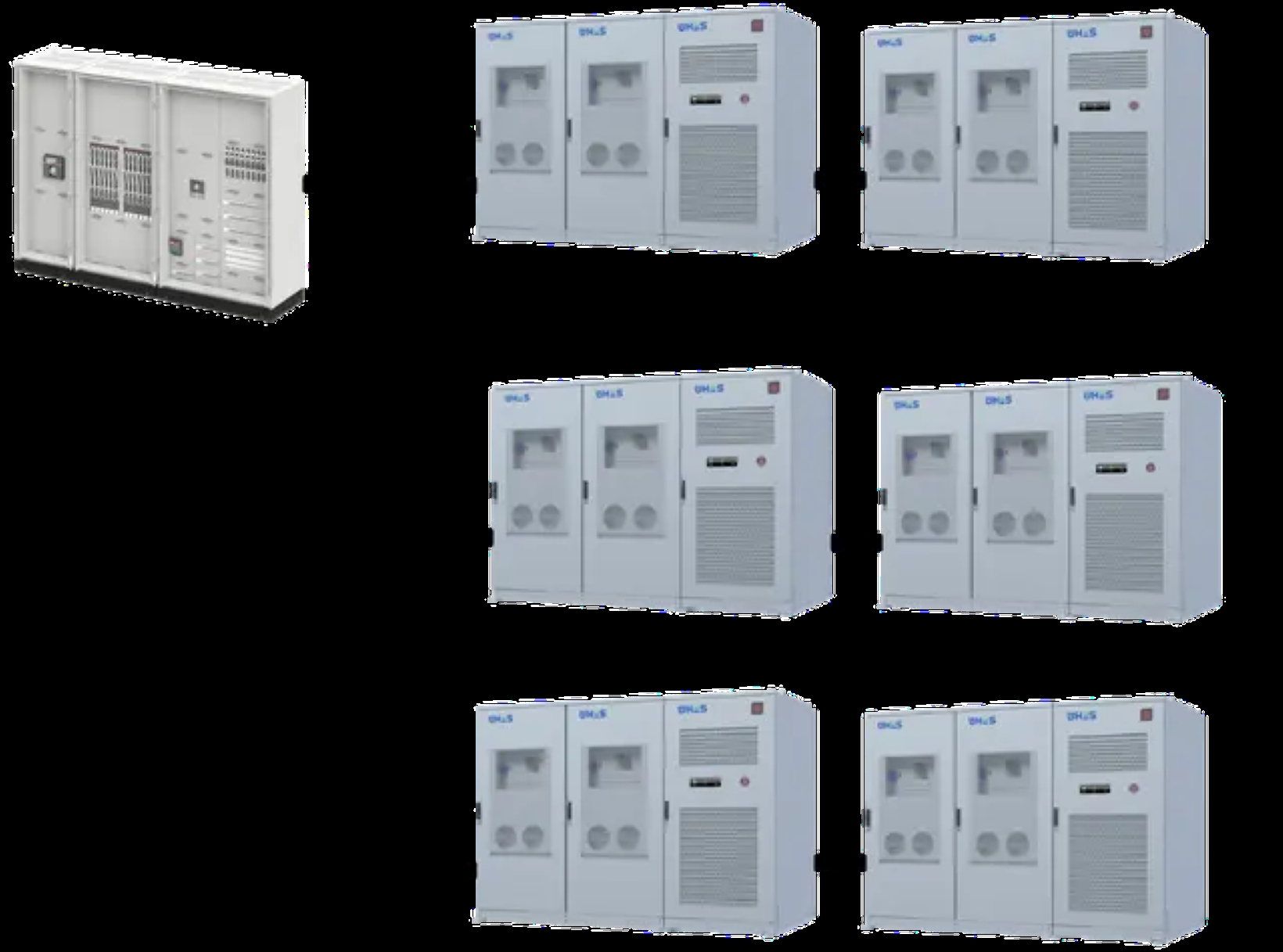
Manufactured by WHES, the storage unit utilizes CATL 306 Ah lithium iron phosphate (LFP) battery packs and offers (in its smallest possible configuration!) a charge and discharge rate of around 250 kW with 500 kWh of storage capacity. For fire suppression, smoke and temperature detectors, aerosol extinguishing systems, and sprinklers are integrated; the inverter is air-cooled, while the battery uses liquid cooling. With a nominal battery voltage of 832 V, it is also a high-voltage system.
Reasonable alternatives from the residential segment would be the new energy storage system from Fronius (which is also a high-voltage system) or slightly more affordable options from Deye, Pylontech, Dyness, and Co.
Source
 Add as a preferred source on Google


