





Verdict on the Motorola Razr+ 2026
With a significantly faster processor, lightning-fast memory, Wi-Fi 7, and an even larger external display, the Motorola Razr Plus 2026 (Razr 70 Plus) aims to set itself apart from the standard model. It succeeds well in our test, and the upgrades are noticeable even in everyday use.
Since the price has already dropped significantly online, the Razr Plus is an interesting alternative for anyone who doesn’t want to splurge on the expensive Razr Ultra 2026.
You’ll have to make some compromises when it comes to the battery: This model has the smallest battery in the series, and unfortunately, that’s noticeable in its battery life. The device can also get quite warm; the phone occasionally warns of overheating but continues to function without any issues afterward.
The camera system takes decent photos, but due to the lack of a telephoto lens, it isn’t quite as versatile as on higher-end models.
Overall, the Motorola Razr Plus 2026 is an interesting addition to the series. It’s well-suited for anyone who wants a bit more features and decent processing power in their foldable.
Pros
Cons
Price and availability

If you buy the Razr Plus 2026 directly from the manufacturer, it costs just under US$ 1,100.
amazon.com charges the same price.

Table of Contents
- Verdict on the Motorola Razr+ 2026
- Specifications
- Case and features – Green only
- Communication and operation – Flip phone with great Wi-Fi
- Software and sustainability – Confusion over updates
- Cameras – Good image quality
- Display – Twice as fast with AMOLED
- Performance, emissions, and battery life – Moderate endurance
- Notebookcheck overall rating
- Comparison of Possible Alternatives
Specifications
Case and features – Green only
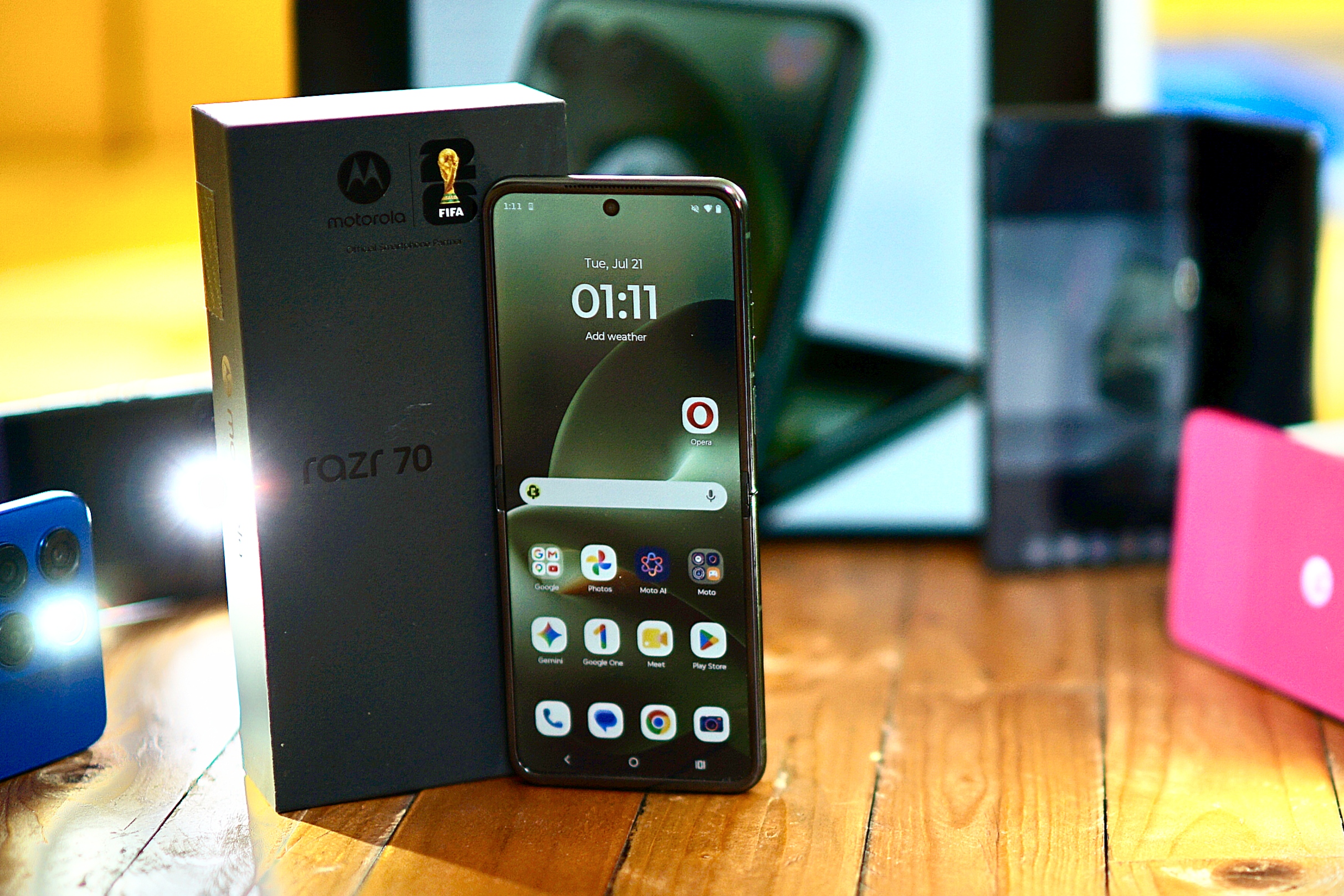
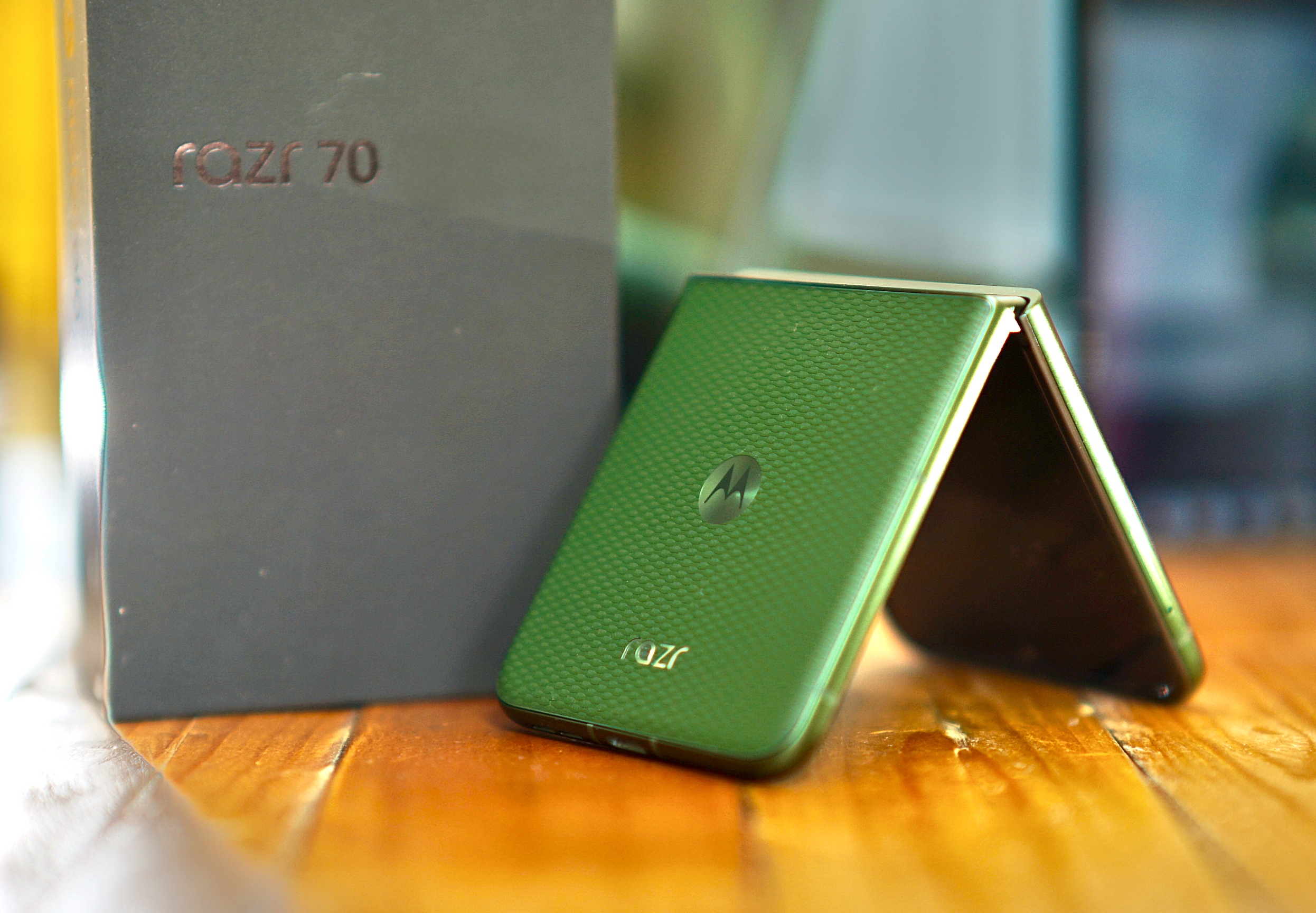
While the Razr 2026 and Razr Ultra 2026 offer several color options, the Razr Plus is only available in “Mountain View,” a shade of green. The back is covered with a soft, textured plastic material.
The phone is very solidly built. It offers excellent water protection with a IP48 rating, though you should avoid dusty environments.
The hinge provides sufficient resistance while still allowing for smooth opening.
It comes with 12 GB of RAM, and in Europe, it features 512 GB of UFS 4.1 storage; however, a 256 GB version is also available internationally. It supports eSIM, but you’ll have to make do with a relatively slow USB 2.0 port.


Communication and operation – Flip phone with great Wi-Fi
With Wi-Fi 7, the fastest Wi-Fi standard currently available is on board. In our review, the Razr+ 2026 (Razr 70+) achieved download speeds of up to 1.792 Mbit/s.
It offers comprehensive support for 5G and 4G mobile bands, making the Razr Plus 2026 well-suited for anyone who travels frequently.
Both the inner and outer screens feature a 165-Hz AMOLED display, which responds very precisely to our inputs. The fingerprint reader for unlocking is hidden in the standby button, making it easily accessible even when the phone is closed. It unlocks the phone effortlessly and without any delay.
| Networking | |
| Motorola Razr 70 Plus | |
| iperf3 transmit Wi-Fi6/7 RT-BE96U | |
| iperf3 receive Wi-Fi6/7 RT-BE96U | |
| Motorola Razr 70 | |
| iperf3 transmit AXE11000 6GHz | |
| iperf3 receive AXE11000 6GHz | |
| Samsung Galaxy Z Flip7 | |
| iperf3 transmit AXE11000 | |
| iperf3 receive AXE11000 | |
| Xiaomi Mix Flip 2 | |
| iperf3 transmit AXE11000 6GHz | |
| iperf3 receive AXE11000 6GHz | |
| Average 802.11 a/b/g/n/ac/ax/be | |
| iperf3 transmit AXE11000 | |
| iperf3 receive AXE11000 | |
| iperf3 transmit AXE11000 6GHz | |
| iperf3 receive AXE11000 6GHz | |
| iperf3 transmit Wi-Fi6/7 RT-BE96U | |
| iperf3 receive Wi-Fi6/7 RT-BE96U | |
| Average of class Smartphone | |
| iperf3 transmit AXE11000 | |
| iperf3 receive AXE11000 | |
| iperf3 transmit AXE11000 6GHz | |
| iperf3 receive AXE11000 6GHz | |
| iperf3 transmit Wi-Fi6/7 RT-BE96U | |
| iperf3 receive Wi-Fi6/7 RT-BE96U | |
Software and sustainability – Confusion over updates
Motorola installs Android 16 out of the box and leaves Google’s operating system largely unchanged.
Security patches are expected to be available until 2030—that is, for four years after the device’s market launch. This is significantly less than what the EU requires; the EPREL database also lists the device with a six-year support period. However, Motorola will likely only keep updates avaiable for that long and won't renew them after four years.
The packaging is plastic-free; otherwise, there is unfortunately very little information available regarding the device’s sustainability.
Cameras – Good image quality


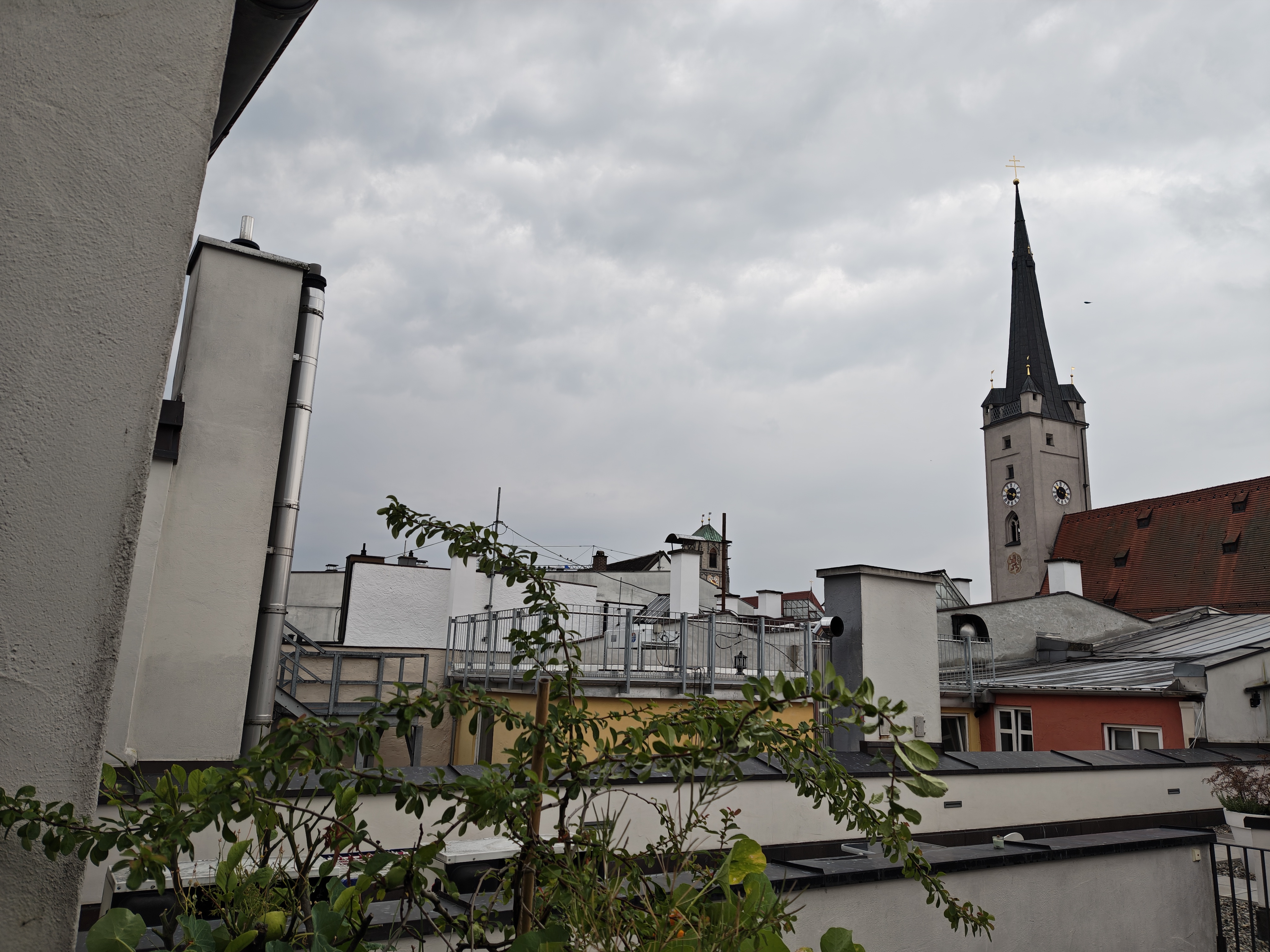
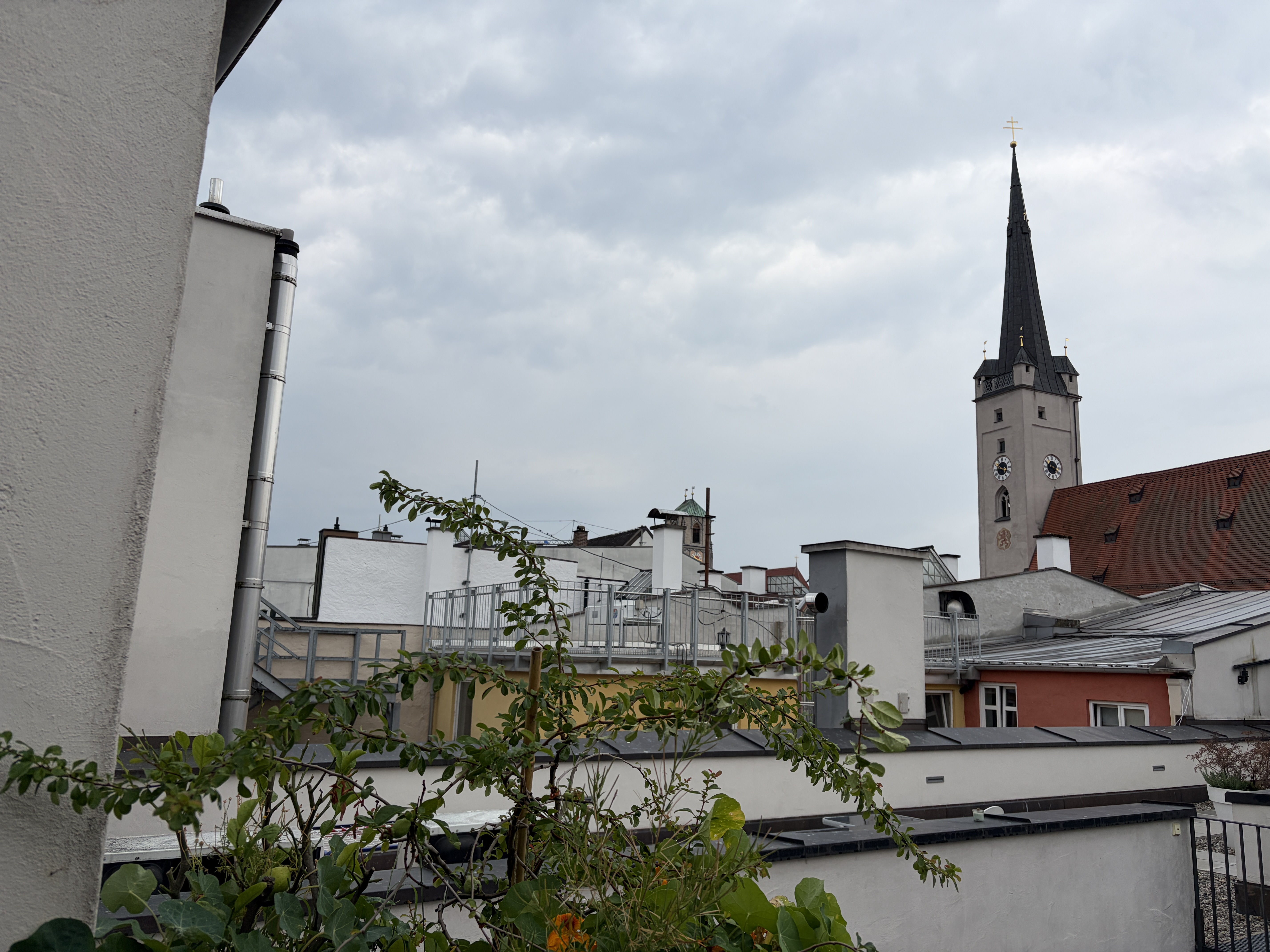
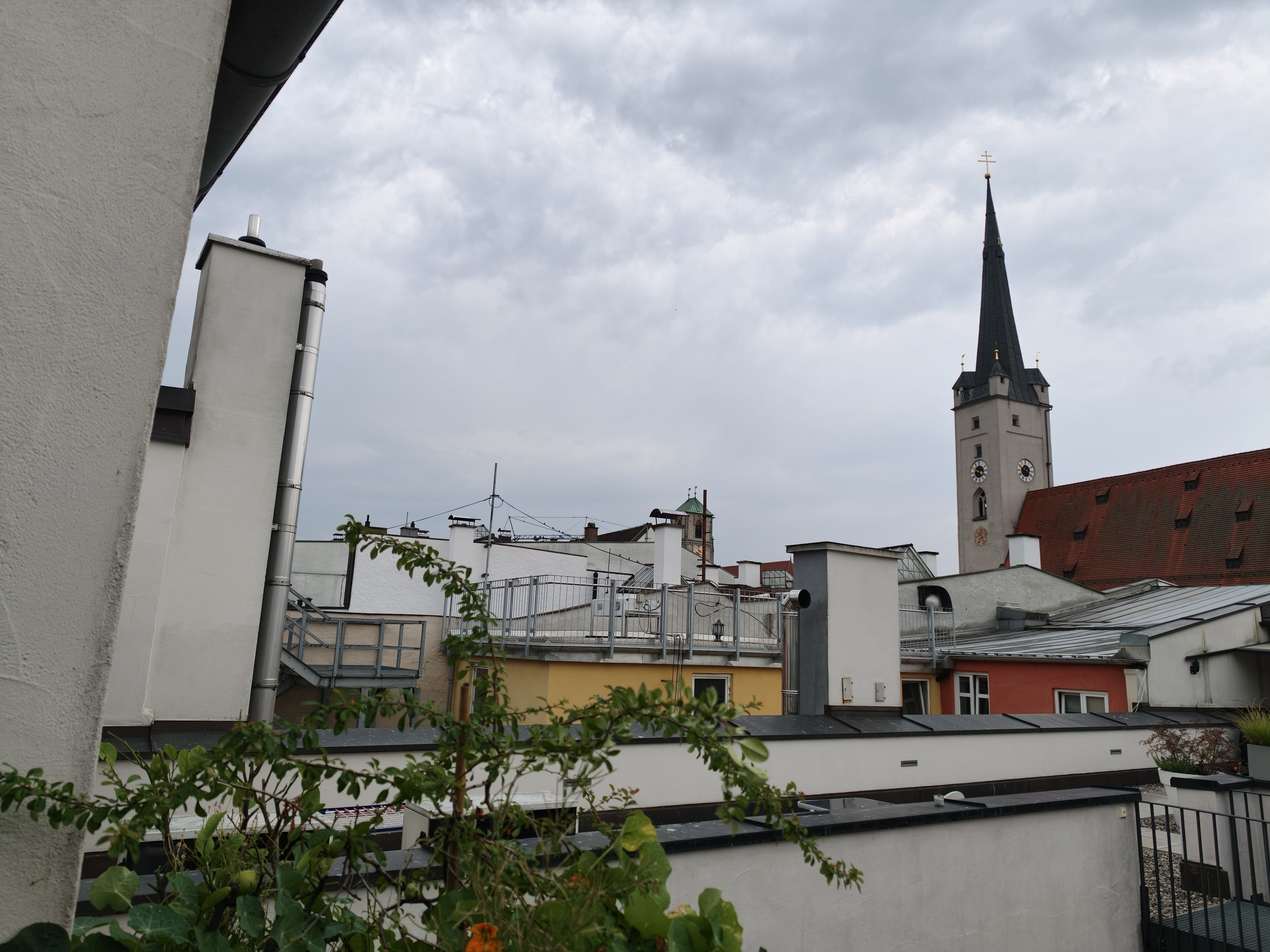
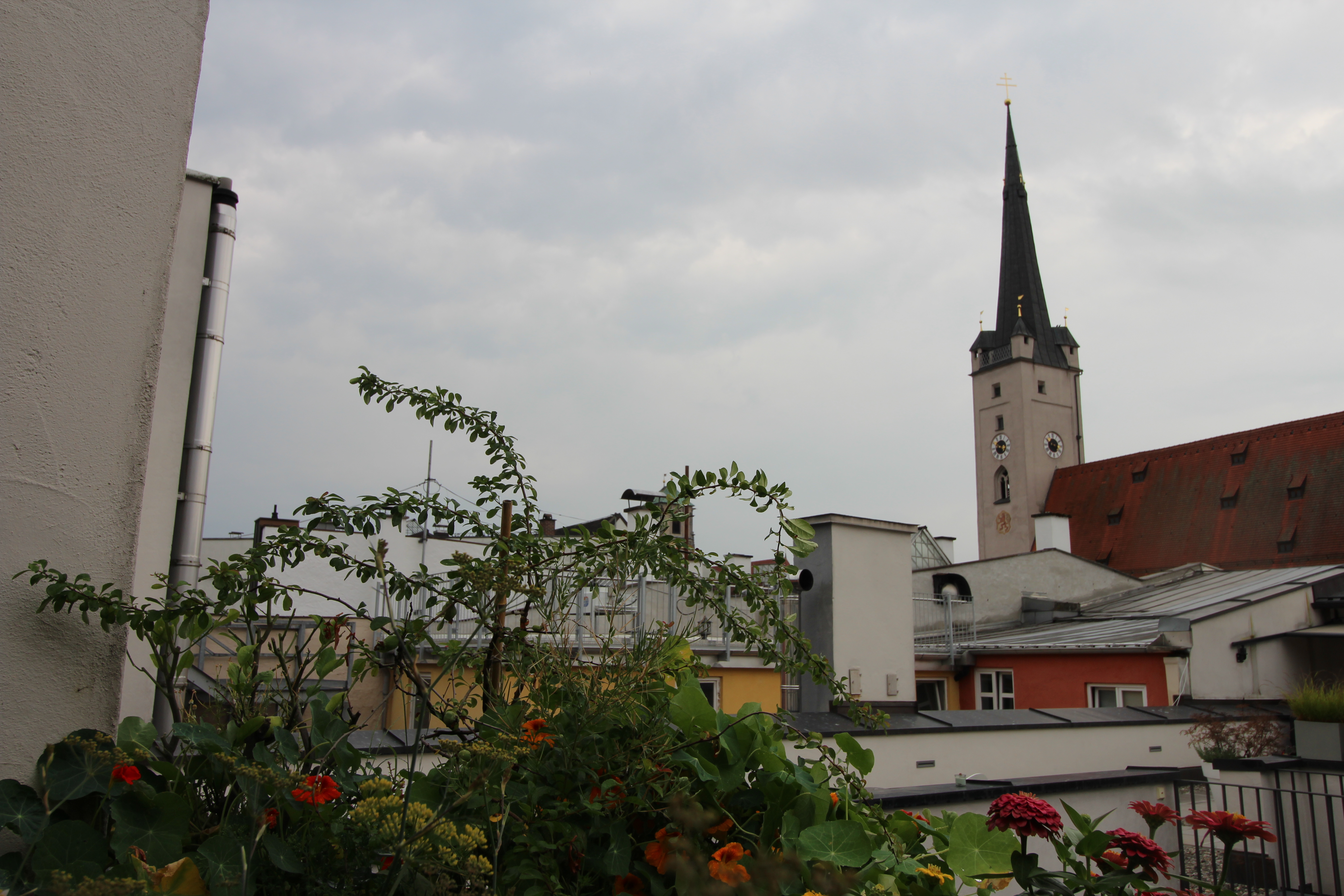
On the back are two Samsung camera sensors: the Isocell GN8 for the main camera and the Isocell JN1 for the wide-angle camera. This means the camera system is identical to that of the Razr Ultra 2026. The only difference is that Motorola has disabled 8K video recording on the Plus model.
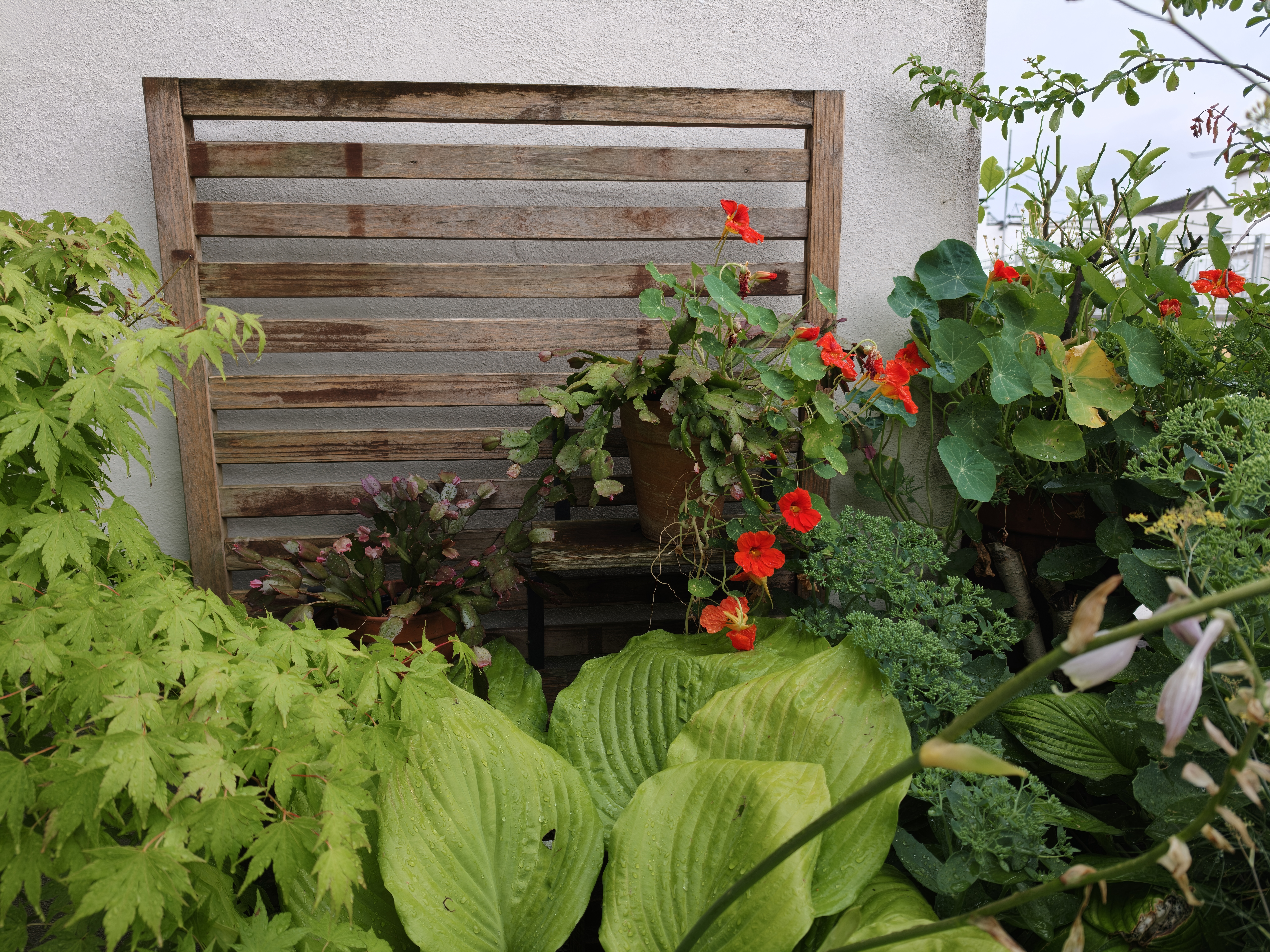
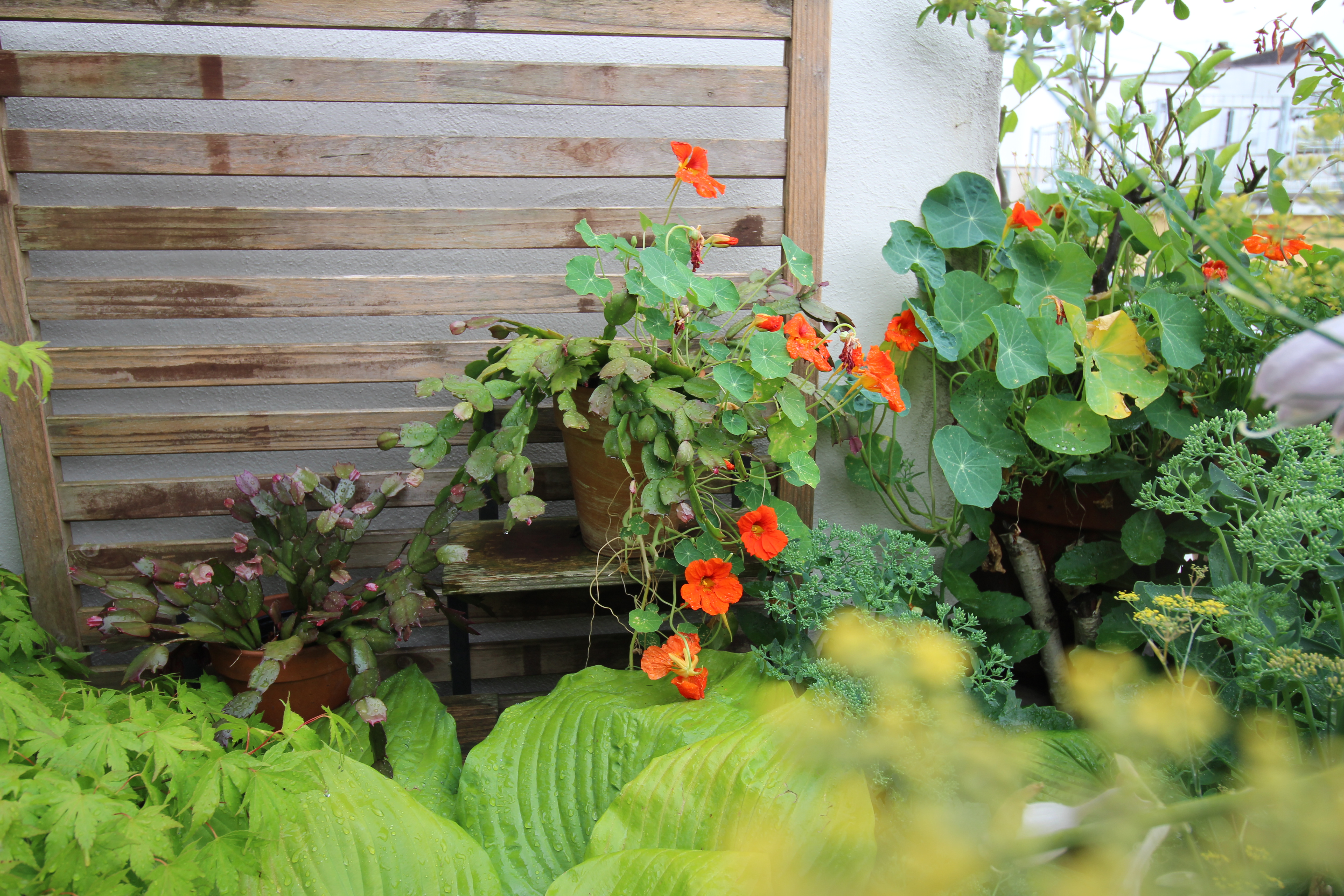
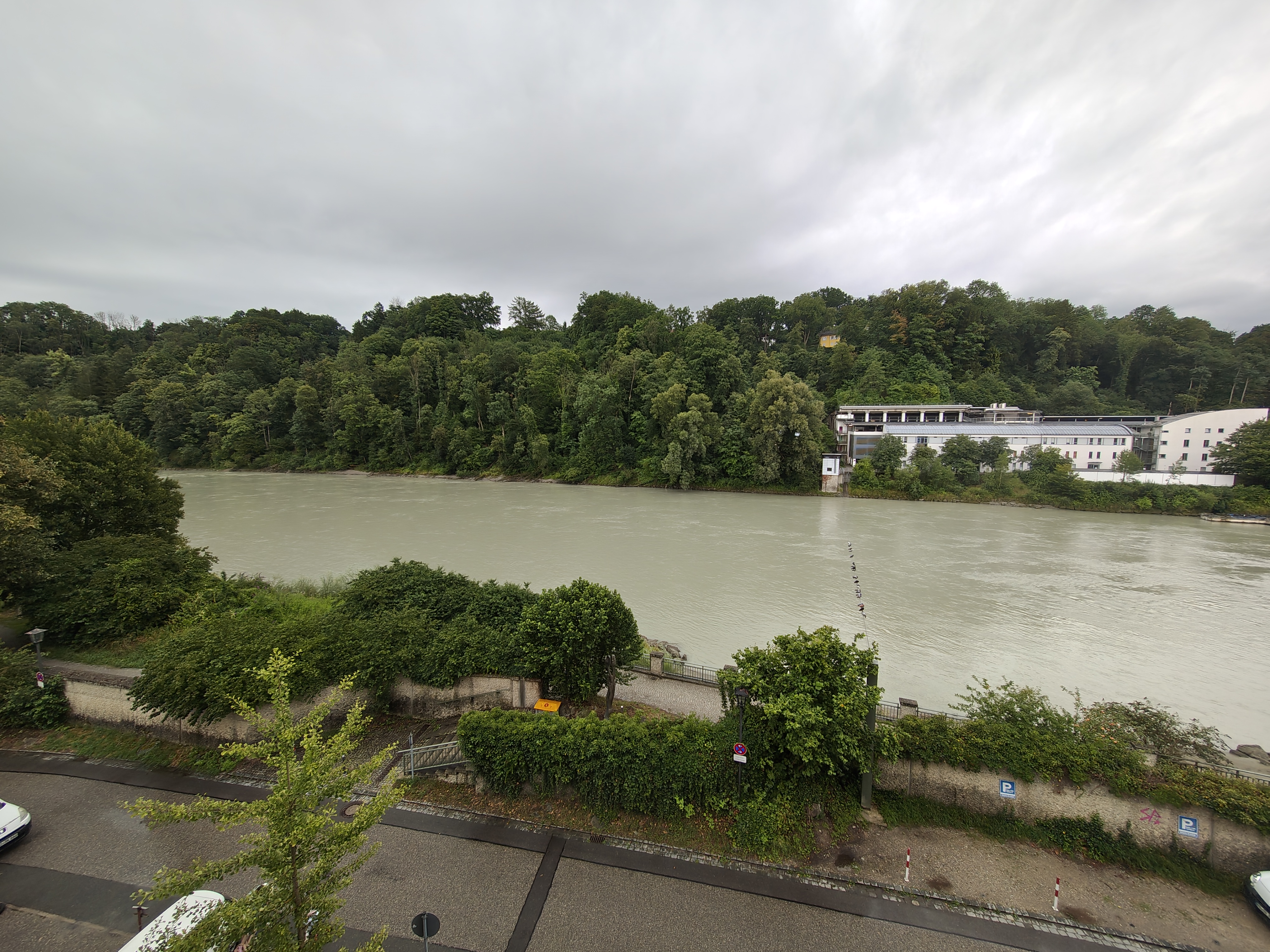
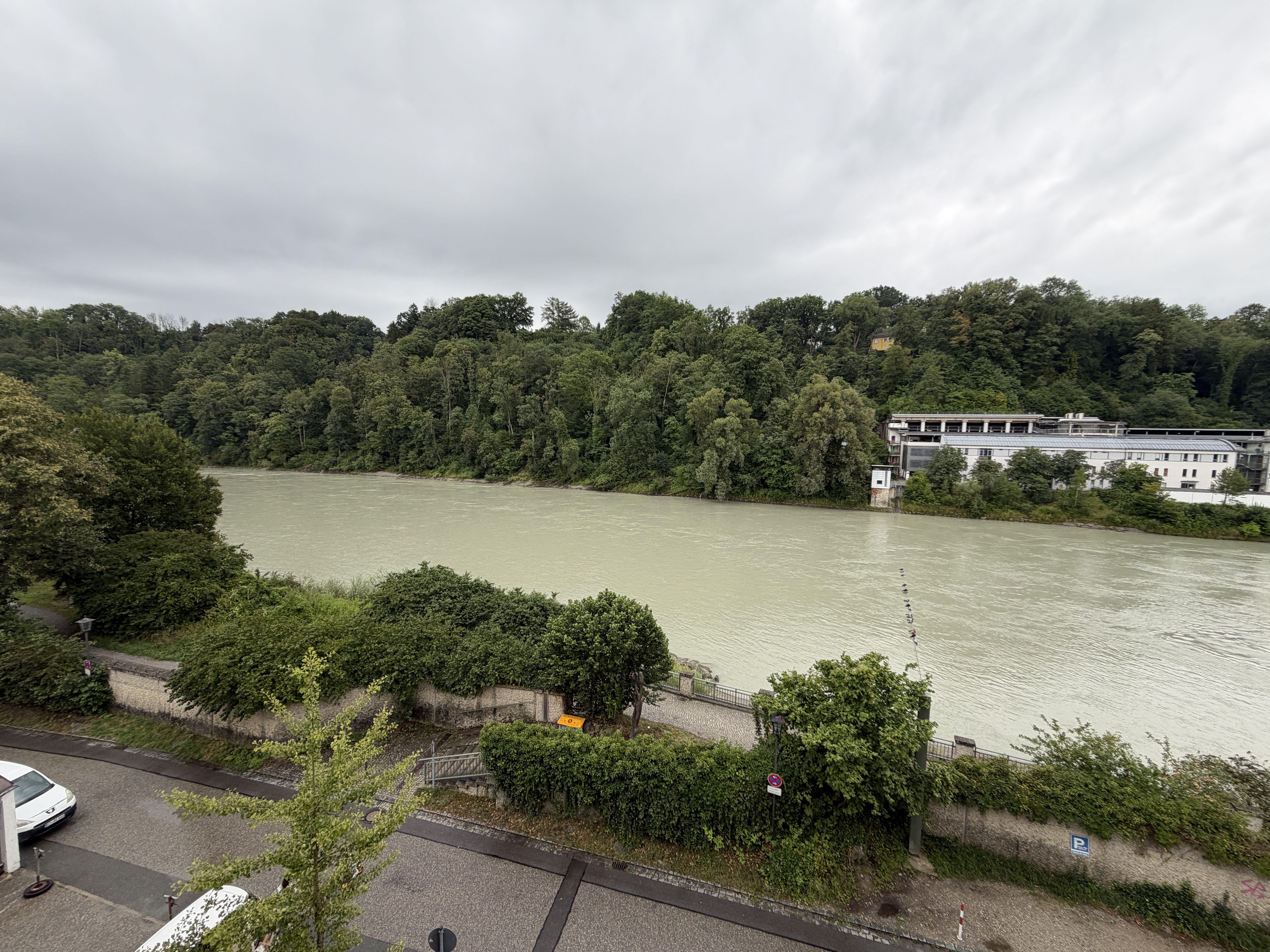
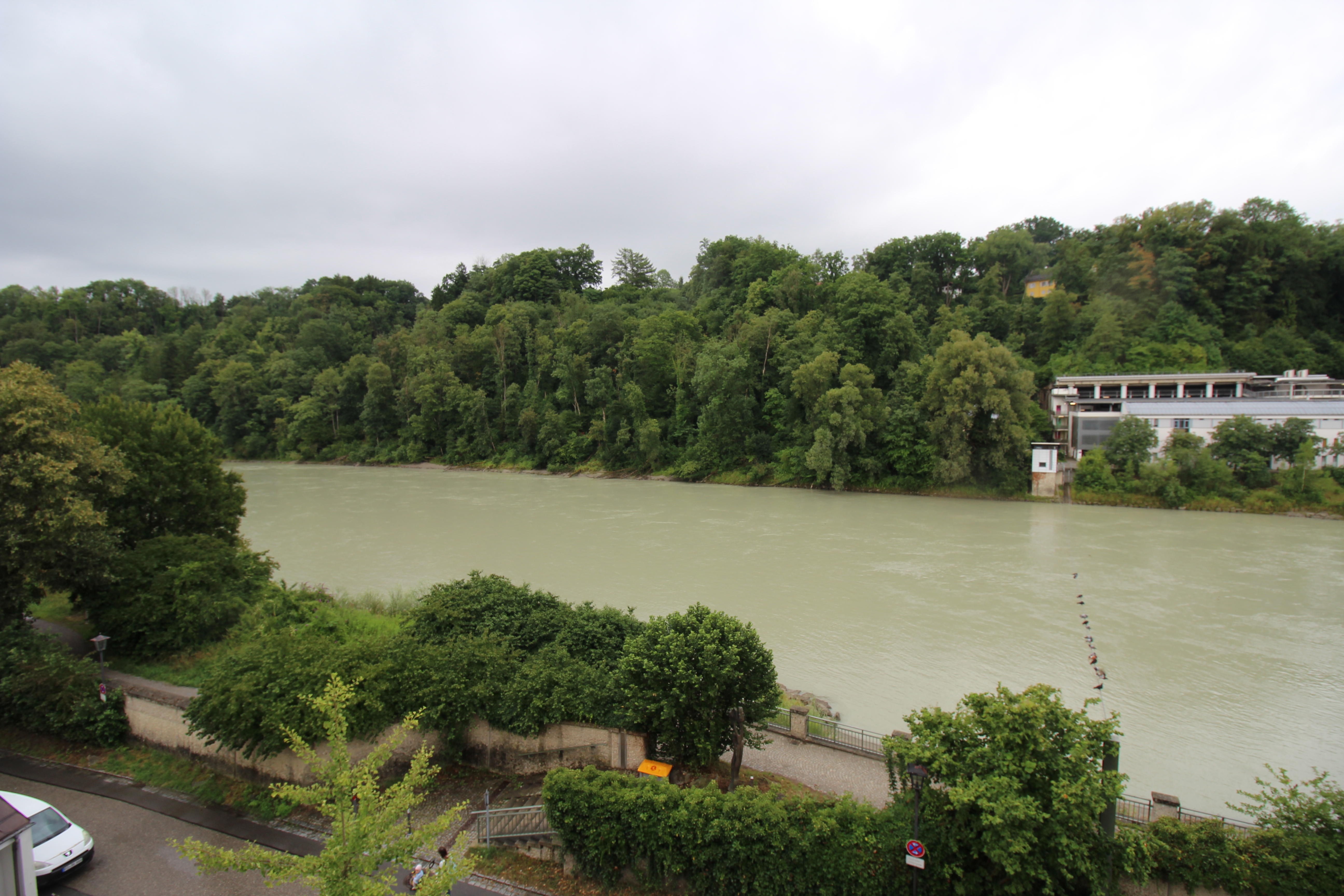
Photos from the main camera are impressive: details are rendered very accurately, and the phone takes good photos even in low light. You shouldn’t zoom in too much on ultra-wide-angle shots due to a lack of detail.
Thanks to the external display, you can also conveniently take selfies with the main camera. Overall, these turn out better than those taken with the internal selfie camera, though the selfies from the internal camera are still okay.
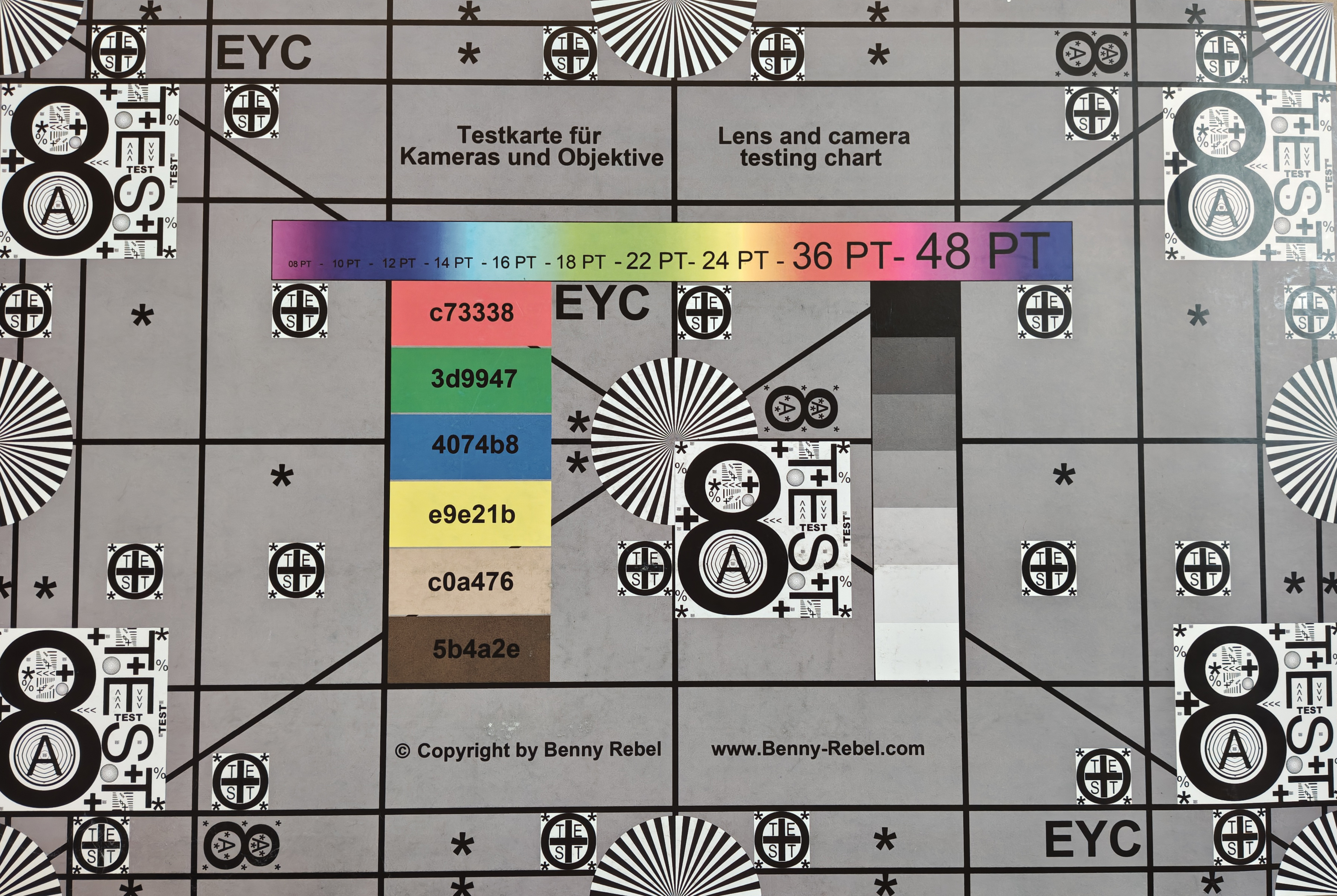
Image comparison
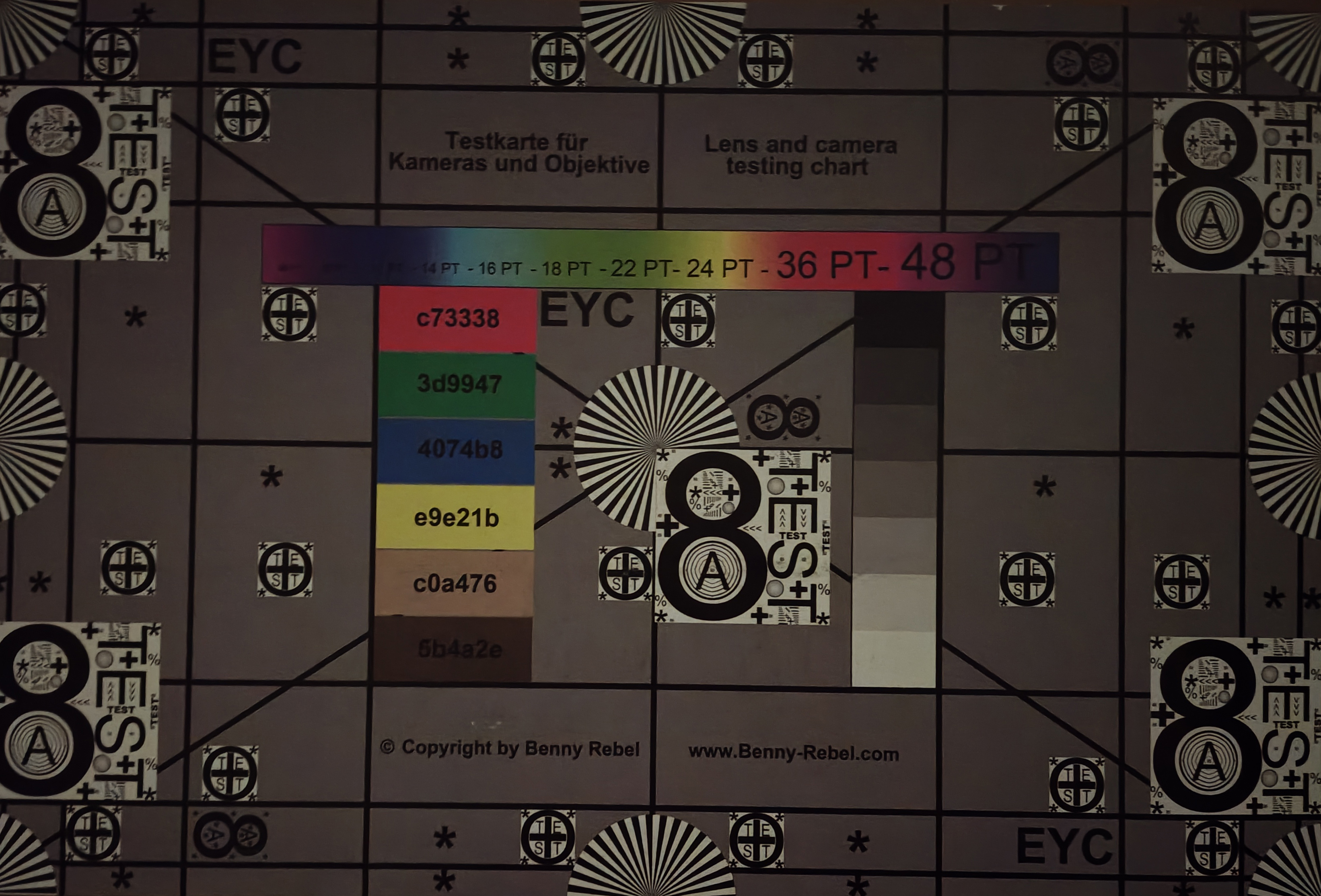
Choose a scene and navigate within the first image. One click changes the position on touchscreens. One click on the zoomed-in image opens the original in a new window. The first image shows the scaled photograph of the test device.
PlantSurroundingLow LightUltra wide angle











Display – Twice as fast with AMOLED
The inner display comes from the Razr 2026 and offers very similar specifications. The resolution is high, and after two weeks of testing, the crease is still barely visible or noticeable. The display is slightly longer and narrower than on conventional cell phones.
Since it’s an AMOLED display, you’ll have to put up with PWM flickering to dim the brightness, which occurs at 180 Hz. People who are sensitive to this should therefore try out the phone before buying it.
The external display, on the other hand, comes from the Razr Ultra 2026 and, at 4 inches, is quite large; however, the external cameras are integrated into it.
Here, the PWM flicker occurs at a slightly higher refresh rate, so it may be a bit more comfortable for sensitive users.
| |||||||||||||||||||||||||
Center on Battery: 1347 cd/m²
Contrast: ∞:1 (Black: 0 cd/m²)
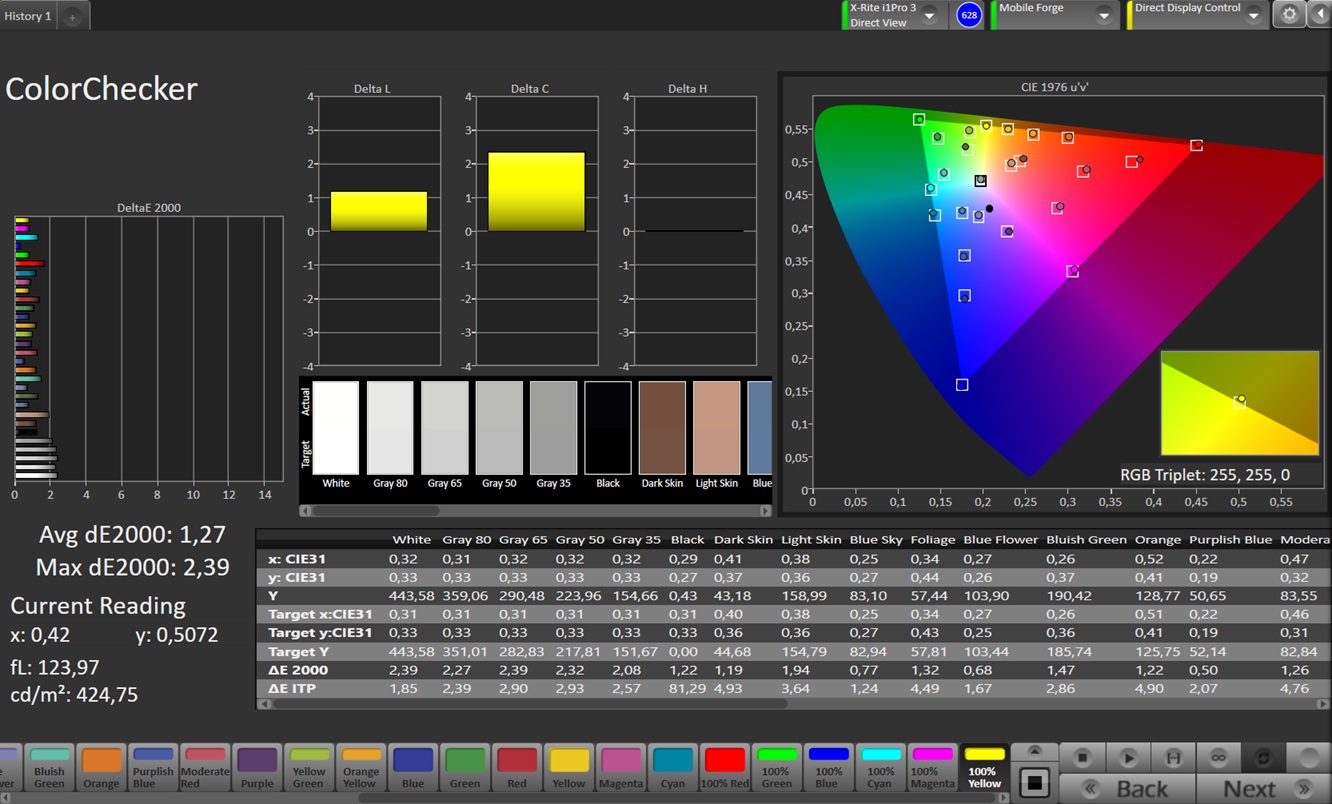
ΔE ColorChecker Calman: 1.27 | ∀{0.5-29.43 Ø4.69}
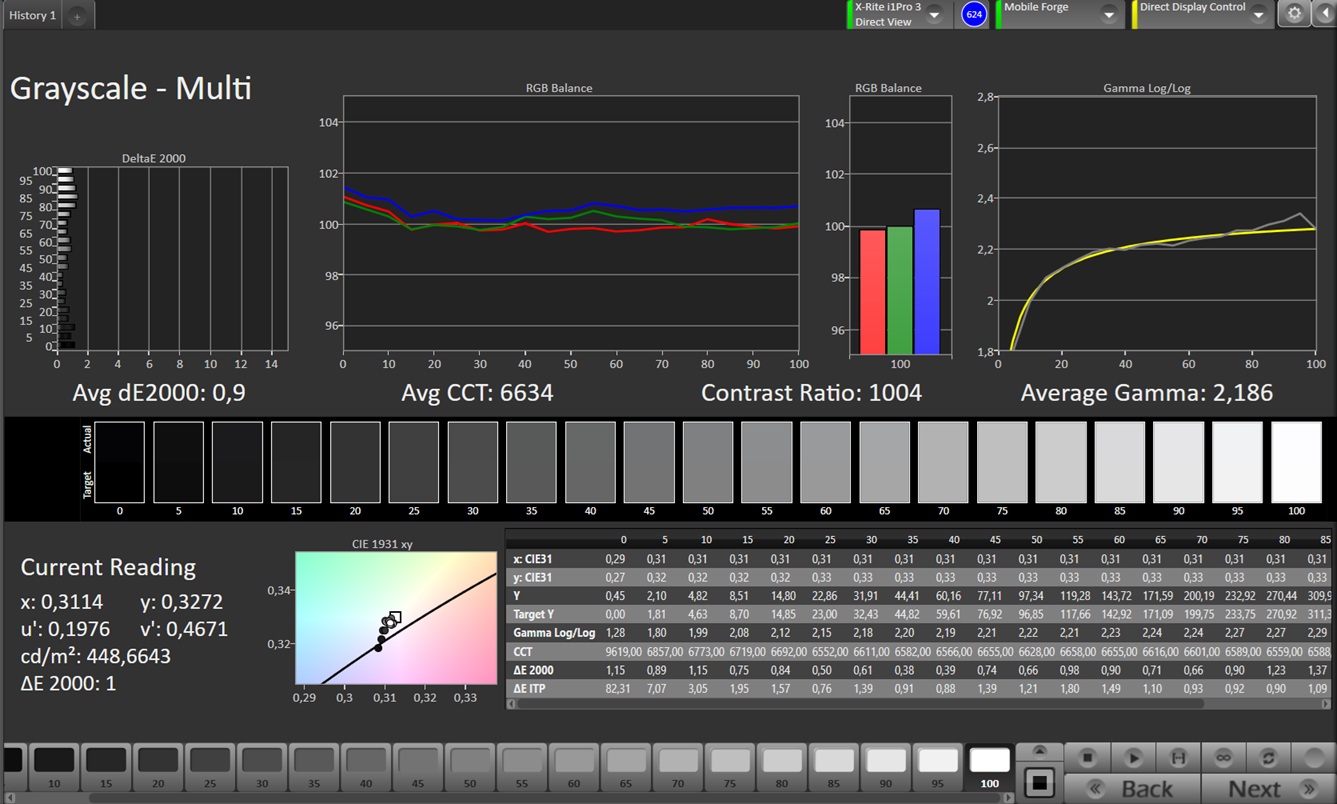
ΔE Greyscale Calman: 1.9 | ∀{0.09-98 Ø4.94}
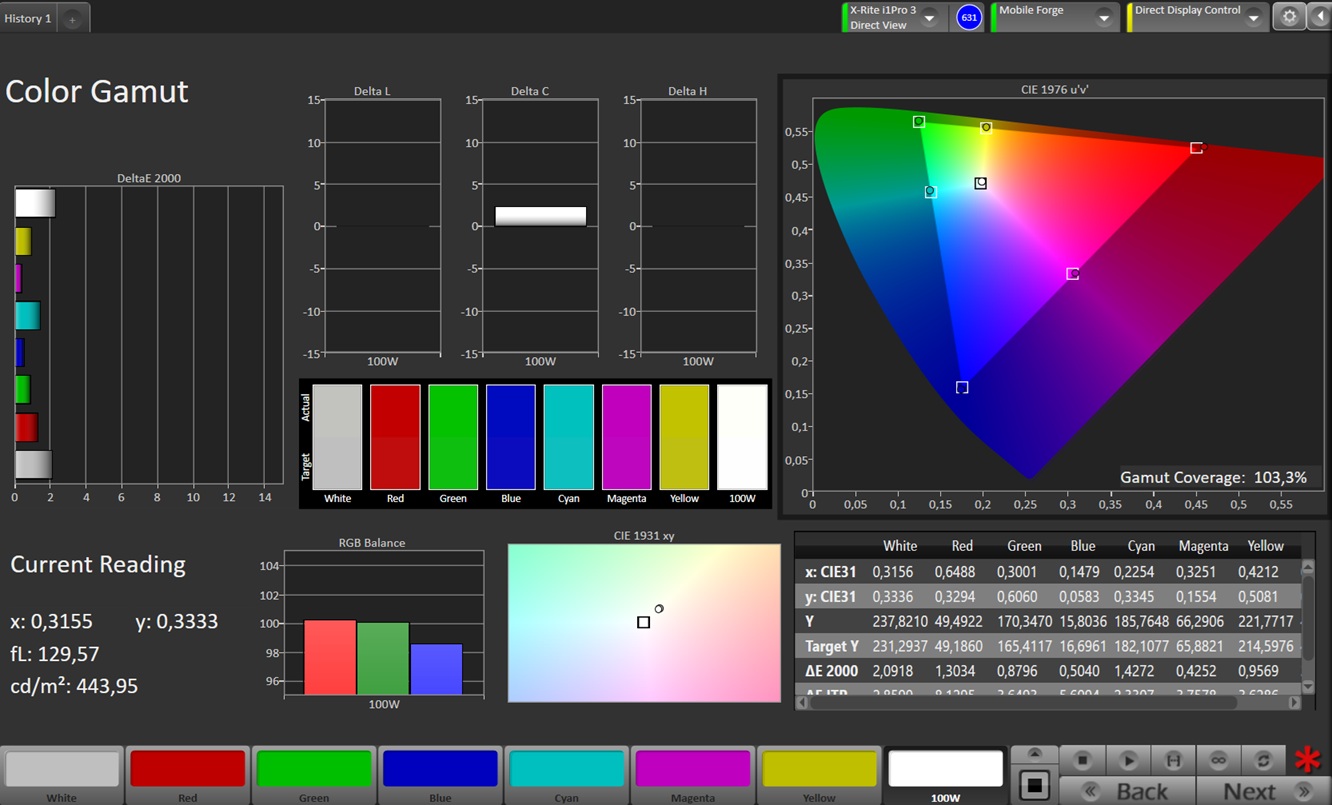
103.3% sRGB (Calman 2D)
Gamma: 2.173
CCT: 6374 K
| Motorola Razr 70 Plus AMOLED, 2640x1084, 6.9" | Motorola Razr 70 AMOLED, 2640x1080, 6.9" | Samsung Galaxy Z Flip7 AMOLED, 2520x1080, 6.9" | Xiaomi Mix Flip 2 AMOLED, 2912x1224, 6.9" | |
|---|---|---|---|---|
| Display | 3% | -7% | ||
| APL18 Peak Brightness (cd/m²) | 2765 | 2777 0% | 2635 -5% | |
| HDR Peak Brightness (cd/m²) | 2684 | 2845 6% | 2431 -9% | |
| Response Times | -2424% | 10% | -44% | |
| Response Time Grey 50% / Grey 80% * (ms) | 0.6 ? | 44 ? -7233% | 0.64 ? -7% | 1.4 ? -133% |
| Response Time Black / White * (ms) | 1.6 ? | 2.2 ? -38% | 1.05 ? 34% | 1 ? 37% |
| PWM Frequency (Hz) | 180 | 67 | 240 | 121 |
| PWM Amplitude * (%) | 14 | 14 -0% | 13.64 3% | 19 -36% |
| Screen | 5% | -24% | -40% | |
| Brightness middle (cd/m²) | 1346 | 1331 -1% | 1349 0% | 1077 -20% |
| Black Level * (cd/m²) | ||||
| Colorchecker dE 2000 * | 1.27 | 1.2 6% | 2.2 -73% | 2.11 -66% |
| Colorchecker dE 2000 max. * | 2.39 | 2.18 9% | 3.3 -38% | 3.62 -51% |
| Greyscale dE 2000 * | 1.9 | 1.8 5% | 1.6 16% | 2.3 -21% |
| Gamma | 2.173 101% | 2.2 100% | 2.06 107% | 2.155 102% |
| CCT | 6374 102% | 6248 104% | 6484 100% | 6275 104% |
| Brightness (cd/m²) | 1318 | 1354 | 1036 | |
| Brightness Distribution (%) | 96 | 98 | 95 | |
| Total Average (Program / Settings) | -805% /
-805% | -7% /
-9% | -42% /
-41% |
* ... smaller is better
Screen Flickering / PWM (Pulse-Width Modulation)
| Screen flickering / PWM detected | 180 Hz Amplitude: 14 % | 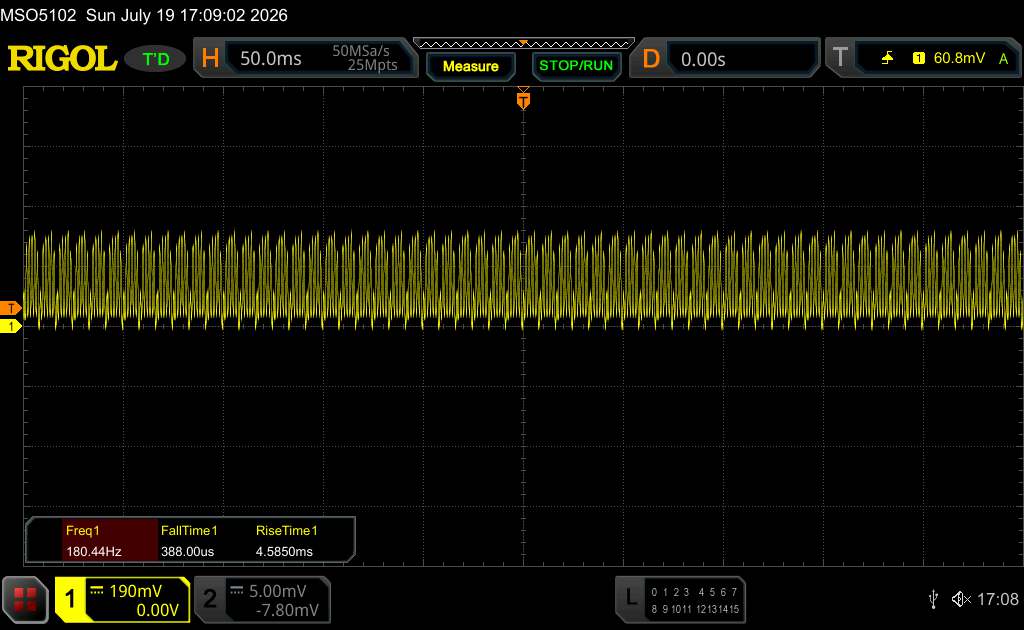 | |
The display backlight flickers at 180 Hz (worst case, e.g., utilizing PWM) . The frequency of 180 Hz is relatively low, so sensitive users will likely notice flickering and experience eyestrain at the stated brightness setting and below. In comparison: 52 % of all tested devices do not use PWM to dim the display. If PWM was detected, an average of 7622 (minimum: 5 - maximum: 343500) Hz was measured. | |||
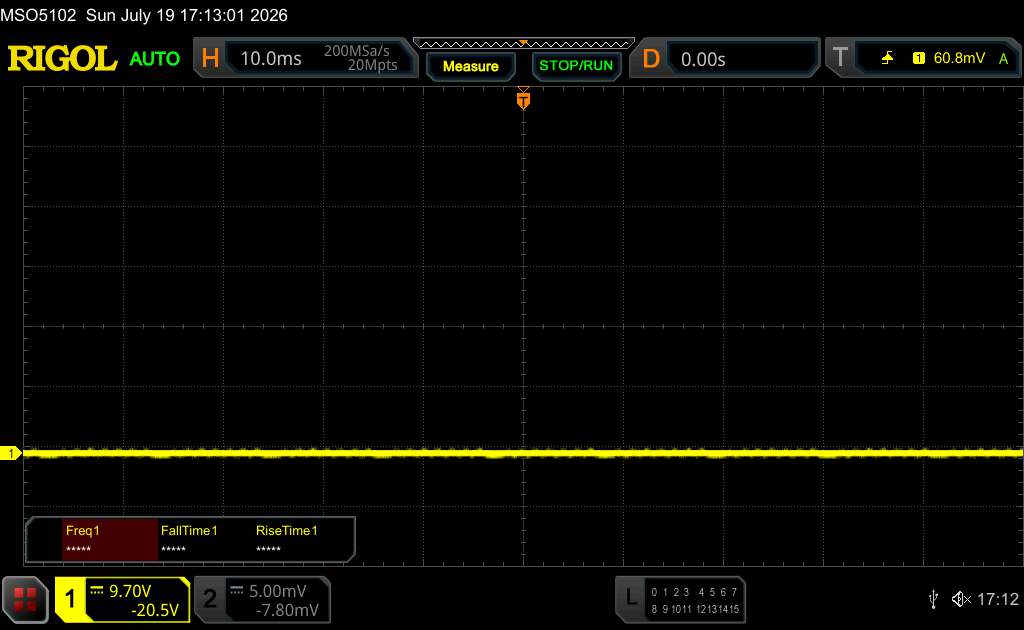
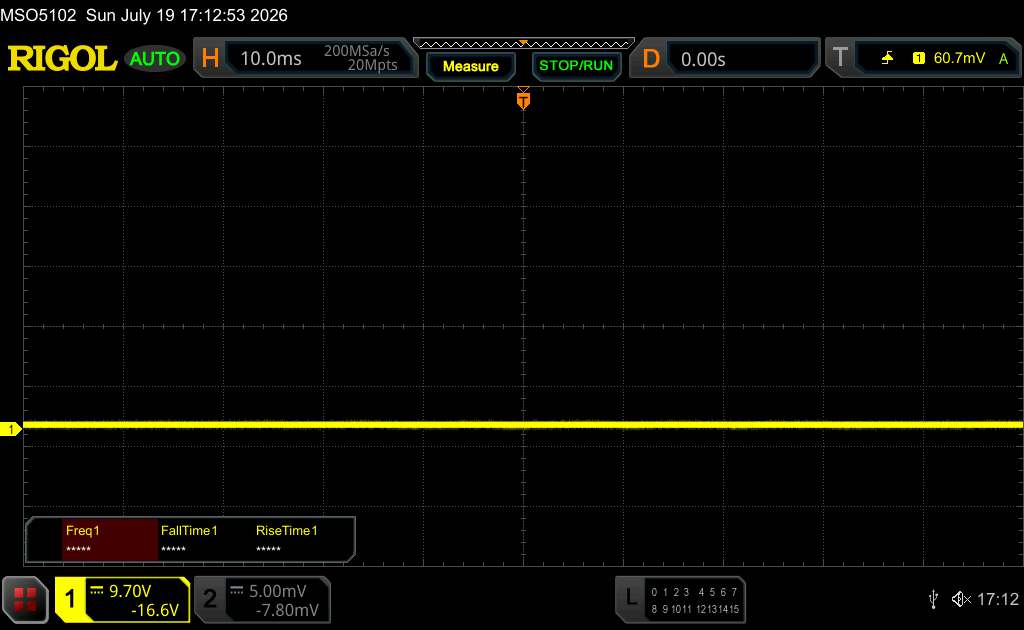
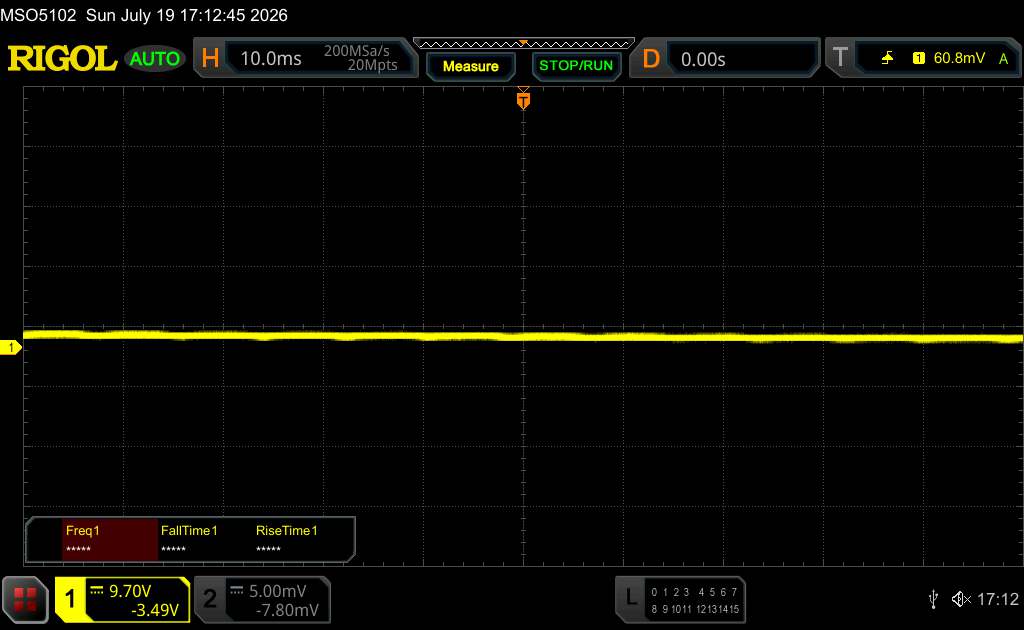
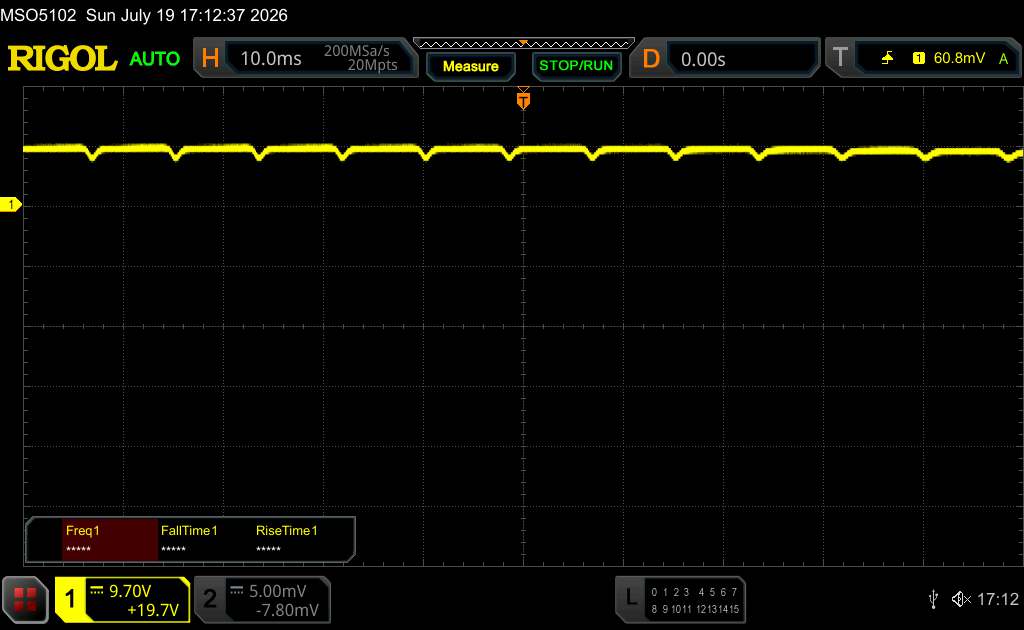
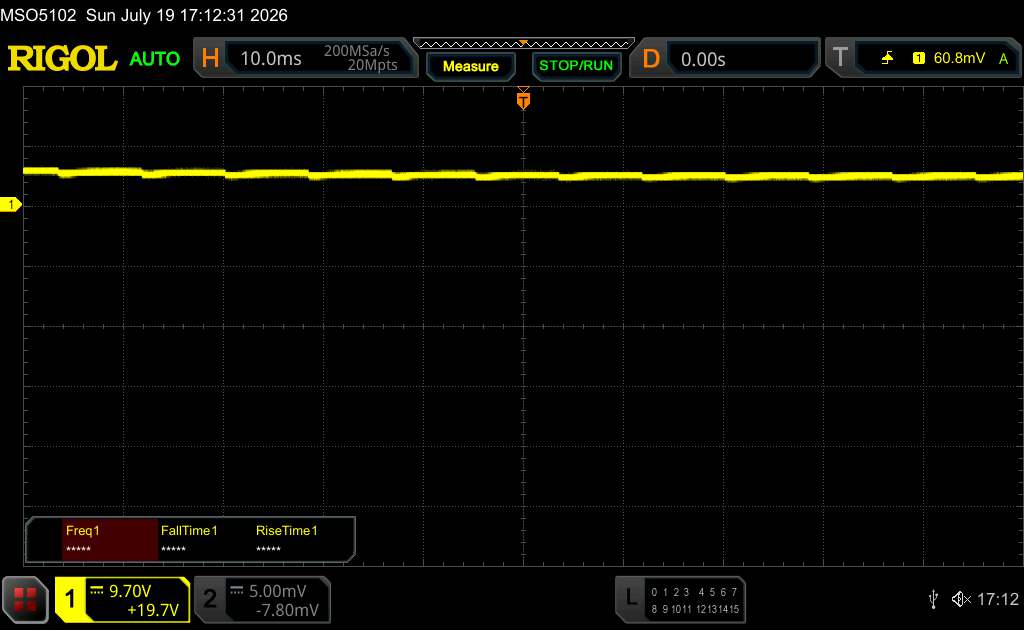
Inner display – Test series with a fixed zoom level and various brightness settings (Although the amplitude curve appears flat at minimum brightness, this is due to the scaling. The info box shows a magnified version of the amplitude at minimum brightness.)
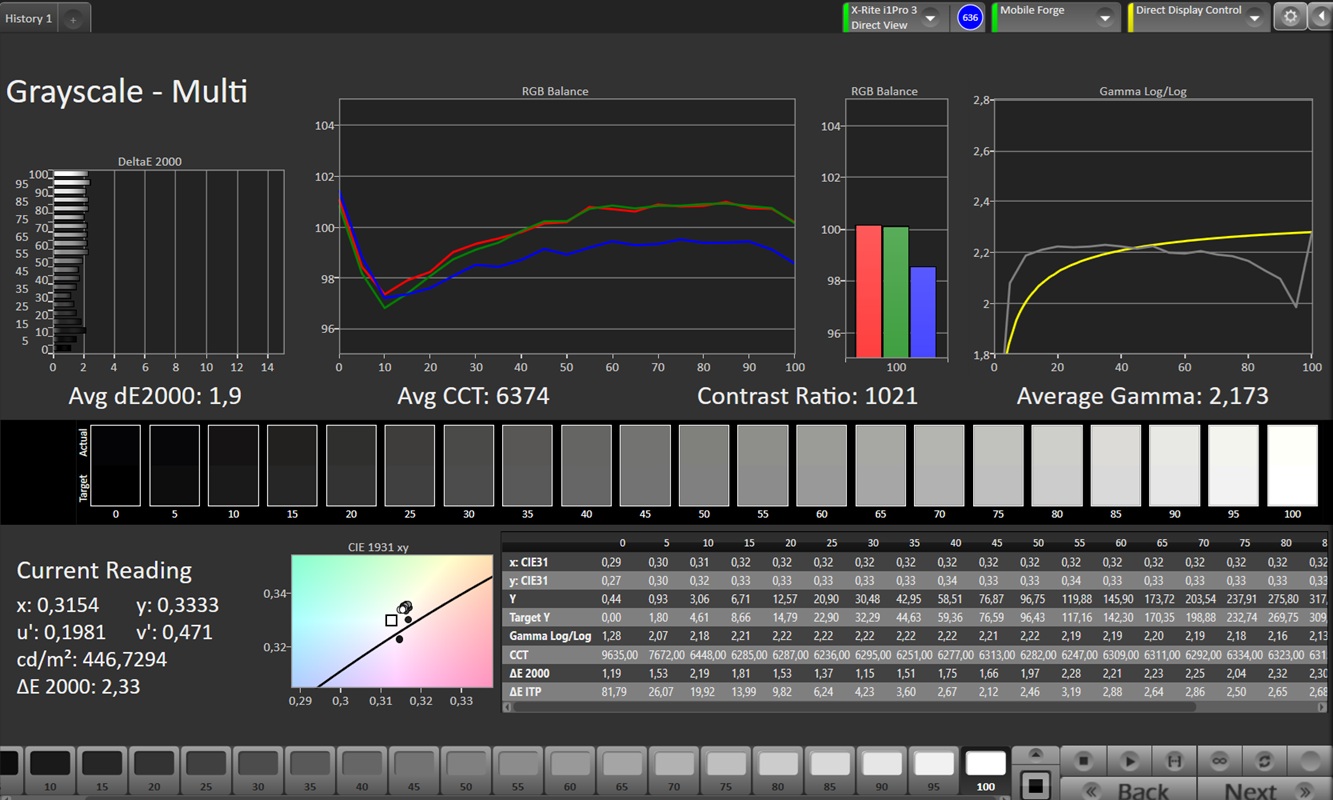
Display Response Times
| ↔ Response Time Black to White | ||
|---|---|---|
| 1.6 ms ... rise ↗ and fall ↘ combined | ↗ 0.8 ms rise | 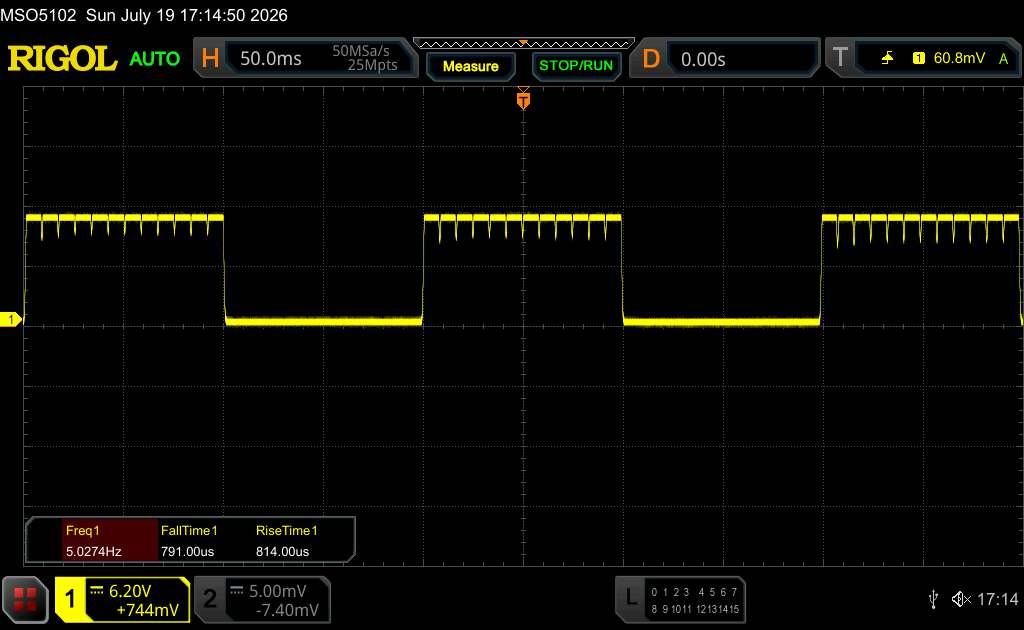 |
| ↘ 0.8 ms fall | ||
| The screen shows very fast response rates in our tests and should be very well suited for fast-paced gaming. In comparison, all tested devices range from 0.1 (minimum) to 240 (maximum) ms. » 10 % of all devices are better. This means that the measured response time is better than the average of all tested devices (19.7 ms). | ||
| ↔ Response Time 50% Grey to 80% Grey | ||
| 0.6 ms ... rise ↗ and fall ↘ combined | ↗ 0.3 ms rise | 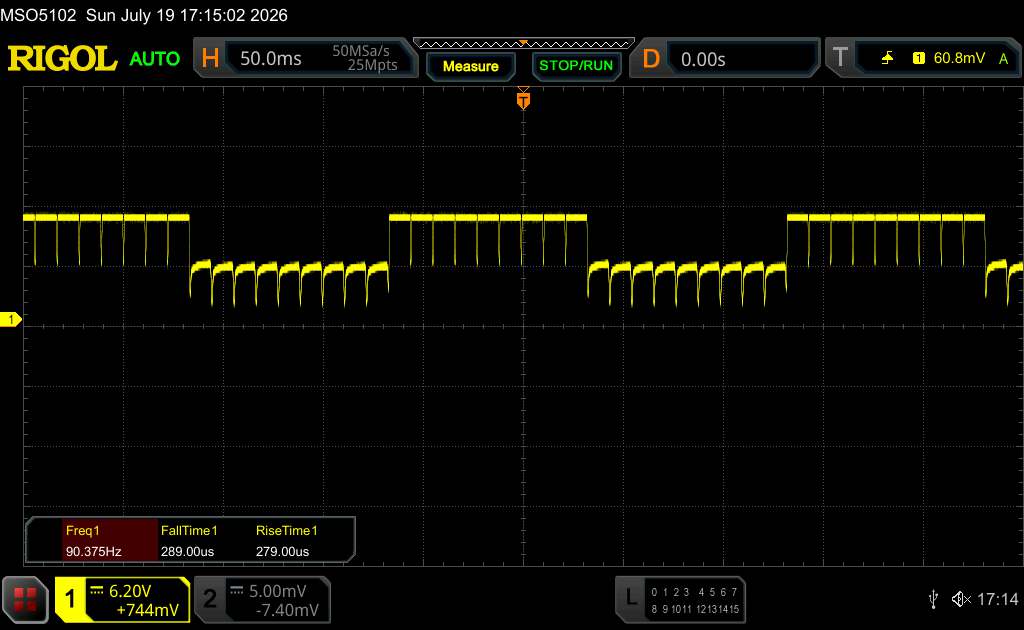 |
| ↘ 0.3 ms fall | ||
| The screen shows very fast response rates in our tests and should be very well suited for fast-paced gaming. In comparison, all tested devices range from 0.13 (minimum) to 636 (maximum) ms. » 2 % of all devices are better. This means that the measured response time is better than the average of all tested devices (30.7 ms). | ||
Outer Display
| |||||||||||||||||||||||||
Center on Battery: 979 cd/m²
Contrast: ∞:1 (Black: 0 cd/m²)
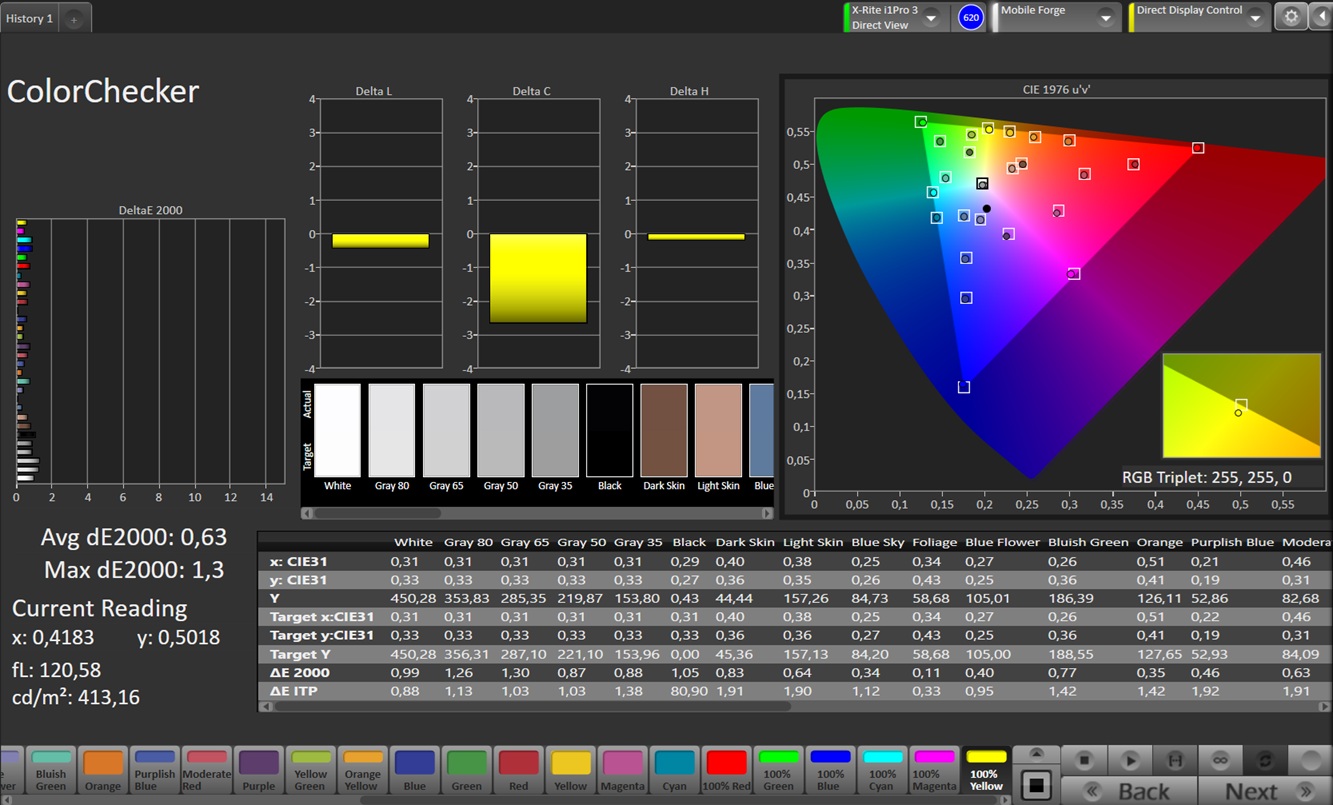
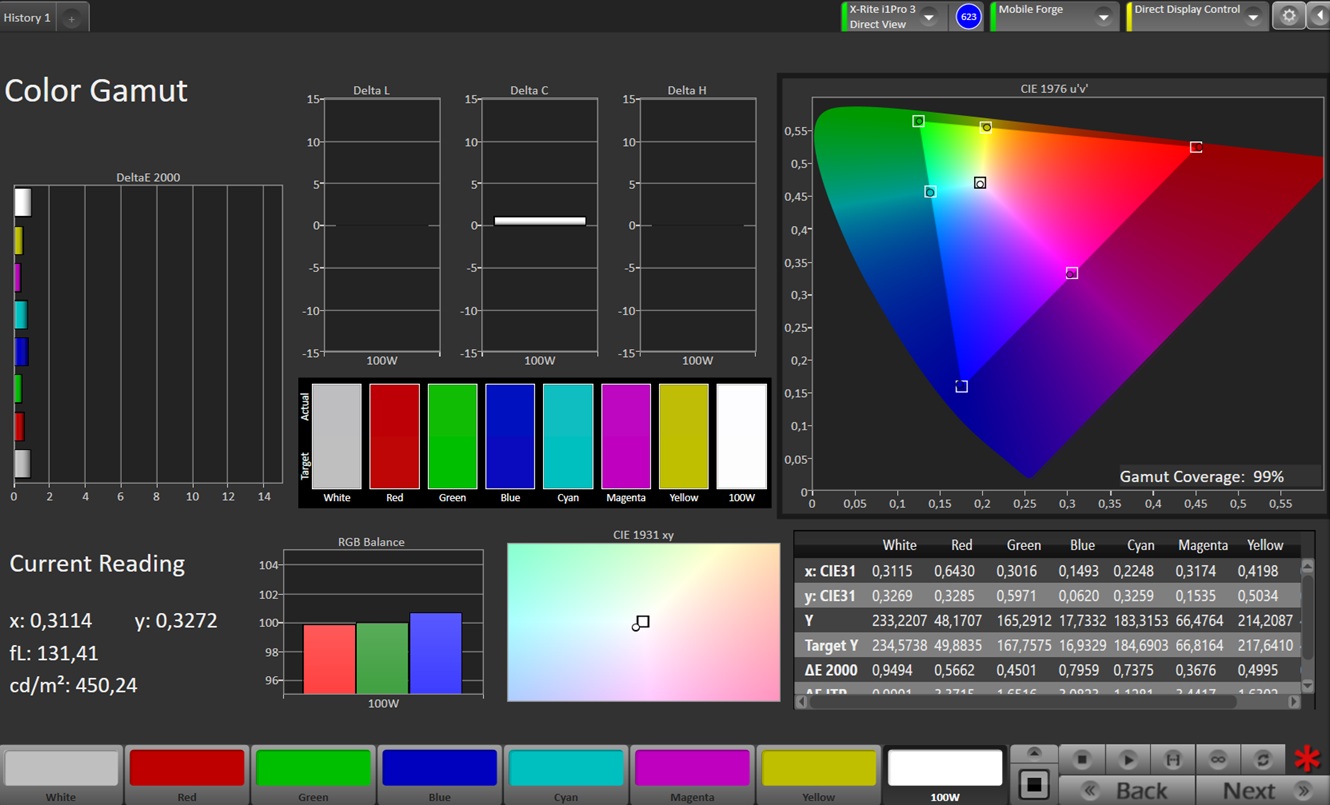
ΔE ColorChecker Calman: 0.63 | ∀{0.5-29.43 Ø4.69}
ΔE Greyscale Calman: 0.9 | ∀{0.09-98 Ø4.94}
99% sRGB (Calman 2D)
Gamma: 2.186
CCT: 6634 K
Performance, emissions, and battery life – Moderate endurance
The Snapdragon 8s Gen 3 isn’t an absolute high-end processor, but it still packs a lot of power and runs even more demanding apps smoothly in everyday use. It’s paired with very fast UFS 4.1 storage.
Under prolonged heavy use, the SoC sometimes throttles its performance by 50% to prevent overheating. Significant heating of the casing is also noticeable.
The speaker works in tandem with the earpiece to deliver stereo sound. The speakers don’t get very loud, and the sound is quite treble-heavy at high volumes. If you want to connect external audio devices, you can use the USB port or Bluetooth. Many codecs are available for wireless audio transmission.
At 4,500 mAh, the battery is actually the smallest in the Razr 2026 series. At just under 14 hours in our Wi-Fi test, the battery life is below average, but still sufficient for a day of normal use. The battery can be charged at up to 45 watts via cable or up to 15 watts wirelessly.
| Motorola Razr 70 Plus | Motorola Razr 70 | Samsung Galaxy Z Flip7 | Xiaomi Mix Flip 2 | Average 512 GB UFS 4.1 Flash | Average of class Smartphone | |
|---|---|---|---|---|---|---|
| AndroBench 3-5 | -44% | -22% | 8% | -1% | -31% | |
| Sequential Read 256KB (MB/s) | 3956.8 | 1689.2 -57% | 4044.67 2% | 4083.53 3% | 3616 ? -9% | 2280 ? -42% |
| Sequential Write 256KB (MB/s) | 3864 | 1188.1 -69% | 2981.82 -23% | 3894.12 1% | 3225 ? -17% | 1972 ? -49% |
| Random Read 4KB (MB/s) | 359.4 | 296.7 -17% | 366.98 2% | 403.94 12% | 414 ? 15% | 317 ? -12% |
| Random Write 4KB (MB/s) | 455.7 | 307.6 -32% | 143.67 -68% | 534.73 17% | 498 ? 9% | 362 ? -21% |
(-) The maximum temperature on the upper side is 53.8 °C / 129 F, compared to the average of 35.4 °C / 96 F, ranging from 21.9 to 247 °C for the class Smartphone.
(-) The bottom heats up to a maximum of 48.8 °C / 120 F, compared to the average of 34.1 °C / 93 F
3DMark Stress Tests
| 3DMark | |
| Wild Life Stress Test Stability | |
| Motorola Razr 70 | |
| Motorola Razr 70 Plus | |
| Samsung Galaxy Z Flip7 | |
| Wild Life Extreme Stress Test | |
| Motorola Razr 70 | |
| Xiaomi Mix Flip 2 | |
| Motorola Razr 70 Plus | |
| Samsung Galaxy Z Flip7 | |
| Solar Bay Stress Test Stability | |
| Motorola Razr 70 Plus | |
| Xiaomi Mix Flip 2 | |
| Samsung Galaxy Z Flip7 | |
| Solar Bay Extreme Stress Test Stability | |
| Motorola Razr 70 Plus | |
| Samsung Galaxy Z Flip7 | |
| Steel Nomad Light Stress Test Stability | |
| Motorola Razr 70 | |
| Samsung Galaxy Z Flip7 | |
Motorola Razr 70 Plus audio analysis
(±) | speaker loudness is average but good (80.2 dB)
Bass 100 - 315 Hz
(-) | nearly no bass - on average 27.1% lower than median
(-) | bass is not linear (18.4% delta to prev. frequency)
Mids 400 - 2000 Hz
(±) | higher mids - on average 7.7% higher than median
(±) | linearity of mids is average (12.1% delta to prev. frequency)
Highs 2 - 16 kHz
(±) | higher highs - on average 9.9% higher than median
(±) | linearity of highs is average (13.1% delta to prev. frequency)
Overall 100 - 16.000 Hz
(-) | overall sound is not linear (33.8% difference to median)
Compared to same class
» 84% of all tested devices in this class were better, 1% similar, 14% worse
» The best had a delta of 11%, average was 34%, worst was 136%
Compared to all devices tested
» 93% of all tested devices were better, 1% similar, 6% worse
» The best had a delta of 4%, average was 23%, worst was 136%
Samsung Galaxy Z Flip7 audio analysis
(+) | speakers can play relatively loud (91 dB)
Bass 100 - 315 Hz
(-) | nearly no bass - on average 23.8% lower than median
(±) | linearity of bass is average (7.4% delta to prev. frequency)
Mids 400 - 2000 Hz
(±) | reduced mids - on average 5.4% lower than median
(+) | mids are linear (5.9% delta to prev. frequency)
Highs 2 - 16 kHz
(+) | balanced highs - only 3.5% away from median
(+) | highs are linear (2.4% delta to prev. frequency)
Overall 100 - 16.000 Hz
(±) | linearity of overall sound is average (16.4% difference to median)
Compared to same class
» 7% of all tested devices in this class were better, 6% similar, 87% worse
» The best had a delta of 11%, average was 34%, worst was 136%
Compared to all devices tested
» 28% of all tested devices were better, 6% similar, 67% worse
» The best had a delta of 4%, average was 23%, worst was 136%
| Off / Standby |   0.1 / 0.2 Watt 0.1 / 0.2 Watt |
| Idle |  1 / 1.6 / 2.1 Watt 1 / 1.6 / 2.1 Watt |
    
| |
Key:
min: ,
med: ,
max: Metrahit Energy | |
| Motorola Razr 70 Plus 4500 mAh | Motorola Razr 70 4800 mAh | Samsung Galaxy Z Flip7 4300 mAh | Xiaomi Mix Flip 2 5165 mAh | Average Qualcomm Snapdragon 8s Gen 3 | Average of class Smartphone | |
|---|---|---|---|---|---|---|
| Power Consumption | 50% | -18% | 12% | |||
| Idle Minimum * (Watt) | 1 | 0.49 51% | 1.208 ? -21% | 0.898 ? 10% | ||
| Idle Average * (Watt) | 1.6 | 0.87 46% | 2.03 ? -27% | 1.482 ? 7% | ||
| Idle Maximum * (Watt) | 2.1 | 0.99 53% | 2.25 ? -7% | 1.673 ? 20% |
* ... smaller is better
| Motorola Razr 70 Plus 4500 mAh | Motorola Razr 70 4800 mAh | Samsung Galaxy Z Flip7 4300 mAh | Xiaomi Mix Flip 2 5165 mAh | |
|---|---|---|---|---|
| Battery runtime | 1% | 35% | 43% | |
| Reader / Idle (h) | 25.7 | 26.5 3% | ||
| WiFi v1.3 (h) | 14 | 14.3 2% | 18.9 35% | 20 43% |
| Load (h) | 4.4 | 4.3 -2% |
Notebookcheck overall rating
The Motorola Motorola Razr Plus 2026 cleverly combines features from the standard and Ultra models.
This creates a new mid-range option within the series: a stylish foldable that’s priced a bit lower but still has a lot to offer.
However, it’s frustrating that you can’t be sure how long you’ll receive updates.

Motorola Razr 70 Plus
- 08/13/2026 v8
Florian Schmitt
 Total Sustainability Score:
 Comparison of Possible Alternatives
Image | Model / Review | Price | Weight | Drive | Display |
|---|---|---|---|---|---|
1. 79.7%  | Motorola Razr 70 Plus Qualcomm Snapdragon 8s Gen 3 ⎘ Qualcomm Adreno 735 ⎘ 12 GB Memory, 512 GB UFS 4.x | List Price: 1000€ | 189 g | 512 GB UFS 4.1 Flash | 6.90" 2640x1084 414 PPI AMOLED |
2. 78%  | Motorola Razr 70 MediaTek Dimensity 7450X ⎘ ARM Mali-G615 MP2 ⎘ 8 GB Memory, 256 GB UFS 3.1 | List Price: 869€ | 188 g | 256 GB UFS 3.1 Flash | 6.90" 2640x1080 413 PPI AMOLED |
3. 86.2%  | Samsung Galaxy Z Flip7 Samsung Exynos 2500 ⎘ Samsung Xclipse 950 ⎘ 12 GB Memory, 256 GB UFS 4.x | List Price: 1199€ | 188 g | 256 GB UFS 4.0 Flash | 6.90" 2520x1080 397 PPI AMOLED |
4. 85.9%  | Xiaomi Mix Flip 2 Qualcomm Snapdragon 8 Elite ⎘ Qualcomm Adreno 830 ⎘ 12 GB Memory, 512 GB UFS 4.x | Amazon: 1. $1,551.82 Samsung Galaxy Z Fold8 Unloc... 2. $289.75 XIAOMI Redmi Pad 2 PRO Only ... 3. $376.46 Motorola razr | 2024 | Unloc... List Price: 970€ | 199 g | 512 GB UFS 4.1 Flash | 6.86" 2912x1224 460 PPI AMOLED |
Transparency
The selection of devices to be reviewed is made by our editorial team. The test sample was provided to the author as a loan by the manufacturer or retailer for the purpose of this review. The lender had no influence on this review, nor did the manufacturer receive a copy of this review before publication. There was no obligation to publish this review. As an independent media company, Notebookcheck is not subjected to the authority of manufacturers, retailers or publishers.
This is how Notebookcheck is testing
Every year, Notebookcheck independently reviews hundreds of laptops and smartphones using standardized procedures to ensure that all results are comparable. We have continuously developed our test methods for around 20 years and set industry standards in the process. In our test labs, high-quality measuring equipment is utilized by experienced technicians and editors. These tests involve a multi-stage validation process. Our complex rating system is based on hundreds of well-founded measurements and benchmarks, which maintains objectivity. Further information on our test methods can be found here.
 Add as a preferred source on Google


