




The compact smartphone I actually want: Xiaomi 17 in a Galaxy S26 world
Abhinav Fating 👁 Published 🇪🇸 🇵🇹 ...
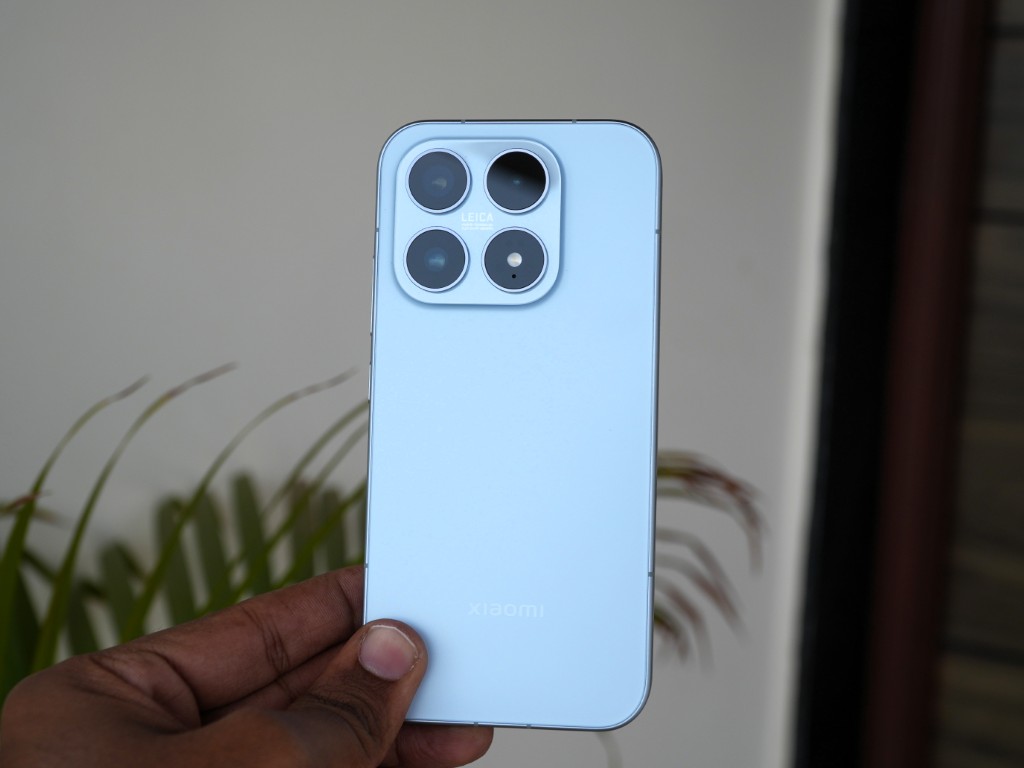
At MWC 2026, Xiaomi has launched its latest generation Xiaomi 17 series smartphones. Xiaomi mainly launched the Xiaomi 17 and Xiaomi 17 Ultra in its latest 17 series lineup. We already covered the Ultra model and you can read about it here. This time around, Xiaomi’s compact flagship smartphone looks quite appealing with its top specs and lightweight design. Interestingly, it goes head-to-head with Samsung’s recently launched Galaxy S26, without faltering on either software or hardware.
I’ve been using the Xiaomi 17 for around a month, and surprisingly, this new Xiaomi smartphone doesn’t have any major downsides. If you're looking at it from the price point of view, it comes at the same €999 retail price as the S26, and I can admit I’m quite excited about a Xiaomi smartphone, and that’s not the Ultra.
Specifications
| Xiaomi 17 Ultra | Samsung Galaxy S26 | Vivo X300 | |
|---|---|---|---|
| Display | 6.3-in,ch 2656×1220 pixel, 120 Hz OLED | 6.3inch, 2340×1080 pixel, 1-120 Hz AMOLED | 6.31-inch 2640 x 1216 pixel, AMOLED,120 Hz |
| Rear cameras | 50MP main, 50MP telephoto with 2.6x optical zoom, 50MP ultrawide | 50MP main 10MP telephoto with 3x optical zoom, 12MP ultra wide | Primary 200 MP (f/1.68, OIS, Videos @4320p/120fps), 50 MP (f/2.0, wide), 50 MP (f/2.57, OIS, 3x optical,tele) |
| Front camera | 50 MP F2.2 | 12 MP F2.2 | 50 MP F2.0 |
| Processor | Snapdragon 8 Elite Gen 5 (3 nm) | Samsung Exynos 2600 (2 nm) | MediaTek Dimensity 9500 (3 nm) |
| Battery | 6,330 mAh | 4,300 mAh | 6,040 mAh |
| Charge speed | 100 W wired, 50 W wireless | 25W wired, 15W wireless | 90 W wired, 40 W wireless |
| Dimensions | 151.1 x 71.8 x 8.06 mm, 191g | 150 x 72 x 7.2 mm, 167g | 150.57 × 71.92 × 7.95 mm, 190g |
| Price | €999 | €999 | €1,049 |
Xiaomi cracks the game of compact smartphones
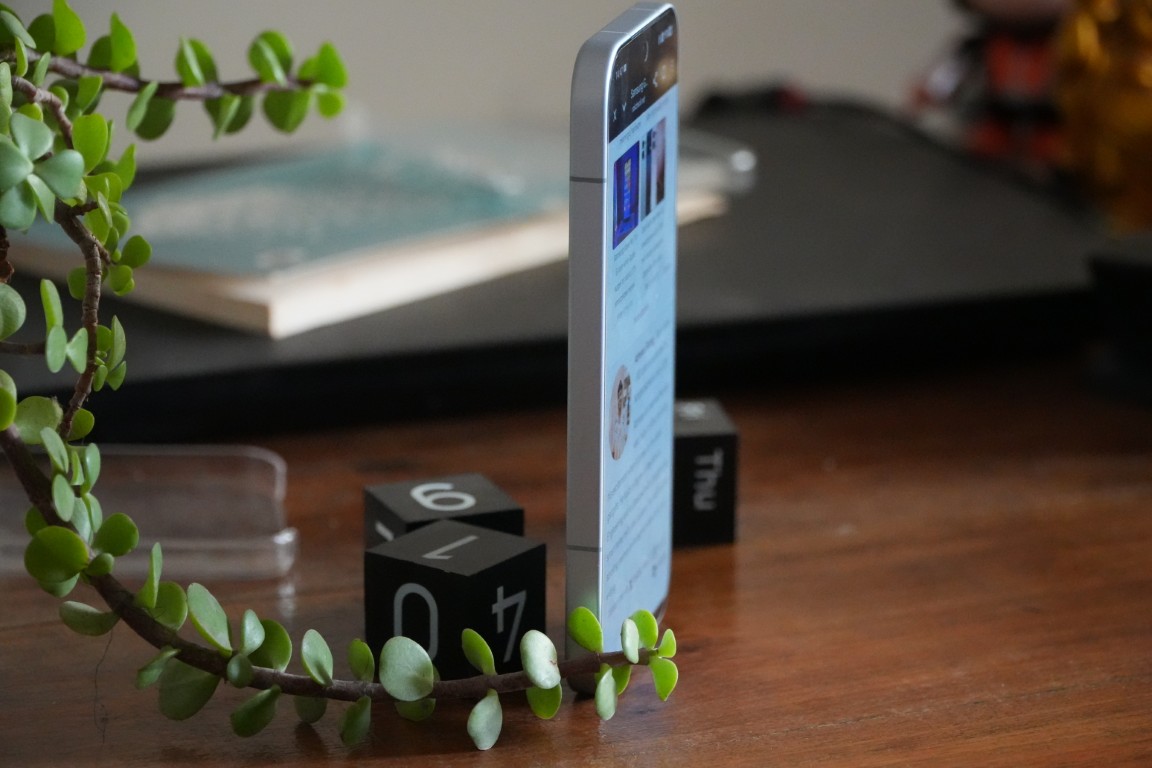
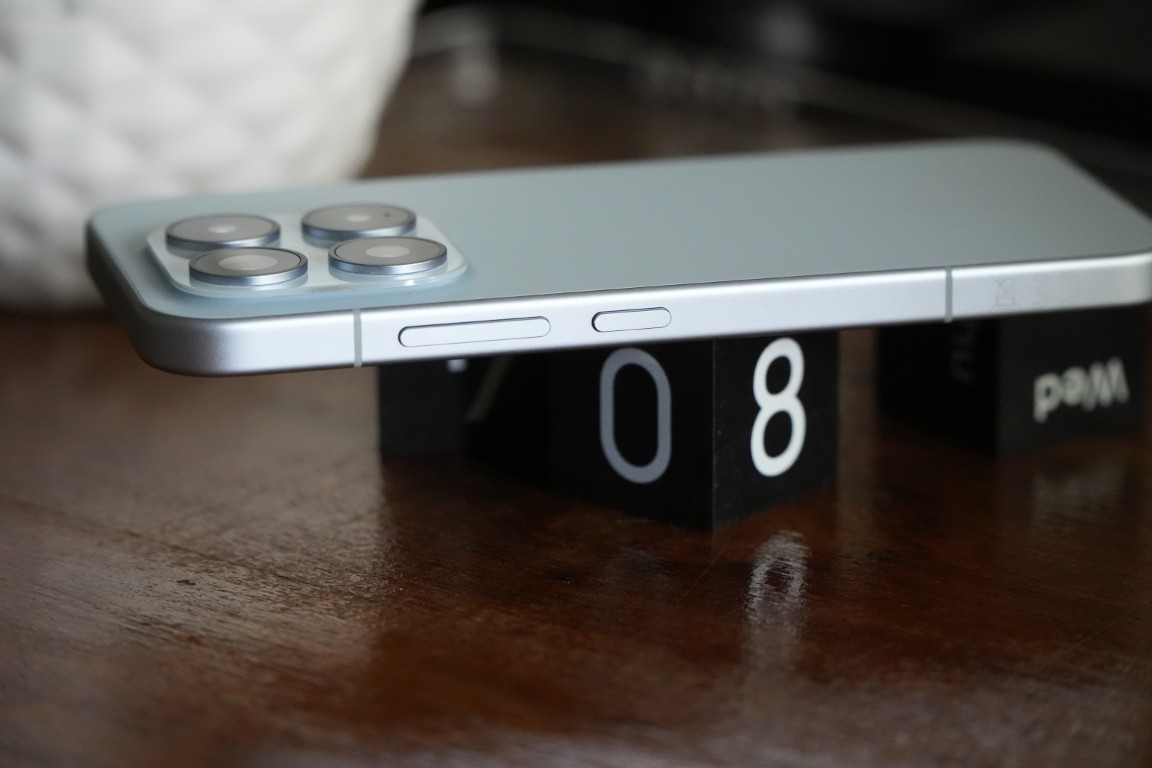
As we often see, the compact flagship smartphone tends to have a smaller battery capacity due to the small chassis, but the Xiaomi 17 is an exception. Despite coming in at 8 mm thickness, which is almost close to the Vivo X300, it features a larger battery capacity than the latter. Speaking more precisely, Xiaomi has managed to squeeze in a massive 6,330 mAh battery capacity into the Xiaomi 17’s compact chassis, a step up from the 5,240 mAh of the predecessor. On the other hand, the X300 and the S26 ship with smaller 6,040 mAh and 4,300 mAh battery capacities, respectively.
Although the bigger battery capacity makes the Xiaomi smartphone slightly heavier than the S26 and the X300. Number-wise, it measures around 191 grams (0.42 lbs), while the latter two come in at 167 grams (0.36 lbs) and 190 grams (0.41 lbs), respectively. In real life, the smartphone feels quite lightweight and slim in my hand.
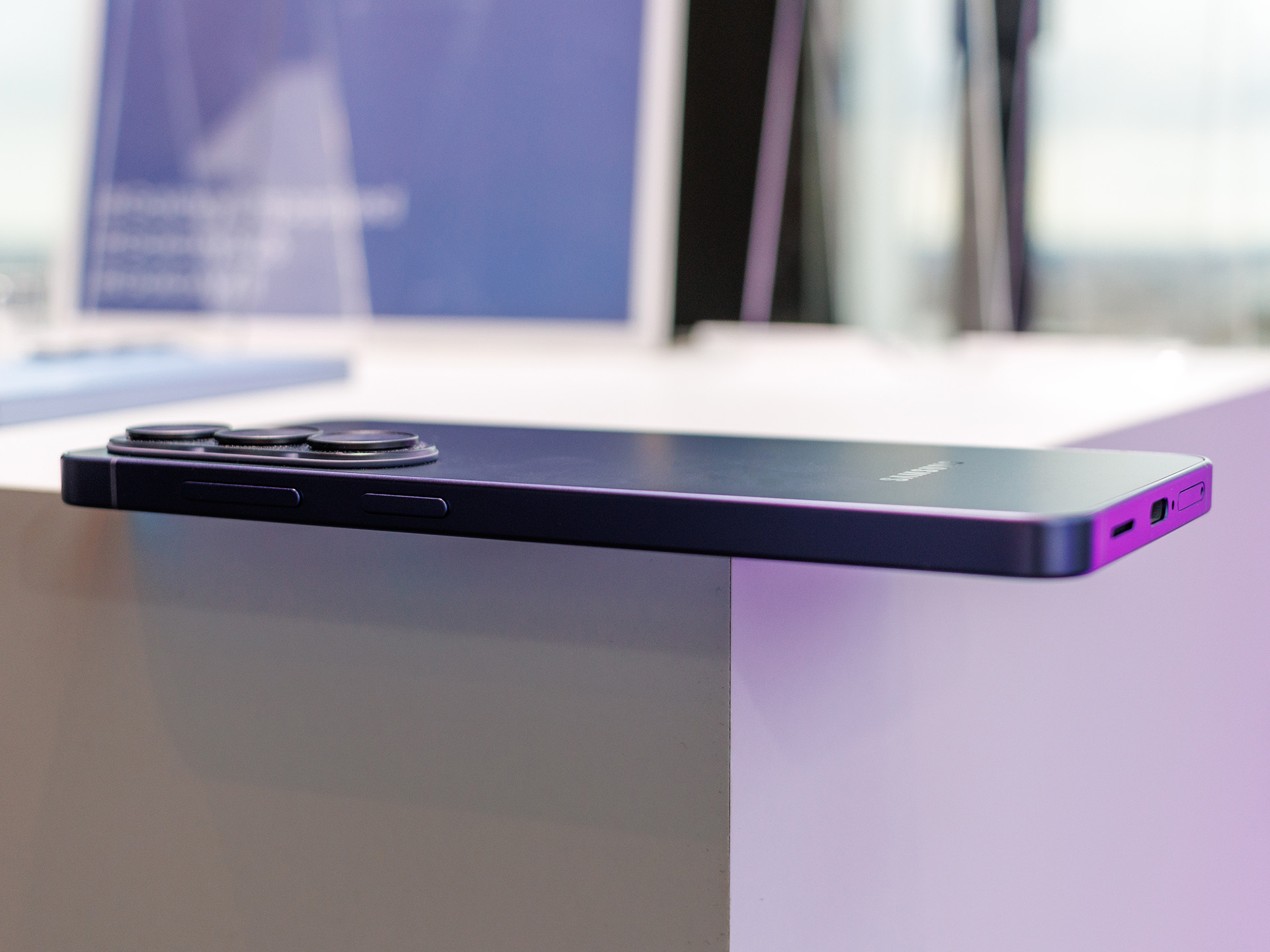
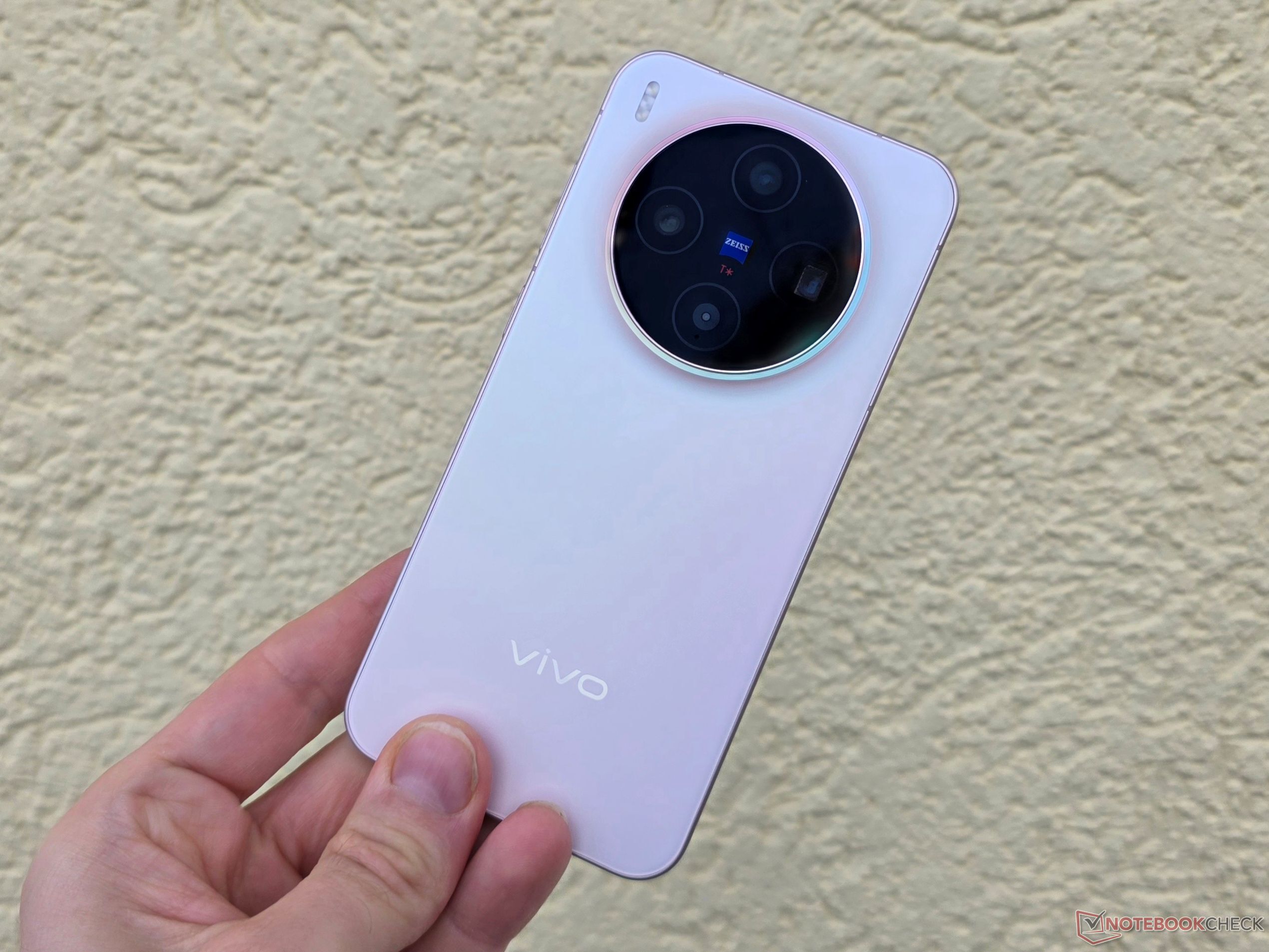
The major advantage is that the Xiaomi 17 has the biggest battery capacity among its immediate rivals. While Samsung has upped the S26's capacity to 4,300 mAh (vs. 4,000 mAh in the S25), it’s still the smaller battery compared to the Xiaomi phone. Unlike the S26, with slower 25 W wired and 15 W wireless charging, it ships with 100 W wired and 50 W wireless charging support. During my testing, it lasted me one and a half days even with medium use. My usage included a little bit of gaming, scrolling, streaming, browsing, video shooting, and texting. Plus, wired charging takes just under an hour to fully recharge the battery, thanks to 100 W fast-charge support. The Vivo X300 also offers more or less the same battery life. You can learn more about it in our in-depth review.
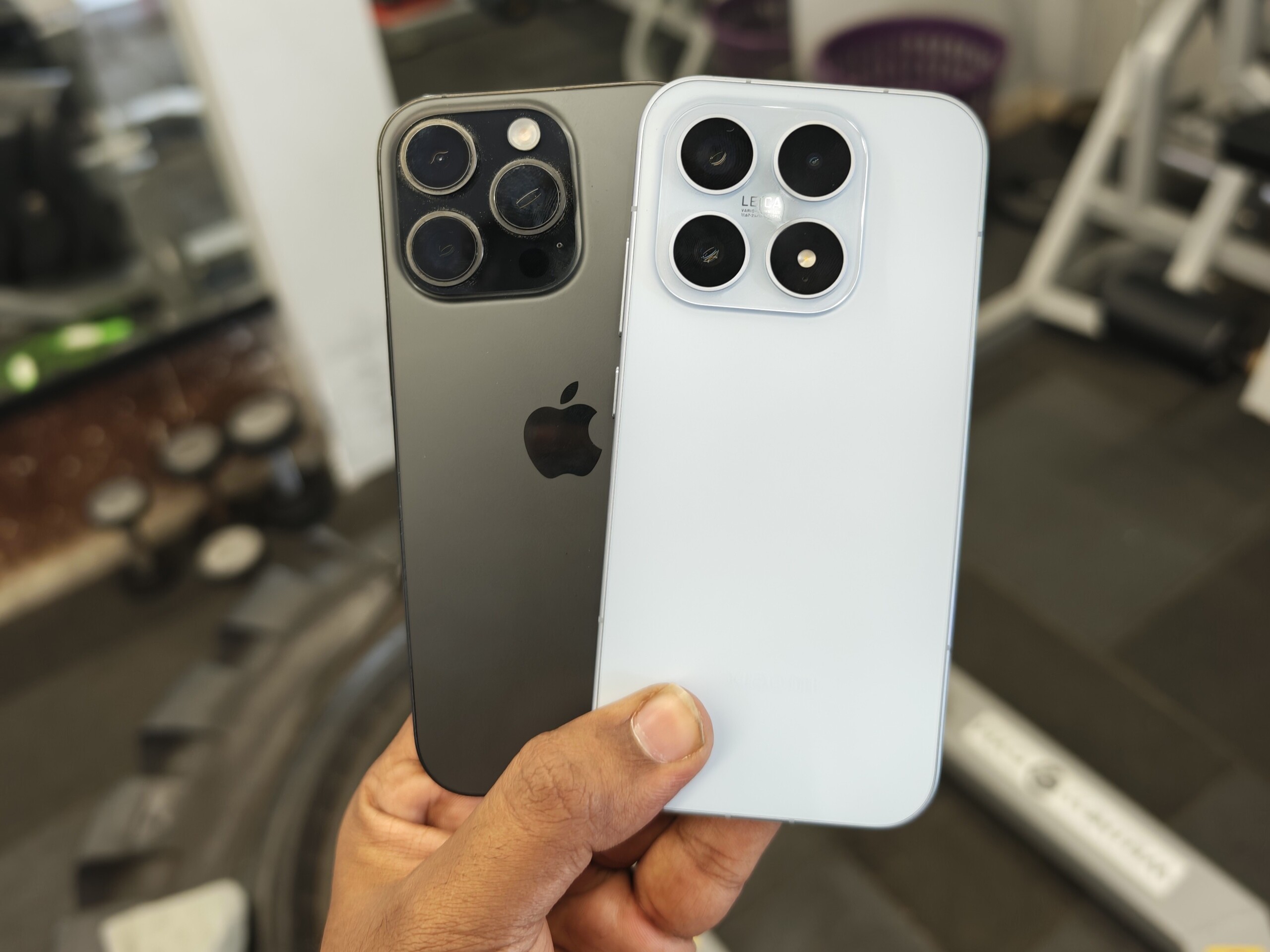
I shifted from the iPhone 16 Pro and enjoyed using the Xiaomi 17. However, I didn’t feel much difference between both devices since the former is just 9 grams heavier than the latter. Overall, Xiaomi really did a great job by adding a large battery in a slim and lightweight design. Thumbs up for that.
Performance—there’s no compromise
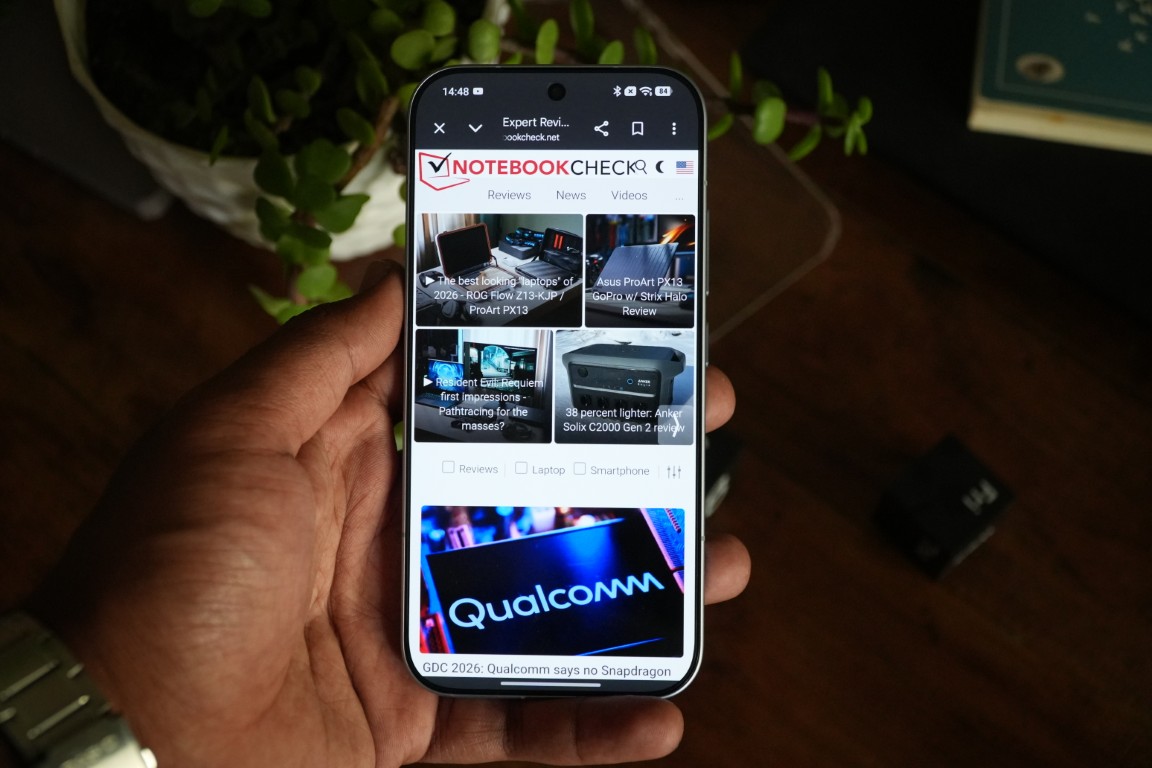
The Xiaomi 17 is powered by the Qualcomm Snapdragon 8 Elite Gen 5 processor, which offers plenty of power. You won’t likely face any performance issues with this phone. The chipset is paired with 12 GB of RAM and 512 GB of storage. In everyday use, the smartphone runs without any lags and feels very smooth while multitasking and gaming.
For context, the Galaxy S26 comes with Samsung’s in-house 2 nm-based Exynos 2600 processor, at least in European markets. However, there’s also the Qualcomm Snapdragon 8 Elite Gen 5 for the Galaxy version as well for the rest of the markets. As for the Vivo X300, the MediaTek Dimensity handles the performance department. Our review of the X300 suggests that the smartphone performed admirably during testing.
The Xiaomi 17 has a 6.3-inch CrystalRes OLED display that outputs at a 2656 x 1220 pixel resolution with a 1-120 Hz LTPO refresh rate. Since it’s an LTPO panel, you can set it to 1 Hz for an always-on display, like the Galaxy S25 Ultra. In comparison, the Vivo X300 ships with a 2640 x 1216 resolution display, while the S26 packs the lowest definition screen at 2340 x 1080. So, again, the Xiaomi 17 has an edge here.
Its screen resolution is quite high compared to its immediate rivals. Scrolling Instagram Reels, watching anime, and reading e-books—both indoors and outdoors—was a great experience. Plus, the screen was quite bright even under the sunlight, thanks to a peak brightness of 3,500 nits.
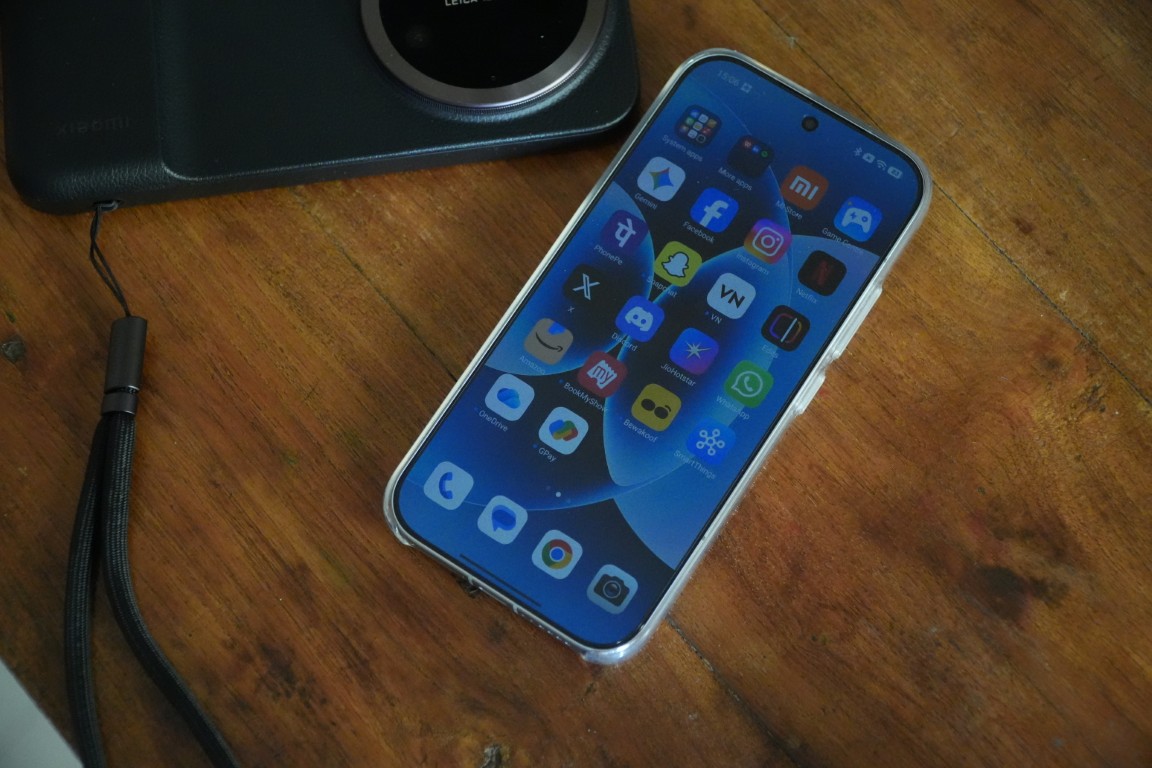
Software-wise, the Xiaomi smartphone boots Android 16-based HyperOS 3 out of the box. I really liked the overall look of HyperOS, and it’s pretty much similar to the iPhone. Like the Galaxy S26, the interface was clean, with plenty of customization options to fine-tune your experience. This time around, Xiaomi promises five major OS updates (up to Android 21) and six years of security patches until 2031.
In terms of software support, Xiaomi still falls behind Samsung and Vivo, where both brands are offering seven years of Android OS software and security updates for their respective devices. This is something Xiaomi needs to implement, at least for its flagship devices.
Leica color science is quite impressive
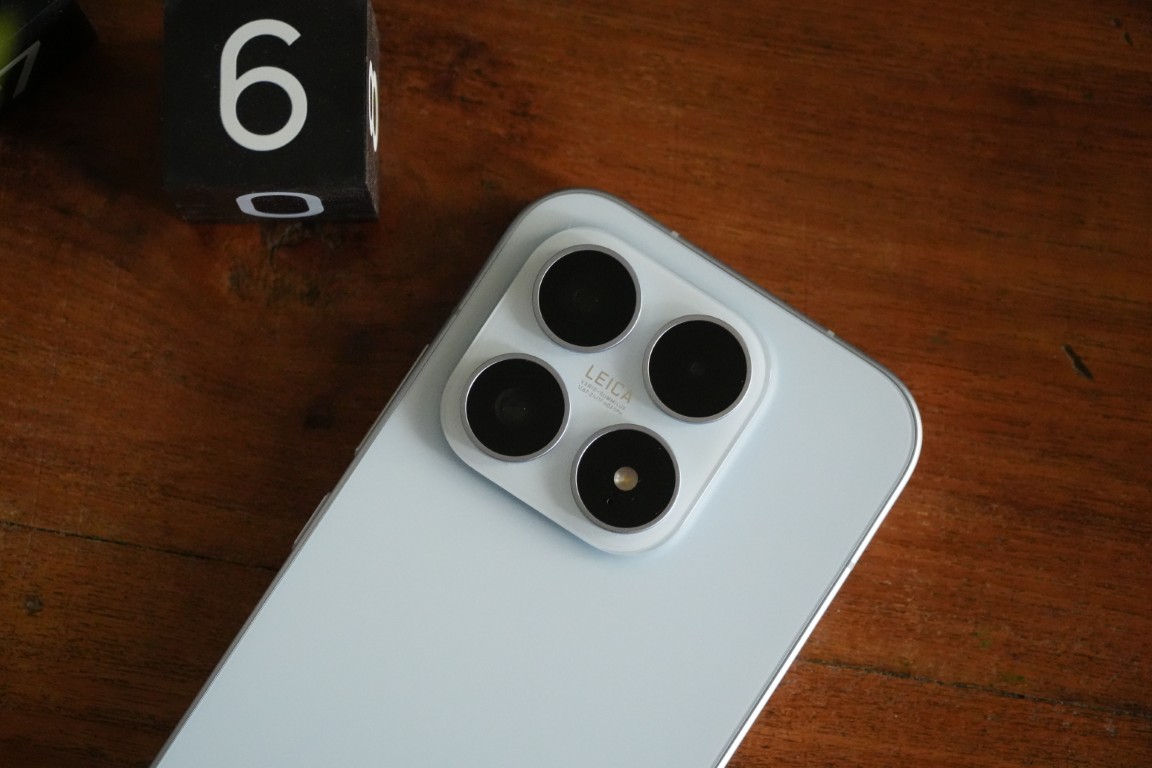
The Xiaomi 17 has the most versatile camera setup in its segment. You get a triple rear camera setup at the back, consisting of a 50 MP main camera with a LightFusion 950 image sensor, a 50 MP ultrawide camera with a 102° field of view and another 50 MP telephoto lens with 2.6x optical zoom support. Before I talk about its image output, have a look at what its rivals have to offer. The Galaxy S26 has the same old familiar combo of 50 MP main, 12 MP ultrawide, and 10 MP with 3x optical zoom. While the Vivo X300 ships with a 200 MP primary camera paired with a 50 MP ultrawide shooter and another 50 MP, which is a telephoto lens with 3x optical zoom.
I mostly used the Leica Vibrant mode while testing the camera. Photos from the main camera have better color accuracy and retain good detail with a slightly colder tone. Images are more on the vibrant side with high dynamic range. In daylight, it takes really good photos with appealing sharpness. On top of this, the smartphone performs surprisingly well in low-light conditions, offering highly detailed images with a warmer tone. In contrast, the images captured by the iPhone 17 are significantly less detailed and blurry. You can read our Xiaomi 17 review for more details.


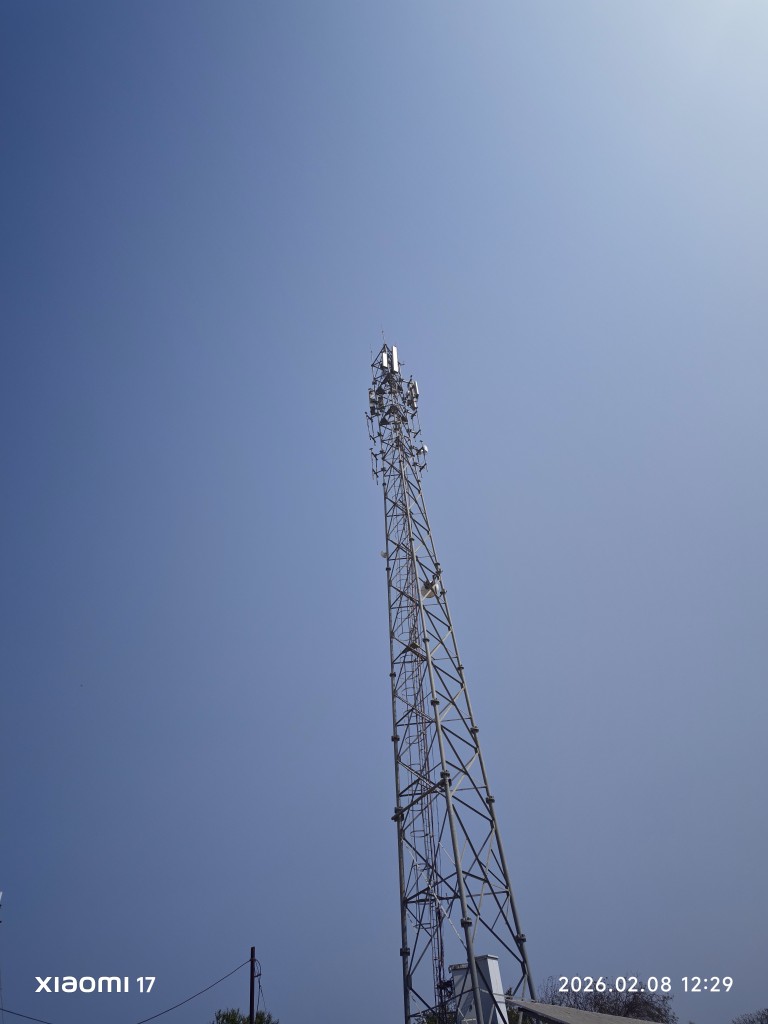
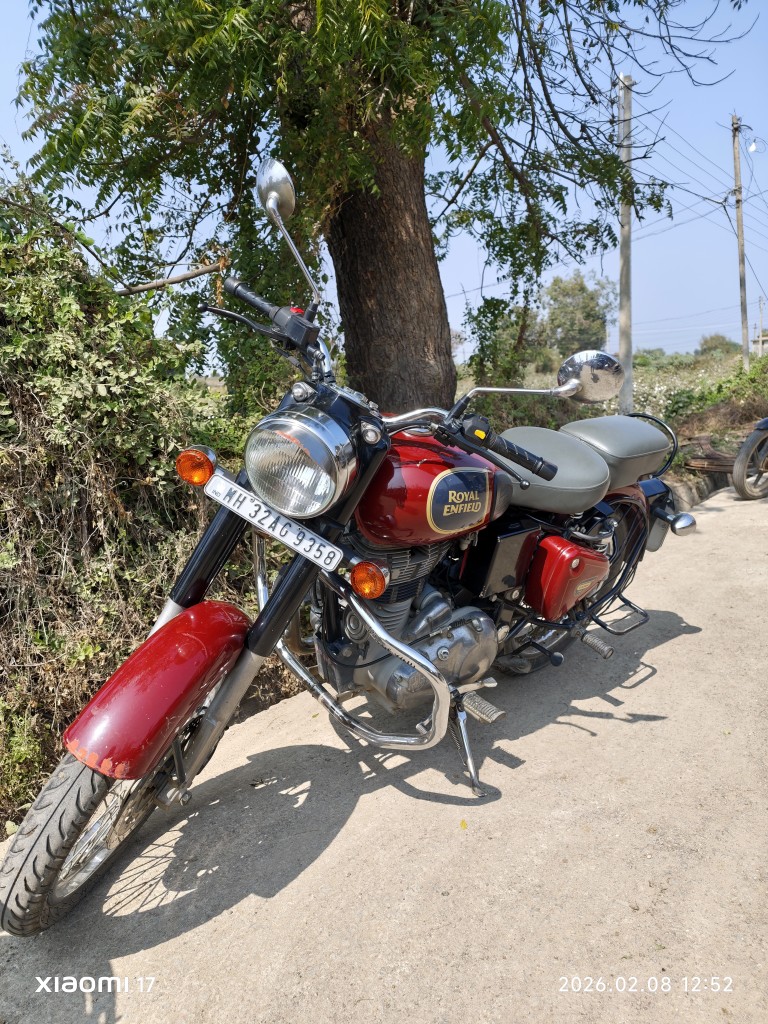
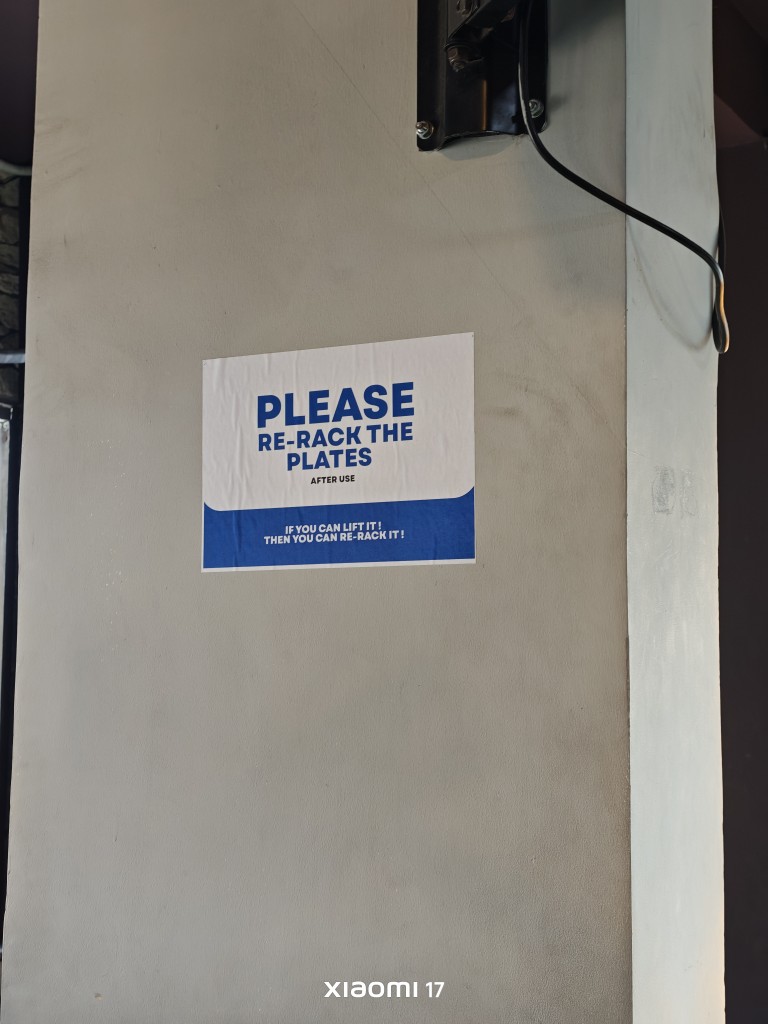

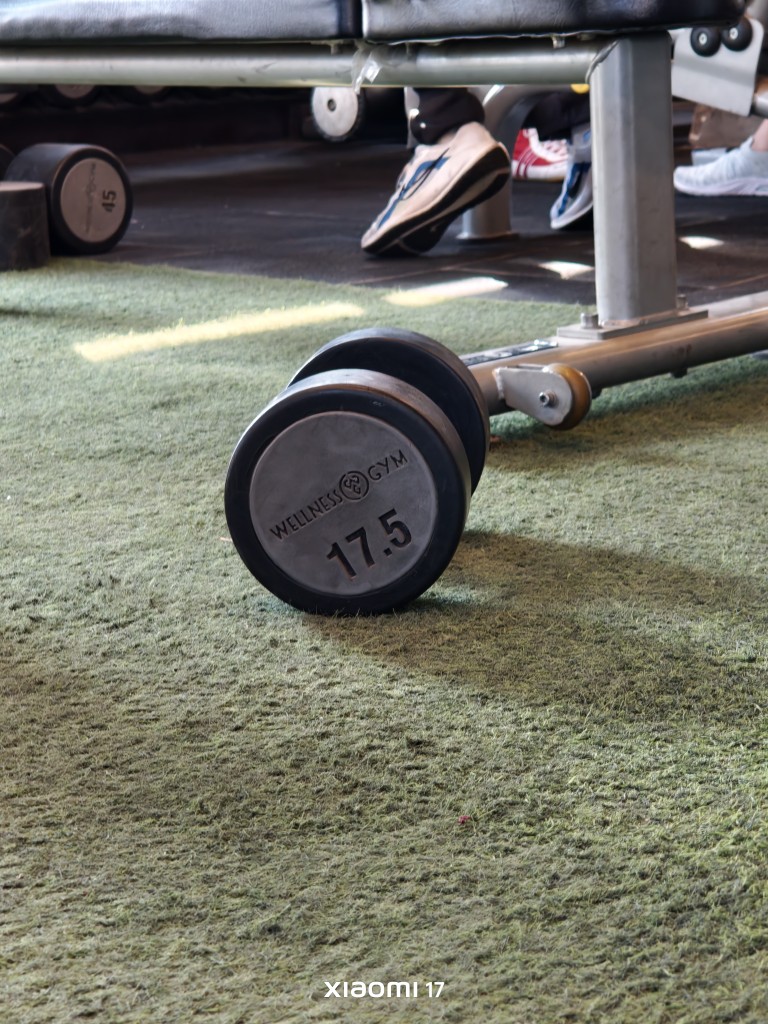

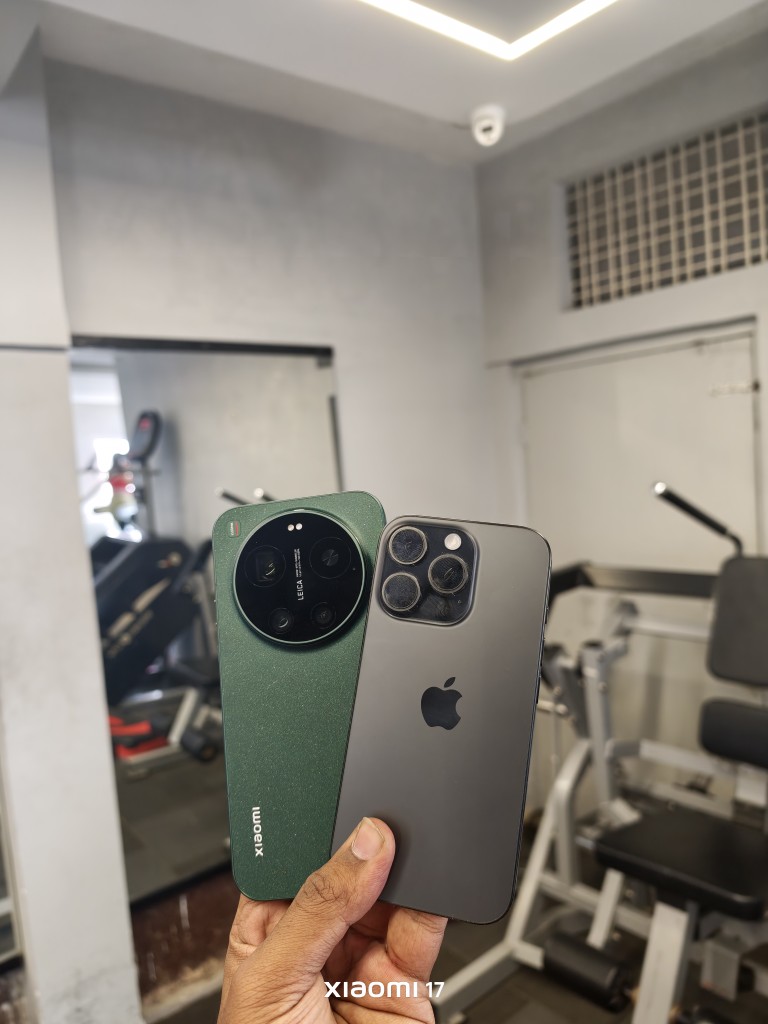
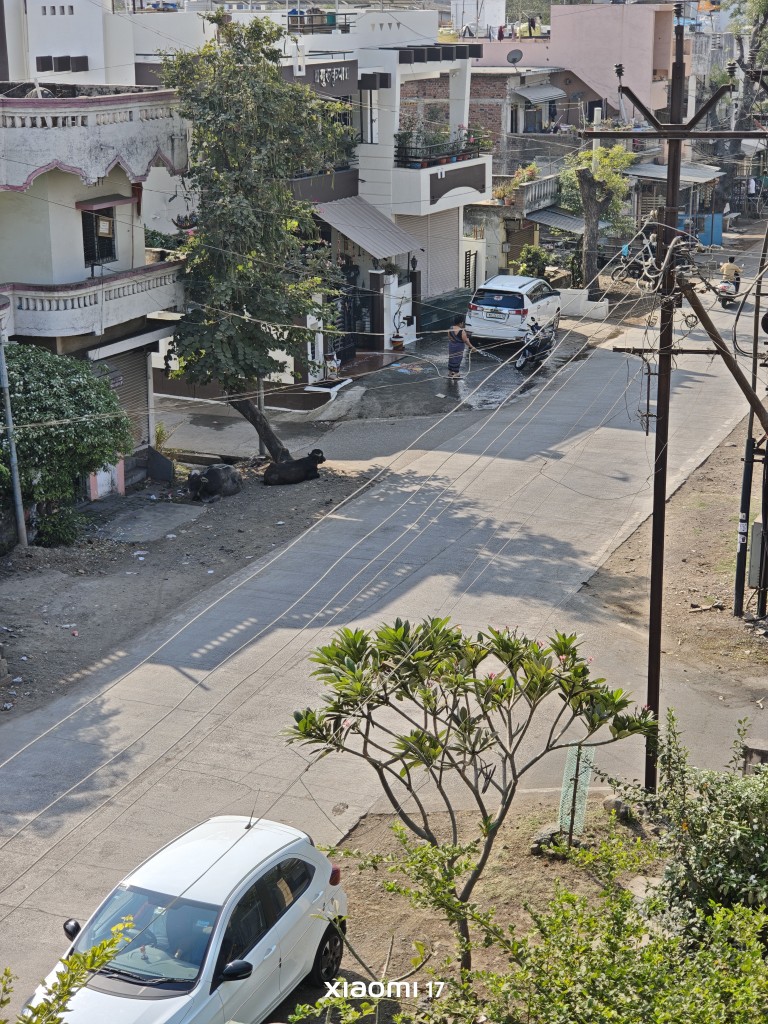



The telephoto lens is also surprisingly good. The Samsung JN5 image sensor delivers good results for a compact phone in all lighting conditions. It supports 2.6x optical magnification, but I shot the below photo in 5x, and it has good detail, nice bokeh, and an overall solid look. Even 10x shots come out considerably good with plenty of details, which I didn’t even expect. Plus, the liquid lens design also allows you to take macro shots, and it can get very close to its subject (10 cm).





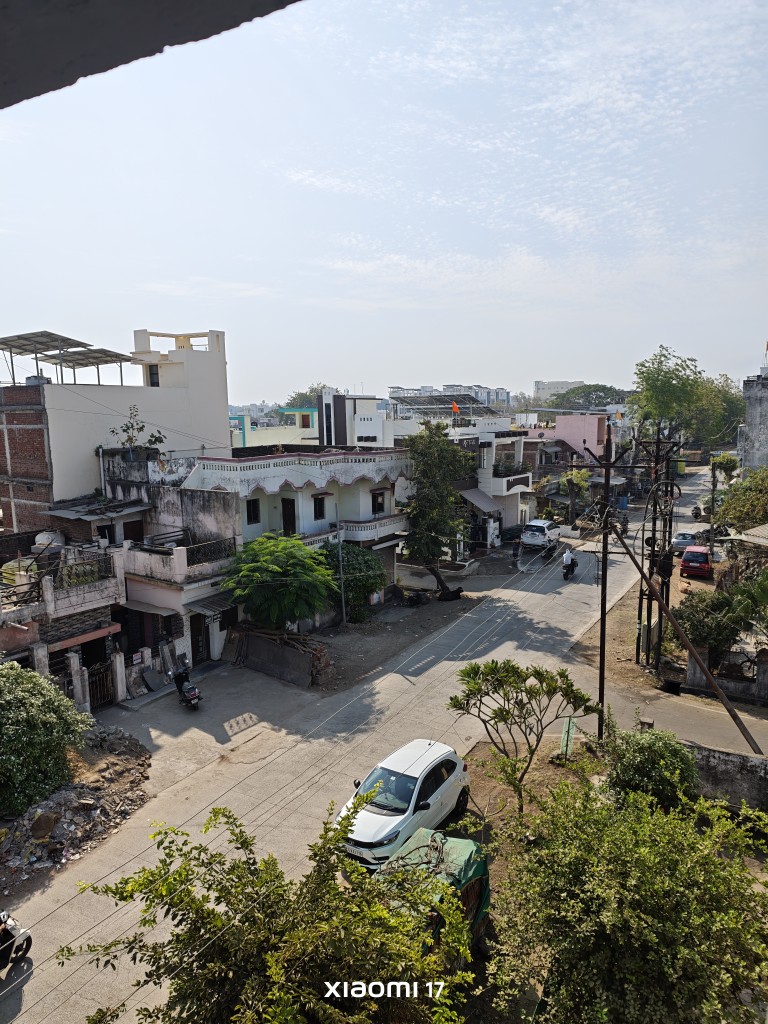
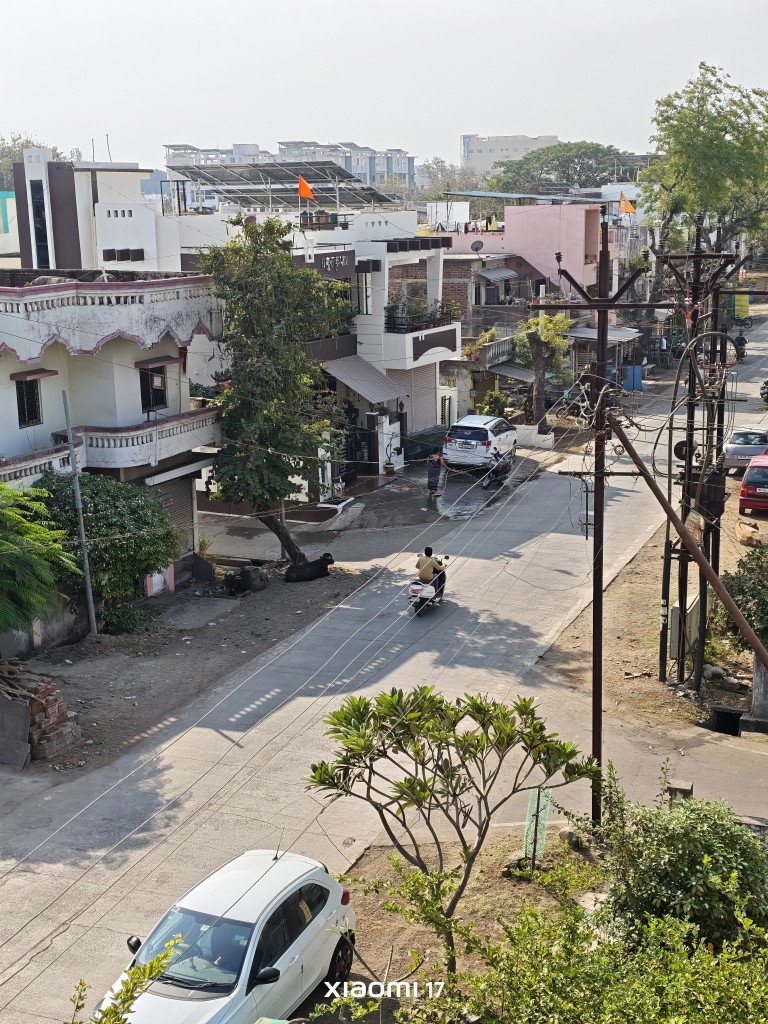




The 17 mm ultrawide-angle camera has a 102° field of view and it captures solid images without being overexposed. However, I noticed the Vivo is a bit sharper than the Xiaomi. It’s worth mentioning there are dozens of Leica-approved color styles to play with, my favorite of which remains the black and white high-contrast color style. It’s quite appealing for punchy monochrome street photography.
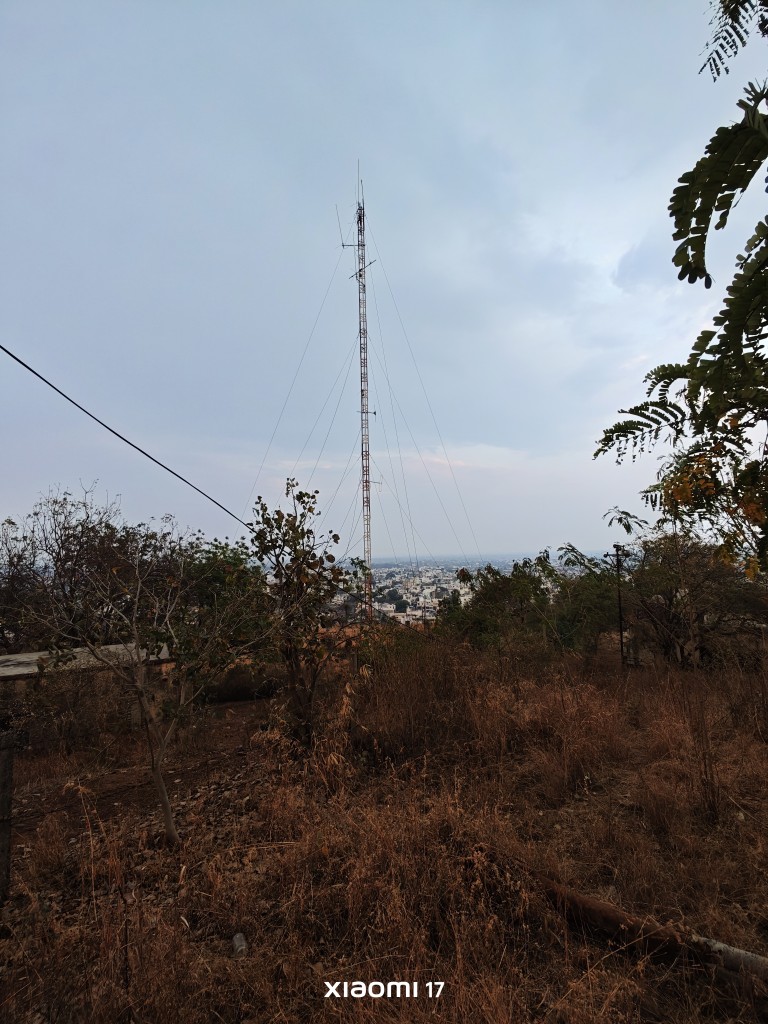


Overall I really liked Leica's color science. Though Vivo's Zeiss lens also delivers good results. It's just a matter of taste, as the two competitors are otherwise very close. We haven’t tested the Galaxy S26 yet. Without proper testing, it’s difficult to say whether it got the capable camera or not. However, the Samsung smartphone looks promising on paper, at least.
Xiaomi 17 final thoughts
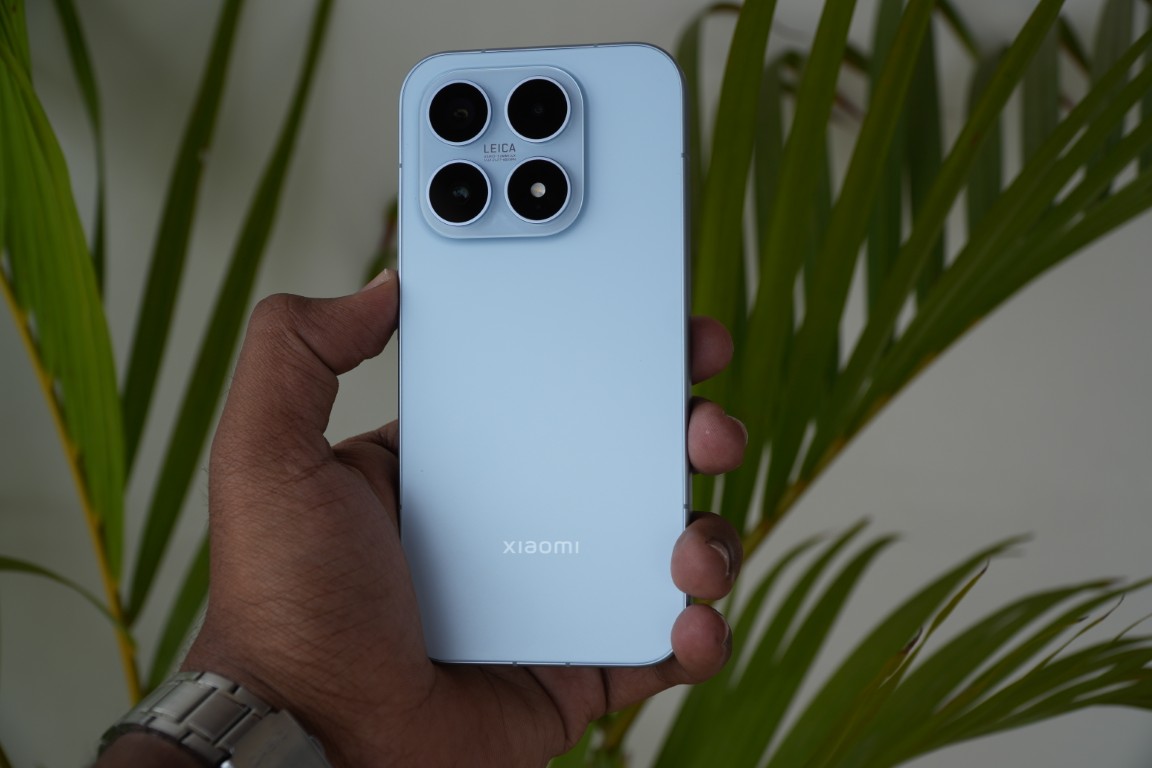
Overall, the Xiaomi 17 is a solid, compact Android flagship smartphone for the price. However, there’s one hindrance: it’s considerably heavier than the Samsung Galaxy S26, but it has a larger battery capacity, stellar cameras, a high-resolution display, a compact chassis, and a clean UI interface with longer software support.
If you’re looking for a compact phone and don’t want to compromise on battery capacity, the Xiaomi 17 is your best bet. Right now, you can purchase the Xiaomi 17 at €999 for the base 12 GB + 512 GB variant, while the high-end 12 GB + 512 GB will set you back €1,099. Buyers can choose from black, venture green, alpine pink, and ice blue color options.
 Add as a preferred source on Google


