





Verdict on the Motorola Moto G67 Power
The Moto G67 Power impresses primarily with its long battery life. However, this is no longer particularly unique in the mid-range segment, and the Motorola phone also offers little that stands out in terms of camera quality.
That said, a few features still set the phone apart: fast storage, a 3.5 mm headphone jack that is no longer standard, a bright display, and a reliable fingerprint sensor.
Our test device is a smartphone for the Indian market, as the Moto G67 Power is not officially available in Europe. This means you have to do without some mobile phone bands, which could be important for good reception, as well as eSIM support. The update supply is also quite limited, which is a problem for Motorola worldwide.
The attractive and stable chassis, on the other hand, is a clear plus point, so you should weigh up what is important to you. If you are looking for a phone with a long battery life and a stylish exterior for a rather small budget, the Moto G67 Power is certainly an interesting offer.
Pros
Cons
Price and availability
Table of Contents
- Verdict on the Motorola Moto G67 Power
- Specifications
- Case and features - Nice first impression
- Communication and operation - Moto phone with stable Wi-Fi
- Software and sustainability - Limited security support
- Cameras - Standard fare for the mid-range
- Display - Bright IPS screen
- Performance, emissions and battery life - Minimal heat build-up
- Notebookcheck overall rating
- Possible alternatives in comparison
Specifications
Case and features - Nice first impression
The Motorola Moto G67 Power is available in three Pantone colors: Parachute Purple (a striking violet), Cilantro (a muted green), and, like our test unit, a vivid light blue called Blue Curacao.
The back panel has a faux-leather texture, and the camera module is smoothly integrated into the material with a gentle curve. The chassis feels very sturdy and is protected against dust and splashes in accordance with the IP64 rating.
Our test unit includes 128 GB of internal storage and 8 GB of RAM; a 256 GB storage variant is also available. There is no microSD slot.
The USB port supports only the USB 2.0 standard.


Communication and operation - Moto phone with stable Wi-Fi
After testing the device with our reference router, the Asus ROG Rapture AXE11000, we measured Wi-Fi 5 performance with fairly stable transfer rates, although speeds do not exceed 350 Mbps.
Mobile connectivity requires some caution: because our test unit is intended for the Indian market, certain 4G bands commonly used in Europe, such as Band 20, are missing. Overall, however, the phone still supports a reasonable range of frequencies.
The touchscreen has a 120 Hz sampling rate and operates smoothly. Since the display also runs at up to 120 Hz, inputs are registered without noticeable delay.
The fingerprint sensor is integrated into the power button. It recognizes fingerprints very reliably and unlocks the phone instantly. Face recognition is also available and works well.
| Networking | |
| Motorola Moto G67 Power | |
| iperf3 transmit AXE11000 | |
| iperf3 receive AXE11000 | |
| Motorola Moto G57 Power | |
| iperf3 transmit AXE11000 | |
| iperf3 receive AXE11000 | |
| Xiaomi Redmi 15 5G | |
| iperf3 transmit AXE11000 | |
| iperf3 receive AXE11000 | |
| Samsung Galaxy A26 5G | |
| iperf3 transmit AXE11000 | |
| iperf3 receive AXE11000 | |
| Average 802.11 a/b/g/n/ac | |
| iperf3 transmit AXE11000 | |
| iperf3 receive AXE11000 | |
| Average of class Smartphone | |
| iperf3 transmit AXE11000 | |
| iperf3 receive AXE11000 | |
Software and sustainability - Limited security support
The phone ships with Android 15. The system is only lightly modified, as Motorola places most of its custom features into separate apps.
Motorola promises three years of security updates from launch, meaning support should run until June 2028. Android 16 is expected to arrive on the device, but beyond that the update outlook is uncertain.
Unfortunately, Motorola provides very little information about sustainability, although the packaging is plastic-free.
Cameras - Standard fare for the mid-range

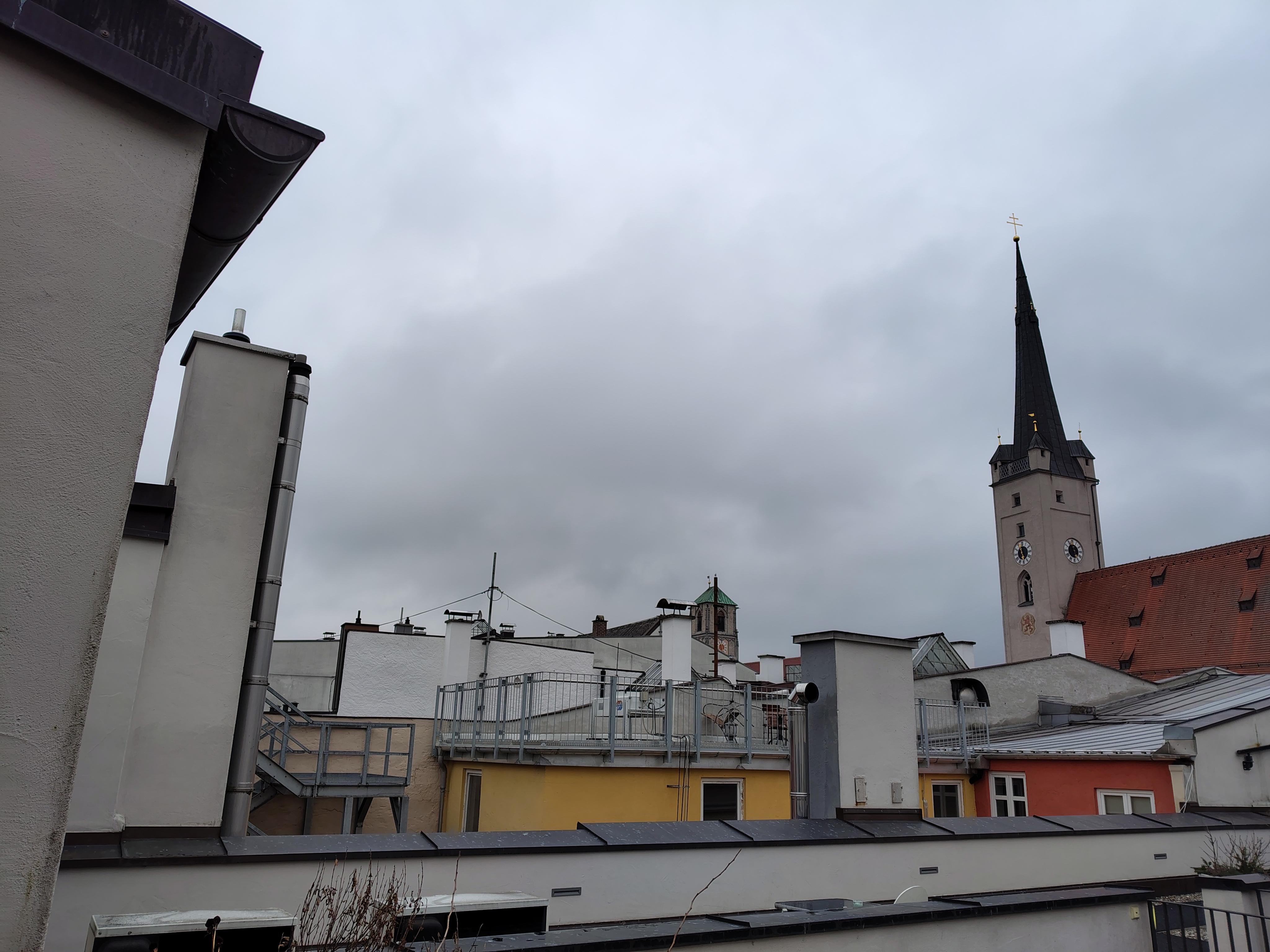
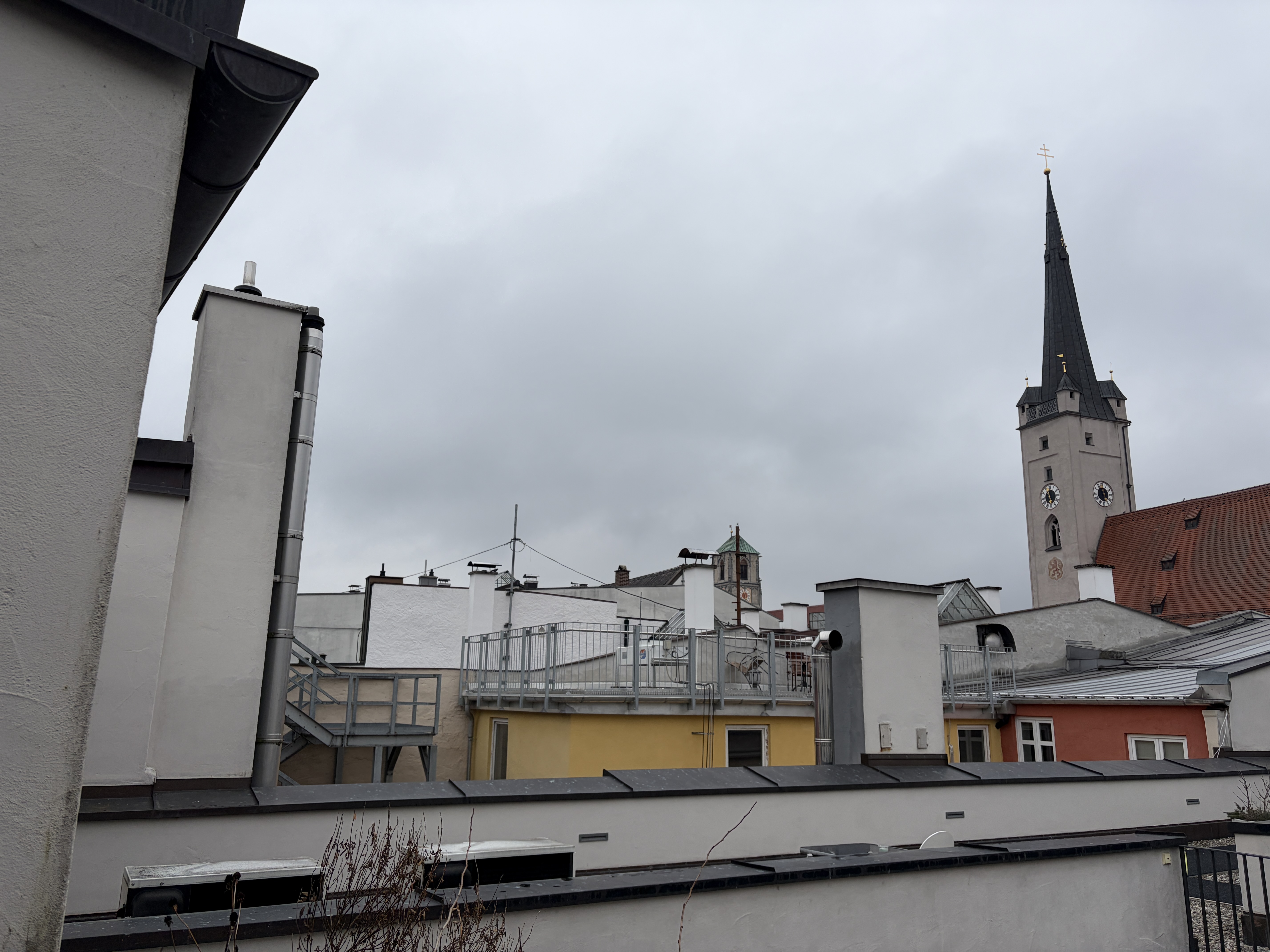
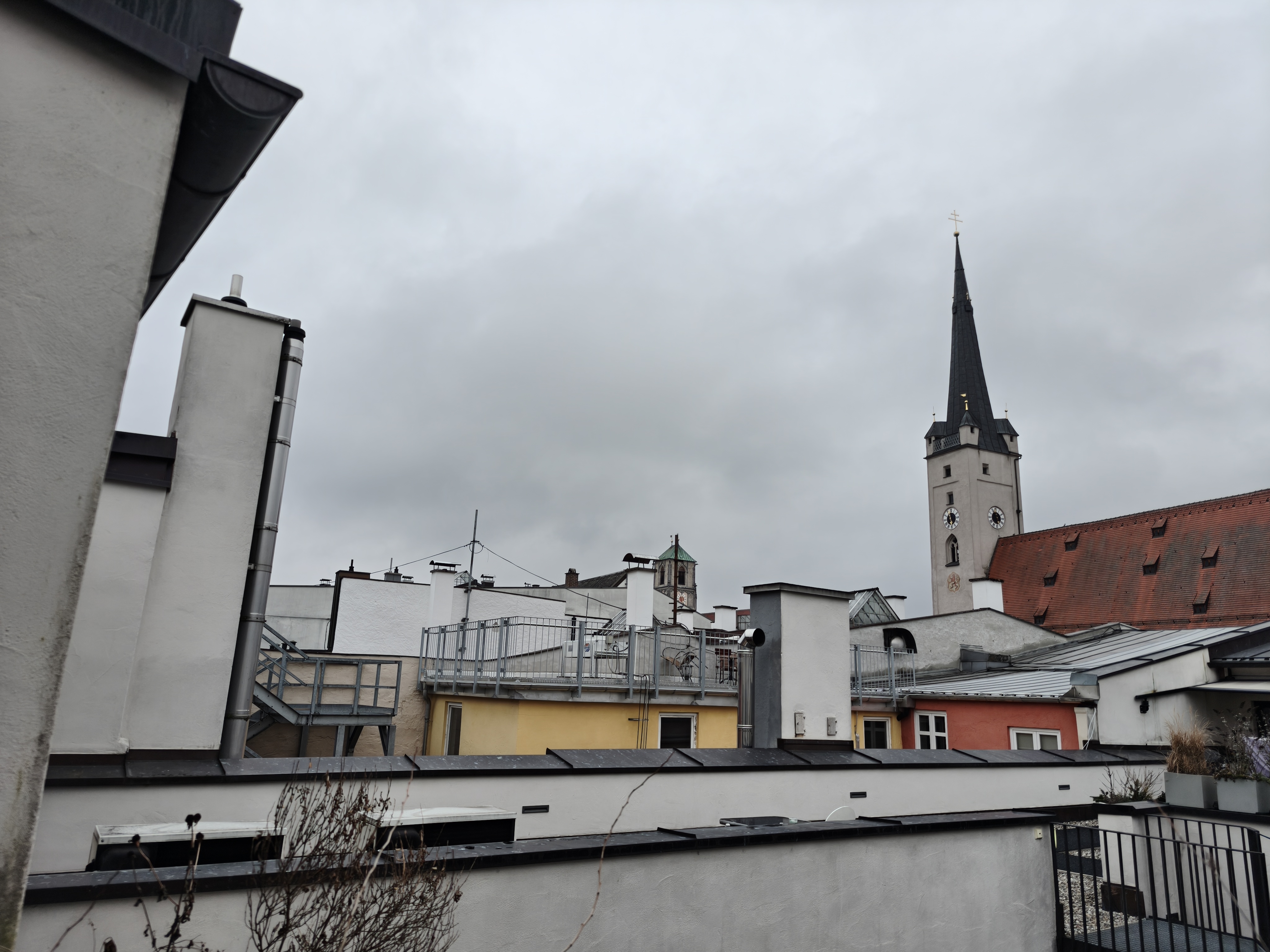
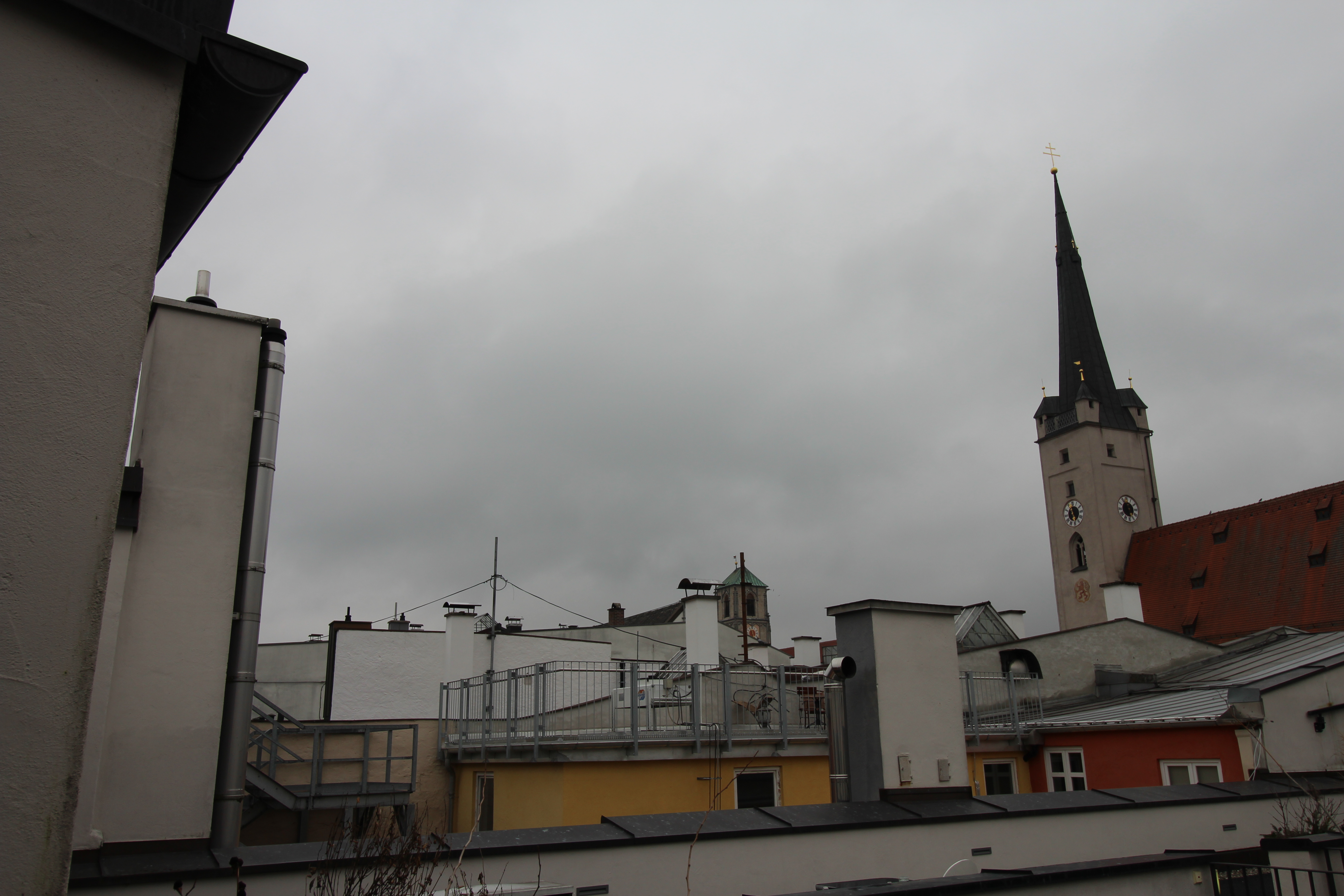
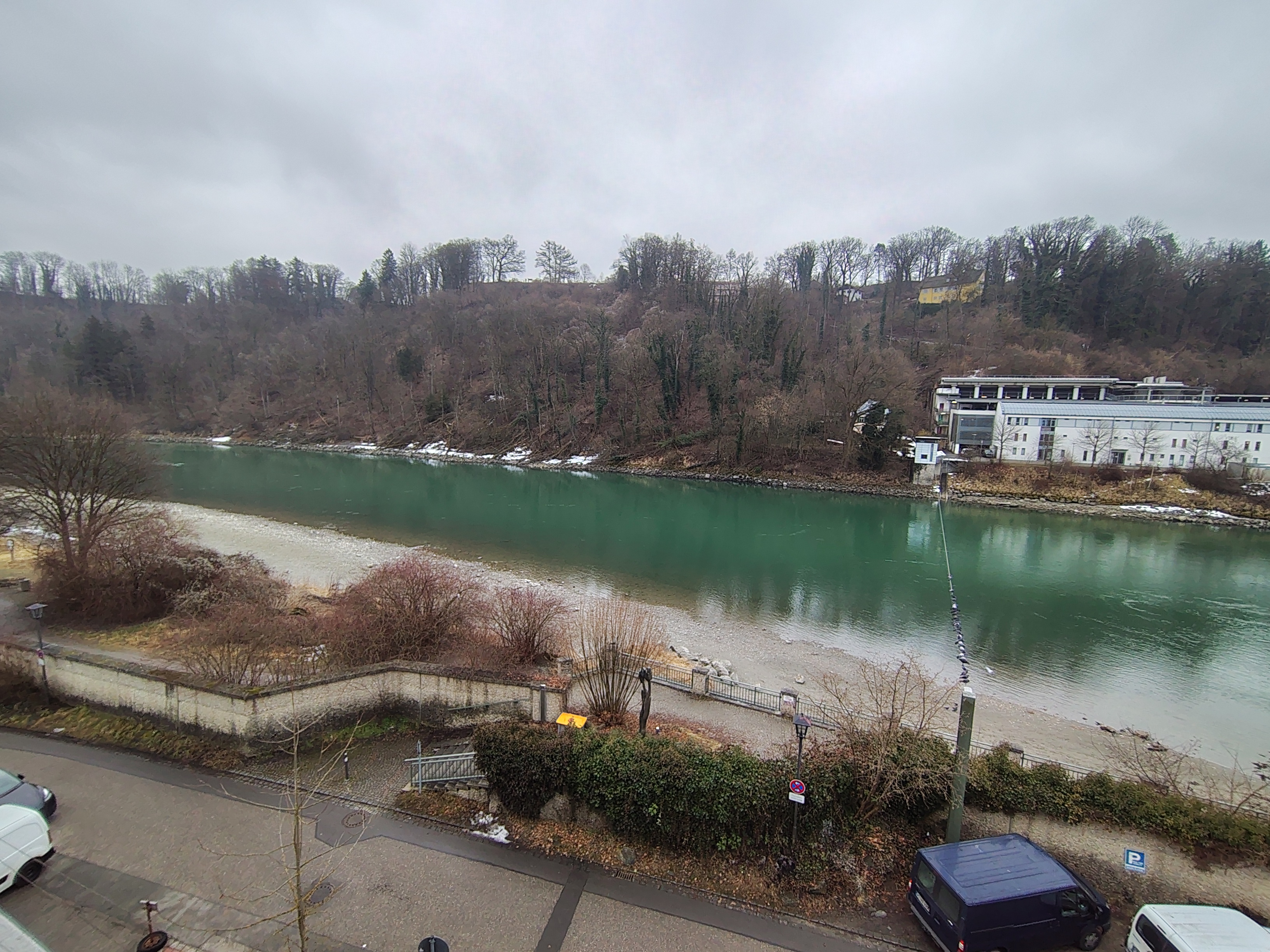
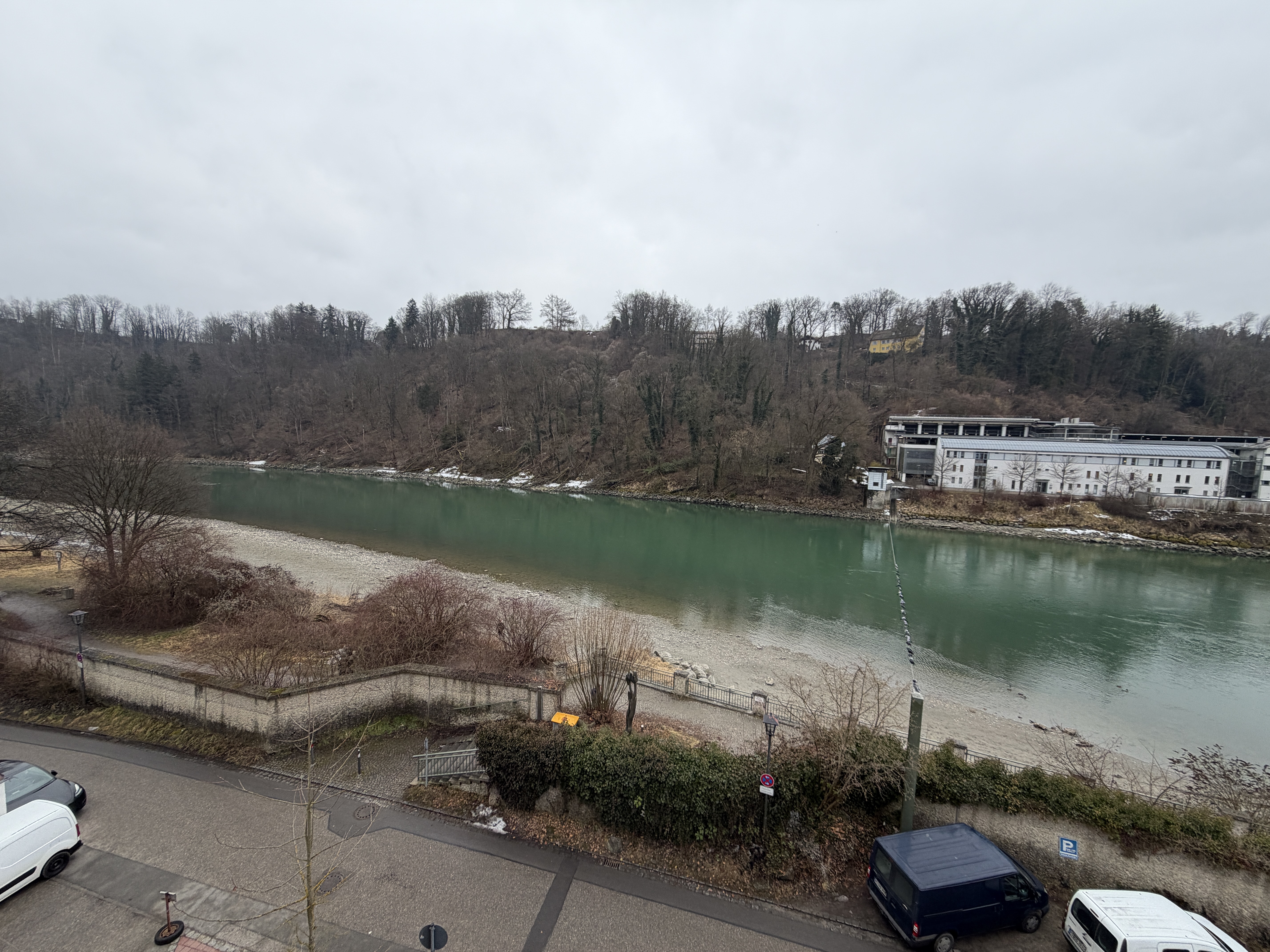
The phone includes a 50-megapixel main camera that typically captures 12.5-megapixel photos, combining pixels to improve light capture.
In good lighting, the main camera produces decent images, but fine detail could be sharper. In low light, photos quickly appear coarse, and darker areas lack detail.
The front camera offers 32 megapixels but usually records 8-megapixel photos. These are reasonably sharp, though colors appear somewhat washed out and bright areas quickly lose dynamic range.
Image comparison
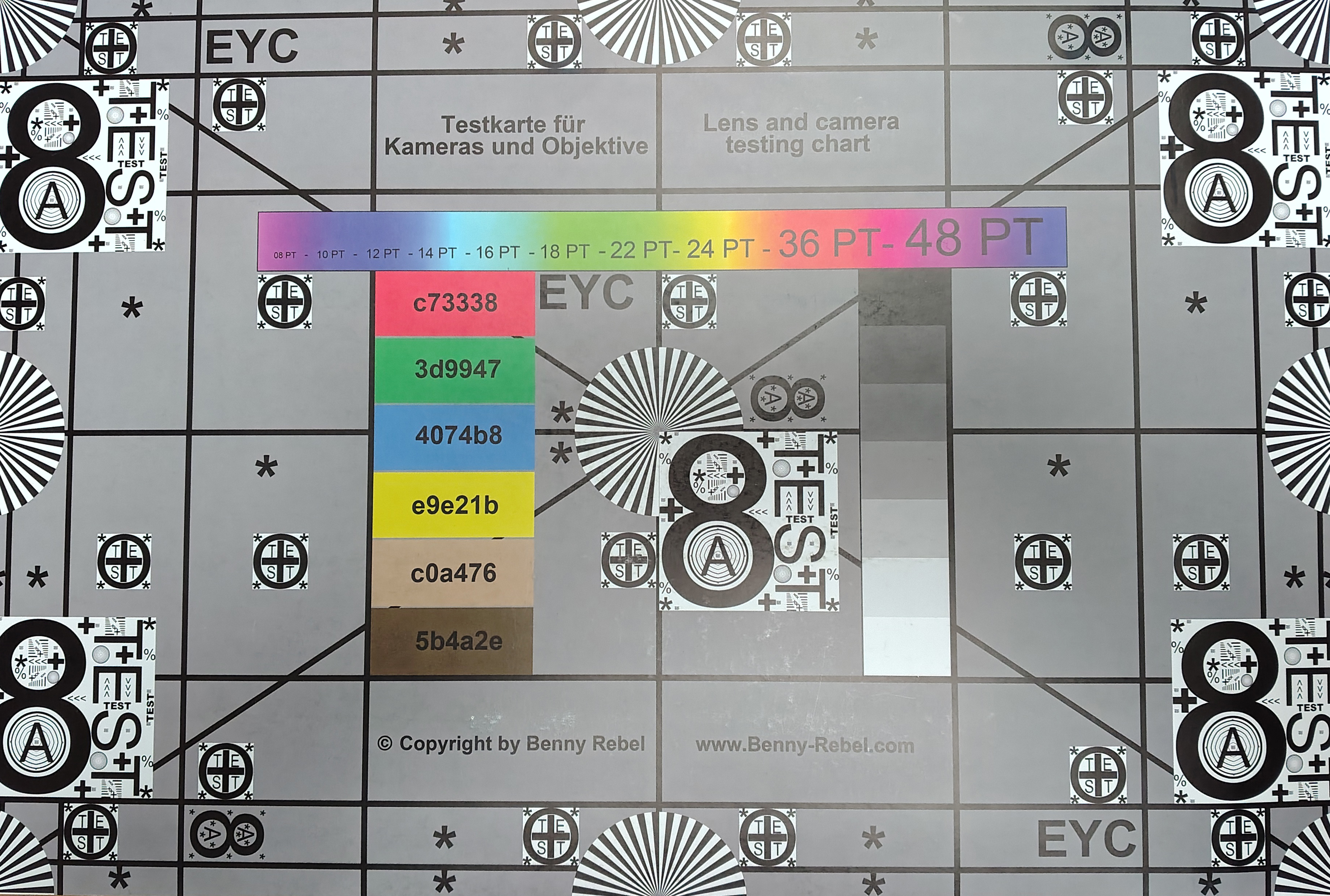
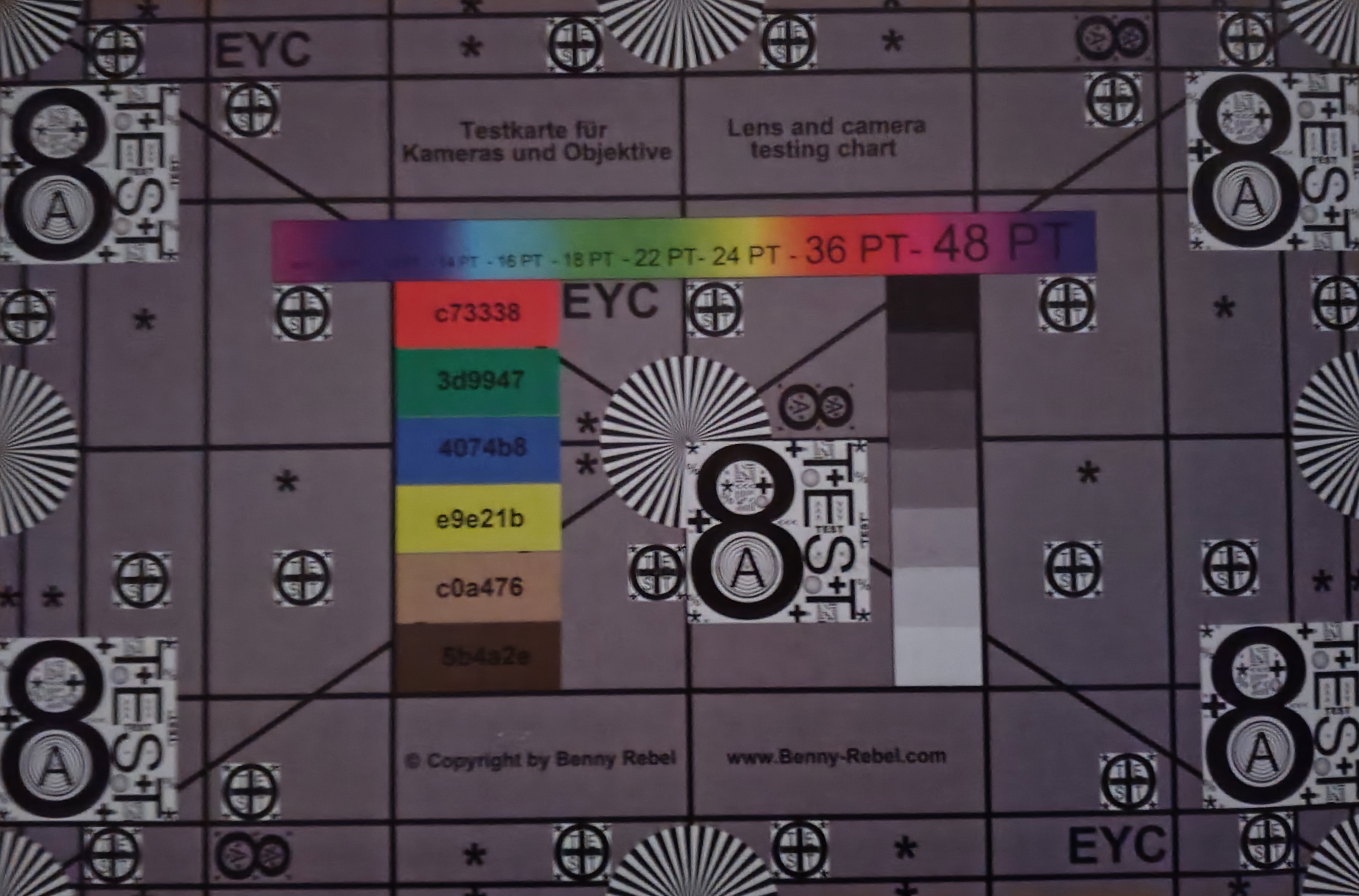
Choose a scene and navigate within the first image. One click changes the position on touchscreens. One click on the zoomed-in image opens the original in a new window. The first image shows the scaled photograph of the test device.
Main camera (plant)Main camera (environment)Main camera (low light)Ultra-wide














Display - Bright IPS screen
In everyday use, the IPS panel can become very bright when needed and is therefore usable outdoors. However, brightness is not quite sufficient for proper HDR playback.
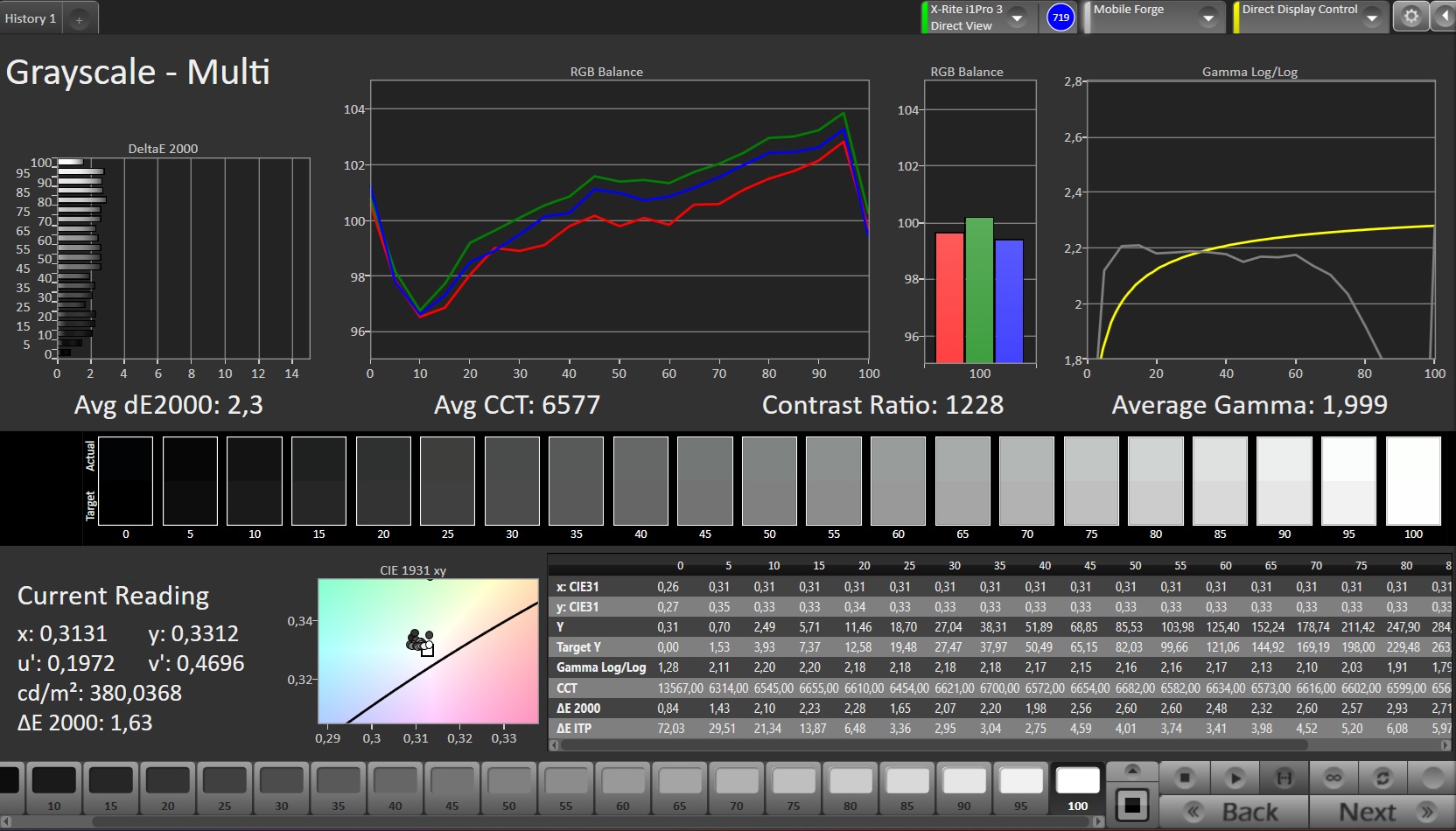
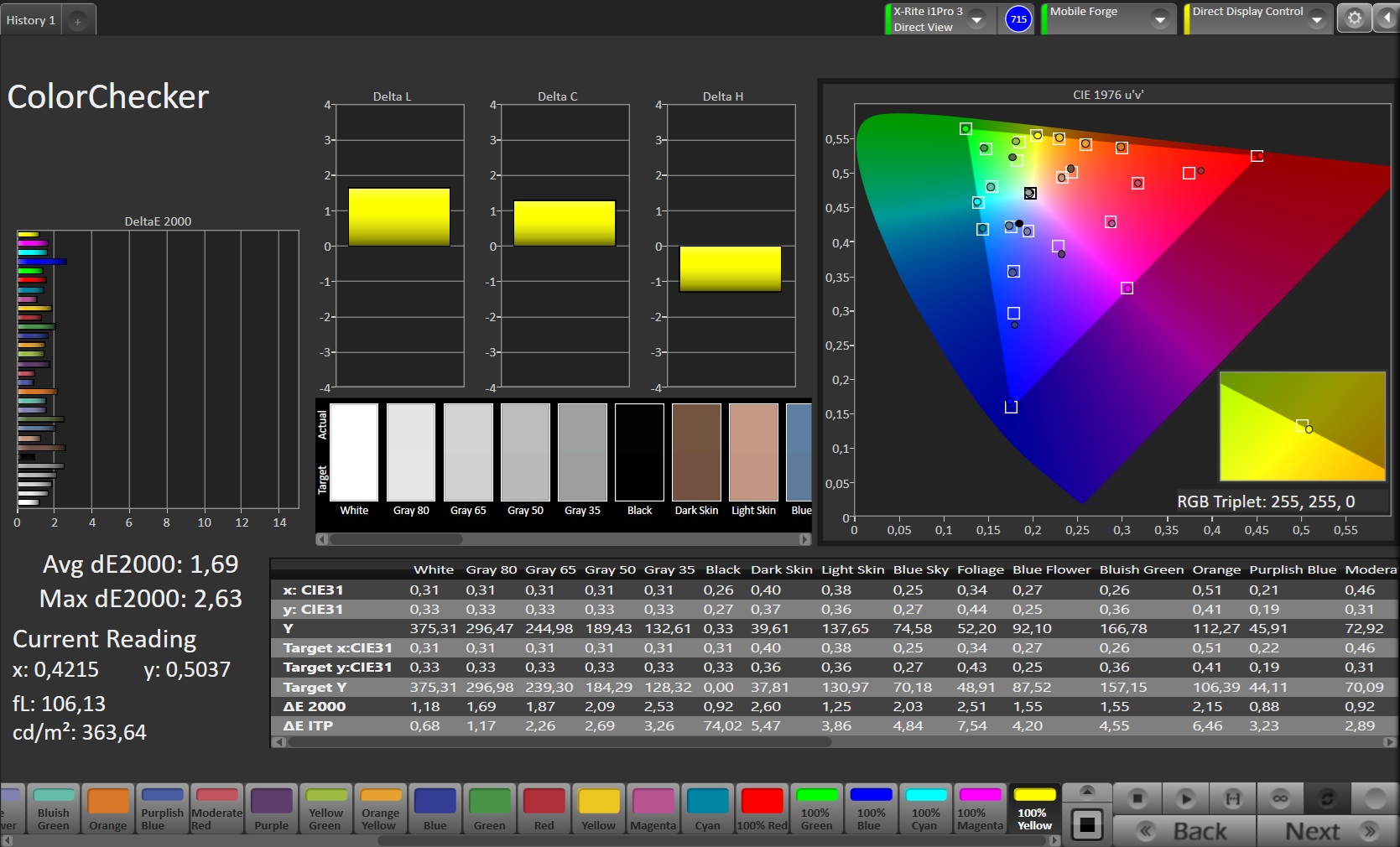
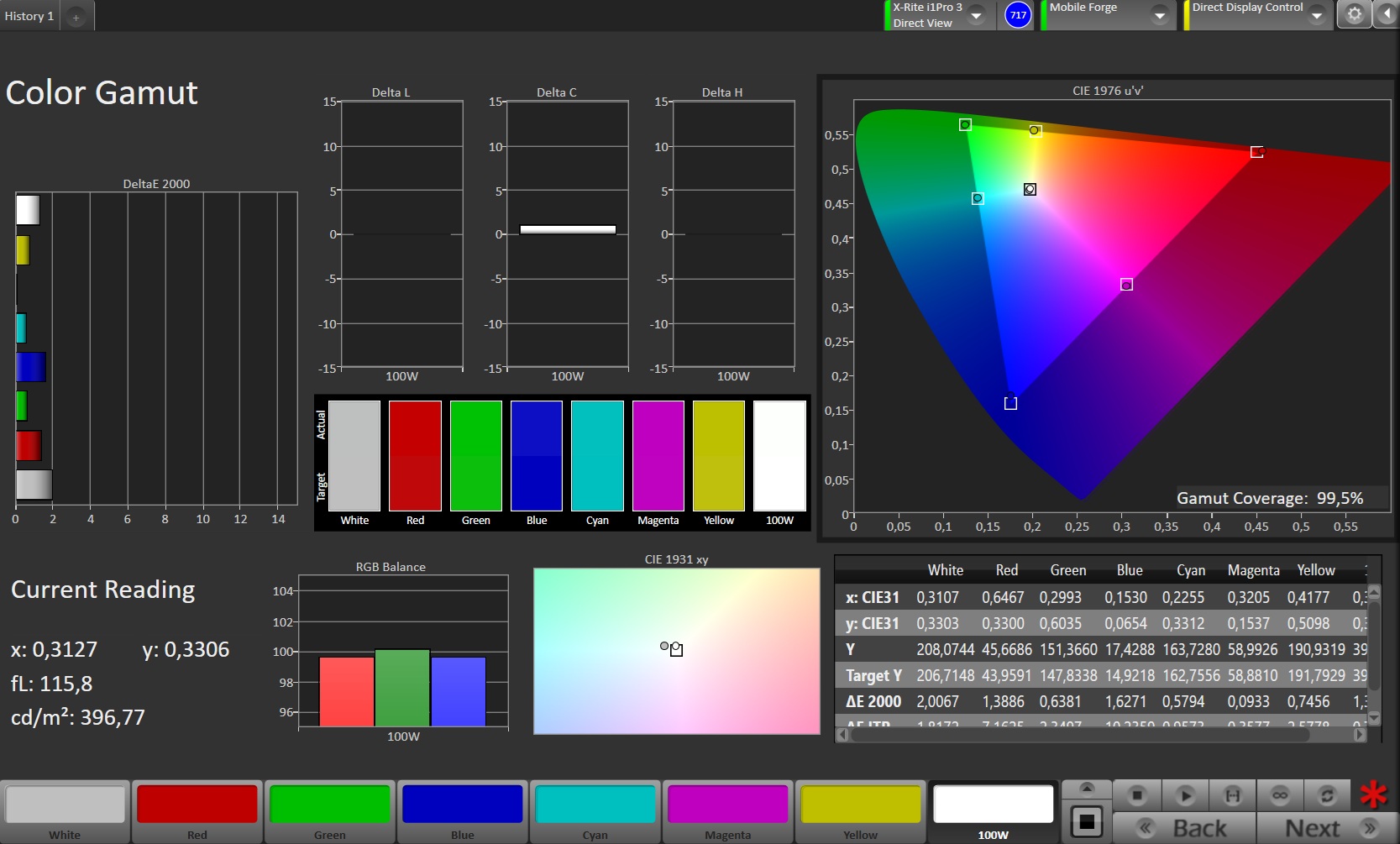
We like the color reproduction in “Natural” mode; it is very close to accurate. We also detected no PWM flickering, so even sensitive users should be able to use the screen comfortably.
| |||||||||||||||||||||||||
Brightness Distribution: 96 %
Center on Battery: 925 cd/m²
Contrast: 1888:1 (Black: 0.49 cd/m²)
ΔE ColorChecker Calman: 1.69 | ∀{0.5-29.43 Ø4.69}
ΔE Greyscale Calman: 2.3 | ∀{0.09-98 Ø4.94}
99.5% sRGB (Calman 2D)
Gamma: 1.999
CCT: 6577 K
| Motorola Moto G67 Power IPS, 2400x1080, 6.7" | Motorola Moto G57 Power IPS, 2400x1080, 6.7" | Xiaomi Redmi 15 5G IPS, 2340x1080, 6.9" | Samsung Galaxy A26 5G Super AMOLED, 2340x1080, 6.7" | |
|---|---|---|---|---|
| Screen | -10% | -53% | -60% | |
| Brightness middle (cd/m²) | 925 | 922 0% | 692 -25% | 735 -21% |
| Brightness (cd/m²) | 908 | 899 -1% | 665 -27% | 731 -19% |
| Brightness Distribution (%) | 96 | 96 0% | 93 -3% | 99 3% |
| Black Level * (cd/m²) | 0.49 | 0.57 -16% | 0.38 22% | |
| Contrast (:1) | 1888 | 1618 -14% | 1821 -4% | |
| Colorchecker dE 2000 * | 1.69 | 2.19 -30% | 4.18 -147% | 3.8 -125% |
| Colorchecker dE 2000 max. * | 2.63 | 3.19 -21% | 6.55 -149% | 5.8 -121% |
| Greyscale dE 2000 * | 2.3 | 2.3 -0% | 4.4 -91% | 4 -74% |
| Gamma | 1.999 110% | 2.214 99% | 2.286 96% | 1.98 111% |
| CCT | 6577 99% | 6422 101% | 7530 86% | 6628 98% |
* ... smaller is better
| Display / APL18 Peak Brightness | |
| Samsung Galaxy A26 5G | |
| Motorola Moto G67 Power | |
| Motorola Moto G57 Power | |
| Display / HDR Peak Brightness | |
| Samsung Galaxy A26 5G | |
| Motorola Moto G67 Power | |
| Motorola Moto G57 Power | |
Screen Flickering / PWM (Pulse-Width Modulation)
| Screen flickering / PWM not detected | 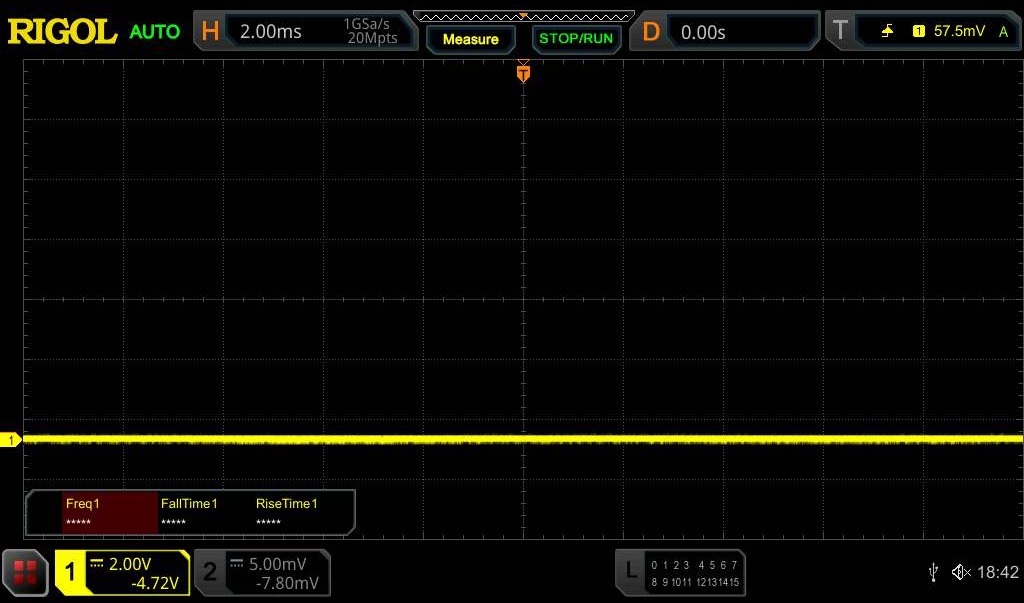 | ||
In comparison: 52 % of all tested devices do not use PWM to dim the display. If PWM was detected, an average of 7611 (minimum: 5 - maximum: 343500) Hz was measured. | |||
Display Response Times
| ↔ Response Time Black to White | ||
|---|---|---|
| 14.9 ms ... rise ↗ and fall ↘ combined | ↗ 11.3 ms rise | 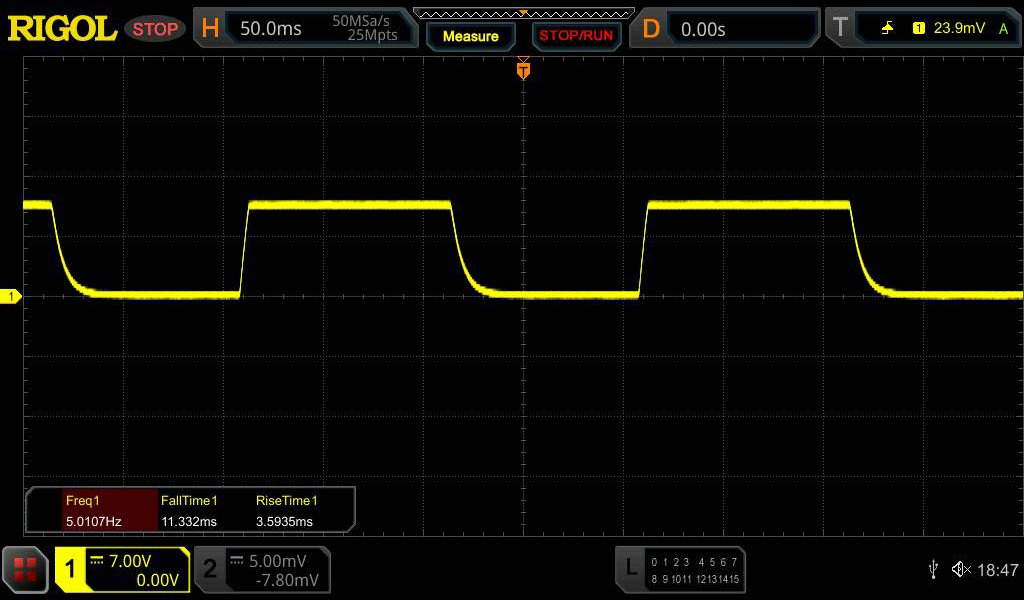 |
| ↘ 3.6 ms fall | ||
| The screen shows good response rates in our tests, but may be too slow for competitive gamers. In comparison, all tested devices range from 0.1 (minimum) to 240 (maximum) ms. » 36 % of all devices are better. This means that the measured response time is better than the average of all tested devices (19.7 ms). | ||
| ↔ Response Time 50% Grey to 80% Grey | ||
| 20 ms ... rise ↗ and fall ↘ combined | ↗ 9.3 ms rise | 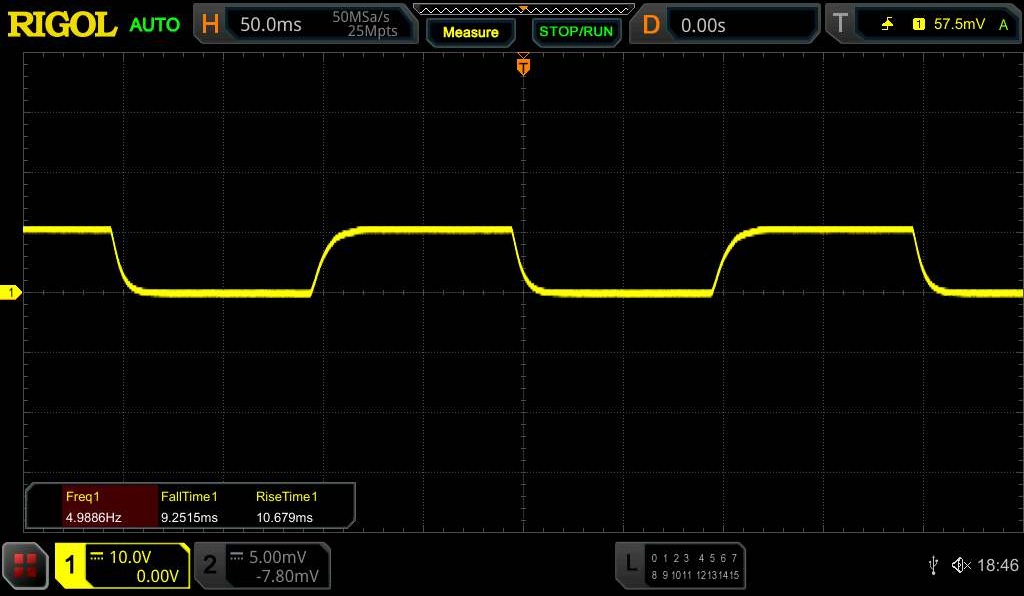 |
| ↘ 10.7 ms fall | ||
| The screen shows good response rates in our tests, but may be too slow for competitive gamers. In comparison, all tested devices range from 0.13 (minimum) to 636 (maximum) ms. » 33 % of all devices are better. This means that the measured response time is better than the average of all tested devices (30.7 ms). | ||
Performance, emissions and battery life - Minimal heat build-up
The Qualcomm Snapdragon 7s Gen 2 is a good fit for a mid-range phone and offers slightly more graphics performance than many comparable devices. Stuttering is rare in everyday use but cannot be ruled out entirely.
The storage is fairly fast and allows reasonably quick data transfers.
There is some noticeable warming under load, but it is not problematic overall. Performance also remains almost fully stable during prolonged stress.
The main speaker is assisted by the earpiece to produce stereo sound. Volume could be stronger, and the sound is somewhat treble-heavy. External audio devices can be connected via the 3.5 mm jack or Bluetooth. A wide range of Bluetooth audio codecs is supported.
The “Power” in the name refers to the particularly large battery. The Moto G67 Power has a capacity of 7,000 mAh. Our Wi-Fi test shows well over 20 hours of runtime. That is very good, although no longer unique in the mid-range segment. A full charge takes about 1 hour and 45 minutes.
| Motorola Moto G67 Power | Motorola Moto G57 Power | Xiaomi Redmi 15 5G | Samsung Galaxy A26 5G | Average 128 GB UFS 2.2 Flash | Average of class Smartphone | |
|---|---|---|---|---|---|---|
| AndroBench 3-5 | -2% | -38% | -52% | -28% | 83% | |
| Sequential Read 256KB (MB/s) | 942.6 | 936.8 -1% | 525.5 -44% | 528.54 -44% | 742 ? -21% | 2278 ? 142% |
| Sequential Write 256KB (MB/s) | 835.2 | 832.2 0% | 496.5 -41% | 251.43 -70% | 543 ? -35% | 1971 ? 136% |
| Random Read 4KB (MB/s) | 268.7 | 263.3 -2% | 139.4 -48% | 219.57 -18% | 195.6 ? -27% | 317 ? 18% |
| Random Write 4KB (MB/s) | 267.4 | 257.8 -4% | 218.7 -18% | 61.8 -77% | 189.3 ? -29% | 362 ? 35% |
(±) The maximum temperature on the upper side is 44.9 °C / 113 F, compared to the average of 35.4 °C / 96 F, ranging from 21.9 to 247 °C for the class Smartphone.
(±) The bottom heats up to a maximum of 42.5 °C / 109 F, compared to the average of 34.1 °C / 93 F
(+) In idle usage, the average temperature for the upper side is 26.2 °C / 79 F, compared to the device average of 33 °C / 91 F.
3DMark Stress Tests
| 3DMark | |
| Wild Life Stress Test Stability | |
| Motorola Moto G57 Power | |
| Xiaomi Redmi 15 5G | |
| Motorola Moto G67 Power | |
| Samsung Galaxy A26 5G | |
| Wild Life Extreme Stress Test | |
| Samsung Galaxy A26 5G | |
| Motorola Moto G67 Power | |
| Xiaomi Redmi 15 5G | |
| Motorola Moto G57 Power | |
| Steel Nomad Light Stress Test Stability | |
| Motorola Moto G57 Power | |
| Motorola Moto G67 Power | |
| Samsung Galaxy A26 5G | |
Motorola Moto G67 Power audio analysis
(±) | speaker loudness is average but good (81.5 dB)
Bass 100 - 315 Hz
(-) | nearly no bass - on average 24.7% lower than median
(±) | linearity of bass is average (10.2% delta to prev. frequency)
Mids 400 - 2000 Hz
(±) | higher mids - on average 6.6% higher than median
(±) | linearity of mids is average (9.4% delta to prev. frequency)
Highs 2 - 16 kHz
(+) | balanced highs - only 4.8% away from median
(±) | linearity of highs is average (7.7% delta to prev. frequency)
Overall 100 - 16.000 Hz
(±) | linearity of overall sound is average (20.7% difference to median)
Compared to same class
» 38% of all tested devices in this class were better, 9% similar, 54% worse
» The best had a delta of 11%, average was 34%, worst was 136%
Compared to all devices tested
» 56% of all tested devices were better, 8% similar, 36% worse
» The best had a delta of 4%, average was 23%, worst was 136%
Samsung Galaxy A26 5G audio analysis
(+) | speakers can play relatively loud (92.1 dB)
Bass 100 - 315 Hz
(-) | nearly no bass - on average 25.2% lower than median
(+) | bass is linear (4.6% delta to prev. frequency)
Mids 400 - 2000 Hz
(±) | reduced mids - on average 6.5% lower than median
(+) | mids are linear (4.7% delta to prev. frequency)
Highs 2 - 16 kHz
(±) | higher highs - on average 5.3% higher than median
(+) | highs are linear (3.7% delta to prev. frequency)
Overall 100 - 16.000 Hz
(±) | linearity of overall sound is average (17.5% difference to median)
Compared to same class
» 13% of all tested devices in this class were better, 9% similar, 78% worse
» The best had a delta of 11%, average was 34%, worst was 136%
Compared to all devices tested
» 34% of all tested devices were better, 8% similar, 57% worse
» The best had a delta of 4%, average was 23%, worst was 136%
| Motorola Moto G67 Power 7000 mAh | Motorola Moto G57 Power 7000 mAh | Xiaomi Redmi 15 5G 7000 mAh | Samsung Galaxy A26 5G 5000 mAh | |
|---|---|---|---|---|
| Battery runtime | -1% | 8% | -30% | |
| Reader / Idle (h) | 39.8 | 39.1 -2% | 40.9 3% | 33.1 -17% |
| WiFi v1.3 (h) | 20.7 | 20.3 -2% | 21.1 2% | 12.3 -41% |
| Load (h) | 6.1 | 6.2 2% | 7.3 20% | 4.2 -31% |
| H.264 (h) | 29.7 | 18.7 |
Notebookcheck overall rating
The Motorola Moto G67 Power is a solid mid-range phone with long battery life and a stylish design.
If long software support matters to you, you should look elsewhere.

Motorola Moto G67 Power
- 02/22/2026 v8
Florian Schmitt
 Total Sustainability Score:
 Possible alternatives in comparison
Image | Model / Review | Price | Weight | Drive | Display |
|---|---|---|---|---|---|
1. 74.7%  | Motorola Moto G67 Power Qualcomm Snapdragon 7s Gen 2 ⎘ Qualcomm Adreno 710 ⎘ 8 GB Memory, 128 GB UFS 2.2 | Amazon: 1. $345.93 Motorola Moto G Power - 2026... 2. $163.23 Motorola Moto G Power 2025, ... 3. $144.95 Moto G Power 5G | 2024 | Unl... List Price: 299€ | 210 g | 128 GB UFS 2.2 Flash | 6.70" 2400x1080 393 PPI IPS |
2. 75%  | Motorola Moto G57 Power Qualcomm Snapdragon 6s Gen 4 ⎘ Qualcomm Adreno 710 ⎘ 12 GB Memory, 256 GB UFS 2.2 | Amazon: 1. $239.50 Motorola Moto G57 Dual-SIM 2... 2. $194.97 Motorola Moto G Power - 2025... 3. $569.00 Motorola Moto G57 Power Dual... List Price: 299€ | 210.6 g | 256 GB UFS 2.2 Flash | 6.72" 2400x1080 392 PPI IPS |
3. 72.6%  | Xiaomi Redmi 15 5G Qualcomm Snapdragon 6s Gen 3 ⎘ Qualcomm Adreno 619 ⎘ 8 GB Memory, 256 GB UFS 2.2 | List Price: 250€ | 224 g | 256 GB UFS 2.2 Flash | 6.90" 2340x1080 374 PPI IPS |
4. 75.6%  | Samsung Galaxy A26 5G Samsung Exynos 1380 ⎘ ARM Mali-G68 MP5 ⎘ 6 GB Memory, 128 GB UFS 3.1 | List Price: 299€ | 200 g | 128 GB UFS 3.1 Flash | 6.70" 2340x1080 385 PPI Super AMOLED |
Transparency
The selection of devices to be reviewed is made by our editorial team. The test sample was freely purchased by the author at his/her own expense. The lender had no influence on this review, nor did the manufacturer receive a copy of this review before publication. There was no obligation to publish this review. As an independent media company, Notebookcheck is not subjected to the authority of manufacturers, retailers or publishers.
This is how Notebookcheck is testing
Every year, Notebookcheck independently reviews hundreds of laptops and smartphones using standardized procedures to ensure that all results are comparable. We have continuously developed our test methods for around 20 years and set industry standards in the process. In our test labs, high-quality measuring equipment is utilized by experienced technicians and editors. These tests involve a multi-stage validation process. Our complex rating system is based on hundreds of well-founded measurements and benchmarks, which maintains objectivity. Further information on our test methods can be found here.
 Add as a preferred source on Google


