




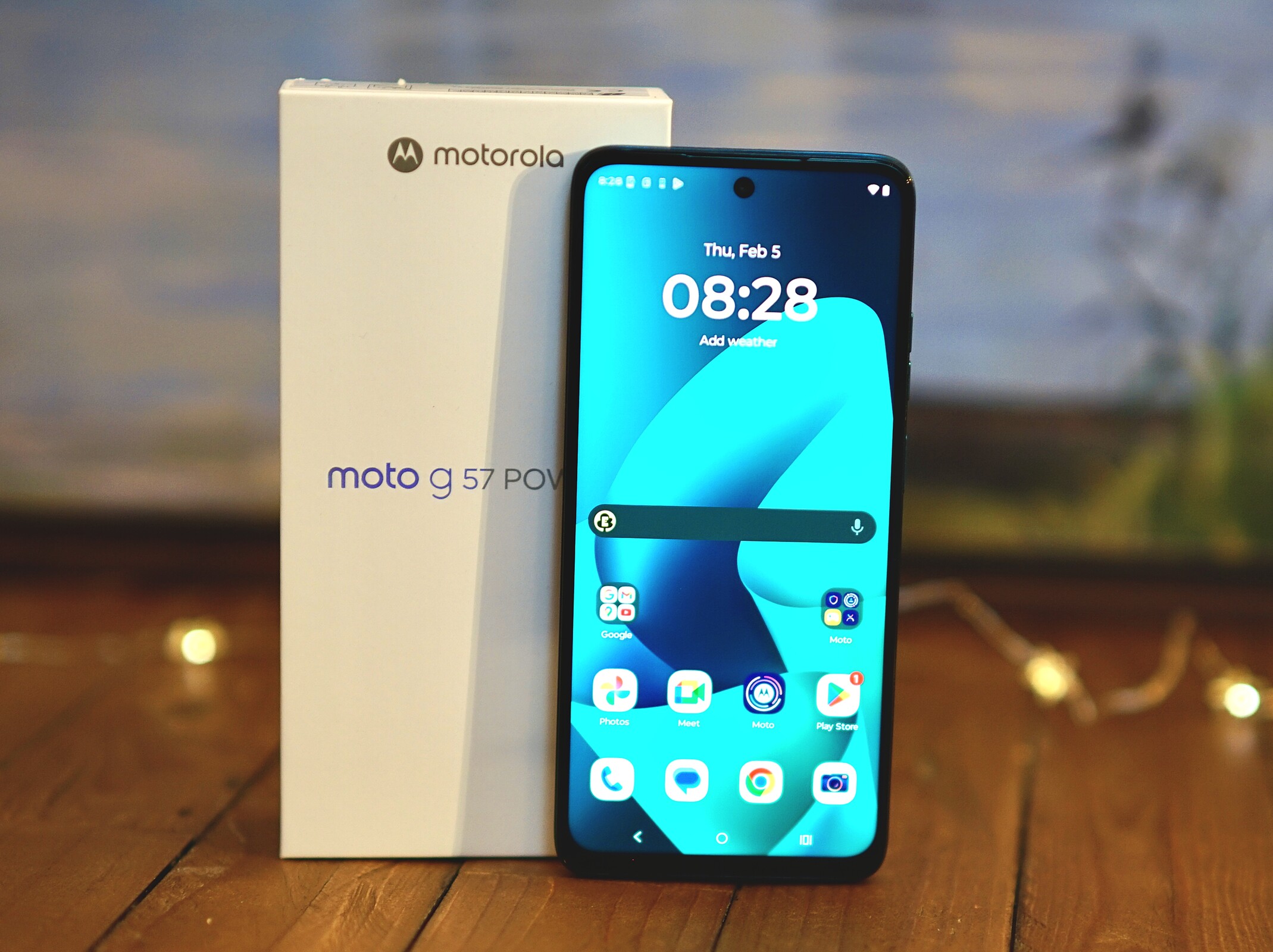
Verdict – Motorola Moto G57 Power
The Motorola Moto G57 Power aims to impress with its long battery life, and it largely succeeds. However, this feature is no longer as distinctive as it once was, as the competition has caught up.
That said, the handset remains worth a look. Its weight stays within reasonable limits, the chassis is both visually appealing and very sturdy, and the device offers a bright display without PWM flickering.
Performance is solid overall, albeit with limited headroom. The SoC does not throttle even during prolonged use, which is a positive point.
The speakers and cameras are adequate for the price range, but they do not stand out in any particular way.
In our Wi-Fi test, the phone lasts for more than 20 hours. While this is a strong result, the Xiaomi Redmi 15 5G manages slightly longer runtimes. As a result, Motorola will likely need to work harder in future generations to better differentiate its Power models.
The biggest weakness of the Moto G57 Power is its short update support period.
Pros
Cons
Price and availability
The Moto G57 Power is not widely listed by retailers in Europe. However, online retailer Alza currently offers the smartphone for under €300. It is available for slightly less directly from Motorola.
By contrast, Amazon.de is currently only listing protective cases for the smartphone. The Motorola Moto G57 Power is not officially available in the United States at the time of writing.

- $355.00Motorola Moto G57 Power Dual-SIM 256GB ROM + 12GB RAM (GSM Only | No CDMA) Factory Unlocked 5G Smartphone (Pantone Corsair) - International Version
- $162.11Motorola Moto G Power - 2025 | Unlocked | Made for US 8/128GB | 50MP Camera | Slate Gray
- $329.95Motorola Moto G Power - 2026 | Unlocked | Made for US 8/128GB | 50MP Camera | Pantone Evening Blue | AI Camera System, Military Grade, Ram Boost
Table of Contents
- Verdict – Motorola Moto G57 Power
- Specifications
- Case and features – faux leather finish and eSIM support
- Communication and operation – Moto phone with stable Wi-Fi
- Software and sustainability – How long will Motorola phones receive updates?
- Cameras – What can the 50-megapixel main camera do?
- Display – Motorola without PWM flickering
- Performance, emissions and battery life – Moto phone lasts a long time
- Notebookcheck overall rating
- Possible alternatives at a glance
Specifications
Case and features – faux leather finish and eSIM support
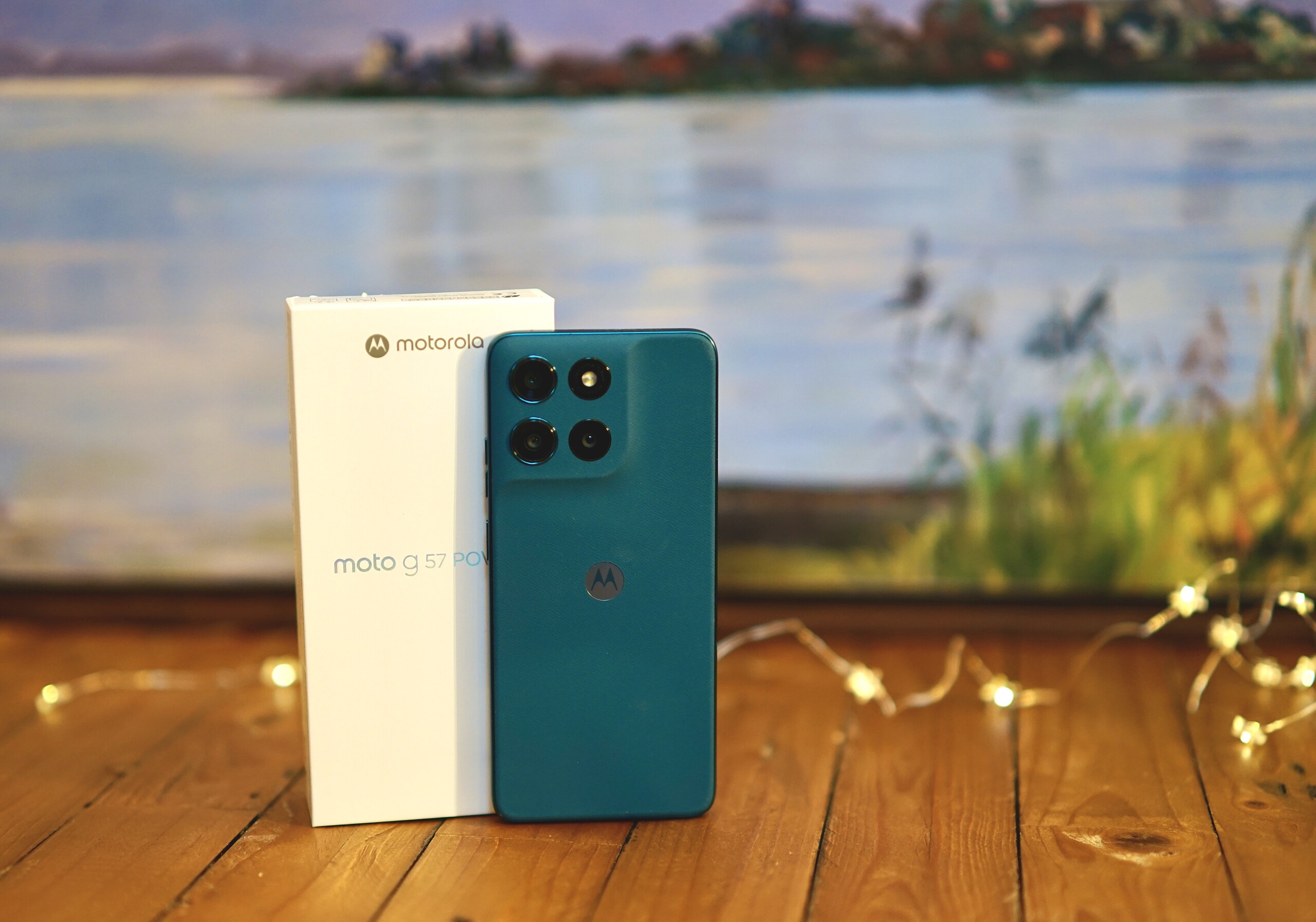
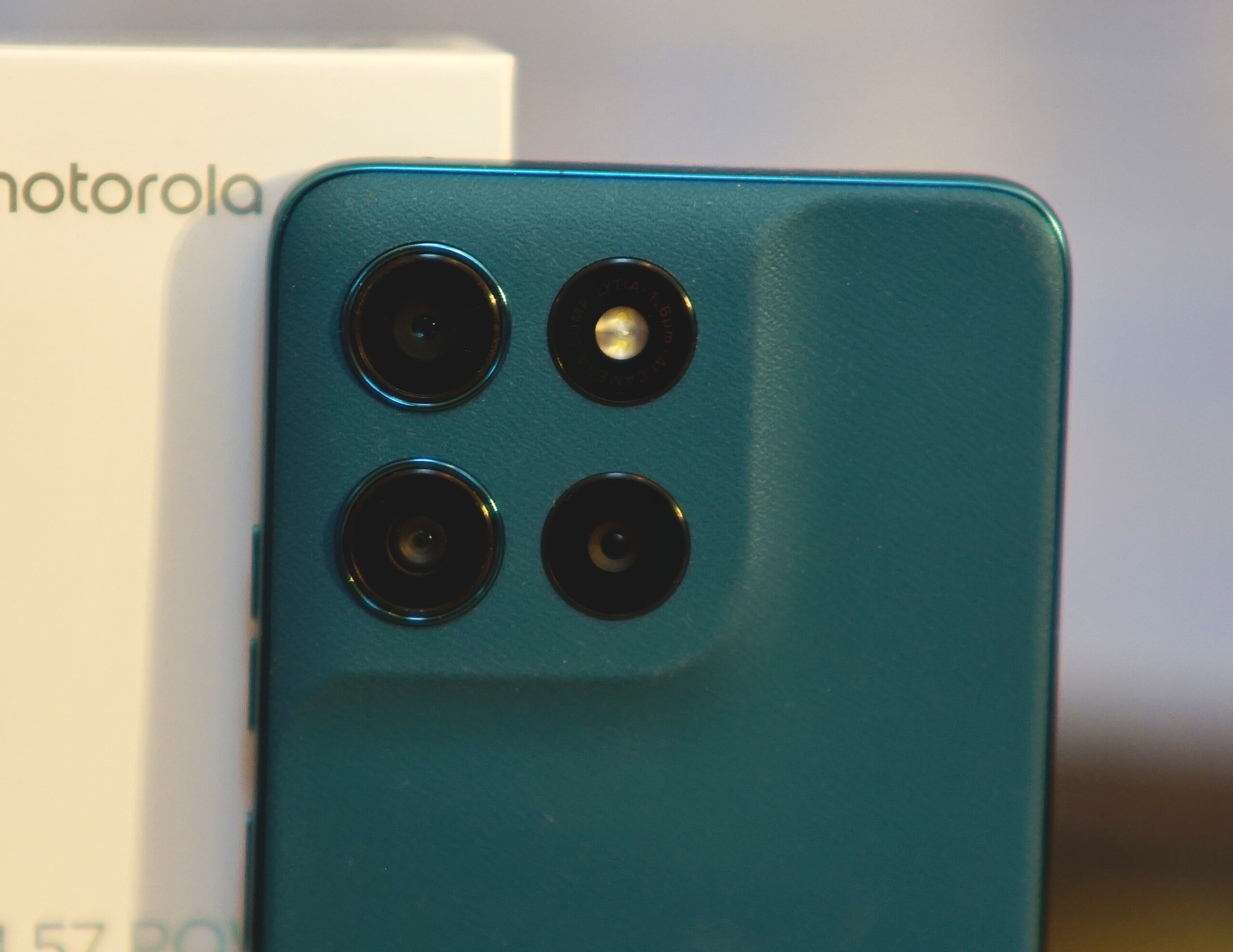
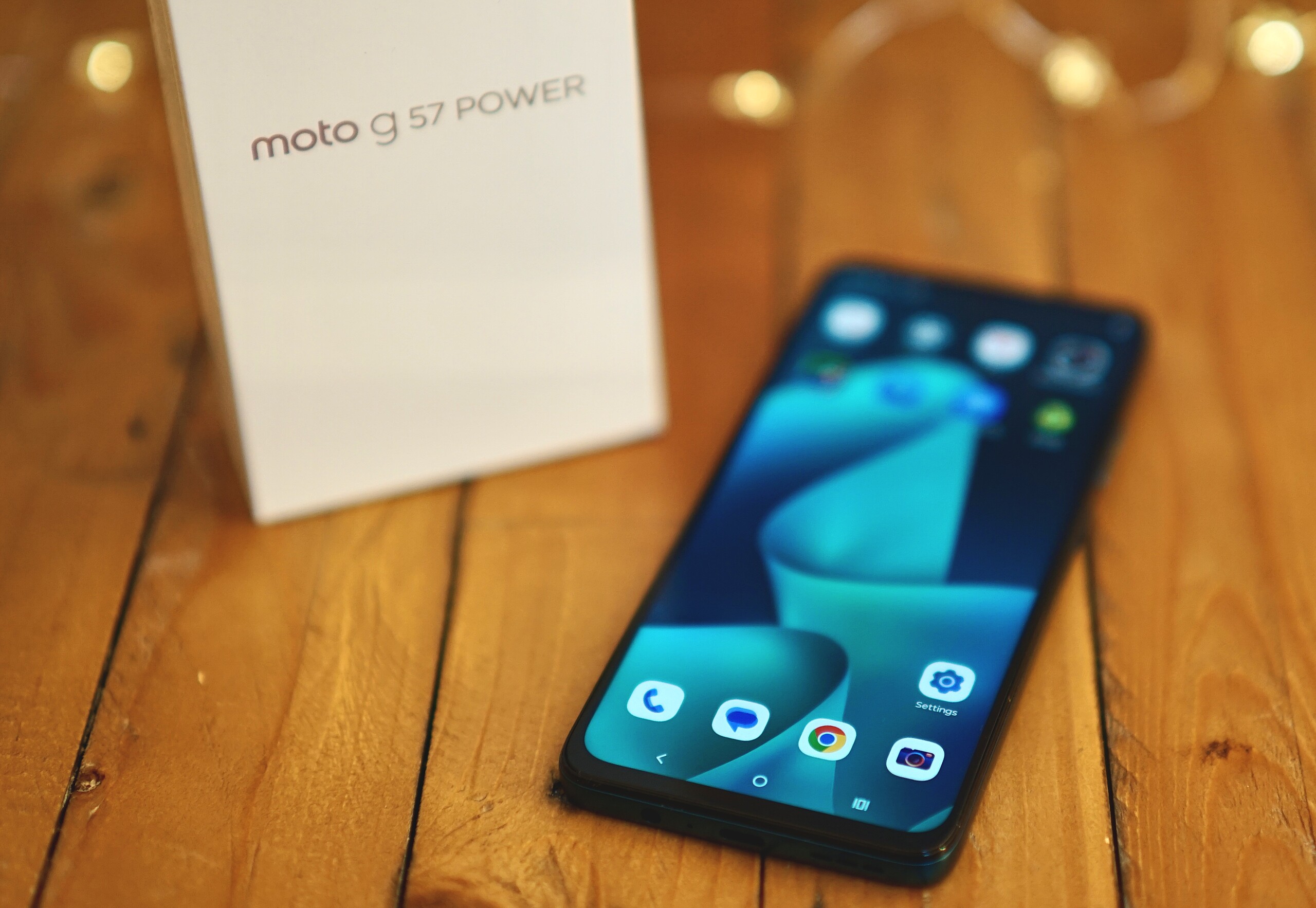
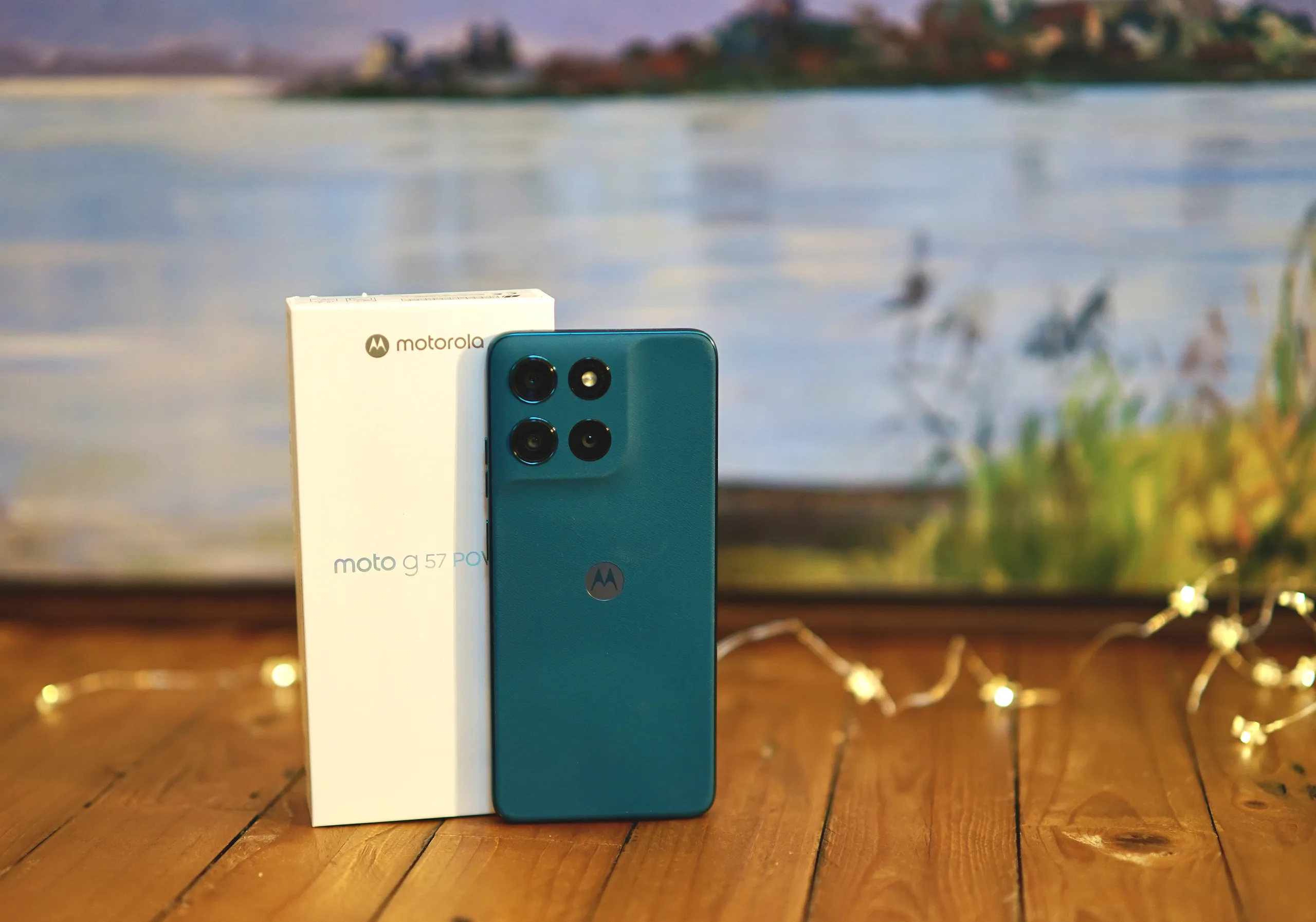
True to Motorola's current design language, the Moto G57 Power's rear is clad in a faux-leather texture that feels pleasing to the touch. The camera module flows naturally out of the back via a gentle contour in the material, giving the phone a more premium look than its price might suggest. The chassis itself is very solid, with no creaks or unwanted flex.
The handset is offered in blue-green, turquoise and pink. An IP64 rating provides protection against dust ingress and splashes.
Storage is fixed at 256 GB, paired with either 8 GB or 12 GB of RAM; we tested the higher-RAM configuration. Unfortunately, there is no option to expand storage via microSD.
The USB-C port supports only USB-2.0 speeds, and Bluetooth 5.1 is already past the latest spec, but Motorola includes a 3.5 mm headphone jack, as well as eSIM support alongside a Nano-SIM slot.
Communication and operation – Moto phone with stable Wi-Fi
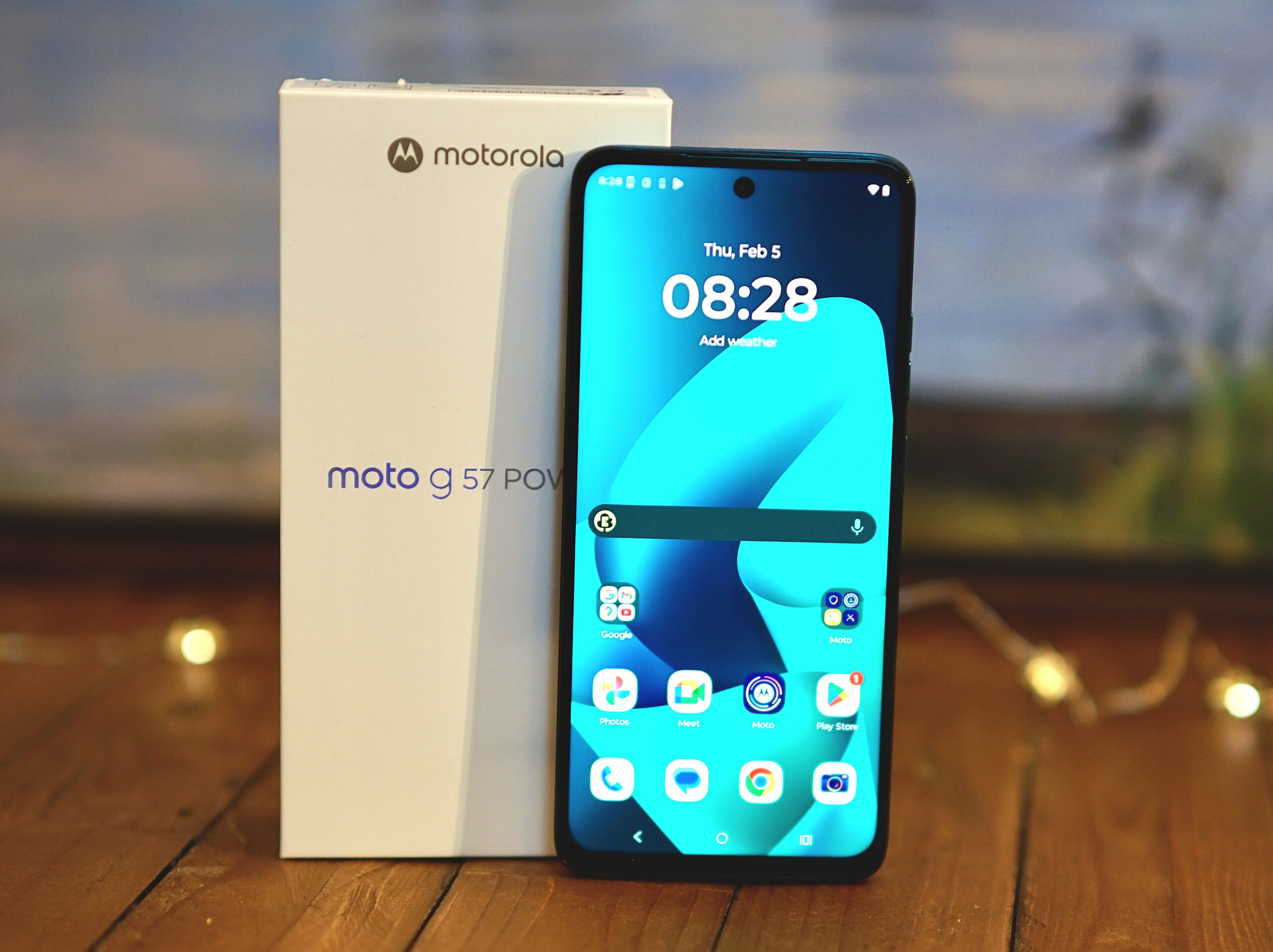
Wi-Fi 5 is the fastest wireless standard supported by the Moto G57 Power. This puts it in line with others in its class, but the device delivers very stable transfer rates of around 300 to 350 Mbit/s.
A wide range of 4G and 5G frequency bands is supported, allowing the smartphone to be used for mobile internet access while travelling.
The touchscreen, with a sampling rate of up to 120 Hz, feels smooth to operate and showed no dropouts during our testing.
A fingerprint sensor is integrated into the standby button on the right-hand side. After a brief setup, it recognises fingerprints very reliably and unlocks the phone almost instantly. Face recognition is also available and works dependably via the front-facing camera.
| Networking | |
| Motorola Moto G57 Power | |
| iperf3 transmit AXE11000 | |
| iperf3 receive AXE11000 | |
| Xiaomi Redmi 15 5G | |
| iperf3 transmit AXE11000 | |
| iperf3 receive AXE11000 | |
| Motorola Moto G56 | |
| iperf3 transmit AXE11000 | |
| iperf3 receive AXE11000 | |
| Samsung Galaxy A26 5G | |
| iperf3 transmit AXE11000 | |
| iperf3 receive AXE11000 | |
| Average 802.11 a/b/g/n/ac | |
| iperf3 transmit AXE11000 | |
| iperf3 receive AXE11000 | |
| Average of class Smartphone | |
| iperf3 transmit AXE11000 | |
| iperf3 receive AXE11000 | |
Software and sustainability – How long will Motorola phones receive updates?
Android 16 comes preinstalled. Motorola makes only minor changes to stock Android, supplementing it with a few apps for its own features.
The manufacturer has confirmed one major OS upgrade to Android 17, but support beyond that remains unclear. Security updates are promised for just two and a half years from the market launch, running until June 2028.
Little is known about the device's sustainability credentials. At least the packaging is plastic-free.
Cameras – What can the 50-megapixel main camera do?

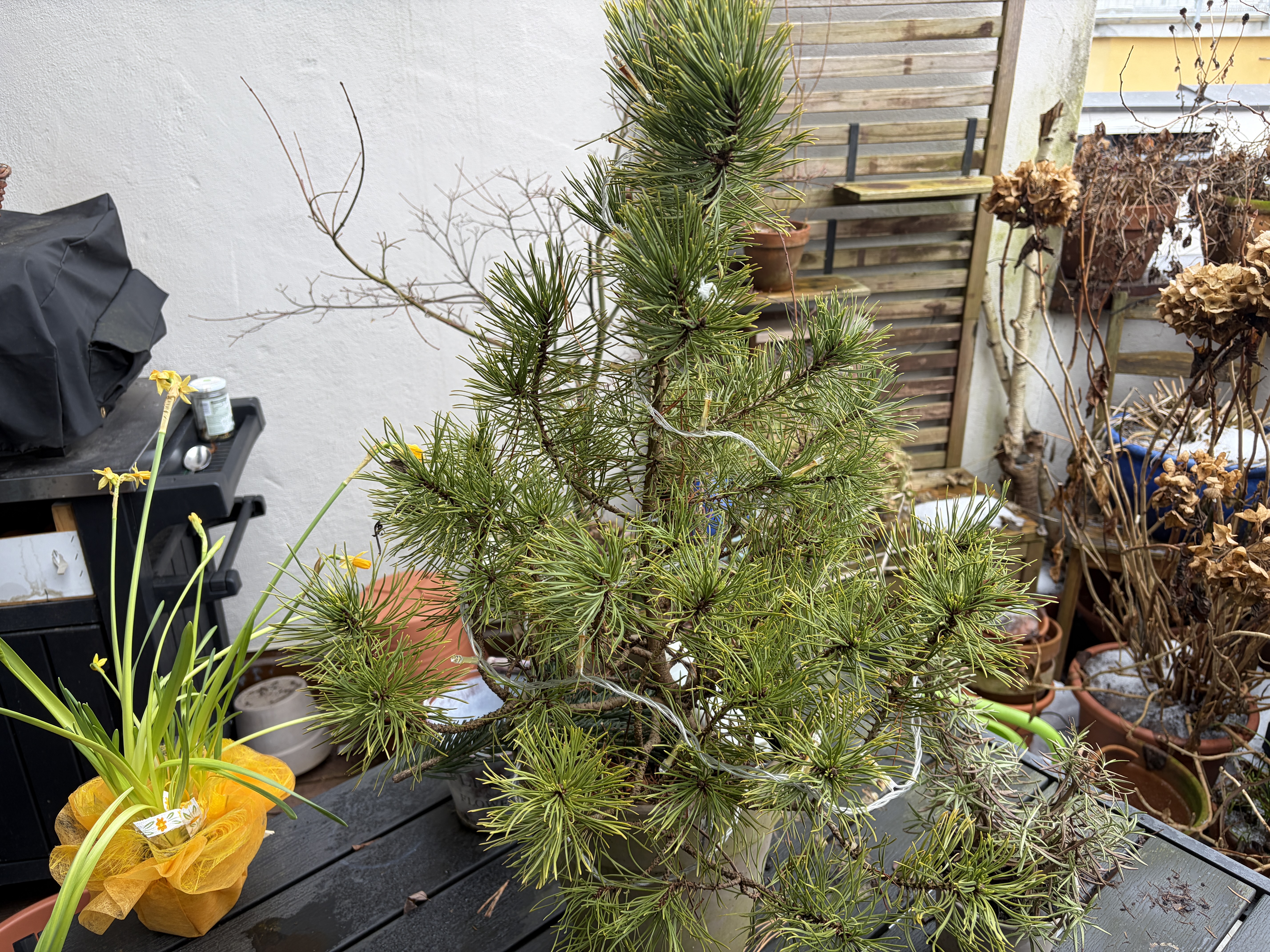
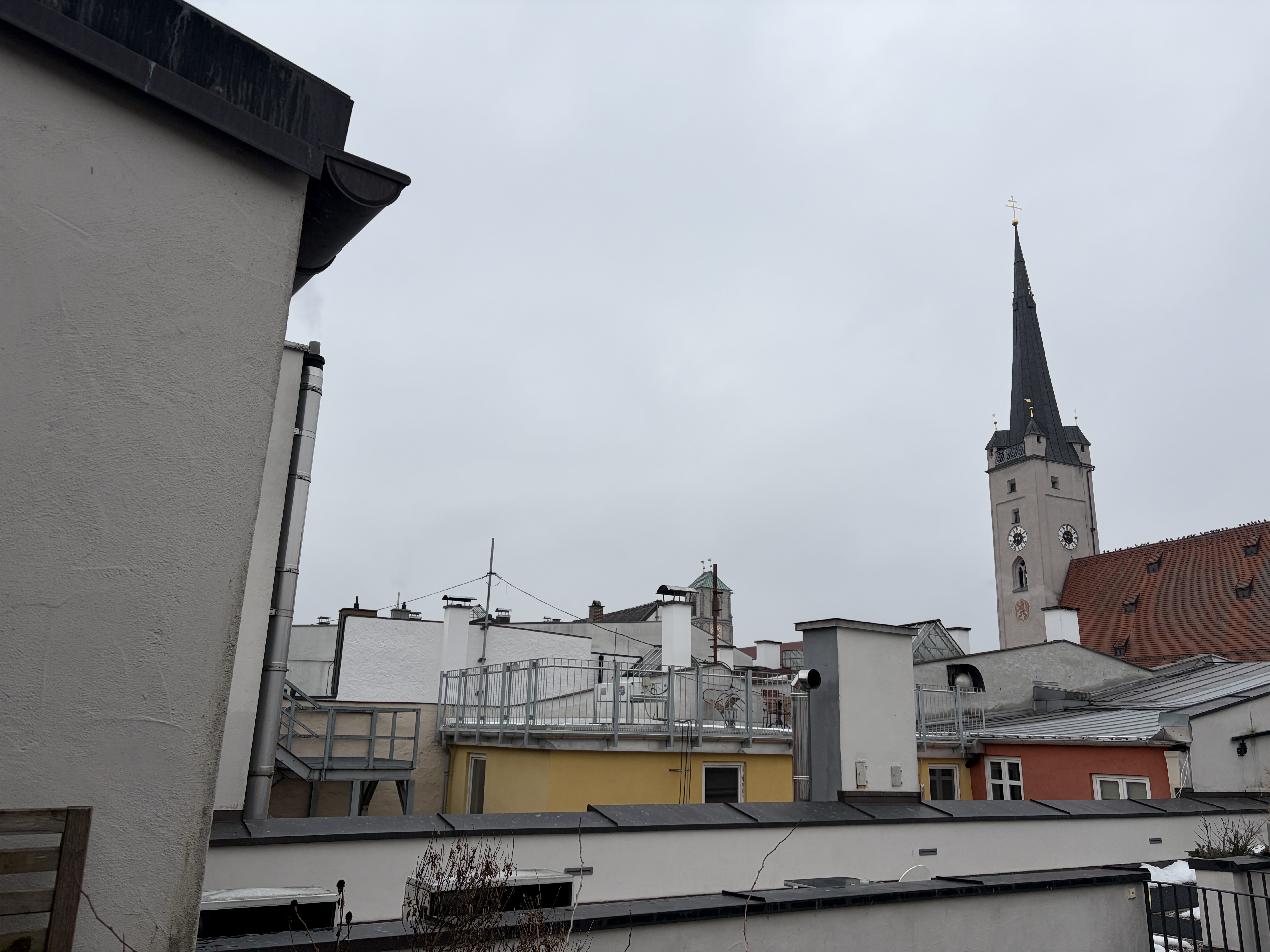
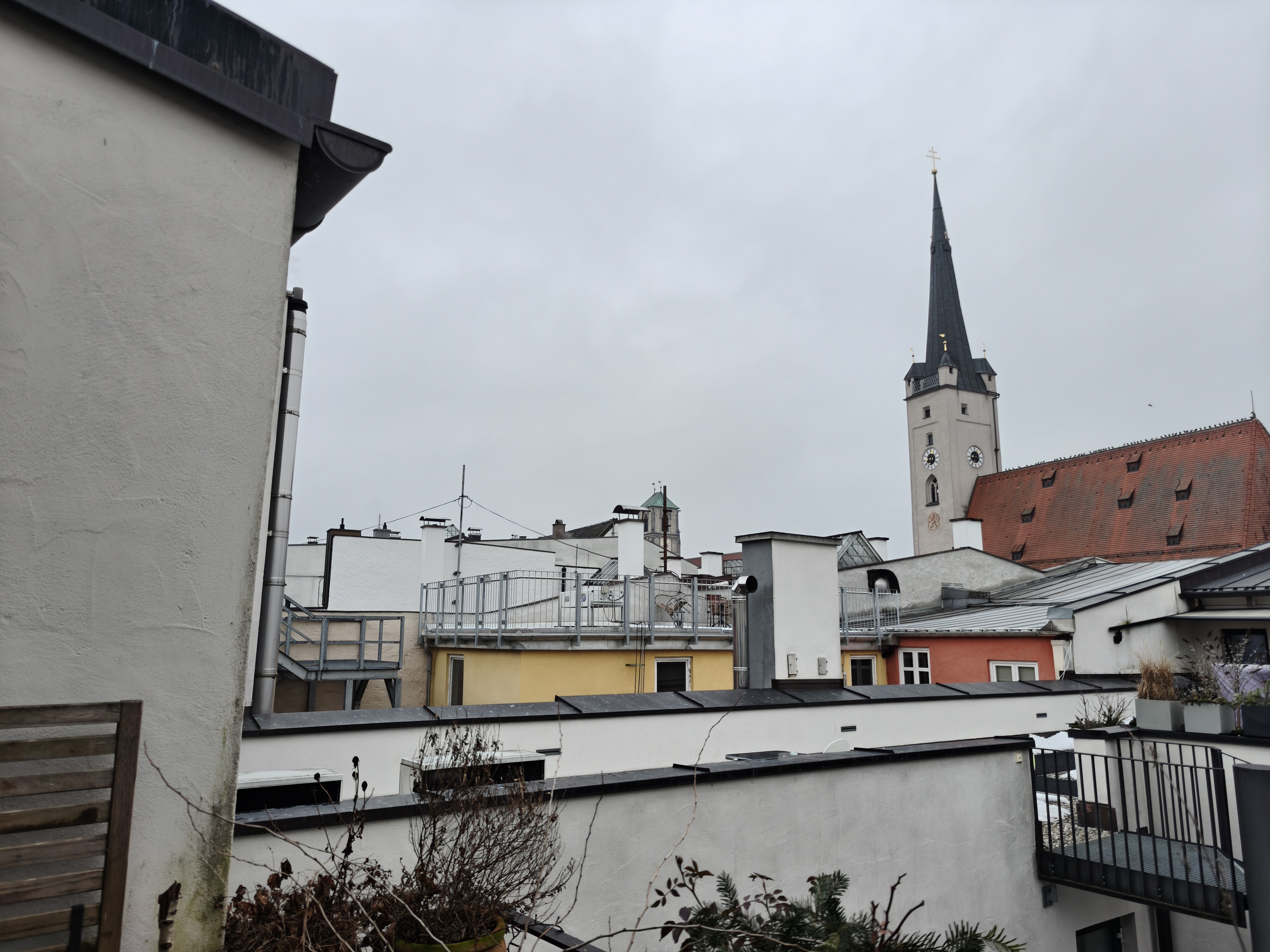
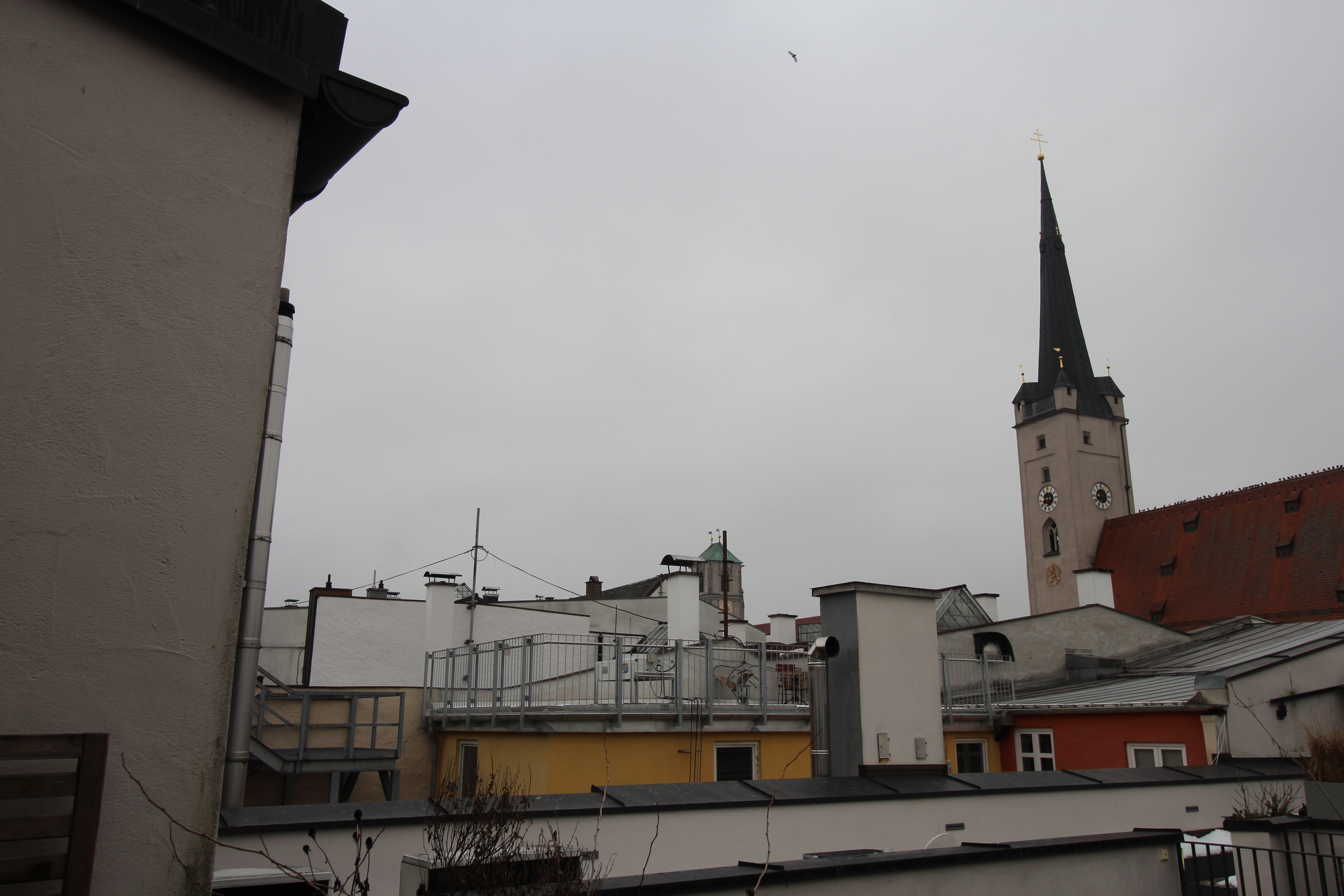
There are slight improvements over the predecessor in the camera department. The 50-megapixel main camera can now record video at up to 1,440p at 30 fps. In addition, there is still a dedicated ultra-wide camera, which produces decent landscape shots, although images should not be enlarged too much due to the limited level of detail.
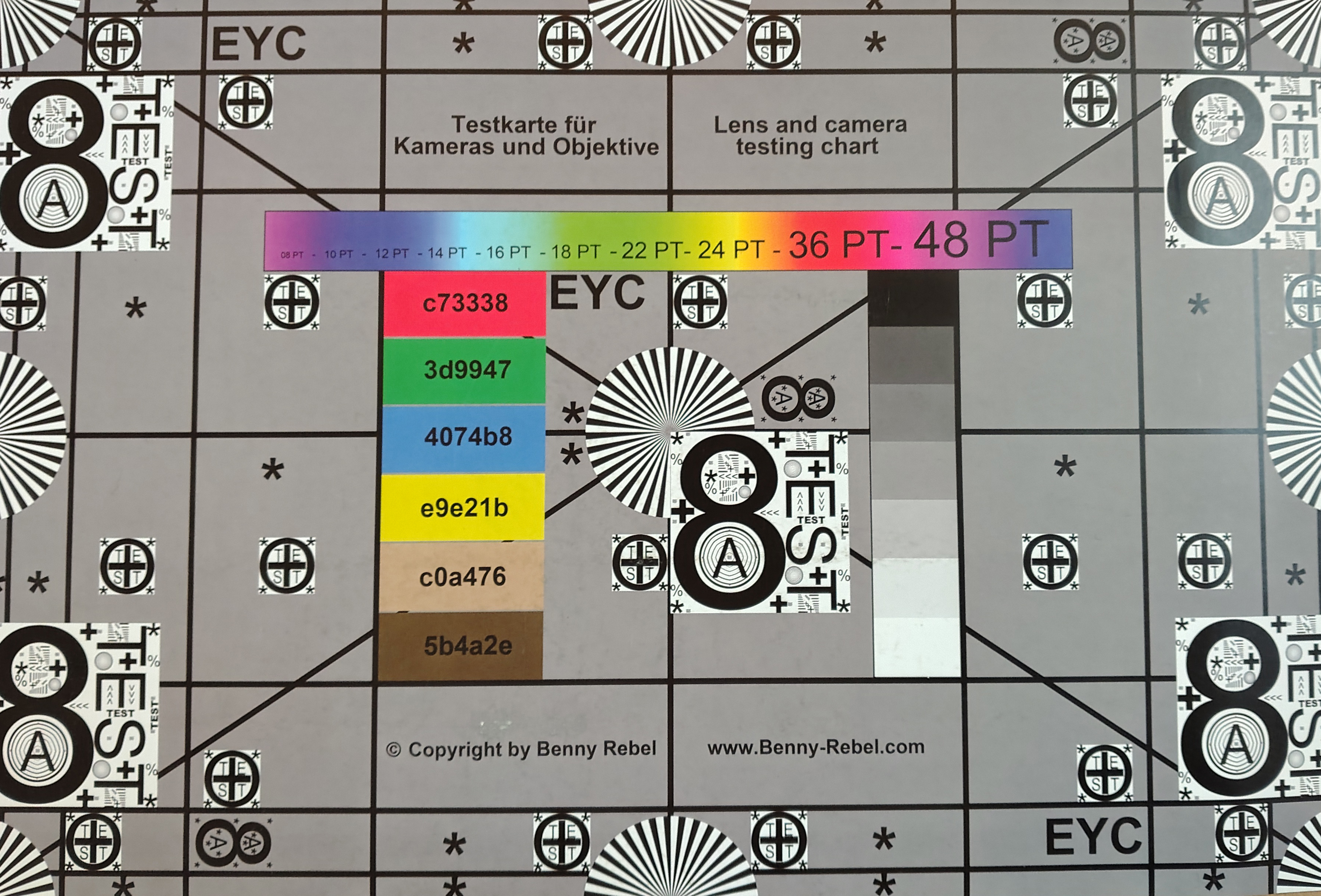
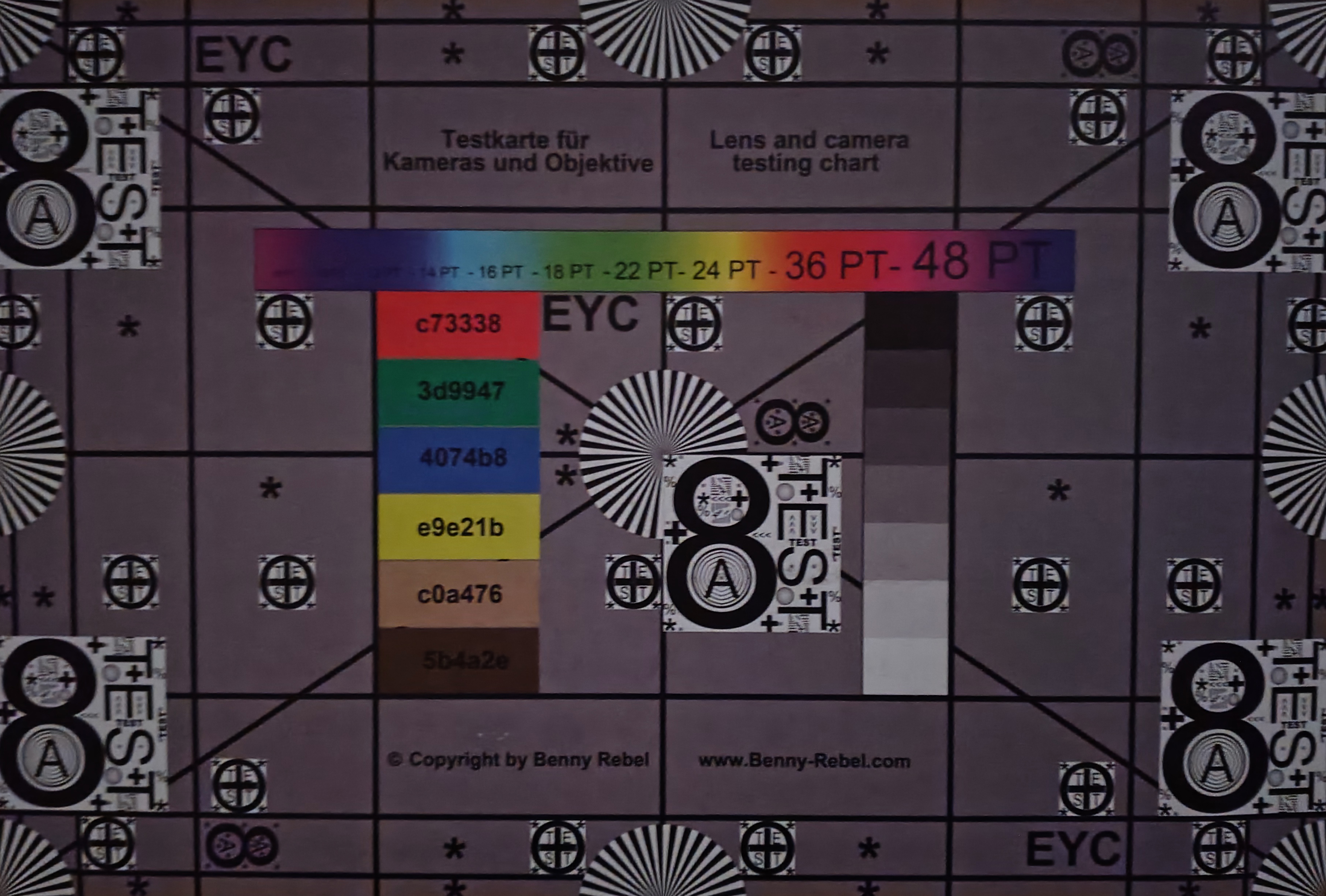
The main camera itself delivers fairly acceptable photos, but sharpness is lacking, and images quickly appear grainy in slightly weaker daylight. In low-light scenes with high contrast, colour rendering is pleasing, even if very dark areas retain little visible detail.
The front-facing camera has a resolution of eight megapixels. It offers decent, though not perfect, brightness dynamics and produces usable selfies overall.
Image comparison
Choose a scene and navigate within the first image. One click changes the position on touchscreens. One click on the zoomed-in image opens the original in a new window. The first image shows the scaled photograph of the test device.
Prim. camera - plantPrim. camera - streetPrim. camera - low lightWide-angle camera
















Display – Motorola without PWM flickering
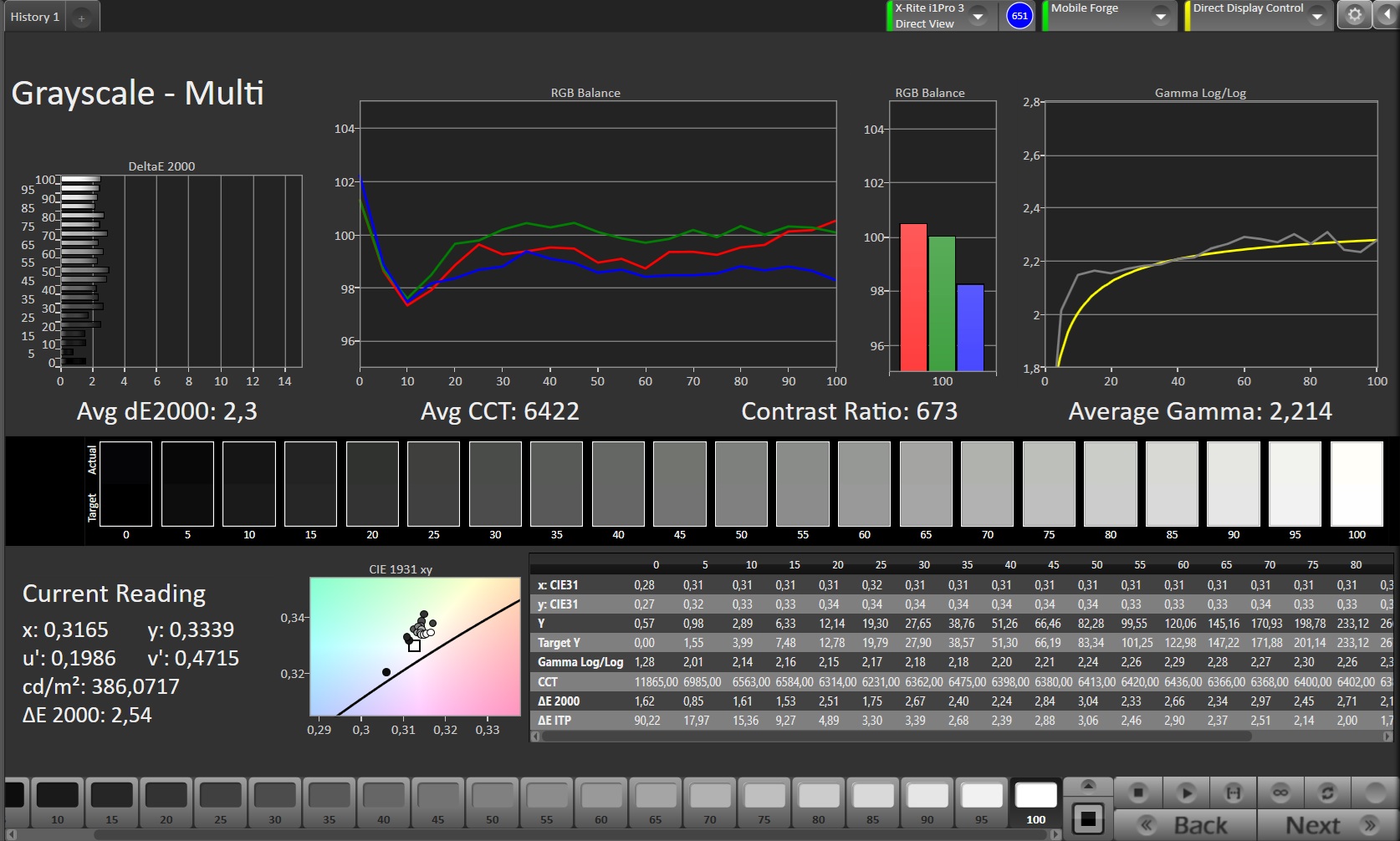
In our spectrophotometer measurements, the IPS display proves to be very bright. However, its peak luminance is ultimately insufficient for truly convincing HDR reproduction. Even so, the Moto G57 Power remains well suited for outdoor use.
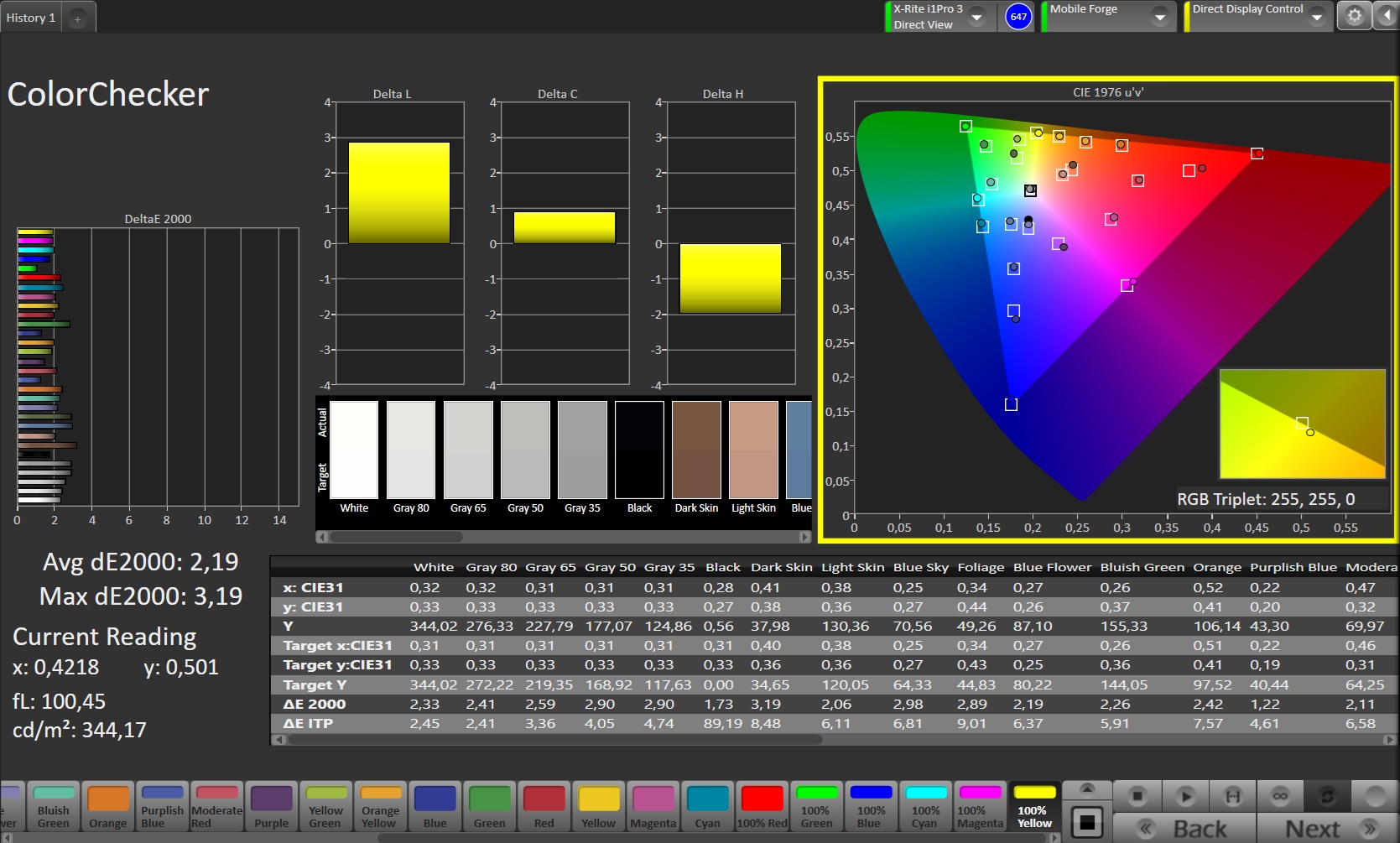
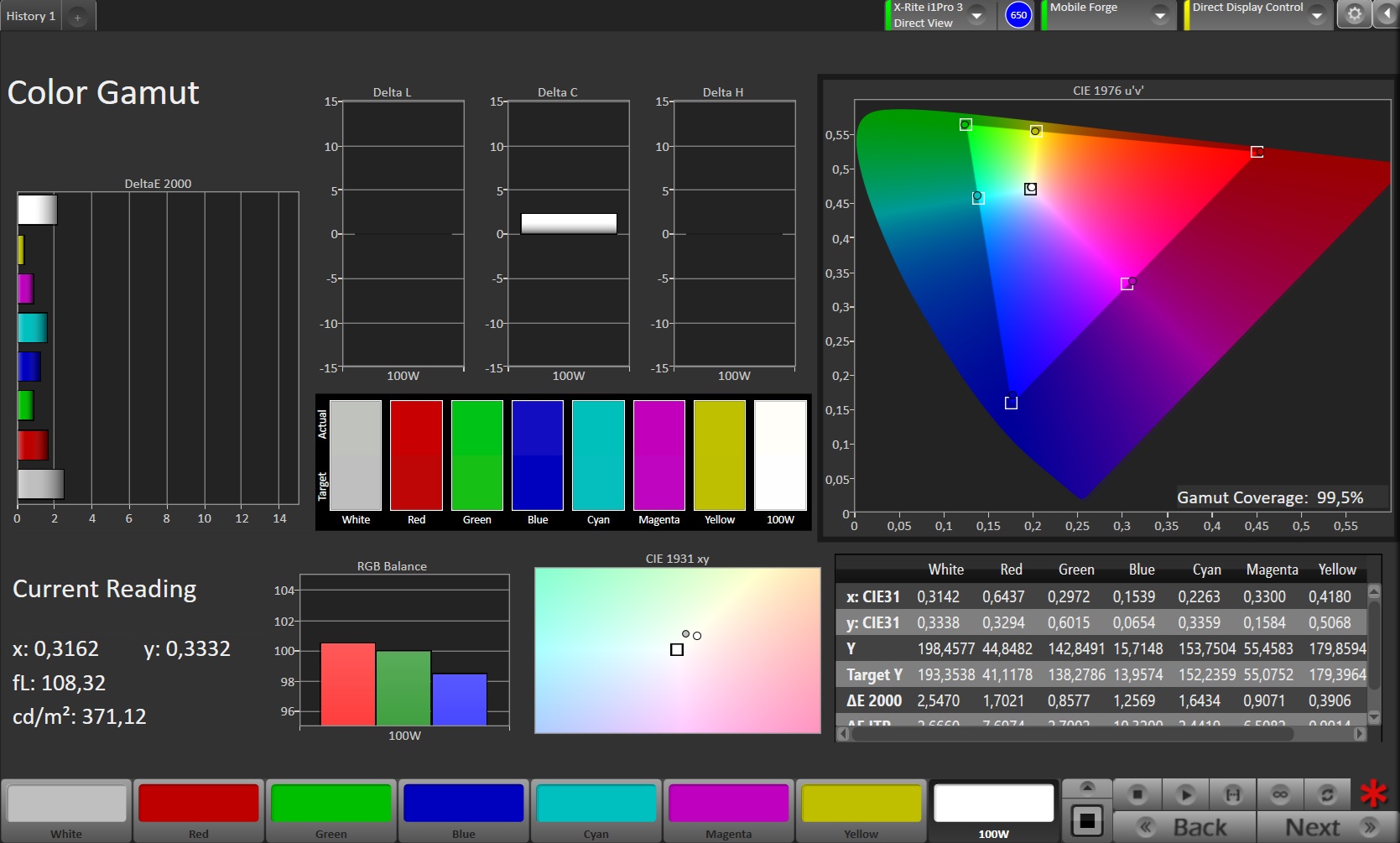
Colour reproduction is accurate, with no visible colour cast to the naked eye. We also did not detect any PWM flickering.
| |||||||||||||||||||||||||
Brightness Distribution: 96 %
Center on Battery: 922 cd/m²
Contrast: 1618:1 (Black: 0.57 cd/m²)
ΔE ColorChecker Calman: 2.19 | ∀{0.5-29.43 Ø4.69}
ΔE Greyscale Calman: 2.3 | ∀{0.09-98 Ø4.94}
99.5% sRGB (Calman 2D)
Gamma: 2.214
CCT: 6422 K
| Motorola Moto G57 Power IPS, 2400x1080, 6.7" | Xiaomi Redmi 15 5G IPS, 2340x1080, 6.9" | Motorola Moto G56 IPS, 2400x1080, 6.7" | Samsung Galaxy A26 5G Super AMOLED, 2340x1080, 6.7" | |
|---|---|---|---|---|
| Screen | -37% | -32% | -44% | |
| Brightness middle (cd/m²) | 922 | 692 -25% | 853 -7% | 735 -20% |
| Brightness (cd/m²) | 899 | 665 -26% | 793 -12% | 731 -19% |
| Brightness Distribution (%) | 96 | 93 -3% | 89 -7% | 99 3% |
| Black Level * (cd/m²) | 0.57 | 0.38 33% | 0.54 5% | |
| Contrast (:1) | 1618 | 1821 13% | 1580 -2% | |
| Colorchecker dE 2000 * | 2.19 | 4.18 -91% | 4.21 -92% | 3.8 -74% |
| Colorchecker dE 2000 max. * | 3.19 | 6.55 -105% | 6.69 -110% | 5.8 -82% |
| Greyscale dE 2000 * | 2.3 | 4.4 -91% | 3 -30% | 4 -74% |
| Gamma | 2.214 99% | 2.286 96% | 2.175 101% | 1.98 111% |
| CCT | 6422 101% | 7530 86% | 6750 96% | 6628 98% |
* ... smaller is better
| Display / APL18 Peak Brightness | |
| Samsung Galaxy A26 5G | |
| Motorola Moto G57 Power | |
| Display / HDR Peak Brightness | |
| Samsung Galaxy A26 5G | |
| Motorola Moto G57 Power | |
Screen Flickering / PWM (Pulse-Width Modulation)
| Screen flickering / PWM not detected | 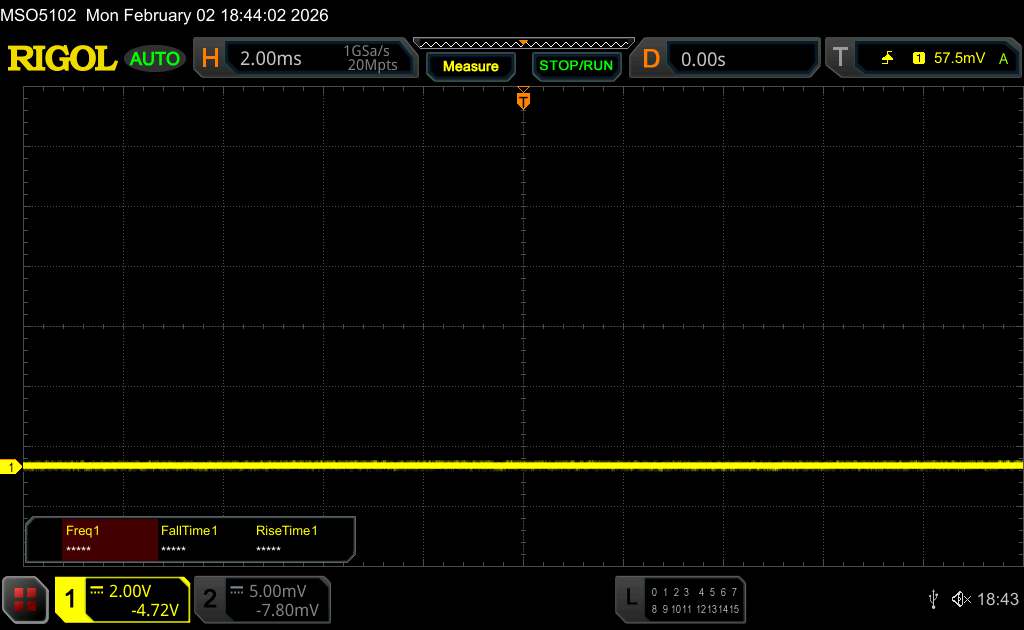 | ||
In comparison: 52 % of all tested devices do not use PWM to dim the display. If PWM was detected, an average of 7625 (minimum: 5 - maximum: 343500) Hz was measured. | |||
Display Response Times
| ↔ Response Time Black to White | ||
|---|---|---|
| 20 ms ... rise ↗ and fall ↘ combined | ↗ 9.3 ms rise | 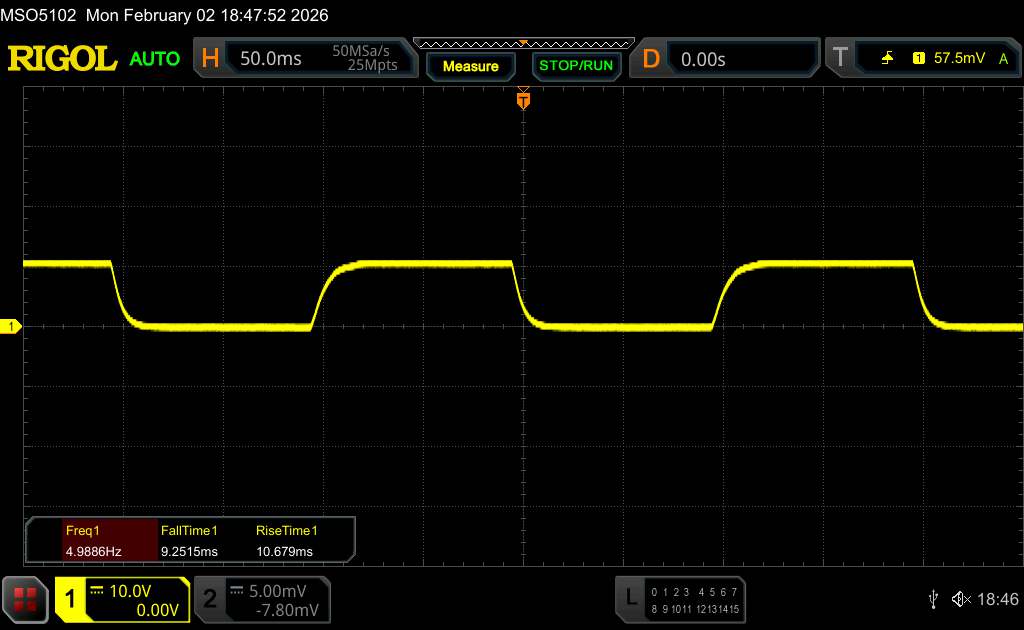 |
| ↘ 10.7 ms fall | ||
| The screen shows good response rates in our tests, but may be too slow for competitive gamers. In comparison, all tested devices range from 0.1 (minimum) to 240 (maximum) ms. » 44 % of all devices are better. This means that the measured response time is similar to the average of all tested devices (19.7 ms). | ||
| ↔ Response Time 50% Grey to 80% Grey | ||
| 34.9 ms ... rise ↗ and fall ↘ combined | ↗ 19.8 ms rise | 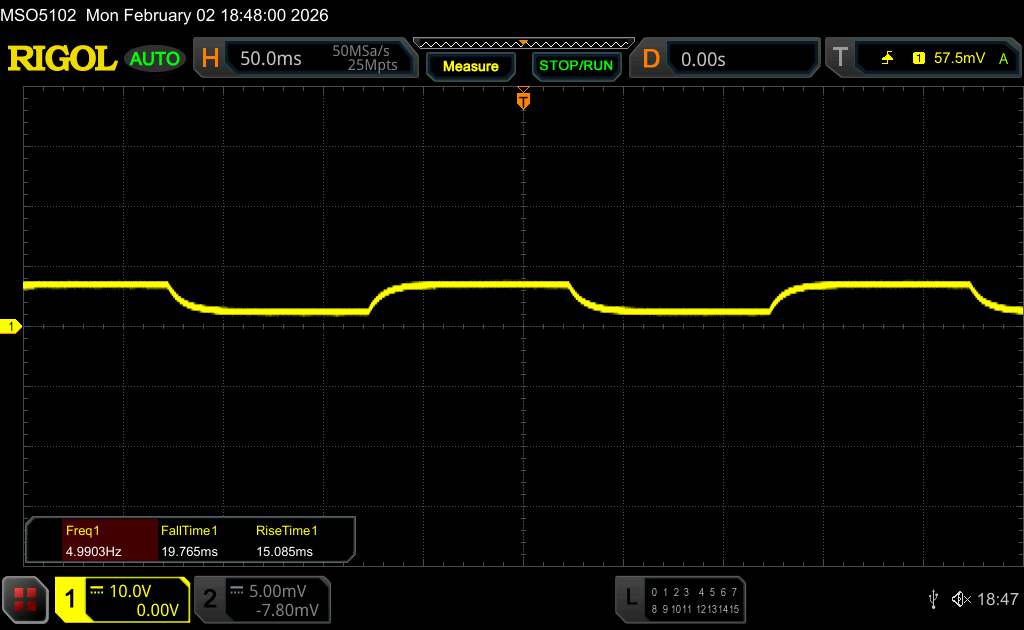 |
| ↘ 15.1 ms fall | ||
| The screen shows slow response rates in our tests and will be unsatisfactory for gamers. In comparison, all tested devices range from 0.13 (minimum) to 636 (maximum) ms. » 49 % of all devices are better. This means that the measured response time is worse than the average of all tested devices (30.7 ms). | ||
Performance, emissions and battery life – Moto phone lasts a long time
The Qualcomm Snapdragon 6s Gen 4 is used as the SoC. In terms of performance, it operates at class level and generally delivers smooth system operation. However, there is little headroom available for more demanding applications.
The UFS 2.2 storage performs briskly and ensures short loading times.
Under sustained load, the chassis does warm up noticeably, but this is not critical. The 3DMark stress tests also show that the SoC throttles only minimally, if at all.
The bottom-firing speaker is supported by the earpiece, resulting in stereo sound. Maximum volume is average, while sound quality is good overall but somewhat treble-heavy. External audio devices can be connected via the 3.5 mm jack or Bluetooth, with a wide range of Bluetooth audio codecs supported.
The large 7,000 mAh battery is undoubtedly one of the Moto G57 Power's highlights. It enables runtimes well beyond 20 hours in our Wi-Fi test. That said, batteries of this size are now also found in mid-range smartphones from Xiaomi and other manufacturers, sometimes delivering slightly longer runtimes. Thanks to 30-watt charging, the battery is fully recharged in up to 1 hour and 45 minutes.
| Motorola Moto G57 Power | Xiaomi Redmi 15 5G | Motorola Moto G56 | Samsung Galaxy A26 5G | Average 256 GB UFS 2.2 Flash | Average of class Smartphone | |
|---|---|---|---|---|---|---|
| AndroBench 3-5 | -37% | -3% | -52% | -9% | 85% | |
| Sequential Read 256KB (MB/s) | 936.8 | 525.5 -44% | 1013.35 8% | 528.54 -44% | 904 ? -4% | 2287 ? 144% |
| Sequential Write 256KB (MB/s) | 832.2 | 496.5 -40% | 859.11 3% | 251.43 -70% | 736 ? -12% | 1973 ? 137% |
| Random Read 4KB (MB/s) | 263.3 | 139.4 -47% | 230.68 -12% | 219.57 -17% | 225 ? -15% | 317 ? 20% |
| Random Write 4KB (MB/s) | 257.8 | 218.7 -15% | 226.19 -12% | 61.8 -76% | 248 ? -4% | 362 ? 40% |
(-) The maximum temperature on the upper side is 45.8 °C / 114 F, compared to the average of 35.3 °C / 96 F, ranging from 21.9 to 247 °C for the class Smartphone.
(±) The bottom heats up to a maximum of 41.4 °C / 107 F, compared to the average of 34.1 °C / 93 F
(+) In idle usage, the average temperature for the upper side is 26.8 °C / 80 F, compared to the device average of 33 °C / 91 F.
3DMark stress tests
| 3DMark | |
| Wild Life Stress Test Stability | |
| Motorola Moto G57 Power | |
| Xiaomi Redmi 15 5G | |
| Samsung Galaxy A26 5G | |
| Motorola Moto G56 | |
| Wild Life Extreme Stress Test | |
| Samsung Galaxy A26 5G | |
| Xiaomi Redmi 15 5G | |
| Motorola Moto G57 Power | |
| Motorola Moto G56 | |
| Steel Nomad Light Stress Test Stability | |
| Motorola Moto G57 Power | |
| Samsung Galaxy A26 5G | |
| Motorola Moto G56 | |
Motorola Moto G57 Power audio analysis
(+) | speakers can play relatively loud (83.7 dB)
Bass 100 - 315 Hz
(-) | nearly no bass - on average 26.9% lower than median
(±) | linearity of bass is average (10.5% delta to prev. frequency)
Mids 400 - 2000 Hz
(±) | higher mids - on average 5.4% higher than median
(+) | mids are linear (5.7% delta to prev. frequency)
Highs 2 - 16 kHz
(+) | balanced highs - only 3.1% away from median
(+) | highs are linear (6.2% delta to prev. frequency)
Overall 100 - 16.000 Hz
(±) | linearity of overall sound is average (19.7% difference to median)
Compared to same class
» 31% of all tested devices in this class were better, 8% similar, 61% worse
» The best had a delta of 11%, average was 34%, worst was 136%
Compared to all devices tested
» 50% of all tested devices were better, 7% similar, 43% worse
» The best had a delta of 4%, average was 23%, worst was 136%
Samsung Galaxy A26 5G audio analysis
(+) | speakers can play relatively loud (92.1 dB)
Bass 100 - 315 Hz
(-) | nearly no bass - on average 25.2% lower than median
(+) | bass is linear (4.6% delta to prev. frequency)
Mids 400 - 2000 Hz
(±) | reduced mids - on average 6.5% lower than median
(+) | mids are linear (4.7% delta to prev. frequency)
Highs 2 - 16 kHz
(±) | higher highs - on average 5.3% higher than median
(+) | highs are linear (3.7% delta to prev. frequency)
Overall 100 - 16.000 Hz
(±) | linearity of overall sound is average (17.5% difference to median)
Compared to same class
» 13% of all tested devices in this class were better, 9% similar, 78% worse
» The best had a delta of 11%, average was 34%, worst was 136%
Compared to all devices tested
» 34% of all tested devices were better, 8% similar, 57% worse
» The best had a delta of 4%, average was 23%, worst was 136%
| Motorola Moto G57 Power 7000 mAh | Xiaomi Redmi 15 5G 7000 mAh | Motorola Moto G56 5200 mAh | Samsung Galaxy A26 5G 5000 mAh | |
|---|---|---|---|---|
| Battery runtime | 9% | -9% | -29% | |
| Reader / Idle (h) | 39.1 | 40.9 5% | 33.1 -15% | |
| WiFi v1.3 (h) | 20.3 | 21.1 4% | 18.5 -9% | 12.3 -39% |
| Load (h) | 6.2 | 7.3 18% | 4.2 -32% | |
| H.264 (h) | 29.7 | 18.7 |
Notebookcheck overall rating
The Motorola Moto G57 Power delivers long battery life, features an attractive design, and otherwise offers solid mid-range performance.
However, Motorola's update commitment is limited.
Motorola Moto G57 Power
- 02/07/2026 v8
Florian Schmitt
 Total Sustainability Score:
 Possible alternatives at a glance
Image | Model / Review | Price | Weight | Drive | Display |
|---|---|---|---|---|---|
1. 75%  | Motorola Moto G57 Power Qualcomm Snapdragon 6s Gen 4 ⎘ Qualcomm Adreno 710 ⎘ 12 GB Memory, 256 GB UFS 2.2 | Amazon: 1. $355.00 Motorola Moto G57 Power Dual... 2. $162.11 Motorola Moto G Power - 2025... 3. $329.95 Motorola Moto G Power - 2026... List Price: 299€ | 210.6 g | 256 GB UFS 2.2 Flash | 6.72" 2400x1080 392 PPI IPS |
2. 72.6%  | Xiaomi Redmi 15 5G Qualcomm Snapdragon 6s Gen 3 ⎘ Qualcomm Adreno 619 ⎘ 8 GB Memory, 256 GB UFS 2.2 | List Price: 250€ | 224 g | 256 GB UFS 2.2 Flash | 6.90" 2340x1080 374 PPI IPS |
3. 74.9%  | Motorola Moto G56 MediaTek Dimensity 7060 ⎘ IMG BXM-8-256 ⎘ 8 GB Memory, 256 GB UFS 2.2 | List Price: 250 Euro | 200 g | 256 GB UFS 2.2 Flash | 6.72" 2400x1080 391 PPI IPS |
4. 75.6%  | Samsung Galaxy A26 5G Samsung Exynos 1380 ⎘ ARM Mali-G68 MP5 ⎘ 6 GB Memory, 128 GB UFS 3.1 | List Price: 299€ | 200 g | 128 GB UFS 3.1 Flash | 6.70" 2340x1080 385 PPI Super AMOLED |
Transparency
The selection of devices to be reviewed is made by our editorial team. The test sample was freely purchased by the author at his/her own expense. The lender had no influence on this review, nor did the manufacturer receive a copy of this review before publication. There was no obligation to publish this review. As an independent media company, Notebookcheck is not subjected to the authority of manufacturers, retailers or publishers.
This is how Notebookcheck is testing
Every year, Notebookcheck independently reviews hundreds of laptops and smartphones using standardized procedures to ensure that all results are comparable. We have continuously developed our test methods for around 20 years and set industry standards in the process. In our test labs, high-quality measuring equipment is utilized by experienced technicians and editors. These tests involve a multi-stage validation process. Our complex rating system is based on hundreds of well-founded measurements and benchmarks, which maintains objectivity. Further information on our test methods can be found here.
 Add as a preferred source on Google


