




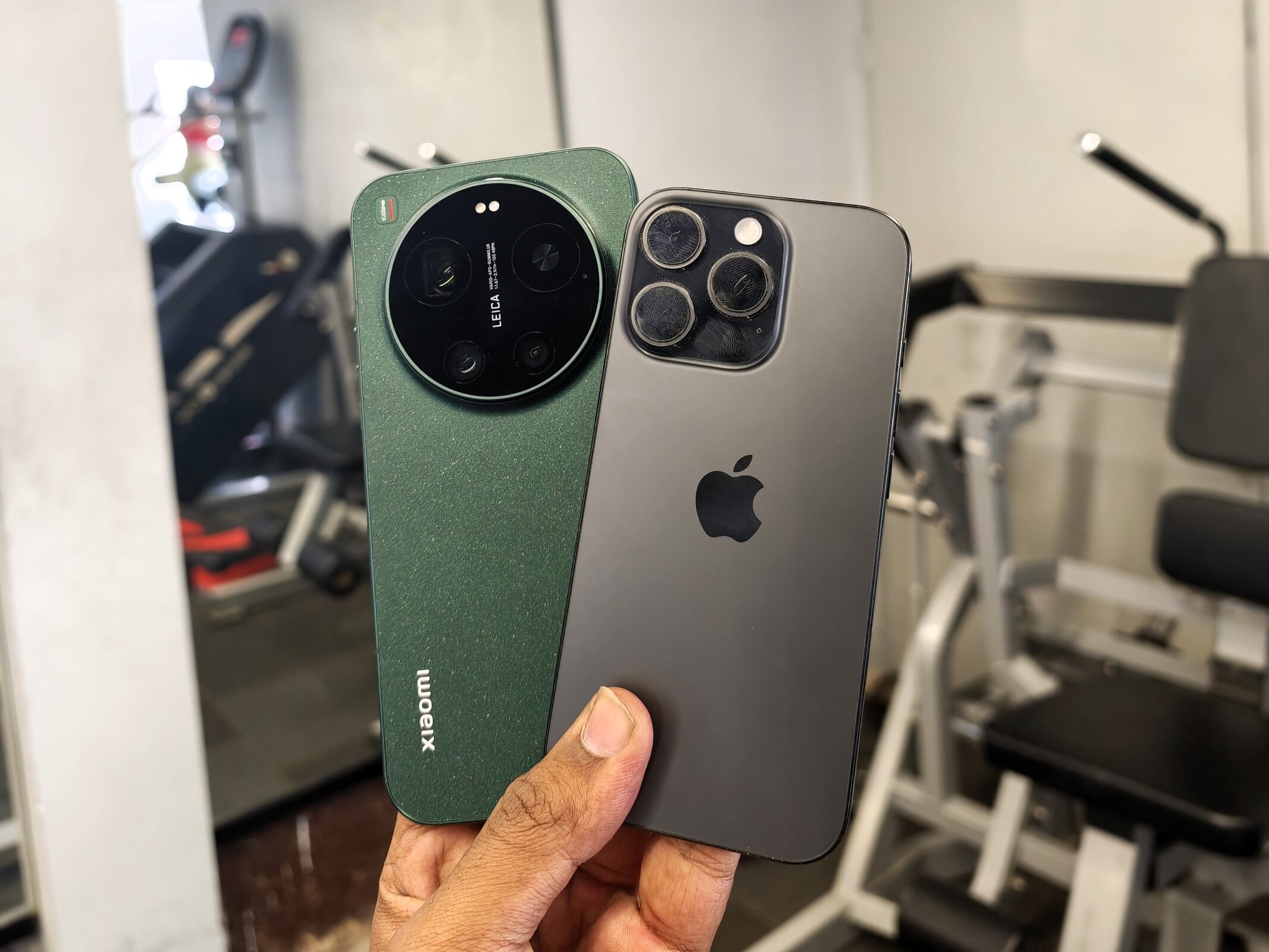
I switched to Xiaomi 17 Ultra camera phone for a month – now my iPhone 16 Pro feels outdated
Abhinav Fating 👁 Published 🇪🇸 🇵🇹 ...
I’m a huge fan of camera phones. Some of my favorite phones include the recently launched Vivo X300 Pro, the Samsung Galaxy S25 Ultra, and the iPhone 17 Pro. Now, Xiaomi has officially brought its latest-generation flagship camera smartphone, the Xiaomi 17 Ultra, to the global market to compete against some of the above-listed smartphones.
This time around, I was really excited about the improvements in the camera department, along with the all-new high-end Snapdragon chip. Xiaomi sent me its latest Ultra smartphone for testing. I’ve been using it for a month, and this Xiaomi phone doesn’t have any major downsides. And eventually, I ended up switching to the Xiaomi 17 Ultra from my primary iPhone 16 Pro. Here’s why.
Table of Contents
- Camera Specifications
- Xiaomi 17 Ultra—Xiaomi's latest flagship camera smartphone with meaningful upgrades
- The Xiaomi 17 Ultra edges out the iPhone 16 Pro in the photography department
- The magic of large telephoto sensor
- Ultrawide lens—same same but different
- Video Quality—iPhone 16 Pro holds the upper hand here
- Front Camera—Xiaomi improves its selfie game
- The Xiaomi 17 Ultra lasts longer than the iPhone 16 Pro
- Performance
- Software—There are a lot of similarities
- I’ve happily switched to the other side
Camera Specifications
| Xiaomi 17 Ultra | iPhone 16 Pro | |
|---|---|---|
| Main Camera | Leica main camera 50MP, ƒ/1.67, OIS, Light Fusion 1050L image sensor, 23mm equivalent focal length, LOFIC HDR technology | Primary 48 MP fusion camera (24 mm, f/1.78, OIS), includes 12 MP tele camera (48 mm, f/1.78, 2x optical zoom) |
| Telephoto lens | Leica 200MP telephoto, ƒ/2.39-2.96, OIS, Samsung HPE image sensor, 75-100mm equivalent focal length Supports 30cm macro photography | 12 MP tele camera (120 mm, f/2.8, 5x optical zoom, 20° FOV, OIS) |
| Ultrawide camera | Leica ultra-wide camera 50MP, ƒ/2.2, 115° FOV, Samsung JN5 image sensor, 14mm equivalent focal length | 48 MP ultrawide camera (13 mm, f/2.2, 120° FOV) |
| Video recording | 8K (7680x4320) video recording at 30fps, 4K (3840x2160) Dolby Vision® video recording at 30fps, 60fps, 120fps, 1080p (1920x1080) Dolby Vision® video recording at 30fps, 60fps, 720p (1280x720) video recording at 30fps, Log video recording up to 4K at 120fps, Academy Color Encoding System | video recording up to 4k@120fps |
| Front camera | 50MP, ƒ/2.2, 90° FOV, 21mm equivalent focal length | 12 MP (23 mm, f/1.9, AF), video recording up to 4k@60fps |
Xiaomi 17 Ultra—Xiaomi's latest flagship camera smartphone with meaningful upgrades
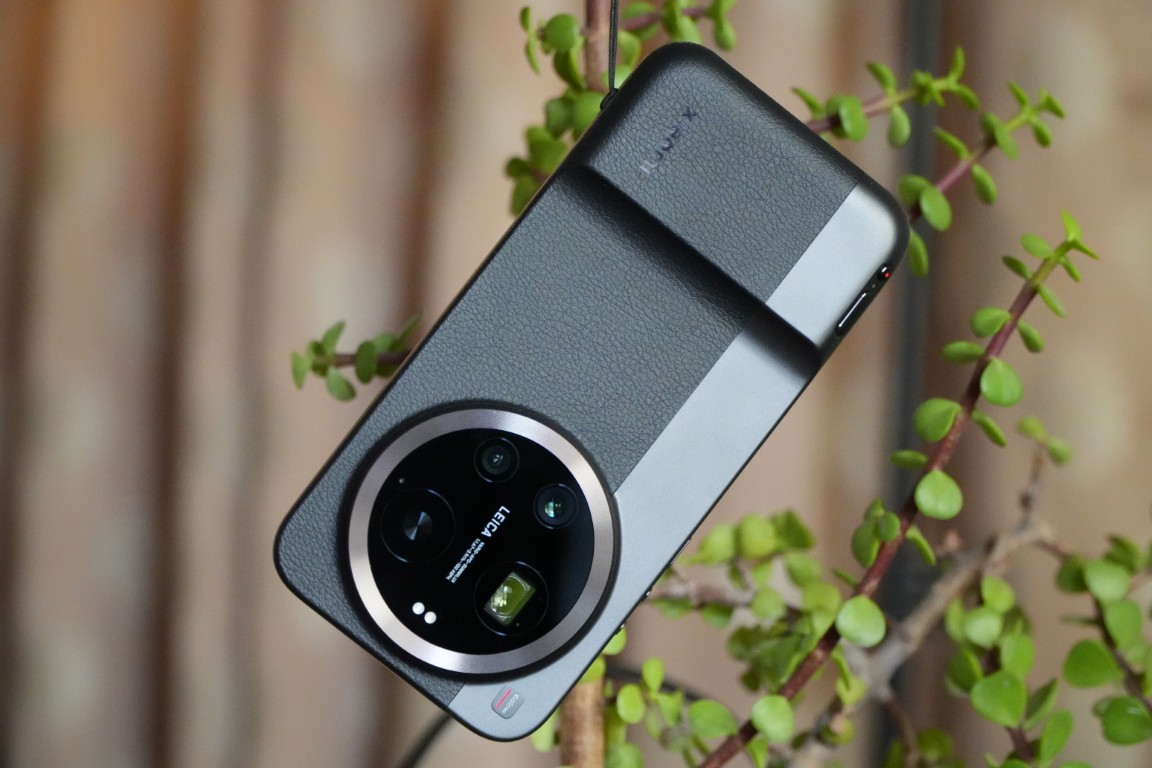
Xiaomi has decided to skip the number 16 to keep pace with Apple’s iPhone 17 lineup. This means the 17 Ultra is now a direct successor to the Xiaomi 15 Ultra. While the Xiaomi 15 Ultra wasn’t much of an upgrade, Xiaomi’s latest 17 Ultra comes with meaningful upgrades. On the surface, the smartphone looks very similar to the last generation. It still has the same 1-inch sensor, but it no longer comes from the house of Sony. It now uses a LightFusion 1050L sensor, which is said to provide better highlights and shadow details in high-contrast scenes. More about it in the performance section.
To recall, Xiaomi used the Sony LYT-900 chip on the last two models. Xiaomi's high-end camera phone now uses the OmniVision OV50X with LOFIC HDR technology, which stands for Lateral OverFlow Integration Capacitor, in case you are curious. This new technology offers better dynamic range. Speaking about exact camera specs, the Xiaomi 17 Ultra ships with a 50 MP, 1-inch OIS-enabled primary camera complemented by a 50 MP ultrawide shooter and a 200 MP OIS-enabled periscope telephoto lens with up to 100x digital zoom.
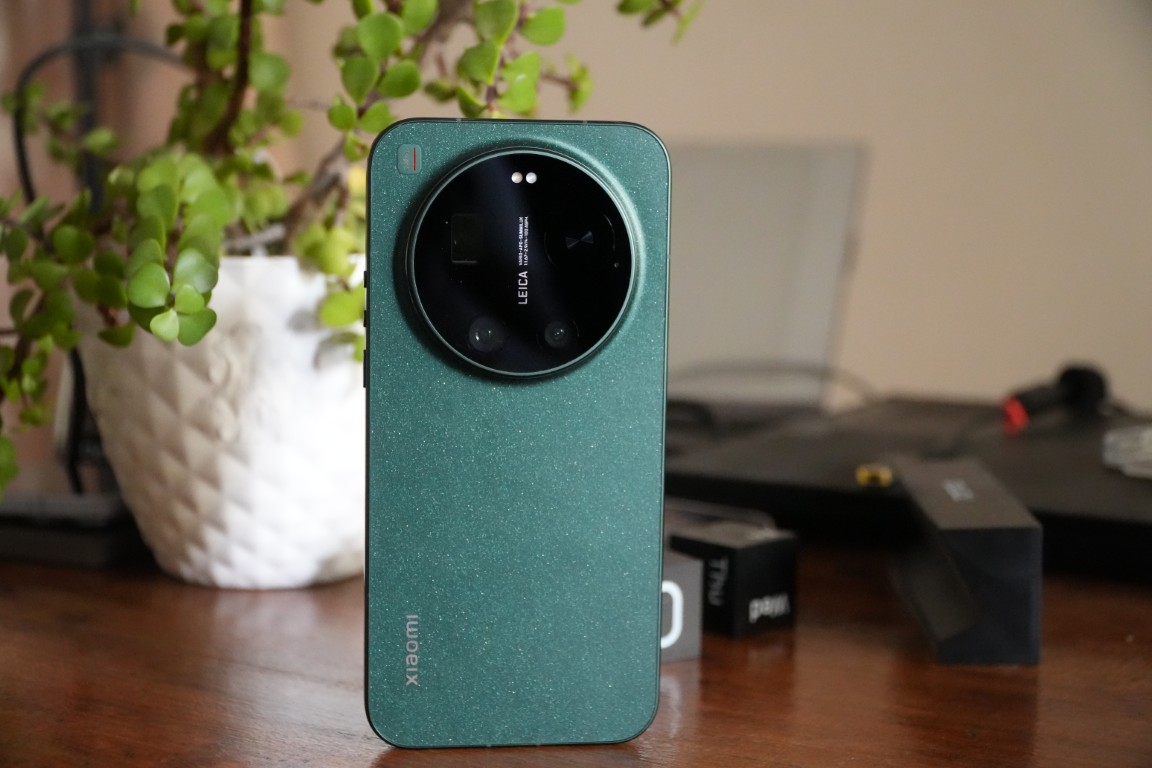
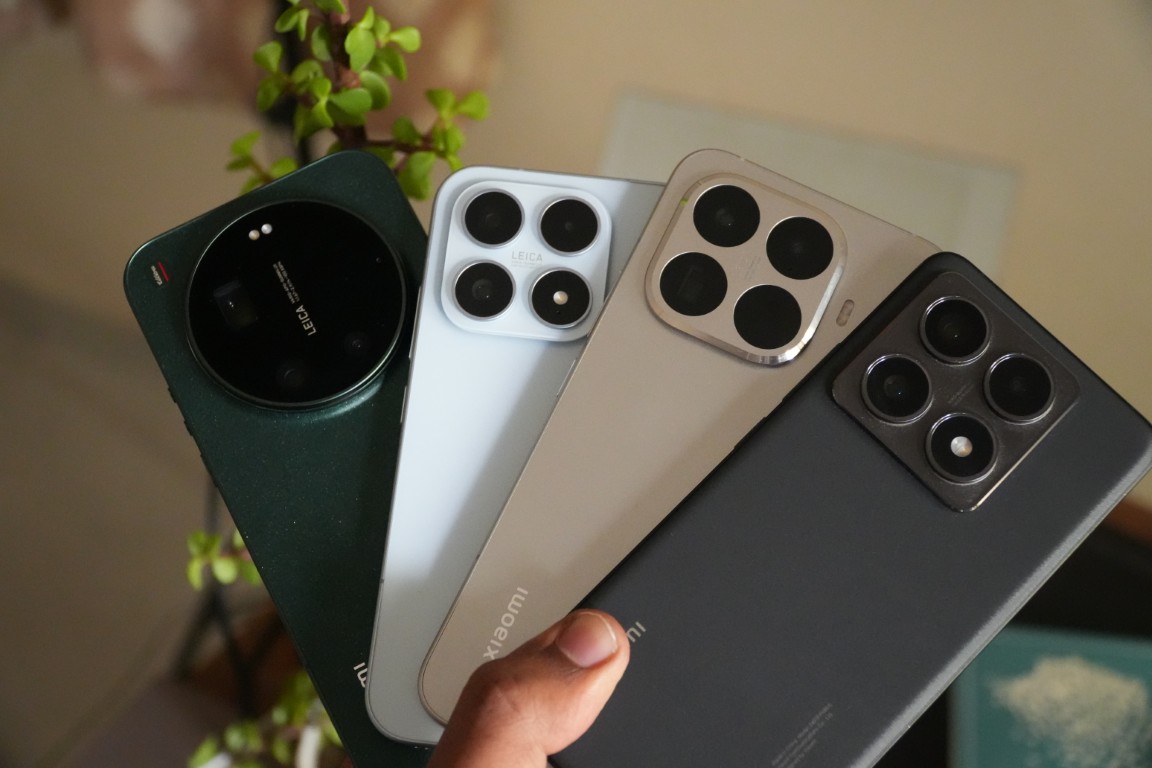
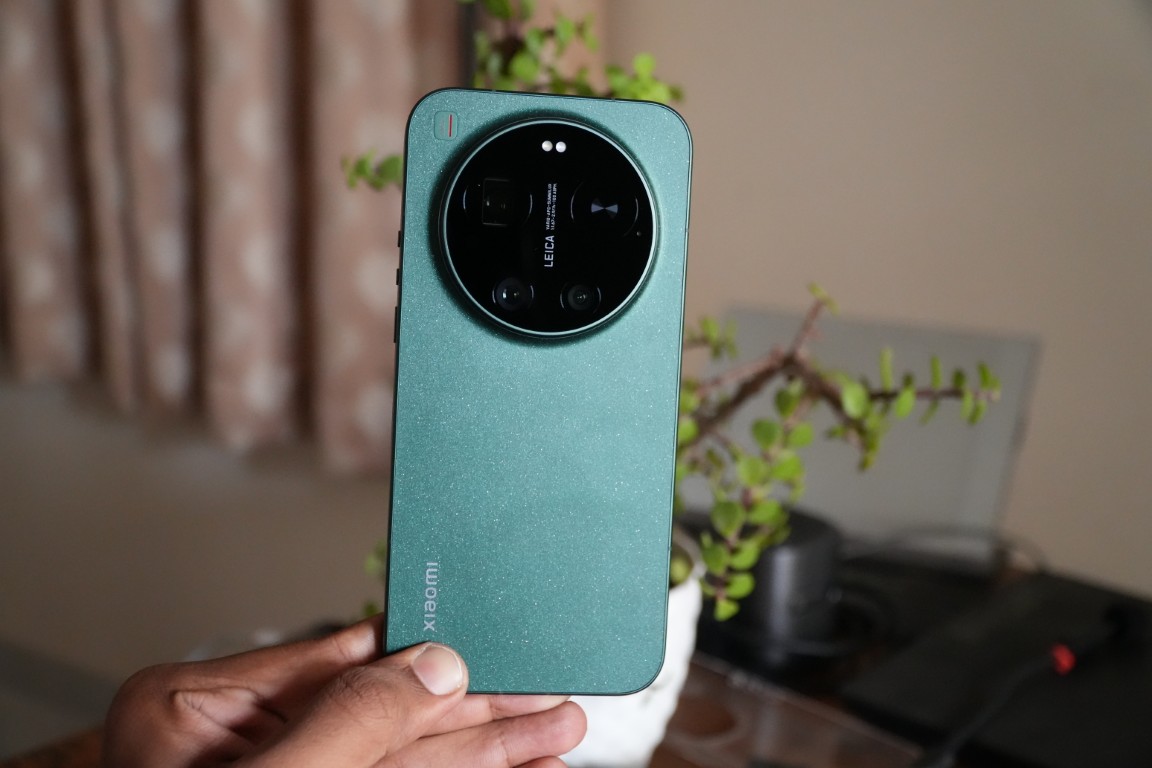
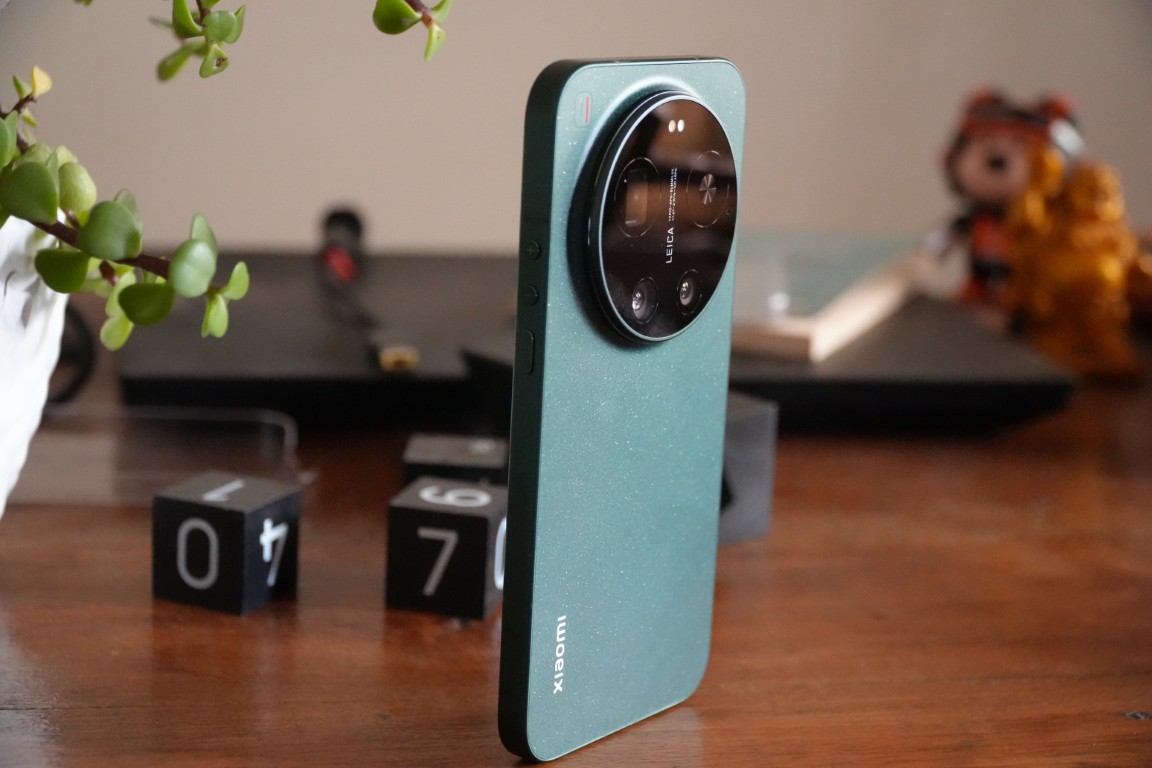
On the front, you now get a 50 MP snapper with autofocus, a step up from the 32 MP of the 15 Ultra. What’s interesting is that its new telephoto lens now comes with an optical Leica APO lens design, including three specially manufactured glass lenses, which is further said to minimize chromatic aberrations.
On the other hand, the iPhone 16 Pro (curr. at $702.50 on Amazon) uses a 48 MP Fusion main camera with OIS and quad-pixel architecture. The main unit is paired with a 48 MP ultrawide lens and a 12 MP telephoto lens with 5x optical zoom. While Apple hasn't revealed the sensor names, according to Nanoreview, all three cameras are said to use the Sony IMX803, the Sony IMX972, and the Sony IMX913 sensors, respectively.
The Xiaomi 17 Ultra edges out the iPhone 16 Pro in the photography department
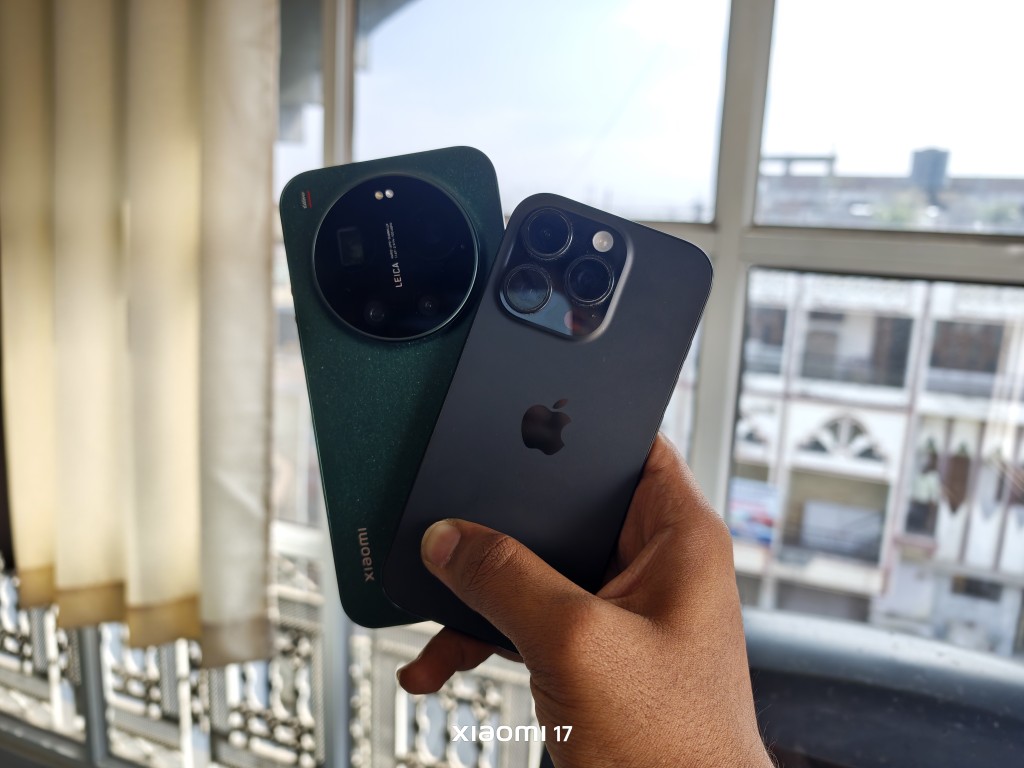
Apple’s iPhone 16 Pro is just one generation old when compared to Xiaomi’s latest flagship smartphone. I put both smartphones head-to-head to find out which one got a better camera department, and the results literally surprised me.
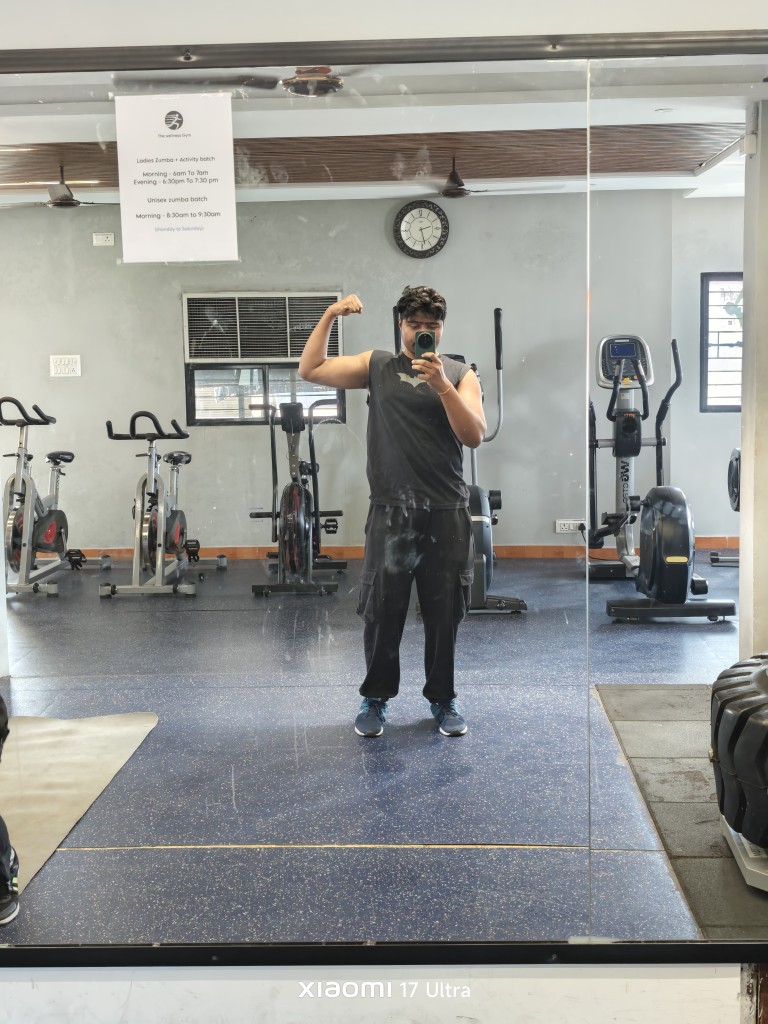
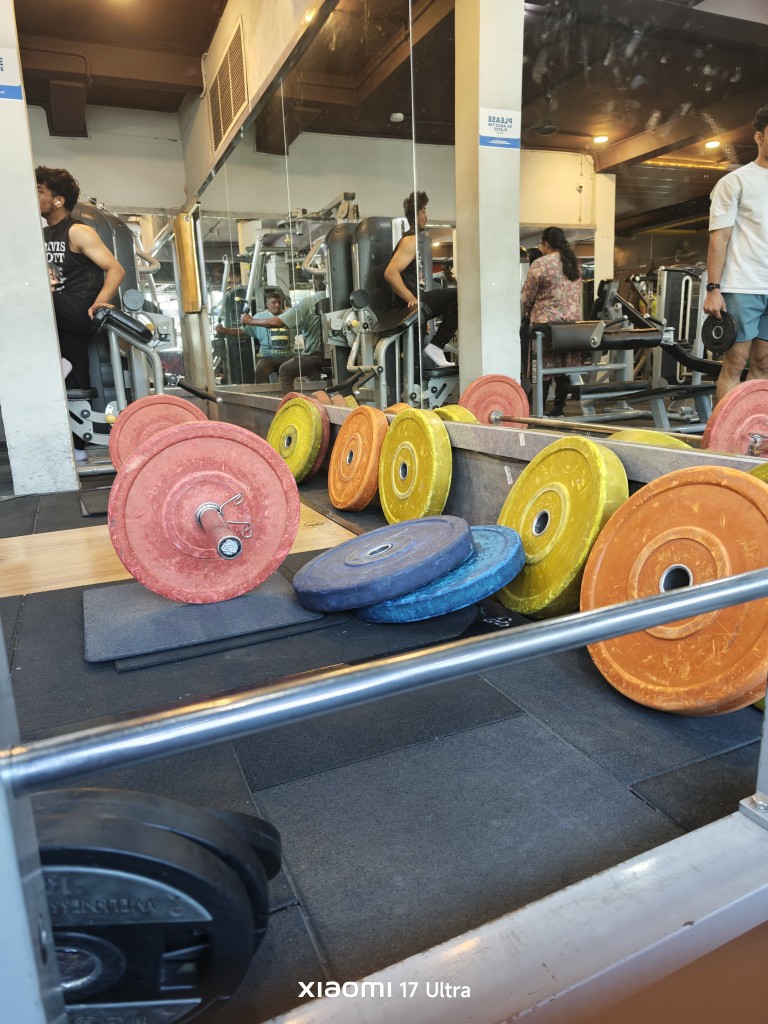
First, let’s talk about the main camera. The Xiaomi 17 Ultra has an edge here over the iPhone 16 Pro since it features a larger, 1-inch sensor, which gives Xiaomi better light capture and natural depth of field. I captured photos in daylight as well as low-light conditions, and the Xiaomi smartphone performs better in both scenarios.
Our test photos with the main camera speak for themselves. In daylight conditions, the Xiaomi 17 Ultra has managed to pull out punchy and crisp images with a high level of detail and an appealing sharpness. While the iPhone 16 Pro takes the opposite approach, retaining greater sharpness while slightly muting colors with a warmer tone. Since Xiaomi is using Leica’s color science, that’s what's making the difference. Though I noticed Xiaomi slightly overexposes the photos taken in indoor environments. However, that’s not necessarily a bad thing on its own; it’s just the magic of Leica Vibrant mode. In comparison, the iPhone 16 Pro offers you balanced output without any overexposure.


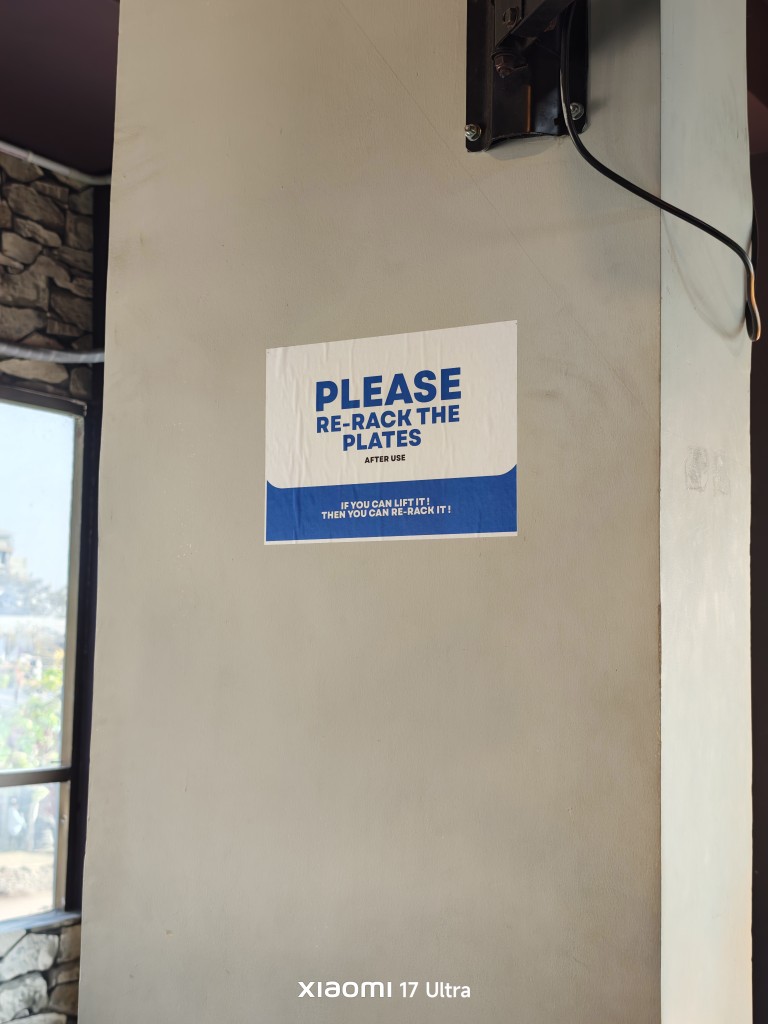













Even at night, the Xiaomi 17 Ultra offers a better image quality while retaining most of the details. I noticed the smartphone to be more on the warmer side at night, but the pictures are more pleasant to look at. However, both capture the environment well, with the iPhone 16 Pro offering slightly muted colors.








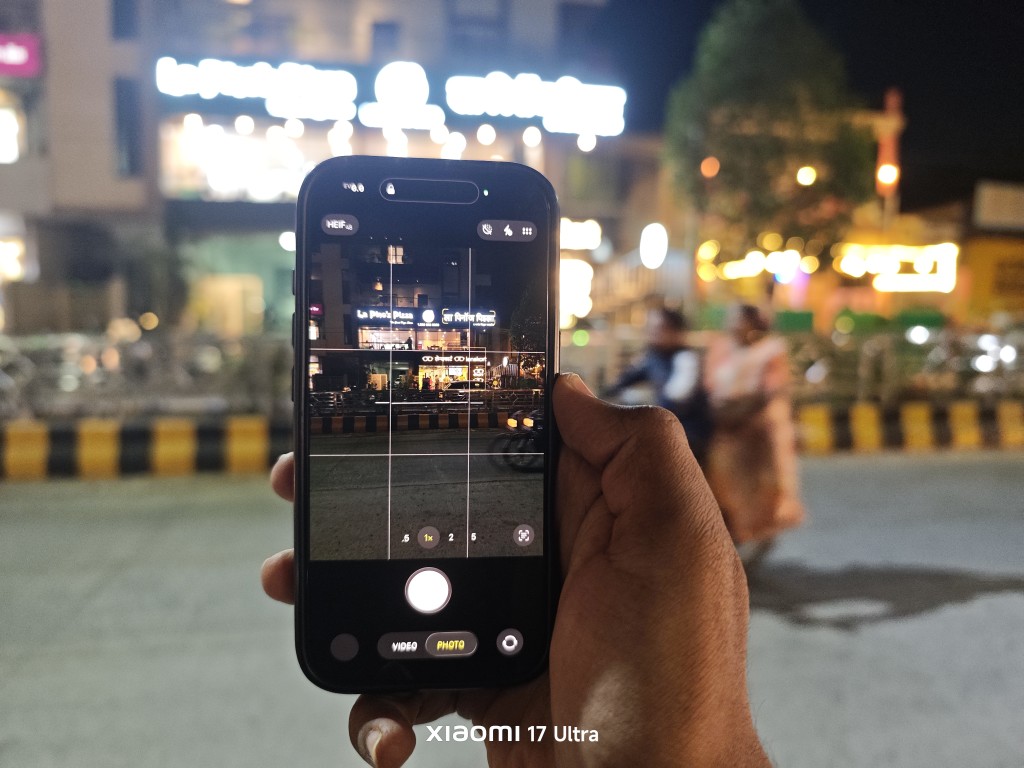
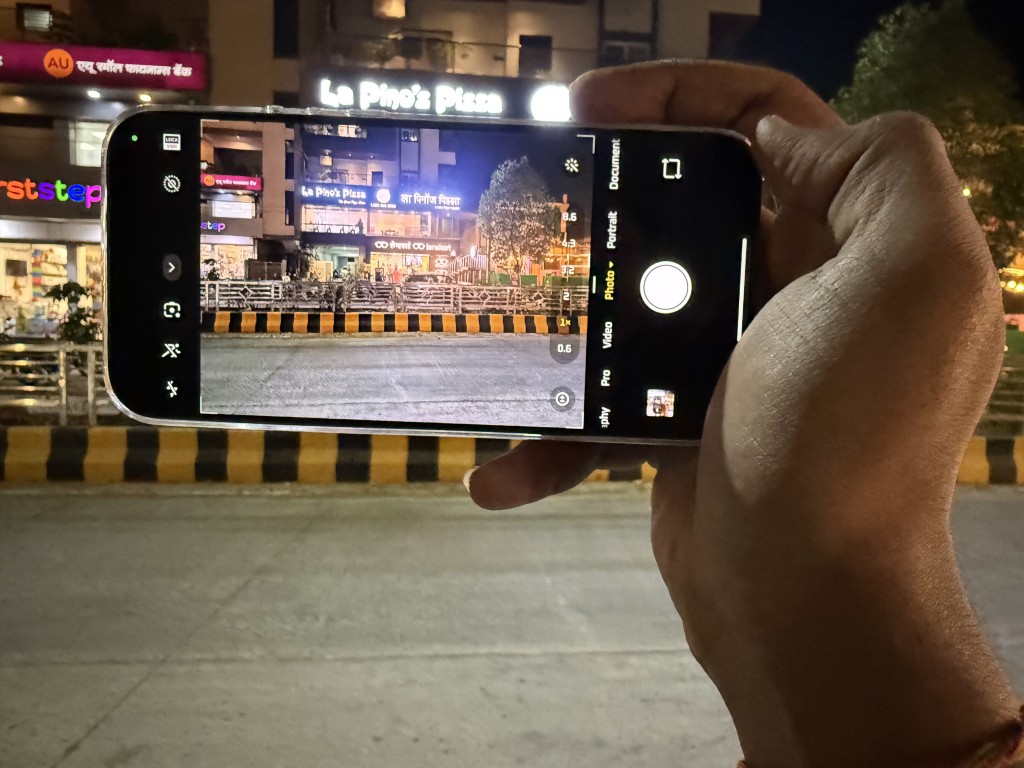
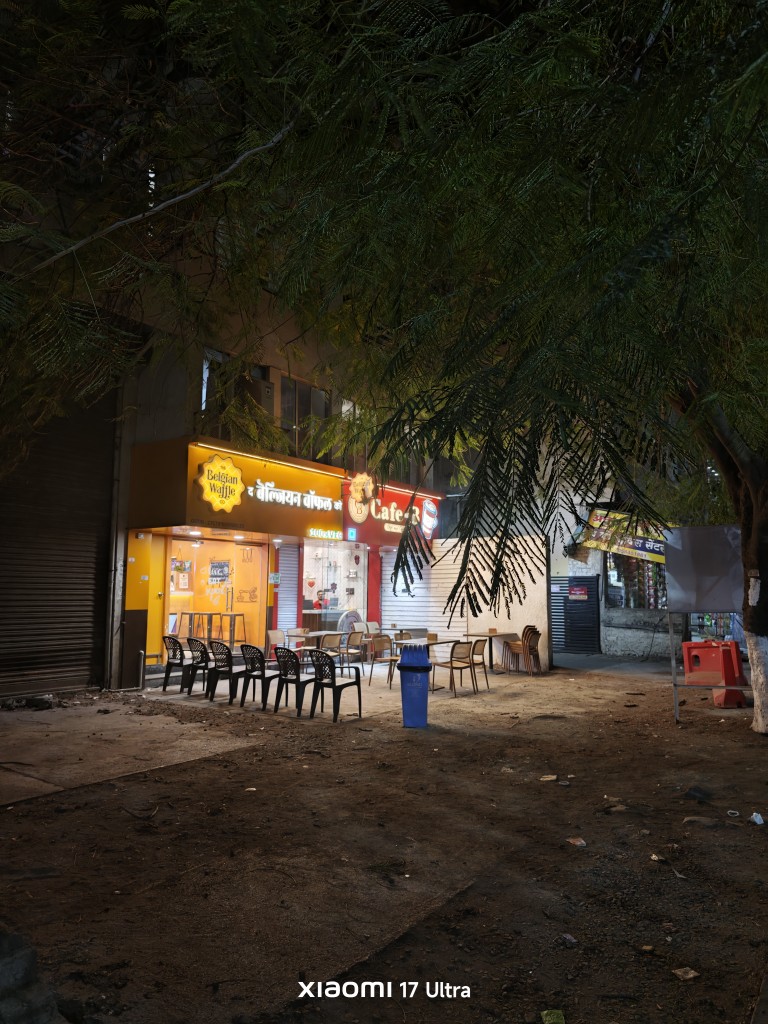

All in all, I liked the photos taken with the Xiaomi 17 Ultra’s main camera, which are more vibrant and natural with better color accuracy and high dynamic range. However, those taken with the iPhone 16 Pro come with a slightly warmer tone. Though it remains a matter of taste. Despite being one generation older, the iPhone 16 Pro is quite close to the 17 Ultra.
The magic of large telephoto sensor
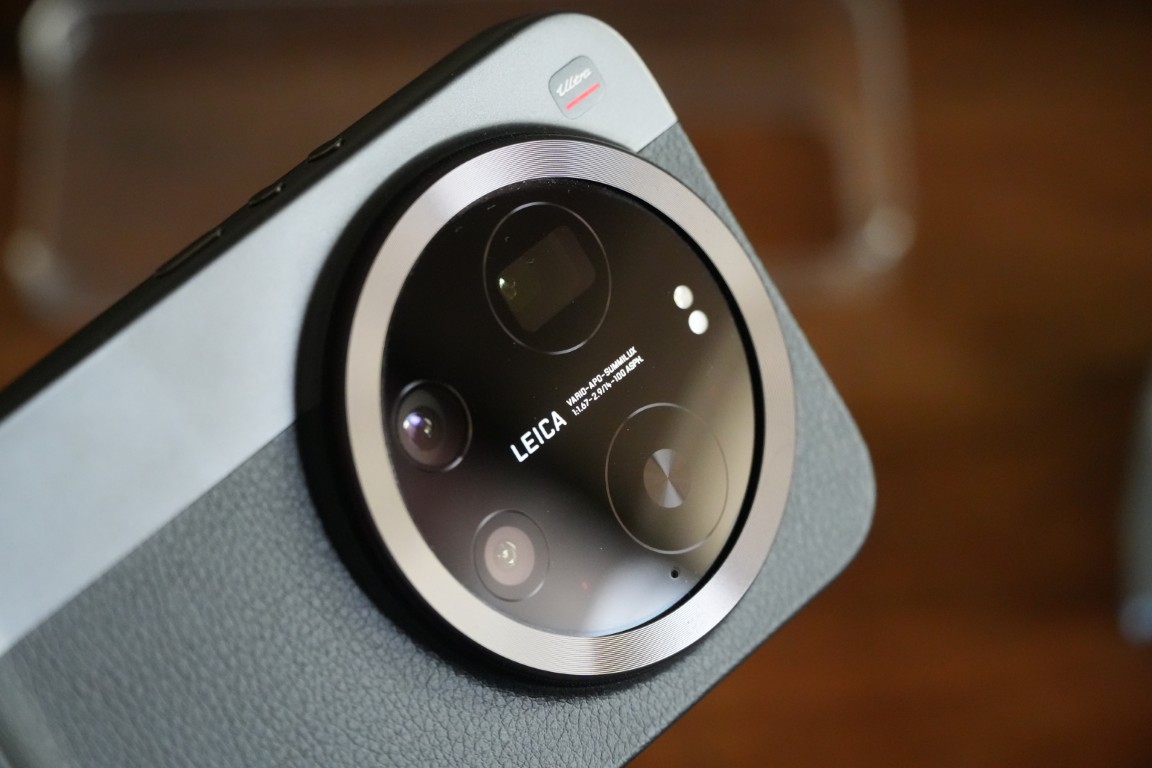
The new Samsung ISOCELL HPE-based 200 MPix telephoto camera of the Xiaomi 17 Ultra is a lot better than the iPhone 16 Pro’s 12 MP telephoto lens. The lens offers a continuous zoom from 75 mm to 100 mm, while the iPhone is a fixed 100 mm one—that difference is real and it reflects on the output. While testing, I found focusing with a telephoto lens much easier on the Xiaomi. As you can see on the right side of the image, I tried at least five to six times to focus on the flowers on the iPhone 16 Pro, but it simply didn’t work.


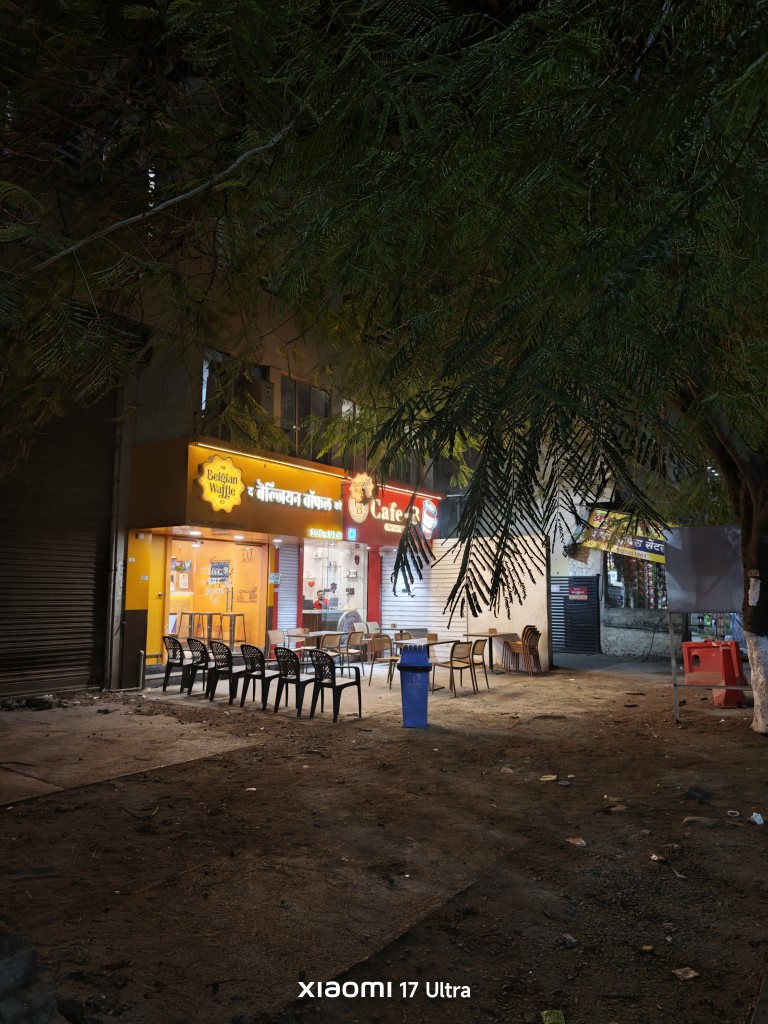










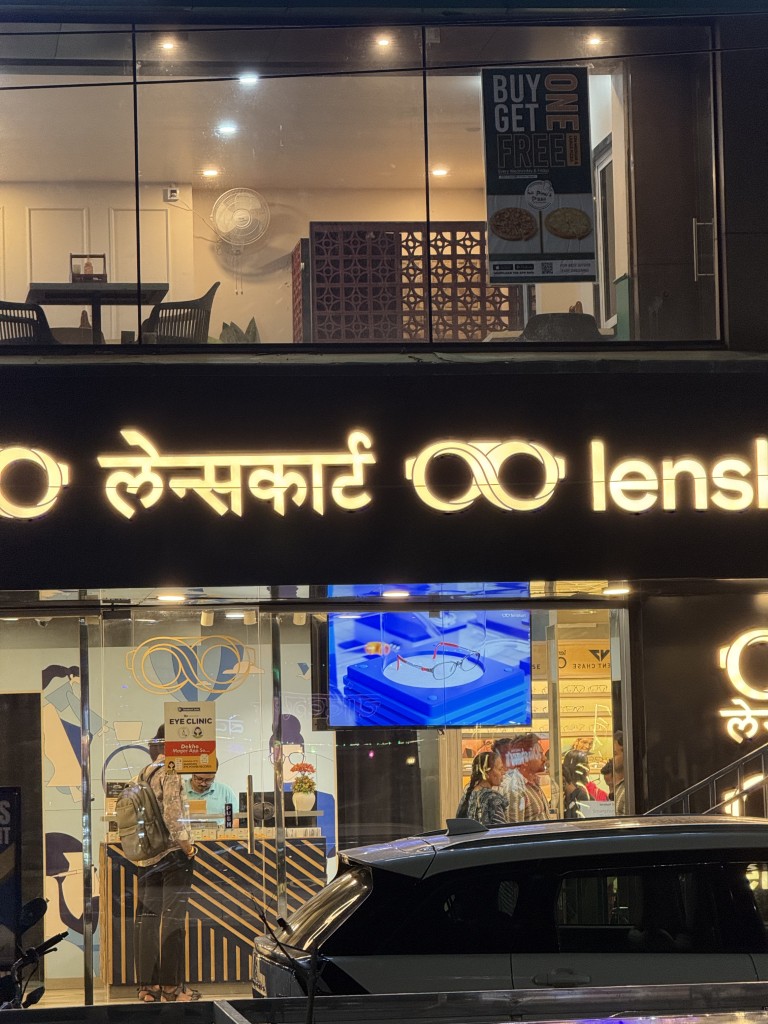
The telephoto lens performed admirably in nature photography, offering better quality than iPhone and the zoom is continuous, so you get more freedom. Thanks to the larger sensor, the background blur is more on the Xiaomi with the telephoto lens. In general, I do find the photos captured by the 17 Ultra with the telephoto lens to be a bit softer, which is what you expect from a real camera phone. What’s impressive is that the telephoto camera is great at edge detection in low-light portraits. So overall, it has a nice bokeh, plenty of details, and an overall pleasing look.


Ultrawide lens—same same but different
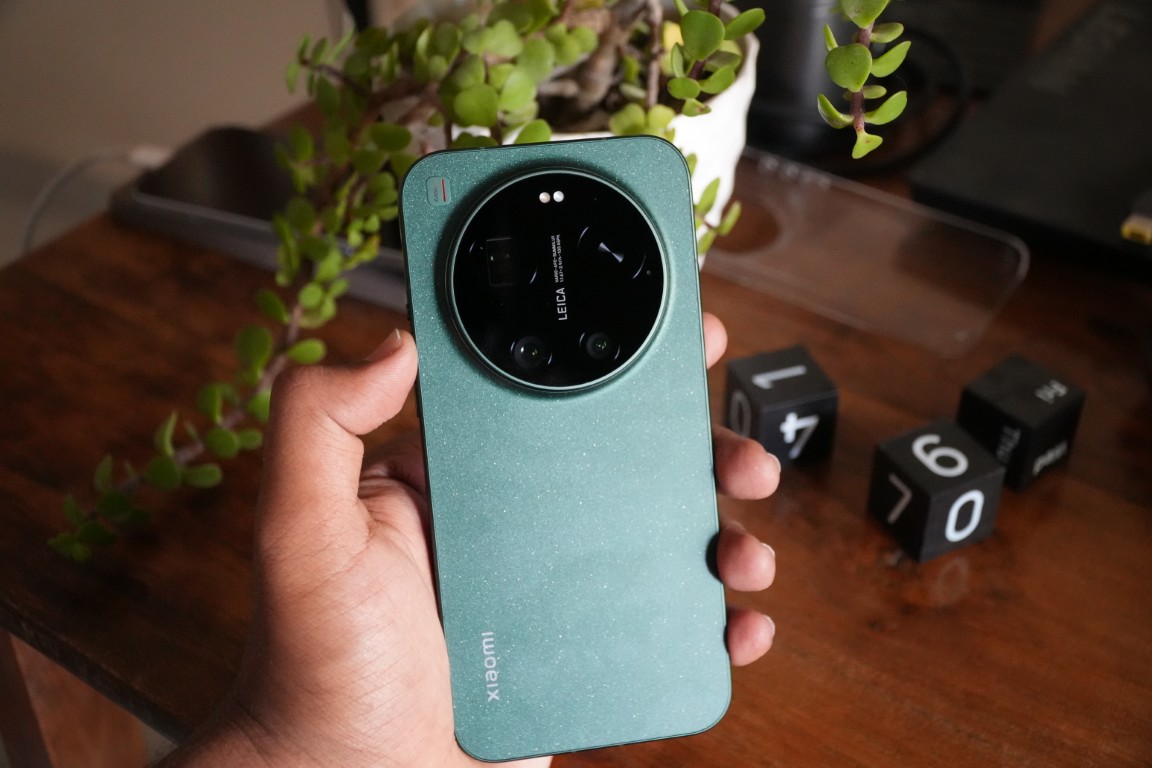
The Xiaomi 17 Ultra has a 14 mm ultra-wide-angle lens, which also serves as a micro-shooter with a minimum distance of 5 cm (~2 inches) from the object. While the iPhone 16 Pro has a slightly wider focal length of 13 mm. Plus, it also acts as a macro lens and can get very close to its subject (2 cm).
The ultrawide pictures taken from both phones look pretty similar, with Xiaomi being more on the vibrant side. However, I noticed the iPhone is a bit sharper than the Xiaomi, but the Xiaomi phone delivers great high dynamic range. In terms of image quality, both offer great quality while retaining better details. As for micro, the Xiaomi photos look quite pleasing. The color and sharpness are better compared to the iPhone 16 Pro.




Video Quality—iPhone 16 Pro holds the upper hand here
The Xiaomi 17 Ultra records videos with any camera up to 8k at 30 fps, while the iPhone 16 Pro only allows you to record videos at 4k 120 fps. I recorded some videos on both phones in 4K, and surprisingly, the iPhone managed to pull out vibrant colors, which look pleasing. Though Xiaomi colors are a bit more muted. Another thing is that the iPhone 16 Pro really did a great job with stabilization.
While testing both cameras at night, I found the iPhone 16 Pro's video quality quite reliable, retaining highlights and better colors, while the Xiaomi is doing a little bit of overexposing. However, the only advantage is that you can shoot at a higher resolution of up to 8K 30 fps with the Xiaomi 17 Ultra, which can capture more detail and offers flexibility for cropping in post. On top of this, the flagship smartphone supports Dolby Vision, which further provides extended dynamic range and vivid colors, especially when shooting in daylight conditions. Like iPhone, Xiaomi also offers extensive customization options for video recording.
Front Camera—Xiaomi improves its selfie game
Up front, the Xiaomi 17 Ultra has a 50 MP snapper with autofocus, while the iPhone 16 Pro has a 12 MP TrueDepth front camera with autofocus. The only difference is in focal length; the former comes with a 21 mm focal length, while the latter has 23 mm. This makes the real difference, especially if you want a wider field of view.
The Xiaomi 17 Ultra has the advantage here. It offers significantly clearer photos with more raw pixel detail. Like the main cameras, the Xiaomi is colder and the iPhone is slightly warmer.


The Xiaomi 17 Ultra lasts longer than the iPhone 16 Pro
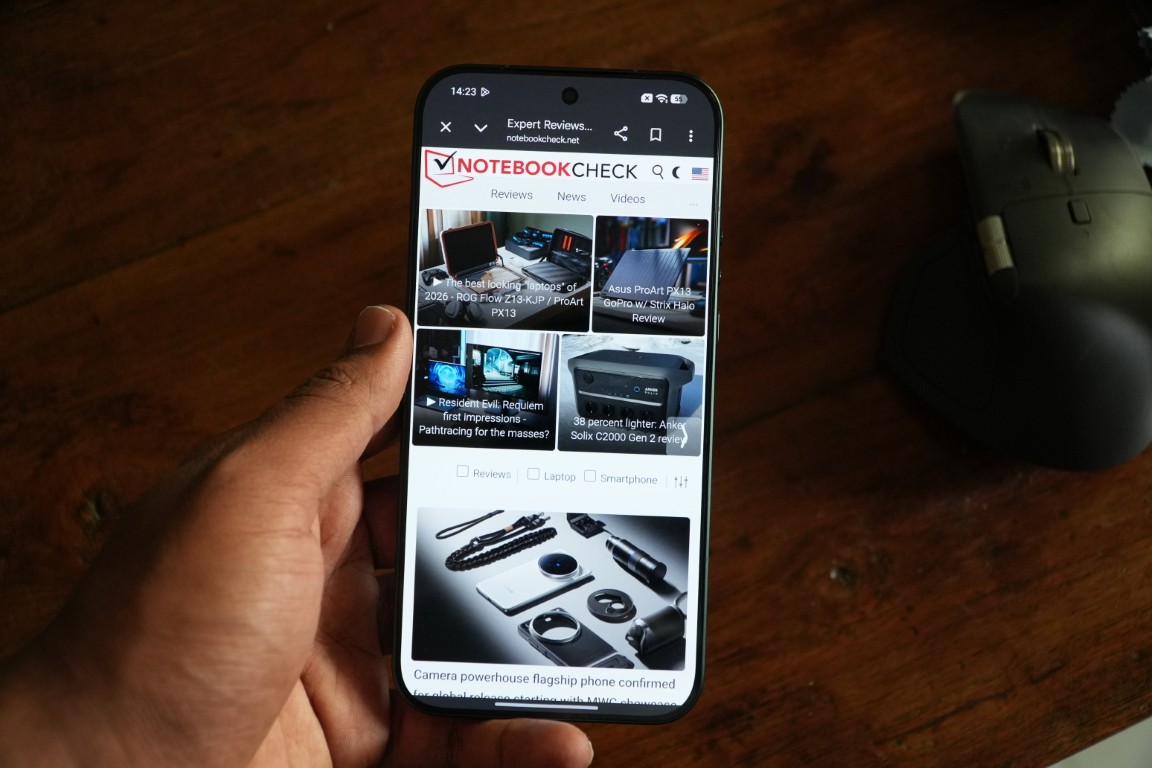
Unlike its Chinese counterpart with a 6,800 mAh battery, the global Xiaomi 17 Ultra variant comes with a slightly smaller 6,000 mAh battery that supports 90 W wired and 50 W wireless charging. In comparison, the iPhone 16 Pro has a very small 3,582 mAh battery that supports only 30 W fast-wired charging. There’s also wireless charging support as well, but it isn’t as fast as the Xiaomi 17 Ultra.
What stops me from switching back to iPhone is the battery life. While testing, the Xiaomi 17 Ultra lasted me one and a half days on medium use, including streaming, browsing, calling, and a little bit of gaming. In contrast, the iPhone 16 Pro falls behind the former. Though, it does last me an entire day. Another thing is the fast charging support. The Xiaomi phone charges much faster than the iPhone, which brings a great advantage.
Performance
In terms of performance, both phones are beasts. The Xiaomi 17 Ultra is powered by Qualcomm’s latest flagship, the Snapdragon 8 Elite Gen 5 chipset. On the other hand, the iPhone 16 Pro is equipped with the Apple A18 Pro processor. I played all the demanding titles, such as PUBG Mobile and Genshin Impact, on the Xiaomi 17 Ultra, and the performance was super smooth. On top of this, I didn't notice any lags or stuttering while gaming.
Scrolling Instagram reels, watching YouTube videos, reading ebooks, and binge-watching Netflix—both outdoors and indoors—on the Xiaomi 17 Ultra’s large 6.9-inch (2608 x 1200-pixel resolution) 120 Hz OLED display was a pleasing experience. Our Xiaomi 17 Ultra review is already live. You can learn more about its performance and display here.
Software—There are a lot of similarities
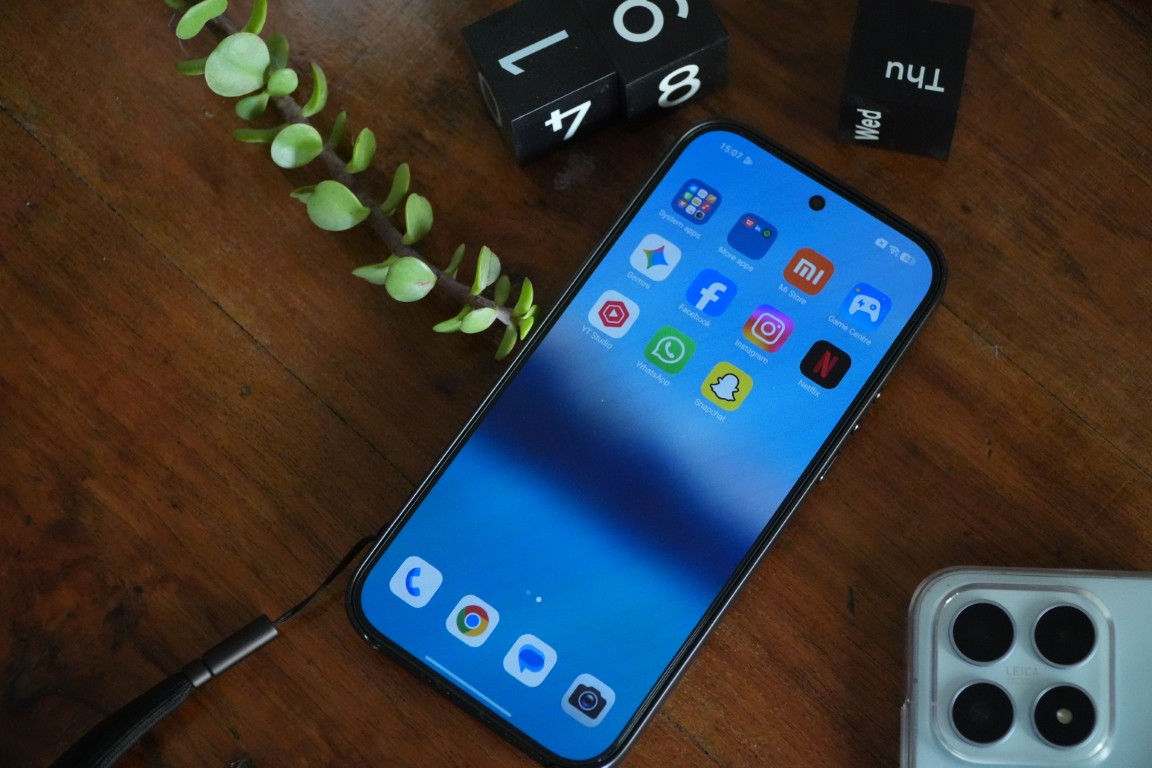
The Xiaomi 17 Ultra runs HyperOS 3 based on Android 16 out of the box and the company promises five major Android updates (up to Android 21) and six years of security patches until 2031. This time around, Xiaomi is offering one extra major OS update compared to last generation’s four years of Android updates.
Interestingly, the overall look and feel of HyperOS are pretty much similar to the iPhone. Even the icons are almost the same. Besides functional differences, I didn’t notice any major difference here. Though there is bloatware available on the phone, which is quite surprising to see in the smartphone that costs almost €1,499.00.
I’ve happily switched to the other side
Well, as the title said, I had used the Xiaomi 17 Ultra for around a month and decided to ditch my iPhone 16 Pro. The 17 Ultra has everything from stellar cameras, cutting-edge hardware, and a long-lasting battery life with fast wired as well as wireless charging support to a large display, a good UI, and six years of software support. This is what the ultimate camera phone looks like.
 Add as a preferred source on Google


