




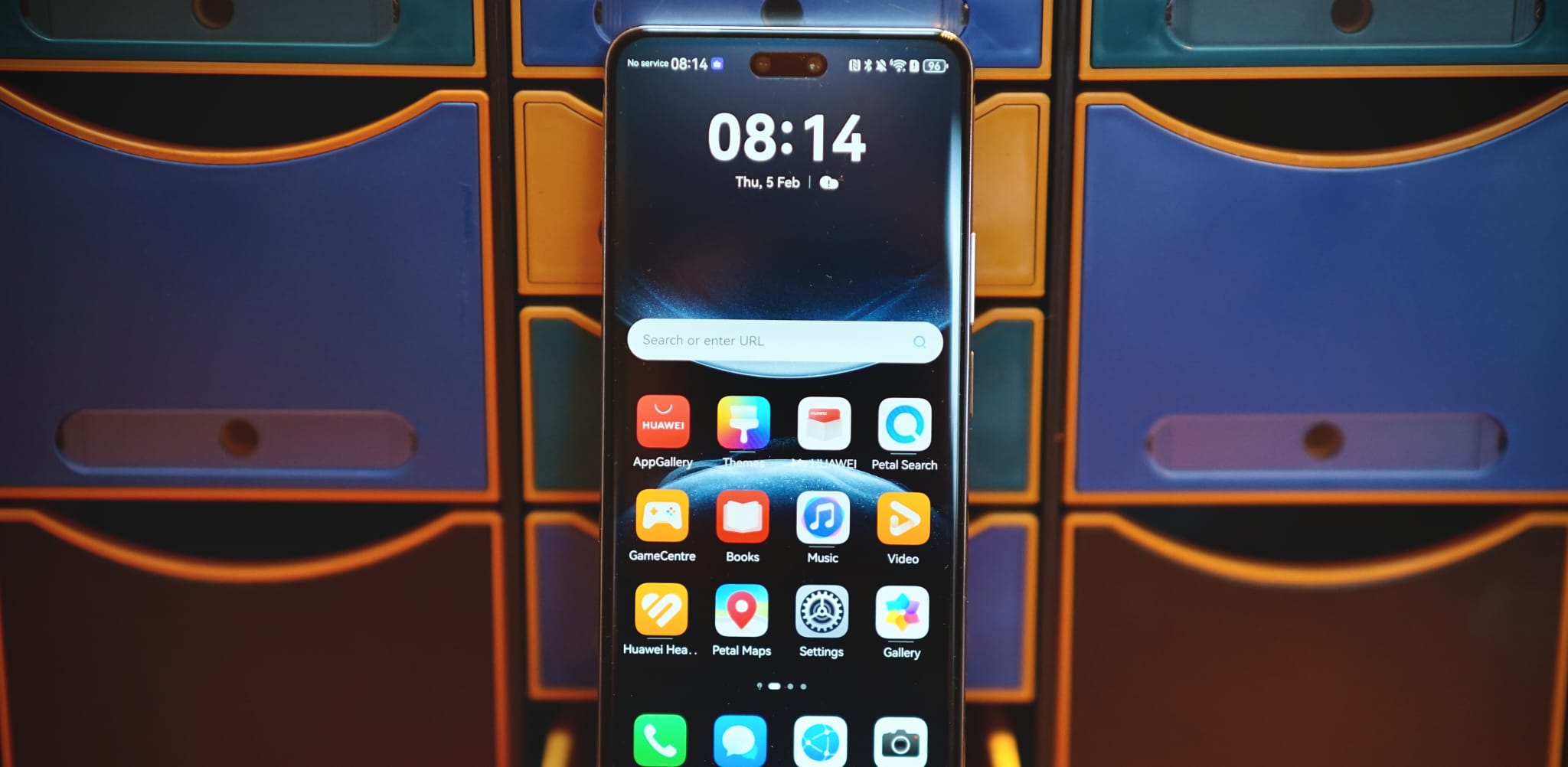
Verdict on the Huawei Nova 14 Pro
Huawei continues to fight its way through: although subject to sanctions, its own software ecosystem is now a real alternative to Google's Play Services. But the much bigger problem remains: there is no 5G on Huawei phones in Europe.
This is a great pity, because the Huawei Nova 14 Pro is a really good smartphone. The cameras, in particular, deliver images you would normally expect from phones twice as expensive. Sure, there is no periscope zoom, but the variable aperture enables natural blur effects and even lets you adjust it in photos.
The front cameras also make great portraits possible, whether you are alone or in a group. And the zoom capabilities are also very good up to around 10x magnification.
The battery life is rather mediocre, especially as the battery has been slightly reduced for Europe. However, there is fast WiFi 7, and the screen is bright enough even for sunny days. The processor performance can reasonably keep up with similarly priced devices, but Xiaomi shows that much more is possible for the price.
The Huawei Nova 14 Pro is an unusual smartphone in the upper class, which unfortunately cannot quite keep up with the competition in some areas, but delivers a very good camera system.
Pros
Cons
Price and availability
The phone is available starting from 599 euros at amazon.de, including headphones.
You can also get it for 599 euros directly from Huawei with a voucher.

- $1,034.54Samsung Galaxy S26 Ultra, Unlocked Android Smartphone, 256GB, Black
- $10.80ShouBao Compatible with Huawei nova 14 Pro Case Cover,2-in-1 TPU+PC Drop-Proof and Heat Dissipation Phone Cases Compatible with Huawei nova 14 Pro MIA-AL00 Cover Black
- $249.99XIAOMI Redmi Note 14 Pro 4G LTE (for Tmobile Mint Tello & Global) (512GB + 12GB) 6.67" 120Hz 200MP AI Camera Model 24116RACCG Unlocked Dual Sim (Midnight Black)
Table of Contents
- Verdict on the Huawei Nova 14 Pro
- Specifications
- Case and features - Ice crystal design
- Communication and operation - Great Wi-Fi, but the mobile network...
- Software and sustainability - Alternative environment
- Camera - High quality photos
- Display - Huawei phone with bright OLED
- Performance, emissions and battery life - Not so much power
- Notebookcheck overall rating
- Possible alternatives in comparison
Specifications
Case and features - Ice crystal design
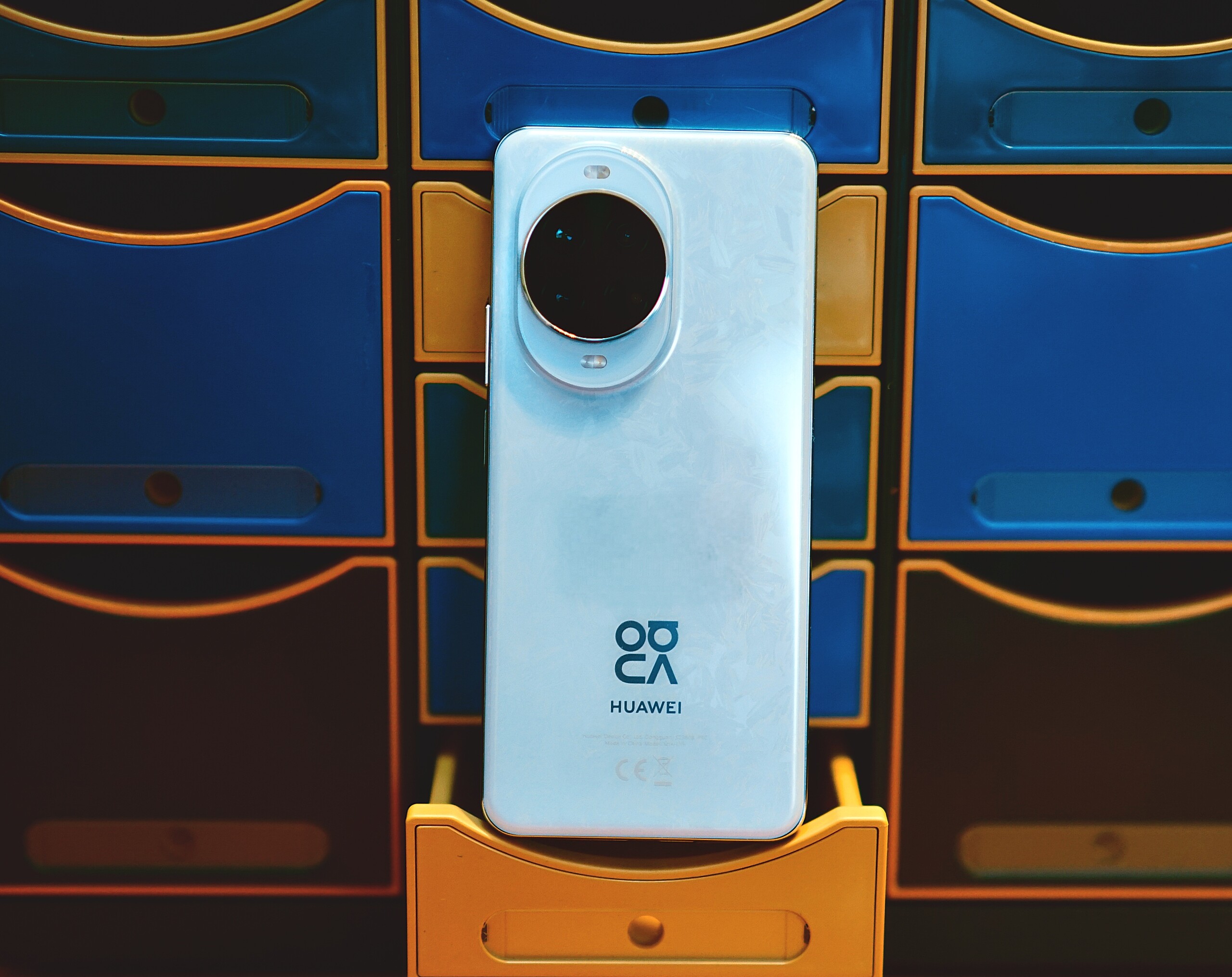
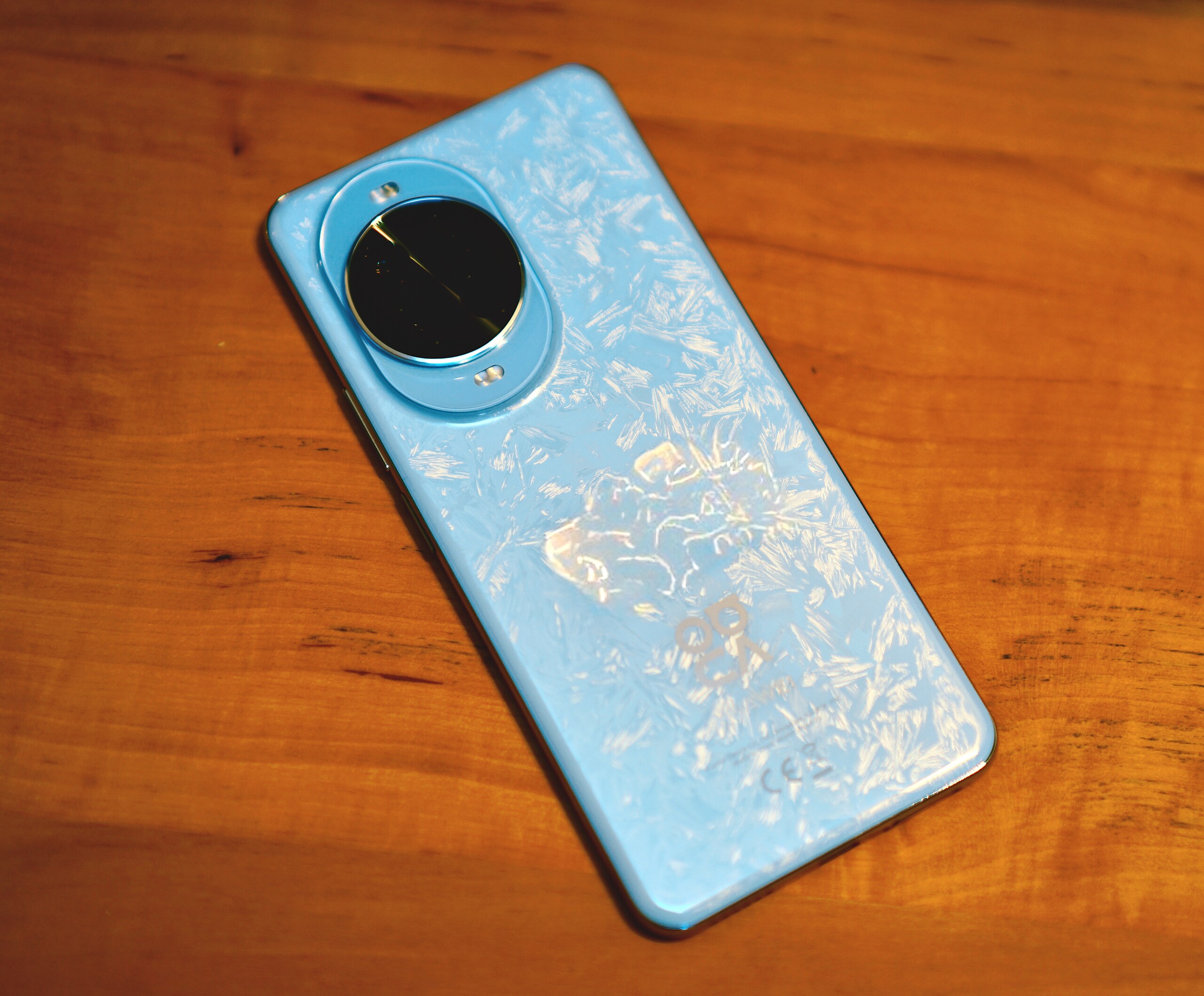
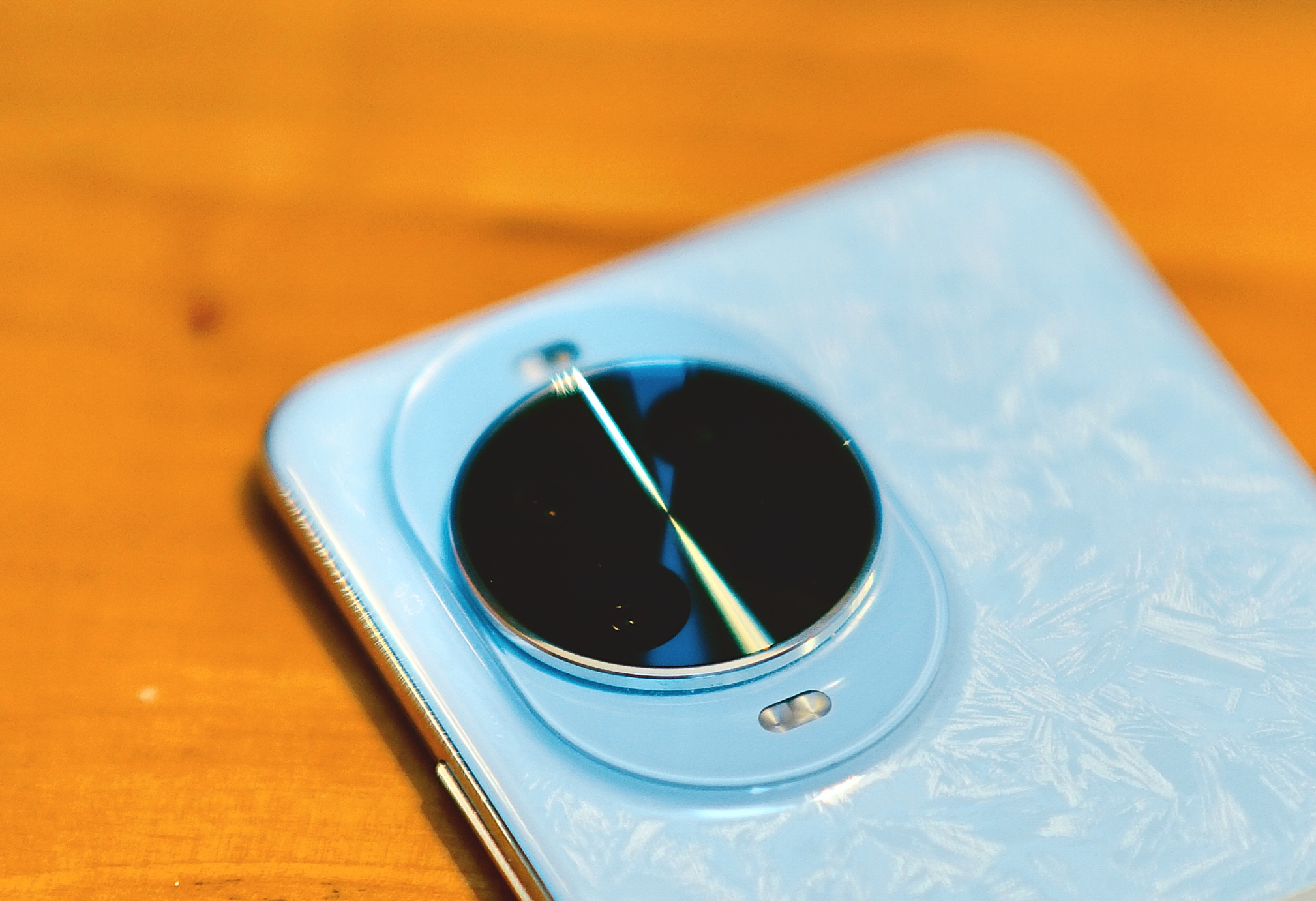
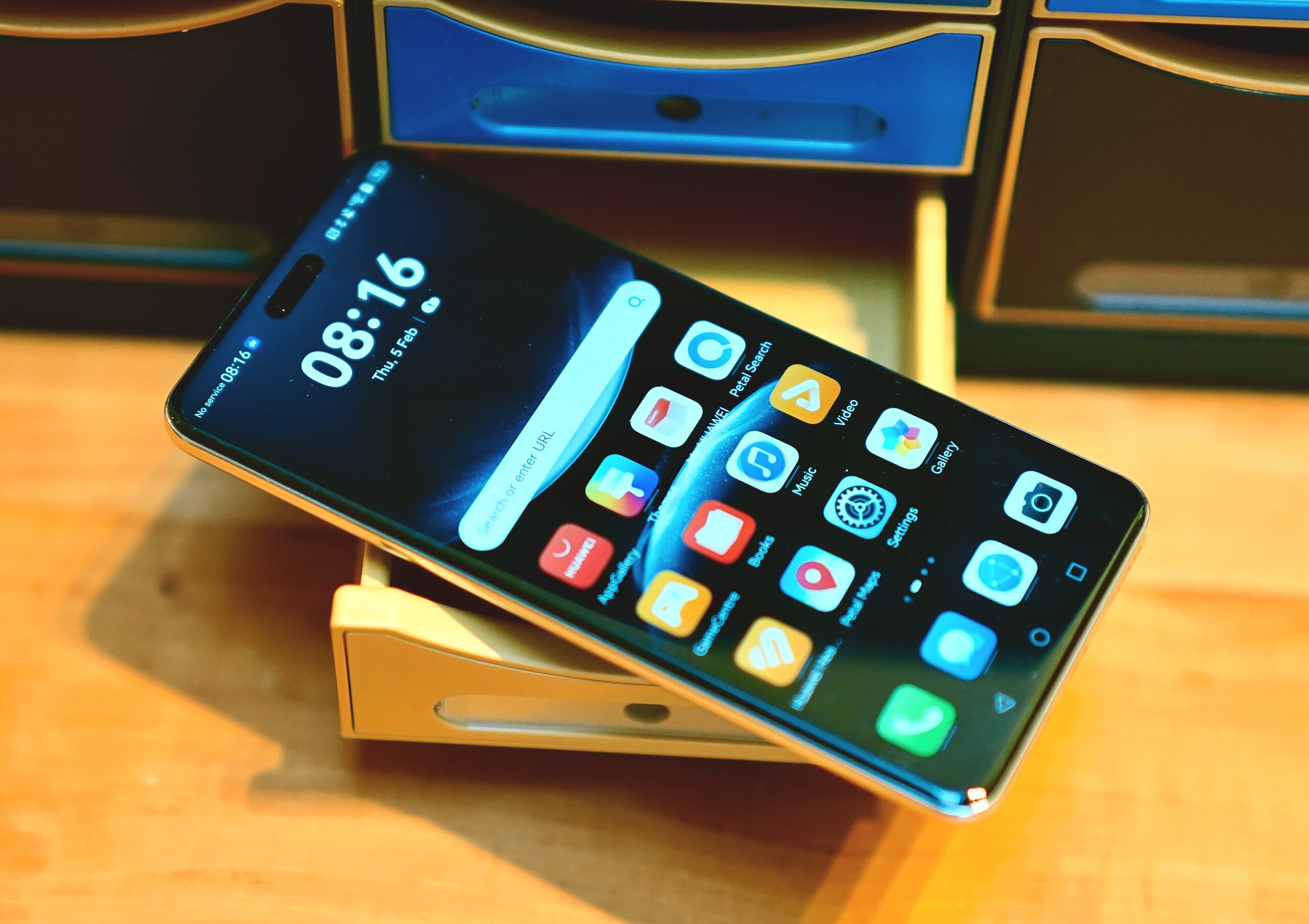
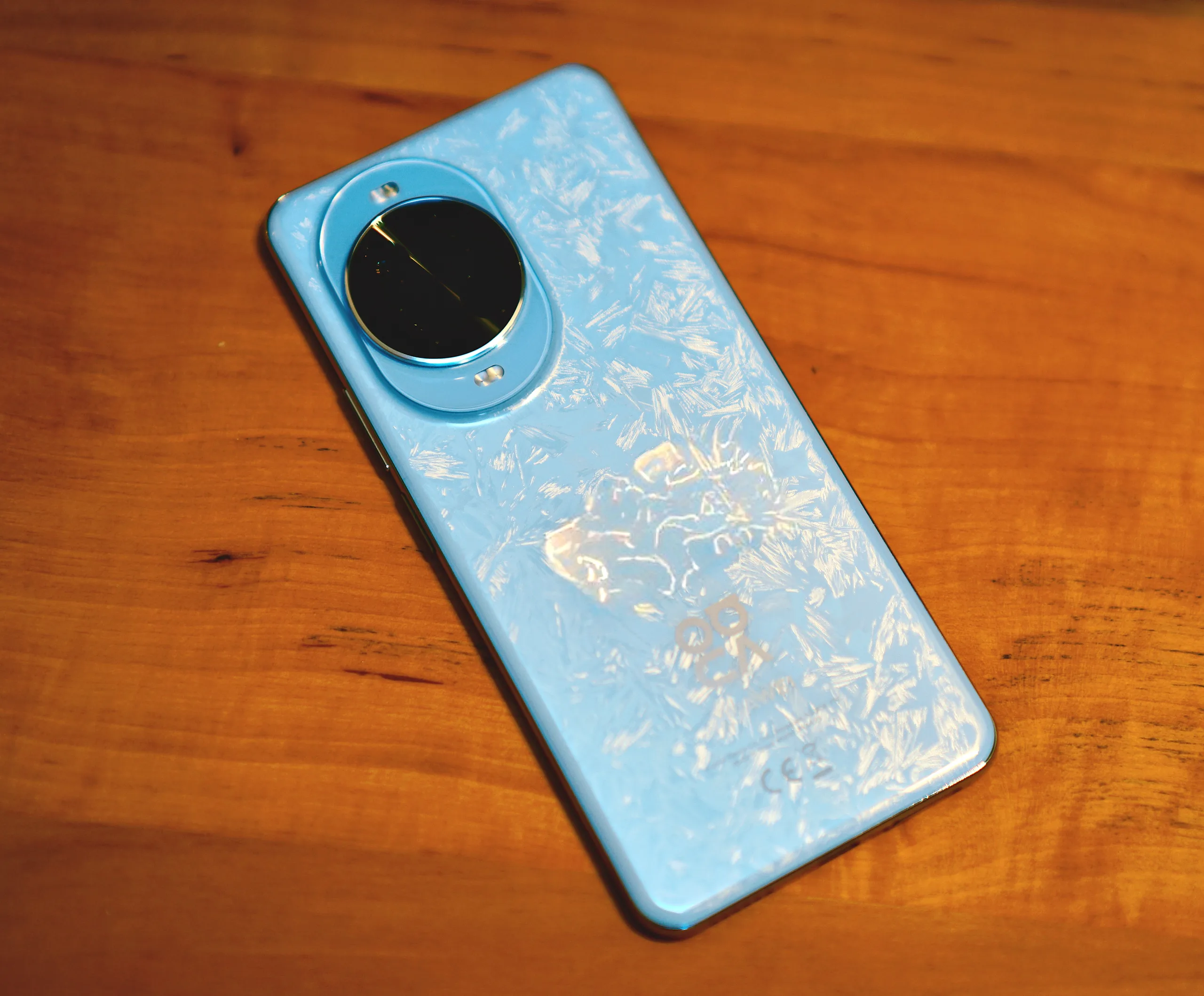
The the Huawei Nova 14 Pro is available in either matte black or light blue, with the glass back creating a stylish ice crystal effect when light refracts through it. The camera module with two LED flashes is offset twice, making it stand out clearly from the slim body.
The build quality is very high, nothing crunches or creaks. Even the material transitions cannot be felt with the finger. However, the phone weighs 207 grams, which is significantly higher than comparable phones.
The chassis is IP65-protected against dust and liquids, but the phone should not be immersed in water.
Unfortunately, the USB port does not support the USB 3.0 protocol and therefore cannot send an image signal to external monitors. However, this is not necessarily common in this price range.
There is only one memory variant with 12 GB RAM and 512 GB mass storage. There is no provision for expansion via microSD.

Communication and operation - Great Wi-Fi, but the mobile network...
Huawei has installed fast Wi-Fi 7, and the phone also delivers very fast, stable data rates in our tests.
However, you have to make do with 4G for mobile communications. Although the 5G technology is on board the Chinese models of the Nova 14 Pro, it cannot be activated in Europe due to sanctions.
The touchscreen is very smooth to use and responds to inputs very reliably. With Air Gestures, gestures can also be performed away from the screen; they are recognized via the front camera and enable scrolling, for example.
| Networking | |
| Huawei Nova 14 Pro | |
| iperf3 transmit AXE11000 6GHz | |
| iperf3 receive AXE11000 6GHz | |
| Huawei Nova 11 Pro | |
| iperf3 transmit AXE11000 | |
| iperf3 receive AXE11000 | |
| Xiaomi Poco F8 Pro | |
| iperf3 transmit AXE11000 | |
| iperf3 receive AXE11000 | |
| Fairphone 6 | |
| iperf3 transmit AXE11000 6GHz | |
| iperf3 receive AXE11000 6GHz | |
| Motorola Edge 60 Pro | |
| iperf3 transmit AXE11000 6GHz | |
| iperf3 receive AXE11000 6GHz | |
| Average 802.11 a/b/g/n/ac/ax/be | |
| iperf3 transmit AXE11000 | |
| iperf3 receive AXE11000 | |
| iperf3 transmit AXE11000 6GHz | |
| iperf3 receive AXE11000 6GHz | |
| Average of class Smartphone | |
| iperf3 transmit AXE11000 | |
| iperf3 receive AXE11000 | |
| iperf3 transmit AXE11000 6GHz | |
| iperf3 receive AXE11000 6GHz | |
Software and sustainability - Alternative environment
HarmonyOS now offers a large number of apps that are familiar from Android. It is also quite easy to install and activate Google services on the phone.
The only feature that does not work is Google Pay. However, Huawei offers a replacement in cooperation with Bluecode, thus providing a European alternative.
Unfortunately, there is no information on the sustainability of the device; plastic films are still used in the packaging.
Camera - High quality photos

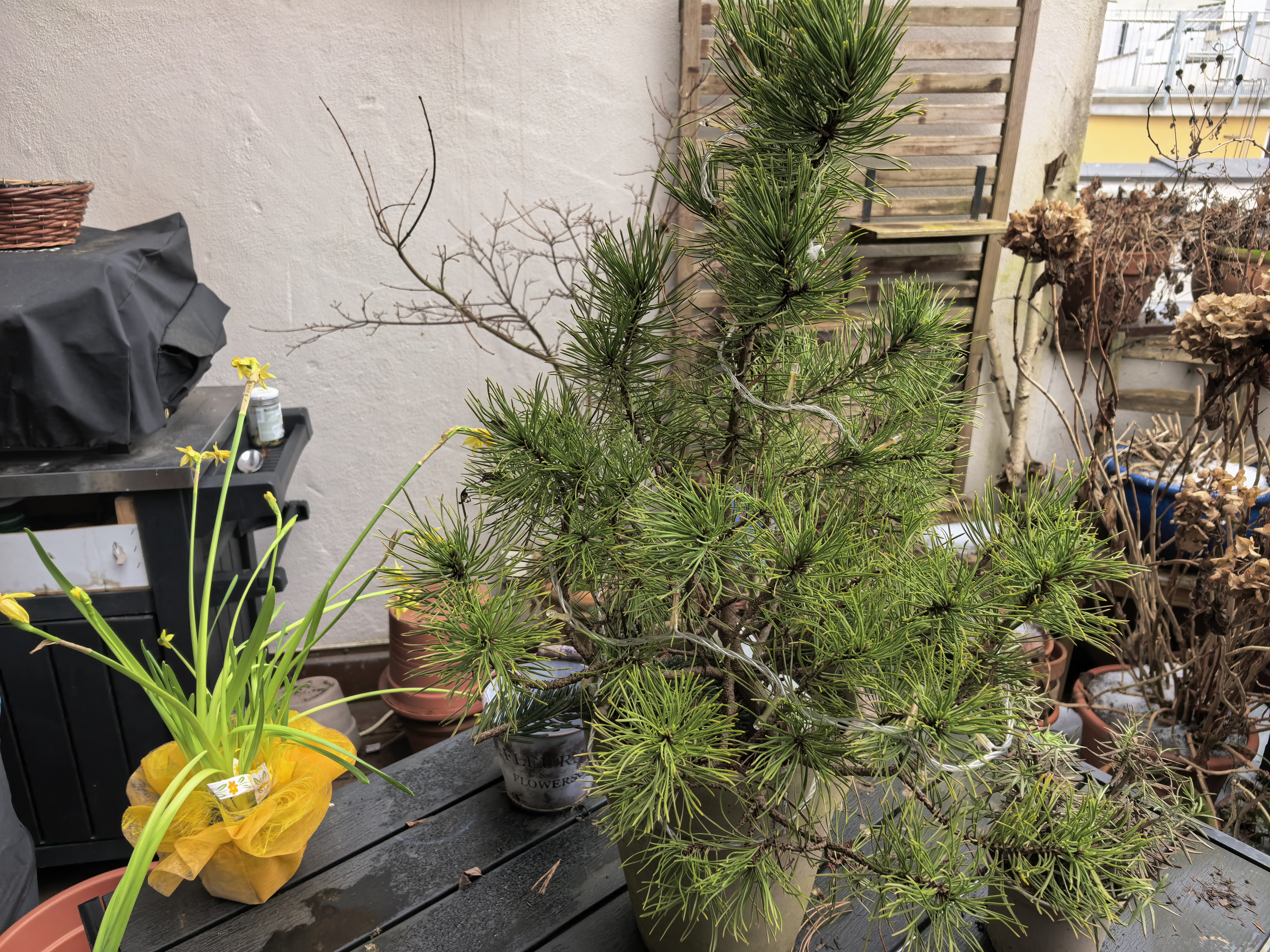
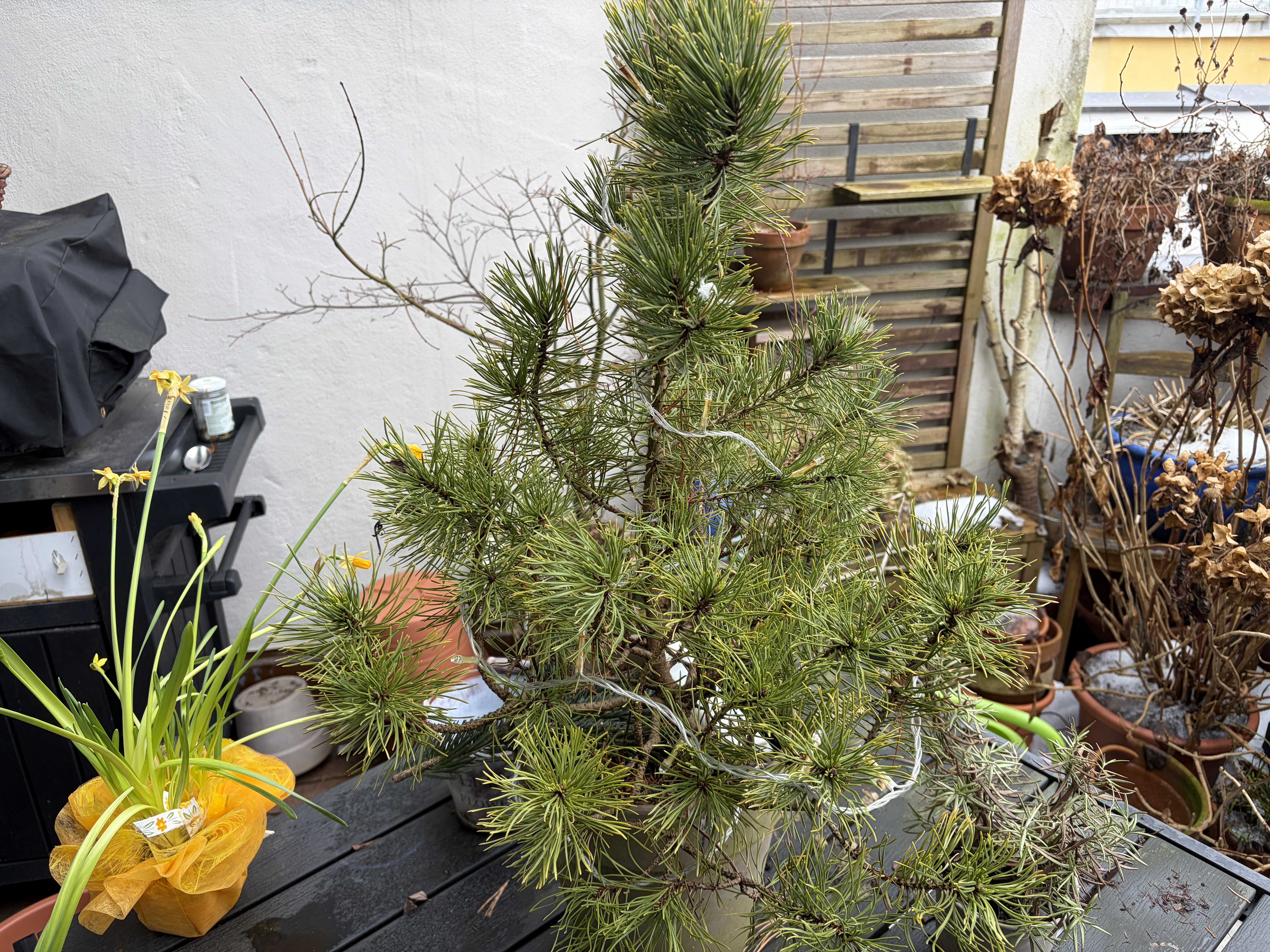
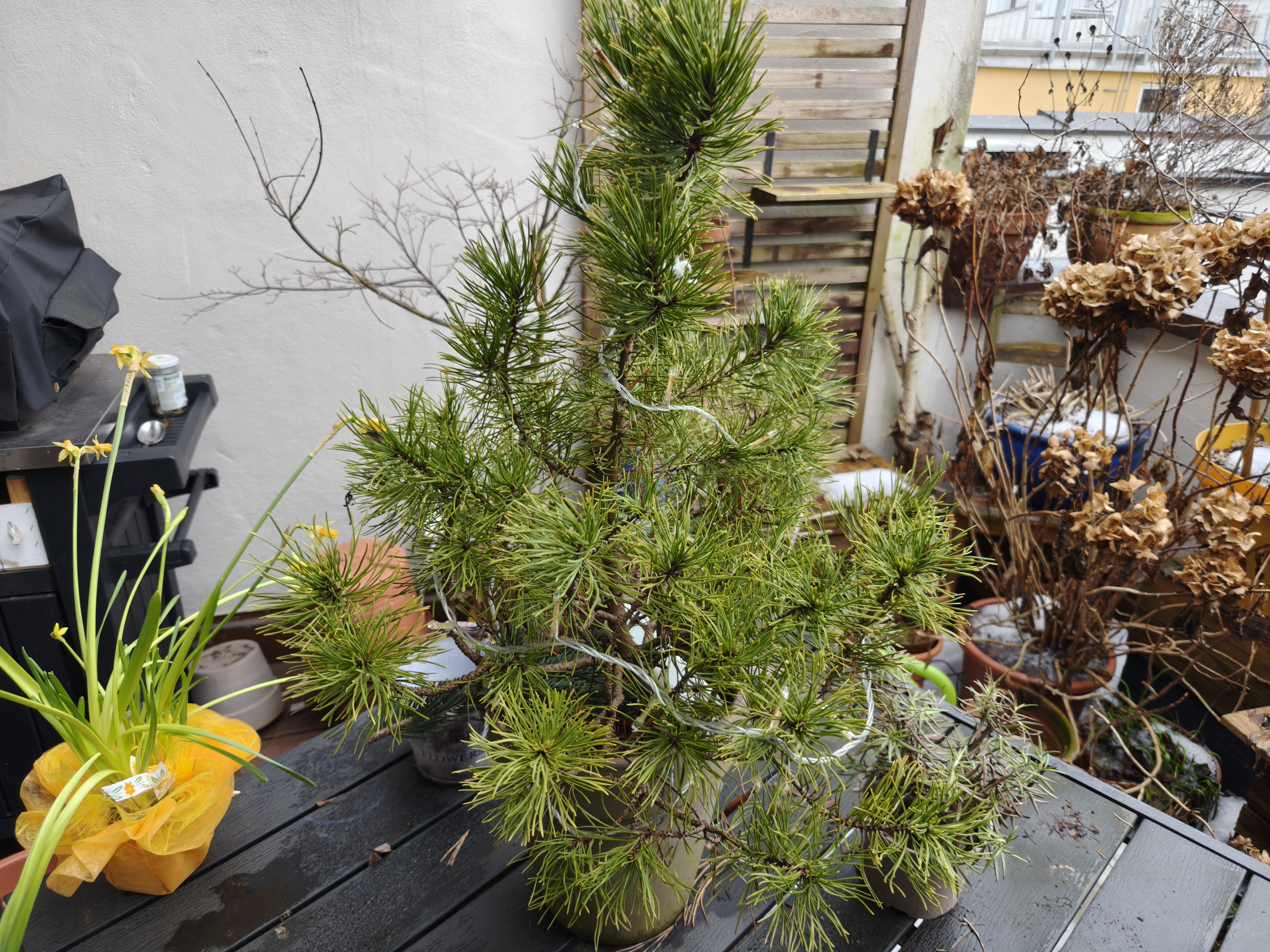
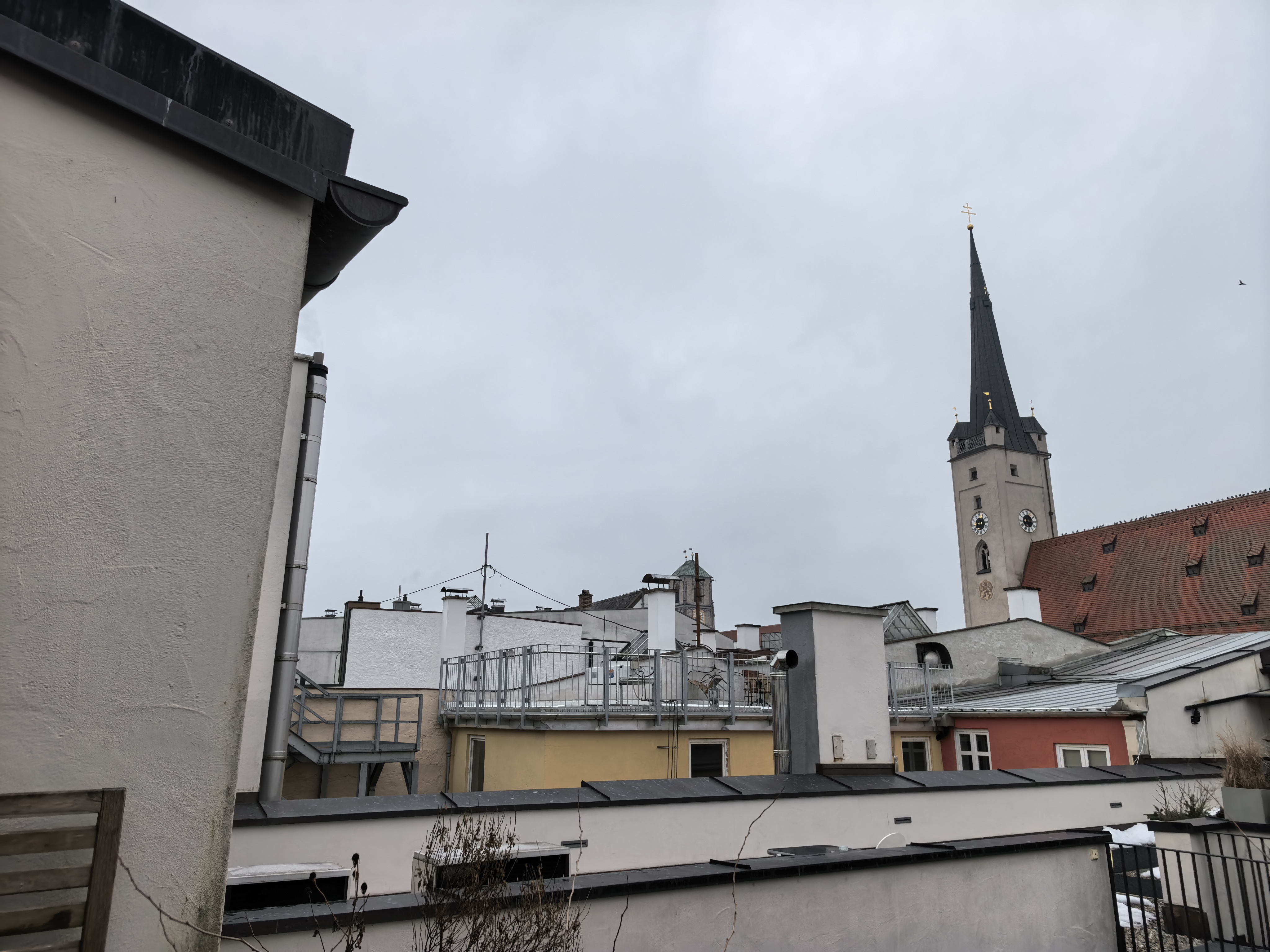
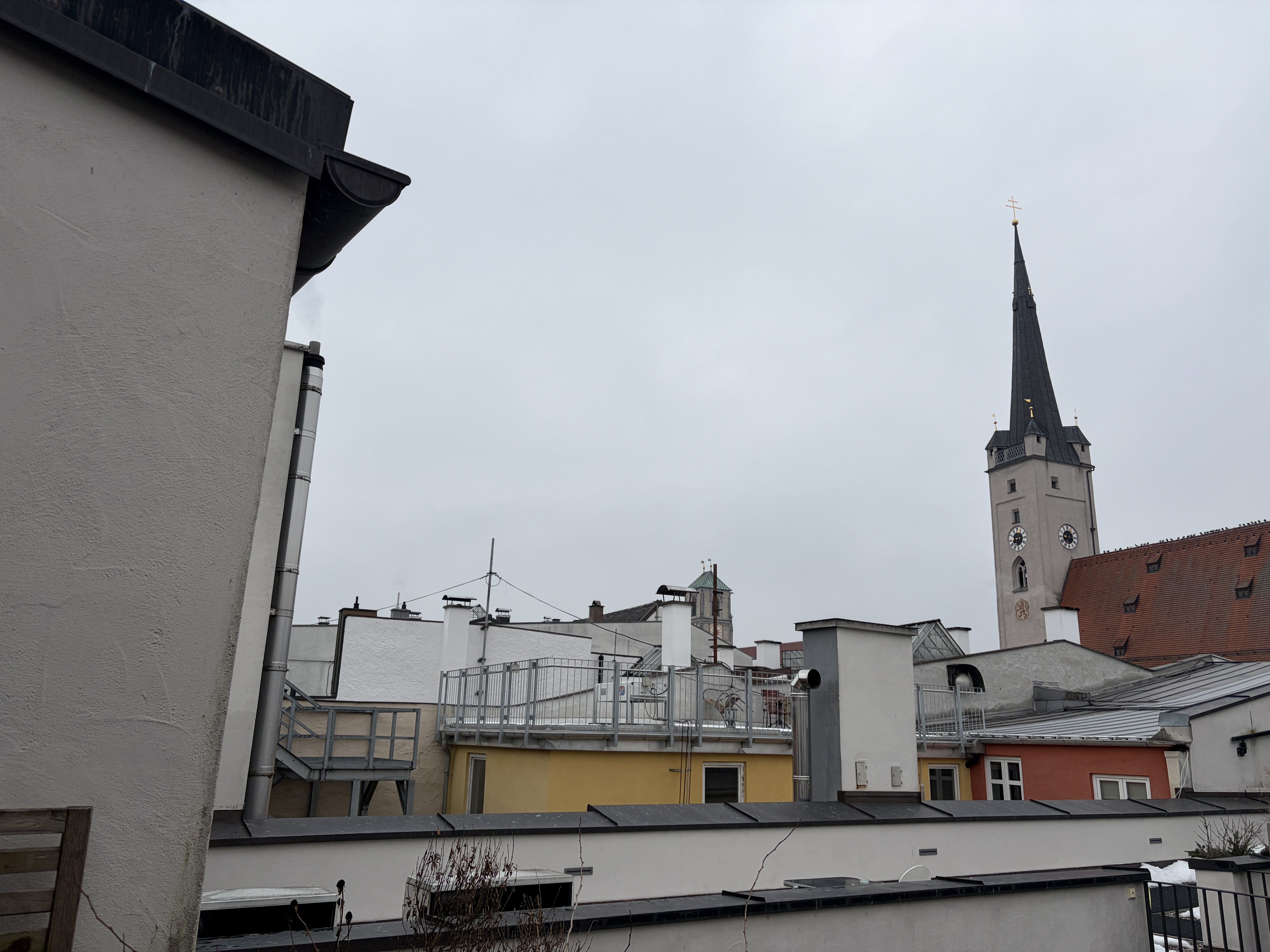
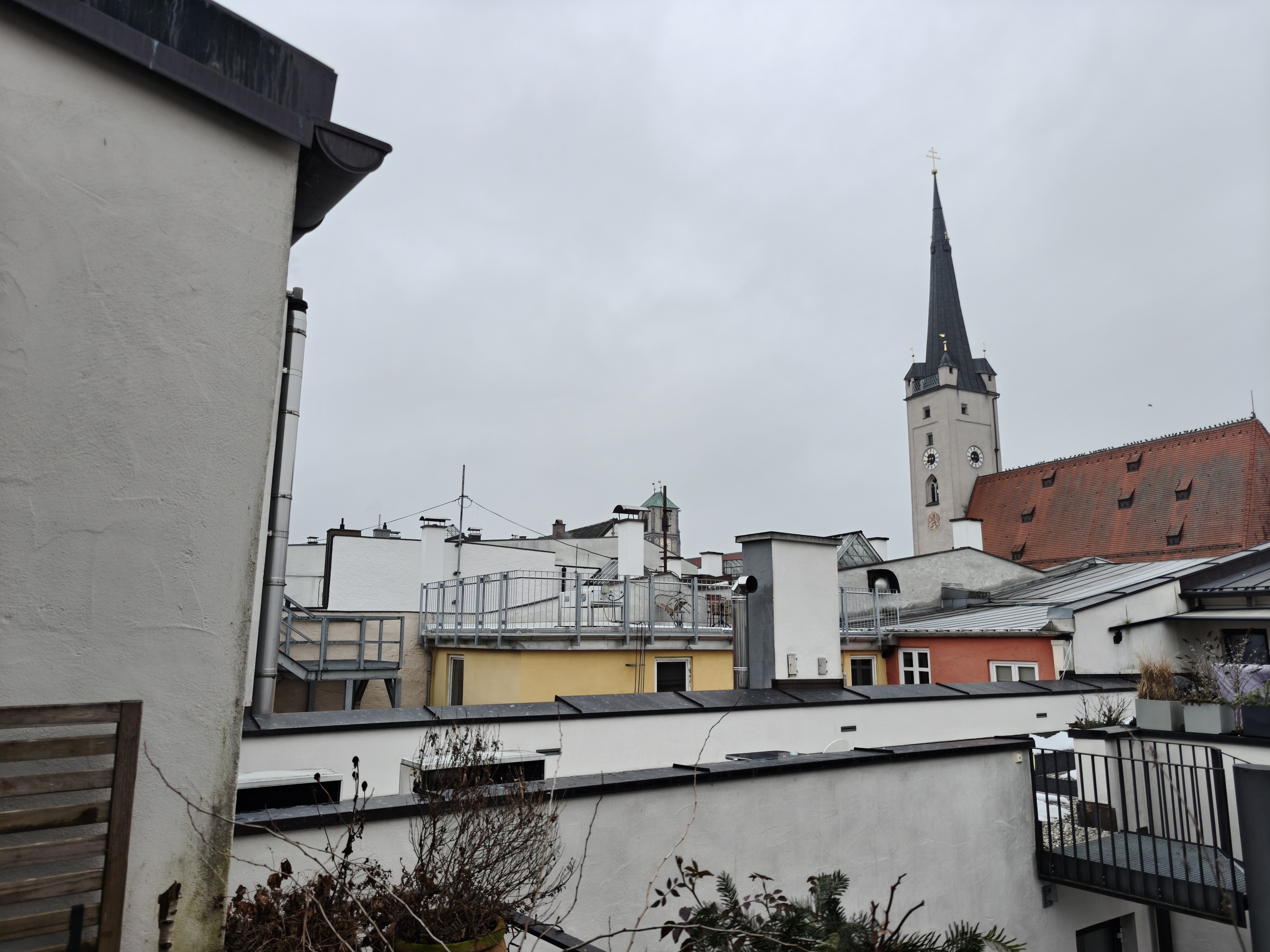
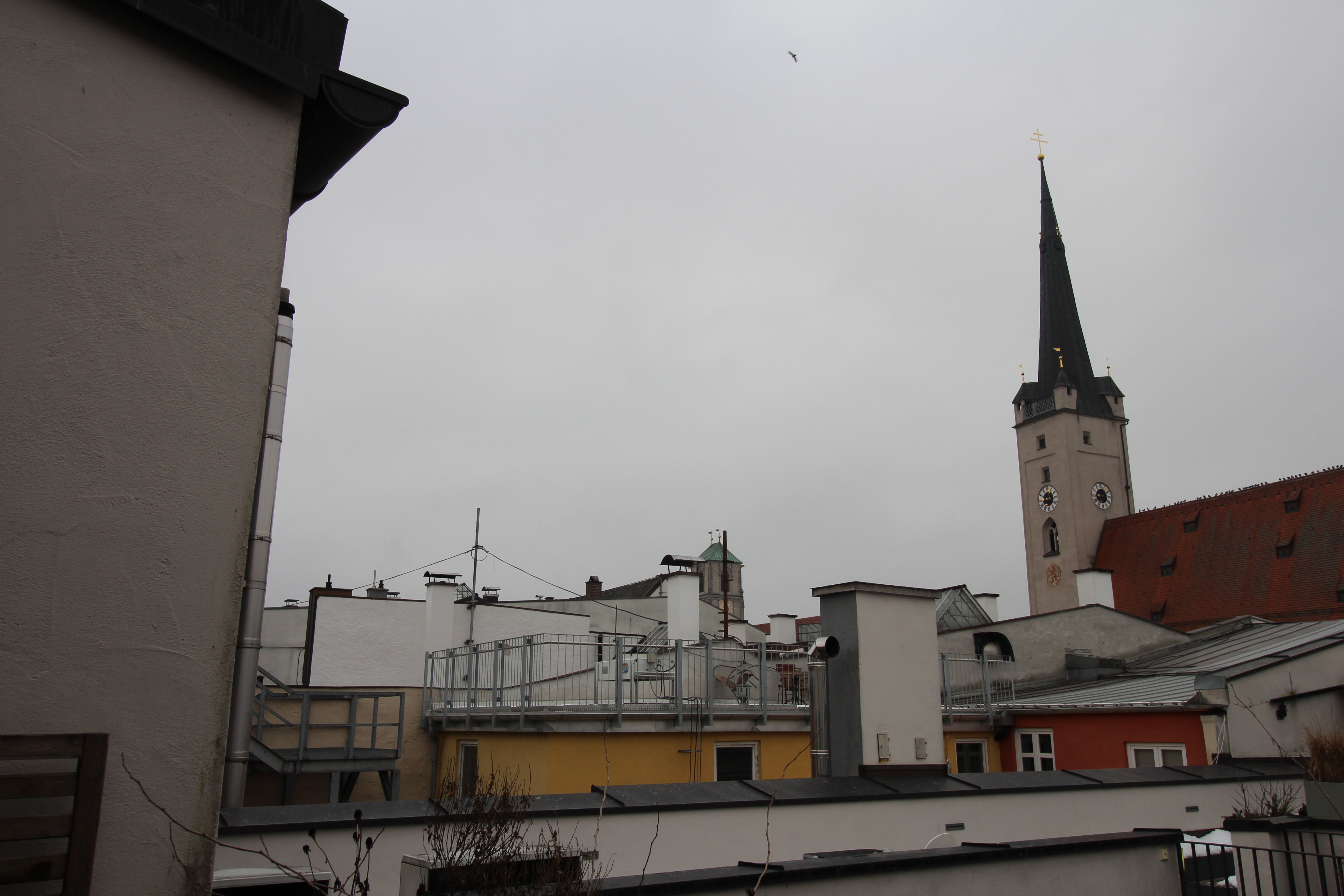
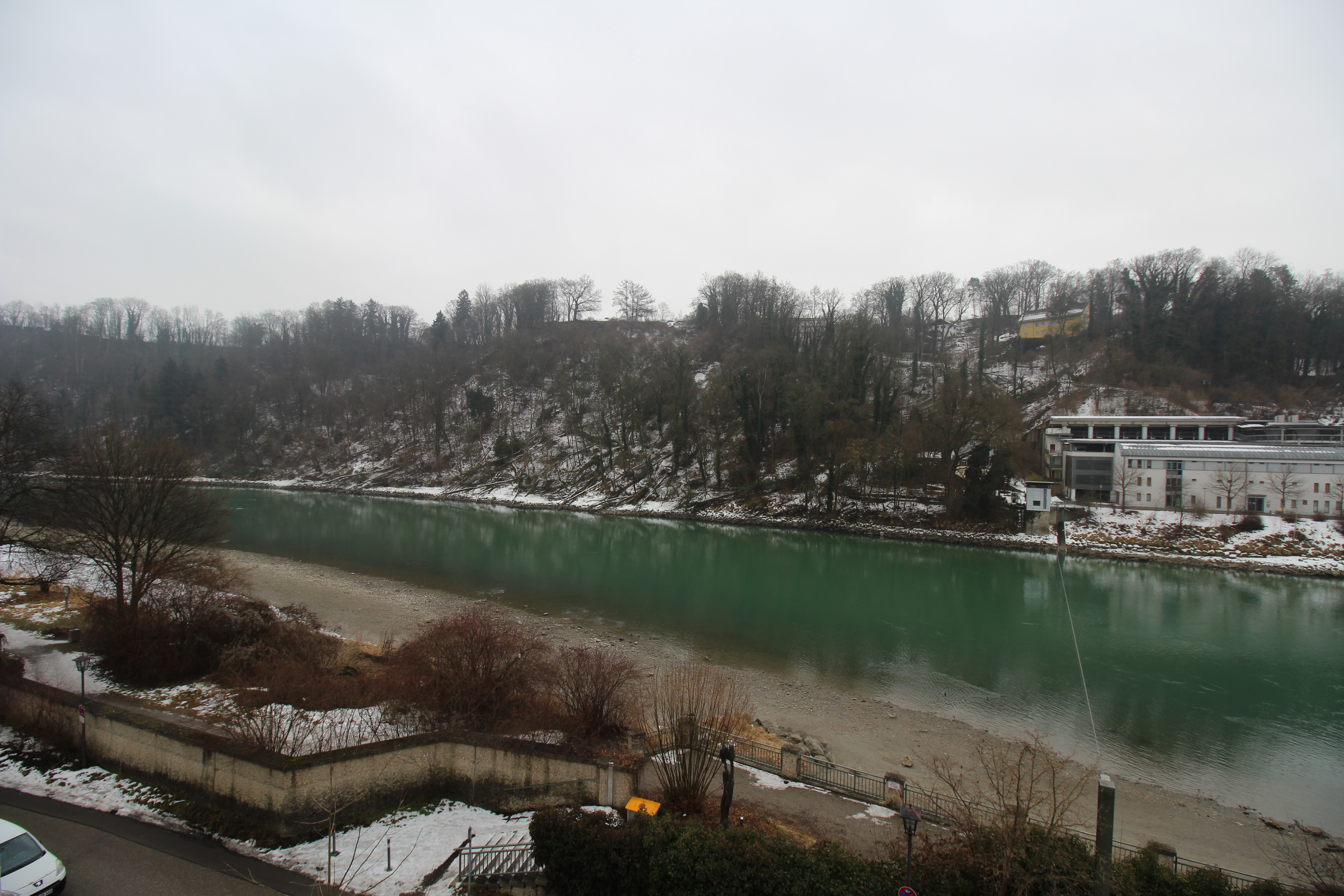
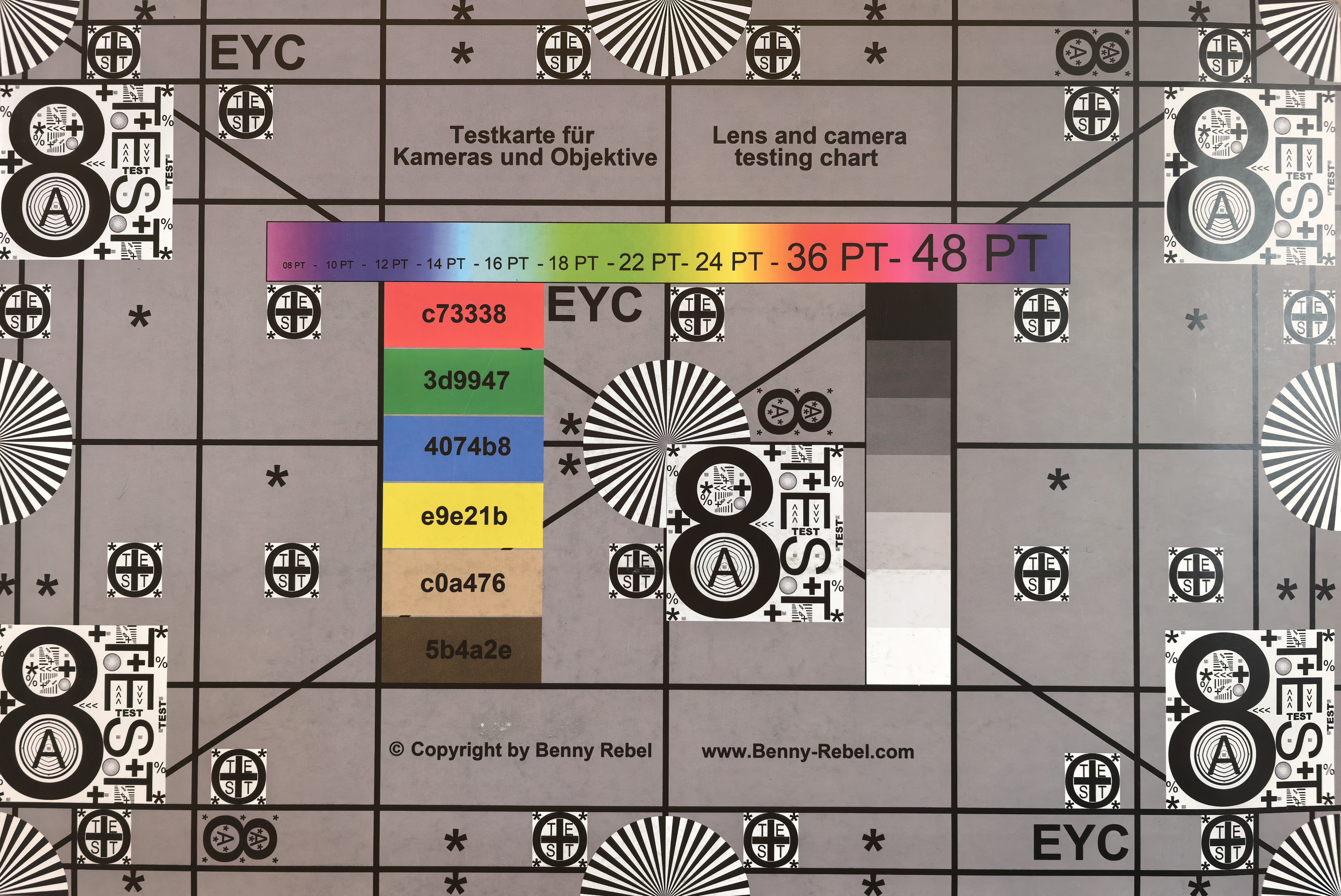
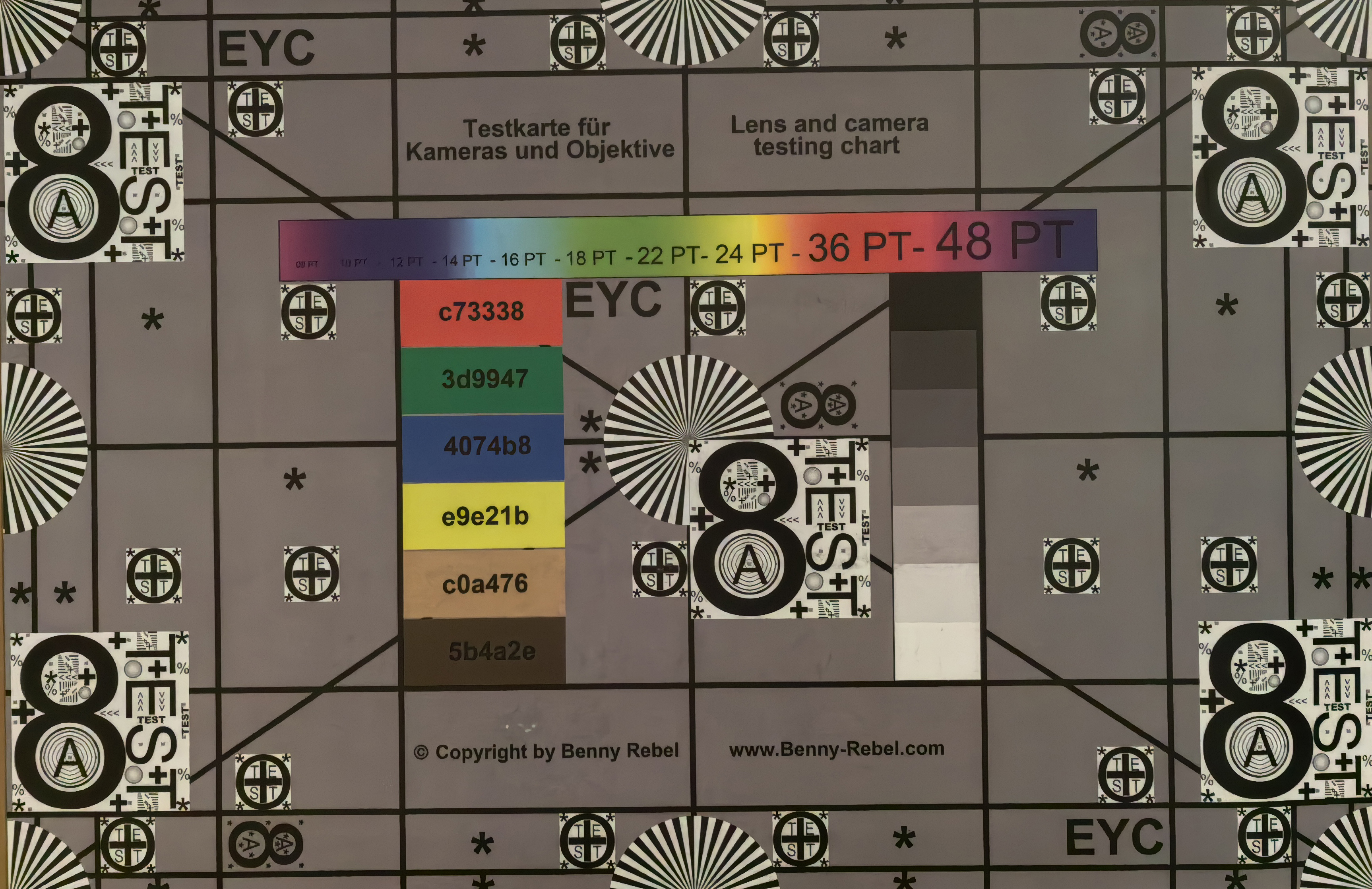
The highlight of the Nova 14 Pro is its unusual camera equipment. For example, there are two selfie cameras on the front, which also enable wide-angle group selfies. We like the quality of the pictures, even bright backgrounds usually still offer good quality.
Pictures taken with the 50-megapixel main camera look very sharp and rich in detail, and the colors are somewhat warmer than those of most competitors. The ambient image is also on a par with high-end cameras, and the sharpness remains high in low light.
Thanks to the variable aperture of the main camera, portraits can also be taken with very natural blur effects.
A zoom of up to 3x is possible via the telephoto camera; images still appear sharp here, but unnaturally blurred at zoom levels higher than 10x. The wide-angle camera takes passable panoramic shots, but looks rather coarse in detail.
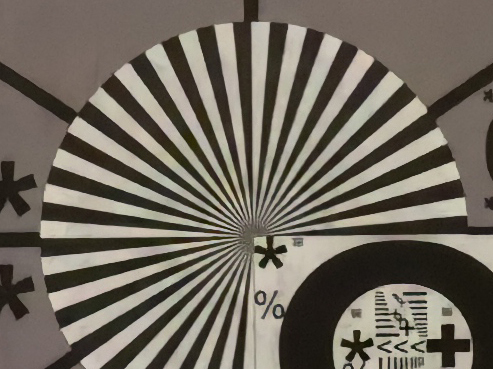
Image comparison
Choose a scene and navigate within the first image. One click changes the position on touchscreens. One click on the zoomed-in image opens the original in a new window. The first image shows the scaled photograph of the test device.
Main cameraMain cameraLow LightUltra wide-angle










Display - Huawei phone with bright OLED
The OLED screen offers good brightness and can also be used outdoors on bright days. However, the HDR brightness is not as strong as that of some competitors. However, colors are displayed very naturally.
We measured PWM flickering at low brightness at around 120 Hz, so sensitive people should try out the screen before buying.
| |||||||||||||||||||||||||
Brightness Distribution: 97 %
Center on Battery: 1157 cd/m²
Contrast: ∞:1 (Black: 0 cd/m²)
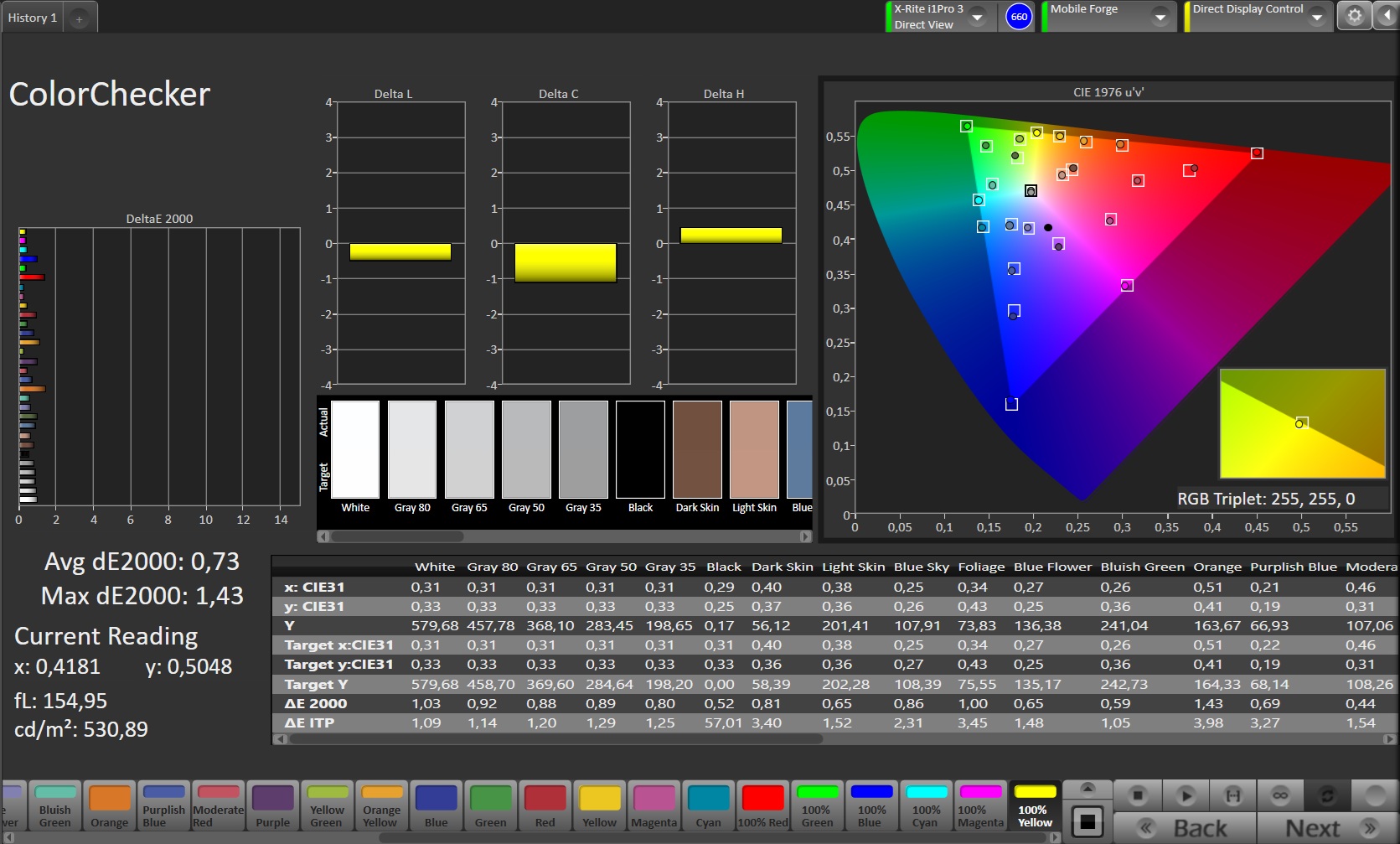
ΔE ColorChecker Calman: 0.73 | ∀{0.5-29.43 Ø4.69}
ΔE Greyscale Calman: 1.1 | ∀{0.09-98 Ø4.94}
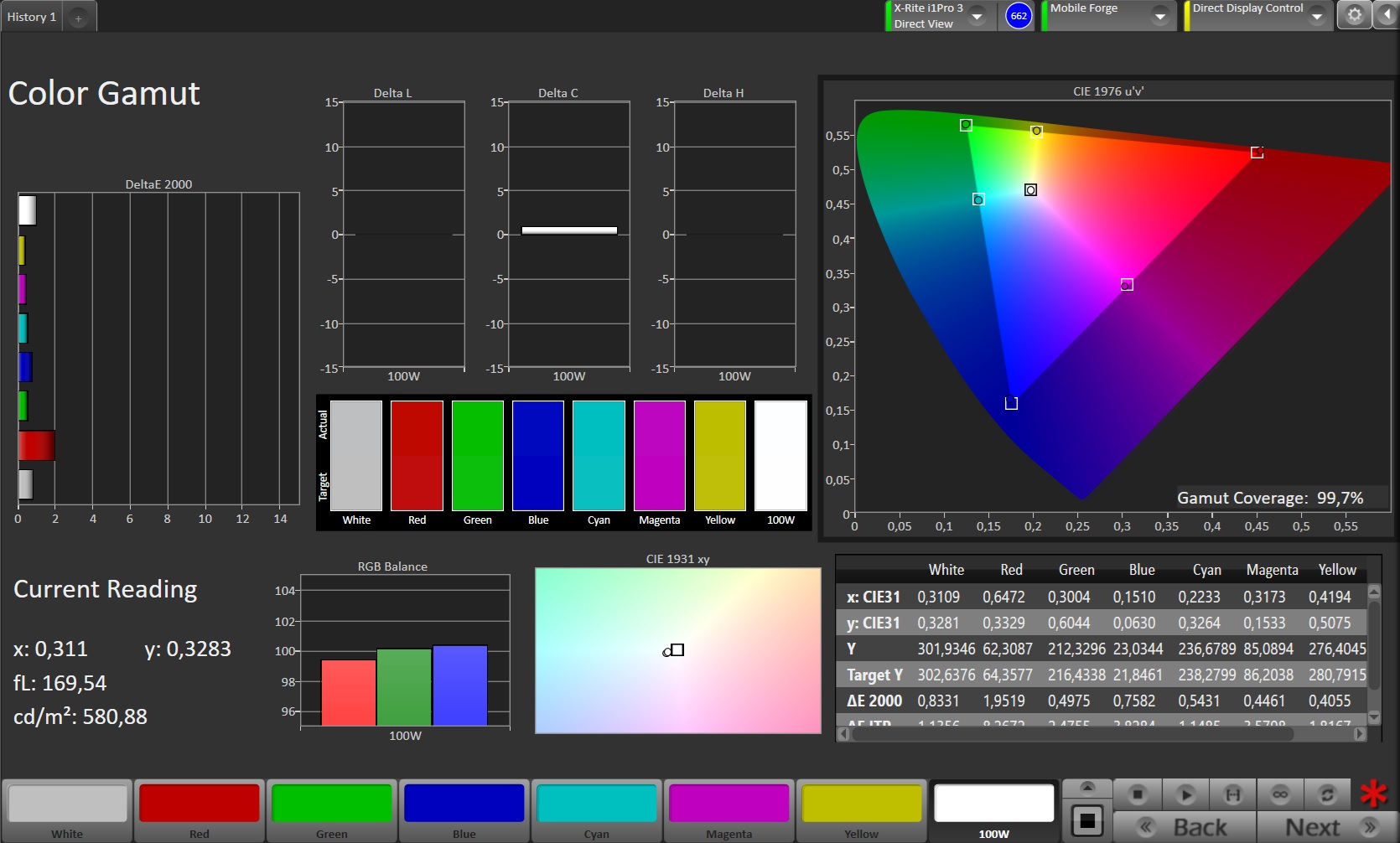
99.7% sRGB (Calman 2D)
Gamma: 2.246
CCT: 6680 K
| Huawei Nova 14 Pro P-OLED, 2776x1224, 6.8" | Huawei Nova 11 Pro OLED, 2652x1200, 6.8" | Xiaomi Poco F8 Pro AMOLED, 2510x1156, 6.6" | Fairphone 6 pOLED, 2484x1116, 6.3" | Motorola Edge 60 Pro P-OLED, 2712x1220, 6.7" | |
|---|---|---|---|---|---|
| Screen | -93% | -8% | -89% | -22% | |
| Brightness middle (cd/m²) | 1157 | 729 -37% | 1717 48% | 737 -36% | 1099 -5% |
| Brightness (cd/m²) | 1141 | 719 -37% | 1721 51% | 736 -35% | 1073 -6% |
| Brightness Distribution (%) | 97 | 92 -5% | 98 1% | 97 0% | 91 -6% |
| Black Level * (cd/m²) | |||||
| Colorchecker dE 2000 * | 0.73 | 1.39 -90% | 1 -37% | 1.6 -119% | 1.25 -71% |
| Colorchecker dE 2000 max. * | 1.43 | 4.74 -231% | 2.2 -54% | 3.9 -173% | 1.68 -17% |
| Greyscale dE 2000 * | 1.1 | 2.8 -155% | 1.7 -55% | 3 -173% | 1.4 -27% |
| Gamma | 2.246 98% | 2.271 97% | 2.29 96% | 2.24 98% | 2.031 108% |
| CCT | 6680 97% | 6738 96% | 6574 99% | 6706 97% | 6403 102% |
* ... smaller is better
| Display / APL18 Peak Brightness | |
| Xiaomi Poco F8 Pro | |
| Fairphone 6 | |
| Huawei Nova 14 Pro | |
| Display / HDR Peak Brightness | |
| Xiaomi Poco F8 Pro | |
| Fairphone 6 | |
| Huawei Nova 14 Pro | |
Screen Flickering / PWM (Pulse-Width Modulation)
| Screen flickering / PWM detected | 120.6 Hz Amplitude: 14 % | 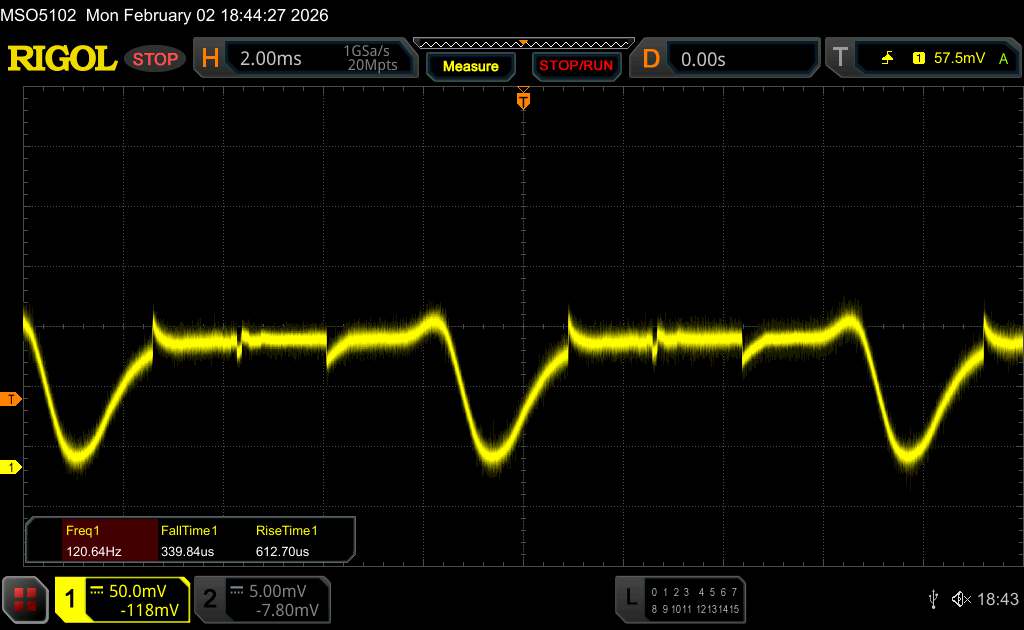 | |
The display backlight flickers at 120.6 Hz (worst case, e.g., utilizing PWM) . The frequency of 120.6 Hz is very low, so the flickering may cause eyestrain and headaches after extended use. In comparison: 52 % of all tested devices do not use PWM to dim the display. If PWM was detected, an average of 7622 (minimum: 5 - maximum: 343500) Hz was measured. | |||
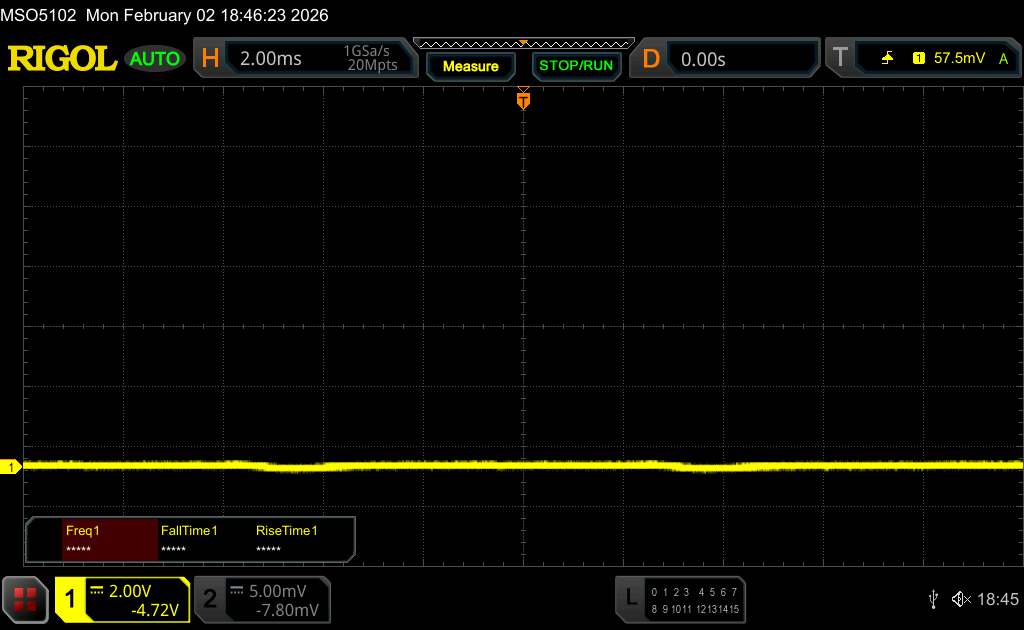
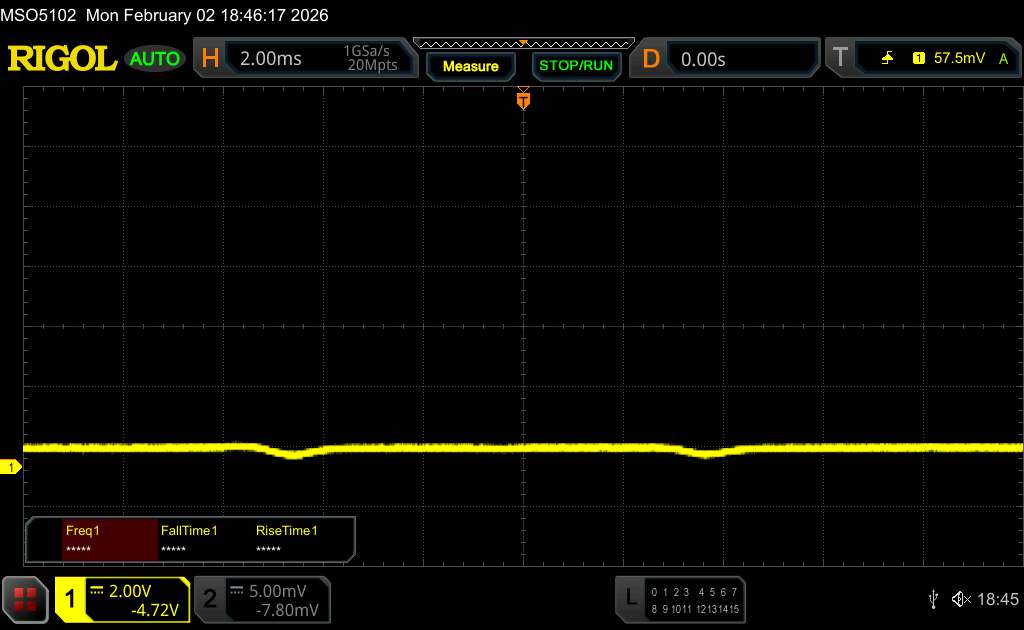
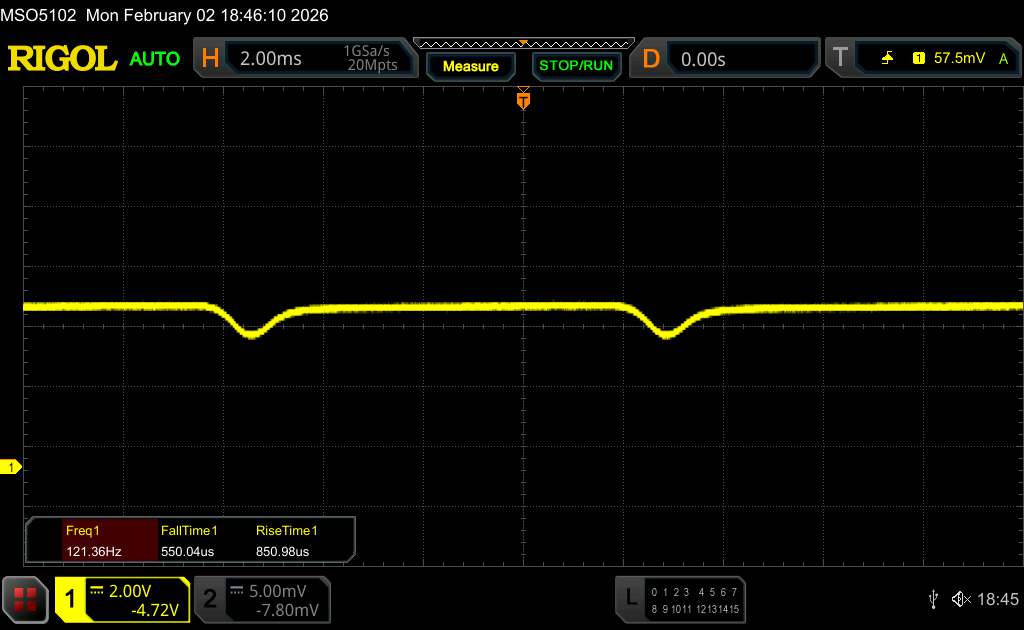
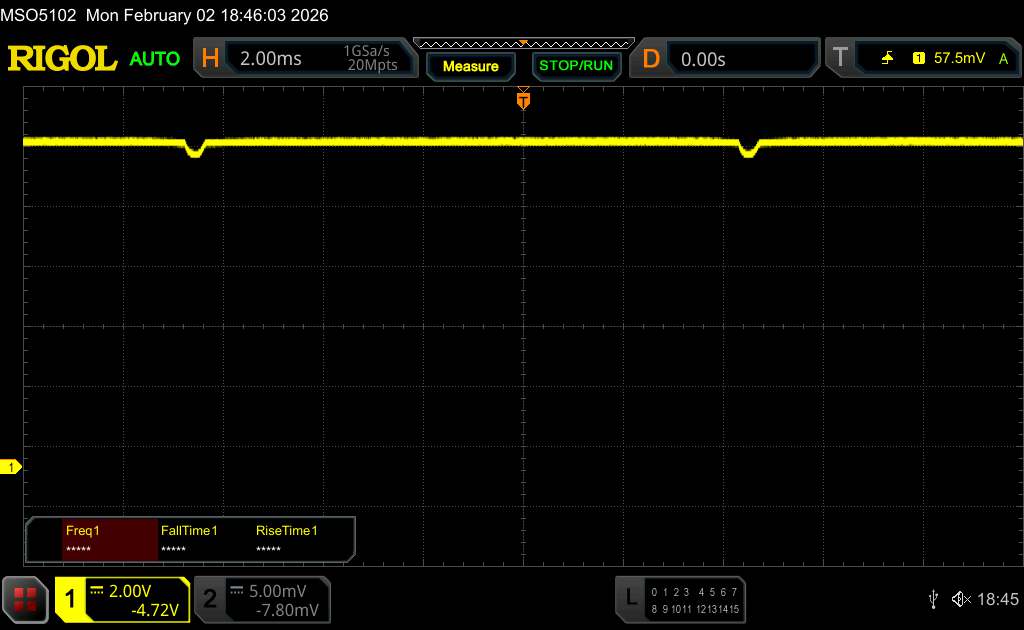
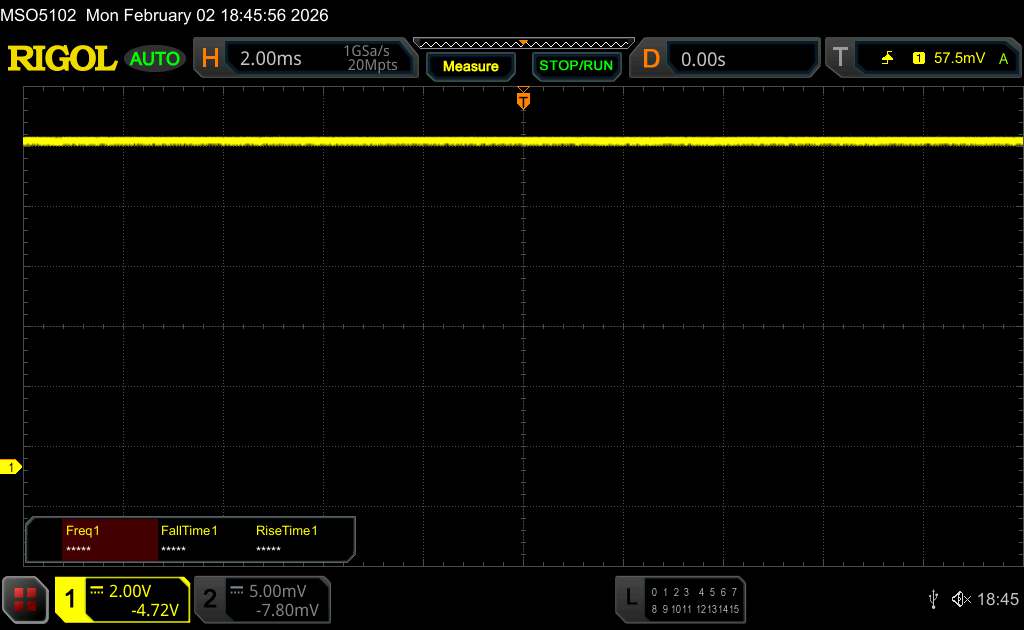
Measurement series with fixed zoom level and different brightness settings (The amplitude curve at minimum brightness looks flat, but this is due to the scaling. The info box shows the enlarged version of the amplitude at minimum brightness)
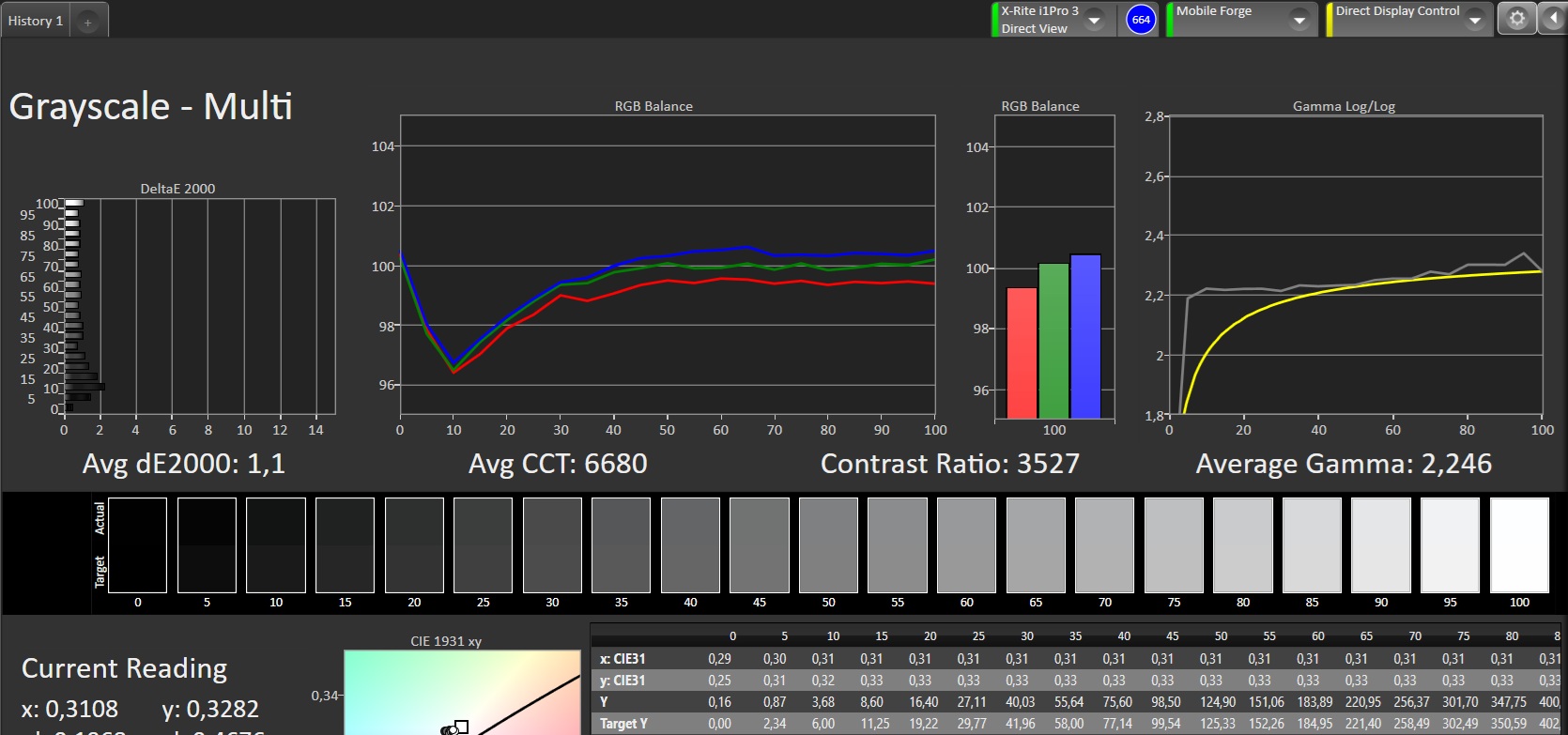
Display Response Times
| ↔ Response Time Black to White | ||
|---|---|---|
| 0.59 ms ... rise ↗ and fall ↘ combined | ↗ 0.28 ms rise | 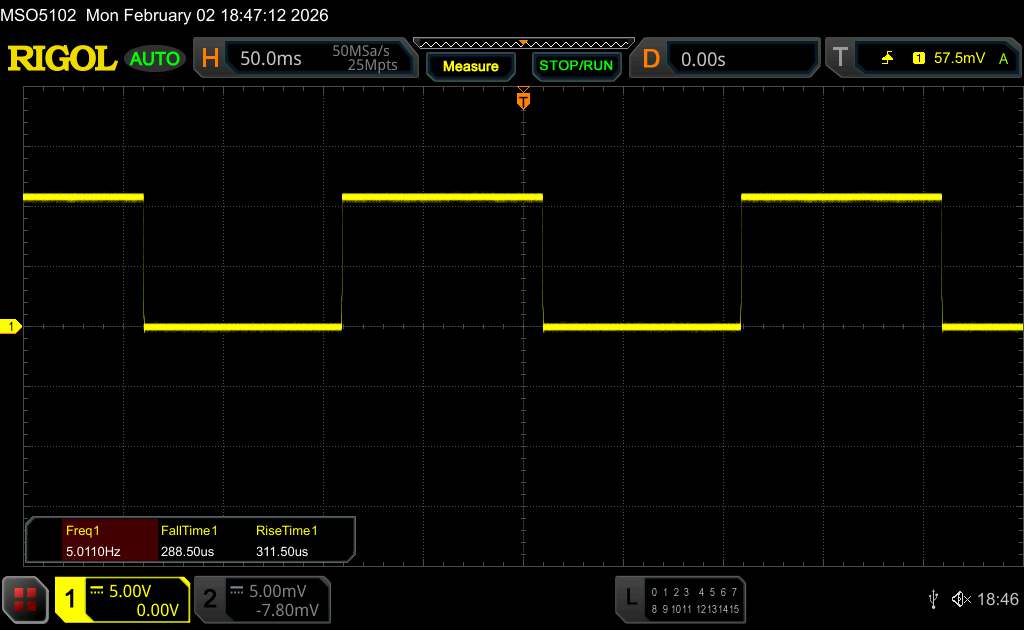 |
| ↘ 0.31 ms fall | ||
| The screen shows very fast response rates in our tests and should be very well suited for fast-paced gaming. In comparison, all tested devices range from 0.1 (minimum) to 240 (maximum) ms. » 1 % of all devices are better. This means that the measured response time is better than the average of all tested devices (19.7 ms). | ||
| ↔ Response Time 50% Grey to 80% Grey | ||
| 0.52 ms ... rise ↗ and fall ↘ combined | ↗ 0.27 ms rise | 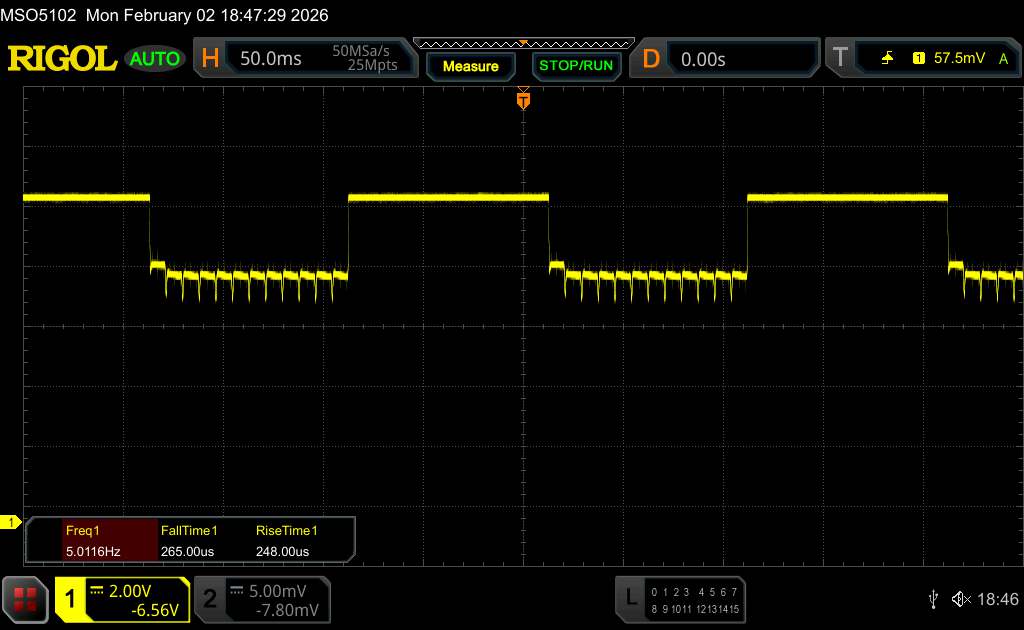 |
| ↘ 0.25 ms fall | ||
| The screen shows very fast response rates in our tests and should be very well suited for fast-paced gaming. In comparison, all tested devices range from 0.13 (minimum) to 636 (maximum) ms. » 1 % of all devices are better. This means that the measured response time is better than the average of all tested devices (30.7 ms). | ||
Performance, emissions and battery life - Not so much power
The HiSilicon Kirin 8020 is used as the SoC. It performs as expected for the price range, but lags far behind in graphics and AI computing.
The case can heat up noticeably under load, but the throttling of the SoC always remains minimal.
The speakers could be a little louder, but deliver decent sound. However, the selection of Bluetooth audio codecs is very limited.
At 5,100 mAh, the battery is a little small and only delivers runtimes of around 16 hours in our WLAN test. This is enough for a day without charging, but other smartphones offer longer battery life.
| Huawei Nova 14 Pro | Huawei Nova 11 Pro | Xiaomi Poco F8 Pro | Fairphone 6 | Motorola Edge 60 Pro | Average 512 GB UFS 3.1 Flash | Average of class Smartphone | |
|---|---|---|---|---|---|---|---|
| AndroBench 3-5 | -44% | 46% | 2% | 59% | -19% | -4% | |
| Sequential Read 256KB (MB/s) | 2061.8 | 1009.1 -51% | 3959.14 92% | 1973.22 -4% | 3852.89 87% | 1878 ? -9% | 2280 ? 11% |
| Sequential Write 256KB (MB/s) | 2053.4 | 809 -61% | 3833.02 87% | 2006.71 -2% | 3842.42 87% | 1406 ? -32% | 1972 ? -4% |
| Random Read 4KB (MB/s) | 293 | 229.8 -22% | 309.91 6% | 358.89 22% | 439.58 50% | 291 ? -1% | 317 ? 8% |
| Random Write 4KB (MB/s) | 531.3 | 303 -43% | 521.31 -2% | 487.48 -8% | 585.66 10% | 345 ? -35% | 362 ? -32% |
(-) The maximum temperature on the upper side is 47.3 °C / 117 F, compared to the average of 35.4 °C / 96 F, ranging from 21.9 to 247 °C for the class Smartphone.
(-) The bottom heats up to a maximum of 46.1 °C / 115 F, compared to the average of 34.1 °C / 93 F
(+) In idle usage, the average temperature for the upper side is 25 °C / 77 F, compared to the device average of 33 °C / 91 F.
3DMark Stress Tests
| 3DMark | |
| Wild Life Stress Test Stability | |
| Huawei Nova 11 Pro | |
| Fairphone 6 | |
| Huawei Nova 14 Pro | |
| Xiaomi Poco F8 Pro | |
| Motorola Edge 60 Pro | |
| Wild Life Extreme Stress Test | |
| Huawei Nova 14 Pro | |
| Xiaomi Poco F8 Pro | |
| Motorola Edge 60 Pro | |
| Solar Bay Stress Test Stability | |
| Xiaomi Poco F8 Pro | |
| Motorola Edge 60 Pro | |
| Steel Nomad Light Stress Test Stability | |
| Huawei Nova 14 Pro | |
| Fairphone 6 | |
| Motorola Edge 60 Pro | |
Huawei Nova 14 Pro audio analysis
(±) | speaker loudness is average but good (73.9 dB)
Bass 100 - 315 Hz
(-) | nearly no bass - on average 24% lower than median
(-) | bass is not linear (17.1% delta to prev. frequency)
Mids 400 - 2000 Hz
(±) | higher mids - on average 7.4% higher than median
(+) | mids are linear (6.6% delta to prev. frequency)
Highs 2 - 16 kHz
(+) | balanced highs - only 4.7% away from median
(±) | linearity of highs is average (11.2% delta to prev. frequency)
Overall 100 - 16.000 Hz
(±) | linearity of overall sound is average (28% difference to median)
Compared to same class
» 73% of all tested devices in this class were better, 5% similar, 22% worse
» The best had a delta of 11%, average was 34%, worst was 136%
Compared to all devices tested
» 85% of all tested devices were better, 3% similar, 12% worse
» The best had a delta of 4%, average was 23%, worst was 136%
Motorola Edge 60 Pro audio analysis
(+) | speakers can play relatively loud (88.1 dB)
Bass 100 - 315 Hz
(-) | nearly no bass - on average 16.1% lower than median
(±) | linearity of bass is average (13.5% delta to prev. frequency)
Mids 400 - 2000 Hz
(+) | balanced mids - only 2.6% away from median
(+) | mids are linear (4.7% delta to prev. frequency)
Highs 2 - 16 kHz
(±) | higher highs - on average 7.4% higher than median
(±) | linearity of highs is average (10% delta to prev. frequency)
Overall 100 - 16.000 Hz
(±) | linearity of overall sound is average (17.2% difference to median)
Compared to same class
» 11% of all tested devices in this class were better, 8% similar, 80% worse
» The best had a delta of 11%, average was 34%, worst was 136%
Compared to all devices tested
» 32% of all tested devices were better, 8% similar, 60% worse
» The best had a delta of 4%, average was 23%, worst was 136%
| Huawei Nova 14 Pro 5100 mAh | Huawei Nova 11 Pro 4500 mAh | Xiaomi Poco F8 Pro 6210 mAh | Fairphone 6 4415 mAh | Motorola Edge 60 Pro 6000 mAh | |
|---|---|---|---|---|---|
| Battery runtime | -27% | 44% | 4% | 42% | |
| Reader / Idle (h) | 23.9 | ||||
| WiFi v1.3 (h) | 15.8 | 11.5 -27% | 22.8 44% | 16.5 4% | 22.4 42% |
| Load (h) | 4.1 |
Notebookcheck overall rating
Good upper-class smartphone with a great camera system. Unfortunately, it also has weaknesses, such as its battery life.
Huawei Nova 14 Pro
- 02/18/2026 v8
Florian Schmitt
 Total Sustainability Score:
 Possible alternatives in comparison
Image | Model / Review | Price | Weight | Drive | Display |
|---|---|---|---|---|---|
1. 79.3%  | Huawei Nova 14 Pro HiSilicon Kirin 8020 ⎘ HiSilicon Maleoon 920 ⎘ 12 GB Memory, 512 GB UFS 3.1 | List Price: 699€ | 207 g | 512 GB UFS 3.1 Flash | 6.78" 2776x1224 447 PPI P-OLED |
2. 86.4% v7 (old)  | Huawei Nova 11 Pro Qualcomm Snapdragon 778G 4G ⎘ Qualcomm Adreno 642L ⎘ 8 GB Memory, 256 GB UFS 3.1 | Amazon: 1. $10.80 Elubugod Compatible with Hua... 2. $10.80 Pzwoxukhov Compatible with H... 3. $8.99 Fasgear Huawei Supercharge 8... List Price: 699€ | 188 g | 256 GB UFS 3.1 Flash | 6.78" 2652x1200 429 PPI OLED |
3. 85.4%  | Xiaomi Poco F8 Pro Qualcomm Snapdragon 8 Elite ⎘ Qualcomm Adreno 830 ⎘ 12 GB Memory, 512 GB UFS 4.x | Amazon: $639.92 List Price: 700€ | 199 g | 512 GB UFS 4.1 Flash | 6.59" 2510x1156 419 PPI AMOLED |
4. 79.2%  | Fairphone 6 Qualcomm Snapdragon 7s Gen 3 ⎘ Qualcomm Adreno 810 ⎘ 8 GB Memory, 256 GB UFS 3.1 | List Price: 599€ | 191.4 g | 256 GB UFS 3.1 Flash | 6.31" 2484x1116 432 PPI pOLED |
5. 81.5%  | Motorola Edge 60 Pro MediaTek Dimensity 8350 ⎘ ARM Mali-G615 MP6 ⎘ 12 GB Memory, 512 GB UFS 4.x | Amazon: 1. $440.99 Motorola Moto Edge 60 Pro 5G... 2. $349.95 Motorola Edge 60 16.9 Cm (6.... 3. $436.99 Motorola Moto Edge 60 Pro 5G... List Price: 600 Euro | 186 g | 512 GB UFS 4.0 Flash | 6.67" 2712x1220 446 PPI P-OLED |
Transparency
The selection of devices to be reviewed is made by our editorial team. The test sample was freely purchased by the author at his/her own expense. The lender had no influence on this review, nor did the manufacturer receive a copy of this review before publication. There was no obligation to publish this review. As an independent media company, Notebookcheck is not subjected to the authority of manufacturers, retailers or publishers.
This is how Notebookcheck is testing
Every year, Notebookcheck independently reviews hundreds of laptops and smartphones using standardized procedures to ensure that all results are comparable. We have continuously developed our test methods for around 20 years and set industry standards in the process. In our test labs, high-quality measuring equipment is utilized by experienced technicians and editors. These tests involve a multi-stage validation process. Our complex rating system is based on hundreds of well-founded measurements and benchmarks, which maintains objectivity. Further information on our test methods can be found here.
 Add as a preferred source on Google


