




Sony patent uses DualSense PS5 controller for PSN logins, enhancing account security
Sony offers several options to protect PSN accounts, including 2-step verification (2SV) and passkeys. Yet concerns remain amid reports of compromised logins and passwords. A new patent demonstrates how a DualSense PS5 controller or its successor could further bolster security.
Yet another way to sign-in to PSN
RespawnFirst discovered the Sony patent titled "Controller-Driven Video Game Console Login." Published on May 21st, the documents show a PS5 or another console initiating a sign-in request. A notification is sent to the controller, prompting it to scan for a nearby device, like a smartphone.
The DualSense, or a future revision, would communicate with the device via Bluetooth, NFC, proximity sensors, or various light and audio signals. After establishing contact, the controller may rumble or light up. In one example, the smartphone confirms receipt of the signal before transferring credentials to the controller. Finally, the accessory sends the information to a console to complete the sequence.
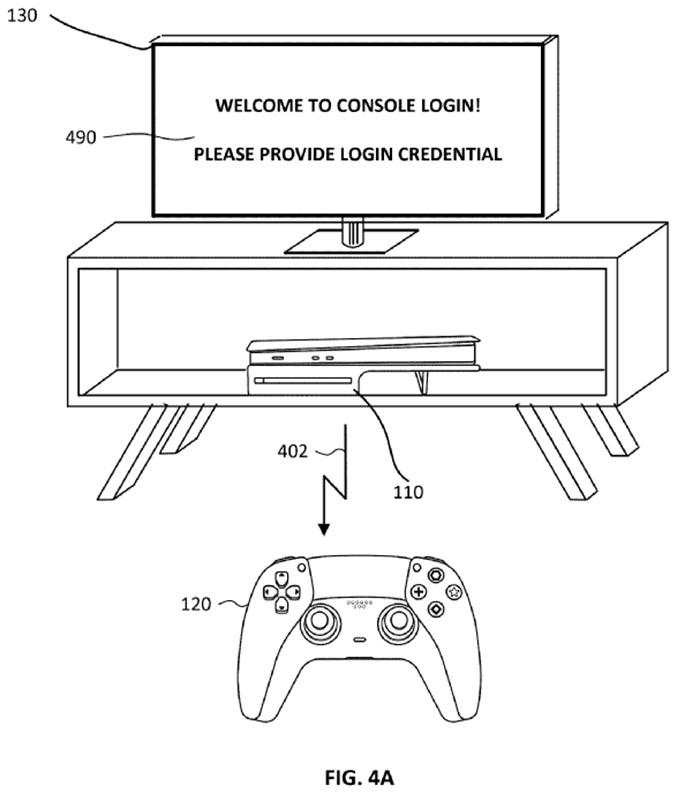
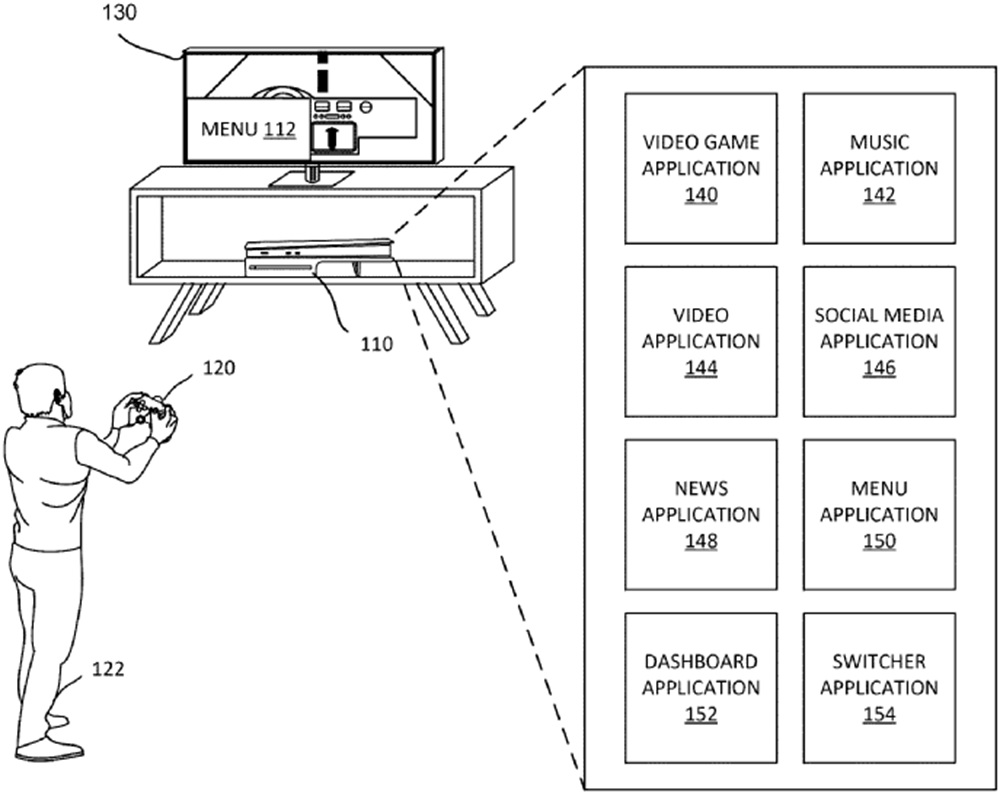
Customers can already use a mobile device to potentially avoid having their PSN accounts hacked. The PlayStation app is able to access stored passkeys, but the Sony patent proposes a hardware-based alternative. Bad actors would need to physically possess the controller to purchase PS5 games or sell trophy-laden accounts.
The downside for console owners is that they would be reliant on the same accessory. Without an additional way to sign in, a missing or malfunctioning DualSense will interrupt playtime. Also, as RespawnFirst notes, it doesn’t address one of the weakest points in PlayStation Network security.
Account recovery woes
Content creator Colin Moriarty is one of many gamers who have lost access to their PSN accounts. By using only an ID or order number, nefarious individuals can obtain sensitive credentials. Often, hackers convince customer support to provide usernames and passwords. Critics accuse the gaming giant of failing to properly train or vet the personnel responsible for protecting this data.
Like other Sony patents, the latest concept may never become a reality. In the meantime, calls for the company to strengthen the vulnerable recovery process will continue.
Source(s)
 Add as a preferred source on Google


