Polar and Coros: Smaller smartwatch manufacturers that offer solid alternatives to the Garmin Fenix
Garmin and Zepp Health (Amazfit) are likely to appeal to a fairly broad user base with their wearables, both in terms of target audience and market share. Coros and Polar are probably better known to ambitious athletes and running enthusiasts in particular than to the average smartwatch user, which is probably also why the two manufacturers have a smaller market share. While wearables from Coros and Polar are often full-fledged smartwatches, a certain focus on sporting activities is clearly visible.
Polar has jumped on the tracker bandwagon
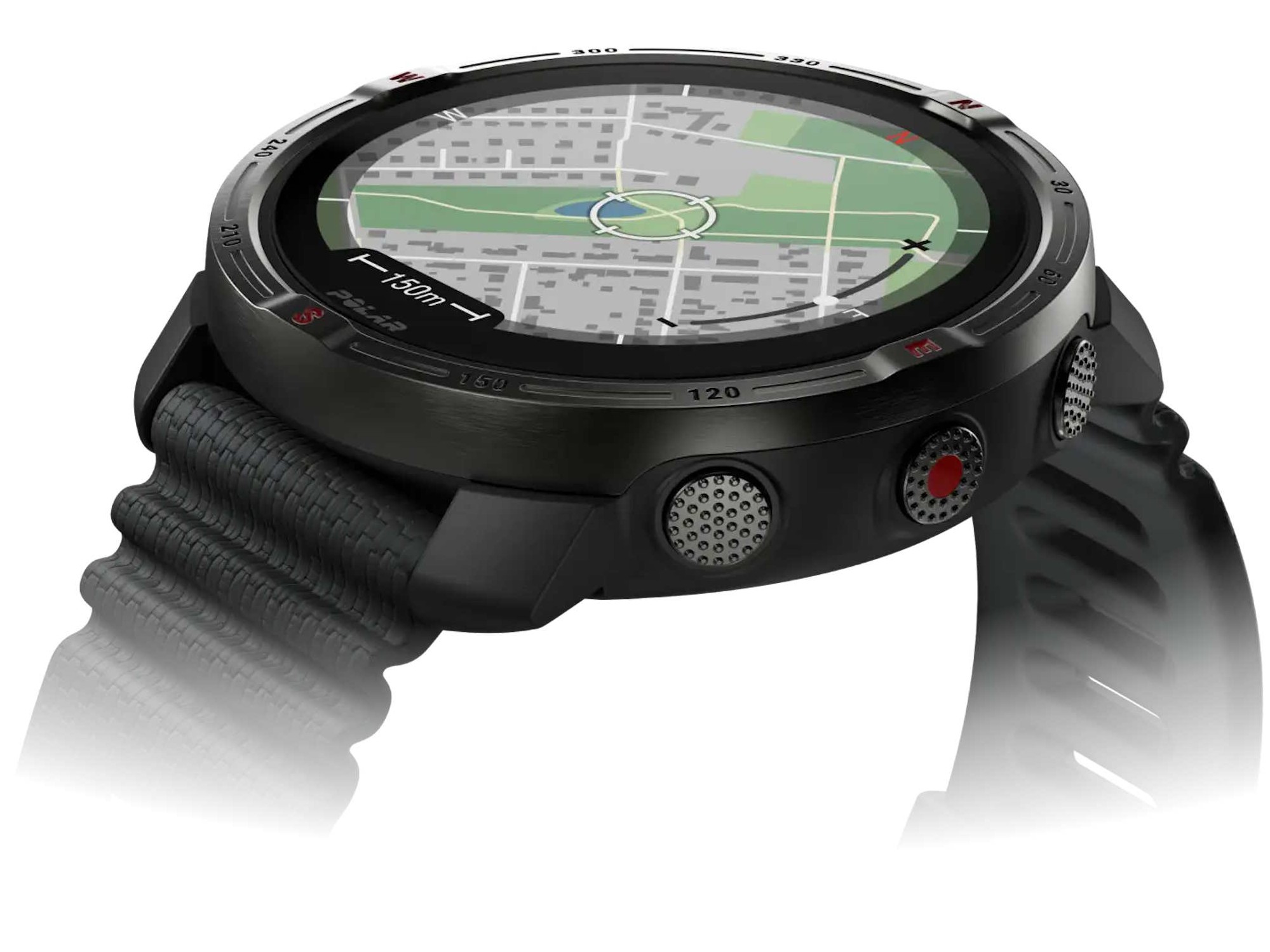
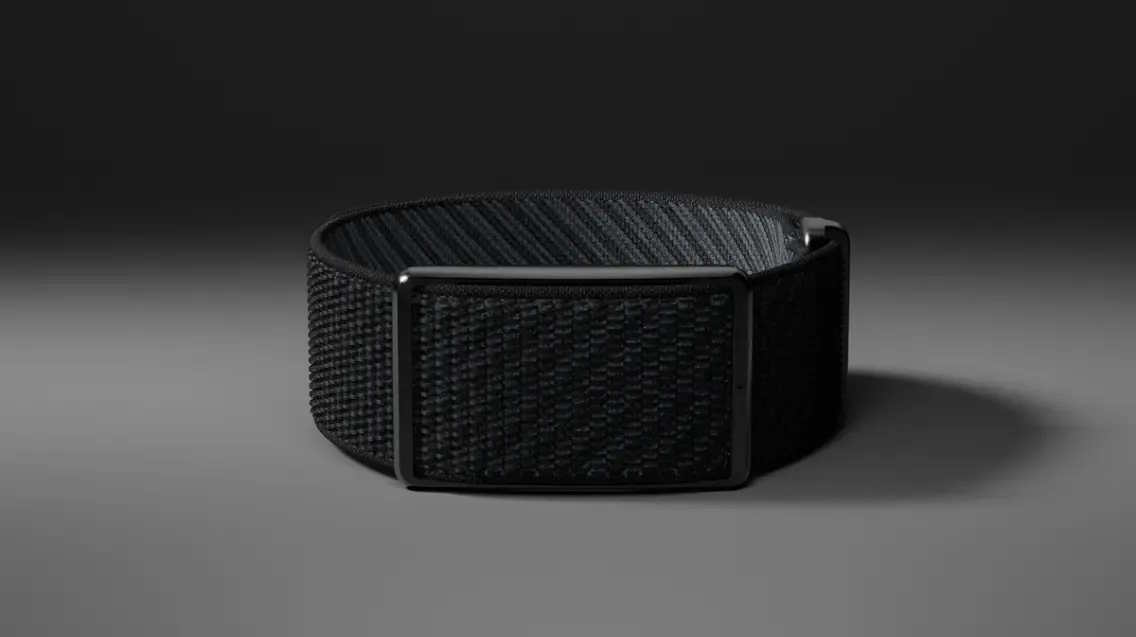
2025 was also the year of trackers without displays, and Polar was no exception. The Polar Loop comes with optical sensors for measuring heart rate, among other things, and can also record sleep quality. The Polar Grit X2, also launched last year, is a full-fledged outdoor smartwatch that is a strong alternative to the Fenix- or T-Rex-smartwatches. The watch supports navigation with maps stored on the device. The Vantage M3 is also a multisport watch with a map function, while the Ignite 3 is likely to appeal to more average users. Polar also released new software features and, more generally, updates for older devices in 2025, including a revamped Cardio Load feature.
Coros still offers MIP displays
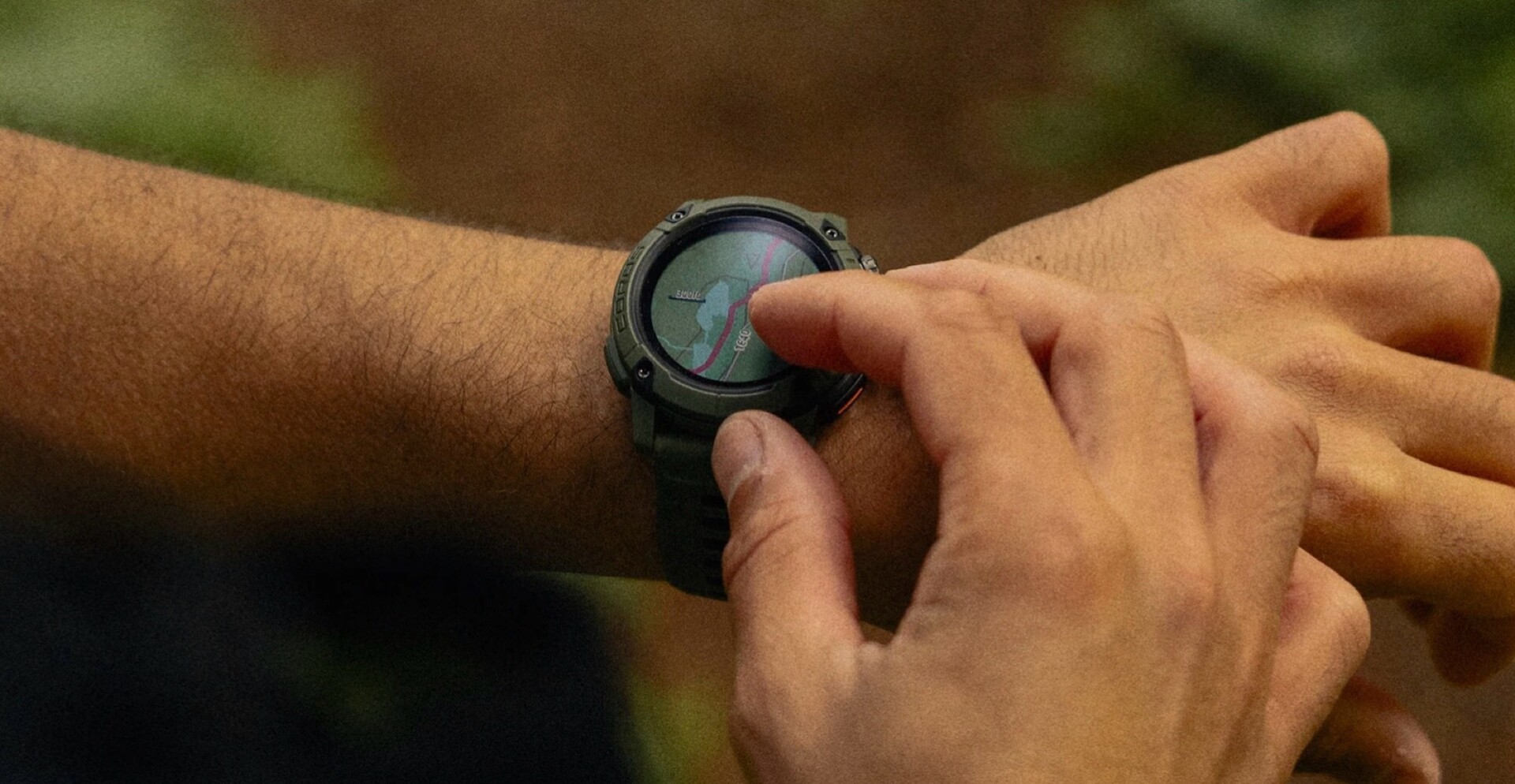
The Nomad is a smartwatch released in mid-2025 that also features an ECG and is advertised with a special feature for creating activity reminders. Maps and music can be stored directly on the watch, and Coros still installs a MiP panel rather than an AMOLED display. The Coros Apex 4, advertised by Coros as suitable for mountain sports, also comes with a MiP display and is said to offer a battery life of up to 65 hours, even using the GNSS. Coros has also rolled out numerous software updates, such as the ability to shorten activities after completion so that the warm-up does not slow down the pace of the speed run. Depending on the specific smartwatch used, street names can now also be displayed.
 Add as a preferred source on Google