Garmin's nutrition tracking feature not entirely free of problems in initial tests
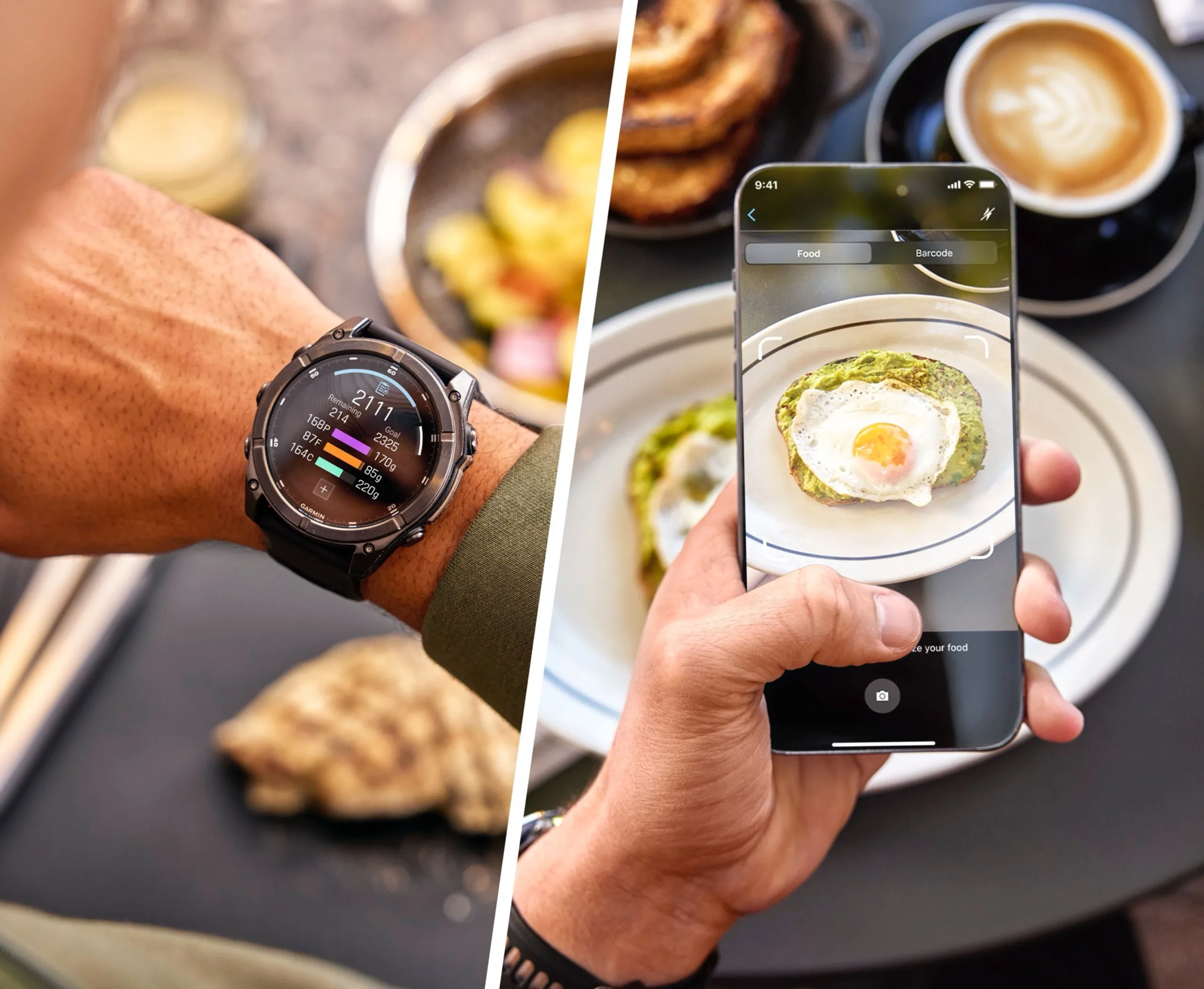
On Monday, Garmin announced a new feature called Nutrition Tracking. Anyone who has taken out a paid Garmin Connect+ subscription can use this feature to scan food, either via a barcode or by holding a dish in front of their smartphone camera, and AI is supposed to recognize what it is. This data is then evaluated to show nutrient trends and analyze the impact of different diets on workouts and sleep, among other things.
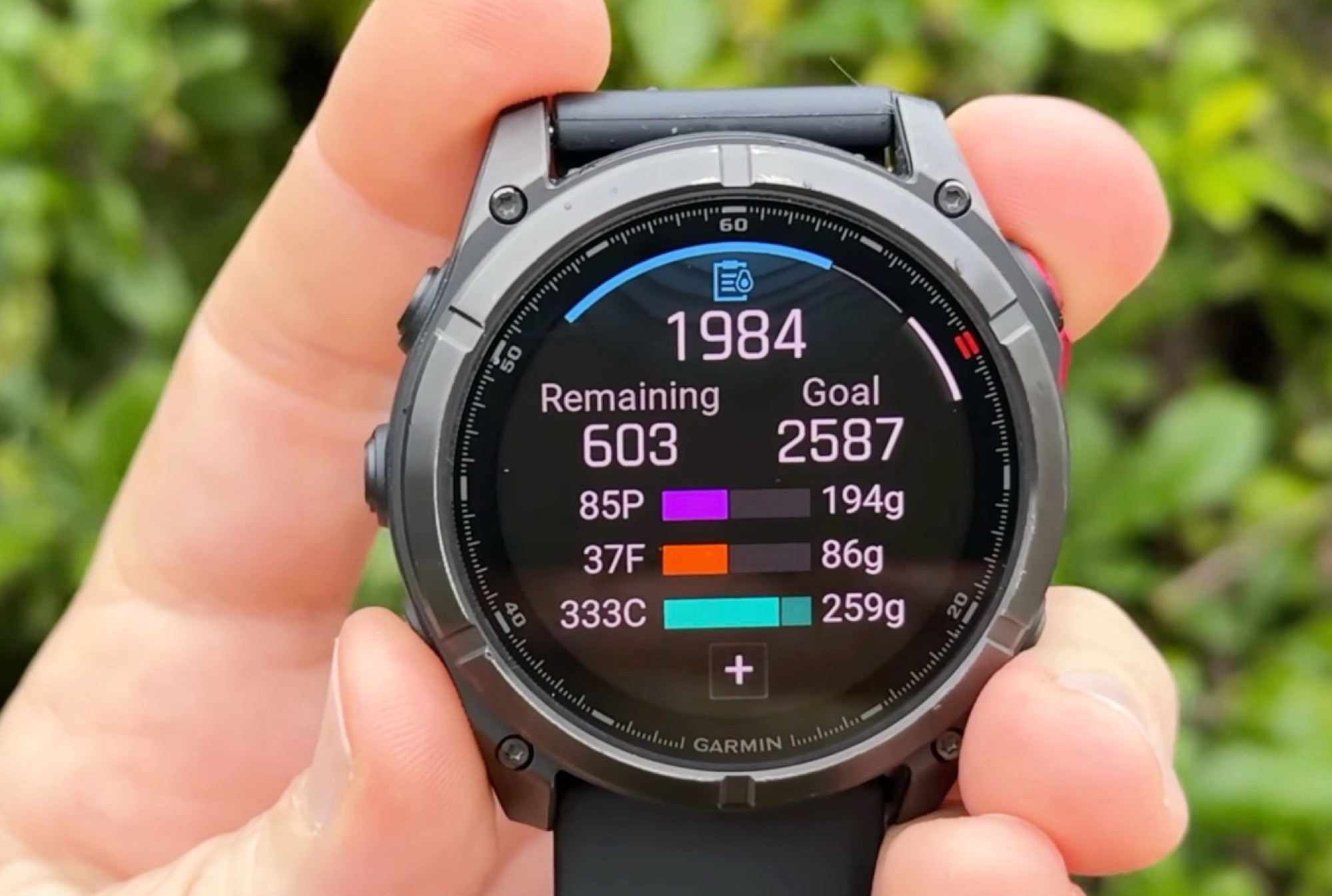
However, as initial hands-on tests by the5krunner and DC Rainmaker show, Garmin's Nutrition Tracking isn't without problems. Starting with the setup, as users who previously tracked their nutrition with MyFitnessPal must disconnect this account from Garmin Connect in order to use Garmin Nutrition Tracking. Once the feature is set up, a target weight can be specified. Garmin uses this as a basis to calculate the ideal calorie intake, which can then be distributed across breakfast, lunch, dinner and snacks.
Accurate tracking requires some effort
Scanning food doesn't always work perfectly. While simple snacks, such as a single banana, are easily recognized, Garmin struggles to correctly identify meals with multiple items. For example, a plate with three slices of toast is only recognized as one slice of toast, and the AI simply ignores the butter under the jam, resulting in inaccurate nutritional values.
The app also has difficulty distinguishing between white and wholegrain toast. Many foods are scanned with a default portion size of 100 grams, so in most cases, scales are required to record nutritional values accurately. This can be cumbersome, especially for foods such as sauces, jam or honey, but it is necessary because Garmin's default serving sizes can vary greatly from the actual amount consumed, depending on habits.
Functionality on the smartwatch is limited; Garmin displays the calories and nutritional values consumed on the current day, but only meals stored in advance can be added directly from the smartwatch, while the smartwatch app currently crashes regularly, according to DC Rainmaker.
Source(s)
 Add as a preferred source on Google