




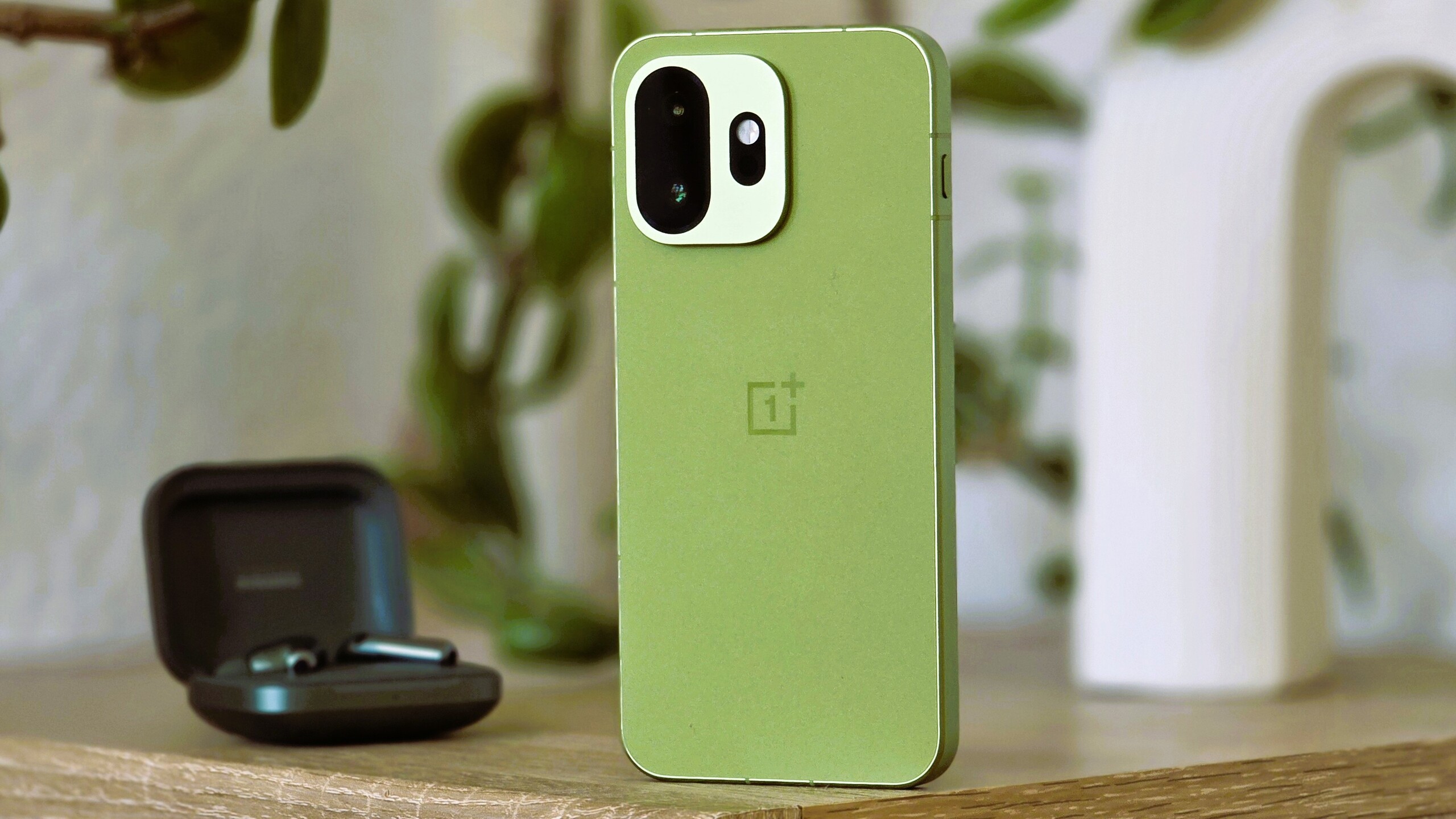
Verdict on the OnePlus 15T
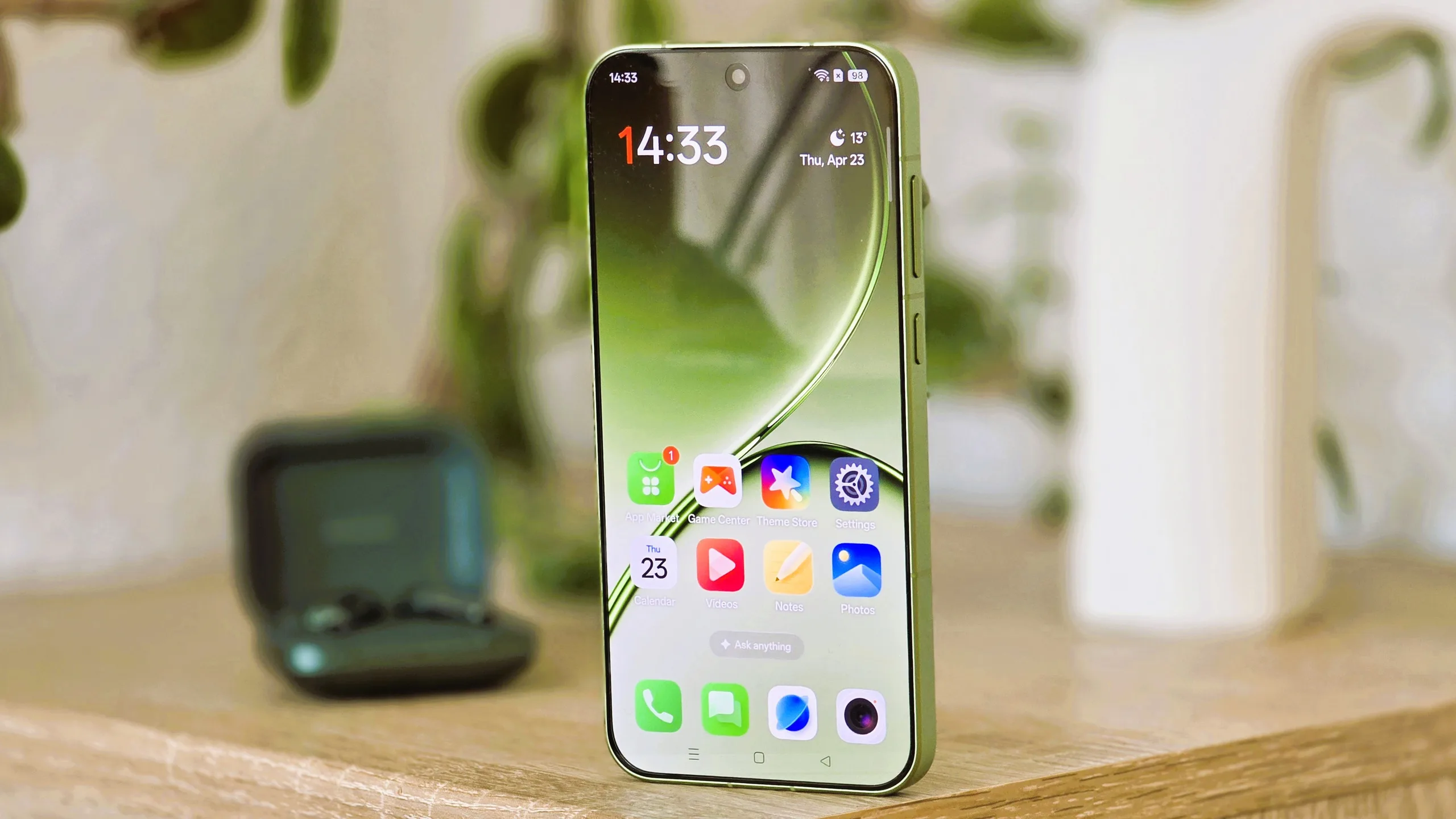
The OnePlus 15T smartphone looks stylish, feels high-quality, and leaves a strong impression in everyday use. Thanks to a great ultrasonic sensor, a high-end chipset that is beyond reproach and a really beautiful OLED panel, the mini flagship from OnePlus makes the hearts of fans of compact smartphones beat faster.
The battery run times are also phenomenally good for this handy form factor.
Are there possible deal breakers with the OnePlus 15T? Unfortunately, yes. Due to lack of availability outside of China, certain limitations have to be accepted with the software — such as eSIM or WearOS support — although ColorOS with its multi-language package and Google integration is also quite easy to use in Europe unlike Xiaomi phones from the Far East.
The OnePlus phone cannot deny its origins when it comes to cellular frequency support either.
However, the disadvantages of importing the OnePlus 15T are sweetened by the low price. For less than €600, the overall package is really good for the compact class and therefore an interesting alternative to a Galaxy S26 or Pixel 10 Pro.
Pros
Cons
Price and availability of the OnePlus 15T

The OnePlus 15T has so far been launched exclusively for the Chinese market at an RRP of ¥4,300 or around €550. As an import from Trading Shenzhen, prices start at around €570. A global launch currently seems unlikely.

- $835.00OnePlus 15R, 12GB RAM + 512GB Storage, Dual-SIM, Unlocked Android Smartphone, Snapdragon 8 Gen 5, 7400mAh Battery, Charcoal Black
- $999.99OnePlus 15, 12GB RAM + 256GB Storage, Dual-SIM, Unlocked Android Smartphone, Snapdragon 8 Elite Gen 5, 7300mAh Battery, Infinite Black
- $1,049.00OnePlus 15, 16GB RAM + 512GB Storage, Dual-SIM, Unlocked Android Smartphone, Snapdragon 8 Elite Gen 5, 7300mAh Battery, Infinite Black
Table of Contents
- Verdict on the OnePlus 15T
- Specifications of the OnePlus 15T
- Build and features: Handy Android phone with IP69 and thin edges
- Communication and operation: OnePlus 15T with Wi-Fi 7 and ultrasonic fingerprint sensor
- Software and sustainability: OnePlus gives Android 16 for its top-of-the-range phone
- Cameras: OnePlus 15T offers telephoto and OIS
- Display: OnePlus 15T with a 165 Hz OLED panel
- Performance, emissions, and battery life: Compact Android smartphone with large battery and high-end SoC
- Notebookcheck's overall impressions of the OnePlus 15T
- Potential competitors in comparison
Specifications of the OnePlus 15T
Build and features: Handy Android phone with IP69 and thin edges
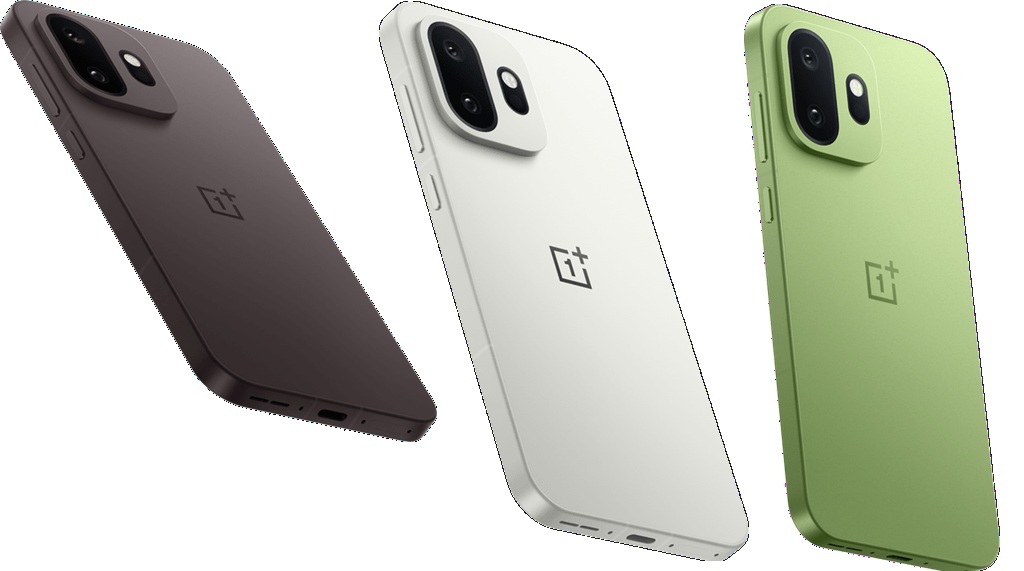
OnePlus relies on the same design as the flagship 15 for its 15T model. Thanks to the metal frame and glass back, the housing, which is water-resistant to IP69, feels premium in the hands.
The dimensions and weight are similar to an Apple iPhone 17, but the OnePlus 15T sports more than twice the battery capacity. It is all the more impressive that OnePlus has managed to make the display edges super-thin, with a screen-to-body ratio of nearly 91%.
In contrast to the OnePlus 15, the T model only has one USB 2.0 port. Otherwise, the compact Android phone is very well equipped with NFC, infrared port, and dual-band GNSS as well as UFS 4.1 flash and LPDDR5X Ultra RAM.

Communication and operation: OnePlus 15T with Wi-Fi 7 and ultrasonic fingerprint sensor
In addition to Bluetooth 6.0, the OnePlus 15T also supports the modern Wi-Fi 7 standard. Transmission speeds including in the 6 GHz channel are high, but the consistency is only average.
The compact Android phone shows weaknesses for use in Europe when it comes to LTE frequencies. Neither band 20 nor band 32 can be used with the OnePlus 15T.
In the 5G network, however, there are no restrictions for German-speaking countries.
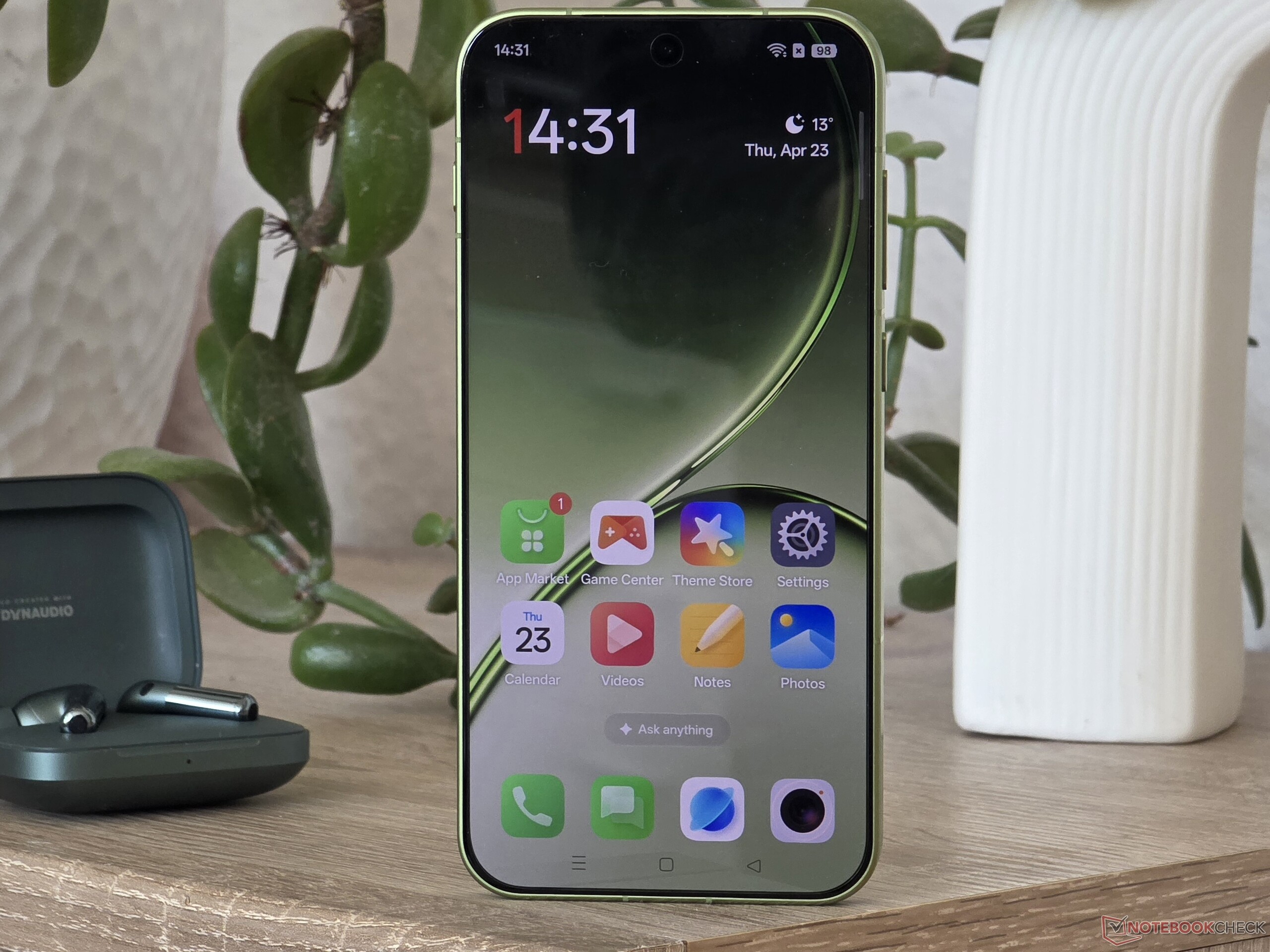
When it comes to operation, the strengths of the little brother of the OnePlus 15 come to the fore. The touchscreen feels very responsive and fast.
Thanks to an ultrasonic finger pressure sensor, the compact OnePlus phone unlocks very quickly and reliably. The vibration motor (X-axis) also provides high-quality haptic feedback.
| Networking | |
| OnePlus 15T | |
| iperf3 receive RT-BE96U WiFi7 | |
| iperf3 transmit RT-BE96U WiFi7 | |
| Vivo X300 | |
| iperf3 transmit AXE11000 6GHz | |
| iperf3 receive AXE11000 6GHz | |
| Xiaomi 17 | |
| iperf3 transmit AXE11000 6GHz | |
| iperf3 receive AXE11000 6GHz | |
| Honor Magic8 Pro Air | |
| iperf3 transmit AXE11000 6GHz | |
| iperf3 receive AXE11000 6GHz | |
| Average 802.11 a/b/g/n/ac/ax/be | |
| iperf3 transmit AXE11000 6GHz | |
| iperf3 receive AXE11000 6GHz | |
| iperf3 receive RT-BE96U WiFi7 | |
| iperf3 transmit RT-BE96U WiFi7 | |
| Average of class Smartphone | |
| iperf3 transmit AXE11000 6GHz | |
| iperf3 receive AXE11000 6GHz | |
| iperf3 receive RT-BE96U WiFi7 | |
| iperf3 transmit RT-BE96U WiFi7 | |
Software and sustainability: OnePlus gives Android 16 for its top-of-the-range phone
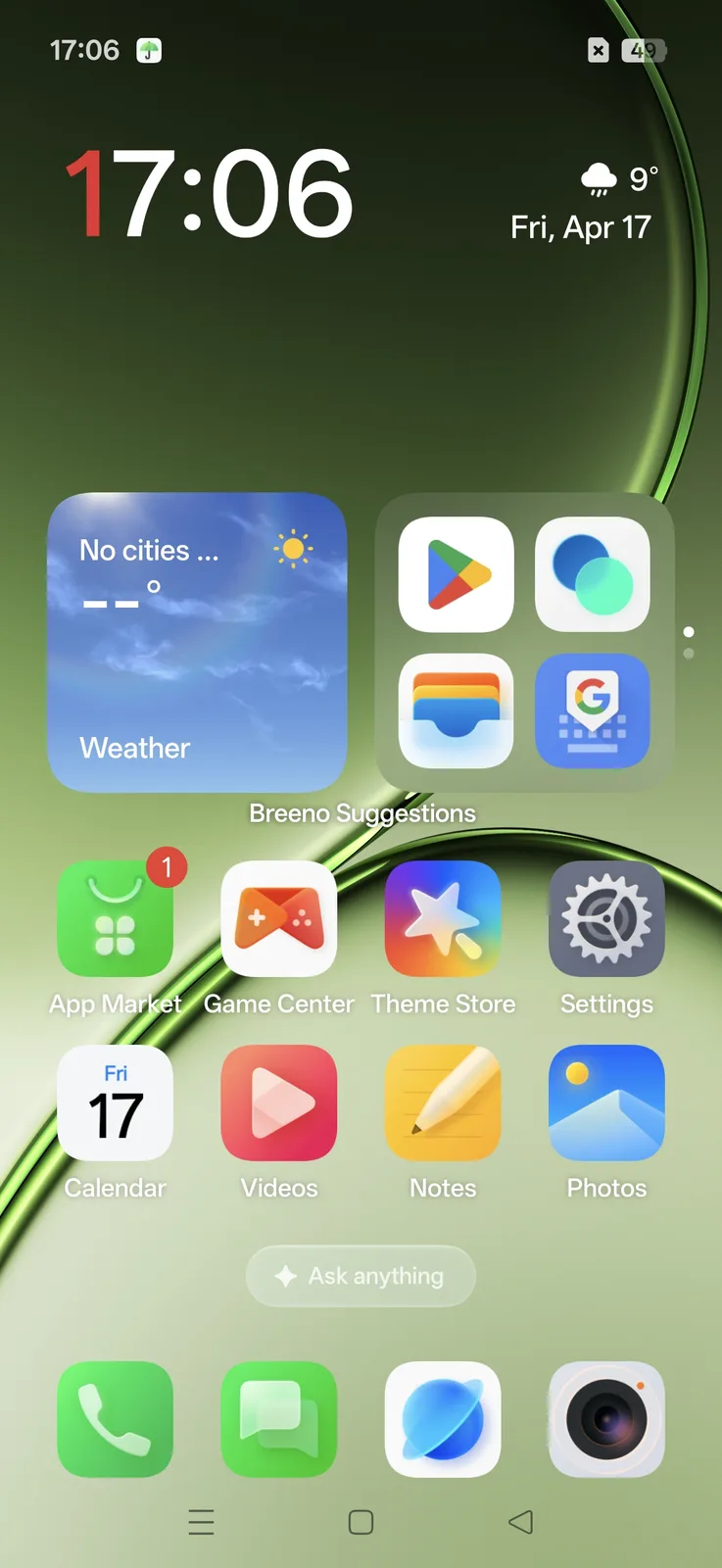
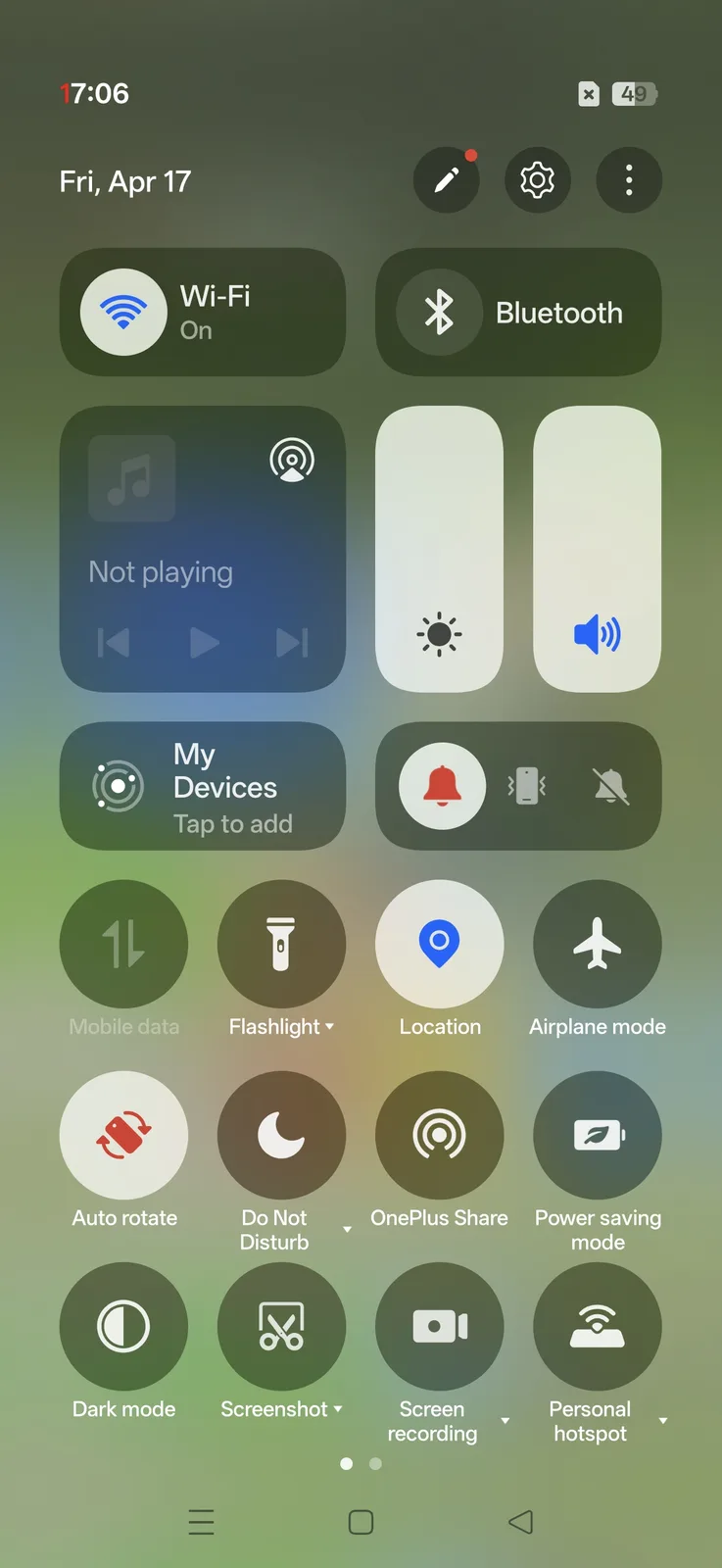
ColorOS comes pre-installed on the OnePlus 15T instead of the global OxygenOS. However, the differences are rather minor overall. German language and Android Auto are supported, but WearOS watches or eSIMs are not supported.
There are question marks over the duration of the updates provided. The manufacturer does not usually provide any information on this for China. Typically, a OnePlus 15 should receive security updates for six years.
As the OnePlus 15T is not officially coming to Europe, repairability is significantly limited and, as is usual for Chinese devices, we cannot find out any information on the CO2 footprint or details of the recycled materials contained.
Cameras: OnePlus 15T offers telephoto and OIS

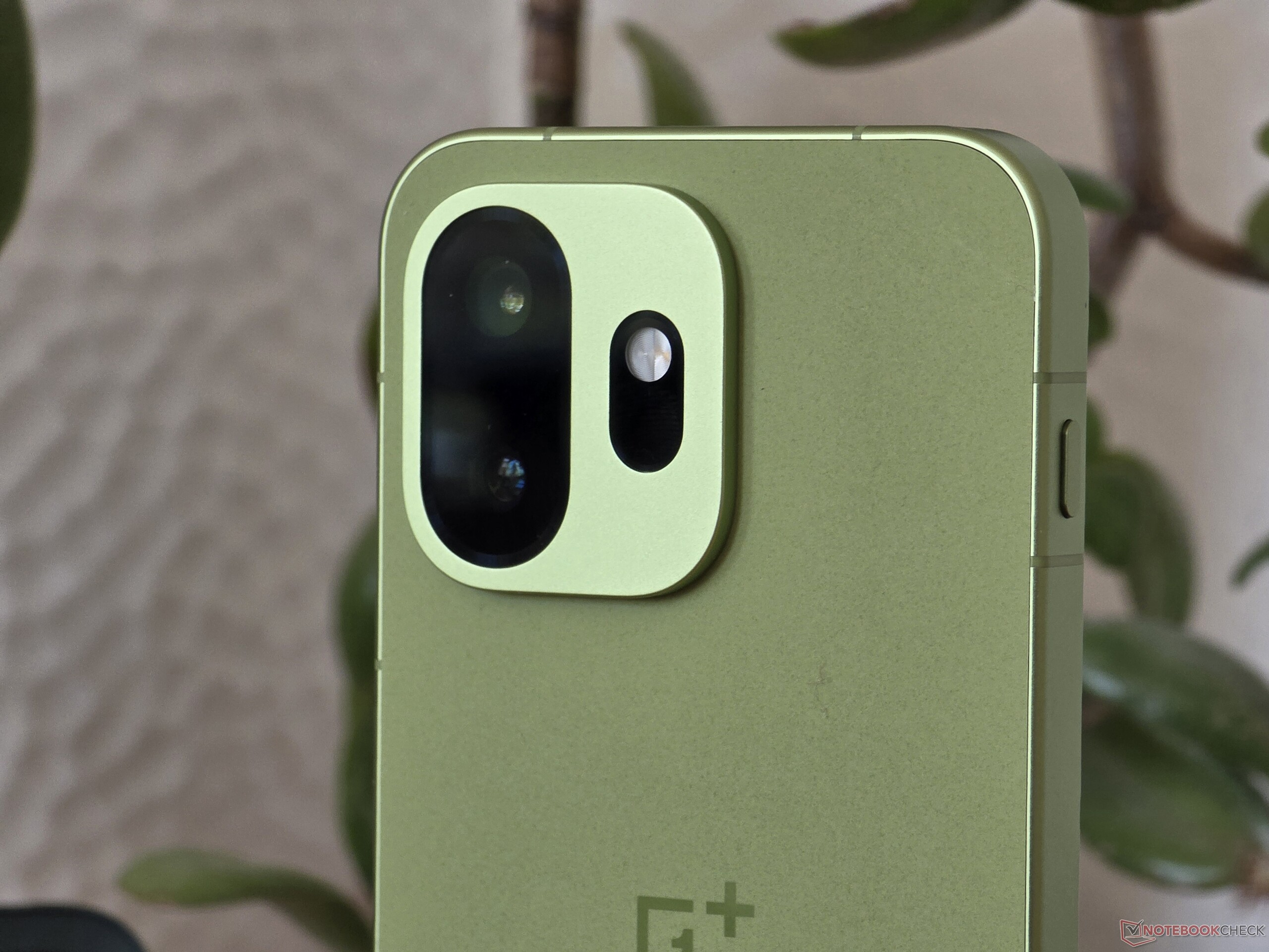
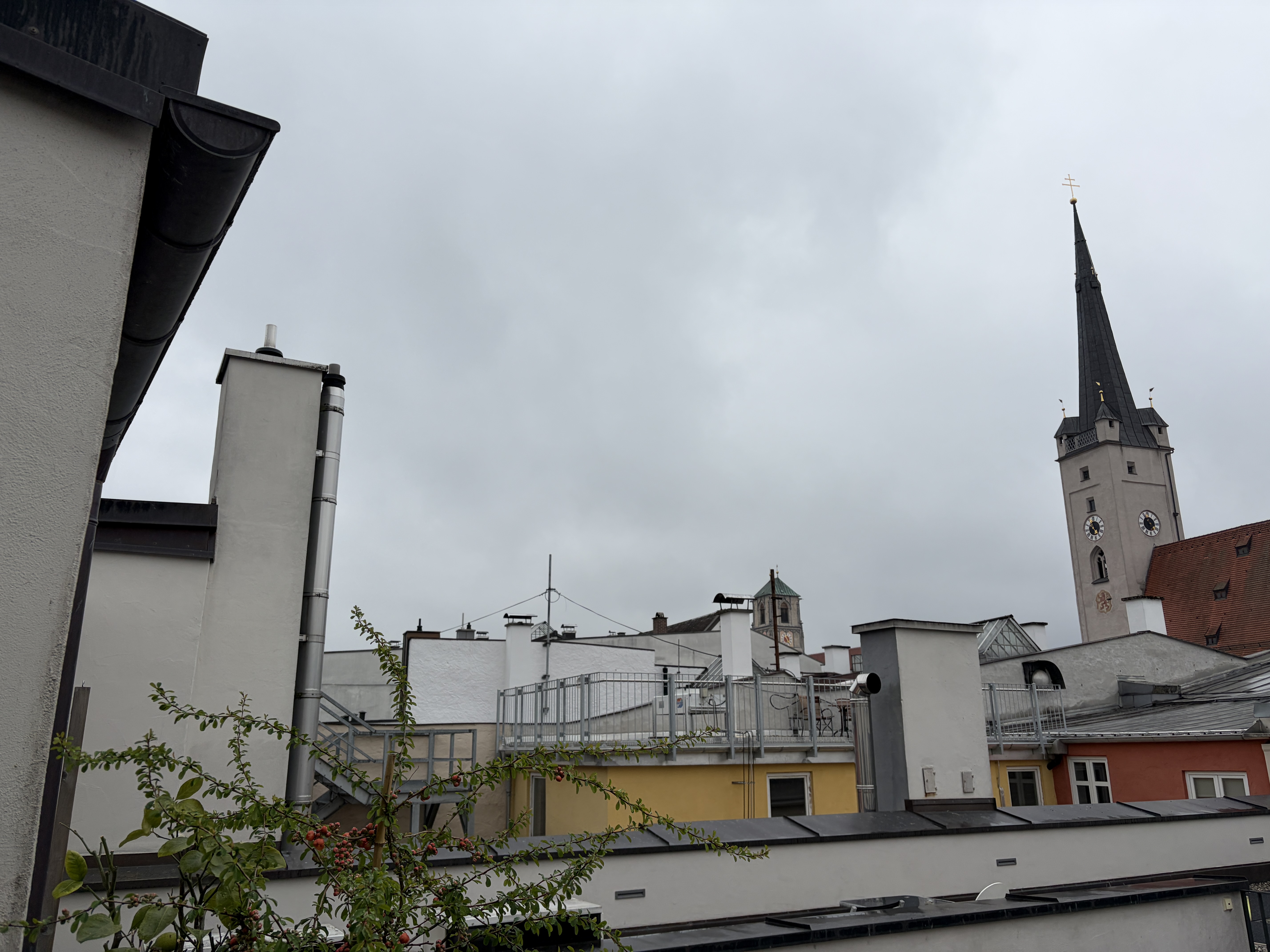
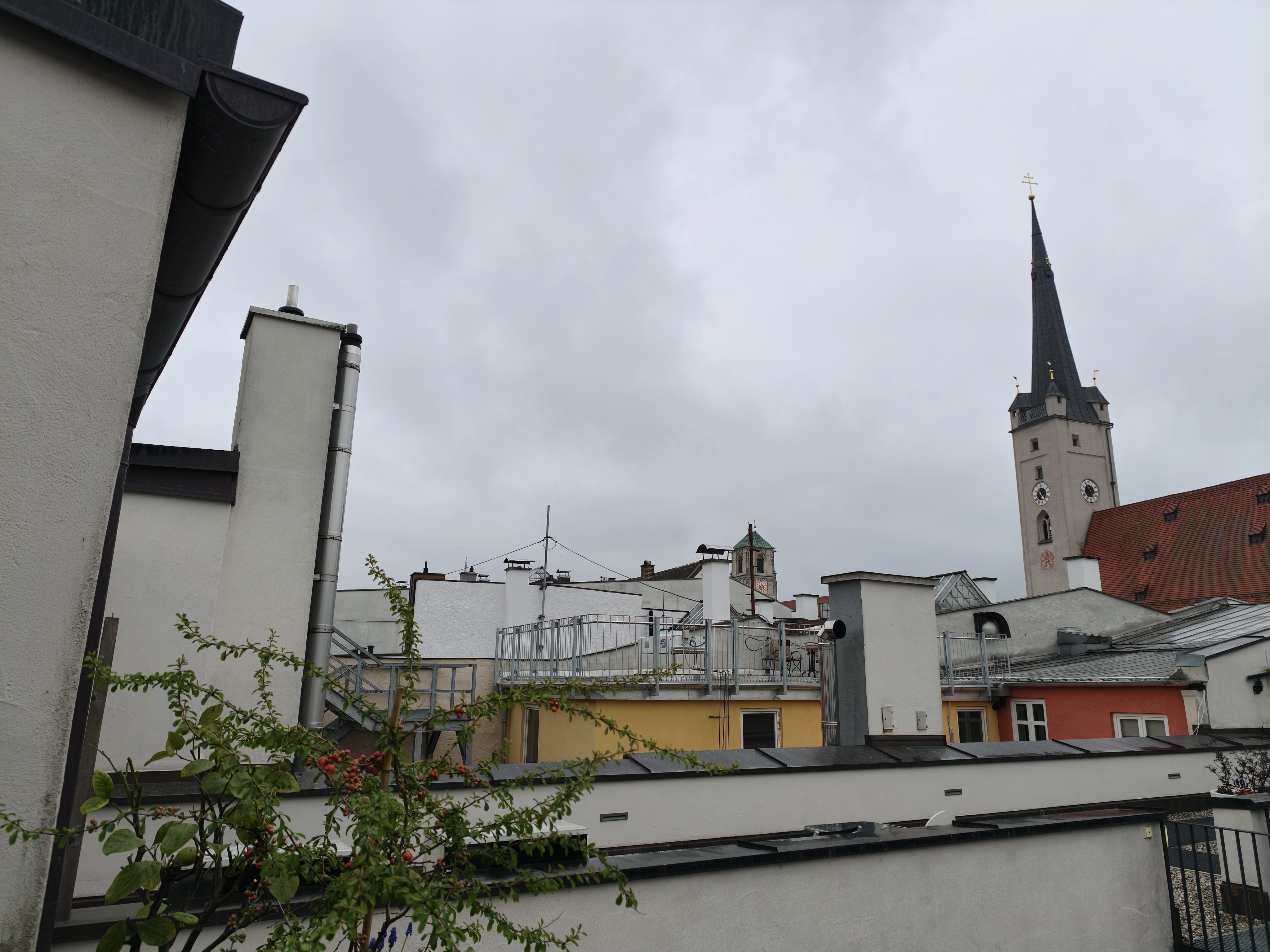
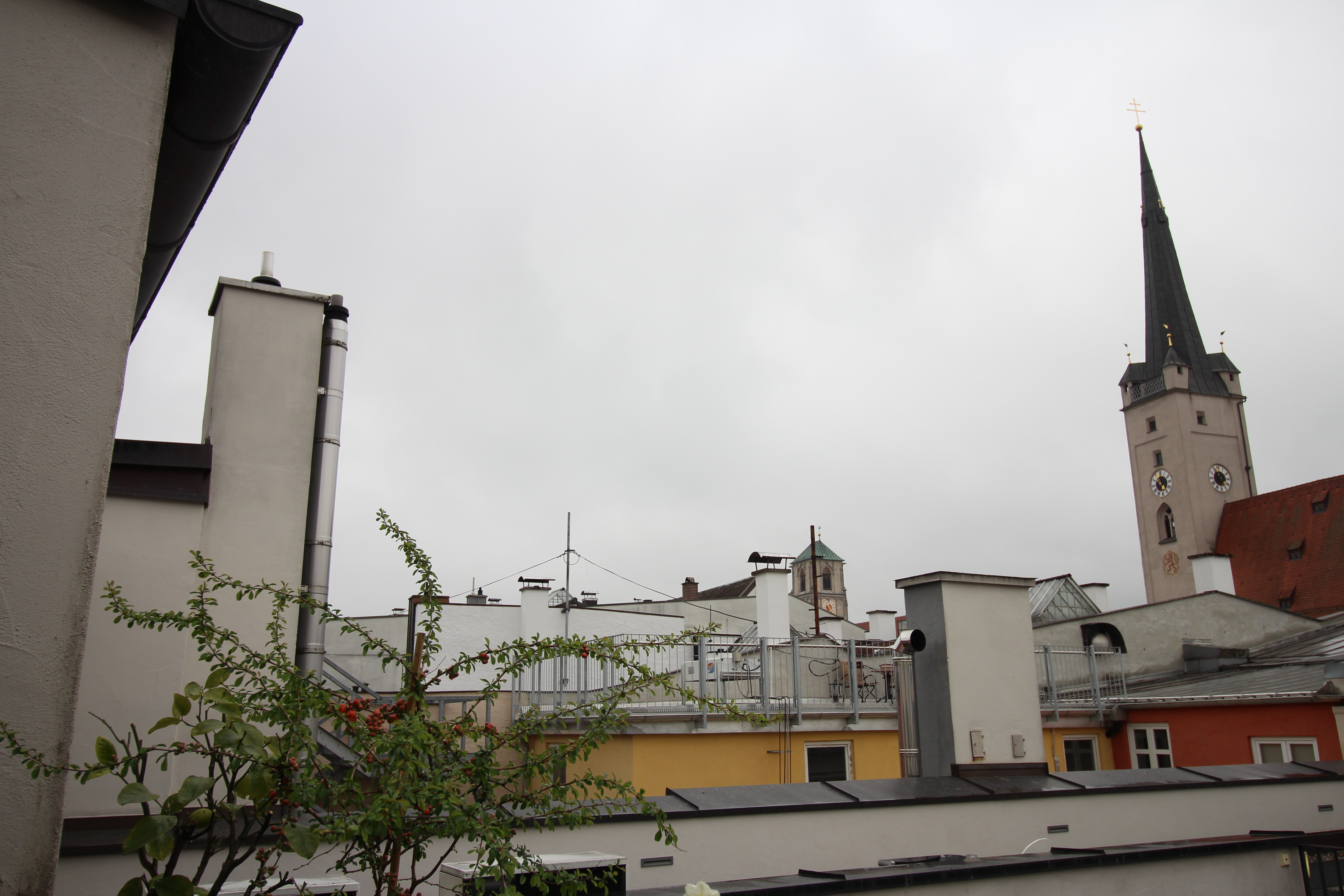
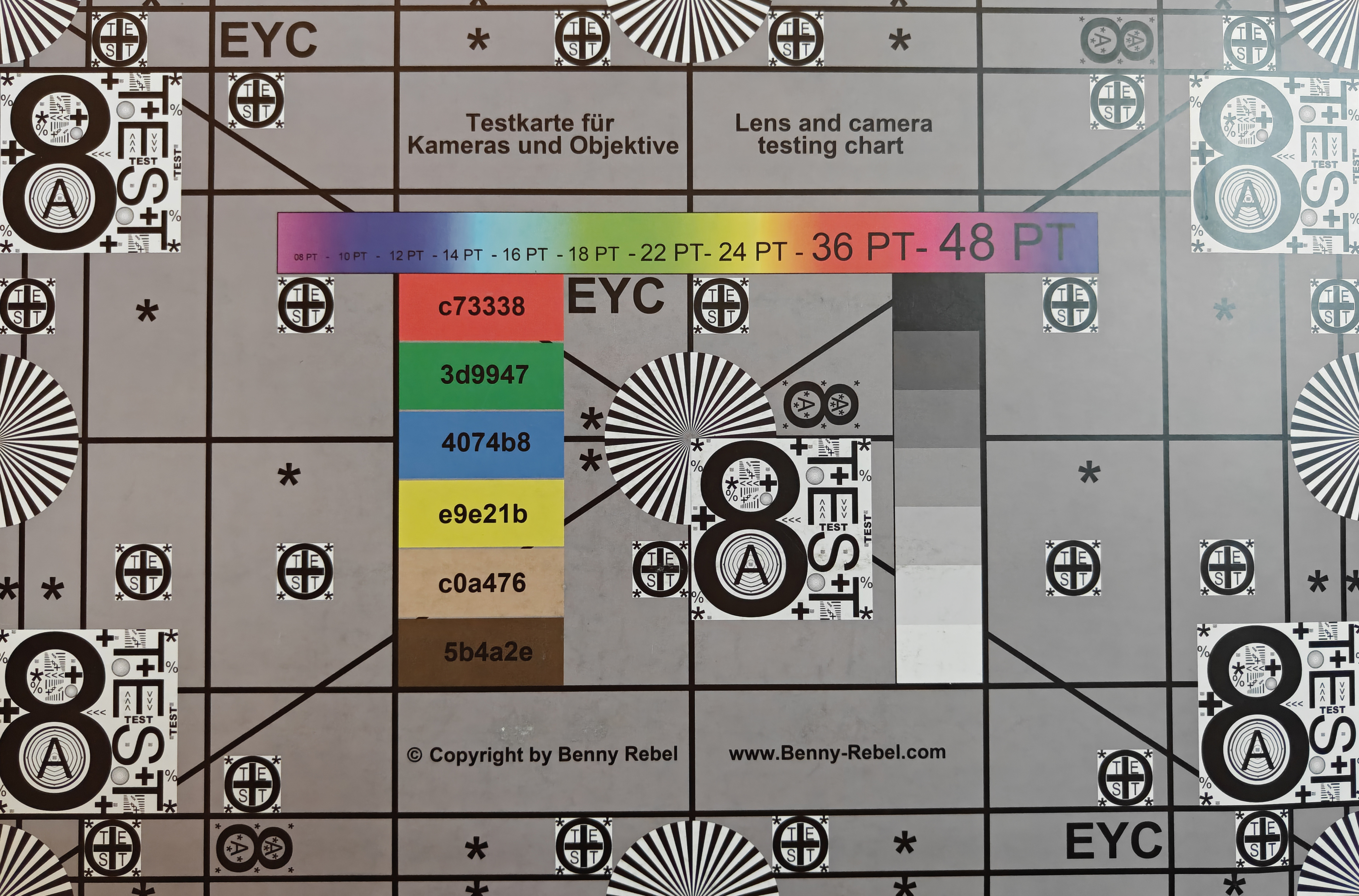
The compactness and price range of the OnePlus 15T have the most negative impact on the camera system. The cooperation with Hasselblad is now Oppo-exclusive and OnePlus' built-in image sensors are quite small and therefore not very bright.
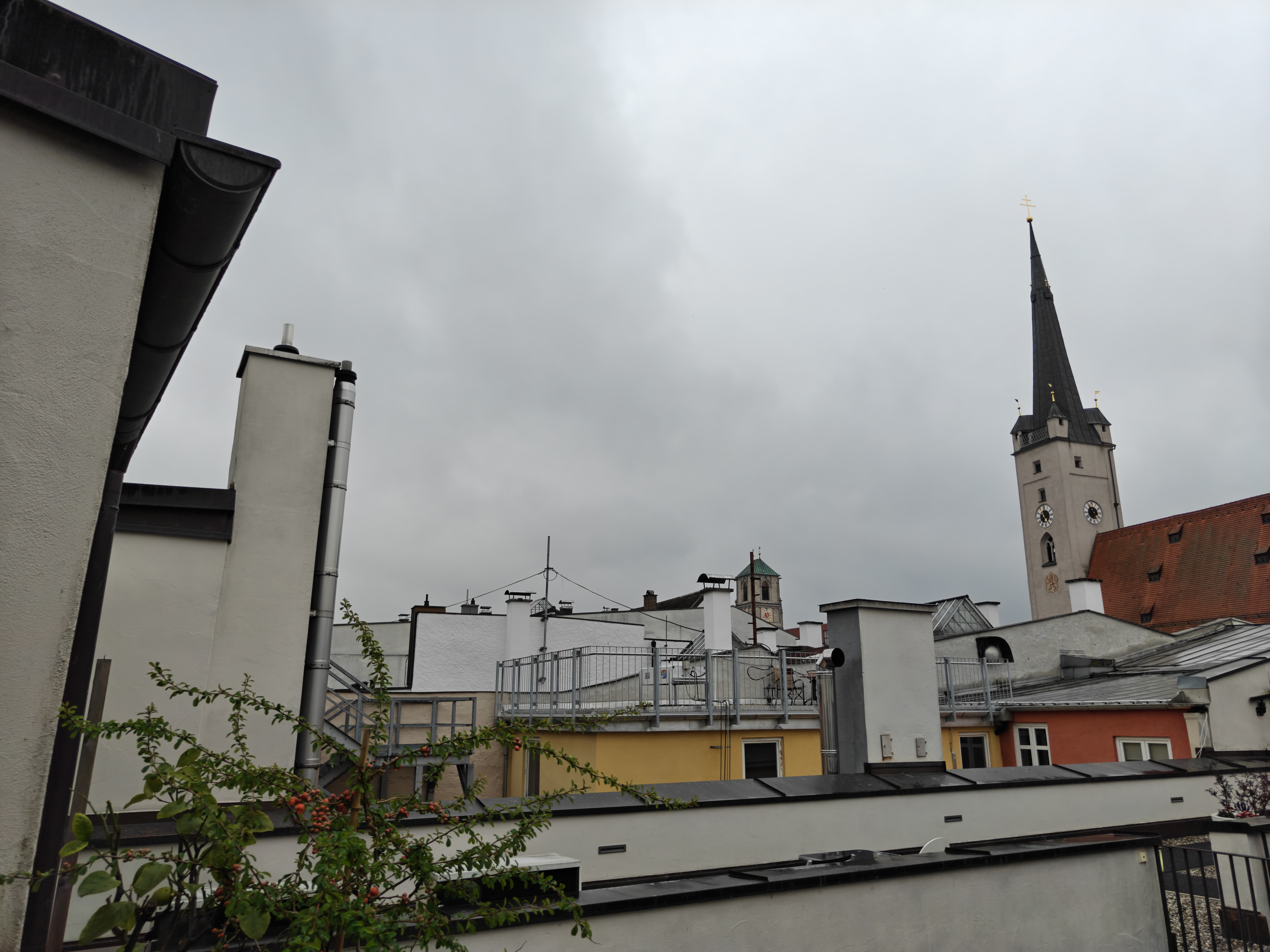
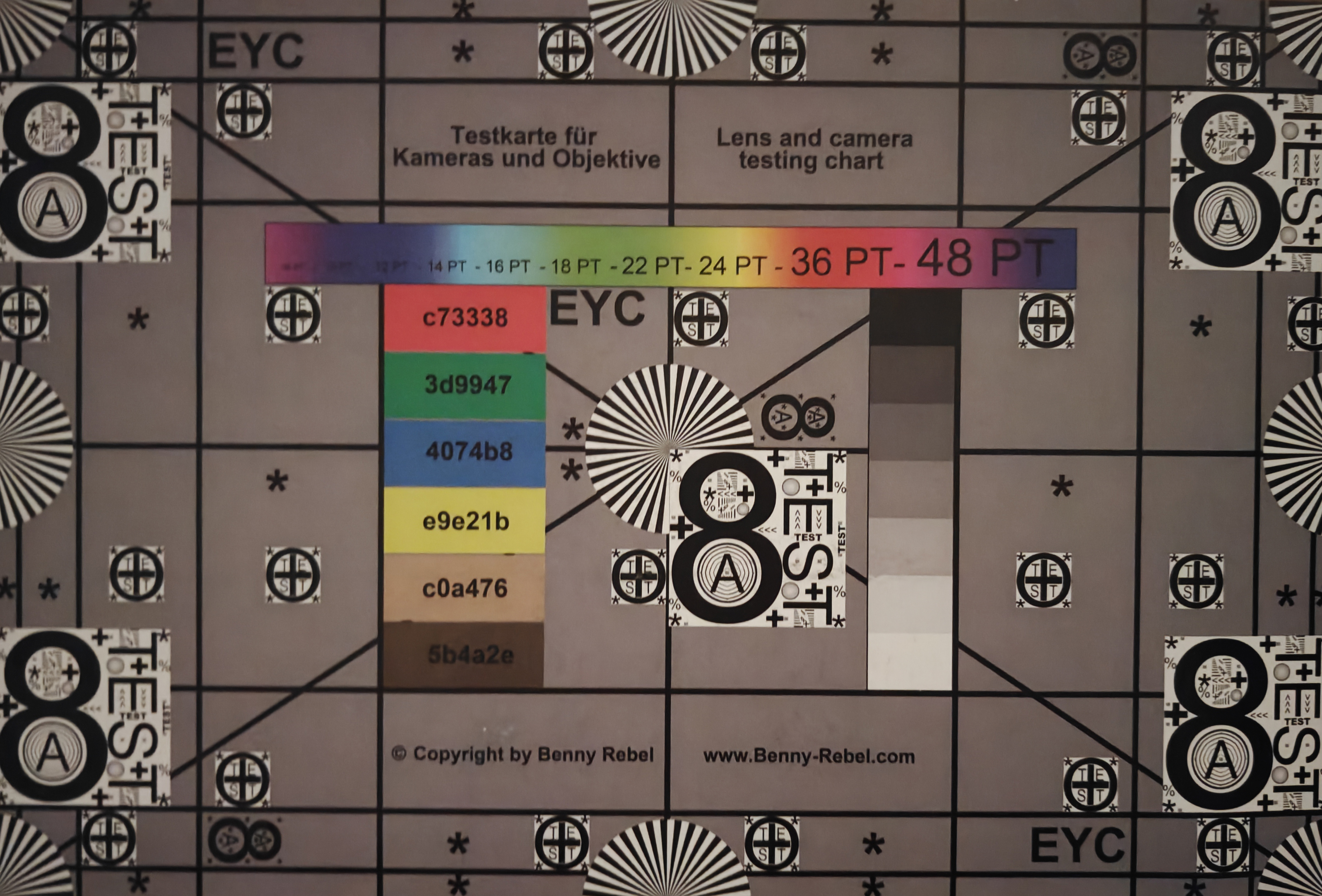
The 50 MP main camera only comes with a 1/1.56-inch sensor, although good photos are possible in daylight as well as in the dark but top quality looks different. It lacks sharpness and dynamics. As our comparison photos show, the compact smartphone from OnePlus is still a class above the handy iPhone 17 from Apple.
The OnePlus 15T does not have an ultra-wide-angle camera, but it can zoom 3.5x optically thanks to the 50 MP telephoto lens.
Since the main camera takes relatively wide-angle photos at 24 mm, the addition of a telephoto lens with OIS makes much more sense in our opinion.













Display: OnePlus 15T with a 165 Hz OLED panel
The 6.32-inch 165 Hz AMOLED panel achieves a very good pixel density of 460 ppi with a resolution of 1,216 pixels. We achieved the advertised maximum brightness of 1,800 nits fairly accurately in our APL18 measurement.
However, the measured values for the HDR peak brightness (3,600 nits) are a good deal lower, but 3,125 cd/m² is also easily sufficient for good HDR effects.
OnePlus advertises an extremely high-frequency PWM dimming (3,840 Hz) below 70 cd/m² to control the brightness.
At higher brightness levels, the 15T switches to a DC-like dimming mode. We measured a base frequency of only 120 Hz and an amplitude of 18 percent — neither of which are optimal values for PWM-sensitive people, despite the high-frequency dimming modes.
| |||||||||||||||||||||||||
Brightness Distribution: 96 %
Center on Battery: 1119 cd/m²
Contrast: ∞:1 (Black: 0 cd/m²)
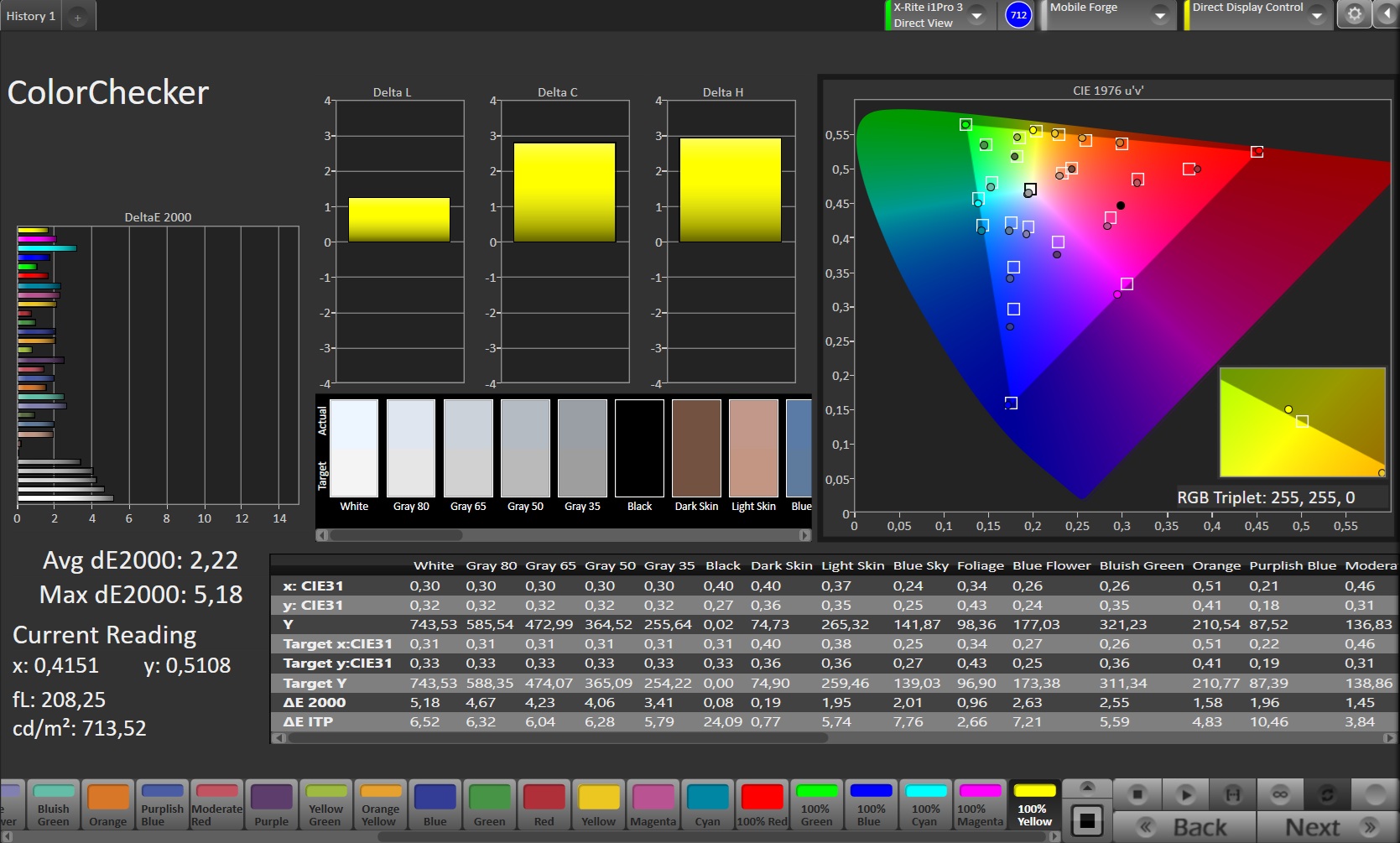
ΔE ColorChecker Calman: 2.22 | ∀{0.5-29.43 Ø4.68}
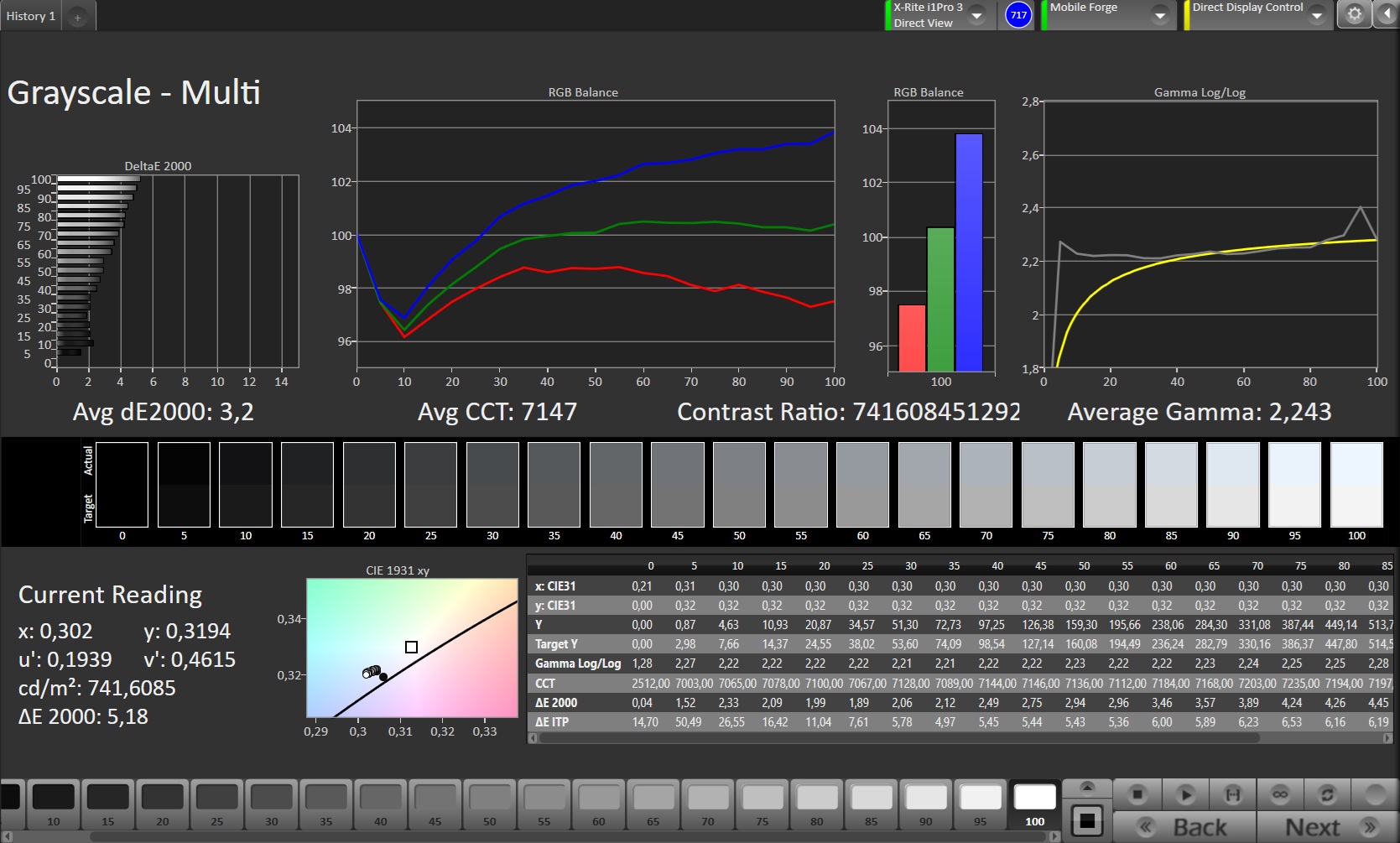
ΔE Greyscale Calman: 3.2 | ∀{0.09-98 Ø4.93}
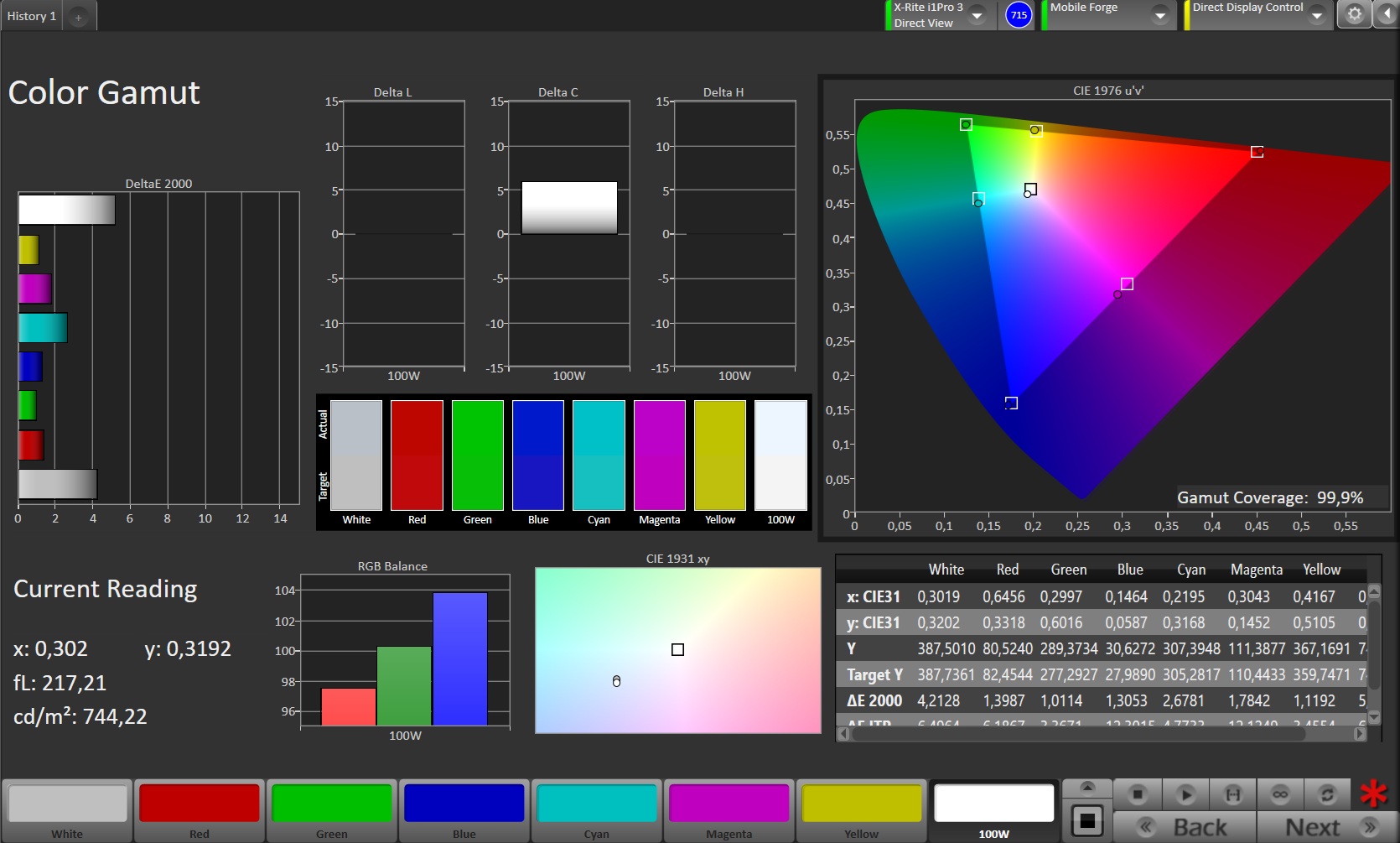
99.9% sRGB (Calman 2D)
Gamma: 2.243
CCT: 7147 K
| OnePlus 15T OLED, 2640x1216, 6.3" | Vivo X300 AMOLED, 2640x1216, 6.3" | Xiaomi 17 LTPO AMOLED , 2656x1220, 6.3" | Honor Magic8 Pro Air OLED, 2640x1216, 6.3" | |
|---|---|---|---|---|
| Screen | 33% | 12% | 35% | |
| Brightness middle (cd/m²) | 1119 | 1537 37% | 1030 -8% | 1324 18% |
| Brightness (cd/m²) | 1101 | 1523 38% | 1021 -7% | 1311 19% |
| Brightness Distribution (%) | 96 | 96 0% | 98 2% | 98 2% |
| Black Level * (cd/m²) | ||||
| Colorchecker dE 2000 * | 2.22 | 1.4 37% | 1.44 35% | 0.93 58% |
| Colorchecker dE 2000 max. * | 5.18 | 2.6 50% | 3.68 29% | 2.07 60% |
| Greyscale dE 2000 * | 3.2 | 2.1 34% | 2.5 22% | 1.5 53% |
| Gamma | 2.243 98% | 2.28 96% | 2.274 97% | 2.224 99% |
| CCT | 7147 91% | 6754 96% | 6868 95% | 6383 102% |
* ... smaller is better
| Display / APL18 Peak Brightness | |
| Vivo X300 | |
| OnePlus 15T | |
| Honor Magic8 Pro Air | |
| Display / HDR Peak Brightness | |
| Vivo X300 | |
| Honor Magic8 Pro Air | |
| OnePlus 15T | |
Screen Flickering / PWM (Pulse-Width Modulation)
| Screen flickering / PWM detected | 120.7 Hz Amplitude: 18 % | 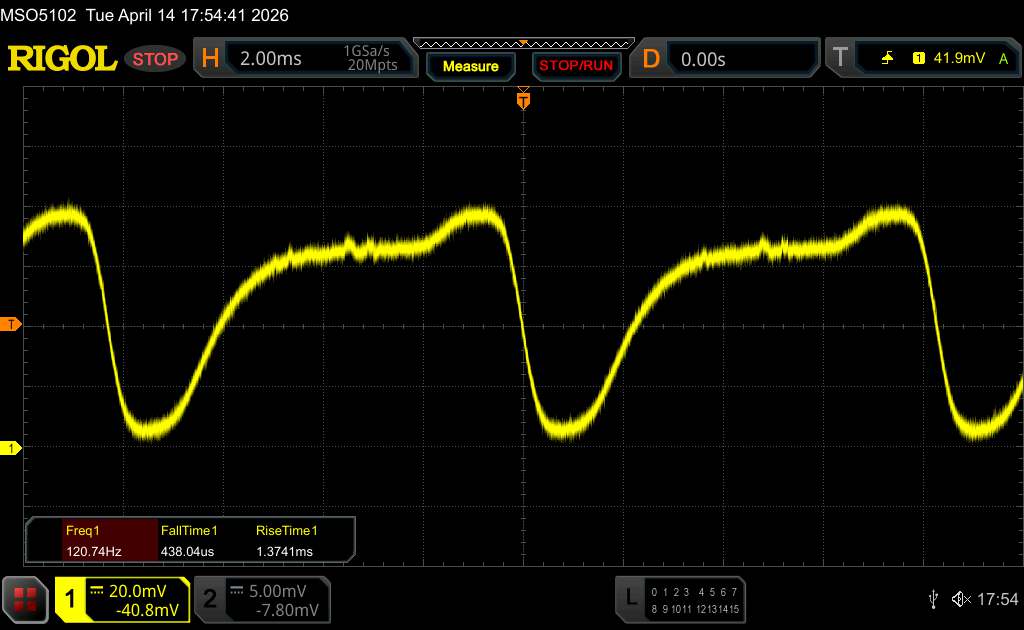 | |
The display backlight flickers at 120.7 Hz (worst case, e.g., utilizing PWM) . The frequency of 120.7 Hz is very low, so the flickering may cause eyestrain and headaches after extended use. In comparison: 52 % of all tested devices do not use PWM to dim the display. If PWM was detected, an average of 7572 (minimum: 5 - maximum: 343500) Hz was measured. | |||
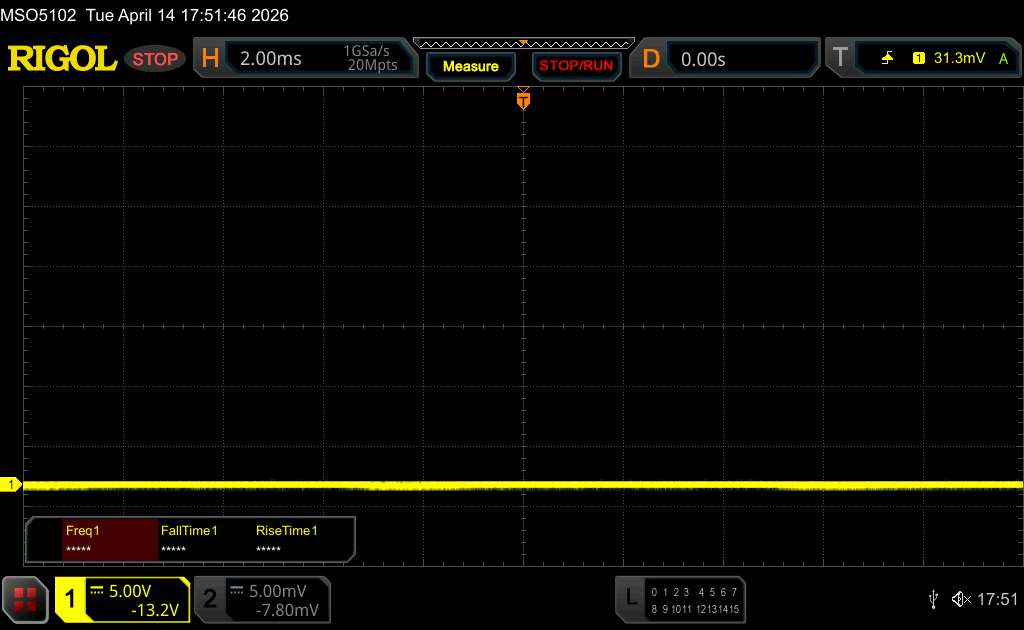
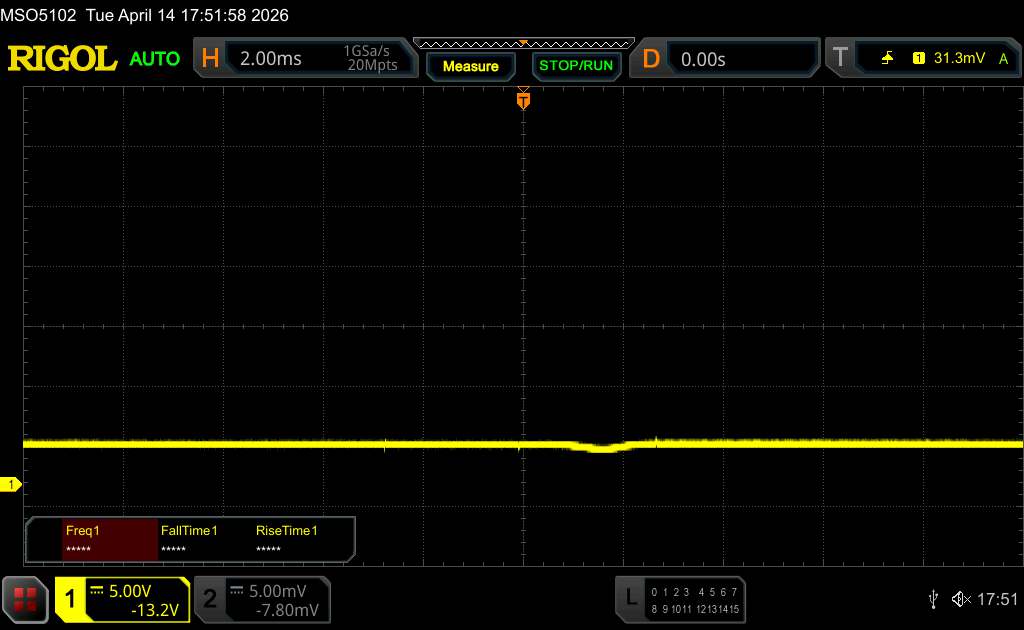
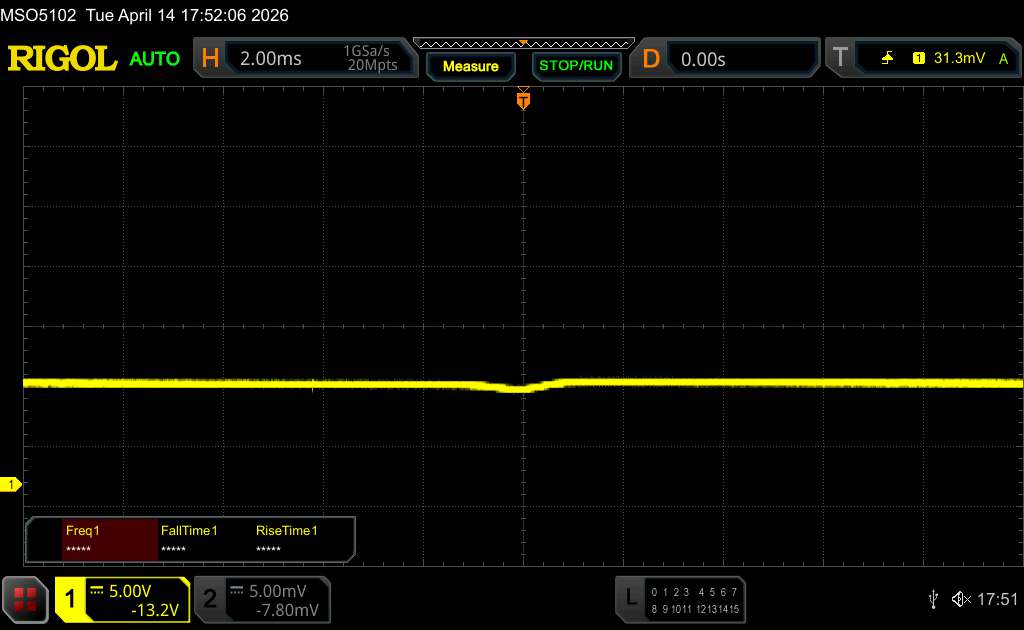
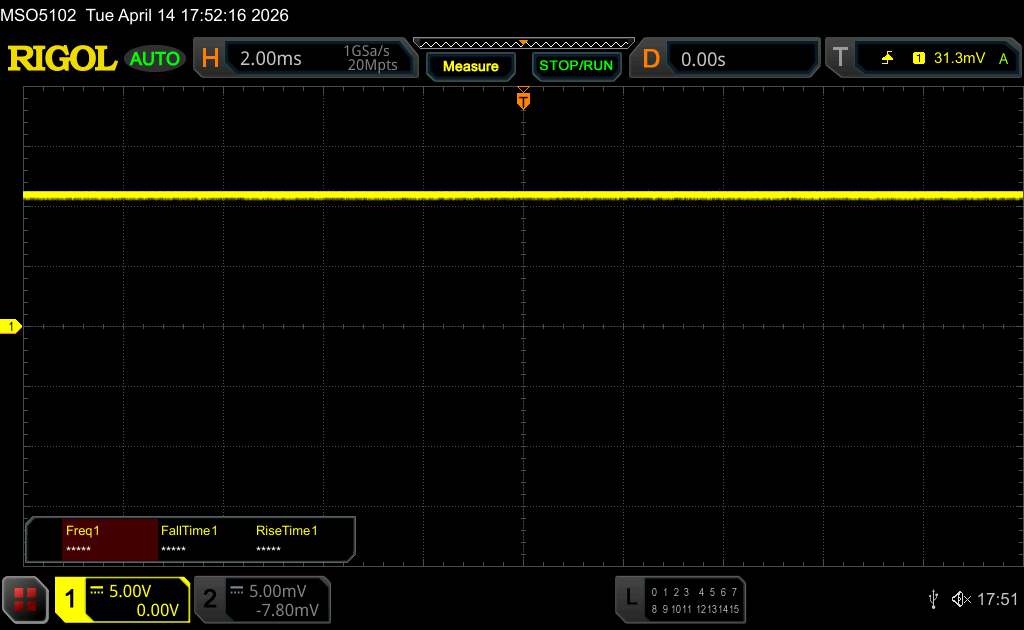
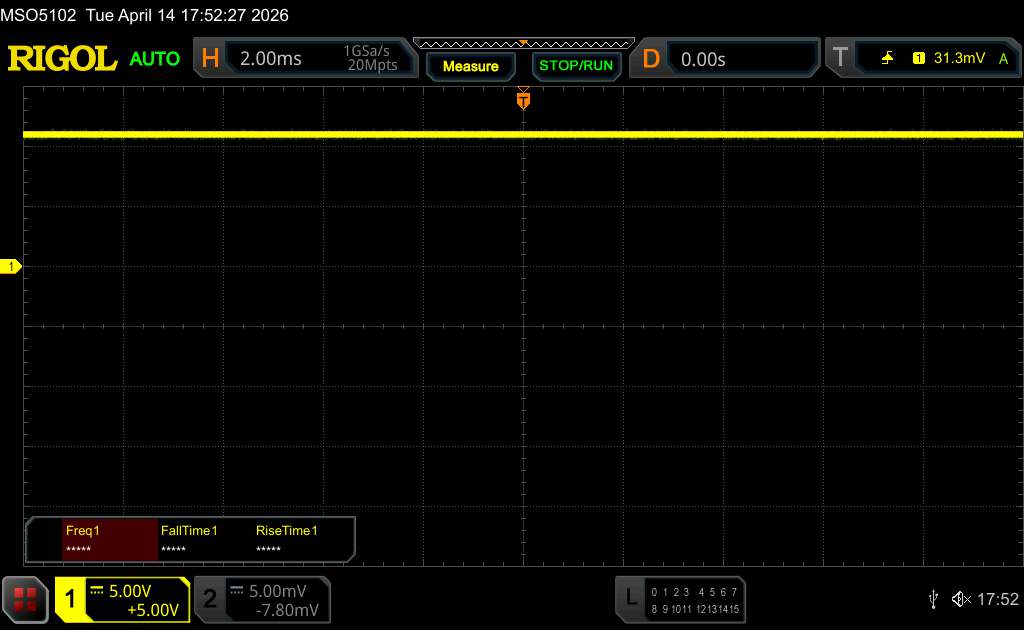
Measurement series with fixed zoom level and different brightness settings (The amplitude curve at minimum brightness looks flat, but this is due to the scaling. The info box shows the enlarged version of the amplitude at minimum brightness)
Display Response Times
| ↔ Response Time Black to White | ||
|---|---|---|
| 1.2 ms ... rise ↗ and fall ↘ combined | ↗ 0.6 ms rise | 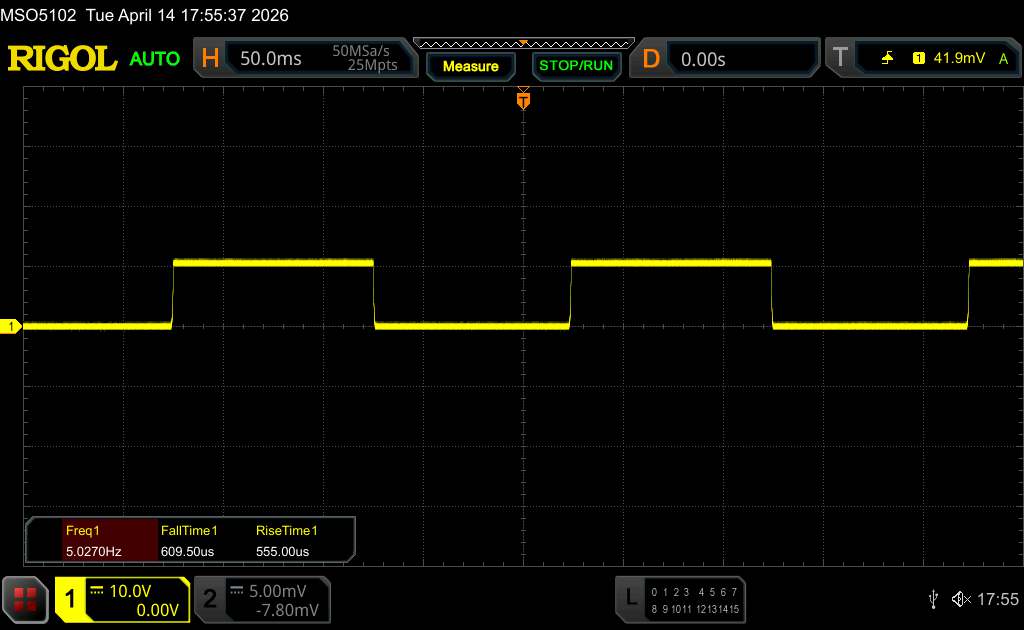 |
| ↘ 0.6 ms fall | ||
| The screen shows very fast response rates in our tests and should be very well suited for fast-paced gaming. In comparison, all tested devices range from 0.1 (minimum) to 240 (maximum) ms. » 7 % of all devices are better. This means that the measured response time is better than the average of all tested devices (19.6 ms). | ||
| ↔ Response Time 50% Grey to 80% Grey | ||
| 12.4 ms ... rise ↗ and fall ↘ combined | ↗ 12.1 ms rise | 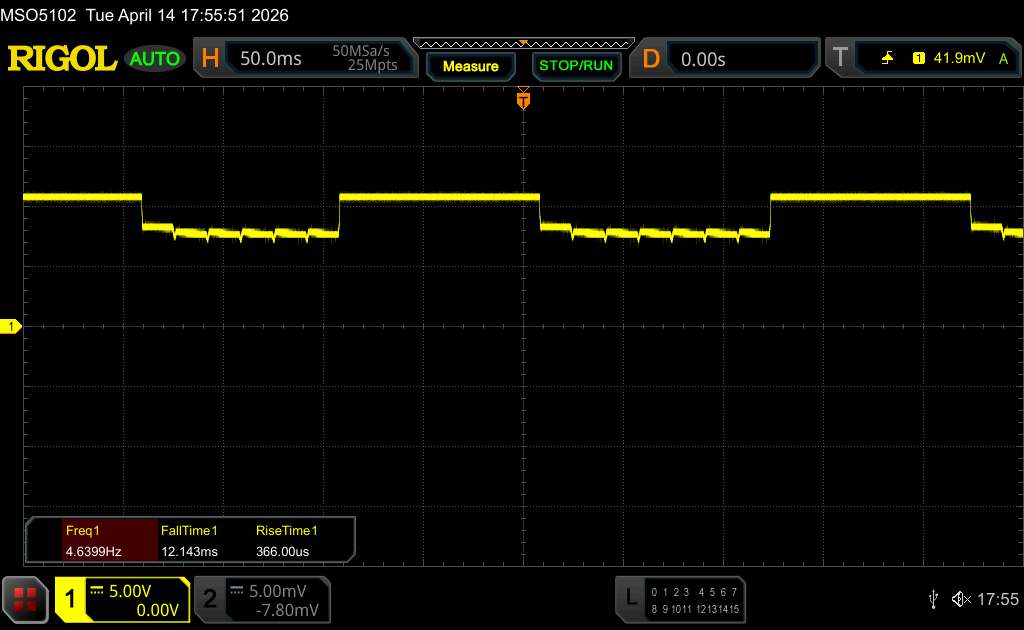 |
| ↘ 0.3 ms fall | ||
| The screen shows good response rates in our tests, but may be too slow for competitive gamers. In comparison, all tested devices range from 0.13 (minimum) to 636 (maximum) ms. » 27 % of all devices are better. This means that the measured response time is better than the average of all tested devices (30.7 ms). | ||
Performance, emissions, and battery life: Compact Android smartphone with large battery and high-end SoC
There is no need to compromise on the chipset with the compact Android phone. The OnePlus 15T uses a powerful Snapdragon 8 Elite Gen 5 that, thanks to its Adreno 840, achieves very high scores not only in the CPU benchmarks but also in the graphics benchmarks.
In the 3DMark stress tests, however, the OnePlus 15T shows a sharp drop in performance of over 50%, which significantly lowers our rating.
OnePlus relies on a silicon-carbon-based battery with a large capacity of 7,500 mAh for its mini flagship smartphones. The energy storage can be charged with a maximum of 100 W or 50 W wirelessly. In our practical battery test with an adjusted display brightness of 150 cd/m², the OnePlus 15T achieved an excellent battery life of nearly 1.5 days.
| Jetstream 2 - 2.0 Total | |
| OnePlus 15T | |
| Average Qualcomm Snapdragon 8 Elite Gen 5 (70.1 - 409, n=10) | |
| Average of class Smartphone (63.9 - 423, n=114, last 2 years) | |
| Mozilla Kraken 1.1 - Total | |
| Average of class Smartphone (216 - 2718, n=118, last 2 years) | |
| Vivo X300 | |
| Xiaomi 17 | |
| OnePlus 15T | |
| Average Qualcomm Snapdragon 8 Elite Gen 5 (284 - 1014, n=20) | |
| Honor Magic8 Pro Air | |
* ... smaller is better
| OnePlus 15T | Vivo X300 | Xiaomi 17 | Honor Magic8 Pro Air | Average 512 GB UFS 4.1 Flash | Average of class Smartphone | |
|---|---|---|---|---|---|---|
| AndroBench 3-5 | -38% | -10% | -32% | -23% | -48% | |
| Sequential Read 256KB (MB/s) | 4115.87 | 2056.87 -50% | 3943.44 -4% | 3567.89 -13% | 3616 ? -12% | 2279 ? -45% |
| Sequential Write 256KB (MB/s) | 4076.12 | 1997.76 -51% | 3784.97 -7% | 339.02 -92% | 3225 ? -21% | 1980 ? -51% |
| Random Read 4KB (MB/s) | 578.74 | 332.61 -43% | 487.69 -16% | 377.83 -35% | 414 ? -28% | 319 ? -45% |
| Random Write 4KB (MB/s) | 721.05 | 654.09 -9% | 643.31 -11% | 821.54 14% | 498 ? -31% | 366 ? -49% |
(-) The maximum temperature on the upper side is 46.5 °C / 116 F, compared to the average of 35.4 °C / 96 F, ranging from 21.9 to 247 °C for the class Smartphone.
(-) The bottom heats up to a maximum of 50.8 °C / 123 F, compared to the average of 34.1 °C / 93 F
(+) In idle usage, the average temperature for the upper side is 24.5 °C / 76 F, compared to the device average of 33 °C / 91 F.
3DMark Stress Tests
| 3DMark - Wild Life Stress Test Stability | |
| Xiaomi 17 | |
| Vivo X300 | |
| Honor Magic8 Pro Air | |
| OnePlus 15T | |
OnePlus 15T audio analysis
(±) | speaker loudness is average but good (81.5 dB)
Bass 100 - 315 Hz
(-) | nearly no bass - on average 22.3% lower than median
(-) | bass is not linear (22.5% delta to prev. frequency)
Mids 400 - 2000 Hz
(±) | higher mids - on average 5.9% higher than median
(+) | mids are linear (6.7% delta to prev. frequency)
Highs 2 - 16 kHz
(±) | higher highs - on average 5.4% higher than median
(-) | highs are not linear (15% delta to prev. frequency)
Overall 100 - 16.000 Hz
(±) | linearity of overall sound is average (28.5% difference to median)
Compared to same class
» 75% of all tested devices in this class were better, 4% similar, 21% worse
» The best had a delta of 11%, average was 34%, worst was 136%
Compared to all devices tested
» 86% of all tested devices were better, 3% similar, 11% worse
» The best had a delta of 4%, average was 23%, worst was 136%
Xiaomi 17 audio analysis
(+) | speakers can play relatively loud (86.2 dB)
Bass 100 - 315 Hz
(±) | reduced bass - on average 14.6% lower than median
(±) | linearity of bass is average (13.4% delta to prev. frequency)
Mids 400 - 2000 Hz
(+) | balanced mids - only 3% away from median
(+) | mids are linear (4% delta to prev. frequency)
Highs 2 - 16 kHz
(+) | balanced highs - only 4.9% away from median
(±) | linearity of highs is average (9.2% delta to prev. frequency)
Overall 100 - 16.000 Hz
(+) | overall sound is linear (13.4% difference to median)
Compared to same class
» 1% of all tested devices in this class were better, 0% similar, 99% worse
» The best had a delta of 11%, average was 34%, worst was 136%
Compared to all devices tested
» 14% of all tested devices were better, 4% similar, 82% worse
» The best had a delta of 4%, average was 23%, worst was 136%
| OnePlus 15T 7500 mAh | Vivo X300 5360 mAh | Xiaomi 17 7000 mAh | Honor Magic8 Pro Air 5500 mAh | Samsung Galaxy S26 4300 mAh | |
|---|---|---|---|---|---|
| Battery runtime | |||||
| WiFi v1.3 (h) | 34.3 | 19.6 -43% | 30.9 -10% | 20.3 -41% | 17.7 -48% |
Notebookcheck's overall impressions of the OnePlus 15T
With the OnePlus 15T, power users get a real endurance runner in the compact class thanks to the Snapdragon 8 Elite Gen 5 SoC and a massive 7,500 mAh battery.
OnePlus 15T
- 04/24/2026 v8
Marcus Herbrich
 Total Sustainability Score:
 Potential competitors in comparison
Image | Model / Review | Price | Weight | Drive | Display |
|---|---|---|---|---|---|
1. 86%  | OnePlus 15T Qualcomm Snapdragon 8 Elite Gen 5 ⎘ Qualcomm Adreno 840 ⎘ 16 GB Memory, 512 GB UFS 4.x | Amazon: 1. $835.00 OnePlus 15R, 12GB RAM + 512G... 2. $999.99 OnePlus 15, 12GB RAM + 256GB... 3. $1,049.00 OnePlus 15, 16GB RAM + 512GB... List Price: 600€ | 194 g | 512 GB UFS 4.1 Flash | 6.32" 2640x1216 460 PPI OLED |
2. 88%  | Vivo X300 MediaTek Dimensity 9500 ⎘ Arm Mali G1- Ultra MC12 ⎘ 12 GB Memory, 256 GB UFS 4.x | List Price: 1049€ | 190 g | 256 GB UFS 4.1 Flash | 6.31" 2640x1216 461 PPI AMOLED |
3. 89.2%  | Xiaomi 17 Qualcomm Snapdragon 8 Elite Gen 5 ⎘ Qualcomm Adreno 840 ⎘ 12 GB Memory, 512 GB UFS 4.x | List Price: 650€ | 191 g | 512 GB UFS 4.1 Flash | 6.30" 2656x1220 464 PPI LTPO AMOLED |
4. 88.3%  | Honor Magic8 Pro Air MediaTek Dimensity 9500 ⎘ Arm Mali G1- Ultra MC12 ⎘ 16 GB Memory, 512 GB UFS 4.x | Amazon: 1. $13.80 Kukoufey Compatible with Hon... 2. $1,099.00 HONOR Magic8 Pro 5G BKQ-N49 ... 3. $13.80 ShouBao Compatible with Hono... List Price: 800€ | 155 g | 512 GB UFS 4.1 Flash | 6.31" 2640x1216 461 PPI OLED |
Transparency
The selection of devices to be reviewed is made by our editorial team. The test sample was provided to the author as a loan by the manufacturer or retailer for the purpose of this review. The lender had no influence on this review, nor did the manufacturer receive a copy of this review before publication. There was no obligation to publish this review. As an independent media company, Notebookcheck is not subjected to the authority of manufacturers, retailers or publishers.
This is how Notebookcheck is testing
Every year, Notebookcheck independently reviews hundreds of laptops and smartphones using standardized procedures to ensure that all results are comparable. We have continuously developed our test methods for around 20 years and set industry standards in the process. In our test labs, high-quality measuring equipment is utilized by experienced technicians and editors. These tests involve a multi-stage validation process. Our complex rating system is based on hundreds of well-founded measurements and benchmarks, which maintains objectivity. Further information on our test methods can be found here.
 Add as a preferred source on Google


