




Many Switch 2 games could see a performance boost after Nintendo and Ubisoft collab
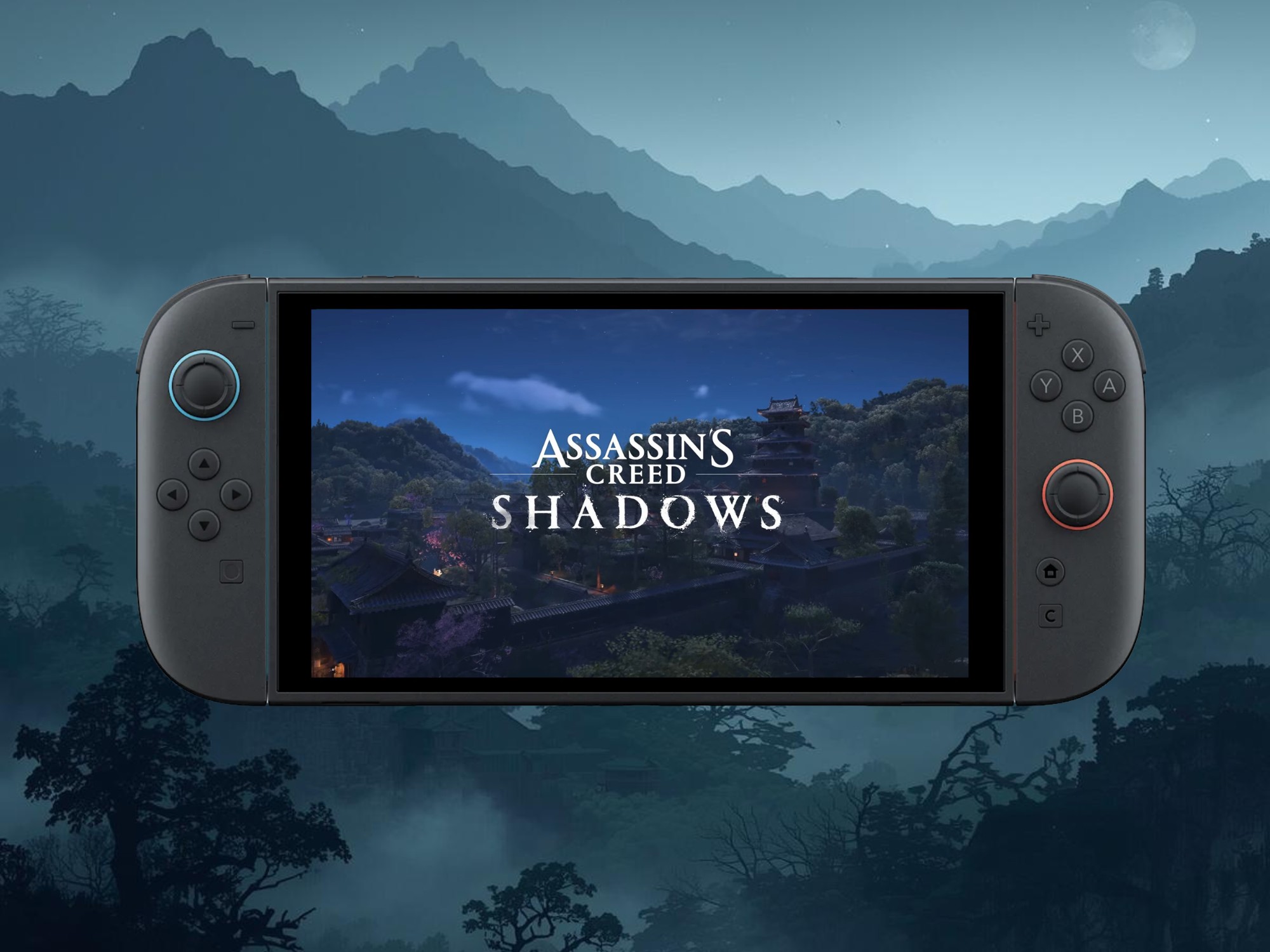
Third-party Switch 2 games like Assassin's Creed Shadows exhibit smooth gameplay even at lower frame rates. However, other titles struggle to take advantage of Variable Refresh Rate (VRR) to limit stuttering. Talking to FRVR, Ubisoft developers explain how they overcame the feature’s limitations. The company is also sharing its insight with Nintendo, which could benefit more games.
Even though Nintendo’s latest console boasts more modern capabilities, players have noted some drawbacks. One concern with the Switch 2 specs centers on VRR. The option is not supported when docked and often disappoints in handheld mode.
In an example detailed by Digital Foundry, Hitman World of Assassination launched with choppy visuals. Despite unlocked frame rates, readings usually stay in the 30-40fps range. The testers believed that the key feature that could smooth out its performance wasn’t working properly. A patch capped frame rates at 30fps, but wasn’t viewed by players as an ideal resolution.
Why is Switch 2 VRR so disappointing?
The jerkiness in some Switch 2 games is likely due to the handheld’s VRR struggling at lower than 40fps. In Assassin's Creed Shadows and Star Wars Outlaws, Ubisoft employed an algorithm to enable it even at 30fps. As discussed at FRVR, “The same frame is effectively presented twice, once in the middle of the frame and again at the end, so the hardware outputs at a 60Hz interval while maintaining smooth visuals.”
Low Frame-rate Compensation (LFC) could help with other titles, but its implementation has been inconsistent. Fortunately, Ubisoft claims it’s “continuing to work with Nintendo to improve VRR support going forward.” It’s possible that the solution could be offered system-wide on the console.
The company also commented on the effectiveness of DLSS. While superior to its own Temporal Anti-Aliasing (TAA), Ubisoft believes it has untapped potential. Nvidia’s AI-powered upscaling comes to the rescue when improved Switch 2 specs still come up short. Yet, many developers have hesitated to experiment with the technology.
Source(s)
 Add as a preferred source on Google


