




Super Smash Bros. creator Masahiro Sakurai says massive AAA teams make game development “really frustrating”
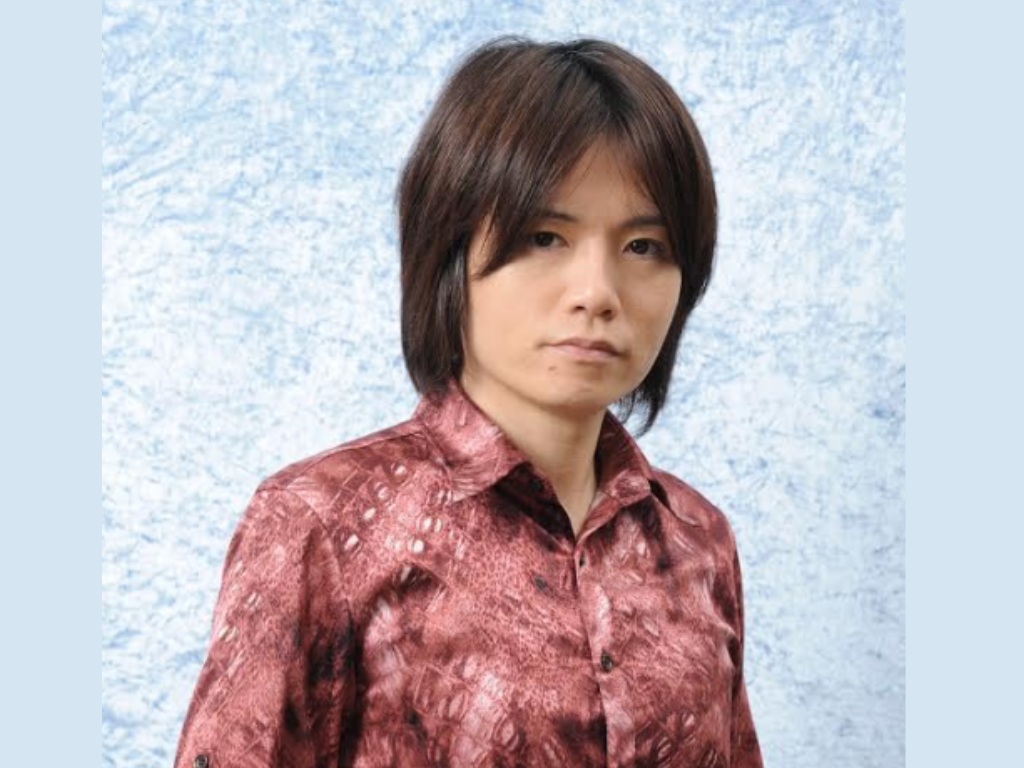
Super Smash Bros. and Kirby creator, Masahiro Sakurai, recently shared that working on huge games with numerous developers personally seems “really frustrating” for him because “there is work that clearly shows your results and work that doesn’t.”
By this, he means that individual developer contributions are obscured when working in large teams, and that the feeling of fulfilment is greater when working independently than in a group.
Sakurai spoke in a recent interview with Japanese outlet 47NEWS. In the interview, Sakurai looked back on his career in the video game industry, dating back to the early ’90s when video games were made by small development teams.
In the interview, he was asked what he liked about working as a game developer, and he provided a candid response:
Talking specifically about game development, it’s very satisfying to see the results of your hard work. You don’t get this when working in a team, and it can be really frustrating. For example, when a pixel artist draws a picture by themselves, then they of course finish it. But when managing a team, it’s often difficult because you have to keep talking about what kind of pixel art is suitable.
According to Sakurai, the bigger a development team gets, the harder it feels to achieve a personal sense of accomplishment. He further explained in the interview:
I feel like this is getting more difficult with large-scale games. Staff size is rapidly increasing into the hundreds. The sense of fulfilment gained from making something by yourself is different from that gained from making something as part of a group. What you are meant to do is also changing.
His own games have also seen a change in developer counts over the years. Sakurai’s Kirby’s Dream Land from 1992, credited only 14 people, while the more recent Kirby and the Forgotten Land involved hundreds of developers in the credits section.
This isn’t the first time Sakurai has voiced his concerns about ballooning AAA projects, however. He called this development unsustainable due to the time and resources. In July 2025, he stated that the future seems “dark” for large productions, subtly hinting that GenAI might be the way to keep projects viable.
Source(s)
 Add as a preferred source on Google


