




The architect of Sega’s arcade empire and Genesis-Nintendo rivalry, David Rosen, passes away at 95
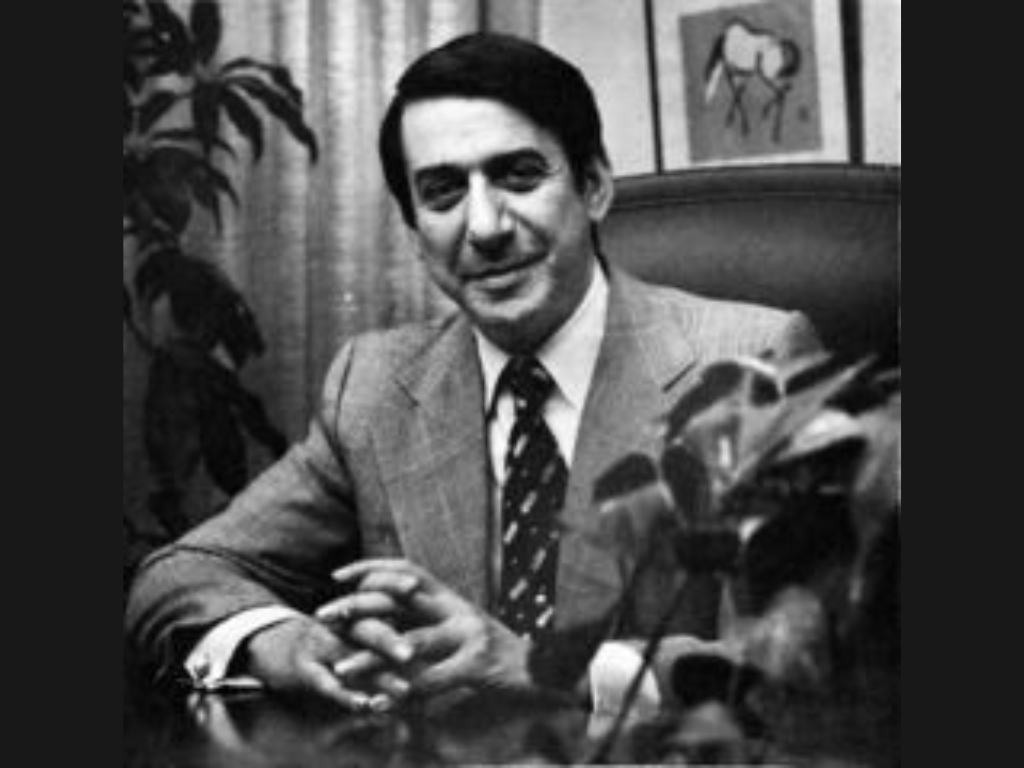
While many of us were celebrating the holidays, the co-founder of the video game company SEGA, David Rosen, passed away peacefully at his home in the Hollywood Hills, Los Angeles.
At the time of his death, Rosen was 95 years old and surrounded by his family, according to reports from RePlay Magazine. Rosen was accountable for one of the most significant eras in the video game industry, spearheading the transformation of the arcade scene and home consoles that entertained gamers in the 90s.
David Rosen was born on 22 January 1930 in Brooklyn, New York, and grew up during a difficult period of World War II. He enrolled in the United States Air Force in 1948 and served until 1953. He served in the Korean War, was stationed in Japan, and flew as a pilot.
Rosen settled in Japan for a while, observing the country’s post-war revival efforts and seeing how the Japanese tried to make the most of their situation. In 1954, Rosen married Masako Fujisaki and began Rosen Enterprises. At the time, his services included shipping Japanese art to America and photographing IDs, both in high demand during Japan’s rebuilding.
Toward the tail end of the 1950s, Rosen noticed a growing interest in hobbies and pastime activities. Using his intuition, Rosen decided to shift his business to importing coin-operated pinball machines and jukeboxes from the U.S. and promoting them in shops, restaurants, and cinemas across Japan. His efforts proved a hit with Japanese consumers.
During this time, he signed a merger agreement stating that Rosen Enterprises would unite with Nihon Goraku Bussan, a company run by Americans under the name Service Games. Rosen immediately became the firm's CEO and managing director.
Thanks to Rosen’s oversight, Sega became a company that went from importing games to making its own. Sega began manufacturing and exporting arcade machines, such as the 1966 hit submarine simulator Periscope, to the U.S., which kick-started a period of prosperity for the company.
At the tail end of the 60s, Rosen brokered an agreement with Gulf and Western Industries (which owned Paramount) to sell Sega. However, after the company’s leader, Charles Bludorn, died in 1983, the company sold off its assets.
Realizing the future of Sega was at stake, Rosen teamed up with Isao Okawa and Hayao Nakayama to buy back the Japanese operations and founded Sega Ltd. Rosen then moved back to the U.S. and helped kickstart Sega of America and became the company’s chairman. He stayed on as director for Sega Japan until 1996, until he retired.
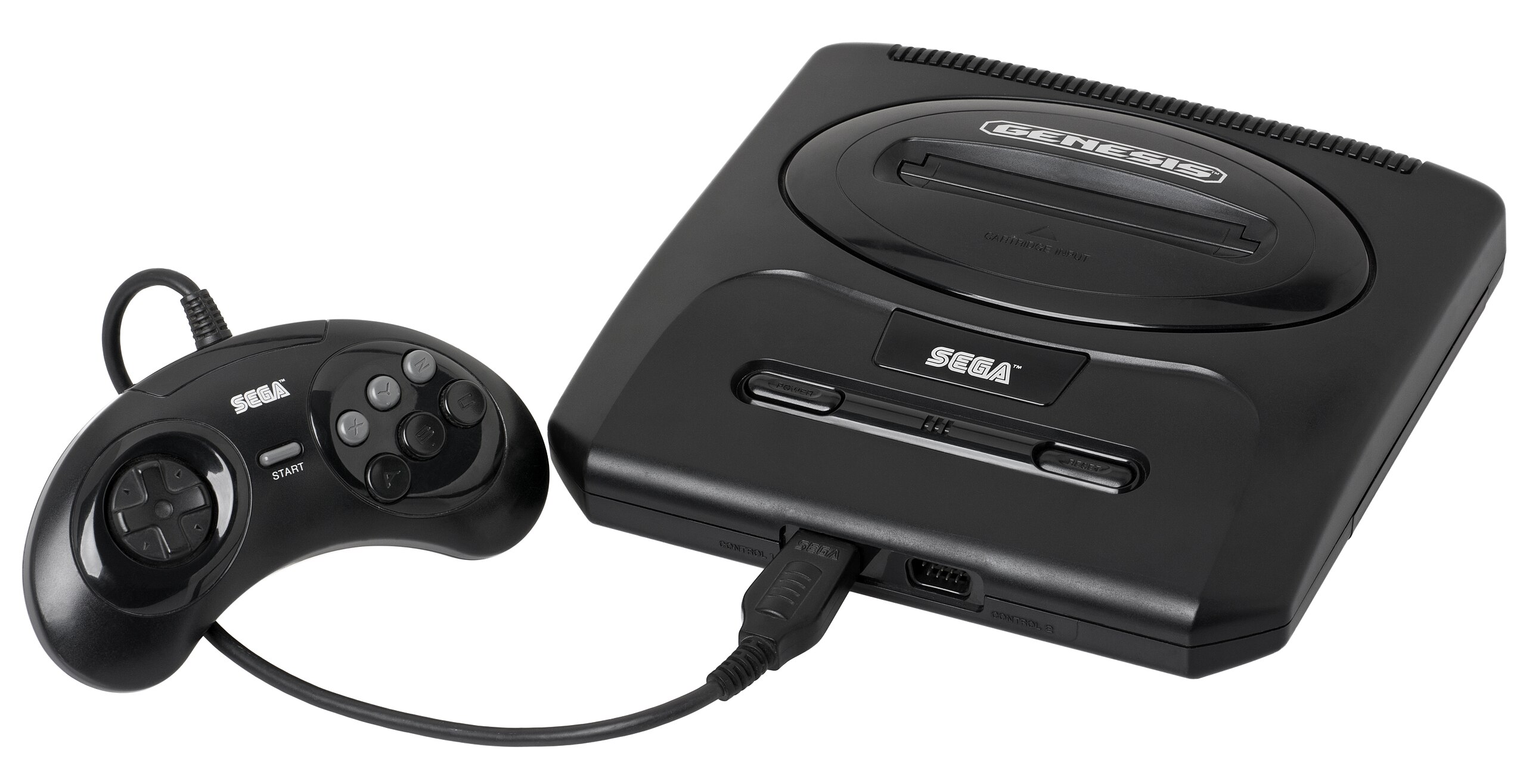
During his period as chairman, Sega established itself as a dominant force in the arcade scene with games like Outrun and Virtua Fighter. He took the fight to Nintendo in the home console space with the Master System and the Sega Genesis.
Rosen once spoke in an interview after the Atari crash about rival company Nintendo and said, “Nintendo was responsible for the revival of the home console market after the Atari collapse of 1983. We wanted to see if we could make a device that would be competitive. Unfortunately, our first attempt failed to compete. It was just made up of off-the-shelf parts. It wasn’t until 1986 that we brought out the Master System.”
Rosen was also marketing-savvy. For the Sega Genesis’s launch, he brought in Michael Katz and explained, “We were up against the wall in terms of time. He had all this experience from Coleco, and he certainly knew the players. I thought he could help launch the product and, at the same time, bring structure to the company, which he did.”
This led to one of the most memorable ad campaigns of all time, “Sega does what Nintendon’t,” a slogan that helped Sega carve a niche with teenagers in the video game market.
During his retirement, fans sometimes recognized him and yelled the famous “Sega!” line from the company’s commercials and intro sequences in video games. He earned a spot in the American Amusement Machine Association’s Hall of Fame, and many called him the “founding father” of Japan’s arcade heyday.
David Rosen lived till the age of 95, and his funeral was held on 2 January 2026 at Inglewood Park Cemetery. He is survived by his family, including his adopted daughter.
Source(s)
 Add as a preferred source on Google


