




Leak suggests Sony, Samsung, and Apple’s LOFIC sensors could deliver ‘cinema-level’ dynamic range to smartphones by 2028
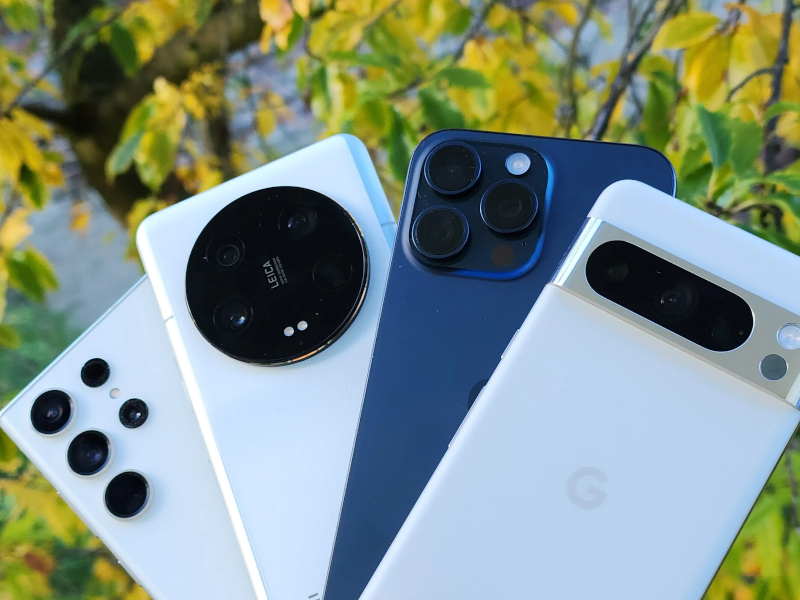
A new Weibo post by reliable tipster Digital Chat Station claims that Sony, Samsung, and Apple are developing next-generation image sensors featuring LOFIC (Lateral Overflow Integration Capacitor) technology. The roadmap spans from late 2026 to 2028, suggesting coordinated industry adoption rather than isolated experiments.
According to the leak, According to the leak, Sony is preparing a 1/1.3-inch LOFIC sensor for OPPO and Vivo, with prototypes reportedly scheduled for late 2026. This report marks the first mention of a Sony-developed LOFIC sensor specifically designed for external OEM partners like OPPO and Vivo, rather than for use in Sony’s own Xperia lineup. Meanwhile, Samsung is said to be working on a 200 MP, 1/1.1-inch module internally codenamed HPA, expected between late 2026 and early 2027.
Lastly, Apple is said to be advancing its in-house CIS (CMOS Image Sensor) project featuring LOFIC support, which is now reportedly scheduled for 2028. The leak from Digital Chat Station explicitly mentions that Apple’s self-developed CIS with LOFIC technology is “currently planned for the year 2028.”
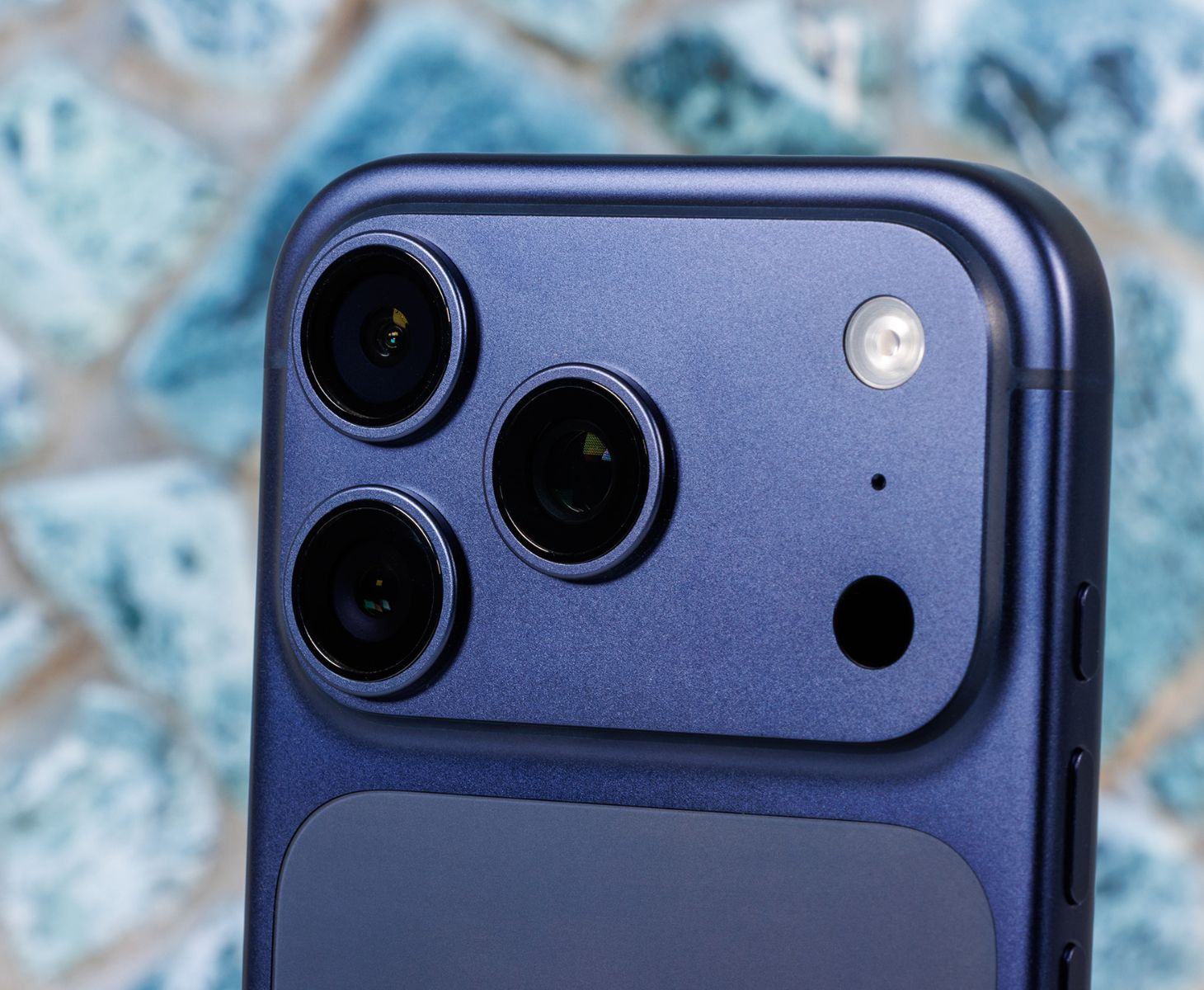
Previously, we've covered reports suggesting that Apple’s first LOFIC-equipped sensor would debut in the 2027 “anniversary iPhone,” now known to be the iPhone 20 series. Given the iPhone 20’s symbolic importance as Apple’s 20th-anniversary model and its expected design overhaul, it would have been a fitting platform for introducing the company’s first in-house image sensor. However, the latest leak indicates that this milestone camera upgrade may instead arrive a year later, shifting the LOFIC debut to the 2028 iPhone lineup.
For the uninitiated, LOFIC enables a sensor to store excess charge from bright regions in lateral capacitors, preventing highlight clipping and improving tonal range. In practice, this design enhances both low-light performance and dynamic range, resulting in more natural highlight and shadow detail.
If accurate, this roadmap indicates that Sony and Samsung may commercialise LOFIC sensors before 2027, while Apple will integrate the technology later via its in-house CIS. It also reinforces the ongoing shift from resolution competition toward dynamic-range and architecture innovation in mobile photography.
As of now, none of the three companies has officially confirmed the details.
Source(s)
 Add as a preferred source on Google


