




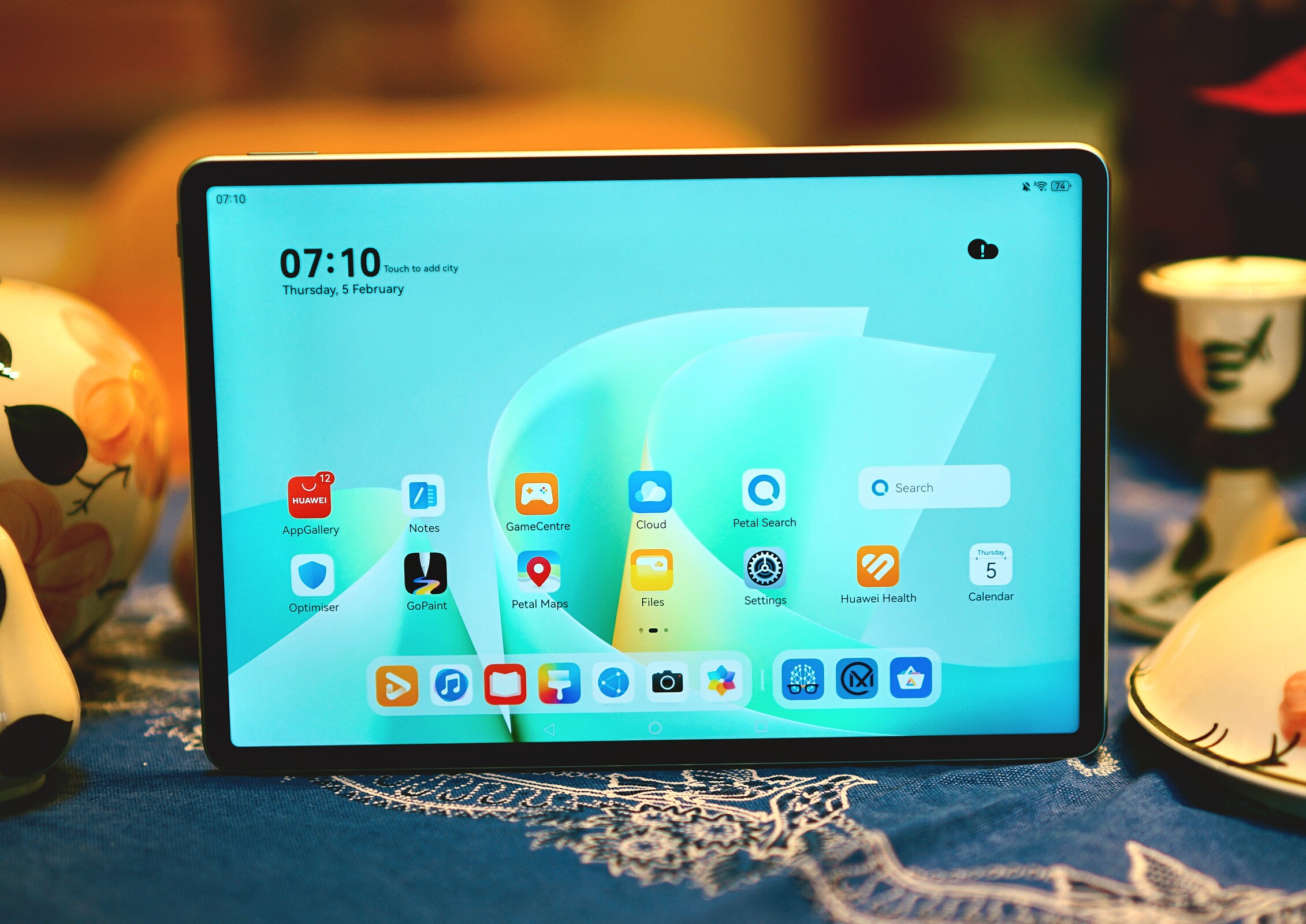
Verdict on the Huawei MatePad 11.5 S (2026)
The Huawei MatePad 11.5 S (2026) is a high-quality tablet from the Chinese manufacturer, which proves to be worth the less than €500 asking price. The tablet's performance is not at the highest level, but it is absolutely sufficient for most tasks. You also get powerful speakers, a color-accurate and highly responsive screen without PWM flickering, and fast WLAN.
However, those looking for special features such as satellite positioning or mobile communications will be disappointed. Additionally, Google services are still not available on Huawei tablets. These can now be installed, but not everything works.
The battery run times are below average, and Huawei probably still needs to work on optimizing its HarmonyOS operating system.
The highlight of the tablet is the matte screen, which is very pleasant to use and successfully prevents reflections, making this a unique selling point of the MatePad 11.5 S (2026).
If you'd like to tinker a bit with the software and can get by without Google services, Huawei has a strong offer for you.
Pros
Cons
Price and availability
The MatePad 11.5 S (2026) is available either directly from the manufacturer or from online retailers such as galaxus.de at a price starting at €470.

- $11.96Kepuch 2 Pack Tempered Glass Screen Protector Transparent Compatible for Huawei MatePad 11.5 S 2026 2025 2024 261x177.2mm
- $42.99YOUULAR Tablet Case for Huawei MatePad Air 11.5, 11.5 S, 11.5-inch, Protective Case with 360 Rotating Stand, Wrist Strap, Shoulder Strap, Completely Black
- $18.68for Huawei MatePad 11.5 S 11.5 Inch Tablet Case,BOVUGAC Soft Silicone Adjustable Stand Shockproof Kids Friendly for Huawei MatePad 11.5 S 11.5" Tablet(Black)
Table of Contents
- Verdict on the Huawei MatePad 11.5 S (2026)
- Specifications
- Build and equipment: Sturdy metal
- Communication and operation: Fast WLAN in the Huawei tablet
- Software and sustainability: Google restrictions
- Cameras: Not so much for pictures
- Display: Matte and true to color
- Performance, emissions, and battery life: Medium power with the Kirin T92C
- Notebookcheck's overall impressions of the Huawei MatePad 11.5 S (2026)
- Potential competitors in comparison
Specifications
Build and equipment: Sturdy metal
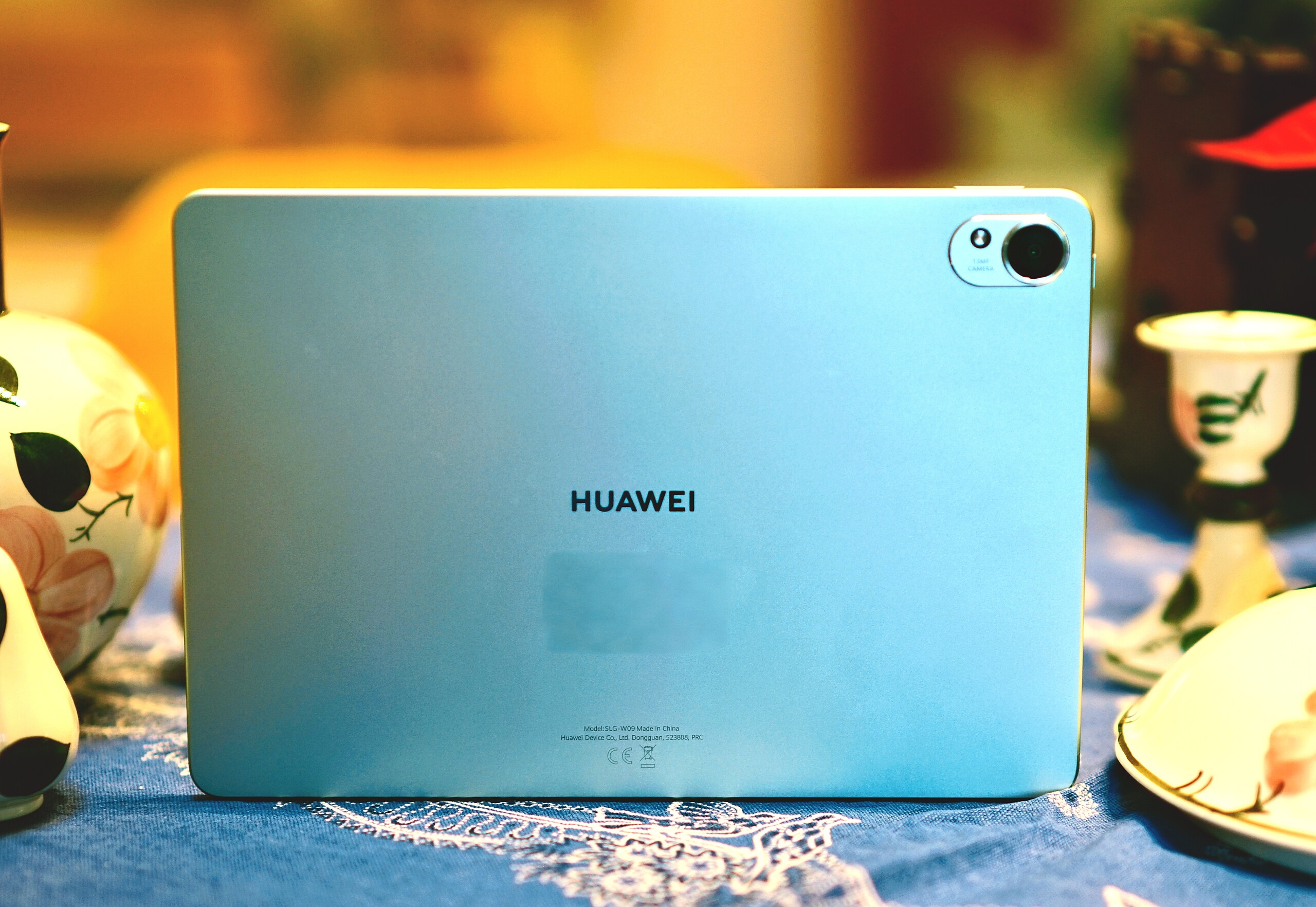
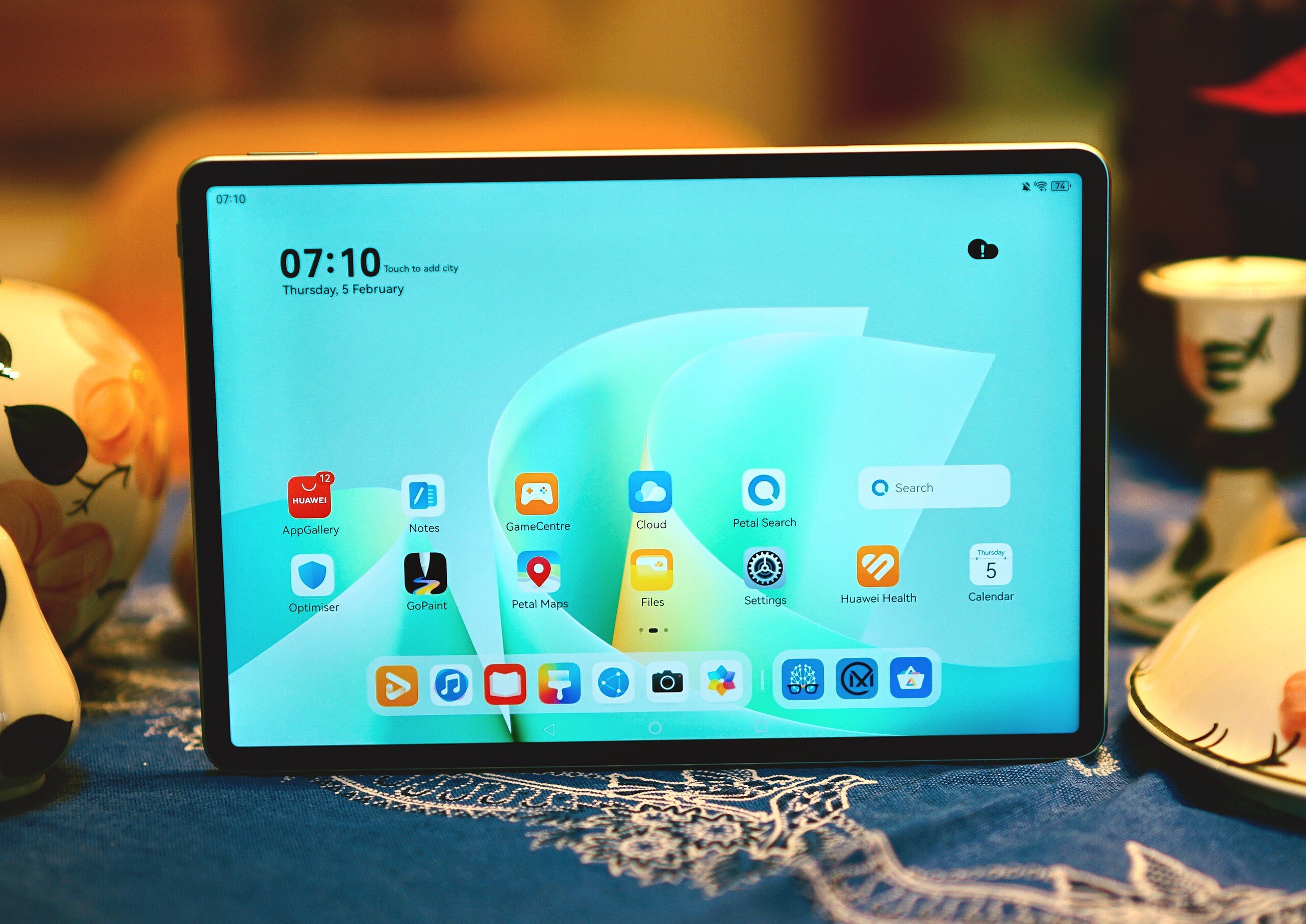
While Huawei indicated a matte display in the name of the 2024 MatePad 11.5 S PaperMatte, the MatePad 11.5S (2026) is available exclusively with a matte display. The display measures 11.5 inches diagonally and is surrounded by a metal casing in either Green or Gray finishes.
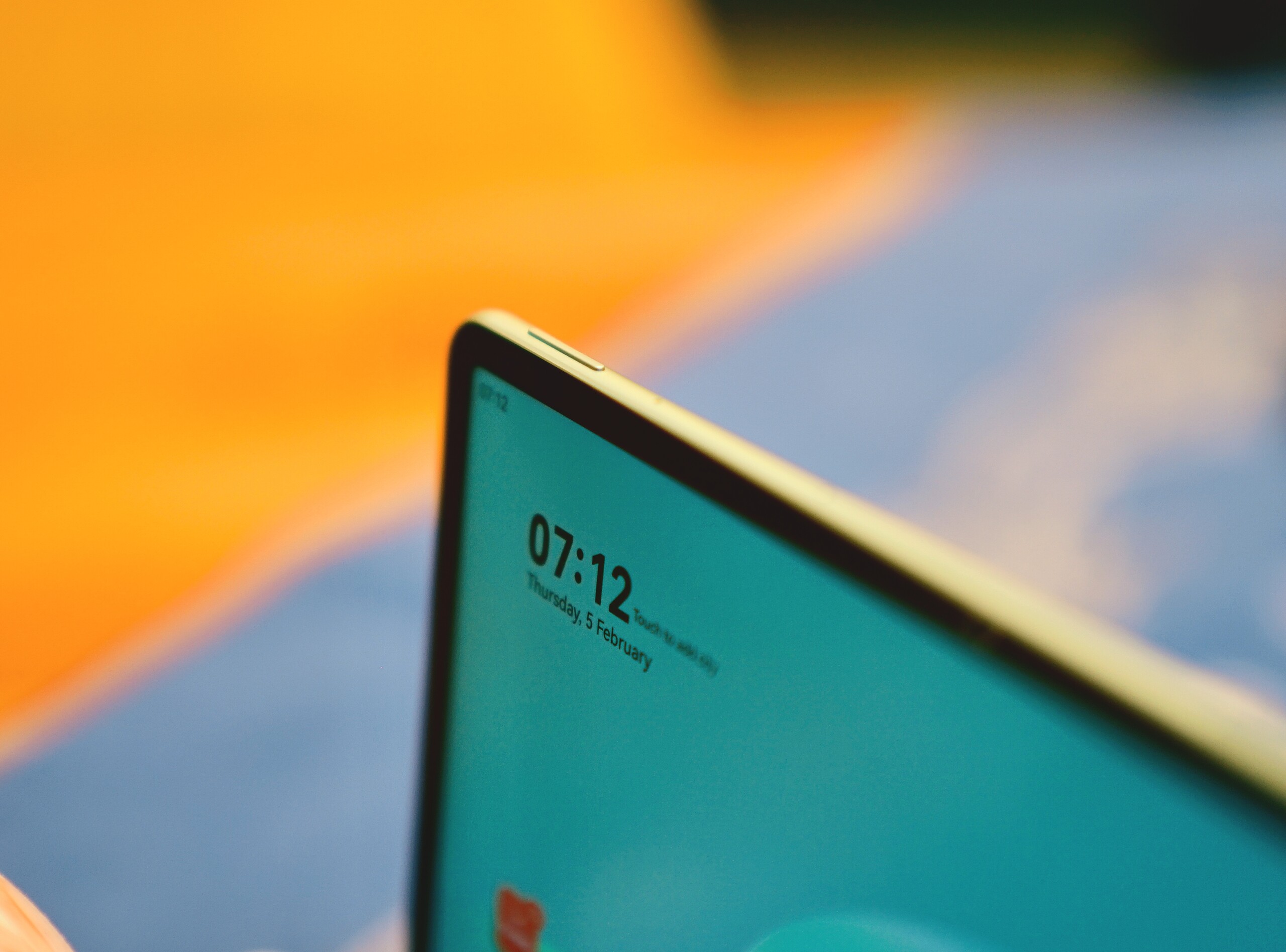
Differences from the 2024 MatePad 11.5 S are pretty minimal. The chassis still looks very high-quality, has slim edges around the display, and is pleasantly thin at just 6 mm.
The tablet cannot be twisted with bare hands. Unlike its predecessor, the MatePad 11.5 S (2026) also comes with an IP certification, albeit only IP42.
There seem to be no signs of a RAM crisis as Huawei has given its tablet 12 GB of memory along with 256 GB of storage. Other storage variants are not available, at least in Europe.
There is no microSD reader. A keyboard dock can be connected via three pogo pins on the bottom.
The USB 3.0 port is not always a given in this price range, and it also supports DisplayPort-out for wired monitor connection.
Communication and operation: Fast WLAN in the Huawei tablet
The MatePad 11.5 S (2026) does not come with a cellular module for the asking price. Satellite positioning is missing as well.
Also, there is no option to access the less-used 6 GHz 6E band for Wi-Fi. On the other hand, Huawei has installed a WLAN module with 2x2 MIMO, so high transmission speeds are possible, which were confirmed in our test.
The matte touchscreen feels a little rougher than usual screens, but the feel is pleasant and the 144 Hz refresh rate makes it a lot smooth to use.
Our test device also comes with a keyboard cover that allows two different angles to be set for the screen. The keys have a 1.3 mm travel and are quite easy to operate.
A new feature is that the MatePad 11.5 S (2026) is now compatible with the M-Pencil Pro, which offers different tips for drawing or writing while also supporting gestures.
| Networking | |
| Huawei MatePad 11.5 S (2026) | |
| iperf3 transmit AXE11000 | |
| iperf3 receive AXE11000 | |
| Huawei MatePad 11.5 (2025) | |
| iperf3 transmit AXE11000 | |
| iperf3 receive AXE11000 | |
| Xiaomi Pad 8 | |
| iperf3 transmit AXE11000 6GHz | |
| iperf3 receive AXE11000 6GHz | |
| Lenovo Yoga Tab | |
| iperf3 transmit AXE11000 6GHz | |
| iperf3 receive AXE11000 6GHz | |
| Honor Pad V9 | |
| iperf3 transmit AXE11000 | |
| iperf3 receive AXE11000 | |
| Average 802.11 a/b/g/n/ac/ax | |
| iperf3 transmit AXE11000 | |
| iperf3 receive AXE11000 | |
| iperf3 transmit AXE11000 6GHz | |
| iperf3 receive AXE11000 6GHz | |
| Average of class Tablet | |
| iperf3 transmit AXE11000 | |
| iperf3 receive AXE11000 | |
| iperf3 transmit AXE11000 6GHz | |
| iperf3 receive AXE11000 6GHz | |
Software and sustainability: Google restrictions
HarmonyOS 4.3 comes pre-installed on the tablet. Huawei is not allowed to use Google services due to US sanctions, but these can be installed if required.
However, Huawei now offers strong alternatives of its own and even wants to manage without Android in the future.
The security patches date from December 2025 and are therefore still reasonably up to date at the time of testing. Not much is known about the software update period.
There are quite a few pre-installed apps, so you'll have to manually uninstall them if you want a clean system.
Huawei obviously attaches little importance to sustainability. Plastic film is still used in the packaging, and there is no information about the materials used in the construction.
Cameras: Not so much for pictures
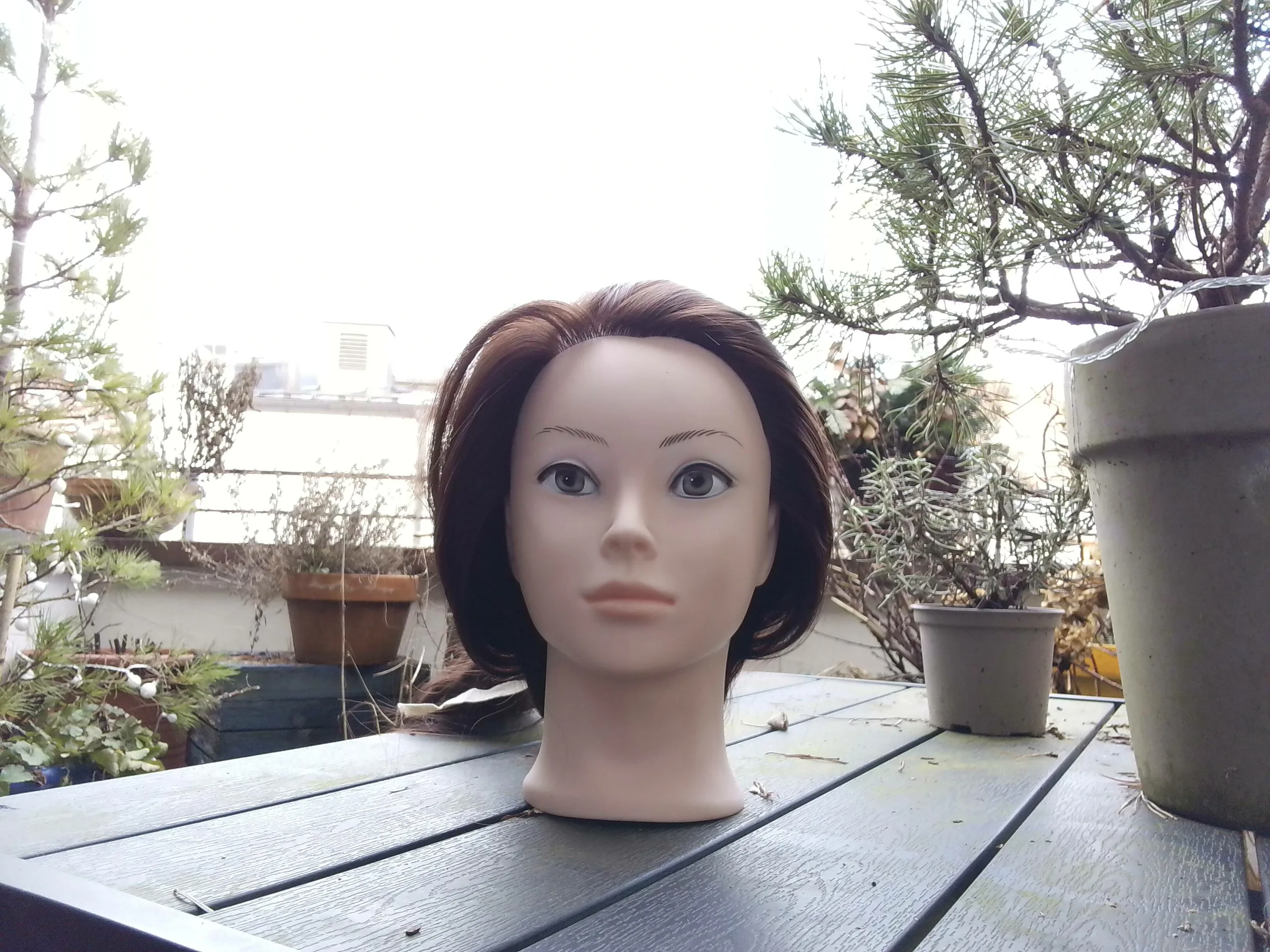
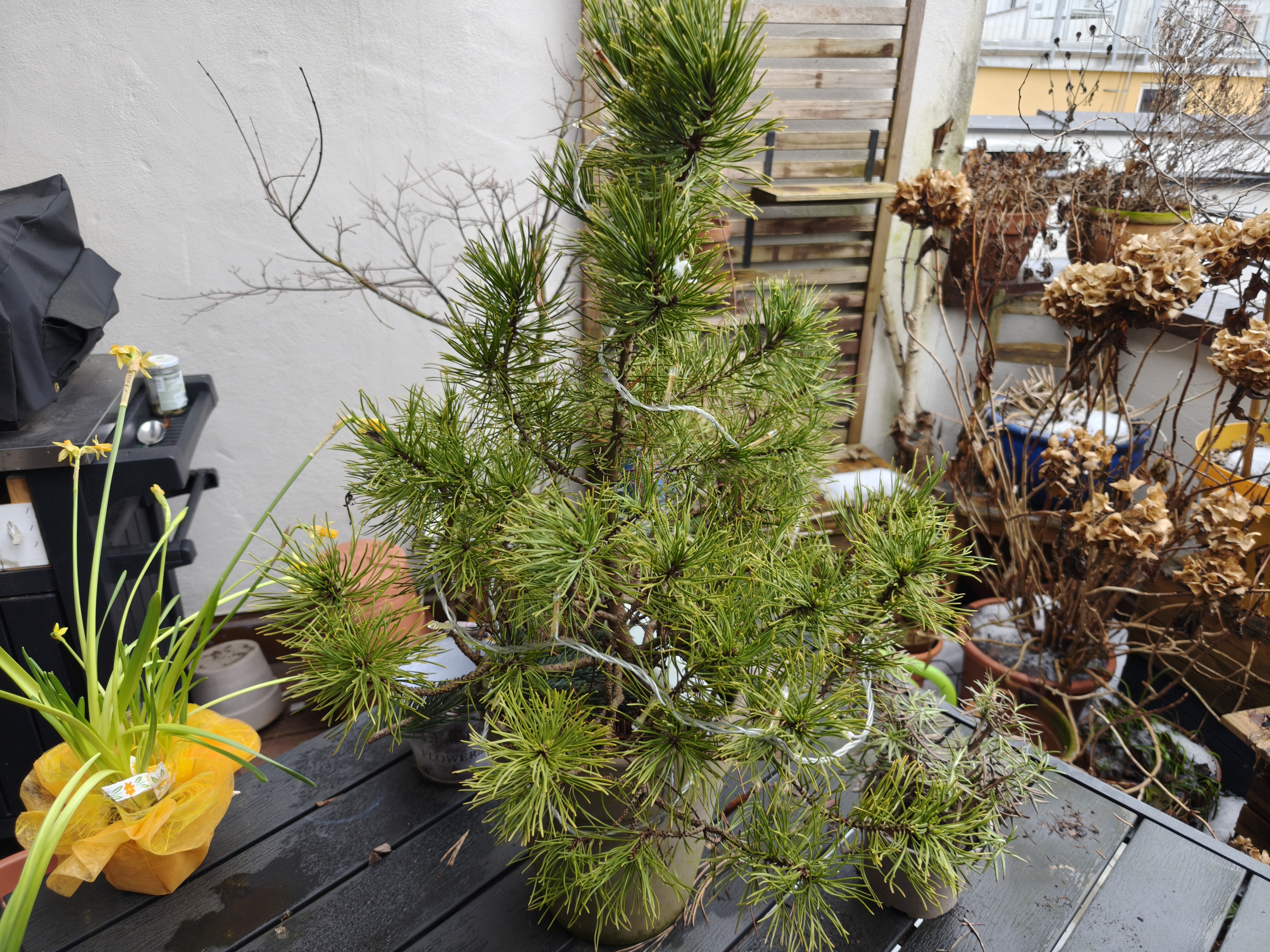
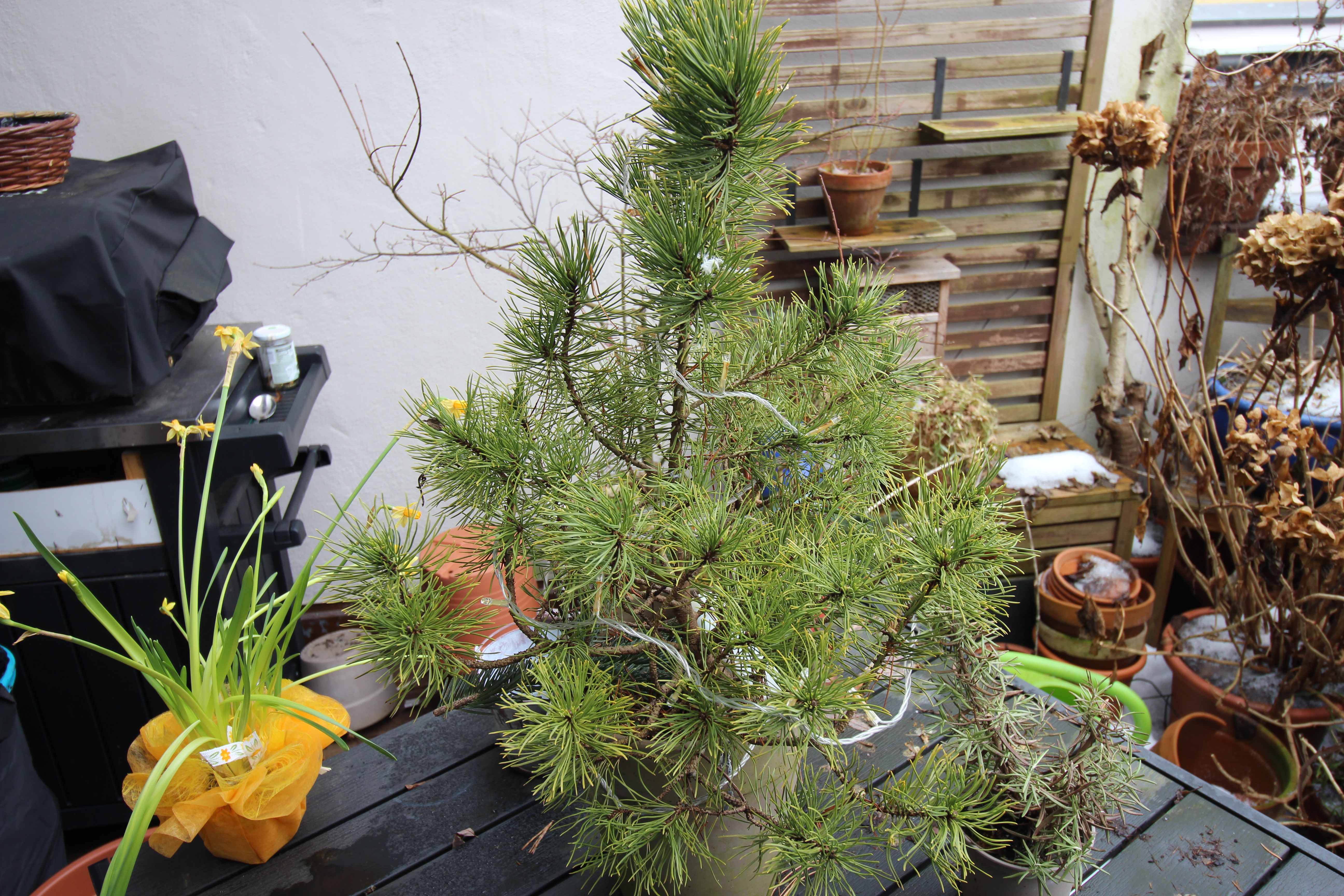
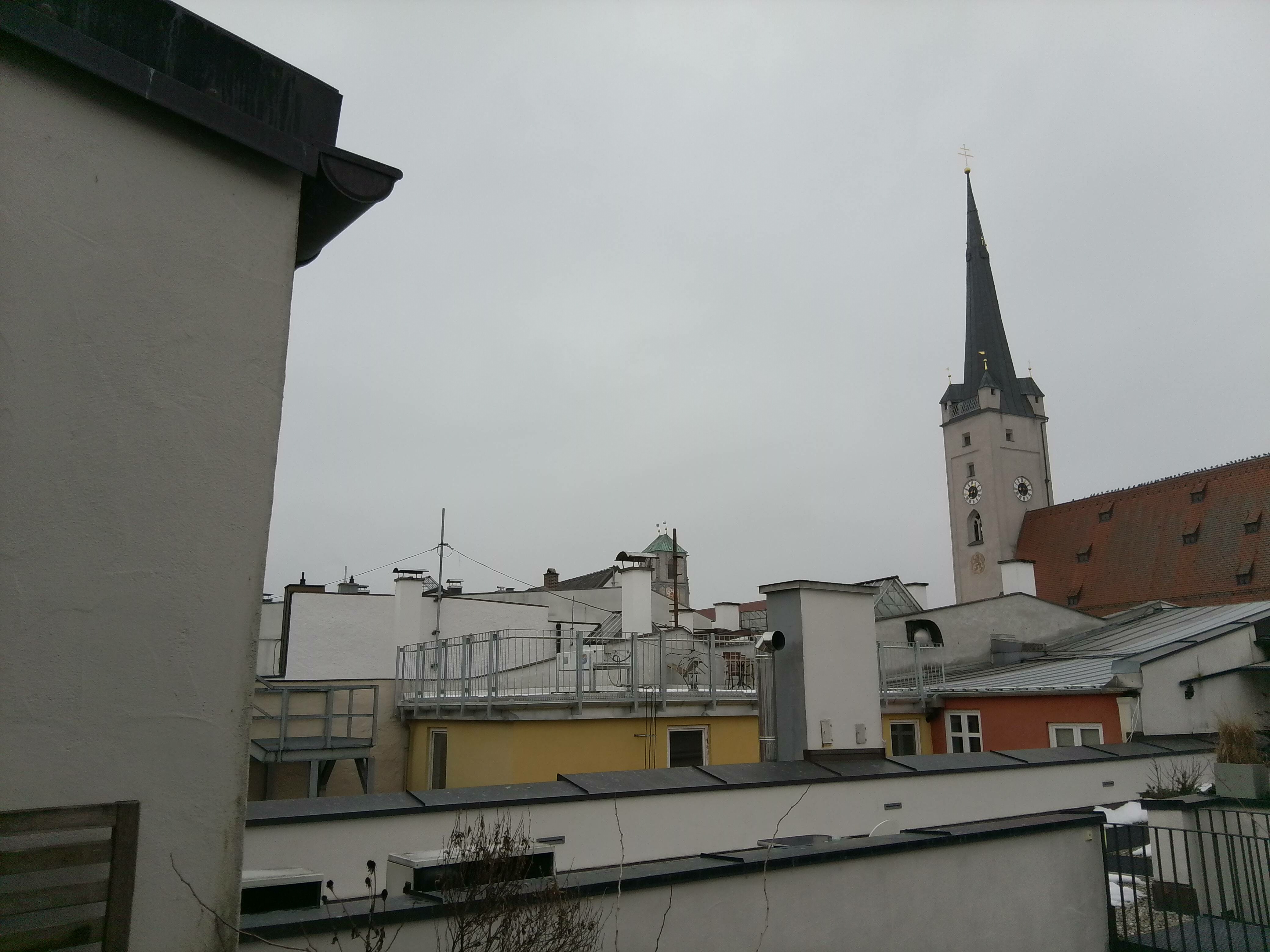
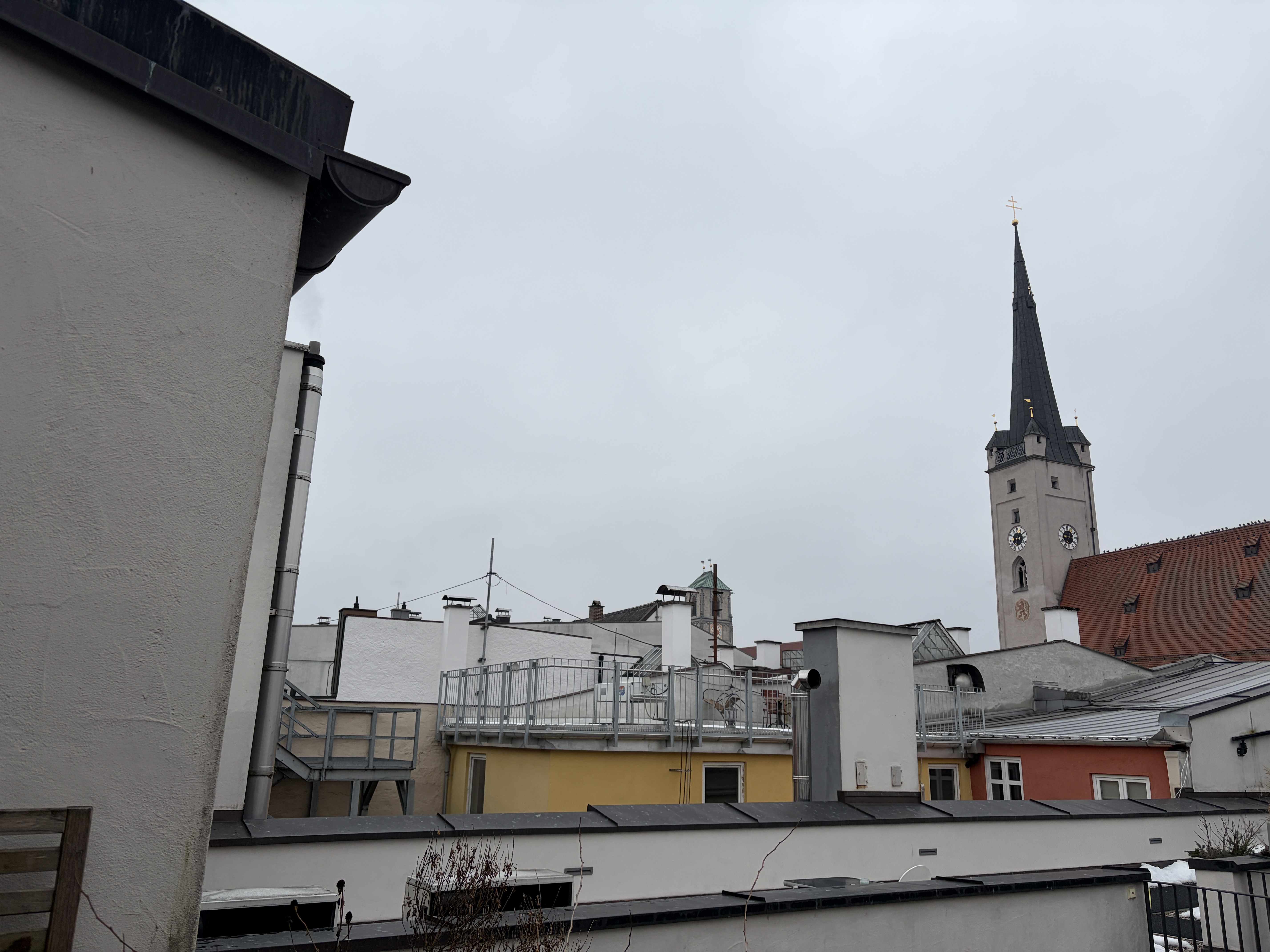
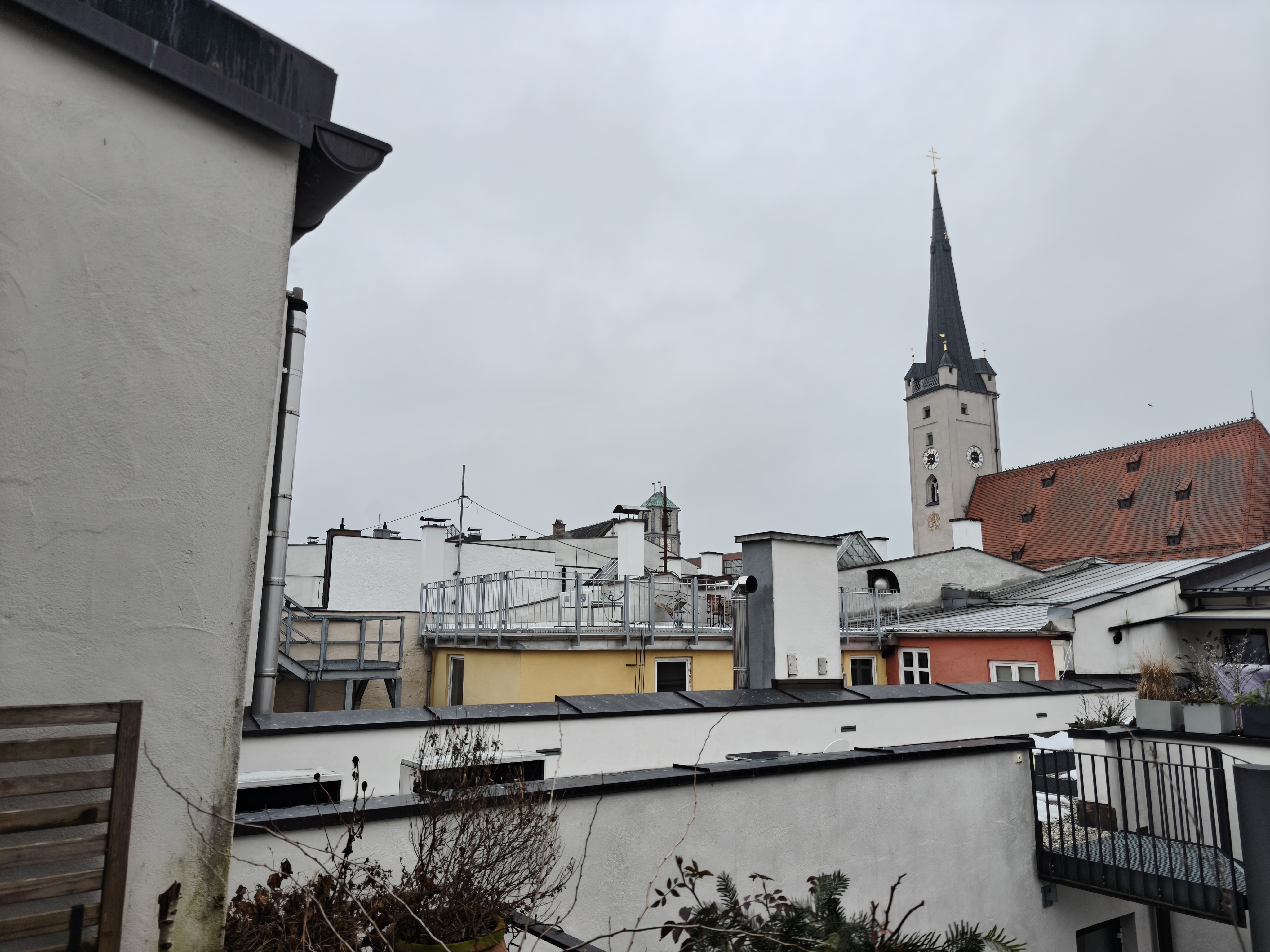
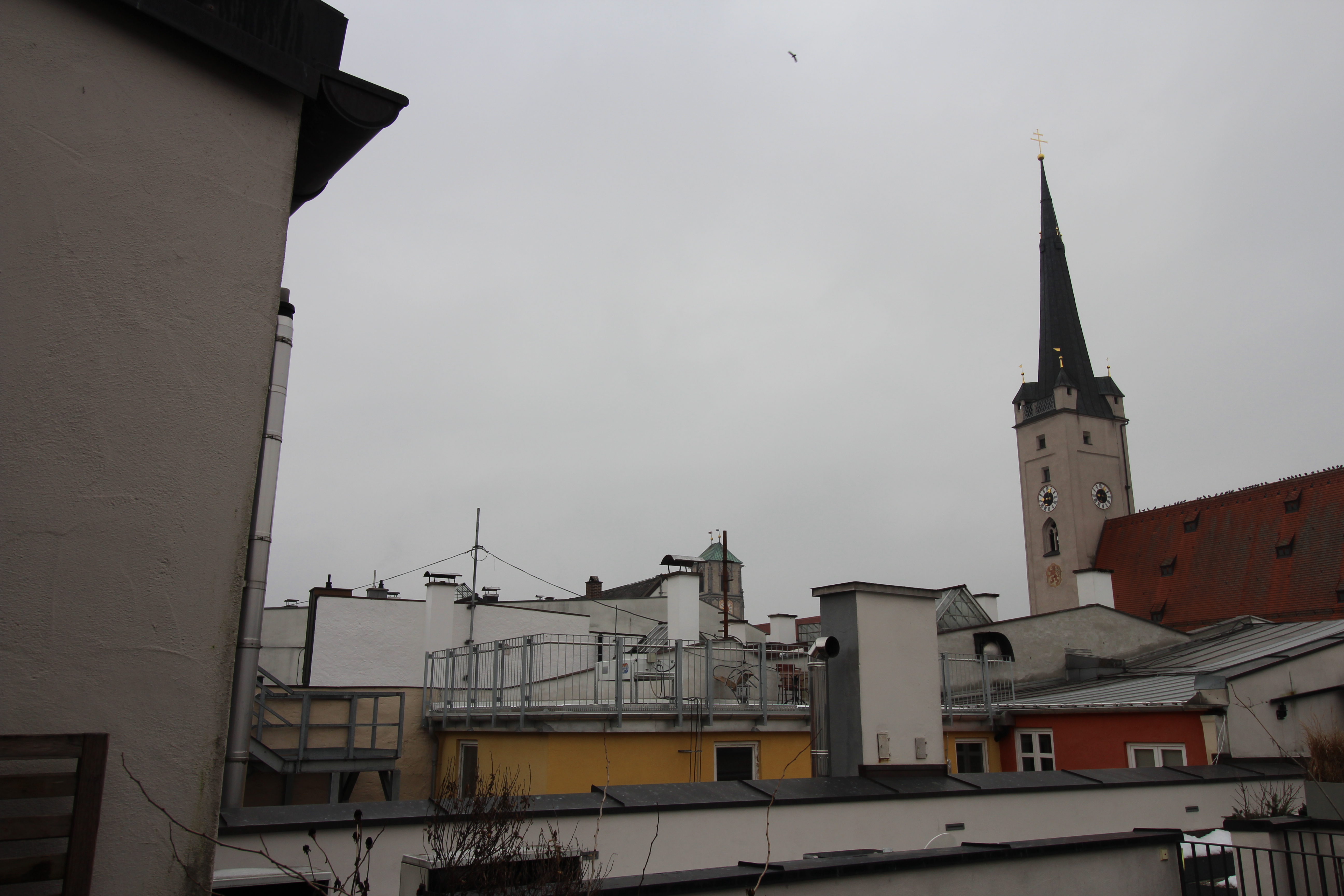
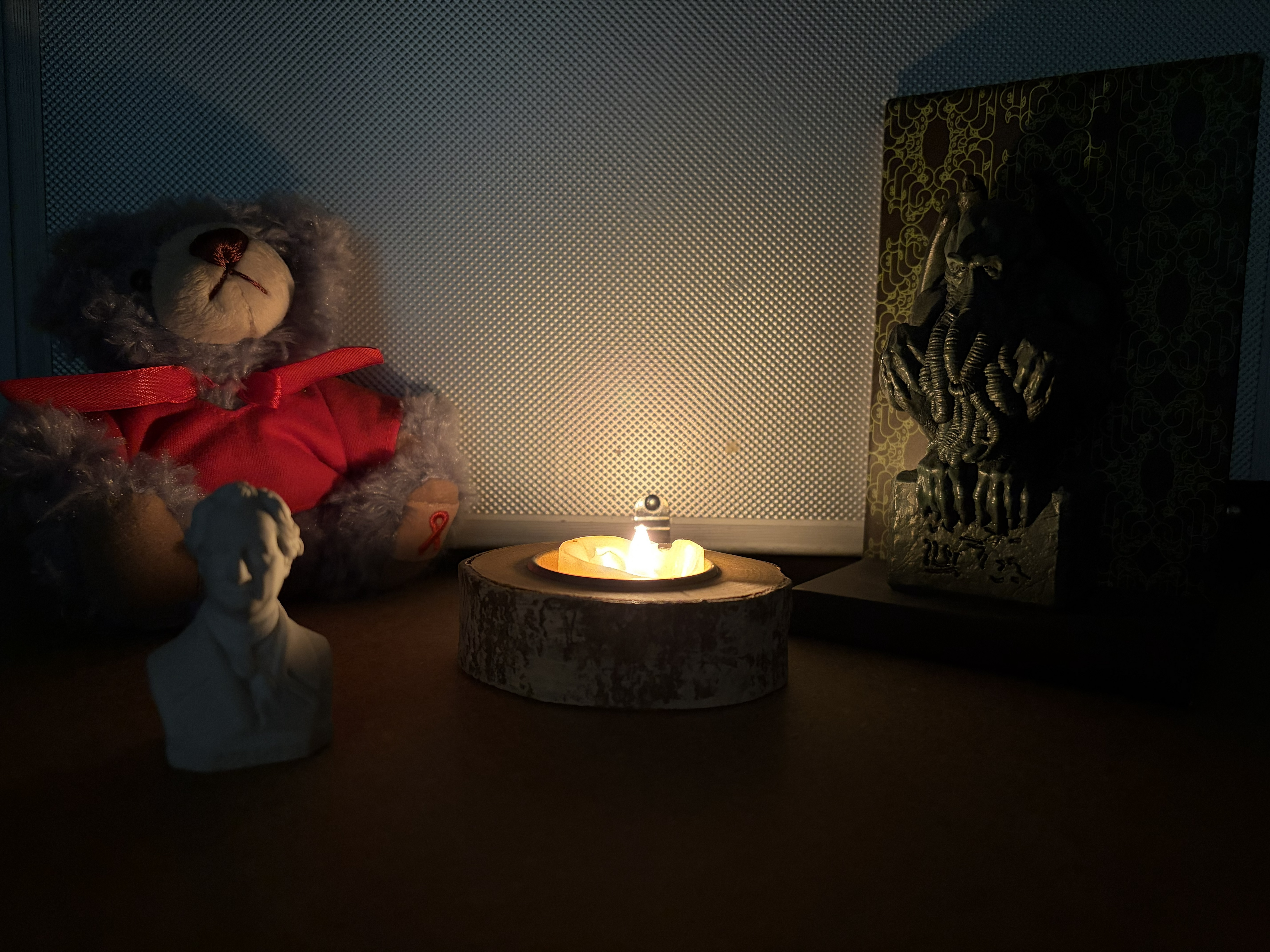
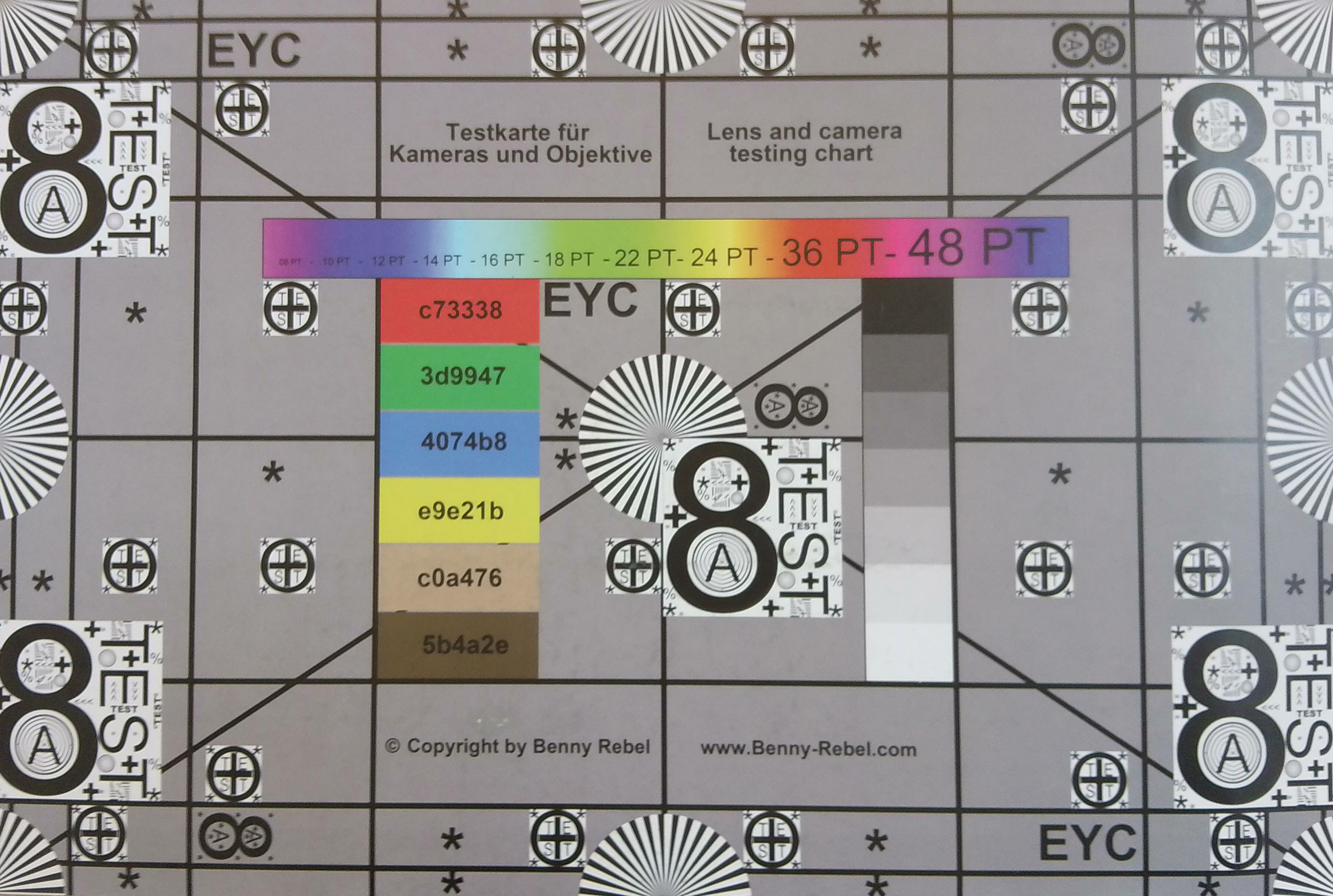
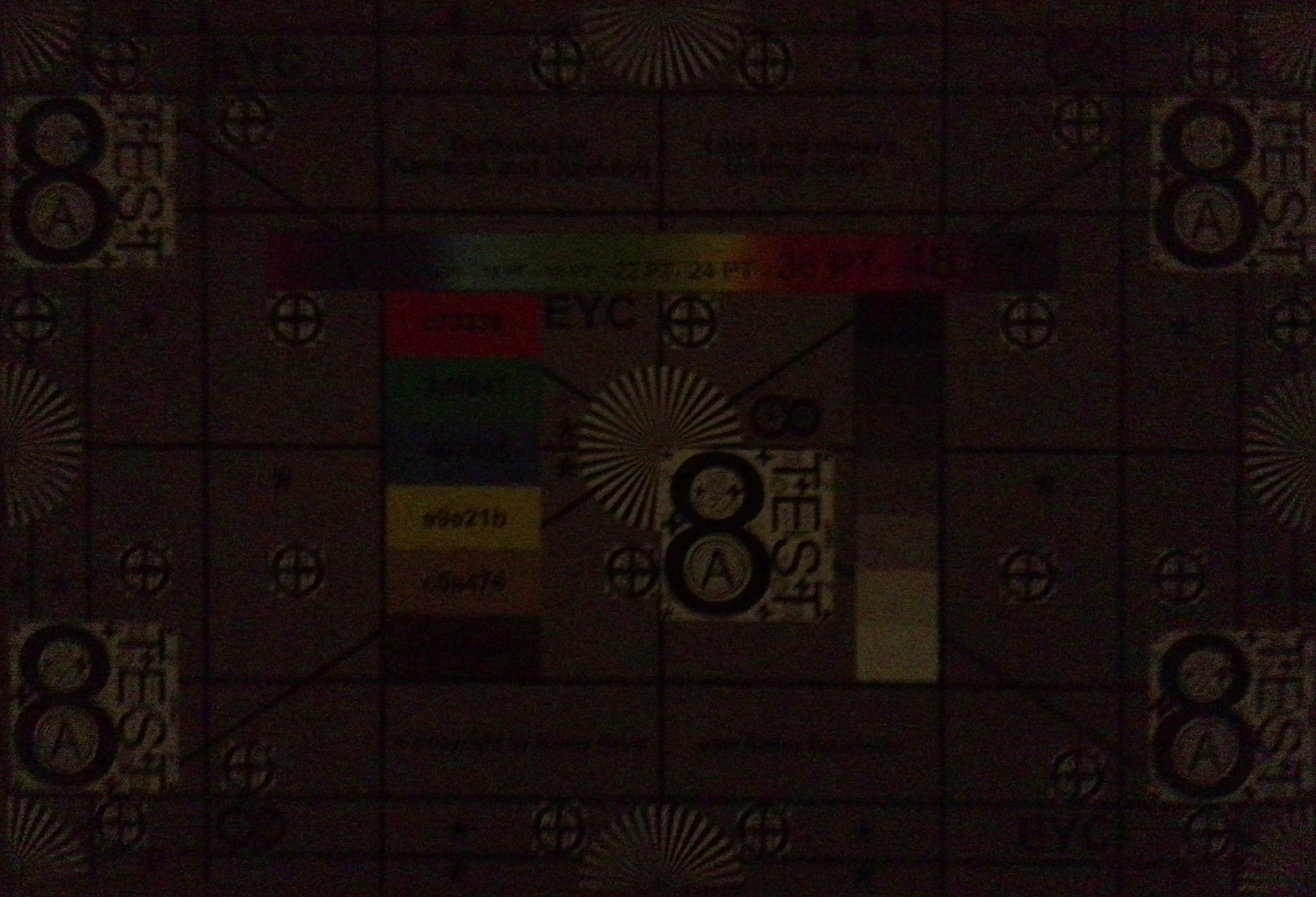
An 8 MP camera is offered on the front for video conferences or selfies. However, the brightness dynamics leave a lot to be desired, meaning that bright backgrounds no longer show any details.
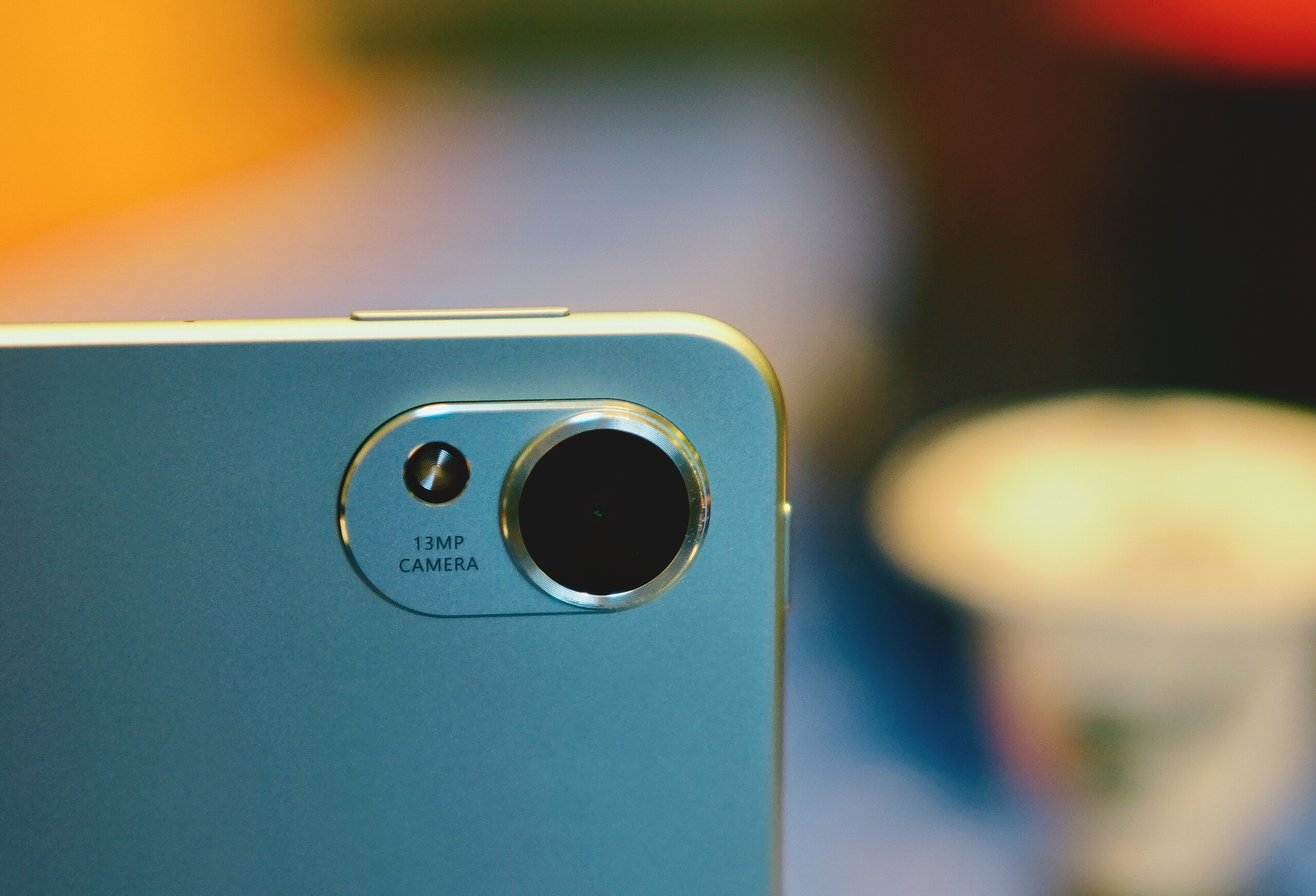
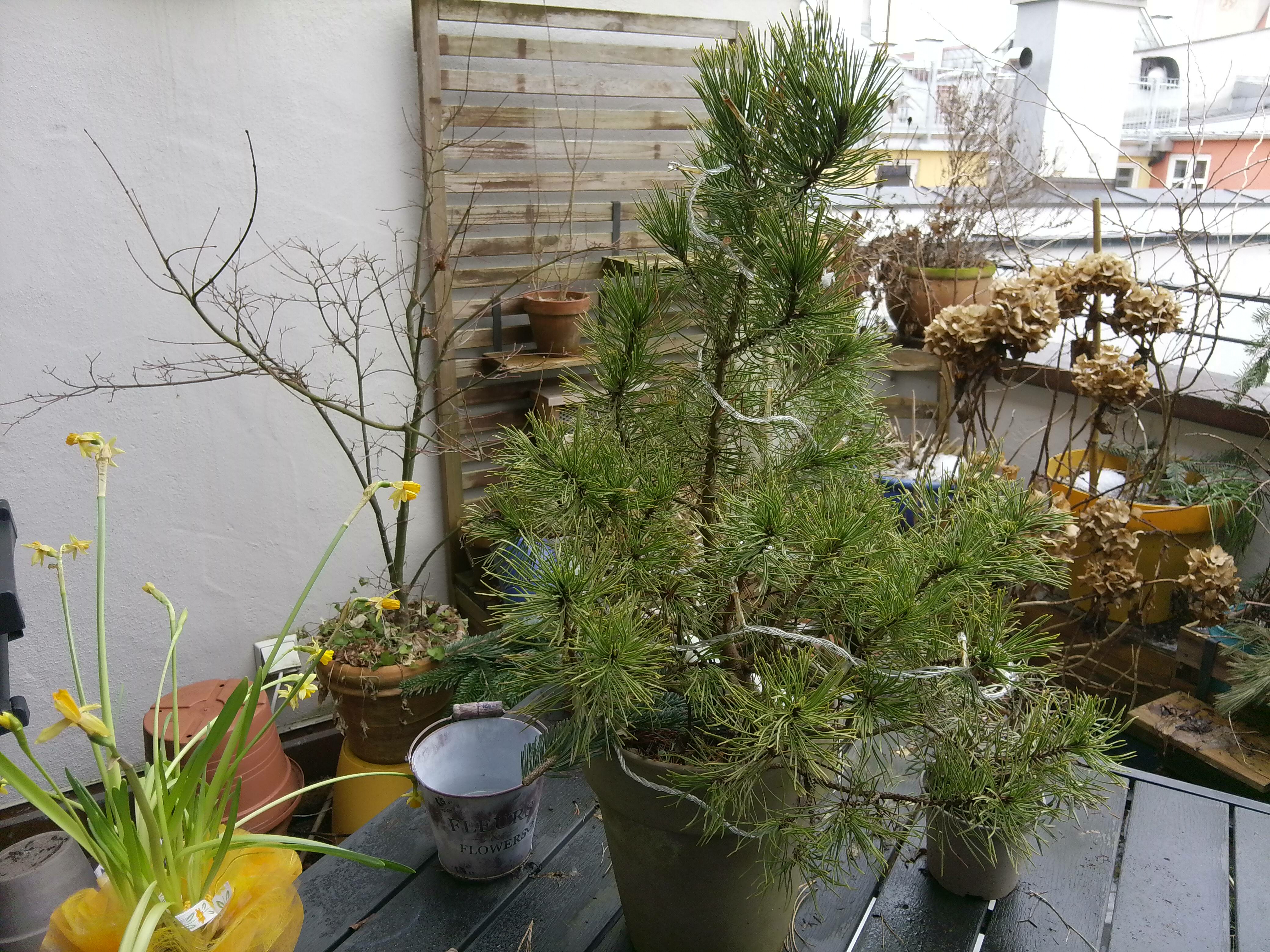
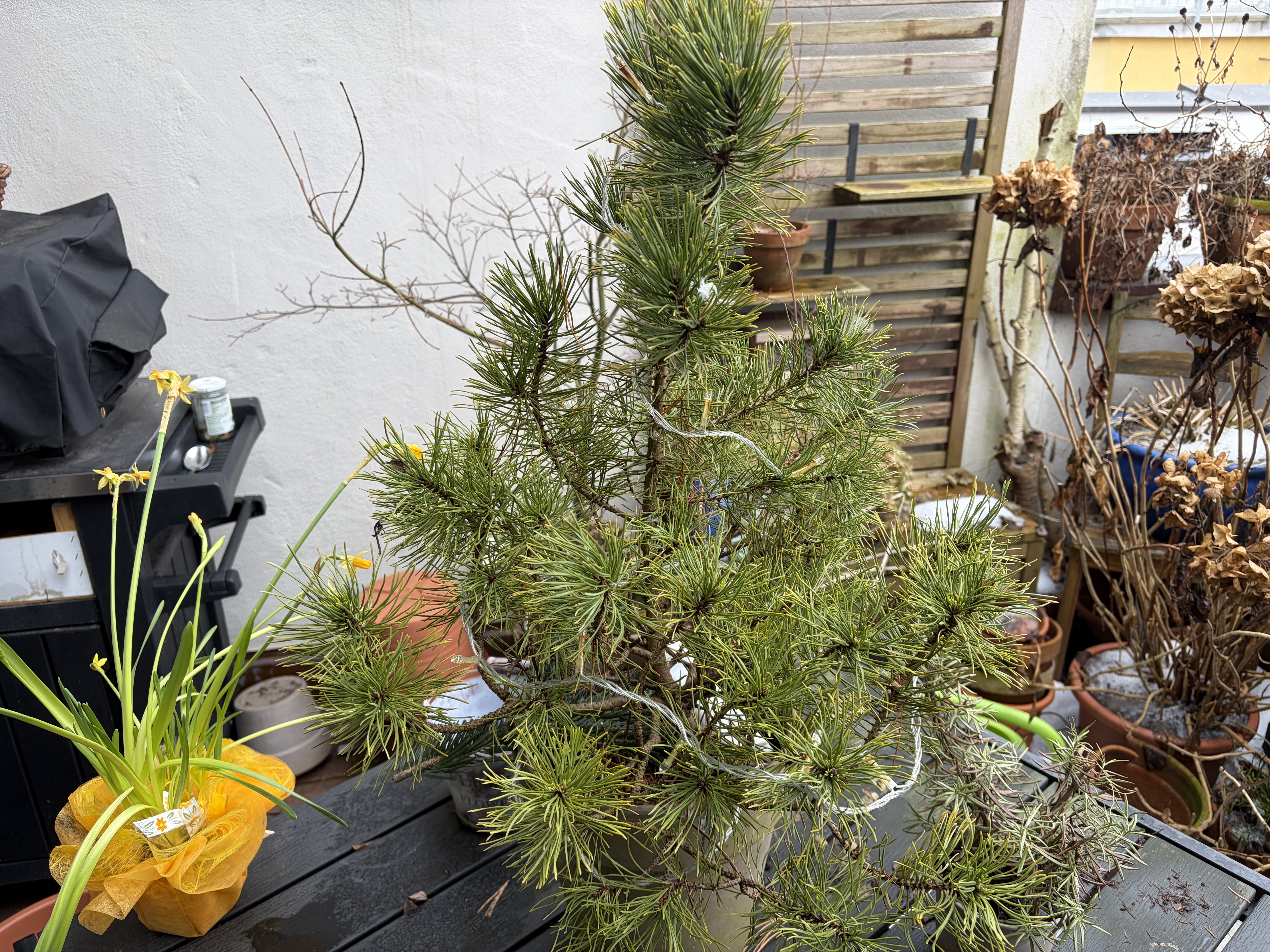
There is a 13 MP rear camera, which is more suitable for good lighting conditions. Overall, photos appear very grainy and lack detail.
The rear camera is more likely to have been designed for document scanning or reading QR codes than taking photos.
Image comparison
Choose a scene and navigate within the first image. One click changes the position on touchscreens. One click on the zoomed-in image opens the original in a new window. The first image shows the scaled photograph of the test device.
Main camera: PlantMain camera: EnvironmentMain camera: Low light







Display: Matte and true to color
The MatePad 11.5 S's 144 Hz IPS screen with a fairly high 2,800 x 1,840 resolution comes with a special matte coating, which is very rarely seen in tablets.
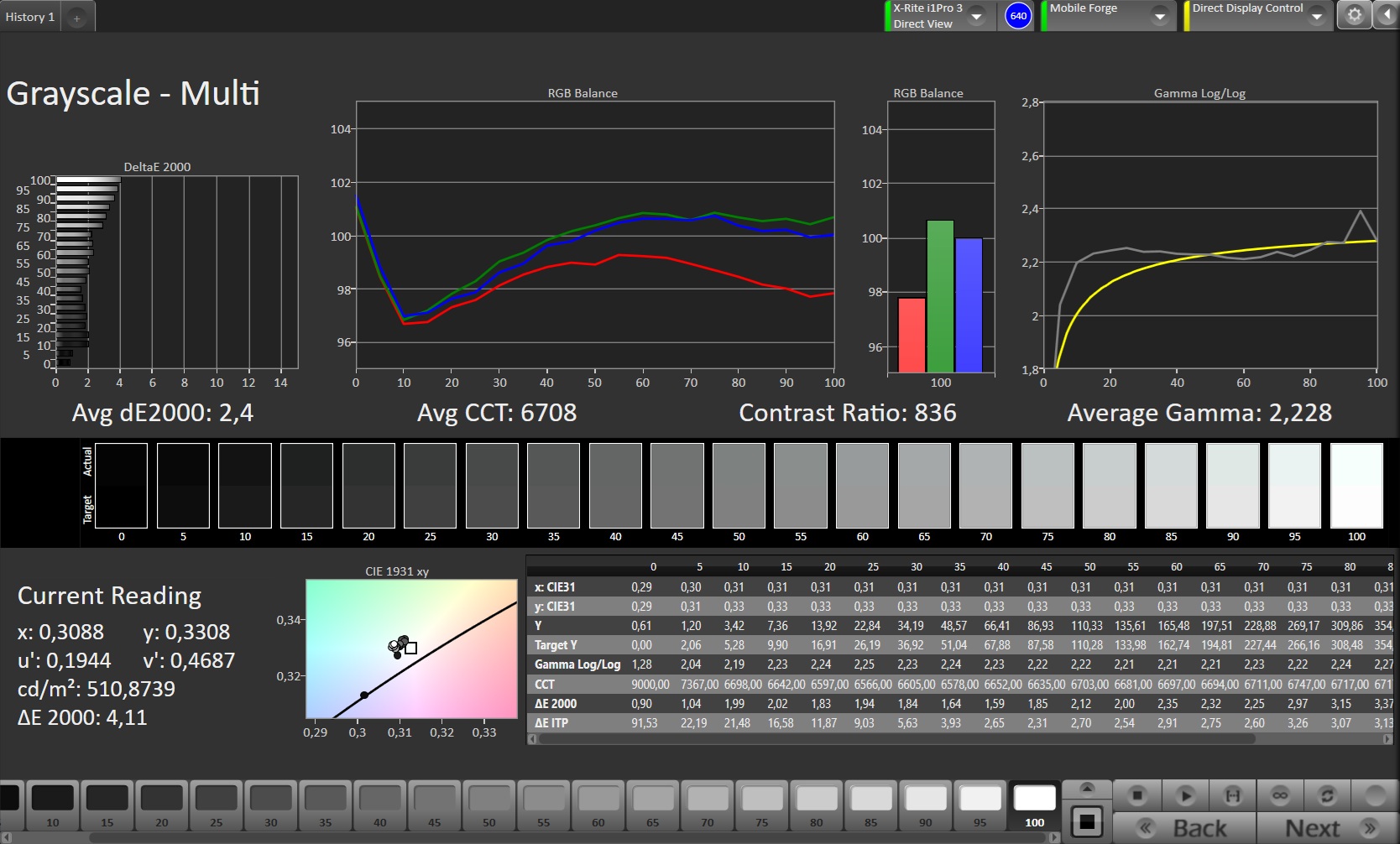
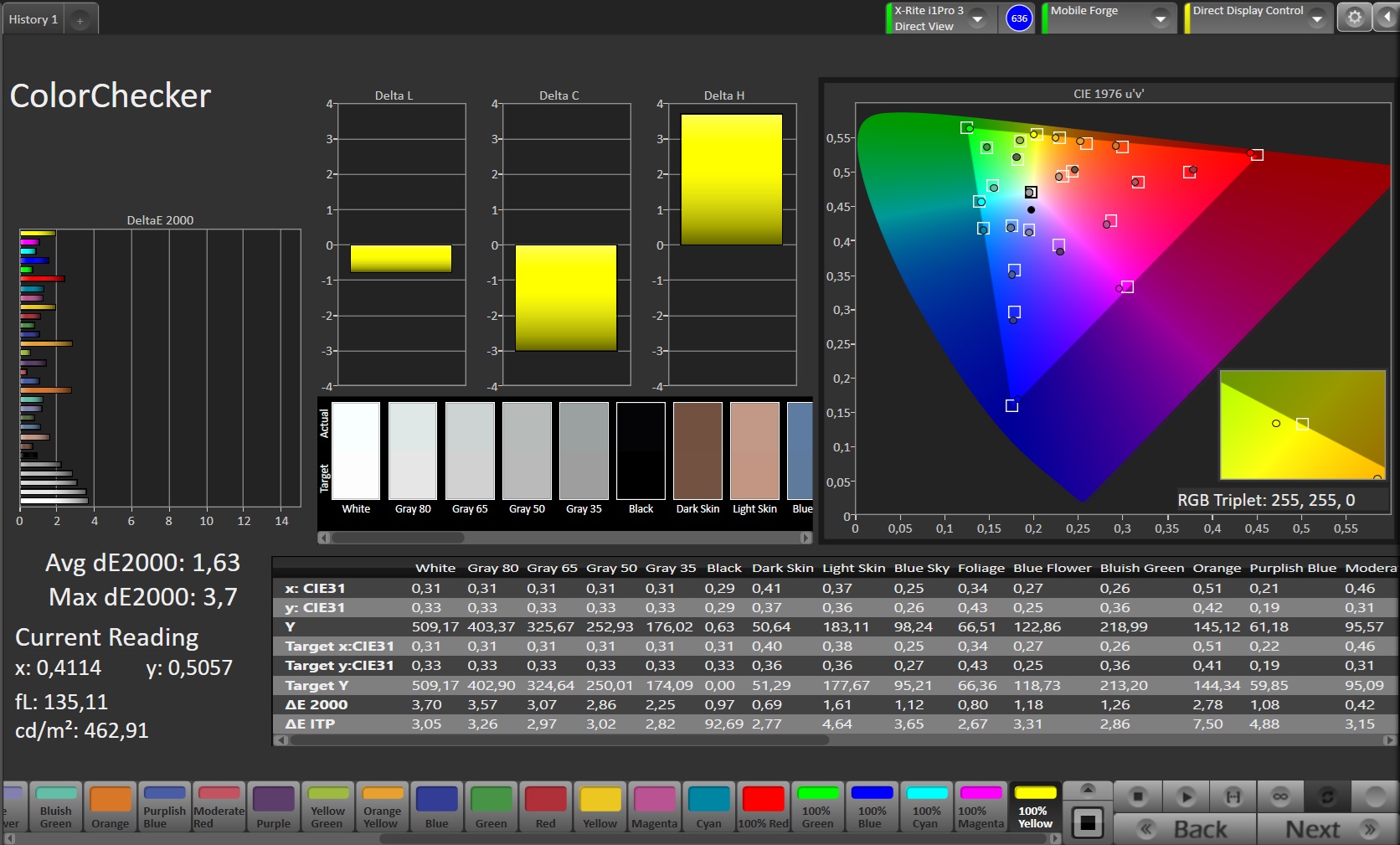
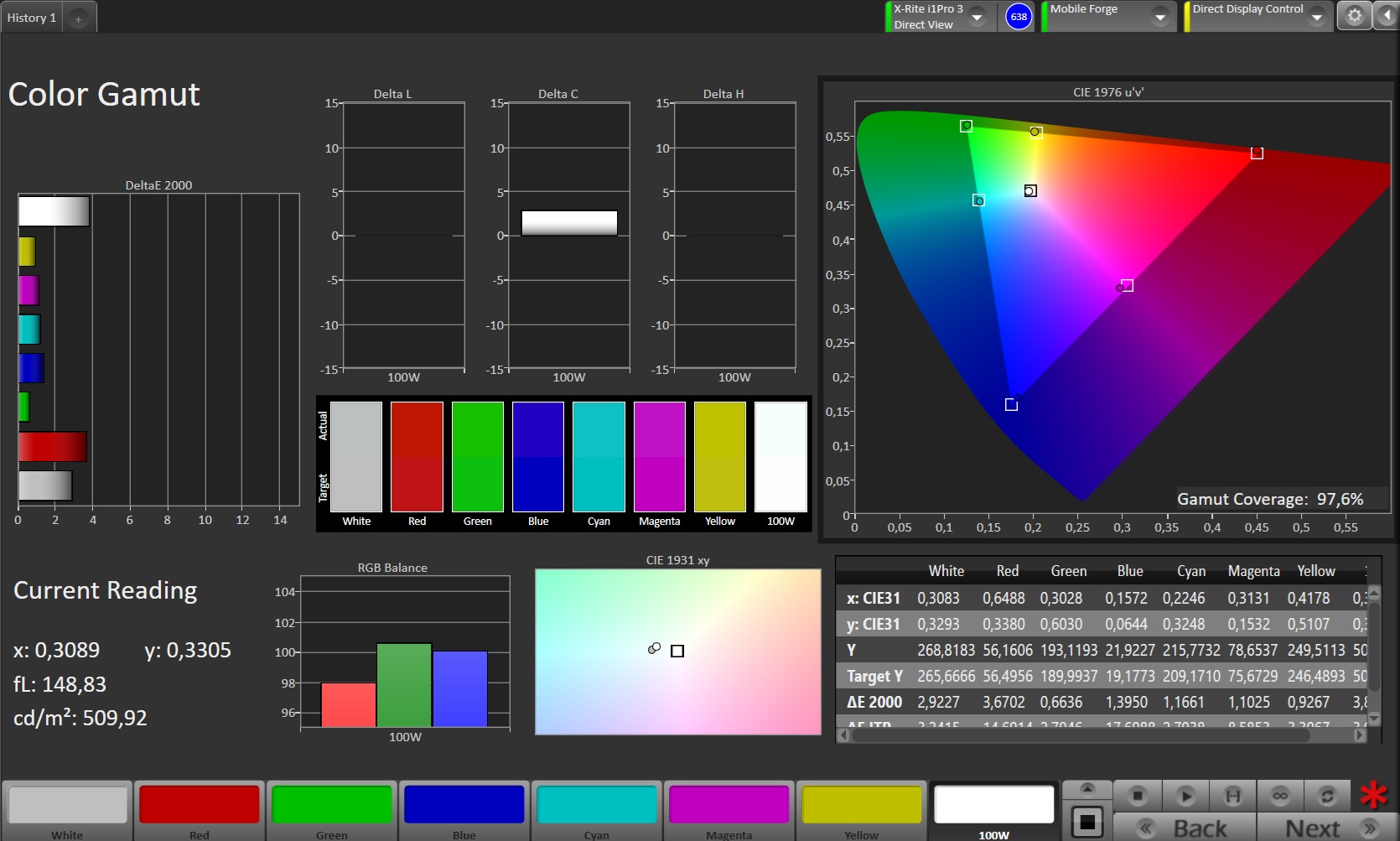
Images tend to appear pale as a result of matte coatings, but Huawei has further improved the coating, and the MatePad 11.5 S (2026) displays vibrant colors. At the same time, the color fidelity in "Normal" mode is quite high, according to our measurements.
There is no need to worry about PWM flickering, but the maximum brightness is slightly lower than that of comparable tablets. However, this is compensated for by the matte coating, as readability outdoors is significantly better without reflections.
| |||||||||||||||||||||||||
Brightness Distribution: 84 %
Contrast: 895:1 (Black: 0.57 cd/m²)
ΔE ColorChecker Calman: 1.63 | ∀{0.5-29.43 Ø4.69}
ΔE Greyscale Calman: 2.4 | ∀{0.09-98 Ø4.94}
97.6% sRGB (Calman 2D)
Gamma: 2.228
CCT: 6708 K
| Huawei MatePad 11.5 S (2026) IPS, 2800x1840, 11.5" | Huawei MatePad 11.5 (2025) IPS, 2456x1600, 11.5" | Xiaomi Pad 8 IPS, 3200x2136, 11.2" | Lenovo Yoga Tab LTPS, 3200x2000, 11.1" | Honor Pad V9 IPS, 2800x1840, 11.5" | |
|---|---|---|---|---|---|
| Screen | -29% | 40% | 20% | -173% | |
| Brightness middle (cd/m²) | 510 | 623 22% | 627 23% | 609 19% | 543 6% |
| Brightness (cd/m²) | 453 | 578 28% | 613 35% | 583 29% | 501 11% |
| Brightness Distribution (%) | 84 | 90 7% | 96 14% | 91 8% | 89 6% |
| Black Level * (cd/m²) | 0.57 | 0.99 -74% | 0.3 47% | 0.4 30% | 0.62 -9% |
| Contrast (:1) | 895 | 629 -30% | 2090 134% | 1523 70% | 876 -2% |
| Colorchecker dE 2000 * | 1.63 | 2.9 -78% | 1.25 23% | 1.81 -11% | 12.4 -661% |
| Colorchecker dE 2000 max. * | 3.7 | 5.3 -43% | 2.95 20% | 2.98 19% | 15.9 -330% |
| Greyscale dE 2000 * | 2.4 | 3.9 -63% | 1.8 25% | 2.5 -4% | 12.1 -404% |
| Gamma | 2.228 99% | 2.33 94% | 2.183 101% | 1.934 114% | 0.58 379% |
| CCT | 6708 97% | 7191 90% | 6898 94% | 6853 95% | 6175 105% |
* ... smaller is better
| Display / APL18 Peak Brightness | |
| Huawei MatePad 11.5 S (2026) | |
| Huawei MatePad 11.5 (2025) | |
| Honor Pad V9 | |
| Display / HDR Peak Brightness | |
| Huawei MatePad 11.5 S (2026) | |
| Honor Pad V9 | |
| Huawei MatePad 11.5 (2025) | |
Screen Flickering / PWM (Pulse-Width Modulation)
| Screen flickering / PWM not detected | 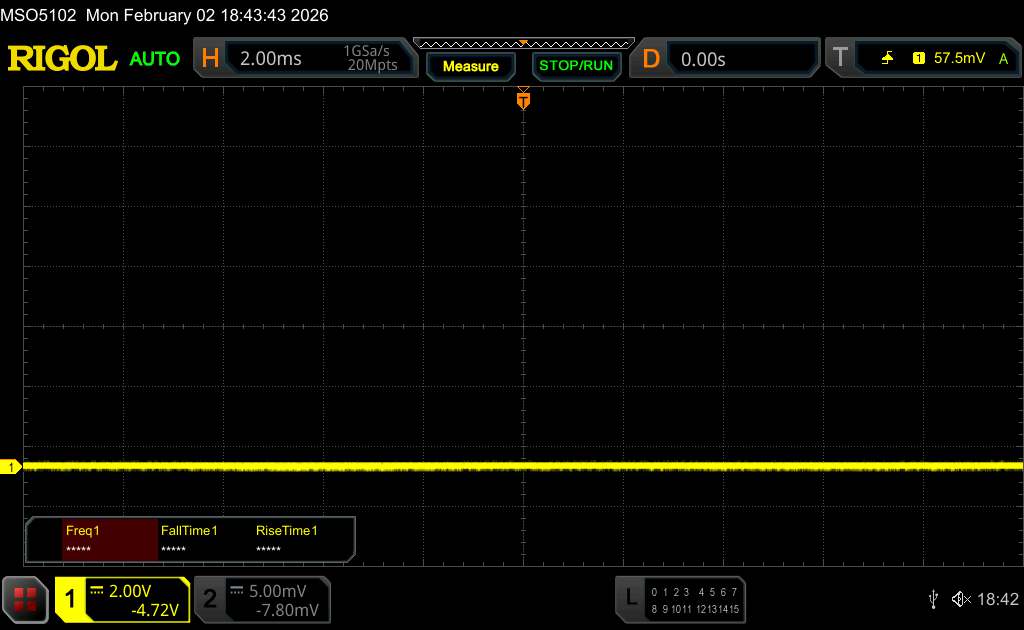 | ||
In comparison: 52 % of all tested devices do not use PWM to dim the display. If PWM was detected, an average of 7632 (minimum: 5 - maximum: 343500) Hz was measured. | |||
Display Response Times
| ↔ Response Time Black to White | ||
|---|---|---|
| 14.9 ms ... rise ↗ and fall ↘ combined | ↗ 10.8 ms rise | 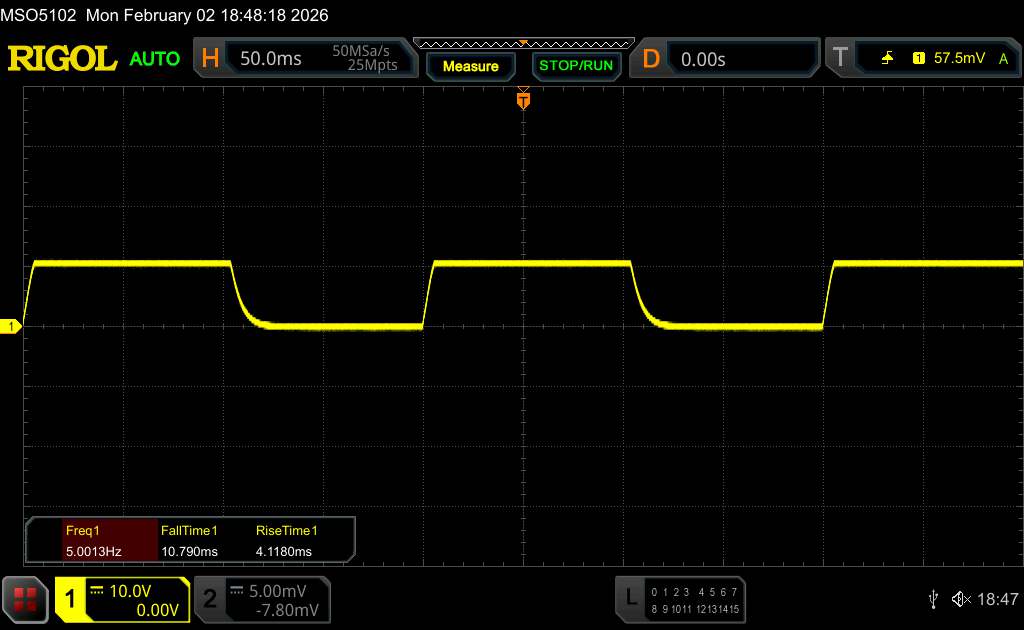 |
| ↘ 4.1 ms fall | ||
| The screen shows good response rates in our tests, but may be too slow for competitive gamers. In comparison, all tested devices range from 0.1 (minimum) to 240 (maximum) ms. » 36 % of all devices are better. This means that the measured response time is better than the average of all tested devices (19.7 ms). | ||
| ↔ Response Time 50% Grey to 80% Grey | ||
| 30.2 ms ... rise ↗ and fall ↘ combined | ↗ 16.3 ms rise | 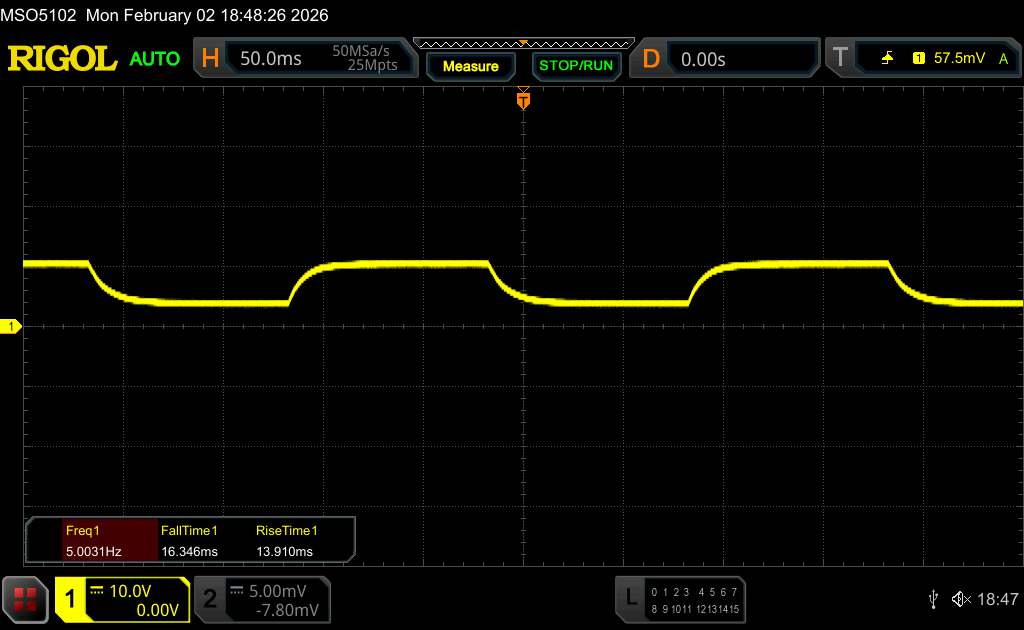 |
| ↘ 13.9 ms fall | ||
| The screen shows slow response rates in our tests and will be unsatisfactory for gamers. In comparison, all tested devices range from 0.13 (minimum) to 636 (maximum) ms. » 41 % of all devices are better. This means that the measured response time is similar to the average of all tested devices (30.8 ms). | ||
Performance, emissions, and battery life: Medium power with the Kirin T92C
The MatePad 11.5 S (2026) uses a HiSilicon Kirin T92C SoC. On the CPU side of things, the Kirin T92C offers only a small performance gain compared to the predecessor.
However, it is evident that Huawei has improved the GPU performance relatively. Overall, the MatePad 11.5 S (2026) ranks in the midfield among similarly priced competitors.
The tablet barely heats up under prolonged load. The stress tests also show no noticeable drop in performance.
The tablet's four speakers produce really good and powerful sound. However, the selection of Bluetooth audio codecs is quite limited.
The 8,700 mAh battery is not big enough for the price range, and this is also reflected in the run times. 14:35 hours in our WLAN test at 150 nits are sufficient to get through a typical day, but there's not much reserve left.
At least the tablet can now be charged at up to 40 W speeds, which results in a relatively short charging time of maximum of 1:30 hours.
| Jetstream 2 - 2.0 Total | |
| Xiaomi Pad 8 | |
| Average of class Tablet (48 - 420, n=54, last 2 years) | |
| Huawei MatePad 11.5 (2025) | |
| Honor Pad V9 | |
| Huawei MatePad 11.5 S (2026) | |
| Average HiSilicon Kirin T92C (n=1) | |
| Huawei MatePad 11.5 S (2026) | Huawei MatePad 11.5 (2025) | Xiaomi Pad 8 | Lenovo Yoga Tab | Honor Pad V9 | Average 256 GB UFS 3.1 Flash | Average of class Tablet | |
|---|---|---|---|---|---|---|---|
| AndroBench 3-5 | 23% | 70% | 96% | 12% | -11% | 5% | |
| Sequential Read 256KB (MB/s) | 1921.5 | 2172.43 13% | 3899.2 103% | 3965.86 106% | 1921.68 0% | 1770 ? -8% | 2112 ? 10% |
| Sequential Write 256KB (MB/s) | 1099.3 | 2011.28 83% | 3391.2 208% | 3363.43 206% | 1767.43 61% | 1236 ? 12% | 1703 ? 55% |
| Random Read 4KB (MB/s) | 321.5 | 278.39 -13% | 325.1 1% | 421.72 31% | 343.96 7% | 289 ? -10% | 280 ? -13% |
| Random Write 4KB (MB/s) | 501.2 | 544.27 9% | 348.2 -31% | 698.11 39% | 396.64 -21% | 319 ? -36% | 330 ? -34% |
(+) The maximum temperature on the upper side is 35.5 °C / 96 F, compared to the average of 33.7 °C / 93 F, ranging from 20.7 to 53.2 °C for the class Tablet.
(+) The bottom heats up to a maximum of 35.9 °C / 97 F, compared to the average of 33.2 °C / 92 F
(+) In idle usage, the average temperature for the upper side is 24.8 °C / 77 F, compared to the device average of 30 °C / 86 F.
3DMark Stress Tests
| 3DMark | |
| Wild Life Stress Test Stability | |
| Huawei MatePad 11.5 (2025) | |
| Huawei MatePad 11.5 S (2026) | |
| Honor Pad V9 | |
| Xiaomi Pad 8 | |
| Lenovo Yoga Tab | |
| Wild Life Extreme Stress Test | |
| Huawei MatePad 11.5 (2025) | |
| Huawei MatePad 11.5 S (2026) | |
| Honor Pad V9 | |
| Lenovo Yoga Tab | |
| Xiaomi Pad 8 | |
| Solar Bay Stress Test Stability | |
| Xiaomi Pad 8 | |
| Lenovo Yoga Tab | |
| Honor Pad V9 | |
| Steel Nomad Light Stress Test Stability | |
| Huawei MatePad 11.5 (2025) | |
| Huawei MatePad 11.5 S (2026) | |
| Xiaomi Pad 8 | |
| Lenovo Yoga Tab | |
| Honor Pad V9 | |
Huawei MatePad 11.5 S (2026) audio analysis
(+) | speakers can play relatively loud (83.9 dB)
Bass 100 - 315 Hz
(±) | reduced bass - on average 11.3% lower than median
(±) | linearity of bass is average (10.7% delta to prev. frequency)
Mids 400 - 2000 Hz
(±) | higher mids - on average 5.2% higher than median
(+) | mids are linear (4.1% delta to prev. frequency)
Highs 2 - 16 kHz
(+) | balanced highs - only 3.4% away from median
(+) | highs are linear (5.8% delta to prev. frequency)
Overall 100 - 16.000 Hz
(+) | overall sound is linear (12% difference to median)
Compared to same class
» 15% of all tested devices in this class were better, 5% similar, 80% worse
» The best had a delta of 7%, average was 21%, worst was 130%
Compared to all devices tested
» 9% of all tested devices were better, 2% similar, 88% worse
» The best had a delta of 4%, average was 23%, worst was 136%
Lenovo Yoga Tab audio analysis
(+) | speakers can play relatively loud (85 dB)
Bass 100 - 315 Hz
(±) | reduced bass - on average 12.9% lower than median
(±) | linearity of bass is average (11.1% delta to prev. frequency)
Mids 400 - 2000 Hz
(+) | balanced mids - only 4.9% away from median
(±) | linearity of mids is average (7.7% delta to prev. frequency)
Highs 2 - 16 kHz
(+) | balanced highs - only 3.6% away from median
(±) | linearity of highs is average (7.2% delta to prev. frequency)
Overall 100 - 16.000 Hz
(+) | overall sound is linear (12.4% difference to median)
Compared to same class
» 19% of all tested devices in this class were better, 4% similar, 77% worse
» The best had a delta of 7%, average was 21%, worst was 130%
Compared to all devices tested
» 11% of all tested devices were better, 2% similar, 87% worse
» The best had a delta of 4%, average was 23%, worst was 136%
| Huawei MatePad 11.5 S (2026) 8700 mAh | Huawei MatePad 11.5 (2025) 10100 mAh | Xiaomi Pad 8 9200 mAh | Lenovo Yoga Tab 8860 mAh | Honor Pad V9 10100 mAh | |
|---|---|---|---|---|---|
| Battery runtime | 18% | 23% | 21% | 23% | |
| Reader / Idle (h) | 38.8 | 46.7 20% | |||
| WiFi v1.3 (h) | 14.6 | 17.2 18% | 20.7 42% | 17.7 21% | 17.9 23% |
| Load (h) | 3.9 | 4.2 8% |
Notebookcheck's overall impressions of the Huawei MatePad 11.5 S (2026)
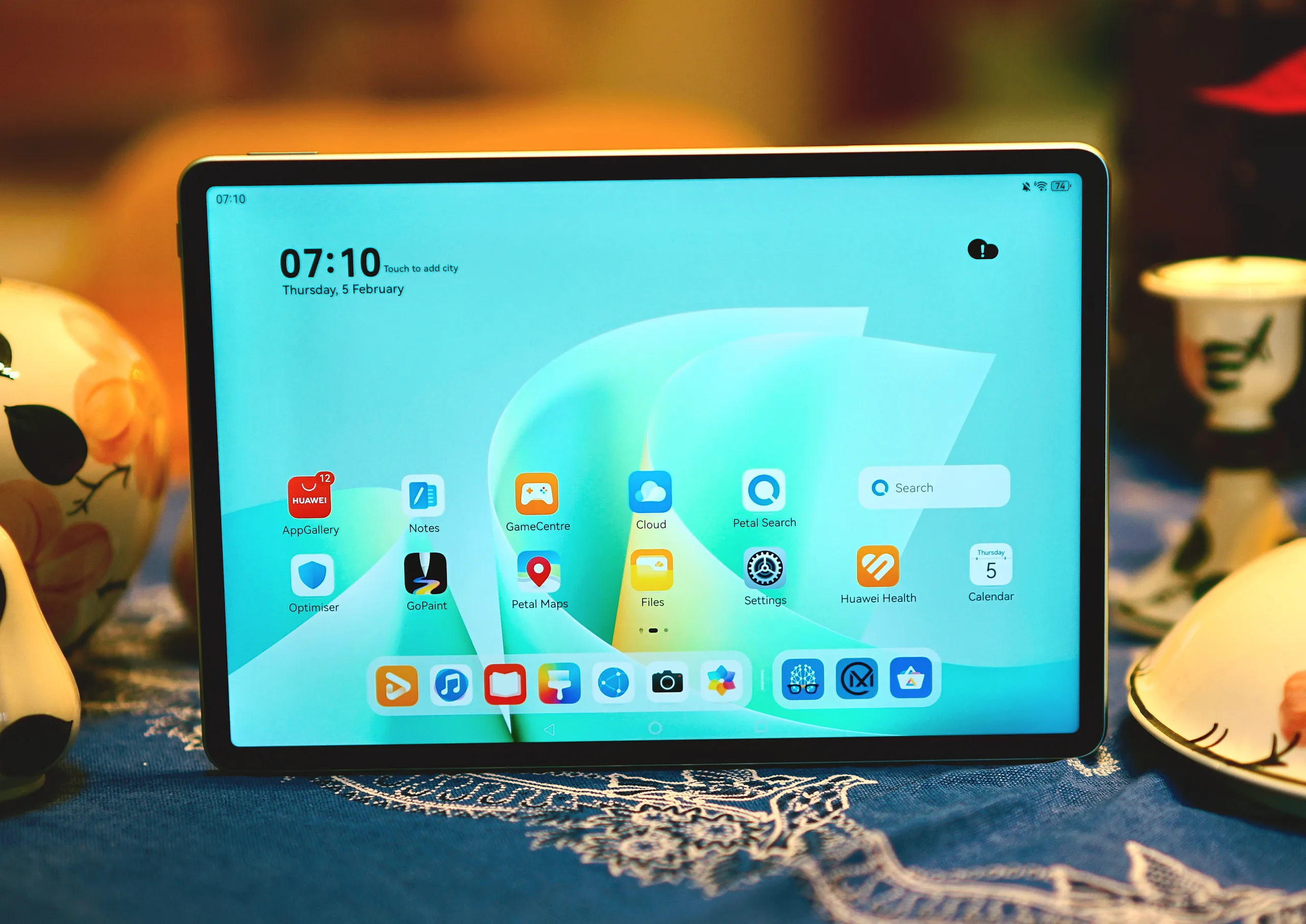
The Huawei MatePad 11.5 S (2026) is a strong mid-range tablet with a matte screen and fast networking. However, there are a few shortcomings that you should be aware of before buying.
Huawei MatePad 11.5 S (2026)
- 02/05/2026 v8
Florian Schmitt
 Total Sustainability Score:
 Potential competitors in comparison
Image | Model / Review | Price | Weight | Drive | Display |
|---|---|---|---|---|---|
| Huawei MatePad 11.5 S (2026) HiSilicon Kirin T92C ⎘ HiSilicon Maleoon 920A ⎘ 12 GB Memory, 256 GB UFS 3.1 | List Price: 469€ | 515 g | 256 GB UFS 3.1 Flash | 11.50" 2800x1840 291 PPI IPS | |
2. 81.2%  | Huawei MatePad 11.5 (2025) HiSilicon Kirin T82 ⎘ HiSilicon Maleoon 920c ⎘ 8 GB Memory, 256 GB UFS 3.1 | 515 g | 256 GB UFS 3.1 Flash | 11.50" 2456x1600 255 PPI IPS | |
3. 87.1%  | Xiaomi Pad 8 Qualcomm Snapdragon 8s Gen 4 SM8735 ⎘ Qualcomm Adreno 825 ⎘ 12 GB Memory, 256 GB UFS 4.x | Amazon: 1. $339.50 XIAOMI Pad 8 Ai WiFi Version... 2. $413.25 XIAOMI Pad 8 Ai WiFi Version... 3. $375.00 XIAOMI Pad 8 Ai WiFi Version... List Price: 437€ | 485 g | 256 GB UFS 4.1 Flash | 11.20" 3200x2136 344 PPI IPS |
4. 88.2%  | Lenovo Yoga Tab Qualcomm Snapdragon 8 Gen 3 ⎘ Qualcomm Adreno 750 ⎘ 12 GB Memory, 256 GB UFS 4.x | Amazon: 1. $559.00 Lenovo Yoga Tab AI Tablet, 1... 2. $649.99 Lenovo Yoga Tab AI Tablet, 1... 3. $699.99 Lenovo Yoga Tab Plus with Qu... List Price: 499€ | 458 g | 256 GB UFS 4.0 Flash | 11.10" 3200x2000 340 PPI LTPS |
5. 82.2%  | Honor Pad V9 MediaTek Dimensity 8350 ⎘ ARM Mali-G615 MP6 ⎘ 12 GB Memory, 256 GB UFS 3.1 | Amazon: 1. $530.00 HONOR Pad V9 (11.5 inch, Wi-... 2. $350.00 HONOR Pad 10 (12.1 inch, Wi-... 3. $235.00 HONOR PAD X9a, 11.5" HONOR F... List Price: 500€ | 475 g | 256 GB UFS 3.1 Flash | 11.50" 2800x1840 291 PPI IPS |
Transparency
The selection of devices to be reviewed is made by our editorial team. The test sample was freely purchased by the author at his/her own expense. The lender had no influence on this review, nor did the manufacturer receive a copy of this review before publication. There was no obligation to publish this review. As an independent media company, Notebookcheck is not subjected to the authority of manufacturers, retailers or publishers.
This is how Notebookcheck is testing
Every year, Notebookcheck independently reviews hundreds of laptops and smartphones using standardized procedures to ensure that all results are comparable. We have continuously developed our test methods for around 20 years and set industry standards in the process. In our test labs, high-quality measuring equipment is utilized by experienced technicians and editors. These tests involve a multi-stage validation process. Our complex rating system is based on hundreds of well-founded measurements and benchmarks, which maintains objectivity. Further information on our test methods can be found here.
 Add as a preferred source on Google


