




Huawei M-Pencil Pro: What this innovative stylus can really do
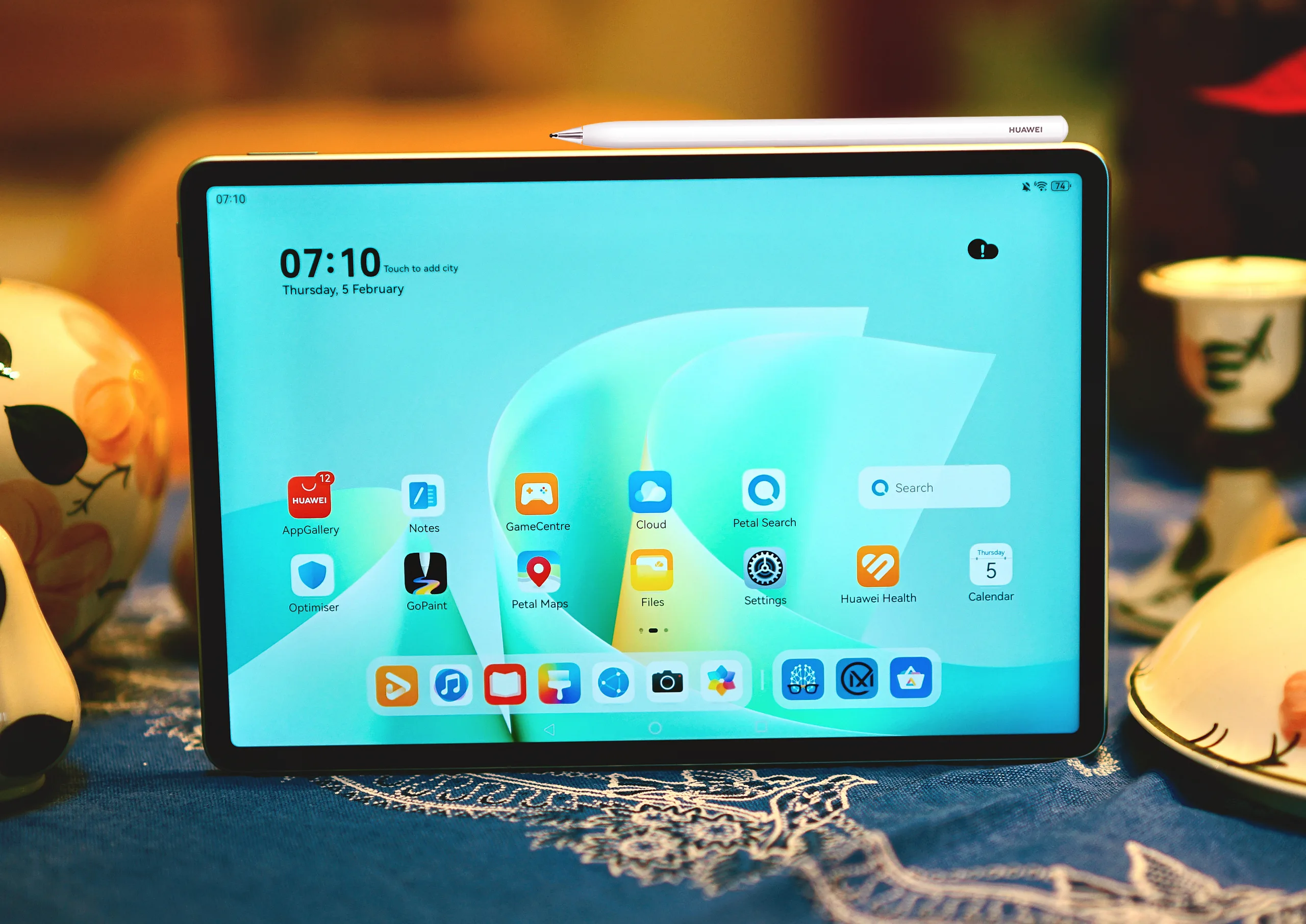
Stylus support isn’t always a given on mid-range tablets. Even when it is, the accompanying pens often offer only basic features.
The Huawei MatePad 11.5 S (£420 / €470 in Huawei’s online shop), which we recently reviewed in depth, takes a different approach. It supports the innovative M-Pencil Pro, originally designed more for the higher-end MatePad Pro models. This stylus has a few tricks up its sleeves. And we’ll discuss it in this article.
Top-tier stylus
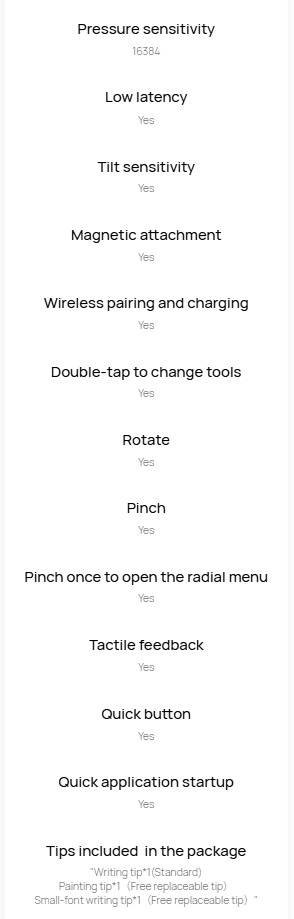
The M-Pencil Pro magnetically clicks onto many Huawei tablets for automatic pairing and charging. It promises exceptionally low latency because it uses Huawei’s NearLink technology rather than Bluetooth, though this also means the stylus is largely incompatible with tablets from other brands.
During our review, we experienced no noticeable lag and genuinely enjoyed using the M-Pencil Pro. Its slightly higher resistance on the tablet’s matt display surface helps mimic the feel of writing and drawing on paper.
Remarkable number of pressure-sensitivity levels
The M-Pencil Pro supports exactly 16,384 levels of pressure sensitivity, putting it ahead of most styluses in its price bracket.
The back of the pen features a touch-sensitive surface called “Star Ring”, which can be used to launch a predefined app. Whilst useful, this isn’t the only control option: Squeezing the pen triggers quick-access menus in certain apps. The stylus also includes a small built-in vibration motor for haptic feedback.
Another practical feature is support for interchangeable tips. Alongside the standard writing tip, the M-Pencil Pro comes with a painting tip and a small-font writing tip. In actual use, the ability to swap tips made a bigger difference than expected, allowing for very precise work.
Price and compatibility of the M-Pencil Pro
Priced at £130 / €129, the M-Pencil Pro is slightly cheaper than the Apple Pencil Pro. Despite the lower price, Huawei’s stylus feels just as premium and offers a nearly identical feature set. Adding to its value is its compatibility with the brand’s relatively affordable mid-tier tablets, such as the Huawei MatePad 11.5 S (2026) that we recently reviewed.
 Add as a preferred source on Google


