




Citizen is now a better watch choice than Seiko
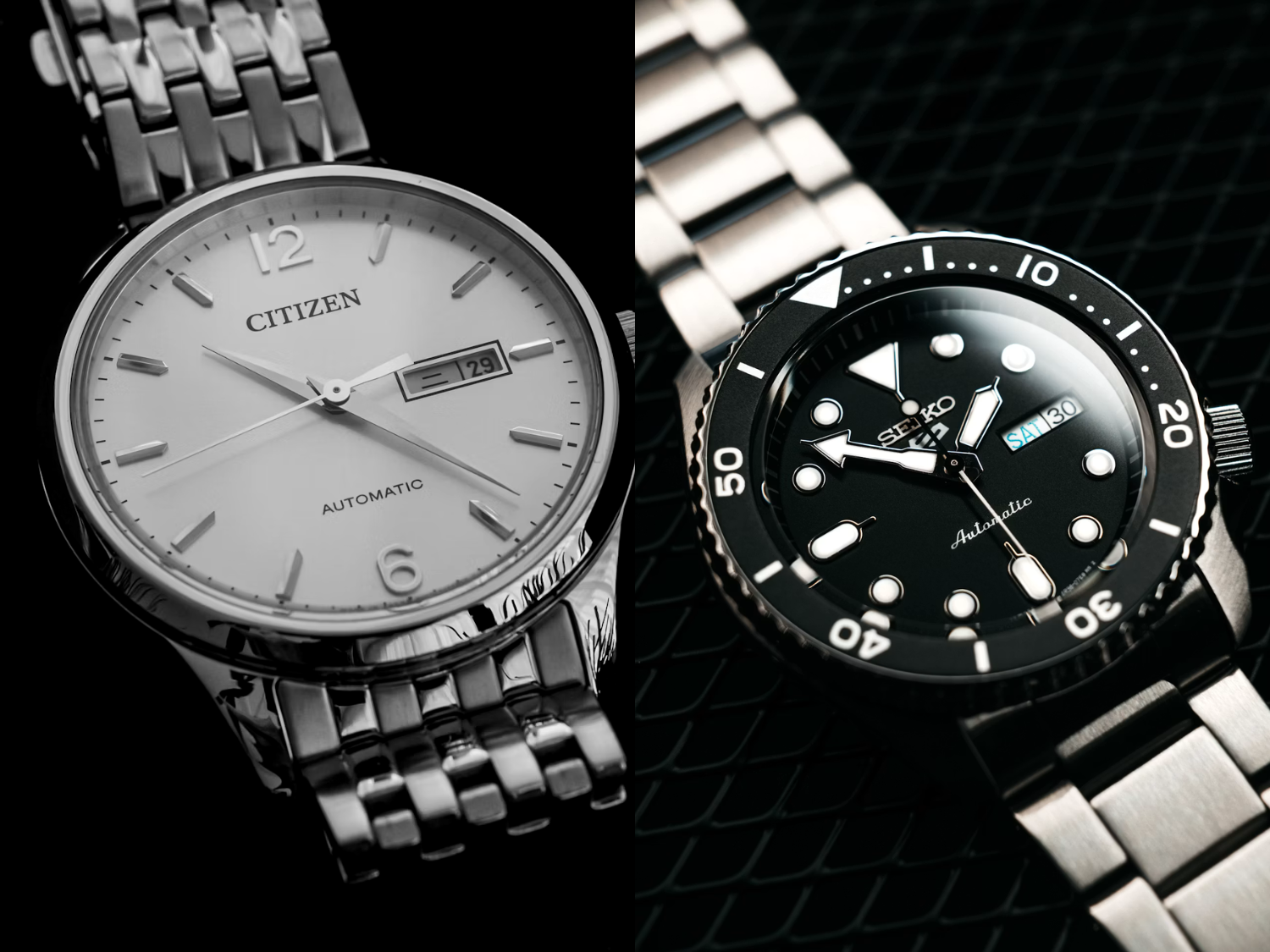
Two numbers, both from fiscal years ending 31 March 2026. Citizen's watch division: ¥197 billion, up 10%, with operating profit up 38%. Seiko's watch business, with clocks stripped out: ¥196.8 billion. After six decades of being the junior name in that last sentence, Citizen is finally "here." Both companies cleared the billion-euro line that only a handful of Swiss houses hit.
But before we go any further, let's have a word on why Casio isn't in this comparison, since it isn't for lack of form: its timepiece segment turned over ¥185 billion last year, up almost 19%, the fastest growth of the three. It's absent because it isn't really chasing the same buyer. Casio sells resin cases, modules and shock resistance in volumes measured in millions, has no mechanical calibers, and competes against an entirely different segment rather than against automatic divers and lacquered dress dials. Dropping it into a movement-and-materials argument would flatter nobody, really.
Revenue parity isn't the case for Citizen, though. What the money buys is.
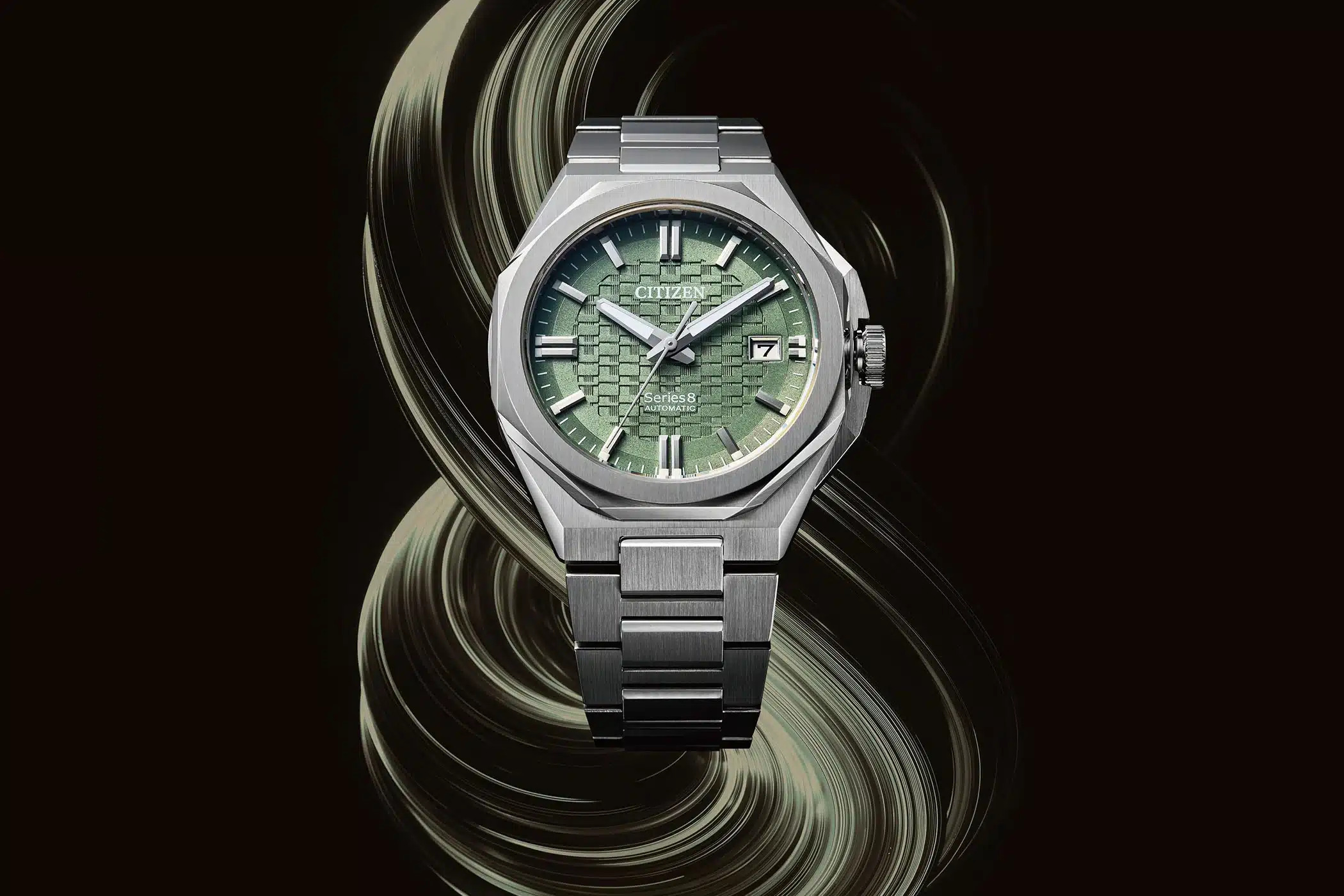
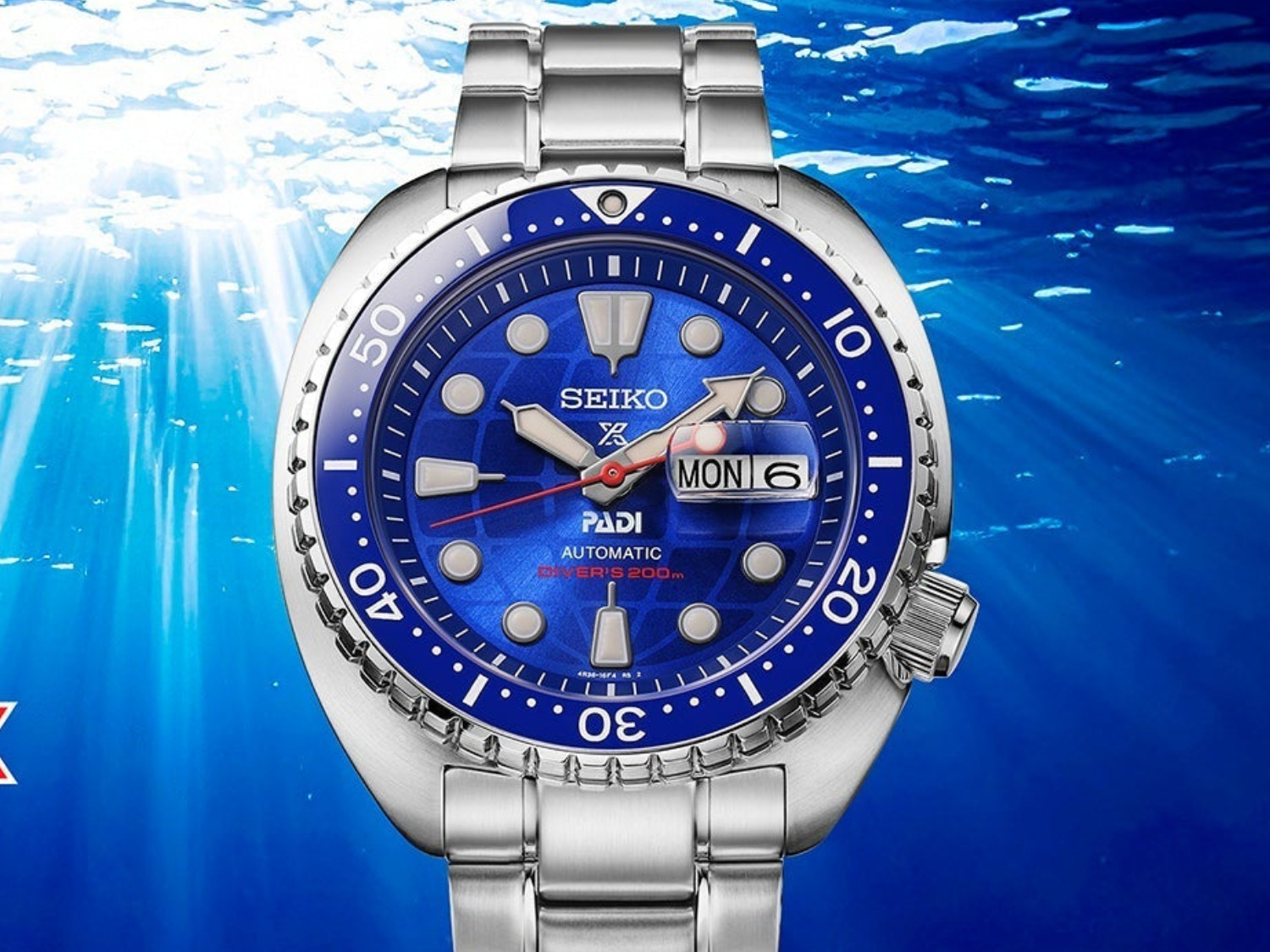
Take Seiko's PADI 60th anniversary diver for example, the HBB002. It's $750, capped at 8,000 pieces, with a ceramic bezel, sapphire and 200 m of water resistance — and a 4R36 inside, the same caliber Seiko fits to watches costing a third as much, rated at −35 to +45 seconds a day. Seiko has dropped the 6R35 into limited Prospex releases at similar or lower prices before, which makes this look like a margin decision. Compare that against Citizen's Caliber 9051 in the new Series 8 NB608: −10 to +20 seconds a day, safe near everyday electronics thanks to genuine anti-magnetic construction. Only one of those spec sheets looks like it's from 2026, to be fair.
The pattern keeps repeating. The Presage Cocktail Time, which is still a solid recommendation for a first Japanese dress watch, is priced around $475 with Hardlex and 50 m of water resistance. Citizen has been fitting sapphire in Eco-Drive references in the $300s for years (sometimes even lower), and its Promaster divers come with full ISO 6425 certification — every individual watch (not a sampled batch) is pressure-tested — at a similar price tag.
Then there's the cost you don't see at the counter. Citizen backs US purchases with a five-year limited warranty against Seiko's three. An Eco-Drive has no service interval in the mechanical sense: the cell is good for 15 to 20 years, and replacing it is roughly $80. A 4R or 6R gets an overhaul every few years, which is neither cheap nor fast if you like keeping your watch movements up to date. Across a decade of ownership, that gap ends up amounting to a decent amount of money.
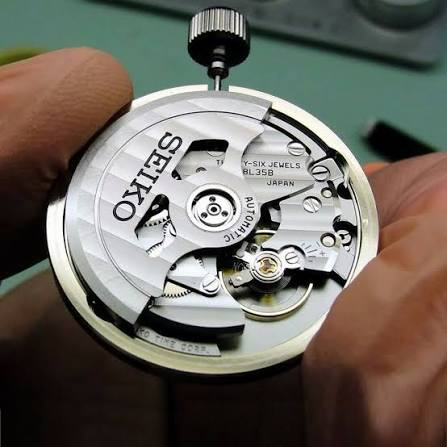
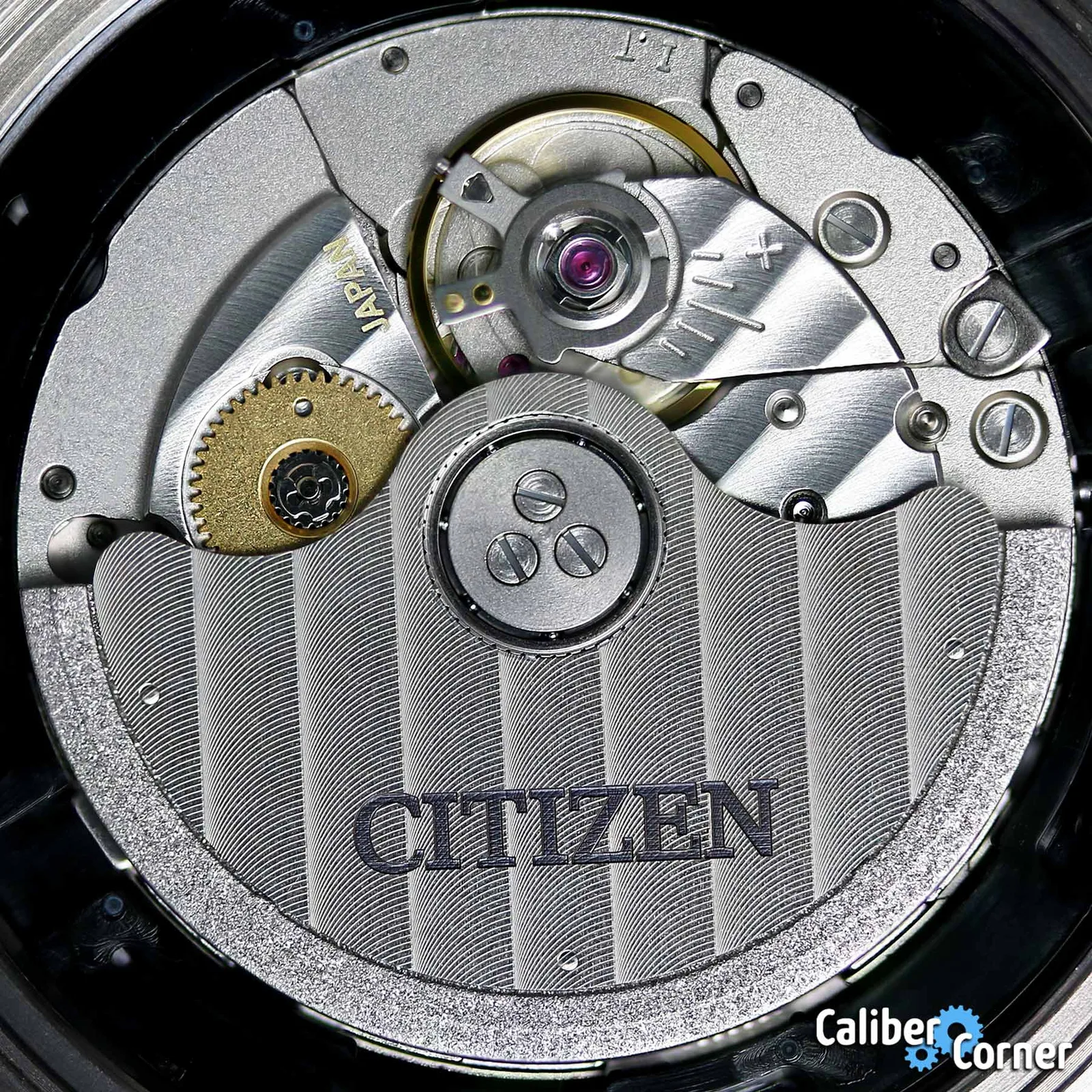
Seiko still wins in some areas, and it's worth naming them. The Alpinist SPB121 at about $725 and the ISO-rated Turtle at $525 are very hard to argue with. The 6R55 gives you 72 hours off the wrist. Seiko's design language — the 1965 diver case, that Cocktail Time dial — has a gravity Citizen's catalog doesn't have, in my opinion. Seiko also holds resale value better. Citizen isn't immune to drift, either: the NB608 was priced between $1,300 and $1,450, which drew immediate retaliation from exactly the people most likely to buy one.
But the direction of travel is the main argument here. Seiko's mid-term goal is a global luxury top-ten position for Grand Seiko, and Seiko Watch Corporation is led by Akio Naito, the executive who built Grand Seiko's international business from nothing. These are signs that the company is hauling its centre of gravity upward. Citizen has been run since April 2025 by Yoshitaka Oji, who joined in 1986 and spent his career inside the watch division — planning, sales, overseas factories, product development. His plan includes developing movements for high-value products and pushing harder in North America. These are his core strategies; consequently, Citizen's watch business hit its FY2027 sales target a whole year early.
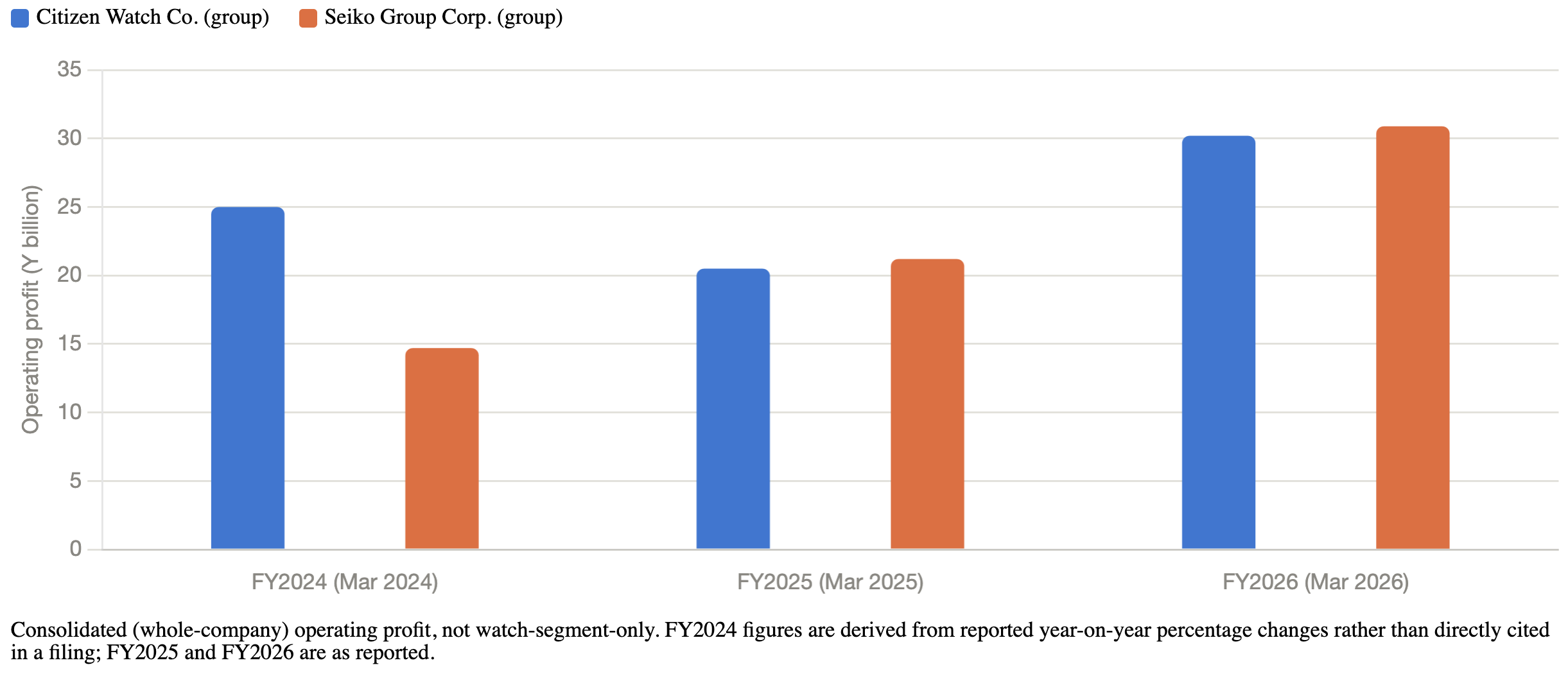
The industry noticed even before consumers did. In November 2025, LVMH took a minority stake in La Joux-Perret, Citizen's Swiss movement house, to secure supply for TAG Heuer, Zenith, Hublot and Tiffany. On the other side, nobody is really investing in Seiko's movement operation.
Here's what I think: finished watches entering the US incur roughly 21% in duty, and the de minimis exemption is gone. Both brands have flagged tariff costs to shareholders, and both will pass them on. When a $500 watch becomes a $600 watch, spec-per-dollar stops being just a 'hobbyist obsession' and becomes the entire decision.
The bottom line is, if you want a watch to fall in love with, buy the Seiko. If you want the better watch, believe it or not, the answer has quietly changed.
Source(s)
Seiko Group Corporation IR, Citizen Watch Co. IR, Monochrome, WatchPro, WatchTime, SJX Watches, Two Broke Watch Snobs and more
 Add as a preferred source on Google


