




China Foldable vs. Global Version: What's missing from the Vivo X Fold6?
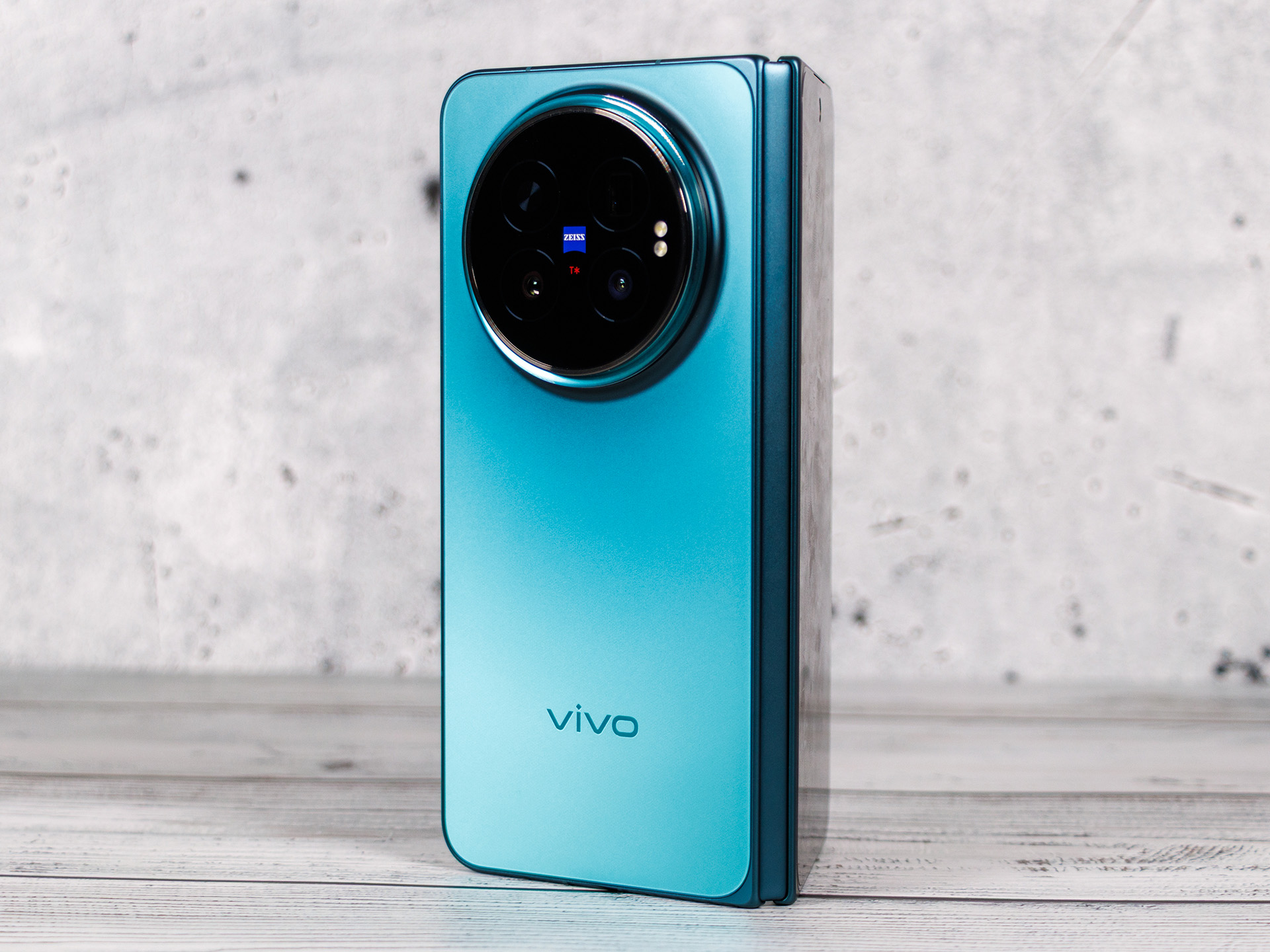
Our review unit of the Vivo X Fold6 comes from China and therefore has some unique features that are relevant to international buyers. While the hardware is largely high-end, there are differences in connectivity and software that could be decisive depending on the market.
One notable omission is the lack of 6 GHz Wi-Fi. While the X Fold6 supports Wi-Fi 7 and can thus achieve high data transfer rates, users of the Chinese version must do without this additional frequency band. In everyday use, this is likely to be noticeable only on networks equipped to support it; nevertheless, the lack of support is unusual for a current high-end smartphone.
Our Chinese model also does not support eSIM. This is a drawback, especially for an international premium smartphone, since an eSIM makes it easier to use local mobile plans when traveling, for example. For the global version, however, it’s quite possible that Vivo will enable this feature or integrate the necessary hardware.
It is also currently unclear which storage configurations will be offered internationally. In China, the X Fold6 is available with configurations ranging from 12 GB of RAM and 256 GB of storage up to 16 GB of RAM and 1 TB of storage. Which of these combinations will actually be available globally is likely to depend on the specific market.
There is also a question mark regarding the software. For the global version, different conditions are expected regarding the operating system and update support. Here, we assume it will receive the same support as Vivo’s other premium smartphones: 5 years of major updates and 7 years of security patches. A long-term update guarantee is especially important for such an expensive smartphone. Vivo has not yet provided any specific details on this. Additionally, Google and Gemini are not as deeply integrated into the system in the Chinese version.
The Chinese Vivo X Fold6 demonstrates just how much modern foldable hardware is capable of, but it also makes it clear that the version sold in its country of origin does not necessarily correspond to what international buyers will receive. Anyone importing the device should therefore carefully check which features are supported. Differences from the later global version can be significant, particularly regarding eSIM, Wi-Fi, and software.
Source
 Add as a preferred source on Google


