




16 years ago, Apple introduced the iPad — and quietly reshaped personal computing
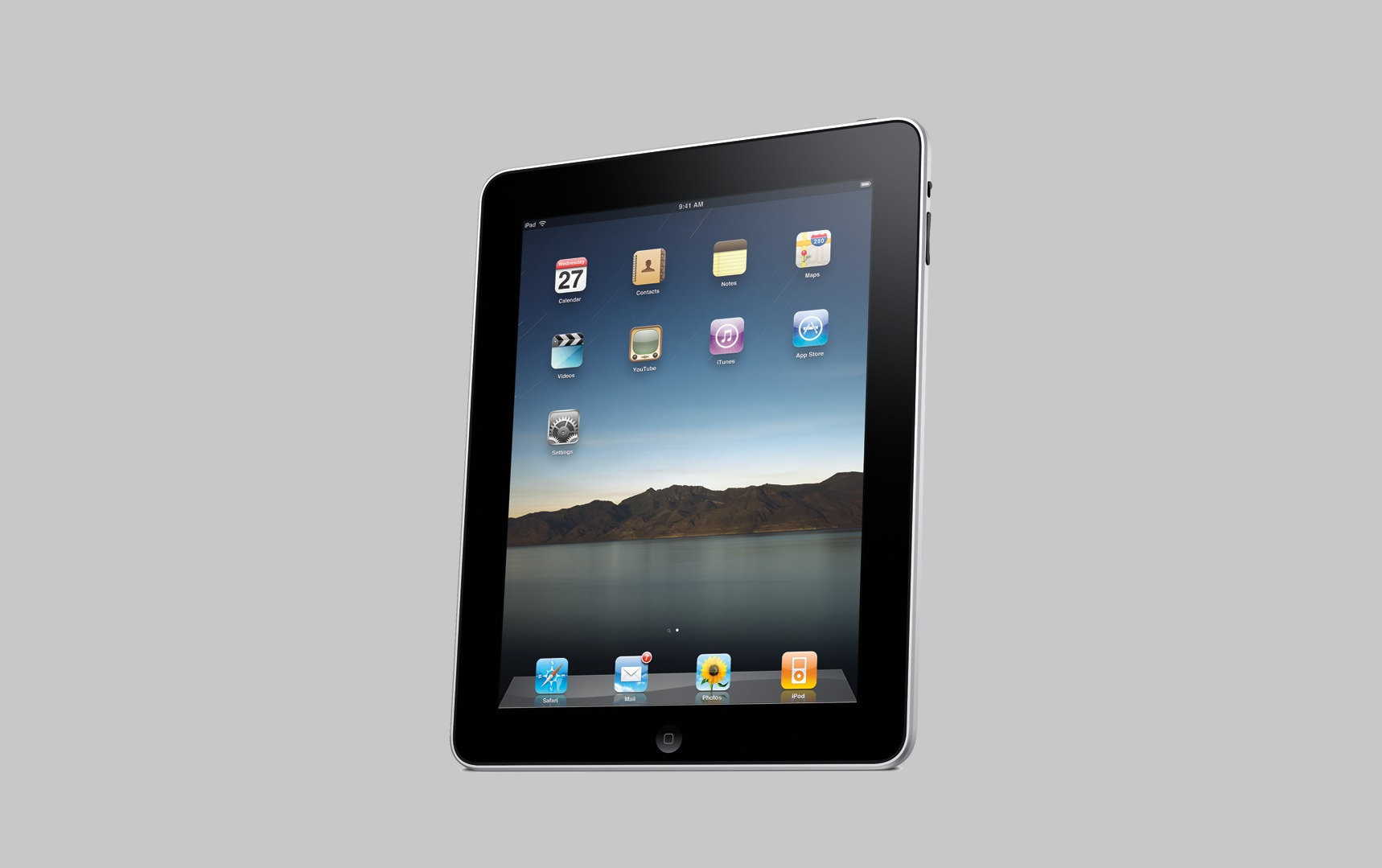
Sixteen years ago today, on January 27, 2010, Steve Jobs stepped onto the stage at the Yerba Buena Center for the Arts in San Francisco to unveil what he called “a magical and revolutionary device.” That device was the original Apple iPad, and its debut marked the beginning of a new category of personal computing that would go on to define the modern tablet market.
Positioned deliberately between smartphones and laptops, the first-generation iPad featured a 9.7-inch LED-backlit multitouch display and was powered by Apple’s first custom-designed silicon chip. The device used a 30-pin dock connector and offered storage capacities of up to 64 GB. Physically, the original model was characterized by its 1.5-pound weight, thick black bezels, a physical Home button, and a convex aluminum back. Apple claimed battery life of up to 10 hours.
Starting at $499, the iPad promised a simpler, more approachable way to browse the web, read eBooks, watch video, and use apps on a larger screen. Jobs framed the tablet as a more intimate and intuitive way to interact with applications and digital content, particularly for web browsing, media consumption, and reading.
iPad is our most advanced technology in a magical and revolutionary device at an unbelievable price. iPad creates and defines an entirely new category of devices that will connect users with their apps and content in a much more intimate, intuitive, and fun way than ever before, — Steve Jobs.
Technically, the original iPad ran a version of iOS adapted for its larger display, bringing familiar apps like Safari, Mail, and Photos into a big-screen context. Apple also used the presentation to introduce iBooks and the iBookstore, marking the company’s entry into the e-reader market, which at the time was dominated by Amazon’s Kindle.
Mixed reception
Reaction to the iPad was initially mixed. While some reviewers found the device to be a superior platform for lightweight computing and media-centric experiences, others questioned its necessity and argued that it lacked the utility required to replace a traditional laptop. Despite these debates, the iPad saw significant commercial success, selling more than 300,000 units on its first day of availability in April 2010 and reaching one million units within the first month. By the end of the year, total sales had surpassed 15 million tablets, generating roughly $9.5 billion in revenue and firmly establishing the iPad as a core Apple product.
More importantly, the iPad catalyzed an entire industry. Competitors including Samsung, Microsoft, and Amazon soon rolled out their own tablets, each attempting to replicate — or differentiate from — Apple’s formula.
Over time, the iPad evolved into a broad family of devices, expanding into the iPad mini, iPad Air, and iPad Pro, alongside accessories such as the Apple Pencil and Magic Keyboard. Later generations added cameras, multitasking features, multiple display sizes, USB-C connectivity, and increasingly laptop-class performance. What began in 2010 as a “magical and revolutionary” idea has since become a familiar — and influential — part of everyday computing.
 Add as a preferred source on Google


