




Ultra flagships in jeopardy despite innovative ideas: The future of Xiaomi 18 Ultra, Vivo X500 Ultra and Oppo Find X10 Ultra
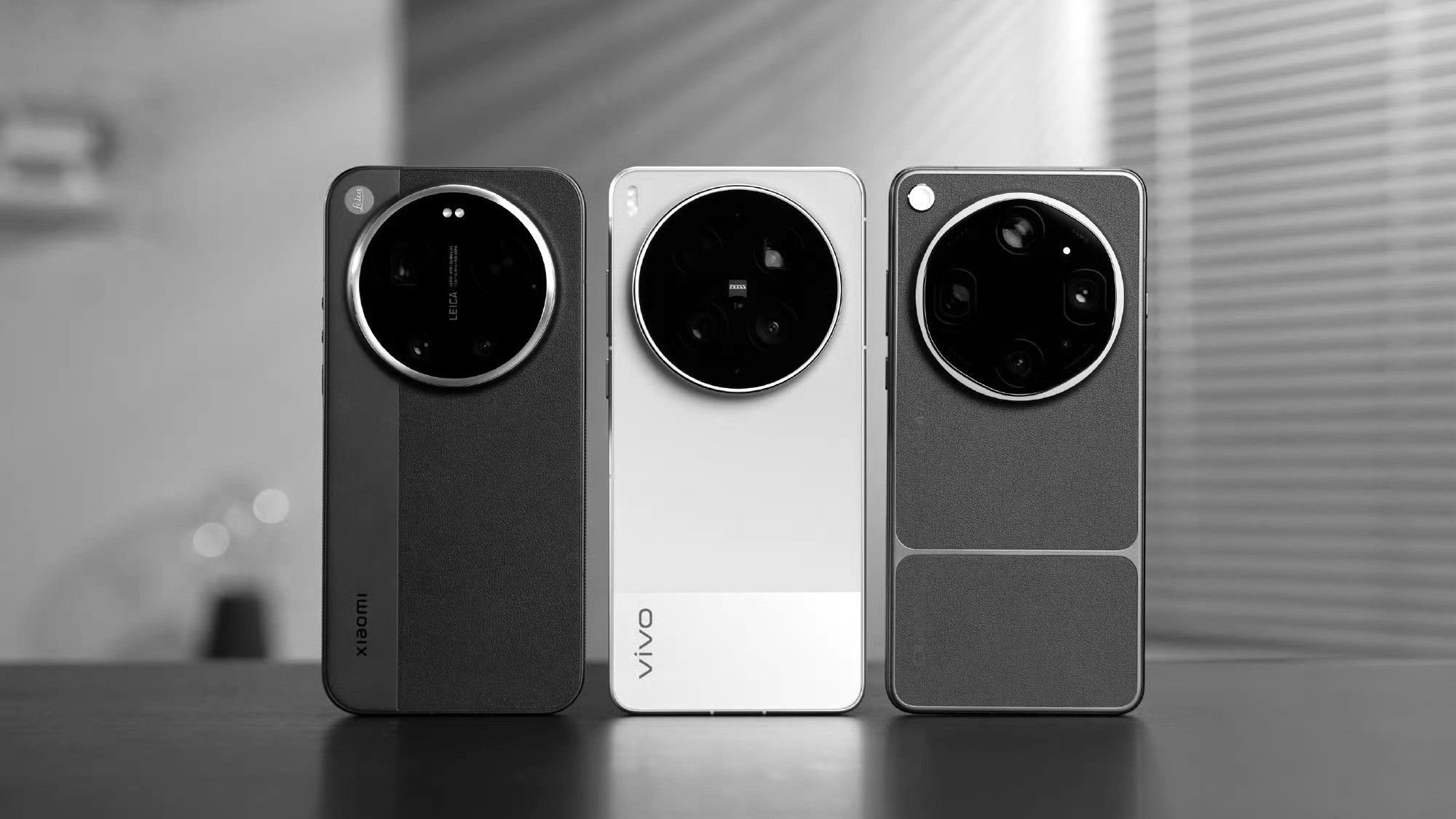
Rising component costs are squeezing manufacturers’ margins, and fewer and fewer customers are willing to pay the rising prices for flagship smartphones, which has reached the 2,000 euro mark (US$2.290) this year and will likely exceed it soon. While the European Xiaomi 17 Ultra (available here on Amazon Germany for about 1,300 euros) now almost seems like a bargain if you consider the forecasts for the upcoming iPhone Ultra, the fate of Xiaomi’s successor appears rather sealed after a leaker recently confirmed the end of development with “99 percent certainty.”
Indian leaker Yogesh Brar has also weighed in on the demise of the Xiaomi 18 Ultra and sees other Ultra flagships at risk as well, even though there have been indications of a rather active development for the Oppo Find X10 Ultra in particular. The Hasselblad camera flagship for 2027 currently appears to be the most stable development, possibly because it might only offer a more moderate and refined update to the Oppo Find X9 Ultra, if leakers are to be believed. According to them, the 10x telephoto will be enlarged plus a square sensor is likely to appear at the front.
Ideas for more powerful flagship cameras
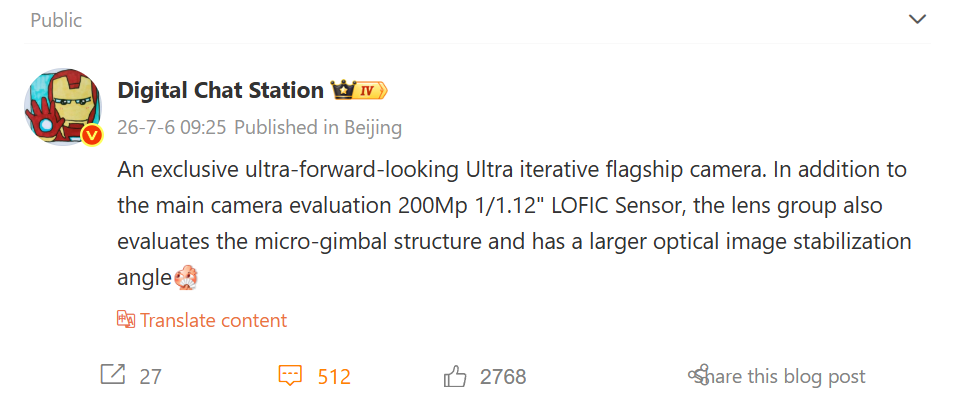
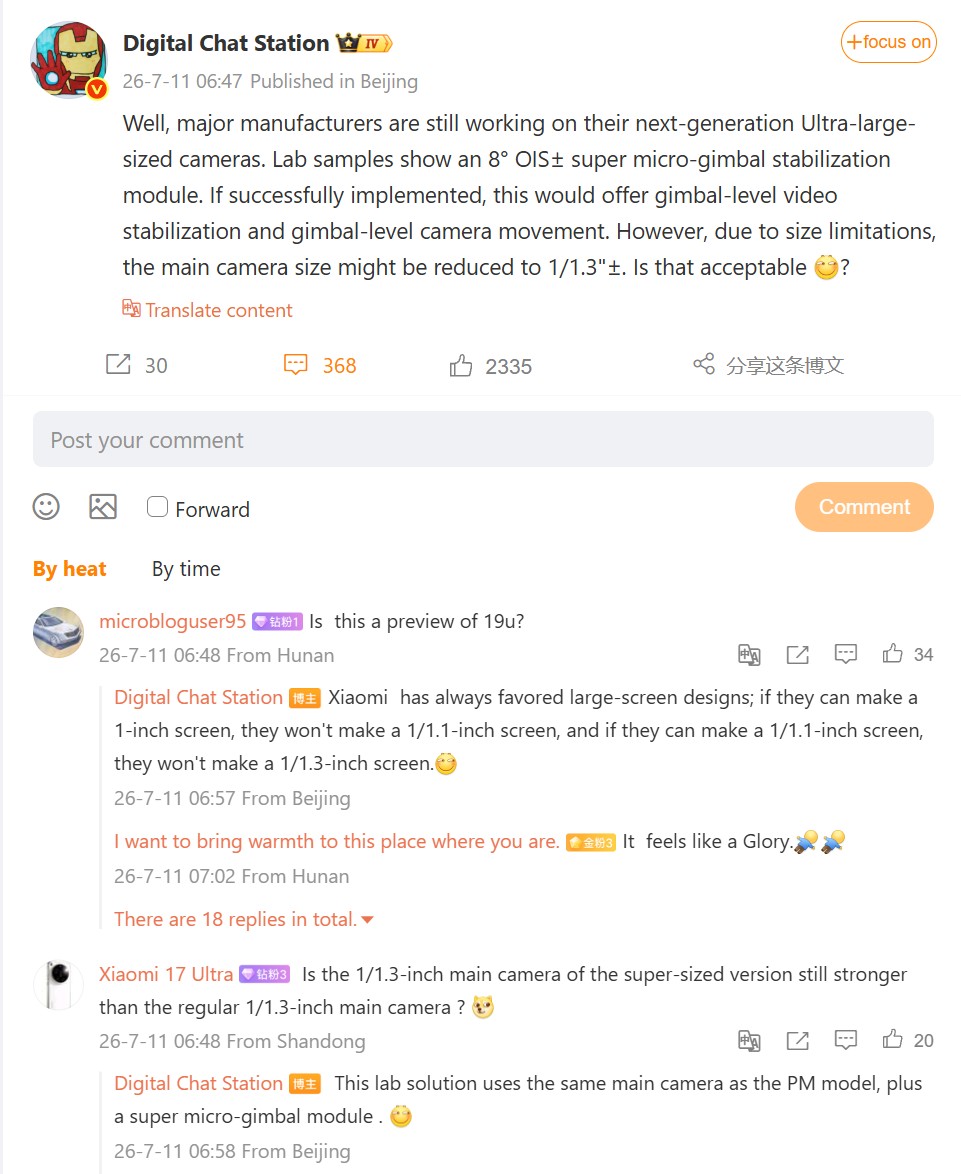
While Kartikey Singh recently hinted that there might not be a Xiaomi 18s Ultra but potentially an early Xiaomi 19 Ultra, his colleague reports on a new Mix series flagship—which may be released in China only, featuring the XringO3 chipset, which is expected to launch soon, and some Xiaomi 18 Ultra features. Whether this is the frequently rumored Xiaomi Mix 5 remains to be seen. There certainly seems to be no shortage of ideas on how to further improve the next generations of camera-focused flagships, at least in early stages of development. In recent days, Digital Chat Station shared a few examples from the secret labs on Weibo.
More dynamic images thanks to LOFIC
One candidate (potentially the Oppo Find X10 Ultra), for example, aims to enhance the 200-megapixel main camera—based on the Sony LYT-901 1/1.12-inch sensor—with LOFIC technology, thereby significantly increasing the dynamic range while maintaining the same resolution. LOFIC was apparently back on the table at Xiaomi as well before development of the Xiaomi 18 Ultra was seemingly halted. The 200 MP optical zoom camera with variable focal length was also expected to benefit from it, similar to the main camera. Image stabilization also appears to be a priority for Chinese manufacturers.
Gimbal stabilization in smartphones
Vivo, in particular, has focused on this topic with the Vivo X300 Ultra and its 3-degree OIS. In 2027 they could even increase the OIS compensation range to a whopping 8 degrees, as Digital Chat Station currently suggests. This would bring manufacturers a big step closer to the dream of true gimbal-like stabilization in smartphones, even if it could potentially reduce sensor size. Also we’re still a long way from mass production and still at lab stage. We can only hope that no other manufacturers pulls the emergency brake on its ultra-flagships for 2027, although a 2-year upgrade cycle—rather than annual updates —may appear more realistic in todays ultimate high-end segment.
Source(s)
Yogesh Brar,Digital Chat Station (2)
Image: Weibo
 Add as a preferred source on Google


