


This global Zeiss flagship camera joined me on a trip through Brazil (Extensive photo story, part 1)
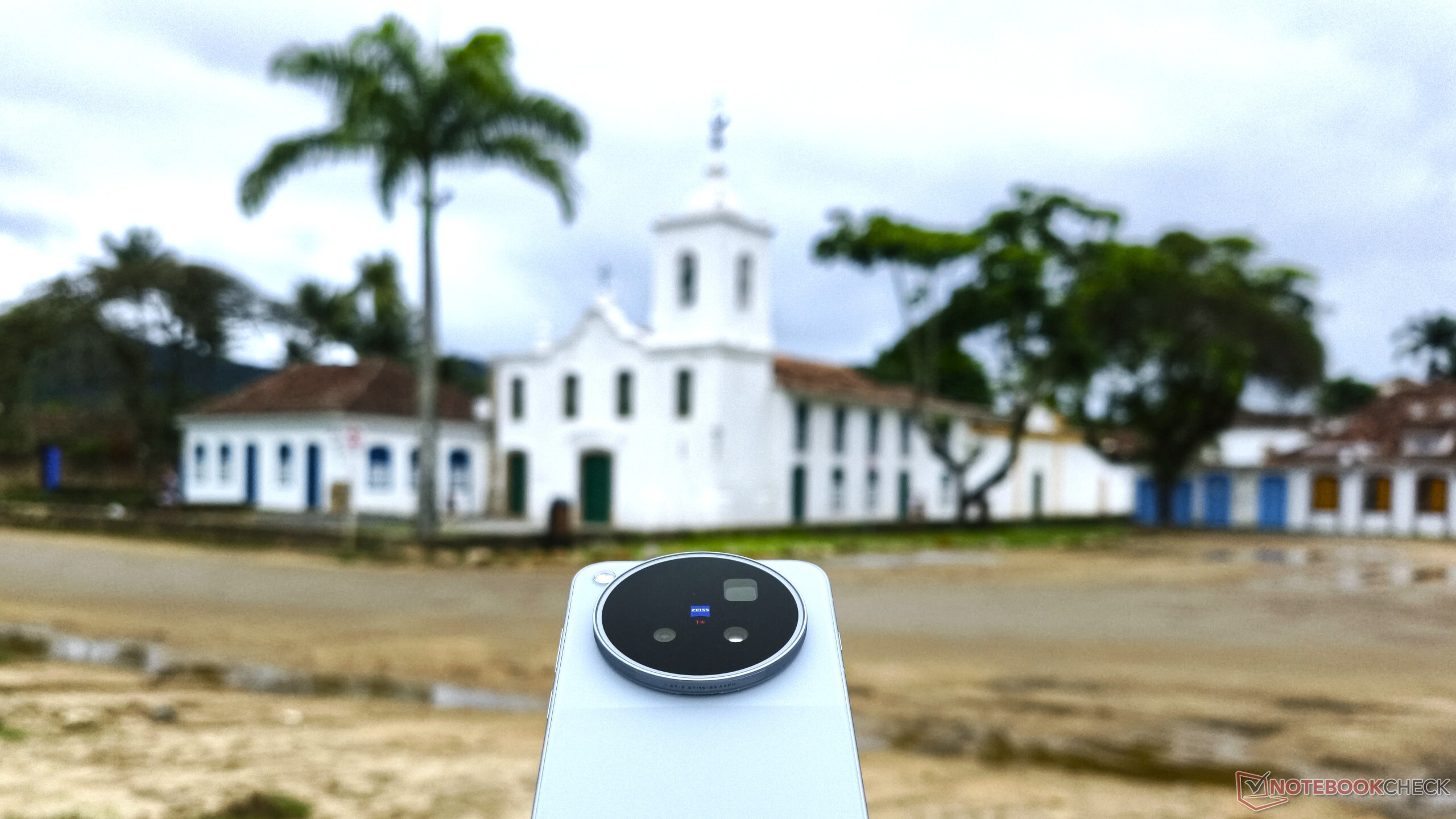
It took me a long time to finally venture onto the South American continent, thanks to prominent media reports about crime levels in this part of the world. Fortunately, the reality looks different—at least for a cautious tourist. This was indeed a trip that began with a great deal of anxiety but ultimately turned out to be trouble-free. To anyone afraid of violence in South America, and Brazil in particular, I can only recommend checking these countries out for yourself. Of course, you should follow advice from locals and not head straight into the nearest favela on your own, but most of what you read in the media does not really affect tourists. Fortunately, I did not even experience the notorious phone theft.
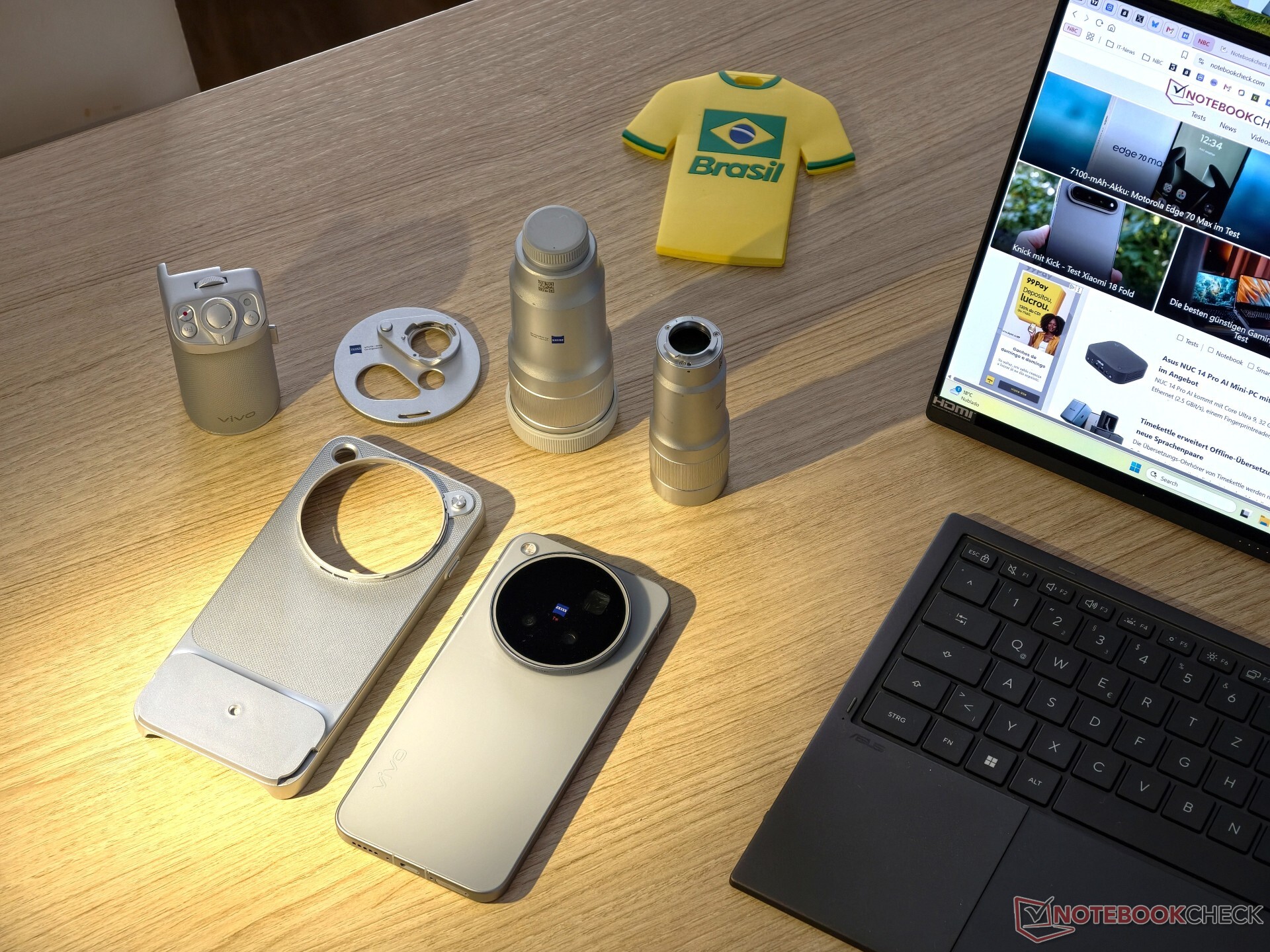
A big thank-you goes to Vivo Austria, who pulled out all the stops to provide me with an X500 Pro Max review unit just before my trip began—one of the first global models available. According to Vivo, it produces more neutral images than the Chinese model, particularly when it comes to skin tones, I suppose. At this point, I would like to make it clear that this travel report is not sponsored, nor was the trip paid for by Vivo. Vivo also has no influence over my coverage, where I will raise some critical questions further down the line. The Vivo X500 Pro Max is now officially available in Europe and other parts of the world, with even more model variants than previously expected. Some preorder deals aim to soften the blow of prices that have unfortunately risen sharply due to the ongoing memory crisis.
Destination 1: Salvador de Bahía
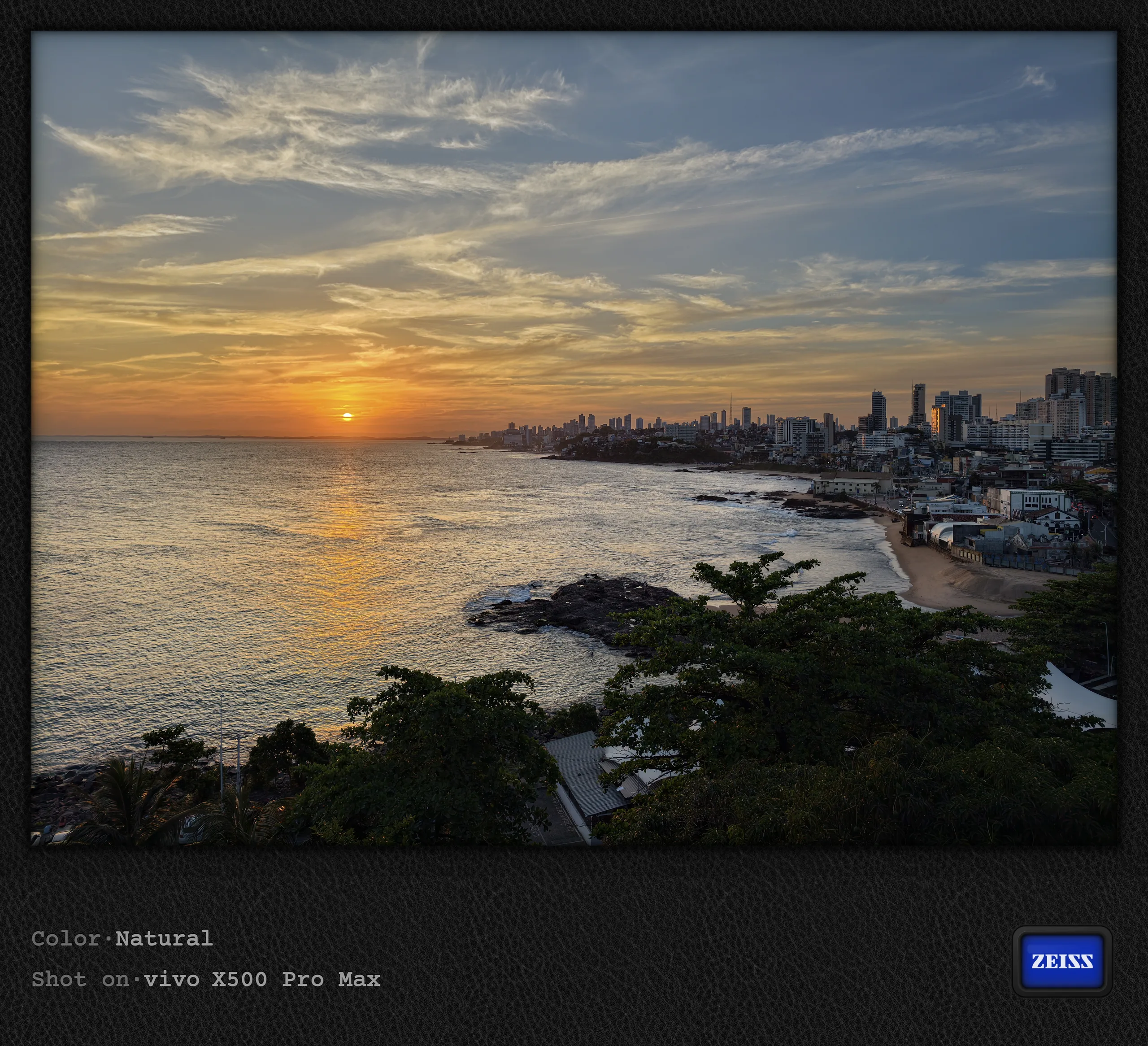
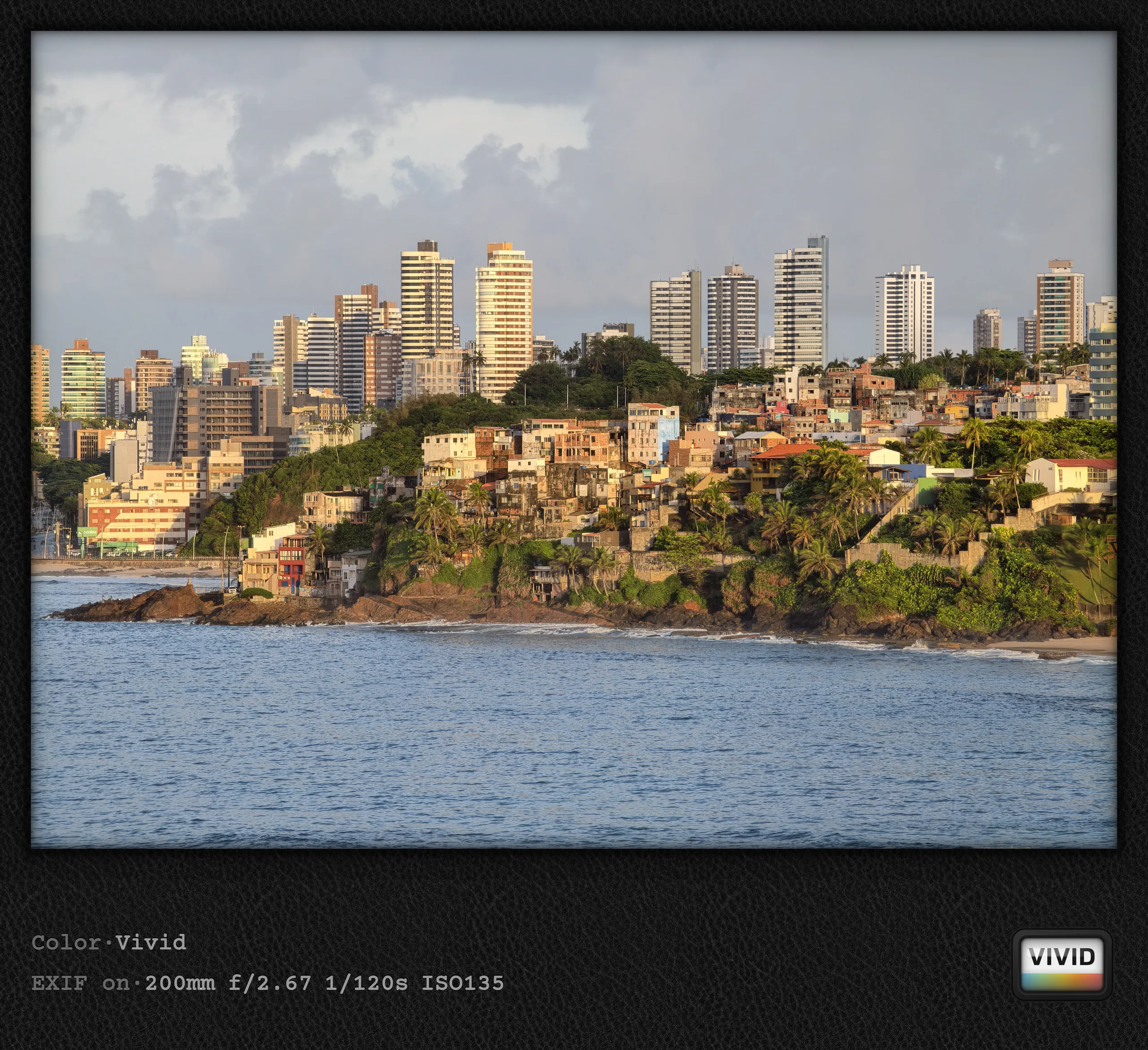
After arriving in São Paulo and spending the night in Guarulhos, I continued straight to Salvador on the first day, reaching my hotel in Rio Vermelho just in time for sunset—with a beautiful view all the way to Barra at the southwestern tip of the peninsula. Incidentally, Salvador and Recife, a little farther north, were among the few places in Brazil where sunshine prevailed. In Rio de Janeiro, São Paulo, and at the Iguaçu Falls on the border to Argentina, it was mostly rainy and cloudy, even though the rainy season shouldn`t start until around November according to my research—apparently not true in a super El Niño year.
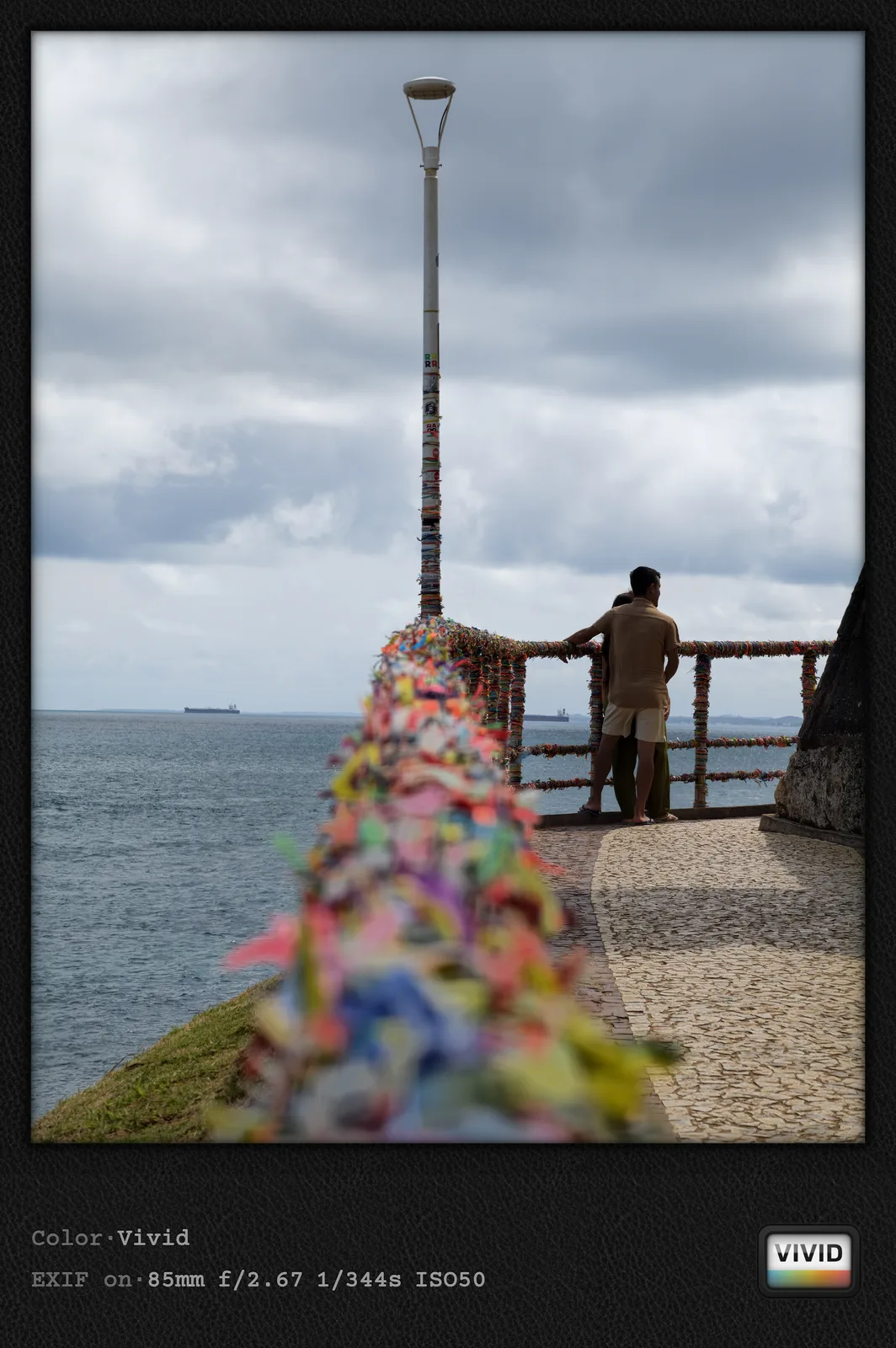
For the camera watermark, I chose one of the new Retro Nostalgia options, which shows the photo style used. You still cannot see that in the photo gallery or EXIF data, but at least it can optionally appear in the watermark now if you choose to use one. I still find it a real shame that many camera features cannot be identified at a glance when culling photos in Vivo's gallery. In addition to the photo style used, this also includes whether a teleconverter was attached or not during capture. Surely Vivo should be able to log this information when taking the photo, since I have to specifically select if and what tele-converter is being used.
How many megapixels would you like?
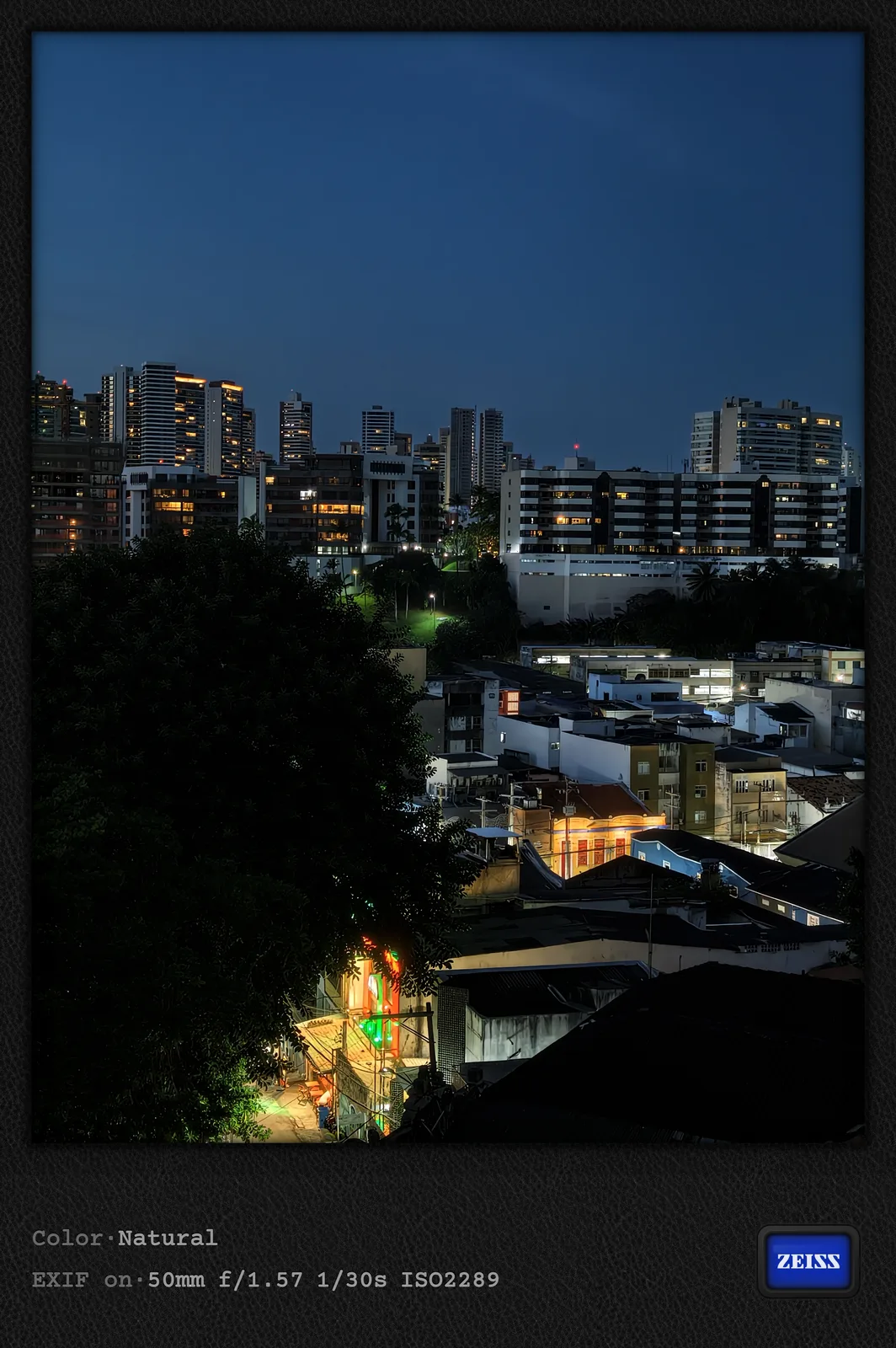
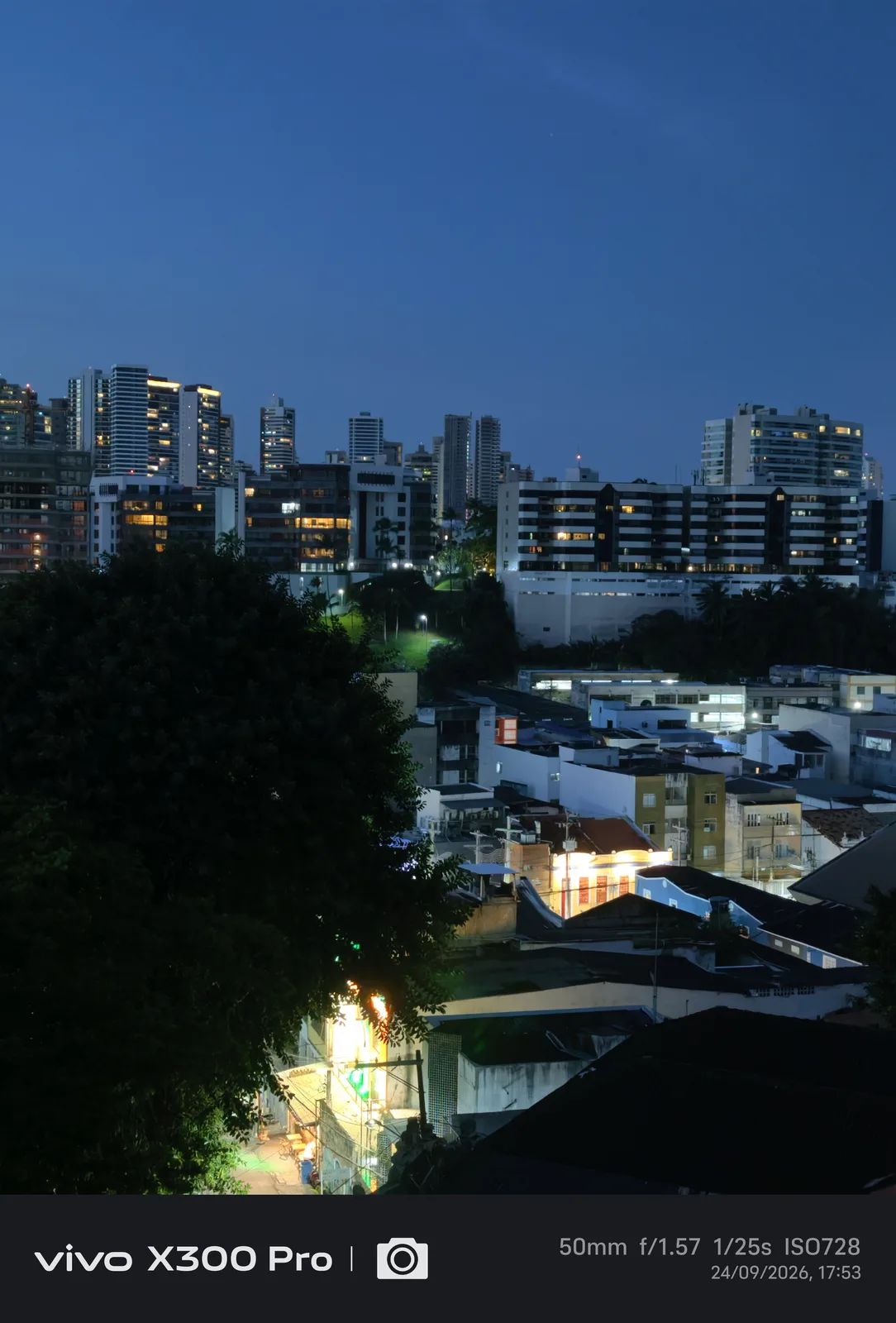
Above is a little preview of a future article in which I will take a closer look at the differences between the Vivo X500 Pro Max and the Vivo X300 Pro. The advantage of the new LOFIC camera sensor is fairly clear: it now delivers noticeably greater dynamic range in difficult lighting situations, though not necessarily sharper images. There are also quite a few new features in the Vivo X500 Pro Max's camera app compared with the Vivo X300 Pro and the Vivo X300 Ultra.
One feature carried over from the latter is the option to take photos at 25 megapixels instead of the standard 12-megapixel resolution. To be on the safe side, I set this as my new default, although—as a small preview of future reports—it does not always clearly pay off. Another unusual aspect is that Vivo apparently decides automatically, much like Oppo, how large the resulting images will be. I have photos here taken at 12, 17, 25, or 34 megapixels, and I have not found a setting to actually control this.
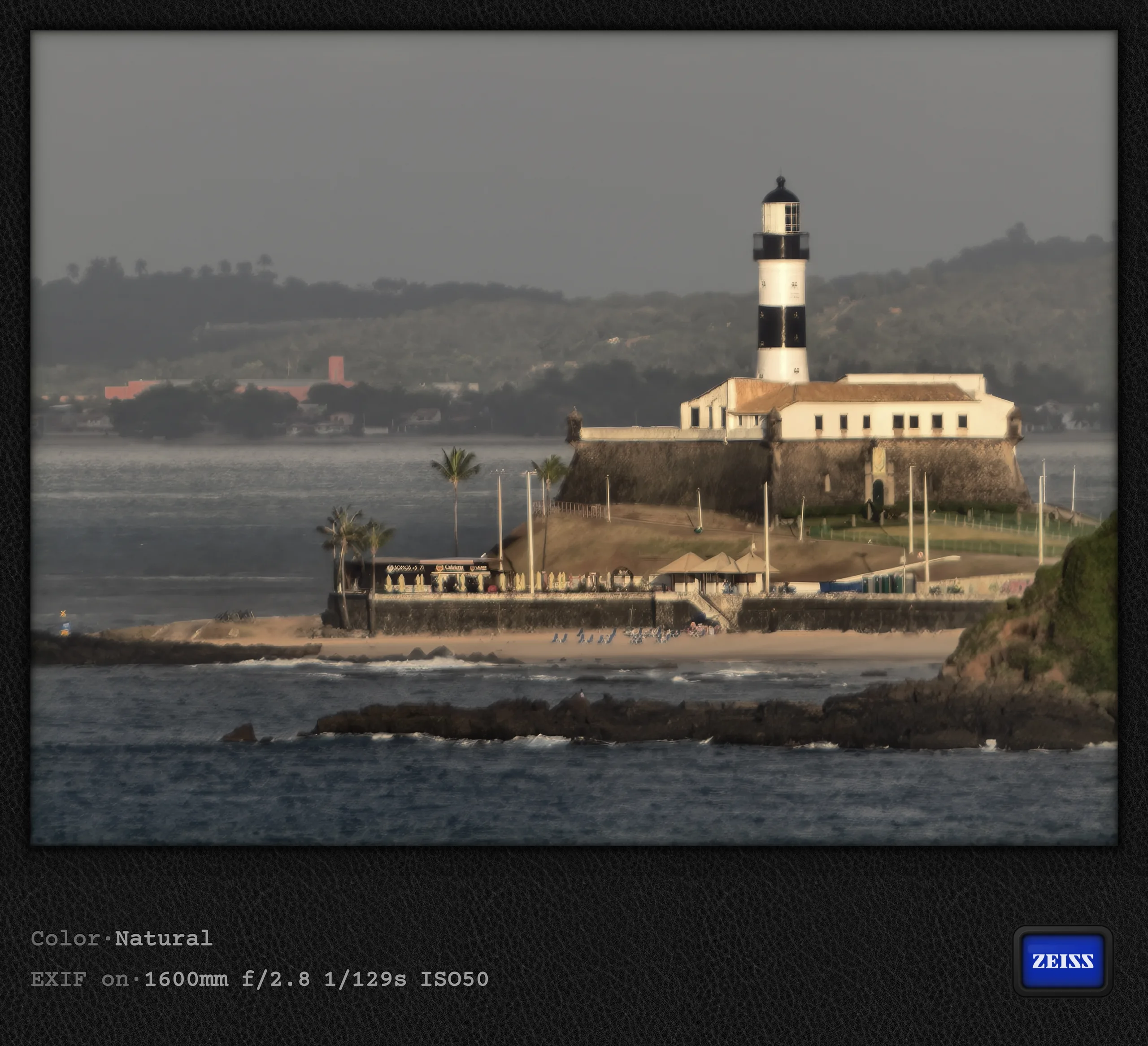
On the way to Barra
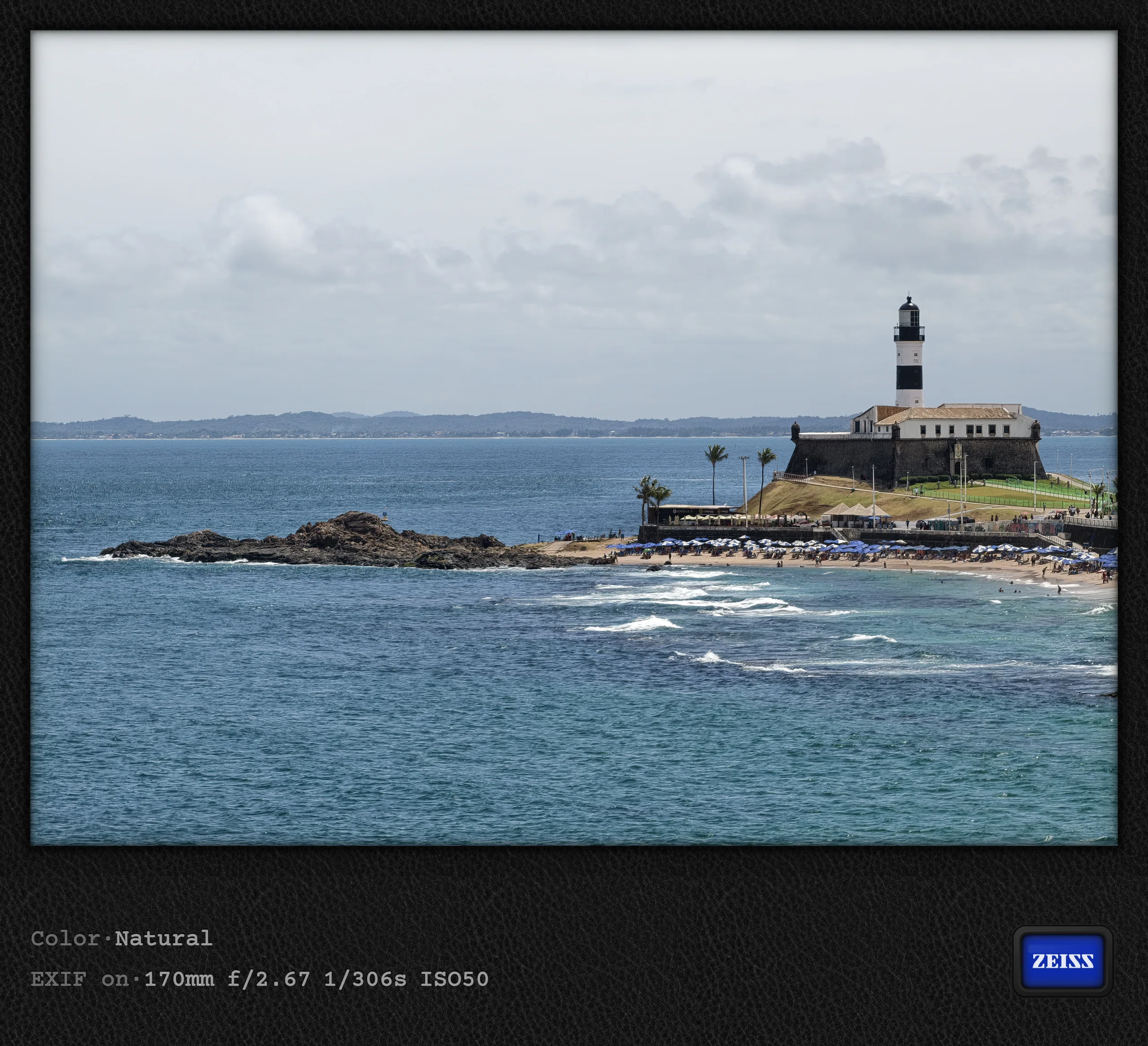
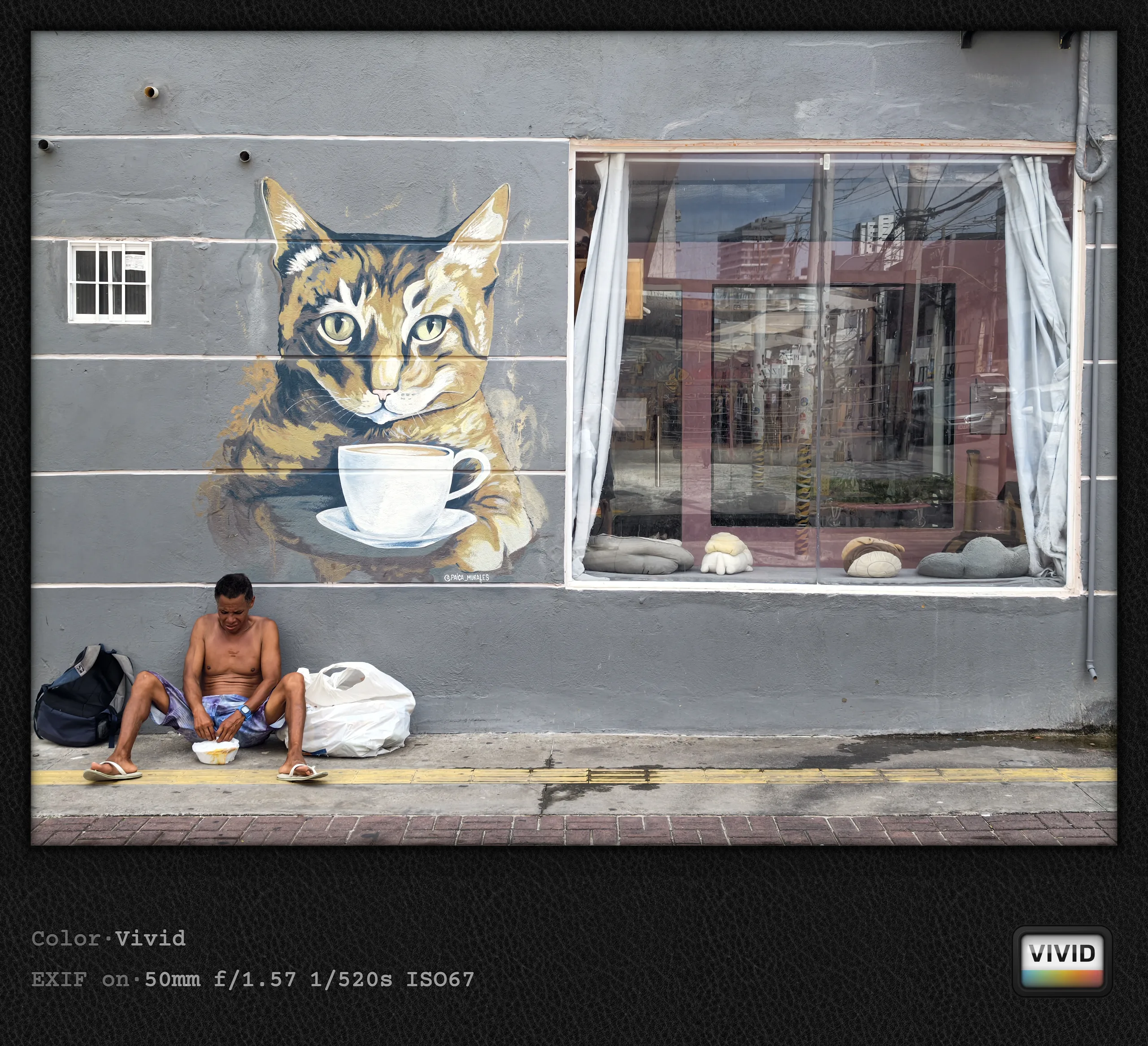
Although I could make out the lighthouse on Barra beach from my hotel, just under 7 km away, I was not happy with the image quality even with the 400 mm teleconverter, so I set off for it—on foot. Along the way, I encountered some friendly dogs and attractive joggers. There was plenty to see, too, from picturesque fishing coves to beautiful street art. People are not my preferred subjects, but when they do end up in front of my camera, I am often quite surprised by how pronounced the AI artifacts can sometimes be when zooming in. At this point in late September, however, the Vivo X500 Pro Max was still running a very early software version, which was subsequently updated several times. Lets get back to this topic in the future.
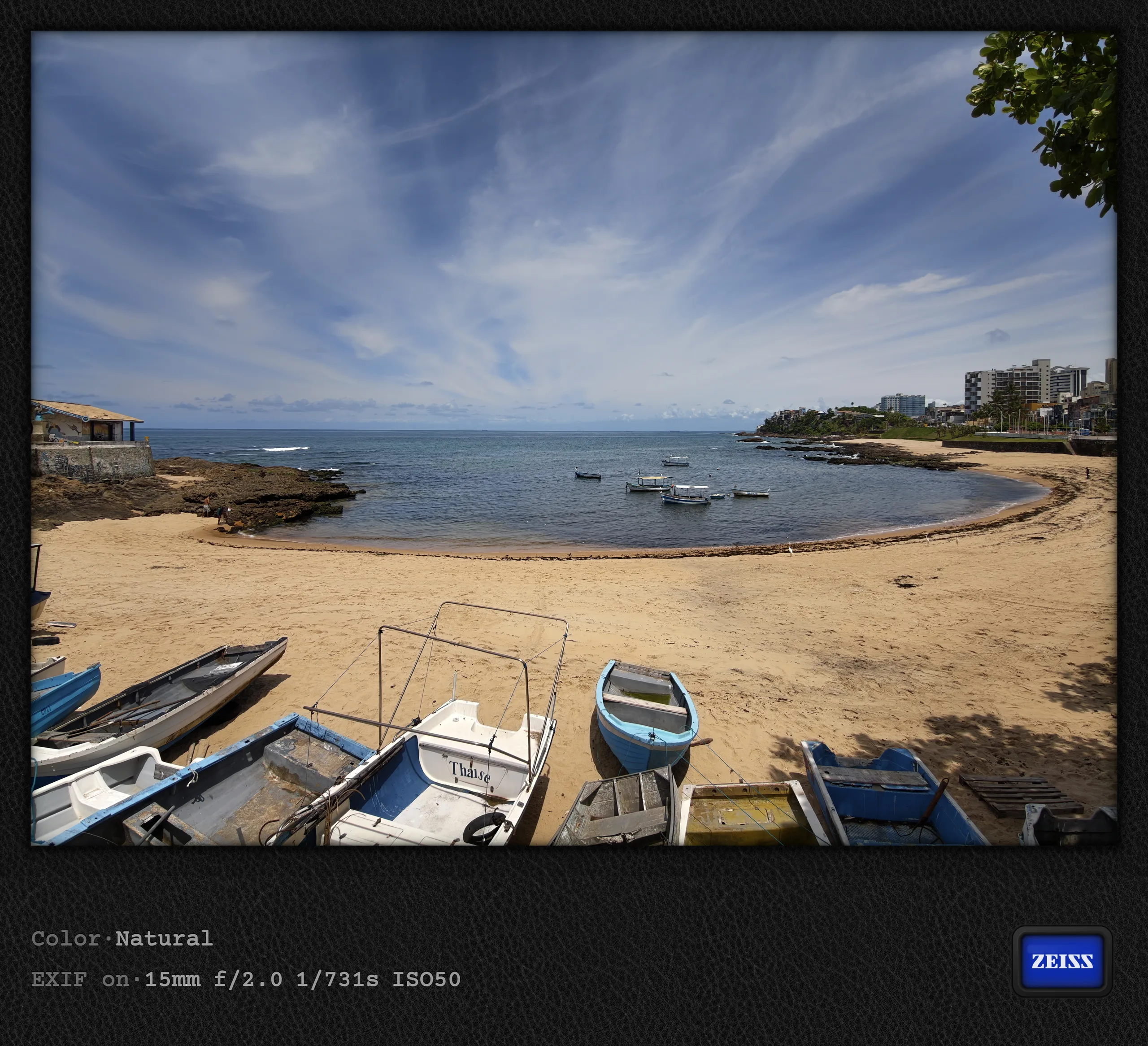
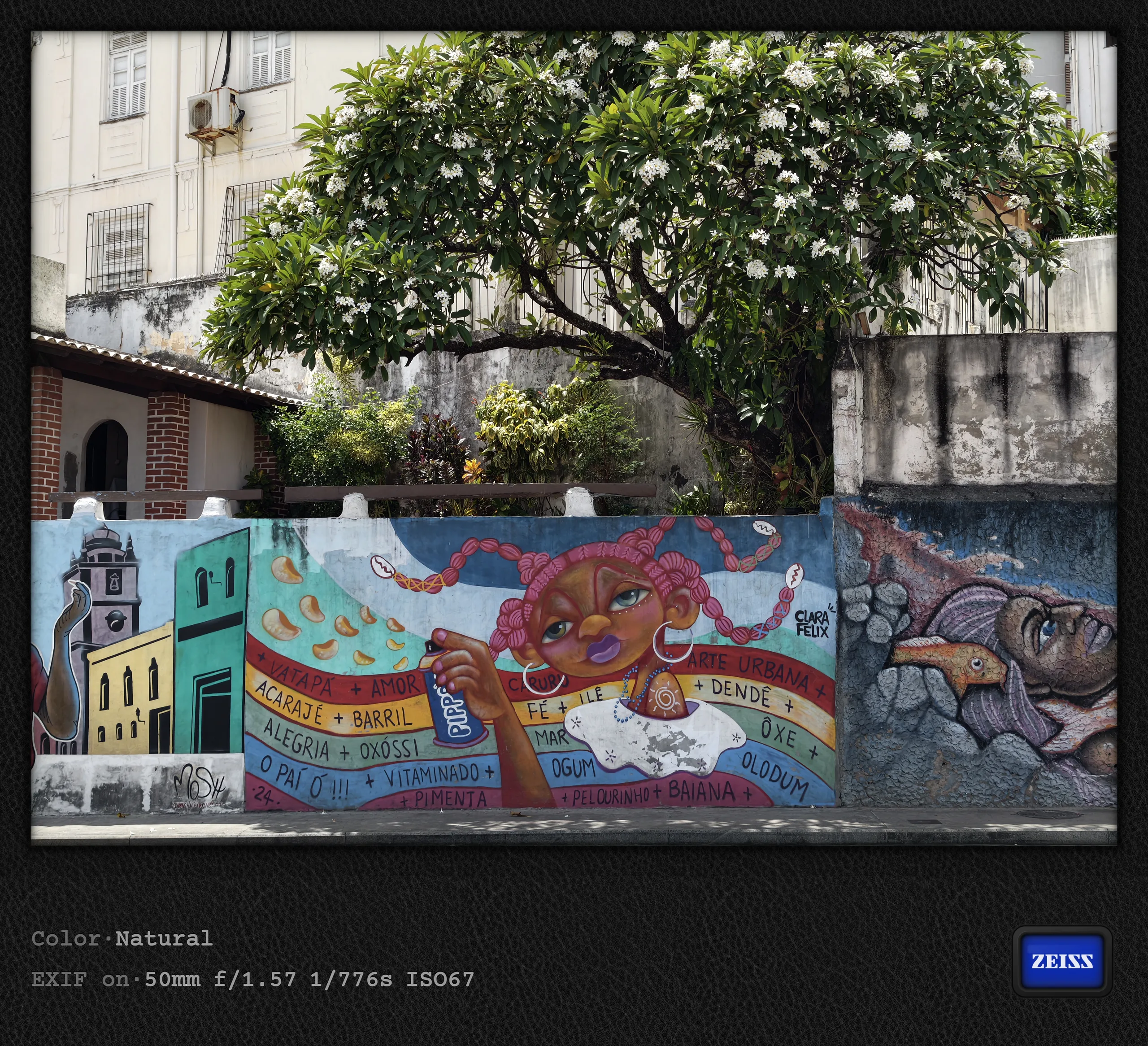
Pix, CPF, and absolutely no cash
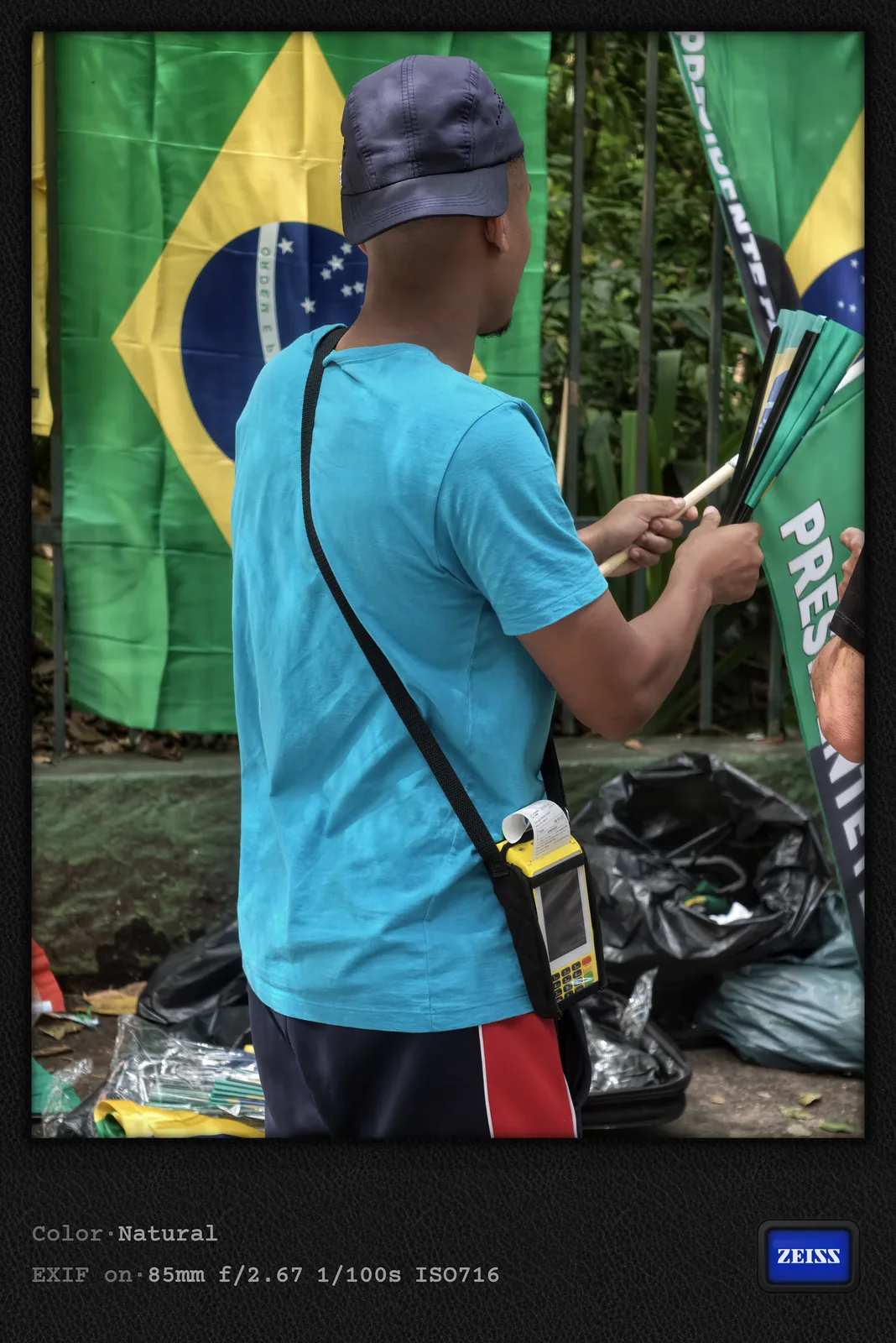
Of course, the main reason to visit Salvador is its UNESCO-listed historic center, so the next day I took an Uber to the famous Elevador Lacerda for the equivalent of €5 or US$5.6. At this point, a note for anyone who still loves cash: I did not exchange money or withdraw cash once on this trip through Brazil. Virtually every shop, restaurant, and even street vendor accepts credit cards (crédito), or, failing that, Pix, a QR-code-based payment system. I recommend that everyone arrange access to Pix before traveling to Brazil. Thanks to apps such as WanderWallet, this is also possible for foreigners without a CPF.
CPF? Yes, unfortunately this is one of those bureaucratic hurdles you will definitely encounter at every turn in Brazil. It is a tax identification number required for practically every online transaction, and it once almost prevented me from using the metro in ão Paulo. Foreigners can apply for a CPF too, but as a tourist I did not really want to go through all the hassle. Without a CPF, however, booking something like an intercity bus trip becomes quite difficult, though not impossible. But back to the topic of cash: I would have needed Brazilian reais only once in the past month, at a metro station in São Paulo of all places, that did not yet have gates accepting contactless credit card payments. The only alternative there was an online payment requiring a CPF. Public transport in São Paulo is a separate topic, though. And just for reference: cash may still play an important role in the Amazon and other rural areas, but at least on my trip along the east coast, Brazil proved to be more cashless than quite a few European countries.
Salvador—the historic city center
Let`s visit the old town now. The historic center sits high above the harbor, which has little to offer travelers apart from the attractive view looking up and a very touristy souvenir market (Mercado Modelo). To get between the two, you can either take a road that you supposedly should not walk along for safety reasons (I did not check), or use the Elevador Lacerda. According to every travel report, I saw, this elevator was supposed to accept coins only—in other words, cash—but it was free on the day I visited. Potentially another exception where you might need cash after all, alongside the metro station in São Paulo mentioned earlier.
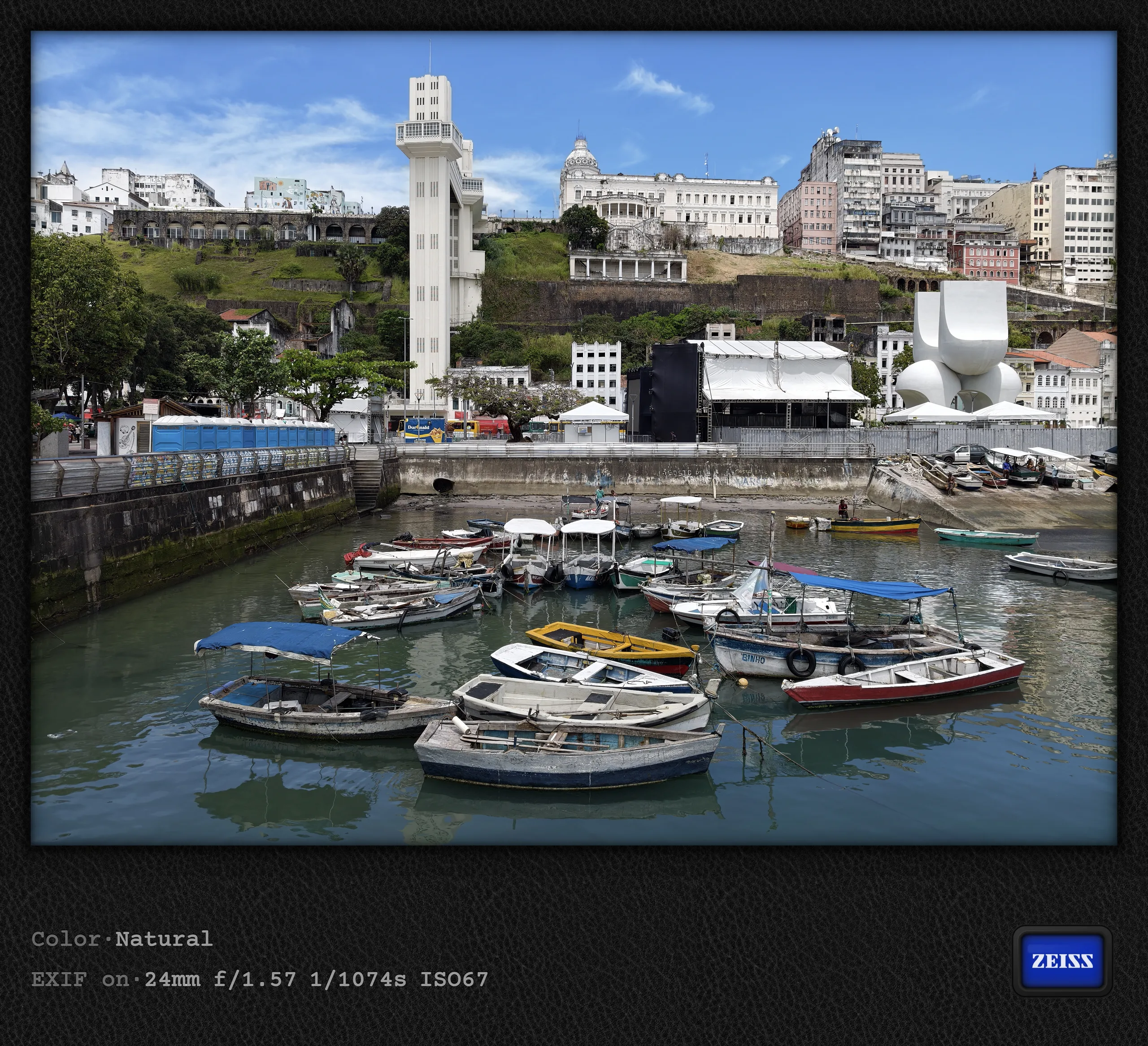
Drums in Salvador
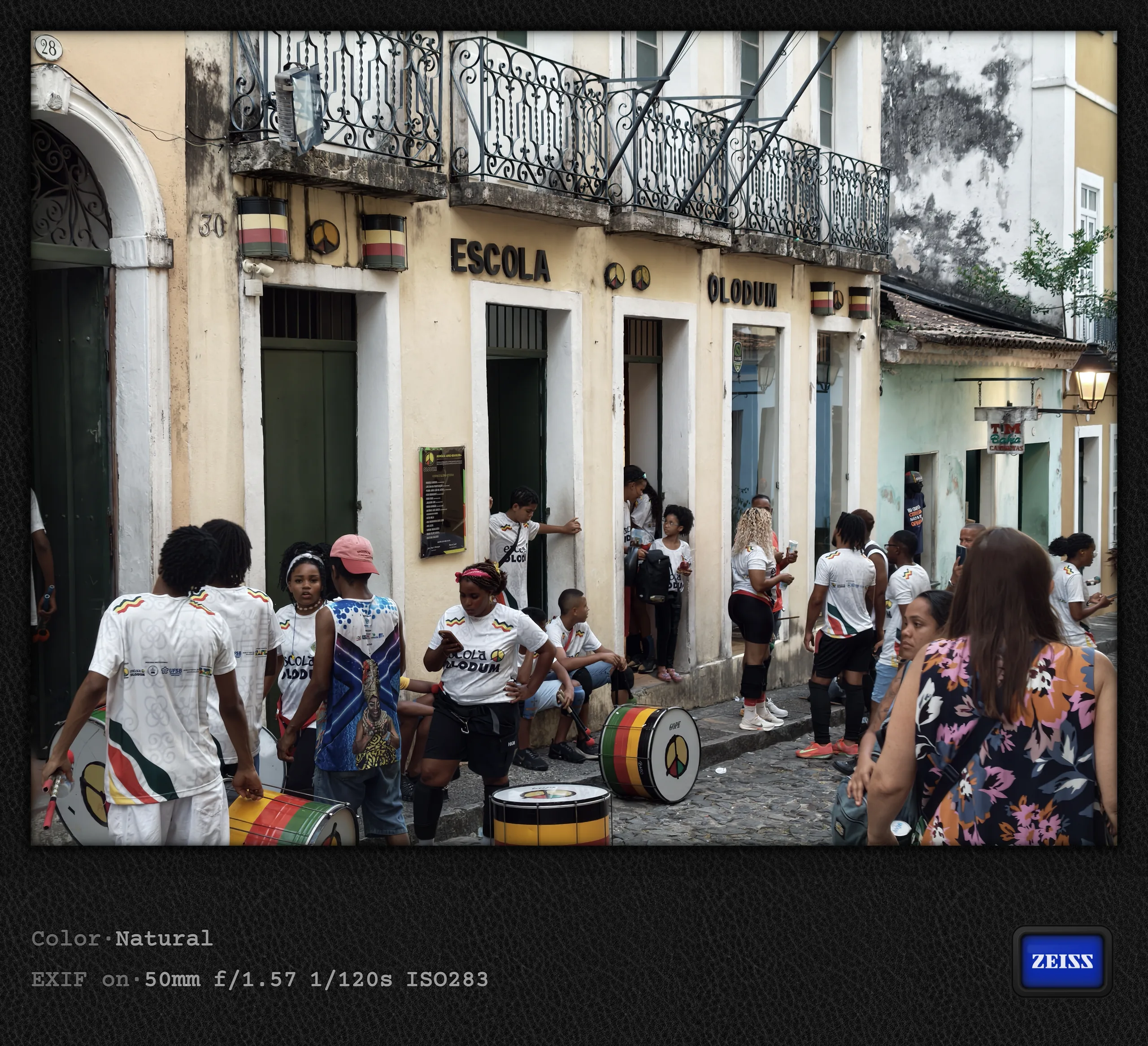
As I walked through the old town, the sound of drums constantly echoed through the narrow streets, especially towards evening. I was eventually lucky enough to witness an incredibly impressive performance by Escola Olodum, who were playing for free in front of the school. At that moment, I really wished I had brought a good microphone: given the volume in that narrow street, my recording on a DJI Osmo 360 II was completely distorted. I recorded two other, much smaller "baterias" (percussion bands) with the Vivo X500 Pro Max. You can watch the shorter of the two videos just below.
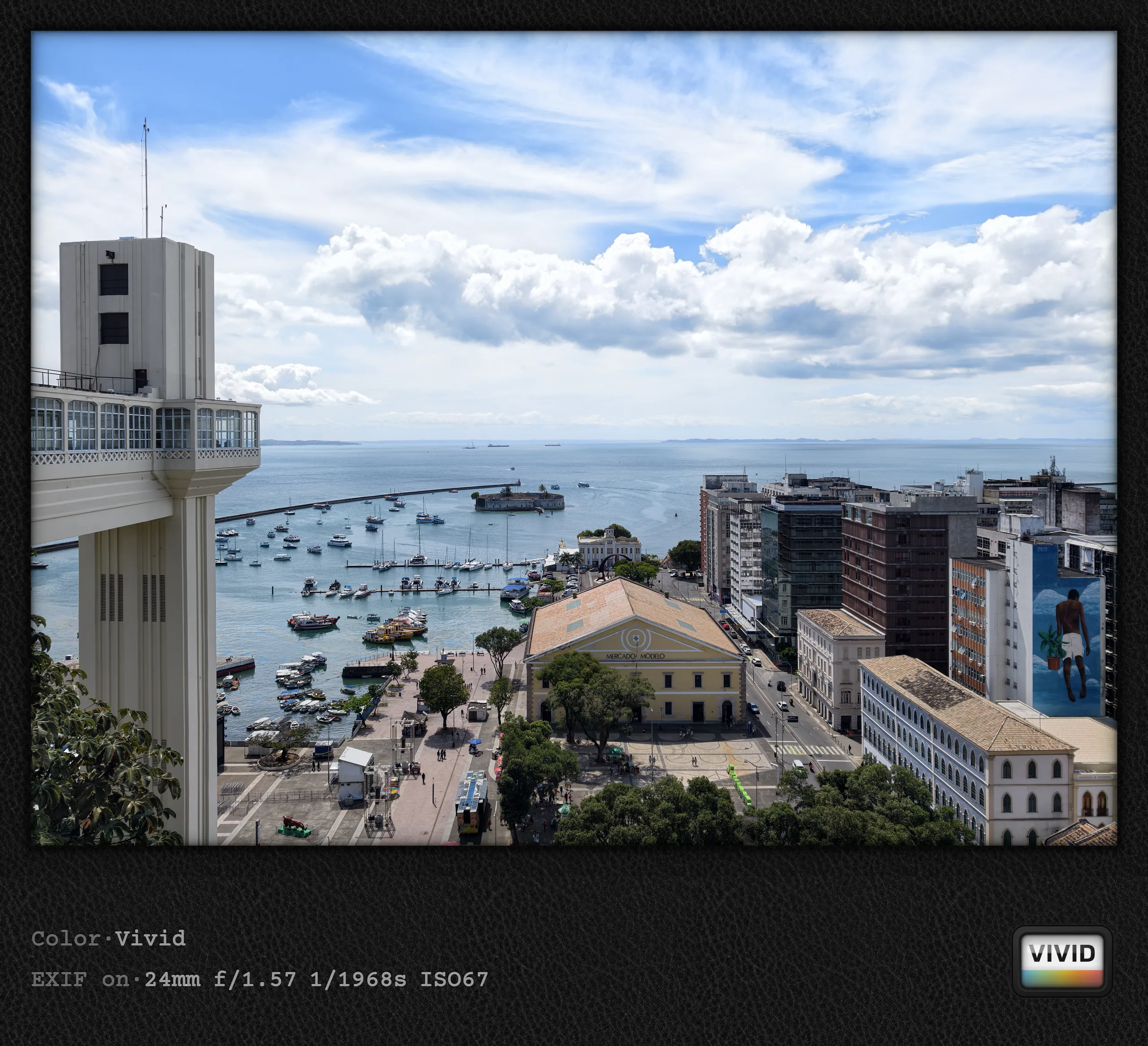
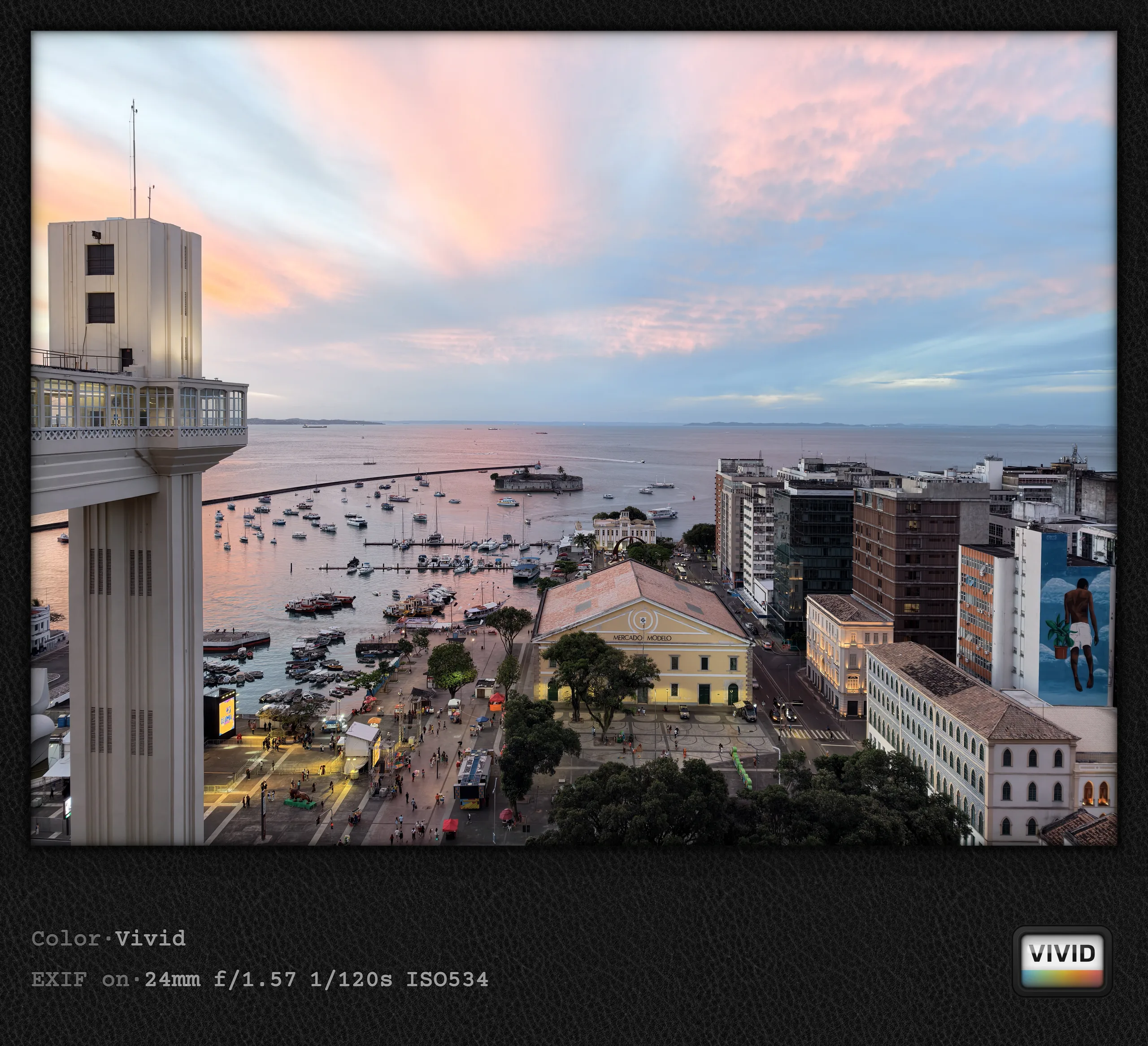
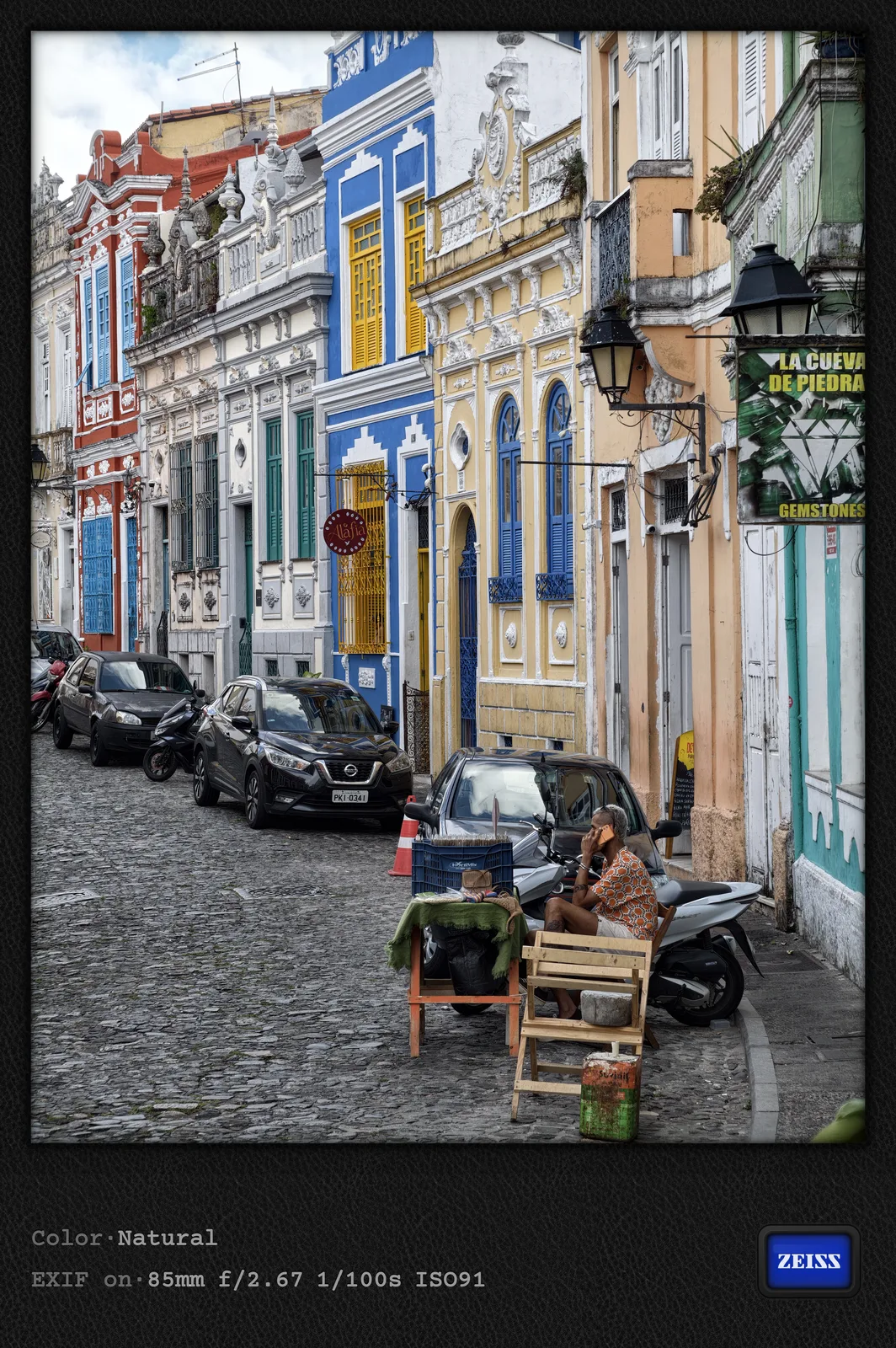
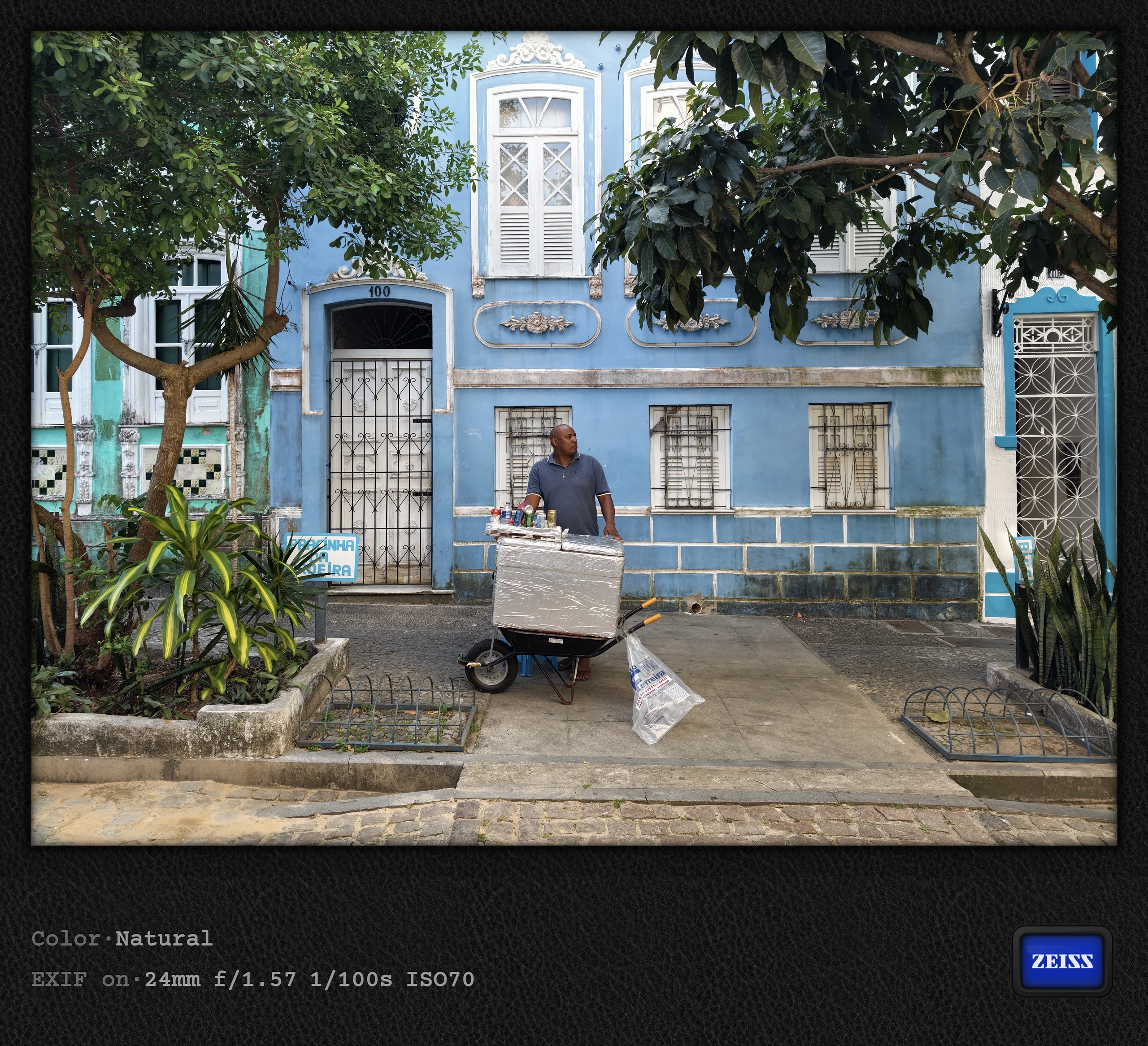
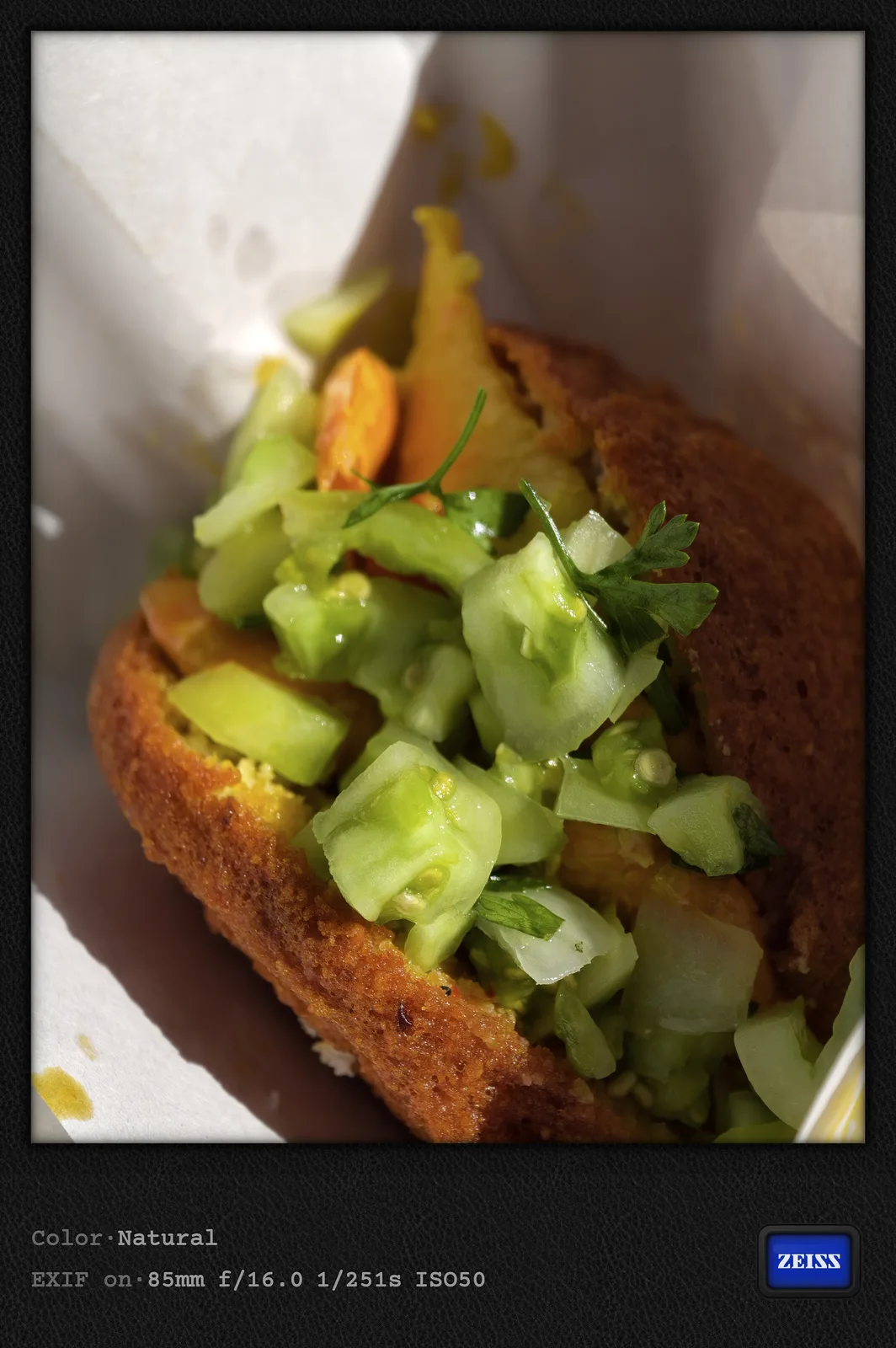
The historic center wasn´t just an orgasm for the ears, but for the eyes as well—if you ignore the cars constantly winding their way through the narrow streets and spoiling the peaceful experience. For a bite to eat along the way, I had delicious acarajé from Dona Norma and Sons, authentic local street food at its finest—paid for using Google Pay on the Vivo X500 Pro Max.
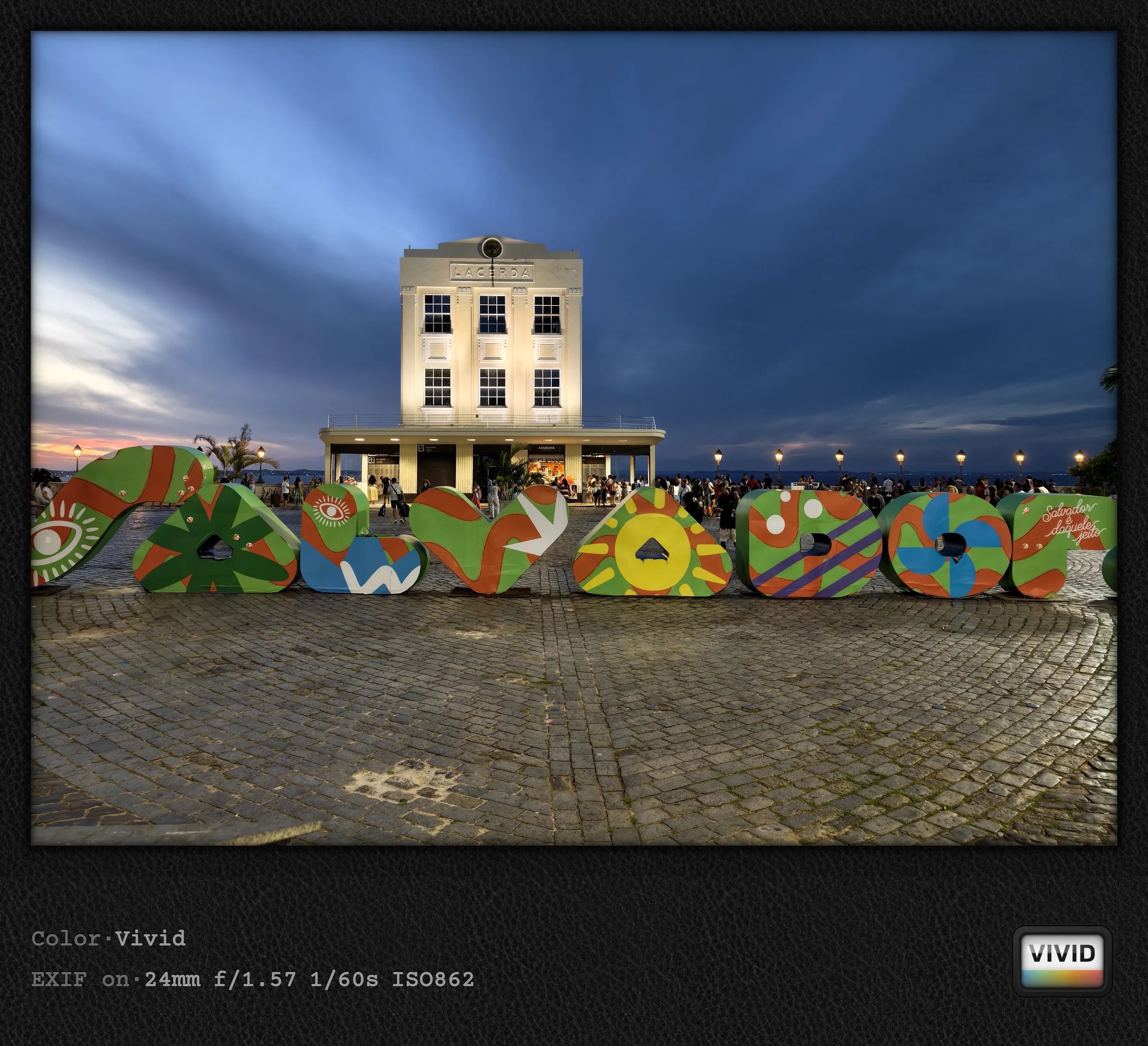
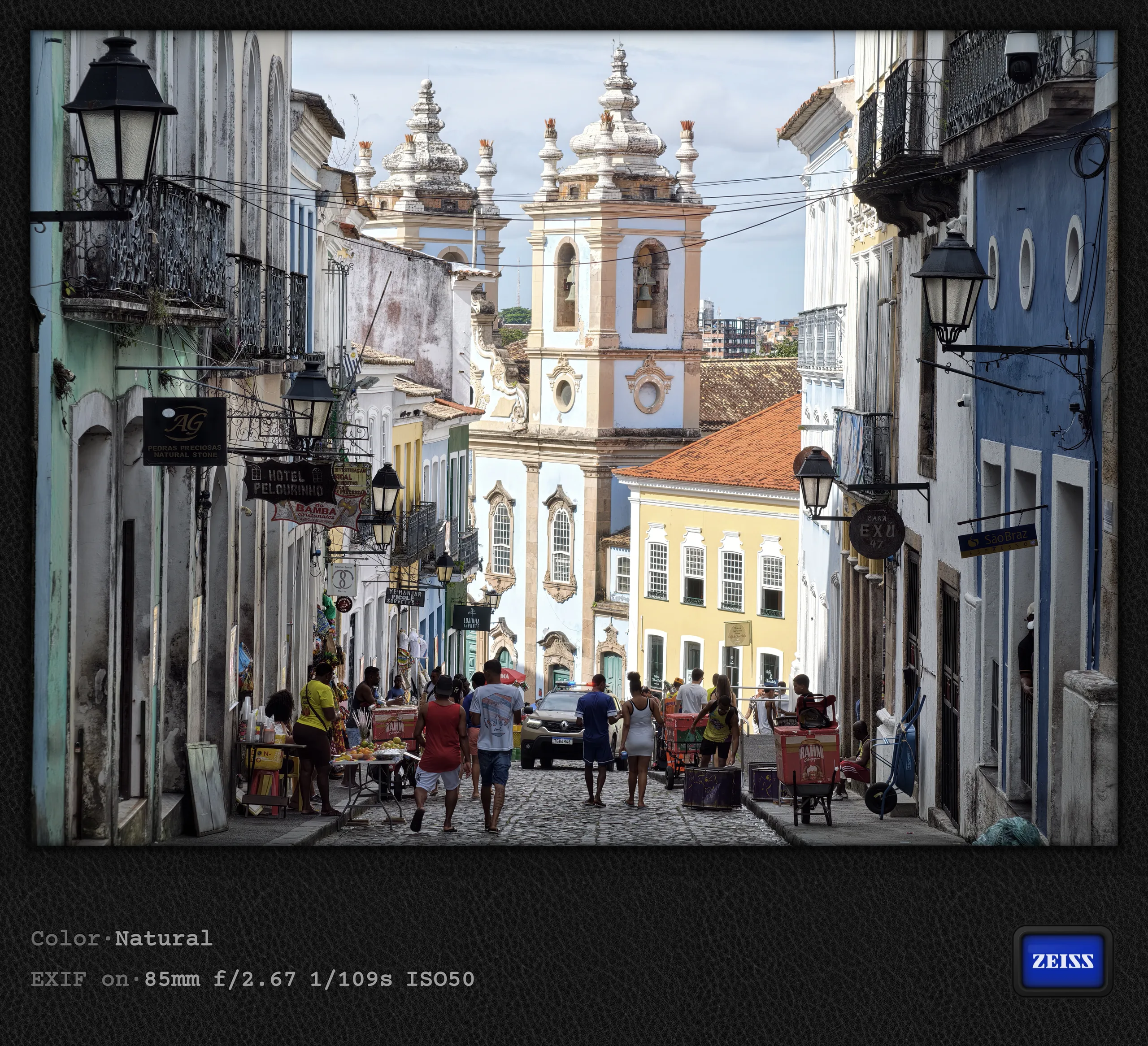
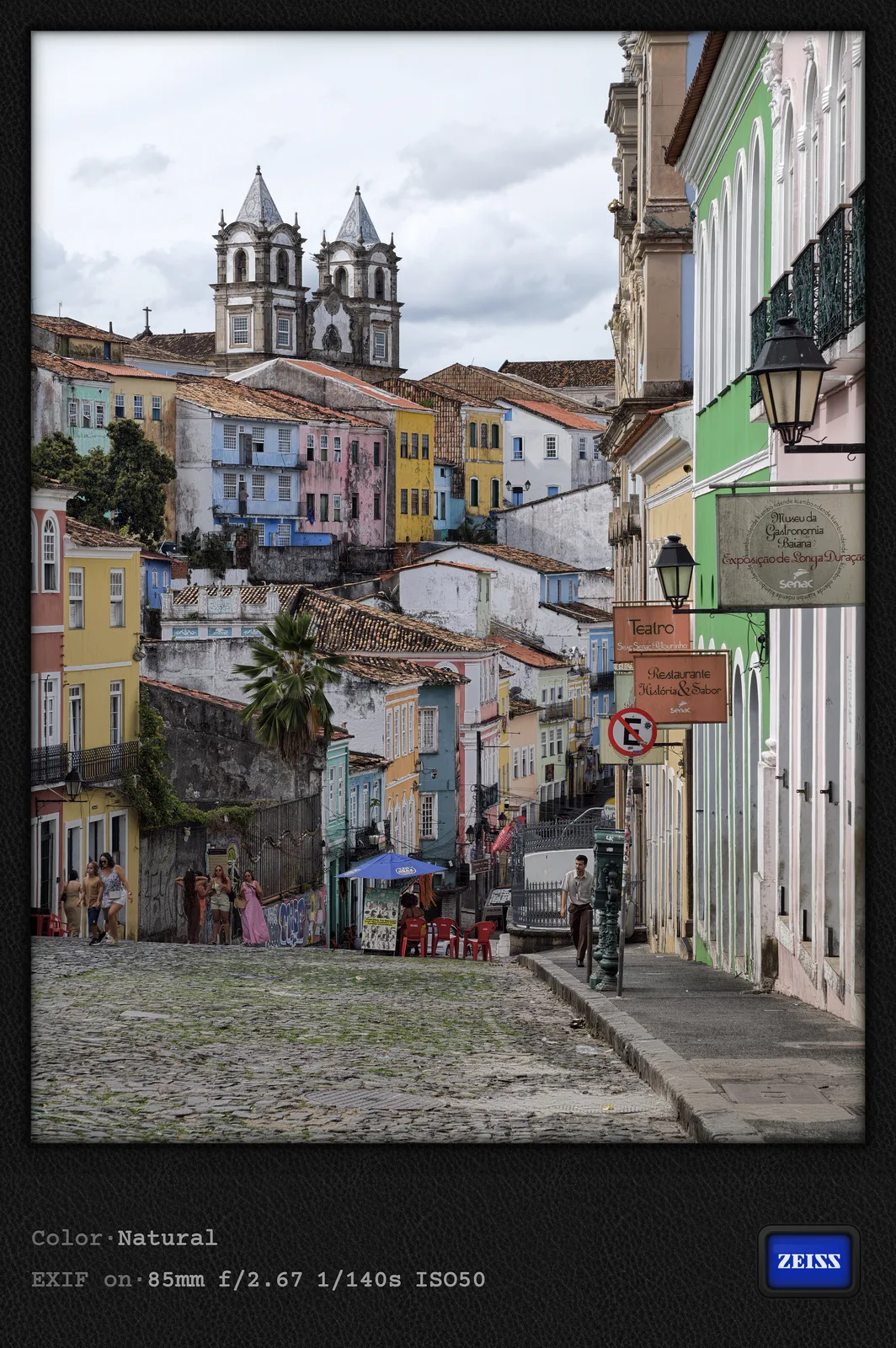
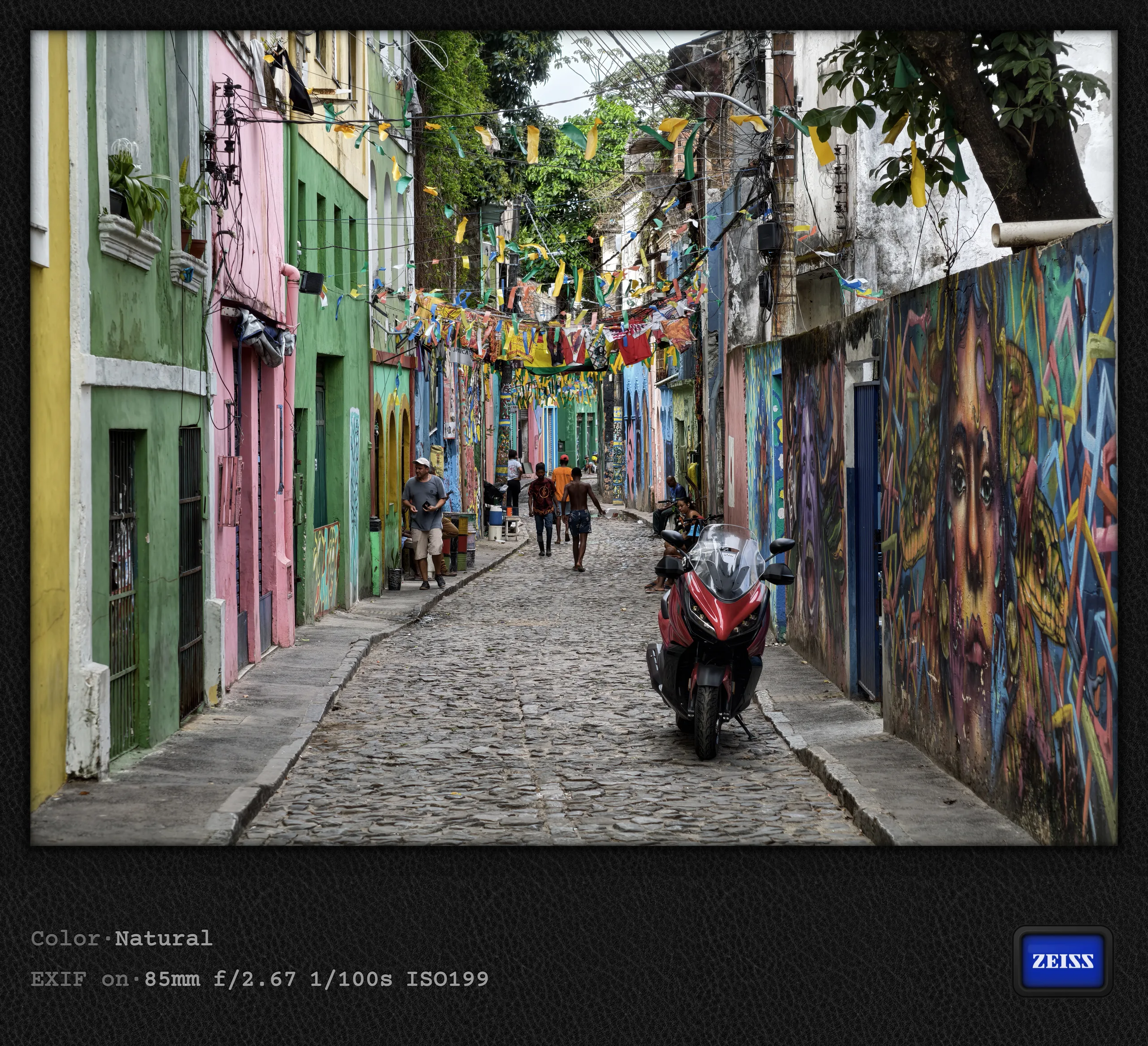
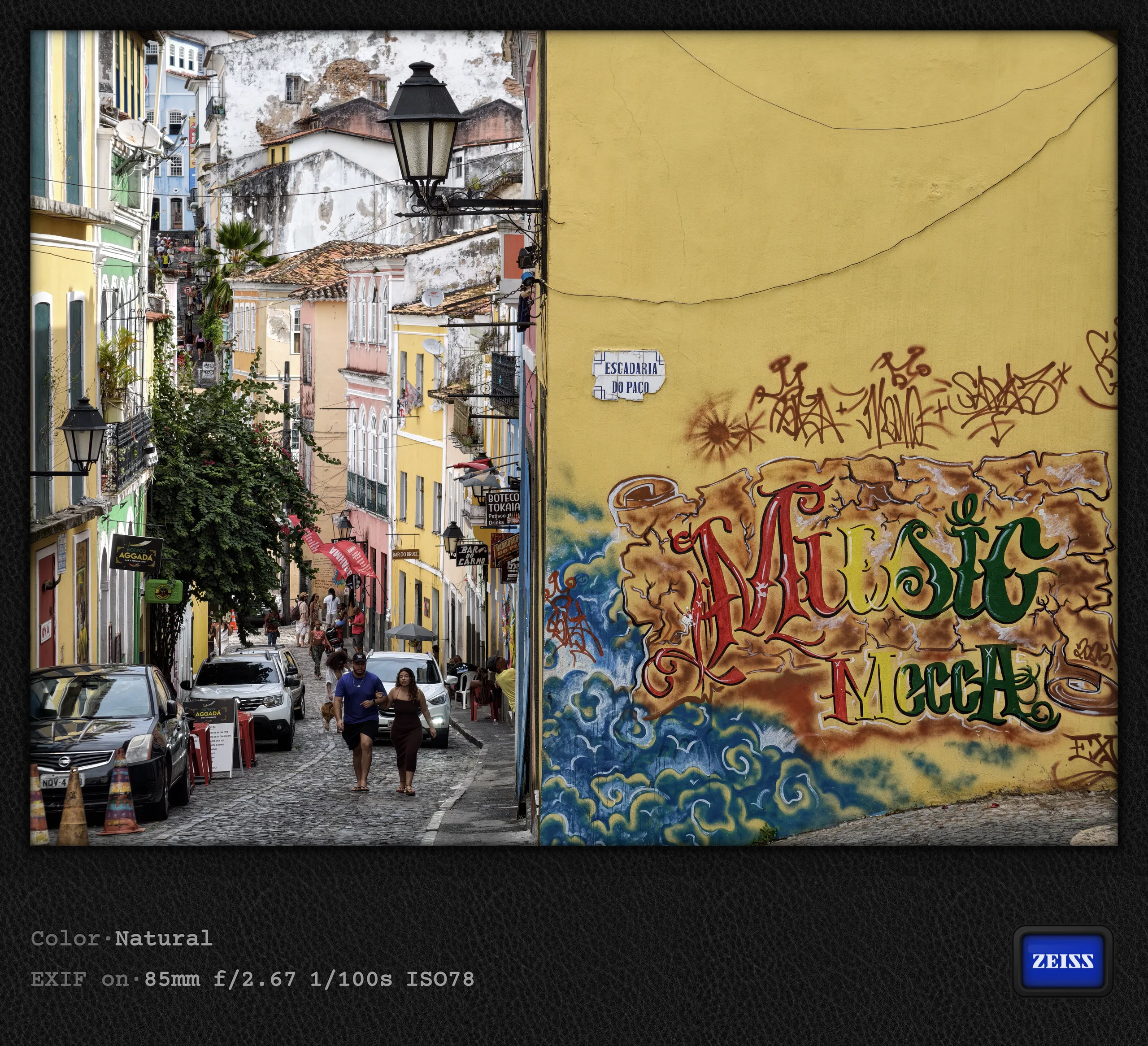
One sunset later, it is off to Recife
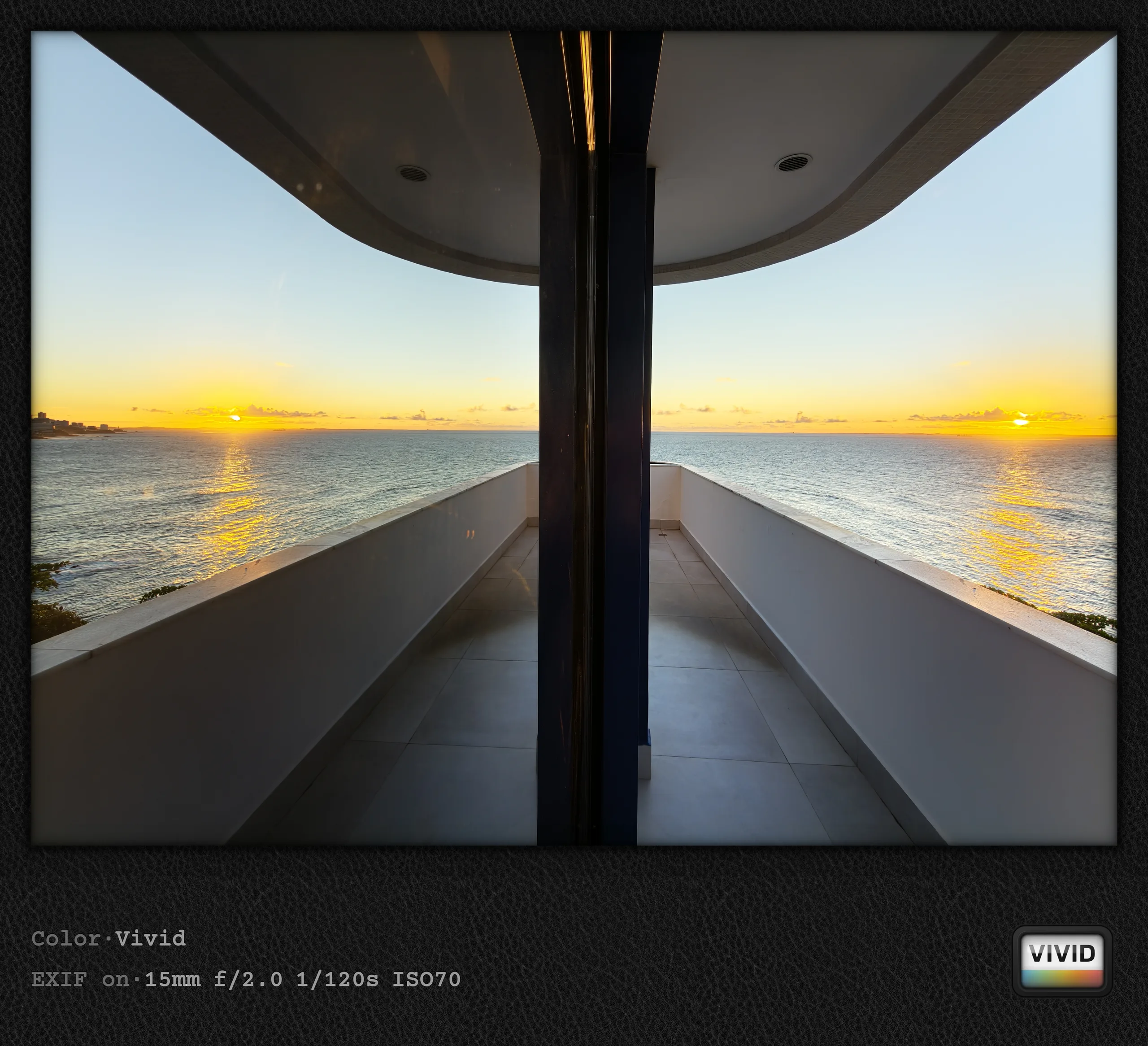
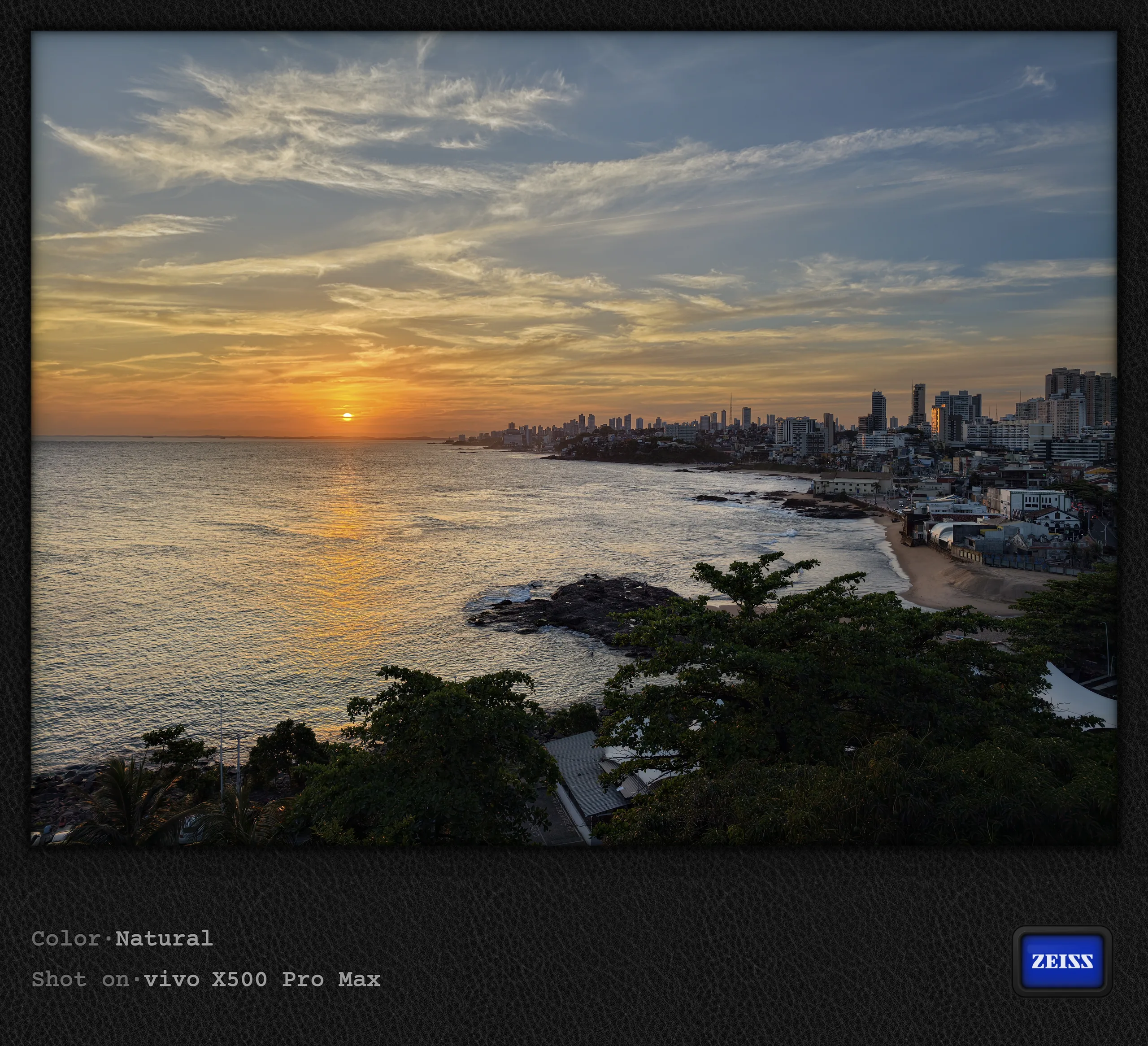
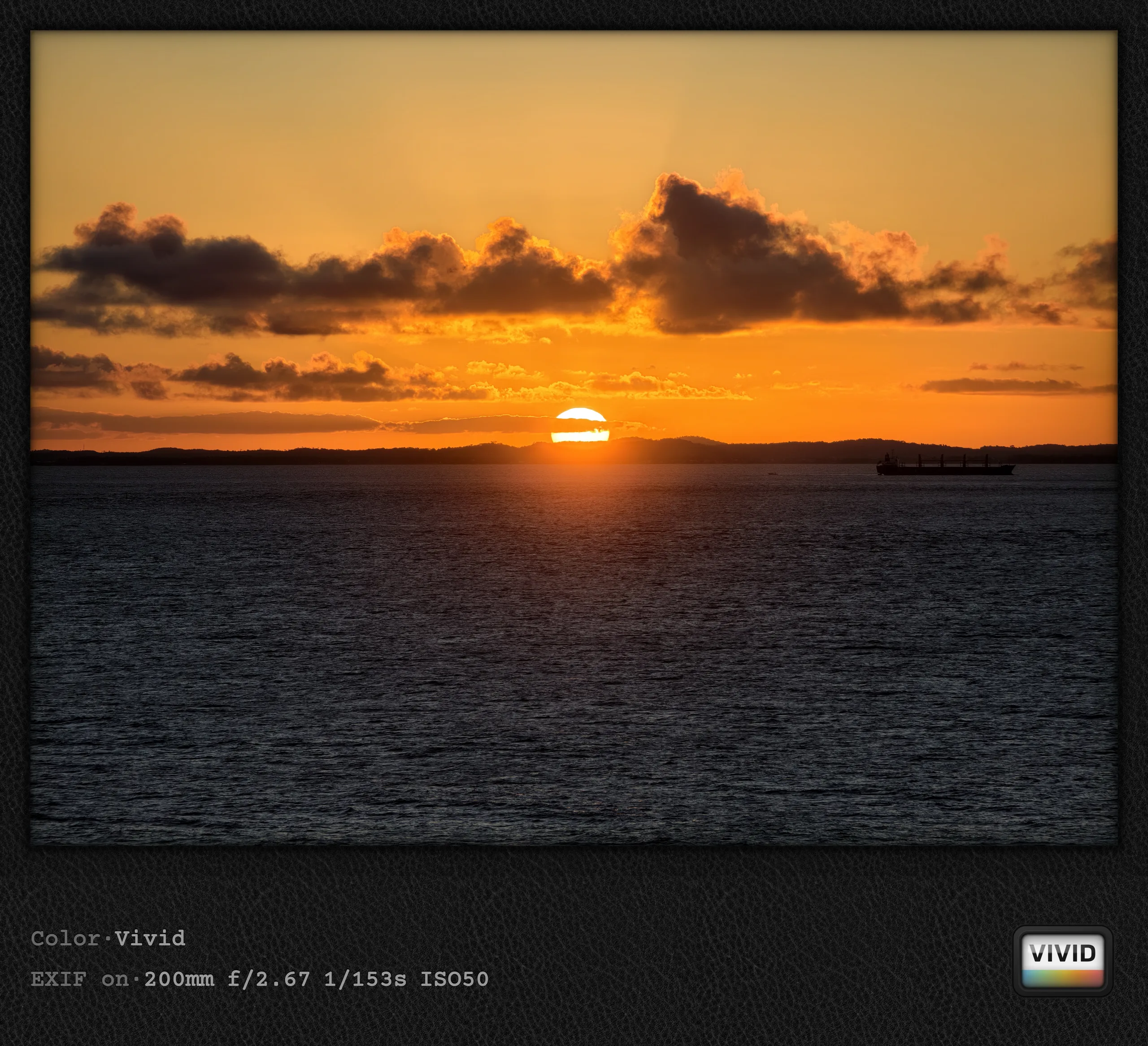
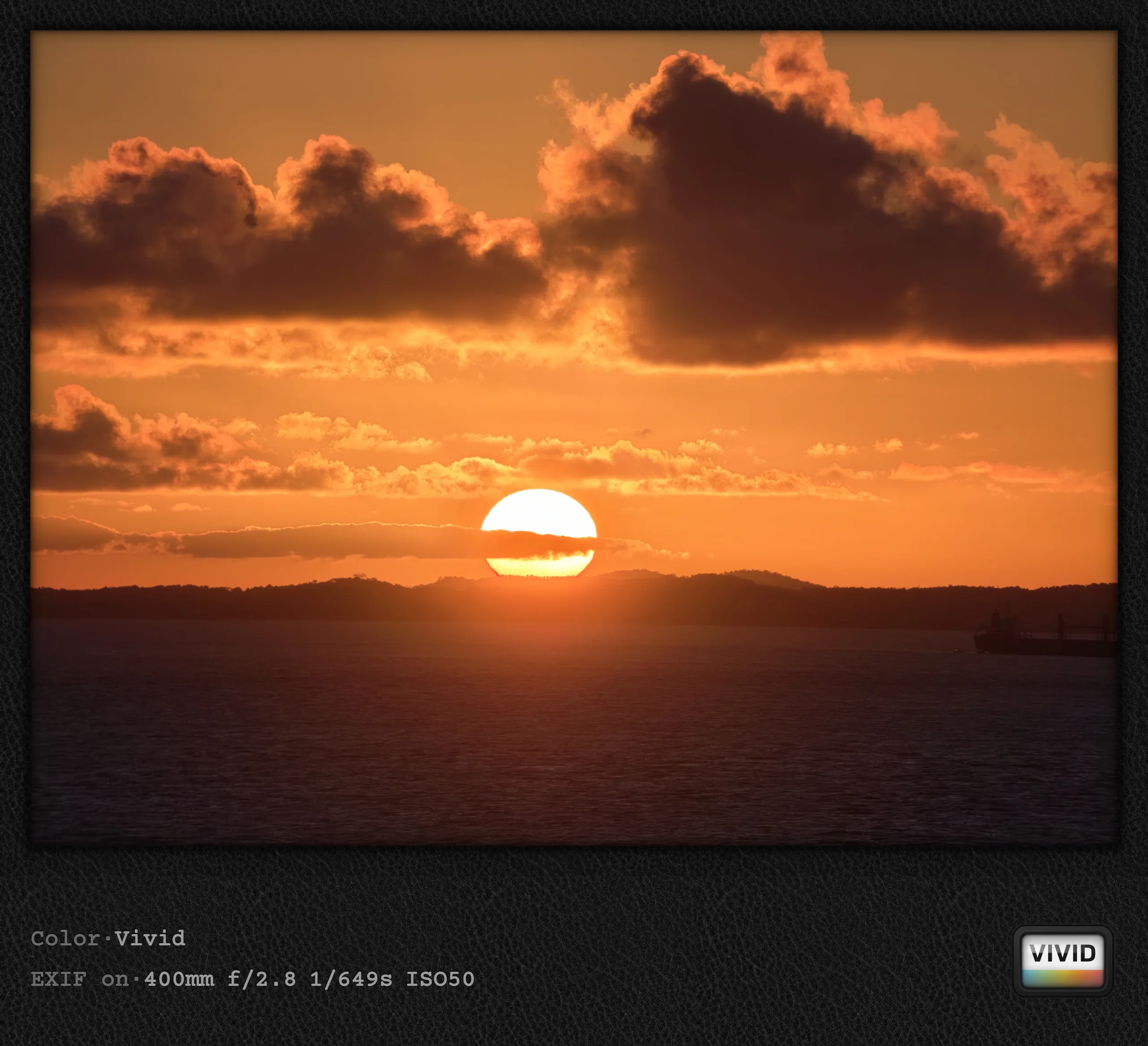
I must have slept through the next day. At least, all I can find here are photos of the sunset, almost the last truly beautiful one on this trip through Brazil. At least I can offer several perspectives here, from 15 mm to 400 mm. On the subject of telephoto extenders: I brought both the 200 mm and 400 mm converters. If I could take only one, I would definitely choose the 200 mm version: it is not only significantly smaller, especially the new mini version, but also much more versatile. At least on this city-focused trip so far, there have only been a few instances where the 400 mm really made sense. Most of the time, the roughly 9x zoom of the 200 mm extender is the better fit.
I also find the Vivo X500 Pro Max rather unstable to handle with the 400 mm converter. Despite the telephoto camera's CIPA 7.0 stabilization rating with the same sensor-lens-combo as on the Vivo X300 Ultra, it is quite a shaky affair if you cannot stabilize the lens or your hands. Handheld shooting is possible, yes, but the preview does wiggle around quite a bit. Something else I immediately noticed in this photo series below is that the colors in the ultrawide shot are unfortunately a little off. The same applies to the Vivo X300 Pro, which also produces a slightly too-yellow tone here. Perhaps this was down to reflections in the window, though. In any case, there were only three minutes between the ultrawide shot and those taken at the other focal lengths.
Destination 2: Taking the train from the airport to Recife
Having avoided being mugged in Salvador, I felt a little braver in Recife. This may sound ridiculous to people familiar with South America, but I initially felt very uneasy taking the metro from the airport into the city with two backpacks instead of using Uber, especially as it was getting dark already. Do not get me wrong: in both Europe and Asia, I use public transport whenever possible. But it is not really recommended for tourists with lots of luggage in Brazil, especially after dark and particularly in Recife. Everything went fine, though, the train was pretty crowded and slow, not really a metro system as we know it from other countries. At one point, I even briefly dared to take my phone out of my pocket and sneak a photo as proof. Incidentally, I paid for the ticket with Pix; a credit card would have gotten me nowhere here.
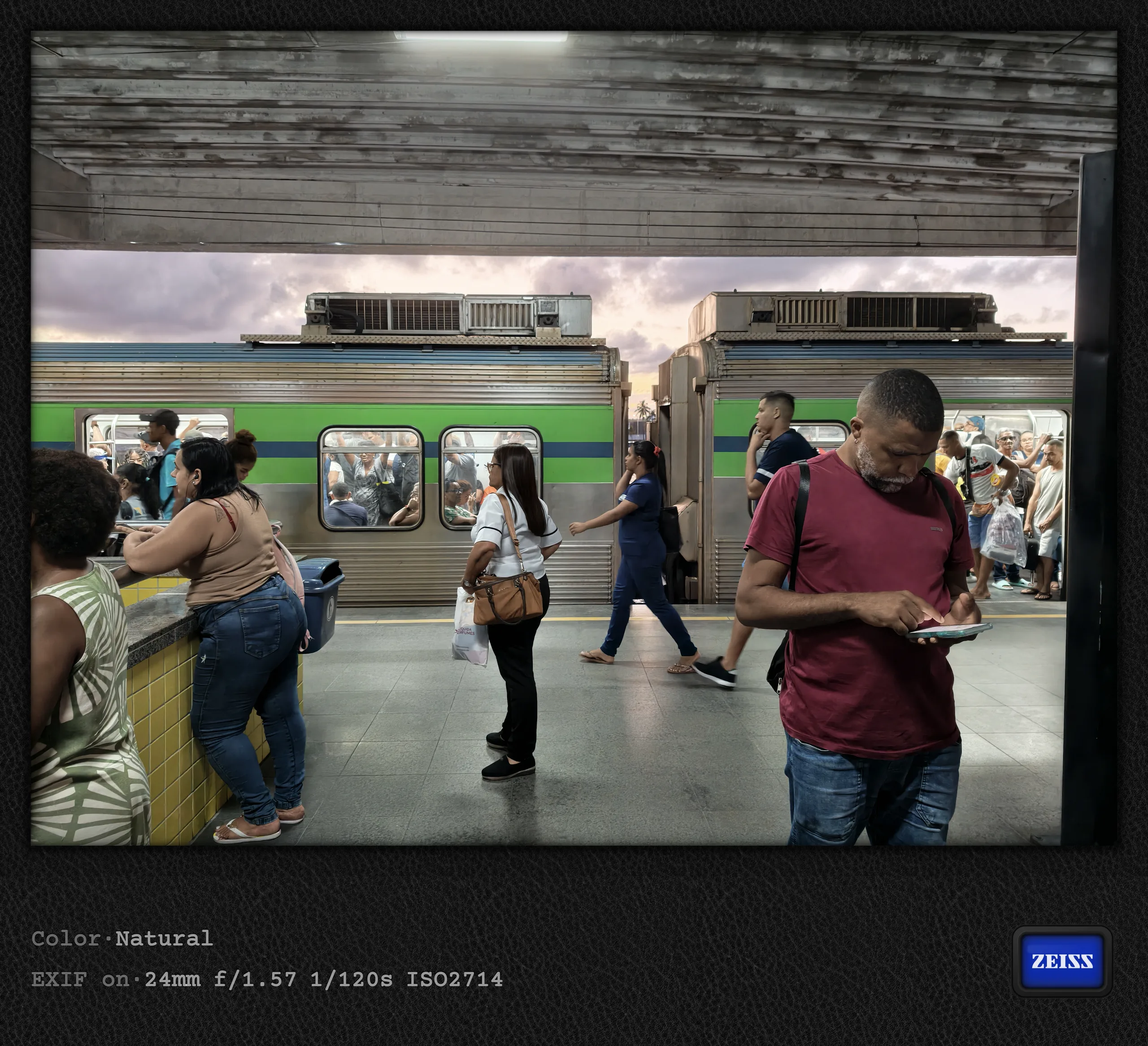
A well-guarded old town and a city center tourists are advised to avoid
In Recife's historic center, which is also on the UNESCO list, the military police maintain a strong presence, as they do in almost all tourist areas of Brazil. Somehow, though, I was more interested in the commercial center, which the hotel staff had advised tourists to avoid because it was supposedly less safe. I found the street art more exciting there though. What really impressed me in the Recife area, however, was Olinda's historic center, just a short Uber motorcycle ride away.


The many new Vivo X500 Pro photo styles in Olinda
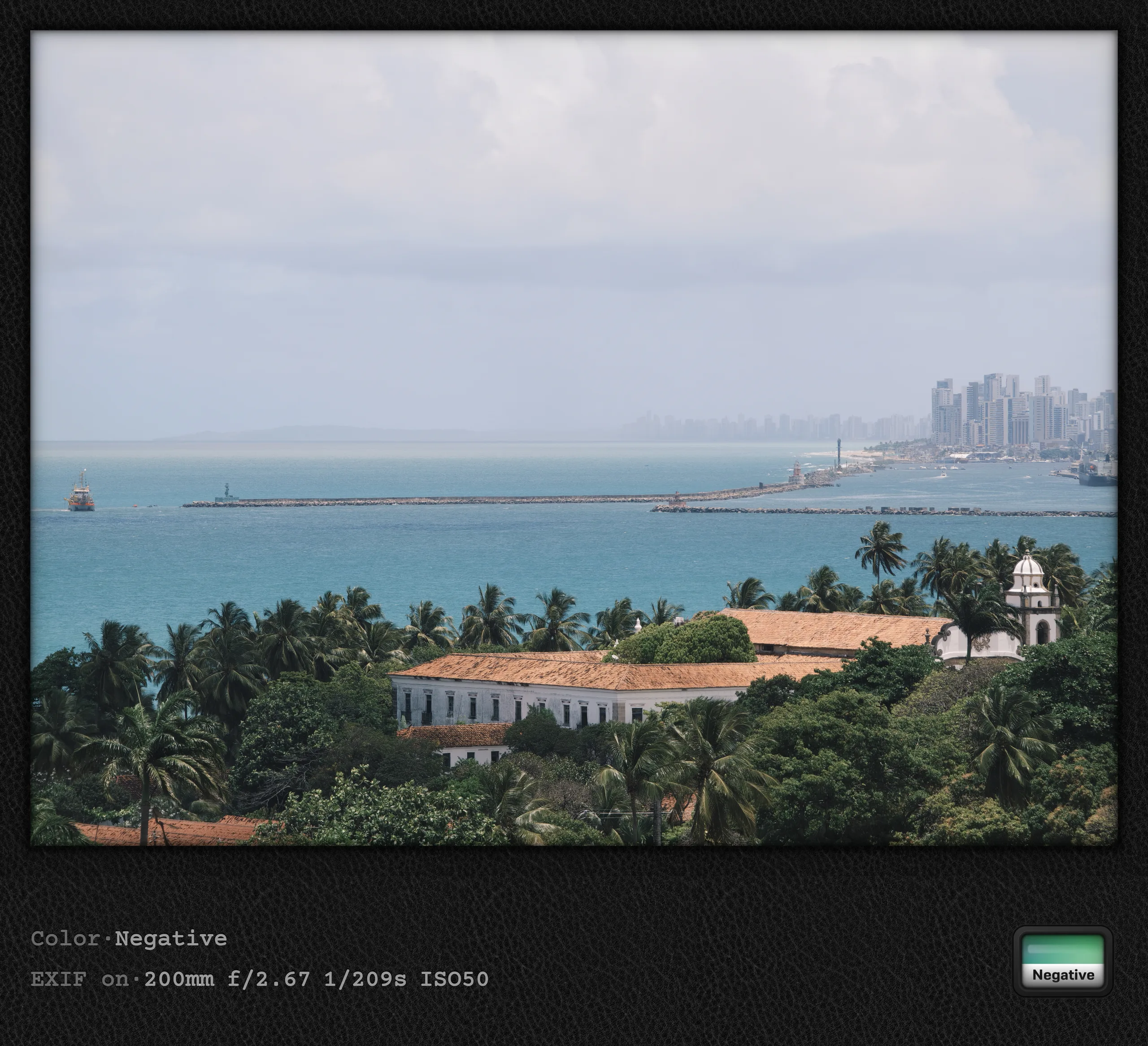
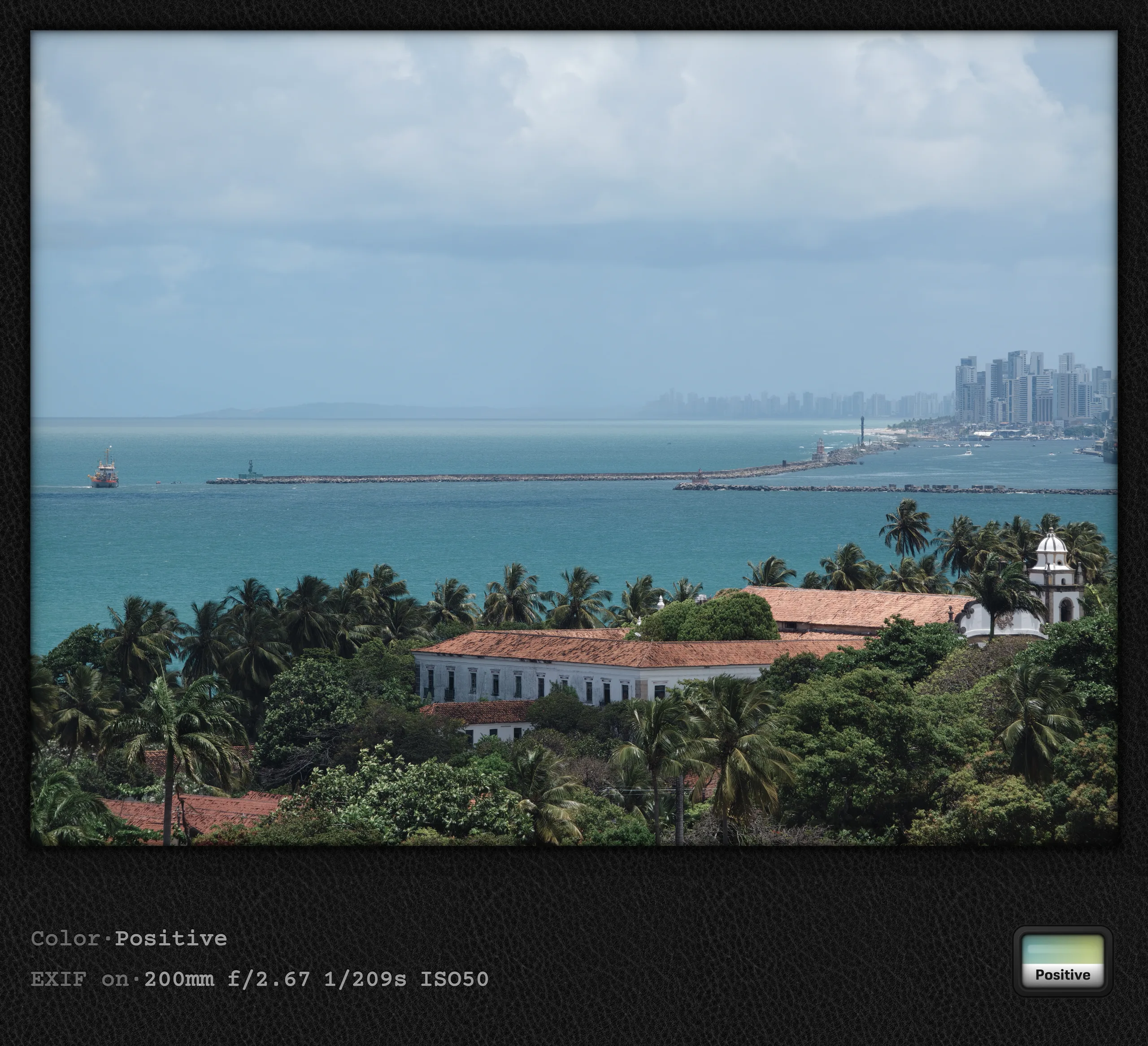
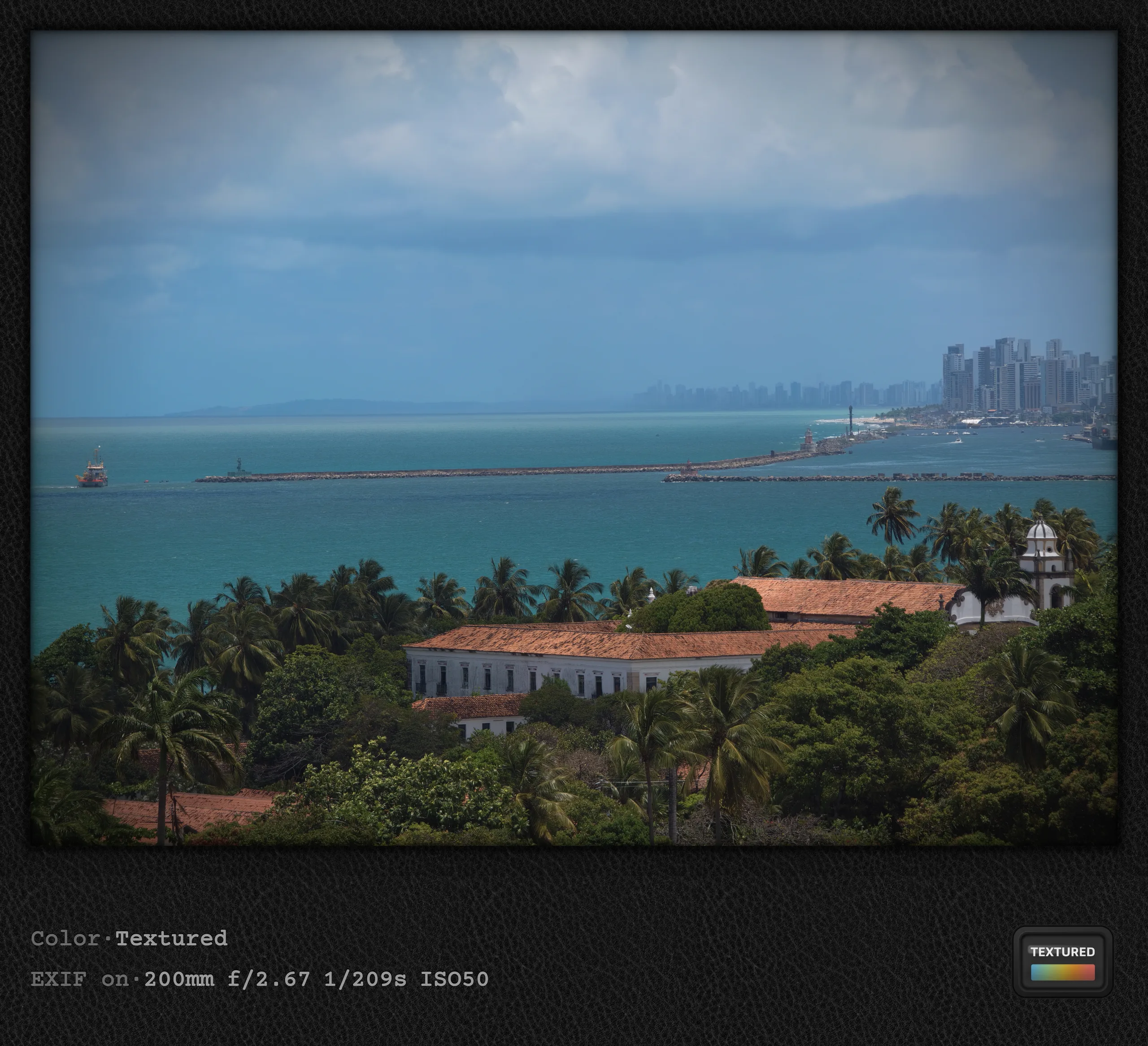
Quite a bit has changed in Vivo's camera app since the Vivo X300 Pro. In particular, the number of photo styles keeps growing and growing. In my opinion, it has become rather excessive, especially since I personally have little use for most of the new ones. Let us take a look at this one scene, which I took as a test using every style now available in the standard photo mode, with the 200 mm teleconverter attached.
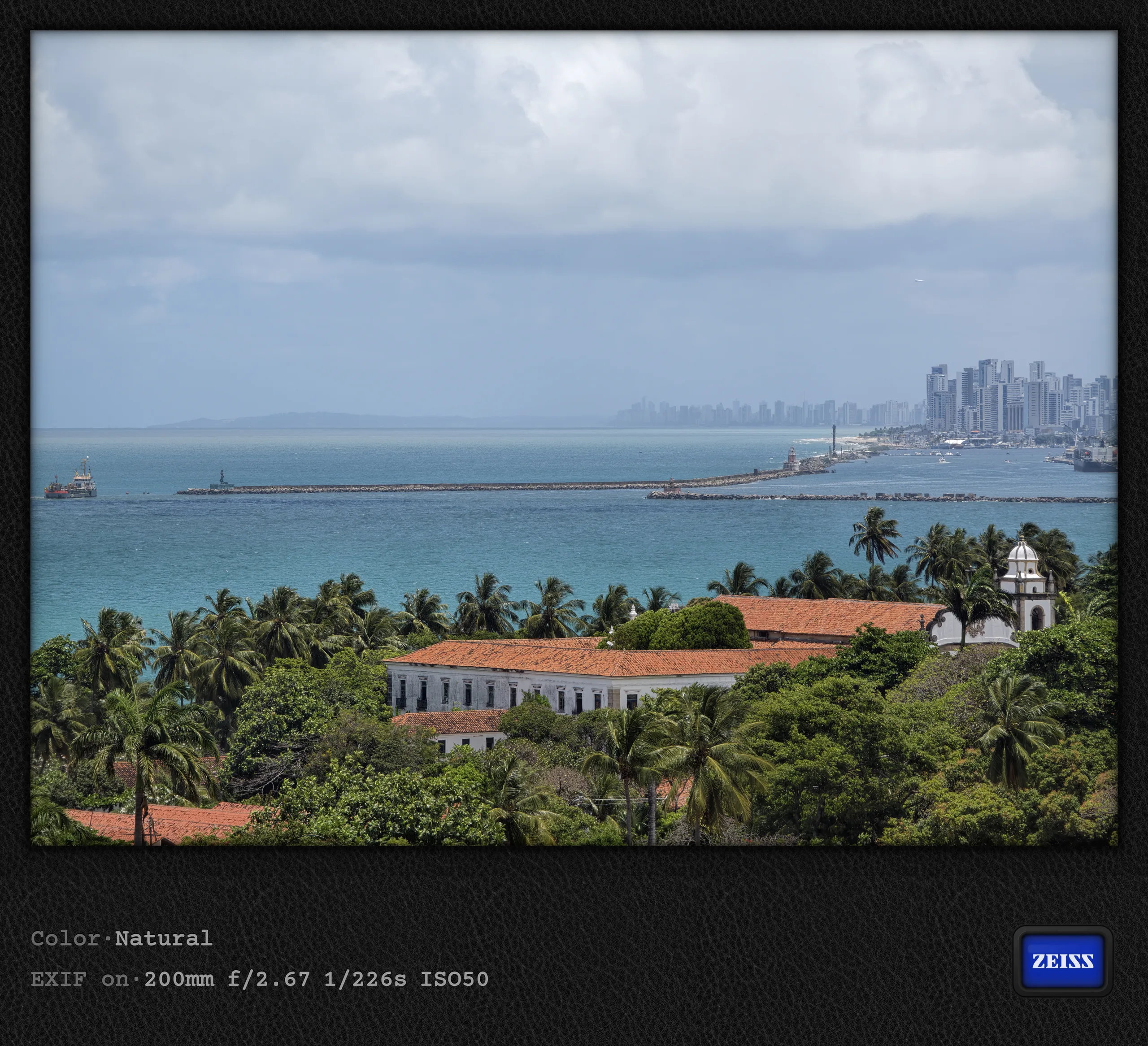
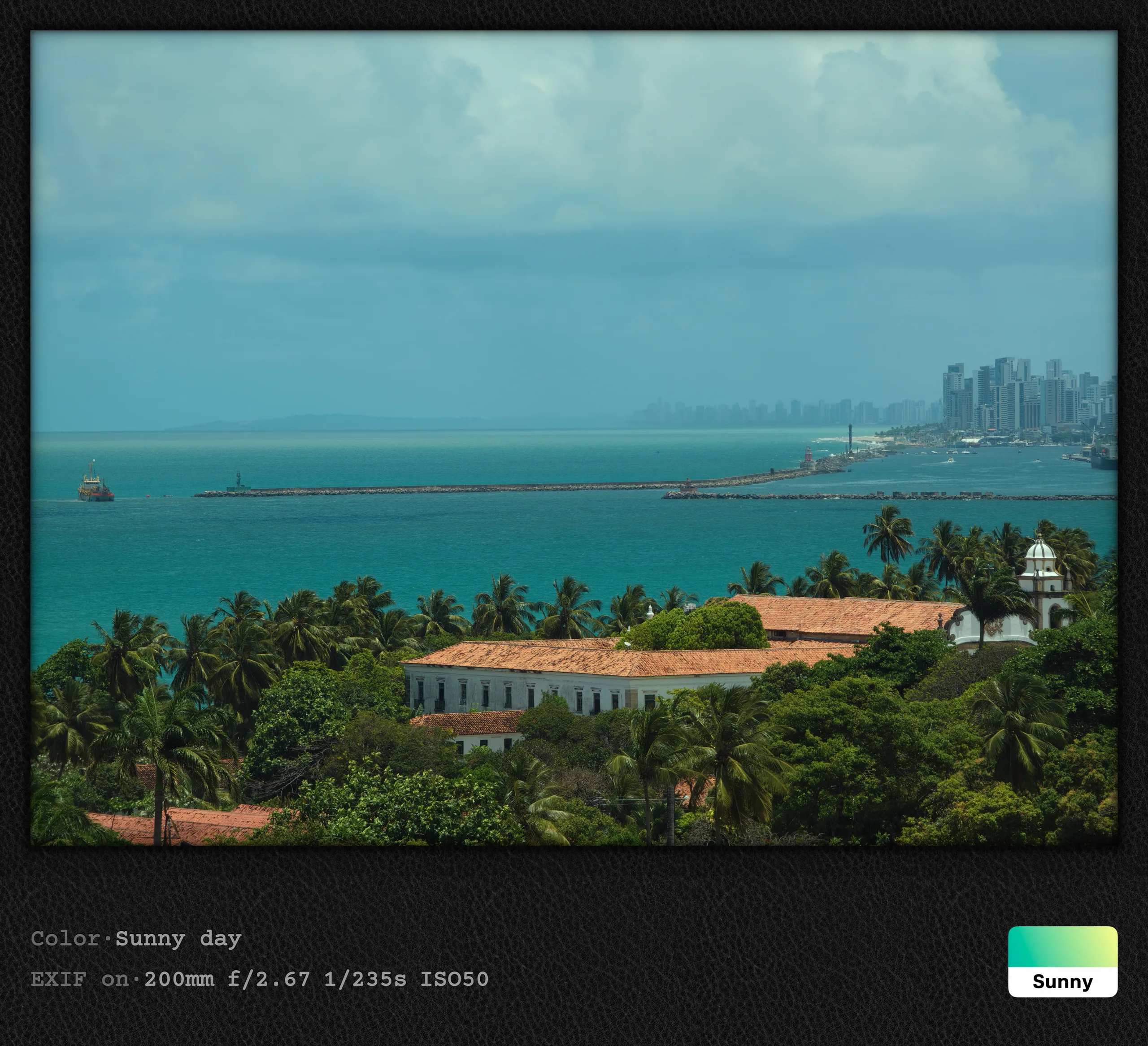
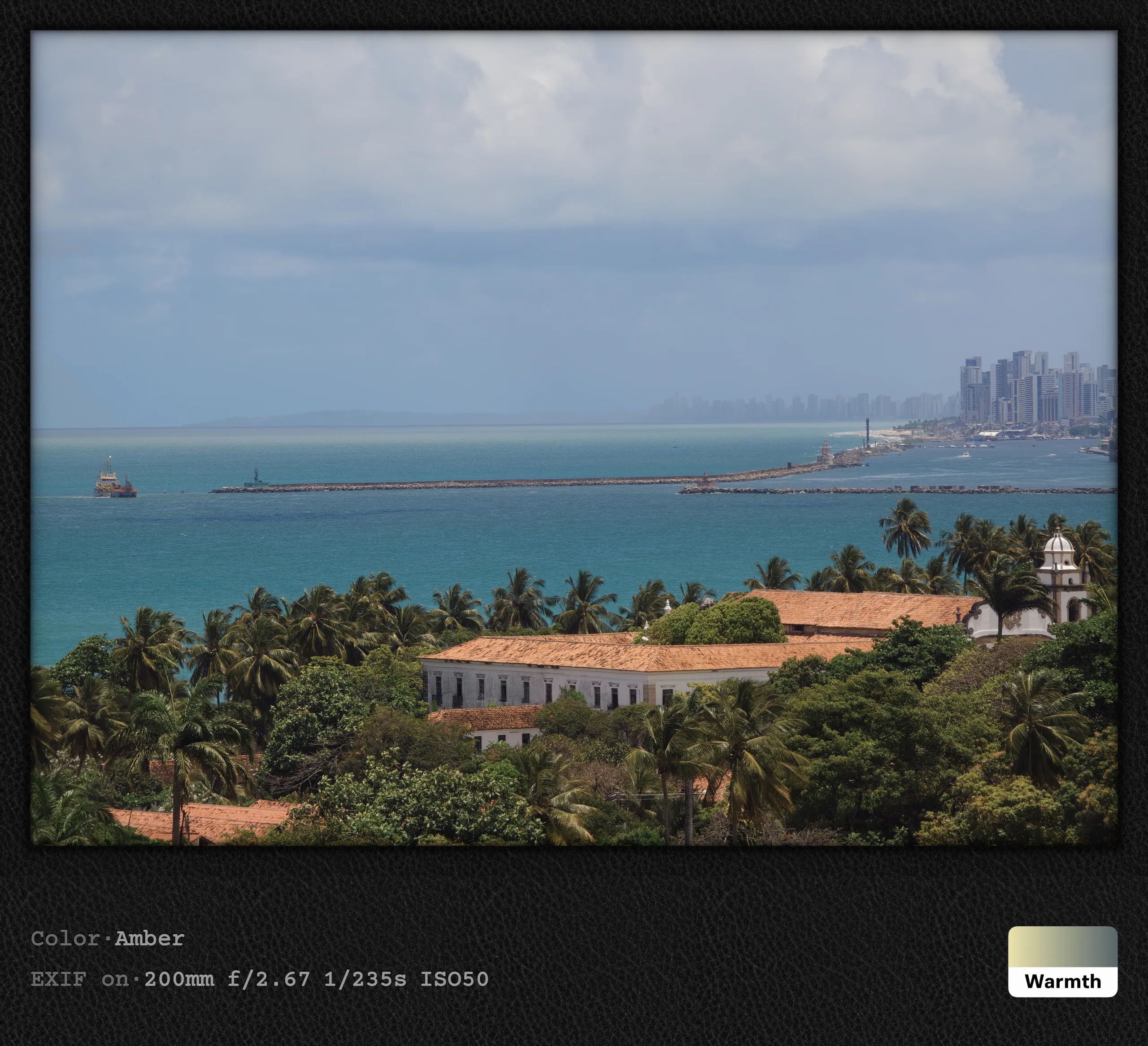
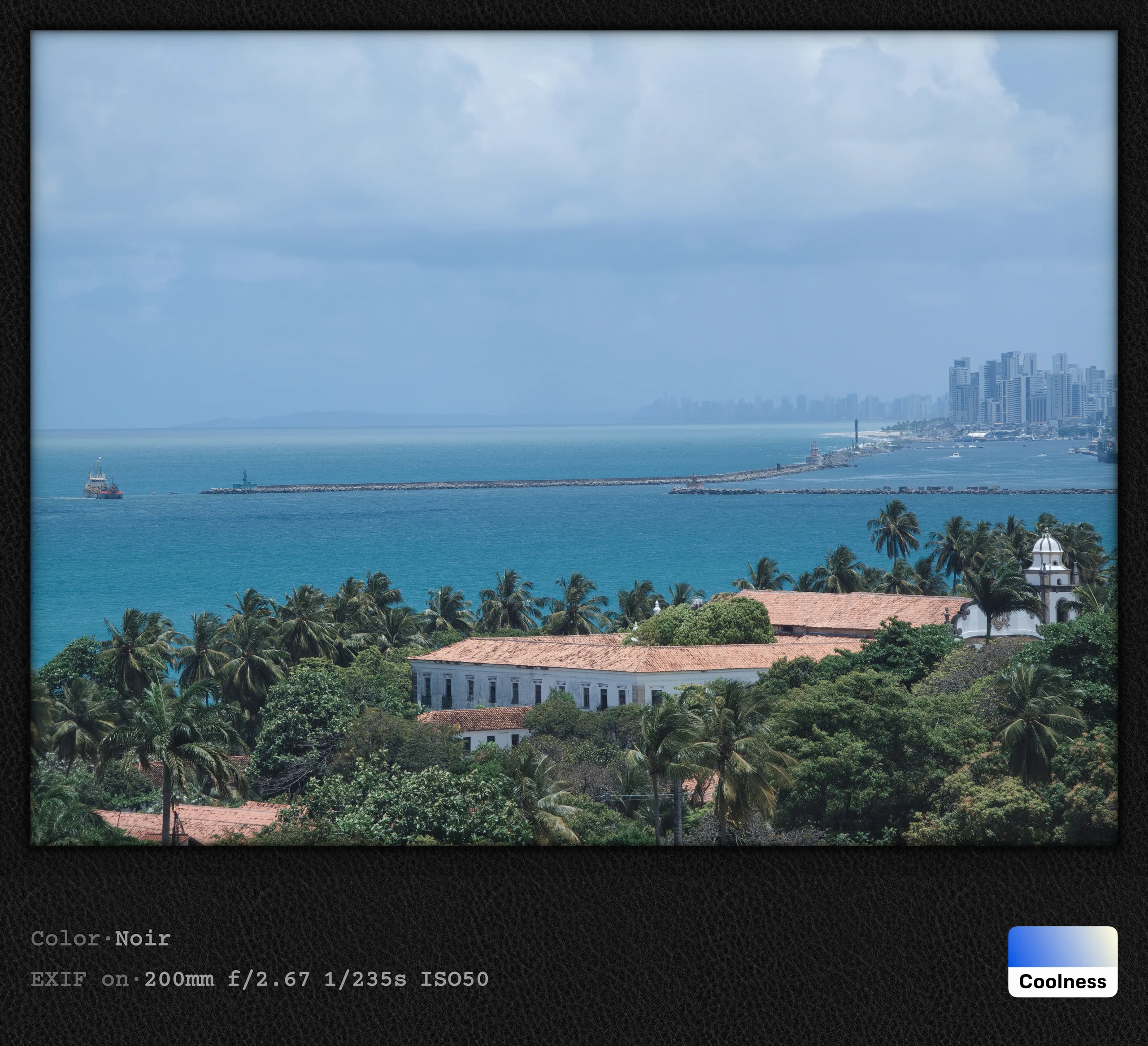
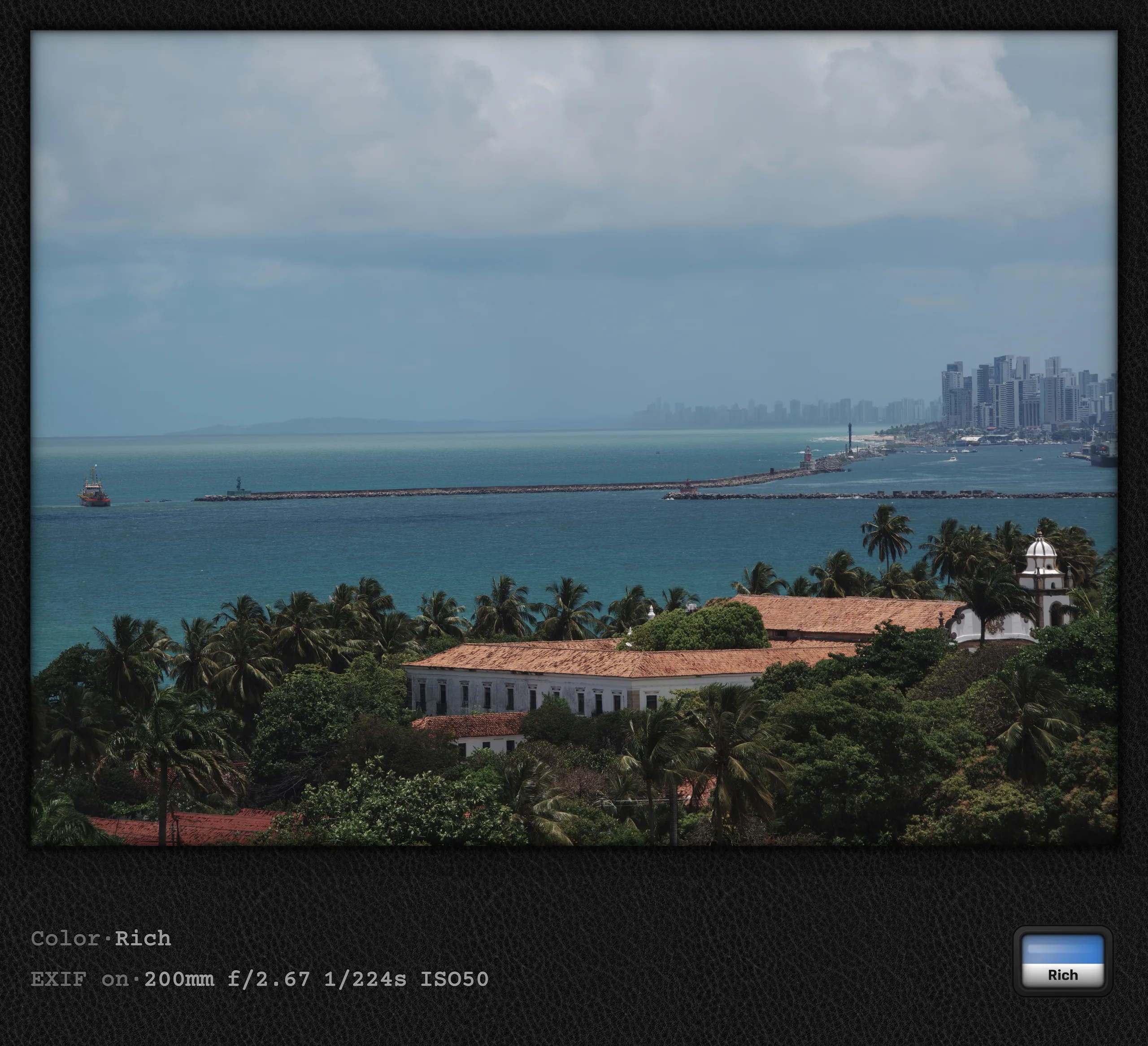
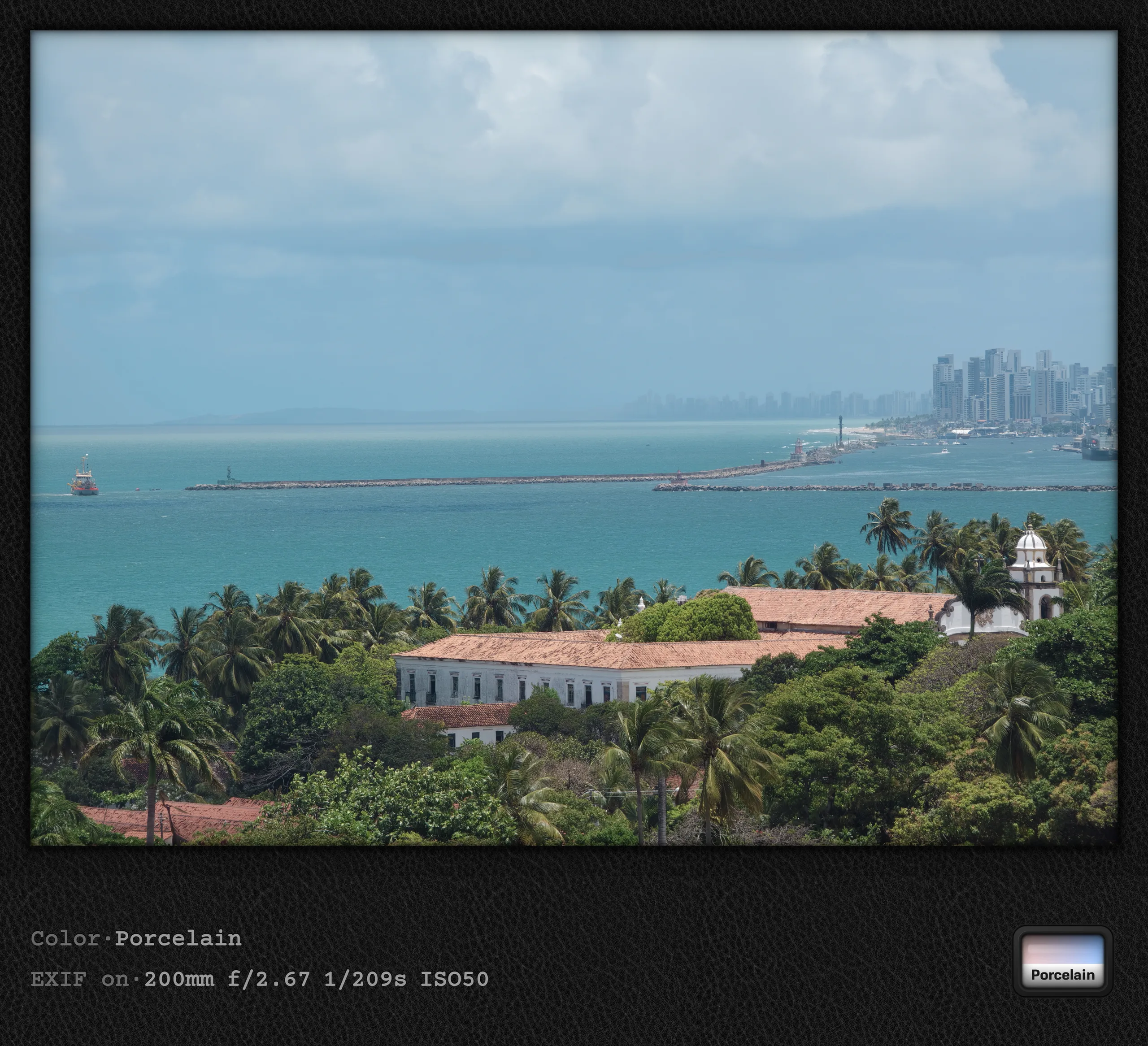
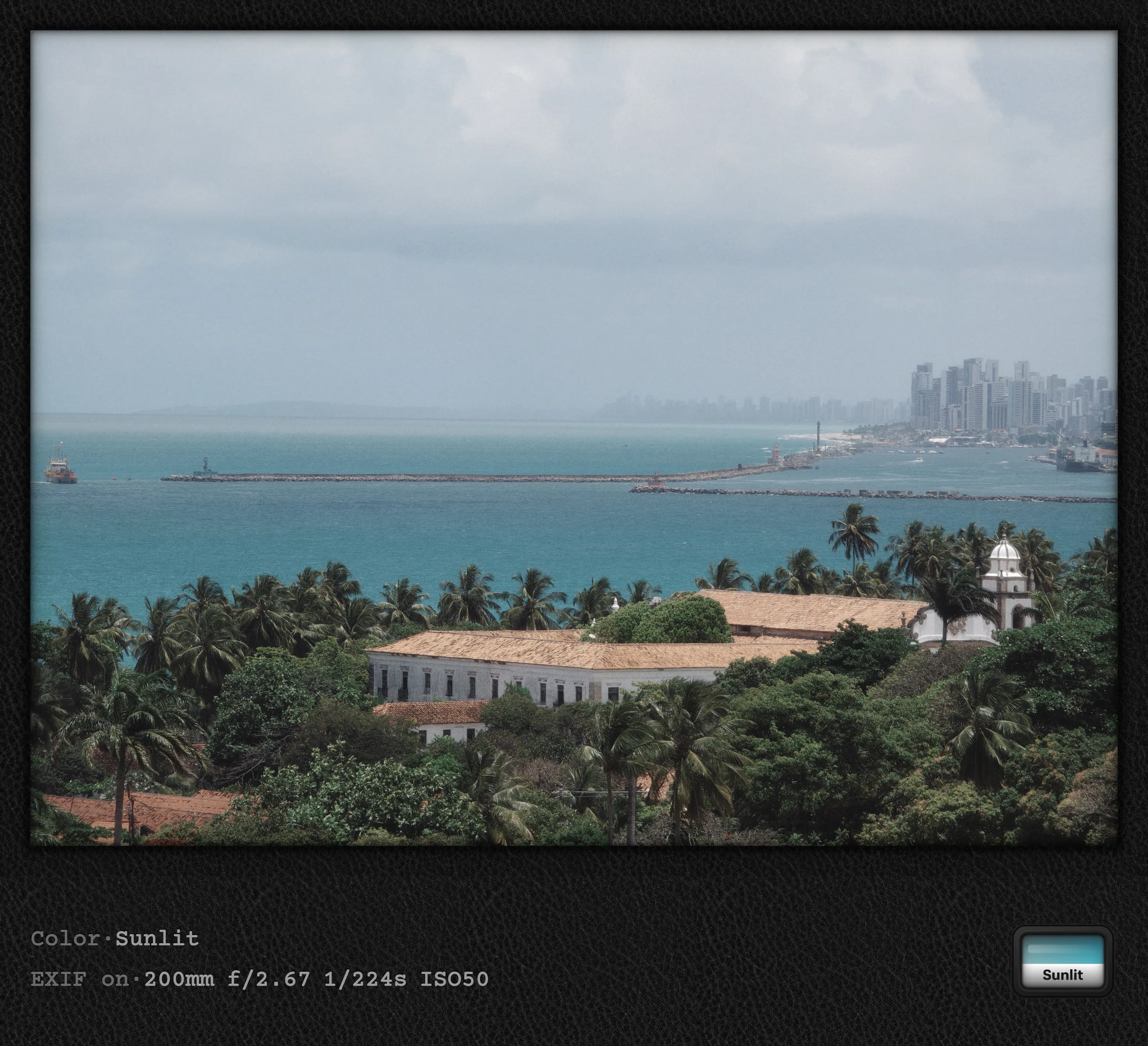
Too much of a good thing, with even more in moment mode
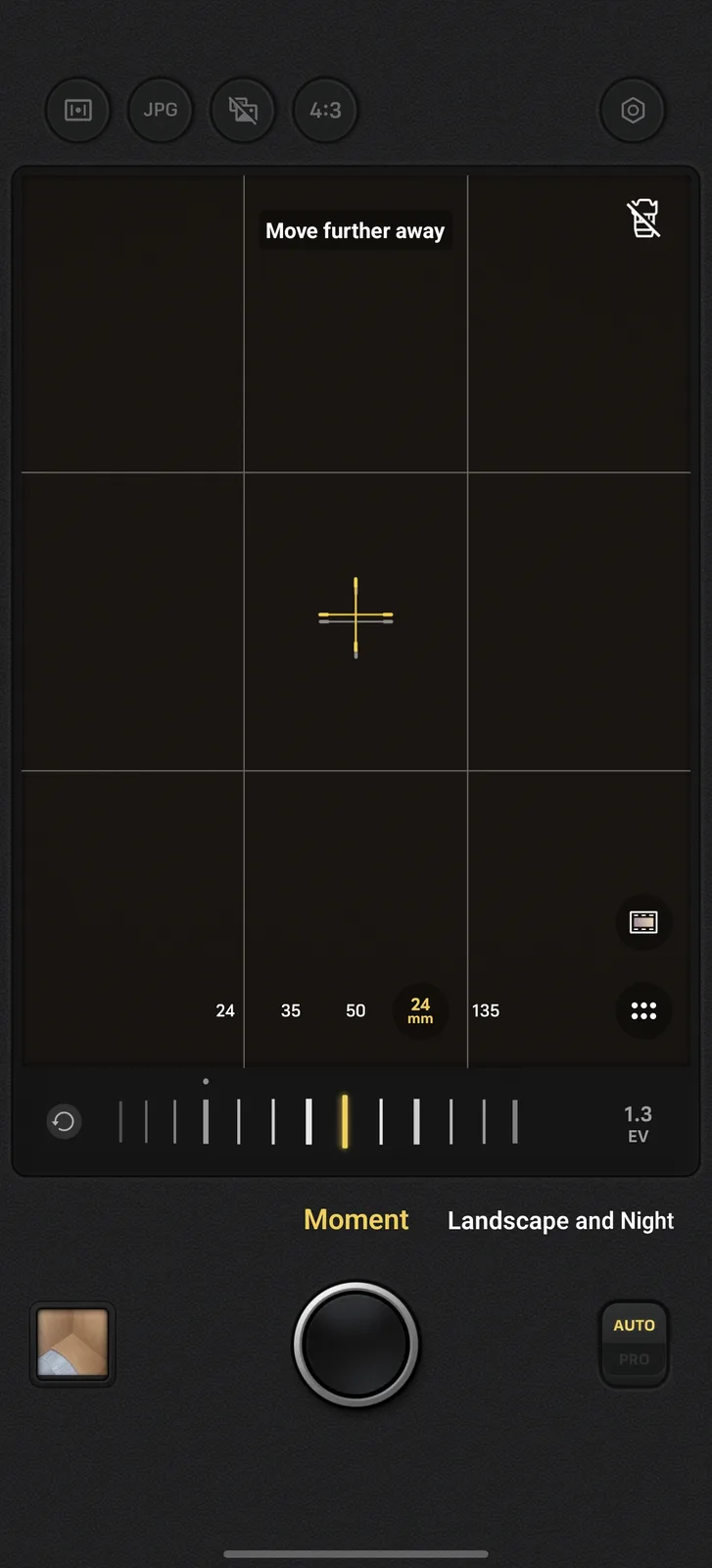
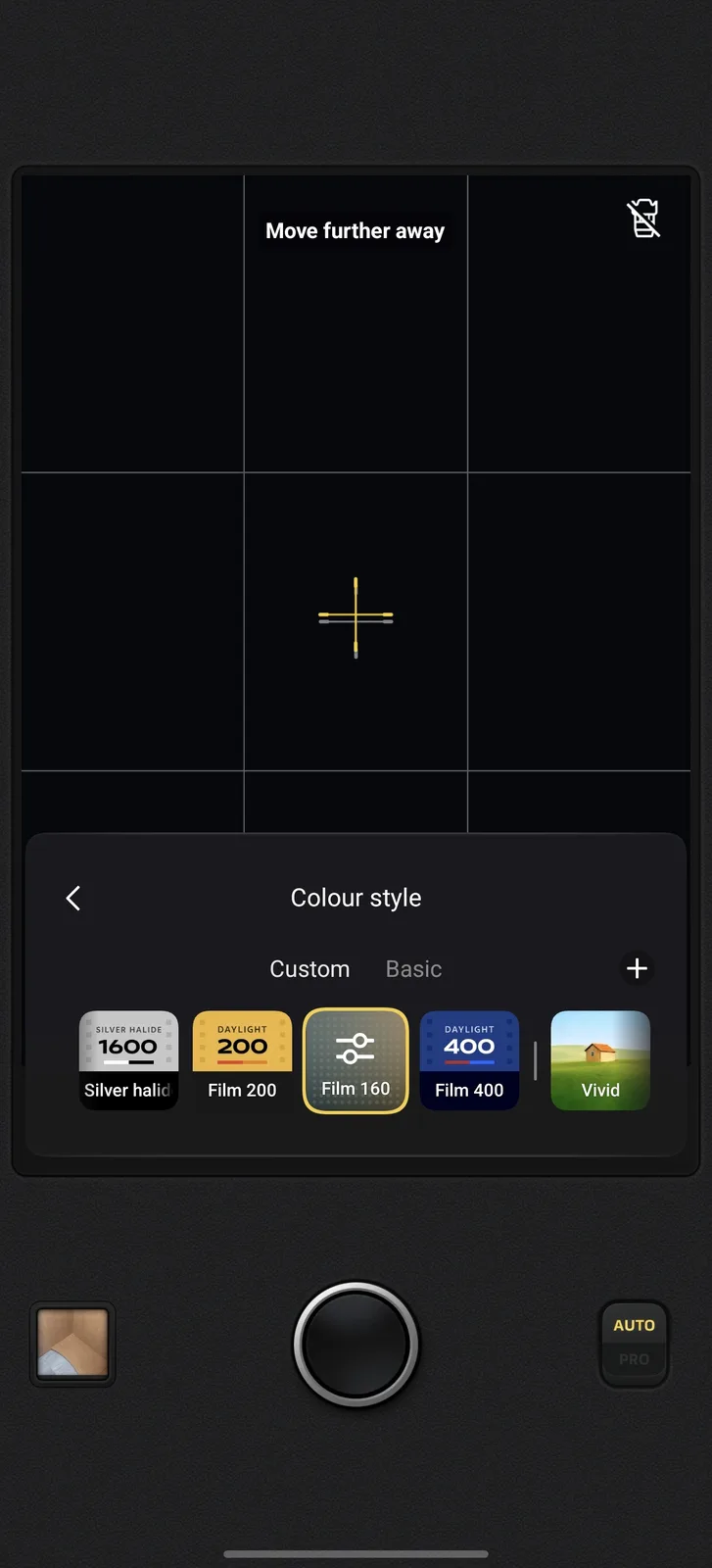
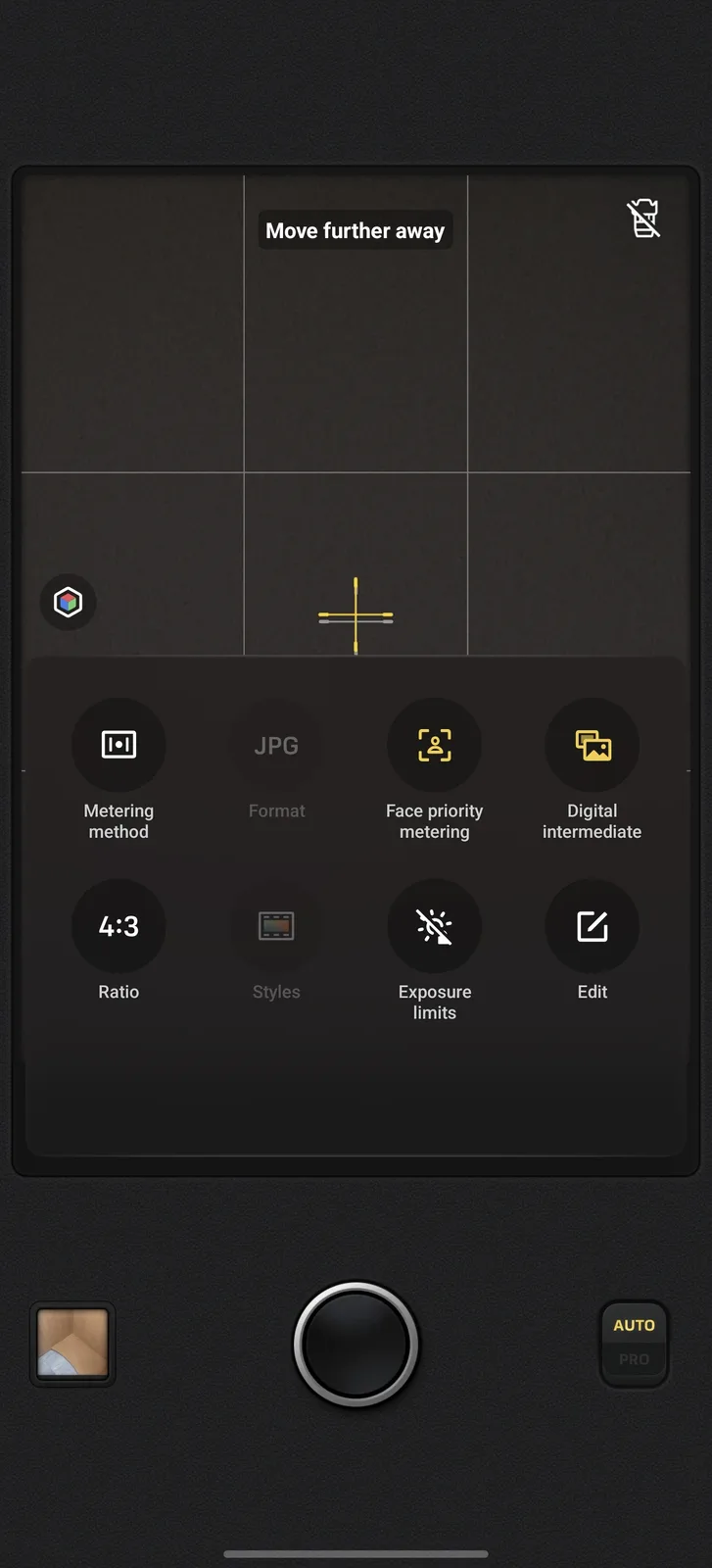
I find many of the new styles unnecessary or downright unattractive, particularly Sunny/Sunlit/Rich or Porcelain. Of course, that may be a matter of taste and depend heavily on the subject, but this list is not even complete. The formerly called "Humanistic Street Photography mode", with its more camera-like interface, has now moved into the mode selection menu as a regular "Moment" mode. It now also contains additional color styles that are only available there (why?). Specifically, these are Film 400, Film 160, Film 200, and Silver Halide 1600. All the regular mode styles are available in the moment mode as well, but not the other way around. Someone at Vivo, please explain the logic behind this decision.
We now have to use a separate photo mode with a different user interface just to select certain color styles? The new Digital Intermediate option introduced with the Vivo X500 Pro (Max), which effectively brings the LOG-and-LUT system from video to photography, is also hidden exclusively in this new Moment mode. I said it last year, and I will say it again in 2026: Instead of cramming even more options into the camera app, it is time for a thorough clean up and a focus on the essentials. Speaking of which, Raw Lighting on the Vivo X300 Pro is now called Authentic Lighting—admittedly a better name for this useful option.
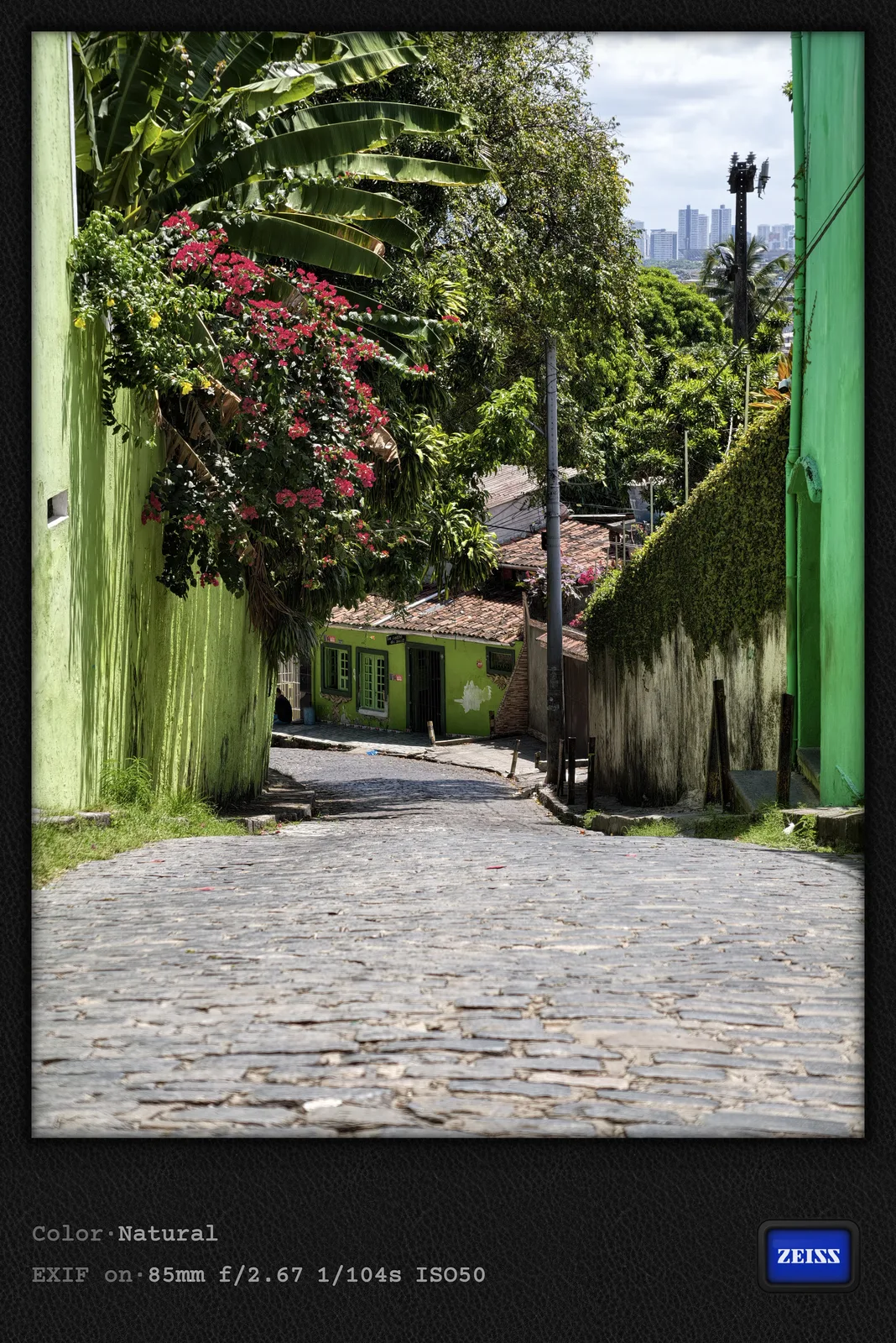
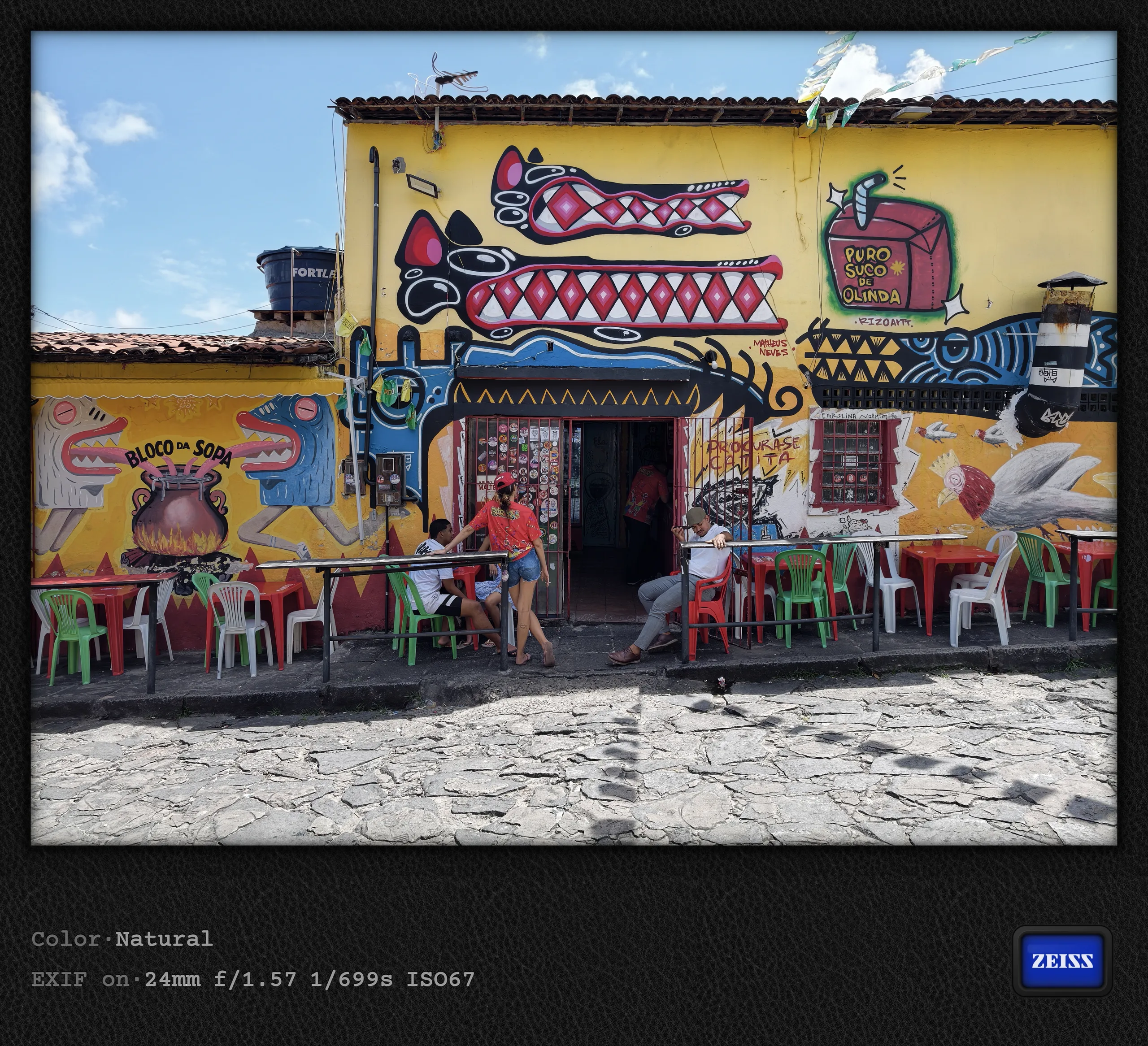
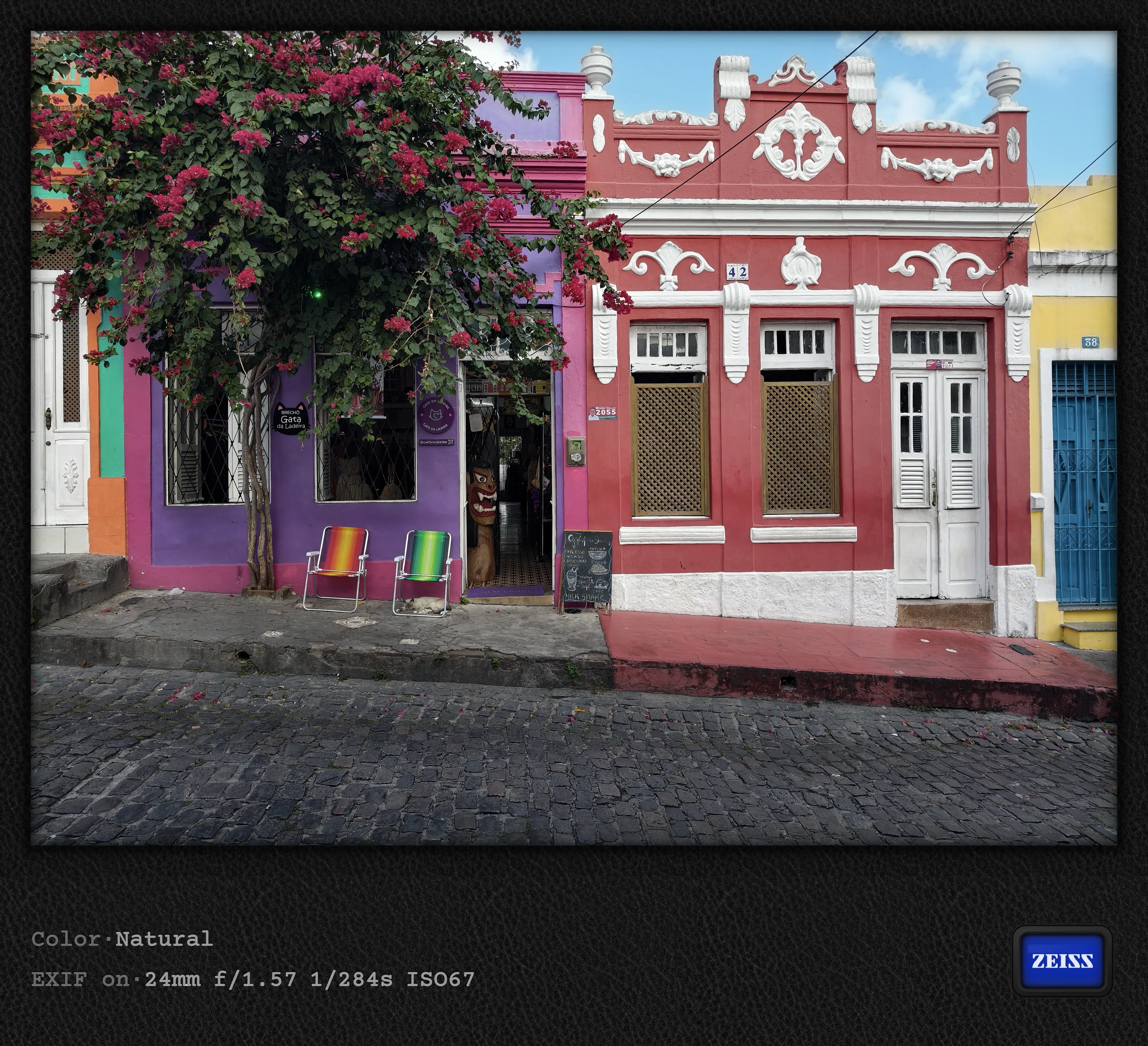
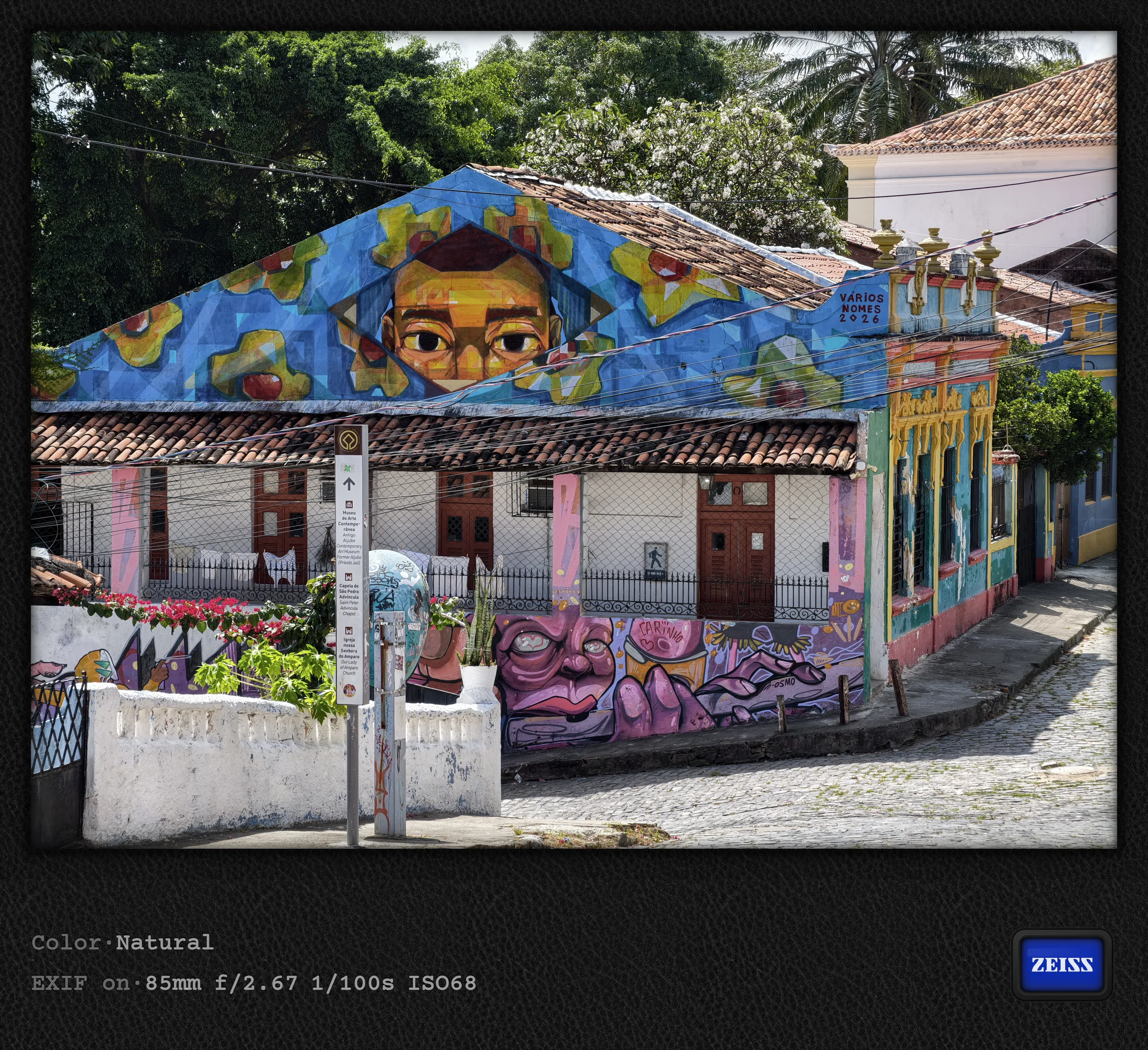
Beautiful Olinda
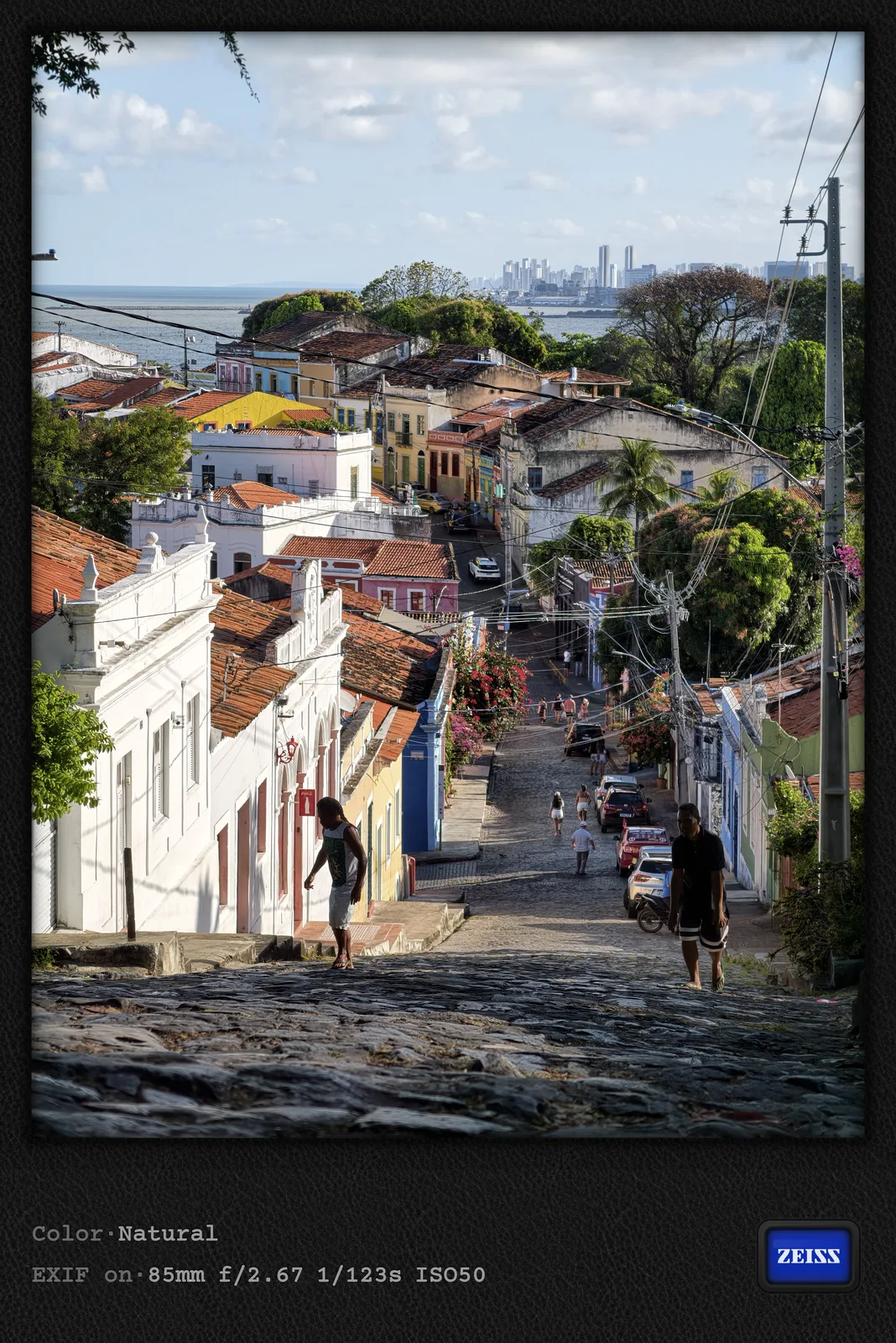
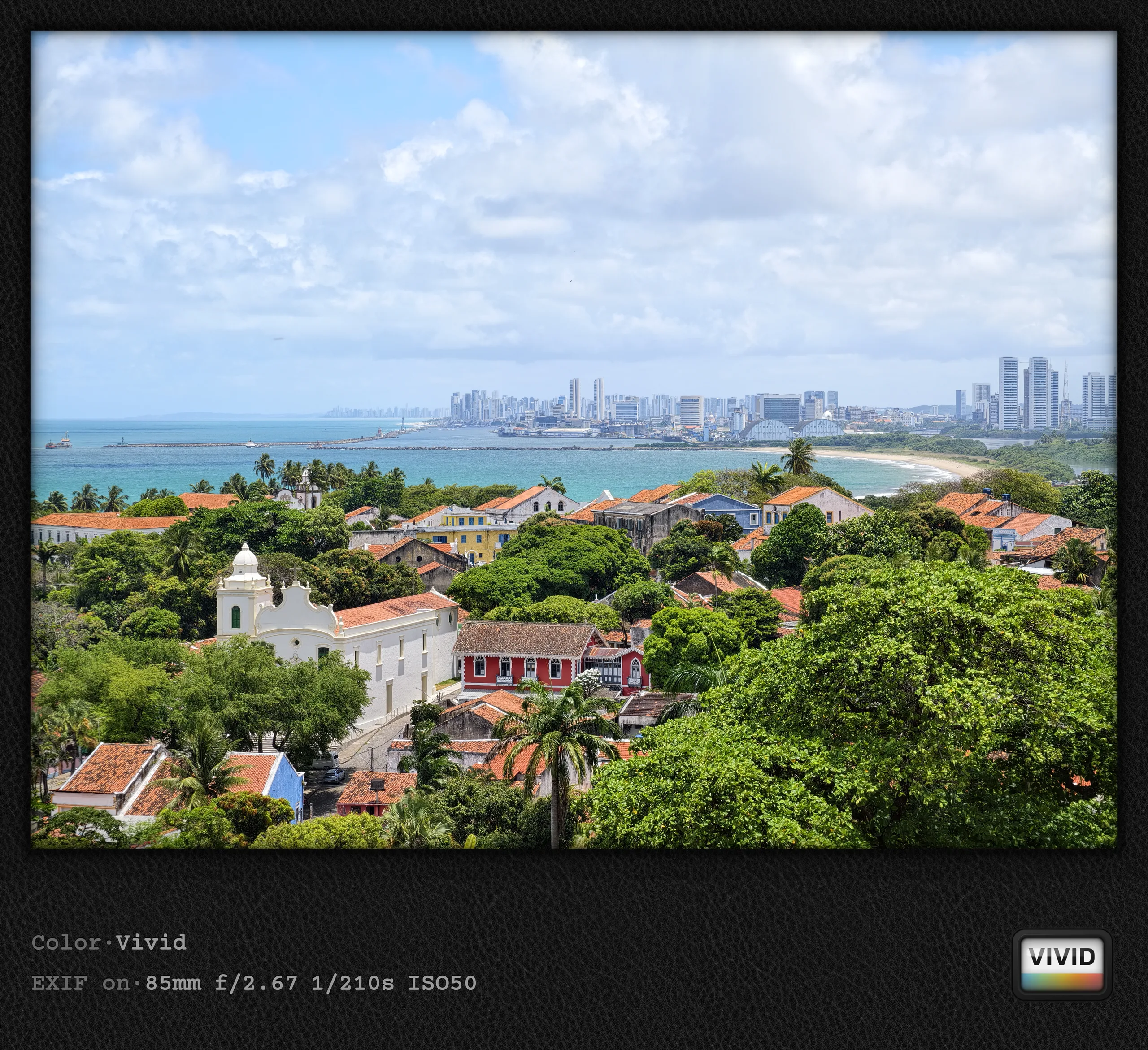
But let us return to Olinda, which has much more to offer than just this one view. Below is a selection from the many photos I took of this delightful destination, which in my eyes is not at all kitschy but quite charming.
Google Translate cannot make sense of a Portuguese menu
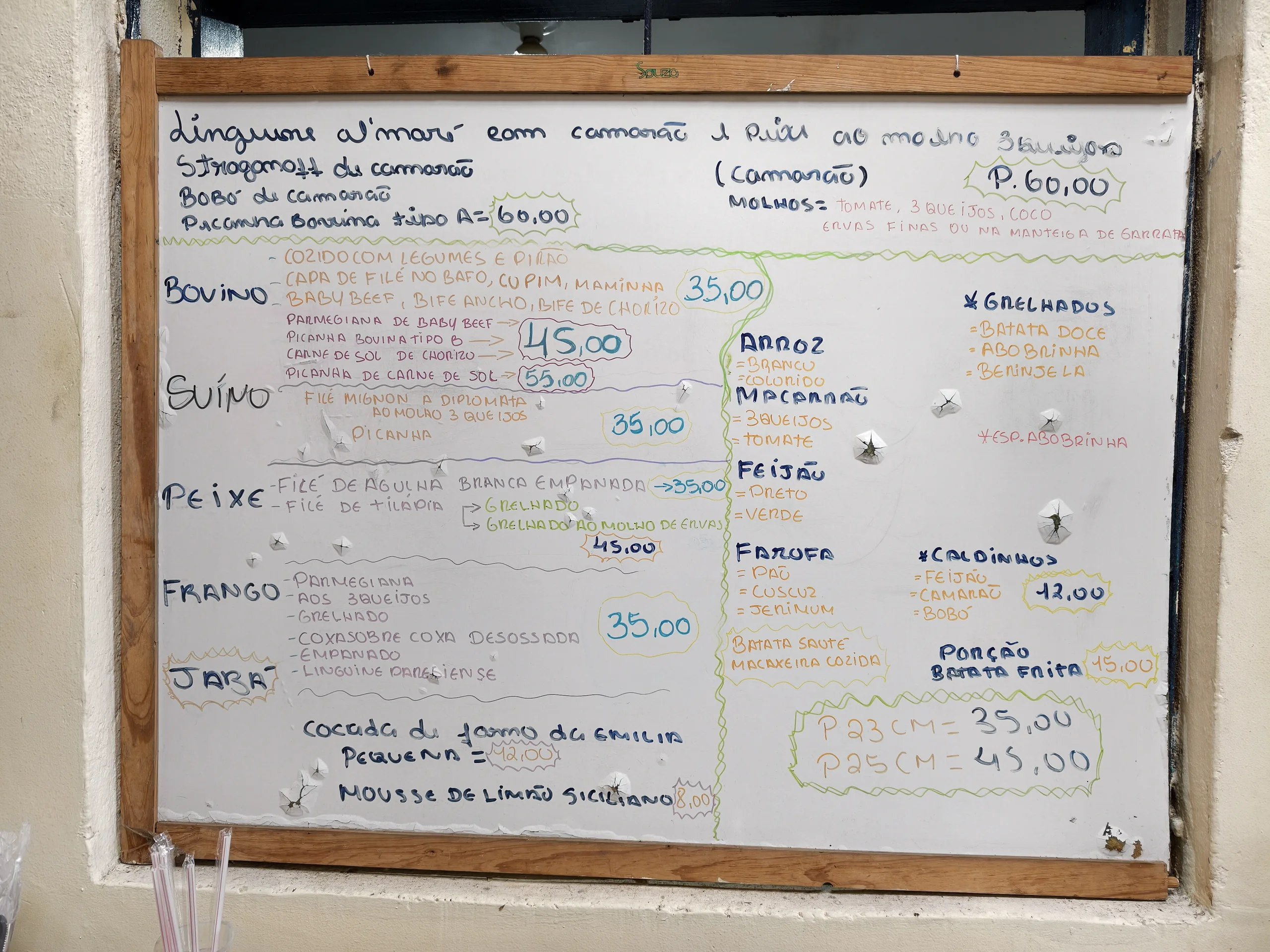
I have a confession to make: even now, I only know about three or four words of Portuguese, which made communicating with people in Brazil very difficult. Hardly anyone here understands or speaks English. And Google Translate does not always help either. Try having Google translate this menu, for example; you will probably not make much sense out of it. Maybe I should have tried some AI tools on this one.
The food was great nonetheless
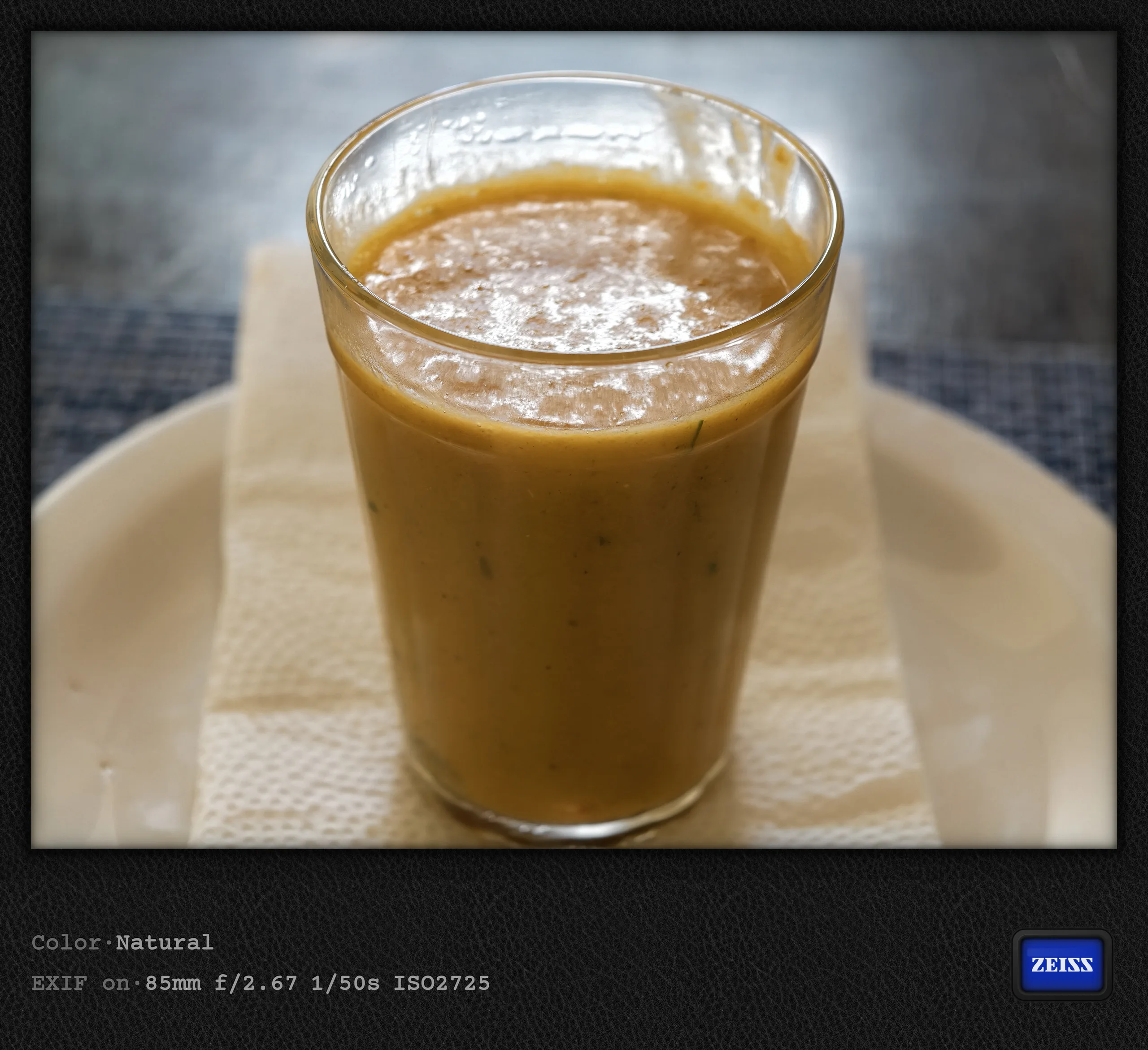
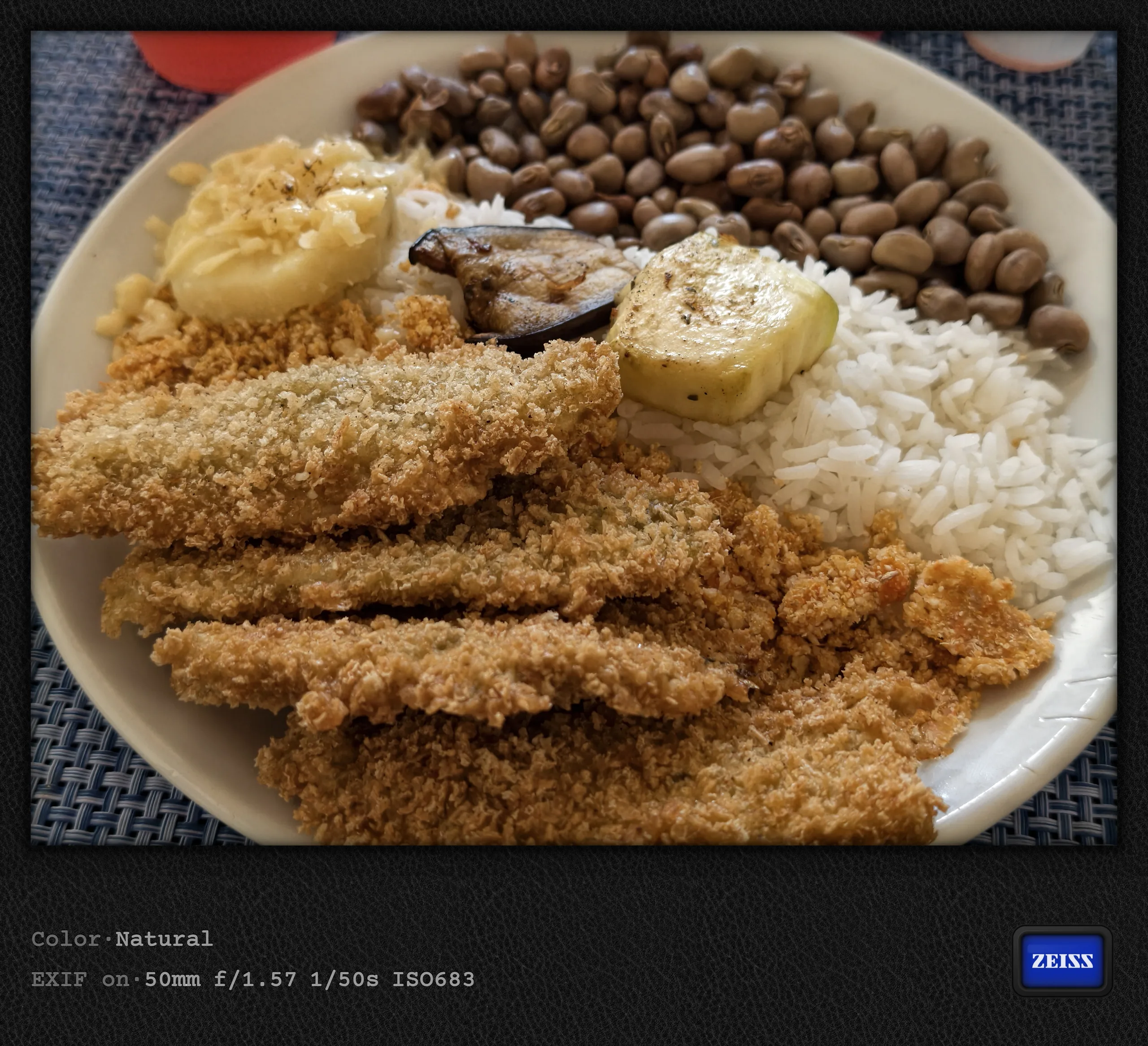
The restaurant in Olinda which recommended by Google Maps, was very popular with locals and still a good choice for cheap and good local food. With plenty of gestures, I eventually managed to order an excellent soup in a glass (caldinho) and "something" with fish, rice, and beans.
Initial verdict. And what`s next?
After almost a month with the Vivo X500 Pro Max in South America, I am very happy with its quality as a smartphone and a camera. Apart from the new 4K240 video option, which apparently pushes the chipset to its limits and produces a very stuttery preview even after closing some background apps, everything has been running very smoothly and reliably—with two exceptions that I will briefly discuss in part two of this series. Camera quality remains high and, above all, very consistent, which I cannot necessarily say about some of Vivo`s competitors. Part two of this photo story is coming soon. In it, I will take you from a thoroughly rain-soaked Rio de Janeiro along the Costa Verde (Paraty) to São Paulo, and from there to the famous waterfalls at Foz do Iguaçu.
Please let me know in the comments whether this format, basically a travel report with a strong photography and camera focus, interests you, whether you would like more information about the destinations or the camera, or whether you like the current mix the way it is. Also planned are a detailed camera/photo comparison with the Vivo X300 Pro, further Vivo X500 Pro Max tests, for example on the megapixel question, and hopefully some beautiful photos and videos from Buenos Aires and Antarctica, which I will get to visit in early November. My colleagues are also preparing our usual in-depth Vivo X500 Pro Max review, which will give you detailed hardware test results.
Source(s)
Own reporting
 Add as a preferred source on Google


