




The end of physical games: Former Valve writer points to players
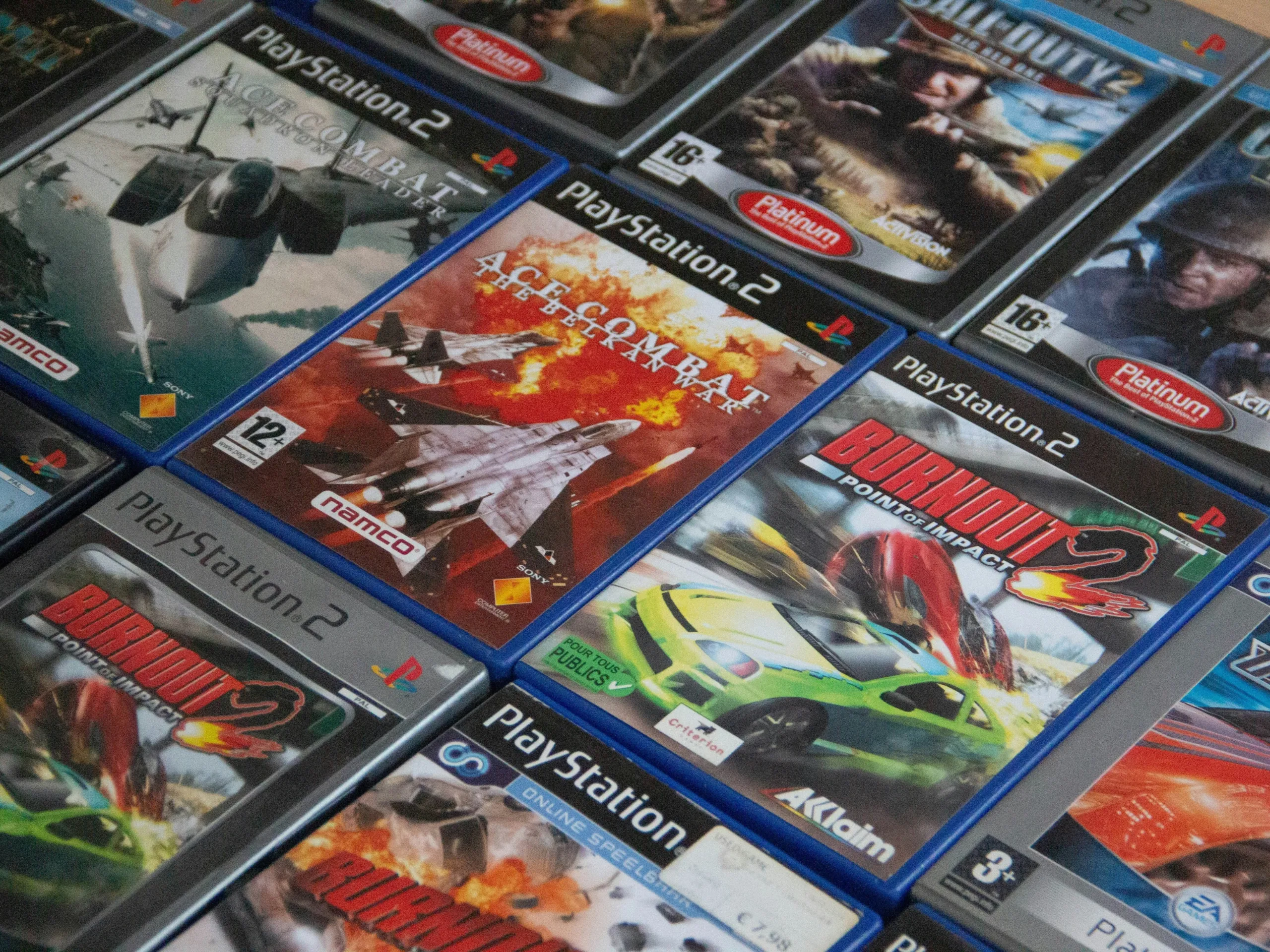
Sony has announced that it plans to abandon physical games entirely with its next console generation. For many gamers, this is not only a major shift but also a precedent that could have far-reaching consequences for the entire gaming industry. While many fans blame Sony for the move, Chet Faliszek sees the root cause elsewhere. In a recent video, the former Valve writer – who worked on titles including Half-Life and Left 4 Dead – argues that companies ultimately respond to consumer demand. His central message is simple: players have already voted with their wallets, and they voted for digital games.
Faliszek points to the long-running shift toward digital purchases – a trend that many gamers will likely recognize from their own habits. Services such as Steam and Xbox Game Pass have made buying games far more convenient. Instead of heading to a store every time a new release launches, players can simply download games and manage them in a digital library. Regular sales also make digital games significantly cheaper than their retail counterparts. According to Faliszek, these advantages are why most players voluntarily choose digital versions. Companies such as Sony are merely responding to that demand rather than creating it. At the same time, he repeatedly stresses that he is not blaming gamers. After all, he also buys most of his games digitally and, as he openly admits, is "part of the problem."
There is broad agreement on one point in the comments on the video: digital purchases now dominate the market, and that trend is unlikely to reverse. Many users, however, reject the idea that players alone are responsible for the shift. In their view, companies have spent years making digital purchases increasingly attractive while gradually reducing the availability of physical alternatives. Examples frequently mentioned include digital-only releases, the declining availability of disc versions at retailers and the much greater convenience of downloading games.
At its core, however, the debate isn't really about physical media itself. Many users explicitly state that they have no issue with digital games. Instead, they see the real problem in DRM, revocable licenses and the lack of any guarantee that purchased games will remain accessible indefinitely. As a result, many argue that the discussion should move beyond discs and physical media altogether and focus instead on digital ownership and consumer rights.
Source(s)
Chet Faliszek via YouTube
Image: Denise Jans / Unsplash
 Add as a preferred source on Google


