




Smartphone cameras with large sensors to fall victim to DRAM crisis
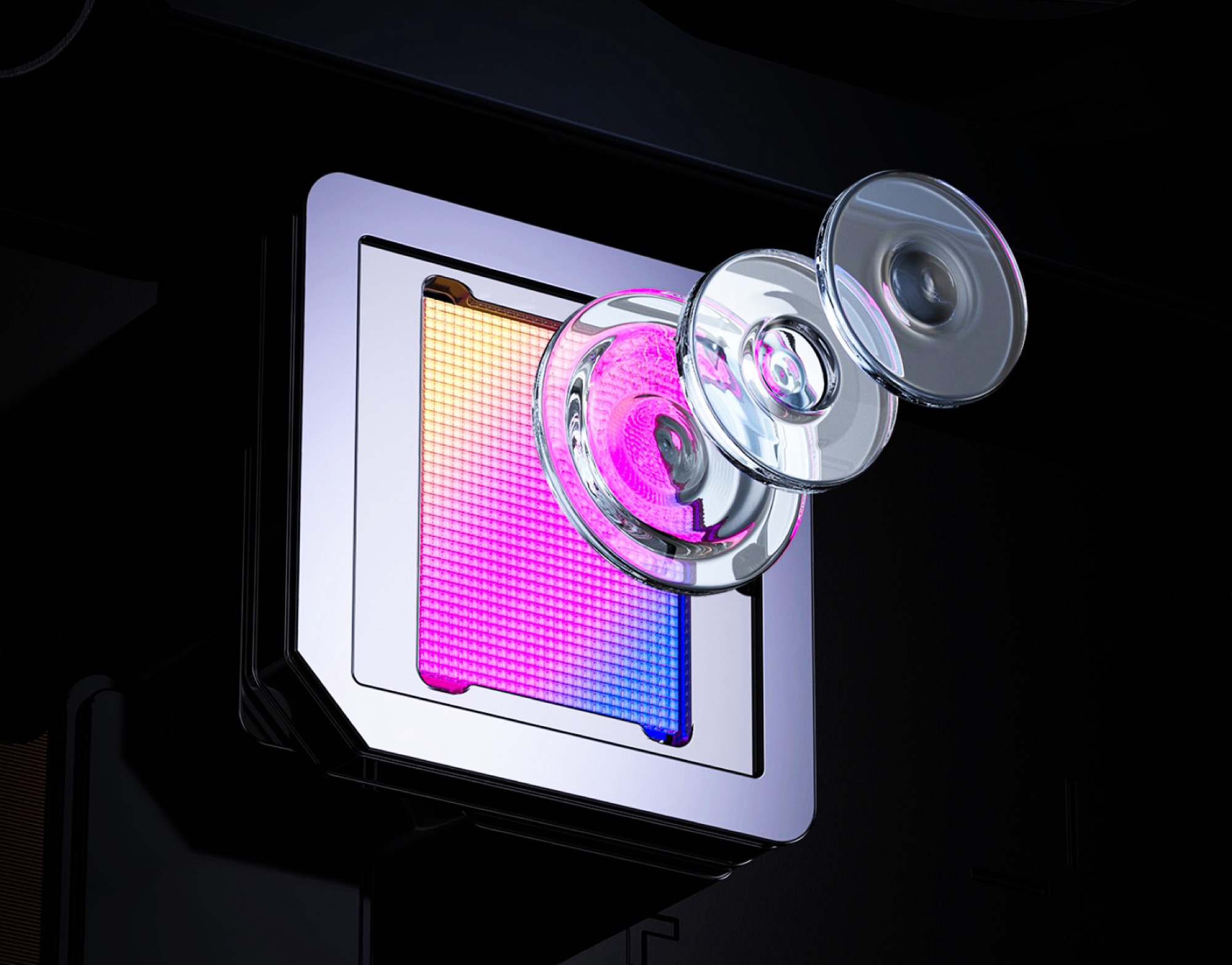
Smartphone cameras have become increasingly better over the past few years, not least because increasingly larger sensors have been installed in both mid-range and flagship smartphones. For example, the 50 megapixel main camera of the Samsung Galaxy A37 5G ($449 on Amazon) uses a 1/1.56 inch sensor instead of the 1/1.96 inch sensor used in the Galaxy A36 5G.
The leaker Fixed Focus Digital, who has often revealed correct information from the supply chain of smartphone manufacturers in advance, now suggests that this trend could be coming to an end. The demand for larger high-end sensors is said to be declining. Image quality is to be increasingly improved through even more intensive image processing instead of more expensive hardware. For example, a night mode is supposed to reduce image noise instead of using larger sensors with less noise, while the zoom of telephoto cameras is to be improved by artificial intelligence instead of elaborate periscope telephoto lenses.
This is likely to be another cost-cutting measure that is necessary due to the rapidly rising costs of RAM and NAND flash memory in order to avoid drastic smartphone price increases. The fact that prices will rise despite cost-cutting measures has already been observed in recent months, as smartphones such as the Honor 600 Pro or the Samsung Galaxy A57 5G are already significantly more expensive than their direct predecessors, while flagships such as the Vivo X300 Ultra are already scratching the $2,000 mark.
Source(s)
 Add as a preferred source on Google


