Microsoft releases new 13-inch laptop with 25% brighter display and up to 18 hours battery life
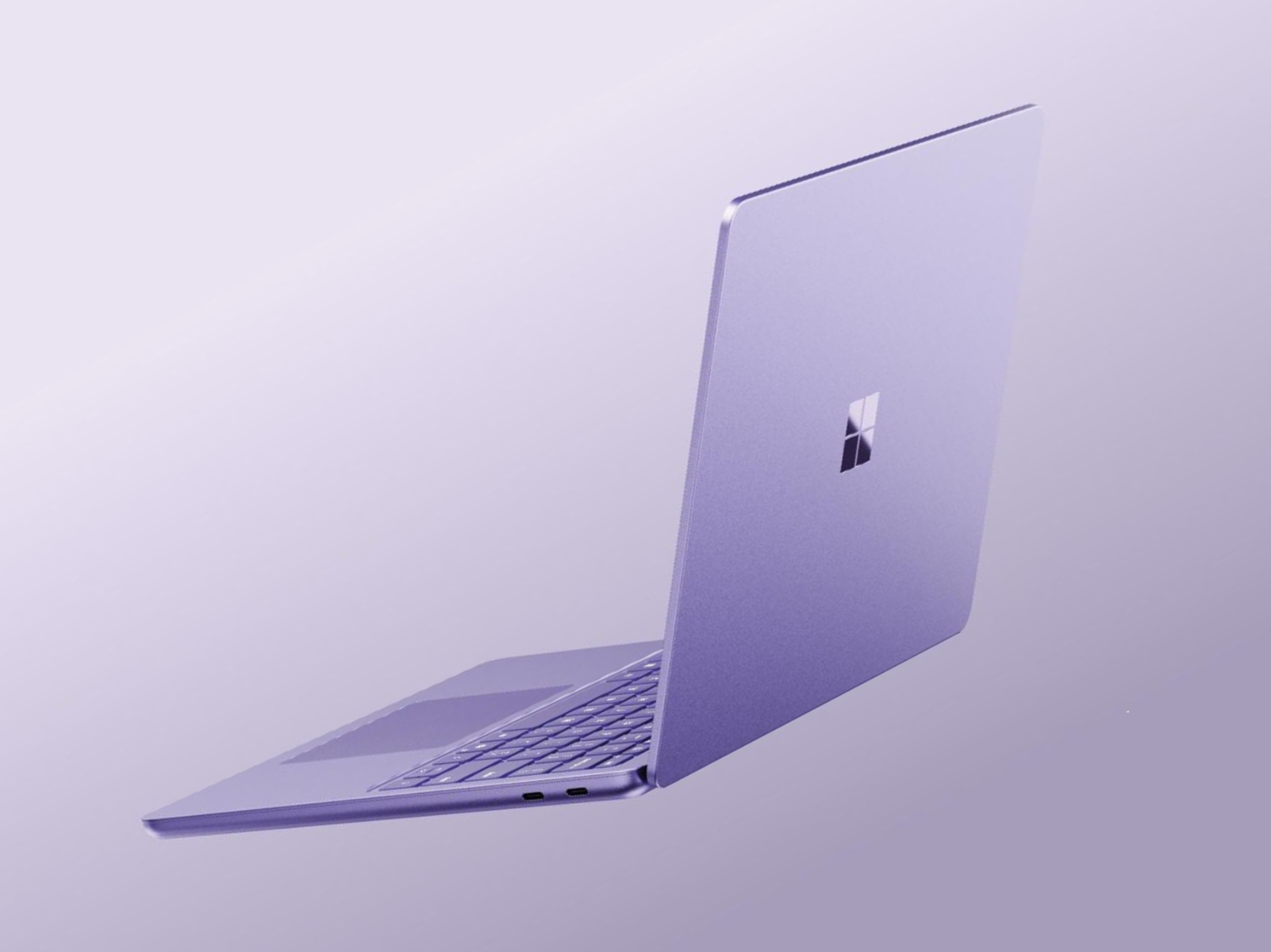
Today, Microsoft updated the Surface Pro 12-inch for a new generation of Qualcomm Snapdragon processors. Simultaneously, the company unveiled an accompanying Surface Mouse too. Also, it has introduced a new Surface Laptop 13-inch for the third time this year.
For context, the company released the Surface Laptop 13-inch 'for Business' with Intel's Panther Lake architecture in May. As we discussed at the time, this new model also added more RAM and a 25% brighter display than the Snapdragon X-based version we reviewed in 2025. Then a month later, it refreshed the latter with a cheaper 8 GB of RAM SKU (curr. $849 on Amazon).
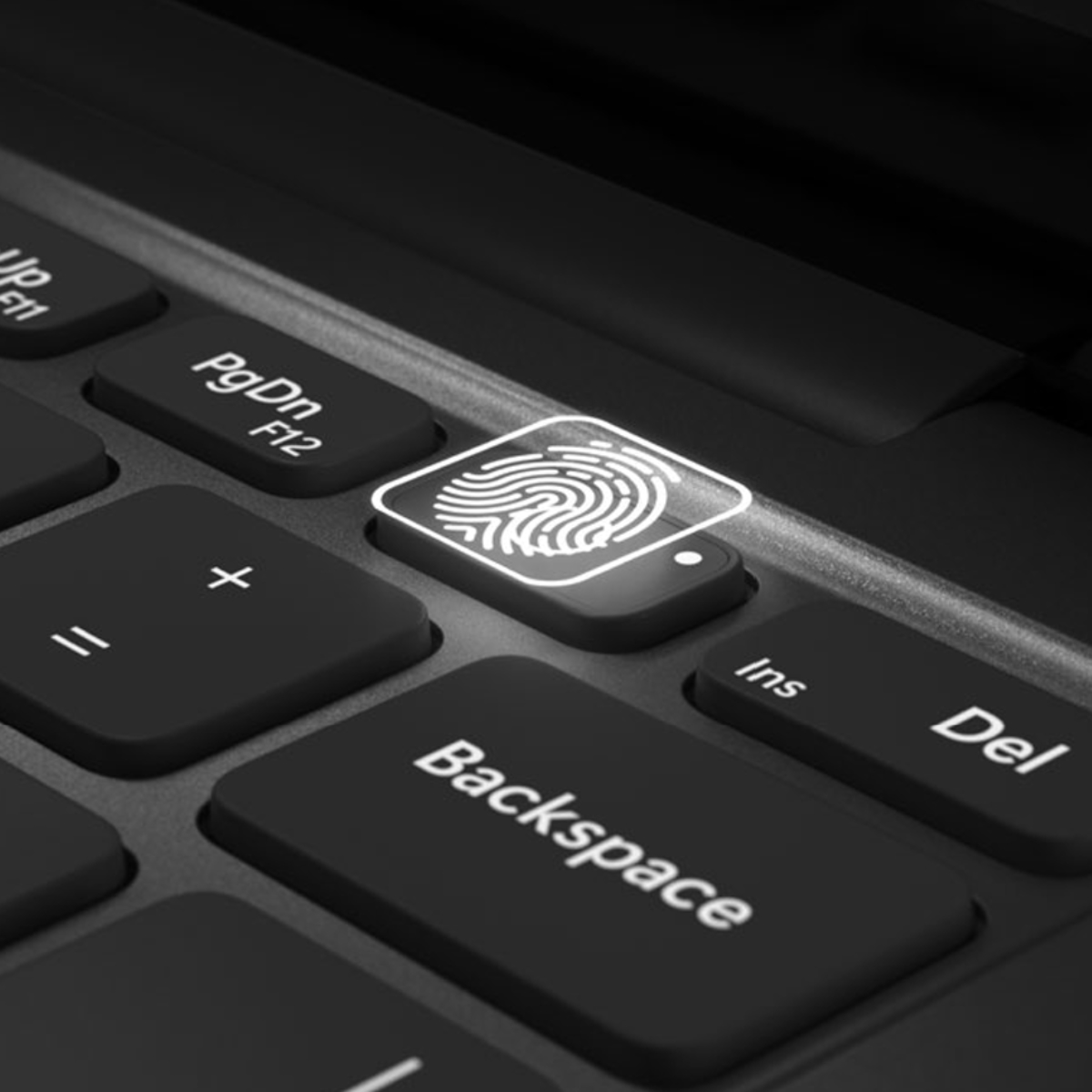
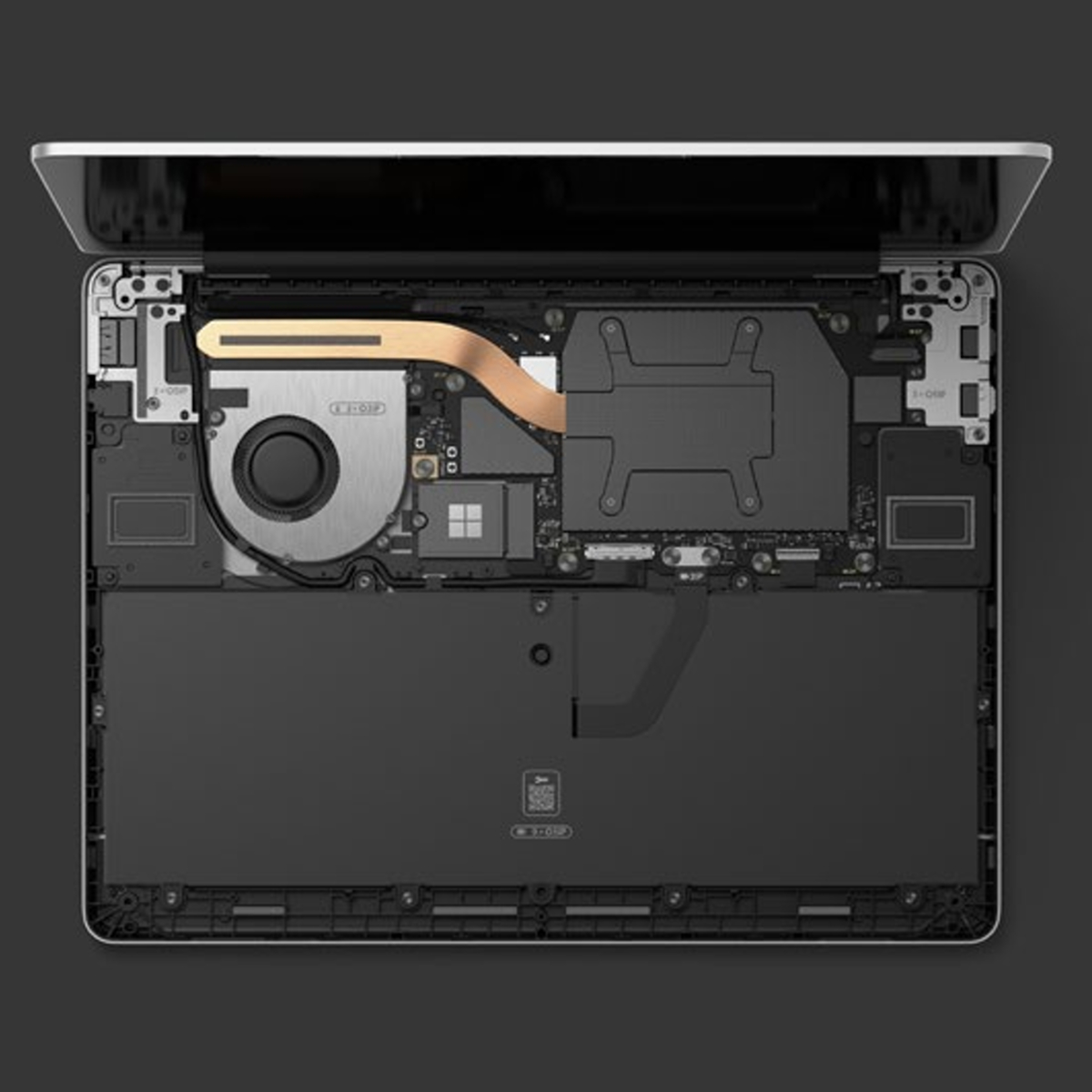
Now, Microsoft has brought some of these 'for business' upgrades to its consumer counterpart with the release of the Surface Laptop 13-inch (2nd Edition). Resolving at 1,920 x 1,280 pixels with a 178 PPI, this 3:2 IPS display boasts up to 500 nits peak brightness but persists with a 60 Hz refresh rate. Additionally, Microsoft has swapped in the Snapdragon X2 Plus X2P-42-100, a 6-core processor that outperforms the Core Ultra 5 325 and the Snapdragon X Plus X1P-42-100 found in older Surface Laptop 13-inch models.
Moreover, official battery life estimates have increased by 12.5% to 18 hours of active web usage. For reference, the new Snapdragon X2-based model boasts 28% longer runtimes than its Intel Panther Lake counterpart, too. Also, Microsoft's new 13-inch laptop contains Bluetooth 5.4 and Wi-Fi 7 connectivity, as well as USB 3.2 Type-A, USB 3.2 Type-C and 3.5 mm jack connections.
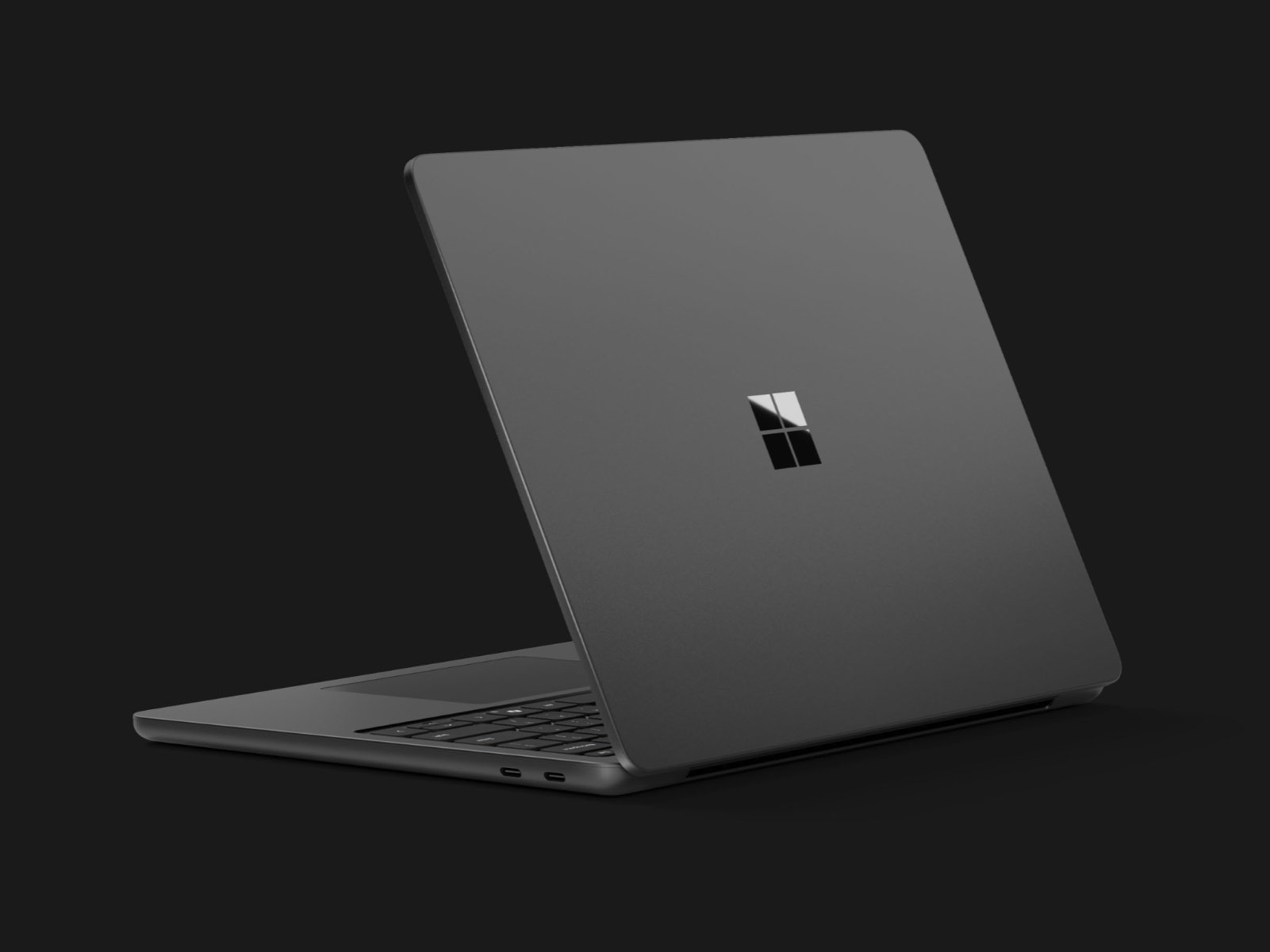
The Surface Laptop 13-inch (2nd Edition) starts at $1,199 with 16 GB of LPDDR5X RAM and 256 GB of M.2 2230 UFS storage. Please note that the latter remains user-upgradeable with support for PCIe 4.0 drives. Alternatively, Microsoft will sell its new 13-inch laptop with 24 GB of RAM and 512 GB of storage, plus a choice of Black, Platinum and Violet colours. The Surface Laptop 13-inch (2nd Edition) will be available starting October 13.
Source(s)
Microsoft (via press release)
 Add as a preferred source on Google