




Lenovo’s upcoming Legion tablet has a massive cooling system for its overclocked Snapdragon 8 Elite Gen 5 chip
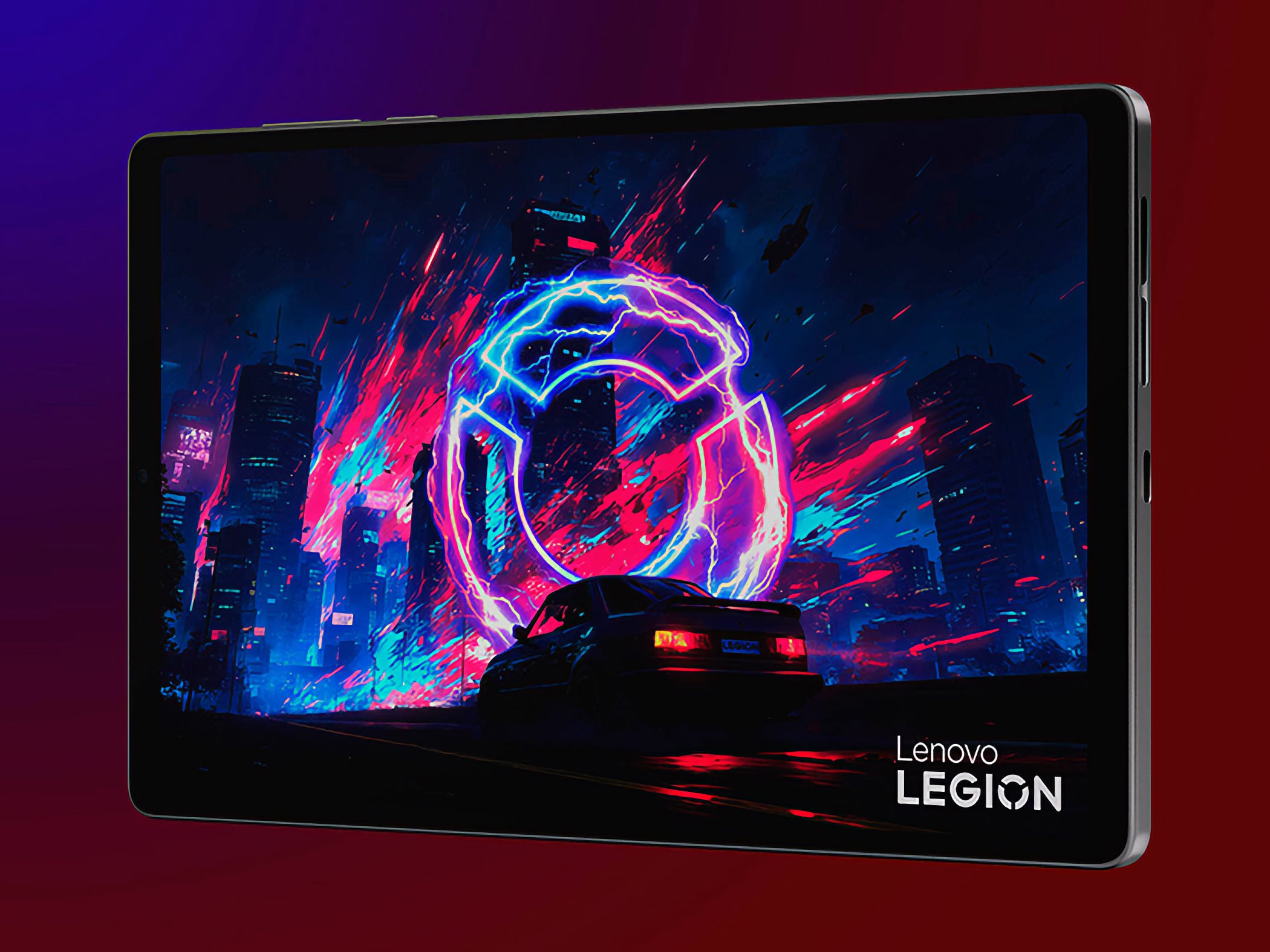
Lenovo is gearing up to launch a new Legion Android gaming tablet in August. Dubbed the Legion Y700 Infinite, the new tablet appears to be a compact, more powerful variant of the Legion Y700 (known globally as the Legion Tab Gen 5). We already know quite a bit about the upcoming gaming tablet, and now the Chinese OEM has revealed more about the tablet's thermal design.
In a recent Weibo post, Lenovo confirmed that the Legion Y700 Infinite will come equipped with a large 15,000mm² vapor chamber for more effective heat dissipation. This was to be expected, given that the Y700 Infinite will pack an overclocked variant of Qualcomm's flagship Snapdragon 8 Elite Gen 5, and should help keep the excess heat generated by the power-hungry processor in check. For reference, the 8.8-inch Legion Y700 / Legion Tab Gen 5 (curr. $700 on Lenovo.com) features a slightly larger 17,353mm² vapor chamber.

Lenovo is also promising that the tablet will not get too hot to handle during intensive gaming, thanks to the centrally-mounted cooling architecture, which positions the processor in the center of the chassis, away from where users naturally hold the tablet and prevents excess heat build-up around the edges. The infographic posted by the company mentions that the centrally located passive cooling system keeps the grip area 4°C cooler when compared to a Snapdragon 8 Elite Gen 5-powered phone with an active cooling system.
Previously released teasers have confirmed that the Legion Y700 Infinite will pair the overclocked 4.74GHz Snapdragon 8 Elite Gen 5 with LPDDR5T memory and UFS 4.1 Pro storage. The tablet is also expected to feature an 8-inch high refresh rate OLED panel (a step up from the 8.8-inch IPS LCD on the standard Y700 / Gen 5), up to 24GB of RAM and 1TB of storage, a 50MP rear camera with RGB ring light, and 5G connectivity with dual-SIM support. Lenovo is expected to unveil the Legion Y700 Infinite in China sometime next month, with a global launch likely to follow.

Source(s)
 Add as a preferred source on Google


